
- Overview
- Full Itinerary
- Photo Gallery
- Costing
- Travel Details
- Trip Reports
- Guides
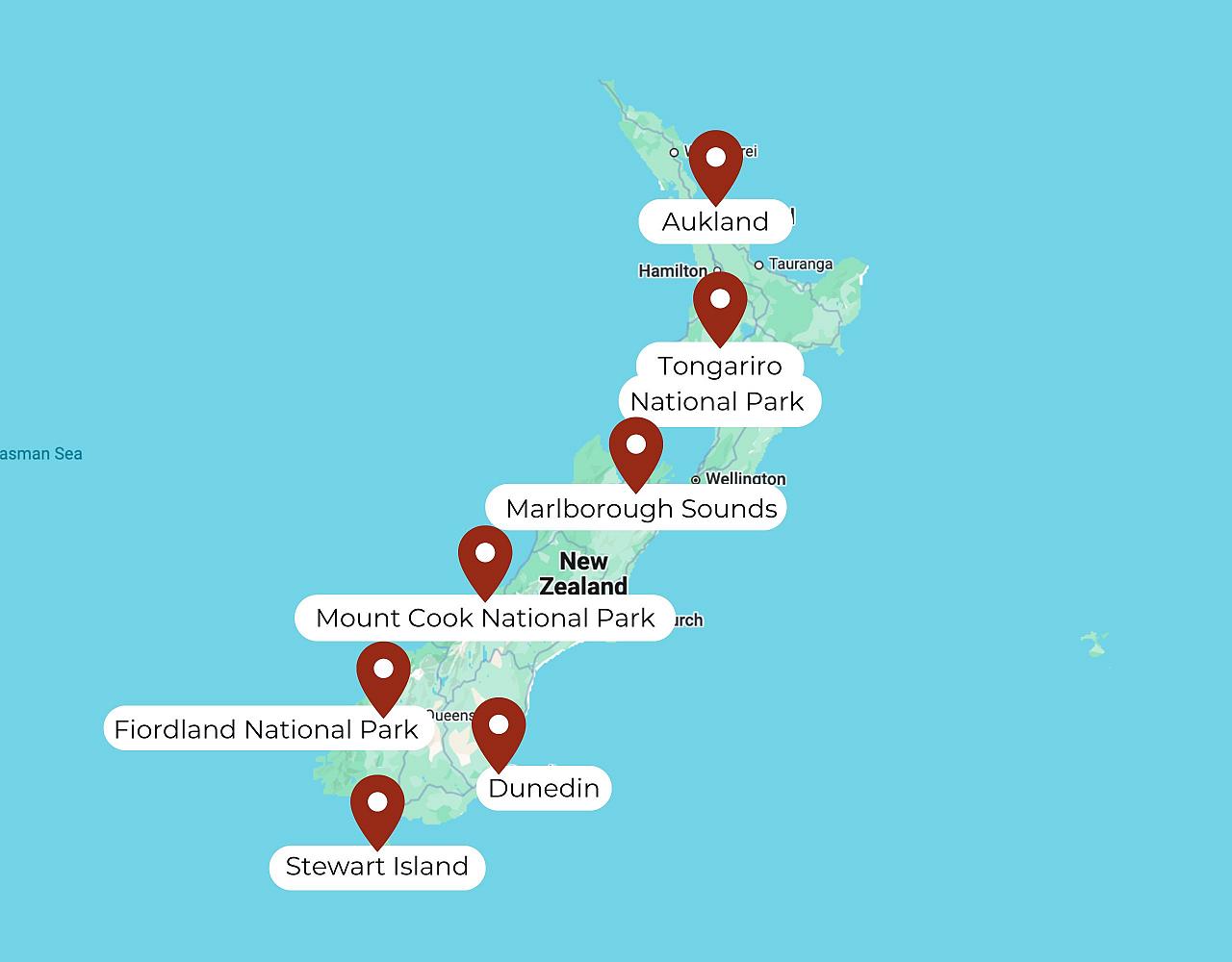
- Map
- Know Before You Go
Discover the nature of New Zealand, a country of lush valleys, soaring peaks, white beaches, and turquoise lakes. Scenery is a true highlight of this tour; however New Zealand’s wildlife is sure to inspire both nature enthusiasts and birders alike. The conservation story and determination of New Zealanders to protect their heritage is inspiring.
Enjoy delightful lodgings and delicious dining options as we explore both the North and South Islands. Immerse yourself in steamy rainforests, embark on boat and ferry trips teeming with seabirds and marine life, hike in awe-inspiring mountain settings, and sense the great spiritual significance of the Maori people. It’s a magical trip in many ways, a blend of scenic beauty our everyday backdrop to finding endemic birds, including some of the flightless kiwis. For many it will be a first trip to the Oceania ecoregion and the first time to explore the micro-continent of Zealandia.
We’ve carefully crafted a thorough trip to the North and South Islands to cover a good majority of species.
Tour Highlights
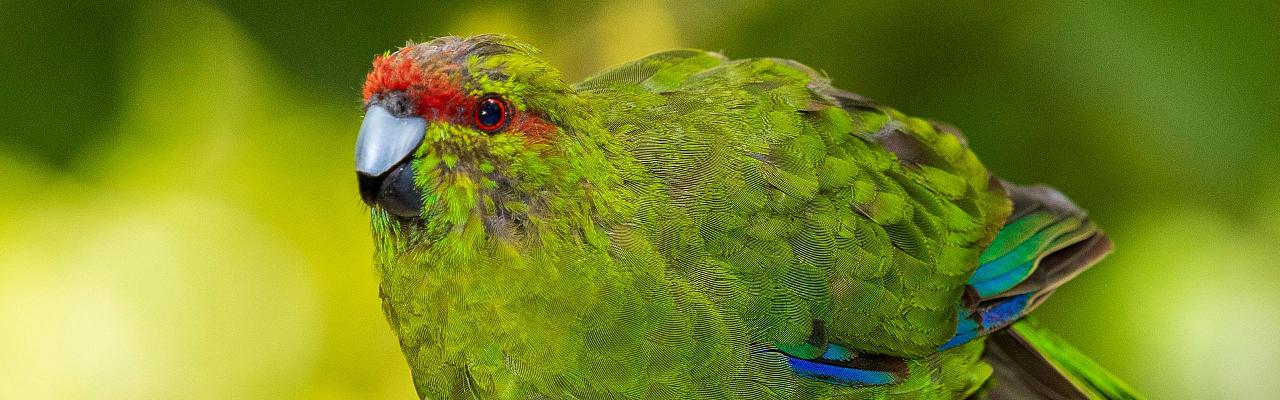
- Visit Tiritiri Matangi Island in search of rare species like the North island Saddleback, Stitchbird, Whitehead, and Red-crowned Parakeet
- Discover Miranda Wildlife Sanctuary, home to excellent active shell chenier plains and plentiful sea and shorebirds
- Experience the haunting call of the endangered North Island Kokako in the misty rainforest of the central North Island
- Embark on a three-hour ferry crossing to the South Island—not nearly long enough for all the wildlife watching from the deck!
- Cruise the Marlborough Sounds, listening for Orange-fronted Parakeet and watching for Hector’s Dolphin
- Discover Kaikoura and enjoy an unrivalled seabird excursion this morning. On a free afternoon; stroll the peninsula, take a whale watching trip, or browse shops
- Walk amongst the spectacular landscapes of Arthur’s Pass National Park.
- Take a charming cruise around Taiaroa Head, the only mainland breeding site of Northern Royal Albatross
- Explore Steward Island and search for Stewart Island Kiwi in their natural habitat
Trip Itinerary
Itineraries are guidelines; variations in itinerary may occur to account for weather, road conditions, closures, etc. and to maximize your experience.
Tues., Jan. 12 Main Tour Begins – Welcome to Auckland!
Meet your Naturalist Journeys’ and our local partner company’s guide for lunch in central Auckland. Please take a taxi from the airport; they are readily available for the ride into the central city. After a lunch meet-up hosted by Naturalist Journeys, we head out for a sample adventure—if you are just arriving and tired from travel you can opt out as needed, but it is a beautiful place to start!
Auckland is an area characterized by water, volcanoes, and islands. We escape from the bustle of the city to enjoy a gentle introduction to the West Coast, and to watch Australasian Gannet soaring in towards their dotted rock outcrop colonies.
Stay at the Whangaparaoa Lodge for two nights (L,D)
Wed., Jan. 13 Tiritiri Matangi Island | Auckland
Tiritiri Matangi is an island sanctuary in the Hauraki Gulf, just north of Auckland. Many of New Zealand’s rare and endangered species now only remain on islands such as this, as the habitat can be protected from the ravages of rats, possums, and stoats. Tiritiri Matangi is the site of an ambitious restoration project started 17 years ago, and already the fruits of many people’s efforts are being appreciated by many. We have a day on this picturesque island to enjoy birdsong in regenerating forest, including that of re-introduced rare species such as the Saddleback, Stitchbird, Whitehead, and Red-crowned Parakeet. Also on the island are the unique Takahe and Brown Teal.
Sailing by ferry to the island Australasian Gannet, Black Petrel, Cook’s Petrel, and Buller’s Shearwater may pass us.
Dinner tonight is at leisure, and there are multiple places to choose from in walking distance from the hotel. Take the evening to rest up after a full day!
Return to the Whangaparaoa Lodge (B,L)
Thurs., Jan. 14 Depart Auckland | Miranda Wildlife Sanctuary (Shorebirds Galore!)
Within an hour’s drive southeast of Auckland lies Miranda Wildlife Sanctuary, a fine feeding ground for many wading birds, which migrate from the tundra of the arctic regions for the northern winter. Among the thousands of Bar-tailed Godwits on the shell banks or silt flats, we may view many Red Knots and South Island Pied Oystercatchers, the rare endemic Wrybill, the endangered New Zealand Dotterel, Far Eastern Curlew, Whimbrel, several Sandpipers, Caspian Tern, Little Tern, and Sacred Kingfisher.
Later this morning, we travel towards Lake Rotorua, where New Zealand Grebe, New Zealand Scaup, and Little Black Cormorant are often feeding or roosting. Rotorua is situated in the central plateau of the North Island, a region of much geothermal activity. We take a walk through the Waimangu Volcanic Valley, an unspoiled, protected area featuring the world's largest hot spring.
Stay Rydes Rotorua, Rotorua (B,L,D)
Fri., Jan. 15 Pureora Forest Park | Tongariro National Park
This morning we have a dawn start, to experience the haunting call of the endangered North Island Kokako in its natural, misty rainforest environment. Pureora Forest Park contains one of the finest areas of podocarp forest in the country, as well as a large variety of native invertebrates, like the curious Peripatus, and numerous birds. We will have most of today to gain more insight into the nature and conservation of this special forest, and to enjoy the sounds of the New Zealand Kaka, Yellow-crowned Parakeet, Tomtit, New Zealand Robin, Long-tailed Koel, New Zealand Falcon, Whitehead, and Grey Warbler.
Later, our day winds up in Tongariro National Park. On the rivers running off the volcanoes a small number of the endangered Whio, or Blue Duck survive. Today we shall also make a special trip to search for these birds.
Accommodations at Skotel, Whakapapa one night (B,L,D)
Sat., Jan. 16 Mt. Ruapehu, North Island | Ferry Crossing to South Island
Morning walk amongst sub-alpine forest and tussocklands on the slopes of Mt. Ruapehu, the North Island’s highest peak. A longer day today as we travel to Wellington and cross to the South Island. En route to Wellington we shall deviate to the Foxton Estuary with opportunities for Pacific Golden Plover, and Royal Spoonbill.
Our journey continues southwards through to Wellington, where we embark on an evening ferry crossing to the South Island. Three hours, however, is at times not enough for all the wildlife watching to be done! Wandering and White-capped Albatrosses often pass by, as do Northern Giant Petrels, Arctic Skuas, and many shearwaters. Towards the entrance to the Marlborough Sounds can often be seen Little Blue Penguins, Spotted Shags, and sometimes dolphins.
Purchase dinner tonight as we go as we are on inter-island ferry.
Accommodations at the Picton Beachcomber Hotel, Picton (B,L)
Sun., Jan. 17 Marlborough Sounds Boat Cruise
The waters and inlets of the Marlborough Sounds will be our playground this morning. The cruise vessel carries us through Queen Charlotte Sound to a small rocky islet, where a small colony of the rare King Shag breeds and roosts. There may also be an opportunity to listen for the endangered orange fronted parakeet on one of the sound’s predator free islands. Before returning to Picton, we land to introduce ourselves to the curious Weka.
Mid-afternoon sees us heading south down the east coast to Kaikoura, where we stay for two nights.
Accommodations at White Morph Inn, Kaikoura (B,L,D)
Mon., Jan. 18 Kaikoura Seabird Cruise
Kaikoura is a breath-taking place where snow-iced mountains reach down to a turquoise sea. The continental shelf drops abruptly very close to shore, resulting in upwellings of nutrients from the sea’s depths, attracting a rich and abundant marine life. An excellent opportunity for bird lovers and generalists alike is a seabird excursion, where one can see flocks of cawing albatrosses (4-5 species), and numerous petrels and shearwaters, just meters from the boat.
In the afternoon we are at leisure to stroll on Kaikoura Peninsula, or you may opt to go out for a second pelagic or join a whale watching excursion for Sperm Whales. Meals today are flexible as you choose your adventure for the day.
Accommodations at White Morph Inn, Kaikoura - Lunch and Dinner are at leisure in this delightful town (B)
Tues., Jan. 19 Canterbury Plains | Southern Alps
Depart Kaikoura and travel south to cross the Canterbury Plains. Now one of New Zealand's most intensive agricultural regions the plains run down from the foothills to the central Southern Alps. Nestled between two passes, Porter’s and Arthur’s, lies the Craigieburn Range and the renowned Castle Hill Basin. We walk amidst the limestone formations that make up this basin. Later our destination is the Arthur’s Pass Wilderness Lodge, set amidst a delightful mix of high-country beech forest and tussocklands, and a working sheep farm.
Accommodations at Arthur’s Pass Wilderness Lodge (B,L,D)
Wed., Jan. 20 Arthur’s Pass Wilderness Lodge | Mountains & Lakes
We enjoy a day amidst the Mountain Beech Forests and braided rivers of the upper Waimakariri Valley. The Moa Forest discovery morning involves no driving from the Lodge for those who want a “no driving” morning. A relaxed and fascinating discovery of a “micro world” of riverbed, rock bluff, shrubland, beech forest plants and animals.
Lunch in the Mt Rolleston Restaurant. An afternoon guided excursion is available for this wishing to explore further the mountains and lakes near the lodge.
Accommodations at Arthur’s Pass Wilderness Lodge (B,L,D)
Thurs., Jan. 21 Lake Tekapo | Mount Cook National Park | Mackenzie Country
Cross back onto the Canterbury Plains and head south over Burkes Pass. As we wind across the foothills, with snow-capped mountains in the background, we overlook the vivid turquoise waters of Lake Tekapo and other large glacial lakes. After some birding we continue on to the Mackenzie Country Hotel.
Accommodations at the Alps Apartments Motel, Twizel (B,L,D)
Fri., Jan. 22 Braided Rivers | Mount Cook National Park
The braided rivers in this region are the habitat of the endangered Black Stilt, and we look also for Double-banded Plover and a range of inland waterfowl. Later today we travel up the Aoraki (Mount Cook National Park). Walk amidst the alpine splendor, search for the rare New Zealand Falcon, and take further opportunities to look for Black Stilt and Wrybill on their breeding grounds.
Accommodations at the Alps Apartments Motel, Twizel (B,L,D)
Sat., Jan. 23 Central Otago | Ferry to Stewart Island | Brown Kiwi Outing
This morning we depart the arid Mackenzie Country for Invercargill. Late this afternoon we take the ferry across to Stewart Island, watching for seabirds as we go. Settle into our lodgings and do some local birding. Dinner is at the lodge. Plan on an evening trip to view Stewart Island Kiwi on one of our two evenings here.
Accommodations at South Seas Hotel next two nights (B,L,D)
Sun., Jan. 24 Paterson Inlet | South Pacific Seabirds
A day marine charter to Paterson Inlet and into the South Pacific invigorates us with opportunities to observe a rich diversity of seabirds. Among the bays of the inlet we scan for two very rare penguin species: the Yellow-eyed Penguin and the Fiordland Crested Penguin. Out at sea we may encounter several species of albatross, including White-capped, Black-browed and Buller’s, and the Southern Giant Petrel, Brown Skua, and Broad-billed Prion. We are also likely to come across large flocks of Sooty Shearwater, which breed nearby on the small outer islands. A treat awaits us on Ulva Island, a bird sanctuary rich in lush podocarp forest, and ringing with the songs of the New Zealand Kaka, Tui, New Zealand Bellbird, and the rare Red-crowned Parakeet. The Stewart Island Weka is also a popular resident.
Accommodations at South Seas Hotel (B,L,D)
Mon., Jan. 25 Fiordland National Park
Back on the mainland, we are enticed by the glacially sculptured mountains and valleys of Fiordland National Park. We enjoy the afternoon in the wonderful beech forests of the Eglinton Valley. This forest is home to Long-tailed Koel, Yellow-crowned Parakeet, Brown Creeper, and Mohua/Yellowhead and provides an excellent opportunity for final views of New Zealand forest birds. Today is a full field day with picnic or local lunch.
Dinner and checklist tally tonight are at our hotel.
Accommodations at the Distinction Luxmore Hotel, Te Anau (B,L,D)
Tues., Jan. 26 Milford Sound
After breakfast at the hotel, we head out for a day excursion to Milford Sound. A drive to the Hollyford Valley delights us with mountain scenery. In this valley we seek out some endemic species, including the ubiquitous and cheeky Kea, and the elusive Rock Wren. We have lunch along the way.
Mid-afternoon we hope for good weather and a tour highlight—a grand finale cruise on famous Milford Sound. We then return for dinner and our checklist tally.
Accommodations at the Distinction Luxmore Hotel, Te Anau (B,L,D)
Wed., Jan. 27 Southeastern Coast | Dunedin | Harbor Cruise
Cross the southern South Island , arriving in Dunedin, New Zealand’s “wildlife capital”, in the early afternoon.
A charming harbor cruise will take us around Taiaroa Head, the only mainland breeding site of Northern Royal Albatross. With a wingspan of three meters, these seabirds are certainly impressive, soaring over cliffs dotted with nests of Spotted Shags and the rare Stewart Island Shags. Past rocky shelves of lounging fur seals we will sail, on our way back down the harbor towards the central city. Indeed, a magical wildlife experience, drawing to a close our rich and diverse discovery of New Zealand’s native treasures.
Accommodations in the Heritage Leisure Lodge, Dunedin. (B,L,D)
Thurs., Jan. 28 Departures
While you can depart today at leisure, we suggest you book flights out in the afternoon, so we have a morning backup if weather precludes our harbor cruise the afternoon prior. This is up to you, but if it works for your outbound route, we suggest flights out after 3PM. We will make every effort to cruise the final afternoon, this morning is a weather backup. (B)
-
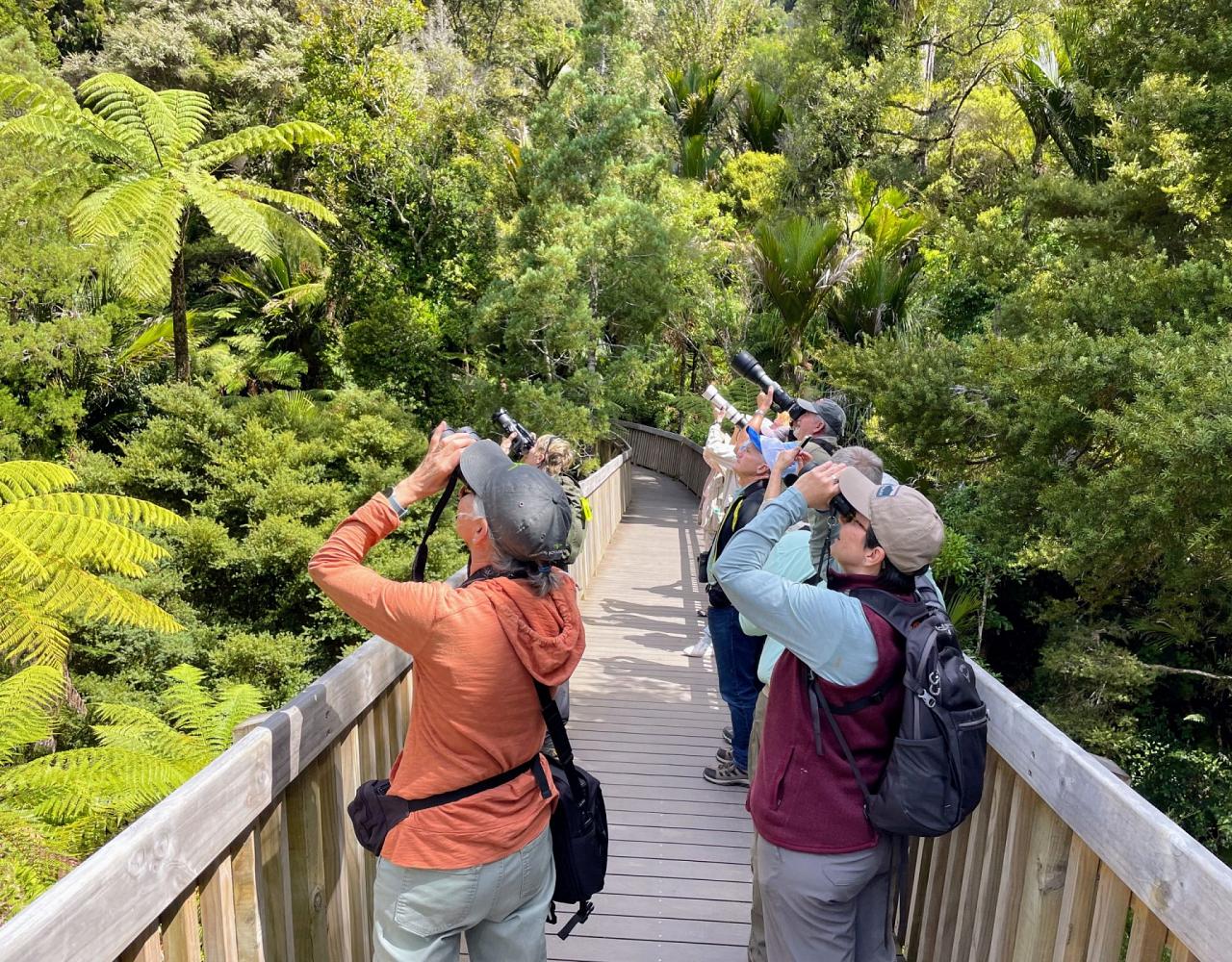
Group birding Cascade Kauri Park by Kent Skaggs
-
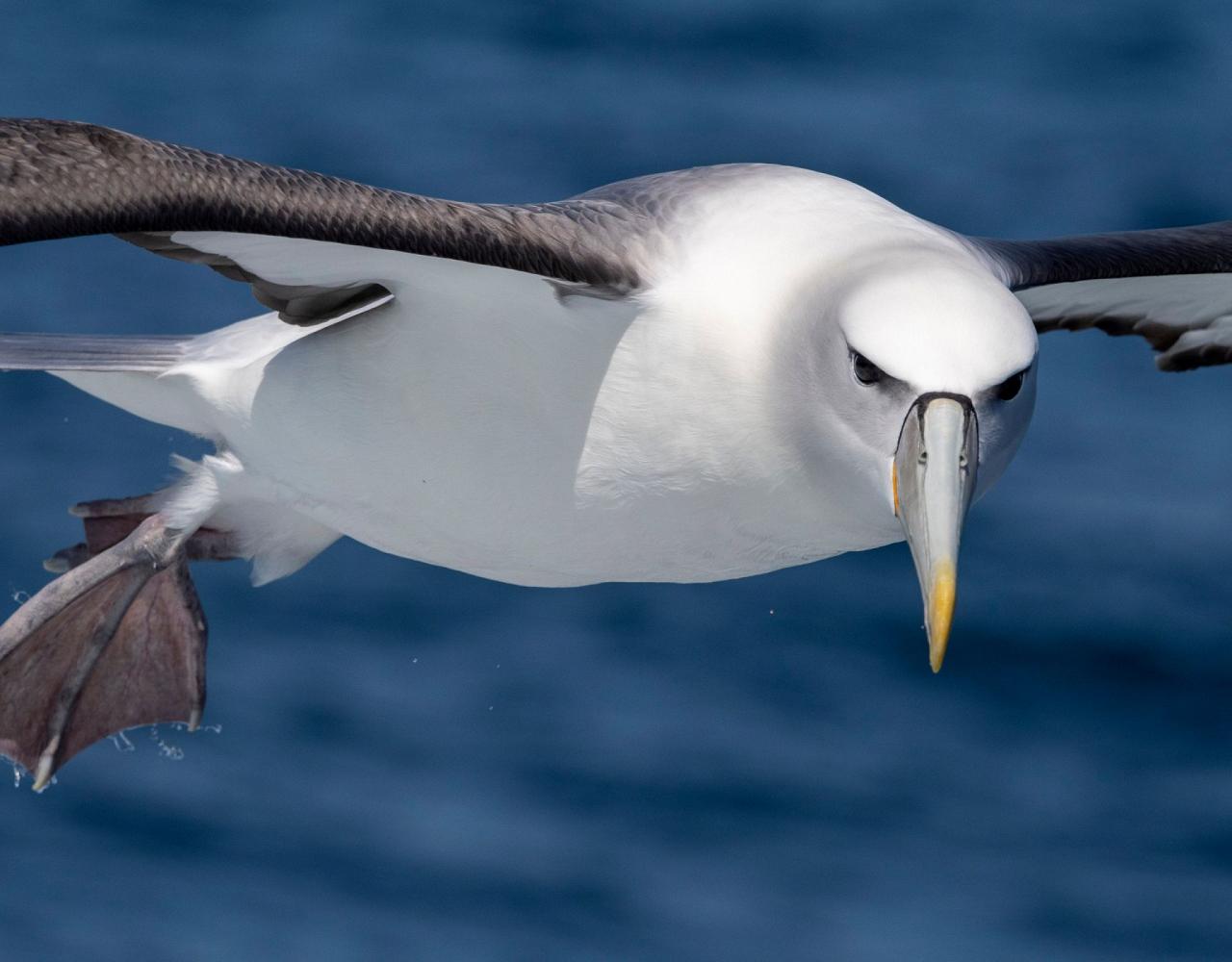
White-crowned Albatross by James Petersen
-
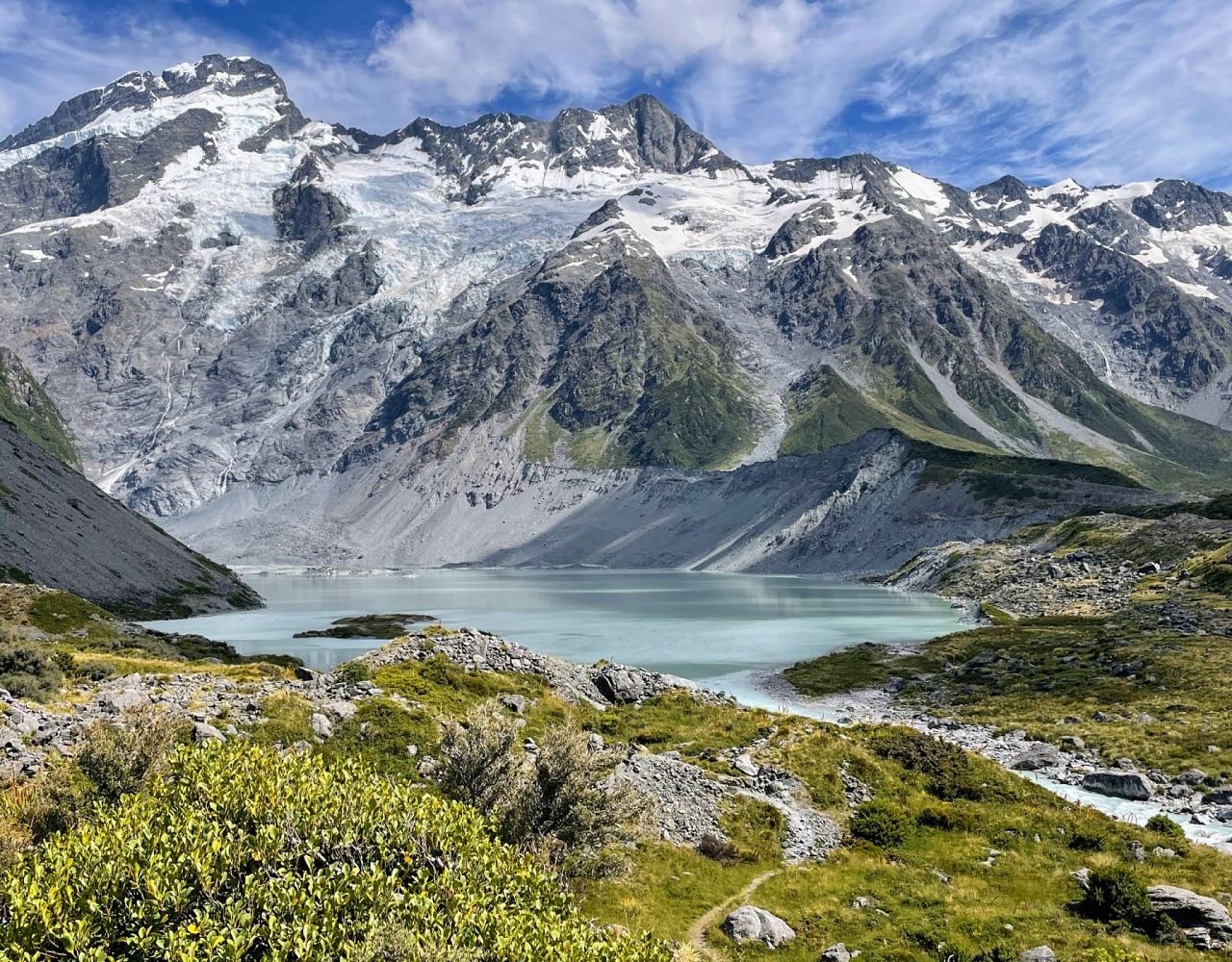
Mueller Lake, Mt. Cook National Park by Kent Skaggs
-
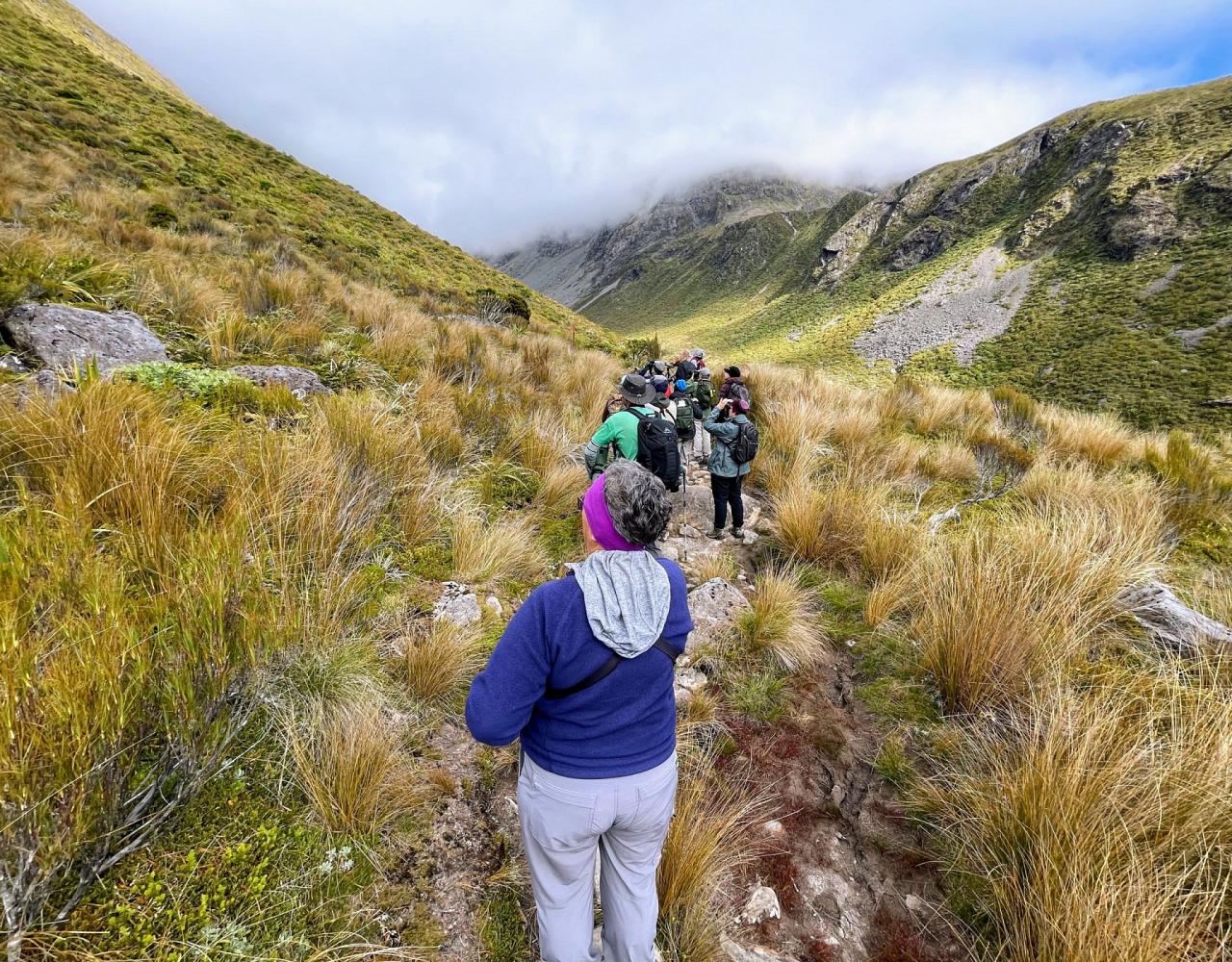
Otira Valley, Arthur's Pass National Park by Kent Skaggs
-
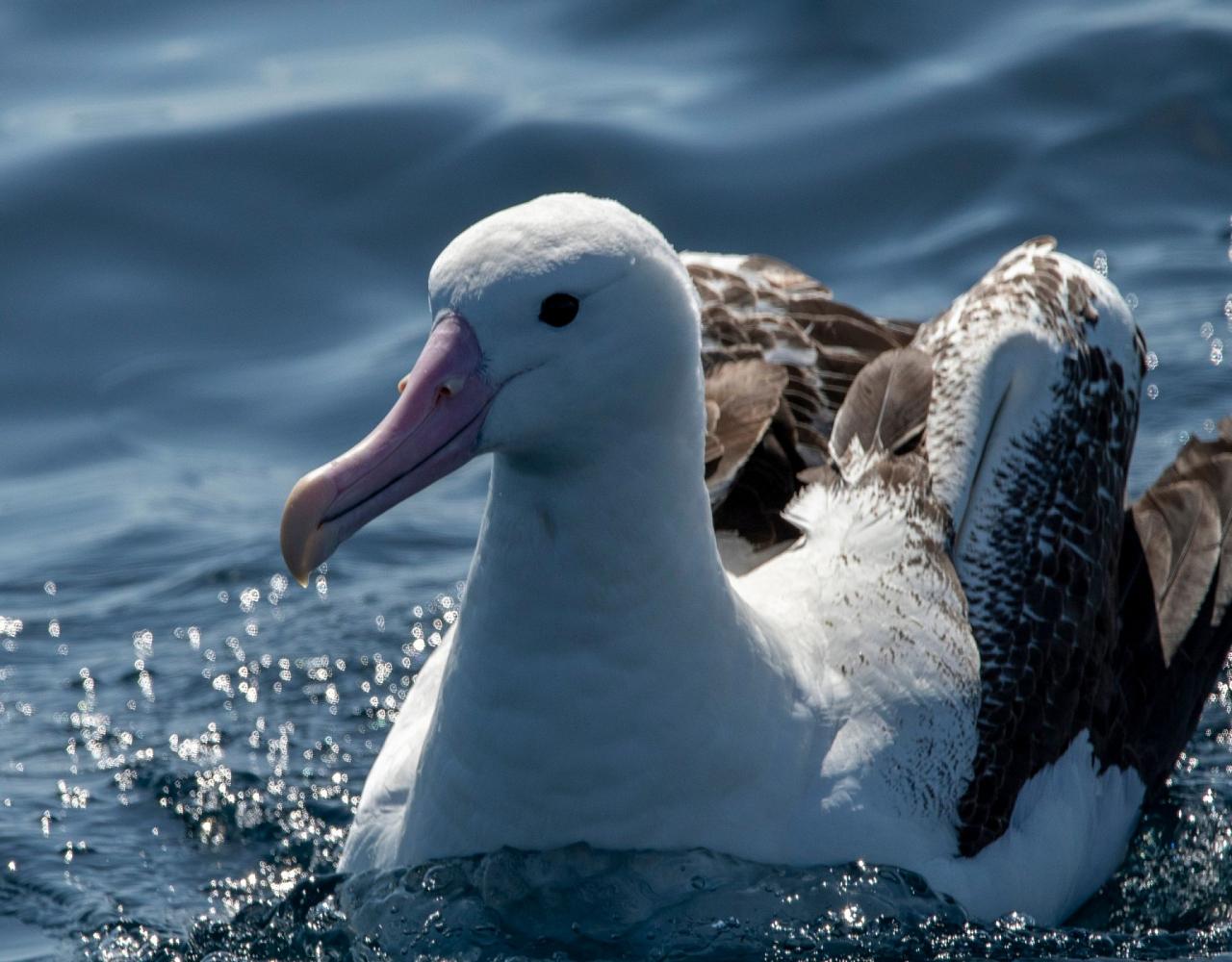
Southern Royal Albatross by James Petersen
-
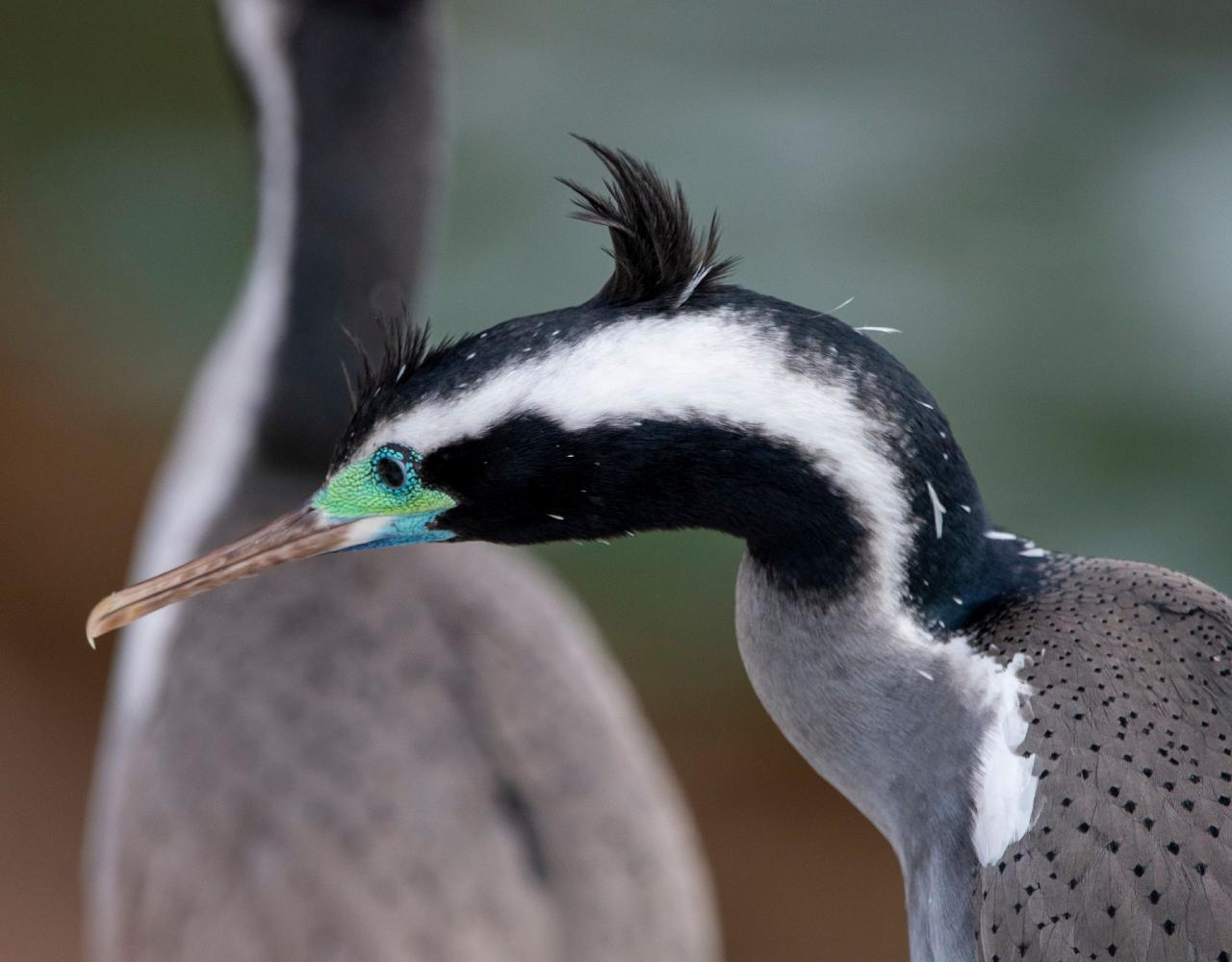
Spotted Shag by James Petersen
-
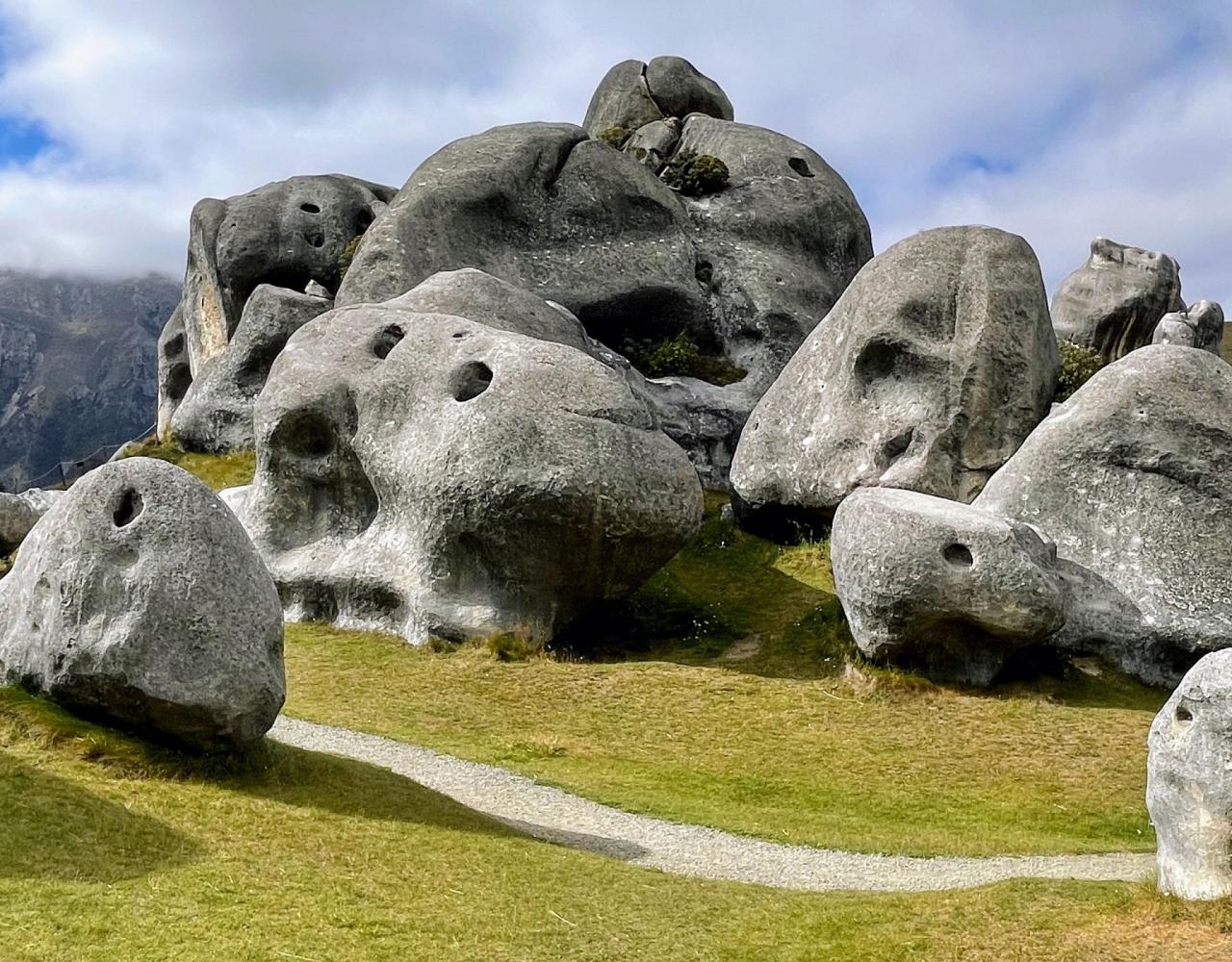
Kura Tawhiti/Castle Hill Conservation Area by Kent Skaggs
-
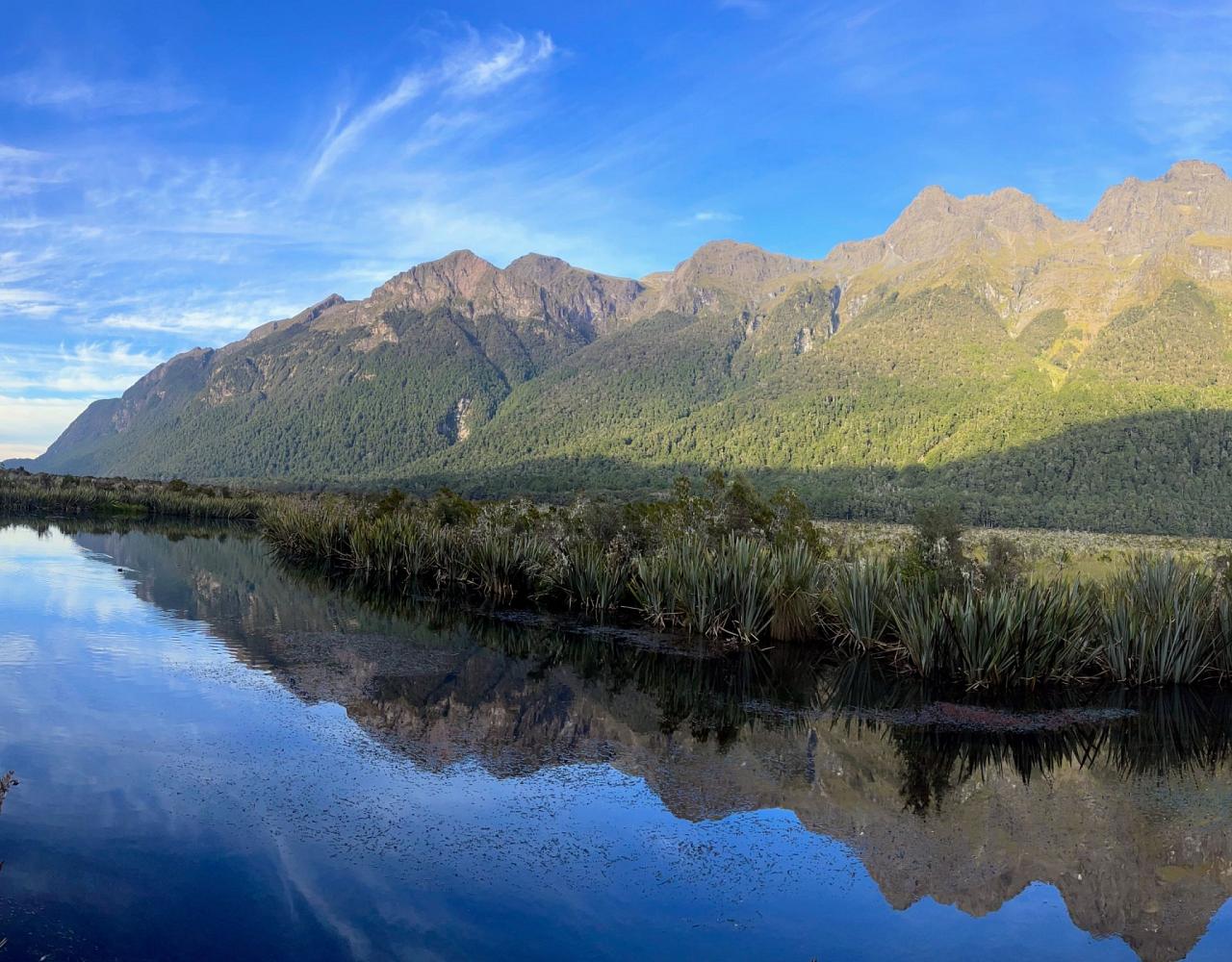
Mirror Lakes, Fiordland National Park by Kent Skaggs
-
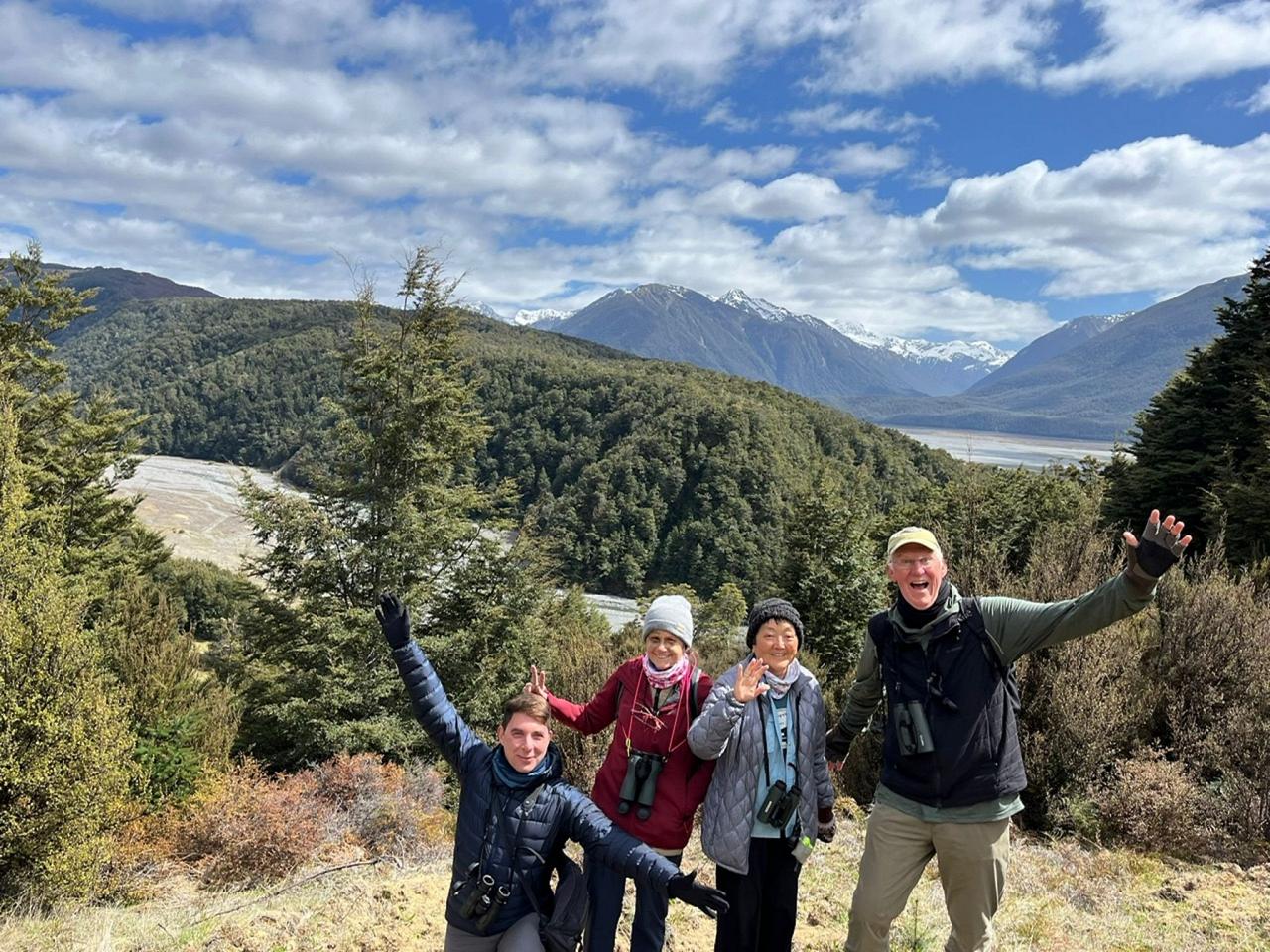
Group Near Mount Cook by Carlos Sanchez
-
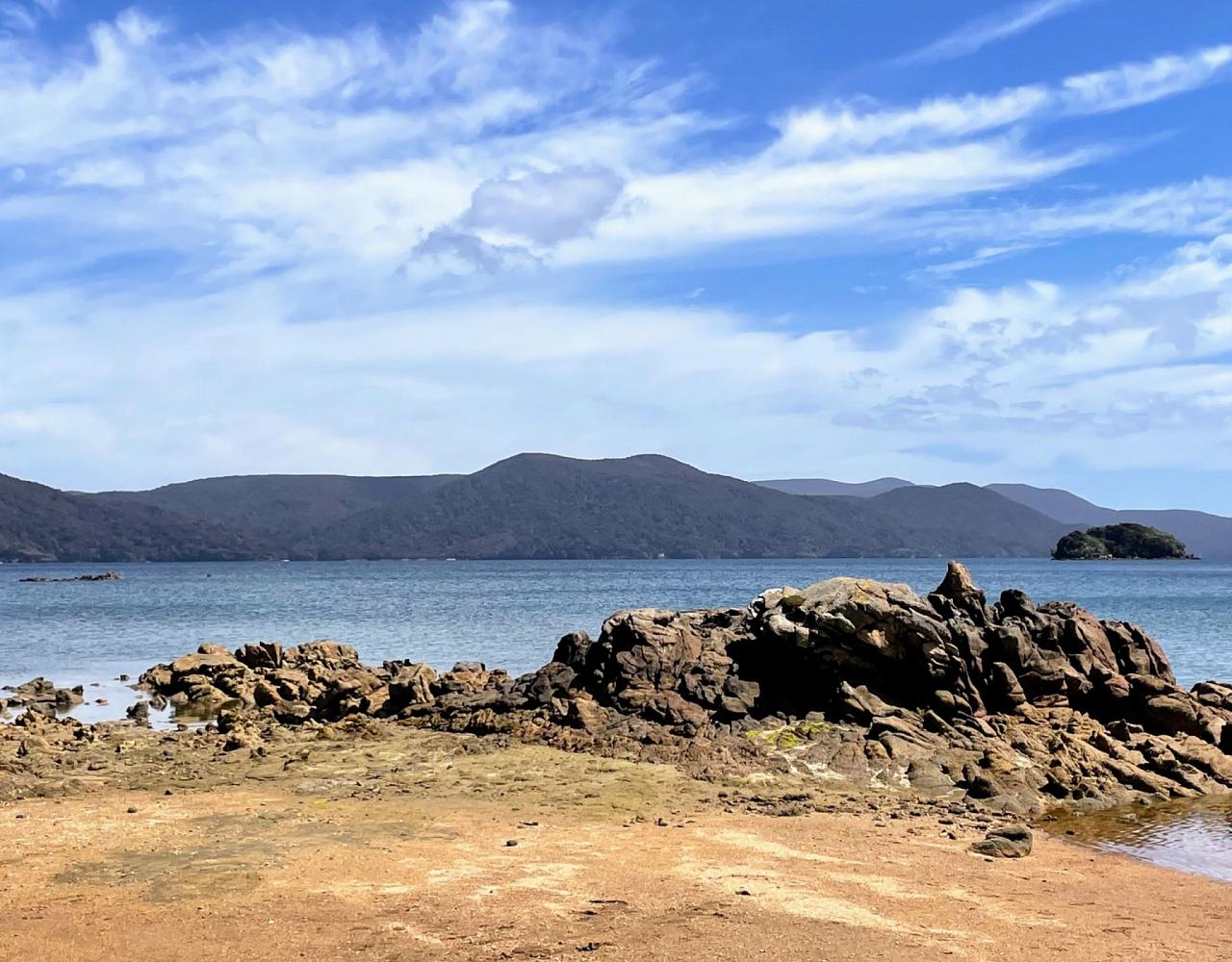
Boulder Beach, Ulva Island by Kent Skaggs
-
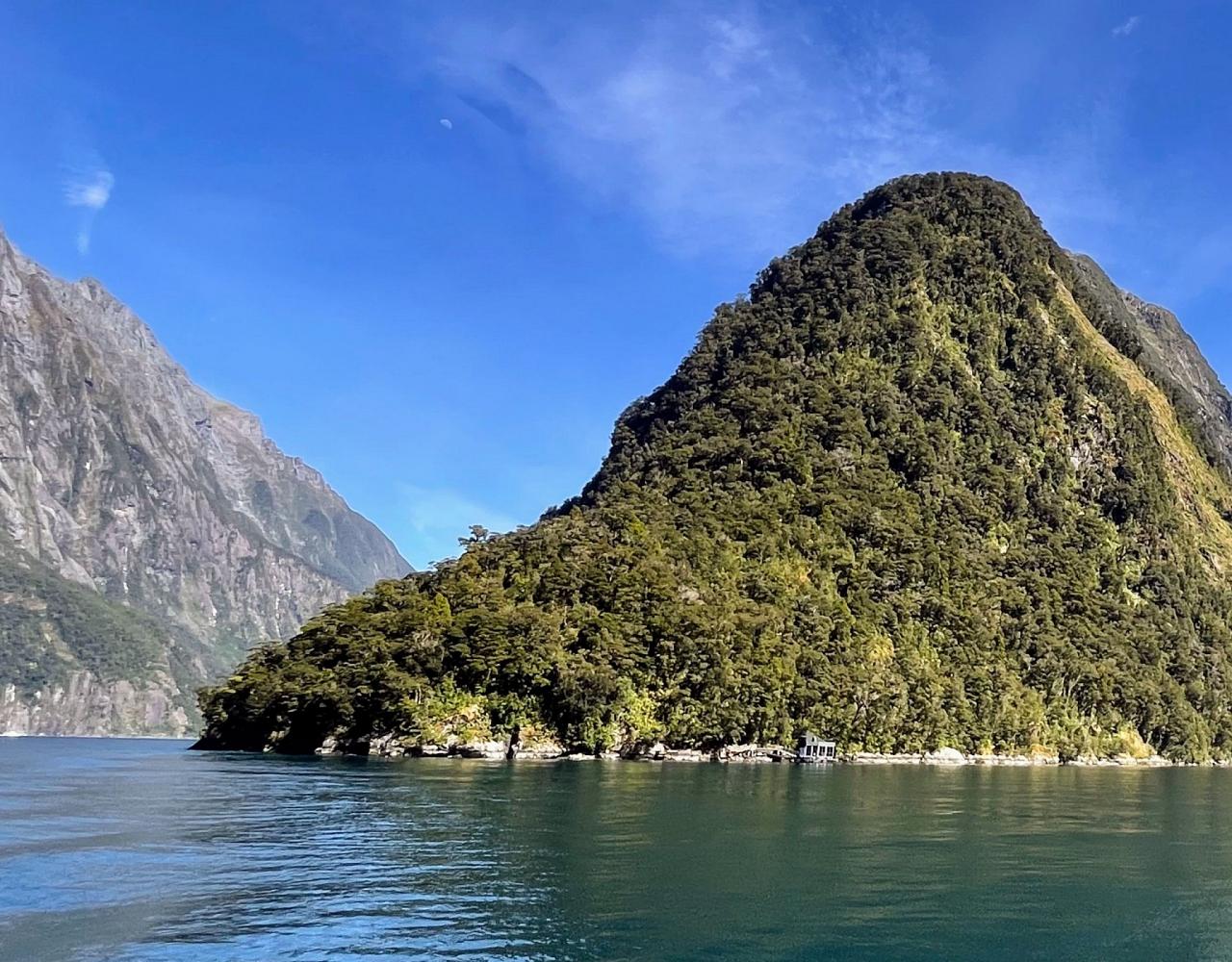
Milford Sound by Kent Skaggs
-
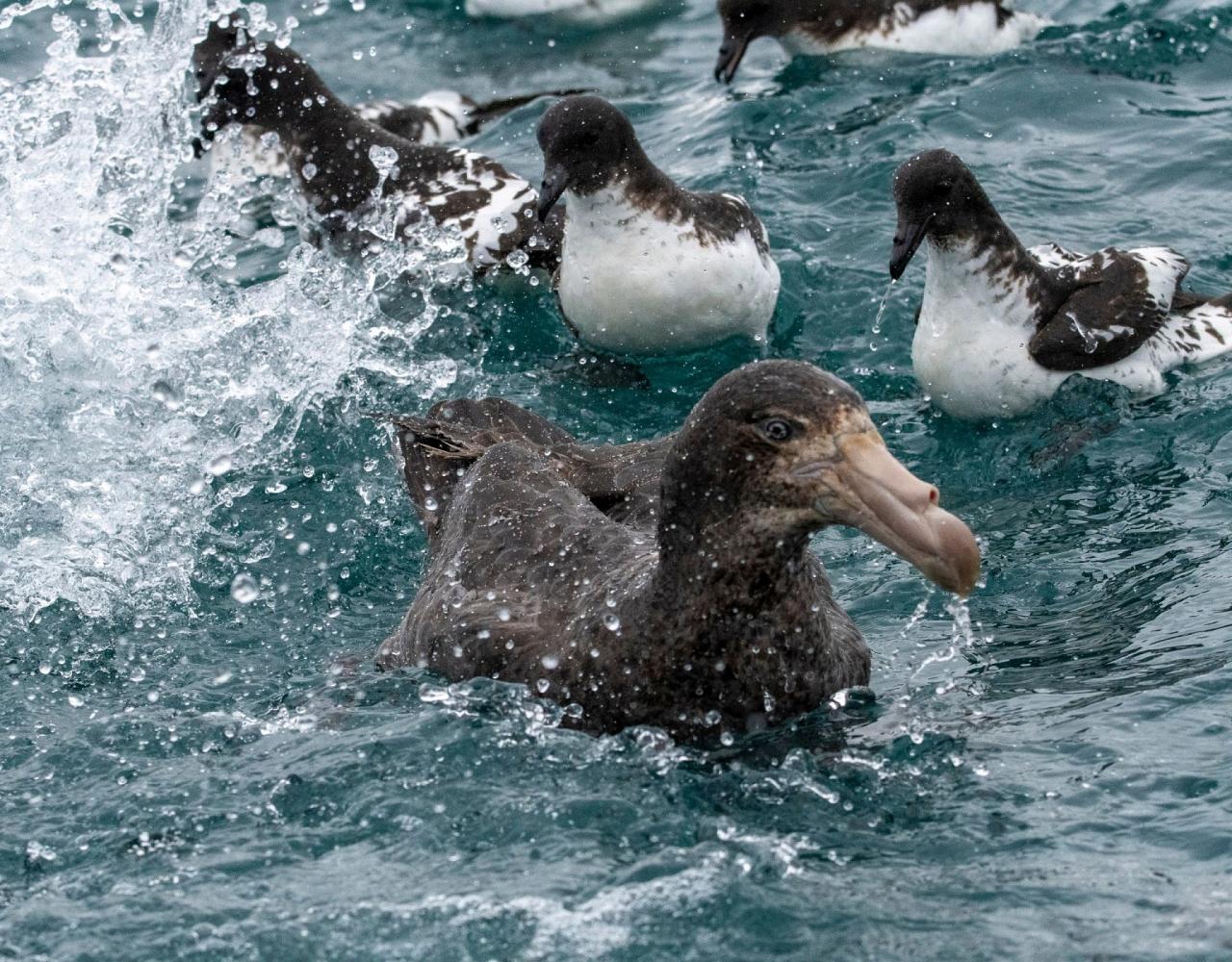
Northern Giant Petrel by James Petersen
-
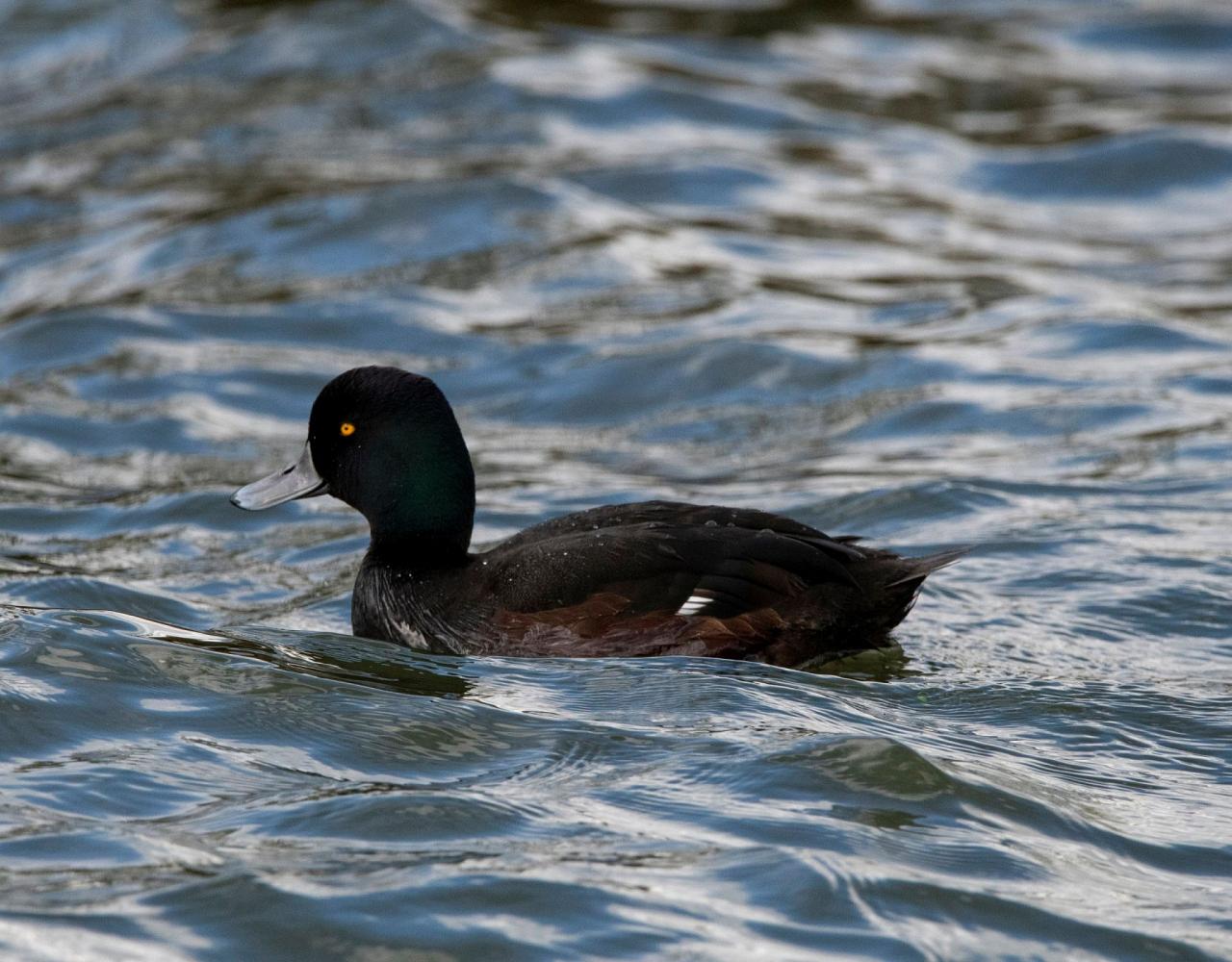
New Zealand Scaup
-
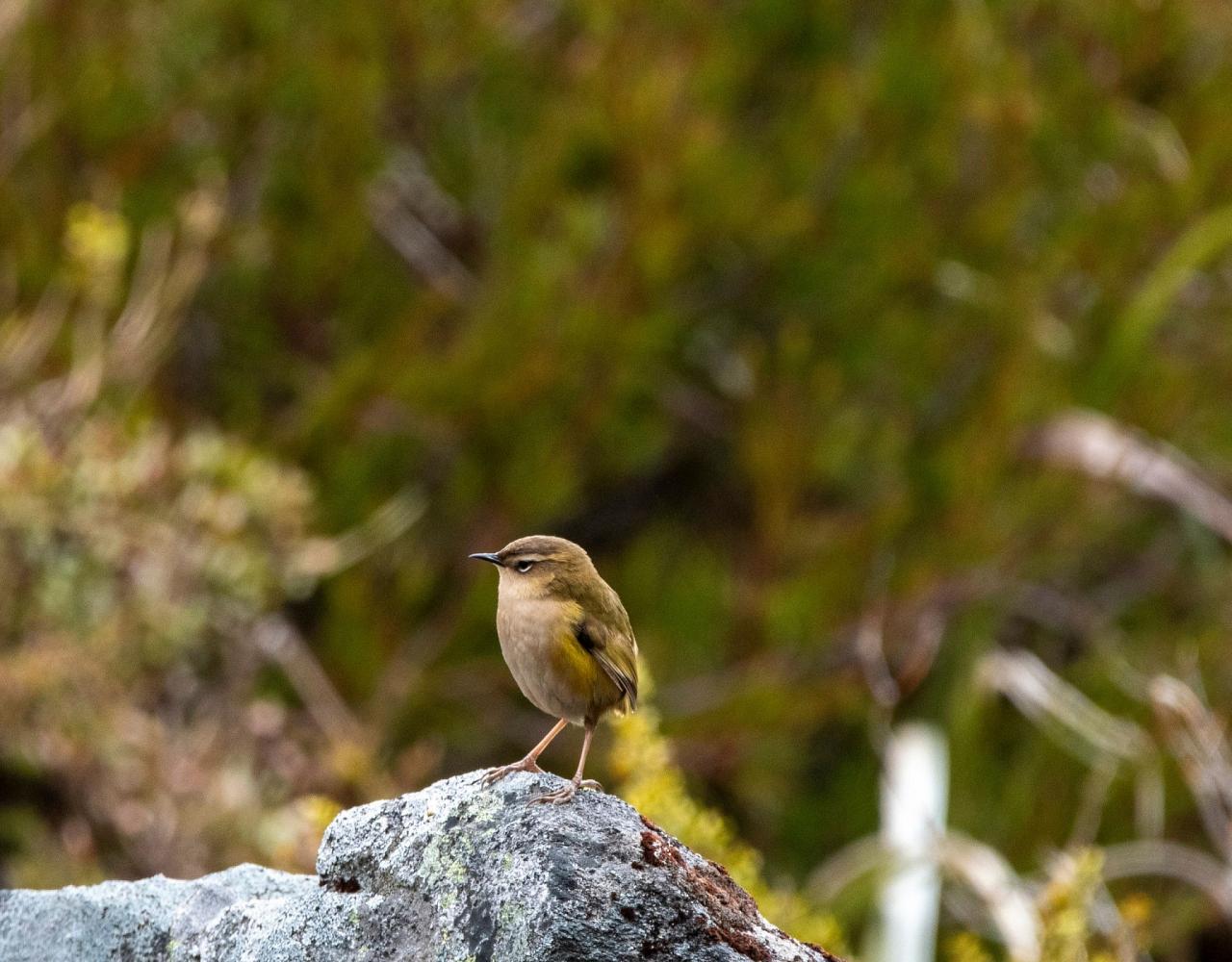
South Island Wren by James Petersen
-
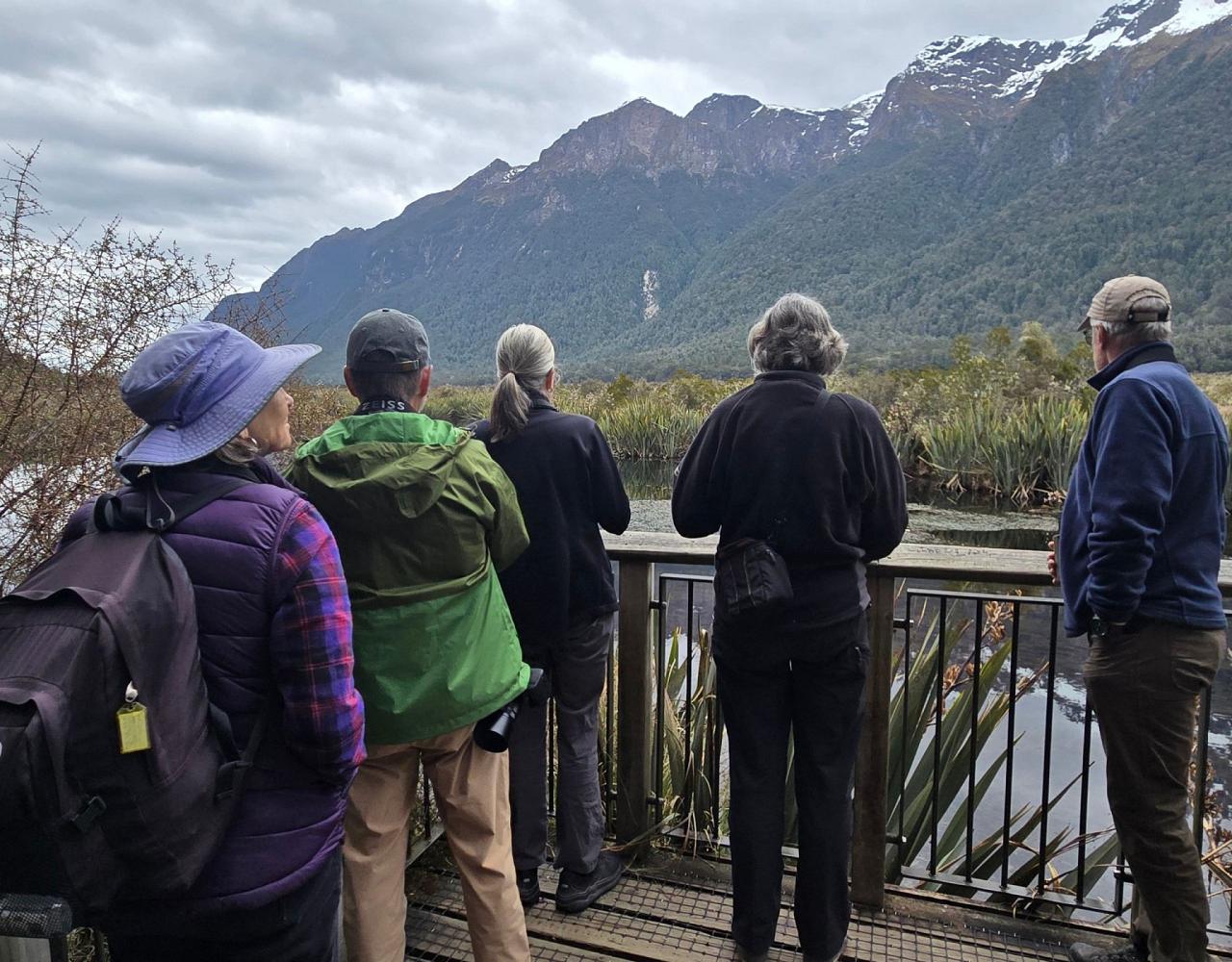
Group Birding by James Petersen
-
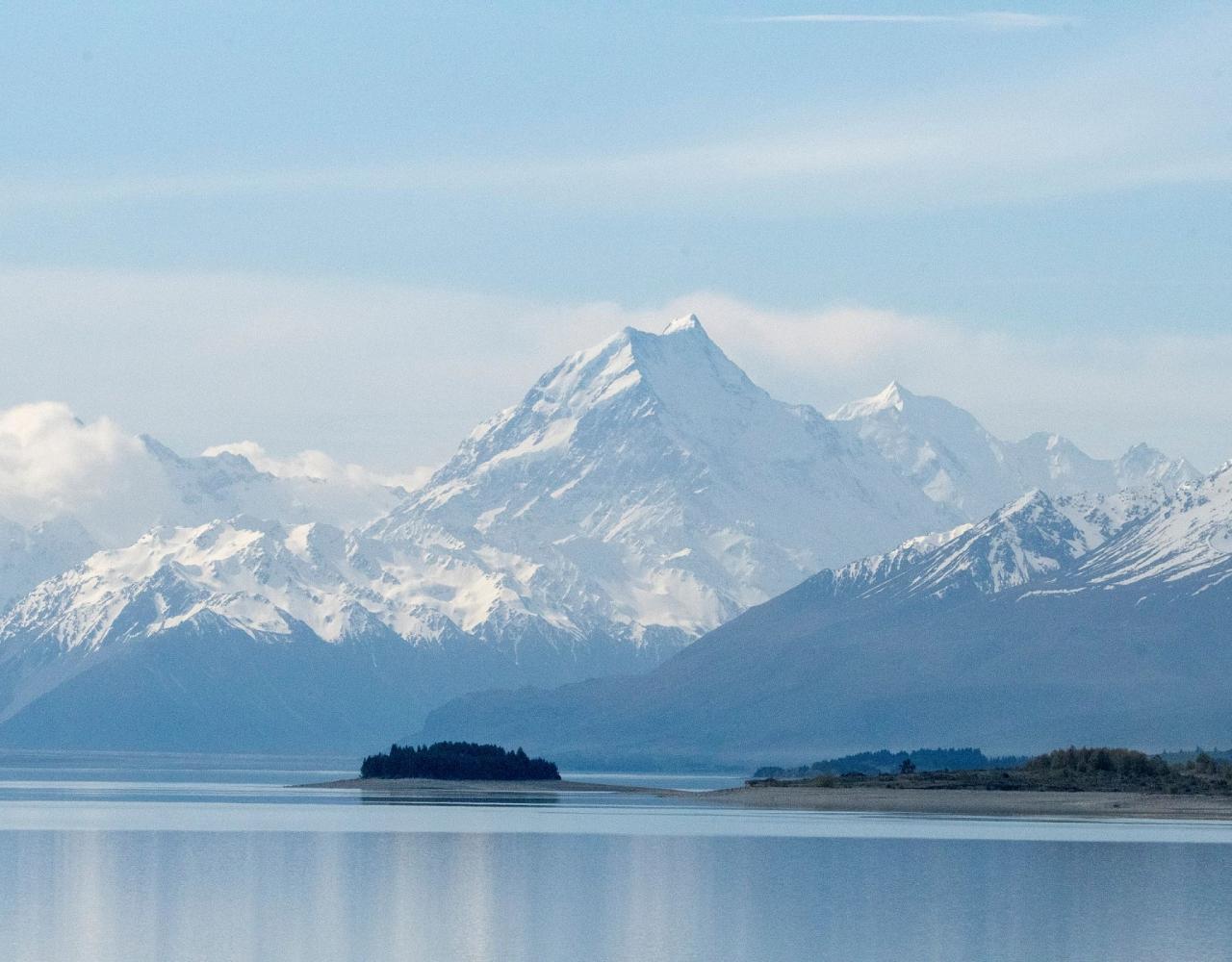
Scenic by James Petersen
-
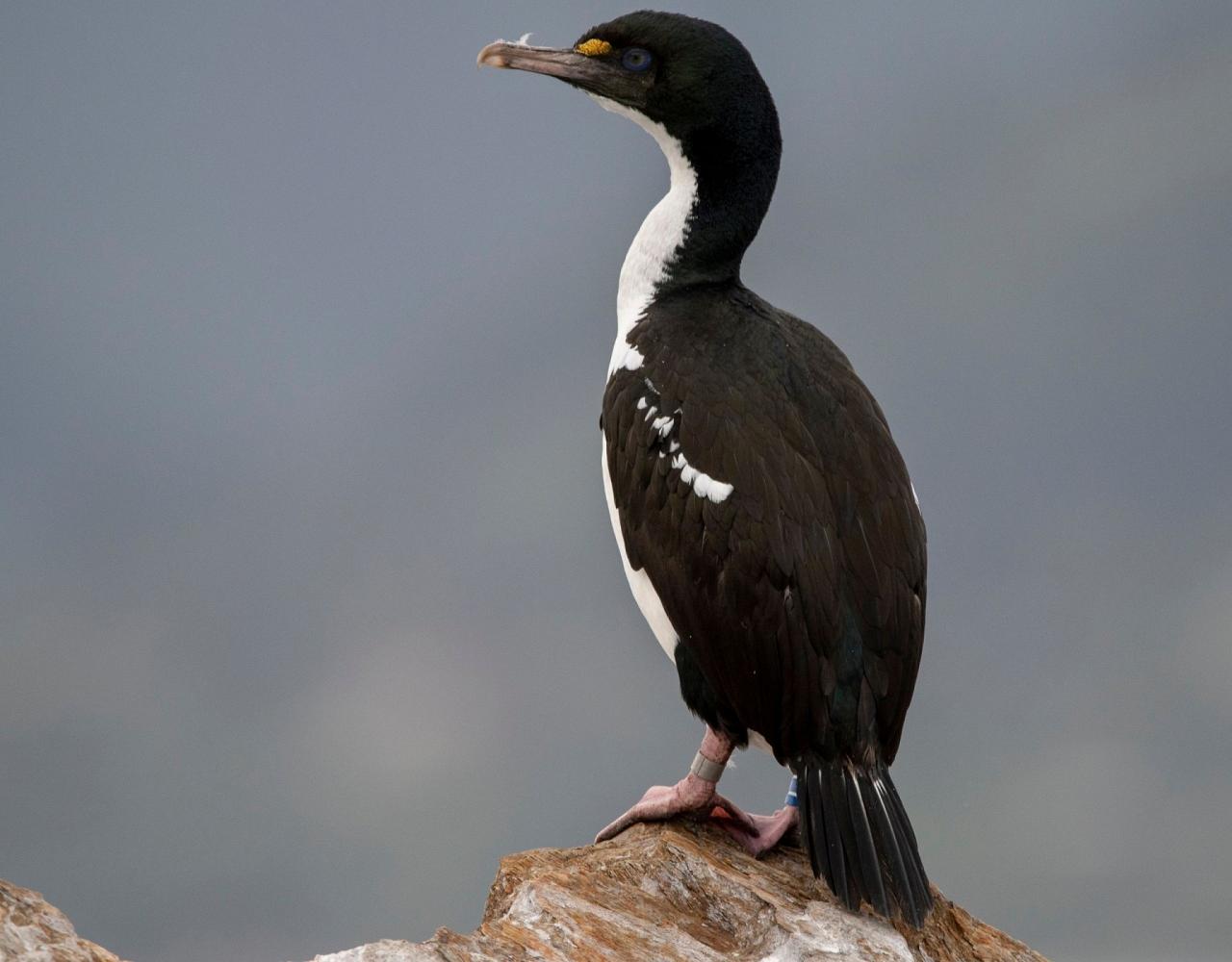
New Zealand King Shag by James Petersen
Cost of the Journey
The cost of the tour is per person based on occupancy: $8990 DBL / $10,240 SGL, from Auckland, New Zealand. Pricing is based on the exchange rate on February 12, 2026. If this rate adjusts by more than 5% at the time that final payment is due, Naturalist Journeys reserves the right to adjust this price. See Terms & Conditions for details.
The tour cost includes all accommodations, most meals as specified in the itinerary (B=breakfast, L=Lunch, D= dinner), professional guide services, ferry and boat day-tour fees, park and program entrance fees and miscellaneous program expenses.
Please note, unlike our other international tours, this tour price does not include tips, which are not typically part of New Zealand culture. If you feel like you would like to tip (though not expected), please bring along some local currency.
Tour does not include transportation from your home city to Auckland or from Dunedin back to your home city, arrival or departure airport transfers, optional activities such as horseback riding, scenic viewing plane rides, or fishing with a guide, or items of a personal nature such as laundry, telephone charges, or beverages from the bar.
Note: Meals that are not specified on the itinerary are at your leisure, this allows you to explore the area on your own or rest after a full day of exploring. Your local guide will be happy to offer recommendations.
Travel Details
Please plan to make air travel plans only after the minimum group size has been met. We will send you a confirmation email as soon as the trip has been confirmed.
Arrival Airport: Auckland International Airport (AKL)
Arrival Details: Please plan flights to arrive January 12, 2027, no later than 10:00 AM. We have a group lunch and afternoon outing on the first day of the tour.
Departure Airport: Dunedin International Airport (DUD)
Departure Details: Please plan flights to depart January 28, 2027. While you can depart today at leisure, we suggest you book flights out after 3:00 PM, so we have a morning backup if weather precludes our harbor cruise the afternoon prior.
Travel Tips: We recommend you arrive a day or two early to rest up from the long flight. You can book an early night in the city the Grand Millennium Auckland. It’s easy to book online and there are many restaurants nearby. Our guide can pick you up at this hotel at the start of the tour. Upon arrival at the airport, you can take a taxi to the hotel or book a Super Shuttle online ahead of time.
If you want to explore the city a bit, the Auckland War Memorial Museum is located within the large Auckland Domain park and is a great place to learn about New Zealand history and culture. The city is very walkable and if you want to stretch your legs after the flight, the waterfront area is very nice and the Auckland Domain park has some great walking paths.
Entry Requirements: See Passport, Visa & Documentation section found under Know Before You Go/Essential Information.
Browse below for trip reports and species lists from past versions of this and other tours from this destination.
New Zealand
- November 2010
- January 2016
- January 2018
- January 2019
- October 2022
- October 2023
- October 2024
- January 2025
- January 2026
-
Mark Hanger — New Zealand Expert
Mark has been guiding tours for over 30 years and is still as passionate as ever about exploring and educating visitors about New Zealand ecology and our conservation efforts. Mark is a New Zealander and graduate of Otago University and is a passionate botanist and ornithologist. He is currently national President of the largest conservation society in New Zealand, the Royal Forest & Bird Protection society. Mark has been involved with many conservation projects over the years and he is currently coordinating an exciting and innovative seabird conservation project along the Otago coast. This project concentrates on restoring up to seven species of seabird that have disappeared from the coast due to predation. Mark has a rich history in conservation, he formerly worked for the New Zealand National Parks Service for 7 years and has had a professional involvement in conservation since 1979. In 1988 Mark founded his company to share his passion and knowledge with visitors to New Zealand and has been guiding ever since.
Other trips with Mark Hanger — New Zealand Expert
-
Greg Butcher
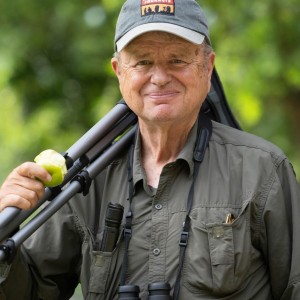
Greg recently retired as the Migratory Species Coordinator for U.S. Forest Service International Programs, working throughout the Western Hemisphere, and as Vice President for Audubon Society of Northern Virginia, serving on the Conservation and Citizen Science committees. He is currently a Board Member for BirdsCaribbean. For his Ph.D. in Zoology at University of Washington, he studied the coloration and behavior of Bullock’s Orioles. Greg studied ecology in Costa Rica with the Organization for Tropical Studies and has worked internationally for the past 20 years. Greg previously worked for the National Audubon Society, American Birding Association, Birder’s World magazine (sadly, now defunct), Partners in Flight, and Cornell Lab of Ornithology. He is a Fellow of the American Ornithological Society (AOS). He has been a birder since he was 11 and has birded in all 50 states and 47 countries.
Other trips with Greg Butcher
-
 Enchanting Okavango: Birds & Mammals of Botswana CLOSED - Check out our Tanzania: Wildlife & Birding Safari!August 21 - September 1, 2026, w/Nxai Pan/Kalahari extension
 -
 Bountiful Bolivia: Birding & Nature in the High Andes FULL - See our Ecuador tour in November!October 6 - 19, 2026, w/La Paz/Lake Titicaca extension
 -
 Thailand Birding & Nature FULL - Check out Sri Lanka!February 17 - March 7, 2027
 -
 Ecuador's Incredible Chocó: Three Great LodgesApril 6 - 15, 2027
 -
 China’s Sichuan Basin & Tibetan PlateauJune 11 - 27, 2027
 -
 Alaska SamplerAugust 9 - 17, 2027
 -
 Guyana: Unspoiled WildernessNovember 4 - 15, 2027
-
Essential Information +
Pace & Protocols +
Packing List +
Suggested Reading List +
Useful Links +
Photo credits: Banner: Mount Cook National Park, Greg Smith; Red-crowned Parakeet, Greg Smith; Lake Ohau, Greg Smith; Arthur's Pass, Peg Abbott; Salvin's Shy Albatross, Mark Hanger; Orakei Korako near Rotarua, Mark Hanger; Kea, Peg Abbott; Kiwi Crossing Sign near Arthur's Pass, Peg Abbott; Tui, Peg Abbot; Wild Spaniard Alpine in Mount Cook National Park, Mark Hanger; Hikers, Peg Abbott; Australasian Gannet, Greg Smith; Kaka, Greg Smith; Aoraki, Greg Smith; Red-crowned Parakeet, Greg Smith; Australasian Gannets, Greg Smith; Marlborough Sound, Greg Smith; Blue Duck, Greg Smith; Fantail, Greg Smith; Tui, Greg Smith; Spanish Grass, Greg Smith; White-capped Albatross, Greg Smith.