
Join us for a NEW and exciting journey that combines scenic wonders with incredible biodiversity and a chance to explore some of the wildest country in South America. From our start in Buenos Aires, we fly up to Pousadas to explore the second largest wetland complex in the world, the Ibará Marshes, a global stronghold for several range-restricted, threatened, or endangered species. Many notable species occur here in addition to the endemic Ibará Seedeater, including the Strange-tailed Tyrant, Marsh Seedeater, Saffron-cowled Blackbird, Yellow Cardinal, Crested Doradito, and Long-tailed Reedfinch. The vast Ibera wetland system includes a habitat mosaic of rivers, marshes, swamps, grasslands, and wooded islands all used by scores of Yacare Caiman, and a host of wading and water birds including Southern Screamer, Snail Kite, Maguari and Wood Storks, and Bare-faced Ibis. We explore this area in detail including a stay right in the heart at Colonia Carlos Pellegrini, a small village surrounded by pastures, lakes, and woodland patches. A boat trip through this realm is memorable and exceptional for viewing and photography. Like Brazil’s Pantanal, we access this remote birding paradise on a long dirt road, a quiet one where we can stop for scanning—it’s totally possible to log over 100 species in a day. The drier grass areas are home to Greater Rhea, Red-winged Tinamou, Rufous-sided Crake, Long-winged and Cinereous Harriers, and many species of seedeaters. Having a great guide to find and sort them is wonderful!
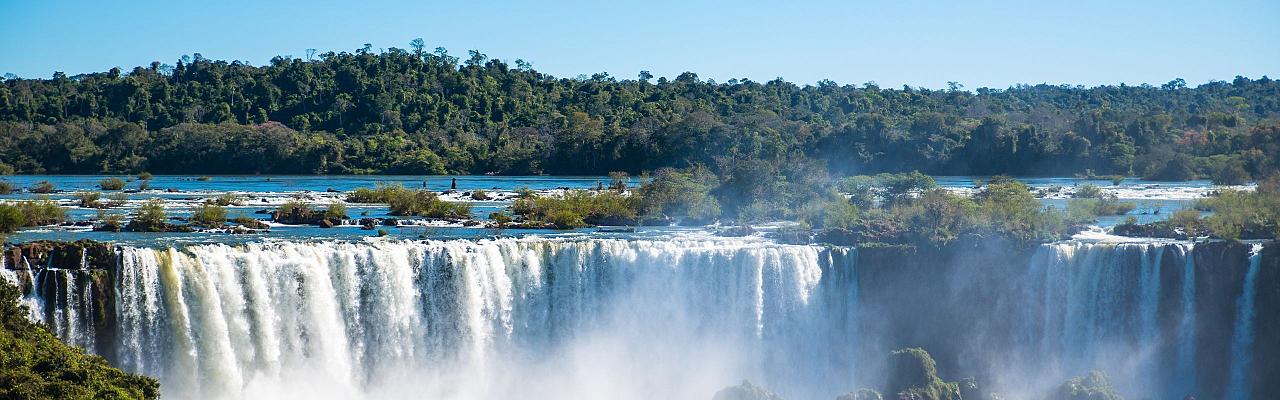
After a real immersion into this global biodiversity hotspot, we continue on to Iguazu Falls, one of the scenic wonders of the world, claimed by many to be the most beautiful of the waterfall areas. Best of all, among the sensory overload of beauty lies a plethora of great birds! Iguazu Falls is one the most important patches of remaining Atlantic Forest vegetation and its suite of birds, associated with the lush forests, is totally complimentary to what we experience in the marshes with very little overlap. We visit both sides of the falls and spend time at a spectacular hummingbird garden in Puerto Iguazu. Birds are colorful and plentiful and may include Saffron Toucanet, Toco Toucan, Surucua Trogon, multiple day-glow tanagers including Black-goggled, Ruby-Crowned, Swallow, Green-headed, and Magpie Tanagers (to mention a few!) and numerous antshrikes and antbirds. En route between Ibara and Iguazu we stop at Urugua-I Provincial Park with hopes to find endangered and beautiful Black-fronted Piping Guans.
We are super excited to add this fine, well-paced itinerary, with enough time in key areas to savor the featured landscapes, habitats, and species.
Tour Highlights
- Explore the world’s second largest wetland system, the incredible Ibará Marshes, home to over 500 species of birds in a 5000-square-mile protected area and one of the wildest places left in South America—located between far better-known Buenos Aires and Iguazu Falls.
- Bird the riverine habitat of South America’s second longest river, the Parana, crossing three countries in its 3000 mile journey
- Cruise through wetlands for up close and personal views of amazing birds including Giant Woodrail—abundant here!
- Stand at the edge of one the world’s most scenic fusion of waterfalls; see Iguazu Falls from the Argentine and Brazilian side
- Search for impressive raptors like Ornate Hawk-eagle, Gray-bellied Goshawk, Cinereous Harrier, both Chimango and Southern Caracaras, Aplomado Falcon, White-tailed Hawk, Black-collared Hawk, and the lowland race of Black-chested Buzzard Eagle
- Seek out the endemic Ibera Seedeater, a migratory grassland species first described in 2016
- Sight mammals like Capybara, Plains Vizcacha, Southern Banded Armadillo, Pampas Fox, Marsh Deer, Black-and-gold Howler Monkey, Neotropical River Otter, and Geoffrey’s Cat; Jaguarundi and Maned Wolf are rare but possible!
- Support conservation with your visit, this area is thriving under the efforts of Fundacion Rewilding Argentina, including the return of good numbers of Red-and-green Macaw!
- Enjoy Argentine wine and local foods, and taste fresh Dorado, the Tiger of the River, grilled at a local restaurant
Trip Itinerary
Itineraries are guidelines; variations in itinerary may occur to account for weather, road conditions, closures, etc. and to maximize your experience.
Coming Soon!
-
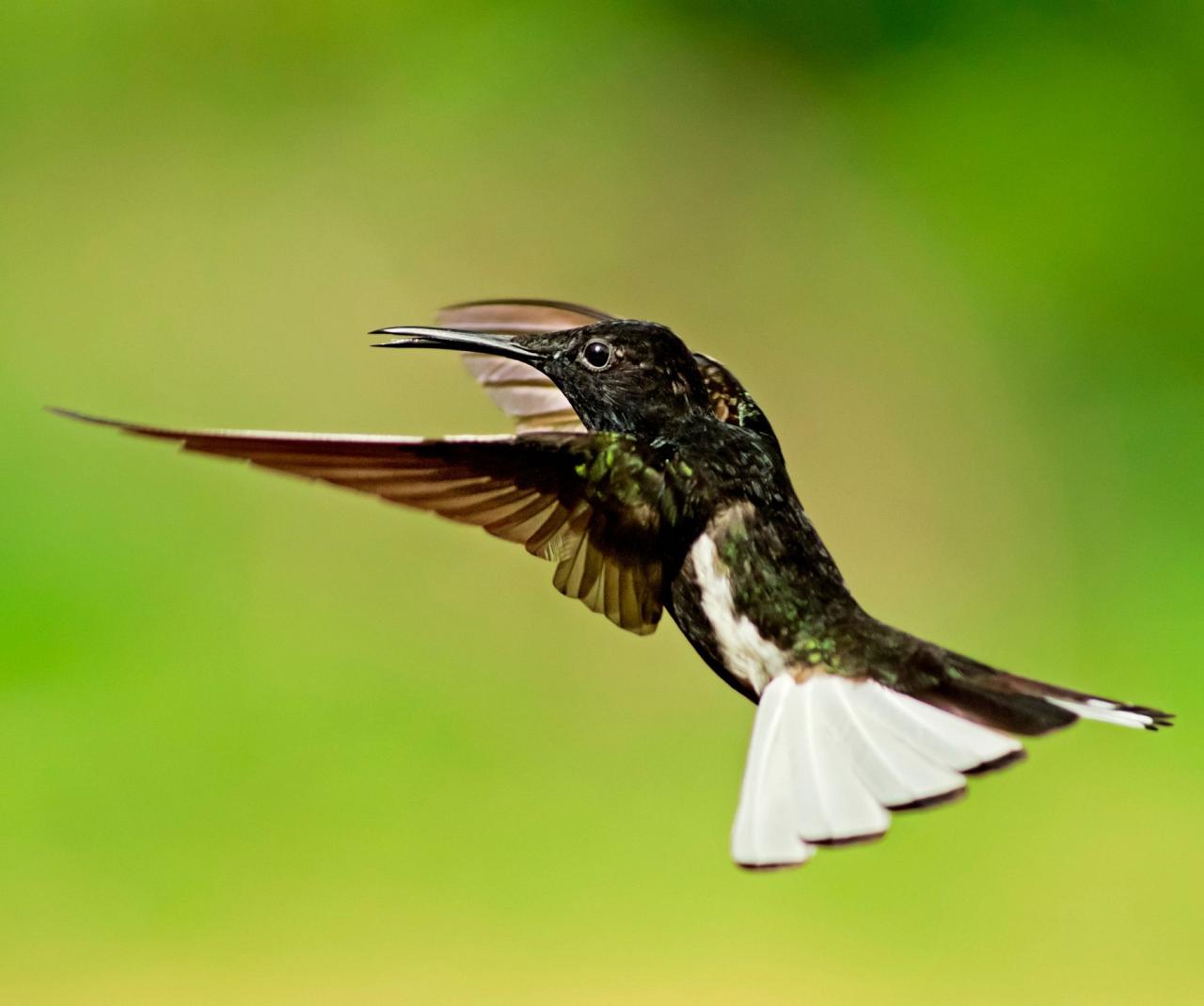
Black Jacobin
-
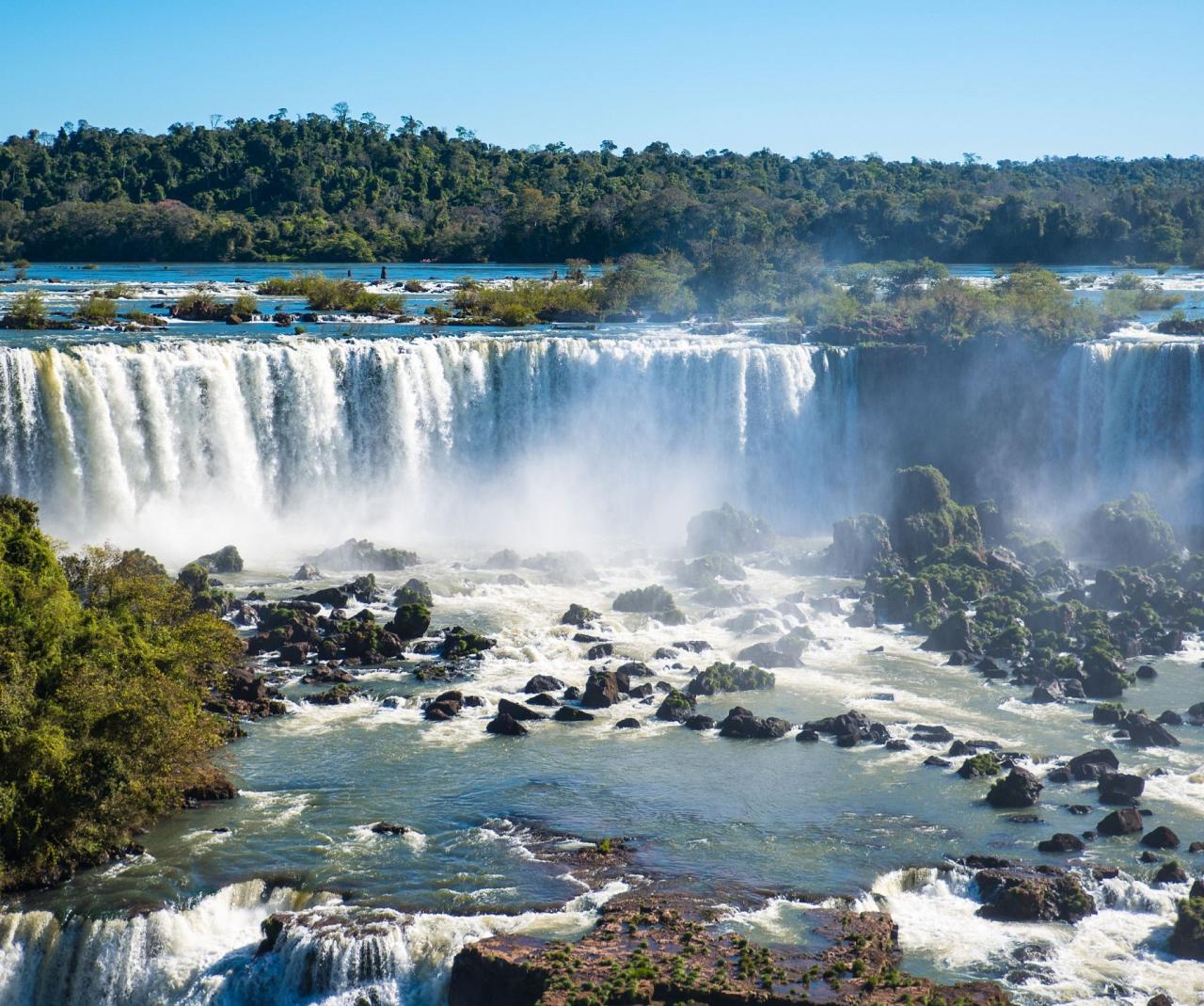
Iguazu Falls
-
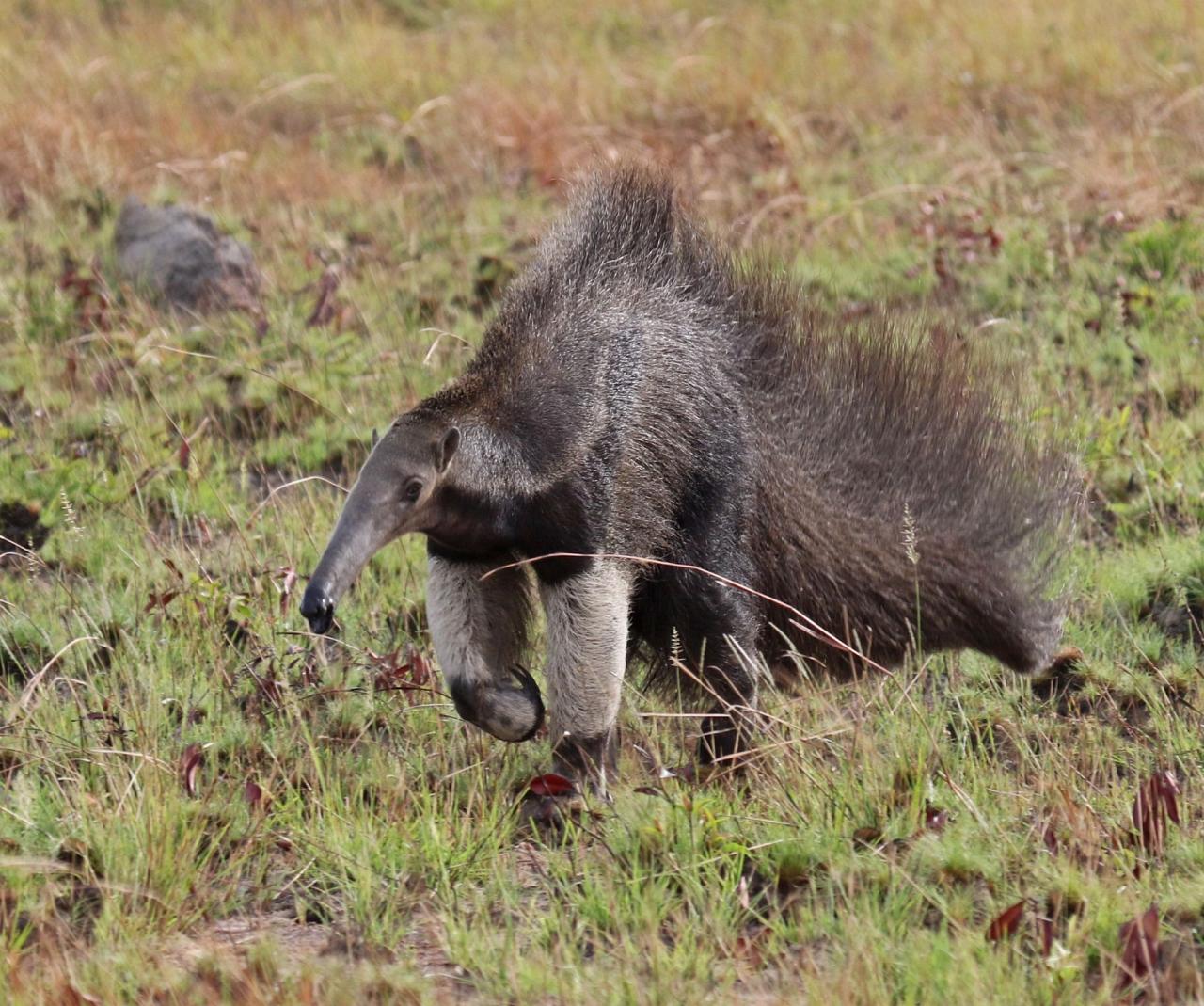
Giant Anteater
-
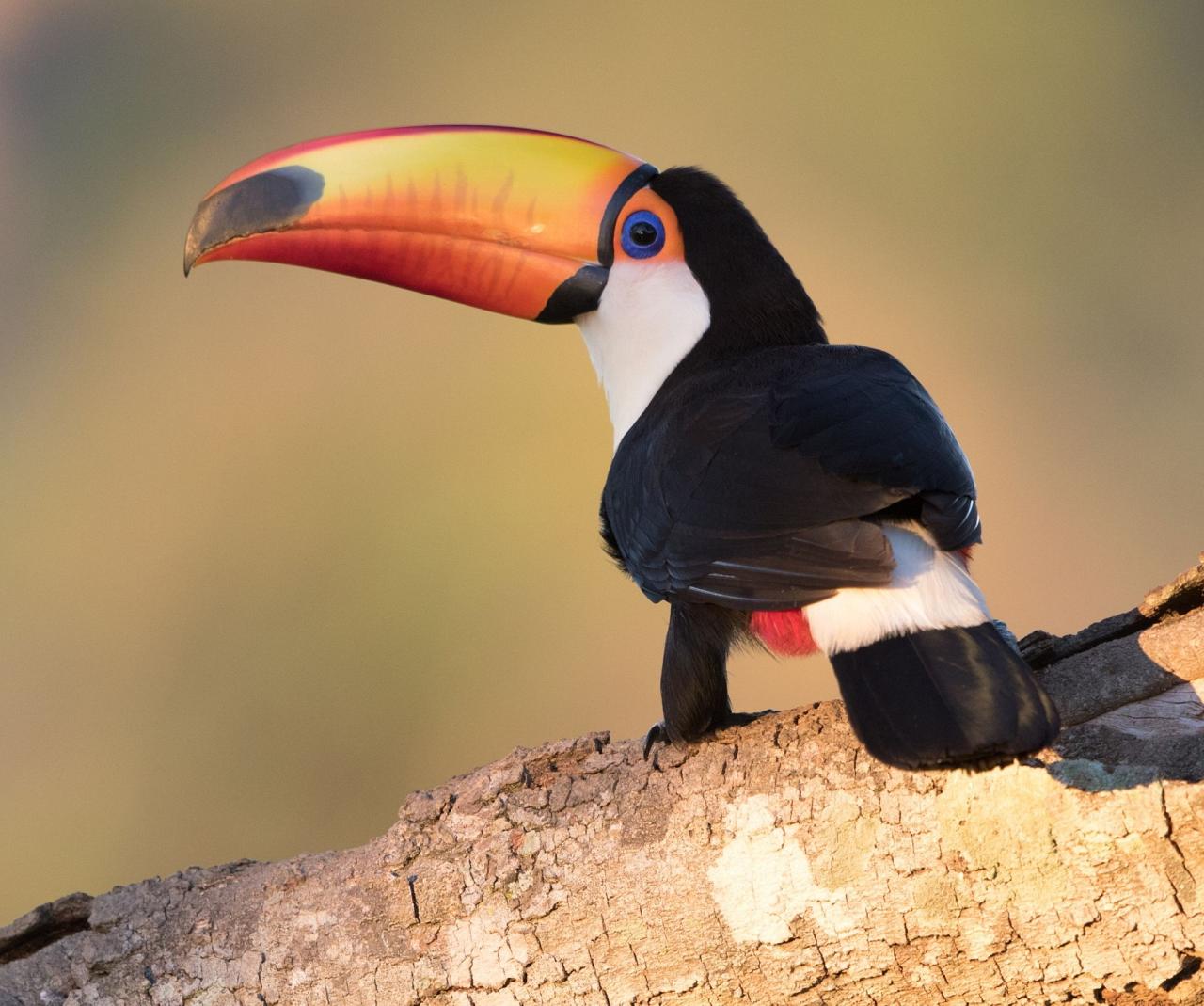
Toco Toucan by Peg Abbott
-
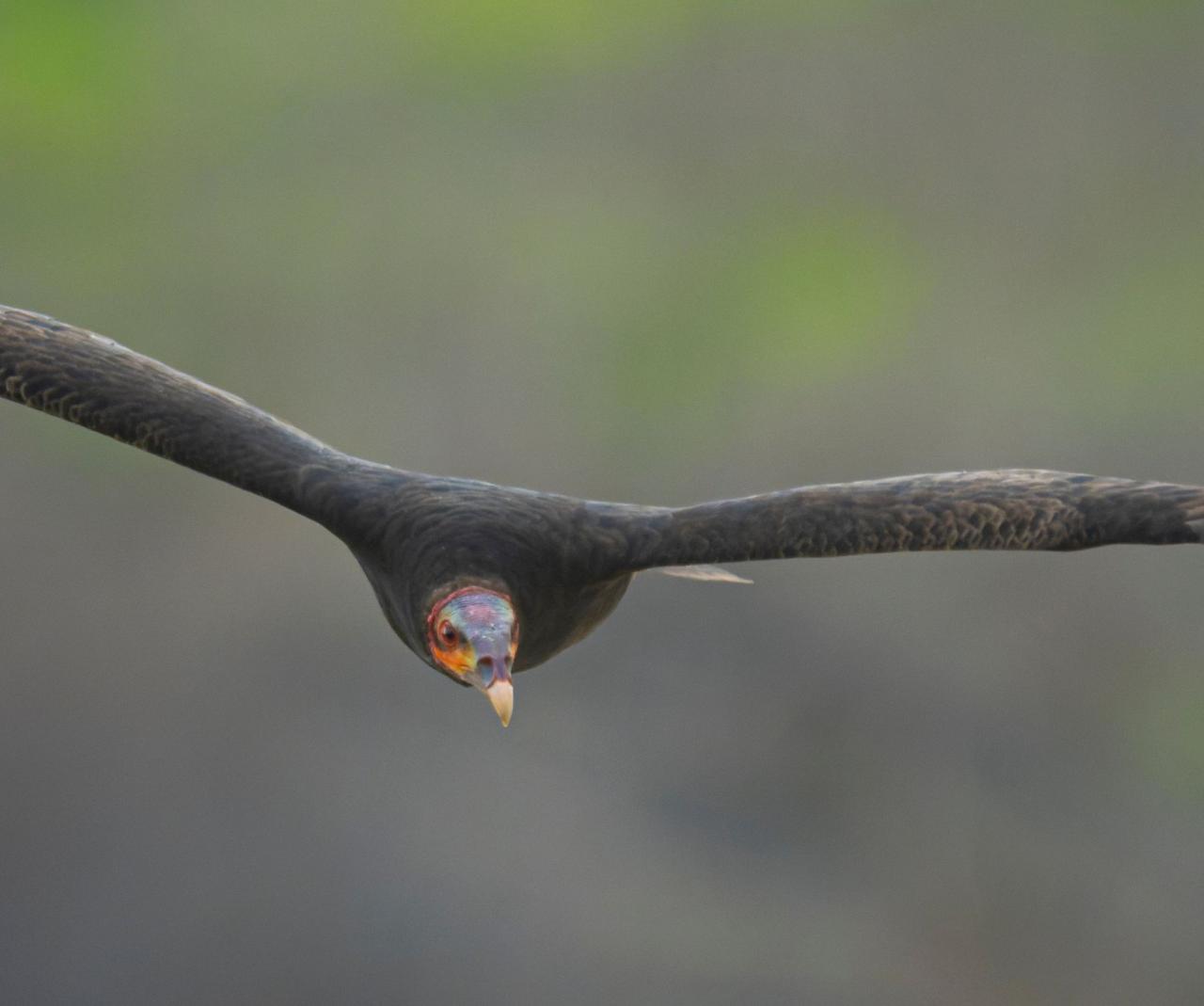
Lesser Yellow-headed Vulture by Bryan Calk
-
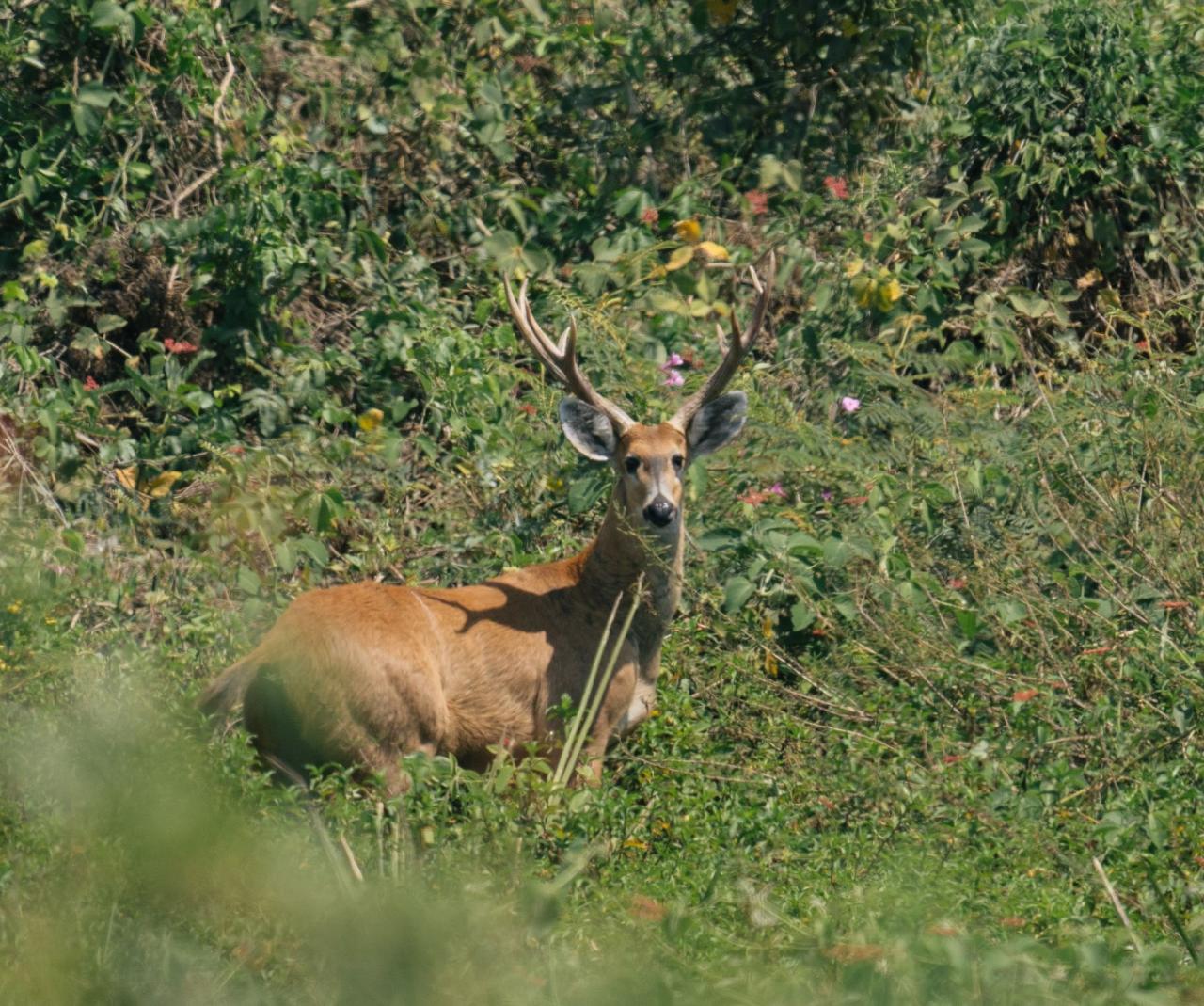
Marsh Deer by Wes Larson
-
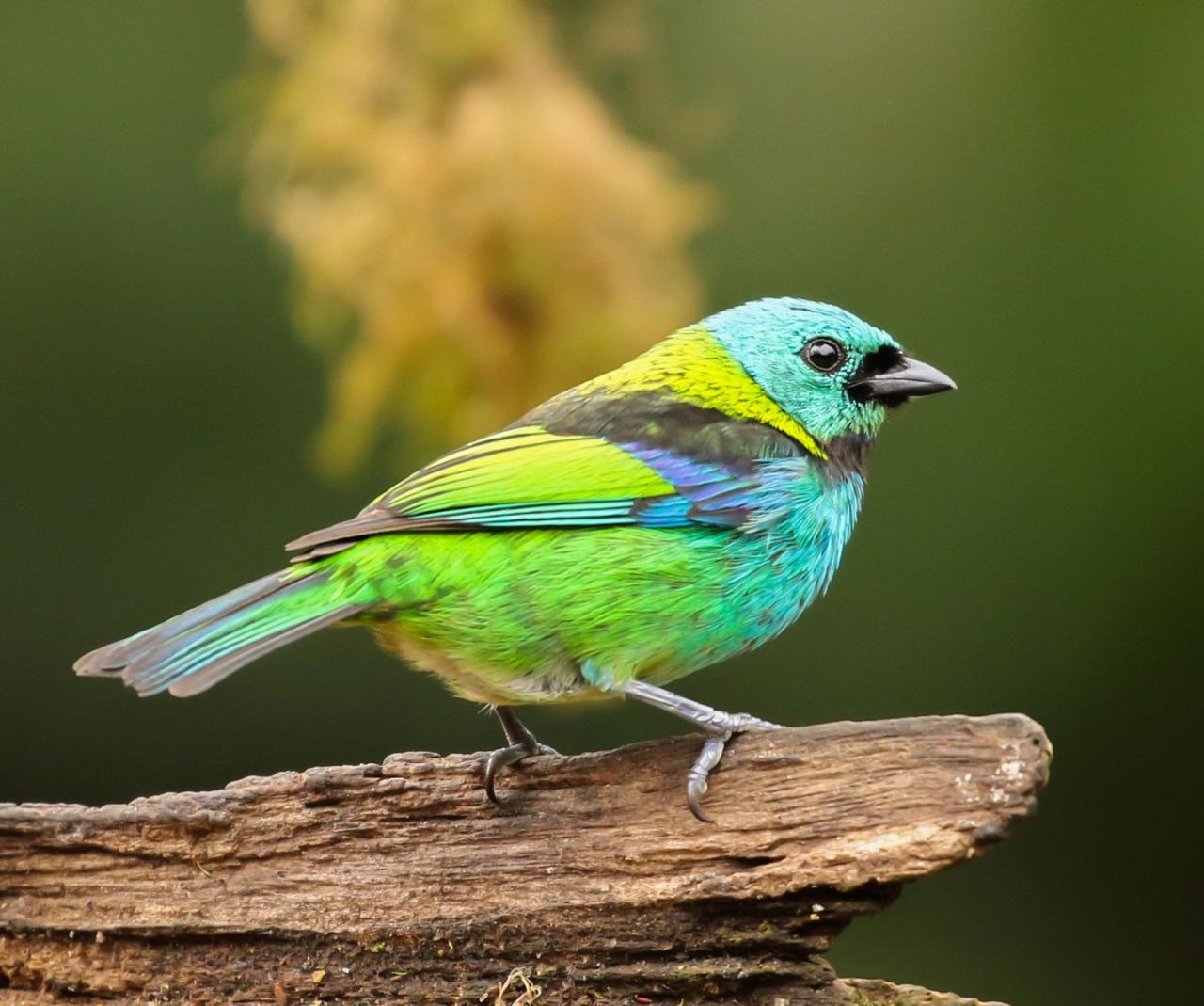
Green-headed Tanager by Carlos Sanchez
-
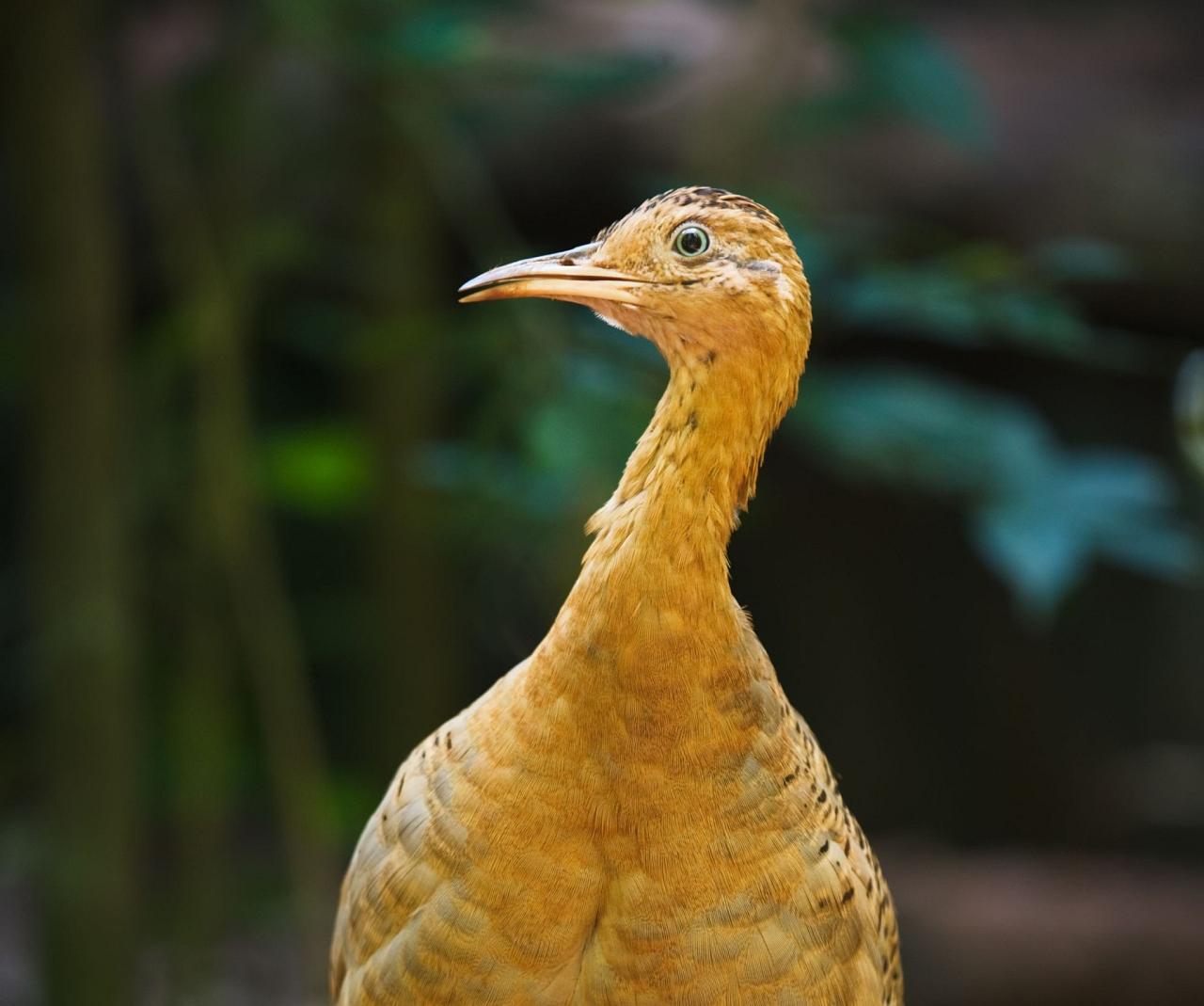
Red-winged Tinamou
-
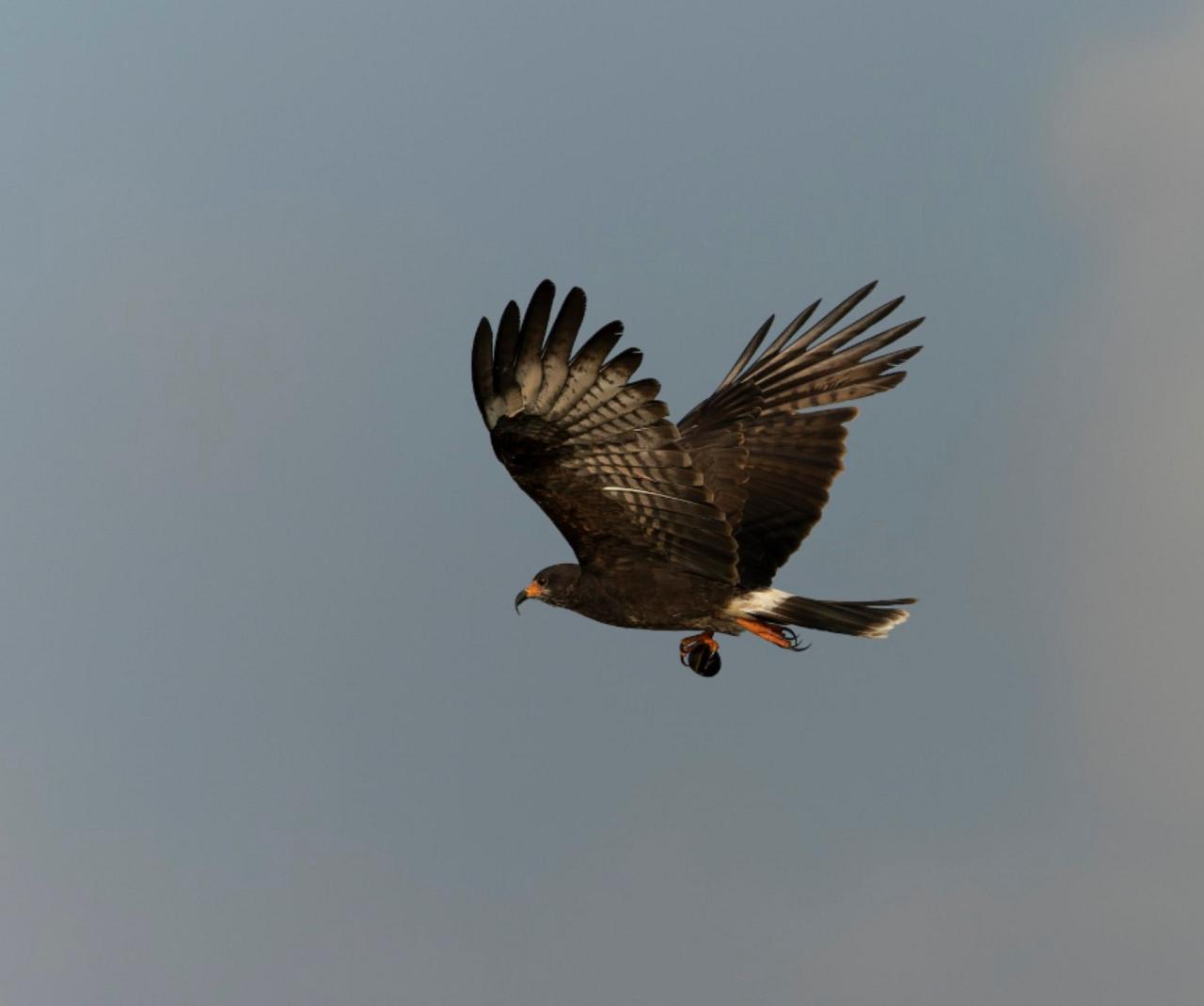
Snail Kite by Bryan Calk
-
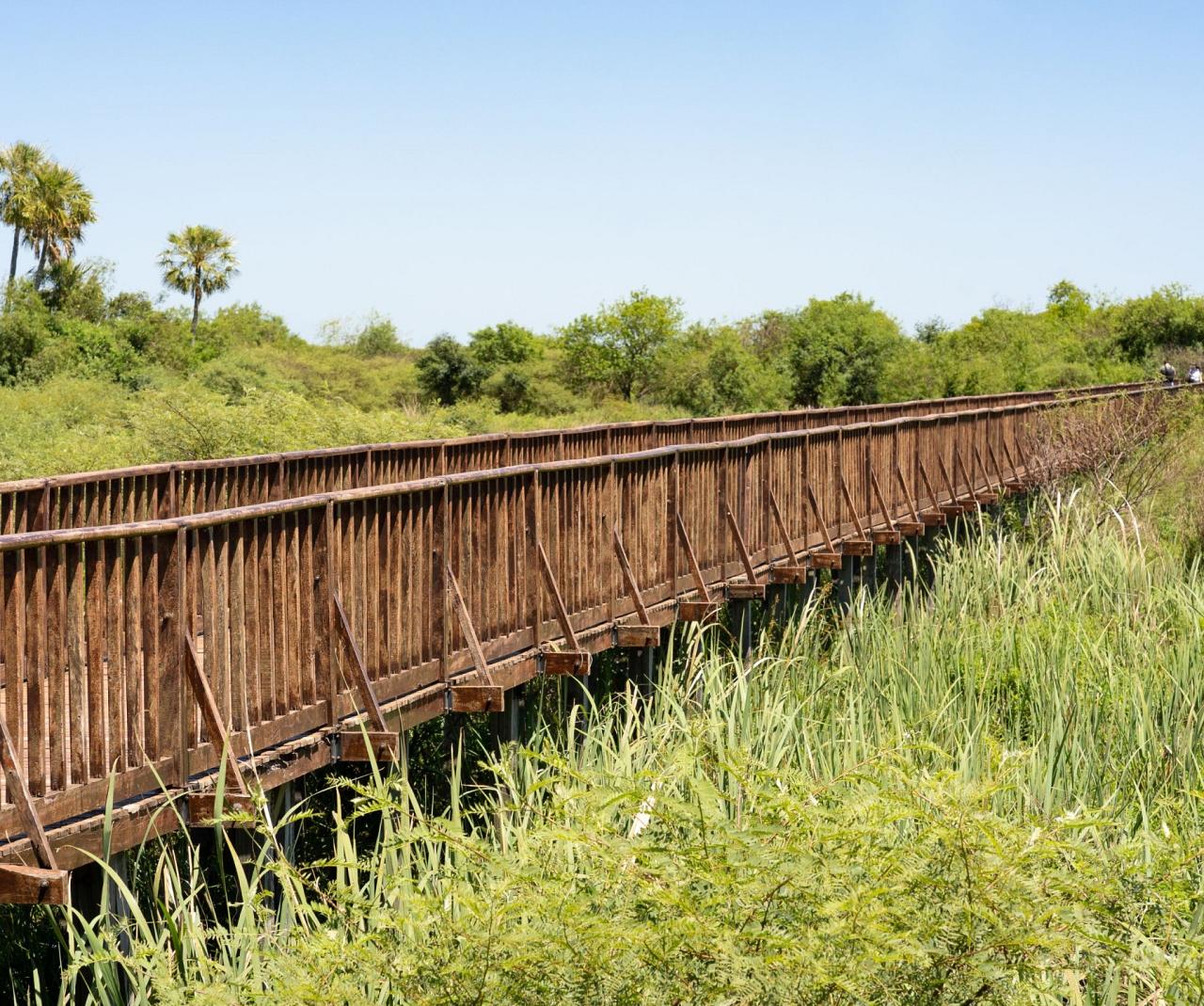
Esteros del Iberá
-

Saffron Toucanet by Peg Abbott
-
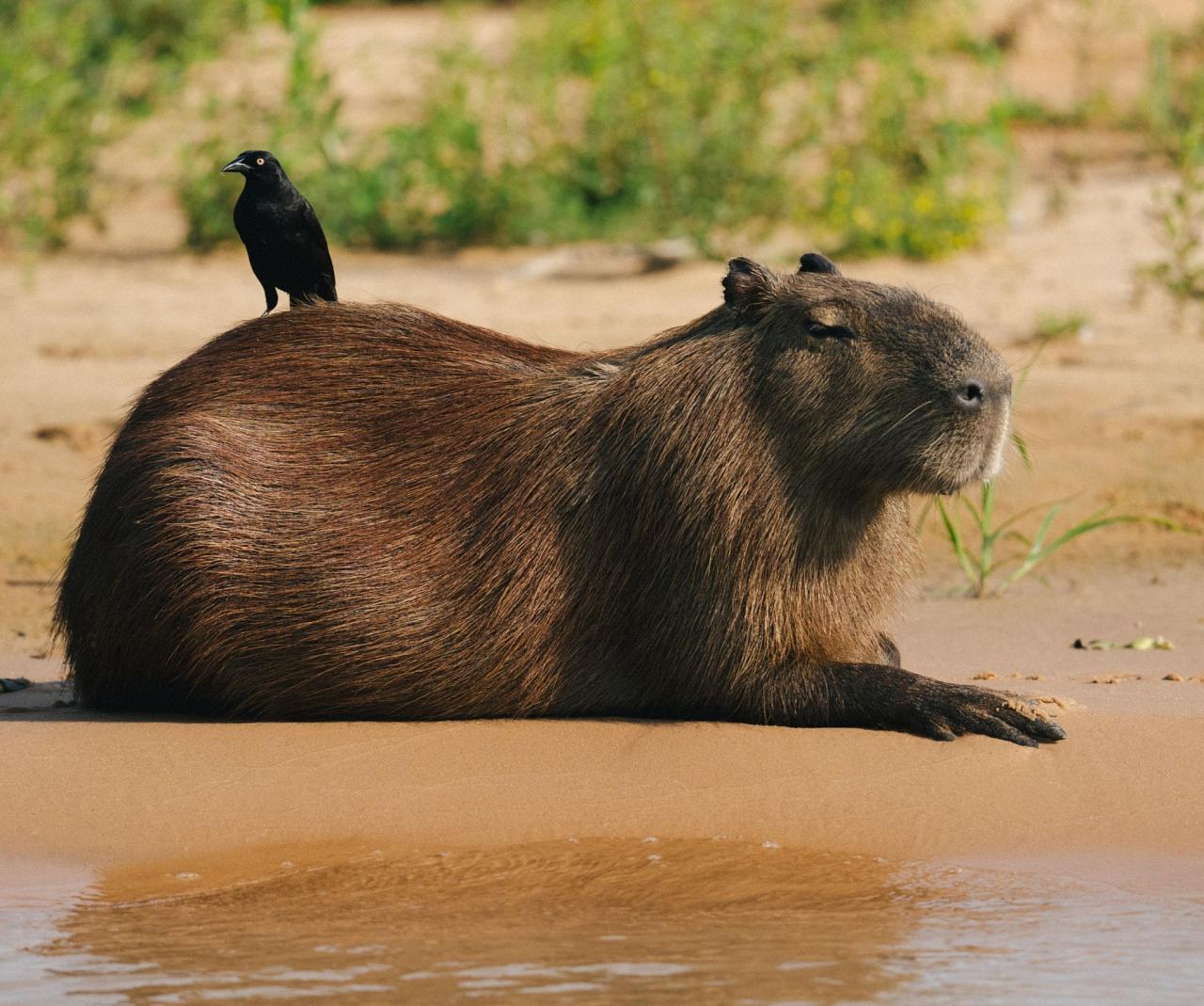
Capybara by Wes Larson
Cost of the Journey
The cost of the 13-day main tour is per person, based on occupancy: $6790 DBL / $7650 SGL.
Tour price includes 12 nights’ accomodations, all meals as noted in the itinerary, transportation during the journey, professional guide services, park and other entrance fees, and miscellaneous program expenses. All tips other than your NJ guide (optional) and local guide are included (this includes tips for your driver, lodge and staff, day activities, meals and other services).
Tour cost does not include: airfare to or from Buenos Aires, or personal expenses such as laundry or drinks from the bar. The tour cost does not include internal flights. The extension cost does not include internal flights Internal flight expenses will be added to your invoice. These flights are estimated at $800 per person. These estimates are subject to change.
Travel Details
Please plan to make air travel plans only after the minimum group size has been met. We will send you a confirmation email as soon as the trip has been confirmed.
Coming Soon!
Browse below for trip reports and species lists from past versions of this and other tours from this destination.
Argentina
- October 2017
- October 2023 (Ultimate Patagonia)
- March 2024
- October 2024 (Ultimate Patagonia)
- November 2024 (Ultimate Patagonia)
- March 2025 (Northwest Argentina)
- November 2025 (Ultimate Patagonia )
- March 2026 (Northwest Argentina)
-
Chris Harbard

Chris Harbard is a well-known British ornithologist and conservationist who now lives in SE Arizona. After 24 years working with the world’s largest bird conservation organisation, the Royal Society for the Protection of Birds, he moved to the Austrian optics company Swarovski and managed their birdwatching website for several years. He is now a freelance author, editor, broadcaster and lecturer, as well as an occasional bird guide in SE Arizona where he and his wife help to run the Southwest Wings Birding and Nature Festival. He is on the board of the Arizona Field Ornithologists.
Chris writes for Birdwatch magazine and was editor of the Birdwatchers' Guides series of books. His own books include Birdwatch, Songbirds, A Birdwatcher's Quizbook, A First Guide to Birdwatching.
Working as a naturalist lecturer on board expedition cruise ships for the last eighteen years has taken him to remote areas of the Arctic, Antarctic, Atlantic and Pacific. Although his main area of interest is birds, especially seabirds, he also enjoys a range of other wildlife such as cetaceans, butterflies, dragonflies and plants.Other trips with Chris Harbard
-
 Ecuador: Biodiversity Across the Andes! FULL - See our March departure!November 3 - 16, 2026
 -
 Oaxaca Valley: Birds, Culture & CraftsDecember 1 - 9, 2026
 -
 Christmas in Costa Rica FULL - Check out New Year at Tranquilo Bay!December 22 - 29, 2026
 -
 Arizona: Sky Island Winter Birding BlitzFebruary 20 - 26, 2027
 -
 Belize: Three Great LodgesApril 6 - 16, 2027
 -
 Svalbard: North Spitsbergen Explorer A Summer Solstice Departure - Only One Cabin Left!June 15 - 22, 2027
 -
 Costa Rica: Birding & Summer FunJuly 9 - 15, 2027
 -
 Arizona Monsoon Madness: Birding & Nature in a Season of Wonder!August 19 - 26, 2027
 -
 Southeast Arizona: Sky Island Fall SamplerNovember 7 - 14, 2027
-
Pace & Protocols +
Photo credits coming soon.