

Join Naturalist Journeys for a fun, beginning birder trip to our beloved Southeast Arizona. This trip is designed to teach new birders not only some of the basics of the hobby, but also digs a little deeper on ID skills and the ethics of birding.
Our tour is based out of two beautiful hotels—the Lodge on the Desert in Tucson, and the Casa de San Pedro Bed and Breakfast in Hereford. These comfortable bases serve as excellent jumping off points for our group to explore some of Southeast Arizona’s most famous birding locations including Sweetwater Wetlands, Saguaro National Park, Madera and Santa Rita Canyons, Patagonia, Ramsey and Ash Canyons, and Whitewater Draw.
Each day has a dedicated lesson and objectives. Come ready to learn, enjoy excellent food and lodgings, and have fun with good camaraderie amongst like-minded birders. We’re excited to help you hone your new skill!
Tour Highlights
- Spend time at the world-renowned Arizona-Sonoran Desert Museum
- Explore different famed canyons for plentiful hummingbirds, possible Coppery-tailed Trogon, overwintering warblers, and more
- Stay in comfort at two well-known lodges, a real treat after days in the field
- Witness winter migrants at Whitewater Draw, including Sandhill Cranes by the thousands
Trip Itinerary
Itineraries are guidelines; variations in itinerary may occur to account for weather, road conditions, closures, etc. and to maximize your experience.
Mon., Oct. 18 Arrive in Tucson | Arizona-Sonoran Desert Museum | Local Cuisine
Lesson of the Day
Getting Started: How to watch birds and tools of the trade.
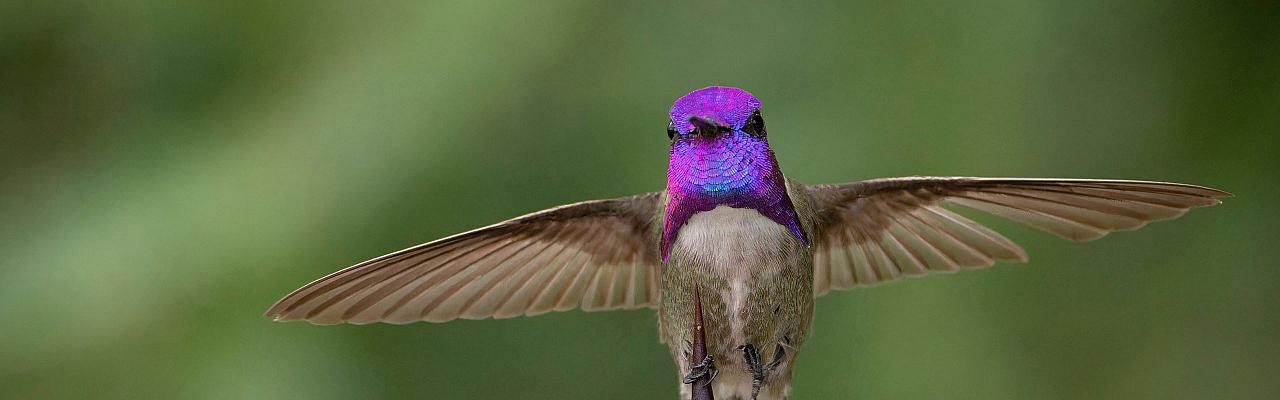
Tucson is surrounded by picturesque desert mountains. After a mid-day meet-up at the airport, we wind through these mountains to visit the world renowned Arizona-Sonoran Desert Museum, a wonderful introduction to the rich natural history of the area. Its aviary lets you see species up close, and mammals are displayed in open-air habitat zones accentuated with native plants. Wild species such as Costa’s and Anna’s Hummingbirds are attracted to the lush vegetation, so have your binoculars handy! There should be shrubs still in bloom, which attract a number of feeding butterflies.
Following our visit to the museum, we take a scenic drive to our hotel over Gate’s Pass to check into our lodgings in the center of Tucson and enjoy dinner at a favorite local restaurant.
Today’s objectives: Today we go over the basics of birding, including the gear and tools we use, and how we use them. This is also a good time to cover proper birding etiquette, too. Topics we cover include:
-
Optics
-
Phone Apps
-
Proper field clothing
-
Home feeders
Accommodations at Lodge on the Desert (D)
Tues., Oct. 19 Sweetwater Wetlands | Saguaro NP West | Tucson Local Parks
Lesson of the Day
Think like a Birder: How birders identify birds.
Sweetwater Wetlands, one of Tucson’s many birding hotspots, is first on the docket after breakfast today. Harris’s Hawk rest in tall eucalyptus trees, while Song Sparrow and Abert’s Towhee hide in thick stands of salt brush. Ducks float past cattails and willows as Red-winged, Yellow-headed, and Brewer’s Blackbirds are on the wing. One year, we had a surprise glimpse of a Bobcat on the prowl! This wetland is a true treasure in the heart of Tucson and fourth on the list of hotspots for the most species in Arizona!
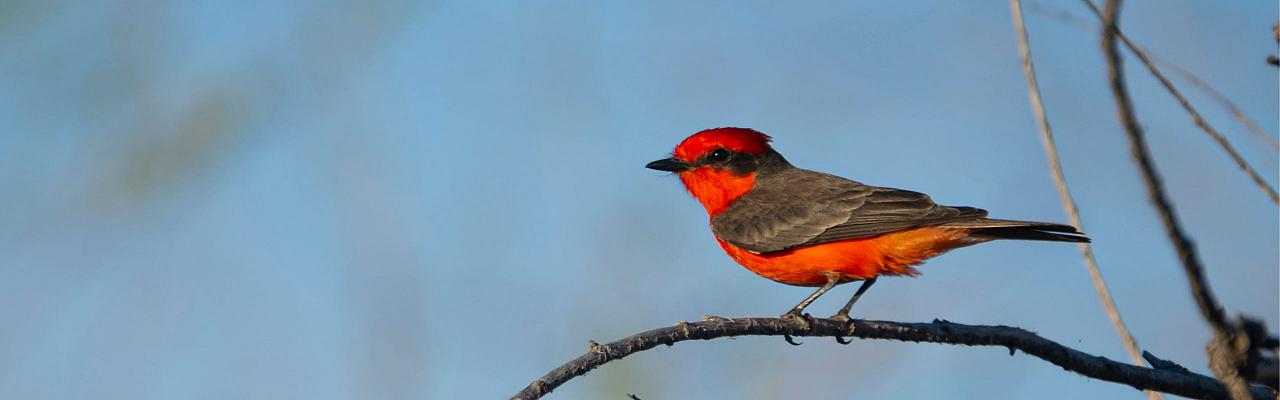
After a nice morning at Sweetwater Wetlands we make our way west to Saguaro National Park, a 90,000-acre wilderness preserve teeming with desert life. The park is home to Vermilion Flycatcher, Gilded Flicker, Gila Woodpecker, Rufous-winged and Black-throated Sparrows, Curve-billed Thrasher, and a host of other species. Greater Roadrunner may zip past us chasing its next lizard snack. After a couple of short walks and an informative drive, we leave the park on its southern side.
Returning to Tucson, we take an evening stroll before dinner at a wonderful park near the hotel. Reid Park comprises 131 acres and was established in 1925; this is a local favorite, and one of the best places in town to photograph the brightly hued Vermilion Flycatcher; these birds love the open grassfields of the park.
Today’s objectives: IDing birds. Good birders aren’t necessarily better at recognizing birds; they’re better at noticing clues. Sweetwater provides us with a great opportunity to explain the different methods we use to find and I.D. birds. How different habitats affect where we look, the changes in flora that we look for, and even how the topography of the area can determine where we look. A few of the topics we cover include:
-
The 5 Ss: Shape, Shade, Size, Sound, and Space. How to describe what you’re seeing.
-
Watching the birds behaviour Observation before identification.
-
Where to look.
-
How to describe where you see a bird.
Accommodations at Lodge on the Desert (B,L,D)
Wed., Oct. 20 Madera & Santa Rita Canyons
Lesson of the Day
Habitat and the birds you can expect: Let the habitat narrow the possibilities.
Box, Montosa, and Florida Canyons are carved out of the Santa Rita Mountains. Recent sightings dictate where we start, but these lower elevation canyons could give us the chance to see Costa's, Broad-billed, and Anna’s Hummingbirds, Rock & Canyon Wren, Greater Roadrunner, and Rufous-crowned Sparrow.
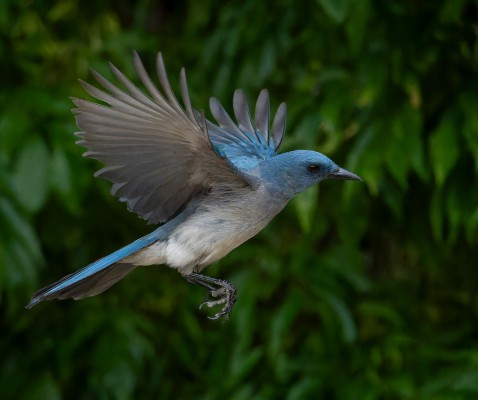
Madera Canyon, one of the most famous birding areas in the United States, is a north-facing valley in the Santa Rita Mountains with riparian woodland along an intermittent stream, bordered by mesquite, juniper-oak woodlands, and pine forests. Madera Canyon is home to over 250 species of birds, and in fruitful berry years a good spot to find wintering Coppery-tailed Trogon and possibly wintering Painted Redstart. Arizona Gray Squirrel can be found here, and Black-tailed Jackrabbit occur in the grasslands surrounding the peaks. Acorn Woodpecker call from their food-storage trees and Arizona Woodpecker may visit local feeders to join the array of hummingbirds. We may also see Bushtit and Hutton’s Vireo and we have a great chance to see Mexican Jay. Depending on what we find here, we may also venture to other nearby canyons.
Today’s objectives: How the bigger, broader habitats affect how and where we look for birds.
The Santa Rita mountain range is a great example, as we zoom out, of how the bigger picture of habitat plays a role on how and where we look for birds. As we make our way into the mountains we see the stunning Sky Islands rise dramatically from the desert, revealing many different life zones from afar. Today we cover topics including:
-
Life Zones: Where am I?
-
Topography: What does the land look like?
-
Patches: Where are the birds likely to be right now?
Accommodations at Lodge on the Desert (B,L,D)
Thurs., Oct. 21 Patagonia Lake & Hummingbirds | San Pedro River
Lesson of the Day:
The Power of Bird Structure: Shape often tops color.
After a great breakfast at the resort, we pack up our gear and head towards the Huachuca Mountains and our next lodgings at the beloved Casa de San Pedro. We make this a full day, as we pass through prime birding areas along the way.
Our first stop is at Patagonia Lake, where the inlet to the lake occasionally shelters an overwintering Coppery-tailed Trogon. They like to feed on Giant Water Bugs! A variety of ducks and grebes may be on the water, and in the shrubby vegetation rimming the lake we can find wintering warblers, vireos, and gnatcatchers.
Then it’s on to the hamlet of Patagonia. We enjoy lunch here at a favorite café and then check out what’s happening at feeders at Tucson Audubon’s Paton Center for Hummingbirds and other sites of interest. There is a nature trail winding through mesquite woodlands and riparian areas that connects to the local Nature Conservancy Reserve for those that wish to wander. Species we may see here include Violet-crowned Hummingbird, Curve-billed Thrasher, Rufous-winged Sparrow, Canyon and Abert’s Towhees, and Lazuli Bunting.
From here it’s about an hour and a half to our lodgings. Our wonderful hosts Patrick Dome and Karl Schmitt are waiting to greet us at the Casa de San Pedro. We save enough time to get settled into our room and have a nice evening stroll along the river before dinner. Tonight we talk about birding by ear.
Today’s objectives: How bird topography is used in identification and the beginnings of “Gestalt.”
-
Bills
-
Tails
-
Wing shape
-
Posture
-
Silhouette
Accommodations Casa de San Pedro (B,L,D)
Fri., Oct. 22 Ramsey Canyon | San Pedro River | Ash Canyon Bird Sanctuary
Lesson of the Day
Looking beyond color: Field marks and behavior. Good birders don’t necessarily know more birds—they simply notice more details.
The morning starts off with a wonderful Casa de San Pedro breakfast. After that, we head to The Nature Conservancy Preserve at Ramsey Canyon, one of the first well-known birding sites in Southeast Arizona. Here, Ramsey Creek descends through oak woodlands, its banks lined with massive, sculptured trunks of Arizona Sycamores. We hope to see some wintering warblers such as Townsend’s Warbler and Painted Redstart, Wild Turkey, Red-naped Sapsucker and Hutton’s Vireo. Hummingbird feeders may delight us with a sighting of Blue-throated Mountain-gem, the largest hummingbird species in the United States. Walk the trails, browse the bookstore and gift shop, or park yourself under a tall, bending sycamore to wait for the birds to come to you!
After lunch we head down to the San Pedro House, a visitor center with walking trails on the San Pedro River. Here we search for birds of the cottonwood riparian areas, adjacent mesquite woodlands and grasslands—Northern Harrier, Loggerhead Shrike, American Kestrel, Lark Bunting, Lark Sparrow, Abert’s Towhee, and other species occur here. Some years a Western Screech Owl likes to sunbathe from his cottonwood-tree home.
We enjoy our lunch with the birds at some local feeders, then continue to the Southeastern Arizona Bird Observatory’s Ash Canyon Bird Sanctuary property to look for hummingbirds including Rivoli’s, Anna’s, and Broad-billed, as well as other specialties of the pine-oak woodlands. With luck, Arizona Woodpecker and Bridled Titmouse may join us.
Today’s objectives: Today we put our studies to the test, but also take a deeper dive into field markings and behaviour. Feeders along the way today are a perfect classroom to work on studying different fieldmarks. As repeat birds come into the feeders it offers us a great opportunity for learning.
-
Observe before you identify
-
Start with the big picture—size, shape, bill, tail
-
Looking beyond color: Fieldmarks and behavior
-
Habitat
-
Put all the clues together
Accommodations Casa de San Pedro (B,L,D)
Sat., Oct. 23 Whitewater Draw | Sulphur Springs Valley & Sandhill Cranes
Lesson of the Day
Migration: Why are birds here today?
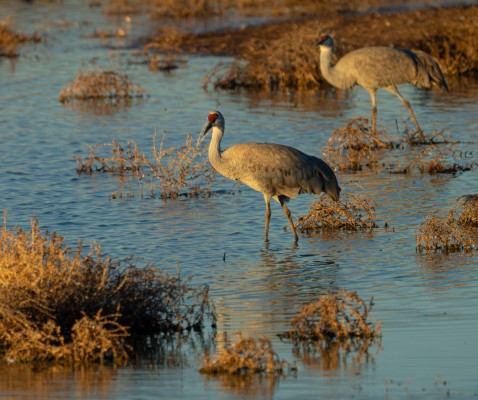
This morning, after a scrumptious Casa de San Pedro breakfast, we head out to Whitewater Draw Wildlife Area. Many of the wintering Sandhill Cranes have arrived (numbering some 35,000 birds in the Sulphur Springs Valley at the peak of winter!), and we look for them in ponds and in farm fields where they feed. Depending on water levels, Whitewater Draw may be one of the only local sites hosting shorebirds, and with luck we may see the area’s resident Great Horned and Barn Owls. The entire valley is a major wintering ground for raptors and some of the northern species like Ferruginous Hawk can be found here.
Midday, we have a box lunch at Whitewater Draw. From there we continue birding the Sulphur Valley. Agriculture fields can be a very productive form of birding, too. Dispersed throughout the many farm fields are patches of native habitat where we search for species such as Bendire’s Thrasher. Depending on time, we may have a chance to stop in historic Bisbee before returning to the Casa for a final celebratory dinner.
Today’s objectives: Today we learn about migration and how seasons change the birds we see and hear. We also learn about how migrants can change the behaviors in the birds that stay year-round or alter the habitats we find them in. Topics we cover include:
-
Spring vs Fall Migration
-
Why do birds migrate?
-
How does this affect the previous lessons learned?
It's our last evening together so we make sure we return with ample time to get packing done for our departure tomorrow.
Accommodations Casa de San Pedro (B,L,D)
Sun., Oct. 24 Departures
After one final delicious breakfast at the Casa we make the drive back to Tucson for airport drop-offs. Please plan your flight after 12:30 PM. (B)
-
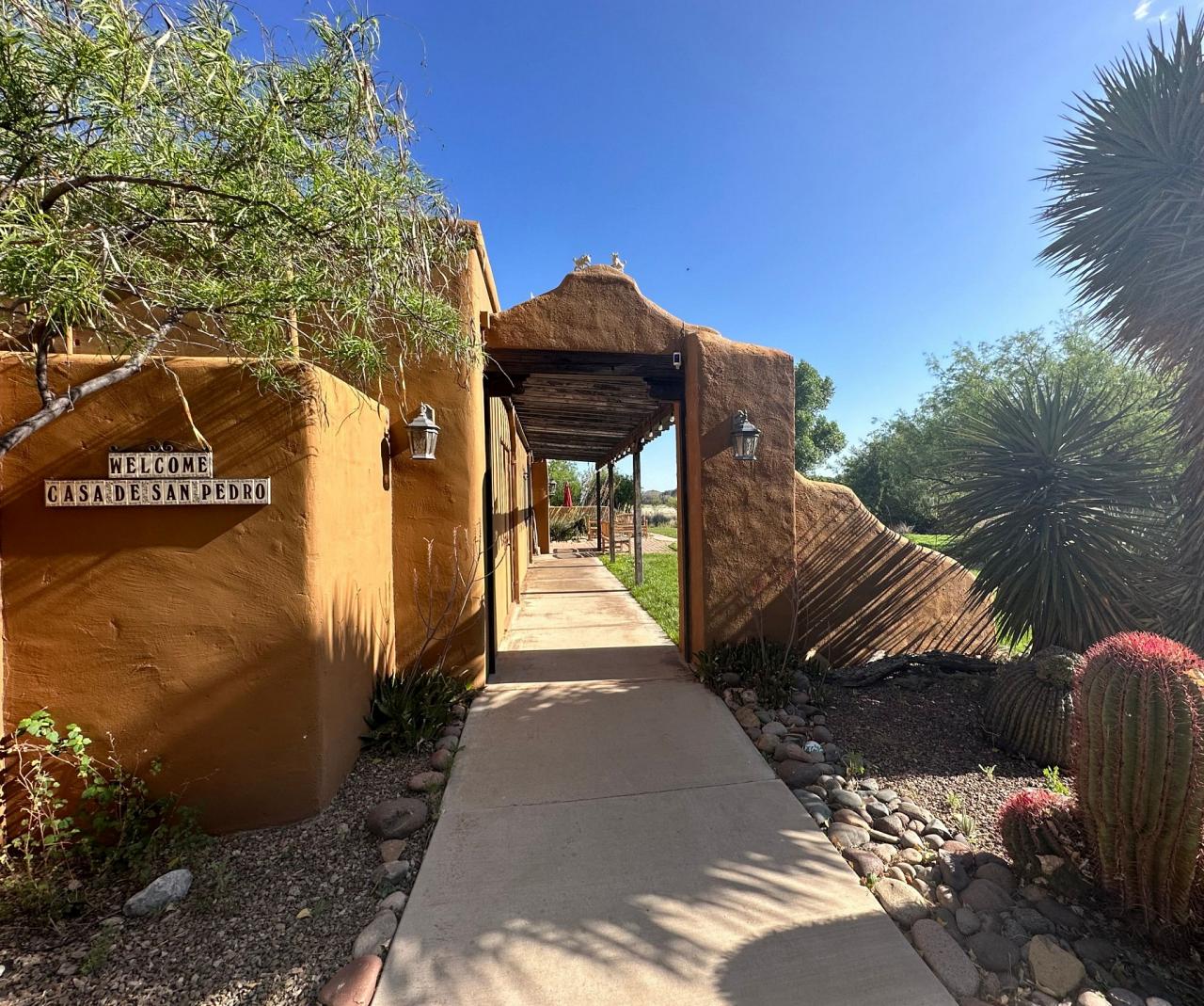
Casa de San Pedro entrance by Amelia Morrow
-
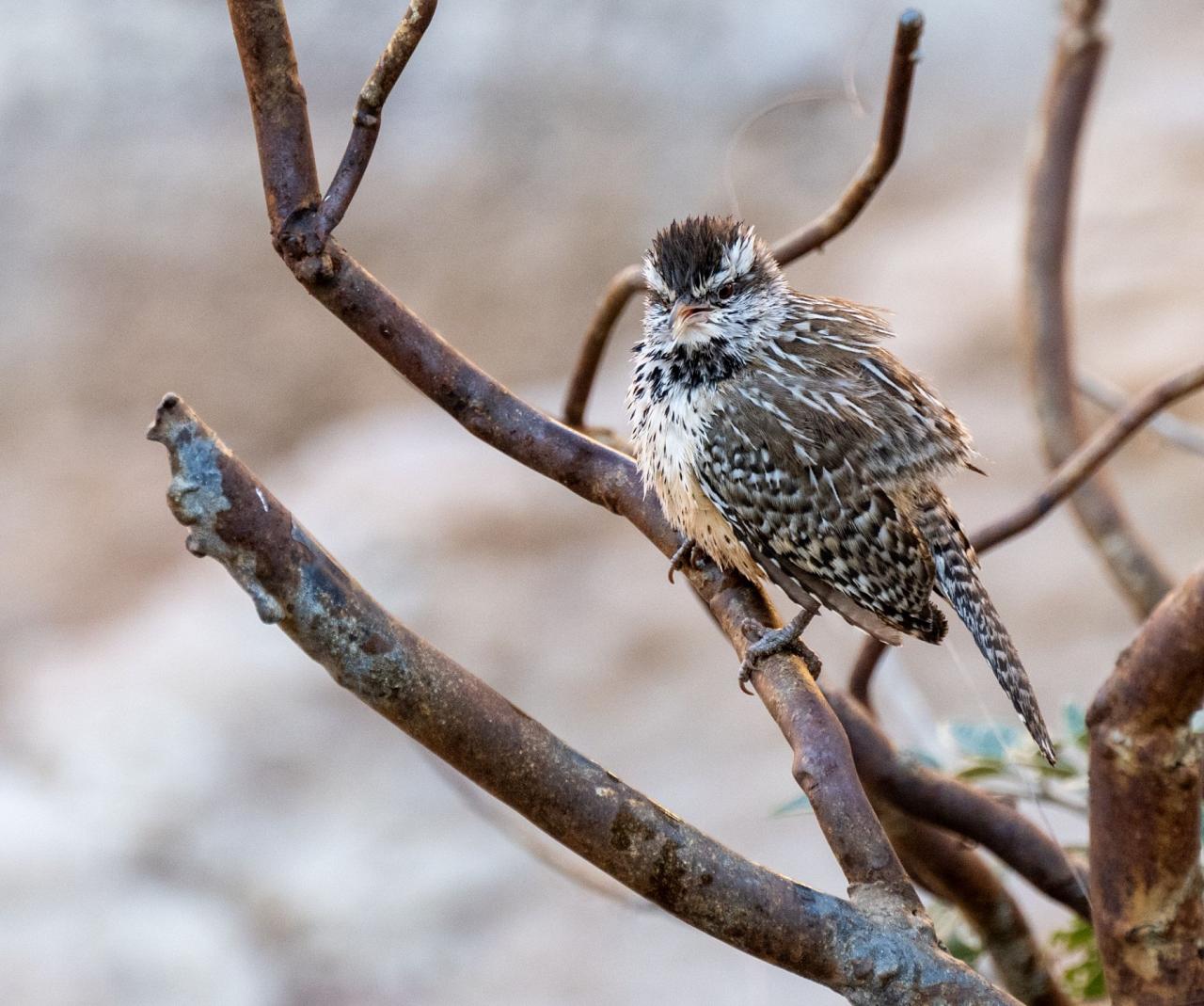
Cactus Wren by Hugh Simmons
-
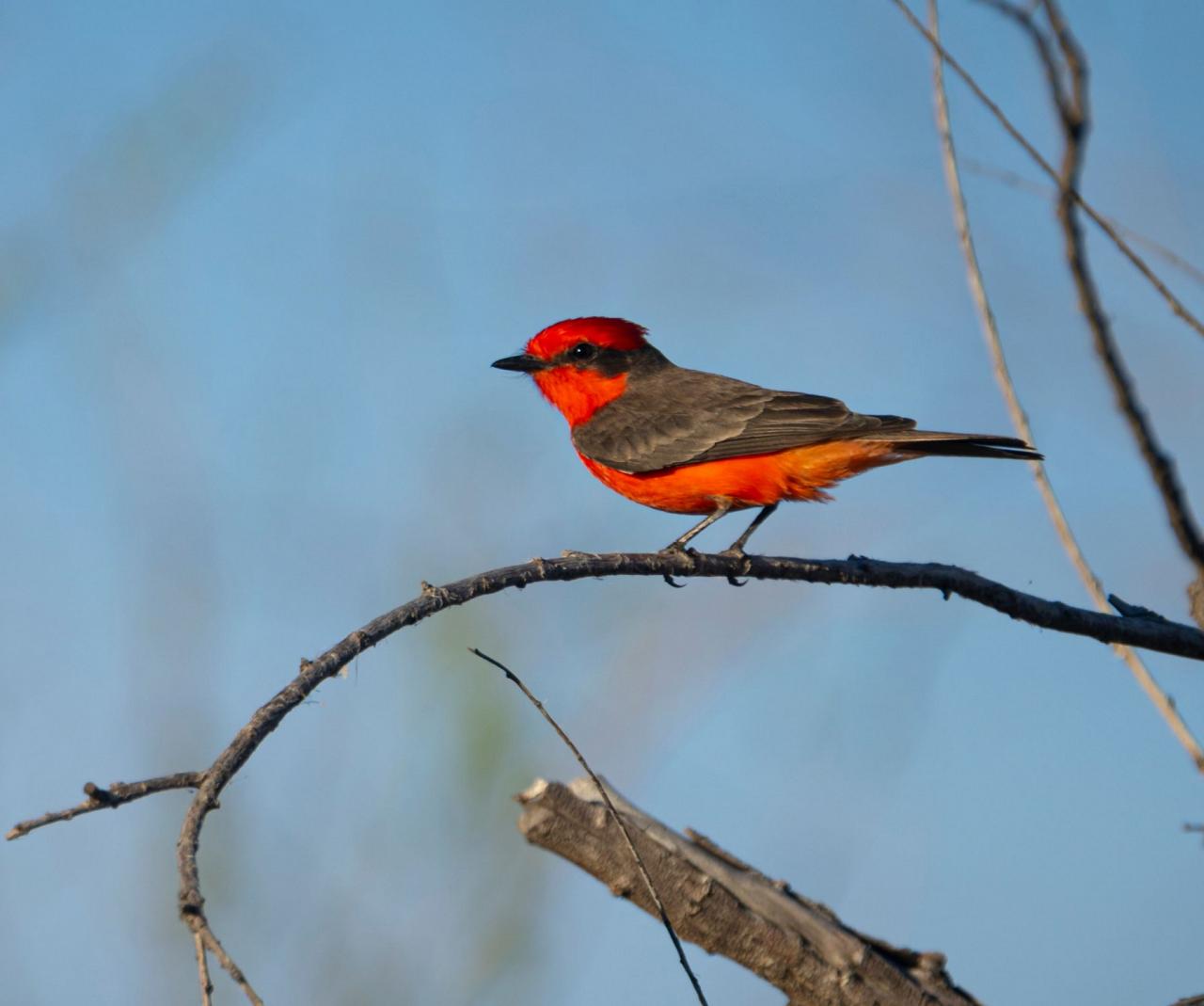
Vermilion Flycatcher by Bryan Calk
-
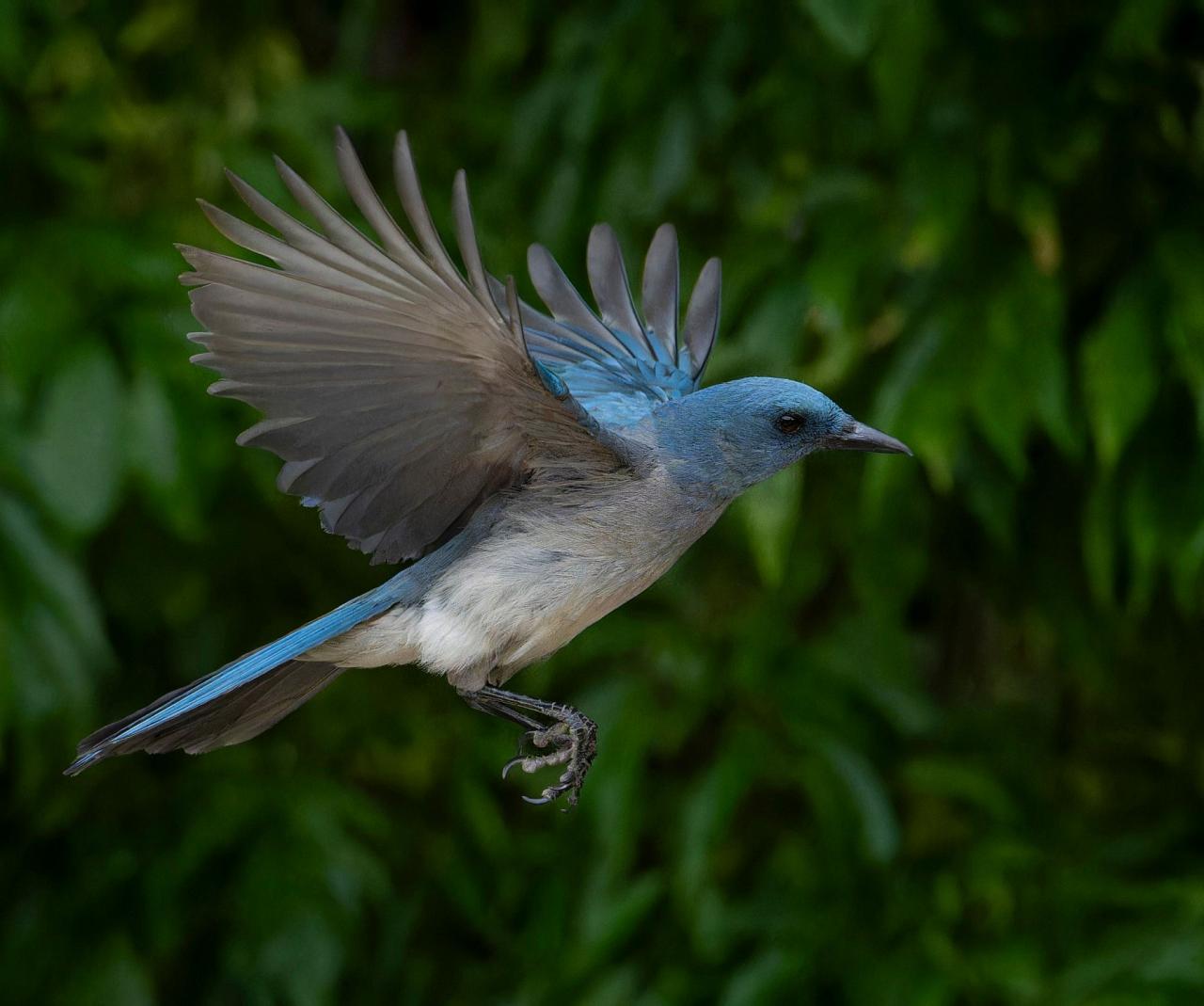
Mexican Jay by Bryan Calk
-

Casa de San Pedro courtyard at night by Amelia Morrow
-
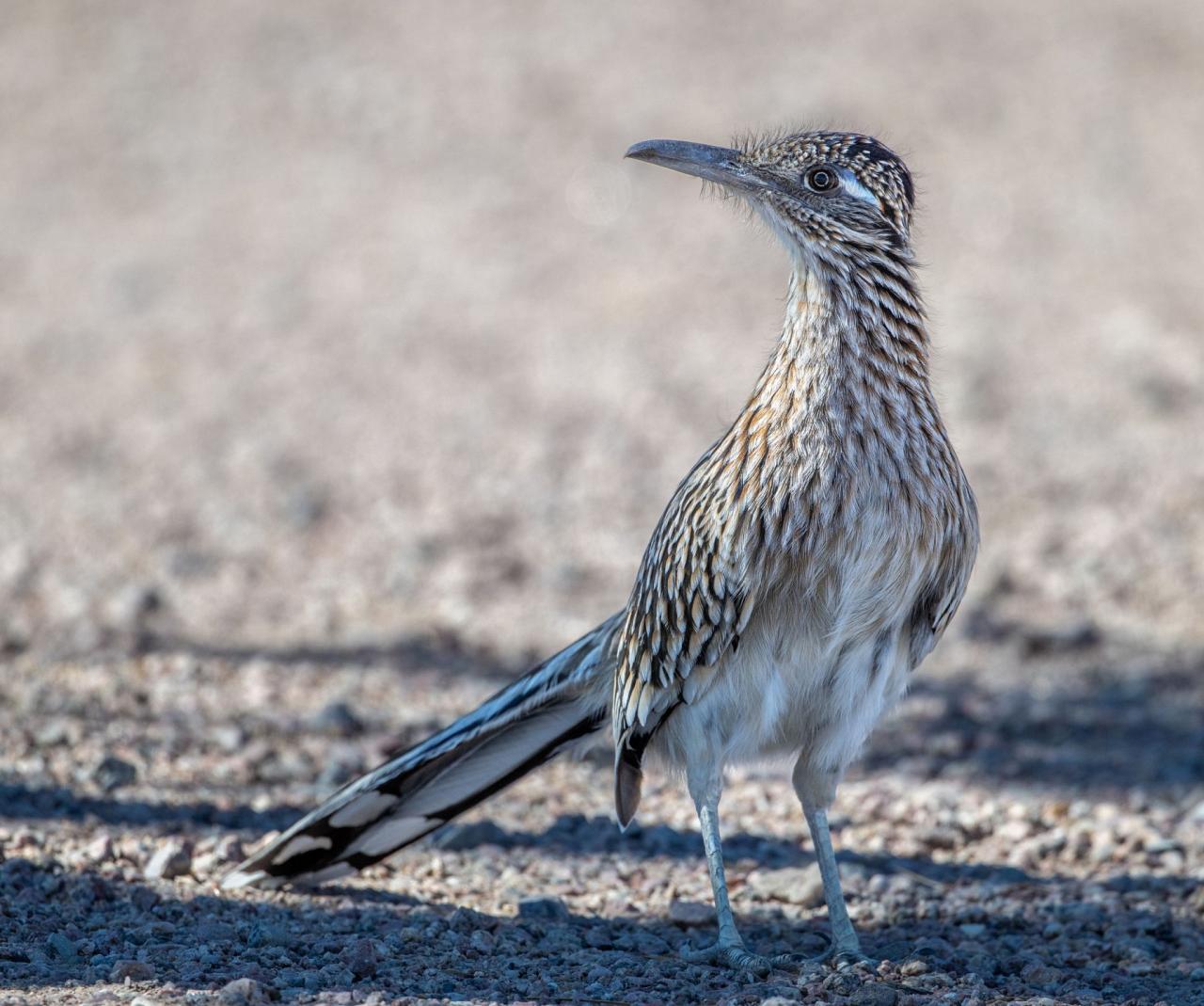
Greater Roadrunner by Hugh Simmons
-
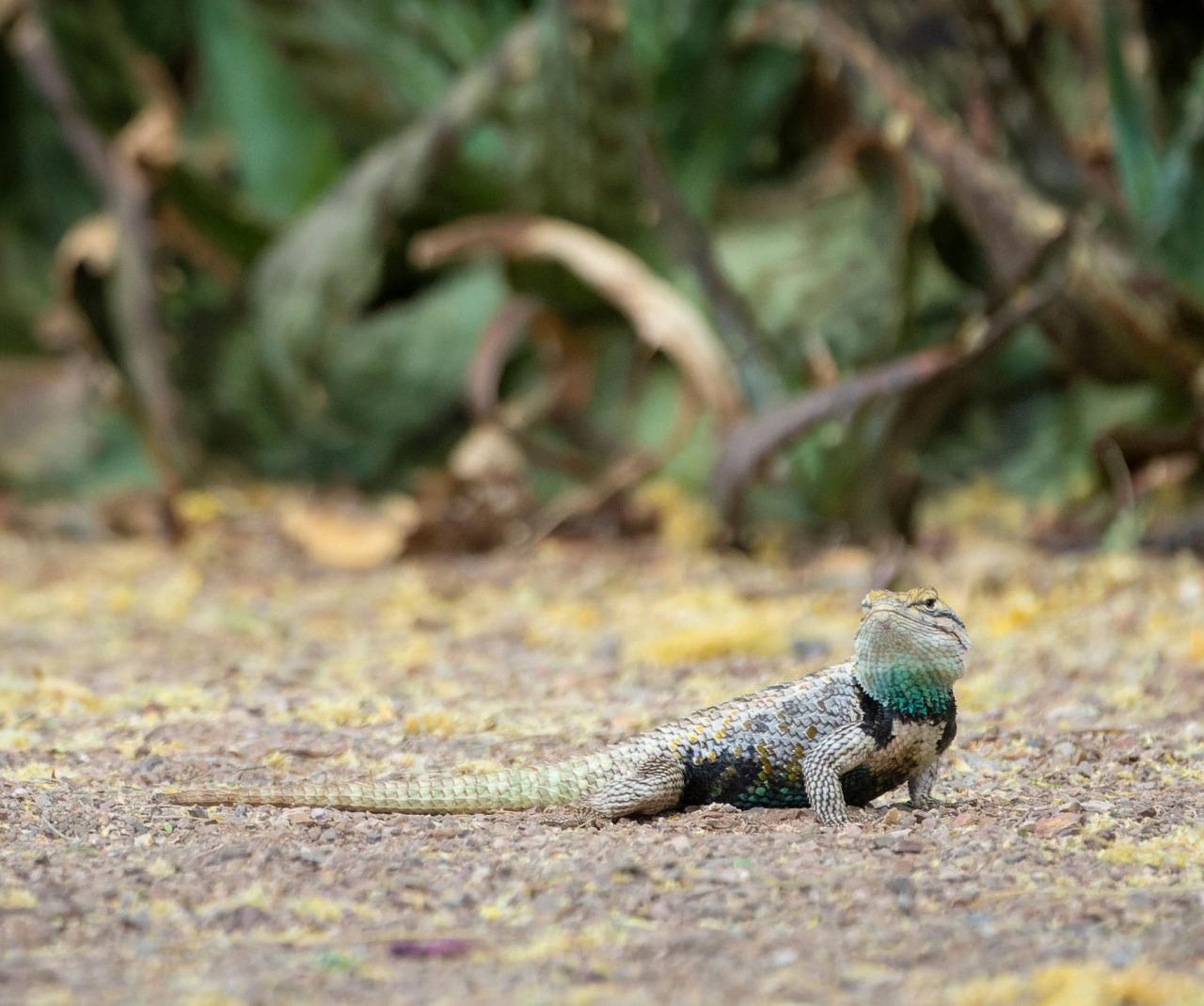
Clark's Spiny Lizard by Bryan Calk
-
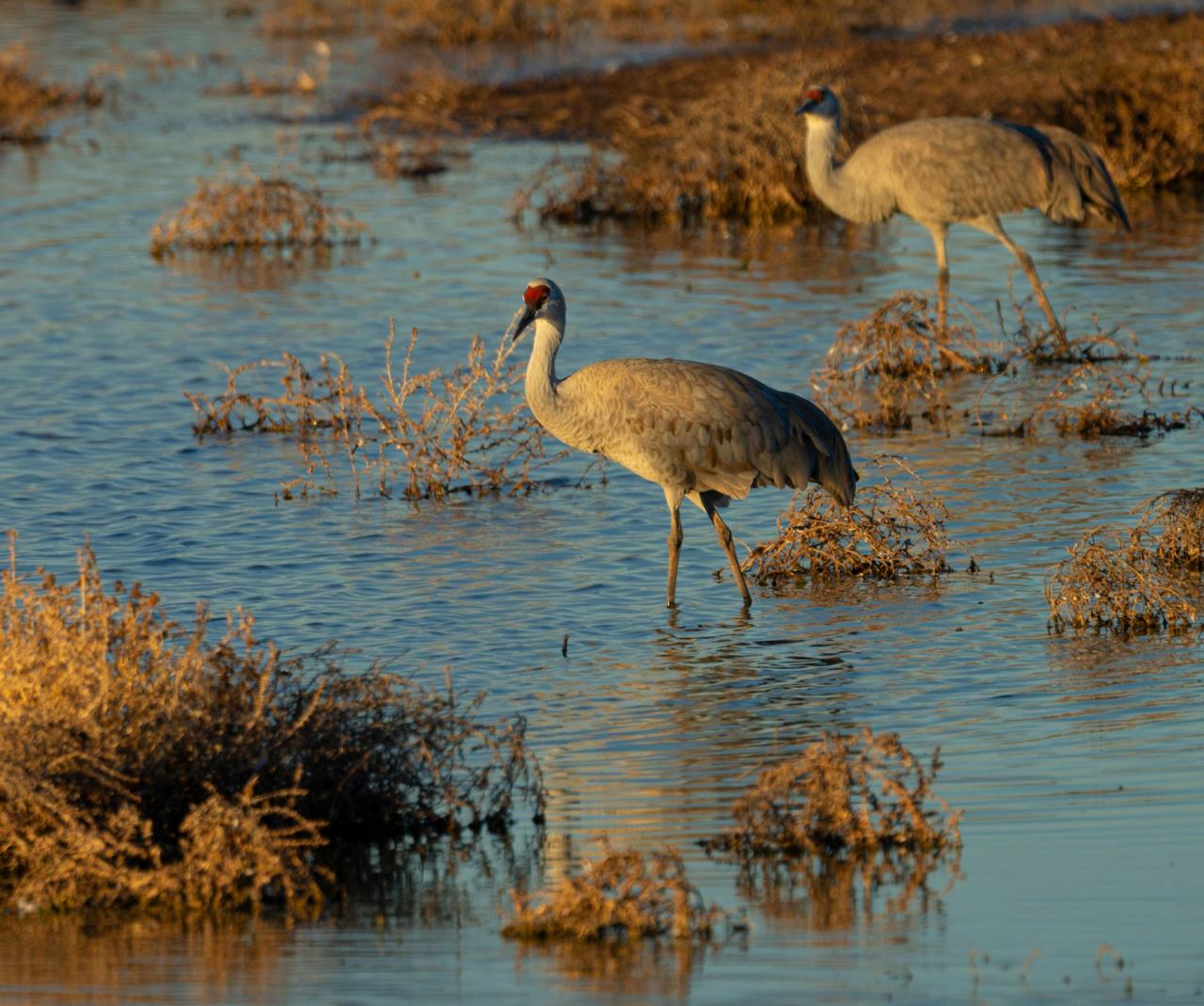
Sandhill Cranes by Bryan Calk
-
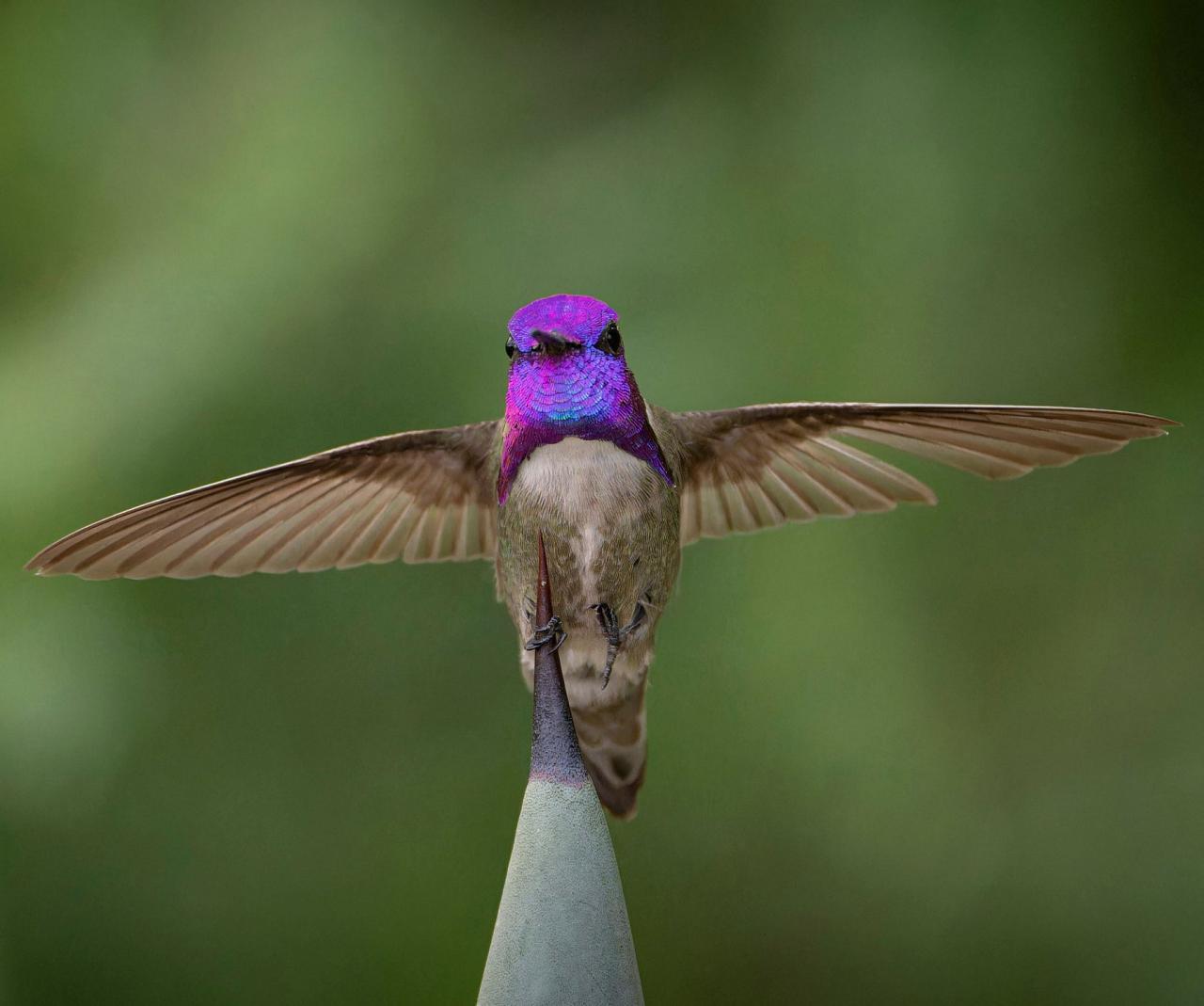
Costa's Hummingbird by Bryan Calk
-
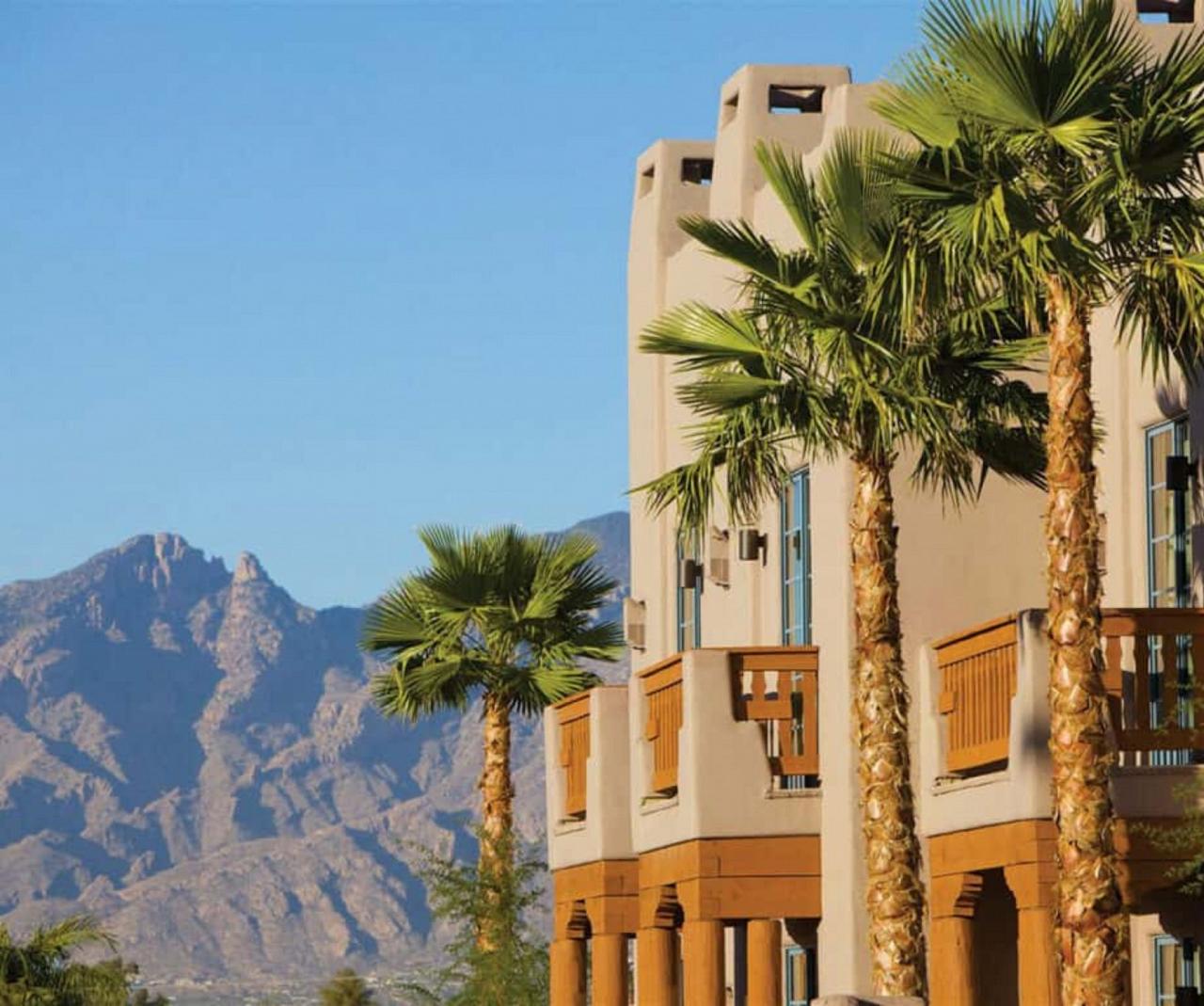
Lodge on the Desert
-
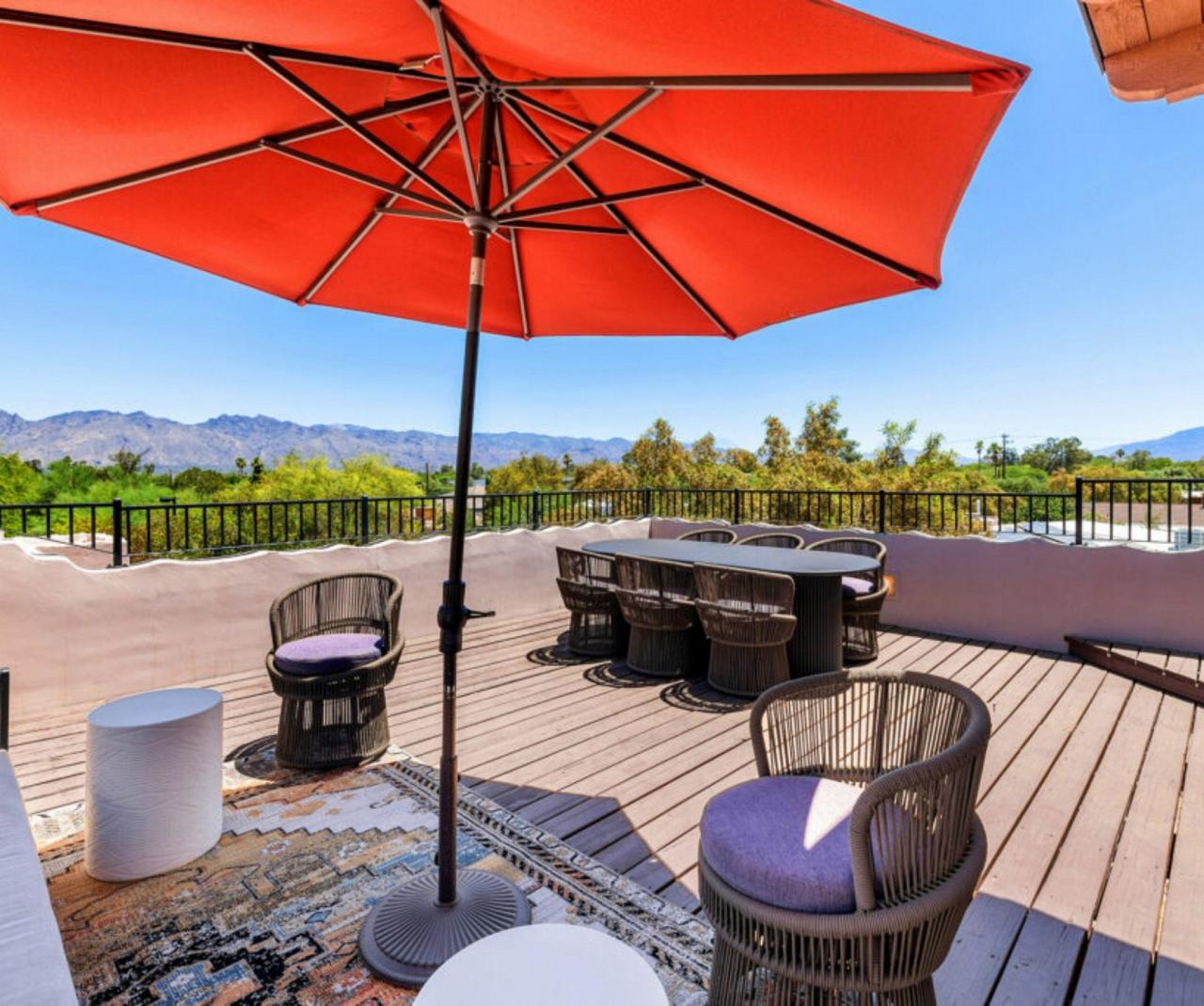
Lodge on the Desert Deck
-
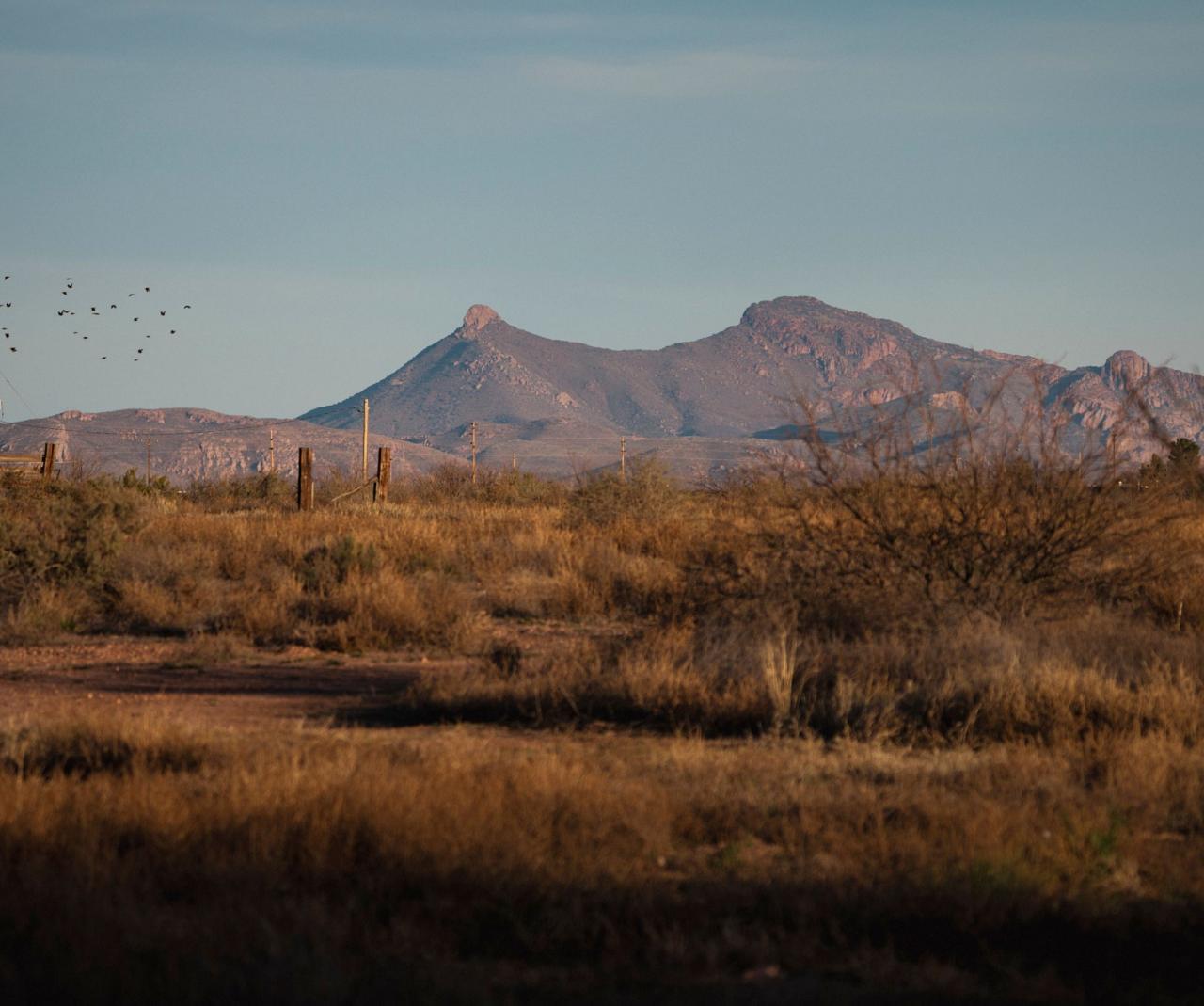
Whitewater Draw by Bryan Calk
-
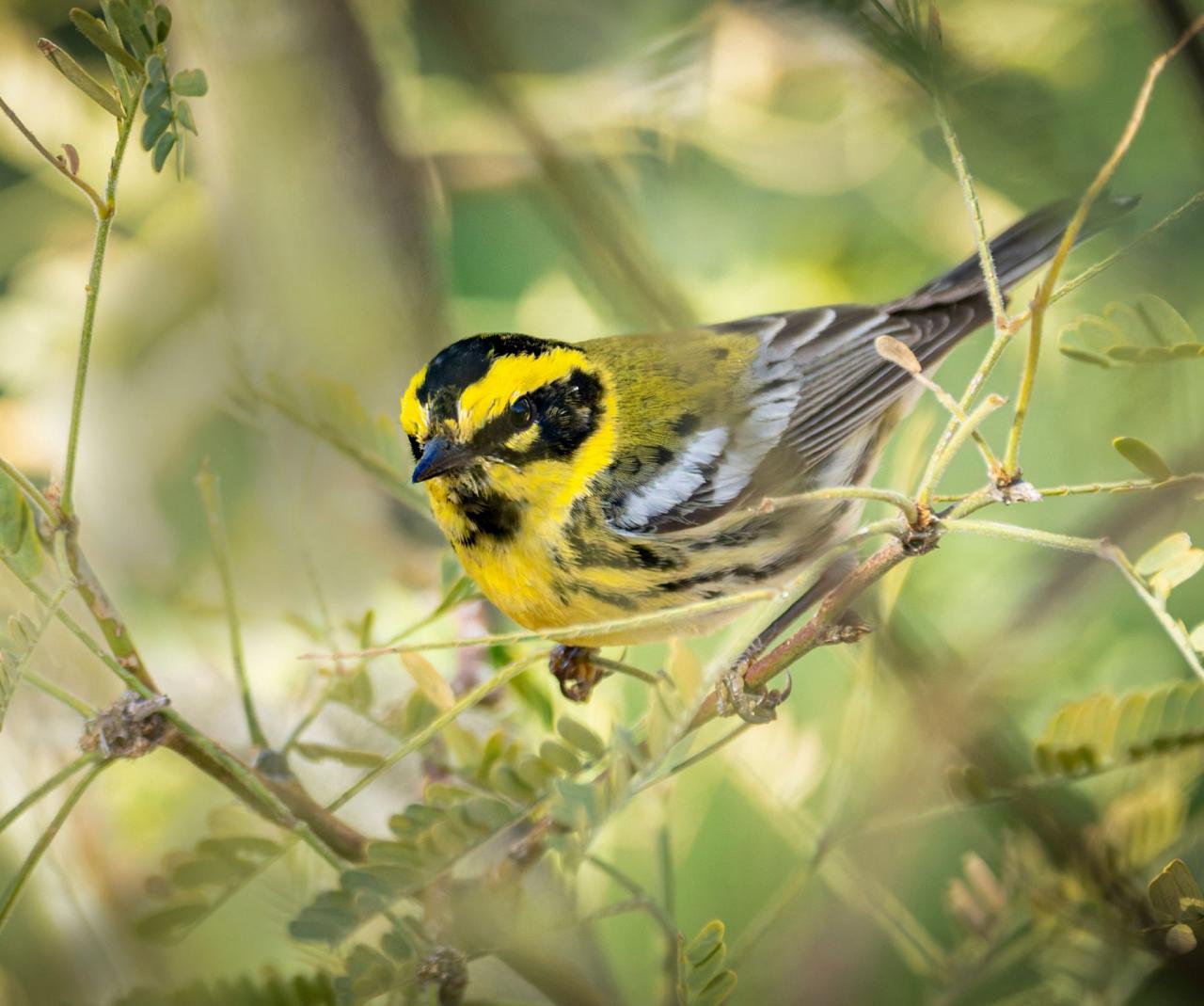
Townsend's Warbler by Bryan Calk
-
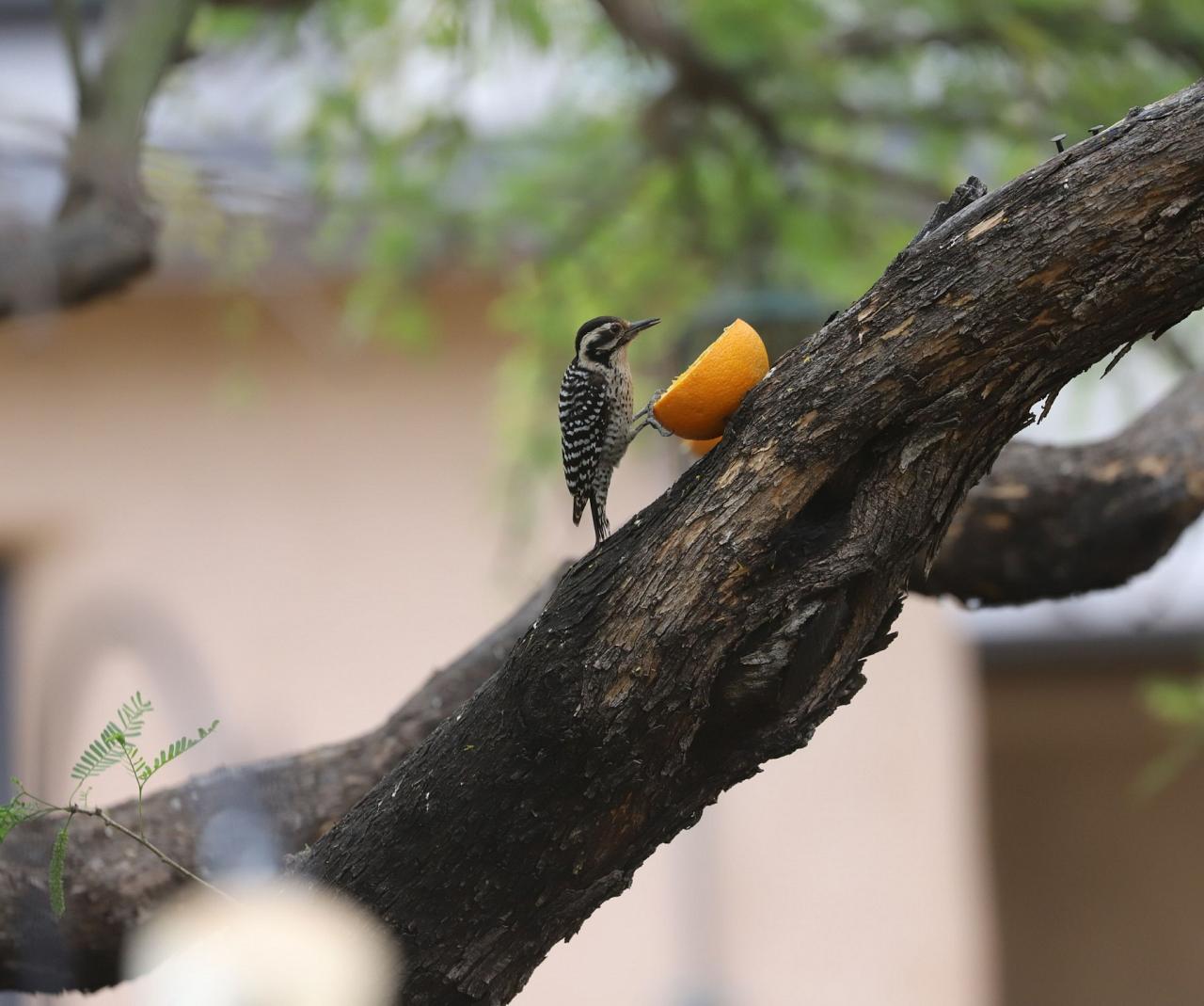
Birding the grounds at Casa de San Pedro by Sandy Robinson
-
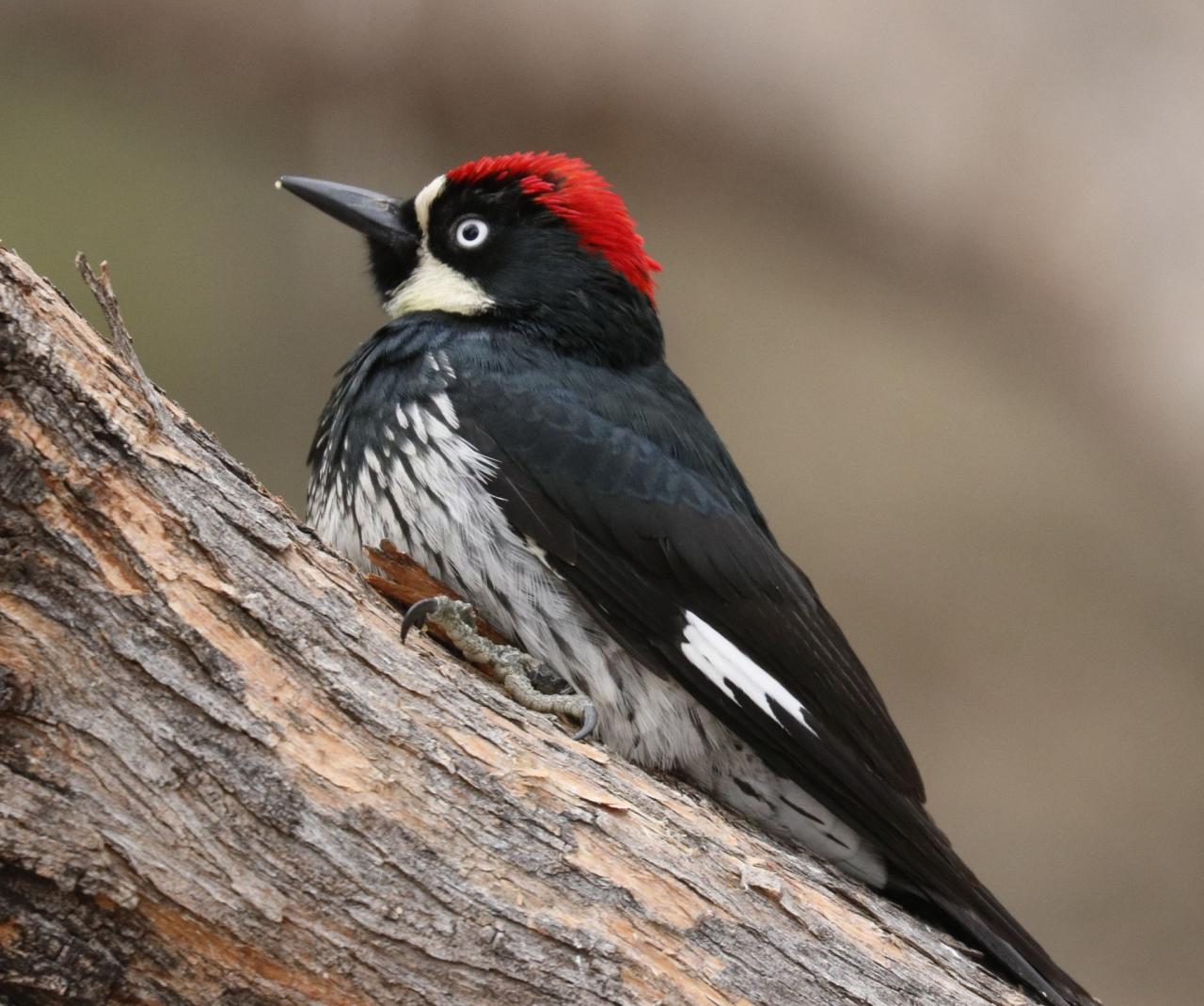
Acorn Woodpecker by Troy Corman
-
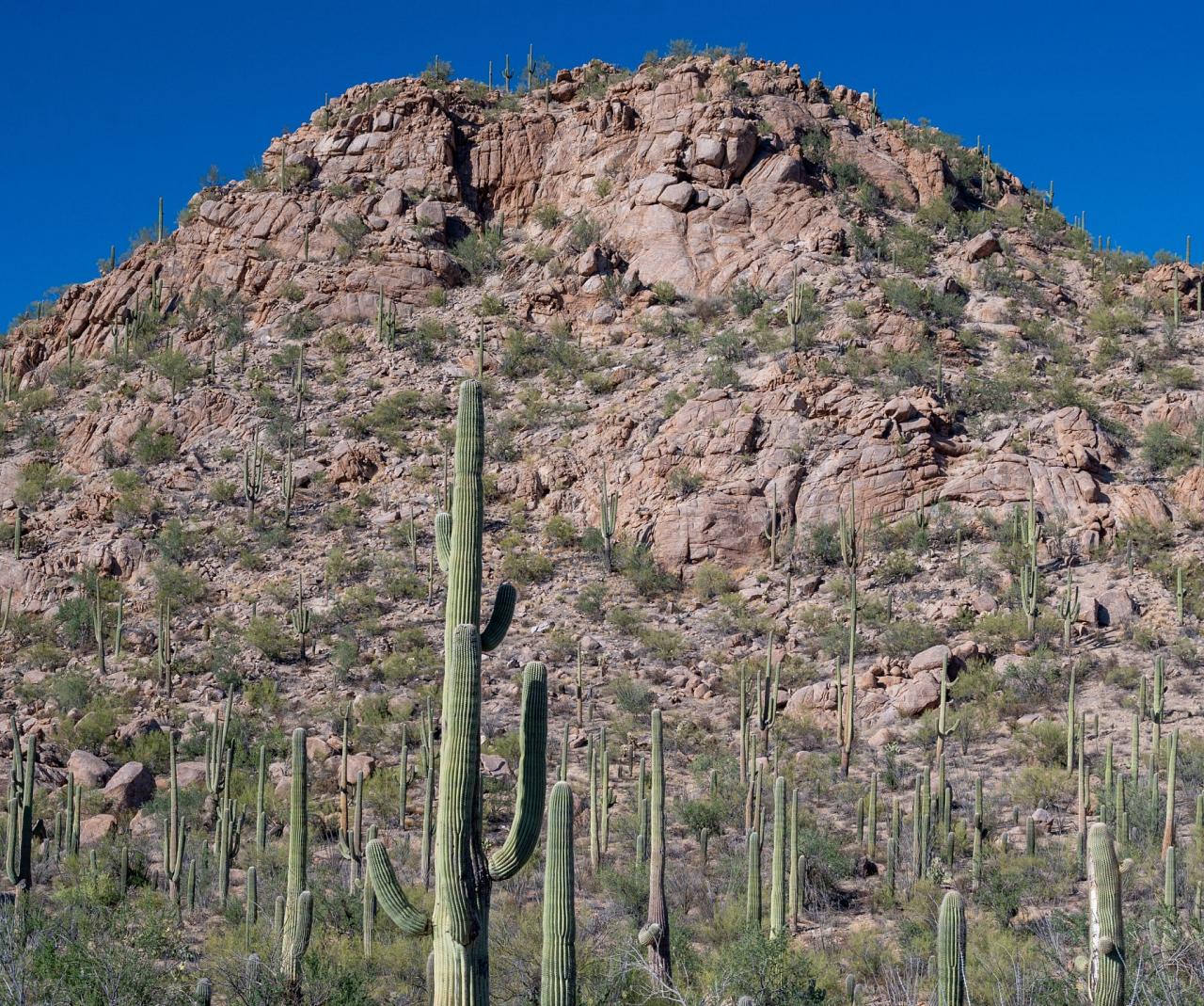
Saguaro National Park by Hugh Simmons
-

Broad-billed Hummingbird by Hugh Simmons
-

Painted Redstart by Bryan Calk
Cost of the Journey
Cost is per person, based on occupancy: $3890 DBL / $4590 SGL from Tucson, AZ.
The cost includes: accommodations for six nights, meals as specified in the itinerary (B=breakfast, L=lunch and D=dinner), professional guide services, park and program entrance fees and miscellaneous program expenses.
The cost does not include: round-trip airfare to and from Tucson, items of a personal nature such as laundry, telephone, time in the photography blind if scheduled, drinks from the bar, or gratuities for luggage handling or personal services.
Travel Details
Please plan to make air travel plans only after the minimum group size has been met. We will send you a confirmation email as soon as the trip has been confirmed.
Arrival & Departure Airport: Tucson International Airport (TUS)
Arrival Information: Please plan flights to arrive by October 18, 2027 before 1:00 PM
Departure Information: Please plan your flight after 12:30 pm on October 24, 2027.
If you wish to extend your stay in Tucson, you could use the below hotel recommendations or plan accordingly on your own.
Hotel Recommendations: IIf you want to relax and stay near the airport after arrival (we can pick you up at these hotels), we recommend: La Quinta Inn & Suites Tucson Airport (520) 573-3333. Does staying downtown and exploring the many shops and restaurants sound interesting? We would recommend: Home 2 Suites by Hilton (520) 274-7400 and The Leo Kent Hotel by Marriott (520) 549-5330. If you have a rental vehicle and plan on visiting Tohono Chul, a great hotel in that area is La Posada. There are many restaurants in this area as well. La Posada Lodge & Casitas (520) 492-6637
Travel Tip: If you want to arrive a day or two early, Tucson is a great city to explore. The world-renowned Arizona-Sonora Desert Museum is a fun place to spend part of a day with a zoo, natural history museum, and botanical gardens all in one location. Tohono Chul Botanical Gardens offers easy nature trails through a variety of gardens and Saguaro National Park is a great place to visit for scenery, hiking, and to see the iconic saguaro cactus. The downtown area, which is close to the University of Arizona campus, offers many restaurants and shops. Downtown Tucson is about 8 miles from the airport and can be reached by a taxi, Uber/Lyft, or renting a car. You will need to return to the airport by 1 pm on November 3 if you are not staying at an airport hotel.
Browse below for trip reports and species lists from past versions of this and other tours from this destination.
Arizona
- May 2012
- March 2016
- January 2019
- November 2019
- January 2020
- May 2021
- November 2021
- January 2022
- February 2022
- May 2022
- November 2022
- January 2023
- February 2023 (Sweetheart Birding)
- February 2023
- May 2023
- February 2024
- April 2024
- May 2024
- November 2024
- January 2025
- March 2025 (Raptor Round Up)
- April 2025
- May 2025
- November 2025
- February 2026
- April 2026
- May 2026
Monsoon Madness
- August 2012
- August 2014
- August 2016
- August 2017
- August 2018
- August 2019
- July 2021
- August 2021
- July 2022
- August 2022
- August 2023
- August 2024
- August 2025
- August 2026
Sunshine & Saguaros
- November 2023
- January 2024
- November 2024
-
Scott Huber

Scott’s passion for the outdoors and wildlife has provided him with a wide range of experiences in the field, beginning with songbird and owl surveys, as well as mammal and amphibian surveys. In 2007 Scott began leading birding tours in the western U.S., starting in his home state of California and subsequently in Arizona, Texas, Utah and parts of two summers in Alaska. In 2011 he became the Outdoor Education Coordinator for California State University Chico’s Big Chico Creek Ecological Reserve. Scott began five years of guiding wildlife tours in Grand Tetons and Yellowstone National Parks in 2020. In 2025, Scott and his wife built a home in Portal, Arizona, at the mouth of magical Cave Creek Canyon, where he leads day birding trips. Scott has written two novels, one dealing with the gray wolves of Yellowstone and one about border-crossing jaguars.
Other trips with Scott Huber
-
 Minnesota: Winter Owling TourJanuary 23 - 28, 2027
 -
 Minnesota: Winter Owling TourJanuary 30 - February 4, 2027
 -
 A Week at Belize's Black Rock LodgeMarch 21 - 27, 2027
 -
 Southeast Arizona FULL - See our May departure!April 20 - 29, 2027
 -
 Yellowstone: Birds, Bears & WildlifeJune 3 - 9, 2027
-
-
Barbara Jording
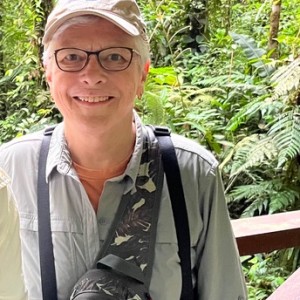
Barb’s passion for birds started early; in grade school she spent hours leafing through her mother’s Birds of America, making lists of birds according to color. A family trip to Europe at age 12 opened the world to her. She returned to Switzerland as an exchange student in high school and in college guided student tours with the Experiment in International Living.
Barb volunteered with Golden Gate Raptor Observatory trapping and banding raptors for 5 years and has participated in many Christmas Bird Counts. After 25 years as a small business owner, Barb sold out and with her partner Liz, spent the following 5 years work-camping in their RV, crisscrossing the US and Canada exploring National Parks and Monuments, choosing destinations according to migration, connecting with nature, people and history.
Not yet ready to retire, in 2016 Barb prepared for a new career as a Certified RV Technician which led to touring contracts with an exclusive, small RV Caravan company. Several tours to Alaska and the Grand Circle of the Southwest were the perfect opportunity to feed the travel bug and share nature, culture, history and local cuisine with guests.
Dual addictions to travel and birding have guided Barb’s journeys through Europe, South and Central America, Mexico, Canada, and every US state. Always with a pair of binoculars handy! Barb looks forward to each opportunity to share the excitement and joy of these passions with our guests here at Naturalist Journeys.Other trips with Barbara Jording
-
 Birding Canyon Country CLOSED - See our spring 2027 departure!September 15 - 23, 2026
 -
 South Texas Birding & Nature FULL - See our 2027 departures!November 9 - 17, 2026
 -
 Puerto Rico Birding & Nature FULL - See our November departure!February 15 - 21, 2027
 -
 South Texas Birding & Nature Women's Only DepartureMarch 10 - 18, 2027
 -
 Trinidad & Tobago: Incredible Birds & WildlifeApril 22 - May 1, 2027
 -
 Birding Canyon CountryMay 16 - 24, 2027
 -
 Oaxaca Valley: Birds, Culture & CraftsJuly 5 - 13, 2027
 -
 Guatemala: A Cultural Birding Journey Women's Only DepartureDecember 2 - 10, 2027
-
Essential Information +
Packing List +
Suggested Reading List +
Useful Links +
Photo credits: BANNERS: Vermilion Flycatcher (Bryan Calk), Whitewater Draw (Bryan Calk), Costa’s Hummingbird (Bryan Calk) THUMBNAILS: Mexican Jay (Bryan Calk), Sandhill Cranes (Bryan Calk), Cactus Wren (Hugh Simmons)