
Guatemala is one of Central America's most rewarding destinations, where spectacular volcanic landscapes, rich Maya traditions, and remarkably diverse birdlife come together in a surprisingly accessible journey. From the pine-oak forests of the highlands to the breathtaking shores of Lake Atitlán, this thoughtfully crafted itinerary showcases the country's natural beauty while introducing travelers to the people, traditions, and flavors that make Guatemala so memorable.

On this special women-only departure, enjoy all the outstanding birding and cultural experiences that Guatemala has to offer while traveling with a community of like-minded women who share a passion for nature, learning, and exploration. Search for dazzling highland specialties, stroll the cobblestone streets of Antigua, prepare traditional Guatemalan cuisine, meet local artisans and entrepreneurs, and soak in the spectacular scenery of Lake Atitlán. Comfortable eco-lodges, excellent cuisine, and warm Guatemalan hospitality make this an unforgettable journey both on and off the birding trail.
Tour Highlights

  • Search for Guatemala's remarkable highland specialties, including the dazzling Pink-headed Warbler, iconic Resplendent Quetzal, and many regional endemic birds.
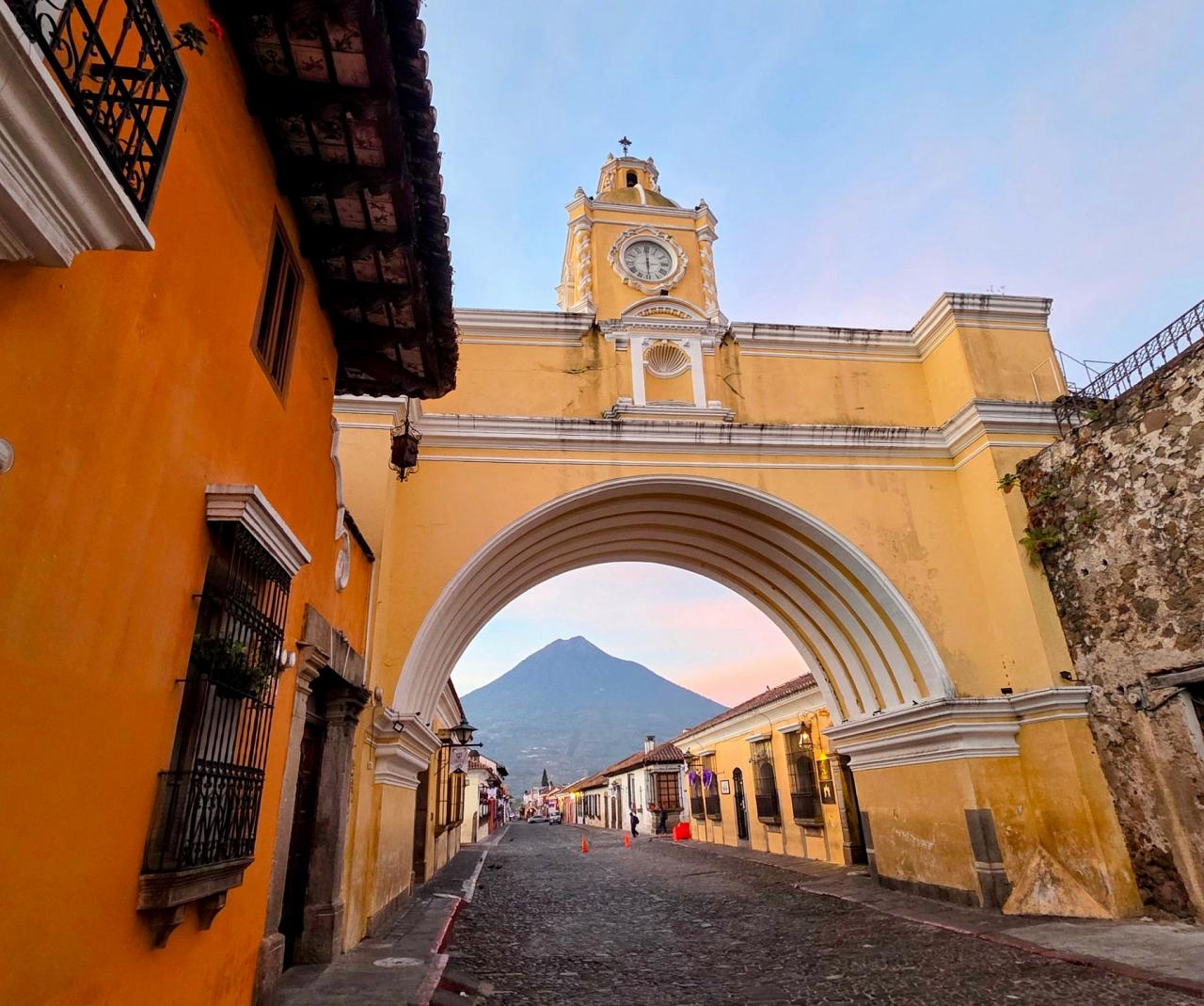
  • Explore the beautifully preserved colonial city of Antigua, a UNESCO World Heritage Site filled with historic churches, plazas, and colorful streets.
  • Experience the spectacular beauty of Lake Atitlán while staying at an eco-friendly lakeside lodge surrounded by volcanic peaks and Maya villages.
  • Immerse yourself in Guatemalan culture through a hands-on cooking class, a painting workshop, and visits with local women entrepreneurs.
  • Discover the traditions of the Guatemalan highlands while browsing the vibrant Sololá Market and visiting indigenous communities around the lake.
  • Connect with a welcoming community of women who share a passion for birding, nature, and the joy of exploring new places together.

Trip Itinerary

Itineraries are guidelines; variations in itinerary may occur to account for weather, road conditions, closures, etc. and to maximize your experience.

Thurs., Dec. 2    Arrival in Guatemala City | Antigua Guatemala

Welcome to Guatemala! Arrive today at La Aurora International Airport. It’s about a three-hour flight from most USA gateway cities to Guatemala. Upon arrival, you are met at the airport for the drive to our first hotel, a short distance south of Antigua Guatemala, about an hour from the airport.

Finca San Cayetano is known for its luxurious eco-friendly cabins, restaurants, and panoramic views of the Fuego, Acatenango, and Agua volcanoes. We gather for dinner tonight in the spectacular dining room, with floor to ceiling windows overlooking this incredible setting. Settle in, relax, and enjoy a delicious meal—you’re here! Over dinner we get to know our guides and fellow travelers and enjoy an overview of our Guatemala adventure.
Accommodations at Finca San Cayetano (D)

Fri., Dec.  3    Birding at San Cayetano | City Tour in Antigua or Spanish Class

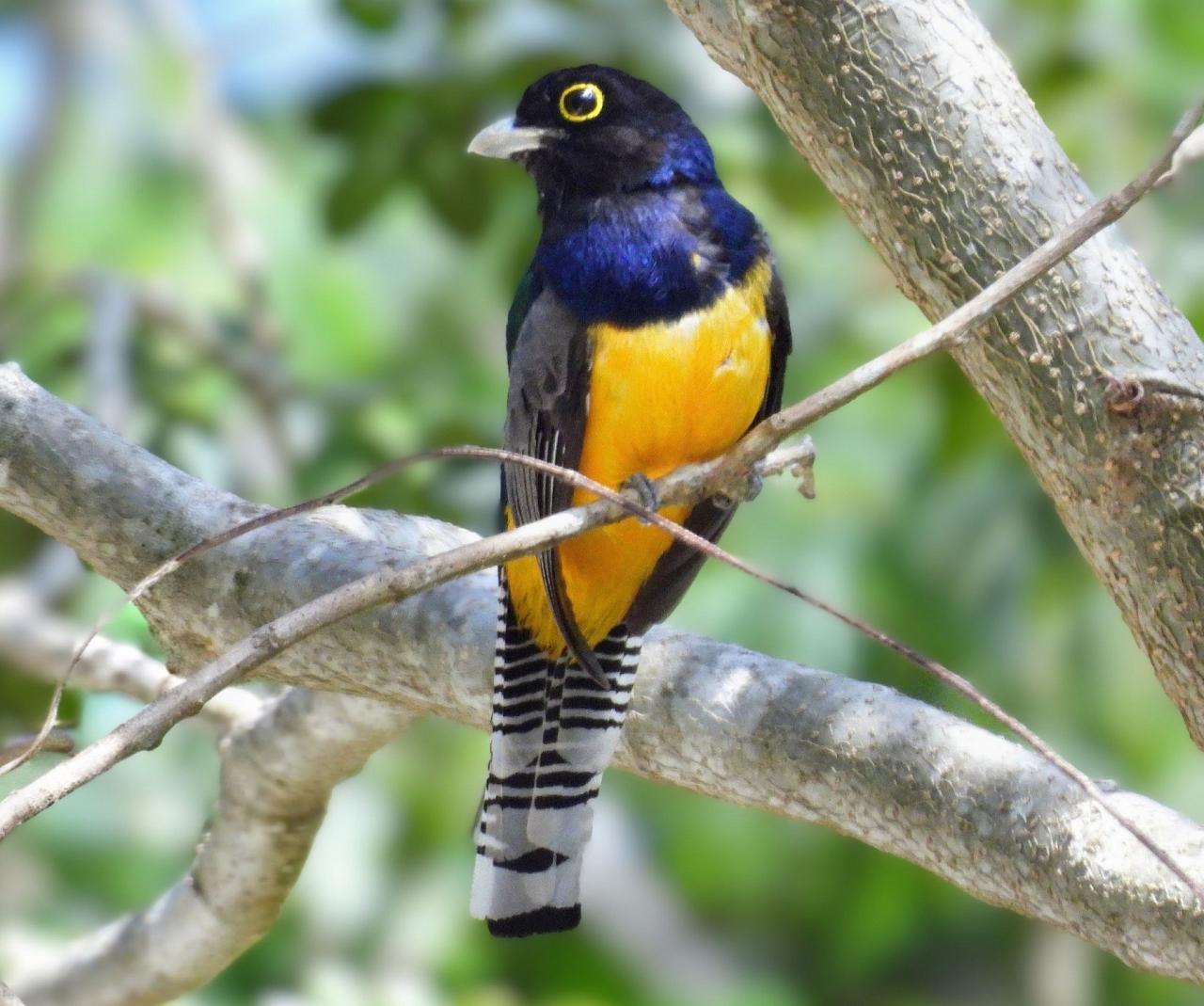
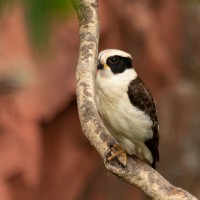
We spend our morning birding, exploring the local trails. Finca San Cayetano is one of the best bird-watching spots in the region. We spend time exploring open sites as well as highland forest, home to more than 130 species, including Gartered Violaceous Trogon, Violet-green Swallow, Long-billed Starthroat, Tody Motmot, Masked Tityra, Broad-winged Hawk, Ferruginous Pygmy-Owl, Ruby-throated Hummingbird, White-faced Ground-Sparrow, Buffy-crowned Wood-Partridge, and Collared Forest-Falcon among others.

This afternoon we embark on a walking city tour to explore fascinating Antigua. Learn about the city's colonial history as you visit its most special landmarks with an expert city guide. Antigua Guatemala is a UNESCO World Heritage Site due to its incredibly well-preserved 17th Century Spanish colonial architecture. Founded in 1542 and partially destroyed by an earthquake in 1776, it was once the third largest city in the Americas, after Mexico City and Lima. It was also the colonial capital of the Kingdom of Guatemala, which at that time extended from Costa Rica into southern Mexico. We explore the city’s plazas, palaces, churches, and more. The group may also choose to take a Spanish class; learning Spanish also means discovering the traditions behind the language. After our time in town, we return to San Cayetano for dinner.
Accommodations at Finca San Cayetano (B,L,D)

Sat., Dec. 4     Antigua Birding at El Pilar  | Guatemalan Cooking Class

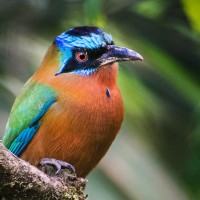
In the morning we head to an excellent reserve at Finca El Pilar. This site features a mixture of shade-grown coffee plantations and oak-pine forest. Patches of good bird habitat occur at the nature reserve and shade-grown coffee plantation. Here, we may find a fantastic and stunning variety of regional highland endemics such as Black-capped Swallow, Bushy-crested Jay, Highland Guan, Blue-throated Motmot, Rufous-collared Robin, and Blue-and-white Mockingbird. Other species we may observe include Singing Quail, Northern Emerald-Toucanet, Pacific Parakeet, Chestnut-sided Shrike-vireo, Brown-backed Solitaire, and Gray Silky-flycatcher. Hummingbird feeders attract numerous species such as Green-throated Mountain-gem, Rufous Sabrewing, Azure-crowned Hummingbird, Berylline Hummingbird, and White-eared Hummingbird. We return to downtown for lunch at a local restaurant featuring Pepién, a traditional chicken stew derived from the fusion of very old Mayan and Spanish recipes.

In keeping with our lunch this afternoon we learn more about Guatemalan food, including how to prepare it ourselves, at a local cooking school. Guatemala is one of the largest exporters of vegetables, fruit and spices to the US and Mexico thanks to its year-round growing season, range of altitudes and widespread volcanic soils. We learn how to transform this bounty, and the spices for which Guatemala is a major exporter such as cardamom, to delicious meals and snacks. After lunch, we have the opportunity to listen to a talk given by local women entrepreneurs. Women in Guatemala are driven by a variety of motivations when it comes to becoming entrepreneurs, whether in search of independence or out of a desire to contribute to the development of their community. The women in these communities are the driving force behind development; they start local businesses, increase their income, and support their families.
Accommodations at Finca San Cayetano (B,L,D)

Sun., Dec. 5      Pink-Headed Warbler at Tecpan | Lake Atitlán

After breakfast at the hotel we check out and travel to Lake Atitlán, stopping in route at Finca Chichavac, located in Tecpan. Finca Chichavac is in the mountain forest biome of Sierra de Tecpan, 30 miles from La Antigua Guatemala at an altitude of 8200 feet. Today we look for the beautiful Pink-headed Warbler, easily observed in this pine-oak forest that dominates much of the interior highlands of Guatemala. This beautiful warbler occurs in the same forest type where we may find Tufted Flycatcher, Olive Warbler, Gray Silky-flycatcher, Band-backed Wren, Cinnamon-bellied Flowerpiercer, Hooded Grosbeak, and possibly the rare Black-capped Siskin. We may also see a few friends we know from back home: Steller’s Jay (though this Central American form is all brilliant blue, without the black head of US birds), Acorn Woodpecker, Hutton’s Vireo, and Spotted Towhee. Warblers are here in good number and species may include Red-faced, Rufous-capped (a local form), Golden-browed, Townsend’s, and Hermit.

After we enjoy lunch at a local restaurant, we continue on to Lake Atitlan, where we stay for the next four nights. The journey into this Maya world begins by boat, heading to our luxurious boutique lodge, known for its ambiance, right on the shores of the lake. This lodge is internationally known for its impressive eco-friendly facilities. Few places in the world can match the spectacular beauty of this lake, one of Guatemala’s most prized natural treasures. Geologists state its origin is due to a large volcanic blast that occurred millions of years ago. Pockets of broad-leaf and mixed pine-oak forests grow in the region.

For many centuries, several native groups of Maya origin have lived on the shores of Lake Atitlán and continue to share a relationship based on community. Divided among numerous small townships, the two main groups that share the lake are the T’zutujiles and Kaqchiqeles.

We enjoy dinner tonight overlooking the lake and go over our growing bird list.
Laguna Lodge Eco Resort & Nature Reserve (B,L,D)

Mon., Dec. 6    Exploring the Trails of the Rey Tepepul Reserve

We enjoy a delicious breakfast at the hotel with spectacular lake views. Embark on a birdwatching excursion at the Mirador Rey Tepepul Reserve. A scenic boat ride will take you to the town of Santiago Atitlán, then to the Mirador Rey Tepepul Reserve. Rey Tepepul Park, part of the Lake Atitlán Basin Multiple-Use Reserve (RUMCLA) is a protected zone that safeguards key ecosystems surrounding the lake. The park lies at an elevation of approximately 1,800 meters and spans over 3,500 hectares of forest, making it an impressive conservation area for the region's biodiversity. At this site we hope to observe not only the stunning and iconic Resplendent Quetzal, but also the highly sought after endemic Azure-rumped Tanager, as well as Blue-crowned Chlorophonia, Barred Parakeet, Chestnut-capped Brush-finch, Cinnamon-bellied Flowerpiercer, Grey Silky-flycatcher, Brown-backed Solitaire, Green-throated Mountain-Gem, Golden-browed Warbler, the Northern Central American sub-species of Hairy Woodpecker, Mountain Elaenia, and so many more. Finding a late Wine-throated Hummingbird is also possible here. We spend the whole morning birding the trails here before heading to lunch at a local restaurant and then return to the lodge for a relaxed afternoon.
Laguna Lodge Eco Resort & Nature Reserve (B,L,D)

Tues., Dec. 7      Full Day at Solola Market

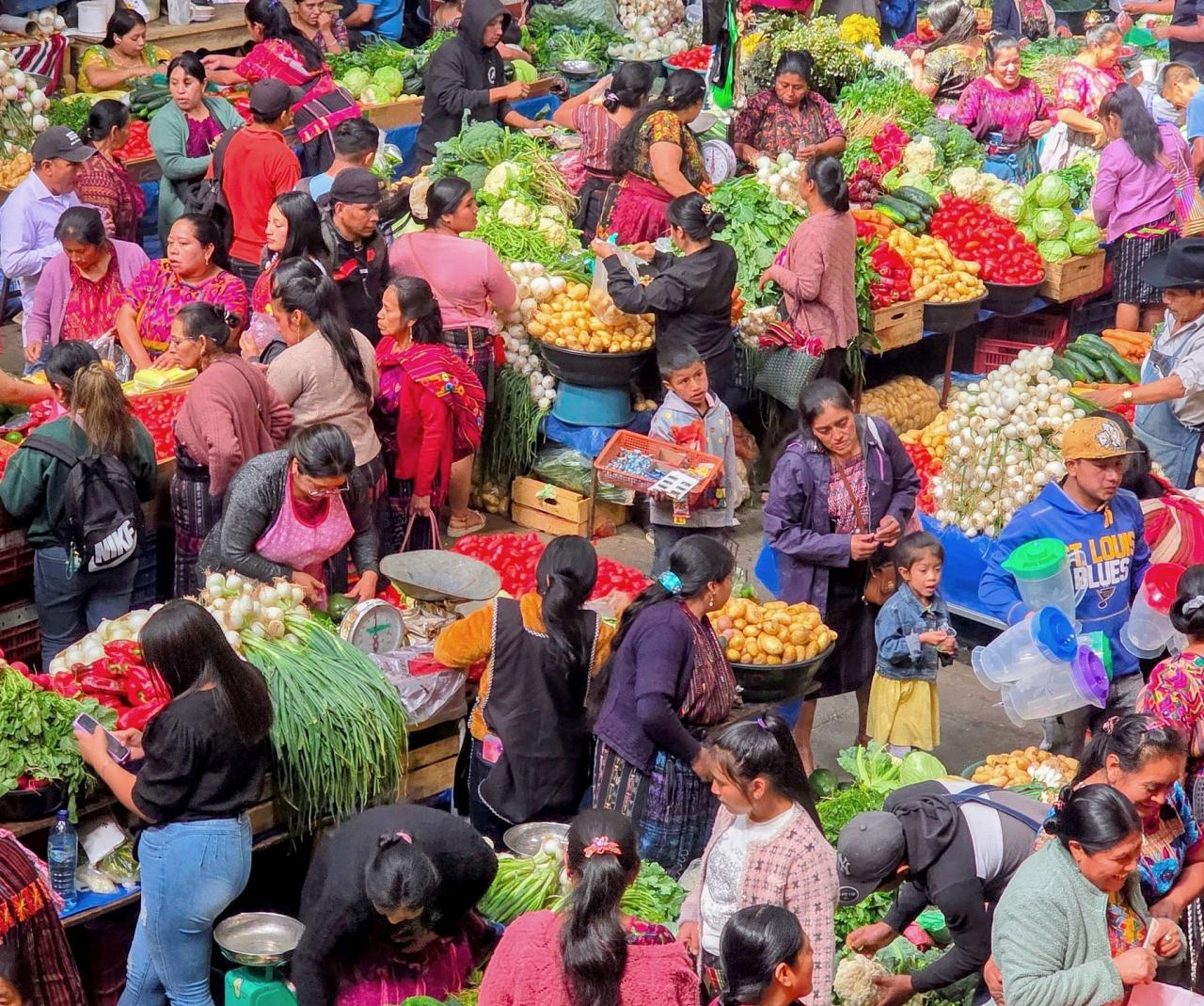
We enjoy another breakfast at the lodge before embarking on a full day trip to the Solola Market. We spend our time weaving throughout the stalls, soaking in the sights, sounds, and smells of this beautiful traditional market. The central markets in all towns feature a variety of handicrafts, and Solola is no different. Certainly a few treasures to take home are found as we explore. The Sololá market also offers us the opportunity to learn about the Cakchiquel indigenous people, their customs, and traditions; located next to the central plaza, it is one of the most authentic and traditional markets in the Guatemalan highlands. We enjoy lunch along the way, and once we’ve had the day to soak it all in, we head back to our comfortable lodge to relax, freshen up, and enjoy another excellent dinner at the lodge.
Laguna Lodge Eco Resort & Nature Reserve (B,L,D)

Wed., Dec. 8     Painting Workshop

After breakfast this morning we board a boat and ride to the picturesque indigenous village of San Juan La Laguna, one of the twelve villages surrounding Lake Atitlan. In San Juan La Laguna, we participate in a painting workshop. Known for its colorful street art and lively markets, San Juan is a vibrant village, home to many renowned artists. The women of the community serve us lunch, after which we return to the hotel in the afternoon. We can spend time birding around the lodge this afternoon, enjoying a soak in the pool, indulging in a spa treatment, or simply relaxing—this is a vacation, after all!
Laguna Lodge Eco Resort & Nature Reserve (B,L,D)

Thurs., Dec. 9      Birding Reserva Atitlan

After a final breakfast at the lodge, we depart for our final birding adventure of the trip, adding a more birds to our list. We spend the morning at Reserva Atitlan, a private reserve that has been designated an Important Bird Area by BirdLife International. The reserve is on the northern shore of Lake Atitlan and is a sanctuary for numerous species of birds, butterflies, plants, and native trees. The loop trail we walk crosses the reserve from 4900 to 5900 feet above sea level. We take our time, enjoying our finds at a birders pace. The species list here at the reserve tops out over 250 recorded species and some of our favorites we hope to see Bushy-crested Jay, Band-backed Wren, Gray Silky-flycatcher, a number of over-wintering warblers, Blue-gray and Yellow-winged Tanagers, Red-legged Honeycreeper, Golden-fronted and Golden-olive Woodpeckers, and Sparkling-tailed, White-eared, and Azure-crowned Hummingbirds, and so many more.

We return to the lodge for lunch and to pack our bags for our drive back to Guatemala City. Once in town, we check into our hotel, enjoy dinner and a final checklist, and recount our favorite experiences, both bird and cultural, of the trip.
Accommodations at La Inmaculada Hotel (B,L,D)

Fri., Dec. 10    Good-bye Guatemala

We say good bye to Guatemala as our flock disperses today. (B)

  • Chichicastenango Market by Steve Grace

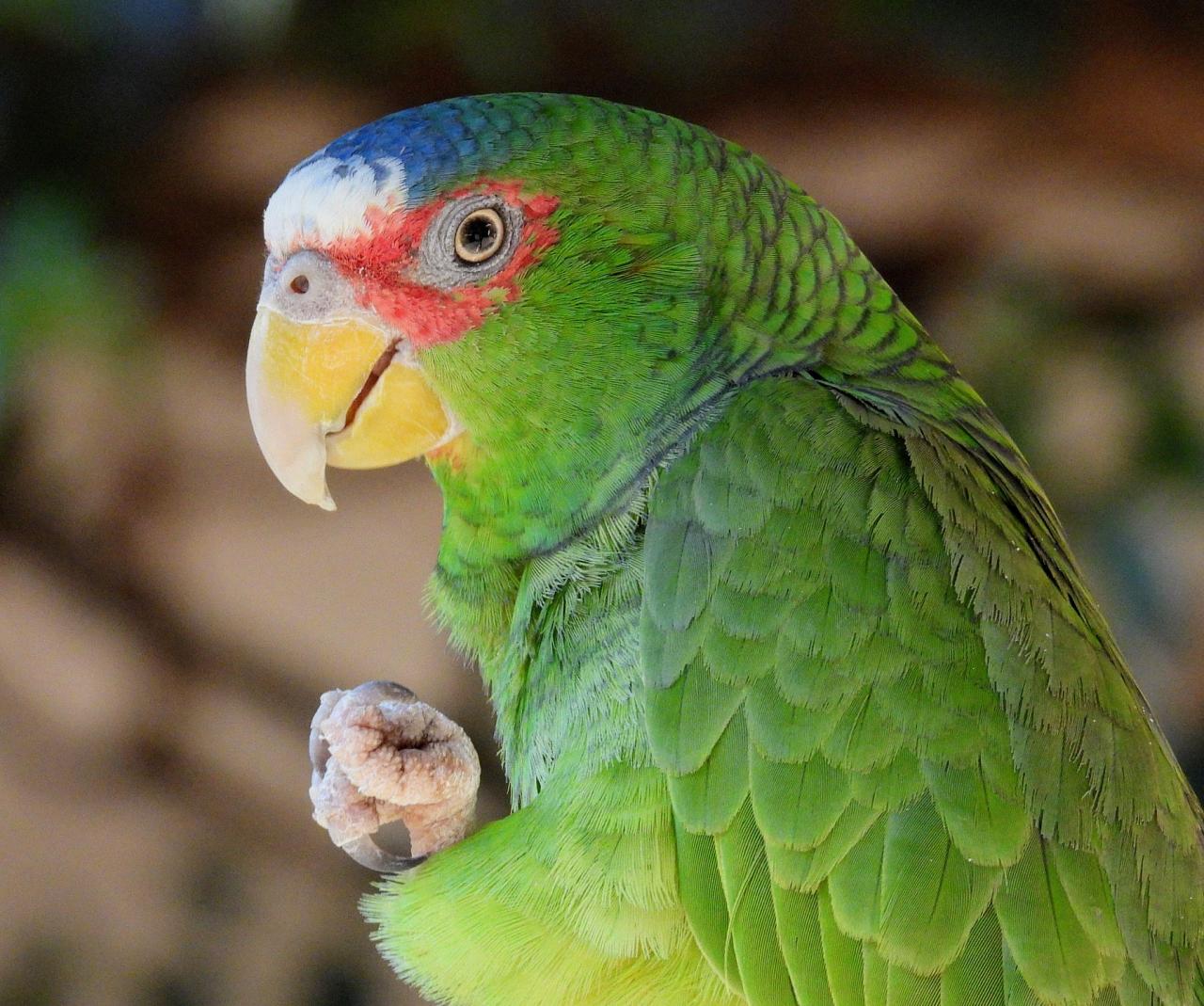
  • White-fronted Amazon by Steve Grace

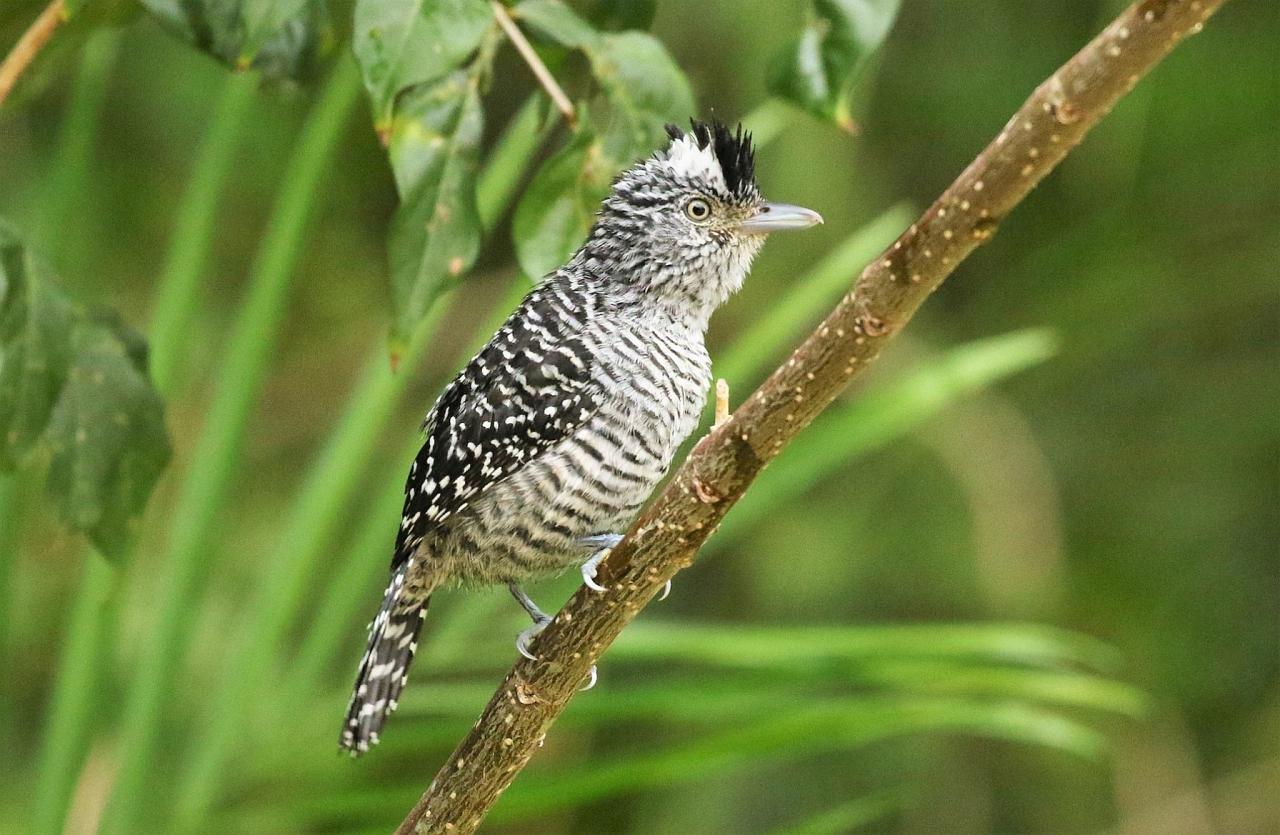
  • Barred Antshrike, Guatemala Nature Tour, Guatemala Birding Tour, Birding Tikal, Naturalist Journeys

    Barred Antshrike

  • Antigua by Steve Grace

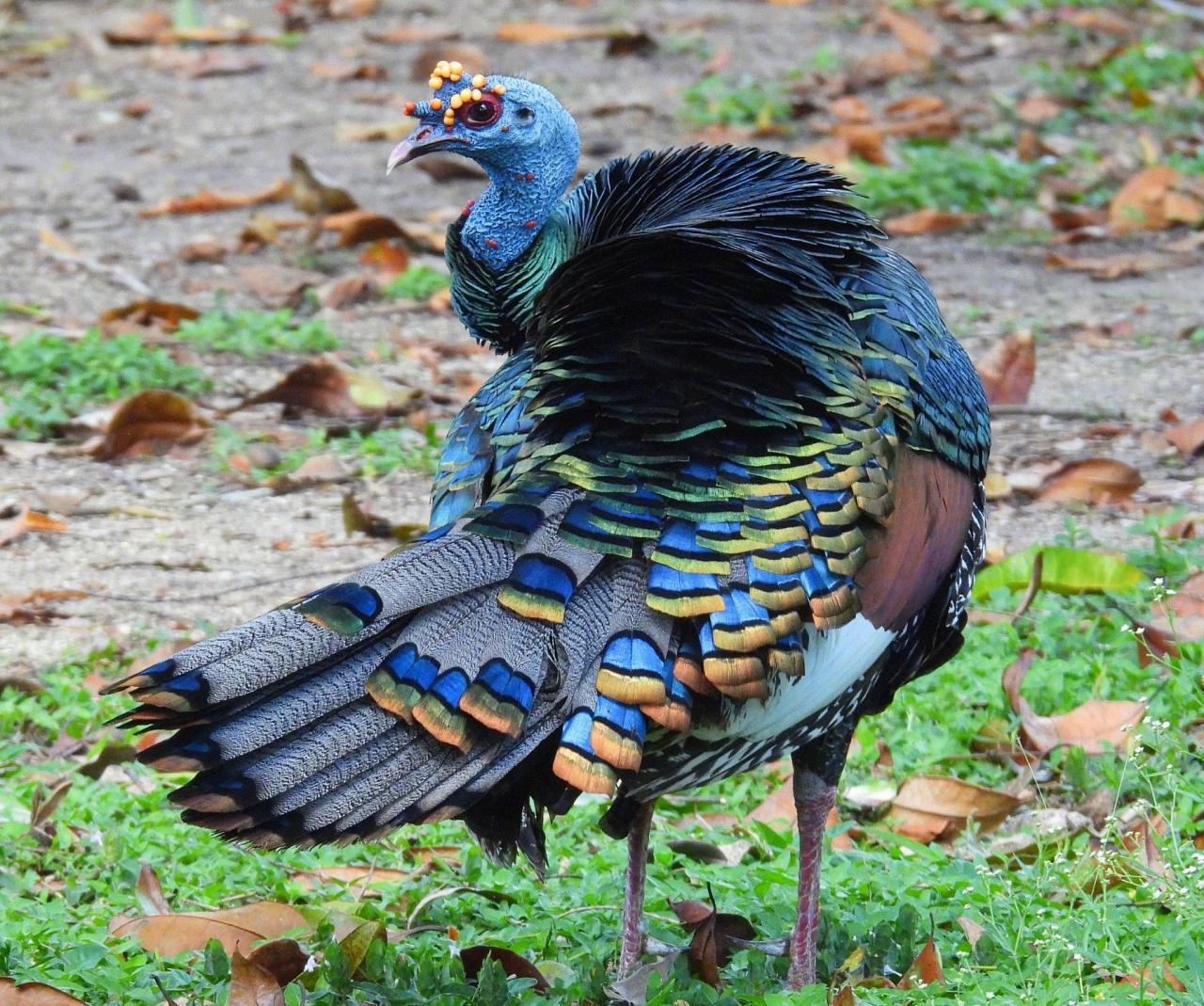
  • Ocellated Turkey by Steve Grace

  • Gartered Violaceous Trogon by Steve Grace

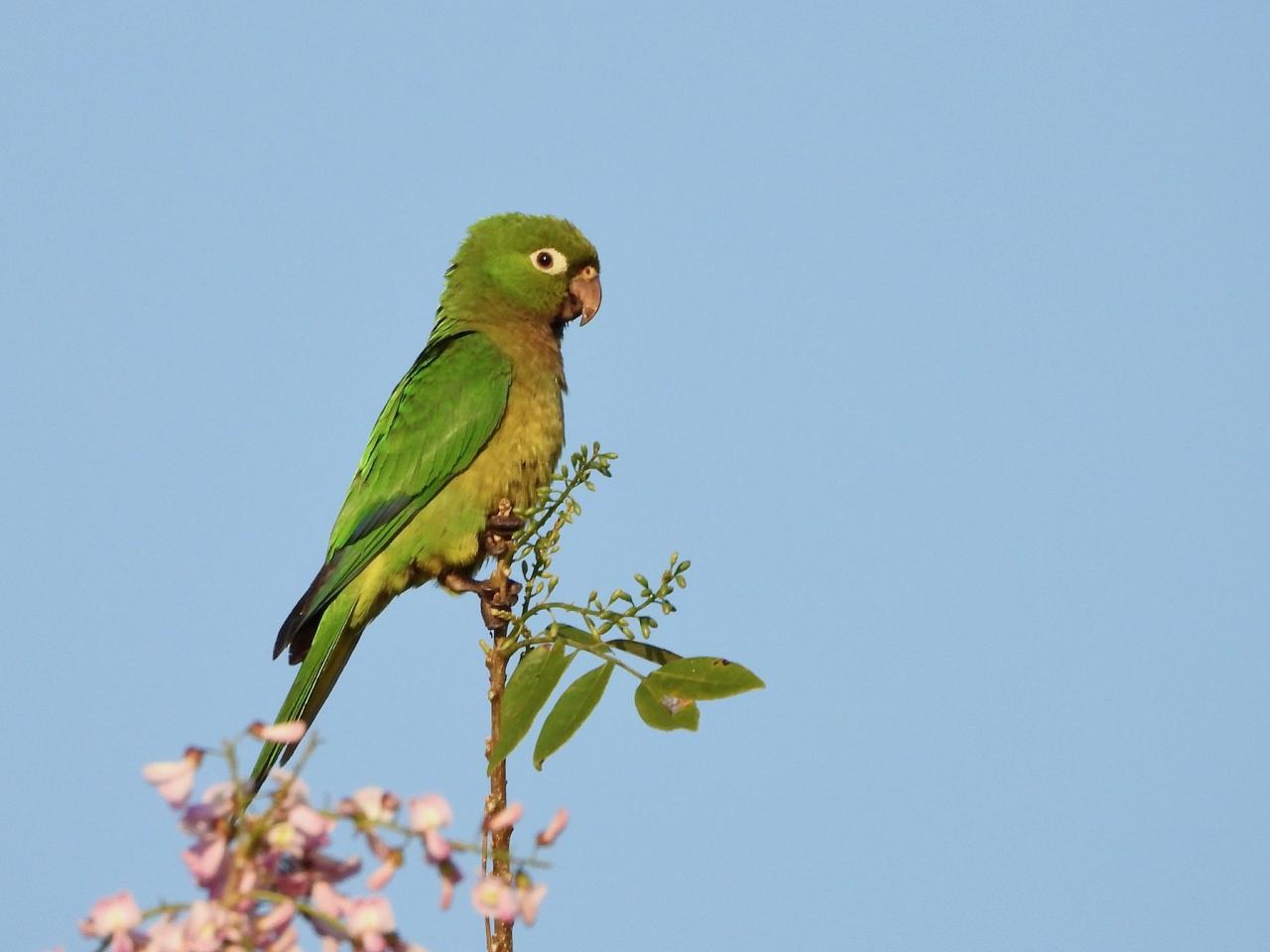
  • Olive-throated Parakeet, Guatemala, Guatemala Nature Tour, Guatemala Birding Tour, Naturalist Journeys

    Olive-throated Parakeet

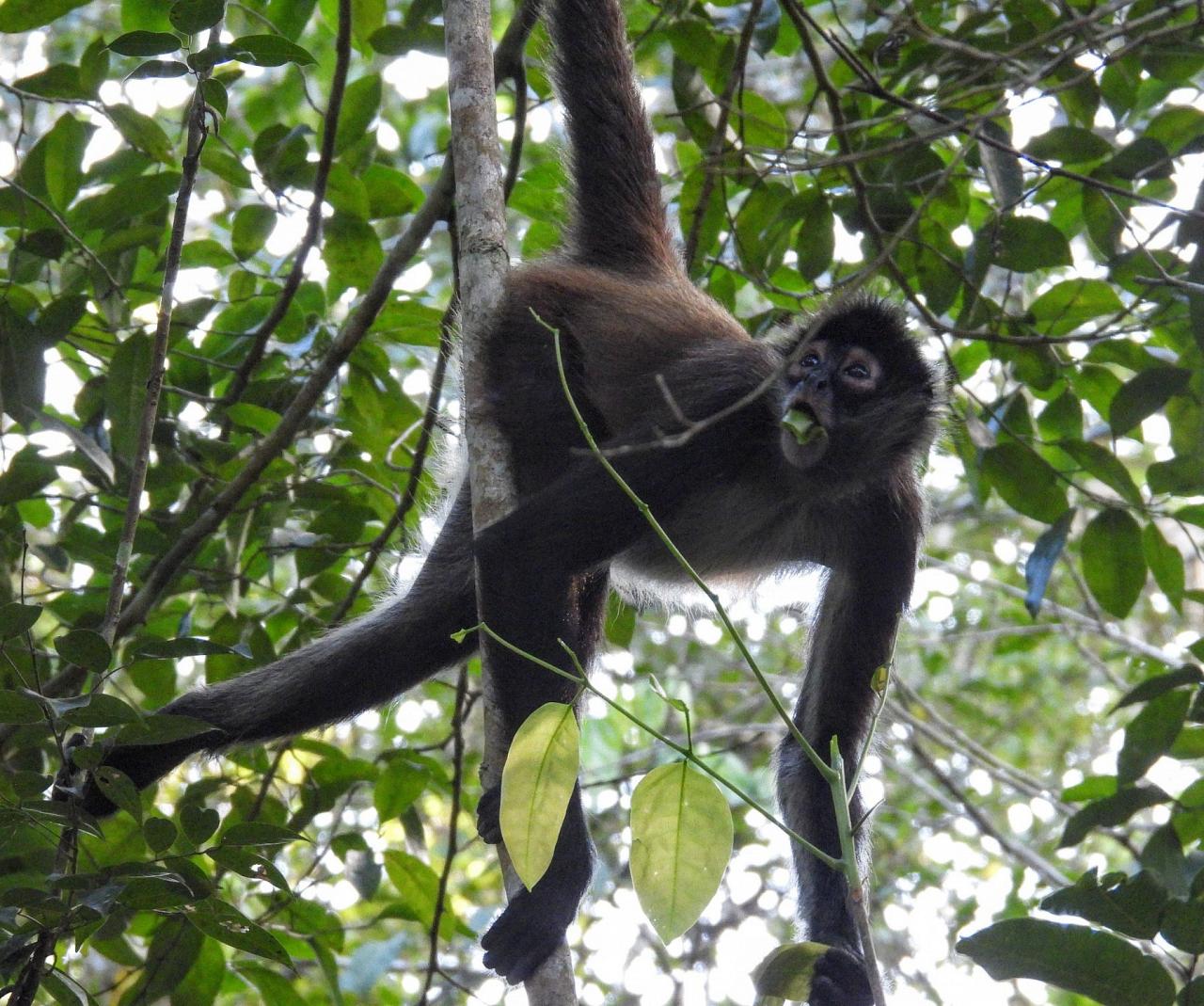
  • Geoffroy's Spider Monkey by Steve Grace

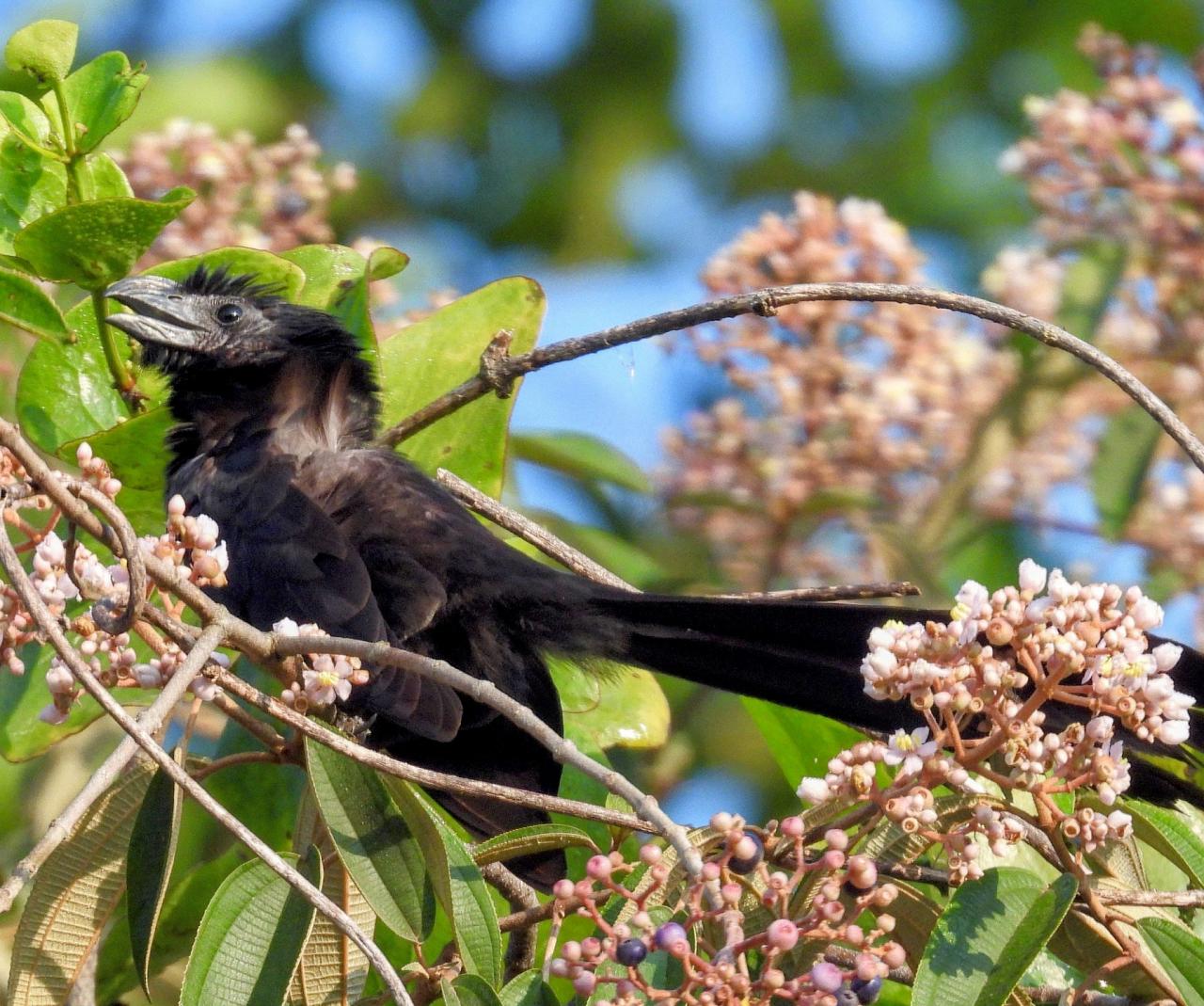
  • Groove-billed Ani by Steve Grace

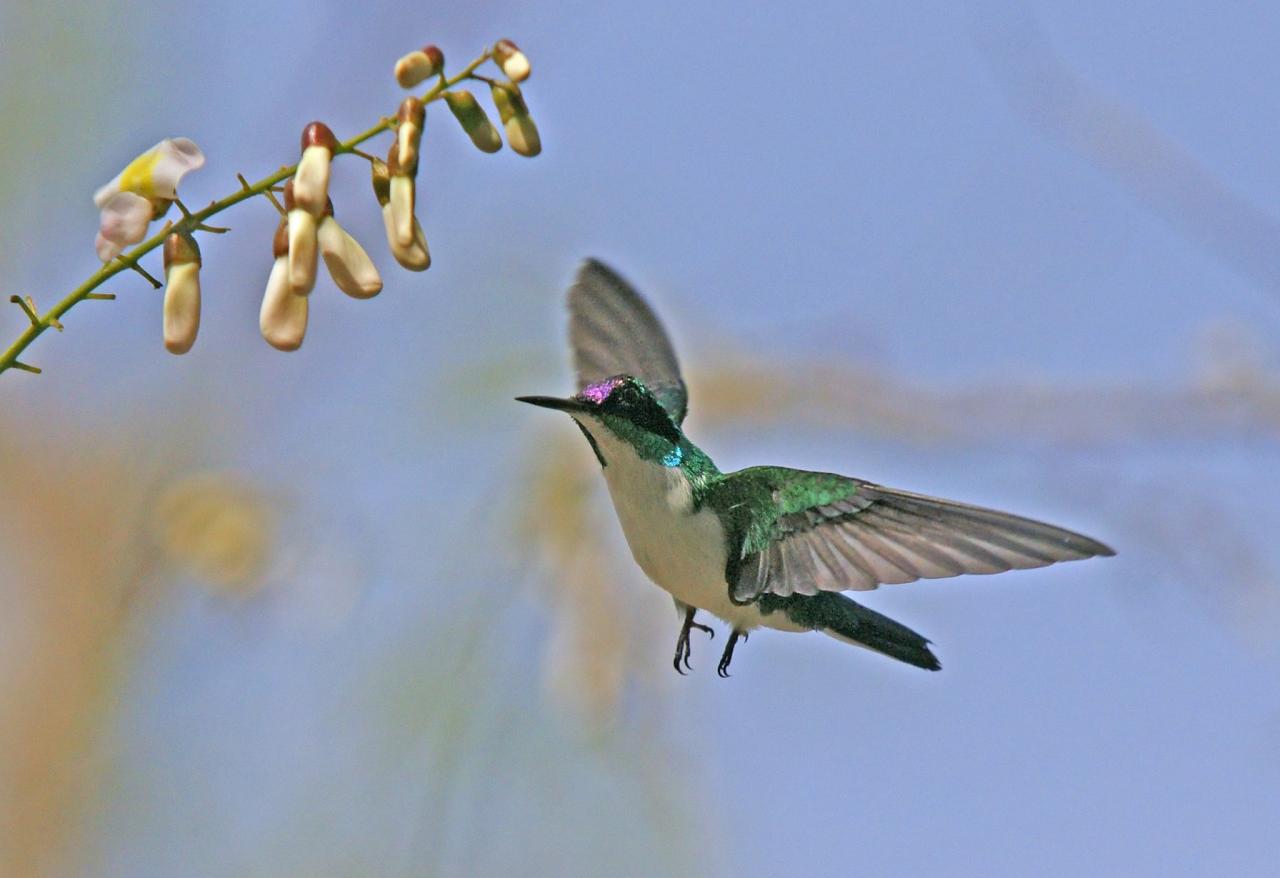
  • Purple-crowned Fairywren, Guatemala, Guatemala Nature Tour, Guatemala Birding Tour, Naturalist Journeys
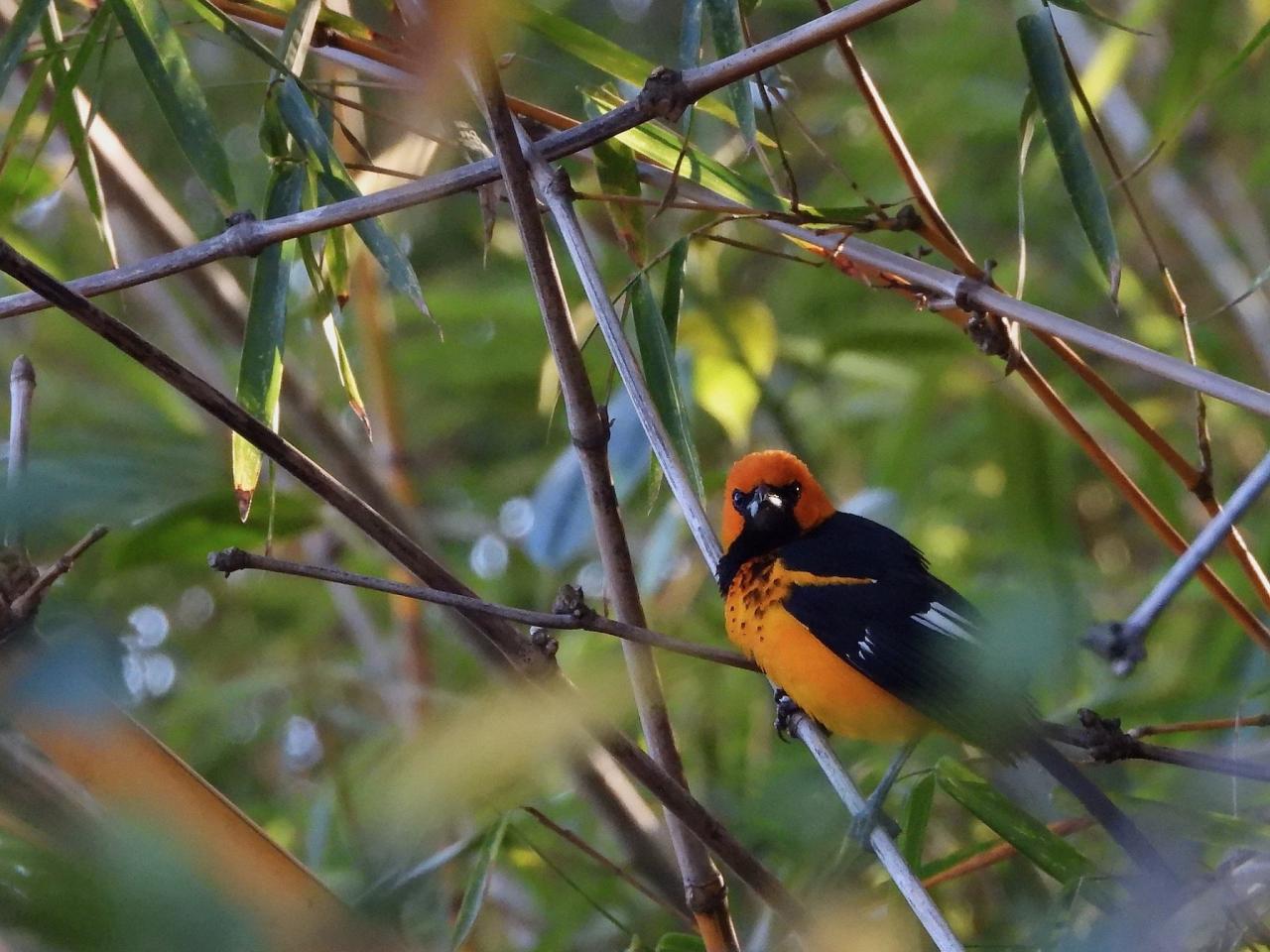
  • Spot-breasted Oriole, Guatemala, Guatemala Nature Tour, Guatemala Birding Tour, Naturalist Journeys

Cost of the Journey

The cost of this journey is per person, based on occupancy: $TBD DBL / $TBD SGL, from Guatemala City.

This cost includes: all accommodations; meals as specified in the itinerary, group airport transfers, professional guide services, local park and other area entrance fees, and miscellaneous program expenses. All tips other than your NJ guide (optional) and local guide are included (this includes tips for your driver, lodge and staff, day activities, meals and other services).

The cost does not include: transportation to or from your home to Guatemala, or items of a personal nature such as laundry, telephone charges, or beverages from the bar.

Travel Details

Please plan to make air travel plans only after the minimum group size has been met. We will send you a confirmation email as soon as the trip has been confirmed.

Arrival and Departure Airport: La Aurora International Airport (GUA) in Guatemala City


Arrival Details: Plan to arrive December 2, 2027, no later than 4:00 PM. We have a 6:30 PM group dinner on the first day.


Departure Details: Plan flight departures December 10, 2027, after 12:00 PM


Travel Tips: If you are arriving early to rest up from your travels, we can book extra nights for you at our first night tour hotel, the Tikal Futura Hotel. The hotel is in a good part of the city with many dining options nearby. If you want to explore Guatemala City, there are plenty of things to do! We’ll visit some fabulous museums on our first day of the tour, but there are many other sites worth visiting. The National Palace, the former headquarters of the President, has beautiful architecture and many paintings and sculptures done by Guatemalan artists. It’s also adjacent to Central Park, the main outdoor area in the city that’s a popular hangout for both locals and tourists. On a clear day you can have a great view of Agua Volcano from here. If you want to do some shopping, check out one of the local artisan markets such as Mercado Central, a popular market for local food and crafts. All these attractions can be reached via taxi or Uber. We can also arrange a guided tour of the city for an additional cost. 


Entry Requirements: See "Essential Information" section under the "Know Before You Go" tab.

Browse below for trip reports and species lists from past versions of this and other tours from this destination.

Guatemala

  • Barbara Jording

    Barb’s passion for birds started early; in grade school she spent hours leafing through her mother’s Birds of America, making lists of birds according to color. A family trip to Europe at age 12 opened the world to her. She returned to Switzerland as an exchange student in high school and in college guided student tours with the Experiment in International Living.

    Barb volunteered with Golden Gate Raptor Observatory trapping and banding raptors for 5 years and has participated in many Christmas Bird Counts. After 25 years as a small business owner, Barb sold out and with her partner Liz, spent the following 5 years work-camping in their RV, crisscrossing the US and Canada exploring National Parks and Monuments, choosing destinations according to migration, connecting with nature, people and history.

    Not yet ready to retire, in 2016 Barb prepared for a new career as a Certified RV Technician which led to touring contracts with an exclusive, small RV Caravan company. Several tours to Alaska and the Grand Circle of the Southwest were the perfect opportunity to feed the travel bug and share nature, culture, history and local cuisine with guests.

    Dual addictions to travel and birding have guided Barb’s journeys through Europe, South and Central America, Mexico, Canada, and every US state. Always with a pair of binoculars handy! Barb looks forward to each opportunity to share the excitement and joy of these passions with our guests here at Naturalist Journeys.

    Other trips with Barbara Jording

Map for Guatemala: A Cultural Birding Journey

Essential Information +

This information is important for being prepared for your journey; we want you to have Read more

This information is important for being prepared for your journey; we want you to have the best experience possible. If you only read one section, this one is key!

Ahead of Your Tour:

  • U.S. citizens must have a passport that is in good condition and at minimum is valid at the date of entry through your scheduled return to the U.S..  However, we highly suggest at least 3 months validity beyond the end of the tour to allow for unexpected delays in return travel. See “Passports, Visas & Documents” section below for important details.
  • A visa is NOT required for U.S. citizens visiting Guatemala. If you are traveling with a passport from another country, please contact the Embassy of Guatemala website for guidelines.
  • All travelers must fill out an electronic immigration and customs declaration form to enter and exit. 
  • Please check current CDC recommendations for travel to Guatemala and consult with your doctor about general travel vaccinations you should have as precaution for travel. See the “General Health and Inoculations” section below.
  • Travel insurance in case of serious medical emergency is strongly recommended. Full health coverage and repatriation is available through Allianz Travel Insurance.
  • Soft sided luggage/duffel bags are easiest for packing the vans. Pack essential medications in your carry-on luggage, as well as one day of clothing and optics in case of luggage delay. See "Packing List" for details and checklists.

Passports, Visas & Documents

Guidelines and regulations can change. It is always advisable to double-check the country’s documentation requirements 60-90 days ahead of traveling. Information for U.S. citizens can be found at https://travel.state.gov/content/travel/en/international-travel/International-Travel-Country-Information-Pages/Guatemala.html. If you are from another country, please contact the tour destination’s embassy website for guidelines.

Passports: At the time of writing, you must have a passport that is in good condition and at minimum is valid at the time of entry through your scheduled return to the U.S. (We suggest validity at least 3 months AFTER scheduled return date to allow for unexpected delays in return). Please check that expiration date! You should have one blank page for entry and exit stamp. The blank page needs to say “Visas” at the top. Pages marked “Amendments and Endorsements” will not be accepted. 

Visas: At the time of writing, a tourist visa is not required of US citizens for the length of this tour. However, all travelers must fill out an electronic immigration and customs declaration form to enter and exit Guatemala. 

TRAVEL TIP: As a precaution in case of lost or misplaced documents you carry on your person during travel, we highly recommend you keep hard and digital backup copies on your phone (either photo or PDF scan), as well as a hard copy left with your emergency contact at home. The recommended important documents to copy include, but are not limited to; your passport ID page, travel visa, the front and back of your credit card(s), the airline barcode on your luggage. This will greatly expedite getting new ones if necessary – we hope everyone will always keep travel documents close so that losing them will not be an issue.

General Health & Inoculations Information – Be Prepared!

Health requirements for entry to any country can change. It is always advisable to double-check the country’s health requirements and recommendations 60-90 days ahead of traveling. A helpful website for planning is the Centers for Disease Control and Prevention (CDC) website for Guatemala or by phone (800) CDC-INFO or (800) 232-4636.

We will share your health information with your guide. This information will be kept confidential but is very important as we want to be best prepared in case of medical emergency.

Vaccinations: Please bring your up-to-date vaccination records with you. The CDC recommends that all travelers be up to date with routine vaccines and basic travel vaccines (such as Hepatitis A and Typhoid, etc.).  Consult with your doctor for recommendations at least 4- 6 weeks before departing on your trip as some vaccines may require more than one dose and time to become effective prior to your departure. 

Mosquito and tick-borne illness: The CDC will have updated information regarding recent disease outbreaks, such as Malaria or other mosquito or tick-borne diseases, as well as extra precautions to take depending on the area(s) you will be traveling through. Travelers should reduce their risk of mosquito and/or tick-borne diseases (including yellow fever, malaria, dengue fever, zika, Japanese encephalitis, etc.) by protecting themselves from bites using protective clothing, insect repellant (containing DEET, Picaridin, OLE, etc.) and prophylactics where applicable. Check the CDC and with your doctor to see whether your trip destination is currently at risk for malaria transmission and whether you should consider anti-malarial medication. For repellent permeated clothing, see Packing List for our recommendations. See the “CDC Yellow Book: Health Information for International Travel” website for more information: https://wwwnc.cdc.gov/travel/page/yellowbook-home.

Prescriptions: It is a good idea to pack any meds you take regularly in your carry-on luggage.  Bring an extra pair of glasses or contact lenses. Bring an adequate supply of any prescription medications you use, a copy of the prescription and a list of generic names of your medicines as “back-up” in case it is necessary to purchase drugs while abroad. You’ll want to keep medications in their original, labeled containers. 

*Attention: At the time of writing, the U.S. State Dept. warned that Pseudoephedrine is banned in Guatemala since it can be used in the manufacturing of methamphetamine. Pseudoephedrine is commonly found in decongestants, like Sudafed, in the U.S. Check your decongestant's ingredients before you pack them!

Allergies: To be prepared for environmental triggers to allergies or breathing difficulties, please bring your allergy and/or asthma medication(s).  If you have severe allergies talk to your doctor about carrying an EPI pen and notify your guides. It is also recommended to carry with you an up-to-date record of known allergies, chronic medical problems and Medic Alerts so that, if necessary, emergency treatment can be carried out without endangering your health.

Common Ailments: We recommend that you bring a travel-sized first aid kit and a supply of standard over-the-counter medications for prevention or treatment of common ailments (such as diarrhea, constipation, stomach upset, cough, *congestion, head or body aches, insect bites and sunburn); as well as ointments, moisturizer, sunscreen, oral rehydration salts, band-aids, moleskin for blisters, cotton swabs, nail clippers, and tweezers, etc.

Altitude illness: It can affect some, so be prepared. The most general symptoms are headache and occasionally fatigue and dizziness. You’ll want to take it easy, particularly at first. The likelihood of these symptoms can be reduced by resting, drinking plenty of water, avoiding alcohol and taking aspirin. If you have worries about the altitude, ask your physician about medications (such as Diamox) that may be right for you. For more information, see https://www.cdc.gov/yellow-book/hcp/environmental-hazards-risks/high-altitude-travel-and-altitude-illness.html.

The higher altitudes that may be encountered on your trip are:

  • Los Tarrales Natural Reserve: 2,300' - 9,800' 

Annoyances & Hazards

Always listen carefully to any advice given by your local guide regarding pests and other biting insects or reptiles you may encounter.

Mosquitos, ticks and other insects: Even if you are traveling in the dry season, mosquitos, ticks and other insects can always be encountered in your travels, so don't risk illness. See the “General Health and Inoculations” section above regarding recommended preventative measures.

Chiggers are a part of lowland and mid-elevation habitats. You may encounter them at grassland or farm locations. Your guide should have a good read on whether chiggers are a concern. It is helpful to spray your shoes with repellent and tuck your pants into your socks .  When back, be sure to shower and air out your clothing.

Remember, sunburn can be both an annoyance and a hazard, so be prepared with proper sun protection.

Food & Drinks

We eat in a nice selection of our favorite restaurants. Generally speaking, the level of sanitation and attention to proper food handling techniques has improved immensely in Guatemala. All the restaurants that we will visit during the tour are places that we have researched and can vouch for. We have nothing but the highest confidence in their attention to cleanliness and maintaining the health of our participants. Alcoholic beverages are not included in the price of the trip. We typically ask guests to keep track of their consumption during the trip and we settle up at the end of the trip, adding up your totals and adding for tip. We will always have snacks, drinks and water available in the van during our drives.

One of the many ways we strive to do our part for the environment is by intentionally reducing our consumption of plastics. Therefore, we strongly encourage you to bring a reusable water bottle.  On your journey, purified drinking water is provided for you to refill a reusable water bottle wherever possible, though bottled water singles will be available for field trips where refills are not an option. 

Tap water on this journey is not safe to drink and should be avoided.  Though there may be exceptions in specific locations, it's recommended to use bottled or filtered water for brushing your teeth and to be cautious with ice cubes, fruits, and vegetables that may have been washed in unhygienic water. Your guide will inform you.

We strongly encourage you to invest in a water bottle with a purification filter (such as Lifestraw or GRAYL Ultrapress) to filter out larger particles, impurities and some viruses and bacteria. Additional purification can be achieved with a portable UV water purifier (such as SteriPen) that will kill 99.9% of smaller viruses and bacteria by swirling the UV wand in the water in 60-90 seconds! There are some great water filtering bottles on the market today. A little research will be well worth the effort to drink clean water while contributing to the elimination of single-use plastics.

Weather & Climate

Weather on this trip can vary a bit, particularly depending on elevation. Overall, expect lows in the 50s°F (sometimes cooler) at night and early in the morning. Daytime temperatures can be in the 80s°F. There is a minimal possibility of rain, though if it rains, temperatures can be a bit lower. If you combine this tour with the Tikal extension, you will be in lowland tropical forest, so expect temperatures to reach the 90s°F and be quite humid. 

You may want to check your favorite weather information website for forecasts and predictions closer to your date of travel. Visit https://www.climatestotravel.com for an overview.

Packing, Clothing & Laundry

Please pack light! We are serious about this – we move around a lot; you just do not need much to cope with tropical life!

Pack using soft-sided luggage, if at all possible, with ID tags inside and out.

DO NOT pack any essential medications or vital optics (i.e. glasses, binoculars) in your checked luggage! Dress is comfortable and informal throughout the trip. Dressing in layers is the best way to be comfortable.

Laundry services are available at most lodgings for an additional fee, but be prepared to hand launder if you need to. 

See “Packing List” tab for more detailed information and checklists.

Spending Money

The official currency in Guatemala is the quetzal. For the current exchange rate, please refer to an online converter tool like www.xe.com, or your bank. U.S. dollars are accepted at some businesses but shopping for smaller handicrafts may necessitate using local currency. If you choose to do U.S. dollars, you’ll want to bring small denominations ($1s and $5s) in good condition. U.S. coins are not accepted. We advise you carry a mix of different types of payments, such as cash, an ATM card, and a credit card.

Since not all places will accept U.S. currency, we suggest you have some local currency. The easiest way to get cash is by using an ATM. ATMs are available at the airport and in Guatemala City during your trip. When using the ATM to withdrawal cash, keep in mind it might only accept cards from local banks or not allow cash advances on credit cards. Many U.S. banks charge a fee of $1 - $5 each time you use a foreign ATM. Others may charge you a percentage of the amount you withdraw. Check with your bank before departure. You must become familiar with how to use your ATM card and PIN number ahead of the journey. If you plan to exchange cash in country, bring large U.S. bill ($50 or $100) in good condition that will give you the better rate when exchanging to local currency.

Major credit cards are accepted in Guatemala. We suggest you have more than one card available, if possible. You may want to bring more than one brand of card (VISA and Mastercard are commonly accepted; American Express is less common). Not every shop will accept every card. Some smaller shops and restaurants, or taxis require cash, so it is always a good idea to ask before making a purchase. Also, we recommend that you advise your bank or credit card company that you will be traveling abroad to avoid questions, card freezes, or charges. If you have a choice of cards, bring one with no foreign exchange fees.

Traveler’s checks are not widely accepted. They can be difficult to exchange. We do not advise you use them.

Many people ask how much money to plan for spending money. Part of that depends on how much you want to shop. Typical items people purchase include: local souvenirs and T-shirts, carvings, beads, textiles, artworks, drinks before or with dinner, maps and natural history books.

Gratuities

We hope that you will be pleased with all professional services offered on this tour. All tips for all services of your tour are now included in your tour price, with the exception of your main guides. The local guide is your main guide, if there is more than one, they will share your gratuity. The recommended rate is $10.00 - $15.00 per day per guest. You may also wish to tip your Naturalist Journeys guide/host if you have one on your tour; this should be done separately and the same suggested rate applies. We suggest you bring two envelopes or cards to make it easy to share your gratuity at the end of the tour. If you are on an extension, that may be a different local guide for those days.

Tipping to your guide(s) to show your appreciation is entirely at your discretion and should reflect your level of satisfaction of the service provided. If you wish to offer a tip, know that they appreciate anything you care to give. Of course, you are welcome to give more in recognition of exceptional service.

Please note recommended tips are quoted in U.S. dollars. Tips should be converted and paid in local currency.

Cell Phones & Internet Service

Your guide is well connected and can help if any urgent communication need arises. However, it is highly recommended that you travel with a cell phone, if only as a precaution for the unfortunate occurrence of a medical emergency during an outing and needing swift accessibility to critical personal or medical contacts. 

Please check with your wireless provider to see if your phone and service will work in your destination country and ask for “international roaming” service for your phone. If you still have a cell phone that accepts a SIM card, you can buy a local SIM card at the airport to insert in your mobile phone.

If your phone can connect to Wi-Fi, you may be able to make voice and video calls free of charge. Please contact your cell phone provider for further details. Another option when you have access to Wi-Fi is to use smartphone apps like Skype, WhatsApp or Viber to send text messages and make voice or video calls. Many smartphones, tablets and laptops come with one of these apps pre-installed or you can download for free. If bringing a laptop or tablet, get a good dustcover to protect it at all times.

Make sure if you do NOT want to use your cell phone for calling that you turn off your cellular data. You keep it in airplane mode. You could incur huge charges if you are not on Wi-Fi. You can still use it for photos, ebird and everything else not requiring cell reception and will decrease battery usage as well.

Your hotel and lodges provide Wi-Fi at least in their common areas. Although it is generally a reliable service, it can be affected by adverse weather conditions due to the remote location.

Please refrain from taking or making cell phone calls in the vehicles when traveling with other passengers, unless it appears to be an emergency. This disrupts other guests; plan on cell phone call use on your own time.

Electricity

The standard in Guatemala is the same as in the United States: 110-120 volts AC (60 cycles). Plugs are set up in the same style. However, three-pronged outlets can be scarce, so it's helpful to bring along an adapter for a two-prong outlet. If your appliances plug has a different shape, you may need a plug adapter. More information can be found at www.power-plugs-sockets.com.

Time

Guatemala is in the Central Standard time zone and does not observe Daylight Savings Time. A great website if you want to tell someone to check ahead of calling you is www.timeanddate.com.

Questions?

Please contact Naturalist Journeys by email at clientservices@naturalistjourneys or telephone at our office: (866) 900-1146 if you have any questions. Many thanks for traveling with us and we hope you enjoy your journey!


Pace & Protocols +

Pace of the Tour & What to Expect You will receive a Schedule-at-a-Glance and list of Read more

Pace of the Tour & What to Expect

You will receive a Schedule-at-a-Glance and list of hotels (our eContact List) a few weeks before your departure. This will serve as an outline for each day and alert you to any recent changes made in the schedule or to our hotels, if needed.

Our journeys are set up to follow the rhythm of nature. Our focus is on birding and nature; we offer full, well-planned field days and often get up early for that magical time around dawn. We generally follow the published itinerary, but we stay flexible to the weather, wildlife opportunities and the interests of the group. Your guide will keep you apprised of the next day’s schedule at each evening meal, noting what to bring and what to prepare for. Questions and/or concerns are welcome.

The pace of our Naturalist Journeys tours is moderate; to fully participate you should be able to get in and out of vehicles several times a day, and walk 1-3 miles over uneven terrain. It is important to participate with a flexible attitude as adjustments may be made in our schedule to make the most of our time in the field or for other purposes at your guide's discretion. We are not a “listing” bird company that drills down on target species, but at times we do wait for those special species unique to the places we visit. During the day, we take time to stop for photos and for educational opportunities to learn about conservation projects, landscapes, and geology. We appreciate other taxa as well as birds, with mammals often the biggest draw but plants and butterflies are also very popular. Our clients often lend their own expertise to the mix.

We like to make meals a fun and memorable part of the experience, too. Breakfasts are often at hotels, and we carry snacks, fruit, and water in the vans each day. Lunches are a mix of picnics in the field (weather dependent) and a chance to dine with locals at small cafes and restaurants. For dinner, we pride ourselves in our homework to keep up with the best choices for dining, choosing restaurants with atmosphere that specialize in local foods. On occasion we keep dinner simple to go back out in the field for sunset wildlife viewing or night walks. In some remote locations, our choices are limited. If you are tired, room service for dinner may be an option you can choose.

Naturalist Journeys International Trips: Guide Role

Naturalist Journeys supports ecotourism and the development of excellent local guides. Once we know our international partners and guides well, we can send out small groups working directly with these trusted partners, adding a Naturalist Journeys guide to assist the local expert when we have a group of 6-7 or more. This helps us keep your costs down while retaining tour quality. The local guide is your main guide. You can expect your Naturalist Journeys guide to be well-researched and often they are experienced in the destination, but their role is not to be primary, it is to help to organize logistics, help you find birds, mammals, and interesting other species in the field, keep reports, help facilitate group interactions, and to keep the trip within Naturalist Journeys' style. Local guides live in the countries we travel to, know the destinations intimately, and are often the strongest force for conservation in their countries. They open many doors for us to have a rich experience.

Smoking

Smoking is not permitted in any vehicle or in any situation where the group is participating in an activity together, such as a vehicle excursion or a guided walk. Please respect all designated smoking areas at hotels and restaurants.

Transportation

As a courtesy to each other, we ask that all travelers please rotate seating. On international trips we may all be in one small bus, on some trips we are in vans, particularly the roomy Sprinter Vans when available. Some areas require us to be in smaller 4-wheel drive or safari vehicles. Rotation allows you to sit with different drivers and alternate front and back seating.

Photo Release & Sharing

We take many group photos and will share photos with the group. And after your tour, we will organize a chance to share photos via Dropbox or Google Photos. Please note that this is our policy and if you prefer to be excluded, we need to know ahead of your tour.

By registering for this tour, you agree to grant to Naturalist Journeys and its authorized representatives’ permission to record on photography film and/or video, pictures of my participation in the tour. You further agree that any or all of the material photographed may be used, in any form, as part of any future publications, brochure, or other printed materials used to promote Naturalist Journeys, and further that such use shall be without payment of fees, royalties, special credit or other compensation.

Travel Insurance

You are traveling in remote areas. Naturalist Journeys strongly recommends you have full medical and evacuation insurance from a company such as Allianz, for all international travel. If you do not have medical coverage or evacuation coverage on your existing travel insurance policy or for some reason elected not to take that out, we advise getting an evacuation plan with Global RescueWorld Nomads, Medjet, Allianz (they can do evacuation only) or a similar company. These plans are typically $300-$400 for a year for multiple destinations. This coverage may be a part of a larger Travel Insurance policy but can also be purchased on its own.

Questions?

Please contact Naturalist Journeys by email at clientservices@naturalistjourneys.com or telephone our office: (520) 558-1146 or toll free: (866) 900-1146 if you have any questions. Many thanks for traveling with us and we hope you enjoy your journey.


Packing List +

Please pack light! Soft-sided luggage is much easier for us to pack in vehicles or charter Read more

Please pack light!

Soft-sided luggage is much easier for us to pack in vehicles or charter aircraft than a more rigid hard sided piece, so if you have the choice, please use your soft-sided luggage. Be sure to have your name and address on the inside of the bag, as well as on the luggage tag on the handle. It is our hope that you can pack in one checked bag that does not exceed 50 pounds. Please reconfirm your airline’s baggage weight and size restrictions about a week or so before departure.

TRAVEL TIP:  Imagine NOT getting your checked luggage upon arrival. DO NOT pack any essential medications, vital optics (binoculars, camera, eye-glasses), or essential travel documents in your checked luggage! Pack these and other essential items in your carry-on bag and on your person (i.e. under-garment pouch). You will want a day pack for field trips, so this makes an ideal carry-on. Travel wearing your most important shoes for the field and have one day’s clothing change (including a change of underwear!).

Pack clothing that is appropriate for the anticipated temperatures and conditions. See the "Weather & Climate" section under "Essential Information" for general seasonal climate info for the date of this tour. In addition, you may check your preferred weather app closer to departure to get a better idea of the weather to expect.

Dress is comfortable and informal throughout the trip. Dressing in lightweight layers is the best way to provide options to get you through a day of varying weather and temperatures comfortably. Lightweight long sleeve shirts and long pants make ideal field clothing as they are more protective from sun, vegetation and pests. But by all means bring some shorts if you prefer to include them in your layering. Also, choose clothing you don’t mind getting dirty or muddy and things that are loose-fitting, comfortable, and easy to layer and launder. Quick-dry fabrics are ideal.  A lightweight and waterproof outer layer is essential as well as comfortable hiking footwear. It is important to have a warm jacket if the tour includes higher elevations.

Hair dryers are mostly not available – if you must bring one, make sure it is very low wattage.

Treating your clothing to better protect you from insects: It is possible to purchase Permethrin spray (online or from REI) to treat your field clothing and socks before your departure. Another approach is to purchase field clothing permeated with insect repellent such as the Craghoppers Insect Shield collection.

Note on clothing colors: We recommend muted colors of tan, brown, khaki, grey or green, as they are spotted less easily than white or bright colors, though camouflage clothing is not recommended.

WE DO NOT RECOMMEND TRAVELING WITH PRECIOUS OR VALUABLE JEWELRY – don’t tempt anyone and don’t bring things you’d regret losing - your mind will be at ease!

Clothing & Gear

  • Lightweight or convertible hiking pants, 2-3 pai
  • Shorts/skirt (optional)
  • Lightweight long-sleeved shirts, 2-3
  • T-shirts, sleeveless and short-sleeved or equivalent, 2-3
  • Comfortable clothes for evening (a cleaner version of your field clothes)
  • Personal underclothing (consider what dries quickly if you plan to do laundry)
  • Socks – lightweight, easy to wash and dry
  • Comfortable walking shoes (such as tennis shoes) and lightweight hiking boots
  • Sandals for evenings, travel days and/or flip flops (optional)
  • Lightweight jacket: fleece fabric is ideal, or a pullover/sweater
  • Lightweight raincoat or poncho
  • Hat with broad brim for sun/rain
  • Bandana (optional, great for cooling off when hot and sweaty)
  • Bathing suit (optional)
  • Field vest (optional), a great source is Big Pockets

Equipment & Miscellaneous

  • Photo identification - name should match your passport to avoid issues with confirming your identity 
  • Airline tickets or E-ticket verification
  • Passport (and visa if required)
  • Travel insurance info
  • Money & credit cards
  • A secure pouch to carry the items above on your person at all times (such as a secure, under-clothing document pouch)
  • As a backup: copies of all the above (phone and/or paper) packed in a separate location than on your person, plus a set given to your emergency contact at home as a backup. For passport, copy of the  ID and entry stamp pages.
  • Small daypack to carry gear while hiking
  • Cell phone and charger
  • Binoculars
  • Camera and charger/extra batteries, memory cards/film, lens cleaning supplies and instruction manual (optional)
  • Spotting scope and tripod (optional – guide will have them)
  • Tablet/laptop for personal use and/or transferring photos, USB stick, USB cord and charger (optional)
  • Rechargeable power bank (optional)
  • Electricity converters and adapters for 2-to-3 prong electronics plugs if needed (See "Electricity" under "Essential Information")
  • Umbrella – compact and not brightly colored (optional)
  • Walking sticks (optional, but recommended if you usually use them when hiking)
  • Flashlight or headlamp with fresh batteries
  • Alarm clock, or use your cell phone
  • Sunscreen/lip balm with SPF
  • Sunglasses and retainer strap
  • Insect repellent – something containing DEET and sulphur powder (can be found in garden store) or other for chiggers if you can find it)
  • Toiletry articles
  • Earplugs (if hotel noise or roommates snoring may bother you; optional)
  • Water bottle (can easily be bought in the airport and refilled daily)
  • Worldwide power adapter (optional)
  • Notebook or journal and pen (optional)
  • Field guides (optional)
  • Laundry soap (consider laundry soap "sheets" that pack flat, and are lightweight and environmentally friendly)
  • Steri-Pen or other UV water treatment device to help cut down on the use of plastic bottles (optional)
  • A collapsible airplane footrest (such as an inflatable, foldable, or hammock type) may help make longer flights more comfortable. Some airlines may have restrictions, so confirm with your airline which types are allowed and where they may be not allowed, i.e. bulkhead or exit rows (optional)

Medical & First Aid Items

  • Heath insurance and vaccination information (kept in personal pouch with other travel documents)
  • Personal medication (and copy of vital prescriptions, including glasses)
  • Epi-pen if needed for allergic reactions (include prescription label)
  • Anti-malarial prophylactics and antibiotic prescription in case of infection as prescribed by your physician
  • Altitude illness meds (such as Diamox) if likely to be needed
  • Personal first aid kit including medications for general and stomach ailments (Imodium or Lomotil, antihistamine cream or tablets, eye drops, etc.)
    Note:
    Pseudoephedrine is banned in Guatemala since it can be used in the manufacturing of methamphetamine. Pseudoephedrine is commonly found in decongestants, like Sudafed, in the U.S.
  • Motion sickness preventatives if likely to be needed on van, etc.
  • Extra pair of eyeglasses or contacts
  • Band-Aids, moleskin to protect against blisters
  • Antibacterial hand sanitizer, small vial
  • Foot powder, lotions, general “comfort” items
  • Hydrocortisone cream to ease itching from insect bites


Suggested Reading List +

There are many titles of interest for Guatemala; the following are a few that we Read more

There are many titles of interest for Guatemala; the following are a few that we have enjoyed that can get you started.

Top Picks

Birds of Mexico and Central America

Merlin App – Guatemala Pack. A phone-based birding app from Cornell University Laboratory of Ornithology. Before departing the U.S., download the app for free, then from within the app, download the “pack” for Guatemala.

Field Guides

Birds of Central America

Peterson Field Guide to Northern Central America 

A Field Guide to the Mammals of Central America and Southeast Mexico

Flowering Plants of the Neotropics

Natural History

The New Neotropical Companion  

Tropical Nature: Life and Death in the Rain Forests of Central and South America

A Bird Watcher’s Adventures in Tropical America

The Birds of Tikal: An Annotated Checklist for Tikal National Park and Peten, Guatemala

History and Culture

The Lords of Tikal: Rulers of an Ancient Maya City

The Maya

Breaking the Maya Code

Popol Vuh: The Sacred Book of the Maya - The Great Classic of Central American Spirituality, Translated from the Original Maya Text

Traditional Guatemalan Textiles - a slide presentation which examines how the clothing of different groups identifies the specific community to which they belong

Traditional Weavers of Guatemala: Their Stories, Their Lives

Guatemala - Culture Smart! The Essential Guide to Customs & Culture

Guatemala (National Geographic Adventure Map)

There is a good selection of books available for sale at visitors’ centers, and your guide will also have a selection of reference books and materials for participants to share. As an Amazon Associate, Naturalist Journeys earns from qualifying purchases, and may get commissions for purchases made through links on this page at no added cost to you.


Useful Links +

Learn more about your destination at these external websites, carefully researched for you. Read more

General

Encyclopedic Overviews:

Guatemala

Guatemala City

Chichicastenango

Antigua Guatemala

El Pilar

Nature, Wildlife & Biology

Birds of Guatemala

Bird List with Status

Mirador Rey Tepepul – eBird Checklist

Pink-headed Warbler

List of Endemic Species

Bird Studies Guatemala – Eisermann & Avendaño

Conservation, Parks & Reserves

Audubon – Birding and Ecotourism in Guatemala

ARCAS – A Guatemalan Civil Association dedicated to endangered wildlife conservation preservation

Community Rainforest Conservation in Guatemala

Guatemala – protected areas map (interactive)

Los Tarrales Natural Reserve

Antigua Mountain Trail - Finca El Pilar - Biodiversity Spot

Geology & Geography

Lake Atitlán

Geography of Guatemala

Field Guide to Guatemala Geology

History & Culture

Guatemala Country Profile – BBC News

Antigua Guatemala - UNESCO World Heritage Convention

Museo Ixchel

Guatemalan Cuisine

Backstrap Weaving in Guatemala

Mayan culture in Guatemala

Tikal (Optional Tour Extension)

Yaxha

El Remate

Lago Petén Itzá

Tikal National Park (UNESCO)

Maya Biosphere Reserve

Helpful Travel Websites

National Passport Information Center

Homeland Security Real ID Act

U.S. Customs and Border Protection (CBP)

Transportation Security Administration (TSA)

Foreign Exchange Rates

ATM Locator

U.S. Department of State International Travel Information - Guatemala

Centers for Disease Control and Prevention (CDC) - Guatemala

Canada Travel Advice and Advisories - Guatemala

Travel Health Pro (UK) – Guatemala

Electricity and Plugs - Guatemala

Date, Time, and Holidays - Guatemala


Photo credits: Banners: Tikal Ruins by Lori Conrad; Central American Spider Monkey by Peg Abbott; Keel-billed Toucan by Doug Greenberg; Red-eyed Tree Frog by Greg Smith; Boat-billed Herons by Tom Dove; Red-capped Manakin by Peg Abbott; Rufous-tailed Hummingbird by Sandy Sorkin; Black Howler Monkey by Peg Abbott; Fork-tailed Flycatcher by Hugh Simmons Photography; Red-lored Parrots by Sandy Sorkin; Black-headed Trogon by Peg Abbott; Unicolored Jay, Irene Rodriguez, courtesy Operador Latino; Horned Guan, Peg Abbott; Spot-breasted Oriole, Paul Roberts; Blue-crowned Chlorophonia, Robert Gallardo; White-throated Magpie-Jay, Robert Gallardo; Wine-throated Hummingbird Luis Burbano, courtesy Operador Latino; Pink-headed Warbler, Majo Lou, courtesy Operador Latino; Azure-rumped Tanager Majo Lou, courtesy Operador Latino; Keel-billed Toucan, Doug Greenberg; Tikal x2, Lori Conrad; Central American Spider Monkey, Peg Abbott; Squirrel Cuckoo, courtesy Operador Latino; Barred Antshrike, Carlos Sanchez; Olive-throated Parakeet, Paul Roberts; Purple-crowned Fairywren, Alex Navarro, courtesy Operador Latino; Pygmy Kingfisher, Peg Abbott; Spot-breasted Oriole, Paul Roberts; Indigo-throated Anole, Paul Roberts. Unicolored Jays, Irene Rodriguez, courtesy Operador Latino; Lake Atitlan, PA; White-throated Magpie-Jay, RG; Wine-throated Hummingbird Luis Burbano, courtesy OL; Pink-headed Warbler, Majo Lou, courtesy OL; Azure-rumped Tanager Majo Lou, courtesy OL; Rose-throated Becard, Tom Dove; Violet Sabrewing, Sandy Sorkin; Northern Emerald-Toucanet, Sandy Sorkin (SS); Yellow-backed Oriole, PA; Olive Warbler, PA; Pygmy Kingfisher, PA; Tikal x2, Lori Conrad; Central American Spider Monkey, PA; Keel-billed Toucan, Doug Greenberg.

×

Like what we do?

Sign up for our weekly eNews to stay up to date!

Get to know our favorite destinations each week. We promise no spam.

No Thanks