
- Overview
- Full Itinerary
- Photo Gallery
- Costing
- Travel Details
- Trip Reports
- Guide
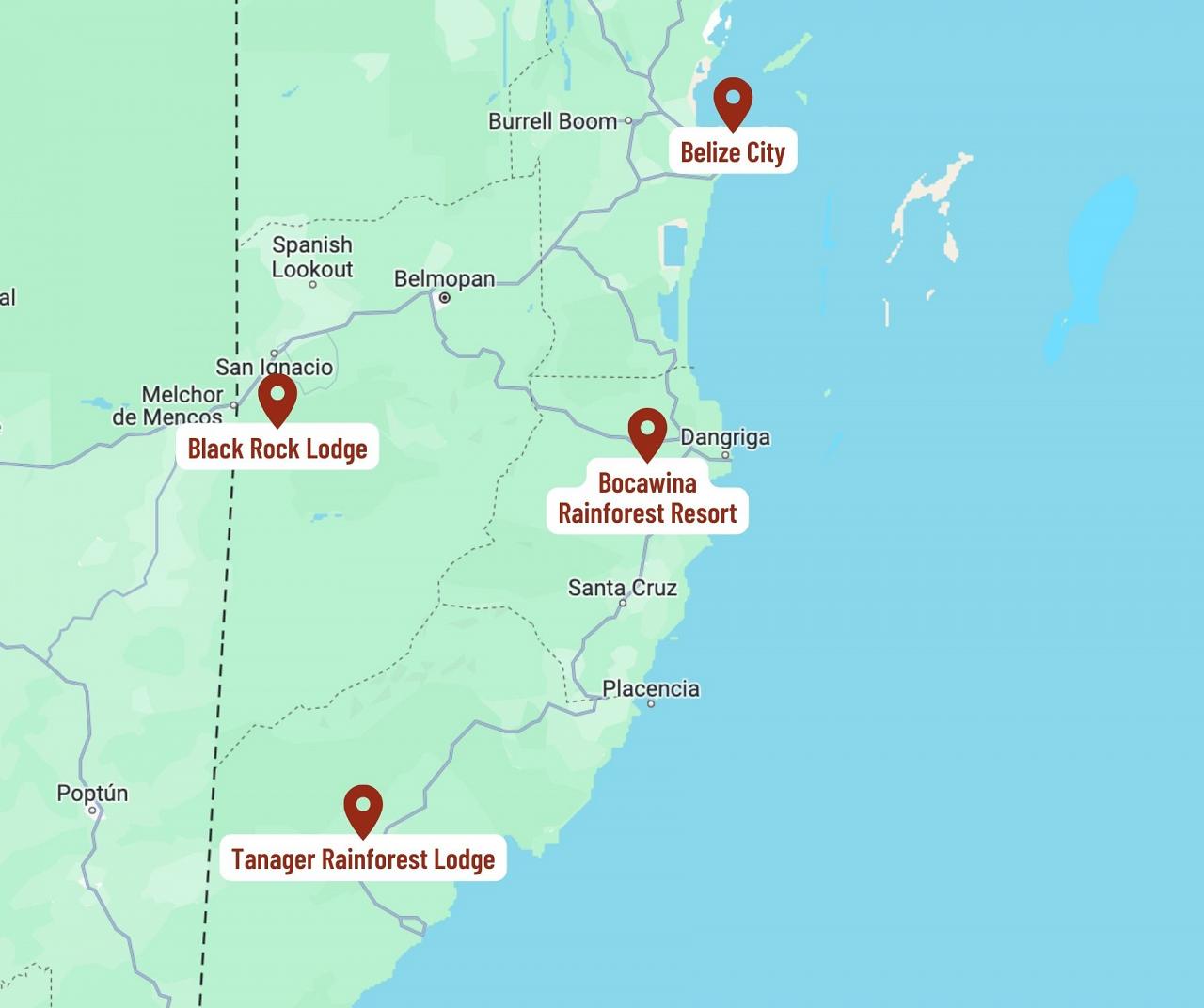
- Map
- Know Before You Go
- Other Trips You May Like
See a different side of Belize in 2025! We’ve carefully selected three top birding lodges with excellent local guides that join us as we visit important conservation areas in some of the less well-known parts of Belize. Whether this is a first time visit or a return trip to see more of Belize, we know this trip will excite you.
We start off with four nights at Black Rock Lodge, a fabulous retreat on the shores of the wild Macal River, impressively framed by massive limestone cliffs of the pine-ridge plateau behind it, home to rare Orange-breasted Falcon and elusive Black-and-white Hawk-Eagle. As we explore from here we may see King Vulture, possibly Stygian Owl, and a host of signature pine-habitat species. If you’re interested in Maya history, choose a day to visit Caracol, one of the top Maya sites in the region, which is also replete with birds. Explore the Belize Botanical Garden and between there and Jade Jungle Resort, stop at one of the best places for hummingbirds in the country: Green Hills Butterfly Ranch. From here we follow the scenic Hummingbird Highway to the coast, with a stop at Hopkins wetland—a great place to find marsh species. Steven Choco, the region's premier guide, joins us here and then takes us to his “home patch” in Belize’s southeastern corner, tucked between the beach and remnant mountains cut by turquoise-colored streams. We have our final four nights at Tanager Rainforest Lodge. Watch for Bare-crowned Antbird on the grounds, and a host of other exciting species, all found between delicious meals that feature local cuisine.
Believe us when we say our guides are excited about this combination and can’t wait to share the rich Maya Biosphere ecoregion with you.
- “Everything was so smooth, I felt taken care of, lovely accommodations. Our guides eyes caught every bird movement in our vicinity and their knowledge of where the birds were was extensive. Highlights: Euphonia! Scarlet Macaws sitting and on the wing! Howler Monkeys! Motmots! Meeting new people, making friends! Being in Belize!”— Liz Wharton, 2023 Traveler
- “It was great to not be concerned with anything but spotting birds and choosing daily menu options. We were truly well taken care of from airport pickup to airport drop off.” — Barbara Jording, 2023 Traveler
- “Warm, fun, educational, delightful companions and birding guides, birds of every shape and color. There’s no place I’d rather be than Belize!” — Kathleen Pasierb, 2023 Traveler
- “Easy! Fun! Excellent sights, gorgeous birds, lovely lodges.” — Lorna Hochstein, 2023 Traveler
- “A fun trip with lots of birds…A very good itinerary touring varied habitats.” – Michael Wallace, 2023 Traveler
Tour Highlights
- Enjoy four nights at Black Rock lodge along the Macal River, a perfect base to explore the local forests and the first of our Maya ruins
- Opt to canoe or tube to the Belize Botanic Gardens, 45 acres of tropical wonder
- Bird the Mountain Pine Ridge Reserve and watch for Orange-breasted Falcon
- Get up close and personal with hummingbirds at Green Hills Butterfly Ranch
- Enjoy a beach lunch and time at Hopkins wetlands
- Explore and bird with top local guide, Steven Choco, from Tanager Rainforest Lodge; Steve has been the prestigious National Tour Guide of the Year award winner from the Belize Tourism Board
- Fly back to the Belize International airport on a quick charter flight with views of the Maya Reef

Trip Itinerary
Itineraries are guidelines; variations in itinerary may occur to account for weather, road conditions, closures, etc. and to maximize your experience.
Sun., Nov. 2 Arrivals in Belize | Night Birding
Welcome to Belize! It’s hard to believe that just a short two-hour flight from a USA gateway puts you right into the tropical zone. Breathe deep—you are HERE and your vacation starts now.
We head out from the airport to reach Black Rock Lodge late in the day. On the way, we keep our binoculars handy, scanning fencerows and utility lines for the first birds of the trip. Expect to see Tropical Kingbird, Vermilion and Social Flycatchers, Great Kiskadee, White-collared Seedeater, and Tropical Mockingbird, with Lesser Yellow-headed and Black Vultures soaring overhead. We also keep our eyes open for wading birds in the roadside wetlands and farm ponds as we move into the countryside, watching for Tricolored and Little Blue Herons, Wood Stork, and possibly a Roseate Spoonbill.
We want to arrive at the lodge in time for you to take in the marvelous late-day feeding frenzy on feeders below the veranda. Our route is about a 2.5 hour drive in total, the last seven miles on a country back road (yes, bumps—that is what keeps the area pristine and wild!). Black Rock’s style is casucal, in keeping with the local culture. Its setting is dramatic, above the winding Macal River. Views from the dining area down to the river and out to extensive forested ridges of Don Elijio Panti National Park, a 13,000-acre swath of luxurious rainforest, are sublime. Settle in, scan the sky for raptors, and enjoy the relaxed vibe! The wonderful staff here help to make you immediately feel at home.
After dinner, we drive a short way out into a more open area to look for Northern Potoo and perhaps some of the resident owls.
Accommodations at Black Rock Lodge (D)
Mon., Nov. 3 Local Birding | Belize Botanical Gardens
Join the lodge’s keen birding guide for an early morning bird walk starting at 6:30 AM. Guides and guests avidly note their sightings on eBird, contributing knowledge of this region through citizen science efforts. We plan to participate too! Often greeting us in the morning are Crimson-collared and Yellow-winged Tanagers, Black-headed and Grayish Saltators, Red-legged Honeycreeper, and other species of mixed flocks. Barred Antshrike and Spot-breasted Wren call as Rufous-tailed Hummingbird monitor nectar at the garden flowers.
After taking advantage of the early super-charged bird activity on the grounds, we enjoy a full breakfast, never leaving the beautiful view as you dine. On the towering cliffs behind the lodge, a resident pair of Orange-breasted Falcon have lived for many years. Above, Vaux’s Swift patrol the sky.
After breakfast we have the chance to continue birding the area; watch for some of the showy rainforest species such as Keel-billed Toucan, Collared Aracari, and parrots of several species including Red-lored, White-fronted, and Mealy. More secretive on trails through the forest, we scan for Scaly-throated Leaftosser, Pheasant Cuckoo, Tody Motmot, Gartered and Black-headed Trogons, White-necked Puffbird, and more. The lodge has an extensive trail system.
This afternoon we visit the Belize Botanical Garden. Located on the banks of the Macal River in the Maya Mountains, the gardens host 45 acres of tropical wonder. Orchids, palms, cycads, and edibles abound. Watch for Common Tody-Flycatcher, Rose-throated Becard, and both Sulphur-bellied and Royal Flycatchers. It’s a great place for birds and butterflies too!
We return to watch sunset with a view and enjoy dinner.
Accommodations at Black Rock Lodge (B,L,D)
Tues., Nov. 4 Local Hotspots | Spanish Lookout | Aguacate Lagoon
We head off on a birding adventure this morning, stopping at a few of the guide’s favorite places. After a few stops, we drive on to the Mennonite village of Spanish Lookout. In this agricultural area we find Tropical Kingbird, Vermilion and Social Flycatchers, Great Kiskadee, Morelet’s Seedeater, Tropical Mockingbird, and Black Vulture soaring overhead. Blue-gray and Yellow-winged Tanagers, Red-legged Honeycreeper, Blue Ground-Dove, Roadside Hawk, Olive-throated Parakeet, Red-lored Parrot, Blue Bunting, Barred Forest-Falcon, Rose-throated Becard, Squirrel Cuckoo, and Black-cowled Oriole are other possible species.
Just twenty minutes down the road is one of the best birding hotspots in all of Belize: Aguacate Lagoon. This is a private wetland preserve of nearly 300 acres. We look for a variety of herons and egrets, resident Laughing Falcon, and other species. The lagoon is named for the many avocado trees that grow here now, planted in the early 1960s by Mennonite farmers.
Throughout our day we hope for mammal sightings, too—possible are White-nosed Coatimundi, Kinkajou, Deppe’s Squirrel, and Yucatan Black Howler Monkey. We return late in the day to relax, watch birds come in to roost, and then enjoy dinner at the lodge.
Accommodations at Black Rock Lodge (B,L,D)
Wed., Nov. 5 Local Birding or Caracol Maya Ceremonial Center
Participants have their choice of two activities today. We will confirm which you prefer before departure.
Option One: Hike & Bird from the Lodge
There are many species close to the lodge and we find them on a bit steep but productive trail with our local guides. Species we look for include Blue-gray and Yellow-winged Tanagers, Red-legged Honeycreeper, Blue Ground Dove, Roadside Hawk, Olive-throated Parakeet, Red-lored Parrot, Blue Bunting, Barred Forest-Falcon, Rose-throated Becard, Squirrel Cuckoo, and Black-cowled Oriole (just to name a few!). Enjoy some time to photograph at the feeders or along the river; walk the gardens and trails.
Option Two: Caracol Maya Ceremonial Center
This is a long, but incredible day. It’s also conditional on the road being dry enough to get to the ruins, since the road can be impassible if wet. After coffee and a quick bite this morning, we leave to reach Caracol during the cool of the day—the best time for birding and exploration of the site. En route we move from the well-drained granitic soils that favor pines to limestone substrates that give rise to broad-leafed forest, resulting in a significant change in avifauna. The birding on the drive is excellent, and we could have looks at Keel-billed Toucan, Ocellated Turkey, and possibly Laughing Falcon as we descend into the lower woodlands. At the river that divides the Mountain Pine Ridge from the rest of the Maya Mountains, we may even have a chance to glimpse the rare Scarlet Macaw.
Caracol is a famous Maya site within the remote Chiquibul National Park that rivals Guatemala’s Tikal in size and scope. Although loggers discovered the site in 1938, only in the last three decades has it been restored and opened to visitors. Walking the area today, we find a marvelous blend of nature and history, with lush broad-leafed forests intertwining and surrounding five plazas, numerous stelae, pyramids, hieroglyphics, and an astronomy observatory. Particularly stunning is the temple of Caana, or “Sky Palace”; at nearly 140 feet, it is one of the tallest known Maya structures. The Mayas here were at the peak of their influence during the latter part of the Classic Period, approximately 400 – 850 A.D. We explore both forest trails and Maya ruins, learning about the latest discoveries at Caracol, quite likely the city from which Guatemala’s Tikal was conquered in 562 A.D.
The birding at Caracol is extraordinary and we hope to see Montezuma Oropendola, several parrots (including White-crowned, Brown-headed, and Red-lored), all three species of Belizean motmots (Lesson’s, Tody, and the rare Keel-billed), Black-cheeked Woodpecker, Collared Aracari, and the colorful Crimson-collared Tanager. The area also supports Great Curassow and Crested Guan. The exceedingly rare Lovely Cotinga, perhaps Belize’s most colorful songbird, is occasionally observed here, and scarce raptors like Ornate and Black Hawk-Eagles have also been reported at Caracol.
After our picnic lunch we head back to Black Rock Lodge, stopping along the way at the Rio Frio Cave with its quiet pools and impressive formations. The shaded forest trails leading to the cave offer the chance to observe seldom seen understory species like Orange-billed Sparrow and White-throated Robin, as well as both Red-throated and Red-crowned Ant Tanagers (not often seen together) and possibly Plain Xenops, a tiny acrobatic species that gleans insects from the underside of leaves.
Upon our return to the lodge, we relax or stroll the lodge grounds for the rest of the afternoon, and then meet up with the rest of the group to review our bird list for the day before enjoying another excellent dinner.
Accommodations at Black Rock Lodge (B,L,D)
Thurs., Nov. 6 Green Hills Butterfly Ranch | Pine Ridge | Jade Jungle Resort
We depart early today with our gear, headed for the next great lodge in our series—Jade Jungle Resort (formerly Pook’s Hill). Our first stop though is at the Green Hills Butterfly Ranch, where we see a host of hummingbirds at close range. Species include White-necked Jacobin, Long-billed Hermit, Green-breasted Mango, Canivet’s Emerald, and possibly both Wedge-tailed and Violet Sabrewings. We also find a host of other birds in the lush gardens.
We then venture up onto a higher elevation plateau that holds extensive Caribbean pine stands. Yellow-backed and Yellow-tailed Orioles, Acorn and Golden-olive Woodpeckers, Green Jay, Ferruginous Pygmy-Owl, Masked Tityra, Slaty-tailed Trogon, and Plain Chachalaca, as well as several hummingbirds, including Azure-crowned, can be found here. Neotropical migrants overwinter here, too (including ”southwestern” birds such as Greater Pewee, Grace’s Warbler, and Hepatic Tanager), and some or all of these should be active when we arrive. Watch for King Vulture overhead.
In this area we may find Rufous-capped Warbler, Yellow-faced Grassquit, Gray-crowned Yellowthroat, Yellow-bellied Elaenia, Dusky-capped Flycatcher, Collared and Black-headed Trogons, Pale-vented and Scaled Pigeons, various woodcreepers, and noisy flocks of Lesser Greenlet.
We enjoy a picnic lunch, and mid-afternoon head on to the lodge, about an hour and a half away. Settle in to this delightful lodge, built with respect to the Maya ruins that are on the grounds. Lush plantings bring in a variety of birds and tonight we have a chance to head out for some owling, an easy walk from the lodge.
Jade Jungle Resort is a private reserve. Set in the foothills of the Maya Mountains, it borders two other reserves and gives us access to a new set of species. Thatched cabañas with private baths and a main lodge fill a small clearing in the forest; the lodge has a bar and a lantern-lit dining room. A creek flows through this ancient Maya site, while trails traverse the surrounding forest and clearings.
Accommodations at Jade Jungle Resort (B,L,D)
Fri., Nov. 7 Jade Jungle Resort Private Reserve Birding
Start the day with optional early morning birding, seeking iconic tropical motmots, trogons, and toucans. At breakfast, admire a host of hummingbirds just off the veranda.
We spend the full day close to home, exploring a system of lodge trails. The reserve acts as a buffer zone to the 6,700-acre Tapir Mountain Reserve, which extends to the southwest of the lodge and forms part of a wildlife corridor that continues to the Toledo District in the south of Belize. This semi-deciduous broadleaf tropical forest has not been logged since the time of the Mayas.
Birds here are varied, from soaring White Hawk to secretive forest floor birds like Dusky Antbird and Black-faced Antthrush. We should find White-collared and Red-capped Manakins and hummingbirds galore (including the stunning Purple-crowned Fairy and territorial Long-billed Hermit). Rufous-tailed Jacamar nest on the property, and Lineated and Pale-billed Woodpeckers can be found. Mammals include Collared Peccary, White-nosed Coati, and possibly Northern Tamandua, a type of anteater. Camera traps have even recorded Tapir and Ocelot!
After a lovely dinner we seek a resident and very tolerant pair of Spectacled Owls (optional).
Accommodations at Jade Jungle Resort (B,L,D)
Sat., Nov. 8 Hopkins Wetlands | Tanager Rainforest Lodge
We depart our lodge after breakfast, making our way down the scenic Hummingbird Highway to the coastal town of Hopkins. We have a long drive, so expect a full day with birding stops. This gives us a chance to see the fascinating geography of Belize. We plan on lunch and birding along the way as we head further south.
We enjoy a beach lunch on the Caribbean in a shade ramada and watch for Osprey, gulls, and terns as we dine. We also check out wading birds at the nearby Hopkins wetlands where we look for White Ibis, possible Roseate Spoonbill, a variety of herons, Clapper Rail, and shorebirds.
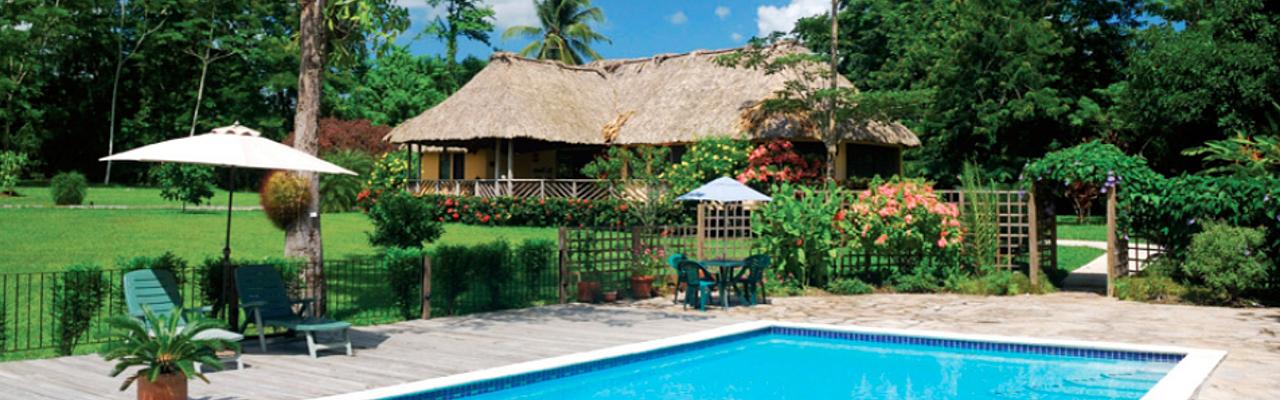
We then head south following the coast, and plan to arrive at Tanager Rainforest Lodge by mid-afternoon. Settle in for four nights from this outstanding location. Tanager Rainforest Lodge is located on the forested banks of the Rio Grande River (inflatable tubes make swimming fun and are provided for leisure time). This is one of the very best birding lodges in Belize, with attractive grounds, a swimming pool, and locally-influenced accommodations with thatched roofs that include hardwood interiors, sparkling bathrooms, comfortable furnishings, and fully screened windows.
Before dinner, we may spot Russet-naped Wood-Rail and scampering agouti on the open lawns fronting the main lodge building, which has a breezy, covered porch, Wi-Fi access, and comfortable seating—perfect for relaxing with an afternoon drink or morning coffee, while watching Rufous-tailed Hummingbird at the feeders or pondering your bird list.
Tanager Rainforest Lodge offers outstanding birding right on site, and it’s possible to spot species like Gartered Trogon, Yellow-billed Cacique, Gray-headed and Golden-hooded Tanagers, Grayish Saltator, and Red-throated Ant-Tanager literally steps from your door. Specialties like shy Bare-crowned Antbird and Rufous-breasted Spinetail (the most northerly species of this largely South American group) are regularly recorded within earshot of the main lodge, while the immediately adjacent Rio Grande River provides habitat for four of Belize’s five kingfishers (Green, Amazon, Belted, and Ringed), which can be seen without leaving the property.
This evening we discuss activities for the coming days, go over our species list, and listen to the eerie calls of Common Pauraque as the sun sets. Over the next three days we have the chance to bird and explore in a range of habitats, from savanna grasslands and coastal forests and mangroves, to interior forests and swamps.
Accommodations at Tanager Rainforest Lodge (B,L,D)
Sun., Nov. 9 Morning Lodge Birding | Afternoon Birding Excursion
With such excellent birding right on our doorstep, it’s hard to resist getting up at the crack of dawn. Coffee is ready ahead of breakfast, and a walk around the compound is sure to be productive. Our guide, Steven Choco, takes us on two early morning bird walks. This morning we plan to bird the lodge property, which sits on thirty acres on a long meander of the Rio Grande and includes riparian, secondary growth forest, disused agricultural land, orchard, and meadow habitats. Species we search for include Black-faced Antthrush, Barred Antshrike, Great Antshrike, Bare-crowned Antbird, Black-and-white Owl, Crimson-collared Tanager, Golden-hooded Tanager, Black-crowned Tityra, Pale-billed Woodpecker, Lineated Woodpecker, and Stub-tailed Spadebill.
After an excellent breakfast, we stay with Steven Choco for more birding on the lodge grounds. Then, in the late morning we head out with a packed lunch. All of the field trips from the lodge are within a thirty-minute drive, meaning less time in vehicles and more time outdoors. Depending on what’s being seen at the time of our visit, we may head to Blue Creek Village or a similar site (Forest Home), both featuring mature broadleaf and gallery tropical forests with riparian understory habitats.
Birding at both sites can be excellent, with important species in field and forest edge habitats include Striped Cuckoo, Bronzed and Giant Cowbirds, Plain-breasted Ground Dove, Blue-black Grassquit, Scaly-breasted Hummingbird, Fork-tailed Flycatcher, and Scrub Euphonia. The gorgeous Crimson-collared Tanager and closely related Passerini’s Tanager (the latter a specialty for southern Belize) are also both found along the road into Blue Creek (as well as on the lodge grounds). Less common raptors like Gray-headed and Double-toothed Kites are occasionally seen here, together with the common Roadside Hawk.
Birding mature forests in these areas can yield a number of intriguing mid-canopy and understory species, including Lesson’s Motmot, Little and Great Tinamou, Collared Trogon, White-breasted Wood Wren, Strong-billed Woodcreeper, Red-capped Manakin, Black-crowned Antshrike, and the seldom seen Ruddy-tailed Flycatcher. Along the forest margins we look for Collared Aracari, as well as White-whiskered Puffbird and Rufous-tailed Jacamar, the latter species typically sitting motionless for extended periods as they wait for large insect prey.
We may venture down to Punta Gorda to check out the shore or bird at a friend’s lodge where flowering gardens attract a different mix of species. Then back for drinks on the deck and a great dinner, artfully prepared.
Accommodations at Tanager Rainforest Lodge (B,L,D)
Mon., Nov. 10 Blue Creek or Guide’s Choice | Sunset at the Dump Rice Fields
Steve is such a master birder, and we like to allow him some choices to make the most of the moment. We may choose Blue Creek, a great hike with some primary forest and attendant elusive species; or, we may rise early to leave for birding among mature forest about two miles from the coast at Punta Gorda. The area is home to a troop of Yucatan Black Howler Monkeys that we have a good chance of seeing and hearing in the forest canopy. There are local pocket wetlands where we look for Little Blue Heron, Green Heron, and other egrets as well as roosting Yellow-crowned Night-Heron.
We return to Tanager Rainforest Lodge for lunch at Pearleen’s restaurant. This is Caribbean food like you’ve never seen, almost reason to book the trip! We may visit a local spice farm during the mid-day quiet hours, a fascinating operation with tropical spices grown from around the world.
Before sunset we have the option to visit what is known as the “Dump Rice Field,” an expanse of rice paddies and swamps located a short drive from the lodge. The road passing through sits on an elevated causeway, with side tracks leading into the marshy areas. Key species here include Sora, Ruddy and Uniform Crake, Purple Gallinule, White-throated Flycatcher, Least Bittern, Short-tailed Hawk, Limpkin, and Common Tody-Flycatcher. Dinner this evening is at the lodge.
Accommodations at Tanager Rainforest Lodge (B,L,D)
Tues., Nov. 11 Nim Li Punit | San Felipe Hills
After grabbing coffee, juice, and a roll, our early morning birding outing today with Steven Choco focuses on the Nim Li Punit Maya site, located just six miles from the lodge. Nim Li Punit, which is Kekchi Maya for “Big Hat,” dates from the Maya Classic Period that flourished from the 5th through the 8th Century AD, and consists of three distinct plazas and several step-pyramids. In 2015, the second largest carved jade artifact in Belize was discovered here. The site itself is set high in mature forest with fantastic views east across the coastal plain to the cays in the Gulf of Honduras.
The area offers some very good birding, including several woodpeckers (Lineated, Pale-billed, Smoky-brown, and potentially Chestnut-colored) and woodcreepers (Streak-headed, Wedge-billed, and Ivory-billed), as well as various migrant warblers and vireos. Other possible highlights include White-crowned Parrot, Keel-billed Toucan, White-throated Thrush, Hook-billed Kite, Red-legged and Green Honeycreeper, Bat Falcon, Yellow-bellied Tyrannulet, Blue Grosbeak, Montezuma Oropendola, and Rose-throated Becard.
We return for a proper breakfast, and then head out for the San Felipe Hills, a karst landscape about 12 miles from the lodge. Our goal is to bird across an orange grove (Belizean orchards are not the manicured settings we’re used to at home, and can be great for birding), and eventually arrive at the karst limestone foothills of San Felipe that rise to a height of around four hundred feet. As the ground slopes upwards, we enter a broadleaf forest. We look for some of the most difficult to locate species in Belize, including Tody Motmot, Rufous Piha, Rufous Mourner, Northern Schiffornis, Nightingale Wren, Scaly-throated Leaftosser, White-winged Becard, Tawny-crowned Greenlet, and Northern Barred Woodcreeper.
As the day heats up, we head to Ixcacao Maya Belizean Chocolate a small twenty-year old business run by Juan and Abelina Cho. We have lunch there with a chocolate themed main course and a selection of beautiful vegetable dishes from their own gardens. We also have a chance to try a variety of chocolate flavors such as chocolate with salt, chili, cardamom, ginger, and coconut and learn about the chocolate making process. We return to the lodge for a break—swimming or kayaking, or perhaps a good book and a hammock on your veranda.
We gather on the lodge’s porch this evening to update bird lists and review the day, and after dusk we may get lucky and hear (or even see) one or more of the resident Black-and-white Owl, which previously nested on the lodge grounds (and were recorded here in 2017 and 2018). We should also see Common Pauraque and Lesser Nighthawk flitting across the dusky sky before we head inside. Dinners at Tanager Rainforest Lodge are excellent, often featuring fresh seafood and Belizean beef, with local fruits and vegetables—a perfect end to the day and the tour.
Accommodations at Tanager Rainforest Lodge (B,L,D)
Wed., Nov. 12 Departures
Our adventure comes to an end today. This morning we drive the 30 minutes to Punta Gorda and board a Tropic Air flight back to Belize City. (B)
-
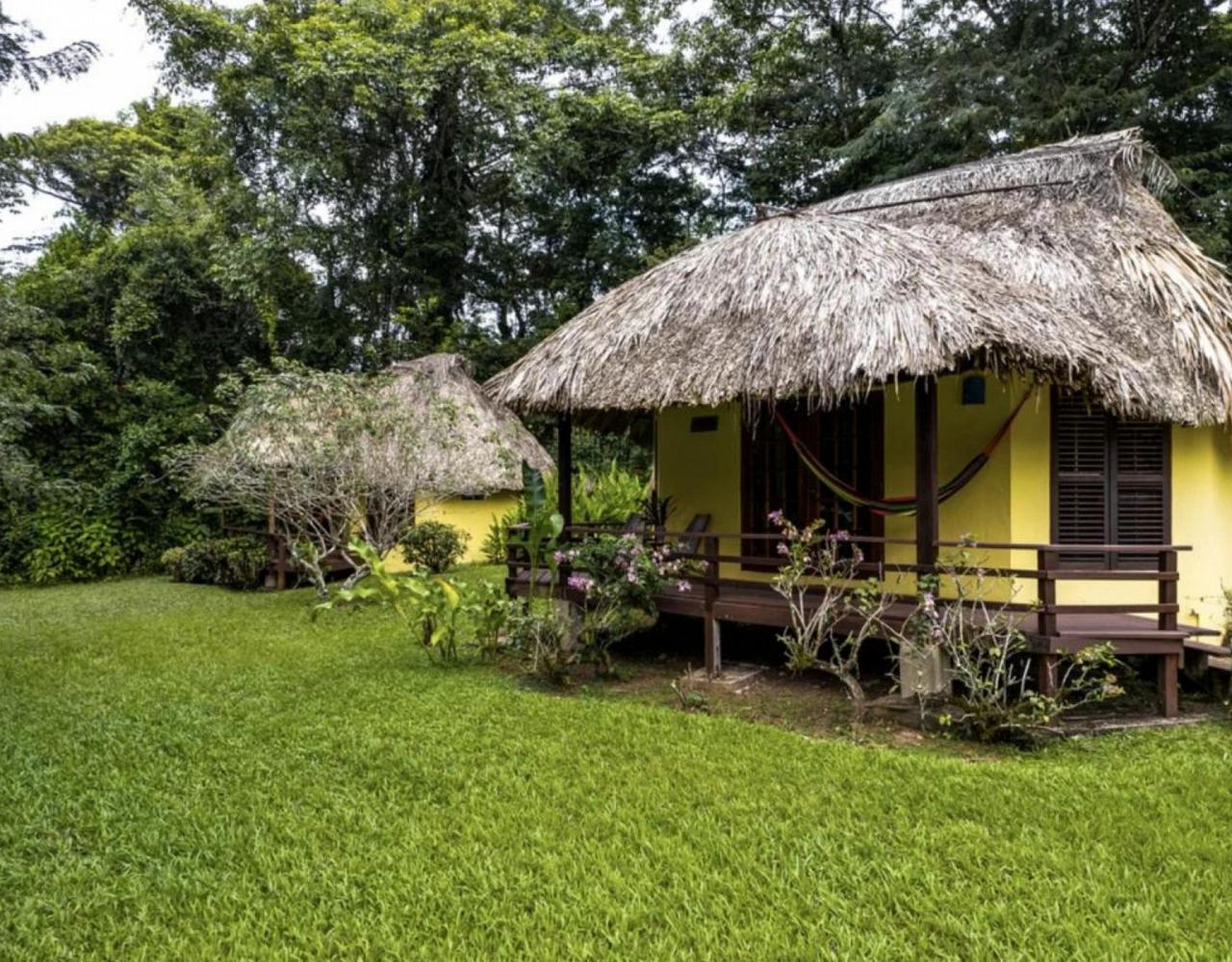
Tanager Rainforest Lodge
-
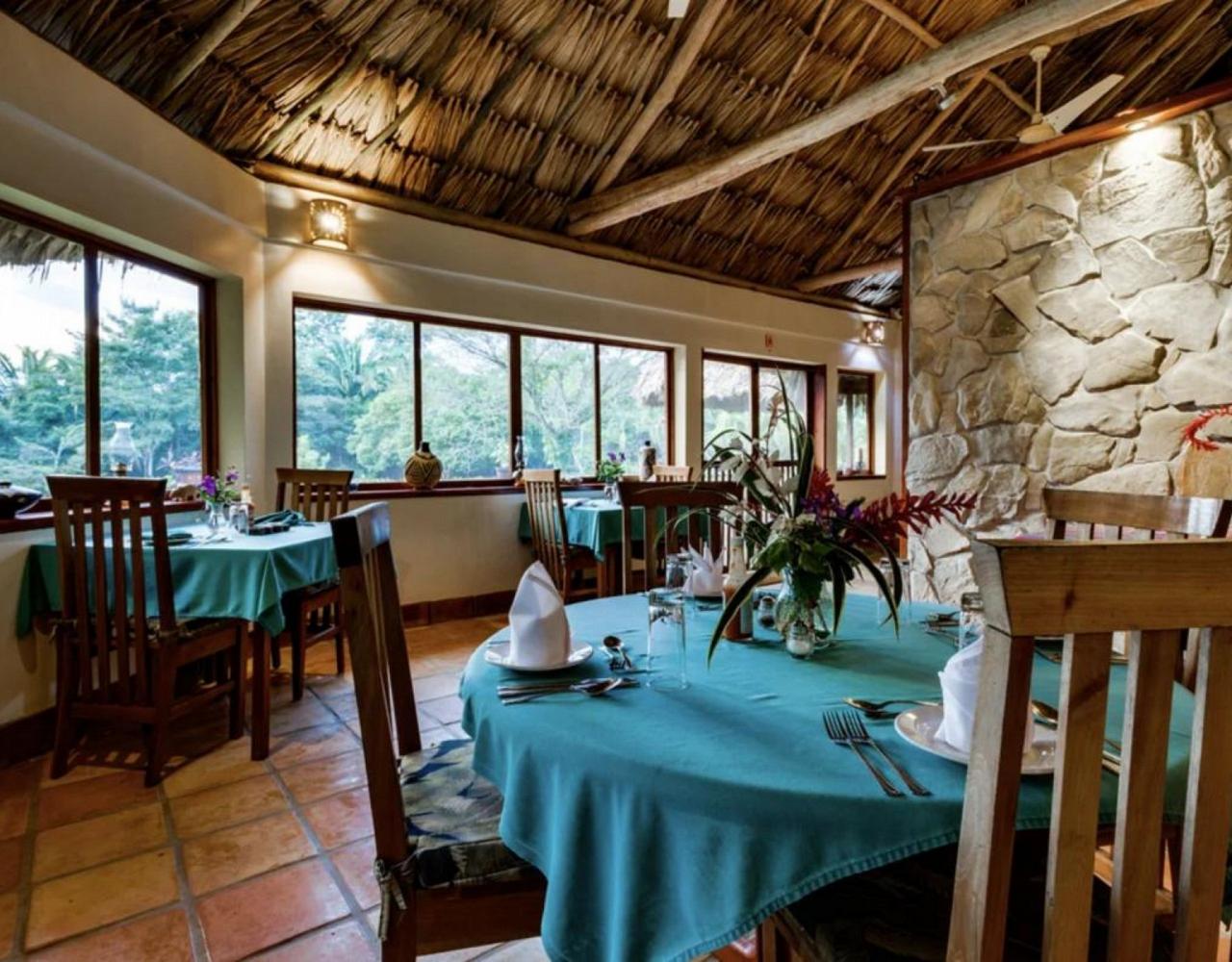
Tanager Rainforest Lodge Dining Room, courtesy of Tanager Rainforest Lodge
-
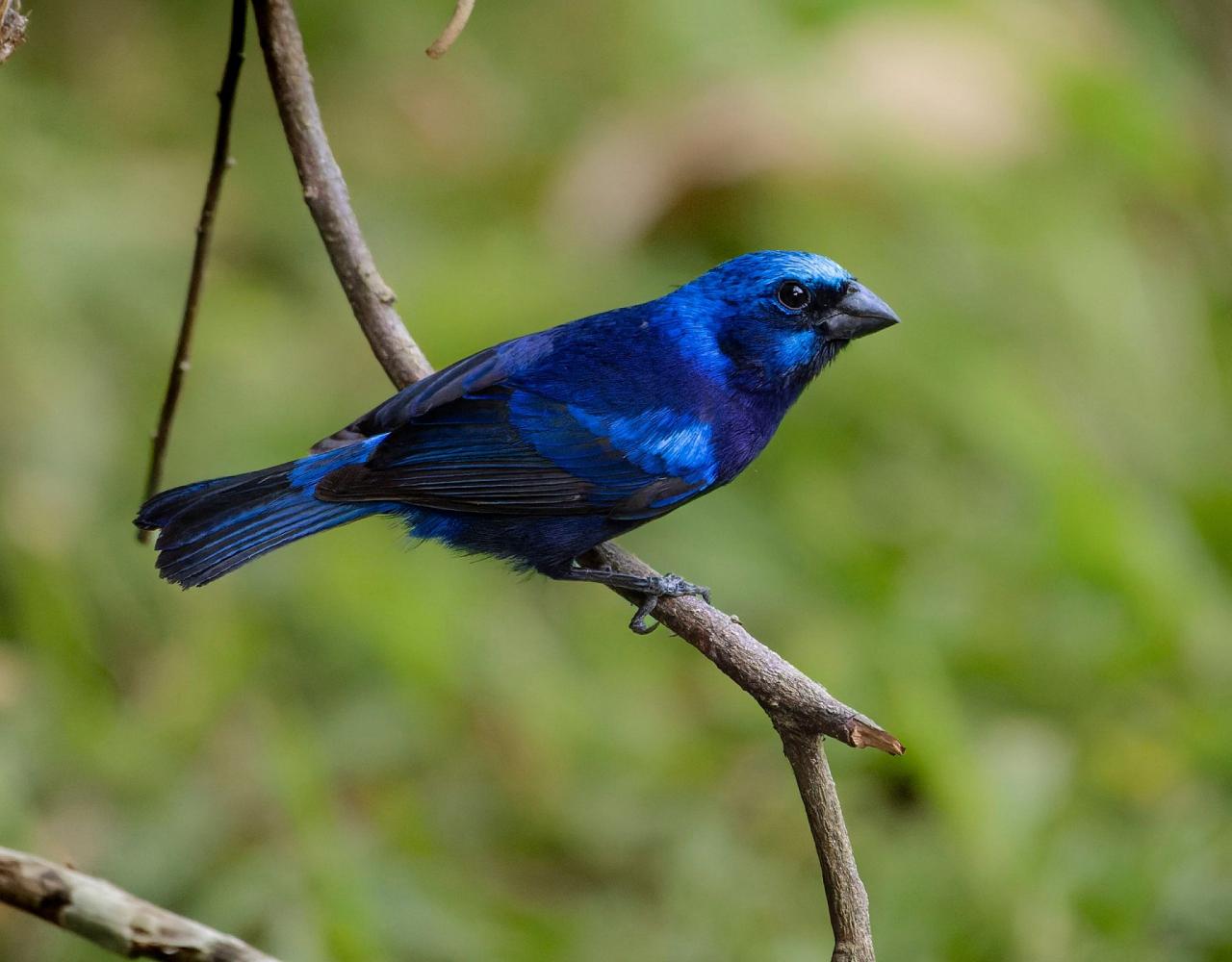
Blue Bunting by Bryan Calk
-
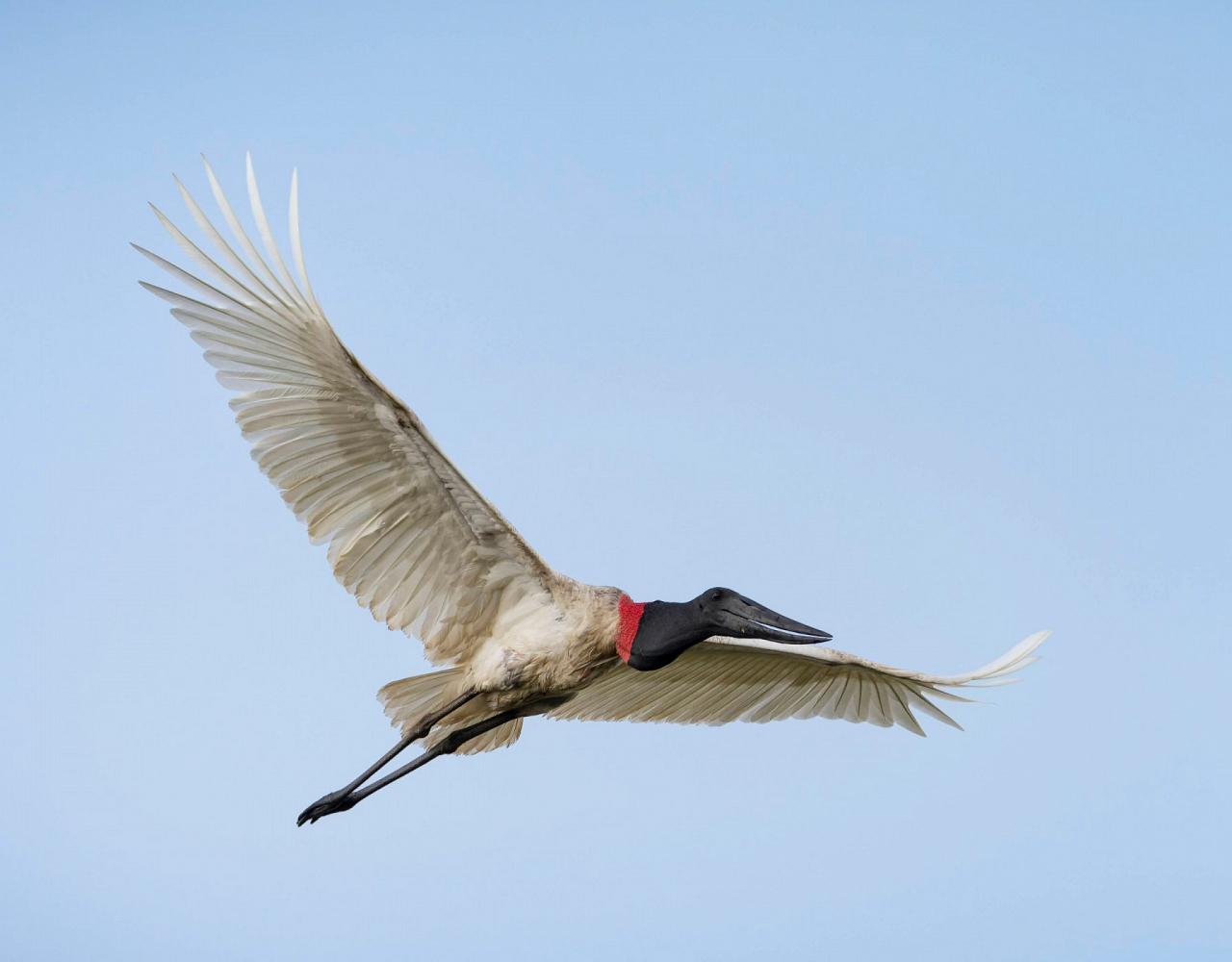
Jabiru Stork by Bryan Calk
-
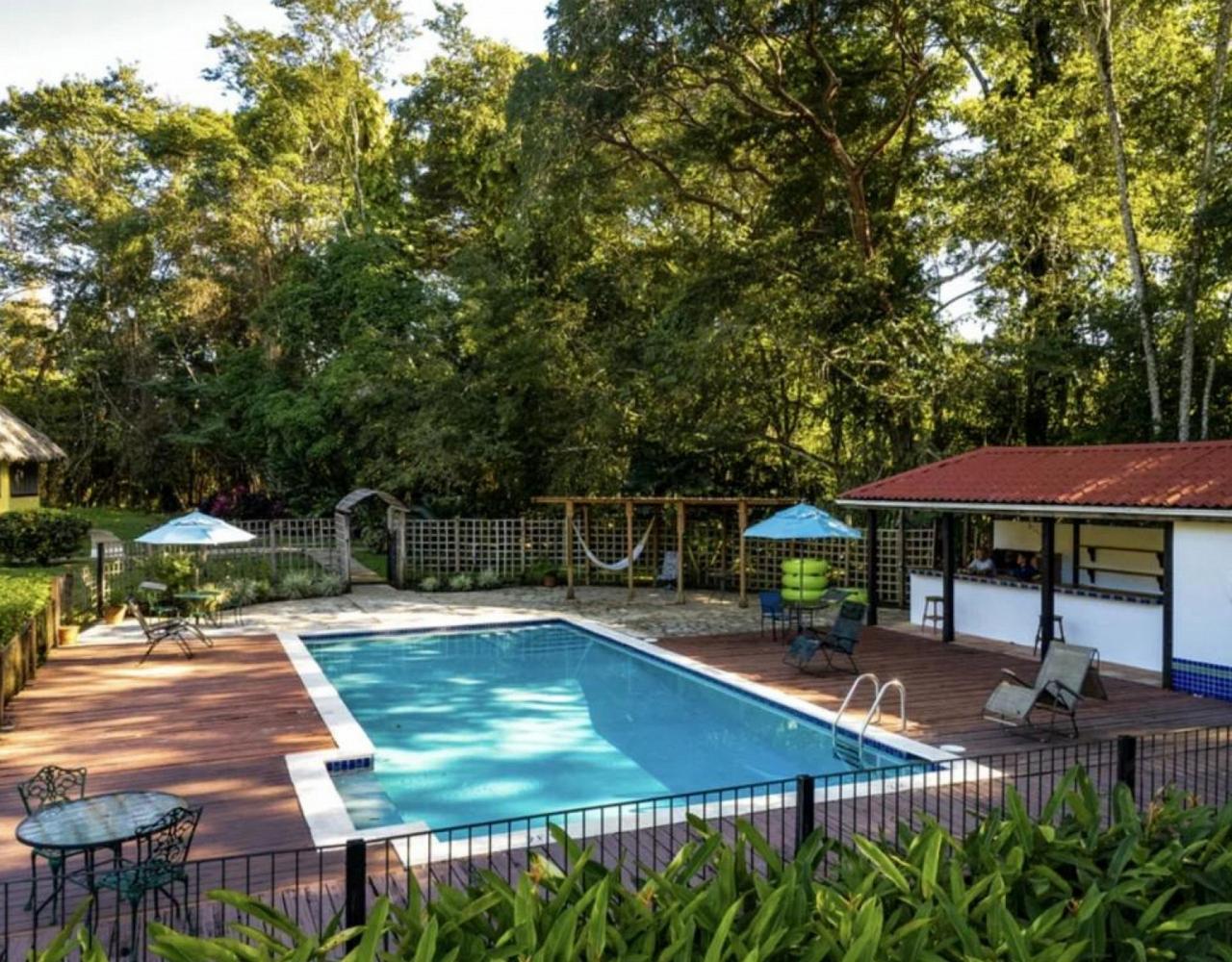
Tanager Rainforest Lodge Pool, courtesy of Tanager Rainforest Lodge
-
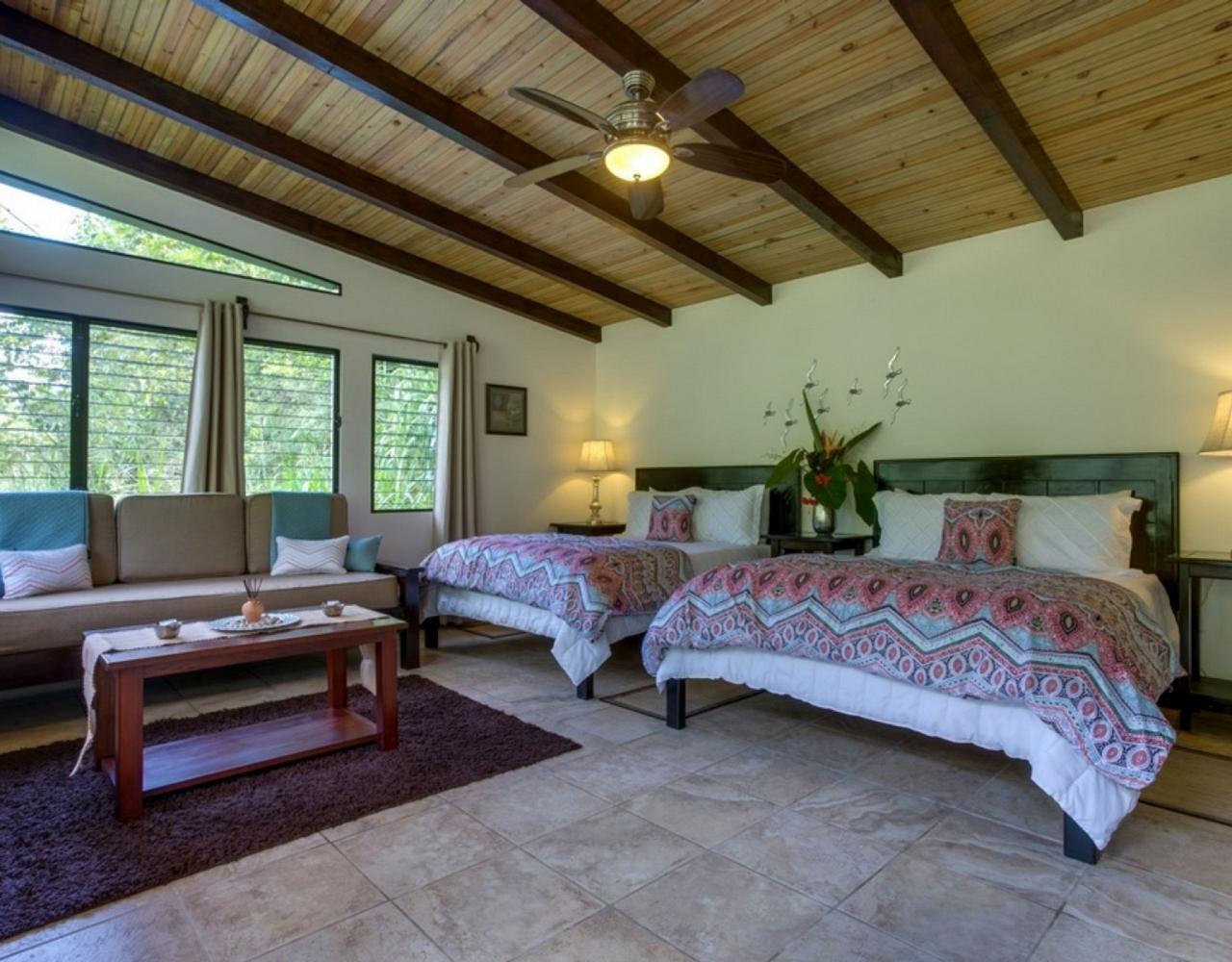
Tanager Rainforest Lodge Bedroom, courtesy of Tanager Rainforest Lodge
-
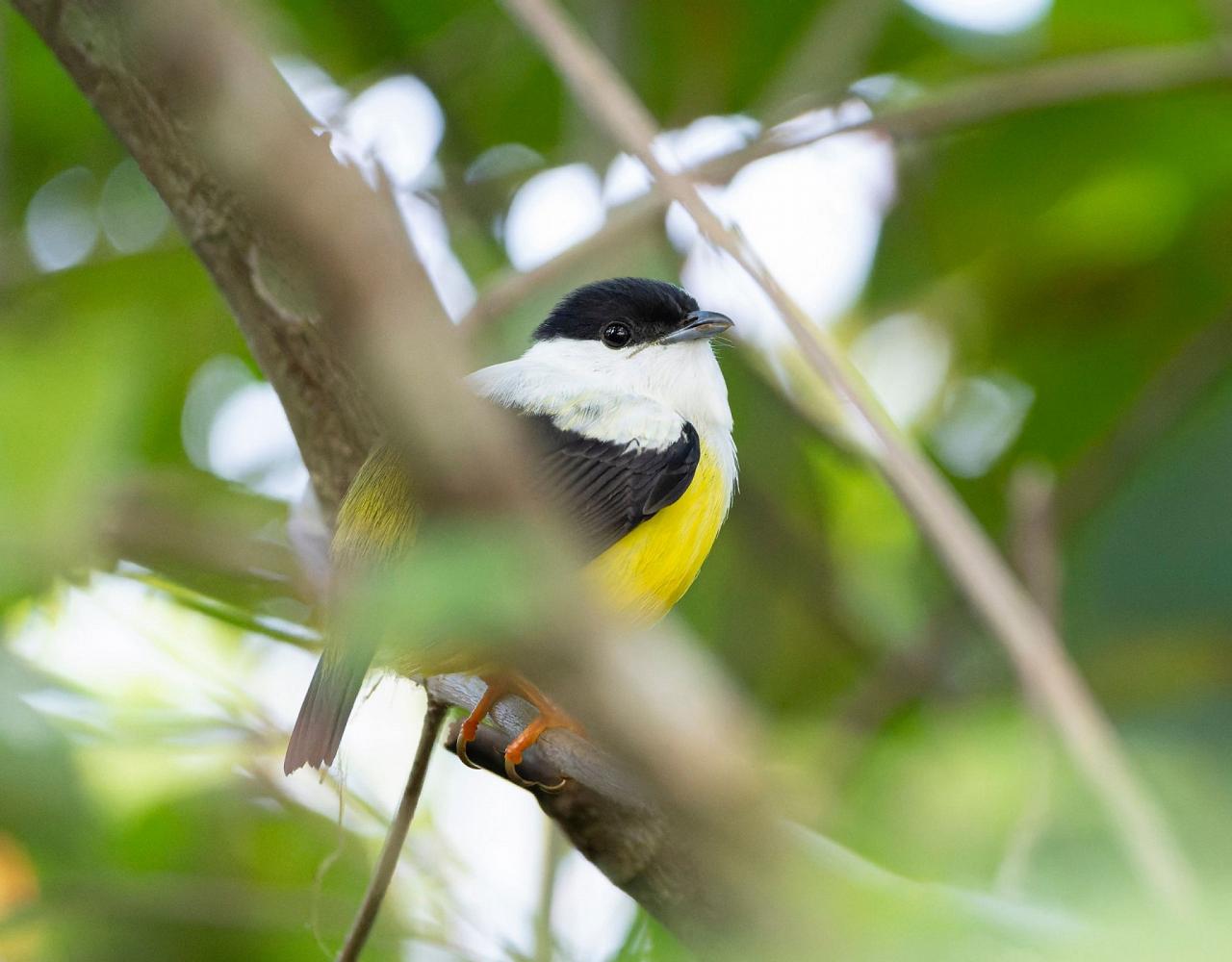
White-collared Manakin by Bryan Calk
-
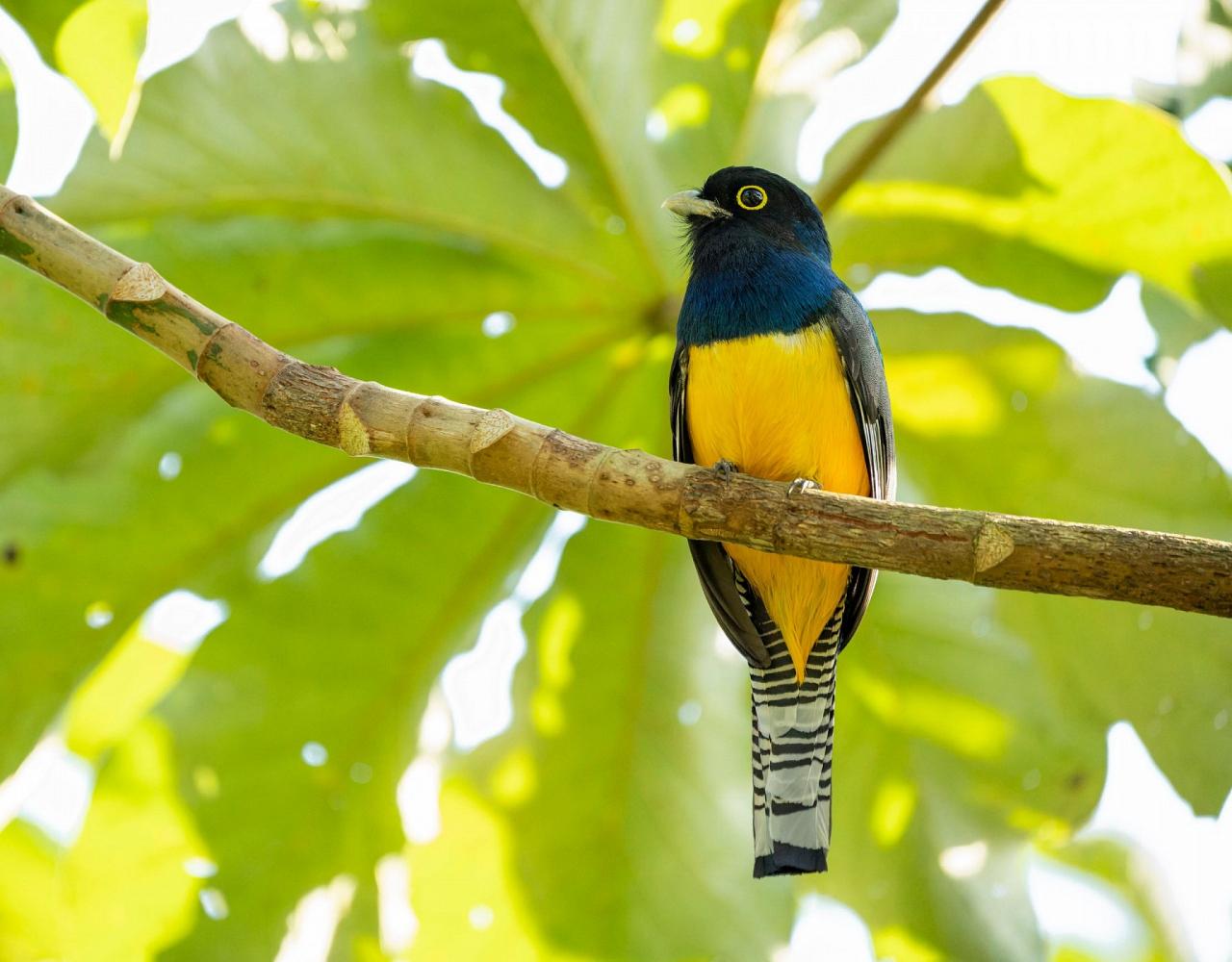
Gartered Trogon by Bryan Calk
Cost of the Journey
Cost of the journey is per person based on occupancy: $5190 DBL / $5880 SGL, from Belize City.
Cost includes: all accommodations; all meals as stated in the itinerary; group airport transfers; ground transportation within Belize; domestic flight at the end of the journey; professional guide services; park, preserve, and other activity fees; miscellaneous program expenses.
Tour price does NOT include: roundtrip airfare to and from Belize City; items of a personal nature (such as laundry, porterage, telephone charges, or alcoholic beverages). Gratuities for your local lodge guides in Belize are not included, these are at your discretion, but highly appreciated and recommended.
Travel Details
Please plan to make air travel plans only after the minimum group size has been met. We will send you a confirmation email as soon as the trip has been confirmed.
Arrival and Departure Airport: Philip S.W. Goldson International Airport (BZE) in Belize City
Arrival Details: Please plan flights to arrive November 2, 2025 no later than 2:00 PM.
Departure Details: Please plan November 12, 2025 flights after 1:00 PM. After breakfast, we have a morning flight back to Belize City.
Travel Tip: You may wish to arrive a day early and rest up from your travels. While there are a few things to do in Belize City, most attractions are located about an hour away and would require a taxi or hiring a guide. The Belize Zoo is home to only native wildlife that have been abandoned, orphaned, or injured. It’s a great way to see almost 50 species of native animals. Does exploring an ancient Mayan city seem appealing? Then head about 30 miles north of Belize City to Altun Ha, an important archaeological zone that covers about 5 square miles. If you’re looking for something right in town, you can explore the rich culture and history at the Museum of Belize.
Hotel Recommendations:
The Black Orchid Resort is about 20 minutes from the airport and they can arrange transfers. There is a restaurant on site and hotel staff can assist with booking outings. You can also relax on site and bird along the river. On the start date of the tour, drivers from the Black Rock Lodge can pick you up here so you do not have to go back to the airport.
If you want to explore even more, you can consider 2-3 nights at the delightful Lamanai Outpost Lodge, accessed by boat.
Entry Requirements: See "Passport, Visa & Documentation" section under tab Know Before You Go>Essential Information.
Browse below for trip reports and species lists from past versions of this and other tours from this destination.
Belize
- March 2014
- February 2016
- January 2017 (w/Cave Creek Ranch)
- February 2017 (Private Tour)
- February 2017
- January 2018
- March 2018
- January 2019
- March 2019
- January 2020
- February 2020
- March 2020
- July 2021
- October 2021
- November 2021 (Birds & Beaches)
- December 2021
- January 2022
- March 2022
- November 2022
- January 2023
- February 2023 (3 Lodge Tour)
- March 2023
- November 2023 (3 Lodge Tour)
- January 2024
- February 2024 (Classic Tour)
- February 2024 (3 Lodge Tour)
- March 2024
- July 2024 (Green Season)
- December 2024 (Christmas Tour)
- January 2025 (3 Lodge Tour)
- February 2025
- March 2025
- October 2025
- November 2025 (Three Lodge Tour)
- January 2026 (Three Lodge Tour)
- February 2026 (Three Lodge Tour)
- March 2026 (Short & Sweet Birding Blitz)
- March 2026 (Three Lodge Tour)
- April 2026 (Three Lodge Tour)
- July 2026 (A Week at Black Rock Lodge)
Southern Belize
- March 2018
- February 2019
- February 2020
- March 2021
- February 2022
-
James P. Smith
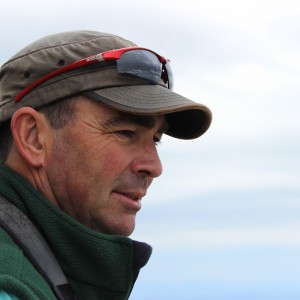
James grew up in Sheffield in the UK. Little could he have known at the tender age of ten that a boyish hobby would eventually lead to a career. After studying graphic design at The Sheffield College, his fascination for large scale bird migration drew him to Israel, one of the largest migration flyways in the World. He joined several bird migration surveys and by 1995, he’d ultimately discovered a love for guiding and the magic of the shared birding experience in the deserts of Southern Israel. With some 30 years of experience behind him, he has led hundreds of tours throughout Europe, Africa, and North America.
In recent years he’s featured as a regular guide on the Naturalist Journeys team, having led or co-led over 40 tours to a wide variety of destinations but especially the tropics of Central and South America. Forever grateful of life’s opportunities, he thinks of global travel as a ‘gift’ and brings expertise, enthusiasm and a quiet sense of humor to the tours.
Prior to his tour leading career, James was an accomplished illustrator and placed runner-up in the prestigious British Birds ‘Bird Illustrator of the Year’ competition in 1992. His artwork has appeared in numerous birding publications, books, and identification guides. In 1996, his set of national stamps were represented at the 9th Asian International Philatelic Exhibition in Beijing and included a special souvenir sheet featuring eight songbirds of Israel.
When not leading tours James conducts field research for Mass Audubon, the Biodiversity Research Institute, and the University of Massachusetts. At home, he’s always looking for an excuse to be outdoors and can often be found riding his bike on the roads and gravel paths of Western Massachusetts. Locally, he likes to reduce his carbon footprint and keeps his daily birding ventures to within 20 minutes of the family home in Northfield where he resides with his wife Susannah and their teenage son Matan.
Other trips with James P. Smith
-
 Grand Oaxaca: Valley, Mountains & Coast FULL - See our January departure!October 19 - 30, 2026
 -
 South Texas Birding & Nature A private tour for St. Louis Audubon.November 12 - 20, 2026
 -
 Birding from Bogota A Short & Sweet Colombia Tour - FULL, see our July departure!December 4 - 12, 2026
 -
 The Hummingbird Series: Ecuador!January 12 - 23, 2027
 -
 Belize: Three Great LodgesFebruary 16 - 26, 2027
 -
 Morocco: Birding & NatureMarch 23 - April 3, 2027, w/Agadir extension
 -
 Cape May: Spring MigrationMay 11 - 17, 2027
 -
 Jewels of Brazil's Atlantic ForestJune 12 - 23, 2027
 -
 Birding from Bogota A Short & Sweet Colombia TourJuly 22 - 30, 2027
 -
 Brazil’s Pantanal: Jaguars! And More… FULL - Look for our 2028 departures!September 5 - 15, 2027, w/Amazônia extension
 -
 Grand Oaxaca: Valley, Mountains & Coast October 18 - 29, 2027
-
Essential Information +
Pace & Protocols +
Packing List +
Suggested Reading List +
Useful Links +
-
 Western Panama: Tranquilo Bay FULL - See our January departure!October 18 - 25, 2025, w/Mt. Totumas extension
 -
 Thanksgiving in Trinidad & Tobago FULL - See our Christmas departure!November 22 - December 1, 2025
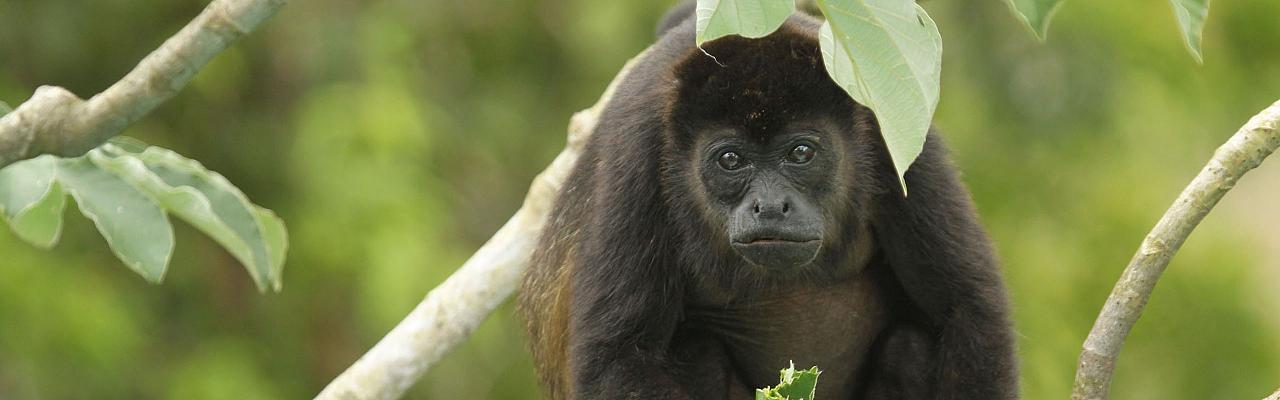
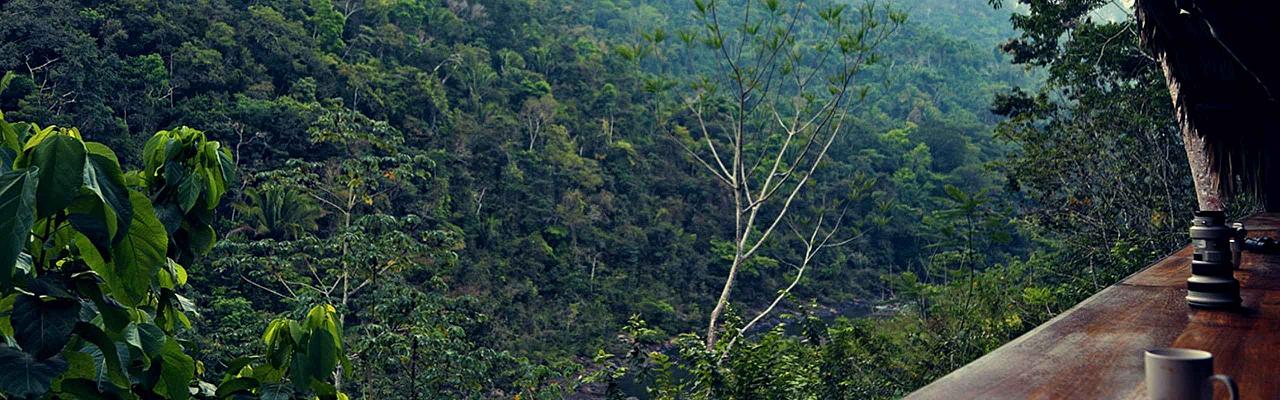
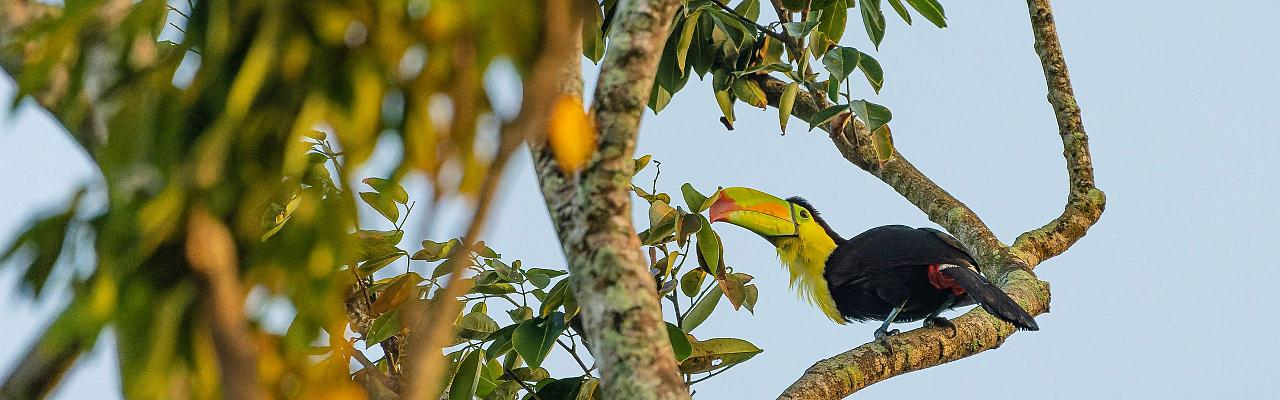
Photo credits: Banners: Black Howler Monkey (Peg Abbott), Keel-billed Toucan (Bryan Calk), Black Rock Lodge View (courtesy of Black Rock Lodge), Montezuma Oropendola, Margay Thumbnails: King Vulture, Hummingbird (Bryan Calk), Ocellated Turkeys (Bryan Calk), Scarlet Macaw, Red-legged Honeycreeper (Bryan Calk), Northern Jacana (Bryan Calk)< Northern Tamandua, Boat-billed Heron (Bryan Calk)