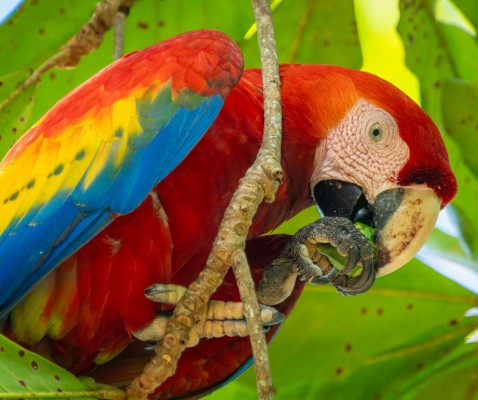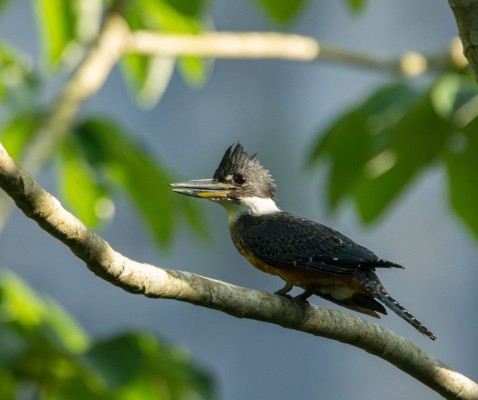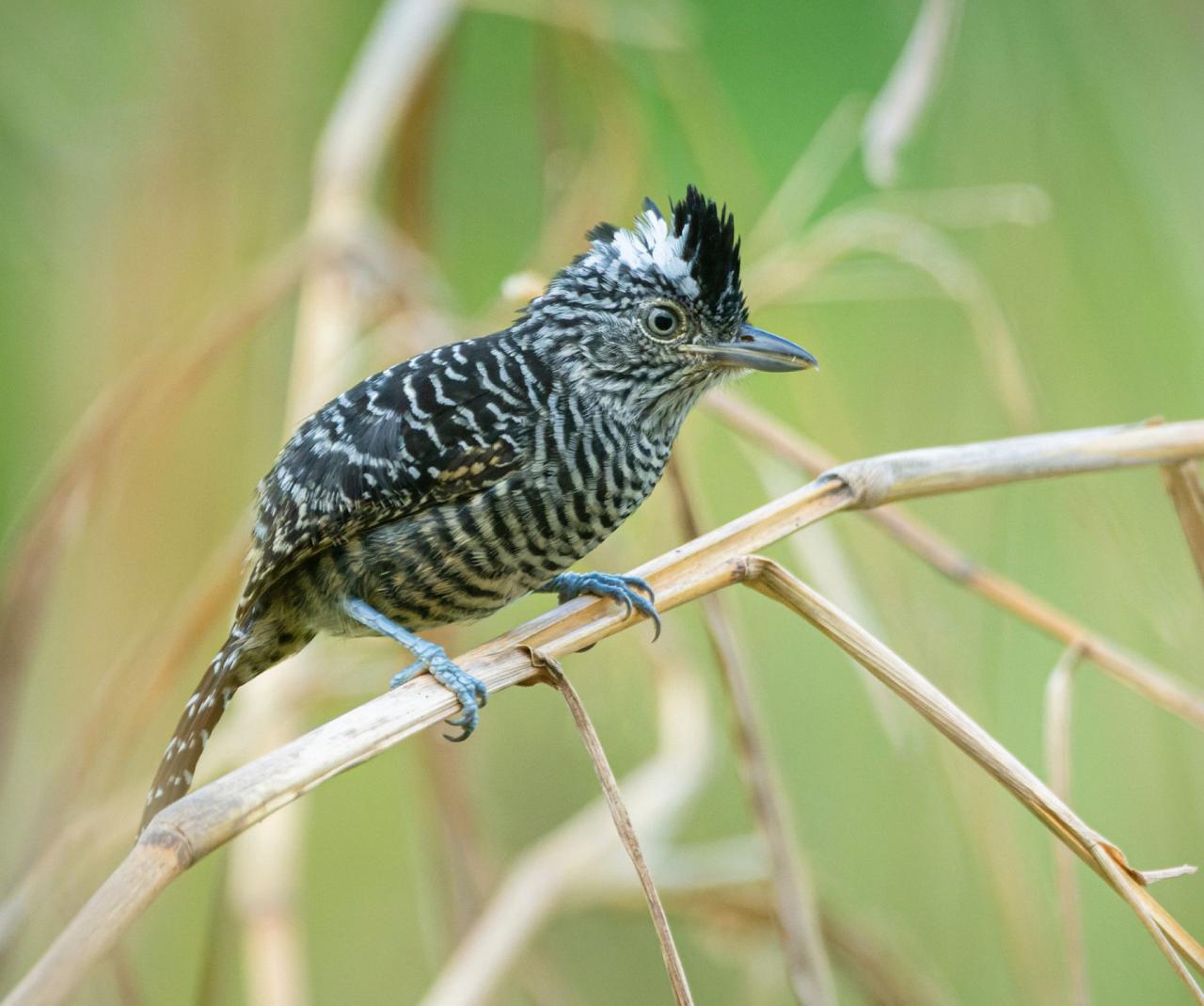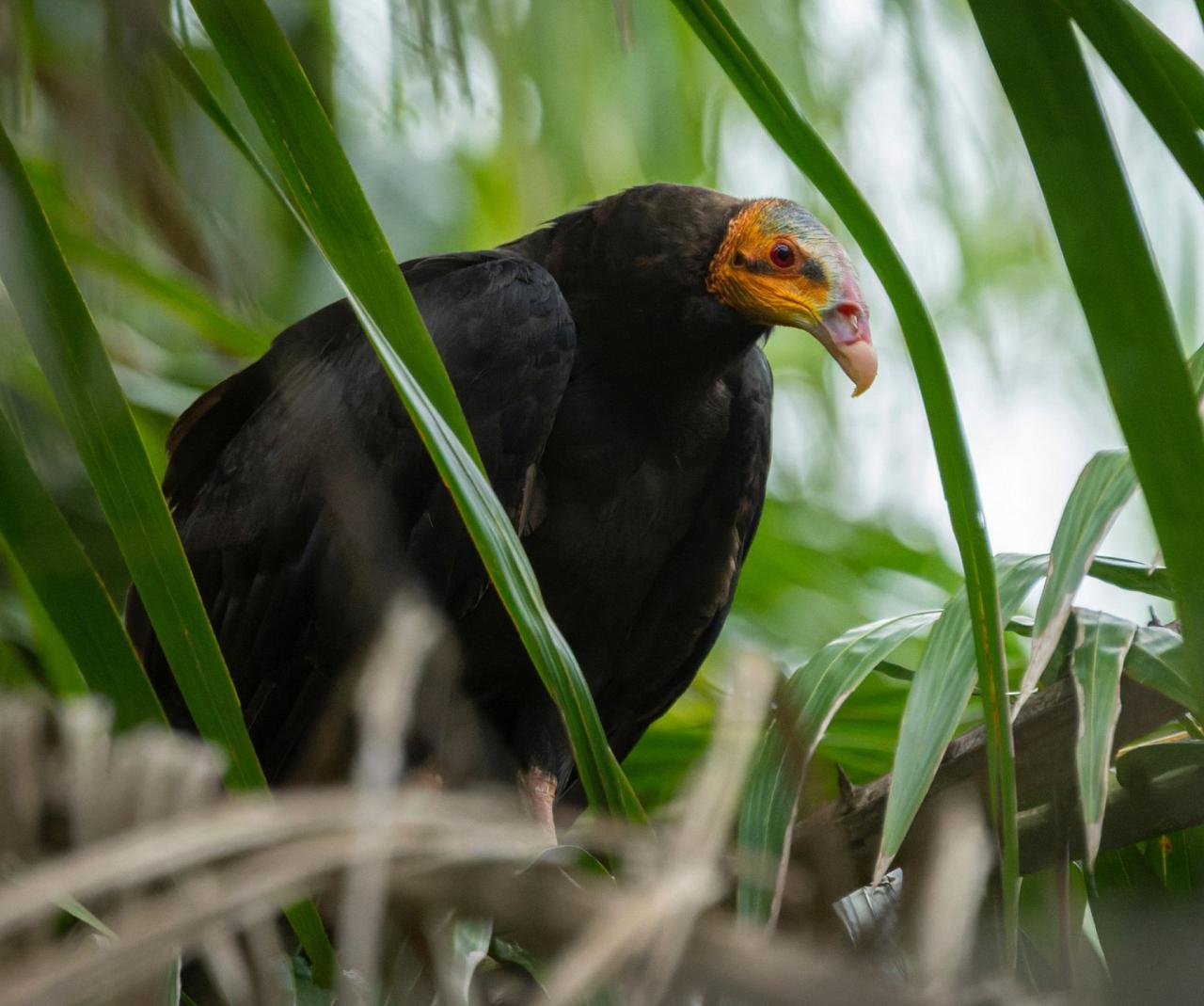
Lake Yojoa, Honduras, is a biodiversity hotspot, home to a remarkable range of habitats and elevations. This scenic freshwater lake lies between two national parks, surrounded by lush mountains and teeming with life—over 500 bird species have been recorded in the area.

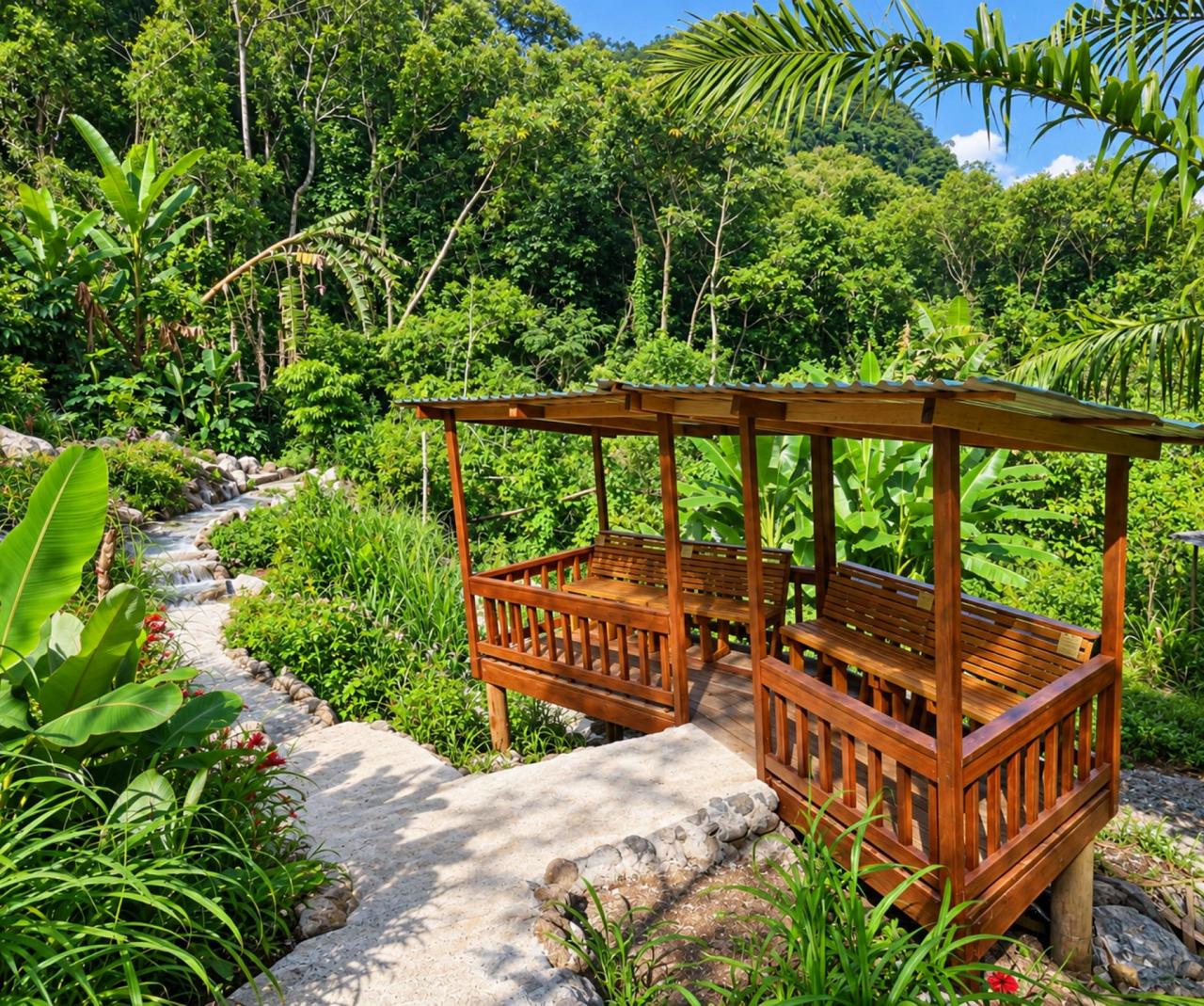
In its northwest corner, where limestone cliffs and forested slopes meet the water, we find Emerald Valley, a hidden gem created by Naturalist Journeys’ 2023 Guide of the Year Robert Gallardo and his wife, Olivia. Built by hand with community support, this peaceful retreat now protects nearly 80 acres of mid-elevation rainforest, forming part of a 250-acre conservation area.

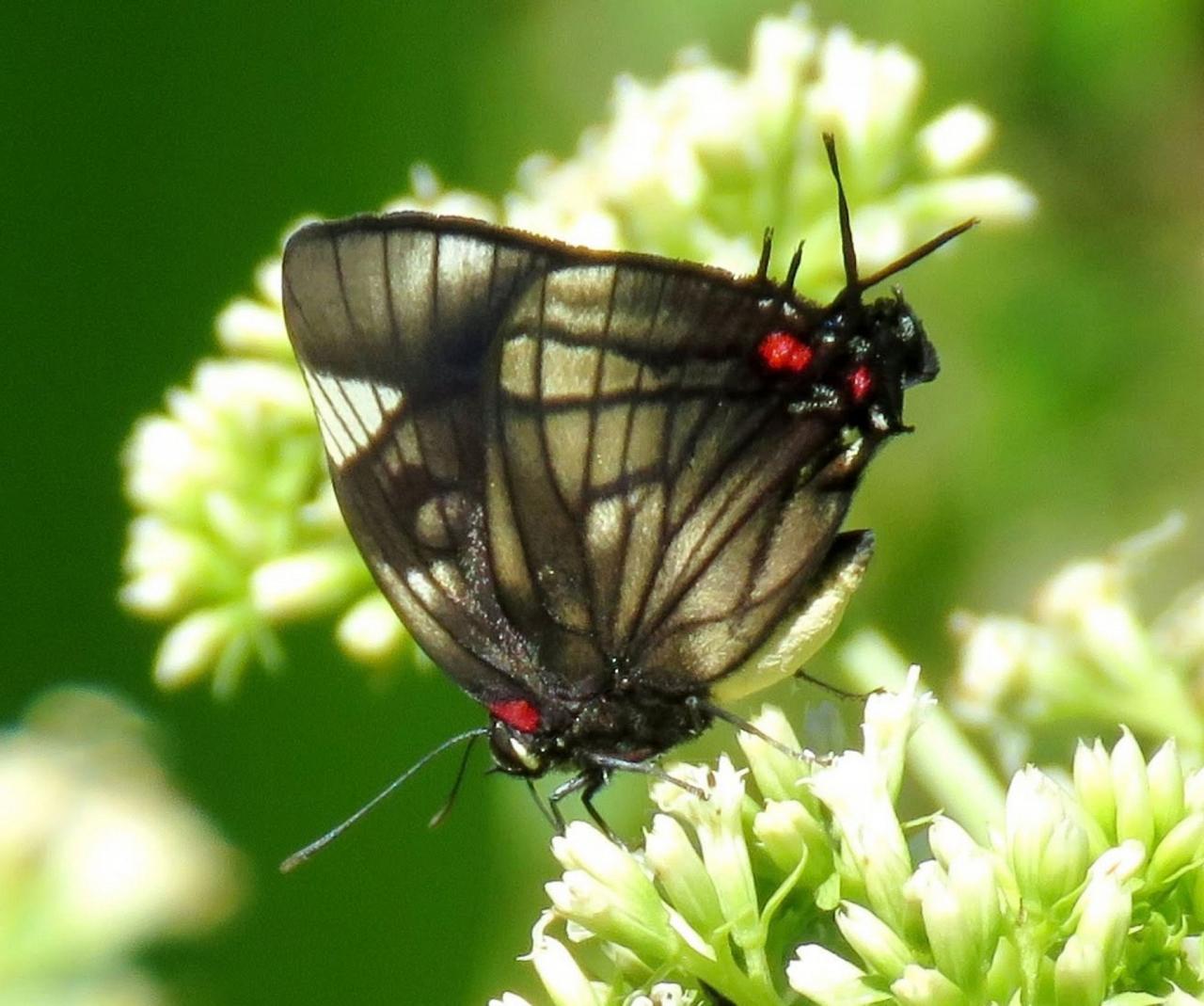
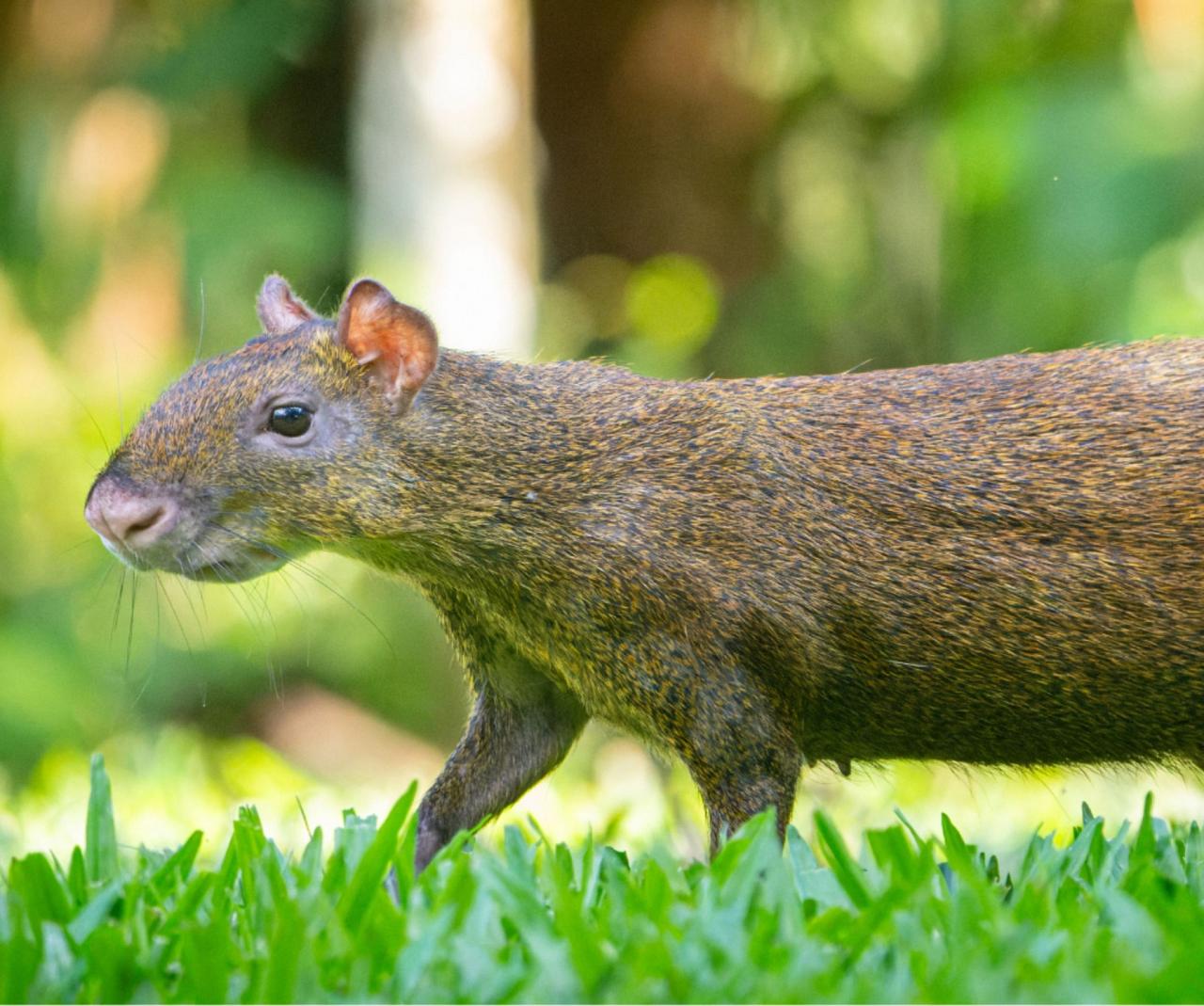
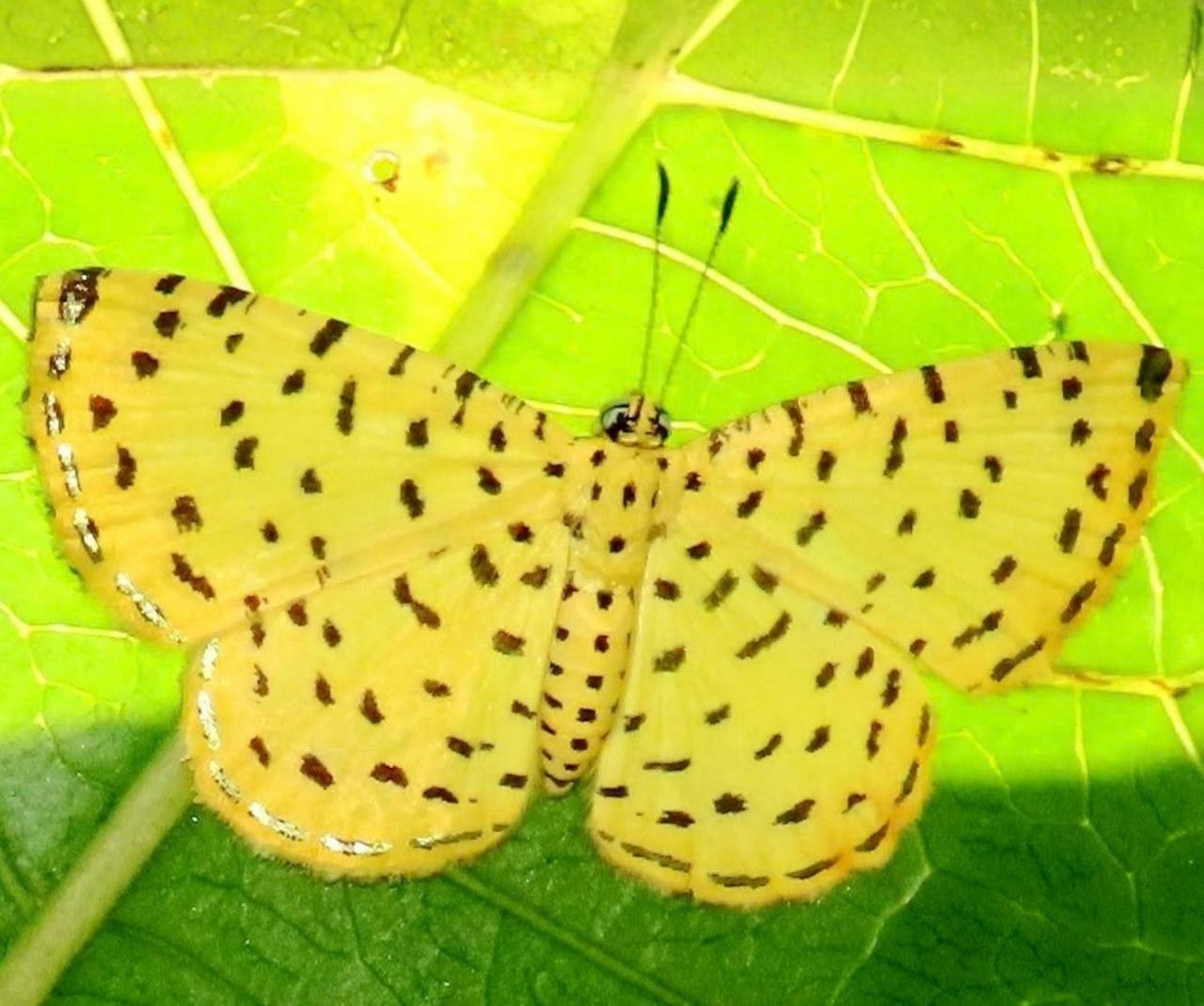
Emerald Valley hosts nearly 200 bird species and an astounding 768 butterfly species—more per acre than anywhere else on Earth. Ocelots, agoutis, coatimundis, and gray foxes also call this place home.

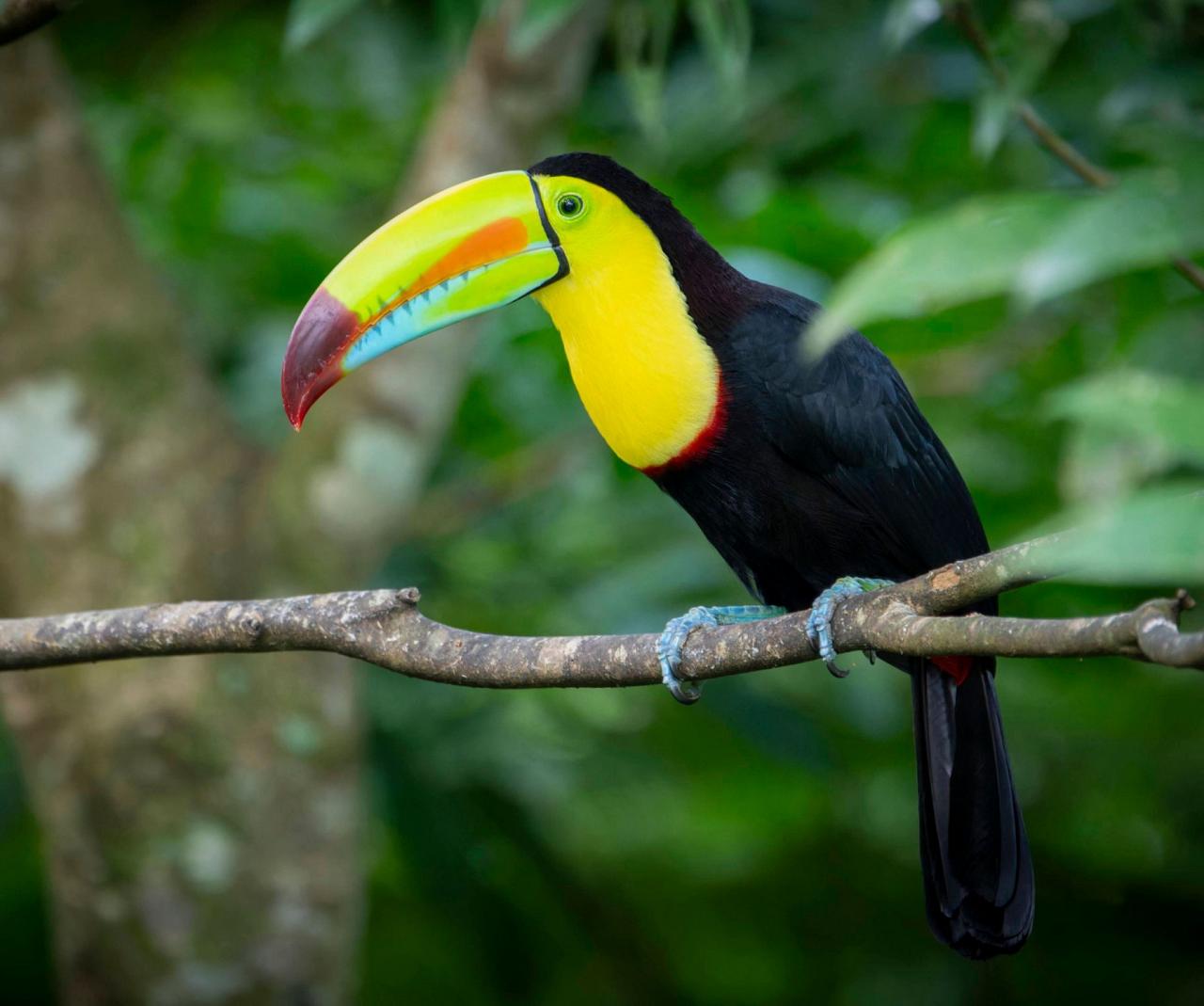
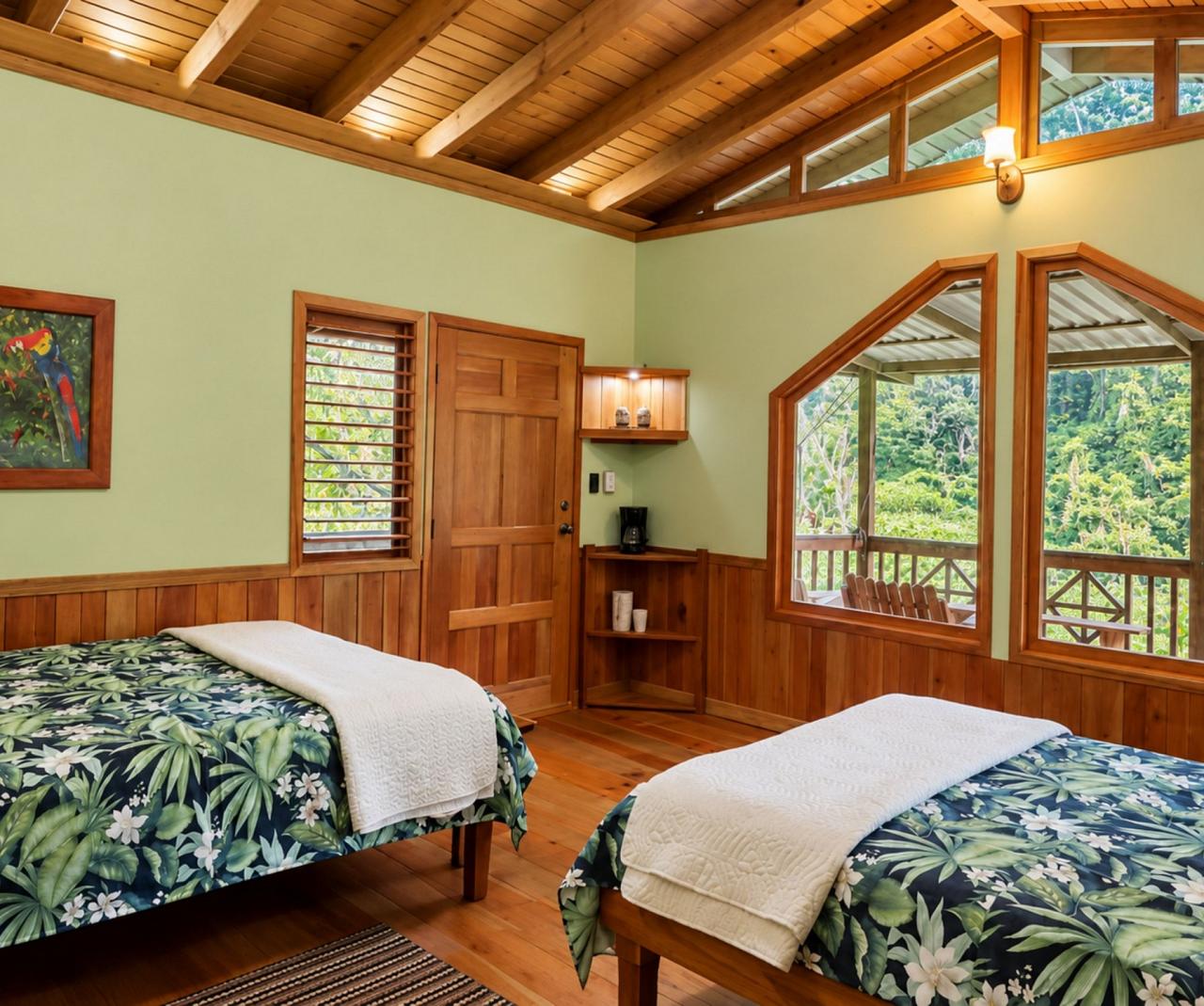
Guests stay in hillside cabins with covered decks nestled in the forest, offering views of oropendolas, toucans, trogons, motmots, and tanagers feeding on wild fruit. Mornings begin with the calls of Little Tinamous, Chachalacas, and Laughing Falcons echoing through the trees.

This trip is designed for minimal driving and maximum discovery, with rich wildlife experiences close at hand. Robert Gallardo brings his deep knowledge as the author of both field guides to the birds and butterflies of Honduras.

"A fantastic journey through a seldom travelled country. Amazing culture and history and a birder and wildlife enthusiasts dream." — Arden Powell, 2024 Honduras Traveler

Tour Highlights

  • Unpack and relax once at the beautiful Emerald Valley Lodge
  • Travel with the author of the Guide to the Birds of Honduras, expert Robert Gallardo whose Guide to the Butterflies of Honduras makes him your double-expert naturalist for beautiful winged creatures
  • Bird and boat on Lake Yojoa, Honduras’ largest natural freshwater lake
  • Explore the lush Cerro Azul Meámbar National Park, teeming with birds and also the beautiful cloud forest of Santa Barbara National Park
  • Enjoy species that are easier to see here than elsewhere in their range, including Keel-billed Motmot, White-breasted Hawk, Guatemalan Screech-Owl, Great Swallow-tailed Swift and Bushy-crested Jay

Trip Itinerary

Itineraries are guidelines; variations in itinerary may occur to account for weather, road conditions, closures, etc. and to maximize your experience.

Tues., Feb. 10       Arrival into San Pedro Sula | Travel to Lake Yojoa

Welcome to Honduras! Please plan to arrive no later than 3:00 PM. You are met at the airport and go directly to Lake Yojoa. The flatlands give way to foothills and then mountains as we climb into the lake basin. Having a crater-lake appearance, the lake was, in fact, formed by volcanic action several million years ago. The lake’s surface encompasses 31square miles and we enjoy time to explore sites around this beautiful landscape during your stay.

After arriving at the village of La Union Suyapa, we switch vehicles and make the final half-mile descent into the place we call ‘Emerald Valley.’ Unpack once in the comfort of the cabin and spread out. We are received by a welcome drink and can enjoy the late afternoon from the spacious deck.
Accommodations at Emerald Valley (D)                                              

Wed., Feb. 11        Full Day Birding & Exploring at Emerald Valley

This is your vacation! Wake up early or sleep in. Make coffee in your room or have it in the café. The cool morning air and bird sounds that echo from the surrounding forest draw you out of your room to enjoy the verdant landscape. The property sits at nearly 2,700 feet above sea level and has a comfortable temperature.

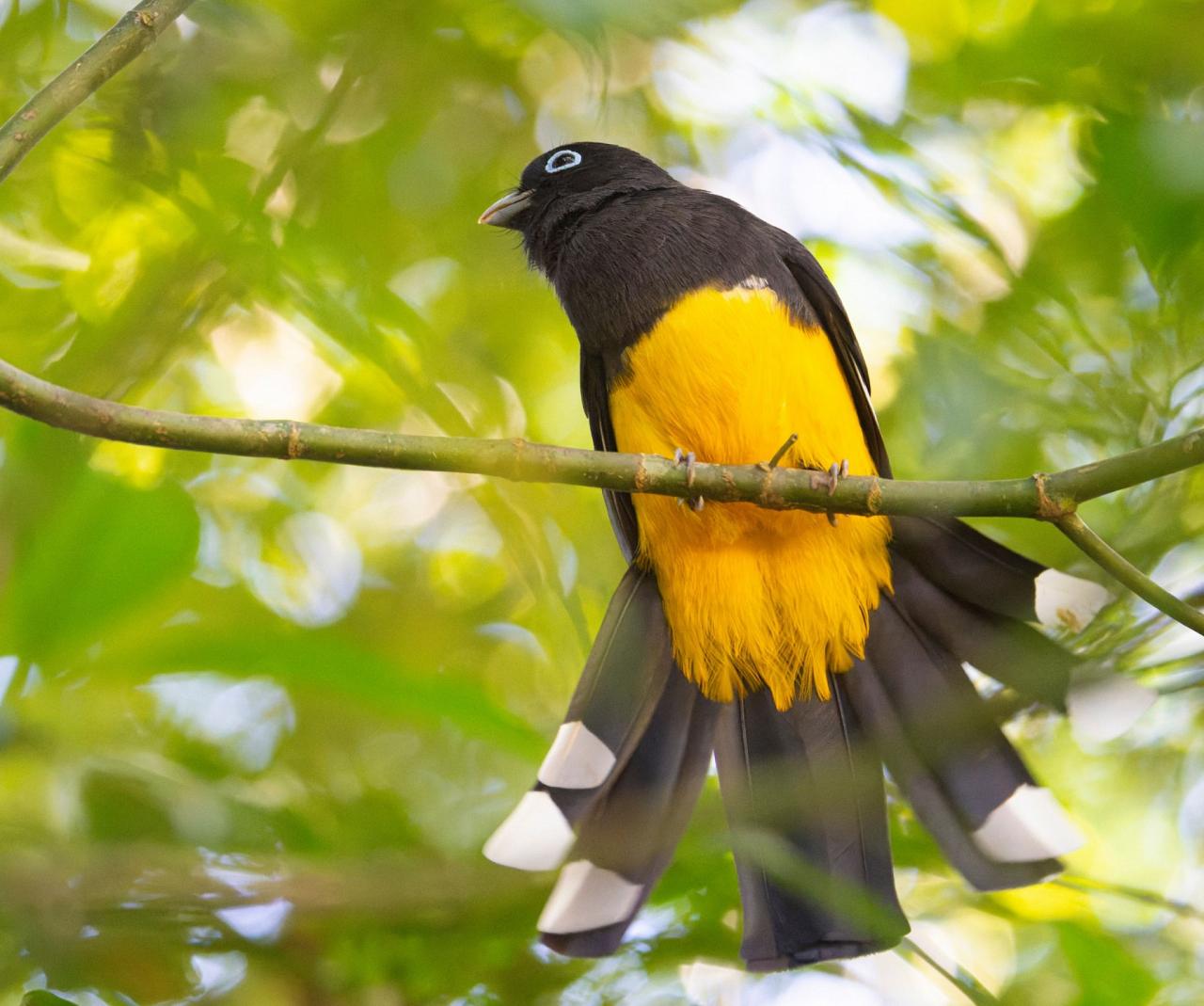
We start the day with some bird watching from one of the cabin decks. Species that can be seen include Montezuma and Chestnut-headed Oropendolas, Crimson-collared and Yellow-winged Tanagers, Spot-breasted Oriole, and Keel-billed Toucan, to name a few. Breakfast is served in the café. Afterwards, we spend the entire morning exploring a few different parts of the property. During the months of September to March, many species of migratory birds are present and we may see different wood-warblers, flycatchers, or even Wood Thrush. If we encounter a fruiting fig or mistletoe, we could possibly see Masked or Black-crowned Tityras, Northern Emerald Toucanet, Gartered Trogon, Yellow-throated Euphonia, or Buff-throated Saltator. 

After enjoying a morning of bird watching, we break for lunch. Depending on everyone’s energy level and interest, we can jump right into another realm of wildlife appreciation: butterfly watching. Emerald Valley is a world-renowned and premier butterfly sanctuary. An amazing 768 species have been recorded here, including one endemic. That is more species than Canada and the lower 48 States combined, and there is nowhere else on Earth that boasts more species per acre. The actual month of the year determines which groups and species are present at any given moment. But one thing is for sure; we witness a great variety of species. 

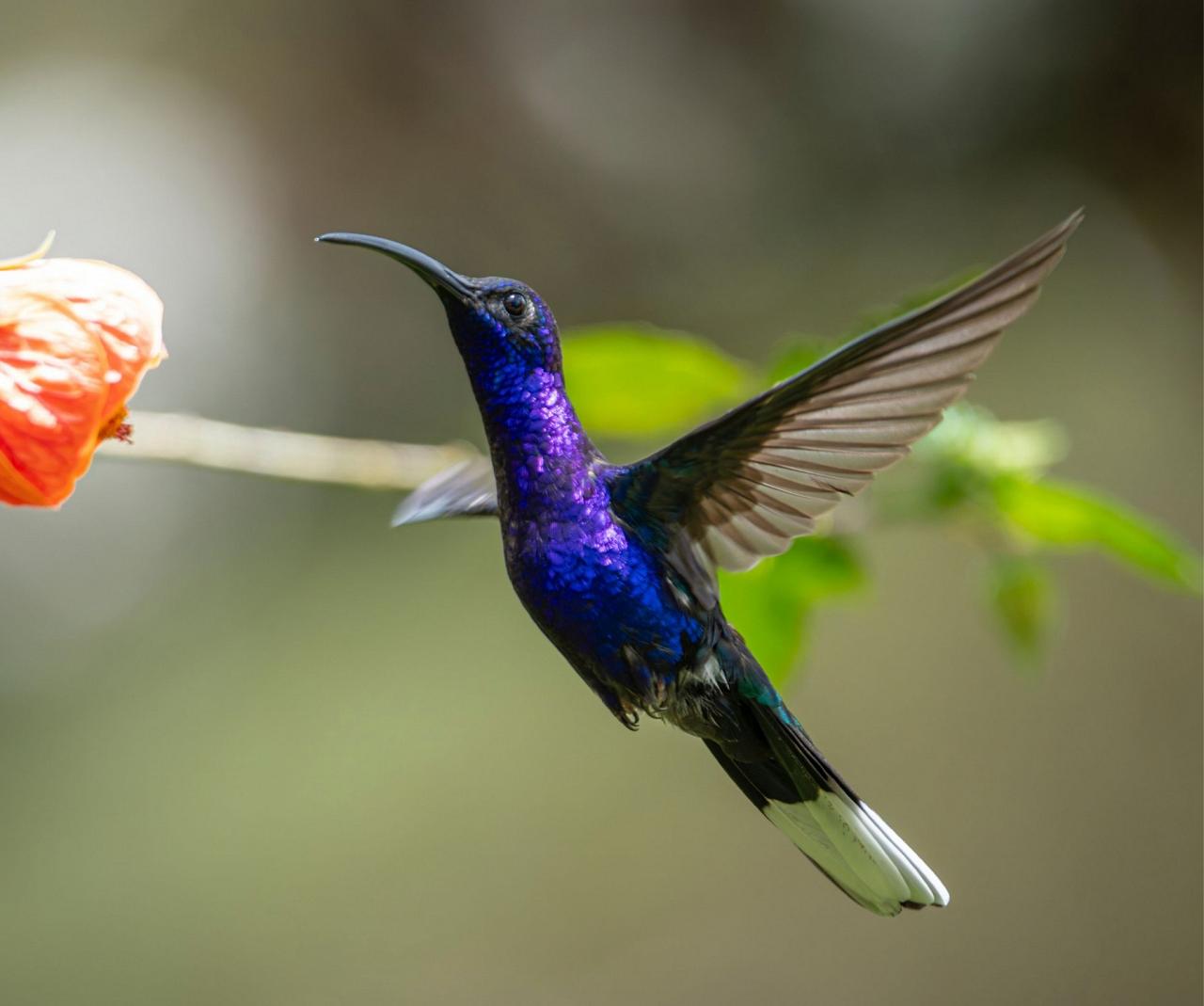
Late afternoon can be spent relaxing, wandering down side paths, or visiting one of the flower gardens. The front deck of Robert and Olivia’s house is lined with a long table and benches. It is a perfect place to sit, see, and photograph a small variety of hummingbirds that visit the Porterweed, Firebush, Heliconias, and Costa plants. More common species include White-bellied Emerald, Rufous-tailed Hummingbird, and Stripe-throated Hermit. Others that pop in on a less frequent basis include Long-billed Starthroat, Long-billed Hermit, and Blue-throated Goldentail. 
Accommodations at Emerald Valley (B,L,D)

Thurs., Feb. 12        Los Naranjos Archaeological Site

Today we set out to explore a nearby archaeological site called Los Naranjos. It is named after a local coral tree (Erythrina poeppigiana) that produces large quantities of orange-colored blossoms during the brief dry season. For some time, these Lenca people were concurrent with the Mayas in Copan and belonged to an entirely different culture altogether. Studies around Lake Yojoa show that they occupied settlements up to around the 13th Century. The nearby site is not adorned with huge pyramids or stelae as seen at many Maya sites, but harbors small, delicate, mound structures. An on-site museum interprets some of relics and history of the site. 

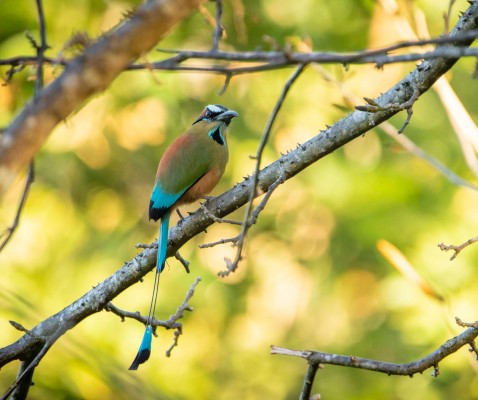
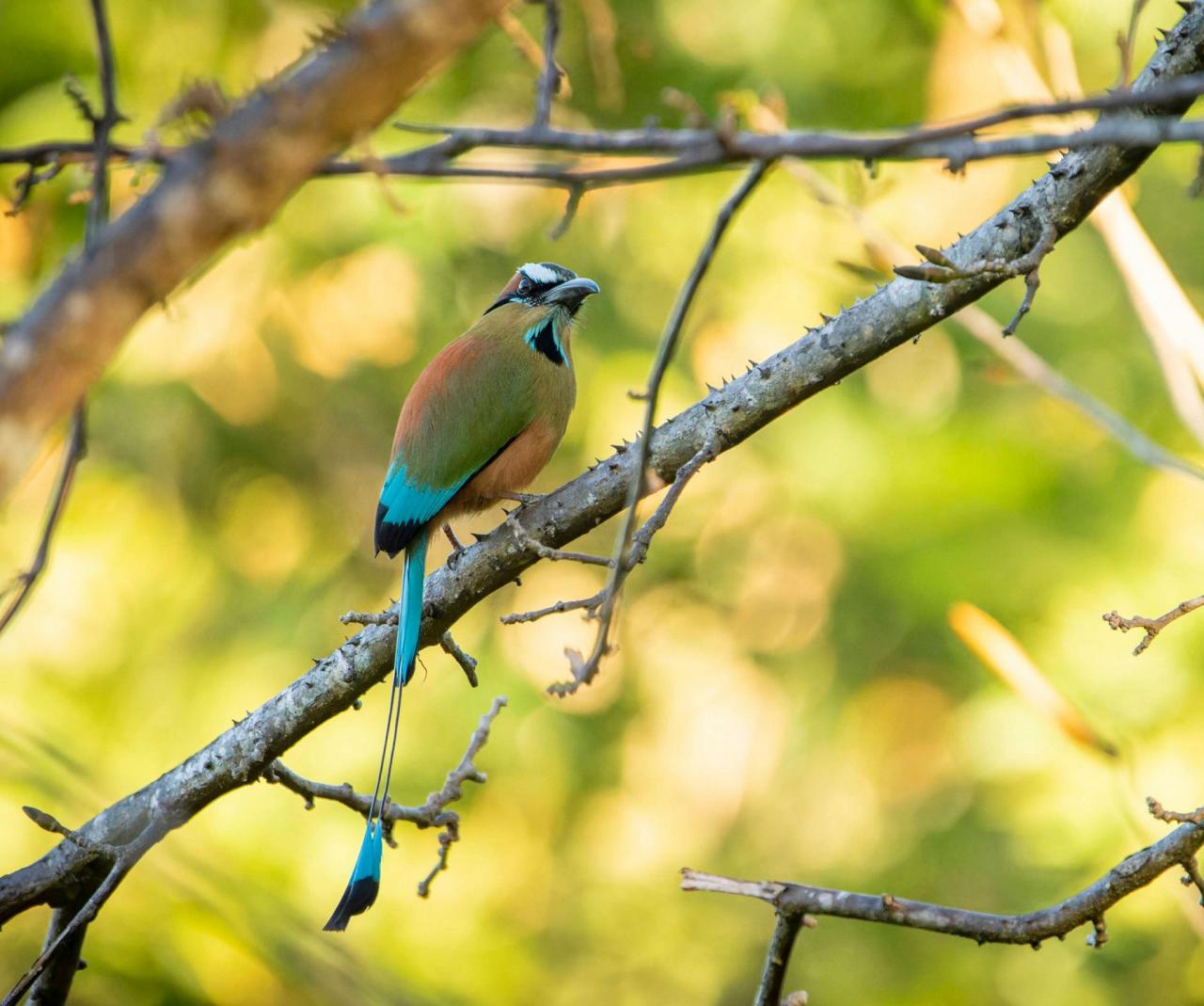
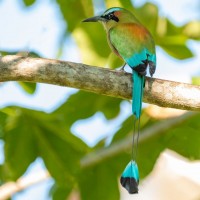
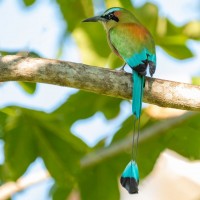
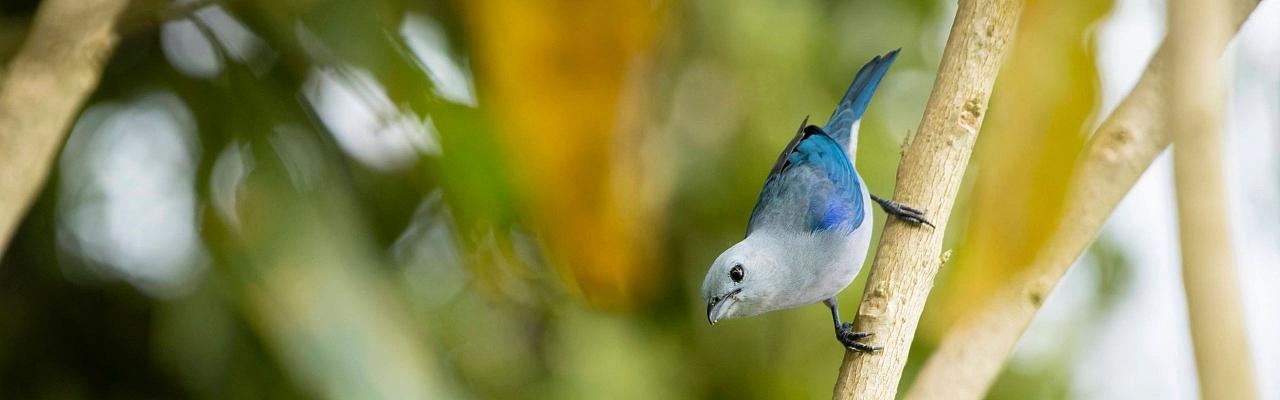
Around the parking lot we start to sense that we are in a different habitat altogether. Flood-forest lines the lake’s edge and is subjected to annual flooding as the lake level rises and falls. Here, we usually see Turquoise-browed Motmot, Rufous-backed Wren, Blue-gray Tanager, Common Tody-Flycatcher, and White-fronted Parrot. Depending on the current lake level, we may see a lot of birds in the wetlands near the park’s entrance. For those wishing, we take a look inside the museum before continuing our walk. Sometimes there’s a Cinnamon Hummingbird in front of the museum that feeds on the Porterweed. 

We walk a flat, raised pathway into the flood-forest and enjoy the tall trees laden with bromeliads, orchids, and other epiphytes. Birds we hope to see here include Streak-headed Woodcreeper, Rufous-and-white Wren, Roadside Hawk, Lesson’s Motmot, and Bright-rumped Attila. If we’re lucky, we find species that are not so common such as the diminutive Olivaceous Piculet, Tropical Parula, and White-winged Becard. There is an elevated boardwalk on-site and, if operable, we walk it. It takes us over marsh where it is more open and we look for Ivory-billed Woodcreeper, Red-lored Parrot, Gray Hawk, Green-breasted Mango, and Olive-throated Parakeet. During the northern winter months, these forests are literally crawling with migrants that dine on the abundant insect populations.

We return to Emerald Valley in time for lunch and some downtime. The remainder of the day can be spent relaxing or continuing to explore the property.
Accommodations at Emerald Valley (B,L,D)

Fri., Feb. 13       Cerro Azul Meambar National Park | Chocolate Farm

We want to get an early start this morning. After breakfast, we head out to the eastern side of the lake and climb a mountain in route to a national park. We may make a stop or two along the way to check out some birding sites. Red-lored Parrot are sometimes seen in the pine trees along the access road. One beautiful bird we look for is the White-faced Ground-Sparrow, a northern Mesoamerican endemic. 

We spend the entire morning at Cerro Azul Meambar National Park, walking short trails, and observing the treetops from a canopy tower. This is a humid rainforest and we should see some nice butterflies as well along the trails and others feeding on Porterweed. We keep our eyes open for native fig trees with fruits. These often attract species such as Crested Guan, Blue-crowned Chlorophonia, Collared Trogon, Elegant Euphonia, Golden-hooded Tanager, Short-billed Pigeon, and many more. This is also one of the best places in the country to see the prized Keel-billed Motmot, and our only chance to see it during this trip. This is also a good place to look for the diminutive Black-crested Coquette and if we’re lucky, or patient, one may come down to ground level to feed on the Porterweed flowers. 

In the afternoon we casually make our way back down the mountain, but make another worthwhile stop. Honduras is known for its high-grade chocolate and cacao that is grown all around the lake. We visit a chocolate factory where we enjoy a tour to see how the chocolate is made and we can even taste-test the delicacies. Yes, there are many products to choose from for purchase. Afterward, we return to Emerald Valley. 
Accommodations at Emerald Valley (B,L,D)

Sat., Feb. 14        Luna del Puente Private Reserve

Honduras has two legally sanctioned reserve systems; one private and one public. Today, we visit a private reserve located just northeast of Lake Yojoa. The 150-acre reserve is comprised of a mixed broadleaf-pine forest and harbors many different bird species. We spend the morning here walking some of its trails in search of Pheasant Cuckoo, Rufous-breasted Spinetail, White-collared Manakin, Rose-throated Becard, Slate-headed Tody-Flycatcher, Tody Motmot, Green-backed Sparrow, and many more. We enjoy a typical Honduran lunch here too before returning to Emerald Valley. 

Photo opportunities abound at Emerald Valley. Enjoy an afternoon to pursue your passions, whether they be capturing images of birds, butterflies or flowers, or simply a nap! Dinner is at the lodge, and we tally up our sightings each night with a checklist. 
Accommodations at Emerald Valley (B,L,D)

Sun., Feb. 15     Boat Ride on Lake Yojoa

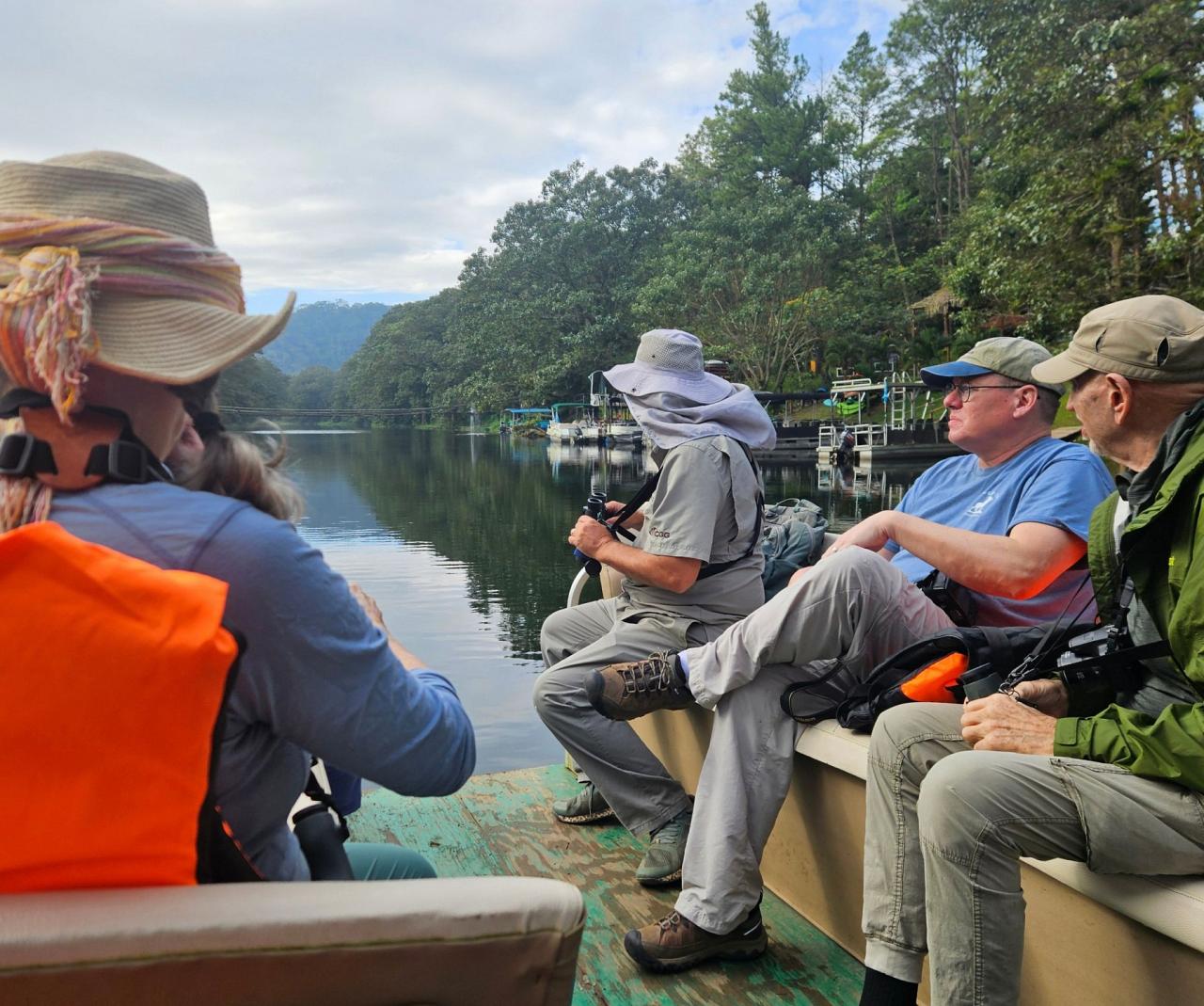
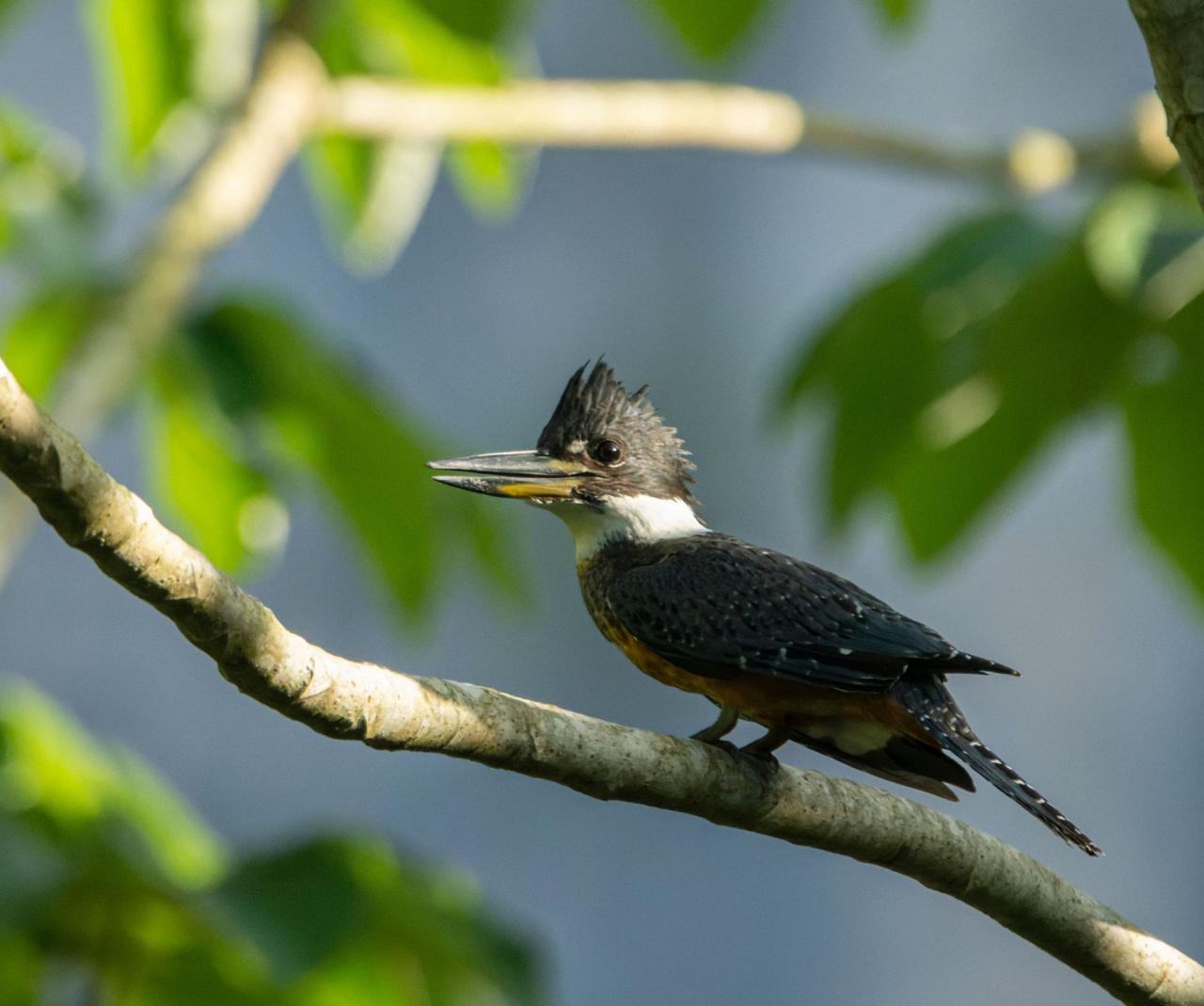
We spend the last full day taking a leisurely boat ride on Lake Yojoa. The lake harbors a rich mixture of waterfowl, both resident and migrant alike. We take a boat ride on a small pontoon boat, departing from a point nearby. We pass through a forested canal, which opens up to the lake. Along the canal we look for Bare-throated Tiger-Heron, Amazon Kingfisher, Morelet’s Seedeater, and Russet-naped Wood-Rail. We then explore two stretches of the shoreline, including the craggy, backside of Enchanted Peak along the western shore, and a spot with extensive aquatic vegetation along the north shore. We see elegant Snail Kite, an assortment of different ducks, herons, jacanas, and much more. We have lunch at a local diner before returning to Emerald Valley.  

Enjoy a last siesta or some quiet time in this pristine valley, or continue birding and exploring. At a final celebratory dinner we share highlights of the week. 
Accommodations at Emerald Valley (B,L,D) 

Mon., Feb. 16     Departures

After breakfast, we pack up and make the return trip to San Pedro Sula for international flights home. If you wish to extend your stay, you can return to the airport with the group and fly to several locations such as Roatán in the Bay Islands, Copan for famed archeological ruins, or to Pico Bonito Lodge at La Ceiba for an elegant ecolodge stay. Express bus transport is also available, or Robert can arrange a private driver for you. (B)

  • Birding Honduras, Bird Watching Honduras, Central American Birds, Naturalist Journeys, Wildlife Tour, Wildlife Photography, Ecotourism, Specialty Birds, Endemic Birds, Birding Hotspot, Copan Ruins, Maya Ruins

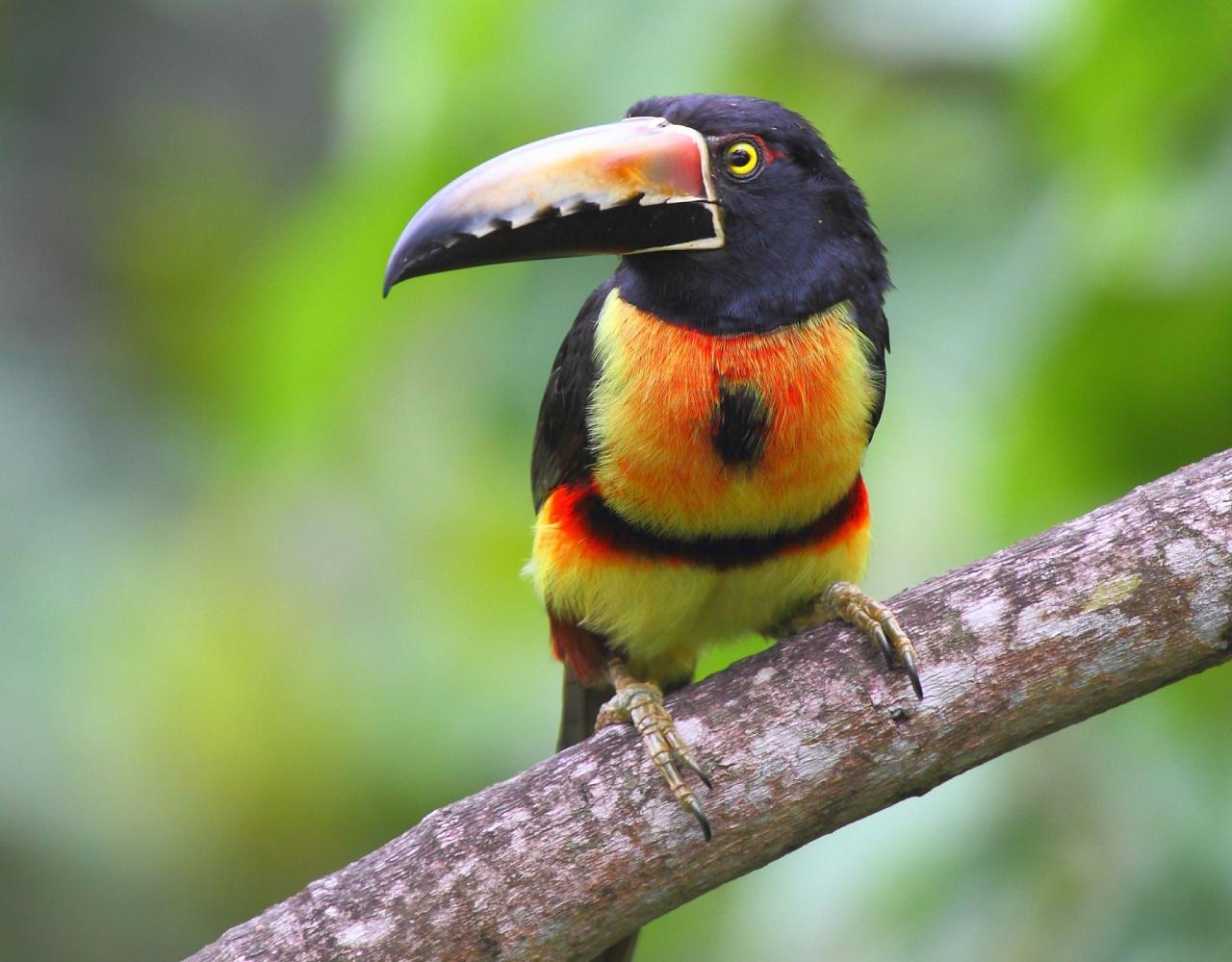
    Collared Aracari by James Adams

Cost of the Journey

The cost of this journey is per person, based on occupancy: $3490 DBL / $3990 SGL, from San Pedro Sula.

This cost includes: All accommodations; meals as specified in the itinerary, group airport transfers, professional guide services, local park and other area entrance fees, and miscellaneous program expenses.

NEW! all tips other than your local guide are included (this includes tips for your driver, lodge and staff, day activities, meals and other services).

Tour cost does not include: Round-trip transportation from your home city to San Pedro Sula, optional activities, or items of a personal nature such as laundry, telephone charges, or beverages from the bar.

Travel Details

Please plan to make air travel plans only after the minimum group size has been met. We will send you a confirmation email as soon as the trip has been confirmed.

Arrival and Departure Airport: The airport for this tour is Ramón Villeda Morales (SAP) in San Pedro Sula, Honduras.

Arrival: Please arrive no later than 3:00 PM on February 10, 2026.

Departure: Please plan to depart February 16, 2026, after 12:00 PM. We have a 2 hour drive to the airport in the morning.

Travel Tips: Our guide and operator in Honduras recommends if you plan to come the day before to rest up from travel that you book at the Hyatt San Pedro Sula. This is a popular spot for travelers from the US and affordable. It has a restaurant and a pool and he can pick you up there. 

Entry Requirements: See "Essential Information" section under the "Know Before You Go” tab.

Browse below for trip reports and species lists from past versions of this and other tours from this destination.

Honduras

  • Robert Gallardo

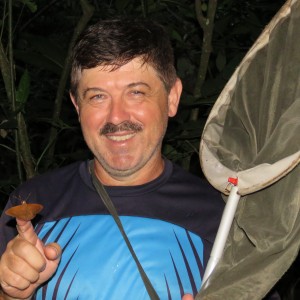
    A California native who moved to Honduras in 1993 for the Peace Corps, Robert stayed to make a life there, diving headfirst into the world of tropical birds. He is now considered the country's leading authority on both avifauna and butterflies – a double expert on beautiful flying things. He leads tours for Naturalist Journeys to Panama, Honduras, Texas and Trinidad & Tobago. Robert is the current President of the Pro Nature Honduras Foundation, a small non-profit which promotes nature-based sustainable tourism and environmental education. He is also the co-founder of the Honduran Ornithological Society. He has authored two editions of the "Guide to the Birds of Honduras." He and his partner Olivia hope to publish the "Guide to the Butterflies of Honduras" sometime in 2022. The couple lives in Emerald Valley where they protect 50 acres of rich mid-elevation rainforest and are working to install a nature center with their foundation.

    Other trips with Robert Gallardo

Essential Information +

This information is important for being prepared for your journey; we want you to have Read more

This information is important for being prepared for your journey; we want you to have the best experience possible. If you only read one section, this one is key!

Ahead of Your Tour

  • Make sure your passport will be valid at least six (6) months AFTER the date of your scheduled return to the U.S. See "Passports, Visas & Documentation" section below for details.
  • No Visas are required for U.S. citizens for length of this stay in Honduras. If you are from another country, please contact the Embassy of Honduras website for guidelines.
  • Please check current CDC recommendations for travel to Honduras and consult with your doctor about general travel vaccinations you should have as precaution for travel. See the “General Health and Inoculations” section below.
  • Travel insurance in case of serious medical emergency is strongly recommended. Full health coverage and repatriation is available through Allianz Travel Insurance.
  • Soft sided luggage/duffel bags are easiest for packing the vans. Pack essential medications in your carry-on luggage, as well as one day of clothing and optics in case of luggage delay.

Passports, Visas & Documents

Guidelines and regulations can change. It is always advisable to double-check the country’s documentation requirements 60-90 days ahead of traveling. Information for U.S. citizens can be found at https://travel.state.gov/content/travel/en/international-travel/International-Travel-Country-Information-Pages/Honduras.html. If you are from another country, please contact the tour destination’s embassy website for guidelines.

Passport: You must have a passport in good condition and that remains valid for at least six (6) months BEYOND your scheduled return to the U.S. Please check that expiration date! You should have at least one blank page per stamp. The blank pages need to say “Visas” at the top. Pages marked “Amendments and Endorsements” will not be accepted. 

Visa: At the time of writing, a tourist visa is not required for the length of this stay, but you will need proof of a return ticket.  We advise that you bring your eContact list of hotels for use at immigration as well.

As a precaution for lost or misplaced documents you carry on your person during travel, we highly recommend you keep hard and digital backup copies on your phone (either photo or PDF scan), as well as a hard copy left with your emergency contact at home. The recommended important documents to copy include, but are not limited to; your passport ID page, travel visa, the front and back of your credit card(s), the airline barcode on your luggage. This will greatly expedite getting new ones if necessary – we hope everyone will always keep travel documents close so that losing them will not be an issue.

General Health & Inoculations Information – Be Prepared!

Health requirements for entry to any country can change. It is always advisable to double-check the country’s health requirements and recommendations 60-90 days ahead of traveling. A helpful website for planning is the Centers for Disease Control and Prevention (CDC) website for Honduras or by phone (800) CDC-INFO or (800) 232-4636.

We will share your health information with your guide. This information will be kept confidential but is very important as we want to be best prepared in case of medical emergency.  

Vaccinations: Bring your up-to-date vaccination records with you. At the time of writing, although there were no other required vaccinations to enter Honduras, Honduras currently REQUIRES travelers arriving from or traveling to Panama or every nation in South America to present proof of yellow fever vaccine.  The CDC does recommend that all travelers should be up to date with routine vaccinations before traveling to any destination. These include measles-mumps-rubella (MMR), diphtheria-tetanus-pertussis, varicella (chickenpox), polio and your yearly flu shot. The CDC also recommends current vaccines for Hepatitis A and Typhoid.  Consult with your doctor for recommendations at least 6-8 weeks before departing on your trip, as some vaccines may require more than one dose and time to become effective prior to your departure. 

Anti-malarial drugs are not required for any area that you visit, but always check prior to departure for any changes in disease outbreaks in the area of your destination. There are occasional reports of Dengue Fever in lower elevation areas, for which there is no vaccine. Dengue fever, Zika, and other diseases are contacted by mosquito bites so be sure to use mosquito repellant containing DEET or Picaridin. Travelers can reduce their risk of disease by protecting themselves from mosquito bites in lower elevation areas by using protective clothing. You spend a good portion of your stay at elevations where mosquitos are not an issue.

Prescriptions: It is a good idea to pack any meds you take regularly in your carry-on luggage.  Bring an extra pair of your prescription glasses or contact lenses. Bring an adequate supply of any prescription medications you use, a copy of the prescription(s) and a list of generic names of your medicines as “back-up” in case it is necessary to purchase drugs while abroad. Your doctor may also recommend some prescription medications to bring with you to treat possible illnesses that might occur, depending on your destination, such as an anti-malarial medication or an antibiotic. You’ll want to keep all medications in their original, labeled containers.

 Allergies: To be prepared for environmental triggers to allergies or breathing difficulties, please bring your allergy and/or asthma medication(s).  If you have severe allergies talk to your doctor about carrying an EPI pen and notify your guides. It is also recommended to carry with you an up-to-date record of known allergies, chronic medical problems and Medic Alerts so that, if necessary, emergency treatment can be carried out without endangering your health.

 Common Ailments: We recommend that you bring a travel-sized first aid kit and a supply of standard over-the-counter medications for prevention or treatment of common ailments (such as diarrhea, constipation, stomach upset, cough, congestion, head or body aches, motion sickness, insect bites and sunburn); as well as ointments, moisturizer, sunscreen, oral rehydration salts, band-aids, moleskin for blisters, cotton swabs, nail clippers, and tweezers, etc.

Altitude Illness: According to the CDC's website, day trips to high-elevation destinations less than 8000 ft. with an evening return to a lower elevation are much less stressful on the body, depending on the time provided for your body to adjust. However, overnights at higher altitudes may have more adverse effects on your body and you should be informed about altitude illness and Acute Mountain Sickness (AMS) (see CDC's information for Altitude Illness). The most general symptoms are headache and occasionally fatigue and dizziness. You’ll want to take it easy, particularly at first. The likelihood of these symptoms can be reduced by resting, drinking plenty of water, avoiding alcohol, and taking aspirin.  In addition, we will optimize acclimatization by adjusting itineraries to avoid going “too high too fast." If you have worries about the altitude, ask your physician about medications (such as Diamox) that may be right for you. 

Weather & Climate

Honduras can be hot at lower elevations, but most of your trip is in the mountains, so it’s best to have layers so you can add or subtract as you need them. Early mornings and evenings will be cool. Mid-day can be quite warm. We are not opposed to enjoying the very refreshing Latin custom of a Siesta! It may also rain, at times quite intensely - a light rain jacket or poncho is good and YES - do bring an umbrella. Your raincoat can double as a layer to combine with a light jacket possibly some evenings.

Annoyances & Hazards

Always listen carefully to any advice given by your local guide regarding pests and other biting insects or reptiles you may encounter, especially those that may be poisonous, though this may be rare.

Mosquitos, ticks and other insects: Even if you are traveling in the dry season, mosquitos, ticks and other insects can always be encountered in your travels, so don't risk illness. See the “General Health and Inoculations” section above regarding recommended preventative measures.

Chiggers are a part of lowland and mid-elevation habitats. You may encounter them at grassland or farm locations. Your guide should have a good read on whether chiggers are a concern. It is helpful to spray your shoes with repellent and tuck your pants into your socks .  When back, be sure to shower and air out your clothing.

Remember, sunburn can be both an annoyance and a hazard, so be prepared with sufficient sun protection.

On particularly hot days be sure to increase your intake of fluids.

Food & Drinks

Most of our meals will be at our hotels, and in local restaurants recommended by our guide during travel. You may want to skip street-food despite the tempting smells unless your guide indicates it is okay. Please plan to drink purified water, which your guide will make opportunities to stop for. Most restaurants will offer this, and also the local beer is good. Please let us know if you have any dietary restrictions or preferences.

One of the many ways we strive to do our part for the environment is by intentionally reducing our consumption of single use plastics (such as bottled water), so we appreciate you bringing a reusable water bottle.  Purified drinking water will be made available to refill your bottle, however, for field trips where refilling your personal bottle is not an option, bottled water will be available.

There are some great reuseable water filtering bottles on the market today that are great for travels abroad. We encourage you to invest in one (such as Lifestraw or GRAYL Ultrapress or SteriPen). A little research will be well worth the effort to reduce the reliance on single-use plastics when purified water refills are not readily available.

Packing, Clothing & Laundry

See “Packing List” tab for more detailed information and checklists, but in summary:

We emphasize that you pack light in soft-sided luggage (easier to load in vans and charter planes), plan for dressing comfortably in layers (for managing varying conditions in any given day), and please pack your personal medication, travel documents, optics, and other essential items in your CARRY-ON, not in your checked luggage. Laundry services are available at most lodgings for an additional fee, but be prepared to hand launder if you need to. 

Spending Money

Currency in Honduras is the Lempira. We advise you carry a mix of different types of payments, such as cash, an ATM card, and a credit card. For the current exchange rate, please refer to an online converter tool like www.xe.com, or your bank. You will be able to change money after your arrival at banks or hotels, and in many places you can use US dollars. Bring large U.S. bills ($50 or $100) that will give you the better rate when exchanging to local currency. ATM machines are available at the airport, and Copan. Please test your ATM card out and make sure you know your PIN number; you may want to ask the bank about using it if you do not do so on a regular basis.

When using the ATM to withdrawal cash, keep in mind it might only accept cards from local banks or not allow cash advances on credit cards. Many U.S. banks charge a fee of $1 - $5 each time you use a foreign ATM. Others may charge you a percentage of the amount you withdraw. Check with your bank before departure. You must become familiar with how to use your ATM card and PIN number ahead of the journey.

We suggest you have more than one card available, if possible. You may want to bring more than one brand of card (VISA and Mastercard are commonly accepted; American Express is less common). You can use credit cards at lodges to pay your bar and gift tabs. Not every shop will accept every card. Some smaller shops and restaurants, or taxis require cash, so it is always a good idea to ask before making a purchase. Also, we recommend that you advise your bank or credit card company that you will be traveling abroad to avoid questions, card freezes, or charges. If you have a choice of cards, bring one with no foreign exchange fees.

Many people ask how much money to plan to bring for spending money. Part of that depends on how much you want to shop. Typical items people purchase include: local souvenirs, handicrafts and T-shirts, drinks before or with dinner and natural history books.

Gratuities

We hope that you will be pleased with all professional services offered on this tour. All tips, with the exception of your NJ guide (optional) and local guide, are included in the cost of this tour (this includes tips for your driver, lodge and staff, day activities, meals and other services). 

Tipping your guide(s) to show your appreciation is entirely at your discretion and should reflect your level of satisfaction of the service provided. If you wish to offer a tip, know that they appreciate anything you care to give. Of course, you are welcome to give more in recognition of exceptional service.  Here is a guideline for tipping your NJ and local birding guide(s):

  • US $10.00 - $15.00 per day, per guest. Note: If there is more than one guide, this can be split among them. The tip amount is shown in US dollars.  

*Please note that these suggested tips are quoted in U.S. Dollars. You will want to convert and tip in local currency. 

Cell Phones & Internet Service:

Your guide is well connected and can help if any urgent communication need arises. However, it is highly recommended that you travel with a cell phone, if only as a precaution for the unfortunate occurrence of a medical emergency during an outing and needing swift accessibility to critical personal or medical contacts. 

Please check with your wireless provider to see if your phone and service will work in your destination country. Options include activating international roaming, purchasing a local SIM card at the airport (newer phones may not accept SIM cards), or simply turning off cellular service and relying on Wi-Fi to make calls and access the internet. If your phone can connect to Wi-Fi, you may be able to make voice and video calls free of charge. Another option if you have access to Wi-Fi is to use smartphone apps like Skype, WhatsApp, or Viber to send text messages, and make voice calls, or video calls. Many smartphones, tablets, or laptops come with one of these apps pre-installed or you can download for free.

Your hotels and most local restaurants provide Wi-Fi at least in their common areas. Although it is generally a reliable service, it can be affected by adverse weather conditions due to the remote location.

Make sure if you do NOT want to use your cell phone that you turn off your cellular data. You could incur huge charges if you are not on Wi-Fi. Putting your phone in airplane mode if you mainly use it for photos will save the battery as well. 

Please refrain from taking or making cell phone calls in the vehicles when traveling with other passengers, unless it appears to be an emergency. This disrupts other guests, plan on cell phone call use on your own time.

Electricity

The standard in Honduras is the same as in the United States: 110 volts AC (60 cycles). Plugs are set up in the same style. However, three-pronged outlets can be scarce, so it's helpful to bring along an adapter for a two-prong outlet. Also some places have the old same-size flat blade plug, while most US plugs have one longer prong. If you have a choice, bring both types of plugs. More information can be found at www.power-plugs-sockets.com.

Time

Honduras is on the same time as Central Standard Time in the US, though they do not observe Daylight Savings Time.

Questions?

Please contact Naturalist Journeys by email at clientservices@naturalistjourneys.com or telephone us toll free at (866) 900-1146 if you have any questions. Many thanks for traveling with us and we hope you enjoy your journey!


Pace & Protocols +

Pace of the Tour & What to Expect You will receive a Schedule-at-a-Glance and list of Read more

Pace of the Tour & What to Expect

You will receive a Schedule-at-a-Glance and list of hotels (our eContact List) a few weeks before your departure. This will serve as an outline for each day and alert you to any recent changes made in the schedule or to our hotels, if needed.

Our journeys are set up to follow the rhythm of nature. Our focus is on birding and nature; we offer full, well-planned field days and often get up early for that magical time around dawn. We generally follow the published itinerary, but we stay flexible to the weather, wildlife opportunities and the interests of the group. Your guide will keep you apprised of the next day’s schedule at each evening meal, noting what to bring and what to prepare for. Questions and/or concerns are welcome.

The pace of our Naturalist Journeys tours is moderate; to fully participate you should be able to get in and out of vehicles several times a day, and walk 1-3 miles over uneven terrain. It is important to participate with a flexible attitude as adjustments may be made in our schedule to make the most of our time in the field or for other purposes at your guide's discretion. We are not a “listing” bird company that drills down on target species, but at times we do wait for those special species unique to the places we visit. During the day, we take time to stop for photos and for educational opportunities to learn about conservation projects, landscapes, and geology. We appreciate other taxa as well as birds, with mammals often the biggest draw but plants and butterflies are also very popular. Our clients often lend their own expertise to the mix.

We like to make meals a fun and memorable part of the experience, too. Breakfasts are often at hotels, and we carry snacks, fruit, and water in the vans each day. Lunches are a mix of picnics in the field (weather dependent) and a chance to dine with locals at small cafes and restaurants. For dinner, we pride ourselves in our homework to keep up with the best choices for dining, choosing restaurants with atmosphere that specialize in local foods. On occasion we keep dinner simple to go back out in the field for sunset wildlife viewing or night walks. In some remote locations, our choices are limited. If you are tired, room service for dinner may be an option you can choose.

Naturalist Journeys International Trips: Guide Role

Naturalist Journeys supports ecotourism and the development of excellent local guides. Once we know our international partners and guides well, we can send out small groups working directly with these trusted partners, adding a Naturalist Journeys guide to assist the local expert when we have a group of 6-7 or more. This helps us keep your costs down while retaining tour quality. The local guide is your main guide. You can expect your Naturalist Journeys guide to be well-researched and often they are experienced in the destination, but their role is not to be primary, it is to help to organize logistics, help you find birds, mammals, and interesting other species in the field, keep reports, help facilitate group interactions, and to keep the trip within Naturalist Journeys' style. Local guides live in the countries we travel to, know the destinations intimately, and are often the strongest force for conservation in their countries. They open many doors for us to have a rich experience.

Smoking

Smoking is not permitted in any vehicle or in any situation where the group is participating in an activity together, such as a vehicle excursion or a guided walk. Please respect all designated smoking areas at hotels and restaurants.

Transportation

As a courtesy to each other, we ask that all travelers please rotate seating. On international trips we may all be in one small bus, on some trips we are in vans, particularly the roomy Sprinter Vans when available. Some areas require us to be in smaller 4-wheel drive or safari vehicles. Rotation allows you to sit with different drivers and alternate front and back seating.

Photo Release & Sharing

We take many group photos and will share photos with the group. And after your tour, we will organize a chance to share photos via Dropbox or Google Photos. Please note that this is our policy and if you prefer to be excluded, we need to know ahead of your tour.

By registering for this tour, you agree to grant to Naturalist Journeys and its authorized representatives’ permission to record on photography film and/or video, pictures of my participation in the tour. You further agree that any or all of the material photographed may be used, in any form, as part of any future publications, brochure, or other printed materials used to promote Naturalist Journeys, and further that such use shall be without payment of fees, royalties, special credit or other compensation.

Travel Insurance

You are traveling in remote areas. Naturalist Journeys strongly recommends you have full medical and evacuation insurance from a company such as Allianz, for all international travel. If you do not have medical coverage or evacuation coverage on your existing travel insurance policy or for some reason elected not to take that out, we advise getting an evacuation plan with Global RescueWorld Nomads, Medjet, Allianz (they can do evacuation only) or a similar company. These plans are typically $300-$400 for a year for multiple destinations. This coverage may be a part of a larger Travel Insurance policy but can also be purchased on its own.

Questions?

Please contact Naturalist Journeys by email at clientservices@naturalistjourneys.com or telephone our office: (520) 558-1146 or toll free: (866) 900-1146 if you have any questions. Many thanks for traveling with us and we hope you enjoy your journey.


Packing List +

PLEASE PACK LIGHT! Luggage: Soft-sided luggage is much easier for us to pack in vehicles or Read more

PLEASE PACK LIGHT!

Luggage: Soft-sided luggage is much easier for us to pack in vehicles or charter aircraft than a more rigid hard sided piece, so if you have the choice, please use your soft-sided luggage. Be sure to have your name and address on the inside of the bag, as well as on the luggage tag on the handle. It is our hope that you can pack in one checked bag that does not exceed 50 pounds. Please reconfirm your airline’s baggage weight and size restrictions about a week or so before departure.

Lost luggage:  Imagine NOT getting your checked bags upon arrival! Therefore, DO NOT pack any essential medications, vital optics (binoculars, camera, eye-glasses), or essential travel documents in your checked luggage! Pack these and other essential items in your carry-on bag and on your person (i.e. under-garment pouch). You will want a day pack for field trips, so this makes an ideal carry-on. Another suggested tip is to travel wearing your most important shoes for the field and have one day’s clothing change (including a change of underwear!).

Expected weather: Pack clothing that is appropriate for the anticipated temperatures and conditions.  In general, the weather in (destination) in (month) should be (general temp ranges and expectations for precipitation). However, check your favorite weather website like, www.weather.com, closer to your departure to better predict what the weather will be upon arrival. You may also visit https://www.climatestotravel.com for more regional information by month.

Dress: Plan to dress comfortably and informal throughout the trip. Dressing in lightweight layers is the best way to provide options to get you through a day of varying weather and temperatures comfortably. Lightweight long sleeve shirts and long pants make ideal field clothing as they are more protective from sun, vegetation and pests. Also, choose clothing you don’t mind getting dirty or muddy and things that are loose-fitting, comfortable, and easy to layer and launder. Quick-dry fabrics are ideal.  A lightweight and waterproof outer layer is essential as well as comfortable hiking footwear. It is important to have a warm jacket if the tour includes higher elevations.

Treating your clothing to better protect you from insects: It is possible to purchase Permethrin spray (online or from REI) to treat your field clothing and socks before your departure. Another approach is to purchase field clothing permeated with insect repellent such as the Craghoppers Insect Shield collection.

Note on clothing colors: We recommend muted colors of tan, brown, khaki, grey or green, as they are spotted less easily than white or bright colors, though camouflage clothing is not recommended.

Valuables: WE DO NOT RECOMMEND TRAVELING WITH PRECIOUS OR VALUABLE JEWELRY – don’t tempt anyone and don’t bring things you’d regret losing, and your mind will be at ease!

Clothing & Gear

  • Long pants, 2 pairs
  • Long sleeve shirts (2)
  • Shorts (optional)
  • T-shirts or equivalent (remember you may be buying some there anyway)
  • Personal underclothing
  • Socks, long enough to tuck in your pants – warm, lightweight and easy to wash and dry
  • Comfortable walking shoes (such as tennis shoes)
  • Lightweight hiking boots – good tread is essential!
  • Comfortable sandals or light shoes for evenings, travel days
  • Lightweight raincoat or poncho
  • Windbreaker type jacket (can be same as above, used as a lightweight outer layer over layered clothing)
  • Warm fleece/sweater/sweatshirt (for cooler evenings and layering on cooler days)
  • Hat with broad brim
  • Gloves, warm hat, scarf for cooler mornings and evenings
  • Comfortable clothes for evening (a cleaner version of your field clothes is typical)
  • Bathing suit (optional)
  • Bandana (optional, great for cooling off when you are hot and sweaty)
  • Field vest (optional), a great source is Big Pockets

Equipment & Miscellaneous

  • Photo identification - Real ID is required as of May 2025 for U.S. citizens on domestic flights who are not carrying a valid passport
  • Airline tickets or E-ticket verification
  • Passport (and visa or other travel authorizations when traveling internationally) - Note: To avoid issues with confirming your identity when two forms of ID are required, the name on your Drivers License (or other secondary forms of ID) should match your passport.
  • Travel insurance info
  • Money & credit cards
  • A secure pouch to carry the items above on your person at all times (such as a secure, under-clothing document pouch)
  • As a backup: copies of all the above (phone and/or paper) packed in a separate location than on your person, plus a set given to your emergency contact at home as a backup. When carrying a passport, a copy of the ID and entry stamp pages.
  • Small backpack, daypack or fanny pack for carrying your field gear (this can double as your carry-on!)
  • Cell phone and charger
  • Binoculars
  • Camera and charger/extra batteries, memory cards/film, lens cleaning supplies and instruction manual (optional)
  • Spotting scope and tripod (optional – guide will have them)
  • Tablet/laptop for personal use and/or transferring photos, USB stick, USB cord and charger (optional)
  • Rechargeable power bank (optional)
  • Electricity converters and adapters for 2-to-3 prong electronics plugs if needed (See "Electricity" under "Essential Information")
  • Reusable water bottle to avoid the use of disposible plastics (*with filters such as Lifestraw and UV sterilization system such as SteriPen for destinations where tap water is deemed unsafe to drink - see "Food & Drink" section in Essential Information) 
  • Umbrella – compact and not brightly colored
  • Walking stick – we find that many travelers appreciate a walking stick on trails, sporting goods stores carry collapsible models that pack easily in your suitcase (optional)
  • Small flashlight with fresh batteries
  • Alarm clock
  • Sunscreen/lip balm
  • Sunglasses with neck strap
  • Toiletry articles
  • Laundry soap (consider laundry soap "sheets" that pack flat, and are lightweight and environmentally friendly)
  • Notebook or journal and pen (optional)
  • Field guides (optional)
  • Earplugs – in urban and even rural areas barking dogs and traffic noise can be annoying
  • A collapsible airplane footrest (such as an inflatable, foldable, or hammock type) may help make longer flights more comfortable. Some airlines may have restrictions, so confirm with your airline which types are allowed and where they may be not allowed, i.e. bulkhead or exit rows (optional)

Medical & First Aid Items

  • Health insurance and vaccination information (kept in personal pouch with other travel documents)
  • Personal Rx medications (in their original labeled prescription packaging)
  • Epi-pen if needed for allergic reactions (include prescription label)
  • Anti-malarial prophylactics and antibiotic prescription in case of infection, if recommended for this destination, prescribed by your physician
  • Altitude illness meds (such as Diamox) if likely to be needed
  • Motion sickness preventatives if likely to be needed on bus, van, drives, etc.
  • Personal first aid kit and medications for general ailments, colds and stomach ailments, etc.
  • Foot powder, lotions, general “comfort” items
  • Hydrocortisone cream to ease itching from insect bites
  • Band-Aids, moleskin to protect against blisters
  • Antibacterial and/or hygienic cleansing wipes
  • Copy of eyeglass prescription, medical prescriptions, and any medical alerts
  • Extra pair of eyeglasses or contacts (with plenty of wetting and cleaning solution)


Suggested Reading List +

There are many titles of interest for Honduras; the following are a few that we Read more

There are many titles of interest for Honduras; the following are a few that we have enjoyed that can get you started.

Top Picks

Merlin App – Honduras Pack. A phone-based birding app from Cornell University Laboratory of Ornithology. Before departing the U.S., download the app for free, then from within the app, download the “pack” for Honduras.

Guide to the Birds of Honduras

Field Guides

Peterson Field Guide to Birds of Northern Central America

A Guide to the Butterflies of Mexico and Northern Central America

A Field Guide to the Mammals of Central America and Southeast Mexico

Collins Photo Guide to Tropical Plants

Wildlife & Nature

The New Neotropical Companion

Tropical Nature: Life and Death in the Rain Forests of Central and South America

Birds of Tropical America: A Watcher’s Introduction to Behavior, Breeding, and Diversity

Seven Names for the Bellbird: Conservation Geography in Honduras

History & Culture

Banana Cultures: Agriculture, Consumption, & Environmental Change in Honduras and the United States

Animals and Plants of the Ancient Maya: A Guide

Breaking the Maya Code

Copán: The Rise and Fall of an Ancient Maya Kingdom

Scribes, Warriors, and Kings: The City of Copán and the Ancient Maya

Latin American Spanish Phrasebook & Dictionary - Lonely Planet

Your guide will also have a selection of reference books and materials to share. As an Amazon Associate, Naturalist Journeys earns from qualifying purchases, and may get commissions for purchases made through links on this page at no added cost to you.


Useful Links +

Learn more about your destination at these external websites, carefully researched for you. Read more

General

Honduras - Encyclopedic Overview

Lake Yojoa

Nature, Wildlife & Biology

Birds of Honduras - Fatbirder

Birds of Honduras - eBird

Hope for the Honduran Emerald Hummingbird - Audubon article

Butterflies of Emerald Valley Nature Reserve by guide Robert Gallardo

Endemics of Honduras

The Herpetofauna of Cloud Forests of Honduras

The Ecological Regions of Honduras

Conservation, Parks & Reserves

Cerro Azul Meámbar National Park

Save the Cloud Forests of Honduras

The Fight for the Forests of Honduras

Geology & Geography

Geology of Honduras

Geography of Honduras

History & Culture

History of Honduras

Culture of Honduras

Ancient City of Copán (UNESCO)

Las Sepulturas Architectural Site

Los Naranjos, Honduras

Honduran Cuisine

Helpful Travel Websites

Homeland Security Real ID Act

Transportation Security Administration (TSA)

Visa ATM Locator

Mastercard ATM Locator

U. S. National Passport Information Center

U.S. Customs and Border Protection (CBP)

Foreign Exchange Rates

U.S. Department of State International Travel Information - Honduras

Centers for Disease Control and Prevention (CDC) – Honduras

Canada Travel Advice and Advisories - Honduras

Travel Health Pro (UK) - Honduras

Electricity and Plugs – Honduras

Time and Date - Honduras 

Holidays - Honduras


Photo credits: Banners: Howler Monkey, Copan Ruins, Scarlet Macaw, Montezuma Oropendola, Bare-throated Tiger Heron, Thumbnails: Turquoise-browed Motmot, Violet Sabrewing, Guatemalan Screech Owl, Mantled Howler Monkey Three-toed Sloth, Red-lored Parrot, Bare-throated Tiger Heron, Scarlet Macaw

×

Like what we do?

Sign up for our weekly eNews to stay up to date!

Get to know our favorite destinations each week. We promise no spam.

No Thanks