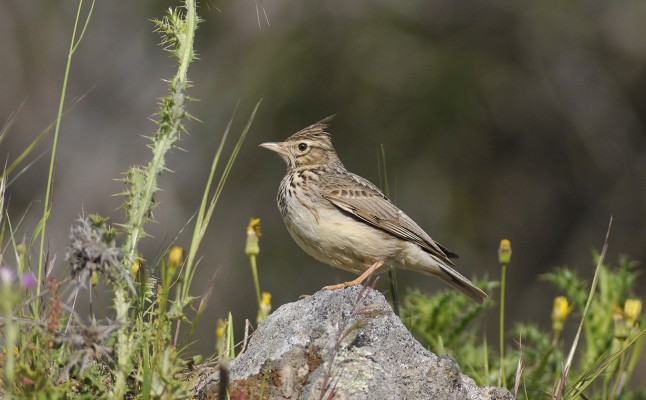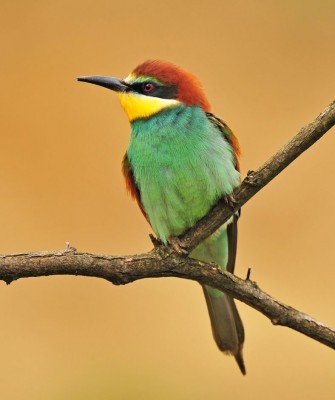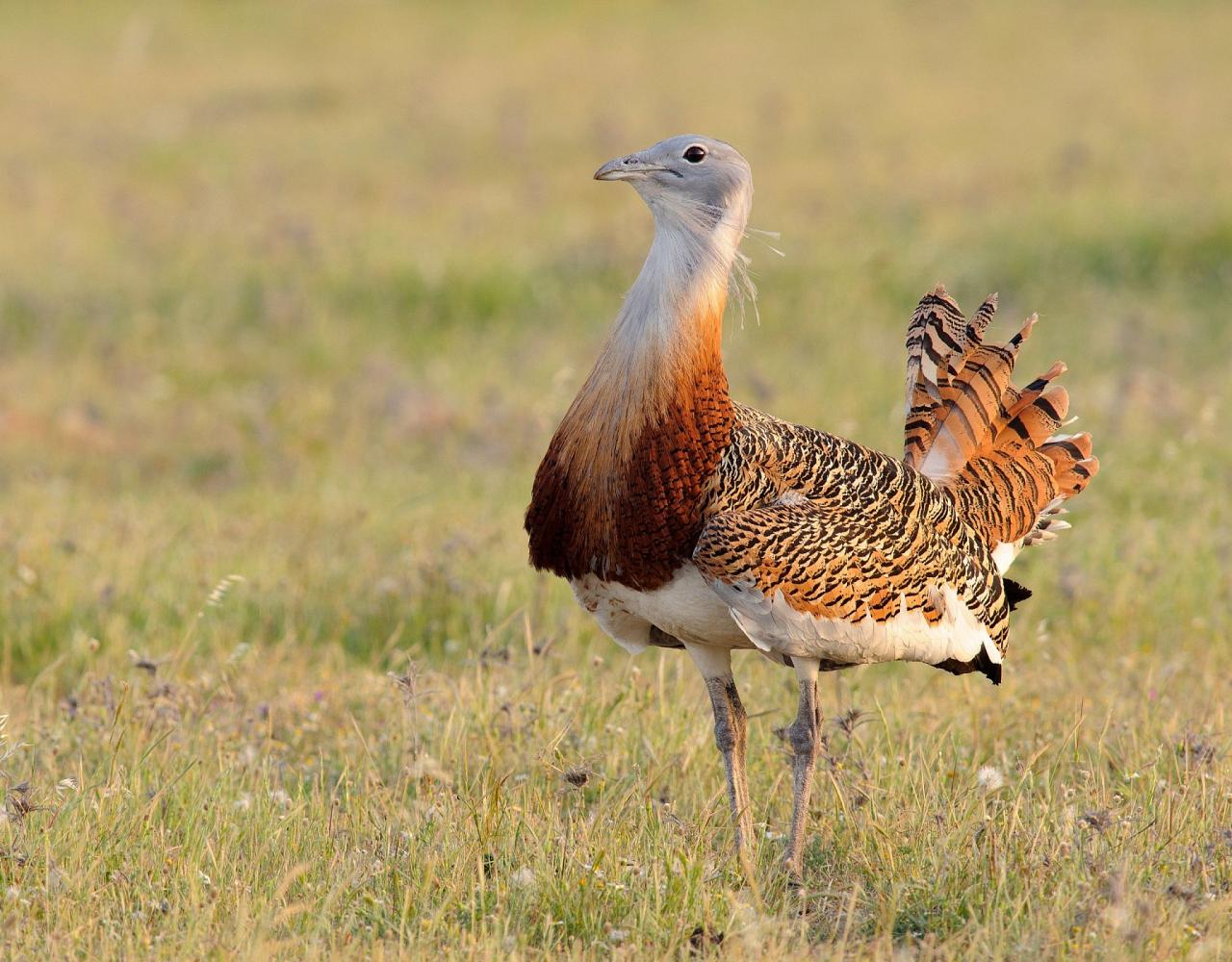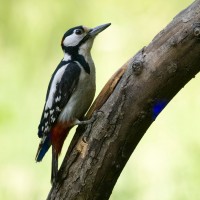
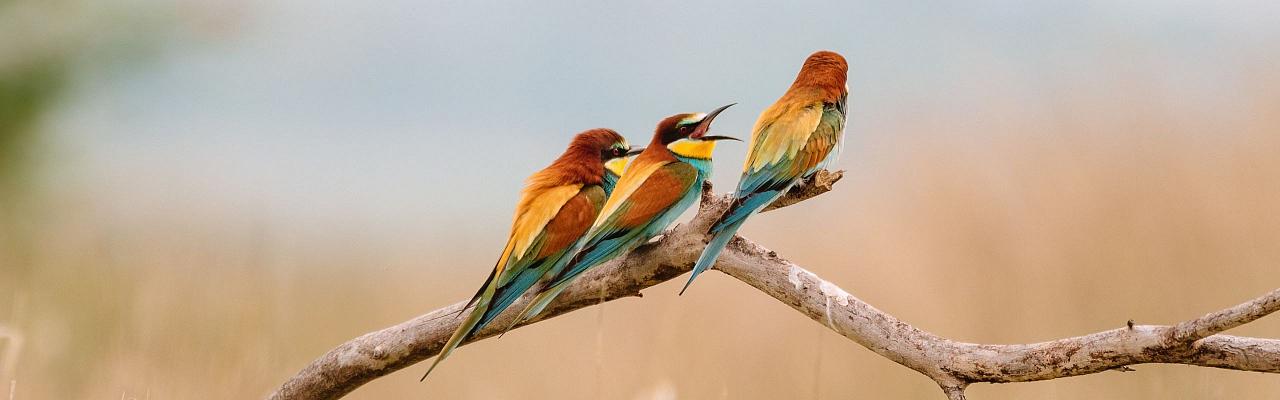
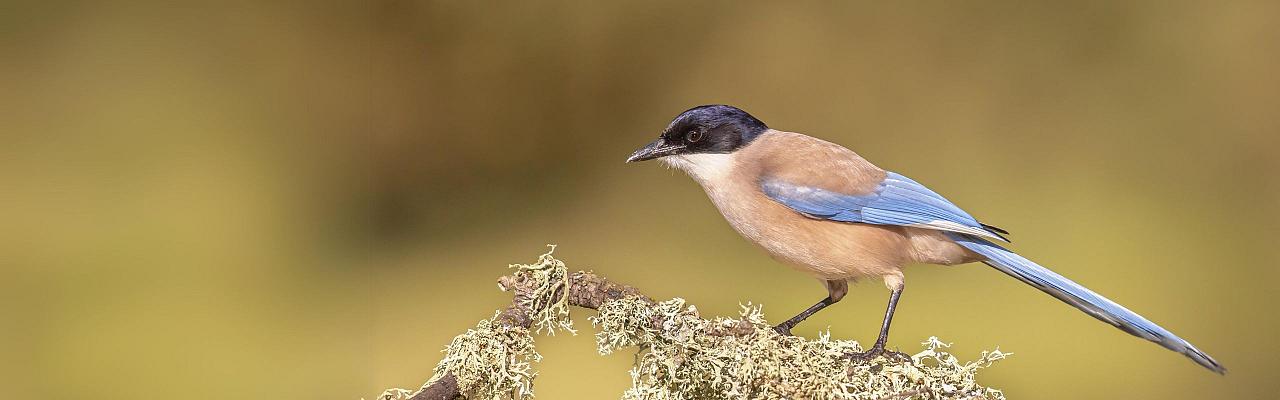
Join Naturalist Journeys on this fun Portugal birding tour—one that includes some fun cultural and historical time blended in. A real plus is that Southern Portugal offers a fantastic diversity of habitats replete with birds in a relatively small geographic area; we visit several species-rich areas without having to travel long distances. Portugal hosts many of the most sought-after specialties of the Iberian Peninsula, such as Great Bustard, Cinereous Vulture, Iberian Green Woodpecker, Azure-winged Magpie (Iberian Magpie), Spanish Eagle and Great-spotted Cuckoo, as well as iconic European species such as Eurasian Hoopoe, European Bee-eater, European Roller, and Common Kingfisher. All seen while traveling in picturesque rural areas also prized for scenery and history.

Discover three fabulous regions of the country that include extensive wetlands around Lisbon, the expansive steppes of Alentejo to the east, and then south to the coastal Algarve regions.

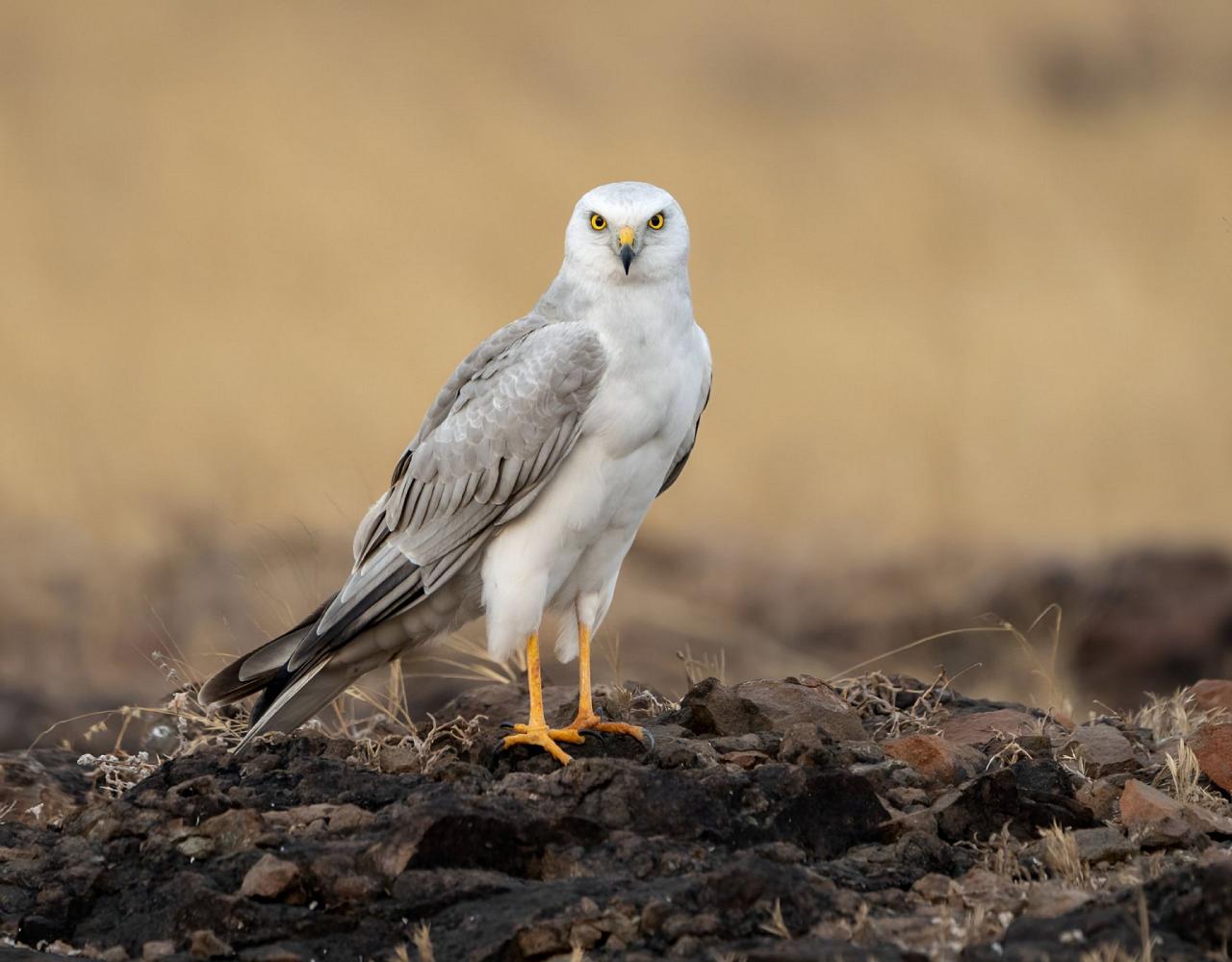
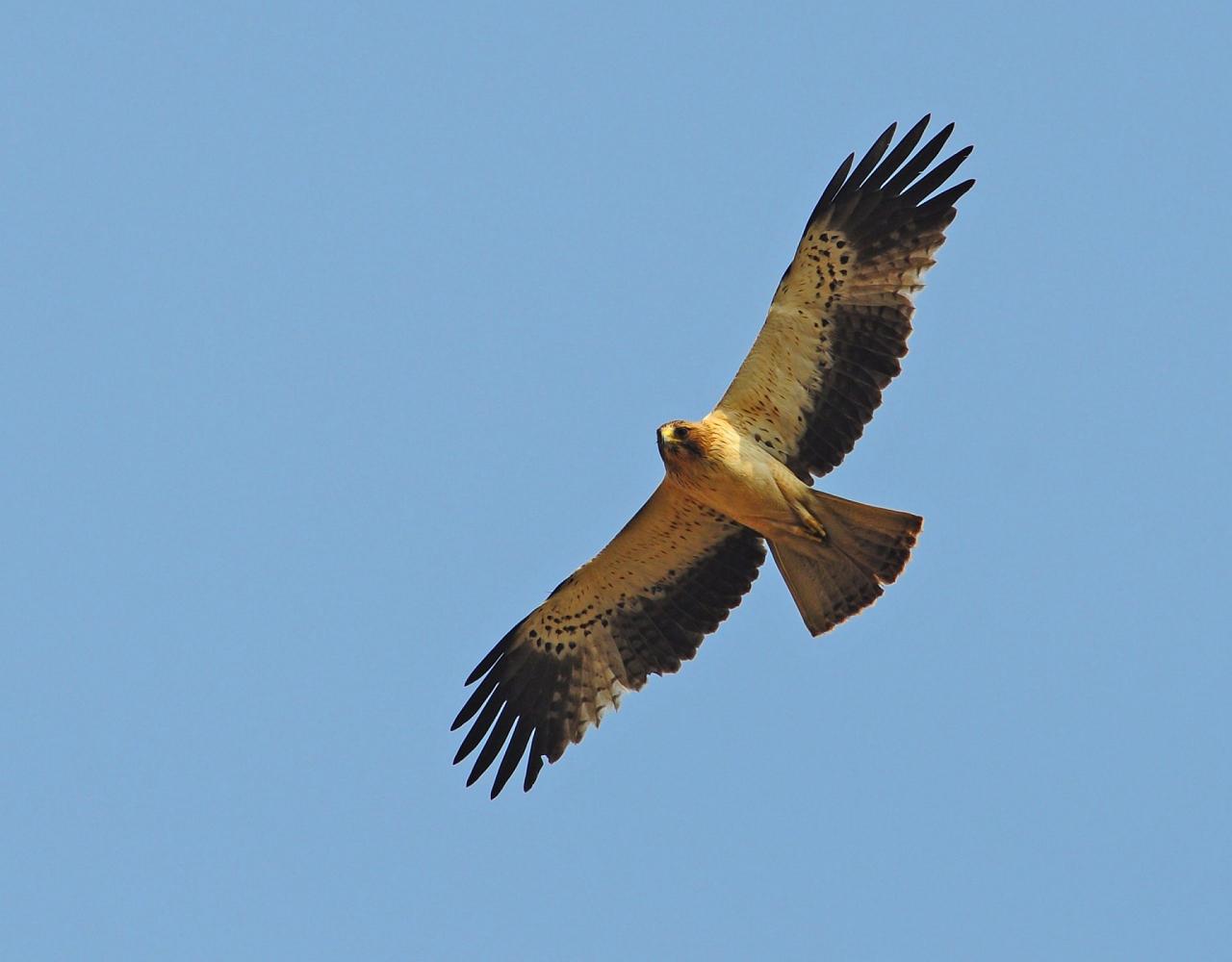
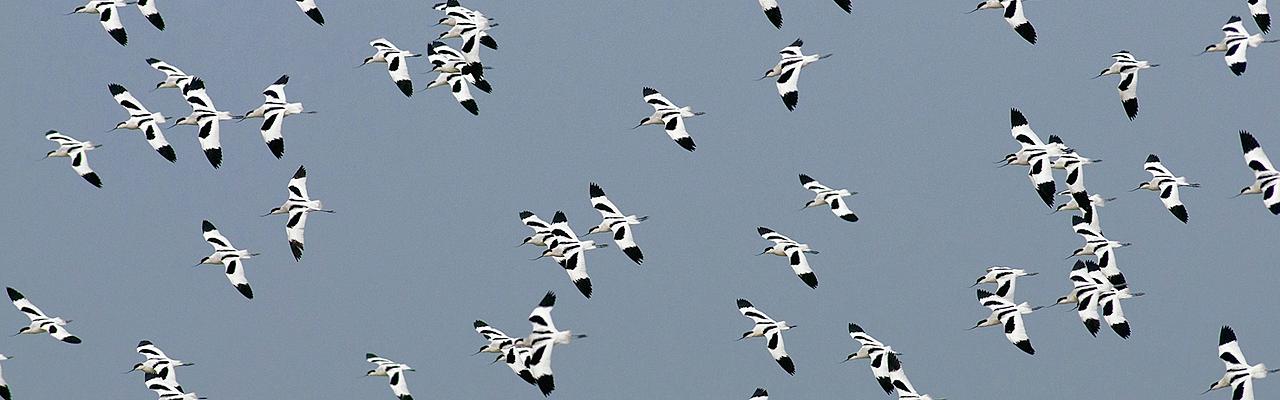
Europe’s spring migration extends from late March to mid-May, and our timing on this Portugal birding tour is perfect for arriving shorebirds, raptors, and passerines. We will search for Palearctic shorebirds such as Pied Avocet, Little Stint, Common Ringed Plover, Black-tailed Godwit, and Curlew Sandpiper; and just a few of the raptors we might encounter include Bonelli’s Eagle, Booted Eagle, Short-toed Snake-Eagle, and Montagu’s Harrier.

By April, temperatures in the arid Alentejo are rising to delightful, and every day brings summer species from Africa. Coastal and sea birding from the Algarve is exceptional, with few birders and crowds. The country’s rich cultural heritage is on display throughout the tour with visits planned to some of the most interesting historical and cultural sites of Portugal.
  • “So many lifers! I haven't birded that much in Europe, so I saw 74 new species! A highlight for me was the boat ride to see seabirds and so many dolphins!” — Linda Cronkleton, 2023 Traveler
  • “I was eager to visit this beautiful country and see the birds there, especially those endemic to the Iberian Peninsula. Highlights for me were birding in the cork oak woodlands and learning about the cork harvest process and the delicious food and group camaraderie.” — 2023 Traveler

Tour Highlights

  • Enjoy charming accommodations in Lisbon; city fun, and within a half hour’s drive we explore two remarkable wetland areas
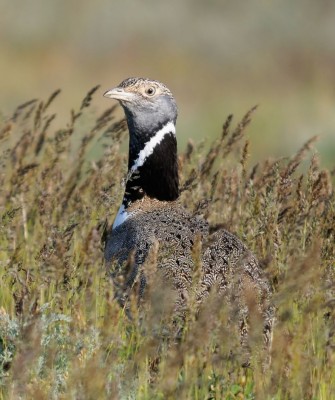
  • Find Great Bustard, Calandra Lark, Stone Curlew, and Black-bellied Sandgrouse in the Alentejo
  • Explore the bluffs and hills of the Guadiana Valley Natural Park, noted for Spanish Imperial, Golden, and Booted Eagles
  • Sample Portugal’s many culinary delights and great wines, including a fun wine-tasting event held amid grapevines and olive groves
  • Discover the Algarve, a region rich in protected wetland areas situated on a major flyway for migrants from Africa—fabulous for waders and passerines
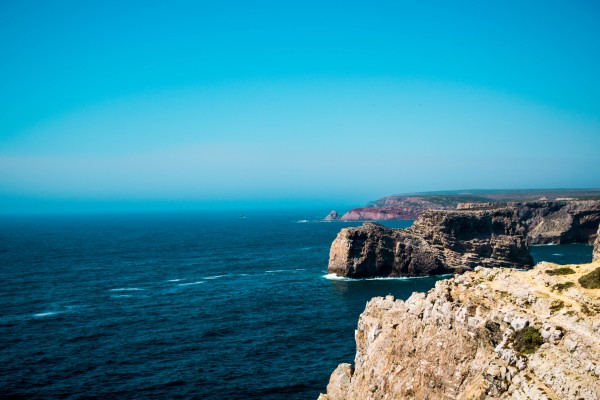
  • Stand on Europe’s southwestern corner, Cape St. Vincent, as raptors in migration pass overhead;
  • Take a pelagic trip off Sagres to see a wide range of seabirds
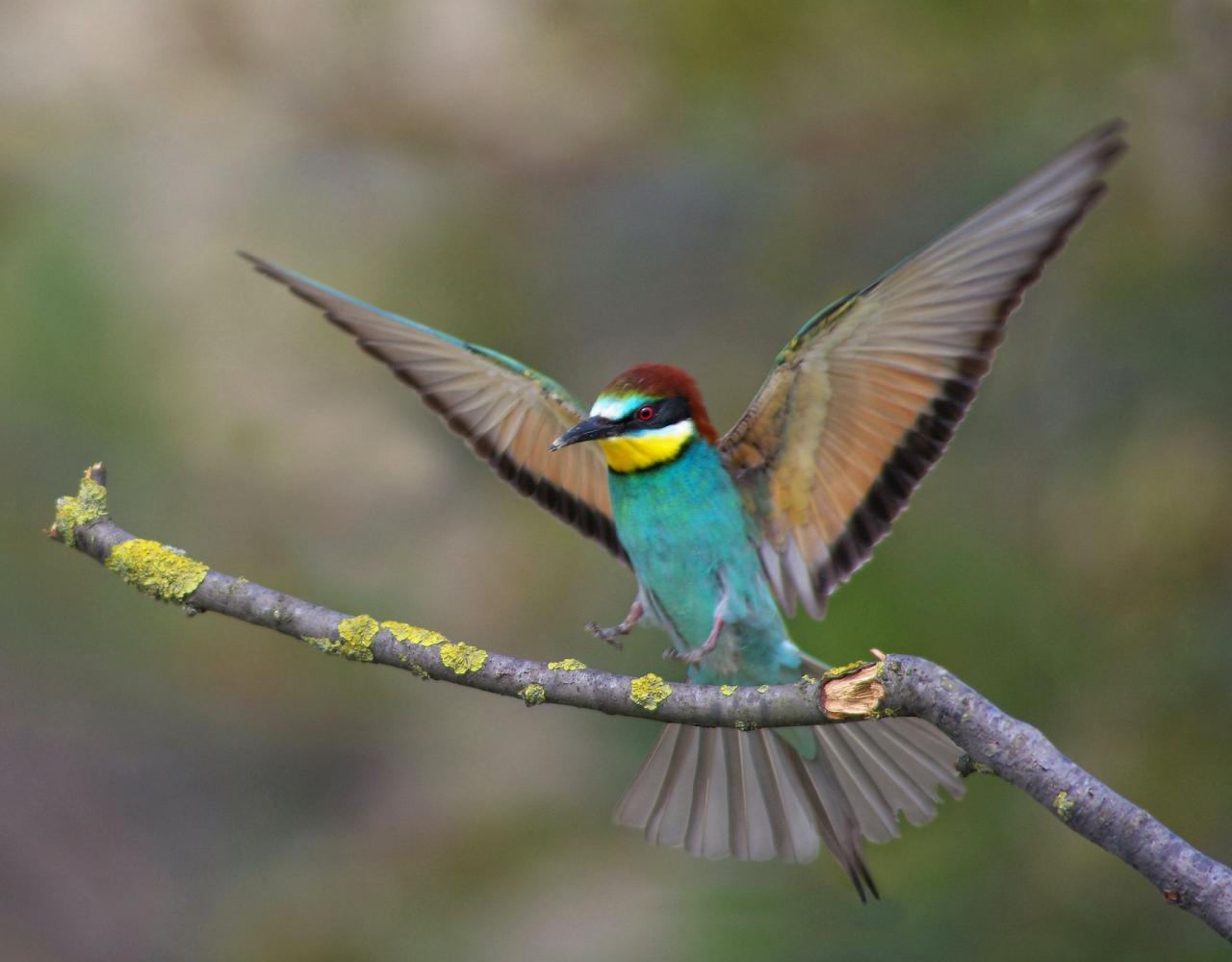
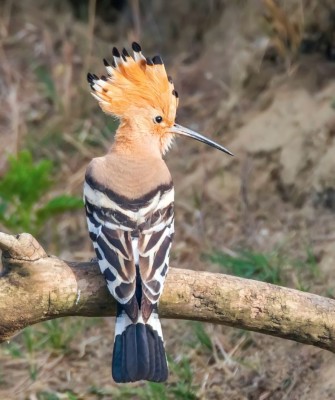
  • Marvel at the colors of Eurasian Hoopoe, Common Kingfisher, and European Bee-eater
  • Walk through old Cork Oak forests
  • Blend birding and culture with a chance to walk through historic plazas and squares en route to an array of castles, cathedrals,
  • museums, Roman ruins, and promenades
  • Experience Portugal’s rich cultural heritage at top historical and cultural sites in Évora, Mértola, Sagres and Lisbon.
Trip Itinerary

Itineraries are guidelines; variations in itinerary may occur to account for weather, road conditions, closures, etc. and to maximize your experience.

Mon., Apr. 6      Arrivals in Lisbon

Welcome to Lisbon, Portugal. Today we travel to our lodgings in Alcochete (about twenty miles from the airport). You may recognize the name of this small city for its association with Europe’s second longest bridge, the Vasco da Gama Bridge, which spans the Tagus River with its impressive cable-stay construction. It is a charming location and gives us close access to the Tagus Estsuary.
Accommodations at Hotel Praia Do Sal Resort in Alcochete (D)

Tues., Apr. 7 & Wed., Apr. 8       Two Days Birding & Exploring Lisbon

Portugal offers a fantastic diversity of habitats—and consequently birds—in a relatively small area. It is hard to imagine how many species we find with ease at the Tagus Estuary and the Sado Estuary Nature Reserves—both within a half-hour drive of Lisbon city center and the international airport.

Our time in the Lisbon area will let you experience a variety of habitats within the Tagus Estuary Nature Reserve, including the inter-tidal mudflats and salt marshes of Hortas, the salt pans of Atalaya, Ribeira das Enguias, and Samouco, and the Barroca d’Alva rice fields and pastures. Other interesting sites and habitats in the Tagus Reserve include the open fields, reed beds, lagoons, inter-tidal mudflats and salt marshes of the Ponta da Erva area.

We also have some fun as we explore—enjoy a wine tasting at Companhia das Lezírias, as well as a birding visit to the cork oak woodlands of Pancas, still in the Tagus estuary. Finally, we explore the Sado Estuary Nature Reserve, namely the salt pans, inter-tidal mudflats and salt marshes of Mitrena, Mourisca, and Zambujal.

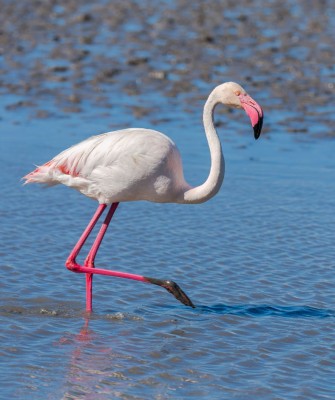
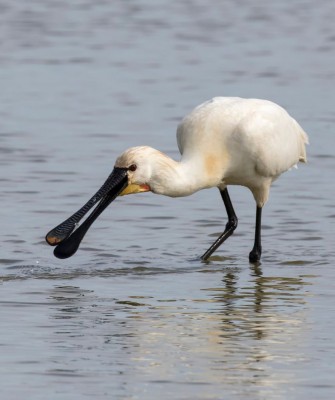
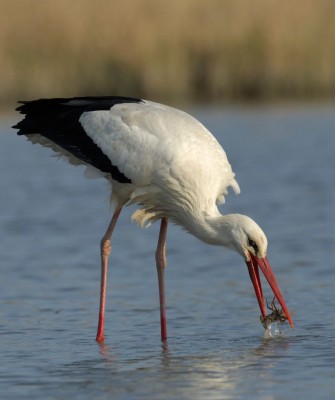
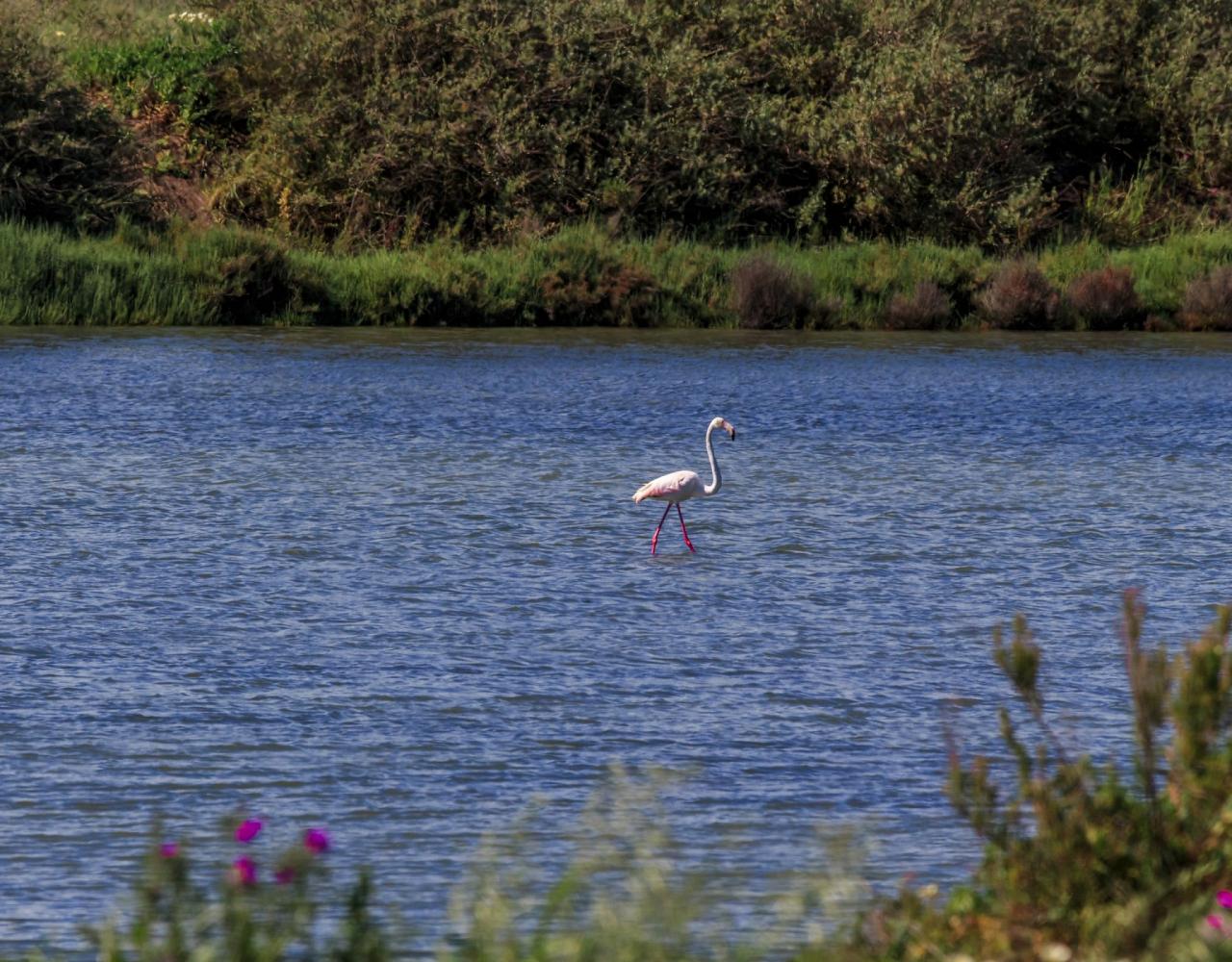
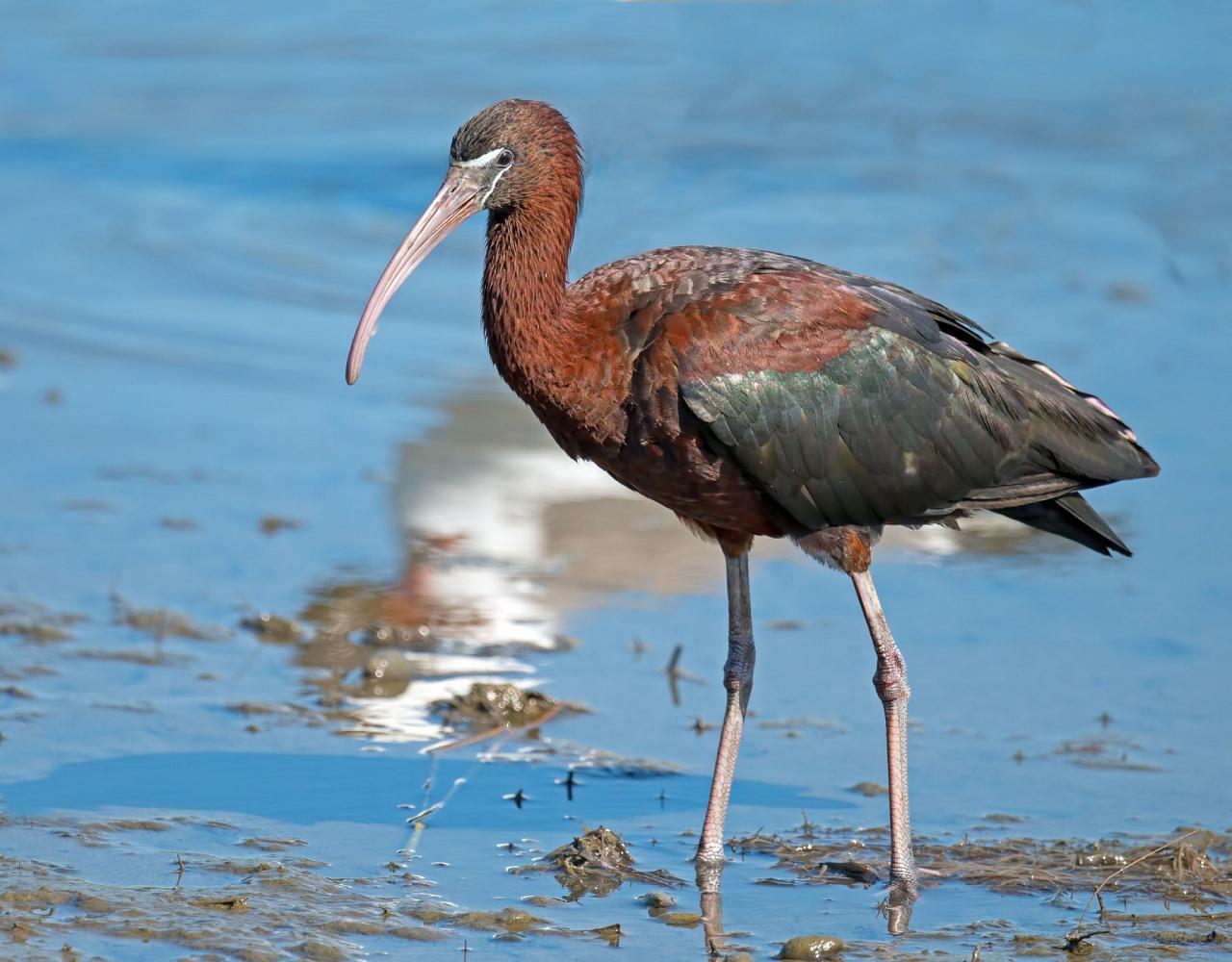
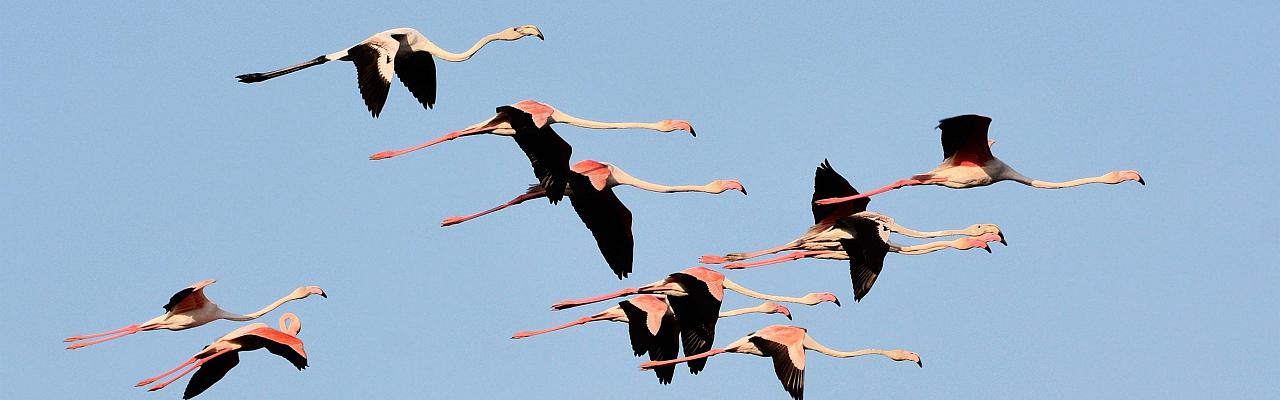
The protected wetland areas between the Tagus and Sado estuaries may reveal to us: Greater Flamingo, White Stork, Eurasian Spoonbill, Glossy Ibis, Squacco and Purple Herons, Booted Eagle, Black-winged Kite, Little Bustard, Collared Pratincole, Pallid Swift, Bluethroat, Dartford, Savi’s and Melodious Warblers, Iberian Chiffchaff, Iberian Grey and Woodchat Shrikes, Spotless Starling, Rock Sparrow, European Serin, Cirl Bunting, and an excellent selection of ducks, waders, gulls and terns.
Accommodations at Hotel Praia Do Sal Resort in Alcochete (B,L,D)

Thurs., Apr. 9 – Sat., Apr. 11     Three Days of Exploring the Alentejo in Detail

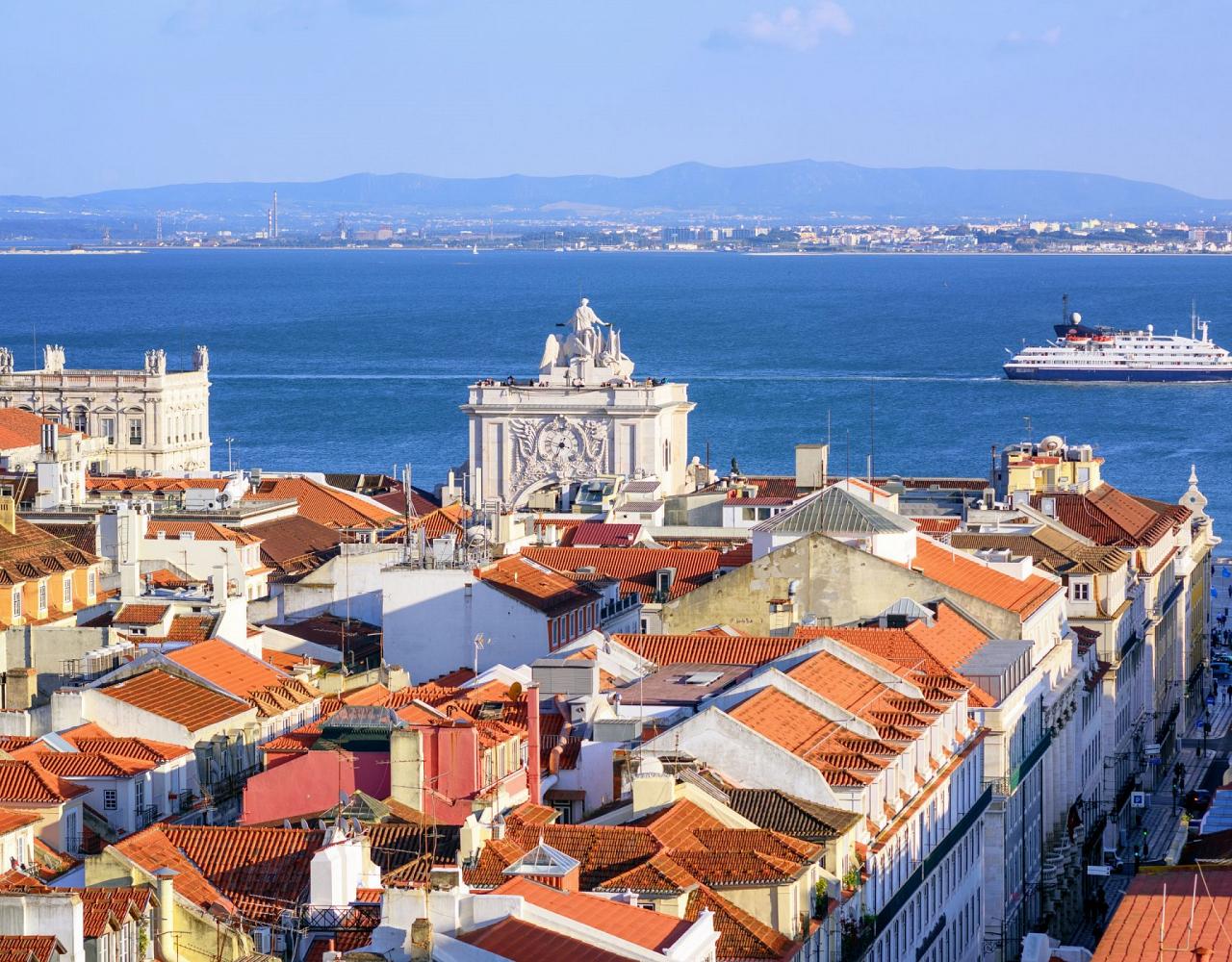
Leaving the Lisbon-area wetlands in the morning, we continue our mix of activities to highlight birding, history and culture. We first head toward Mértola, in the Alentejo region, visiting the city of Évora, a UNESCO World Heritage site prized for its whitewashed houses, Gothic Cathedral dating to the 12th century, and other Gothic and Baroque churches including the unique Chapel of the Bones.

Along our route today, is a famous site, the Almendres Cromlech which contains several megalithic menhirs (standing stone structures) dating back to the 6th millennium BC. This complex has over 95 granite monoliths with a path winding through Association of these structures with others in the area suggest an astronomical function to the structures in alignments for the winter solstice.

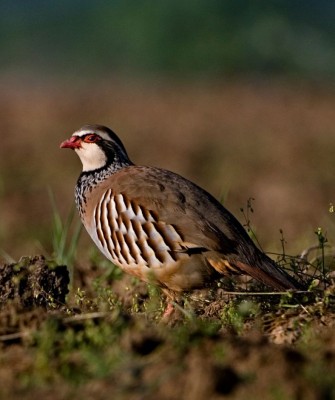
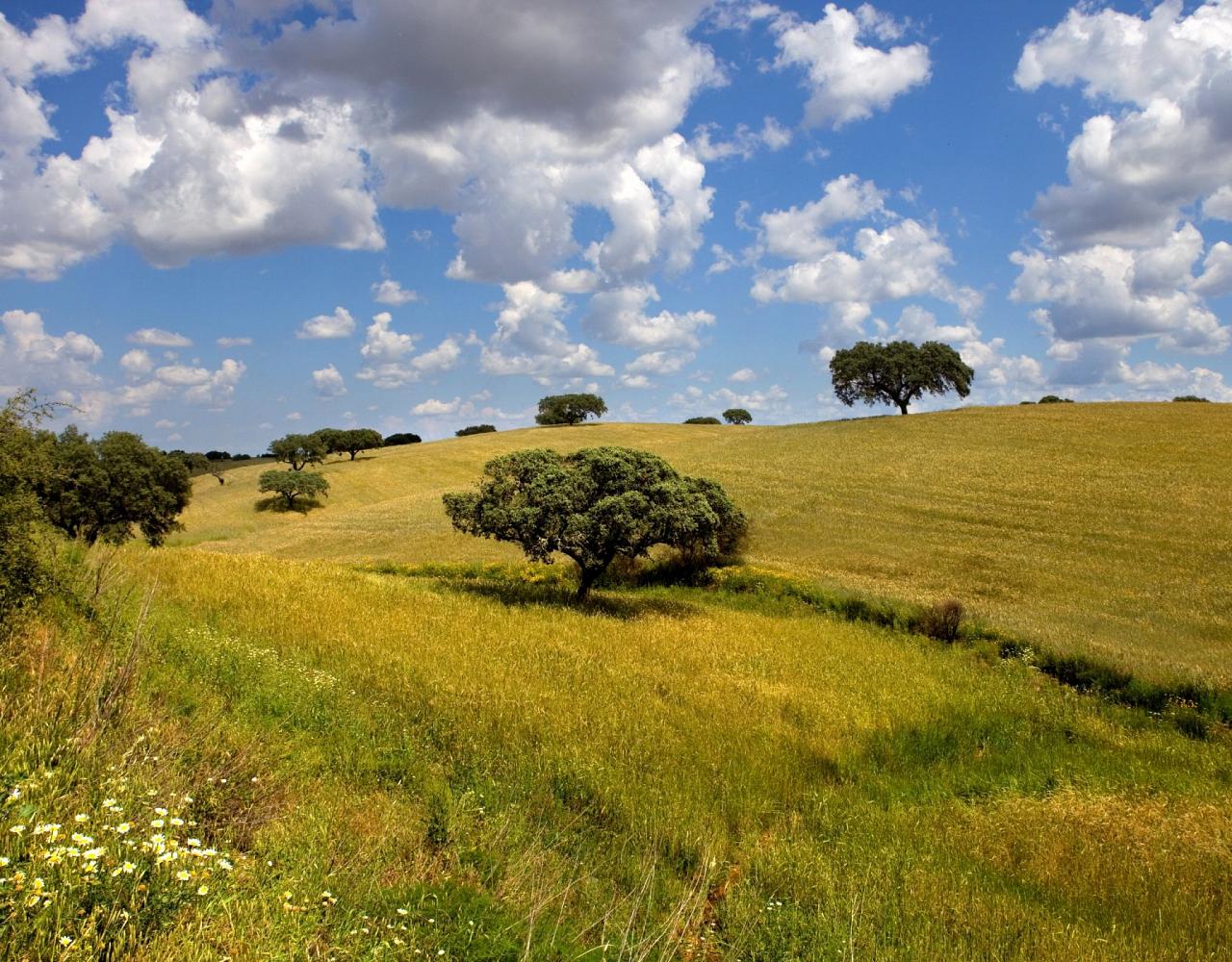
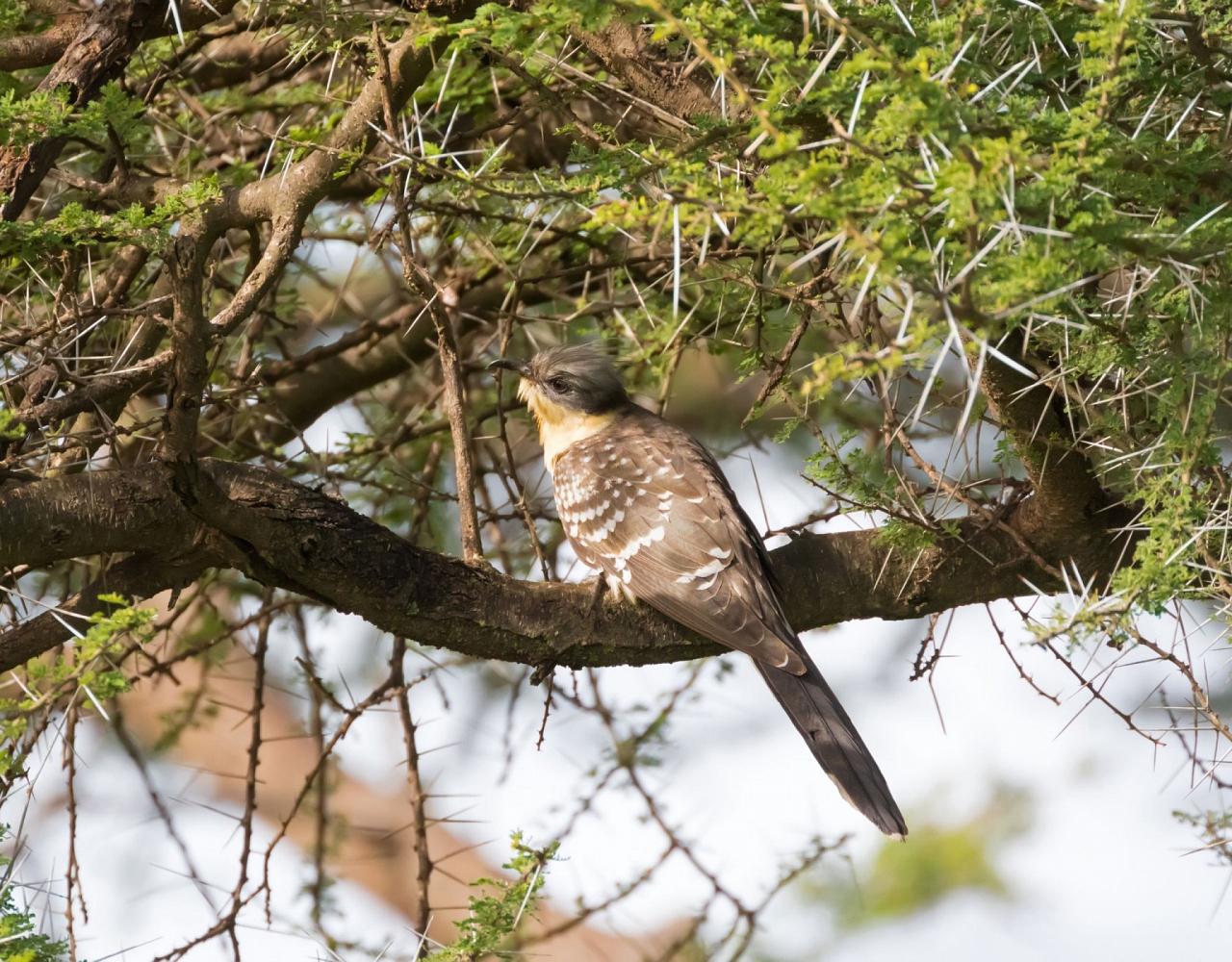
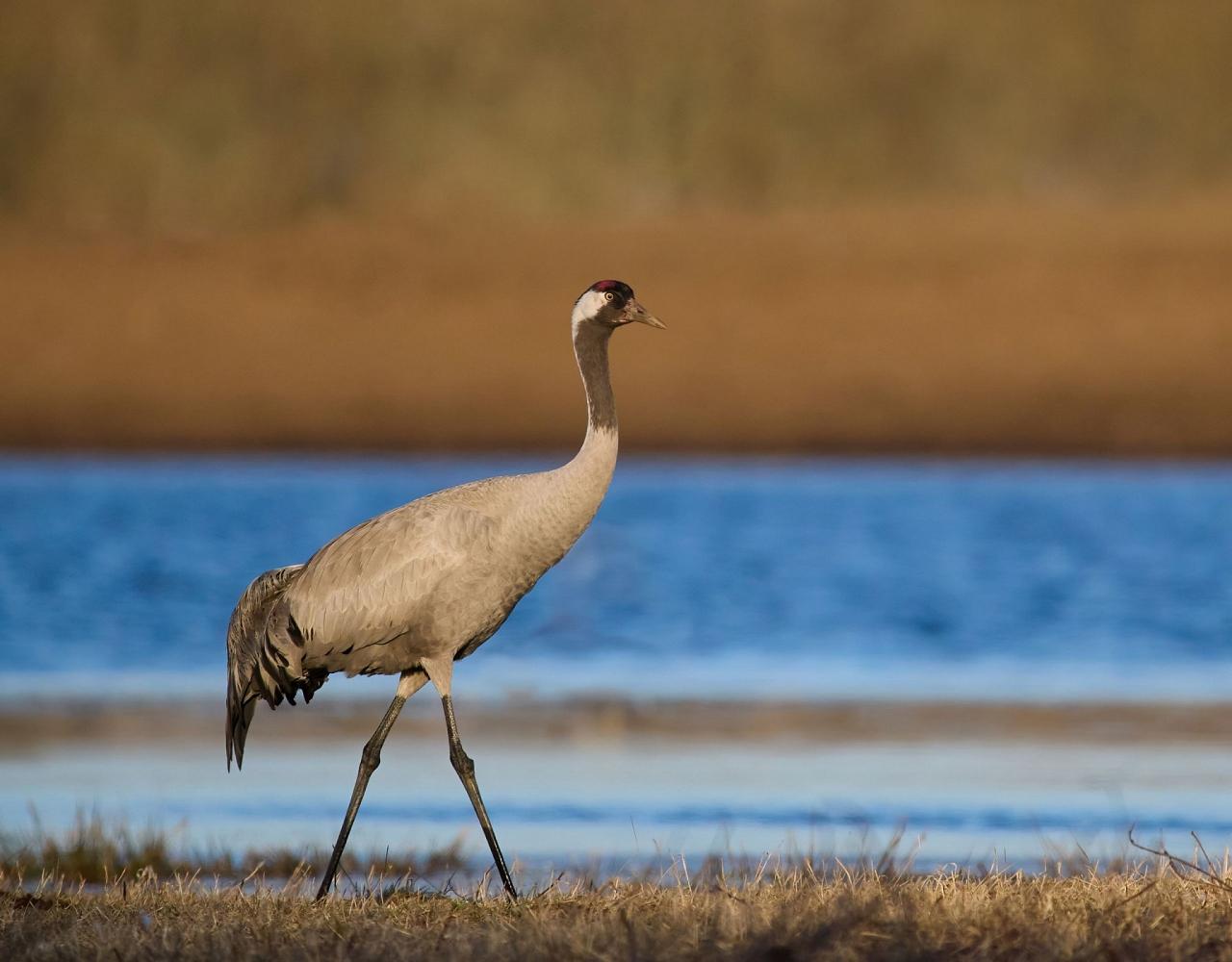
Then it’s on to the great Castro Verde rolling plains and the bluffs and hills of the Guadiana Valley Natural Park, including Mértola, Mina de São Domingos, and Alcaria Ruiva. The expansive plains and hilly terrains of these regions support Great Bustard, Common Crane, Red Kite, Montagu's Harrier, Lesser Kestrel, Stone Curlew, Black-bellied Sandgrouse, Great Spotted Cuckoo, European Roller, Calandra Lark, Tawny Pipit, Rufous Bush Robin, and many more birds.

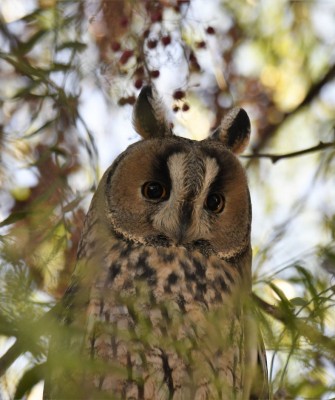
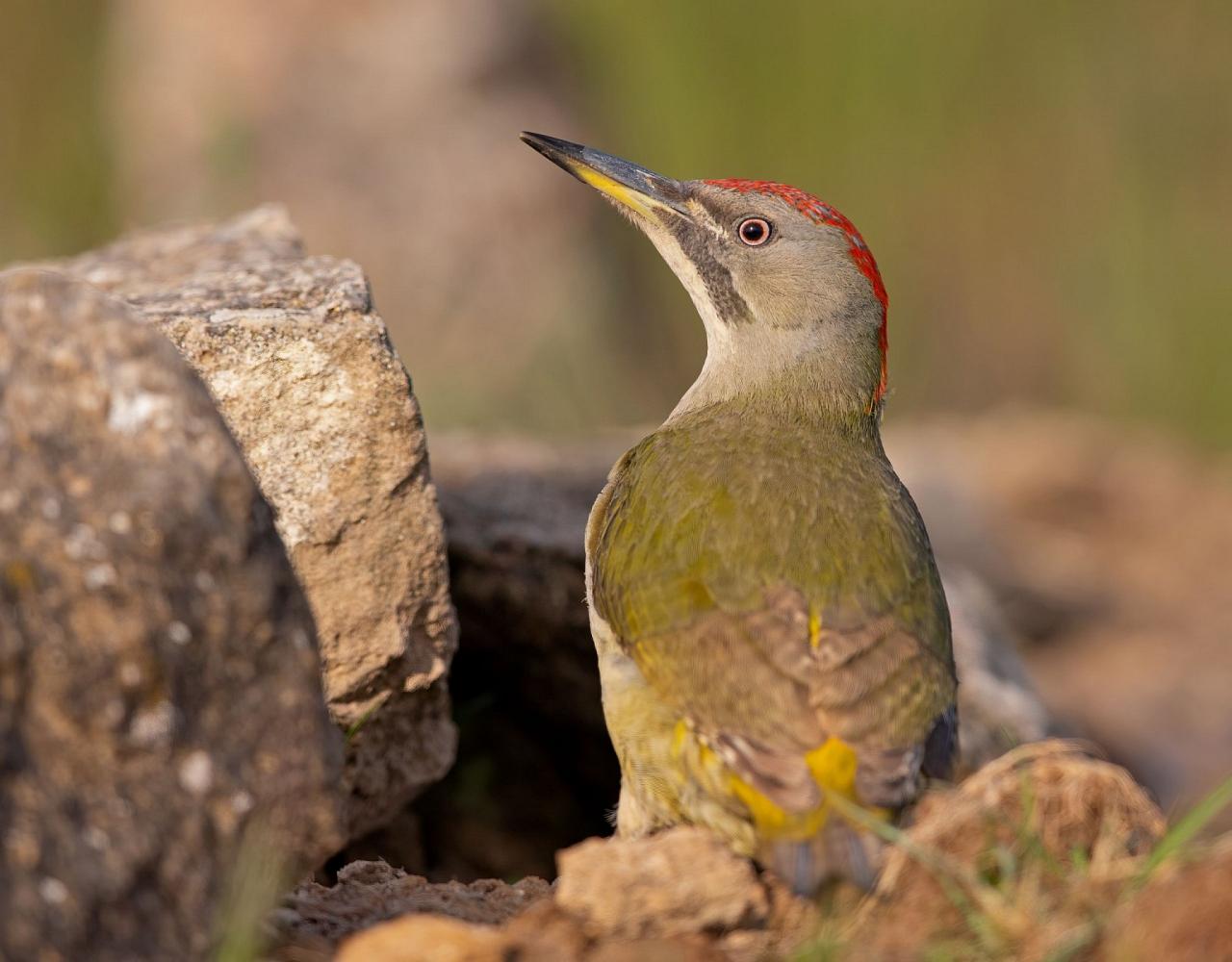
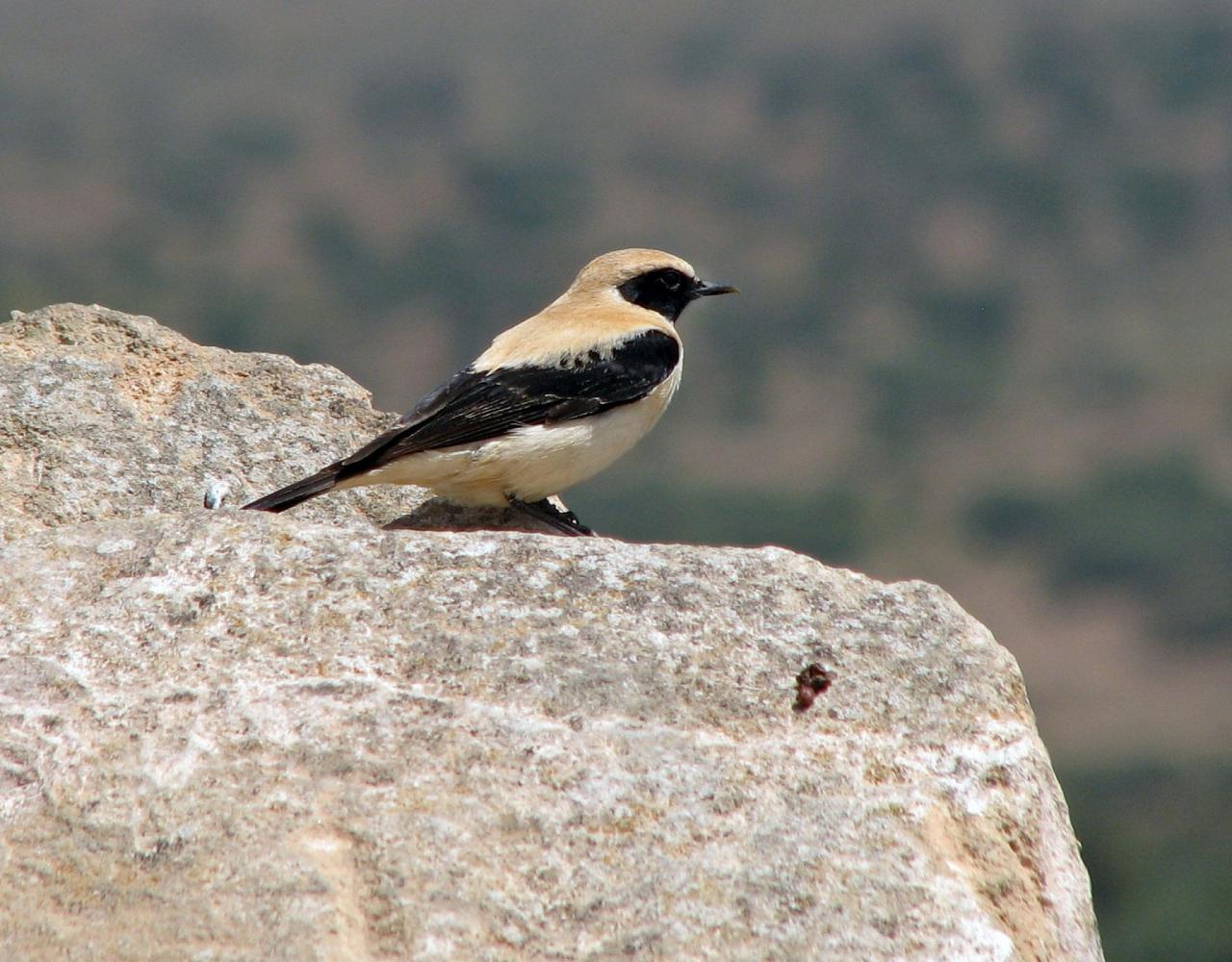
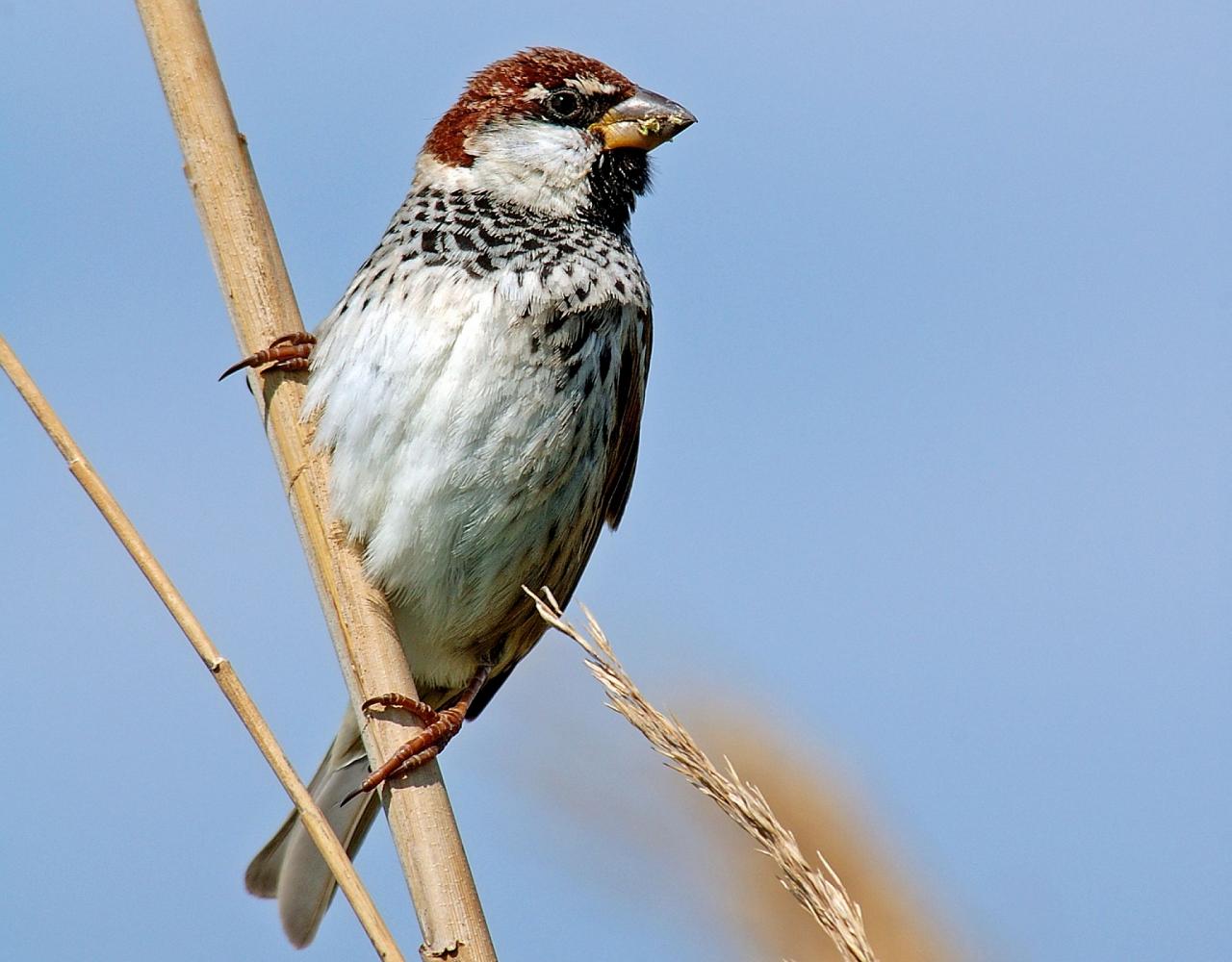
The bluffs and hills of the Guadiana Valley Natural Park host species such as: Black Stork, Iberian Imperial, Golden and Bonelli's Eagles, Eurasian Black and Griffon Vultures, Turtle Dove, Eurasian Eagle Owl, White-rumped Swift, Iberian Green Woodpecker, Eurasian Crag Martin, Red-rumped Swallow, Black-eared Wheatear, Blue Rock Thrush, Golden Oriole, Spanish Sparrow, Hawfinch and Rock Bunting.

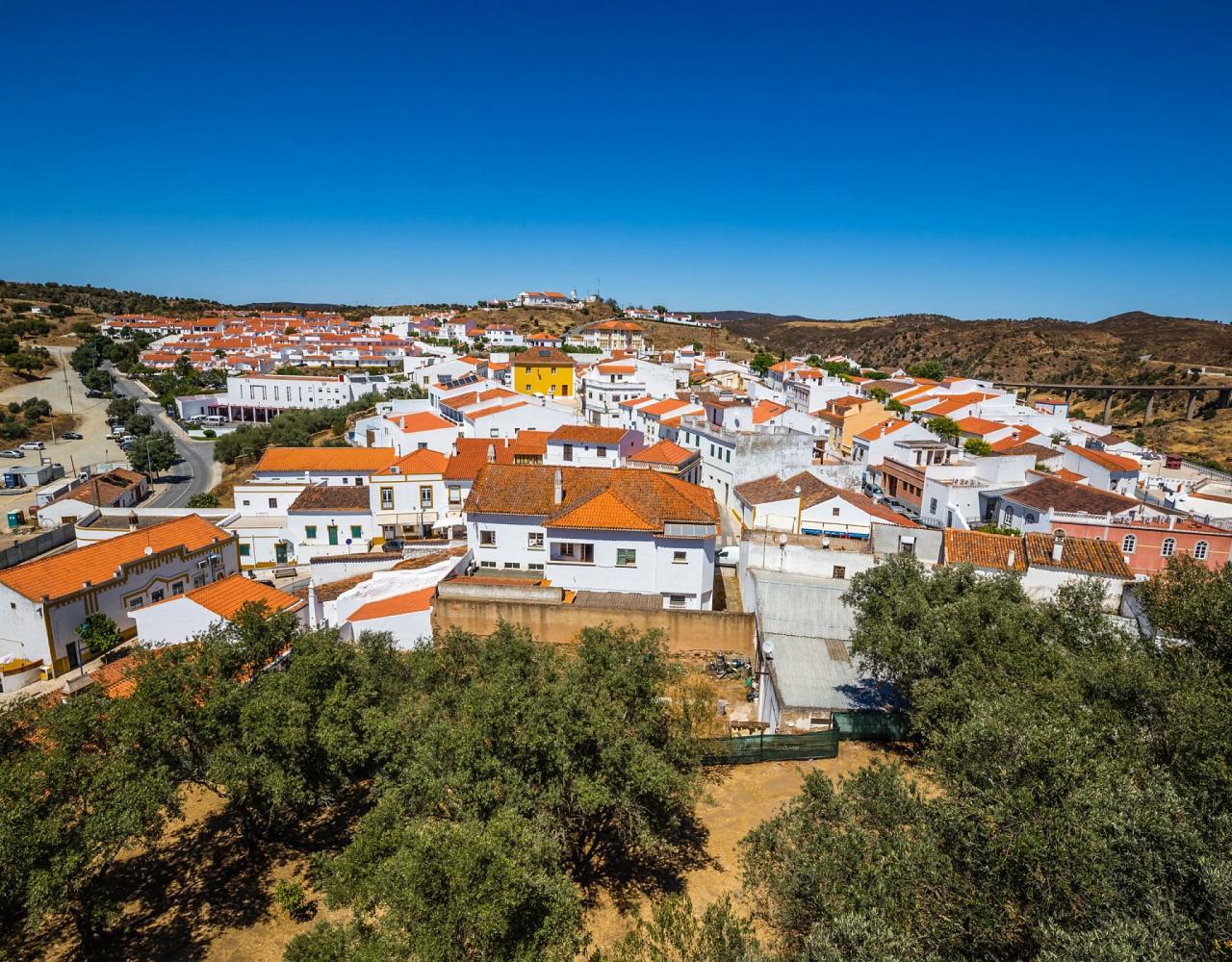
Based in the town of Mértola, we can enjoy time to visit the main museums, additional archaeological sites, and specialty shops. It is here that we experience some of the best local foods and wines of our journey. It’s a luxury to have three nights—unpack and settle in!

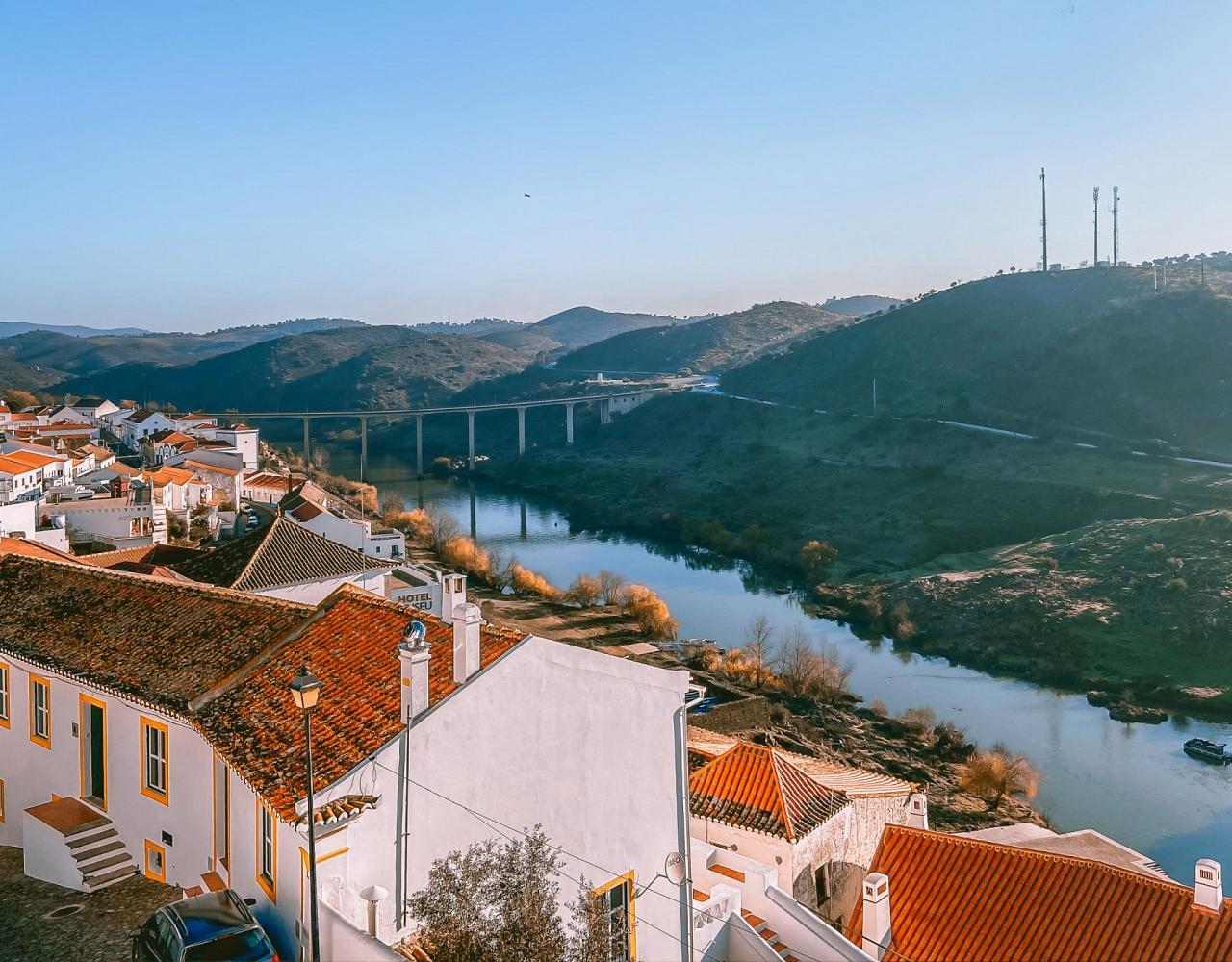
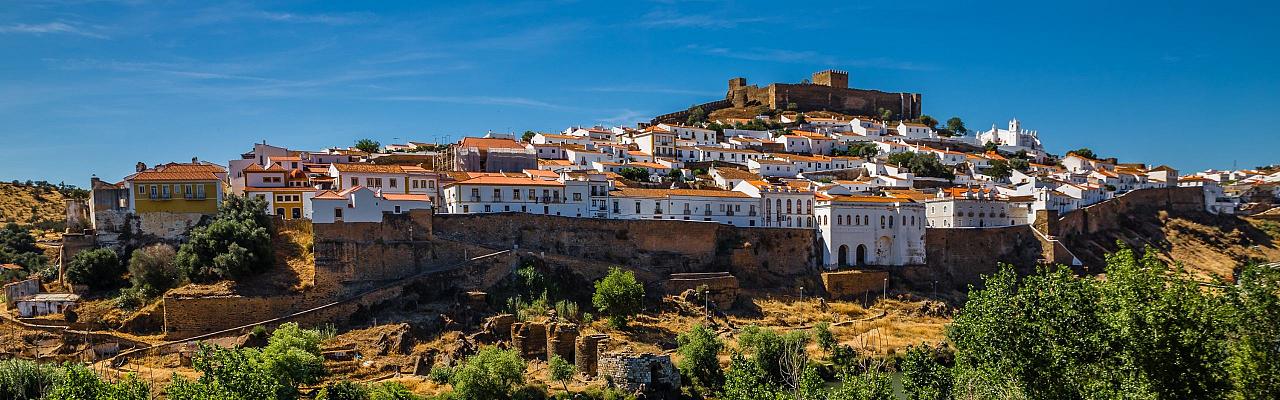
Here we are near the Spanish border on the confluence of the Guadiana and Oeiras Rivers. The town grew from its start as a fortified medieval village surrounding an impressive castle on its central hilltop. This is an ancient port city again with influence of early Phoenicians, then Romans, Moors and Christians during the Reconquest of Portugal. The whole town feels like a living museum of successive civilizations built upon each other.
Accommodations for three nights at Hotel Museu in Mértola (B,L,D, all days)

Sun., Apr. 12 – Tues., Apr. 14      On to the Scenic Southern Coastal Region

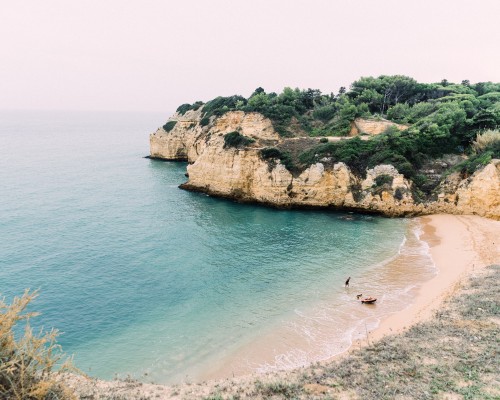
With just a short 45-minute drive to Tavira, we reach the coastal region of Algarve, a region rich in protected wetland areas and situated on a major fly-way for migrants from Africa, and notable in particular for waders and passerines. We are here at a key time in the migration period, and this area—including Salgados lagoon—offers abundant opportunities to observe migrating birds. Birding stops here will include the complex network of canals, saline flats and salt pans of the Castro Marim Nature Reserve and the Tavira area of Ria Formosa Natural Park. Other habitats of Ria Formosa including dunes, open water, inter-tidal mudflats, salt marshes, salt pans, reed beds, lagoons and pine in the regions of Olhão, Quinta do Lago, and Ludo.

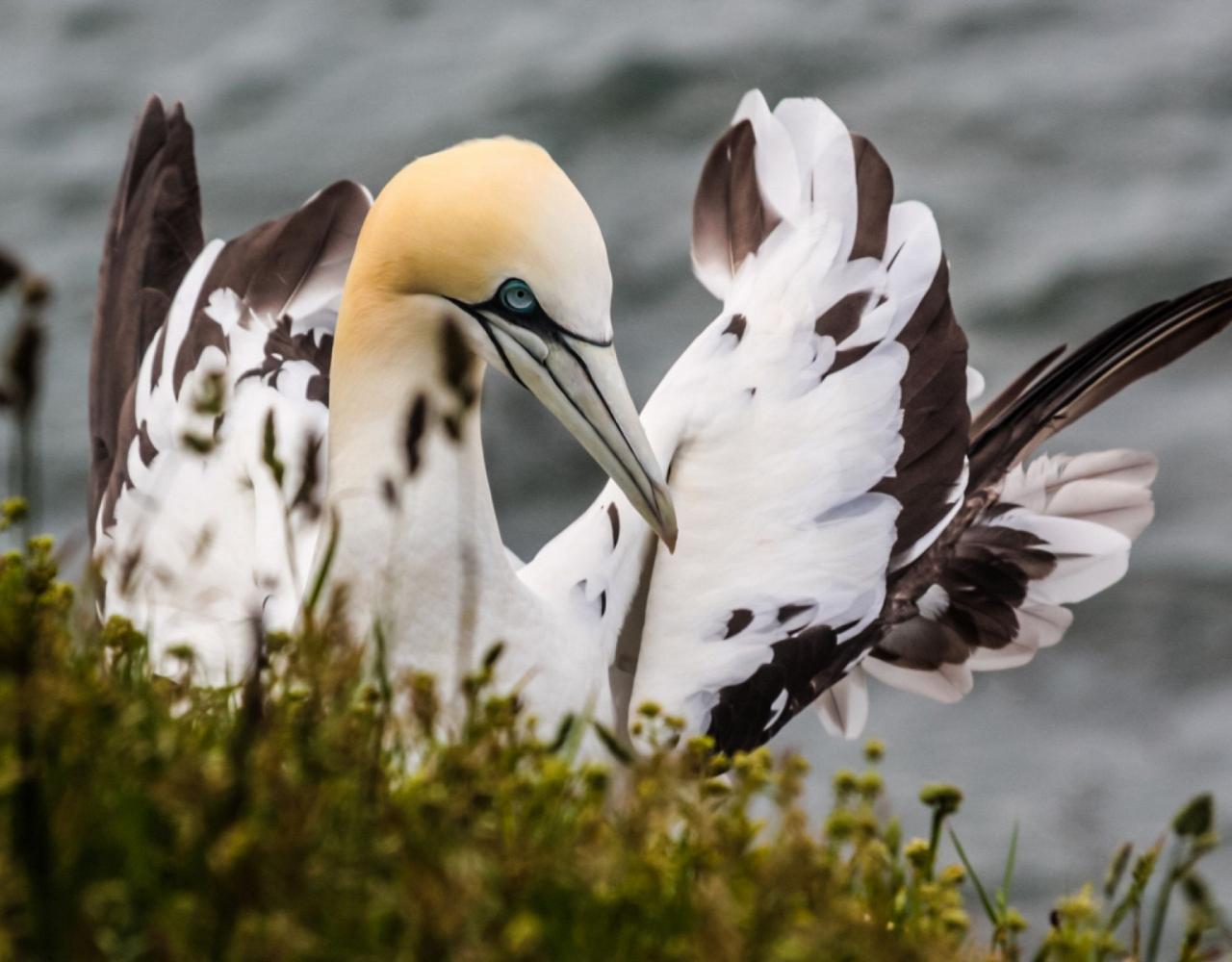
During our time here, we also visit the Sagres and Cape St. Vincent areas, Cape St. Vincent being a natural bottleneck for migration and a splendid place to search for the endangered Balearic Shearwater as well as a few other species. A tour highlight experience is a pelagic trip off Sagres. Just a few miles offshore, we start to understand why the Algarve is considered such a crossroads, with birds moving along the coast west to east (Atlantic to Mediterranean) and north to south (Europe to Africa). Some of the species we may find during the boat trip include: a variety of shearwaters (Great Cory’s, Scopoli’s, Sooty, Manx and Balearic), smaller Wilson’s, Leach’s and European storm-petrels (Wilson’s, Leach’s and European Storm Petrels) and predatory skuas—all three being possible (Pomarine, Arctic and Great). We keep our eye open for rarities such as Audouin’s Gull amid the more regularly seen and sometimes numerous Northern Gannet, Kittiwake and Lesser Black-backed Gull.

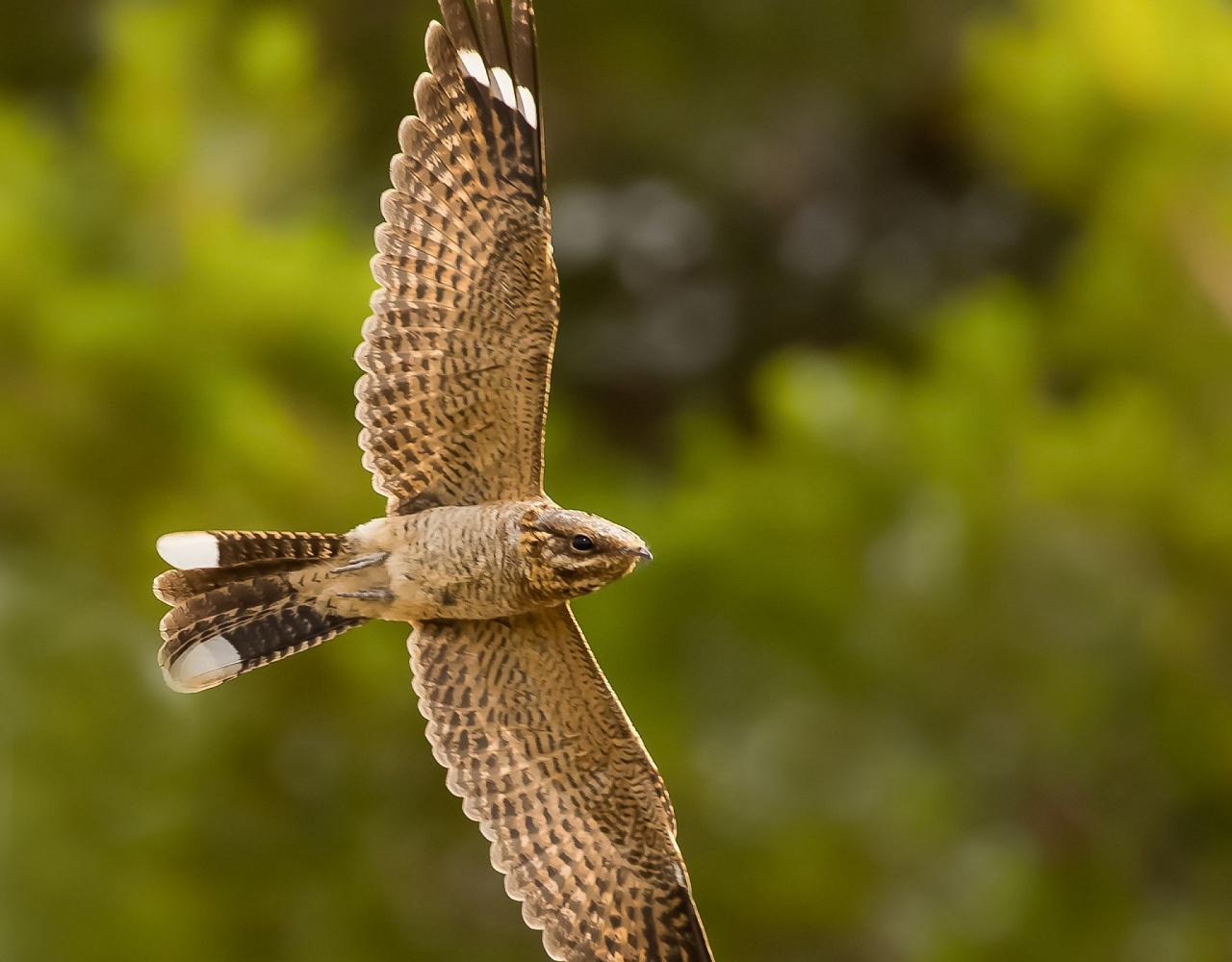
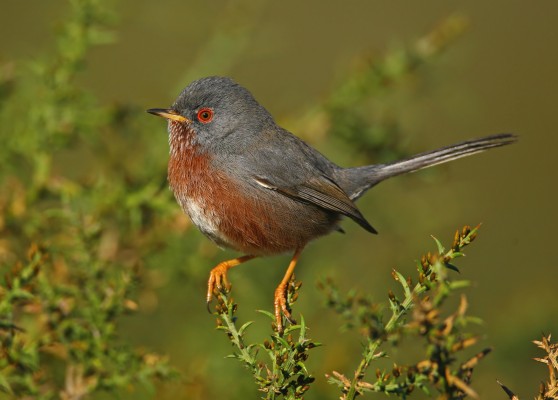
Ria Formosa Park and Castro Marim, with their intricate maze of inlets and lagoons, are unique birding sites in Portugal for finding rare and highly localized species such as Audouin’s and Slender-billed Gulls and Lesser Short-toed Lark. These are also excellent spots for getting close views of scarce species like Little Bittern and Purple Swamphen. Common bird species in the Algarve include Little Owl, Red-necked Nightjar, Eurasian Hoopoe, Common Kingfisher, European Bee-eater, Sardinian and Spectacled Warblers, and Iberian Magpie.

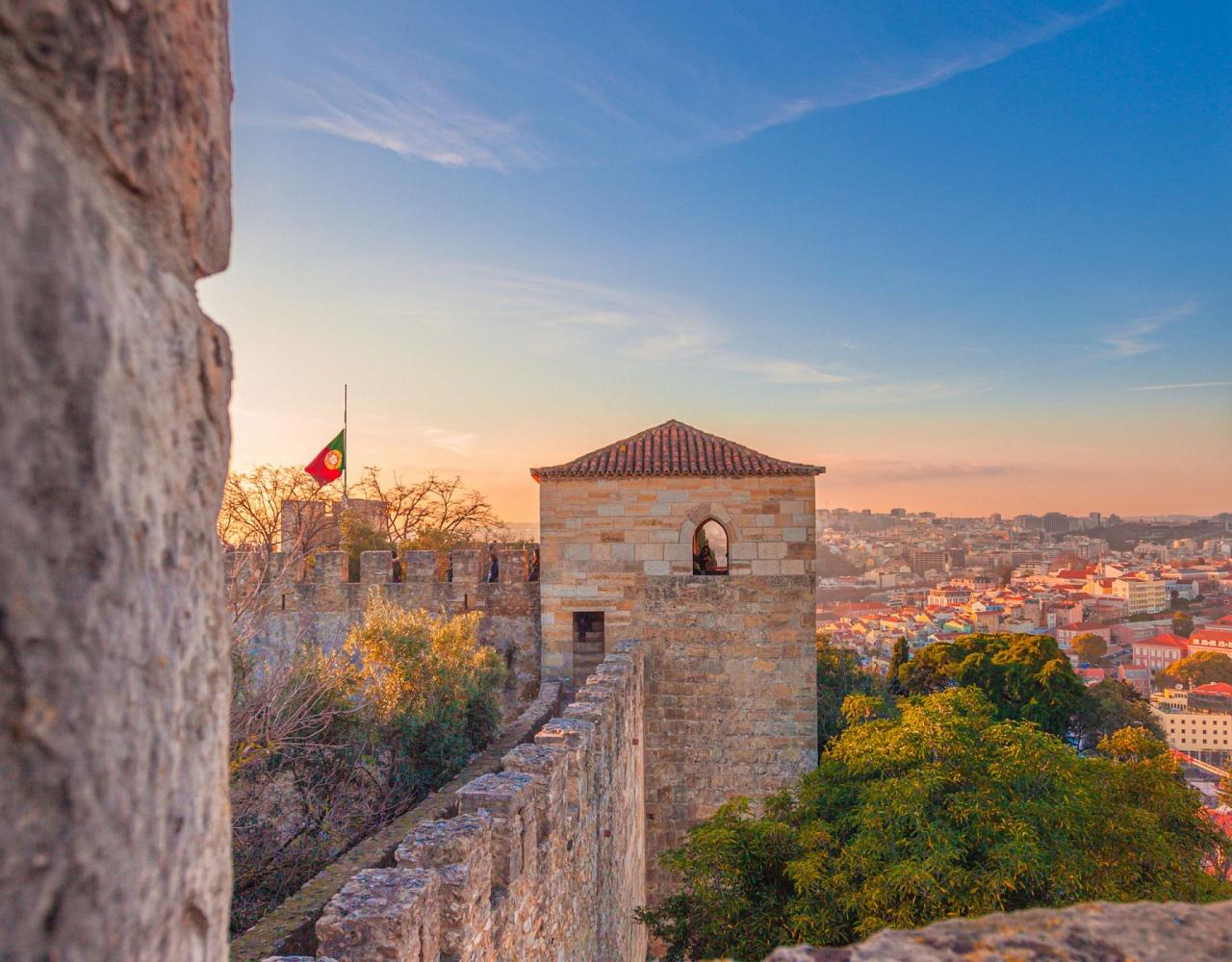
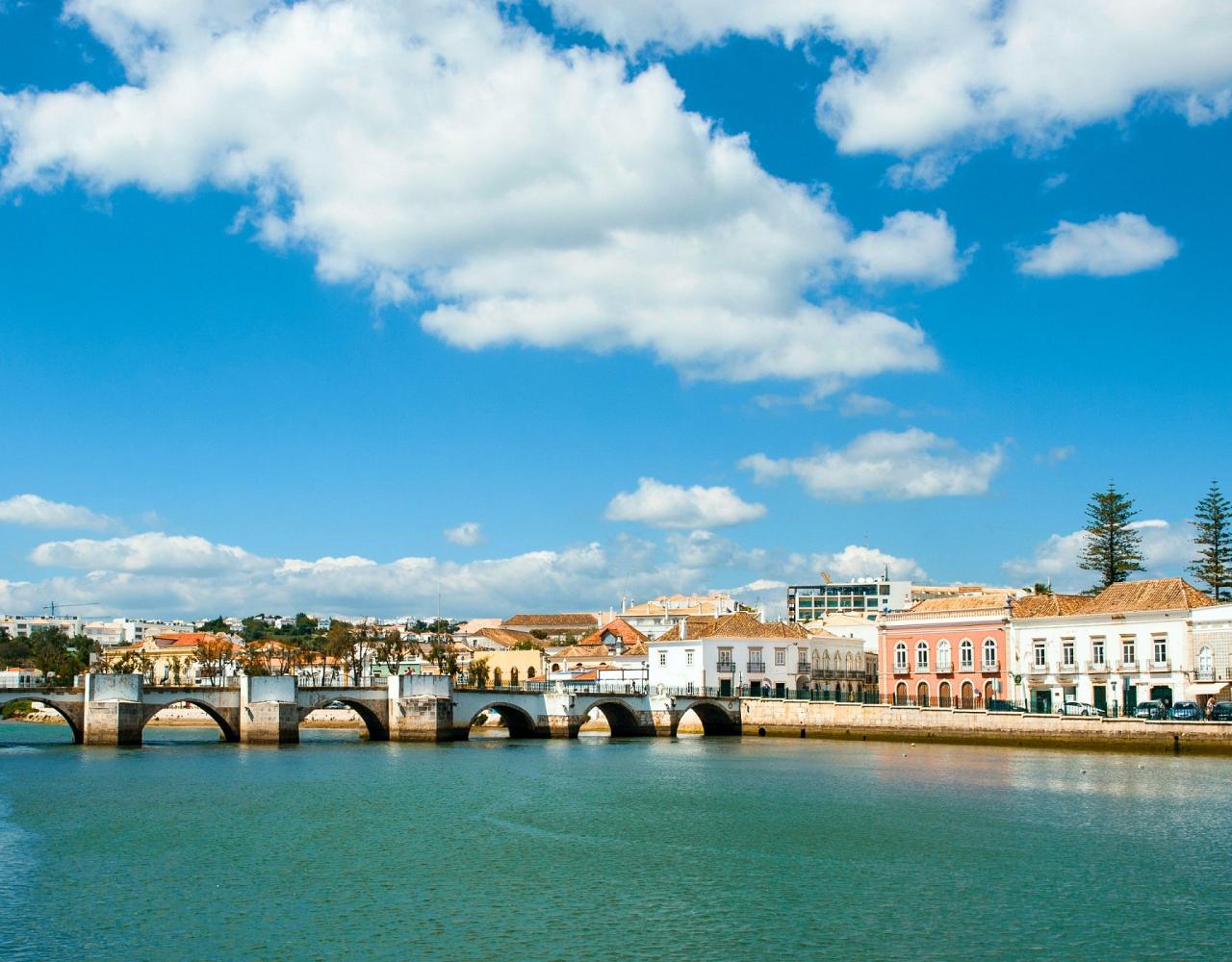
Tavira, our base for three nights, dates back to the Bronze Age. Today it is a comfortable, small city astride the Gilão River at its junction with the Atlantic Ocean, Tavira is a delightful base from which to explore. It holds Roman Moorish and Christian influences. In its center, a medieval castle affords us great city views of old and new, whitewashed walls, tile roofs—all with the Atlantic Ocean behind. Across from it, Tavira Island has a long, sandy beach, plus salt pans that attract flamingos, spoonbills and other wading birds.
Accommodations for three nights at Hotel Vila Gale Albacora in Tavira (B,L,D, all days)

Wed., Apr. 15    Return to Lisbon | Estuary and Ricefield Birding

Finally, we will return to Lisbon, using the travel day to explore inter-tidal mudflats, salt marshes and rice fields of Comporta and Carrasqueira, part of the Sado Estuary Nature Reserve. Enjoy a delicious final dinner with time to recount our highlights of the journey.
Accommodations at Hotel Lisboa Plaza in Lisbon (B,L,D)

Thurs., Apr. 16    Departures

Plan to leave at your convenience today but remember, for International flights, it is recommended that you be at the airport three hours prior to your flight. (B)

  • Birding Portugal, Portugal Nature, Bird watching Europe, Fall Migration, Naturalist Journeys, Wildlife Tour, Wildlife Photography, Ecotourism, Specialty Birds, Birding Hotspot, Lisbon, Alentejo

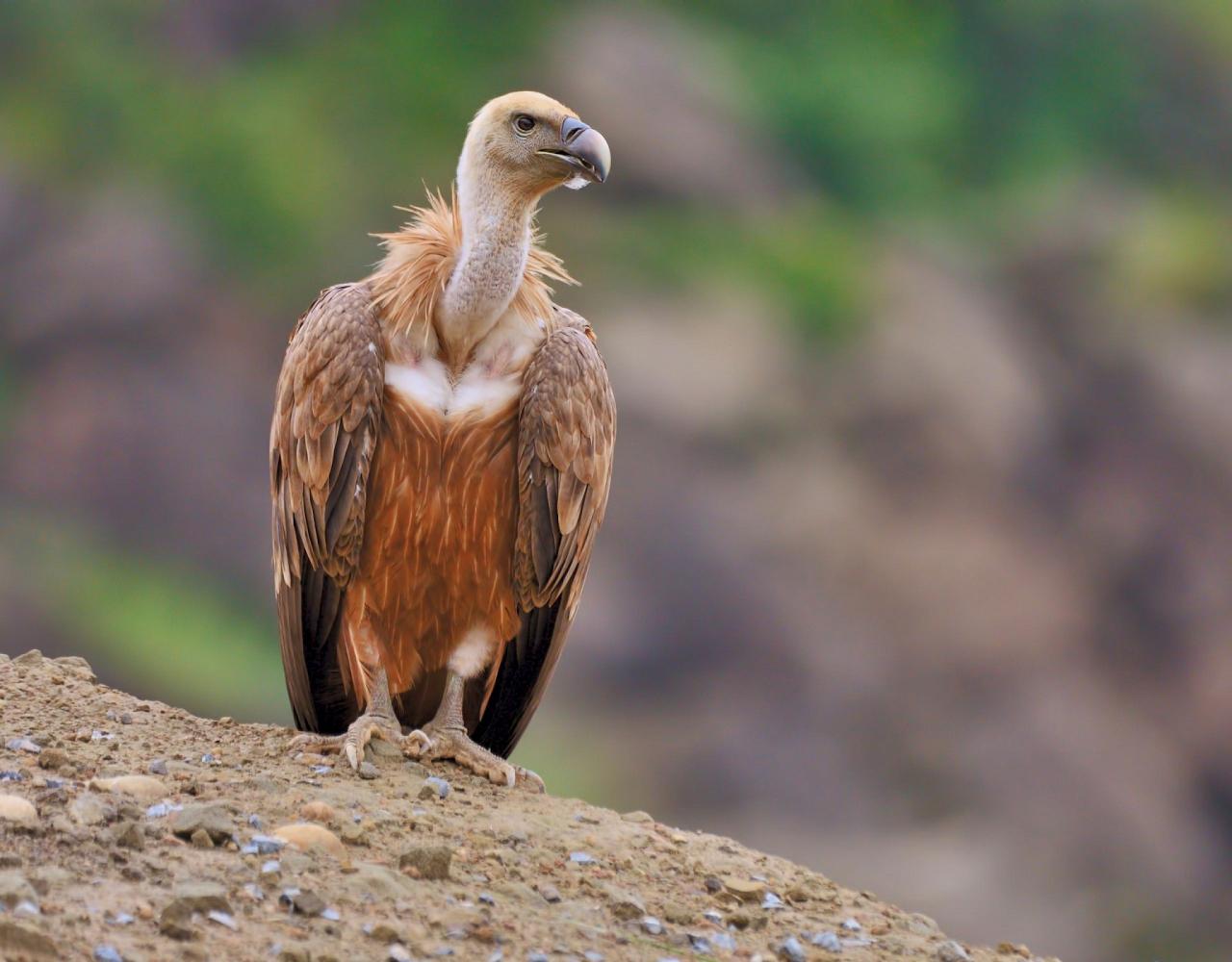
    Griffon Vulture

Cost of the Journey

Cost of the journey is per person and based on occupancy: $7790 DBL / $8655 SGL.

The tour price includes airport transfers, 10 nights’ accommodations, all meals from dinner Day One through breakfast Day 11, professional guide services, park and preserve entrance fees, and miscellaneous program expenses. *Pricing is based on the exchange rate on May 14, 2025. If this rate adjusts by more than 5% at the time that final payment is due, Naturalist Journeys reserves the right to adjust this price.

NEW! all tips other than your NJ guide (optional) and local guide are included (this includes tips for your driver, lodge and staff, day activities, meals and other services).

Cost of the journey does not include airfare from your home to Lisbon, Portugal or items of a personal nature, such as laundry or drinks from the bar.

Travel Details

Please plan to make air travel plans only after the minimum group size has been met. We will send you a confirmation email as soon as the trip has been confirmed.

Arrival and Departure Airport: Humberto Delgado Airport (LIS) in Lisbon

Arrival Details: Plan flights to arrive April 6, 2026 at your leisure. If you want to join the group for dinner, please plan to arrive in time for dinner around 7 PM. 

Departure Details: Plan flights to depart April 16, 2026 at your leisure.

Travel Tip: You may wish to arrive a day early and rest up from your travels. The easiest option would be to book an early night at our first night tour hotel, the Praia do Sal Resort. Our hotel is about 25 minutes from the airport in Alcochete and can be reached via taxi or Uber. You can also work with your travel agent to find a hotel to suit your needs. If you want to explore Lisbon, there are plenty of fun things to do! Oceanário de Lisboa is one of the largest aquariums in Europe and has over 450 different species. If you’re interested in art, then a visit to the Calouste Gulbenkian Museum is a must-see in Lisbon. It has works spanning 5,000 years and is considered one of the most important private art collections in the world. Or if you want to stretch your legs after a long flight, Lisbon is a great city to wander around the cobbled streets and check out the delicious restaurants, architecture, and shops. And don’t forget to try the pastéis de nata, a delectable traditional Portuguese pastry.

There is an official taxi station outside the airport, which is signalized; official taxis are black and green. Never accept offers of taxis from people inside the airport soliciting taxi service. Only get into a taxi after a reasonable price is agreed to. For hotels in Lisbon, it should not be above 30-40 € and for Alcochete, it should not be above 50 €. 

Hotel Recommendations: If you wish to arrive early and prefer to stay in Lisbon, we recommend: Janelas Verdes. Convenient to just stay on, and it is in a great location. Lisboa Pessoa Hotel is another great choice in the city.

Entry Requirements: See "Essential Information" section under the "Know Before You Go" tab.

Browse below for trip reports and species lists from past versions of this and other tours from this destination.

Portugal

  • António Cotão — Portugal Expert

    António was born in Portalegre, North Alentejo and studied Biology at the University of Algarve. He grew up in a small village where he developed a special connection with nature from a very early age. After his studies, he spent time as a volunteer in wildlife conservation. He eventually started working in a wildlife rescue centre and, some years later, in an environmental organisation focusing on birdlife studies and conservation. António has 15 years’ field experience in Southern Portugal and has a great knowledge of its biodiversity and birdlife in particular. He regularly travels abroad to birdwatch and, apart from birds, enjoys hiking and has an interest in butterflies, mammals and flowers. He is active in the preservation of the environment and is committed to wildlife conservation, supporting several projects on biodiversity conservation.

    Other trips with António Cotão — Portugal Expert

Map for Portugal in Spring: Fabulous Birding & Culture

Essential Information +

This information is important for being prepared for your journey; we want you to have Read more

This information is important for being prepared for your journey; we want you to have the best experience possible. If you only read one section, this one is key!

Ahead of Your Tour

  • Make sure your passport is valid for six months AFTER your return date from Portugal. You must have at least two (2) blank passport pages.
  • Though a visa is not required as of this writing for short term visits to Portugal, other new entry requirements for european countries are being rolled out: Expect changes to entrance requirements rolling out in Europe.  EES (Entry/Exit System as of OCT 12, 2025) and ETIAS (European Travel Information and Authorisation System on a rollout schedule 2026).  See "Passports, Visas, and Documents" section below for details. 
  • Please check current CDC recommendations for travel to Portugal and consult with your doctor about general travel vaccinations you should have as precaution for travel. See the “General Health and Inoculations” section below.
  • Travel insurance in case of serious medical emergency is strongly recommended. Full health coverage and repatriation is available through Allianz Travel Insurance.
  • Soft sided luggage/duffel bags are easiest for packing the vans. Pack essential medications in your carry-on luggage, as well as one day of clothing and optics in case of luggage delay.

Passports, Visas & Documents

Guidelines and regulations can change. It is always advisable to double-check the country’s documentation requirements 60-90 days ahead of traveling. Information for U.S. citizens can be found at https://travel.state.gov/content/travel/en/international-travel/International-Travel-Country-Information-Pages/Portugal.html. For citizens of another country, please contact the tour destination’s embassy website for guidelines.

Passport: You must have a passport valid for at least three (3) months BEYOND your scheduled return to the U.S with at least two (2) blank pages for entry. The blank pages need to say “Visas” at the top. Pages marked “Amendments and Endorsements” will not be accepted. Please check that expiration date!

Visa: At the time of writing, a tourist visa is not required of US citizens for stays of this tour's length. However:

New systems for registering (EES) and Authorizing (ETIAS) non-EU nationals to some EU countries is in the process of rolling out.  Travelers from 59 visa-exempt countries entering Europe will need ETIAS authorization (rollout starting 2026) before entering 30 EU countries in the Schengen Area and EES registration (started OCT 2025) for travel in 29 EU countries.  Follow instructions and apply at the EU site Travel to Europe (ETIAS and EES).

As a precaution for lost or misplaced documents you carry on your person during travel, we highly recommend you keep hard and digital backup copies on your phone (either photo or PDF scan), as well as a hard copy left with your emergency contact at home. The recommended important documents to copy include, but are not limited to; your passport ID page, travel visa, the front and back of your credit card(s), the airline barcode on your luggage. This will greatly expedite getting new ones if necessary – we hope everyone will always keep travel documents close so that losing them will not be an issue.

General Health & Inoculations Information – Be Prepared!

Health requirements for entry to any country can change. It is always advisable to double-check the country’s health requirements and recommendations 60-90 days ahead of traveling. A helpful website for planning is the Centers for Disease Control and Prevention (CDC) website for Portugal or by phone (800) CDC-INFO or (800) 232-4636.

We will share your health information with your guide. This information will be kept confidential but is very important as we want to be best prepared in case of medical emergency. 

Vaccinations: Please bring your up-to-date vaccination records with you. The CDC recommends that all travelers be up to date with routine and basic travel vaccines (such as Hepatitis A, Typhoid, etc.).  Consult with your doctor for recommendations at least 6-8 weeks before departing on your trip, as some vaccines may require more than one dose and time to become effective prior to your departure. 

Mosquito and tick-borne illness: The CDC will have updated information regarding recent disease outbreaks, such as Malaria or other mosquito or tick-borne diseases, as well as extra precautions to take depending on the area(s) you will be traveling through. Travelers should reduce their risk of mosquito and/or tick-borne diseases by protecting themselves from bites using protective clothing, insect repellant (containing DEET, Picaridin, OLE, etc.) and prophylactics where applicable. Check the CDC and with your doctor to see whether your trip destination is currently at risk for malaria transmission and whether you should consider anti-malarial medication. For repellent permeated clothing, see Packing List for our recommendations. See the “CDC Yellow Book: Health Information for International Travel” website for more information: https://wwwnc.cdc.gov/travel/page/yellowbook-home.

Prescriptions: It is a good idea to pack any meds you take regularly in your carry-on luggage.  Bring an extra pair of your prescription glasses or contact lenses. Bring an adequate supply of any prescription medications you use, a copy of the prescription(s) and a list of generic names of your medicines as “back-up” in case it is necessary to purchase drugs while abroad. Your doctor may also recommend some prescription medications to bring with you to treat possible illnesses that might occur, depending on your destination, such as an anti-malarial medication or an antibiotic. You’ll want to keep all medications in their original, labeled containers.

 Allergies: To be prepared for environmental triggers to allergies or breathing difficulties, please bring your allergy and/or asthma medication(s).  If you have severe allergies talk to your doctor about carrying an EPI pen and notify your guides. It is also recommended to carry with you an up-to-date record of known allergies, chronic medical problems and Medic Alerts so that, if necessary, emergency treatment can be carried out without endangering your health.

 Common Ailments: We recommend that you bring a travel-sized first aid kit and a supply of standard over-the-counter medications for prevention or treatment of common ailments (such as diarrhea, constipation, stomach upset, cough, congestion, head or body aches, motion sickness, insect bites and sunburn); as well as ointments, moisturizer, sunscreen, oral rehydration salts, band-aids, moleskin for blisters, cotton swabs, nail clippers, and tweezers, etc.

Altitude Illness: According to the CDC's website, day trips to high-elevation destinations less than 8000 ft. with an evening return to a lower elevation are much less stressful on the body, depending on the time provided for your body to adjust. However, overnights at higher altitudes may have more adverse effects on your body and you should be informed about altitude illness and Acute Mountain Sickness (AMS) (see CDC's information for Altitude Illness). The most general symptoms are headache and occasionally fatigue and dizziness. You’ll want to take it easy, particularly at first. The likelihood of these symptoms can be reduced by resting, drinking plenty of water, avoiding alcohol, and taking aspirin.  In addition, we will optimize acclimatization by adjusting itineraries to avoid going “too high too fast." If you have worries about the altitude, ask your physician about medications (such as Diamox) that may be right for you. 

Weather & Climate

Central Portugal (Lisbon) in April, highs average in the upper 60s°F, and lows in the low to mid-50s°F, with comfortable humidity. Though most days are sunny, rain and wind are possible, but less frequent the further south you travel. The southern coast is cooler and west coast and inland are warmer.

Packing, Clothing & Laundry

See “Packing List” tab for more detailed information and checklists, but in summary:

We emphasize that you pack light in soft-sided luggage (easier to load in vans and charter planes), plan for dressing comfortably in layers (for managing varying conditions in any given day), and please pack your personal medication, travel documents, optics, and other essential items in your CARRY-ON, not in your checked luggage. Laundry services are available at most lodgings for an additional fee, but be prepared to hand launder if you need to. 

Spending Money

The EURO is the official currency of Portugal. For the current exchange rate, please refer to an online converter tool like www.xe.com, or your bank. We advise you carry a mix of different types of payments, such as the local currency, an ATM card, and a credit card.

If you wish to exchange money before you leave on your trip, you may be able to do so through your bank or an exchange office. Possible locations are your departing airport in the U.S., a travel agent, or a AAA office. It may be helpful to arrive with some local currency just in case you run into an “out of order” ATM or a local bank holiday.

You can also exchange your money in country. The easiest way is to withdraw funds from a local ATM. ATMs are widely available in both Portugal and will typically offer you the best exchange rate. The ATM will give local money and your bank will convert that into US Dollars. Many banks charge a fee of $1 - $5 each time you use a foreign ATM. Others may charge you a percentage of the amount you withdraw. Check with your bank before departure. You must become familiar with how to use your ATM card and PIN number ahead of the journey. Hotels can also change money. If you plan to exchange cash in country, bring large U.S. bill ($50 or $100) in good condition that will give you the better rate when exchanging to local currency.

Credit cards are commonly accepted in Portugal. You will want to bring more than one brand of card (one Visa, and one MasterCard; American Express is less accepted), if possible. A EUROCARD or ACCESS sign displayed means the establishment accepts MasterCard. Not every shop will accept every card. Some smaller shops and restaurants require cash, so it is always a good idea to ask before making a purchase. Also, we recommend that you advise your bank or credit card company that you will be traveling to Portugal to avoid questions, card freezes, or charges. If you have a choice of cards, bring one with no foreign exchange fees. Traveler’s checks are not widely accepted and can be difficult to exchange. We do not advise you use them.

Many people ask how much money to plan to bring for spending money. Part of that depends on how much you want to shop. Typical items people purchase include local souvenirs and T-shirts, artworks, drinks before or with dinner, maps, and natural history books.

Gratuities

We hope that you will be pleased with all professional services offered on this tour. All tips, with the exception of your NJ guide (optional) and local guide, are included in the cost of this tour (this includes tips for your driver, lodge and staff, day activities, meals and other services). 

Tipping your guide(s) to show your appreciation is entirely at your discretion and should reflect your level of satisfaction of the service provided. If you wish to offer a tip, know that they appreciate anything you care to give. Of course, you are welcome to give more in recognition of exceptional service.  Here is a guideline for tipping your NJ and local birding guide(s):

  • US $10.00 - $15.00 per day, per guest. Note: If there is more than one guide, this can be split among them.

Please note that these suggested tips are quoted in U.S. Dollars. You will want to convert and tip in EUROs.

Cell Phones & Internet Service

Your guide is well connected and can help if any urgent communication need arises. However, it is highly recommended that you travel with a CELL PHONE, if only as a precaution for the unfortunate occurrence of a medical emergency during an outing and needing swift accessibility to critical personal or medical contacts. 

You can make international calls from most of our hotels. The country code for the USA is 1.

International calls to the U.S.: Dial 00 + (1) +country code+ area code + number

To call Portugal, the USA exit code is 011, then dial 351 + phone number

Check with your wireless provider to see if your phone and service will work in your destination country. Ask for “international roaming” to be activated on your phone or purchase a travel pass through your carrier. Or you can buy a local SIM card at the airport and insert this in your mobile phone (just make certain your phone can accept one).

If your phone can connect to Wi-Fi, you may be able to make voice and video calls free of charge. Please contact your cell phone provider for further details. Another option if you have access to Wi-Fi, is to download and use smartphone apps like Skype, WhatsApp, or Viber to send text messages, and make voice calls, or video calls. Many smartphones, tablets, or laptops come with one of these apps pre-installed or you can download for free. If bringing a laptop or tablet, get a good dustcover to protect it at all times.

Make sure if you do NOT want to use your cell phone that you turn off your cellular data. You could incur huge charges if you are not on Wi-Fi. Putting your phone in airplane mode if you mainly use it for photos will save the battery as well.

Please refrain from taking or making cell phone calls in the vehicles when traveling with other passengers, unless it appears to be an emergency. This disrupts other guests, plan on cell phone call use on your own time.

Electricity

Portugal uses northern European standards, with voltage at 230V, higher than in the United States (120V), and a frequency of 50 Hz. Electrical sockets (outlets) are primarily "Type F" and accept the standard continental European dual round-pronged plugs.

You will most likely need to bring a power plug adapter, and a voltage converter to use appliances or devices from the U.S. that do not automatically detect and convert voltages. To be sure, check the label on your appliance. More information can be found at power-plugs-sockets.com.

Time

Portugal is in the Western European Time Zone, which is 5 hours ahead of New York (Eastern Daylight Time). Portugal does observe Western European Summer Time (or Daylight Savings Time). A great website if you want to tell someone to check ahead of calling you is www.timeanddate.com.

Questions?

Please contact Naturalist Journeys by email at clientservices@naturalistjourneys.com or telephone at our office: (520) 558-1146 or toll free: (866) 900-1146 if you have any questions. Many thanks for traveling with us and we hope you enjoy your journey!


Pace & Protocols +

Pace of the Tour & What to Expect You will receive a Schedule-at-a-Glance and list of Read more

Pace of the Tour & What to Expect

You will receive a Schedule-at-a-Glance and list of hotels (our eContact List) a few weeks before your departure. This will serve as an outline for each day and alert you to any recent changes made in the schedule or to our hotels, if needed.

Our journeys are set up to follow the rhythm of nature. Our focus is on birding and nature; we offer full, well-planned field days and often get up early for that magical time around dawn. We generally follow the published itinerary, but we stay flexible to the weather, wildlife opportunities and the interests of the group. Your guide will keep you apprised of the next day’s schedule at each evening meal, noting what to bring and what to prepare for. Questions and/or concerns are welcome.

The pace of our Naturalist Journeys tours is moderate; to fully participate you should be able to get in and out of vehicles several times a day, and walk 1-3 miles over uneven terrain. It is important to participate with a flexible attitude as adjustments may be made in our schedule to make the most of our time in the field or for other purposes at your guide's discretion. We are not a “listing” bird company that drills down on target species, but at times we do wait for those special species unique to the places we visit. During the day, we take time to stop for photos and for educational opportunities to learn about conservation projects, landscapes, and geology. We appreciate other taxa as well as birds, with mammals often the biggest draw but plants and butterflies are also very popular. Our clients often lend their own expertise to the mix.

We like to make meals a fun and memorable part of the experience, too. Breakfasts are often at hotels, and we carry snacks, fruit, and water in the vans each day. Lunches are a mix of picnics in the field (weather dependent) and a chance to dine with locals at small cafes and restaurants. For dinner, we pride ourselves in our homework to keep up with the best choices for dining, choosing restaurants with atmosphere that specialize in local foods. On occasion we keep dinner simple to go back out in the field for sunset wildlife viewing or night walks. In some remote locations, our choices are limited. If you are tired, room service for dinner may be an option you can choose.

Naturalist Journeys International Trips: Guide Role

Naturalist Journeys supports ecotourism and the development of excellent local guides. Once we know our international partners and guides well, we can send out small groups working directly with these trusted partners, adding a Naturalist Journeys guide to assist the local expert when we have a group of 6-7 or more. This helps us keep your costs down while retaining tour quality. The local guide is your main guide. You can expect your Naturalist Journeys guide to be well-researched and often they are experienced in the destination, but their role is not to be primary, it is to help to organize logistics, help you find birds, mammals, and interesting other species in the field, keep reports, help facilitate group interactions, and to keep the trip within Naturalist Journeys' style. Local guides live in the countries we travel to, know the destinations intimately, and are often the strongest force for conservation in their countries. They open many doors for us to have a rich experience.

Smoking

Smoking is not permitted in any vehicle or in any situation where the group is participating in an activity together, such as a vehicle excursion or a guided walk. Please respect all designated smoking areas at hotels and restaurants.

Transportation

As a courtesy to each other, we ask that all travelers please rotate seating. On international trips we may all be in one small bus, on some trips we are in vans, particularly the roomy Sprinter Vans when available. Some areas require us to be in smaller 4-wheel drive or safari vehicles. Rotation allows you to sit with different drivers and alternate front and back seating.

Photo Release & Sharing

We take many group photos and will share photos with the group. And after your tour, we will organize a chance to share photos via Dropbox or Google Photos. Please note that this is our policy and if you prefer to be excluded, we need to know ahead of your tour.

By registering for this tour, you agree to grant to Naturalist Journeys and its authorized representatives’ permission to record on photography film and/or video, pictures of my participation in the tour. You further agree that any or all of the material photographed may be used, in any form, as part of any future publications, brochure, or other printed materials used to promote Naturalist Journeys, and further that such use shall be without payment of fees, royalties, special credit or other compensation.

Travel Insurance

You are traveling in remote areas. Naturalist Journeys strongly recommends you have full medical and evacuation insurance from a company such as Allianz, for all international travel. If you do not have medical coverage or evacuation coverage on your existing travel insurance policy or for some reason elected not to take that out, we advise getting an evacuation plan with Global RescueWorld Nomads, Medjet, Allianz (they can do evacuation only) or a similar company. These plans are typically $300-$400 for a year for multiple destinations. This coverage may be a part of a larger Travel Insurance policy but can also be purchased on its own.

Questions?

Please contact Naturalist Journeys by email at clientservices@naturalistjourneys.com or telephone our office: (520) 558-1146 or toll free: (866) 900-1146 if you have any questions. Many thanks for traveling with us and we hope you enjoy your journey.


Packing List +

Please pack light! Soft-sided luggage is much easier for us to pack in vehicles or charter Read more

Please pack light!

Soft-sided luggage is much easier for us to pack in vehicles or charter aircraft than a more rigid hard sided piece, so if you have the choice, please use your soft-sided luggage. Be sure to have your name and address on the inside of the bag, as well as on the luggage tag on the handle. It is our hope that you can pack in one checked bag that does not exceed 50 pounds. Please reconfirm your airline’s baggage weight and size restrictions about a week or so before departure.

TRAVEL TIP:  Imagine NOT getting your checked luggage upon arrival. DO NOT pack any essential medications, vital optics (binoculars, camera, eye-glasses), or essential travel documents in your checked luggage! Pack these and other essential items in your carry-on bag and on your person (i.e. under-garment pouch). You will want a day pack for field trips, so this makes an ideal carry-on. Travel wearing your most important shoes for the field and have one day’s clothing change (including a change of underwear!).

Pack clothing that is appropriate for the anticipated temperatures and conditions. See the "Weather & Climate" section under "Essential Information" for general seasonal climate info for the date of this tour. In addition, you may check your preferred weather app closer to departure to get a better idea of the weather to expect.

Dress is comfortable and informal throughout the trip. Dressing in lightweight layers is the best way to provide options to get you through a day of varying weather and temperatures comfortably. Lightweight long sleeve shirts and long pants make ideal field clothing as they are more protective from sun, vegetation and pests. Also, choose clothing you don’t mind getting dirty or muddy and things that are loose-fitting, comfortable, and easy to layer and launder. Quick-dry fabrics are ideal.  A lightweight and waterproof outer layer is essential as well as comfortable hiking footwear. It is important to have a warm jacket if the tour includes higher elevations.

Treating your clothing to better protect you from insects: It is possible to purchase Permethrin spray (online or from REI) to treat your field clothing and socks before your departure. Another approach is to purchase field clothing permeated with insect repellent such as the Craghoppers Insect Shield collection.

Note on clothing colors: We recommend muted colors of tan, brown, khaki, grey or green, as they are spotted less easily than white or bright colors, though camouflage clothing is not recommended.

An offshore birding trip by rubber zodiac-type boat is often a highlight of this tour. Bring lightweight rain jacket and pants to maximize enjoyment, as well as waterproof coverings for cameras and backpacks.

WE DO NOT RECOMMEND TRAVELING WITH PRECIOUS OR VALUABLE JEWELRY – don’t tempt anyone and don’t bring things you’d regret losing, and your mind will be at ease!

Clothing & Gear

  • Lightweight long pants, 2 pair
  • Shorts (optional)
  • Lightweight long sleeve shirts (2-3)
  • T-shirts or equivalent (3-4 – remember you may be buying some!)
  • Personal underclothing and pajamas
  • Socks – lightweight and easy to wash and dry
  • Comfortable clothes for evening (a cleaner version of your field clothes or a skirt, sundress, etc.)
  • Bathing suit (optional)
  • Hat with broad brim
  • Bandana (gel bandanas work well to keep you cool)
  • Comfortable walking shoes (such as tennis shoes)
  • Lightweight hiking boots
  • Sandals for evenings, travel days (optional)
  • Lightweight sweater or jacket; fleece fabric is ideal, but a sweatshirt will do
  • Lightweight raincoat and pants (doubles as windbreaker)
  • Field vest (optional), a great source is Big Pockets

Equipment & Miscellaneous

  • Photo identification - name should match your passport to avoid issues with confirming your identity 
  • Airline tickets or E-ticket verification
  • Passport (and visa or other travel authorizations if required)
  • Travel insurance info
  • Money & credit cards
  • A secure pouch to carry the items above on your person at all times (such as a secure, under-clothing document pouch)
  • As a backup: copies of all the above (phone and/or paper) packed in a separate location than on your person, plus a set given to your emergency contact at home as a backup. For passport, copy of the  ID and entry stamp pages.
  • Small backpack, daypack or fanny pack for carrying your field gear (this can double as your carry-on!)
  • Cell phone and charger
  • Binoculars
  • Camera and charger/extra batteries, memory cards/film, lens cleaning supplies and instruction manual (optional)
  • Spotting scope and tripod (optional – guide will have them)
  • Tablet/laptop for personal use and/or transferring photos, USB stick, USB cord and charger (optional)
  • Rechargeable power bank (optional)
  • Electricity converters and adapters for 2-to-3 prong electronics plugs if needed (See "Electricity" under "Essential Information")
  • Reusable water bottle to avoid the use of disposible plastics (*with filters such as Lifestraw and UV sterilization system such as SteriPen for destinations where tap water is deemed unsafe to drink - see "Food & Drink" section in Essential Information) 
  • Umbrella – compact and not brightly colored
  • Walking stick – we find that many travelers appreciate a walking stick on trails, sporting goods stores carry collapsible models that pack easily in your suitcase (optional)
  • Small flashlight with fresh batteries
  • Alarm clock
  • Sunscreen/lip balm
  • Sunglasses with neck strap
  • Toiletry articles
  • Laundry soap (consider laundry soap "sheets" that pack flat, and are lightweight and environmentally friendly)
  • Notebook or journal and pen (optional)
  • Field guides (optional)
  • Earplugs – in urban and even rural areas barking dogs and traffic noise can be annoying
  • A collapsible airplane footrest (such as an inflatable, foldable, or hammock type) may help make longer flights more comfortable. Some airlines may have restrictions, so confirm with your airline which types are allowed and where they may be not allowed, i.e. bulkhead or exit rows (optional)

Medical & First Aid Items

  • Health insurance and vaccination information (kept in personal pouch with other travel documents)
  • Personal Rx medications (in their original labeled prescription packaging)
  • Epi-pen if needed for allergic reactions (include prescription label)
  • Anti-malarial prophylactics and antibiotic prescription in case of infection, if prescribed by your physician
  • Altitude illness meds (such as Diamox) if likely to be needed
  • Motion sickness preventatives if likely to be needed on bus, van, drives, etc.
  • Personal first aid kit and medications for general ailments, colds and stomach ailments, etc.
  • Foot powder, lotions, general “comfort” items
  • Hydrocortisone cream to ease itching from insect bites
  • Band-Aids, moleskin to protect against blisters
  • Antibacterial and/or hygienic cleansing wipes
  • Copy of eyeglass prescription, medical prescriptions, and any medical alerts
  • Extra pair of eyeglasses or contacts (with plenty of wetting and cleaning solution)


Suggested Reading List +

There are many titles of interest for Portugal; the following are a few that we Read more

There are many titles of interest for Portugal; the following are a few that we have enjoyed that can get you started.

Top Picks

Birds of Europe

Merlin App – Portugal Pack. A phone-based birding app from Cornell University Laboratory of Ornithology. Before departing the U.S., download the app for free, then from within the app, download the “pack” for Portugal.

Field Guides

Collins Bird Guide: The Most Complete Guide to the Birds of Britain and Europe

A Birdwatchers’ Guide to Portugal: The Azores & Madeira Archipelagos

Birds of Portugal: An Annotated Checklist 2022

Finding Birds in South Portugal

Portugal Birds: A Folding Pocket Guide to Familiar Species

Birds of Portugal - Avitopia

Mammals of Europe, North Africa and the Middle East

Mammals:  Britain and Europe

Collins Butterfly Guide: The Most Complete Guide to the Butterflies of Britain and Europe

Butterflies of Britain and Europe: A Photographic Guide

History & Culture

Journey to Portugal: In Pursuit of Portugal’s History and Culture

Conquerors: How Portugal Forged the First Global Empire

The Portuguese: The Land and Its People

Rick Steves' Portugal

Rick Steves' Map of Spain and Portugal

Tales from the Mountain

The Book of Disquiet

The Lusiads

Portugal: The Essential Guide to Customs & Culture - Culture Smart!

Your guide will also have a selection of reference books and materials for participants to share. As an Amazon Associate, Naturalist Journeys earns from qualifying purchases, and may get commissions for purchases made through links on this page at no added cost to you.


Useful Links +

Learn more about your destination at these external websites, carefully researched for you. Read more

General

Portugal – Encyclopedic Overview

Lisbon – Encyclopedic Overview

Mértola – Encyclopedic Overview

Tavira – Encyclopedic Overview

Nature, Wildlife & Biology

Birds of Portugal

Birding Lisbon

Biodiversity of Portugal

Flora and Fauna of Portugal

Endemics of Portugal

Conservation, Parks & Reserves

Portuguese Society for the Study of Birds (SPEA, BirdLife’s partner in Portugal)

Flora & Fauna Conservation Efforts – Portugal

World Wildlife Fund – Portugal

Ecological Restoration of Native Forests and Species – Volunteer Program in Portugal

Institute for Nature Conservation and Forests

Guadiana Valley Natural Park

Castro Marim Nature Reserve

Ria Formosa Natural Park

Sado Estuary Nature Reserve

Geology & Geography

Geology of Portugal

Geology of the Iberian Peninsula

Geography of Portugal

History & Culture

Portugal History and Culture

Évora Historic Centre (UNESCO)

Portugal Art and Tradition

Almendres Cromlech

Belém Tower and Monastery of the Hieronymites (Jerónimos Monastery) (UNESCO)

Helpful Travel Websites

National Passport Information Center

Homeland Security Real ID Act

U.S. Customs and Border Protection (CBP)

Transportation Security Administration (TSA)

Foreign Exchange Rates

ATM Locator

U.S. Department of State International Travel Information - Portugal

Center for Disease Control (CDC) - Portugal

Canada Travel Advice and Advisories - Portugal

Travel Health Pro (UK) - Portugal

Electricity and Plugs - Portugal

Date, Time, and Holidays - Portugal


Photo credits: Eurasian Spoonbill, René Pop; Lisbon, Louis Droege, courtesy UnSplash; Great Bustards in Alentejo, jstmmphot via Flicker, public domaine; Algarve, Humphrey Muleba, courtesy UnSplash; Pied Avocets, René Pop; Dartford Warbler, P. Marques; Algarve, Anita Parry, courtesy UnSplash; Thekla Lark, René Pop; Cape St. Vincent, Nick Kane, courtesy UnSplash; Greater Flamingos, P. Marques; White Stork, René Pop; Alentejo, Jacek Ulinski courtesy UnSplash; European Bee-eater, anca-muresan on Unsplash; Hoopoe, Steve Shunk; Alentajo, Jacek Ulinksi on Unsplash; Church, Steve Shunk; Great Bustards in Alentejo, jstmmphot via Flicker, public domain; Northern Lark, Steve Shunk; Black-eared Wheatear, by P. Marques; Algarve, Anita Parry on Unsplash; Greater Flamingo, Steve Shunk; Crested Lark, Steve Shunk; Red-legged Partridge, René Pop; Eurasian Hoopoe, George Bakken; Common Kingfisher, Tom Dove; Great Bustards, Steve Shunk; Greater Flamingo, Steve Shunk; Kentish Plover, Steve Shunk; Little Owl, Steve Shunk; Northern Lark, Steve Shunk; Purple Gallinule, Steve Shunk; Squacco Heron, Steve Shunk; Vineyard, Steve Shunk; White Storks, Steve Shunk; White Stork, Steve Shunk.

×

Like what we do?

Sign up for our weekly eNews to stay up to date!

Get to know our favorite destinations each week. We promise no spam.

No Thanks