

- Overview
- Full Itinerary
- Photo Gallery
- Costing
- Travel Details
- Trip Reports
- Map
- Know Before You Go
- Other Trips You May Like
Join Naturalist Journeys for a beautiful Scotland birding tour this fall. Autumn is a great time of year for local Highland birds, plus a mix of passage migrants and incoming winter visitors. Local populations of resident Highland species are always at their highest, with the year’s young birds joining adults before numbers may be affected by winter conditions. It is one of the best times of year for raptors and also grouse, as Black Grouse return to the lek, Ptarmigan go white and may stand out more and these days most local Capercaillie are seen in September and October.
We can expect to see upwards of 130 different species, many of them birds that pass through on their migration journeys from Scandinavia to Africa. Winter visitors such as Whooper Swan, geese, wildfowl, waders, gulls and passerines such as Redwing, Fieldfare and perhaps Waxwing and even rarities may be encountered. We also embark on a half-day boat trip into the Minch, an excellent opportunity for seabirds and marine mammals.
Tourist locations, both in the highlands and at hotspots on Skye are quieter in the fall, and the birds are busy! Join us for this exciting, NEW! Scotland birding tour.
A note about the Western Capercaillie: The Western Capercaillie is a huge woodland grouse under the protection of several wildlife and government organizations. While we will not be seeking out Capercaillie on this tour, incidental sightings are possible as we work to respect and protect their essential habitat.


Tour Highlights
- View rolling mountain and woodland vistas right from our first lodge
- Visit the nearly 8000 year old Abernethy Forest, a Royal Society for the Protection of Birds reserve
- Look for loons, Horned Grebe, Common Eider, scoters, oystercatcher, Ringed Plover, Redshank and godwits on the Moray Coast
- Explore Cairngorm Mountain for a taste of the arctic-alpine realm; at over 4000 feet this is one of the highest peaks in the region
- Enjoy an exciting return ferry crossing on the Minch for shearwaters, petrels, skuas, cetaceans and more
- Look for migrating Common Crane and the fascinating Wryneck on the east coast
- Spend three nights on the Isle of Skye, with magical low light, so special for landscape photography
- Search for dinosaur footprints, otters, sea ducks and more at Staffin Bay
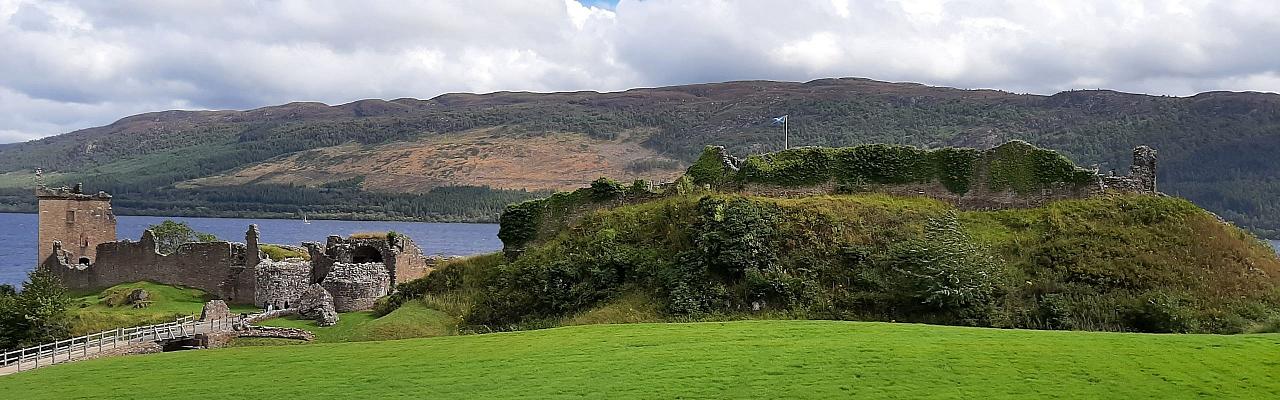
- Visit Urquart Castle and famous Loch Ness
Trip Itinerary
Itineraries are guidelines; variations in itinerary may occur to account for weather, road conditions, closures, etc. and to maximize your experience.
Fri., Oct. 2 Arrivals in Inverness
Welcome to Scotland! Today there are no activities planned so you can rest up from travels. Enjoy the gardens at your hotel and a walk if you wish to. Those in on time can join together for an optional group dinner—once we know everyone’s arrival schedule and who wants to join in, we make dinner reservations.
Our accommodations are close to airport tonight and since everyone arrives at different times, please transfer by taxi to our first hotel.
Accommodations at an airport hotel, TBD closer to time of departure
Sat., Oct. 3 Scenic Drive to Nethy Bridge | Arrival at Mountview Hotel
This morning we enjoy breakfast together and time to get acquainted, then go a short ways to the impressive historic site of Culloden Battlefield. We have time to take in the exhibits and walk through the field, a sobering but rewarding experience.
We then have about an hour drive today to reach the delightful Mountview Hotel at Speyside, our lodgings for the week ahead. A bonus to this trip is not having to keep on the move! En route to this perfect base, we make scenic and birding stops along the way and enjoy a fun picnic lunch.
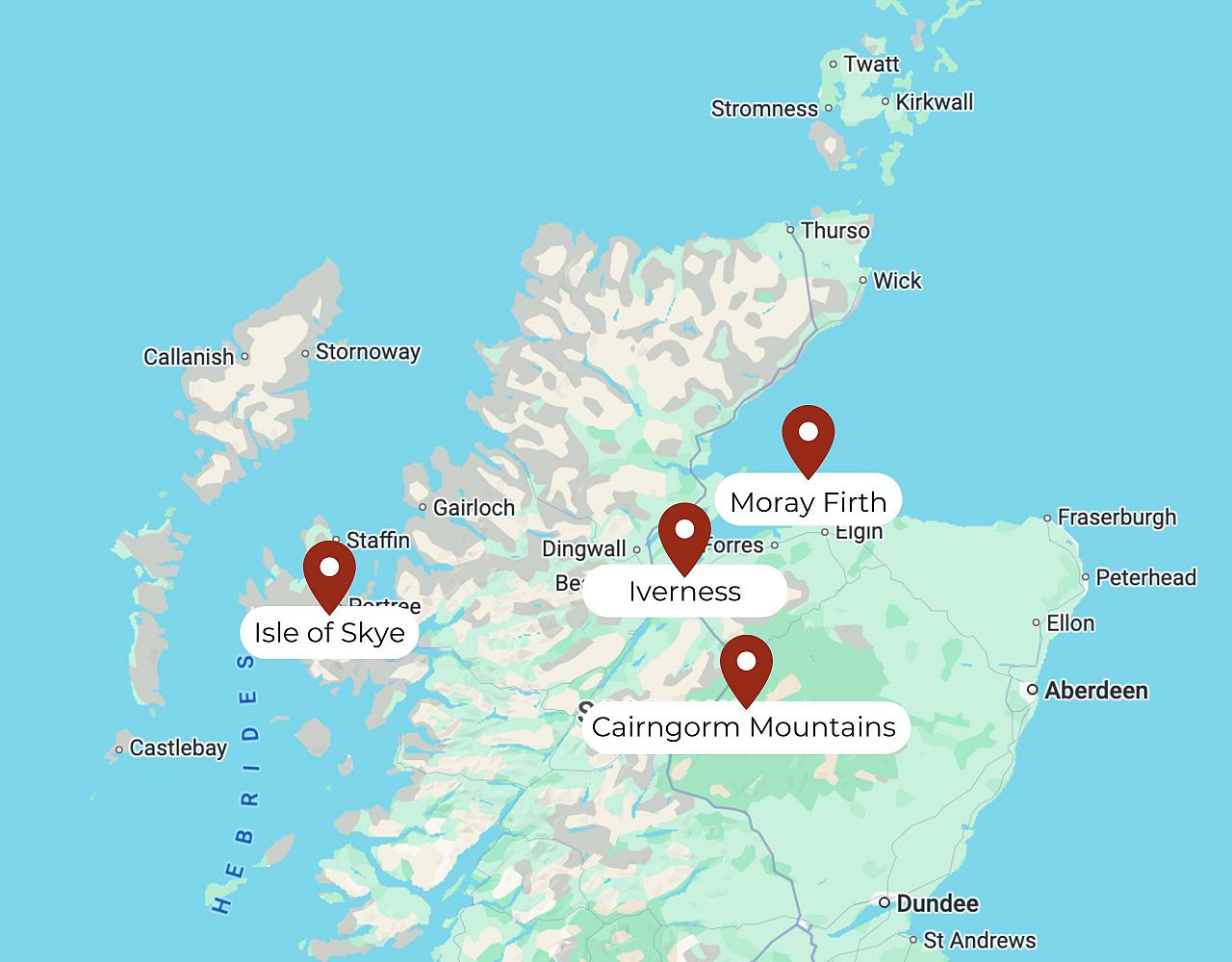
Our hotel is in the Highlands; as we head south to it we pass through open moorland with views of rolling mountains and woodlands. Upon arrival at the Mountview Hotel, enjoy some free time to get settled before a welcome dinner and orientation. It’s an easy wander down to the river or the nearby village of Nethy Bridge. Or there are those tempting local scotches awaiting you at the bar ….
Accommodations at the Mountview Hotel (B,L,D)
Sun., Oct. 4 Abernethy Forest—Walking & Birding
Today we visit extensive pine forests, a habitat type that has existed here for close to 8000 years. This ancient Caledonian forest is the largest natural woodland remaining in Britain, a true national heritage. It is a Royal Society for the Protection of Birds (RSPB) reserve. Here we find a good number of songbirds, including Crested Tit and Scottish Crossbill. A number of trails cross the reserve and we have the day to walk and explore. We join British visitors most excited to see nesting Osprey, still a relatively rare bird, though recovering, in Britain. In the 1950s, after an absence of nearly 50 years, Osprey returned from their winter home in Africa to breed at this location.
Accommodations at the Mountview Hotel (B,L,D)
Mon., Oct. 5 Exploring the Moray Coast
Today we head north to the Moray Coast, where great birding awaits at a busy time of year when summer and winter overlap. Scanning offshore, the wide range of species may include Red-throated and Great Northern Loons, Horned Grebe, Common Eider, Common and Velvet Scoters, Long-tailed Duck and Red-breasted Merganser. On tidal estuaries Wigeon, Teal and Pintail gather, and shorebird numbers are high. Among the flocks of Oystercatcher, Ringed Plover, Dunlin, Knot, Turnstone, Sanderling, Curlew, Redshank, Bar and Black-tailed Godwits we search for newly arrived Purple Sandpiper and scarcer species such as a Little Stint. A day with plenty of variety, flocks of Whooper Swans and Pink-footed and Greylag Geese make for a real spectacle, while a 1 – 2 mile walk with the sea on one side and farmland on the other, helps boost our day’s bird-list, potentially adding Grey Partridge, Mistle Thrush, Tree Sparrow, Linnet, Yellowhammer and Reed and Corn Buntings.
Accommodations at the Mountview Hotel (B,L,D)
Tues., Oct. 6 Cairngorm Mountain
In Scotland you don’t have to contend with high elevation to enjoy a taste of the arctic-alpine realm, as the highest peaks of the region, rounded and sculpted by time reach just over 4,000 feet. Your local guide chooses the best section within the Cairngorm range to suit the group’s needs, and we can drive to around 2000 feet before commencing our hike up towards the plateau. Weather you choose walking or birding today, with unforgettable mountain vistas all around we look out for Ptarmigan, Snow Bunting and Mountain Hare. Also likely around lower elevations are Red Grouse, Raven, Wheatear, Meadow Pipit and perhaps a lingering Ring Ouzel, and after a day in the hills, a wee dram in front of a roaring fire and excellent dinner back at the Mountview Hotel are a just reward for our efforts today!
Accommodations at the Mountview Hotel (B,L,D)
Wed., Oct. 7 Seabirds in the Minch
Our legs may be weary after a day in the hills, so we take a break from walking to join the ferry to the Isle of Lewis in the Outer Hebrides. This is a great way to watch sea-birds in Scotland, the ferry offering excellent viewing opportunities in all directions and we take both the outbound and return sailings cross the Minch to double our chances. Leaving port, Red-throated Loon, Black Guillemot, Shag, Kittiwake and Arctic Tern are likely to be our first birds and entering deeper water, Fulmar, Gannet, Common Murre and Razorbill become numerous. Manx and Sooty Shearwater, Storm Petrel, Great Skua and Parasitic Jaeger are our next goals, and following westerly winds we have chances of Leach’s Petrel, Sabine’s Gull, Red Phalarope and Pomarine and Long-tailed Jaegers as well as Balearic, Cory’s or Great Shearwaters in influx years.
The Minch also has a superb reputation for cetaceans, and if seas are calm during our five hours onboard, we have chances of Harbour Porpoise, Risso’s and Short-beaked Common Dolphins and perhaps Minke Whale. The scenery in this part of Scotland is also spectacular, and traditional fish and chips on the Ullapool harbor front with the mountains in the background is the perfect ending, before returning to Nethy after dark.
Accommodations at the Mountview Hotel (B,L,D)
Thurs., Oct. 8 Migrant Hunting on the East Coast
Today is a flexible day with lots of options, and your guide selects the best possible location for potential new species. Depending on weather conditions, time walking and birding at either the Black Isle or coastal Aberdeenshire may prove rewarding, as might a visit to an under-watched location such as the Tarbet Peninsula. In fabled easterly winds, migrant passerines may ‘fall out’ of the sky and checks of scrubby cover and plantations can produce warblers, flycatchers, pipits, chats, thrushes and finches in good numbers. In such conditions, Redstart, Wheatear, Whinchat, Ring Ouzel, Pied and Spotted Flycatchers and Brambling are likely, with chances of an eastern rarity like Yellow-browed or Barred Warbler, Red-breasted Flycatcher, Wryneck, Red-backed Shrike or even Waxwing in an influx year. Common Crane, a species that now breeds in Scotland is another possibility, with fields full of newly arrived Whooper Swan and geese newly arrived for winter plus migrant waders, gulls, terns and raptors likely wherever we go.
Accommodations at the Mountview Hotel (B,L,D)
Fri., Oct. 9 Local Roundup | Favourite Places
We begin our last day in the Highlands with an early morning outing to a Black Grouse lekking site to start. Another of Britain’s displaying grouse, at this time the males begin gathering post summer, and on a still morning we often hear them popping and cooing! We spend the rest of the morning exploring nearby moorland, with raptors such as Golden Eagle, Red Kite, Goshawk, Hen Harrier, Merlin and Peregrine perhaps featuring. Red Grouse, Golden Plover and Stonechat may also be seen in the same habitat, farmland can be good for Fieldfare, Redwing and Brambling flocks and any unseen local specialties.
Being our last day in the Highlands we can also consider revisiting some of our favourite places and walking routes. A Whiskey Distillery tour or time exploring a local Highland town can also be included today, and the guiding team designs a leisurely afternoon before we embark on the second leg of our adventure and relocate to Skye.
Accommodations at the Mountview Hotel (B,L,D)
Sat., Oct. 10 Transfer to Skye
After breakfast we work our way slowly north-west, via the Torridon mountain range before continuing out to the Applecross Peninsula. Amidst stunning west coast mountain scenery, we take birding stops beside long sea-lochs scanning for Black-throated Loon, Eider, Red-breasted Merganser and Black Guillemot. In fine weather we can take a short walk into the mountains to search for Rock Ptarmigan again, where Golden and White-tailed Eagles may be watched soaring over the peaks. The sound of rutting Red Deer echoes around the whole area at this time of year and in the best weather, we enjoy incredible first views of the island of Skye across the water.
We aim to cross onto Skye in the afternoon, working quiet coastlines in the south for Otter and Grey and Common Seals. Waders gather on seaweed strewn beaches, and we likely find Rock Pipit and Twite in the same habitats.
Accommodations at the Royal Hotel in Portree (B,L,D)
Sun., Oct. 11 North Skye
Often referred to as the ‘Misty Isle’, Skye is a wonderful autumn destination, the magical low light and changing weather giving picture-postcard views around every turn. Scotland’s second largest island and with the dramatic Cuillin ridge at its core, it is an excellent place to watch Golden and White-tailed Eagles, both of which are found here at some of the highest breeding densities in the world! As well as being great for eagles, the Trotternish Peninsula with its fascinating geology also has some great walking opportunities, and we spend the day enjoying the Old Man of Storr, the Quirang and Staffin Bay, searching for dinosaur footprints embossed in the rocks at the latter. On quiet estuaries, Pale-bellied Brent Geese, Greenshank and Turnstone plus other waders and gulls may be found, with loons, sea ducks and auks in deeper water. Otters can pop up just about anywhere on the coasts, and passing Whooper Swan and Barnacle Geese gather in the fields. A superb day of scenery, birding and walking!
Accommodations at the Royal Hotel in Portree (B,L,D)
Mon., Oct. 12 Central & West Skye
Our guides know Skye well, and today we explore wild and remote corners, many of which tourists seldom venture. Likely sites may include the harbour and town at Portree, Dunvegan, while walks at Talisker Bay and Neist Point should give us nice views of resident Twite, as well as migrants in the fields, gardens and around the headland. Seabirds and cetaceans are another possibility, and we keep an eye on the skies as we travel between mountains for Golden and White-tailed Eagles overhead.
Accommodations on Skye (B,L,D)
Tues., Oct. 13 Back to Inverness via Loch Ness
After some final birding around Broadford Bay on Skye, we depart via the bridge mid-morning. A stop beside Eileen Donan Castle gives us another chance to find otter and seals before we travel into the Great Glena towards the iconic Loch Ness. This is a 4-5 hour drive in total, and we break it up with a visit to Urquart Castle, picnic lunch and some birding along the shores of Loch Ness en route.
Accommodations in Inverness (B,L,D)
Wed., Oct. 14 Departures
Depart at your leisure today. The hotel is a short walk from the airport. (B)
-

Black Grouse
-
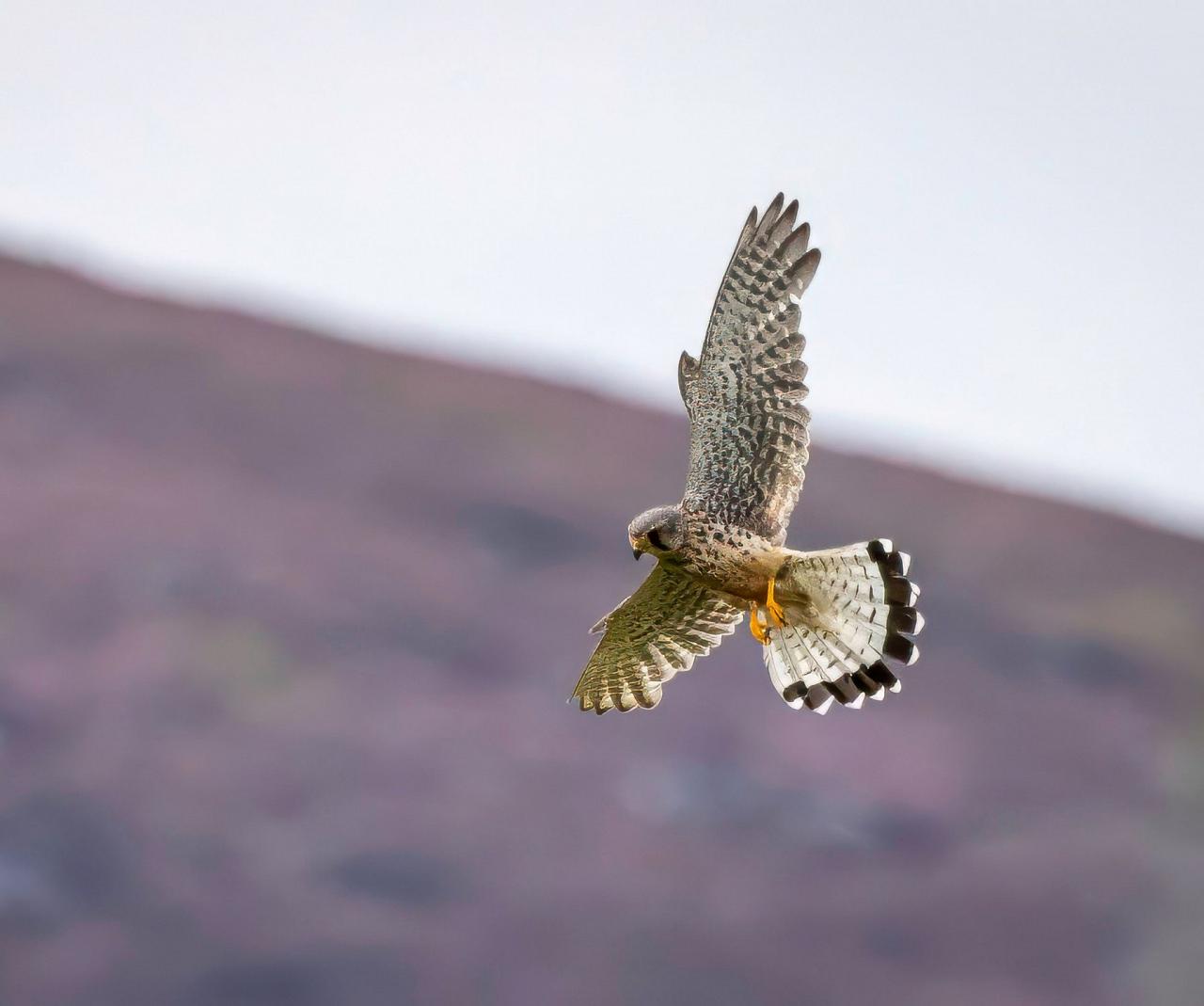
Eurasian Kestrel by Bob Sipe
-
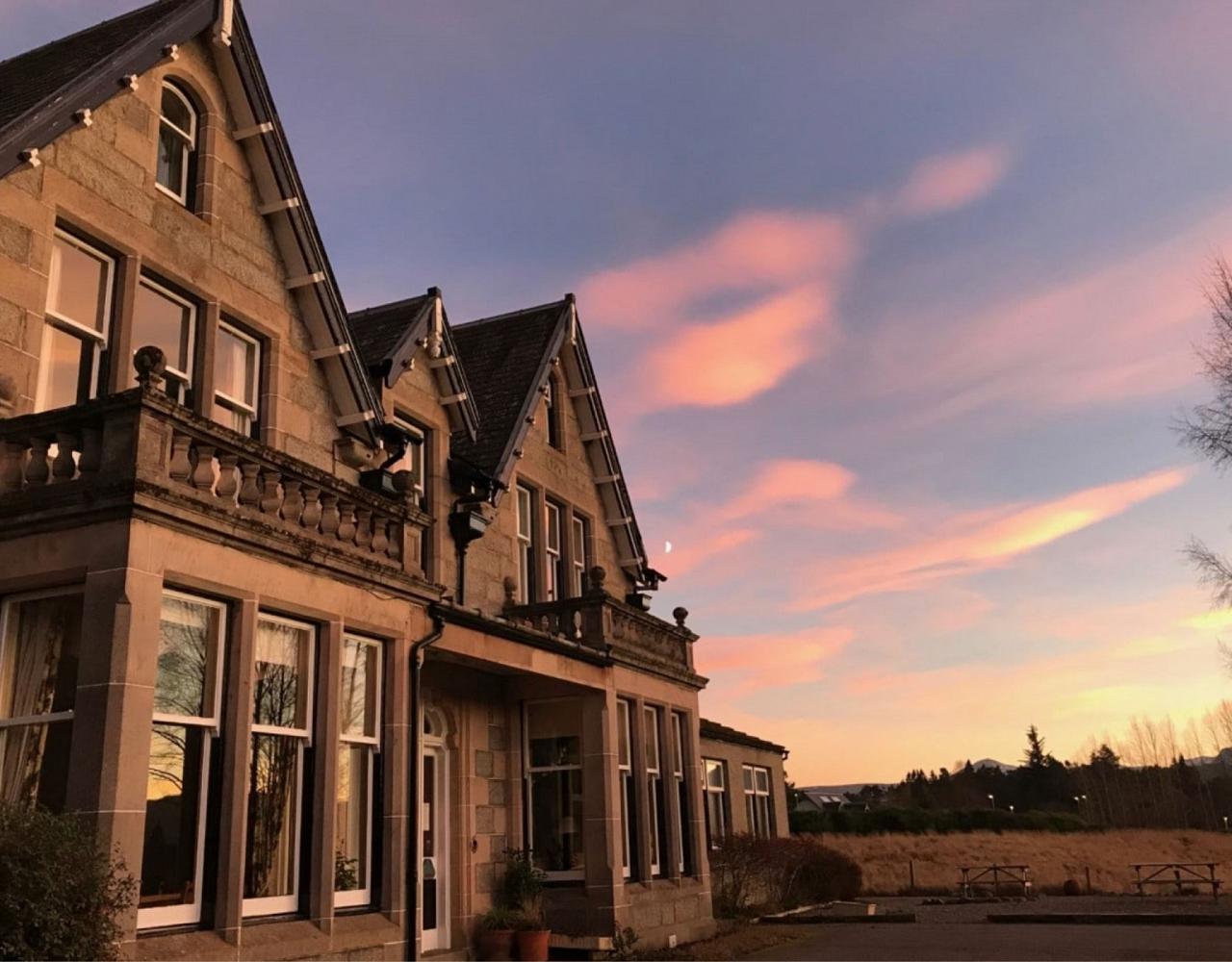
The Mountview Hotel
-

Harbor Seal by Bob Sipe
-

Black-legged Kittiwake by Bob Sipe
-
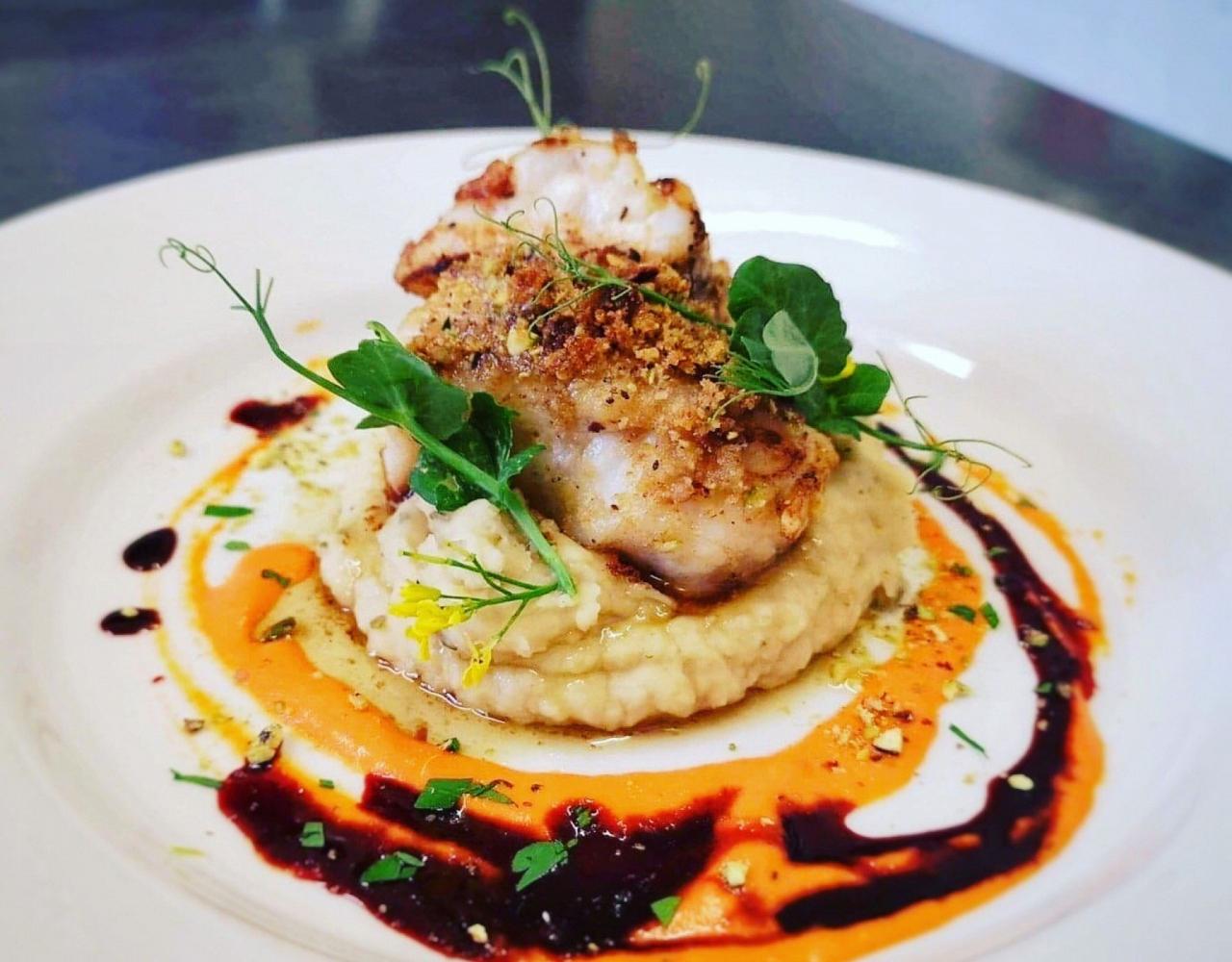
The Mountview Hotel - Dining
-
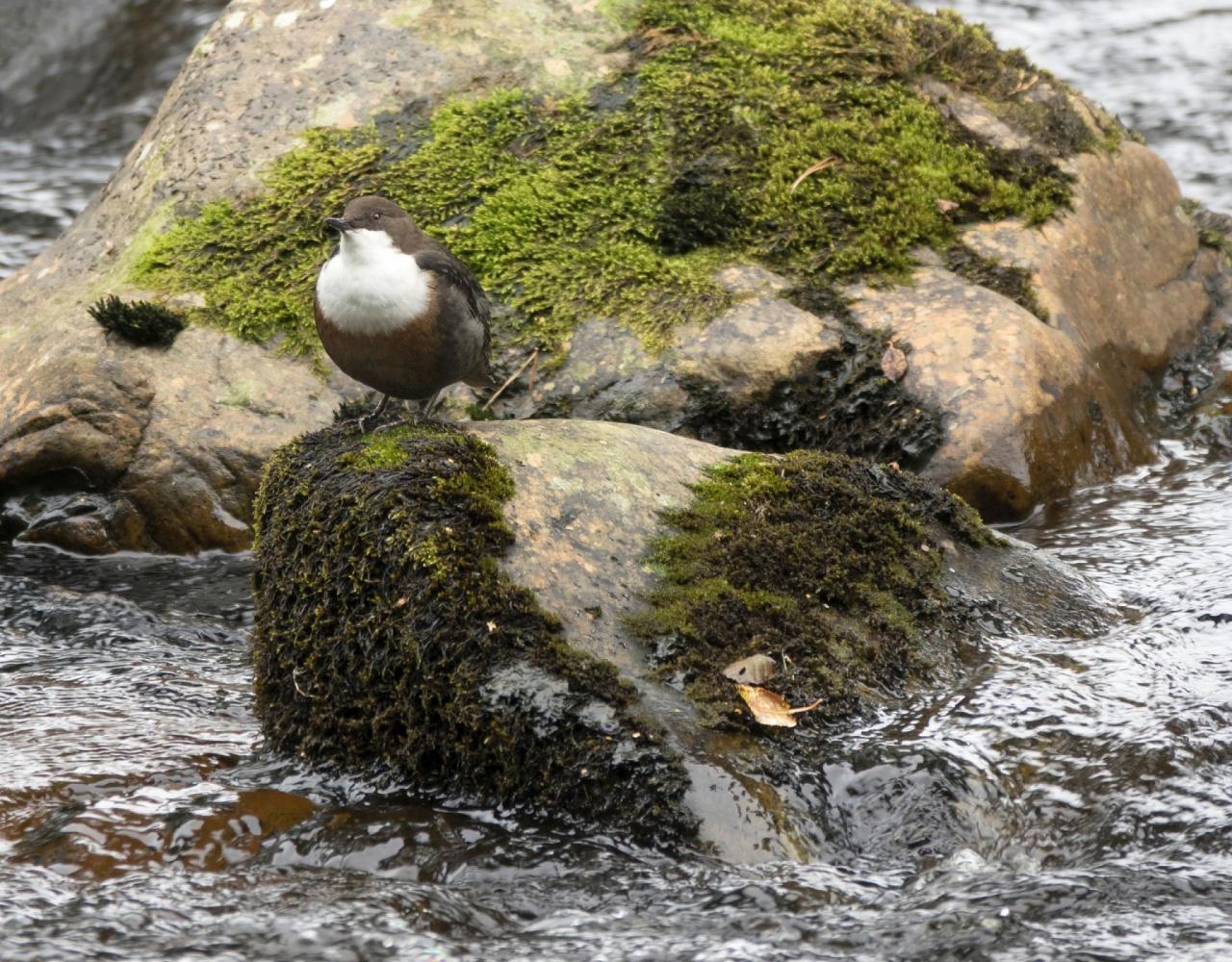
White-throated Dipper in Abernethy Forest
-

Scenic by Matt Gluckman
-

Highland Cow by Kathleen Rice
-

Great Spotted Woodpecker by Bob Sipe
-

Ruddy Turnstone by Sandy Sipe
-
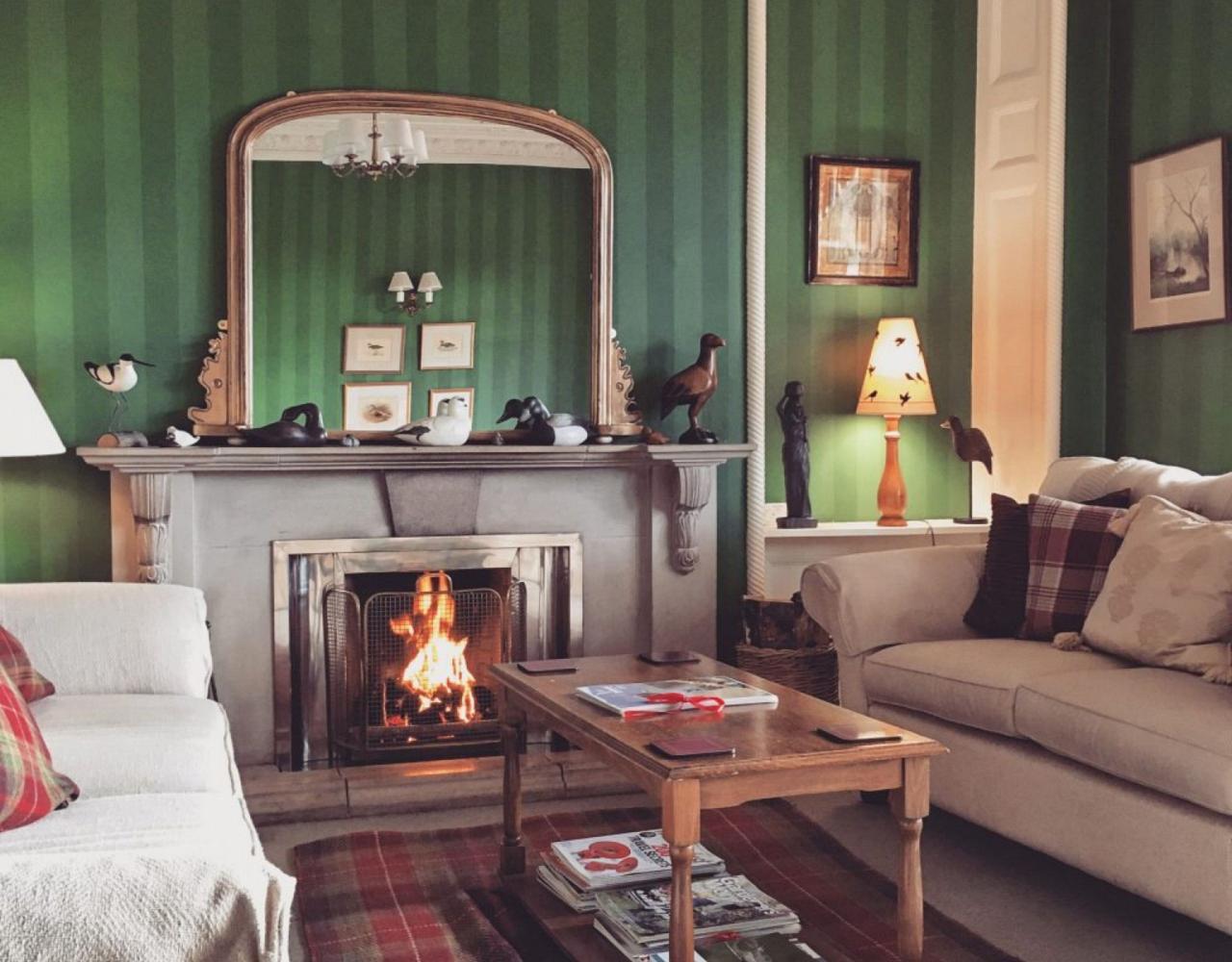
Mountview Hotel Lounge Area
-
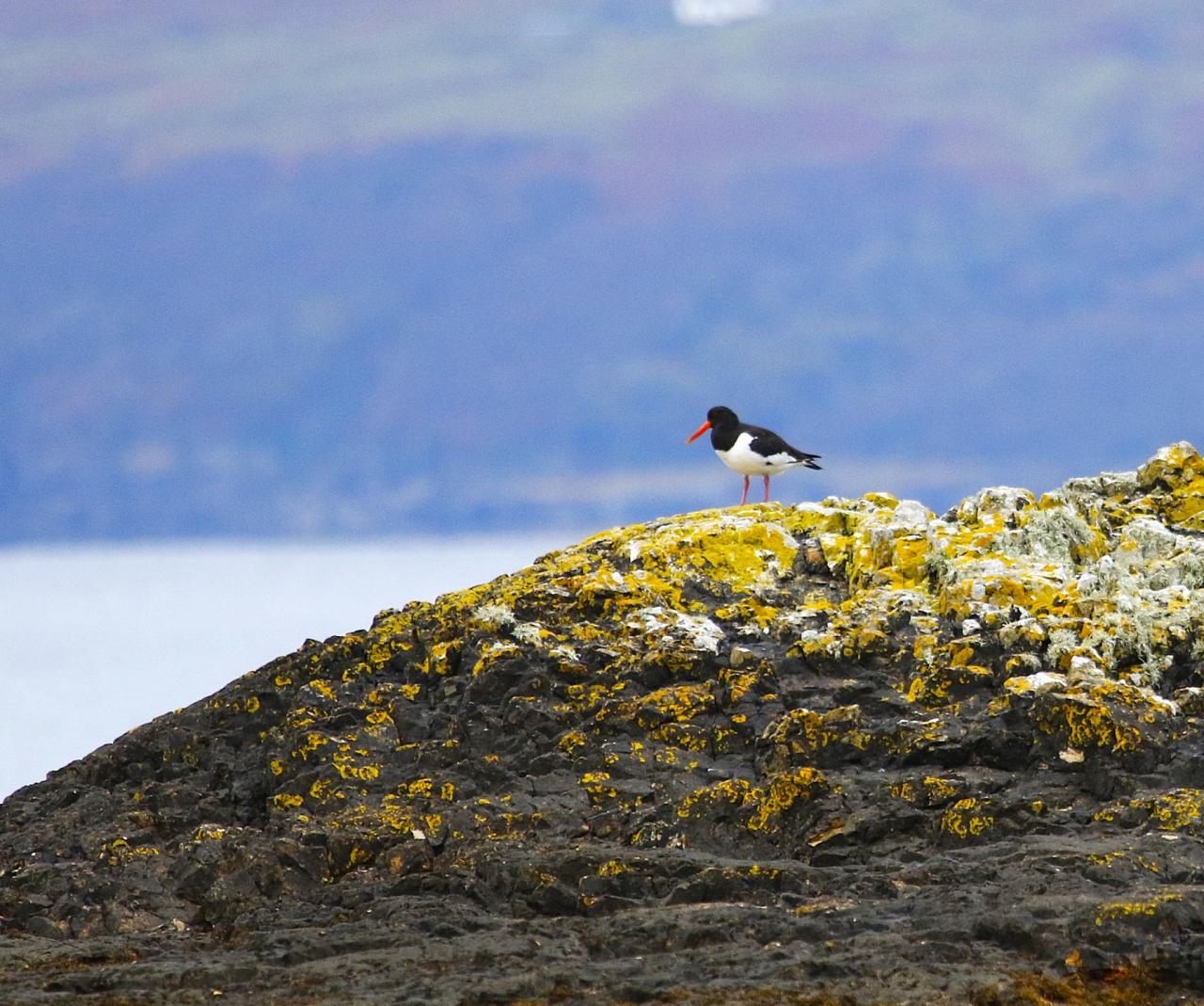
Oystercatcher by Kathleen Rice
-
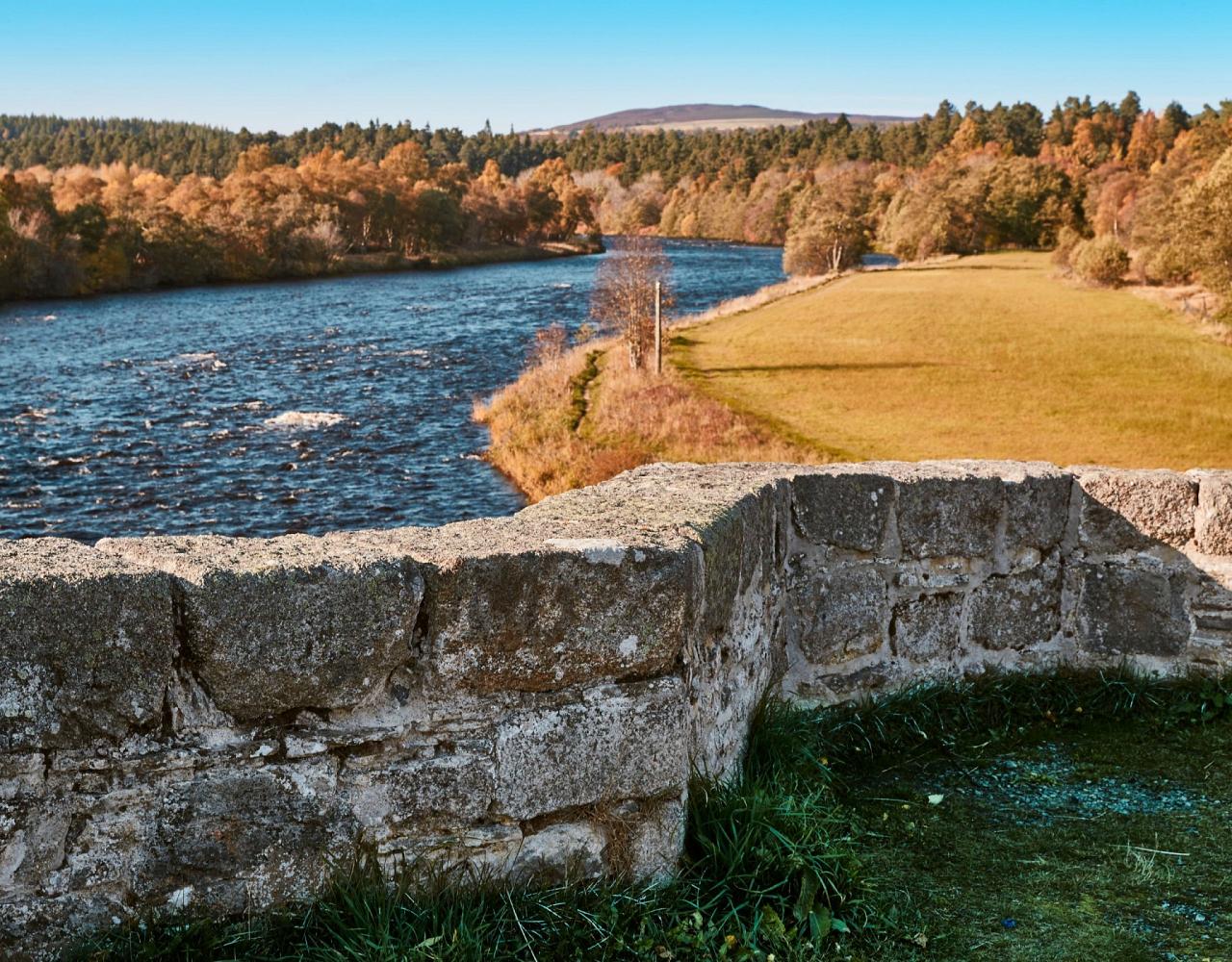
River Spey bridge
-

Northern Lapwings by Kathleen Rice
-

Scenic by Matt Gluckman
Cost of the Journey
Cost of the journey is $7390 DBL / $7990 SGL* per person, based on occupancy, from Inverness, Scotland.
The cost includes accommodations for 12 nights, meals as specified in the itinerary, professional guide services, local guides, local park and reserve entrance fees, and miscellaneous program expenses.
NEW! all tips other than your NJ guide (optional) and local guide are included (this includes tips for your driver, lodge and staff, day activities, meals and other services).
The cost does not include roundtrip airfare to or from Inverness, airport transfers, or items of a personal nature such as laundry, telephone, or drinks from the bar.
*This journey was priced using the exchange rate between British Pound and USD on 9/22/25. If there is a significant change in this rate at final payment due date, we will adjust your invoice accordingly. Please see our Terms and Conditions for full details.
Travel Details
Please plan to make air travel plans only after the minimum group size has been met. We will send you a confirmation email as soon as the trip has been confirmed.
Arrival and Departure Airport: Inverness Airport (INV)
Arrival Details: Plan flights to arrive October 2, 2026 at your leisure.
The UK has an excellent train service and you may also choose to arrive by train.
Departure Details: Plan October 14, 2026 flights at your leisure.
Travel Tip: You may find it easier to fly into Edinburgh Airport (EDI) and take the train to Inverness. Direct train routes are available and the journey is approximately 3.5 hours. If you would like to spend a few days in Edinburgh prior to traveling to Inverness, there are plenty of things to see! The world famous Edinburgh Castle, dating back to the 12th century, is a fascinating site steeped in history that is definitely worth a visit. You can also explore The Royal Mile, which is historically important to the city with Edinburgh Castle at one end and Holyrood Palace, the King’s official residence in Scotland, at the other end. If you enjoy museums, a visit to the National Museum of Scotland will allow you to explore Scottish history, art, and culture. If you would like to maximize your birding adventures, the coastal town of North Berwick is a short train ride from Edinburgh and has a variety of seabird cruises as well as the Scottish Seabird Centre. If you would like to arrive early to Inverness and rest up, you can book additional nights at our first night tour hotel.
Hotel Recommendation: If you arrive early and spend time in Edinburgh, it’s best to work with your travel agent or research which hotel best suits your needs.
Entry Requirements: See "Essential Information" section under the "Know Before You Go" tab.
Items of Note
A note about the Western Capercaillie:
The Western Capercaillie is a huge, highly endangered woodland grouse under the protection of several wildlife and government organizations. While we will not be seeking out Capercaillie on this tour, incidental sightings are possible. We respect and support conservation efforts to protect these birds and their essential habitat.
No Elevators:
Please note that many hotels and inns do not have elevators due to their historic nature. We will help you with your luggage but many locations do not have ground floor rooms.
Browse below for trip reports and species lists from past versions of this and other tours from this destination.
Scotland
- June 2019
- June 2022
- August 2022
- June 2023
- August 2023
- May 2024 (Wild Scotland Cruise)
- June 2024
- August 2024
- June 2025
- October 2025 (Highlands & Isle of Skye)
- June 2026
Essential Information +
Pace & Protocols +
Packing List +
Suggested Reading List +
Useful Links +
-
 Scottish Highlands & Islands FULL - Check out our October Scotland tour!June 5 - 17, 2026
 -
 Scottish Highlands & Islands FULL - Check out Isle of Skye in October!August 7 - 19, 2026
 -
 Spain in Fall: Birding & Nature FULL - See our spring 2027 departure!September 1 - 13, 2026
Photo credits: Banners: Scenic (Ripley Patton)