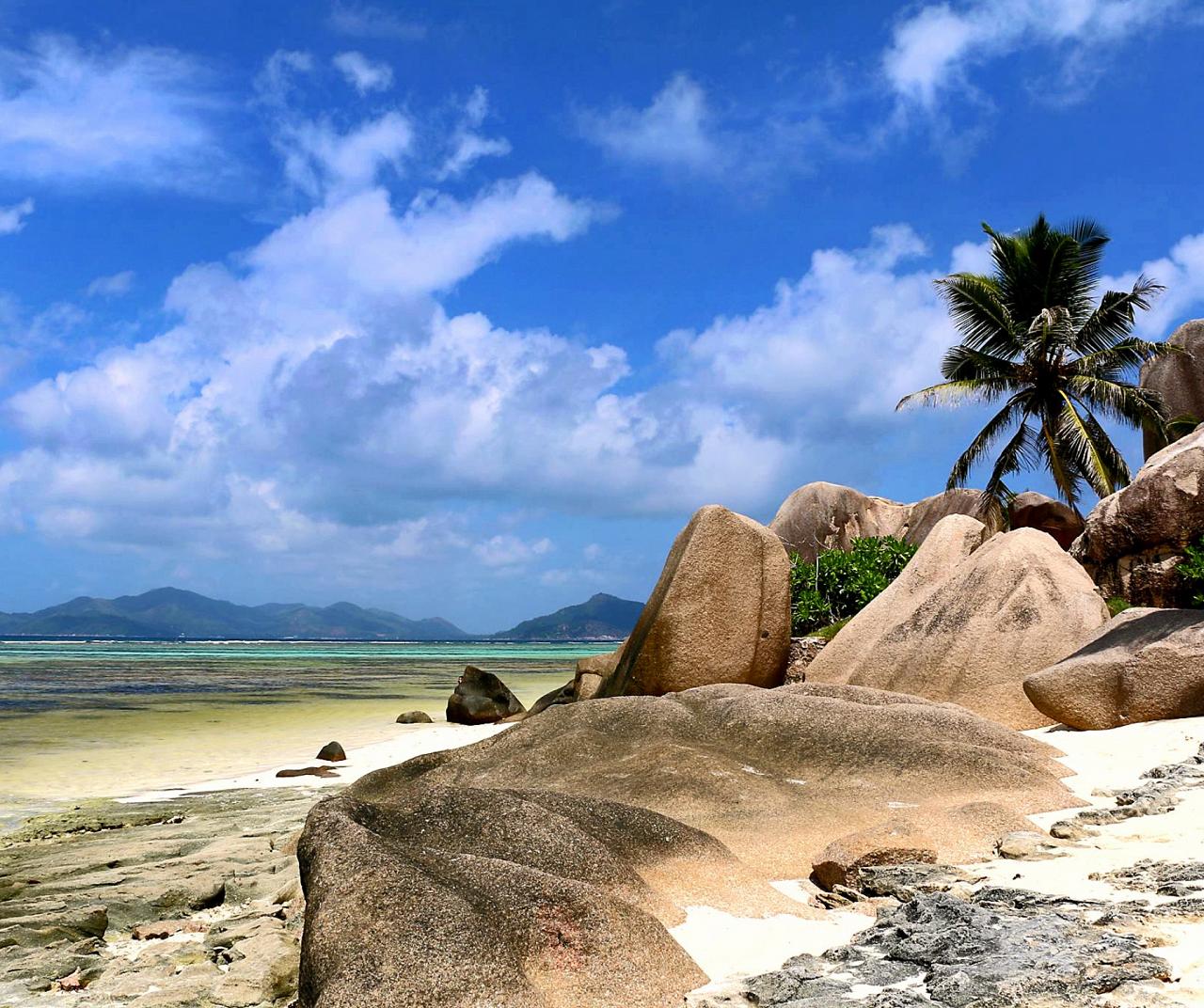
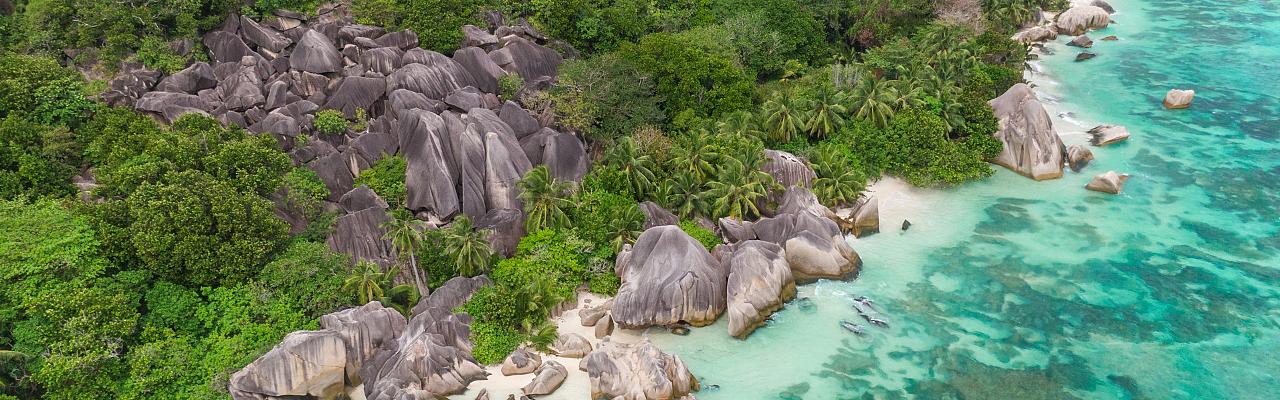
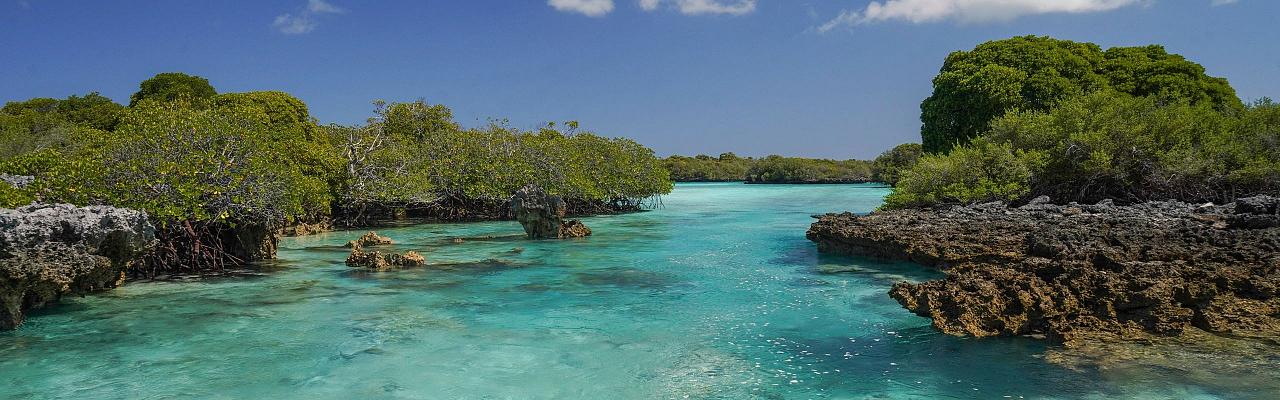
The inner islands of Seychelles are made of granite that formed around 650 million years ago as part of the Gondwanaland supercontinent. The islands separated from India about 65 million years ago, becoming the oldest oceanic islands in the world. They are generally mountainous and covered in dense vegetation, with an almost pristine tropical splendour.

For the birdwatcher, the attractions of Seychelles are threefold: the unique rare endemic land birds, the spectacular seabird colonies, and a host of migrants and vagrants. The archipelago is home to 62 breeding bird species, including some of the rarest land birds in the world. We explore their terrestrial habitats to see these birds in their natural environments, and to discover a rich diversity of flora and fauna, including giant tortoises, fruit bats, mangrove forests, palm forests, and much more.

Join us, and enjoy the comfort of our beautiful SY Sea Star yacht on this once in a lifetime birding cruise set in one of the most gorgeous environments in the world.

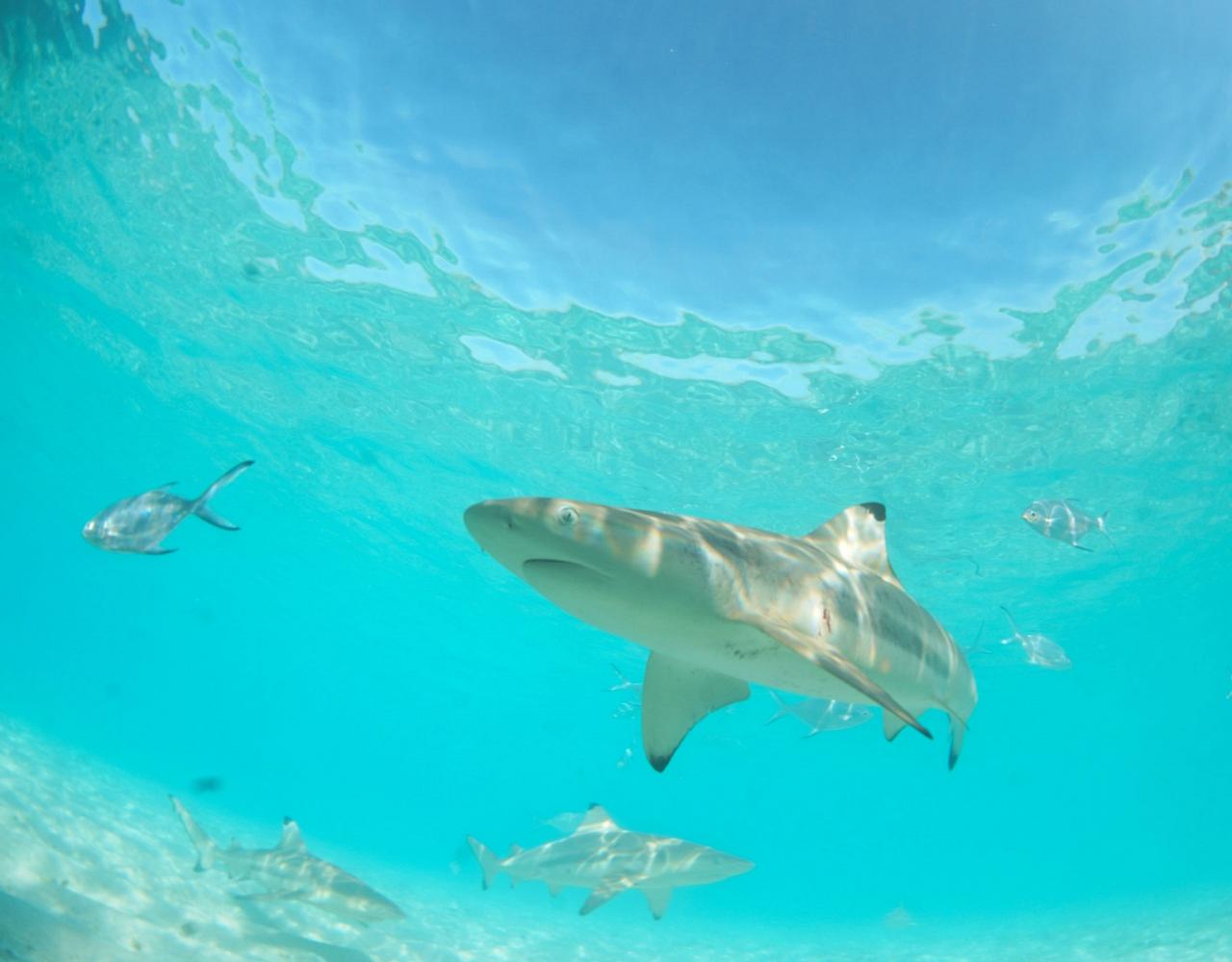
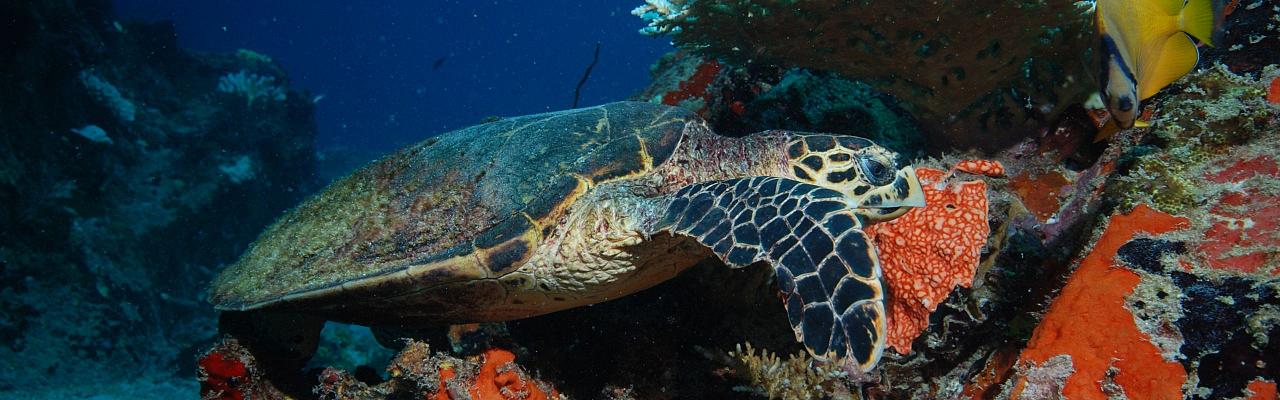
As well as seeking out beautiful and rare species of birds, we also snorkel to view an abundance of marine life including tropical reef fish, sea turtles, octopus, a variety of rays, and sharks, against a backdrop of granite rock formations and coral reefs. We sail through crystal blue waters visiting undeveloped islands with breathtaking views of secluded bays. End each evening with a refreshing cocktail or mocktail and indulge in wonderful food with new friends on board.

Tour Highlights

  • Search for iconic Seychelles endemics including Seychelles Parrot, Seychelles Paradise-Flycatcher, Seychelles Scops-Owl, Seychelles White-eye, Seychelles Magpie-robin, Seychelles Warbler, and Seychelles Fody across multiple islands.
  • Explore Vallée de Mai (UNESCO World Heritage Site), Fond Ferdinand, Aride Island Nature Reserve, and La Digue’s Veuve Reserve, each offering unique habitats and outstanding bird diversity.
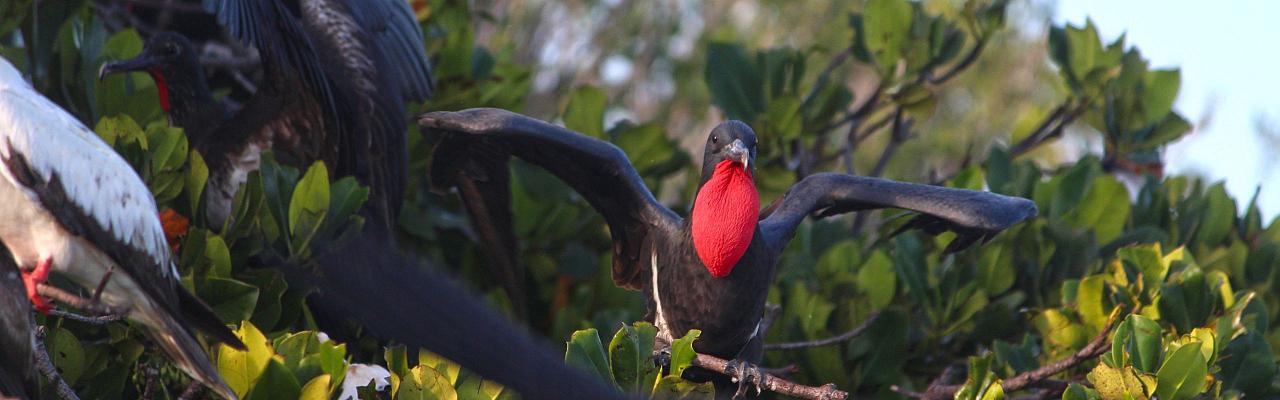
  • Experience immense seabird concentrations on Aride and Bird Island, with close-range views of terns, tropicbirds, frigatebirds, Sooty Terns, Red-footed Boobies, and more.
  • Spend multiple full days exploring along the Seychelles Bank in search of elusive petrels and storm-petrels, including the enigmatic Matsudaira’s Storm-Petrel.
  • Walk beneath ancient Coco de Mer palms, hike granite cliffs, snorkel vibrant coral reefs, and visit pristine coralline islands with Aldabra Giant Tortoises and nesting sea turtles.
  • Travel between remote islands, allowing access to rarely visited sites, expert onboard lectures, and unforgettable close encounters with wildlife in a relaxed, immersive setting.

Trip Itinerary

Itineraries are guidelines; variations in itinerary may occur to account for weather, road conditions, closures, etc. and to maximize your experience.

Thurs., Nov. 19      Arrivals in Mahe

Welcome to Seychelles! Arrive today on the island of Mahe. You are met at the airport and taken to the hotel for a good rest after a long journey to this incredible archipelago. Enjoy a welcome dinner tonight with your Naturalist Journeys guide and fellow travelers to go over plans for the next morning and the full trip. Tomorrow our adventure begins!
Accommodations on Mahe (D)

Fri., Nov. 20      Exploring Mahe

Our local guide joins us after breakfast today and then we’re off to explore the island and some of its remote, off-the-beaten-path locations. Mahé is the largest granite island of Seychelles covering nearly 60 square miles. Away from the capital city and beaches, this mountainous island is covered with dense forest home to an exceptional array of flora and fauna including many endemic plants, lizards, and invertebrates. There are seven endemic land birds here, including Seychelles Scops Owl, Seychelles Kestrel and Seychelles White-eye. Mudflats offer the opportunity to see Crab Plover and Yellow Bittern amongst others.

The first day on the island we plan to cover much of Mahe, including shorebird sites and mountain forest, led by our specialist birding guide. We continue the tour at dusk into Morne Seychelles National Park to search for the rare and enigmatic Seychelles Scops-Owl, unique to these highland forests. When this owl was first described in 1880, it had already acquired the Creole name “Syer” meaning woodcutter, a reference to the call resembling the sound of wood being sawn. 

Dinner tonight is a fun way to recap our first full day together and go over our species list.
Accommodations on Mahe (B,L,D)

Sat., Nov. 21    Embark Onboard the Sea Star

We awake this morning with a feeling of excitement—we are off to sea today! We enjoy breakfast and then set off to our lovely boat, the Sea Star. Embarkation is around 10:30AM today at the port and as we settle in we set sail toward Anse Lazio beach on the island of Praslin. We enjoy time on deck this morning as we watch for birds and other wildlife en route, working to identify various species of shearwaters, terns, noddies, and tropicbirds. 

This afternoon we have a briefing about what’s to come for our time on the boat, and those of us who are keen can enjoy some snorkeling, swimming or just a gentle walk along one of the most beautiful and famous beaches in Seychelles—often listed as one of the world’s best beaches. White sand, crystal-clear water, and dramatic scenery are our backdrop as we explore.

Tonight we have a special welcome barbeque and enjoy an evening lecture and slide show from our bird specialist.
Accommodations aboard the Sea Star (B,L,D)

Sun., Nov. 22      Curieuse Island: Giant Tortoises & Mangrove Boardwalk

Awake to the sound of waves lapping at the sides of our boat. It is incredibly peaceful to be up at dawn on the water. After breakfast at anchorage, we disembark to visit Curieuse Island. This special island is the fifth largest inner granitic island, designated as a national park and its surrounding ocean as marine parks. 

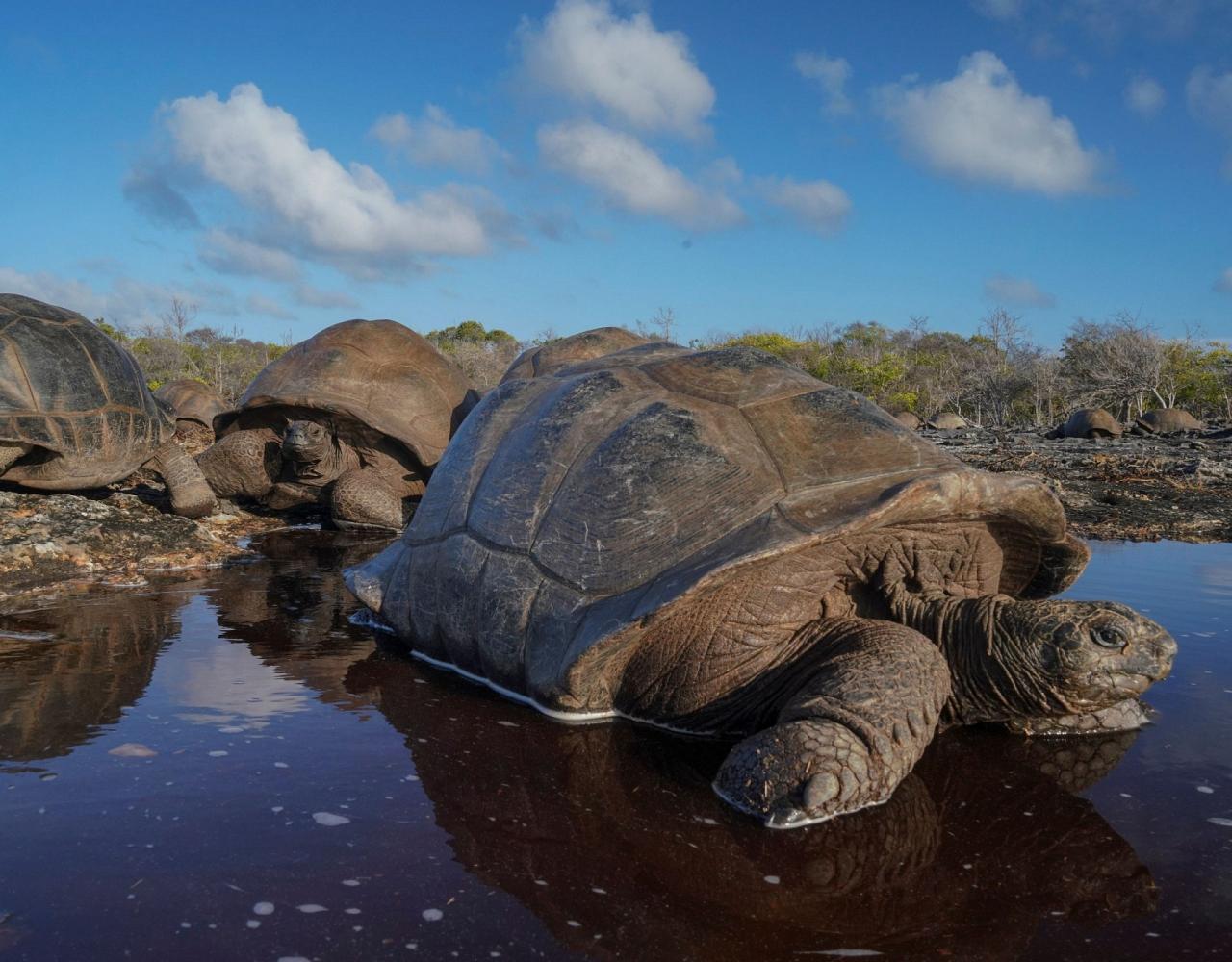
The island is one of Seychelles best kept secrets, a haven for giant tortoises and a treasure trove of Seychelles’ unique biodiversity including the only other place in the world other than Praslin, where the Coco De Mer palm grows naturally. 

Keep an eye out for the Seychelles Parrot, a rare and endemic bird species that calls Curieuse home. 

One of the highlights of the tour is the mangrove boardwalk, a wooden walkway that winds its way through the dense mangrove forest. As you stroll along, keep an eye out for various species of birds, crabs and other wildlife that inhabit the forest. 

Our day is spent birding, exploring, and snorkeling. We look for iconic birds like the Seychelles Blue-Pigeon, Seychelles Paradise Flycatcher, Seychelles Fody, Seychelles Magpie-Robin, Seychelles Parrot, and more. While snorkeling, we could encounter angelfish, parrotfish, butterflyfish, and even hawksbill turtles, as well as reef sharks and possibly even manta ray.

Wrap up a full day with sundowners on deck, dinner, and the species list before a restful night’s sleep.
Accommodations aboard the Sea Star (B,L,D)

Mon., Nov. 23     Aride Island: Home to Incredible Numbers of Seabirds & Lizards

After breakfast at the anchorage, we set off to explore Aride Island. This is the largest nature reserve of the granitic islands and home to more seabird species than any other island. Additionally, this island hosts one of the densest lizard populations in the world. Breeding seabird species include the world’s largest populations of two seabirds: Tropical Shearwater and Lesser Noddy. 

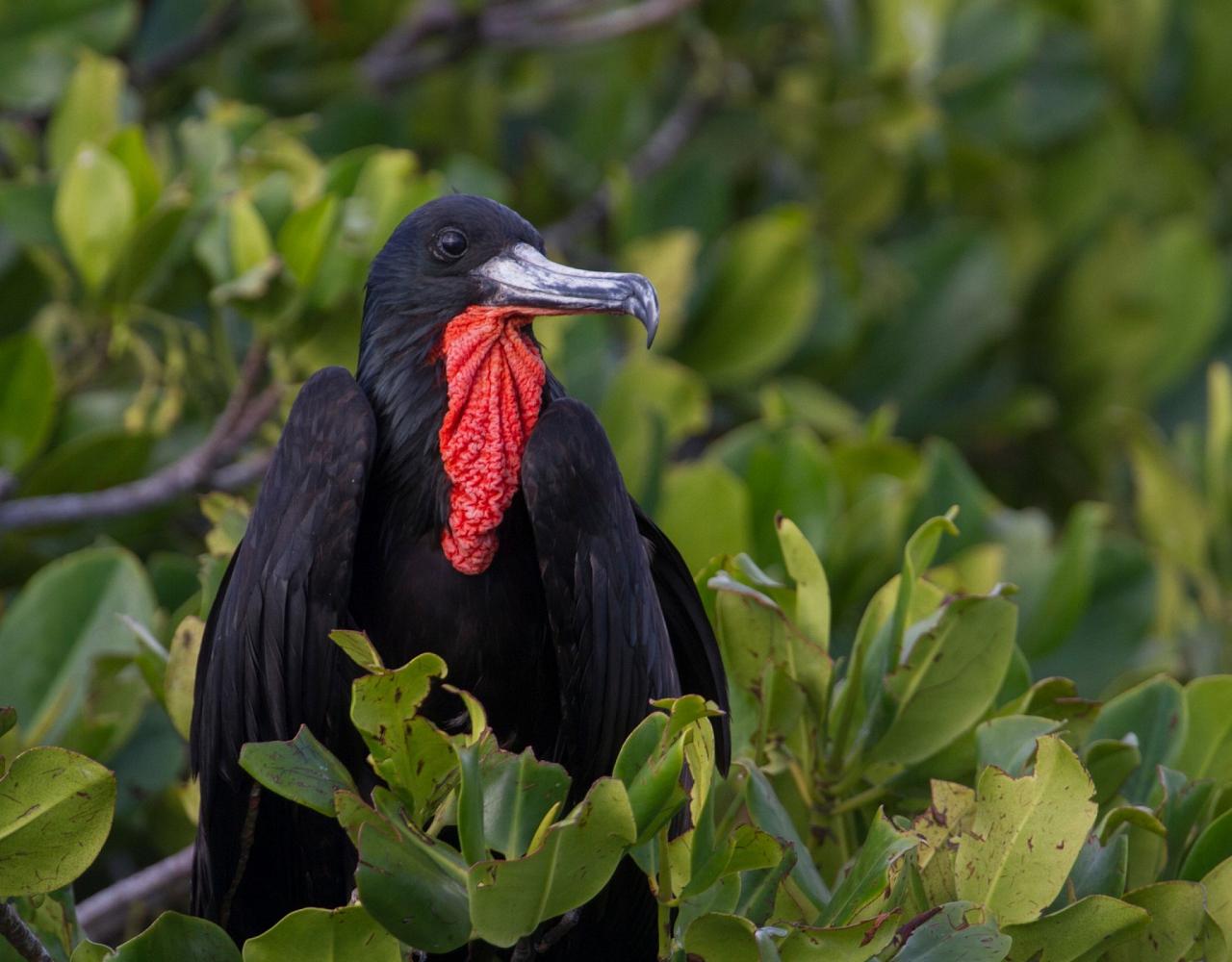
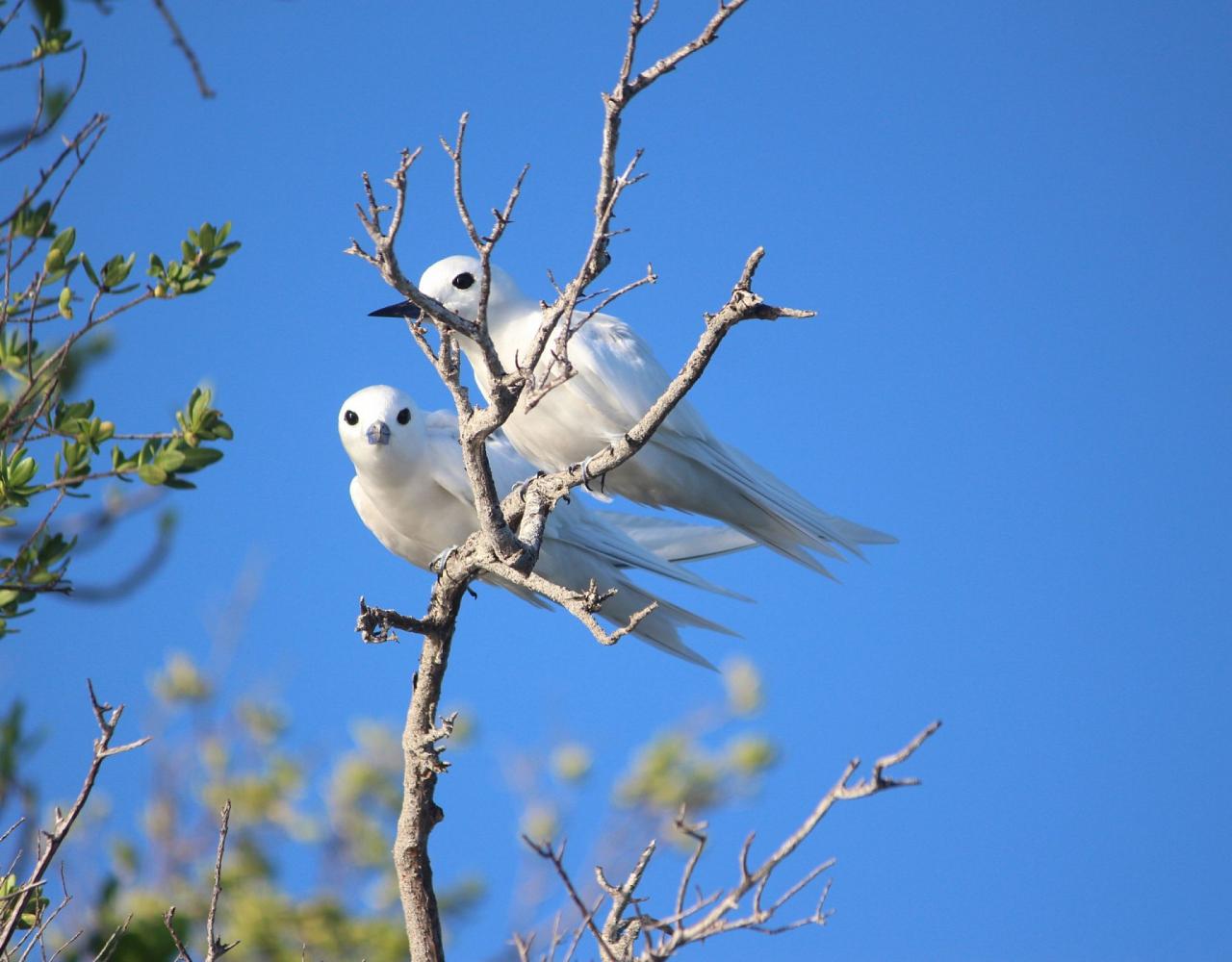
We follow the nature trail to discover five endemic land bird species, including the largest global population of Seychelles Warbler with about 2,000 individuals. Ground-nesting and tree-nesting seabirds are very approachable, giving us a special opportunity to observe them at close range. The elegant White-tailed Tropicbird and delicate Fairy Tern are particularly photogenic and we take our time to observe when we find them. The trail takes us to dramatic cliffs towering above the Indian Ocean and hundreds of frigatebirds soar overhead and perch in the trees—incredible! This is the largest frigatebird roost of the granitic islands with two species present, Great Frigatebird and Lesser Frigatebird. Aride is also the only natural location in the world for the endangered Wright’s Gardenia, a small tree with beautiful fragrant flowers. 

We recap our species tonight over dinner and a cool drink before letting the sound of the waves lull us to sleep.
Accommodations aboard the Sea Star (B,L,D)

Tues., Nov. 24    Explore Praslin: Valle De Mai & Fond Ferdinand

Enjoy breakfast onboard before setting off for another day of birding. The island of Praslin is Seychelles’ second largest inhabited island and a popular destination for nature lovers. The island was discovered by the French explorer Lazare Picault in 1744, who named it ‘Isle des Palmes’ in reference to its luxuriant palm forest. It is the only   home of the endemic Seychelles Parrot, the country’s national bird.

We begin our time on the island with a visit to the famous Vallee De Mai World Heritage Site. This ancient forest is home to the famous and rare Coco de Mer, which produces the largest seed in the plant kingdom, weighing over 30 pounds. It is also a stronghold of the Seychelles Parrot. Other birds of the forest include Seychelles Blue-Pigeon, Seychelles Sunbird and Malagasy Turtle-Dove. In open areas we search for Seychelles Swiftlet. Moving on to the Fond Ferdinand Nature Reserve, we have the opportunity to see Giant Tortoise, as well as unique birds like Seychelles Bulbul, Red and Seychelles Fody, Blue-billed White Tern, and even beautiful Bridled Tern.

We also make time for snorkeling today, keeping our eyes peeled for a plethora of underwater wonders.
Accommodations aboard the Sea Star (B,L,D)

Wed., Nov. 25     Cousin Island

We sail to Cousin Island in the early morning hours today. After breakfast aboard, we disembark on the island.

This small granitic island became a protected area when it was purchased in 1968 following an international appeal under the auspices of BirdLife International. The entire island, including the surrounding 400 metres of marine area, was also declared a “Special Reserve” by the Seychelles Government in 1975. The island has been managed by Nature Seychelles since 1998. 

We spend the day on the island, watching birds and exploring the island’s flora and fauna. Five of Seychelles endemic land birds are found on Cousin Island: Seychelles Magpie-Robin, Seychelles Sunbird, Seychelles Fody, Seychelles Blue-Pigeon, and Seychelles Warbler. Two varieties of shearwaters, Tropical and Wedge-tailed breed on the island. 

In the afternoon we enjoy more time in the water. We watch for bright and beautiful sealife and get good looks at different corals. Fish could include parrotfish, angelfish, butterflyfish, surgeonfish, sergeant major, Picasso fish, pufferfish, razor fish, and oriental sweetlips, as well as nurse and white-tip reef sharks, and rays. Of course, you can choose to relax on deck if you prefer to not snorkel, or perhaps even enjoy a gentle shore walk if location permits.

In the late evening, we sail to La Digue Island.
Accommodations aboard the Sea Star (B,L,D)

Thurs., Nov. 26     Visit La Digue

After breakfast aboard, we set off to explore La Digue, the third most populated island in the Seychelles archipelago and home of the stunning Seychelles Paradise-Flycatcher. The island’s economy is mostly based on tourism and offers Seychellois cultural authenticity. On the island, bicycles are the main mode of transportation. We rent bicycles for all to take and enjoy private coves, Creole villages, and some of the most amazing beaches, pausing at local bars or restaurants along our cycling path for refreshments.

We also include a visit to the Veuve Reserve to search for the Seychelles Paradise-Flycatcher (Veuve is the local name for the flycatcher). From here we can spend time exploring beautiful sites, including L’ Union Estate and one of the world’s most photographed beaches, Anse Source D ’Argent.

As time permits, we enjoy another afternoon of snorkeling, birding from deck, or simply relaxing or taking a siesta.
Accommodations aboard the Sea Star (B,L,D)

Fri., Nov. 27      Mahe 

We set off to explore more of Mahe after breakfast this morning, including making time to visit the small capital town of Victoria. We have picnic lunch today as we explore around the capital, visit the local botanical gardens and natural history museum, and stop to see the view from Mission Lodge, Seychelle’s most famous view point. We make a stop to learn about Takamaka Bay rum, and then enjoy a delicious final celebratory dinner at our favorite local restaurant. 

After a full day, we head back to the boat for one final night on the water.
Accommodations aboard the Sea Star (B,L,D)

Sat., Nov. 28     Departures

We disembark one final time this morning, taking you to the airport for flights home. If you choose to stay on for a few more days to explore on your own, we can take you to a local hotel. (B)

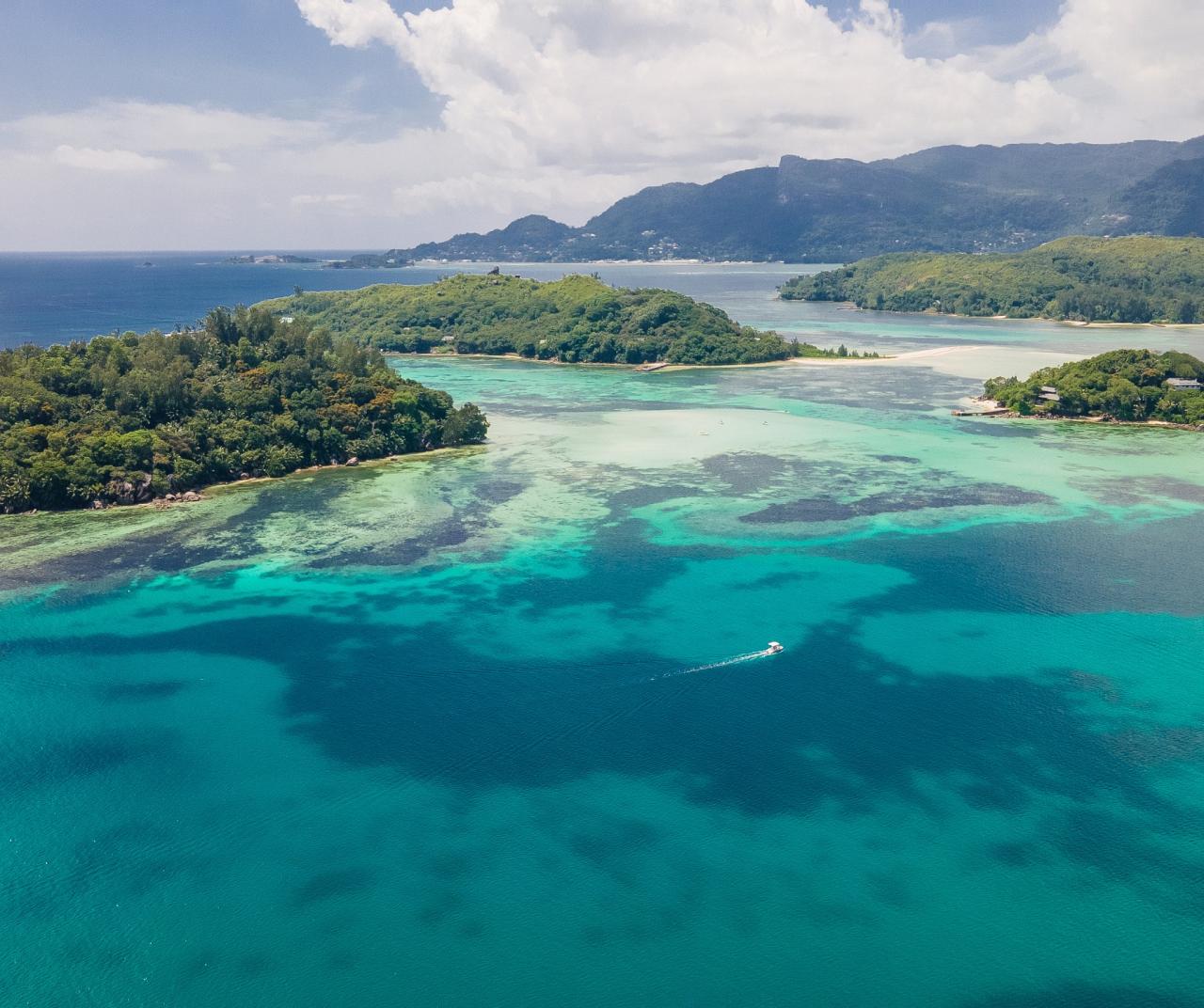
  • Ste. Anne Marine Park, Seychelles Islands, Seychelles Birding Tour, Seychelles Cruise

    Ste. Anne Marine Park, courtesy Silhouette Cruises Ltd

  • Aldabra Giant Tortoise, courtesy Silhouette Cruises Ltd

  • Magnificent Frigatebird, courtesy Silhouette Cruises Ltd

  • Seychelles Birding Tour, Seychelles Cruise, Seychelles Islands, Naturalist Journeys

    Seychelles Scenic, courtesy Silhouette Cruises Ltd

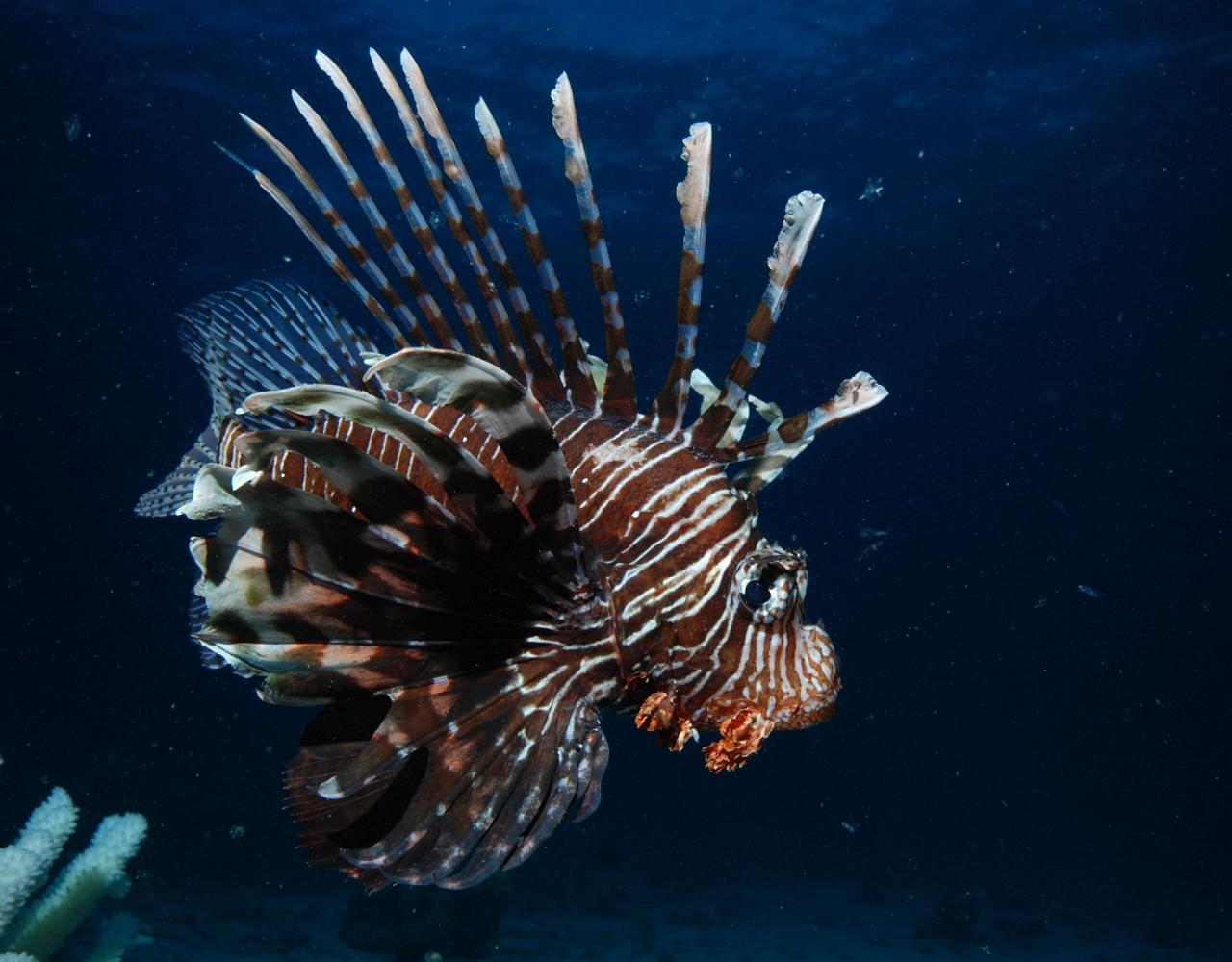
  • Lionfish, courtesy Silhouette Cruises Ltd

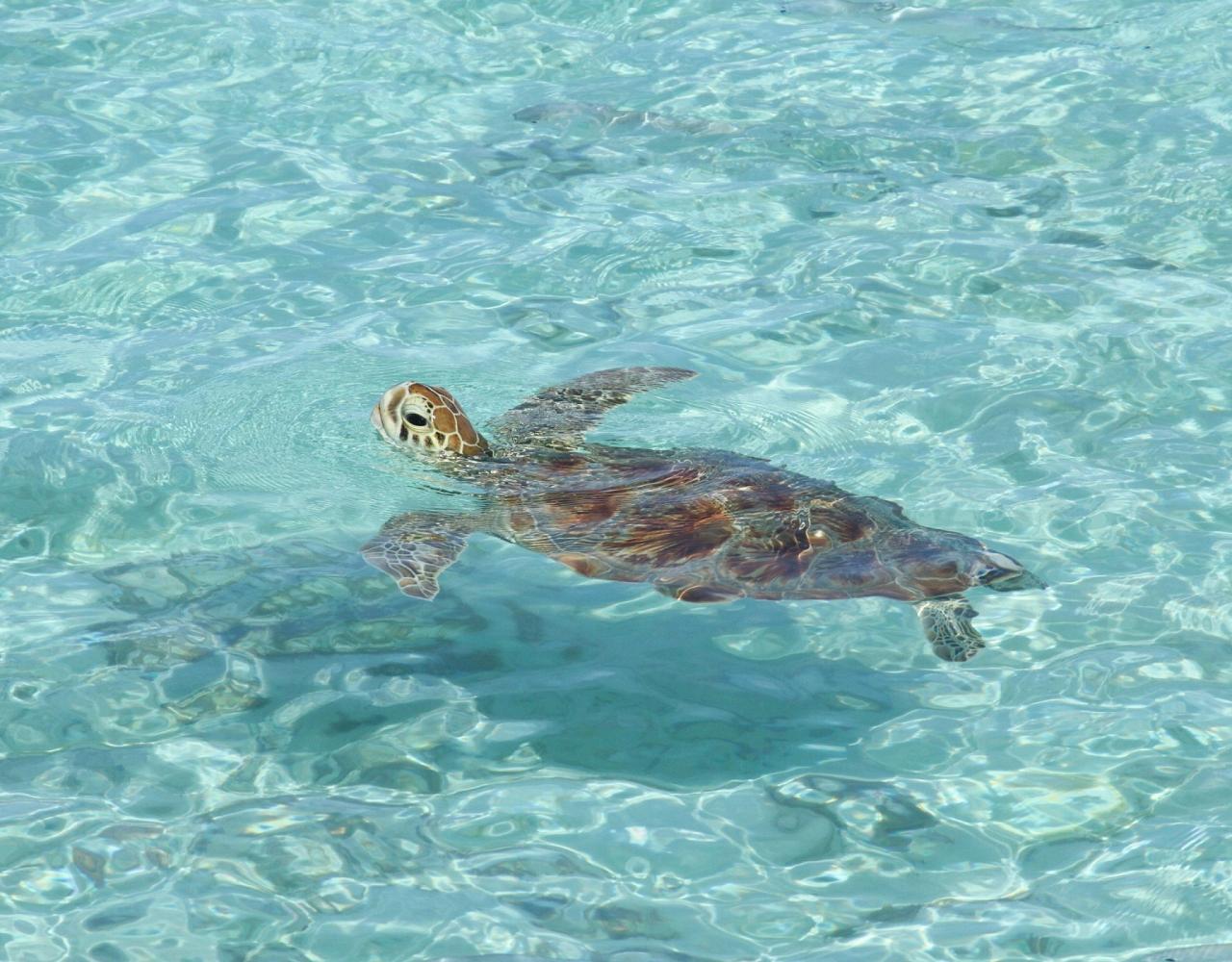
  • Sea Turtle, courtesy Silhouette Cruises Ltd

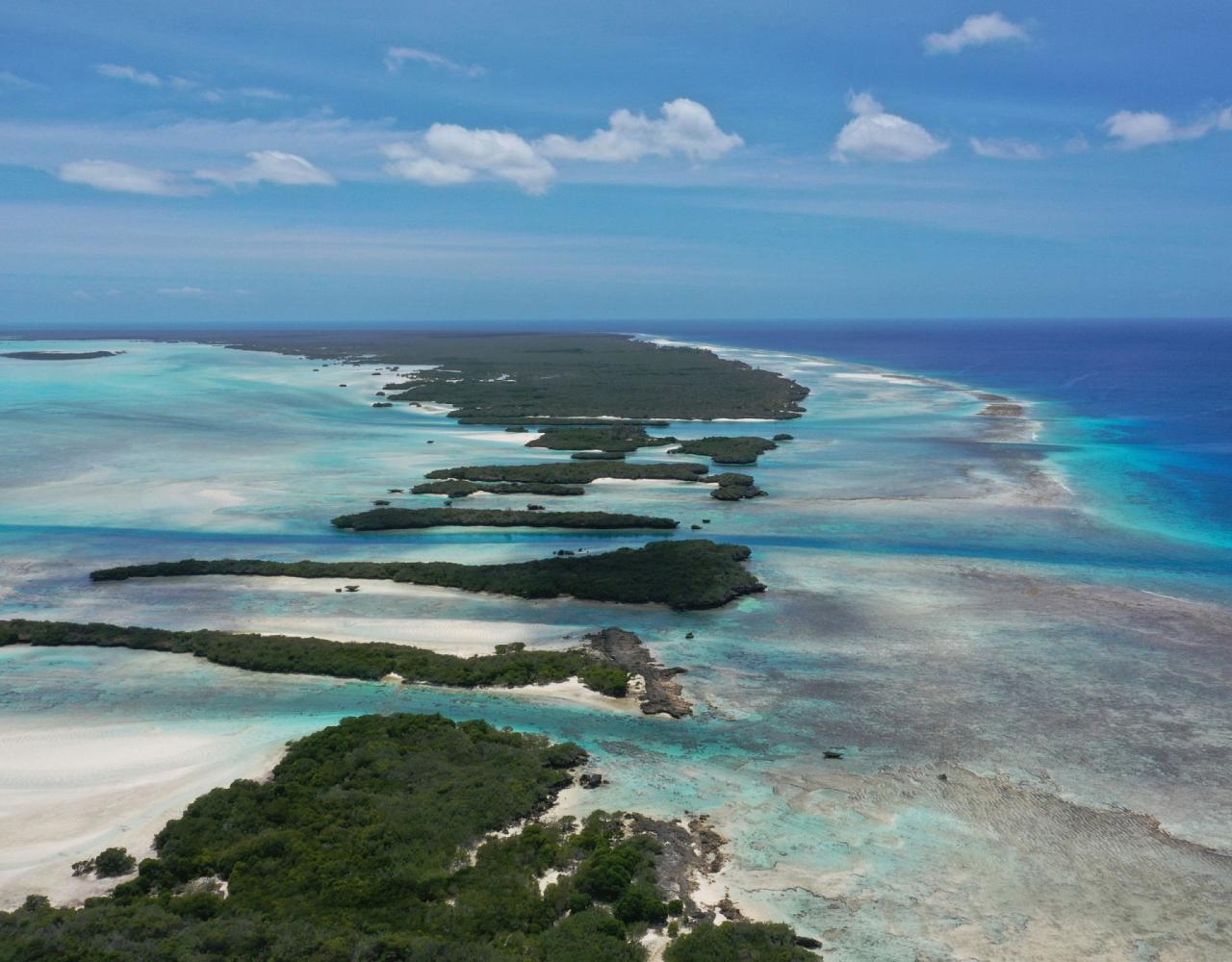
  • Seychelles Scenic, courtesy Silhouette Cruises Ltd

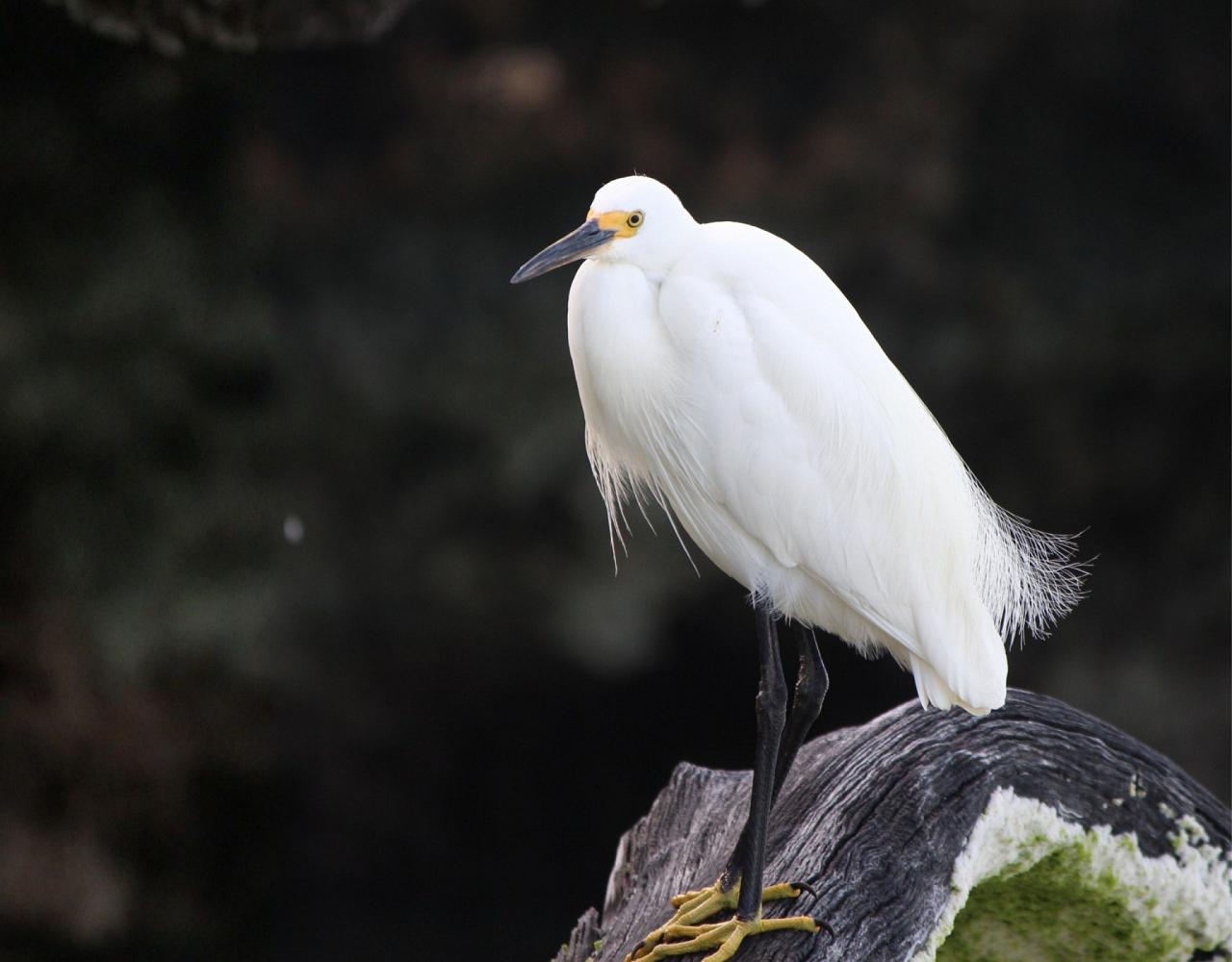
  • Dimorphic Egret, courtesy of Silhouette Cruises Ltd

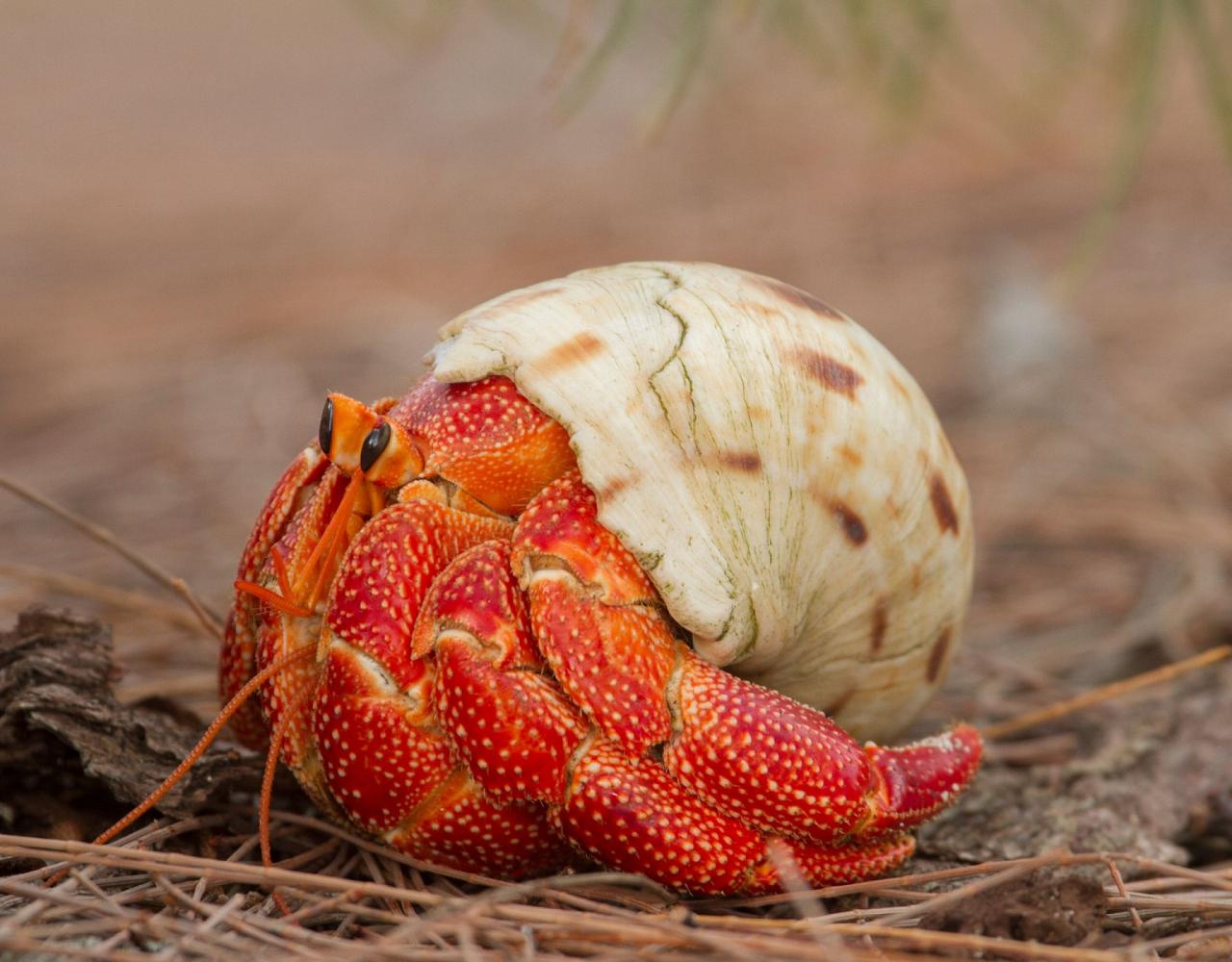
  • Crab, courtesy Silhouette Cruises Ltd

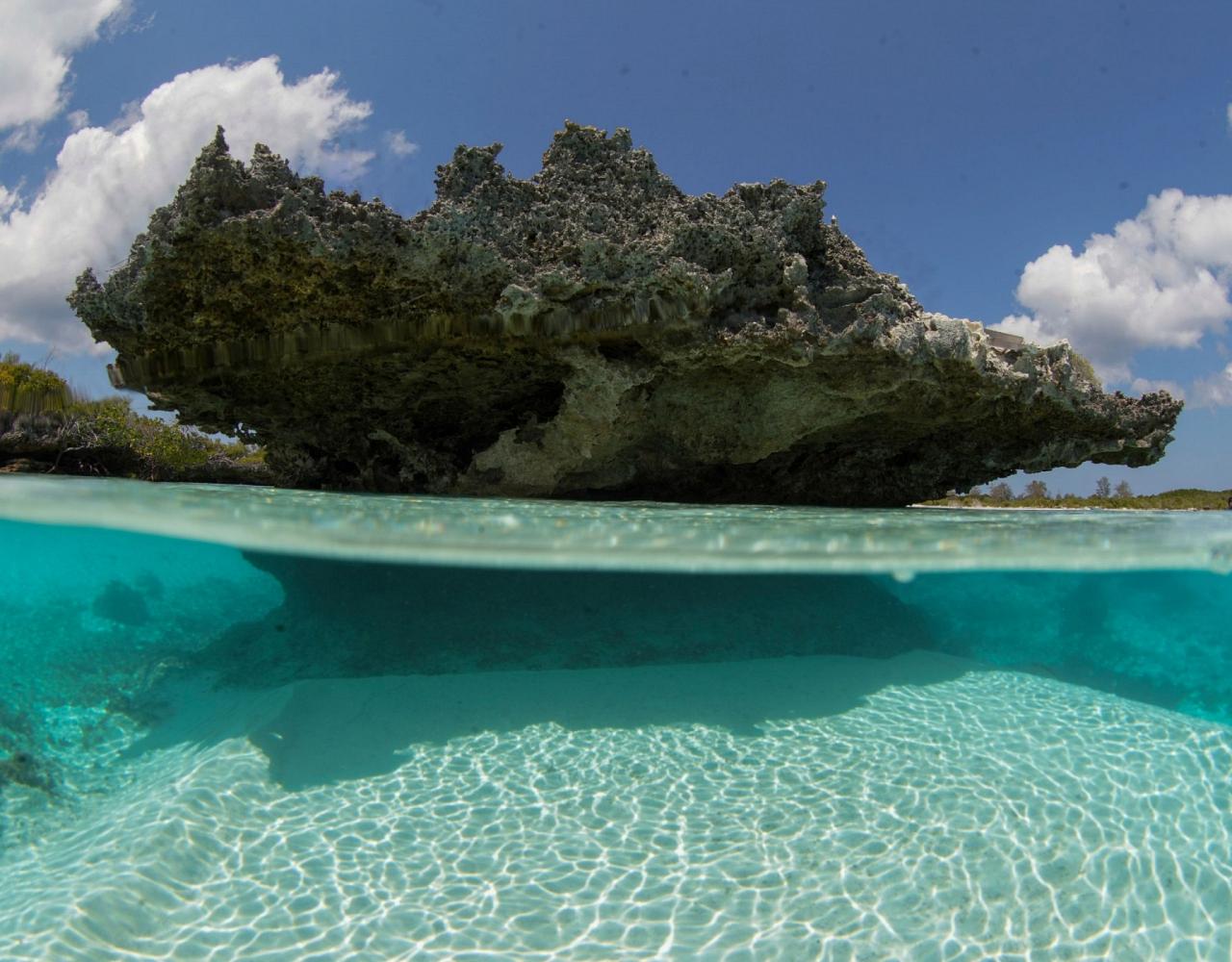
  • Seychelles Scenic, courtesy Silhouette Cruises Ltd

Cost of the Journey

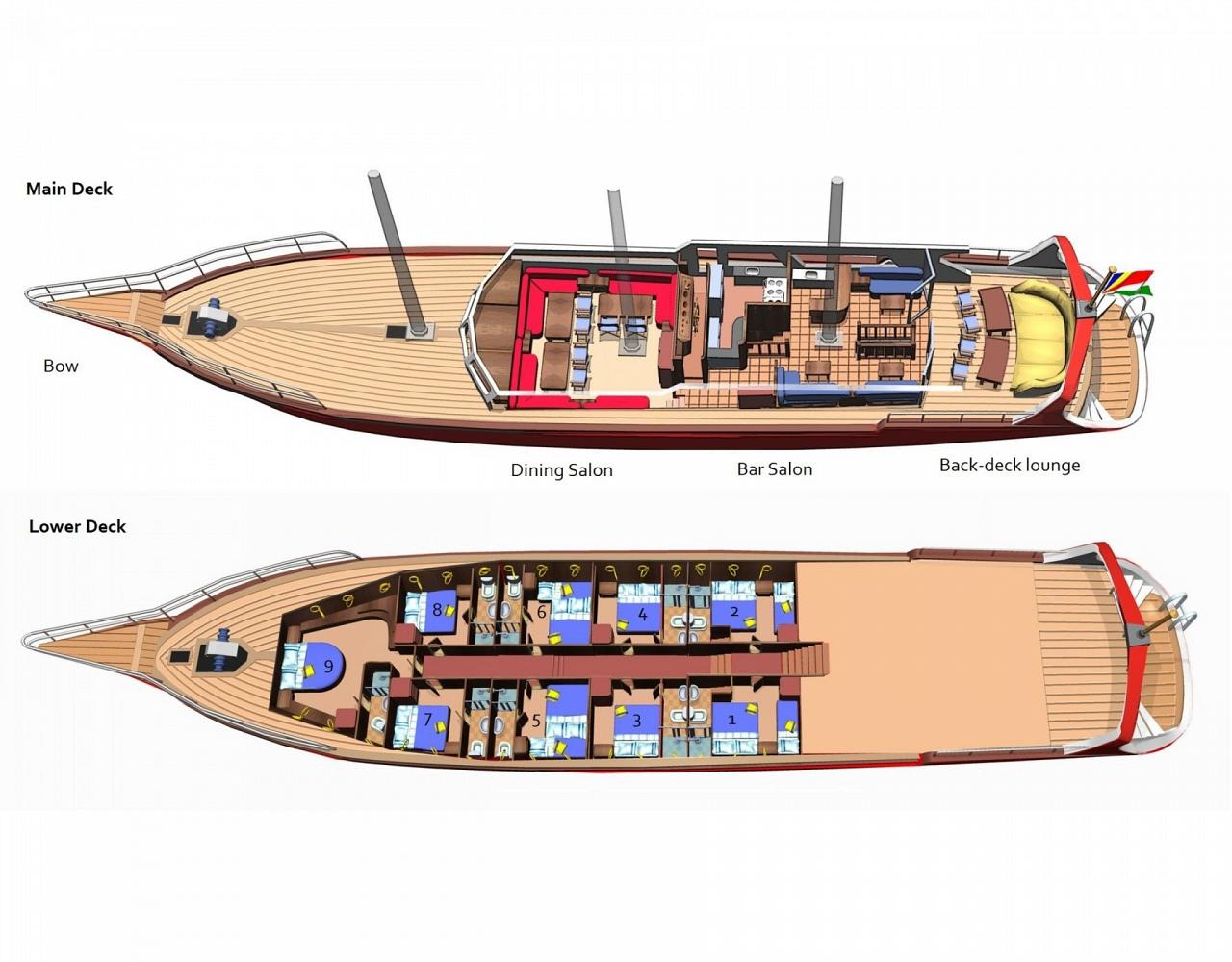
Two - SINGLE Cabins (#3 & #4) - $7990 / SGL


One - Master Cabin (#9) - $7190 / DBL


Six - Standard Cabins (#1, 2, 5, 6, 7, 8) - $6690 DBL / $7990 SGL.


*The two slightly larger cabins (#1 & #2) are first come, first serve by order of booking. 


Price includes accommodations for 9 nights, all meals during the trip, arrival transfer in Mahe, all excursions with professional guides, and miscellaneous program expenses, all crew tips. 


Price does not include items of a personal nature like: laundry, telephone charges, or optional activities.


Terms & Conditions: Cruise payments are subject to the terms and conditions of the cruise operator. These terms and conditions are primary over those of Naturalist Journeys.


This tour was priced in Euros, on March 8, 2026. 1.00 Euro = 1.1560214 USD. If a significant shift in this rate occurs, we will need to adjust tour pricing accordingly, up to the time that final payment is made. Please see Terms & Conditions for details.

Travel Details

Arrival and Departure Airport: Seychelles International Airport (SEZ)

Arrival Details: Plan flights to arrive November 19, 2026, by 5:00 PM in order to join the group for a welcome dinner and orientation. Note that you will likely have to leave the US on November 17th to arrive on the the 19th.

Departure Details: Please plan flights to depart on November 28, 2026, after 1:00 PM. 

Ship Information

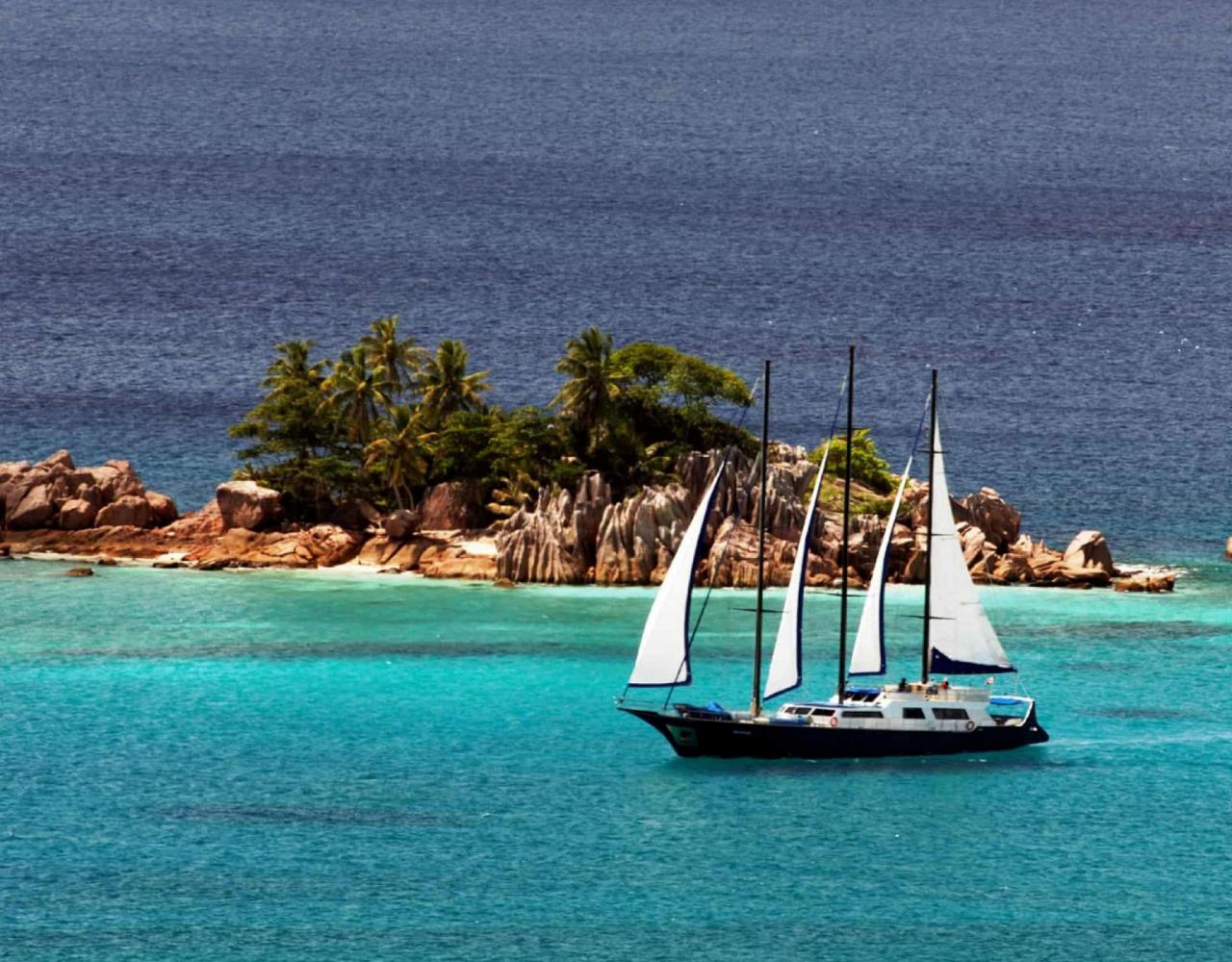
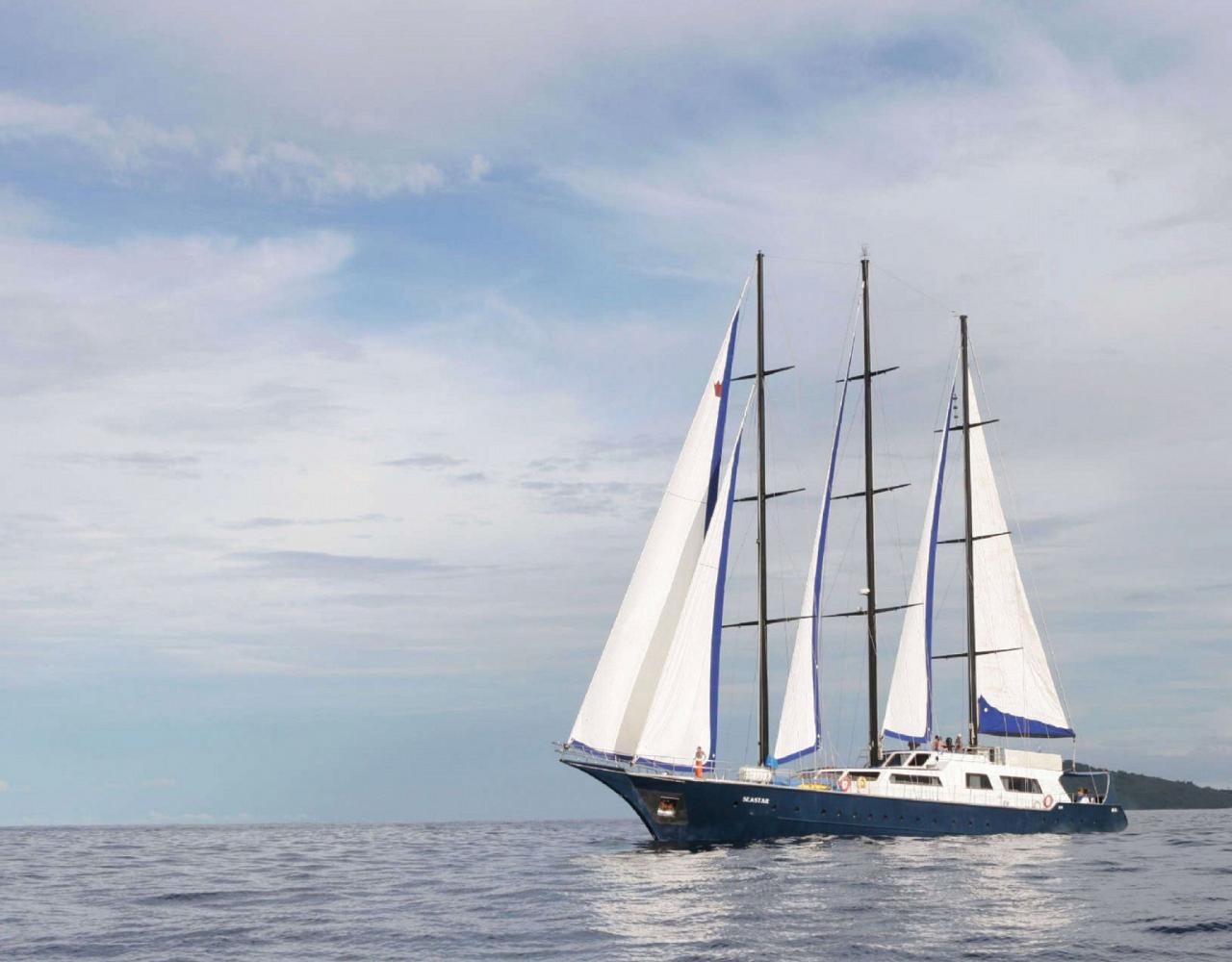
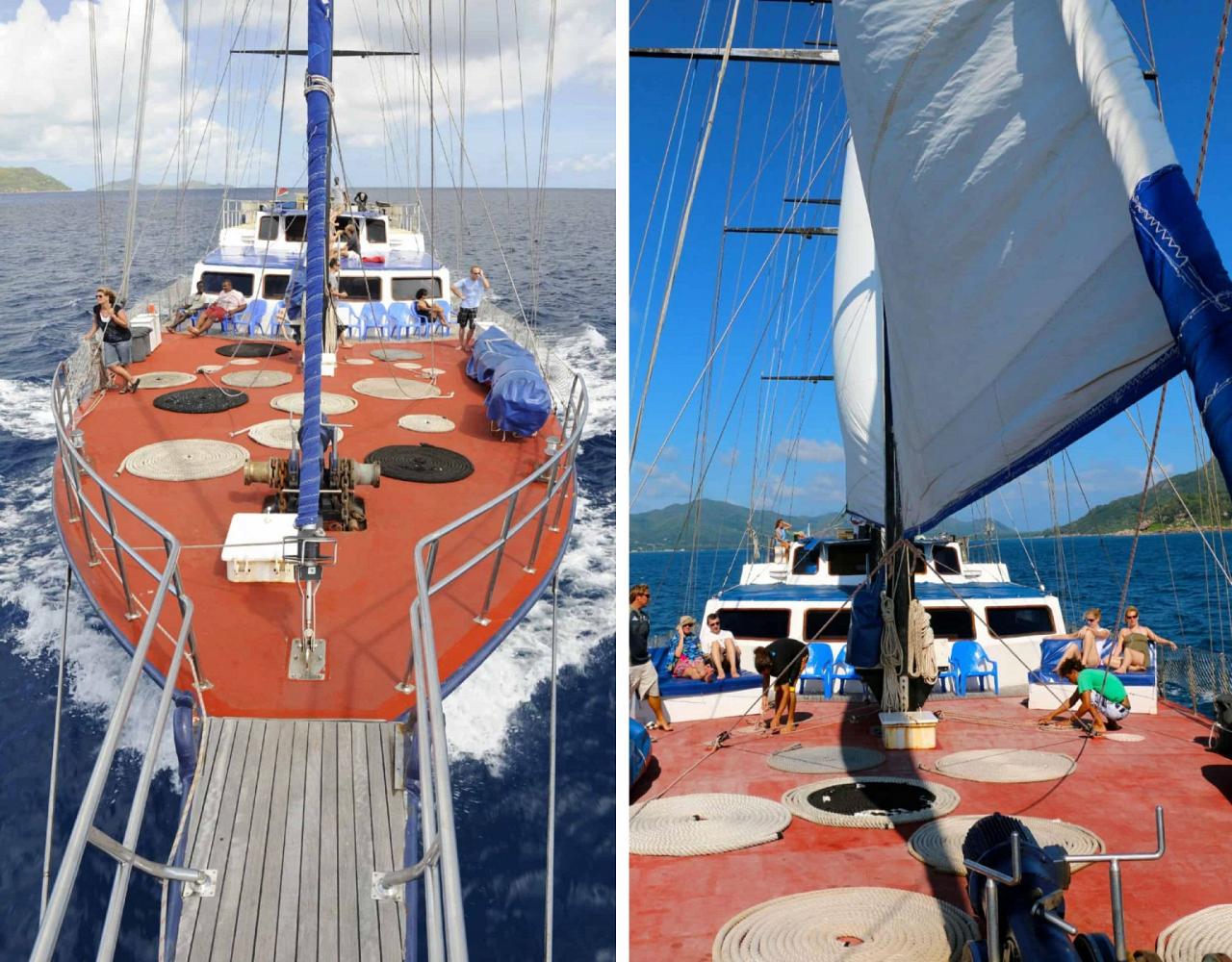
The SY Sea Star is a 40-meter custom-built sailing yacht designed for comfortable exploration of the inner Seychelles islands. With three masts and five Bermuda sails, the vessel combines classic sailing character with modern amenities, creating an ideal platform for weekly live-aboard cruises and private charters.

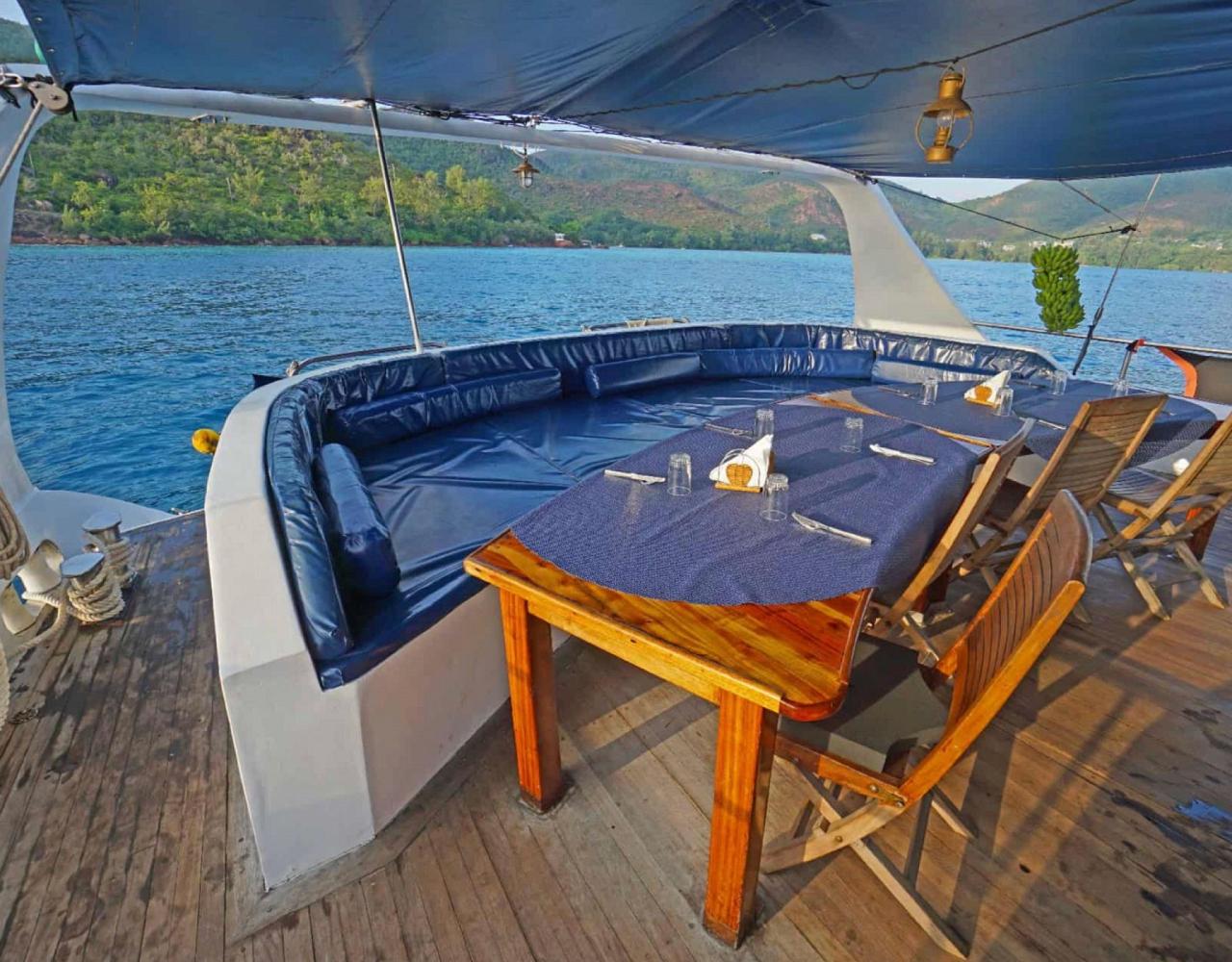
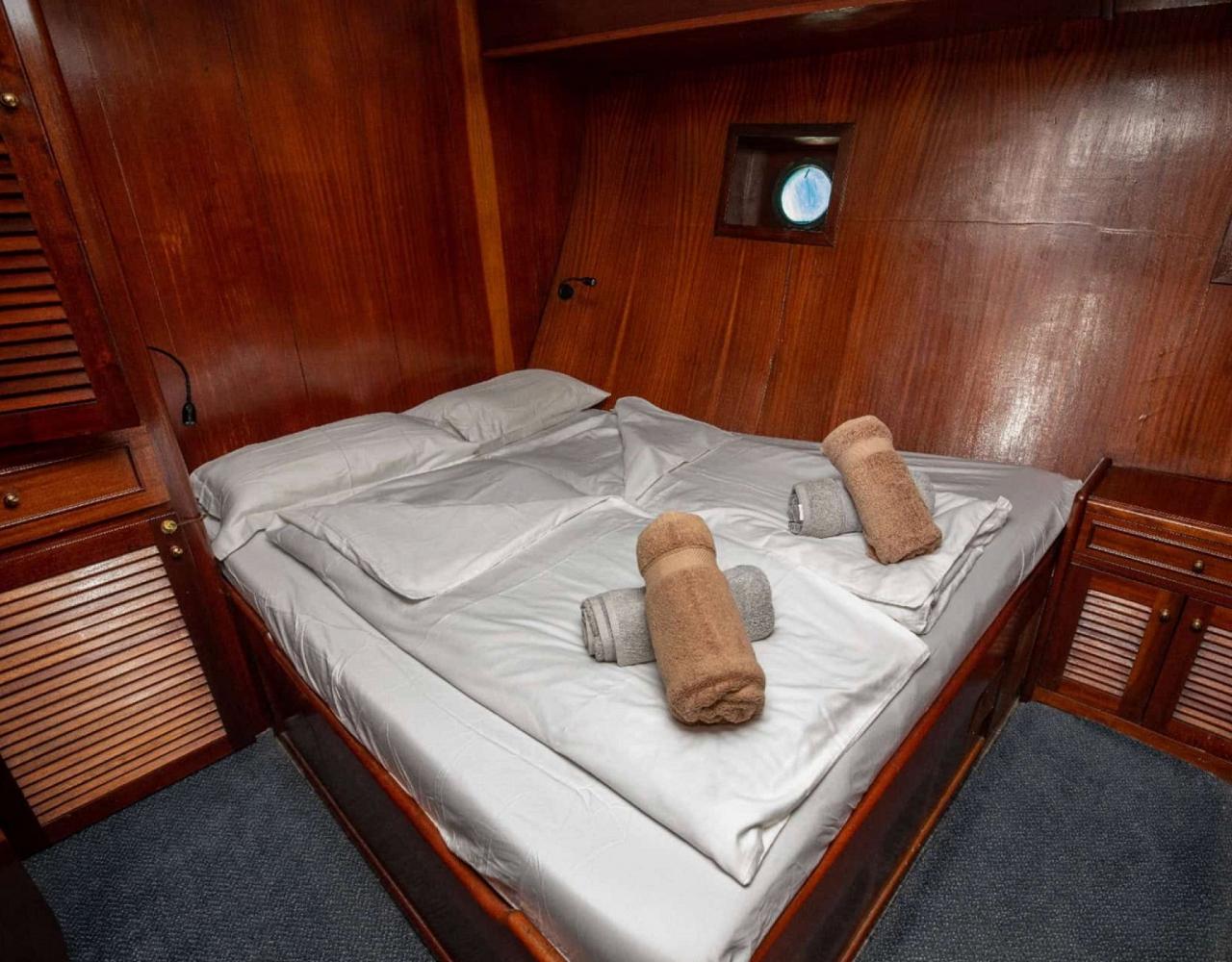
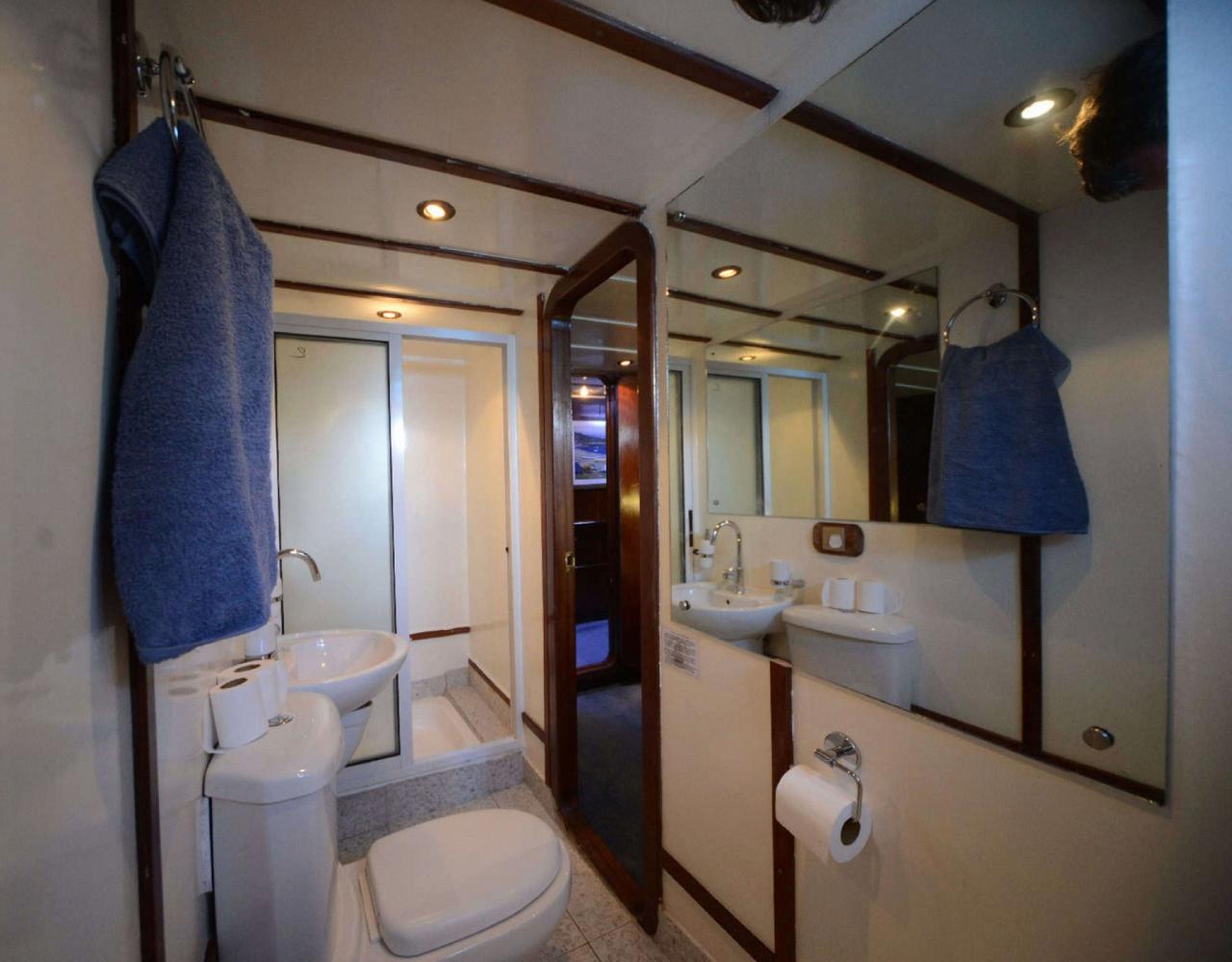
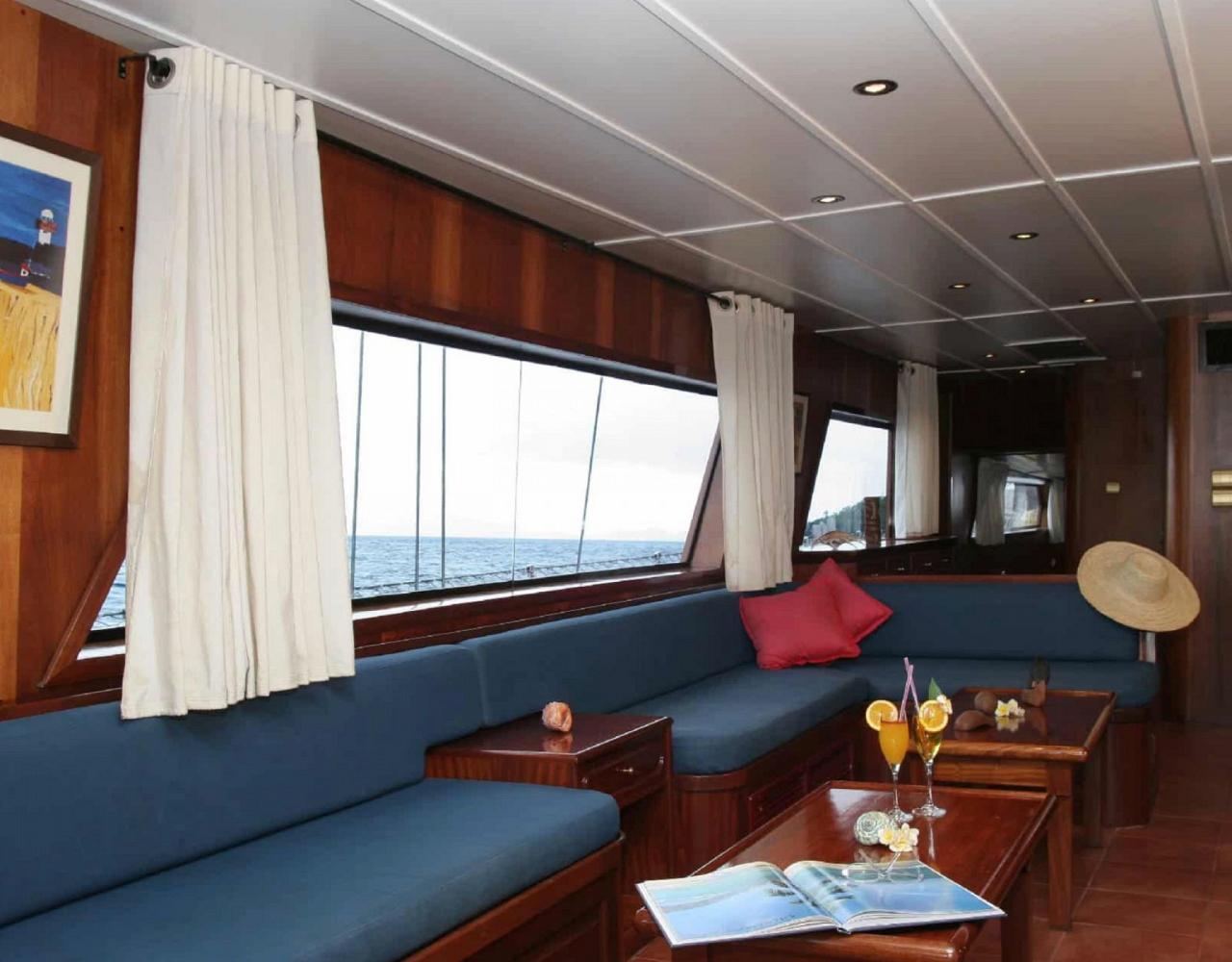
Accommodations include nine air-conditioned guest cabins, each with private ensuite facilities, offering a relaxed and intimate onboard atmosphere for small groups. Spacious decks, a sun deck, and inviting lounge areas provide plenty of room to unwind between island excursions.

Guests enjoy fresh Creole-inspired cuisine prepared with local ingredients, along with opportunities for snorkeling, kayaking, paddleboarding, and island exploration. From hidden coves and marine parks to granite islets and nature reserves, Sea Star offers a comfortable and authentic way to experience the remarkable landscapes and wildlife of the Seychelles.

Ship Photos
  • David Jaffe

    David Jaffe is an engaging naturalist inspiring people through his curiosity to develop meaningful connections with our home planet. He has been an avid birder since volunteering with the National Audubon Society in 1991. Over his 30+ year career in the outdoor industry, he has gained experience as a guide throughout the United States and on all seven continents. He is a certified National Geographic Photography instructor and works as a naturalist and lecturer on expedition ships. He helped establish a marine protected area off the coast of Madagascar and assisted with bird research projects in the United States, Canada and South America. He has led backcountry trips in Denali National Park and gained great insights while working as a Park Ranger in Yosemite and Sequoia National Parks. He is a passionate birder with a keen interest in geology, botany, and the intricacies of natural history. He loves this work and infuses every tour with his enthusiasm, knowledge and care.

    Other trips with David Jaffe

Essential Information +

This information is important for being prepared for your journey; we want you to have Read more

This information is important for being prepared for your journey; we want you to have the best experience possible. If you only read one section, this one is key!

Ahead of Your Tour

  • Make sure your passport will be valid at least six months after the date of your scheduled return to the U.S.

  • Visas are not required but you will need to obtain a Travel Authorization (TA) online for a fee before departure. 

  • Travel insurance in case of serious medical emergency is strongly recommended. Full health coverage and repatriation is available through Allianz Travel Insurance.

  • Please check current CDC recommendations for travel to Seychelles and consult with your doctor about general travel vaccinations you should have as precaution for travel. See the “General Health and Inoculations” section below.

  • Soft sided luggage/duffel bags are easiest for transit. Pack essential medications in your carry-on luggage, as well as one day of clothing and optics in case of luggage delay.

Passports, Visas & Documents

You must have a passport that is in good condition and is valid through the entire duration of your stay; passport validity for six months AFTER your scheduled return to the U.S. is the standard for international travel. You should have at least one blank page per stamp. The blank pages need to say “Visas” at the top. Pages marked “Amendments and Endorsements” will not be accepted. If you are from another country, please contact Seychelles embassy websites for guidelines. Click the link for information for U.S. citizens for Seychelles

It is recommended to check for changes 60-90 days before your tour departs but, at the time of writing, a tourist visa is not required of US citizens for stays of this length. You will need to obtain a Travel Authorization (TA) for a fee online before your arrival in Seychelles. The authorization is mandatory and requires a passport, flight and accommodation details, and a photo. You may apply for the Travel Authorization up to 30 days before travel. 

As a precaution for lost or misplaced documents you carry on your person during travel, we highly recommend you keep hard and digital backup copies on your phone (either photo or PDF scan), as well as a hard copy left with your emergency contact at home. The recommended important documents to copy include, but are not limited to; your passport ID page, travel visa, the front and back of your credit card(s), the airline barcode on your luggage. This will greatly expedite getting new ones if necessary – we hope everyone will always keep travel documents close so that losing them will not be an issue.

General Health & Inoculations Information – Be Prepared!

Health requirements for entry to any country can change. It is always advisable to double-check the country’s health requirements and recommendations 60-90 days ahead of traveling. Please, thoroughly read the  Centers for Disease Control (CDC) for the country you will travel in. You may contact them by phone at (800) CDC-INFO or (800) 232-4636 if you have any unanswered questions.

We will share your health information with your guide. This information will be kept confidential but is very important as we want to be best prepared in case of medical emergency.

Vaccinations: Although at the time of writing there were no other required vaccinations to enter Seychelles, the Centers for Disease Control and Prevention (CDC) recommends that all travelers be up to date with routine vaccinations and basic travel vaccines (such as Hepatitis A and Typhoid) before traveling to any destination. If you are arriving in Seychelles from a country with a risk of yellow fever transmission, you will need a yellow fever vaccination certificate. Please check with your doctor for recommendations at least 4-6 weeks before departing on your trip.   For other helpful information, check the Seychelles webpage or contact by phone at 800-CDC-INFO (800-232-4636).

Prescriptions: It is a good idea to pack any meds you take regularly in your carry-on luggage.  Bring an extra pair of your prescription glasses or contact lenses. Bring an adequate supply of any prescription medications you use, a copy of the prescription(s) and a list of generic names of your medicines as “back-up” in case it is necessary to purchase drugs while abroad. Your doctor may also recommend some prescription medications to bring with you to treat possible illnesses that might occur, depending on your destination, such as an anti-malarial medication or an antibiotic. You’ll want to keep all medications in their original, labeled containers.

Allergies: To be prepared for environmental triggers to allergies or breathing difficulties, please bring your allergy and/or asthma medication(s).  If you have severe allergies talk to your doctor about carrying an EPI pen and notify your guides. It is also recommended to carry with you an up-to-date record of known allergies, chronic medical problems and Medic Alerts so that, if necessary, emergency treatment can be carried out without endangering your health.

Common Ailments: We recommend that you bring a travel-sized first aid kit and a supply of standard over-the-counter medications for prevention or treatment of common ailments (such as diarrhea, constipation, stomach upset, cough, congestion, head or body aches, motion sickness, insect bites and sunburn); as well as ointments, moisturizer, sunscreen, oral rehydration salts, band-aids, moleskin for blisters, cotton swabs, nail clippers, and tweezers, etc.

Weather & Climate

November in the Seychelles is tropical, warm, and humid, featuring daily highs around 85 F and lows of 77 F. While it is the start of the rainy season, showers are often brief and followed by sunshine. Winds drop during the month of November, leading to calm, warm seas with high visibility, ideal for boat travel and water activities. 

Onboard the Sea Star, common areas and cabins are fully air-conditioned. There are multiple, spacious sun decks and a covered deck lounge. 

Annoyances & Hazards

Always listen carefully to any advice given by your local guide regarding pests and other biting insects. Mosquitoes are present on the islands we visit; therefore, a supply of insect repellent is advisable. It is helpful to wear loose clothing, long sleeves, and spray yourself with repellent. Your guide should have a good read on whether chiggers or other biting pests are a concern. It is helpful to spray your shoes with repellent and tuck your pants into your socks. When back, be sure to shower and air out your clothing.

Remember, it will be sunny and sunburn can be both an annoyance and a hazard, so be prepared with sufficient sun protection. 

Food & Drinks

Chefs on the Sea Star use fresh local ingredients to create an enticing blend of authentic Creole cuisine and international favourites. Each chef plans out their own menus for every cruise week, encouraging diverse and creative creations for every meal. Breakfast features fresh fruit along with one of our chef’s preparations, such as eggs or crepes, with toast, juice and tea/coffee. Buffets for lunch and dinner provide a culinary tour of the archipelago and its wide-ranging influences from Europe, Africa, South Asia and the Far East. Dinners may also be served as a three-course meal with starter, main course and dessert. Meals can be enjoyed in the air-conditioned dining salon, or al fresco on the back deck’s dining table, or even picnic-style on the sun deck.

One of the many ways we strive to do our part for the environment is by intentionally reducing our consumption of single use plastics (such as bottled water), so we appreciate you bringing a reusable water bottle.  Purified drinking water will be made available to refill your bottle, however, bottled water will be available for field trips where refilling your personal bottle is not an option.

There are some great reusable water filtering bottles on the market today that are great for travels abroad. We encourage you to invest in one (such as Lifestraw or GRAYL Ultrapress or SteriPen). A little research will be well worth the effort to reduce the reliance on single-use plastics when purified water refills are not readily available.

Packing, Clothing & Laundry

See “Packing List” tab for more detailed information and checklists, but in summary, we emphasize that you pack light in soft-sided luggage (easier to load in vans and charter planes), plan for dressing comfortably in layers (for managing varying conditions in any given day), and please pack your personal medication, travel documents, optics, and other essential items in your CARRY-ON, not in your checked luggage. Laundry services are available at most lodgings for an additional fee, but be prepared to hand launder if you need to.

Spending Money

The official currency in Seychelles is the Seychellois Rupee. We advise you to carry a mix of different types of payments, such as cash, an ATM card, and a credit card. For the current exchange rate, please refer to an online converter tool like www.xe.com, or your bank. U.S. dollars in good condition (no rips or tears) are taken as a form of payment but shopping for smaller handicrafts may necessitate using local currency. Bring large U.S. bills ($50 or $100) that will give you the better rate when exchanging to local currency.

When using the ATM to withdraw cash, keep in mind it might only accept cards from local banks or not allow cash advances on credit cards. Many U.S. banks charge a fee of $1 - $5 each time you use a foreign ATM. Others may charge you a percentage of the amount you withdraw. Check with your bank before departure. You must become familiar with how to use your ATM card and PIN number ahead of the journey.

We suggest you have more than one card available, if possible. You may want to bring more than one brand of card (VISA and Mastercard are commonly accepted; American Express is less common). You can use credit cards at hotels to pay your bar and gift tabs. Not every shop will accept every card. Some smaller shops and restaurants, or taxis require cash, so it is always a good idea to ask before making a purchase. Also, we recommend that you advise your bank or credit card company that you will be traveling abroad to avoid questions, card freezes, or charges. If you have a choice of cards, bring one with no foreign exchange fees.

Traveler’s checks are not widely accepted. They can be difficult to exchange. We do not advise you to use them.

Gratuities

All tips for all services of your tour are now included in your tour price, with the exception of your main guides. The local guide is your main guide, if there is more than one, they will share your gratuity. The recommended rate is $10.00 - $15.00 per day per guest. You may also wish to tip your Naturalist Journeys guide/host if you have one on your tour; this should be done separately and the same suggested rate applies. We suggest you bring two envelopes or cards to make it easy to share your gratuity at the end of the tour. 

Tipping to your guide(s) to show your appreciation is entirely at your discretion and should reflect your level of satisfaction of the service provided. If you wish to offer a tip, know that they appreciate anything you care to give. Of course, you are welcome to give more in recognition of exceptional service.

Please note recommended tips are quoted in U.S. dollars. Tips should be converted and paid in local currency.

Cell Phones & Internet Service

Your guide is well connected and can help if any urgent communication need arises. However, it is highly recommended that you travel with a cell phone, if only as a precaution for the unfortunate occurrence of a medical emergency during an outing and needing swift accessibility to critical personal or medical contacts.

If you plan on using your cell phone on this trip, please check with your wireless provider to see if your phone and service will work in your destination country. Ask for “international roaming” to be activated on your phone. Or you can buy a local SIM card at the airport and insert this in your mobile phone (just make certain your phone can accept one). Newer phones are transitioning to eSIM cards. 

If your phone can connect to Wi-Fi, you may be able to make voice and video calls free of charge. Please contact your cell phone provider for further details. Another option if you have access to Wi-Fi, is to use smartphone apps like Skype, WhatsApp, or Viber to send text messages, and make voice calls, or video calls. Many smartphones, tablets, or laptops come with one of these apps pre-installed or you can download for free. If bringing a laptop or tablet, get a good dustcover to protect it at all times.

Make sure if you do NOT want to use your cell phone that you turn off your cellular data. You could incur huge charges if you are not on Wi-Fi. Putting your phone in airplane mode if you mainly use it for photos will save the battery as well.  Your hotels and most local restaurants provide Wi-Fi at least in their common areas. Although it is generally a reliable service, it can be affected by adverse weather conditions due to the remote location.

Please refrain from taking or making cell phone calls in the vehicles when traveling with other passengers, unless it appears to be an emergency. This disrupts other guests, plan on cell phone call use on your own time.

Electricity

The standard for both Seychelles power outlets is Type G, which are British three-pin square plug standard, operating at 240V and 50Hz. Visitors from the US and many other countries require a plug adapter to fit these sockets. Voltage converters may be needed for single-voltage devices. More information can be found here

While onboard the Sea Star, electrical outlets are conveniently located in all guest cabins as well as in the salons, using 220V power, with European two prong, round pin plugs. 

Time

Seychelles is in the Seychelles Time Zone, SCT. They do not observe daylight savings time. Check www.timeanddate.com before leaving home for your conversion.

Questions?

Please contact Naturalist Journeys by email at clientservices@naturalistjourneys.com or telephone at our office: (866) 900-1146 if you have any questions. Many thanks for traveling with us and we hope you enjoy your journey!


Pace & Protocols +

Pace of the Tour & What to Expect You will receive a Schedule-at-a-Glance and list of Read more

Pace of the Tour & What to Expect

You will receive a Schedule-at-a-Glance and list of hotels (our eContact List) a few weeks before your departure. This will serve as an outline for each day and alert you to any recent changes made in the schedule or to our hotels, if needed.

Our journeys are set up to follow the rhythm of nature. Our focus is on birding and nature; we offer full, well-planned field days and often get up early for that magical time around dawn. We generally follow the published itinerary, but we stay flexible to the weather, wildlife opportunities and the interests of the group. Your guide will keep you apprised of the next day’s schedule at each evening meal, noting what to bring and what to prepare for. Questions and/or concerns are welcome.

The pace of our Naturalist Journeys tours is moderate; to fully participate you should be able to get in and out of vehicles several times a day, and walk 1-3 miles over uneven terrain. It is important to participate with a flexible attitude as adjustments may be made in our schedule to make the most of our time in the field or for other purposes at your guide's discretion. We are not a “listing” bird company that drills down on target species, but at times we do wait for those special species unique to the places we visit. During the day, we take time to stop for photos and for educational opportunities to learn about conservation projects, landscapes, and geology. We appreciate other taxa as well as birds, with mammals often the biggest draw but plants and butterflies are also very popular. Our clients often lend their own expertise to the mix.

We like to make meals a fun and memorable part of the experience, too. Breakfasts are often at hotels, and we carry snacks, fruit, and water in the vans each day. Lunches are a mix of picnics in the field (weather dependent) and a chance to dine with locals at small cafes and restaurants. For dinner, we pride ourselves in our homework to keep up with the best choices for dining, choosing restaurants with atmosphere that specialize in local foods. On occasion we keep dinner simple to go back out in the field for sunset wildlife viewing or night walks. In some remote locations, our choices are limited. If you are tired, room service for dinner may be an option you can choose.

Naturalist Journeys International Trips: Guide Role

Naturalist Journeys supports ecotourism and the development of excellent local guides. Once we know our international partners and guides well, we can send out small groups working directly with these trusted partners, adding a Naturalist Journeys guide to assist the local expert when we have a group of 6-7 or more. This helps us keep your costs down while retaining tour quality. The local guide is your main guide. You can expect your Naturalist Journeys guide to be well-researched and often they are experienced in the destination, but their role is not to be primary, it is to help to organize logistics, help you find birds, mammals, and interesting other species in the field, keep reports, help facilitate group interactions, and to keep the trip within Naturalist Journeys' style. Local guides live in the countries we travel to, know the destinations intimately, and are often the strongest force for conservation in their countries. They open many doors for us to have a rich experience.

Smoking

Smoking is not permitted in any vehicle or in any situation where the group is participating in an activity together, such as a vehicle excursion or a guided walk. Please respect all designated smoking areas at hotels and restaurants.

Transportation

As a courtesy to each other, we ask that all travelers please rotate seating. On international trips we may all be in one small bus, on some trips we are in vans, particularly the roomy Sprinter Vans when available. Some areas require us to be in smaller 4-wheel drive or safari vehicles. Rotation allows you to sit with different drivers and alternate front and back seating.

Photo Release & Sharing

We take many group photos and will share photos with the group. And after your tour, we will organize a chance to share photos via Dropbox or Google Photos. Please note that this is our policy and if you prefer to be excluded, we need to know ahead of your tour.

By registering for this tour, you agree to grant to Naturalist Journeys and its authorized representatives’ permission to record on photography film and/or video, pictures of my participation in the tour. You further agree that any or all of the material photographed may be used, in any form, as part of any future publications, brochure, or other printed materials used to promote Naturalist Journeys, and further that such use shall be without payment of fees, royalties, special credit or other compensation.

Travel Insurance

You are traveling in remote areas. Naturalist Journeys strongly recommends you have full medical and evacuation insurance from a company such as Allianz, for all international travel. If you do not have medical coverage or evacuation coverage on your existing travel insurance policy or for some reason elected not to take that out, we advise getting an evacuation plan with Global RescueWorld Nomads, Medjet, Allianz (they can do evacuation only) or a similar company. These plans are typically $300-$400 for a year for multiple destinations. This coverage may be a part of a larger Travel Insurance policy but can also be purchased on its own.

Questions?

Please contact Naturalist Journeys by email at clientservices@naturalistjourneys.com or telephone our office: (520) 558-1146 or toll free: (866) 900-1146 if you have any questions. Many thanks for traveling with us and we hope you enjoy your journey.


Photo credits coming soon.

×

Like what we do?

Sign up for our weekly eNews to stay up to date!

Get to know our favorite destinations each week. We promise no spam.

No Thanks