Join Naturalist Journeys on an exciting 14-day journey to experience the best of Vietnam birding, beautiful culture, and delicious Vietnamese cuisine. We’ve streamlined the route to pick up the top birding spots and showcase scenic beauty and biodiversity. A country known for its long, rich history and conflicted past, Vietnam has expanded tourism greatly in the last few decades, and is now a very popular destination for Western tourists. Its incredibly diverse landscapes range from tall mountain peaks to dense rainforests, to white sandy beaches, are home to nearly 900 bird species, including more endemic species than any other country in mainland Southeast Asia, making it a great destination for birding and finding other wildlife specialties.

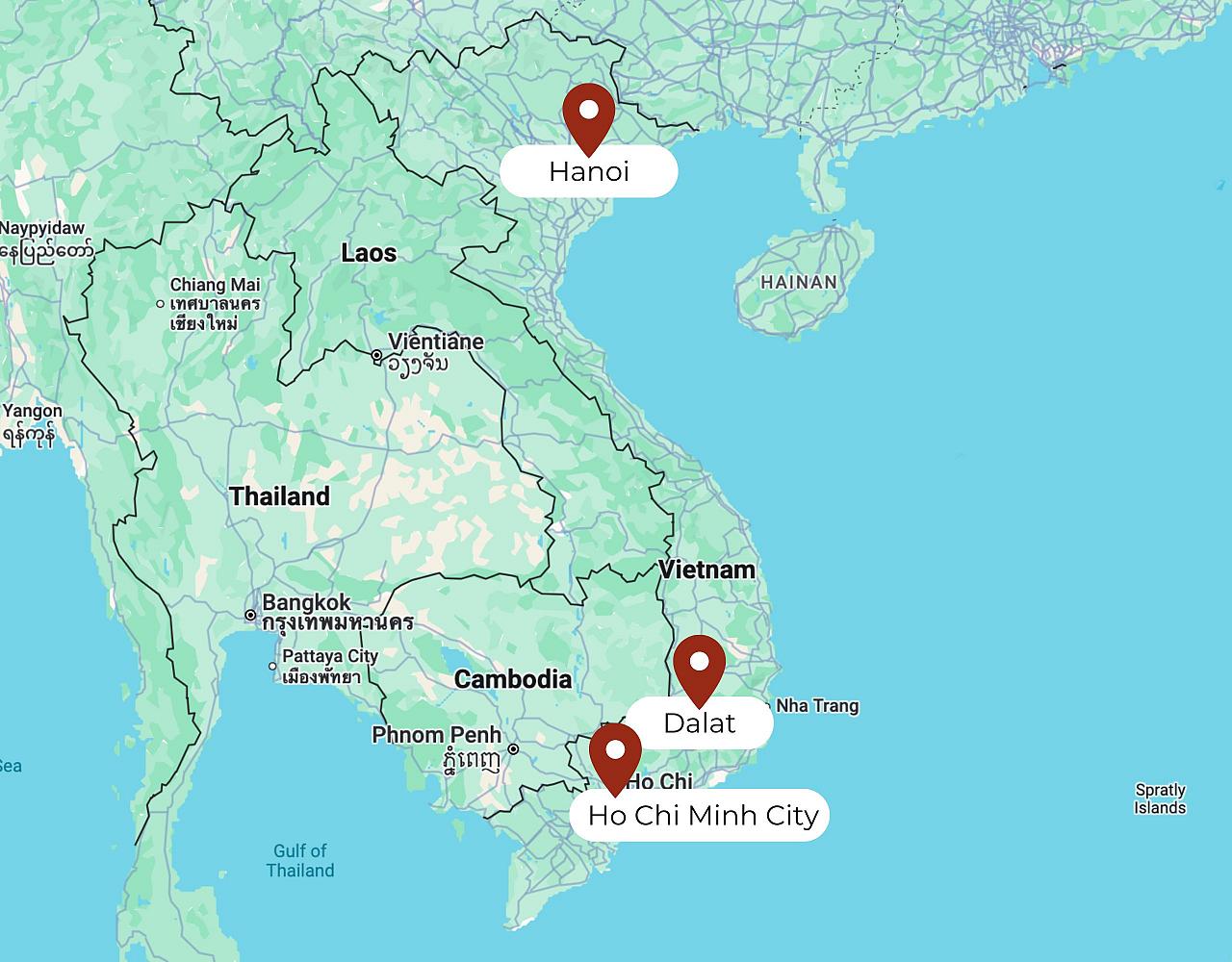
In classic Naturalist Journeys pace and style, our tour to Vietnam focuses on three of the best birding areas in the country, with two to four nights spent at each of these locations. Cuc Phuong National Park, located in the north, is the largest reserve in Vietnam and offers spectacular rainforest birding. Dalat, located in the cooler central highlands, is an endemic-rich birding area with lakes, mountains, and forests to explore. The tropical lowlands of Cat Tien National Park in the south make it one of the top birding spots in the country and a great location for spotting mammals like Jungle Cat, Sambar Deer, and several gibbon and langur species.
Tour Highlights

  • Enjoy delicious local Vietnamese cuisine and warm, welcoming hospitality
  • Admire the breathtaking landscape of this beautiful mountainous country
  • Learn about endangered primate conservation in Vietnam’s oldest national park, Cuc Phuong
  • Enjoy a traditional sampan ride in Van Long Nature Reserve while searching for endangered Delacour’s Langur and a variety of waterbird species
  • Spend three full days exploring a variety of habitats in the endemic rich area of Dalat
  • Walk in lush conifer and broadleaf forests where exciting research to catalog new species is ongoing with two new conifers described in 2022
  • Visit Cat Tien National Park, one of the best birding sites in Vietnam
  • Search for owls, nightjars, and a variety of mammals on a night walk in Cat Tien National Park
Trip Itinerary

Itineraries are guidelines; variations in itinerary may occur to account for weather, road conditions, closures, etc. and to maximize your experience.

Sun., Nov. 22            Arrivals in Hanoi

Welcome to Vietnam! You will be met at the airport and taken to our hotel. Our journey begins in Hanoi, the capital of Vietnam. Situated on the Red River in northern Vietnam, Hanoi was founded over 1,000 years ago and is known for its rich culture and stunning architecture. You may wish to arrive early to enjoy the city ahead of our nature-focused journey. 

Tonight, we enjoy our first taste of delectable Vietnamese cuisine as we meet for a welcome dinner to get to know our guide and fellow travelers and go over our exciting journey ahead. 
Accommodations at the Grand Mercure Hotel, Hanoi (D)

Mon., Nov. 23          Cuc Phuong National Park

This morning, we depart the bustling city of Hanoi and head three hours south to Cuc Phuong National Park. The first national park to be established in Vietnam in 1962, Cuc Phuong is in the foothills of the Annamite Mountain Range on an area of limestone hills covered in lush subtropical lowland forest. At 285 square miles, it is the largest nature reserve in Vietnam. With over 300 bird species recorded, nearly 100 mammals, and over 2,000 plant species, we have a lot to search for!

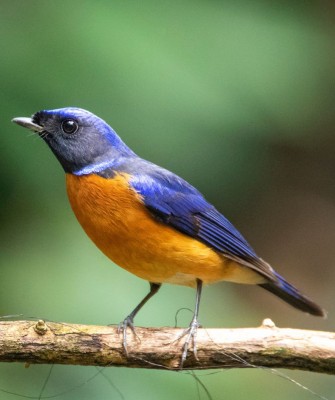
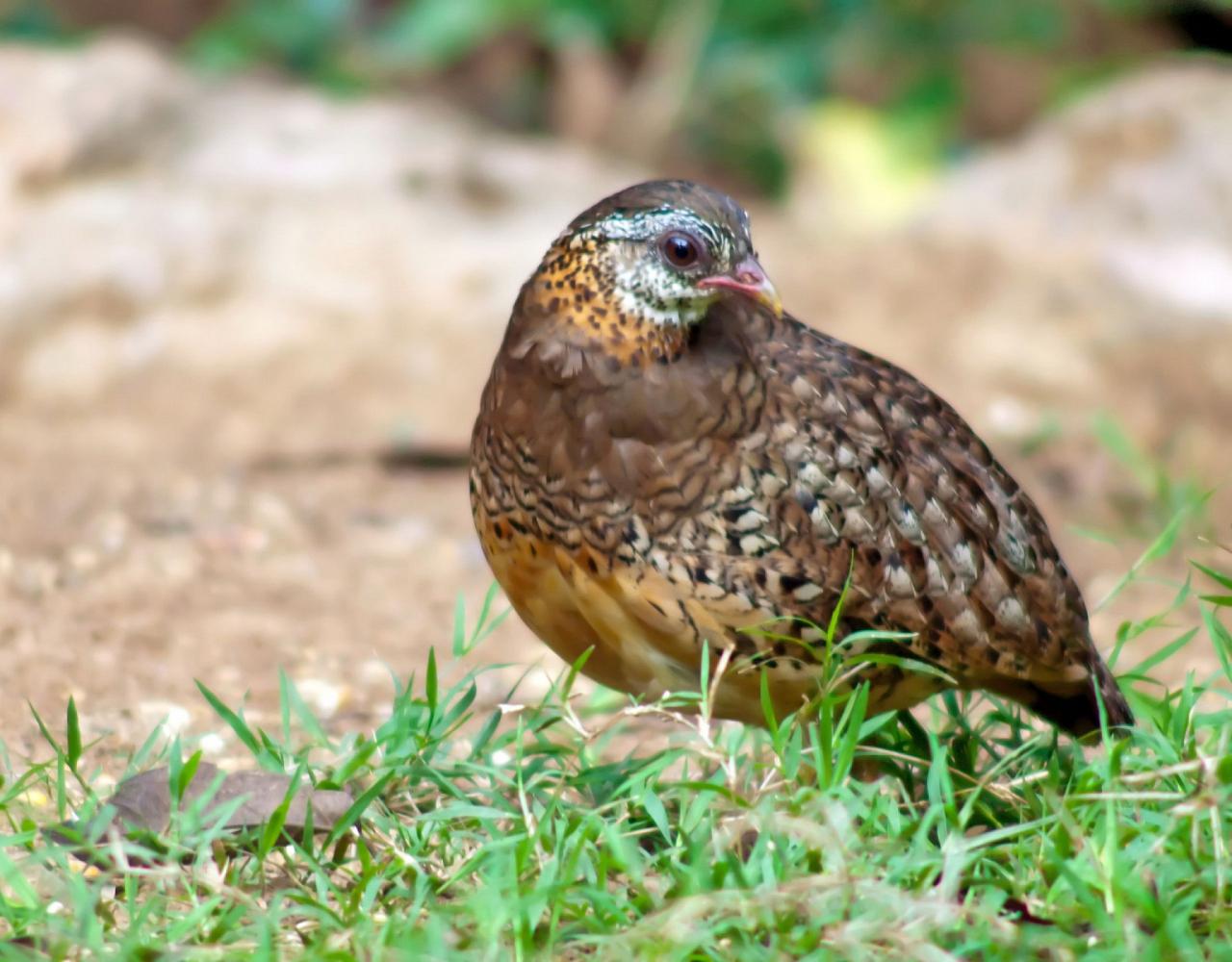
Our accommodations are right in the national park; simple but comfortable with private bath, this prime location gives us easy access to spectacular birding. After settling in, we head out to walk lush trails and immerse ourselves in this superb rainforest. Experience evergreen tropical rainforest with ancient trees, strangler figs, and vines creating a complexity that encourages rich diversity. Some of the trees are estimated to be over 1000 years old, while underneath this canopy orchids and other specialty plants can be found. Specialty bird species we hope to see here include the ground dwelling Scaly-breasted Partridge, White-winged Magpie, White-tailed Flycatcher, the brightly colored Fujian Niltava, and the scraggly looking Annam Limestone Babbler, which is only found in forest-covered limestone hills. 
Accommodations at the Cuc Phuong HQ Guest House (B,L,D)

Tues., Nov. 24 & Wed., Nov. 25        Cuc Phuong National Park

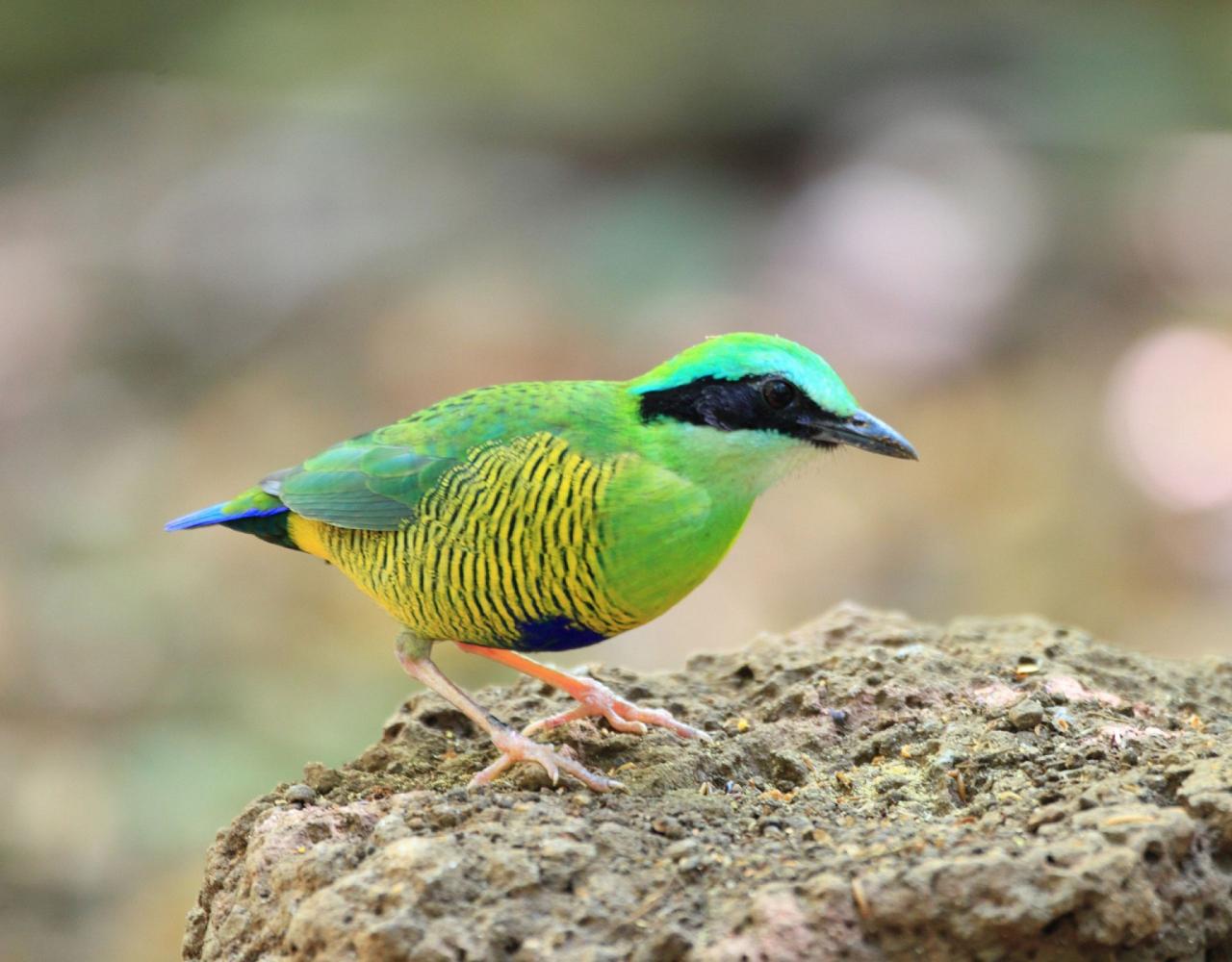
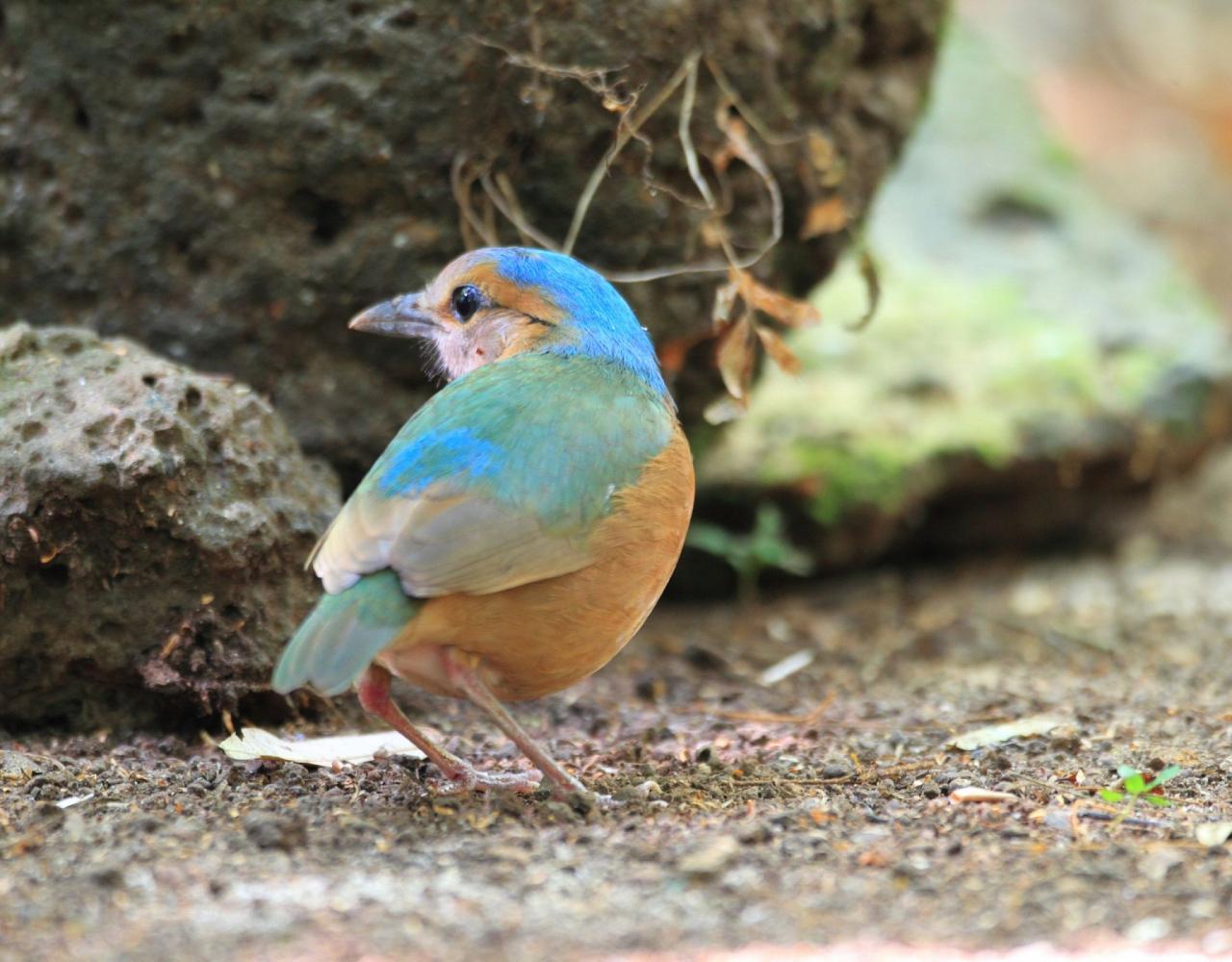
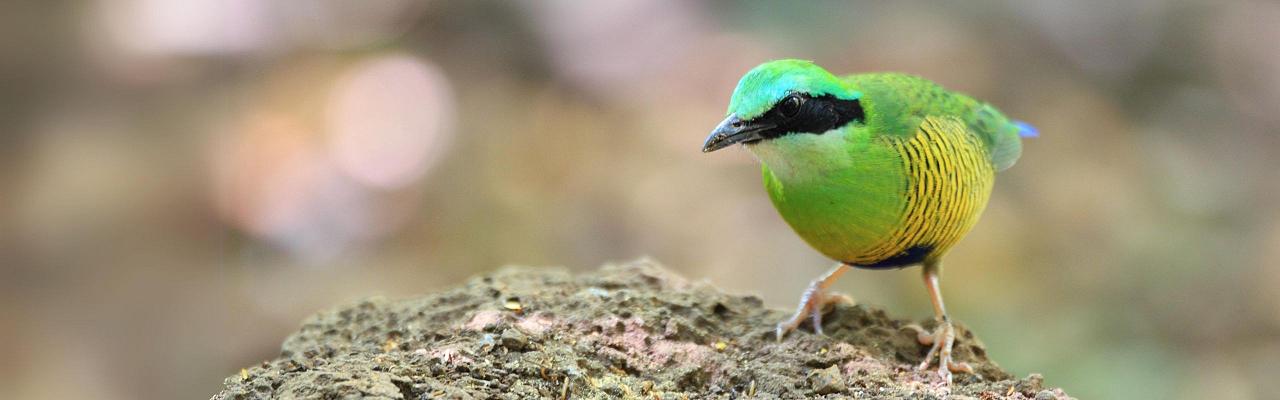
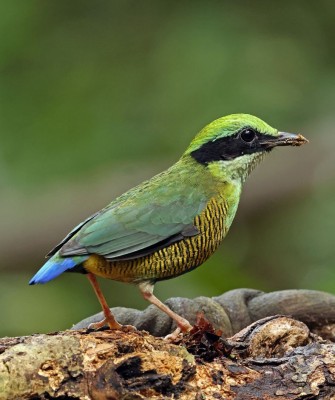
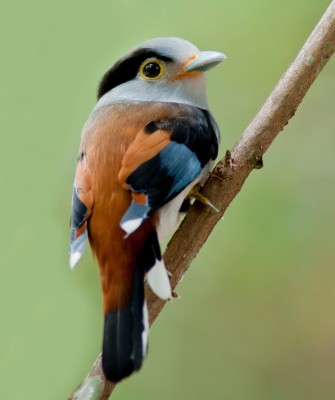
Enjoy a delicious cup of Vietnamese coffee while listening to birds singing right outside the guest house. We have two full days to explore Cuc Phuong National Park and we make the most of it! The park has an excellent trail system, and we spend time on the Loop Trail and the Valley Trail searching for brilliantly colored pittas like the Bar-bellied and Blue-rumped, the uniquely patterned Silver-breasted Broadbill, Red-collared Woodpecker, and the Limestone Warbler, which was only discovered in 1994. We also explore the main road through the park, which can be very productive early in the morning, especially for over-wintering thrushes.

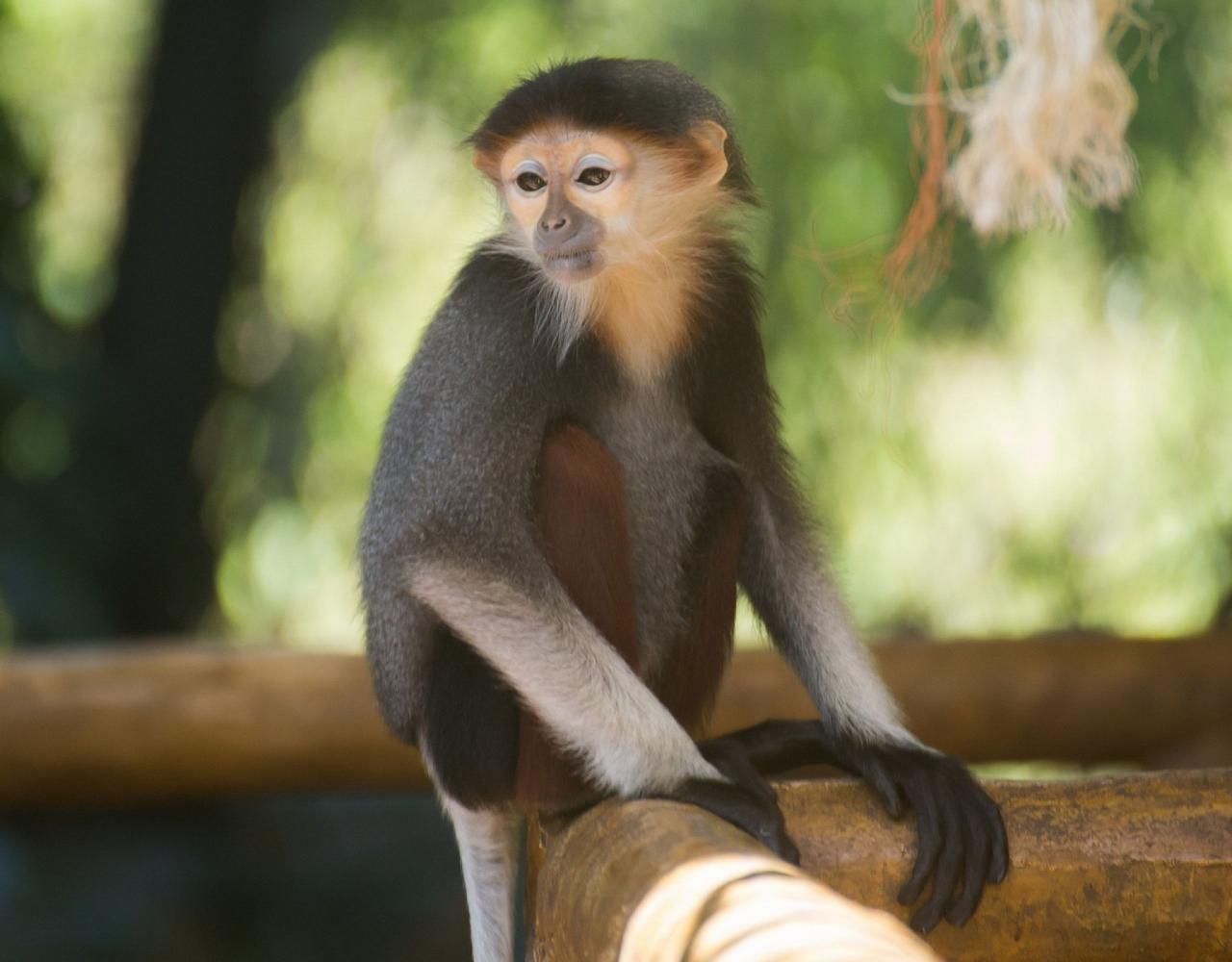
We also tour the Endangered Primate Rescue Center in Cuc Phuong. Dedicated to the rescue, rehabilitation, and conservation of Vietnam’s endangered primates, the center is home to gibbon, langur, and loris. We learn about the efforts and research being done to protect these amazing species. 

Dinners are at the park restaurant, located very close to the Guest House.
Accommodations for two nights at the Cuc Phuong HQ Guest House (B,L,D)

Thurs., Nov. 26         Van Long Nature Reserve | Hanoi | Dalat

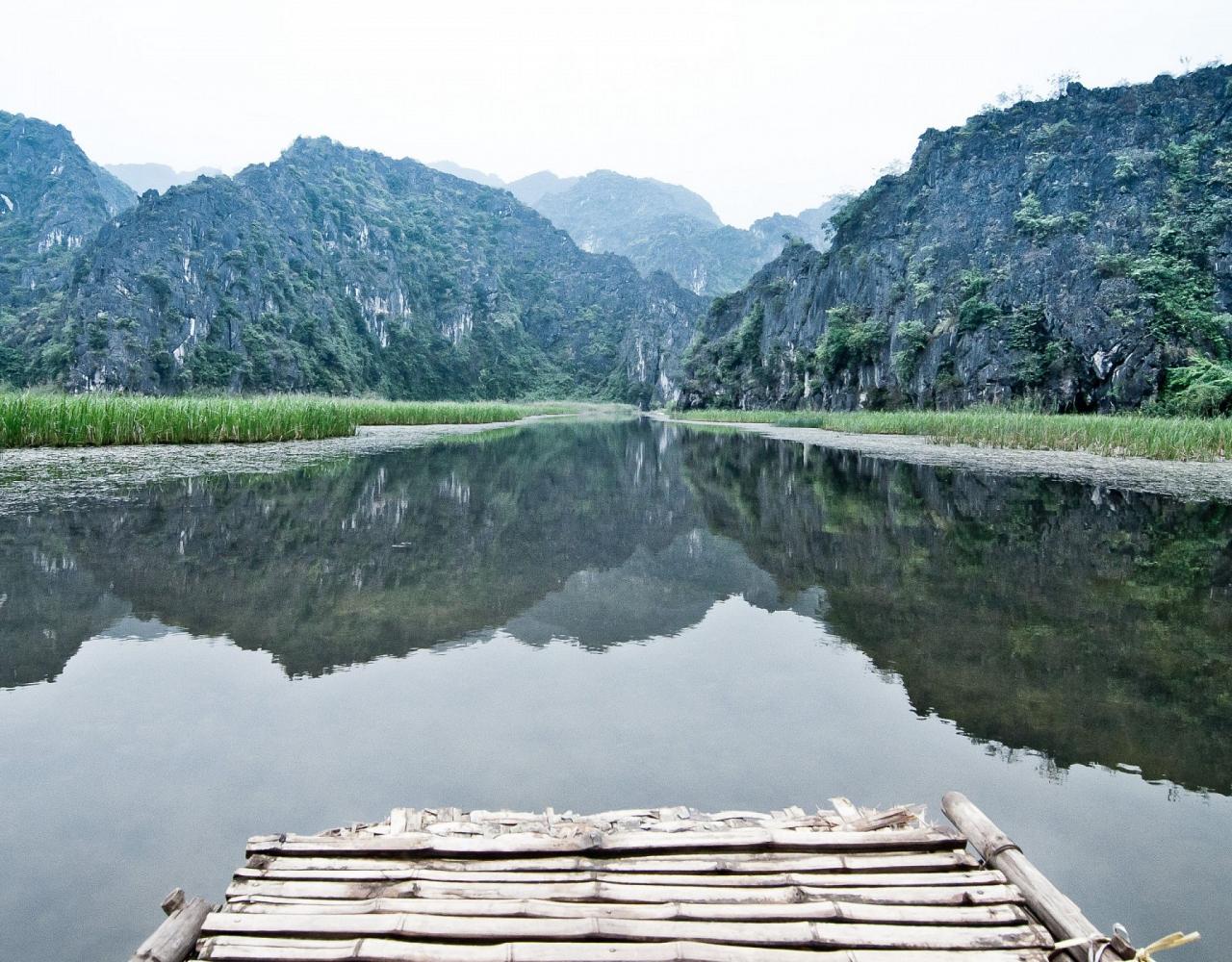
After breakfast, we leave Cuc Phuong National Park to head north back to Hanoi for an afternoon flight to Dalat. On the way to Hanoi, we stop at the Van Long Nature Reserve, a wetland that is home to the largest population of one of Vietnam’s critically endangered primates, Delacour’s Langur. This species was rediscovered in remote and rugged karst mountain ranges of Vietnam in the 1990s after it was thought to have been extinct. 

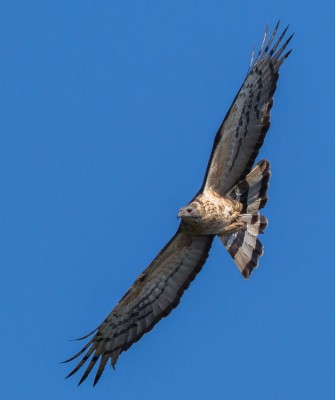
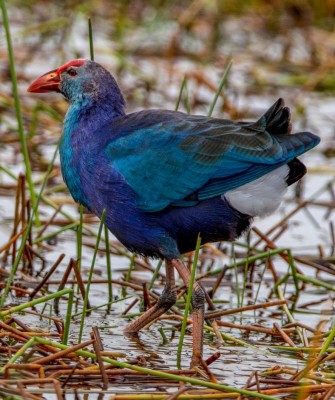
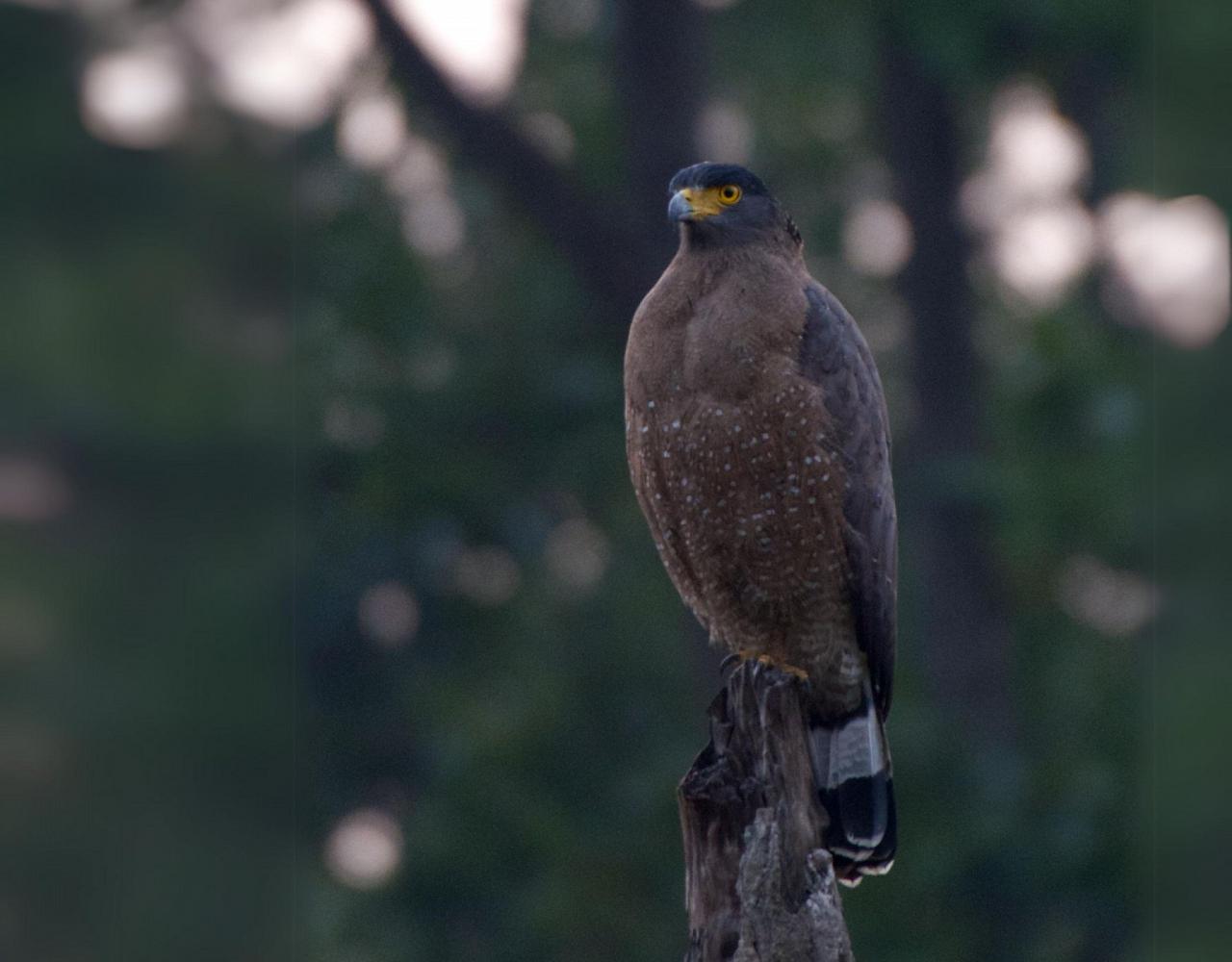
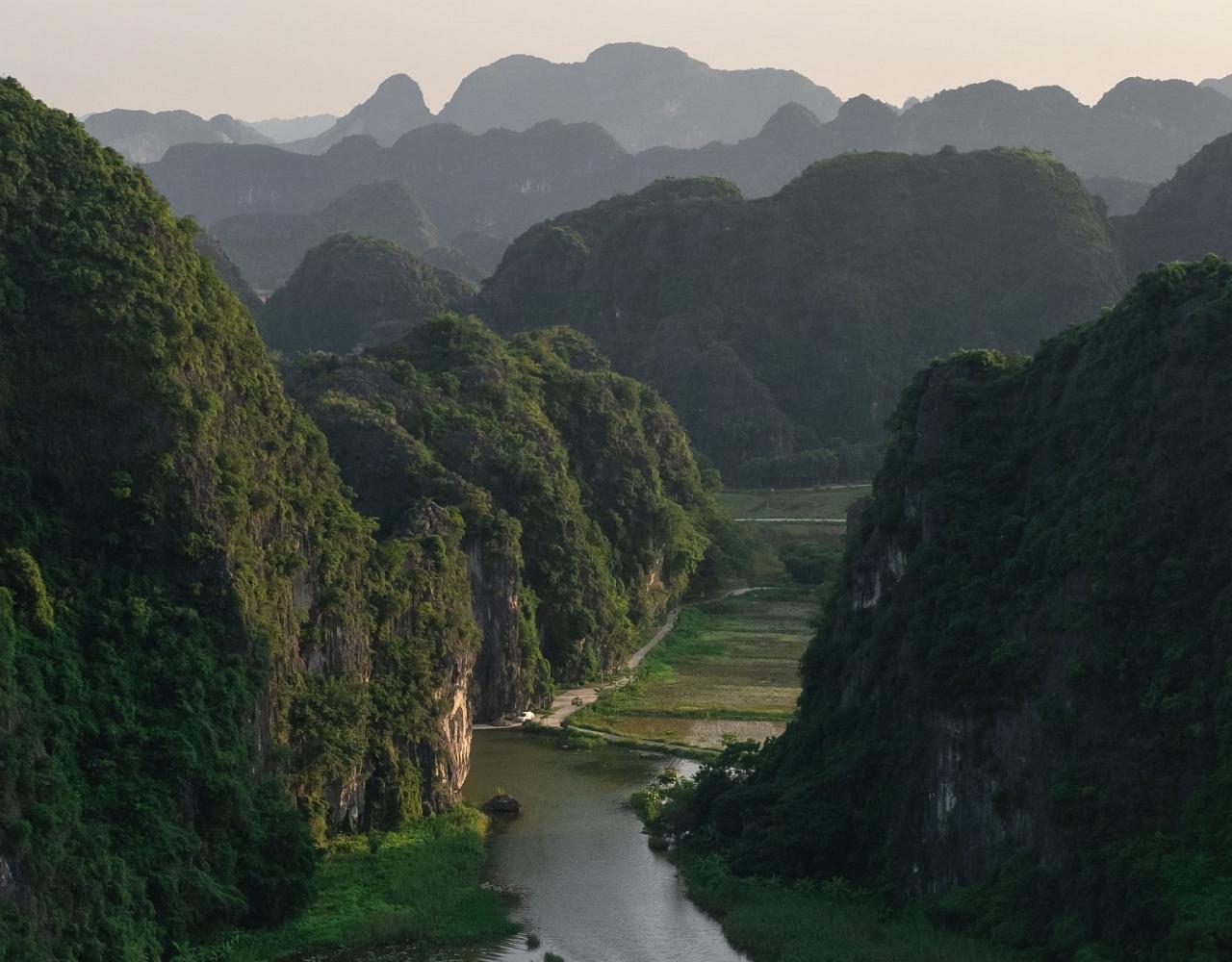
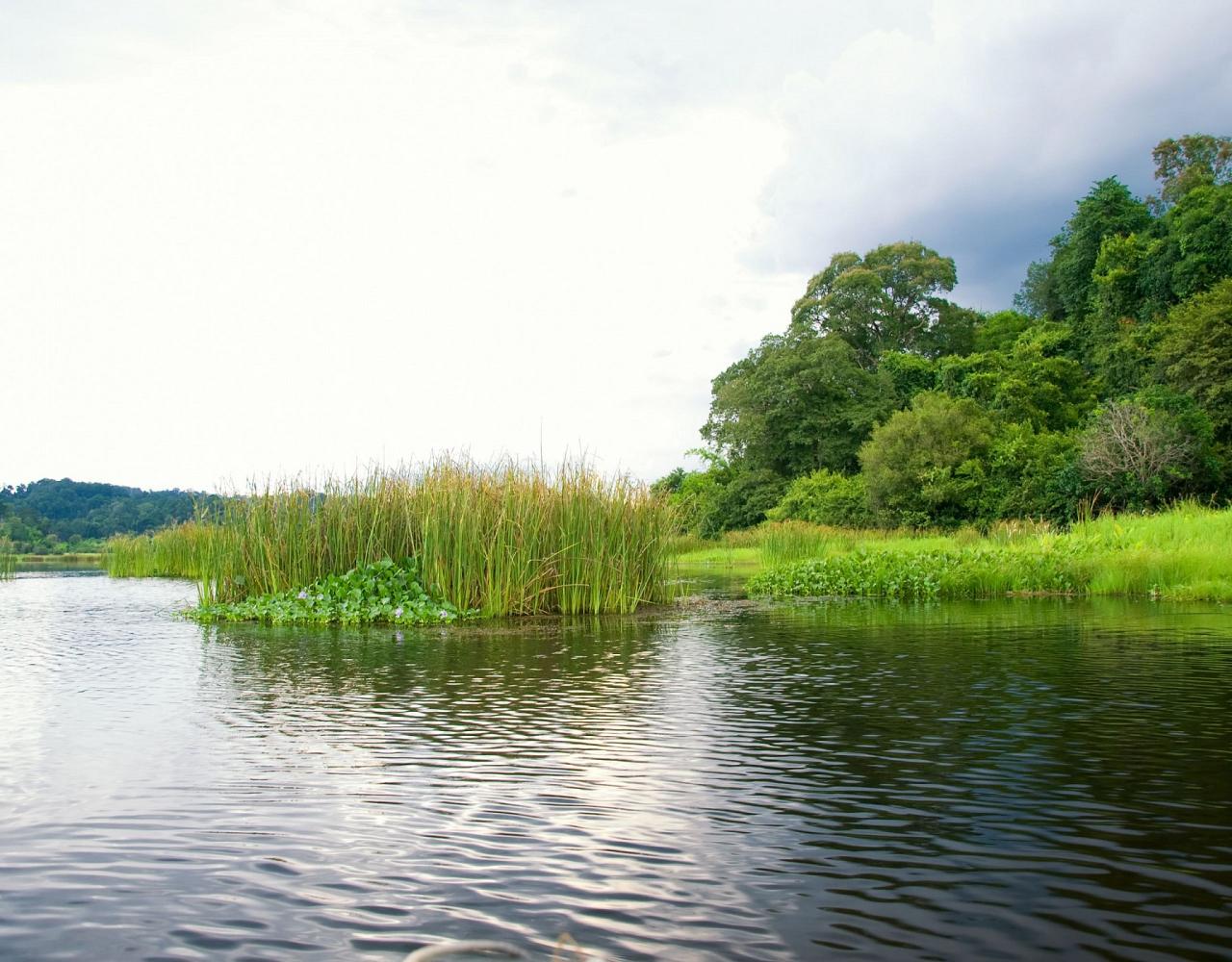
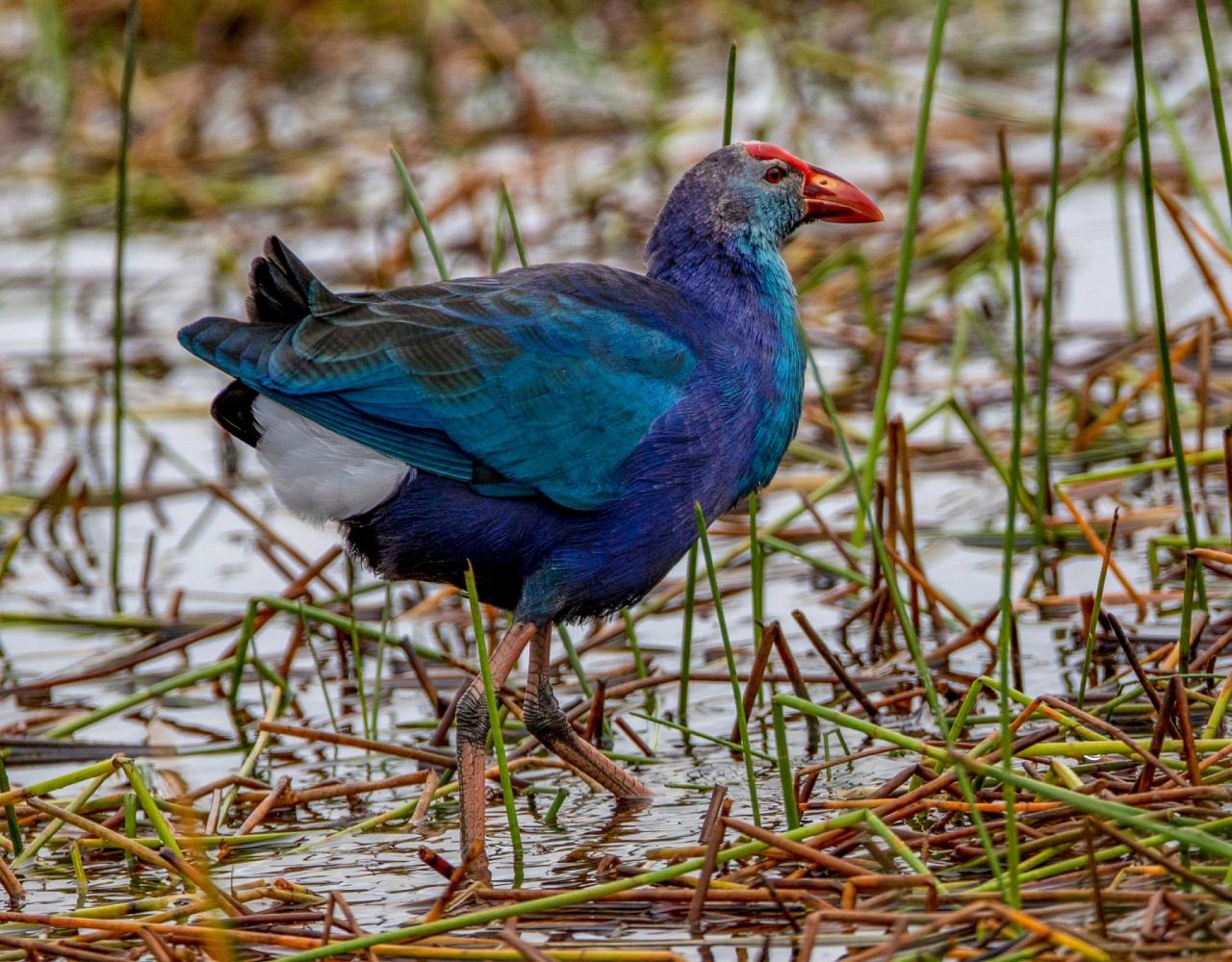
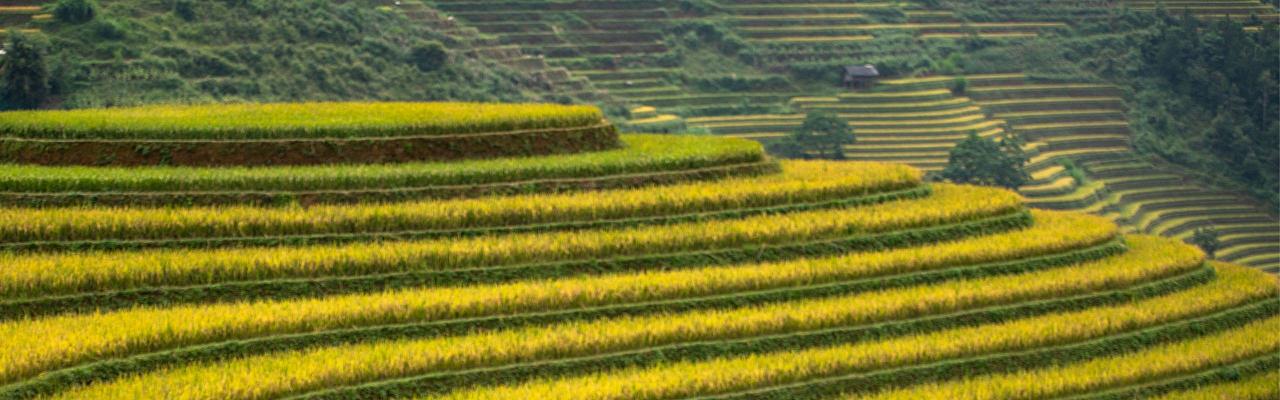
It’s always fun to explore by boat and doing so gives us a unique perspective of the reserve of flooded rice fields. We venture out in a sampan, a traditional flat-bottomed wooden boat, admiring the dramatic limestone pinnacles that surround us. While floating through this tranquil reserve, we may see Oriental Honey Buzzard, Bonelli’s Eagle, Crescent Serpent Eagle, or Eastern Marsh Harrier soaring above and we search closely for the impressive looking Pheasant-tailed Jacana and three possible bittern species: Cinnamon, Black, and Yellow. Among the reeds and channels of this 7500-acre wetland, look for White-breasted Waterhen, Gray-headed Swamphen, flocks of Asian Openbill, Chinese Pond Heron, and both White-throated and Common Kingfisher. After our relaxing sampan ride with such impressive views of the mountains, we continue to Hanoi and transfer to the airport for our flight to Dalat. We arrive in the early afternoon and settle into our comfortable, family-run hotel. 

Surrounded by the Langbiang Mountain Range with an abundance of pine forests, lakes, and waterfalls, Dalat is not only a great tourist destination, but a fantastic birding area. Located in Vietnam’s central highlands, it is situated on the Dalat Plateau, a mile-high city at around 5000 feet. Because of its cooler climate, it is both a domestic and international tourist destination for those looking to escape the heat of the lowlands. This is a rich agricultural area, and its lovely mountain scenery has made it a popular honeymoon spot for Vietnamese. Built by the French in the early 1900s with the intention of reminding Europeans of home, the inspiration of that era is unmistakable in the architecture throughout the city with modern influences of Vietnamese charm.   

Home to several of Vietnam’s endemic bird species and many distinctive local subspecies, we have several days to explore the montane evergreen and coniferous forests around Dalat. After checking into our hotel, we begin our exploration at one of the exciting birding sites in the area.

Dinner tonight is at a local restaurant where we continue to sample some superb Vietnamese food.
Accommodations at the Dreams Hotel (B,L,D) 

Fri., Nov. 27 & Sat., Nov. 28     Dalat       

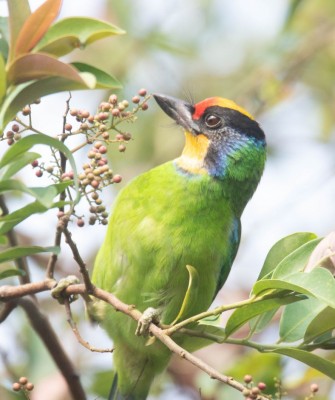
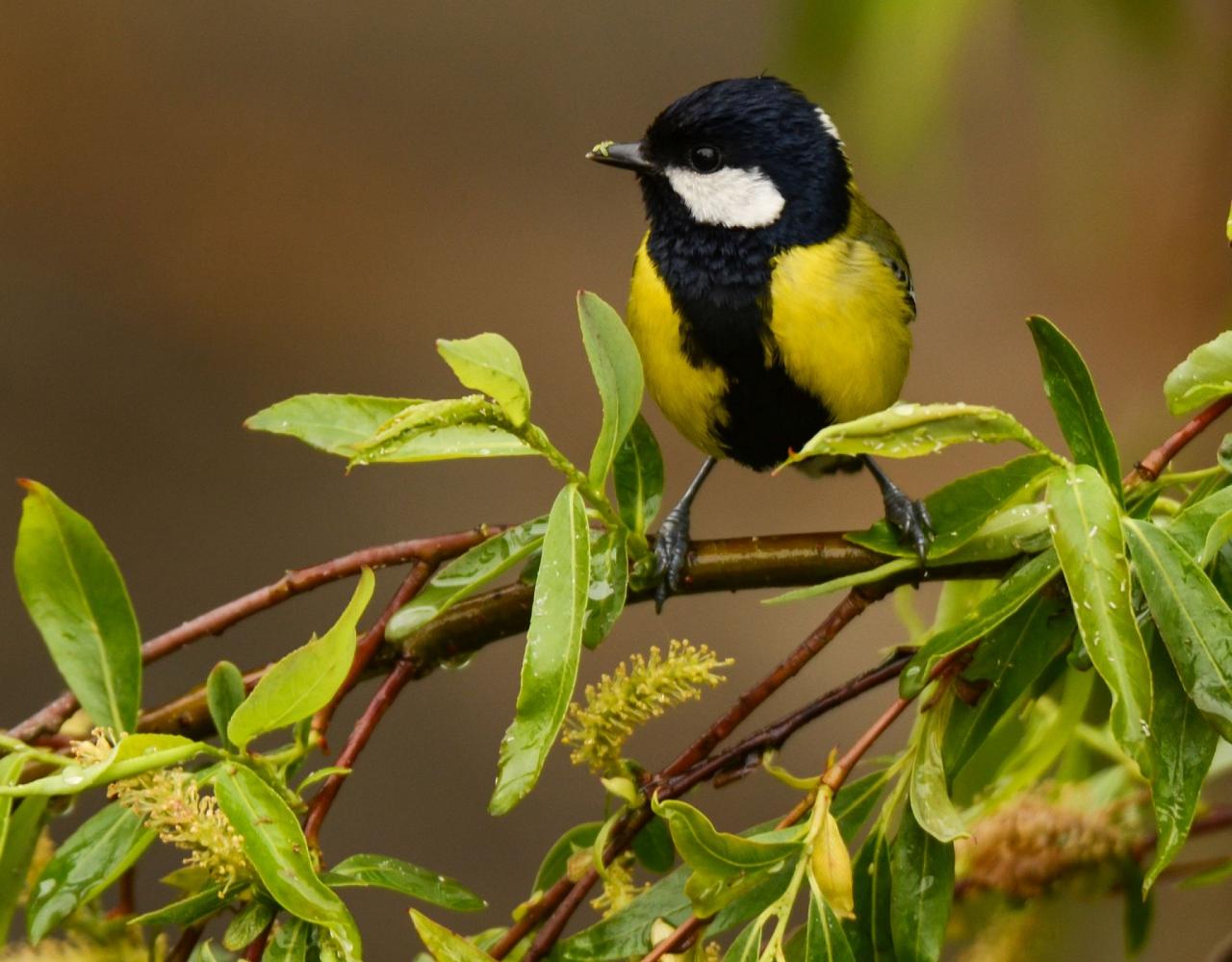
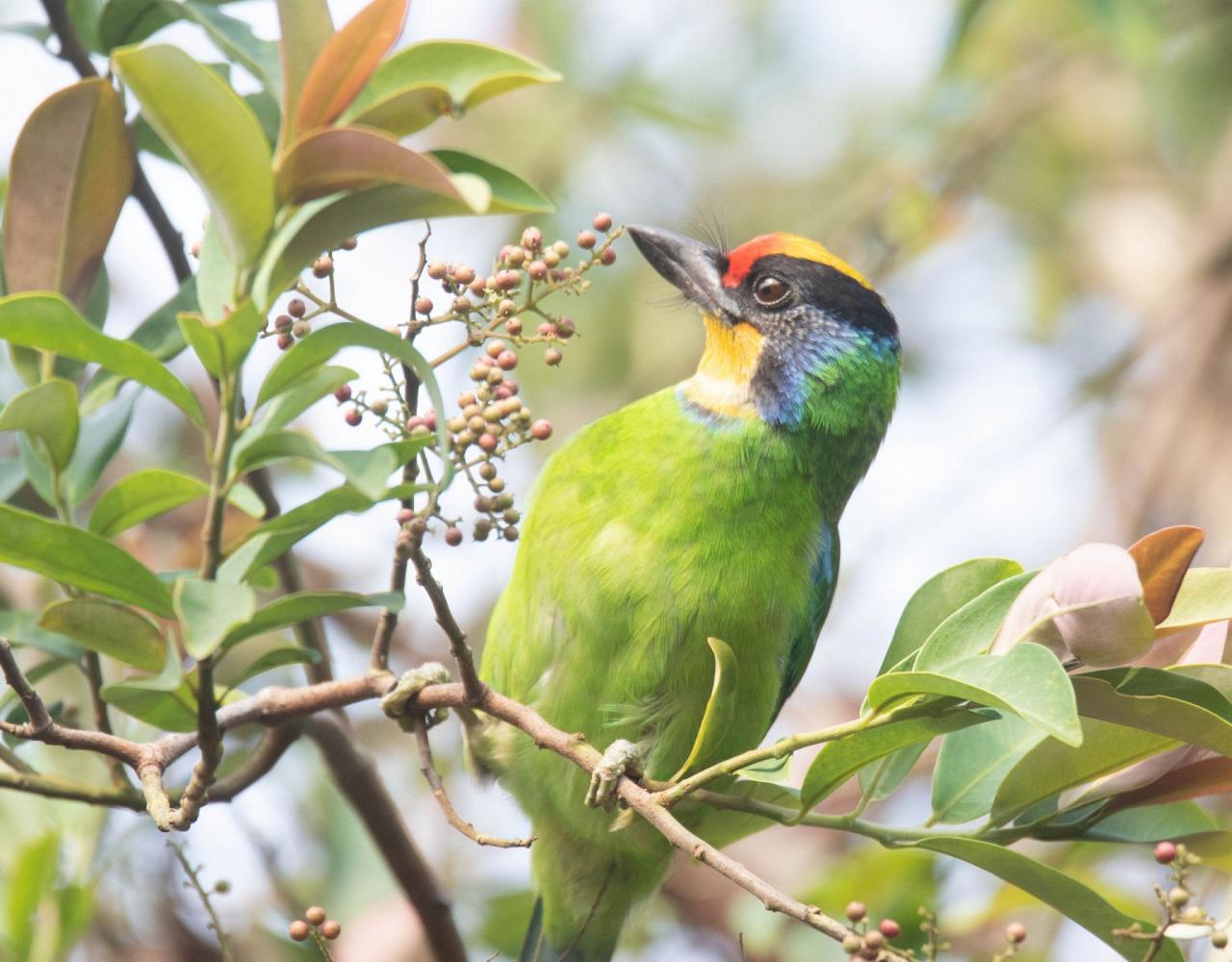
We have two full days to explore the many great birding areas around Dalat, one of five endemic bird areas (EBA) of Vietnam. We visit Mount Lang Bian, an iconic landmark that rises to a height of about 7000 feet and is considered the ‘roof of Dalat’. While known for its stunning views and recreational opportunities, Mount Lang Bian is also a birding hotspot. Specialties here include the brightly colored Necklaced Barbet, Annam and Langbian Sunbirds, Green-backed Tit, Vietnamese Greenfinch, and Lesser Shortwing.

Another great birding spot we visit is Ta Nung Valley, located just west of the city. This small, but very productive birding area has over 300 species recorded. The sub-montane forest here is a good location for the very rare endangered and endemic Gray-crowned Crocia, which has a highly restricted range in the Dalat area. Other birds in this area include the Dalat Shrike-babbler, Indochinese Barbet, the exquisitely colored Blue Pitta, and Black-headed Sibia. We walk in lush tropical evergreen and conifer forests. Vietnam has 33 species of conifer trees! The region has a variety of small mammals including squirrels and porcupines. 

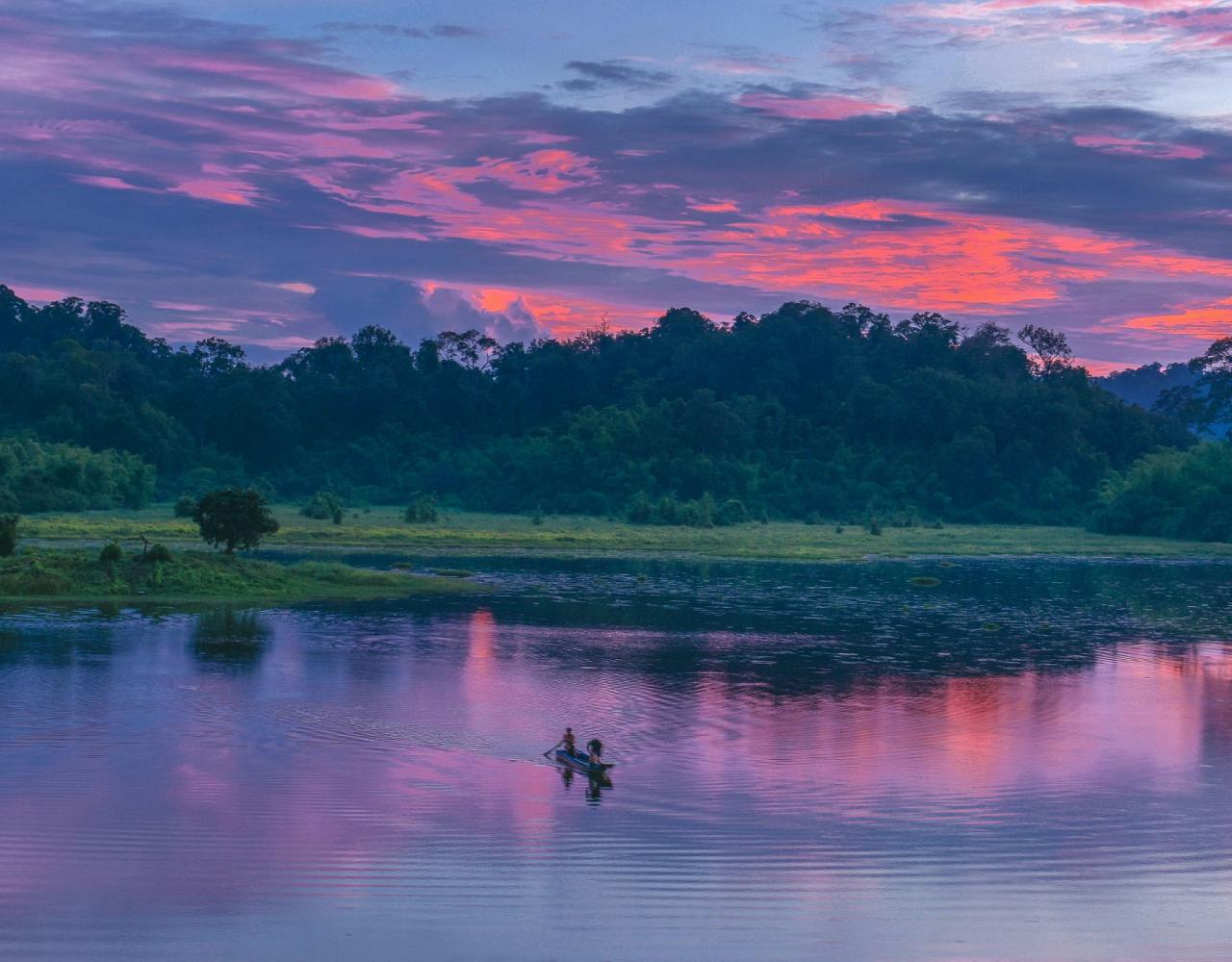
We also spend time along the shores of Tuyen Lam Lake, a large reservoir constructed in the 1930s. “Tuyen” means stream and “Lam” means forest in Vietnamese and it’s a fitting name for this picturesque jade-green lake surrounded by forest and mountains. This is a good spot for finding White-browed Shrike-Babbler, Ashy Bulbul, Pin-tailed Green Pigeon, Annam Minivet (a local subspecies of Long-tailed Minivet), and the uniquely long-billed Streaked Spiderhunter. 

Our hotel is in the city, often called the City of Flowers, so you should have some time to explore. Dinners are at local restaurants selected by our guide to give us a taste of even more excellent Vietnamese cuisine featuring the many locally grown fruits and vegetables. 

Some Birding Highlights here include White-browed Shrike-babbler, Annam Minivet, Annam Prinia, Annam Grasshopper-warbler, Black-crowned Fulvetta, Collared Laughingthrush, Black-hooded Laughingthrush, White-cheeked Laughingthrush, Grey-crowned Crocia, Langbian Sunbird, Annam Sunbird, Vietnamese Greenfinch, Pin-tailed Green-pigeon, Red-vented Barbet, Necklaced Barbet, Indochinese Barbet, Blue Pitta, Slender-billed Oriole, Yellow-crowned Green Magpie, Green-backed Tit, Grey-crowned Tit, Ashy Bulbul, Black-headed Parrotbill, Vietnamese Cutia, White-spectacled Sibia, Manipur Treecreeper, Yellow-billed Nuthatch, Lesser Shortwing, and Red Crossbill.
Accommodations at the Dreams Hotel (B,L,D) 

Sun., Nov. 29      Dalat to Di Linh 

We have one more full morning to take in the rich diversity of birding from Dalat. Our lodgings have been in the city, using the hotel as a handy base, but today we return to countryside lodgings at Di Linh, a two-hour drive to the south. This is a scenic route, in the mountains. A forested mountain pass near Di Linh, known locally as Deo Suoi Lanh, is an excellent place to look for several Dalat Plateau specialities that may have been missed at Dalat, including Black-hooded and White-cheeked Laughingthrushes and the near-endemic Black-headed Parrotbill. After an afternoon’s birding at one of our favorite trails, Deo Suoi Lanh, we return to Di Linh for the night. Our accommodations are in an agricultural area, a nice chance to observe the day-to-day life of rural Vietnam. Dining is at a favorite local restaurant. 
Overnight in the countryside at Di Linh (B,L,D)

Mon., Nov. 30    Di Linh to Cat Tien National Park

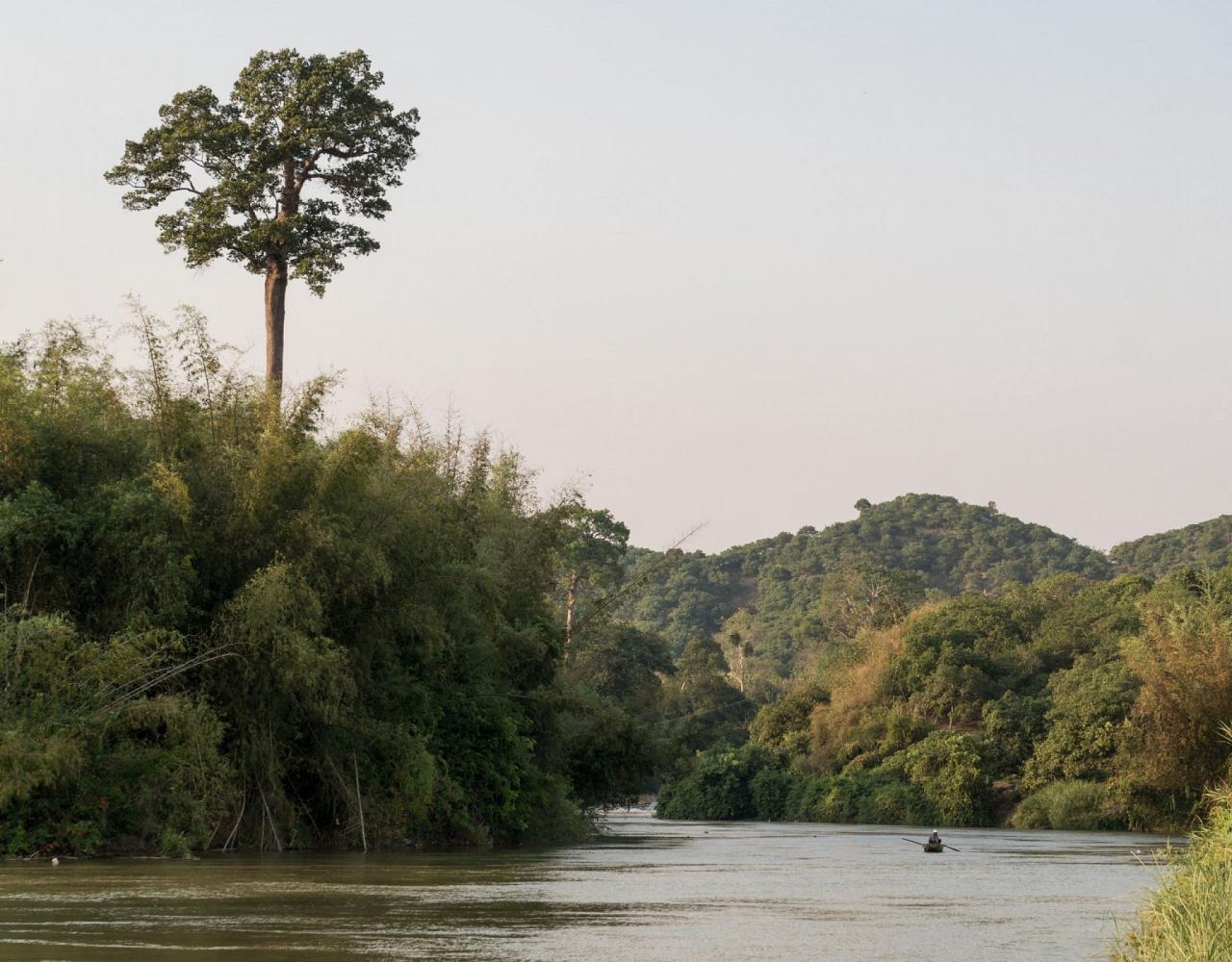
From our nearby lodgings, we make a final early morning visit to the Deo Suoi Lanh trail to look for other exciting possible bird species that could include Blue Pitta, Indochinese Green Magpie, Spotted Forktail, and Green Cochoa, before continuing to Cat Tien National Park, one of the top birding and wildlife spots in Vietnam. The park contains the largest remaining area of lowland tropical forest in south Vietnam and is a popular tourist destination, partially due to its proximity to Ho Chi Minh City, which is only three hours away. Cat Tien also has large areas dominated by grassland and bamboo, which is a result of wartime defoliation and post-war logging that continued into the 1990s. Geologically, the park is in the transition zone between the Southern-Central Highland and the Central Plain. Recognized as a UNESCO Biosphere Reserve, the park has an incredible diversity of birds and mammals that include approximately 350 bird species and 100 mammal species. Endangered birds found at Cat Tien include Germain’s Peacock-pheasant, Green Peafowl, and the elusive Orange-necked Partridge, while the mammal list includes Leopard Cat, Gaur, and two endangered primates, Black-shanked Douc Langur and Buff-cheeked Gibbon.

The park is accessed via the Dong Nai River, and we take a ferry to cross and then jeeps take us the rest of the way. Our accommodations in the park are simple but once again give us access to supreme birding and the chance to find some mammals. We arrive in the afternoon and after getting settled, we head out to explore around the headquarters area.
Accommodations at the Cat Tien HQ Guesthouse (B,L,D)

Tues., Dec. 1 – Thurs., Dec. 3         Cat Tien National Park

We have three full days to explore this gem of a park to maximize our bird and mammal viewing. The park, established in 1998, combines three former protected areas; the earliest sector was the first protected area in the country, established in 1978. It is the most protected park in the country, with a natural river border between it and surrounding settlements. 

There are excellent trails that start right from the headquarters area, and we use jeeps to explore further out in the field. Our days begin early, with breakfast at 5:30 AM, but luckily we have delicious coffee to get us going! Mornings are spent searching for birds and mammals in a variety of locations in the park until late morning. We return to headquarters for lunch and take a break from the mid-day heat before resuming our field time in the late afternoon. 

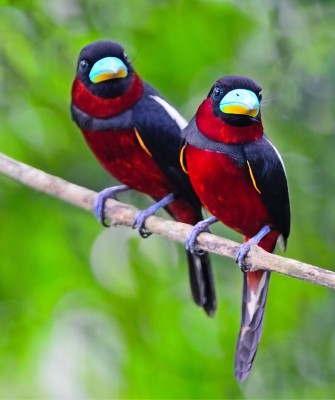
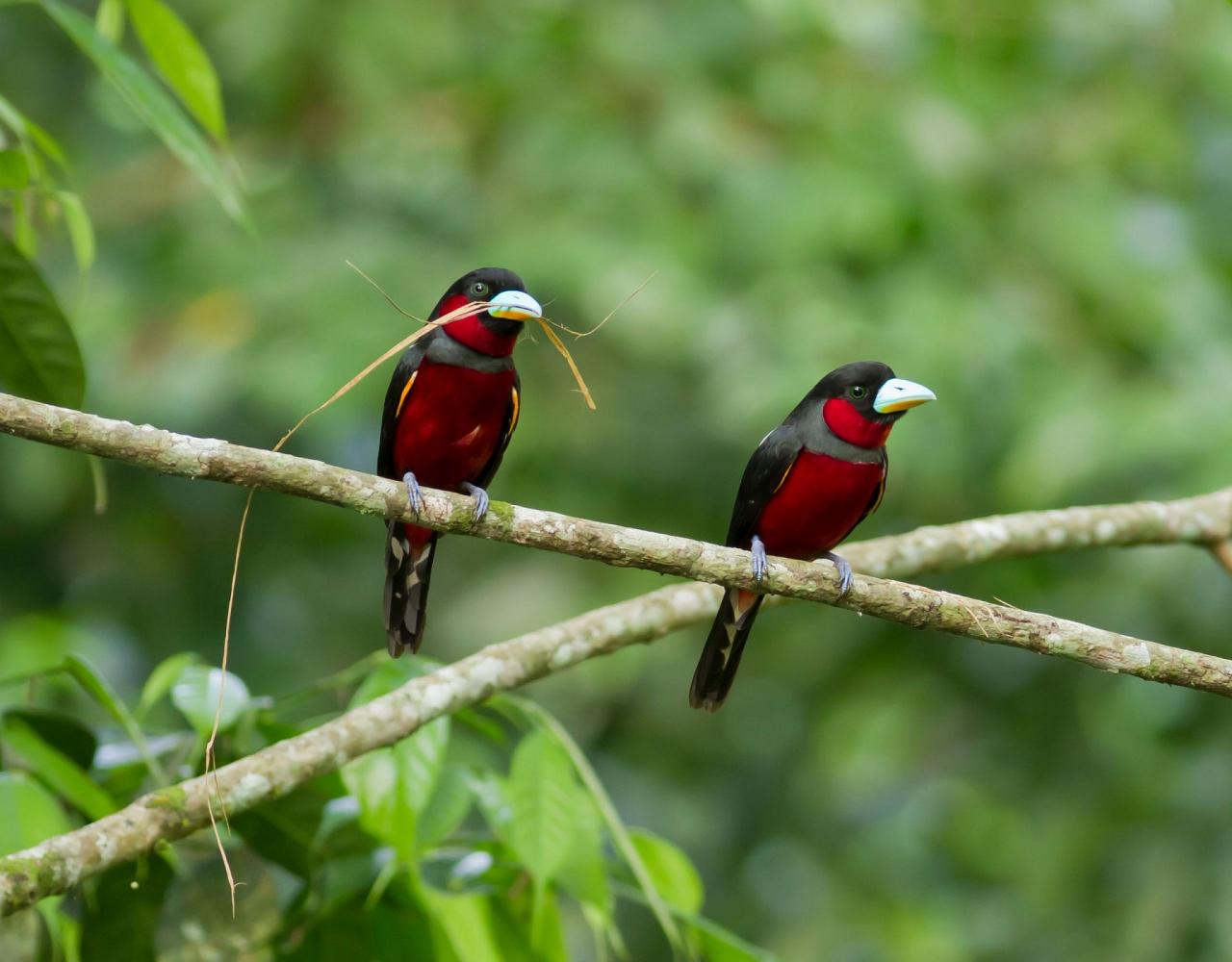
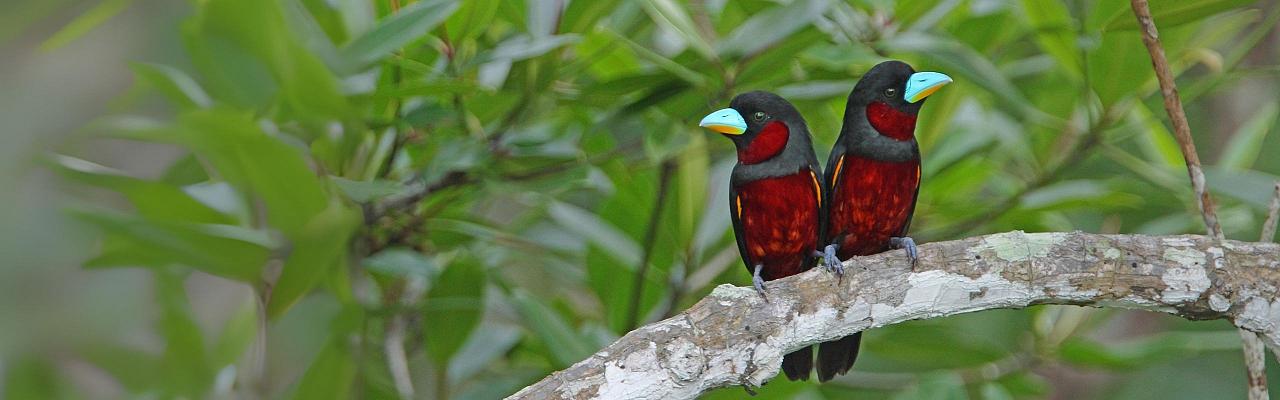
Bird species we hope to see are three species of broadbills, including the unmistakable Black-and-red Broadbill that builds pendulous nests that hang over forested waterways. With luck we may find one building its nest. This forested area also provides good opportunity to see several woodpecker species including the small Black-and-buff and Heart-spotted Woodpeckers, the unique bamboo specialist Pale-headed Woodpecker, and the largest woodpecker in the world, the prehistoric looking Great Slaty Woodpecker. A few vulnerable and endangered bird species can also be found in Cat Tien including Germain’s Peacock Pheasant, a beautiful brown pheasant with iridescent sapphire spots on its body, Green Peafowl, and the elusive and intricately patterned Orange-necked Partridge.  

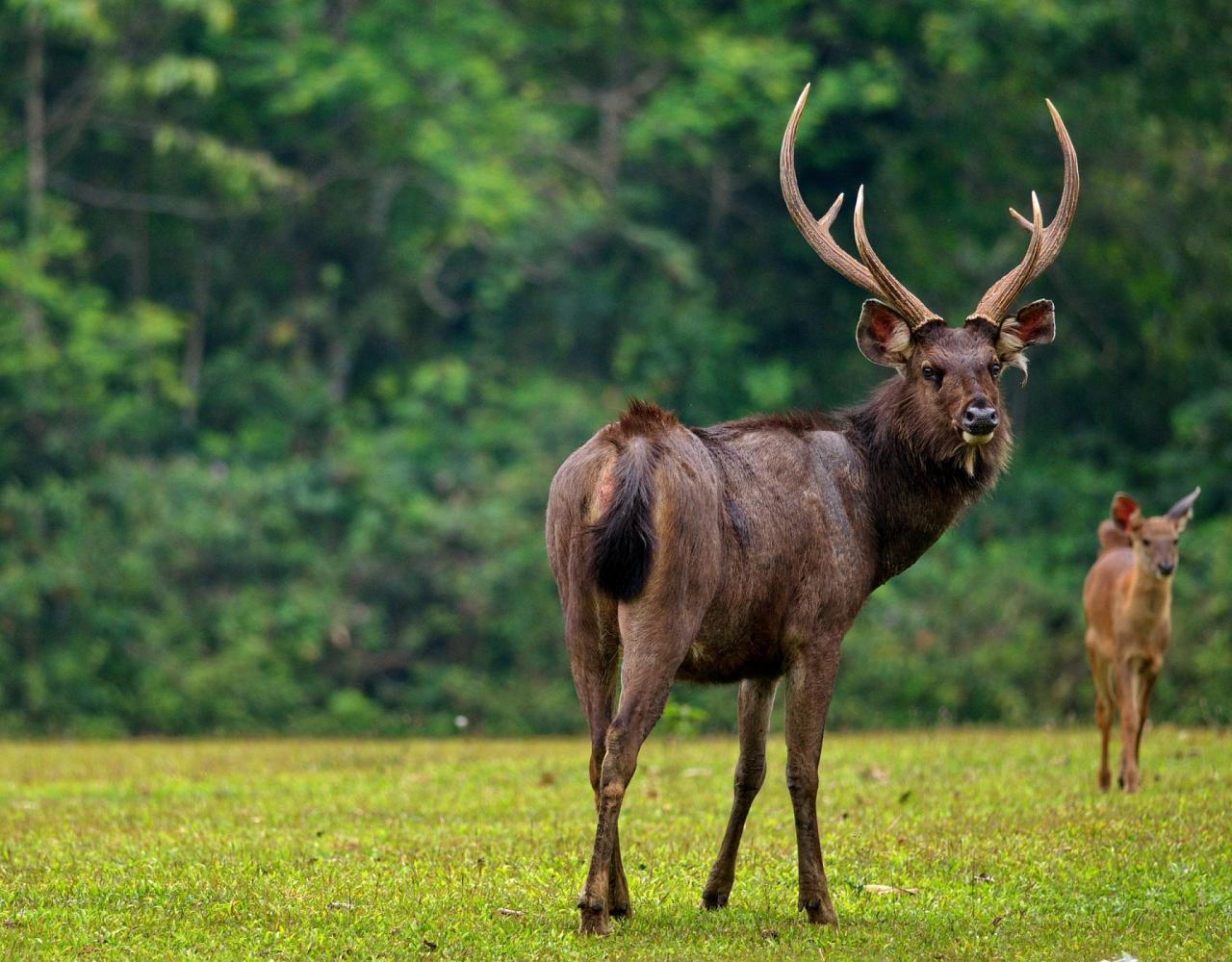
Cat Tien is not only great for birding, but we also have the chance to see several mammal species as well; this is our best location to do so. This is lush, thick lowland evergreen forest and our visit is timed for the end of the dry season, so wildlife may congregate at water sources. There are a number of freshwater streams and lakes. The most sought after species is the Clouded Leopard but they are extremely rare and difficult to find (most often caught on camera traps). We should find Southern Red Muntjac, Sambar Deer, Gaur (the Asian equivalent of bison), and we may possibly find two endangered primates, Black-shanked Douc Langur and Buff-cheeked Gibbon.

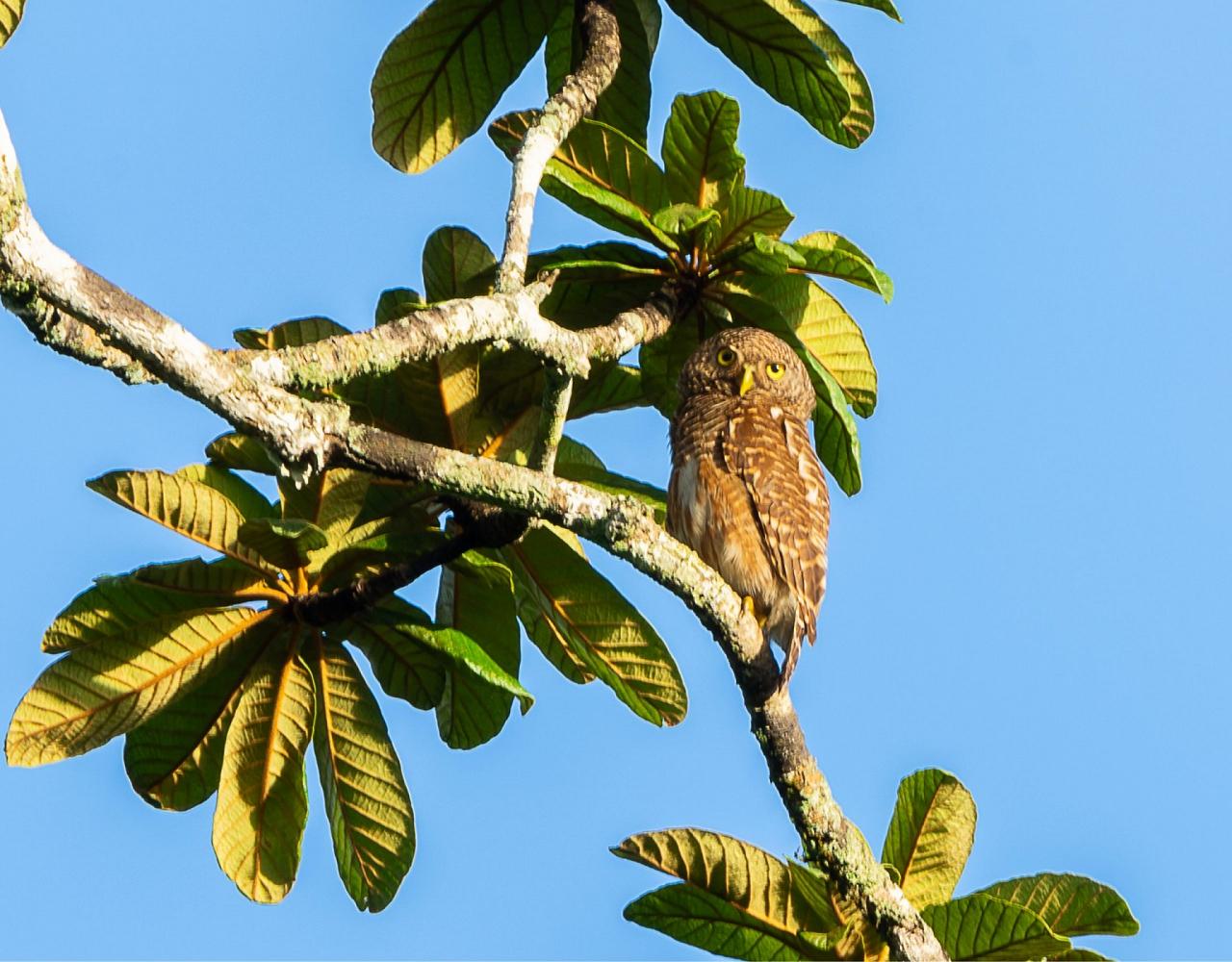
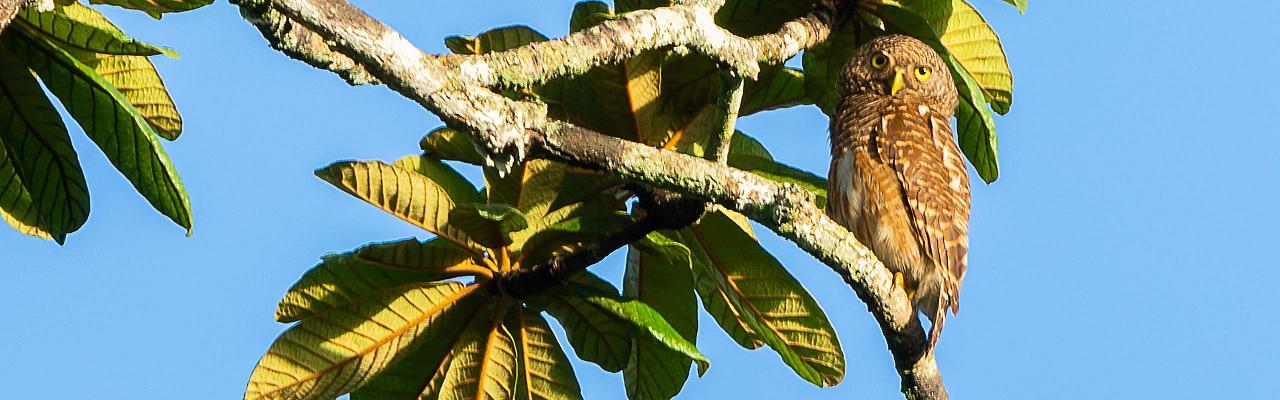
We take a night walk to look for night birds and mammals on at least one of our nights here. Possible bird species include Great-eared Nightjar, Asian Barred Owlet, Collared Scops-Owl, and Brown Boobook. With luck we might find a Common Giant Flying Squirrel. 

Birding Highlights: Germain’s Peacock-pheasant, Green Peafowl, Orange-necked Partridge, Green-legged Partridge, Siamese Fireback, Asian Woollyneck, Lesser Adjutant, Dollarbird, Coppersmith Barbet, Green-eared Barbet, White-bellied Woodpecker, Great Slaty Woodpecker, Pale-headed Woodpecker, Black-and-buff Woodpecker, Heart-spotted Woodpecker, Bar-bellied Pitta, Blue-rumped Pitta, Banded Broadbill, Dusky Broadbill, Black-and-red Broadbill, and the Indochinese-endemic Grey-faced Tit-Babbler.
Accommodations at the Cat Tien HQ Guesthouse (B,L,D)

Fri., Dec. 4          Ho Chi Minh City

We spend our final morning birding at Cat Tien National Park to look for any species we may have missed over the last few days. After lunch we make our way to Ho Chi Minh City, which is a three-hour drive. We check into our hotel and get settled. 

Tonight, we enjoy a final celebratory dinner, recount our trip highlights, and tally our species. 
Accommodations at the Icon Saigon Hotel in Ho Chi Minh City (B,L,D) 

Sat., Dec. 5.         Departures

Today is at leisure for flights back home out of the Tan Son Nhat International Airport (SGN).

  • Birding Vietnam, Bird Watching Vietnam, Birding Asia, Naturalist Journeys, Wildlife Tour, Wildlife Photography, Ecotourism, Specialty Birds, Endemic Birds, Birding Hotspot, Cuc Phuong

    Black-and-red Broadbill

  • Birding Vietnam, Bird Watching Vietnam, Birding Asia, Naturalist Journeys, Wildlife Tour, Wildlife Photography, Ecotourism, Specialty Birds, Endemic Birds, Birding Hotspot, Cuc Phuong

    Crested Serpent-Eagle

  • Birding Vietnam, Bird Watching Vietnam, Birding Asia, Naturalist Journeys, Wildlife Tour, Wildlife Photography, Ecotourism, Specialty Birds, Endemic Birds, Birding Hotspot, Cuc Phuong

    Bar-bellied Pitta

  • Birding Vietnam, Bird Watching Vietnam, Birding Asia, Naturalist Journeys, Wildlife Tour, Wildlife Photography, Ecotourism, Specialty Birds, Endemic Birds, Birding Hotspot, Cuc Phuong

    Cuc Phuong National Park

  • Birding Vietnam, Bird Watching Vietnam, Birding Asia, Naturalist Journeys, Wildlife Tour, Wildlife Photography, Ecotourism, Specialty Birds, Endemic Birds, Birding Hotspot, Cuc Phuong

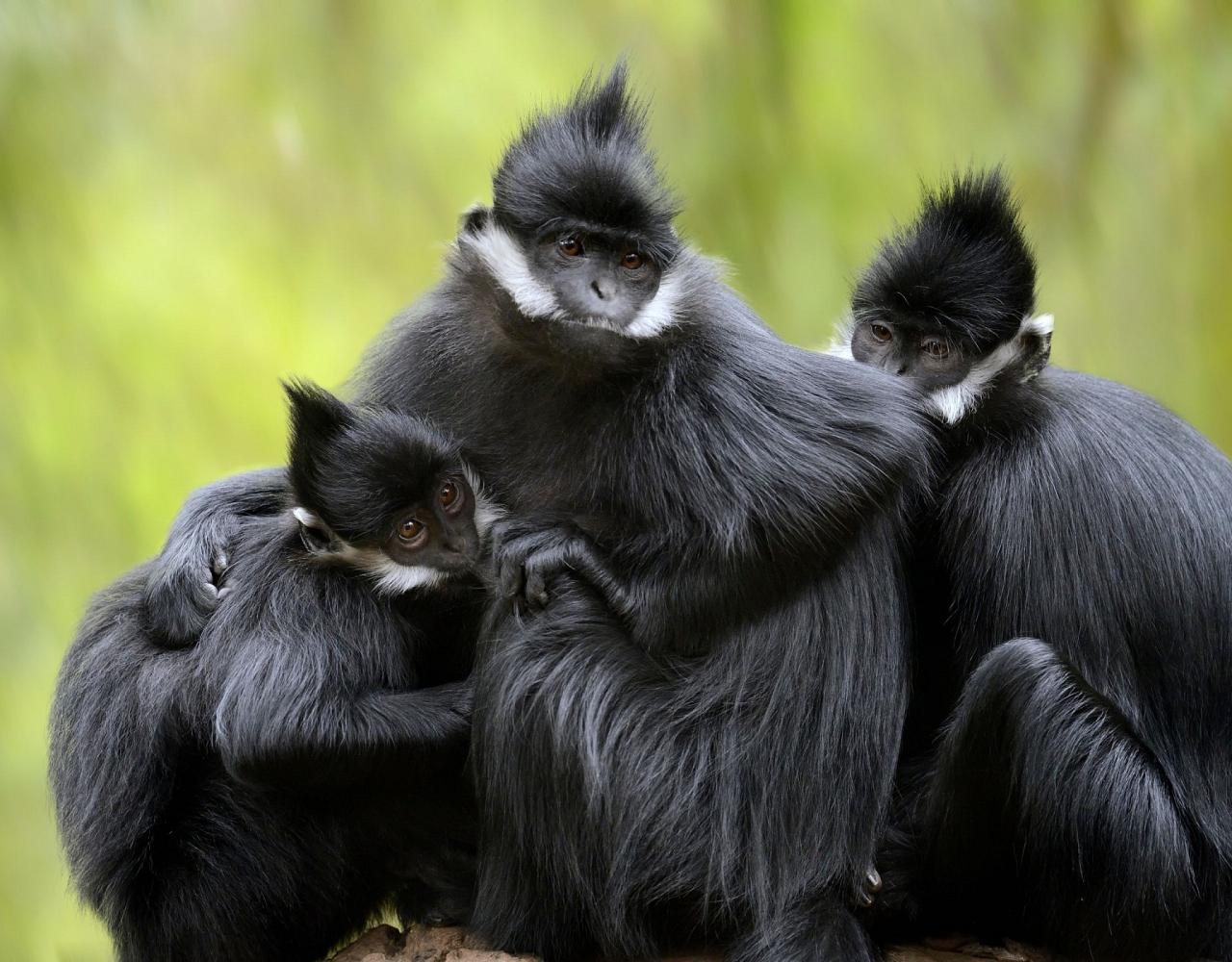
    Young Red-shanked Douc Langur

  • Birding Vietnam, Bird Watching Vietnam, Birding Asia, Naturalist Journeys, Wildlife Tour, Wildlife Photography, Ecotourism, Specialty Birds, Endemic Birds, Birding Hotspot, Cuc Phuong

    Cat Tien National Park

  • Birding Vietnam, Bird Watching Vietnam, Birding Asia, Naturalist Journeys, Wildlife Tour, Wildlife Photography, Ecotourism, Specialty Birds, Endemic Birds, Birding Hotspot, Cuc Phuong

    Traditional Vietnamese Food

  • Birding Vietnam, Bird Watching Vietnam, Birding Asia, Naturalist Journeys, Wildlife Tour, Wildlife Photography, Ecotourism, Specialty Birds, Endemic Birds, Birding Hotspot, Cuc Phuong

    Asian Barred Owlet

  • Birding Vietnam, Bird Watching Vietnam, Birding Asia, Naturalist Journeys, Wildlife Tour, Wildlife Photography, Ecotourism, Specialty Birds, Endemic Birds, Birding Hotspot, Cuc Phuong

    Buff-cheeked Gibbons

  • Birding Vietnam, Bird Watching Vietnam, Birding Asia, Naturalist Journeys, Wildlife Tour, Wildlife Photography, Ecotourism, Specialty Birds, Endemic Birds, Birding Hotspot, Cuc Phuong

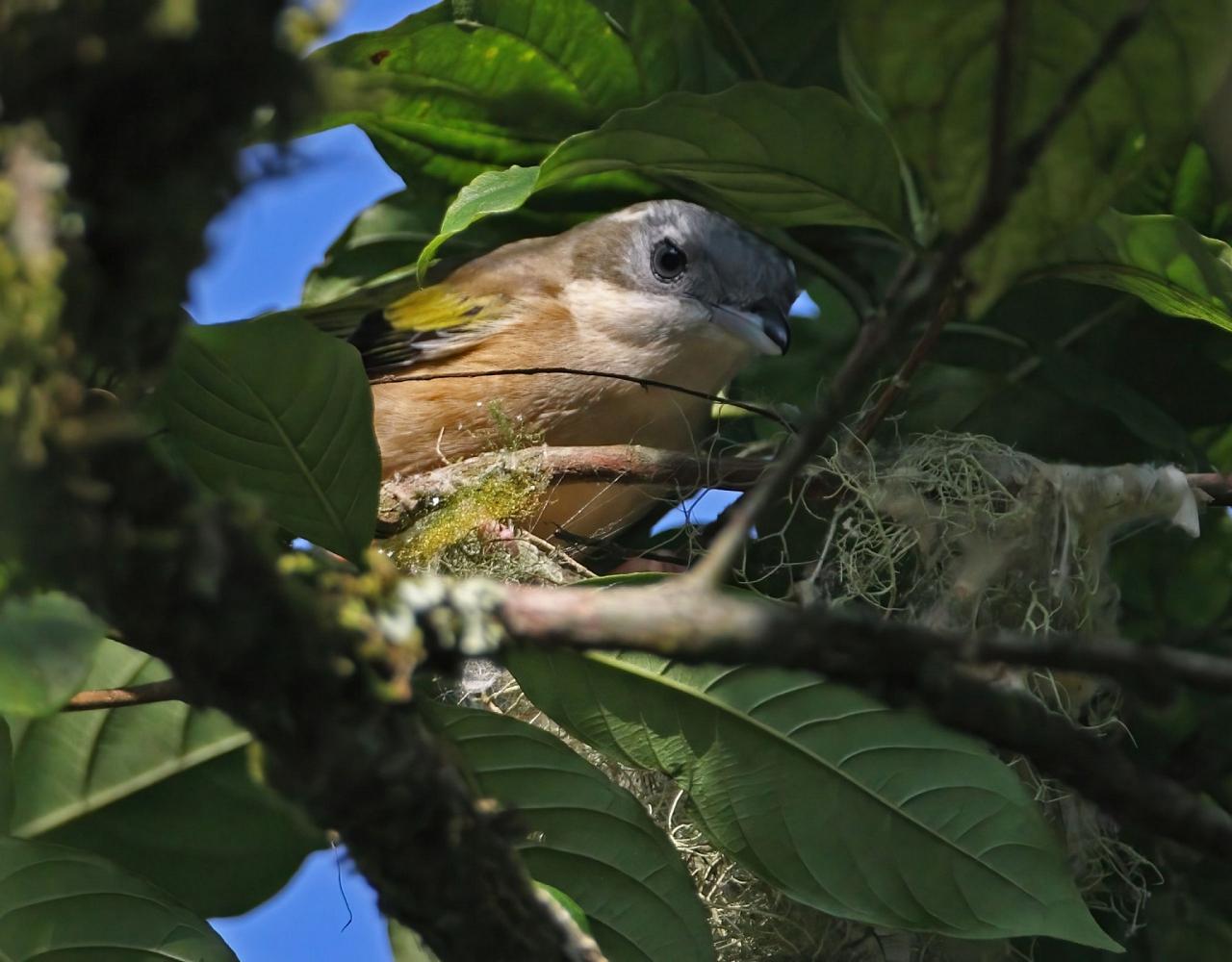
    White-browed Shrike-babbler

  • Birding Vietnam, Bird Watching Vietnam, Birding Asia, Naturalist Journeys, Wildlife Tour, Wildlife Photography, Ecotourism, Specialty Birds, Endemic Birds, Birding Hotspot, Cuc Phuong

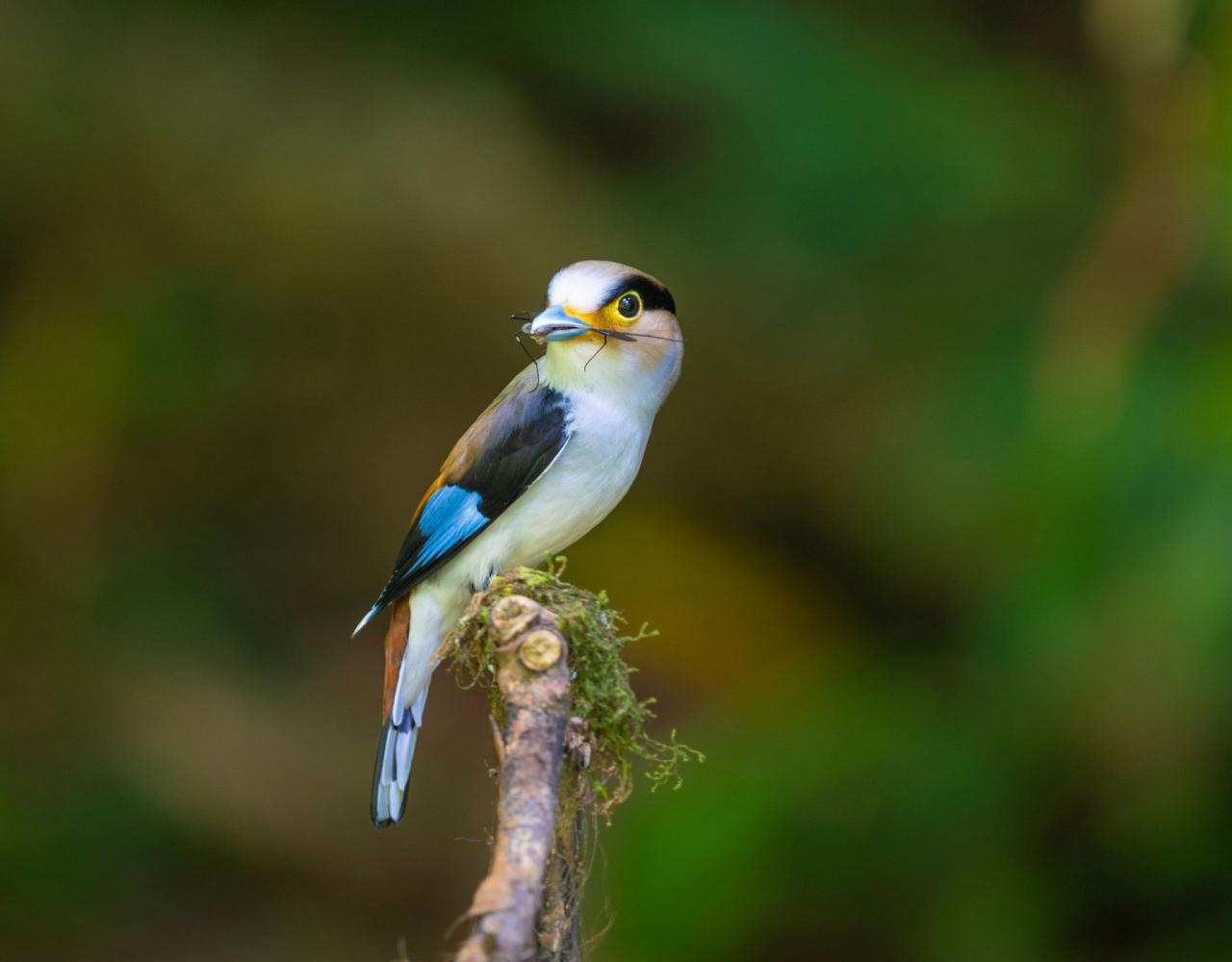
    Silver-breasted Broadbill

  • Birding Vietnam, Bird Watching Vietnam, Birding Asia, Naturalist Journeys, Wildlife Tour, Wildlife Photography, Ecotourism, Specialty Birds, Endemic Birds, Birding Hotspot, Cuc Phuong

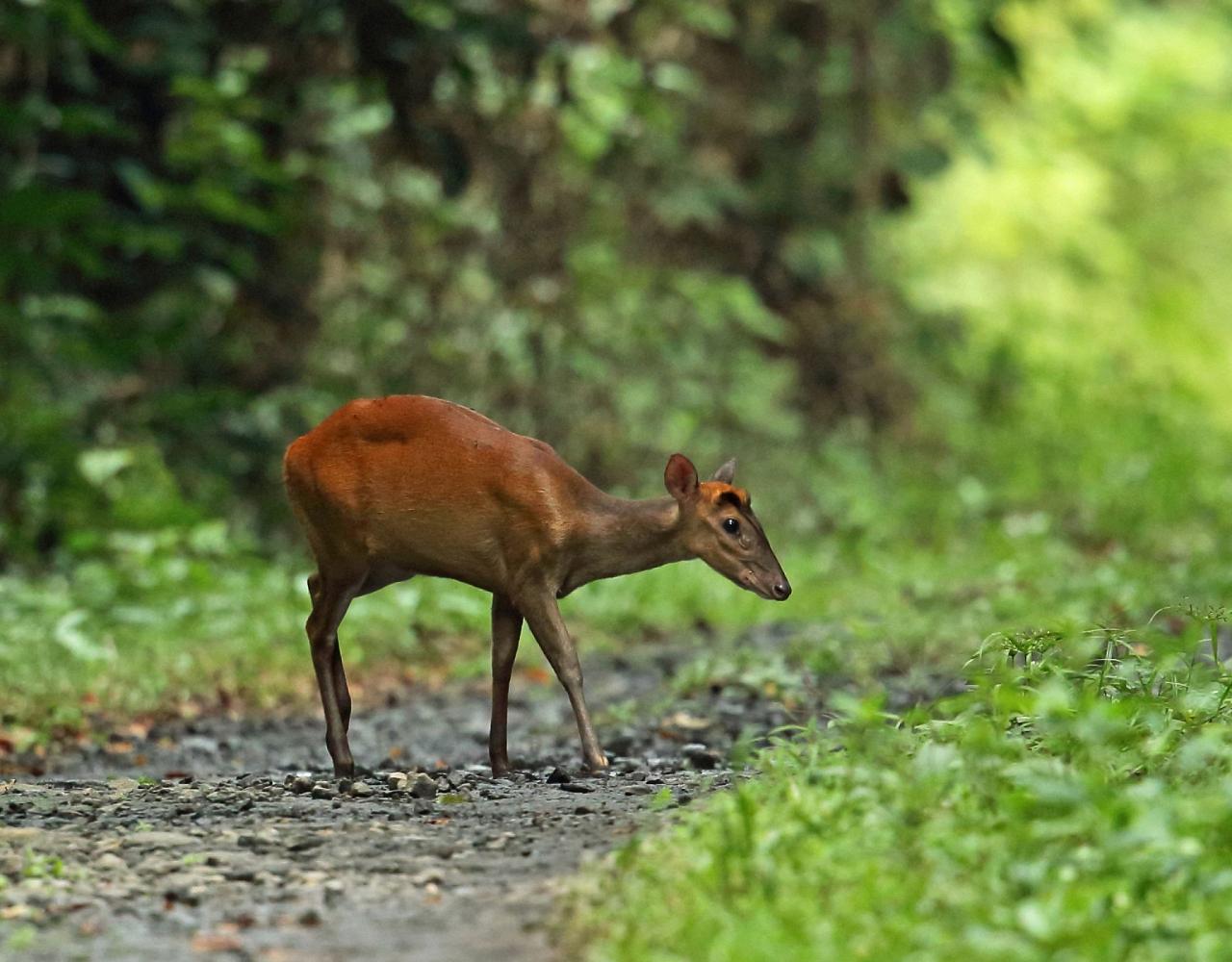
    Red Muntjac

  • Birding Vietnam, Bird Watching Vietnam, Birding Asia, Naturalist Journeys, Wildlife Tour, Wildlife Photography, Ecotourism, Specialty Birds, Endemic Birds, Birding Hotspot, Cuc Phuong

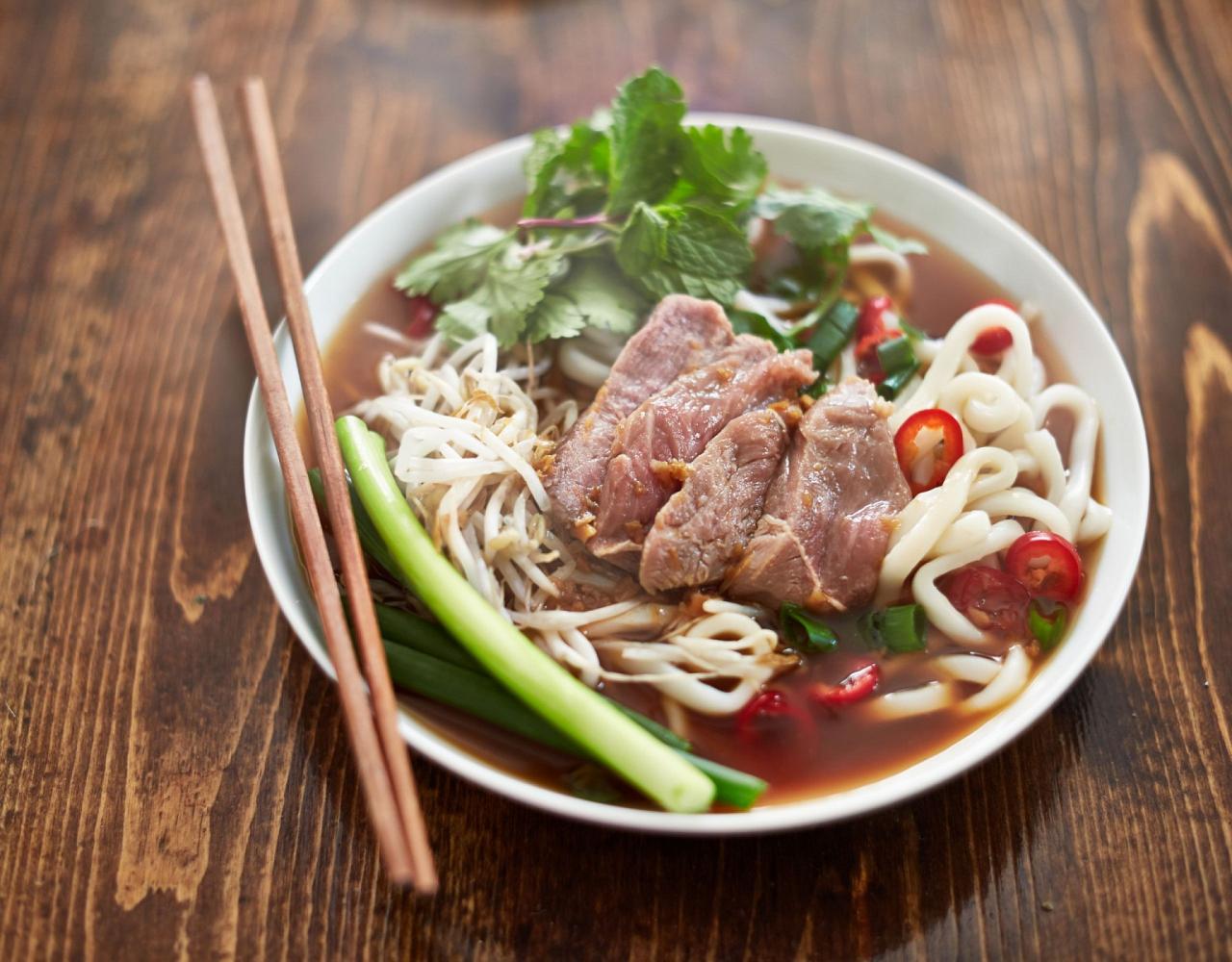
    Vietnamese Pho

  • Birding Vietnam, Bird Watching Vietnam, Birding Asia, Naturalist Journeys, Wildlife Tour, Wildlife Photography, Ecotourism, Specialty Birds, Endemic Birds, Birding Hotspot, Cuc Phuong

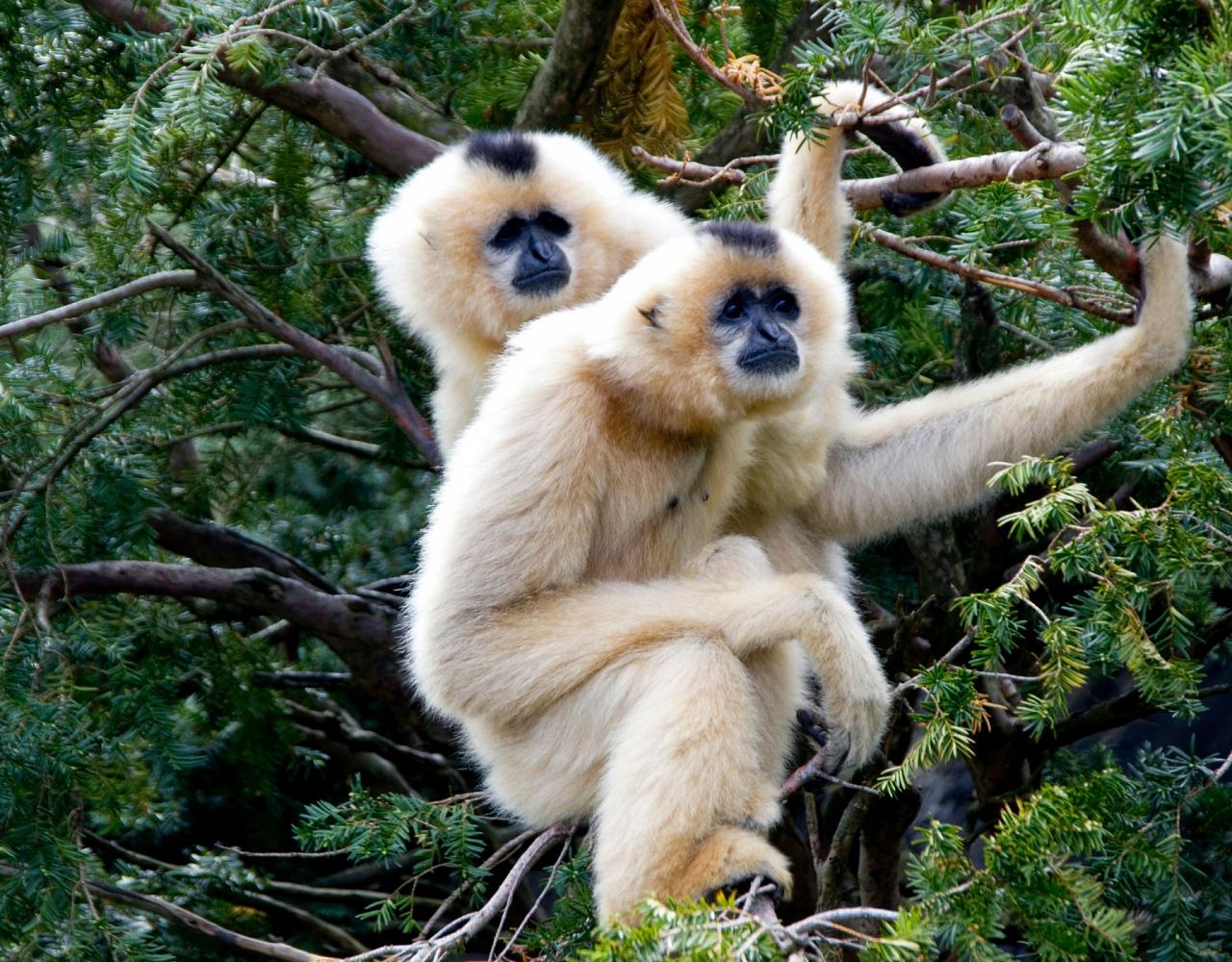
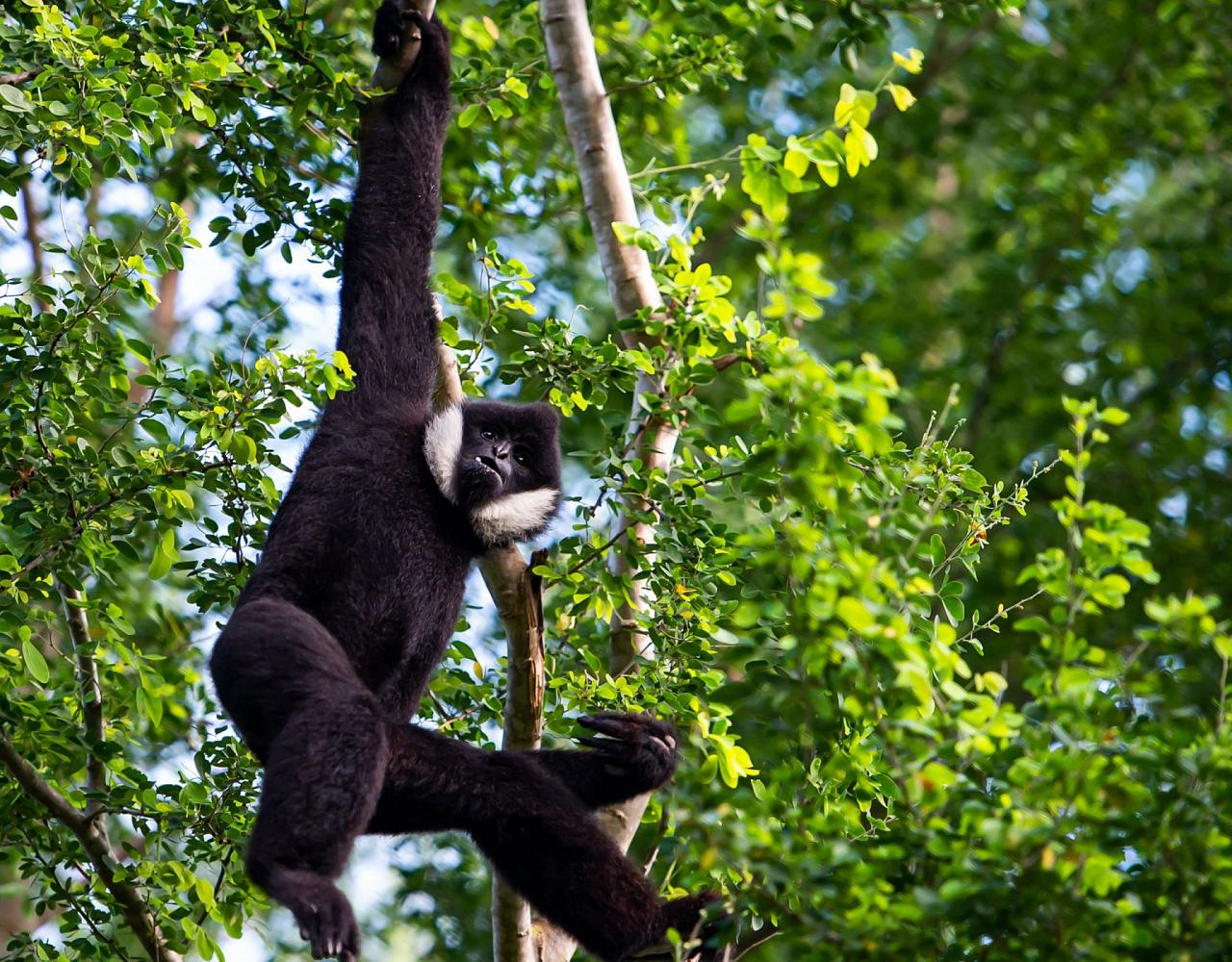
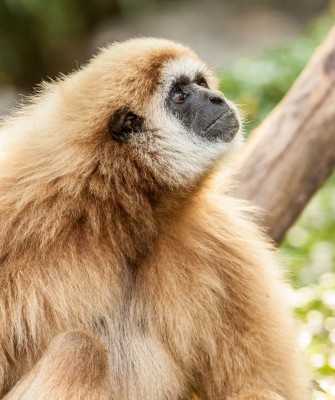
    White-cheeked Gibbon

  • Birding Vietnam, Bird Watching Vietnam, Birding Asia, Naturalist Journeys, Wildlife Tour, Wildlife Photography, Ecotourism, Specialty Birds, Endemic Birds, Birding Hotspot, Cuc Phuong

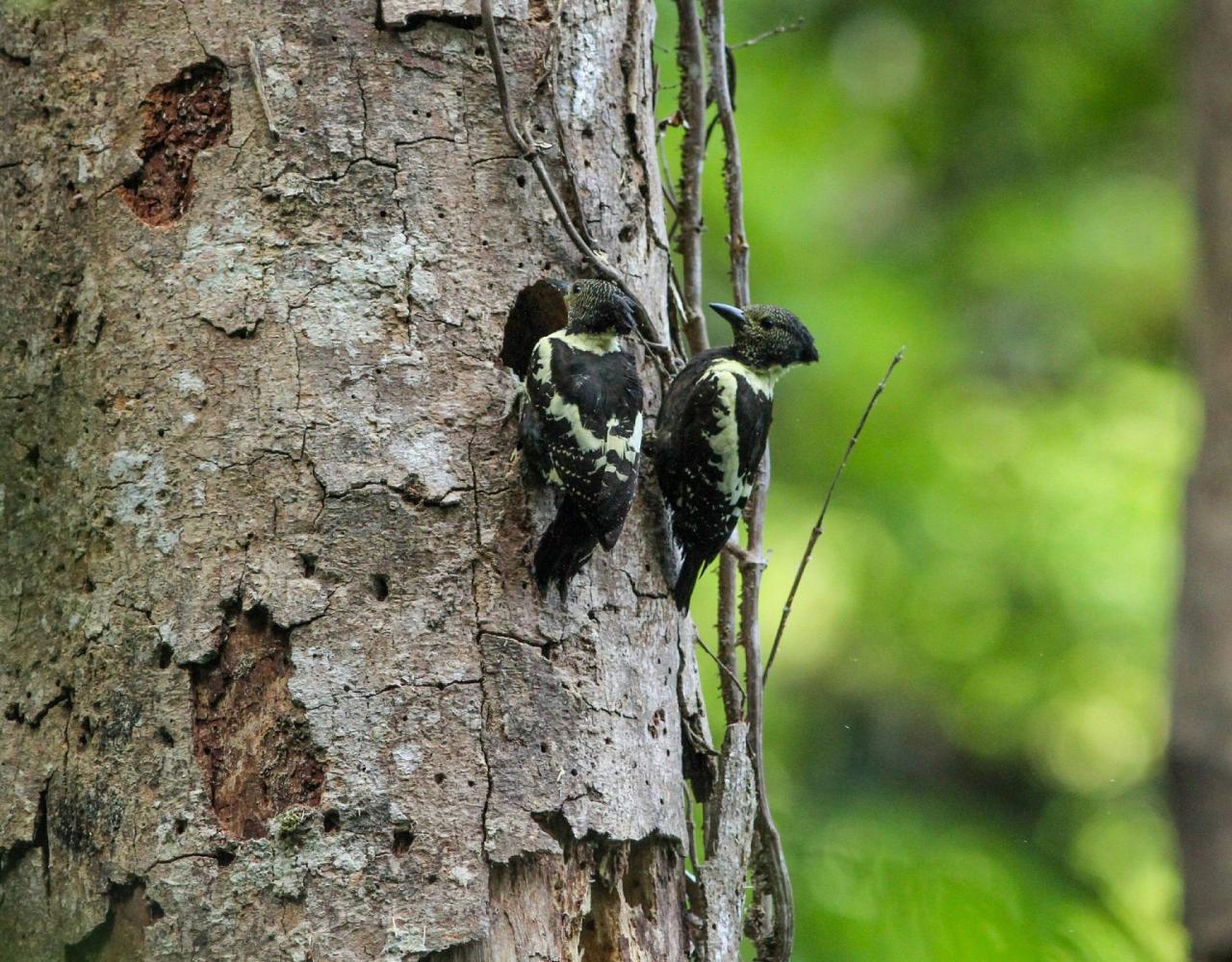
    Black-and-buff Woodpecker

  • Birding Vietnam, Bird Watching Vietnam, Birding Asia, Naturalist Journeys, Wildlife Tour, Wildlife Photography, Ecotourism, Specialty Birds, Endemic Birds, Birding Hotspot, Cuc Phuong

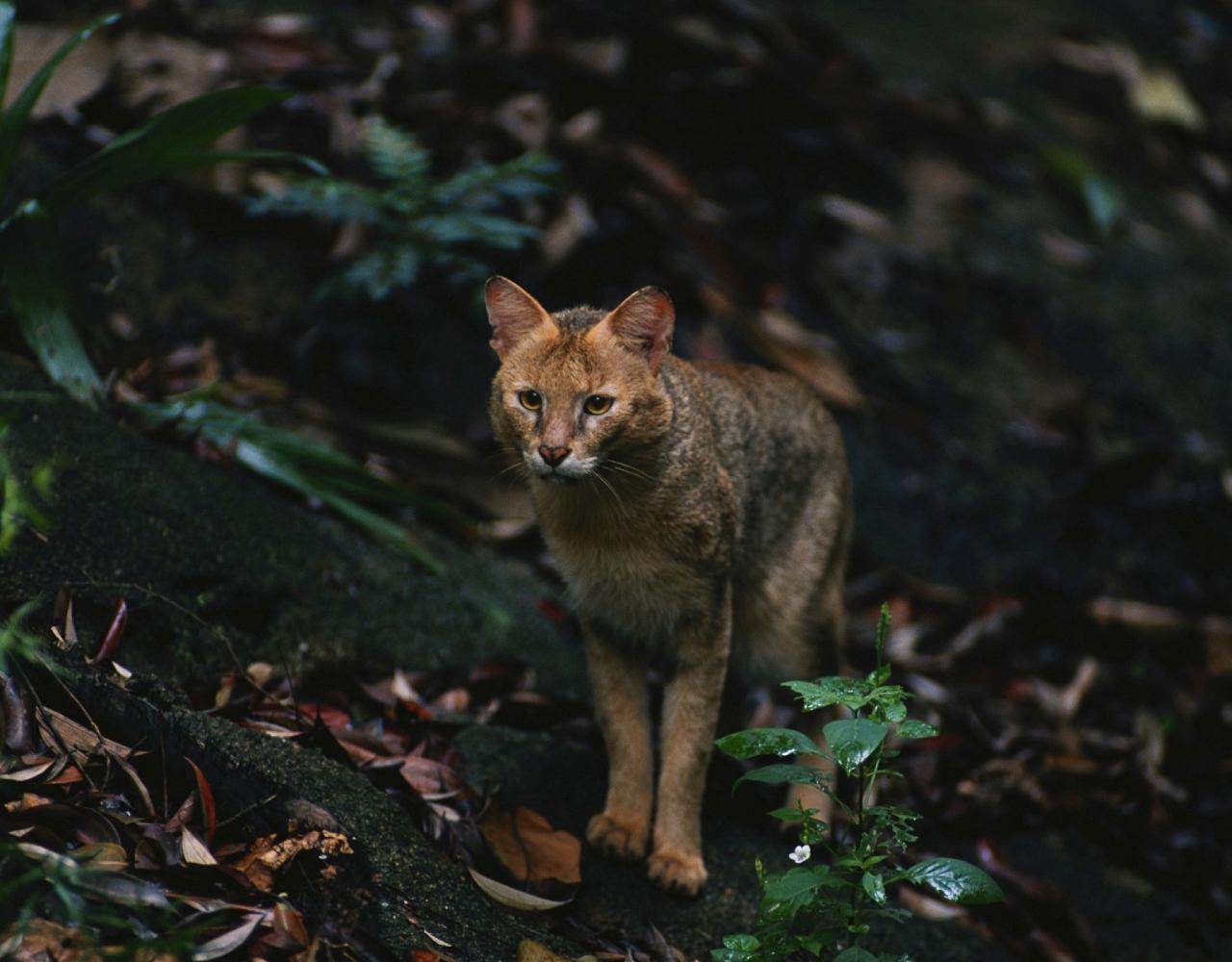
    Jungle Cat

  • Birding Vietnam, Bird Watching Vietnam, Birding Asia, Naturalist Journeys, Wildlife Tour, Wildlife Photography, Ecotourism, Specialty Birds, Endemic Birds, Birding Hotspot, Cuc Phuong

    Green-backed Tit

  • Birding Vietnam, Bird Watching Vietnam, Birding Asia, Naturalist Journeys, Wildlife Tour, Wildlife Photography, Ecotourism, Specialty Birds, Endemic Birds, Birding Hotspot, Cuc Phuong

    Scaly-breasted Partridge

  • Birding Vietnam, Bird Watching Vietnam, Birding Asia, Naturalist Journeys, Wildlife Tour, Wildlife Photography, Ecotourism, Specialty Birds, Endemic Birds, Birding Hotspot, Cuc Phuong

    François' Langur

  • Birding Vietnam, Bird Watching Vietnam, Birding Asia, Naturalist Journeys, Wildlife Tour, Wildlife Photography, Ecotourism, Specialty Birds, Endemic Birds, Birding Hotspot, Cuc Phuong

    Cat Tien Natural National Park

  • Birding Vietnam, Bird Watching Vietnam, Birding Asia, Naturalist Journeys, Wildlife Tour, Wildlife Photography, Ecotourism, Specialty Birds, Endemic Birds, Birding Hotspot, Cuc Phuong

    Blue-rumped Pitta

  • Birding Vietnam, Bird Watching Vietnam, Birding Asia, Naturalist Journeys, Wildlife Tour, Wildlife Photography, Ecotourism, Specialty Birds, Endemic Birds, Birding Hotspot, Cuc Phuong

    Sambar Deer

  • Birding Vietnam, Bird Watching Vietnam, Birding Asia, Naturalist Journeys, Wildlife Tour, Wildlife Photography, Ecotourism, Specialty Birds, Endemic Birds, Birding Hotspot, Cuc Phuong

    Cat Tien National Park

  • Birding Vietnam, Bird Watching Vietnam, Birding Asia, Naturalist Journeys, Wildlife Tour, Wildlife Photography, Ecotourism, Specialty Birds, Endemic Birds, Birding Hotspot, Cuc Phuong

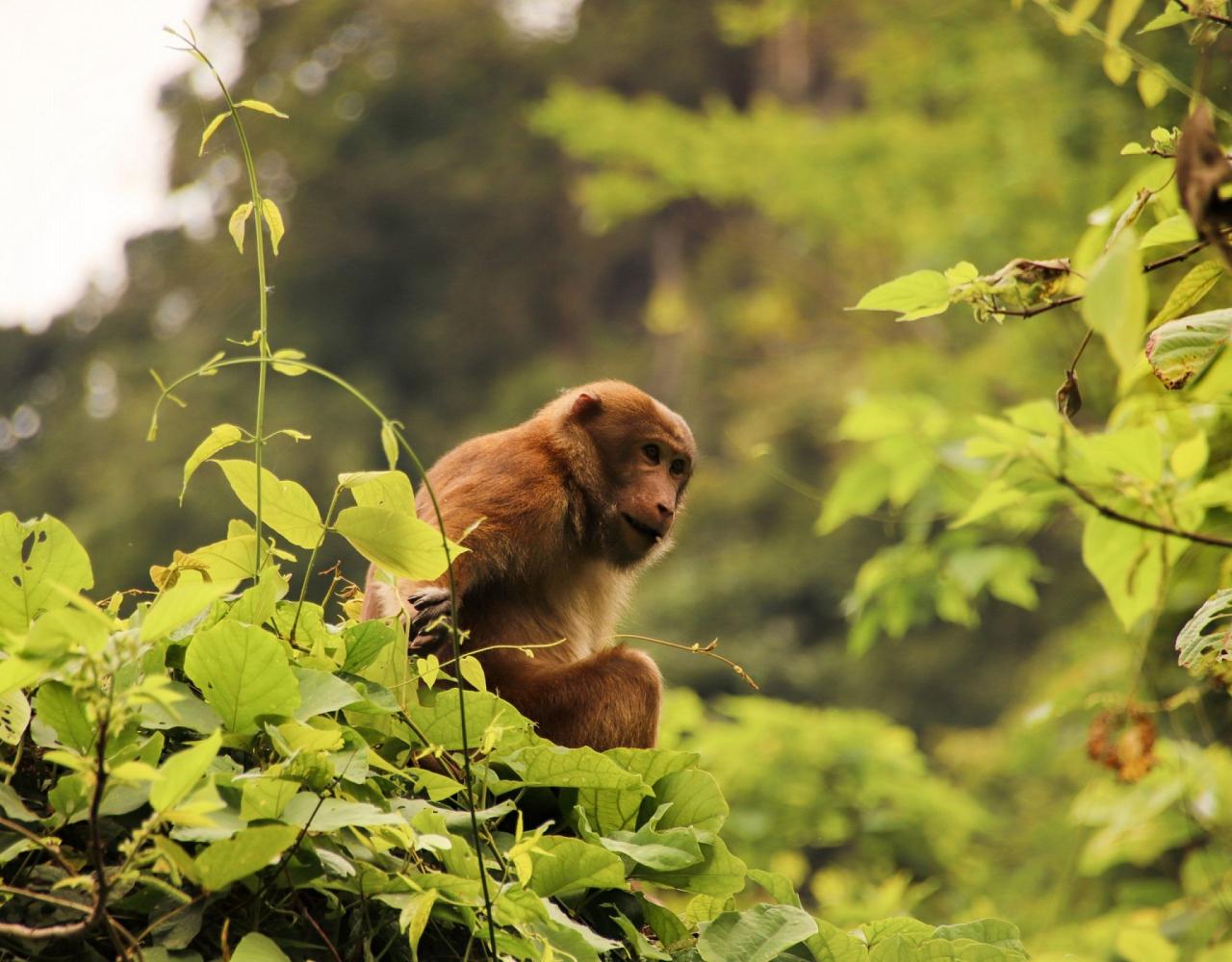
    Stumped-tailed Macaque

  • Birding Vietnam, Bird Watching Vietnam, Birding Asia, Naturalist Journeys, Wildlife Tour, Wildlife Photography, Ecotourism, Specialty Birds, Endemic Birds, Birding Hotspot, Cuc Phuong

    Cuc Phuong National Park

  • Birding Vietnam, Bird Watching Vietnam, Birding Asia, Naturalist Journeys, Wildlife Tour, Wildlife Photography, Ecotourism, Specialty Birds, Endemic Birds, Birding Hotspot, Cuc Phuong

    Necklaced Barbet

  • Birding Vietnam, Bird Watching Vietnam, Birding Asia, Naturalist Journeys, Wildlife Tour, Wildlife Photography, Ecotourism, Specialty Birds, Endemic Birds, Birding Hotspot, Cuc Phuong

    Gray-headed Swamphen

  • Birding Vietnam, Bird Watching Vietnam, Birding Asia, Naturalist Journeys, Wildlife Tour, Wildlife Photography, Ecotourism, Specialty Birds, Endemic Birds, Birding Hotspot, Cuc Phuong

    Cuc Phuong National Park

Cost of the Journey

Cost of the journey is per person, based on occupancy: $5690 DBL / $6260 SGL, from Hanoi, departing Ho Chi Minh City. The cost includes 13 nights’ accommodations; all meals as stated in the itinerary; group airport transfers; internal flight; ground transportation; professional guide services; park, preserve, and other activity fees; and miscellaneous program expenses. 

NEW! all tips other than your NJ guide (optional) and local guide are included (this includes tips for your driver, lodge and staff, day activities, meals and other services).

Cost of the journey does not include airfare from your home to Hanoi and from Ho Chi Minh City, visa cost, or items of a personal nature, such as drinks from the bar, telephone, and laundry. 

Travel Details

Please plan to make air travel plans only after the minimum group size has been met. We will send you a confirmation email as soon as the trip has been confirmed.

Arrival Airport: Noi Bai International Airport (HAN) in Hanoi

Arrival Details: Please plan flights to arrive November 22, 2026, at your leisure. If you wish to join the group for dinner, please plan to arrive by 5:00 PM. 

Departure Airport: Tan Son Nhat International Airport (SGN) in Ho Chi Minh City

Departure Details: Please plan flights to depart December 5, 2026, at your leisure

Travel Tips: If you arrive early to rest up from your travels or explore Hanoi, we can book you early nights at our first night tour hotel, the Grand Mercure Hanoi

Entry Requirements: See "Essential Information" section under the "Know Before You Go" tab.


Browse below for trip reports and species lists from past versions of this and other tours from this destination.

Vietnam

  • Mollee Brown

    Mollee is a lifelong lover of birds and nature based in West Virginia. She’s the owner of Nighthawk Agency, which creates custom projects with conservation and ecotourism organizations. Mollee has guided tours throughout the world for the past decade and loves to immerse in the wildlife, flora, and culture of each place she visits. She’s passionate about education as a means to conservation and serves on the boards of organizations including Frontiers in Ornithology and The Birding Co-op. She’s also the producer of Life List: A Birding Podcast and writes for a variety of bird and nature publications.

    Mollee has loved photography since she started borrowing her grandma’s camera as a child, and usually has a camera in hand while birding, hiking, camping, and exploring the world. She’s most at home among mountains and hilly terrains.

    Other trips with Mollee Brown

Map for Vibrant Vietnam: Birding & Nature from North to South

Essential Information +

This information is important for being prepared for your journey; we want you to have Read more

This information is important for being prepared for your journey; we want you to have the best experience possible. If you only read one section, this one is key!

Ahead of Your Tour

  • Make sure your passport is valid for six (6) months BEYOND your scheduled return date to the U.S. and cannot be a 12-page emergency passport or you may be denied a visa and entry. Your passport should have the at least one blank page for entry stamp. See "Passports, Visas & Documentation" section below for important details. 
  • Obtain your Vietnam Tourist Visa - If you are not a U.S. citizen, contact your country's embassy for travel documentation requirements.
  • Travel insurance in case of serious medical emergency is strongly recommended - Full health coverage and repatriation is available through Allianz Travel Insurance.
  • Please check current CDC recommendations for Vietnam and consult with your doctor about general travel vaccinations you should have as precaution for travel. Many malarial drugs require you to start taking them a week ahead of the tour. See the “General Health and Inoculations” section below.
  • Soft sided luggage/duffel bags are easiest for packing. Pack essential medications in your carry-on luggage, as well as one day of clothing and optics in case of luggage delay.

Passports, Visas & Documents

Guidelines and regulations can change. It is always advisable to double-check the country’s documentation requirements 60-90 days ahead of traveling. Information for U.S. citizens can be found at Travel.state.gov's travel information for Vietnam. If you are from another country, please contact the tour destination’s embassy website for guidelines.

Passport: Vietnam requires that you have a passport that is in good condition and must be valid for six (6) months BEYOND your scheduled return to the U.S..  Please check that expiration date! You should have at least ONE blank passport page for entry. The blank pages need to say “Visas” at the top. Pages marked “Amendments and Endorsements” will not be accepted. Note that travelers applying for the E-visa with a 12-page U.S. emergency passport may be denied an E-visa for entry into Vietnam, so avoid delay and get your passport in plenty of time.

Visa: A tourist visa is required for U.S. travelers. This visa must be acquired in advance. U.S. citizens looking to enter Vietnam only for tourist reasons can apply for an electronic visa (E-visa) in lieu of applying for a tourist visa at a Vietnam embassy or consulate. Please visit https://evisa.gov.vn to apply for your e-visa and for additional information regarding the eligibilities and requirements.  At the time of this writing, the cost of a single entry visa is $25. Please ensure you have the correct type of visa for your planned activity in Vietnam or you may be denied entry. Travelers applying with a 12-page U.S. emergency passport may be denied an E-visa for entry into Vietnam.  Applicant should carry a copy of their e-visa along with him/her at the time of travel. You will need the contact information for our operator and accommodations (provided to you by Naturalist Journeys) and be ready to provide proof of return travel (airline return ticket).

Backups for documentation: As a precaution for lost or misplaced documents you carry on your person during travel, we highly recommend you keep hard and digital backup copies on your phone (either photo or PDF scan), as well as a hard copy left with your emergency contact at home. The recommended important documents to copy include, but are not limited to; your passport ID page, travel visa or ETA, the front and back of your credit card(s), the airline barcode on your luggage. This will greatly expedite getting new ones if necessary – we hope everyone will always keep travel documents close so that losing them will not be an issue.  

General Health & Inoculations Information – Be Prepared!

Health requirements for entry to any country can change. It is always advisable to double-check the country’s health requirements and recommendations 60-90 days ahead of traveling. Please, thoroughly read the U.S. Centers for Disease Control and Prevention (CDC) for travel to Vietnam or you may contact them by phone at (800) CDC-INFO or (800) 232-4636 if you have any unanswered questions.

We will share your health information with your guide. This information will be kept confidential but is very important as we want to be best prepared in case of a medical emergency.

Vaccinations: Bring your up-to-date vaccination records with you.  At the time of writing, no vaccines are required to enter Vietnam.  However, the CDC recommends that all travelers be up to date with routine vaccinations and basic travel vaccines (such as Hepatitis A and Typhoid) before traveling to any destination. Please consult with your doctor for recommendations at least 4-6 weeks before departing on your trip, as some vaccines and anti-malarials require multiple doses prior to departure.

Malaria: The CDC recommends that travelers going to certain areas of Vietnam take prescription medicine to prevent malaria, which includes the area that Cat Tien National Park is in. Depending on the medicine you take, you will need to start taking this medicine multiple days before your trip, as well as during and after your trip. Talk to your doctor about choosing a drug to prevent malaria. Find here country-specific information about malaria.  Prevention is essential no matter what level of risk. A small risk is still a risk.  We recommend you do not take any chances. In addition to taking anti-malarial medication, during your outings, be sure to apply insect repellent (containing DEET); or Picaridin, OLE, etc., on any exposed skin as directed! For clothing, see Packing List for our recommendation.

Prescriptions: It is a good idea to pack any meds you take regularly in your carry-on luggage.  Bring an extra pair of glasses or contact lenses. Bring an adequate supply of any prescription medications you use, a copy of the prescription and a list of generic names of your medicines as “back-up” in case it is necessary to purchase drugs while abroad. You’ll want to keep medications in their original, labeled containers.  

Allergies: The roads can be dusty which may trigger allergies or breathing difficulties, in which case, please bring your allergy and/or asthma medication. If you have severe allergies talk to your doctor about carrying an EPI pen and notify your guides. It is also recommended to carry with you an up-to-date record of known allergies, chronic medical problems and Medic Alerts so that, if necessary, emergency treatment can be carried out without endangering your health. 

Common Ailments: We recommend that you bring a travel-sized first aid kit (including items such as ointments, moisturizer, sunscreen, oral rehydration salts, band-aids, moleskin for blisters, cotton swabs, nail clippers, and tweezers, etc.) and a supply of standard over-the-counter medications for prevention or treatment of common ailments (such as for diarrhea, constipation, stomach upset, cough, congestion, head or body aches, insect bites, sunburn, etc.).

Weather & Climate

In late November, Vietnam is transitioning into the dry season and offers contrasting weather: cool and dry in the North (Hanoi 55-75°F), hot and dry in the South (Ho Chi Minh City 73-90°F), and a brief afternoon shower often gives way to dry, pleasant conditions in the central highlands (Dalat 57-75°F).  A light, waterproof outer layer will protect you from any unexpected showers.

Food & Drinks

Vietnamese food is a highlight of the trip and has an amazing history dating back thousands of years! Usually, stomach upsets are due to a change of diet or excess of chilis rather than bacteria. However, as with any travel, minor intestinal problems are possible, so we suggest bringing a remedy for traveler’s diarrhea. Please discuss appropriate medication with your physician.

The CDC considers tap water in Vietnam not safe to drink. Bottled water, water that has been disinfected, and hot drinks that have been boiled are safe to drink.

While bottled water will be available for field trips, we intentionally strive to reduce our consumption of single use plastics (such as bottled water), so we appreciate you bringing a reusable water bottle.  Purified drinking water will be made available to refill your bottle whenever possible.  

There are some great reusable water filtering bottles on the market today that are great for travels abroad. We encourage you to invest in one (such as Lifestraw or GRAYL Ultrapress or SteriPen). A little research will be well worth the effort to reduce the reliance on single-use plastics in the case that purified water refills are not readily available.

Packing, Clothing & Laundry

In summary, we emphasize that you pack light in soft-sided luggage (easier to load in vans and charter planes), plan for dressing comfortably in layers (for managing varying conditions in any given day), and please pack your personal medication, travel documents, optics, and other essential items in your CARRY-ON, not in your checked luggage. Be prepared to hand launder if you need to in a pinch. See “Packing List” tab for more detailed information and checklists.

Spending Money

The official currency of Vietnam is the Dong (VND). As currency exchange rates in Southeast Asia fluctuate, refer to www.xe.com for the most up-to-date exchange rates. You may wish to exchange USD when you arrive in Vietnam. You always get better exchange rate for Dong in Vietnam than anywhere else. Check that your ATM card is working and that you know the PIN number. If exchanging cash, please make sure that US Dollars are new and in good condition. Notes older than 2003 or with any tears or blemishes may not be accepted or be very difficult to exchange. Bring large U.S. bills ($50 or $100) that will give you the better rate when exchanging to local currency.

The most convenient and least expensive way to obtain Dong is via ATMs, which are available in most towns and cities throughout Vietnam. The best way to carry your money is in debit cards, withdrawing cash in Dong from ATM machines. Vietnamese ATMs accept most international bank card systems (Visa and Mastercard networks) and dispense money in 100k to 500k dong bills. You might want to travel with two types of credit cards, AMEX, Visa or Mastercard if possible, so that in case of loss or issues with one card, you will have a backup. Your bank may charge a fee for overseas withdrawals. Please contact your bank before you leave for your trip to let them know you will be using your card out of the country.

Lastly, credit cards can be used at some upmarket restaurants and shops, and at some larger stores if shopping for big ticket items. Mastercard and Visa  are the most widely accepted credit cards in Vietnam, followed by American Express.

Gratuities

We hope that you will be pleased with all professional services offered on this tour. All tips, with the exception of your NJ guide (optional) and local guide(s), are included in the cost of this tour (this includes tips for your driver, lodge and staff, day activities, meals and other services). 

Tipping your guide(s) to show your appreciation is entirely at your discretion and should reflect your level of satisfaction of the service provided. If you wish to offer a tip, know that they appreciate anything you care to give. Of course, you are welcome to give more in recognition of exceptional service.  Here is a guideline for tipping your NJ and local birding guide(s):

  • US $10.00 - $15.00 per day, per guest. Note: If there is more than one guide, this can be split among them. 

*Please note that these suggested tips are quoted in U.S. Dollars. You will want to convert and tip in local currency. 

Cell Phones & Internet Service

Your guide is well connected and can help if any urgent communication need arises. However, it is highly recommended that you travel with a cell phone, if only as a precaution for the unfortunate occurrence of a medical emergency during an outing and needing swift accessibility to critical personal or medical contacts. 

You can make international calls from most of our hotels. The country code for the USA is 1.

International calls to the United States: Dial 00 + (1) + country code + area code + number.

Be sure to check your cell phone company’s roaming charges if you intend to use your phone out of the county. Prepaid phone cards and SIM cards are also available in Vietnam. There are free apps available on smart phones (WhatsApp, Viber) that offer free international calls and texts, and you may want to research this ahead of time.

Mobiles on the GSM network from the United States will work in Vietnam. However, getting your phone unlocked and buying a local Vietnamese SIM card is often a lot less expensive. SIM cards sell for about 50,000-100,000 Dong ($2-5 USD) at the airport, convenient stores or mobile shops. Before you arrive in Vietnam, make sure that your phone is unlocked (able to work outside of the network you are currently using) and operates on the GSM network.

WiFi/Internet is available in most places we stay, although, in some places it is only available in the restaurant or lobby.

Please refrain from taking or making cell phone calls in vehicles when traveling with other passengers, unless it is an emergency.

Electricity

Vietnam uses 220V AC electricity. Power outlets most commonly feature two-prong round or flat sockets. Outlets are not standardized in Vietnam, and the power plugs and sockets are of type A, B, C, F and O. Because the power outlets in Vietnam will likely fit your plug, you probably don't need a separate adapter - just make sure your voltage is converted to protect your technology. Though you may want to pack a universal adapter, just in case you end up in a building with two-prong sockets for your three-prong electronics. You may even see different sockets in the same room in a building. More information can be found at www.power-plugs-sockets.com.

Time

Vietnam is in the ICT time zone and is 11 hours ahead of New York. Check www.timeanddate.com before leaving home. 

Questions?

Please contact Naturalist Journeys by email at clientservices@naturalistjourneys.com or telephone at our office: (520) 558-1146 or toll free: (866) 900-1146 if you have any questions. Many thanks for traveling with us and we hope you enjoy your journey!


Pace & Protocols +

Pace of the Tour & What to Expect You will receive a Schedule-at-a-Glance and list of Read more

Pace of the Tour & What to Expect

You will receive a Schedule-at-a-Glance and list of hotels (our eContact List) a few weeks before your departure. This will serve as an outline for each day and alert you to any recent changes made in the schedule or to our hotels, if needed.

Our journeys are set up to follow the rhythm of nature. Our focus is on birding and nature; we offer full, well-planned field days and often get up early for that magical time around dawn. We generally follow the published itinerary, but we stay flexible to the weather, wildlife opportunities and the interests of the group. Your guide will keep you apprised of the next day’s schedule at each evening meal, noting what to bring and what to prepare for. Questions and/or concerns are welcome.

The pace of our Naturalist Journeys tours is moderate; to fully participate you should be able to get in and out of vehicles several times a day, and walk 1-3 miles over uneven terrain. It is important to participate with a flexible attitude as adjustments may be made in our schedule to make the most of our time in the field or for other purposes at your guide's discretion. We are not a “listing” bird company that drills down on target species, but at times we do wait for those special species unique to the places we visit. During the day, we take time to stop for photos and for educational opportunities to learn about conservation projects, landscapes, and geology. We appreciate other taxa as well as birds, with mammals often the biggest draw but plants and butterflies are also very popular. Our clients often lend their own expertise to the mix.

We like to make meals a fun and memorable part of the experience, too. Breakfasts are often at hotels, and we carry snacks, fruit, and water in the vans each day. Lunches are a mix of picnics in the field (weather dependent) and a chance to dine with locals at small cafes and restaurants. For dinner, we pride ourselves in our homework to keep up with the best choices for dining, choosing restaurants with atmosphere that specialize in local foods. On occasion we keep dinner simple to go back out in the field for sunset wildlife viewing or night walks. In some remote locations, our choices are limited. If you are tired, room service for dinner may be an option you can choose.

Naturalist Journeys International Trips: Guide Role

Naturalist Journeys supports ecotourism and the development of excellent local guides. Once we know our international partners and guides well, we can send out small groups working directly with these trusted partners, adding a Naturalist Journeys guide to assist the local expert when we have a group of 6-7 or more. This helps us keep your costs down while retaining tour quality. The local guide is your main guide. You can expect your Naturalist Journeys guide to be well-researched and often they are experienced in the destination, but their role is not to be primary, it is to help to organize logistics, help you find birds, mammals, and interesting other species in the field, keep reports, help facilitate group interactions, and to keep the trip within Naturalist Journeys' style. Local guides live in the countries we travel to, know the destinations intimately, and are often the strongest force for conservation in their countries. They open many doors for us to have a rich experience.

Smoking

Smoking is not permitted in any vehicle or in any situation where the group is participating in an activity together, such as a vehicle excursion or a guided walk. Please respect all designated smoking areas at hotels and restaurants.

Transportation

As a courtesy to each other, we ask that all travelers please rotate seating. On international trips we may all be in one small bus, on some trips we are in vans, particularly the roomy Sprinter Vans when available. Some areas require us to be in smaller 4-wheel drive or safari vehicles. Rotation allows you to sit with different drivers and alternate front and back seating.

Photo Release & Sharing

We take many group photos and will share photos with the group. And after your tour, we will organize a chance to share photos via Dropbox or Google Photos. Please note that this is our policy and if you prefer to be excluded, we need to know ahead of your tour.

By registering for this tour, you agree to grant to Naturalist Journeys and its authorized representatives’ permission to record on photography film and/or video, pictures of my participation in the tour. You further agree that any or all of the material photographed may be used, in any form, as part of any future publications, brochure, or other printed materials used to promote Naturalist Journeys, and further that such use shall be without payment of fees, royalties, special credit or other compensation.

Travel Insurance

You are traveling in remote areas. Naturalist Journeys strongly recommends you have full medical and evacuation insurance from a company such as Allianz, for all international travel. If you do not have medical coverage or evacuation coverage on your existing travel insurance policy or for some reason elected not to take that out, we advise getting an evacuation plan with Global RescueWorld Nomads, Medjet, Allianz (they can do evacuation only) or a similar company. These plans are typically $300-$400 for a year for multiple destinations. This coverage may be a part of a larger Travel Insurance policy but can also be purchased on its own.

Questions?

Please contact Naturalist Journeys by email at clientservices@naturalistjourneys.com or telephone our office: (520) 558-1146 or toll free: (866) 900-1146 if you have any questions. Many thanks for traveling with us and we hope you enjoy your journey.


Packing List +

Please Pack Light! Luggage: Soft-sided luggage is much easier for us to pack in vehicles or Read more

Please Pack Light!

Luggage: Soft-sided luggage is much easier for us to pack in vehicles or charter aircraft than a more rigid hard sided piece, so if you have the choice, please use your soft-sided luggage. Be sure to have your name and address on the inside of the bag, as well as on the luggage tag on the handle. It is our hope that you can pack in one checked bag that does not exceed 45 pounds. Please reconfirm your airline’s baggage weight and size restrictions about a week or so before departure.

Delayed Luggage:  Imagine NOT getting your checked bags upon arrival! Therefore, DO NOT pack any essential medications, vital optics (binoculars, camera, eye-glasses), or essential travel documents in your checked luggage! Pack these and other essential items in your carry-on bag and on your person (i.e. under-garment pouch). You will want a day pack for field trips, so this makes an ideal carry-on. Another suggested tip is to travel wearing your most important shoes for the field and have one day’s clothing change (including a change of underwear!).

Weather: Pack clothing that is appropriate for the anticipated temperatures and conditions (See “Weather & Climate” section in Essential Information). You may check your favorite weather website, such as www.weather.com, closer to your departure to better predict what the weather will be upon arrival. You may also visit https://www.climatestotravel.com for more regional information by month.

Dress: Plan to dress comfortably and informal throughout the trip. Dressing in lightweight layers is the best way to provide options to get you through a day of varying weather and temperatures comfortably. Lightweight long sleeve shirts and long pants make ideal field clothing as they are more protective from sun, vegetation and pests. Also, choose clothing you don’t mind getting dirty or muddy and things that are loose-fitting, comfortable, and easy to layer and launder. Quick-dry fabrics are ideal.  A lightweight and waterproof outer layer is essential as well as comfortable hiking footwear. Fabrics like fleece, as well as rain gear, will protect you from rain and wind and keep you warm. It is important to have a warm jacket when the tour includes cooler temps and/or higher elevations.

Laundry: Several of our lodges and camps provide laundry service. Consider packing laundry soap sheets in case you need to hand launder in a pinch.

Treating your clothing to better protect you from insects: It is possible to purchase Permethrin spray (online or from REI) to treat your field clothing and socks before your departure. Another approach is to purchase field clothing permeated with insect repellent such as the Craghoppers Insect Shield collection.

Note on clothing colors: We recommend muted colors of tan, brown, khaki, grey or green, as they are spotted less easily than white or bright colors, though camouflage clothing is not recommended.

Valuables: WE DO NOT RECOMMEND TRAVELING WITH PRECIOUS OR VALUABLE JEWELRY – don’t tempt anyone and don’t bring things you’d regret losing, and your mind will be at ease!

Clothing & Gear

  • Lightweight long pants, 2-3 pair
  • Shorts (optional, not generally recommended)
  • Lightweight long-sleeved shirts, 2-3 (loose fitting keeps you cool.)
  • T-shirts, short-sleeved shirts or equivalent, 2-3 or more
  • Casual clothing for travel days and evenings
  • Personal underclothing and pajamas
  • Socks – lightweight and easy to hand wash and dry
  • Comfortable walking/hiking shoes such as tennis shoes, and lightweight hiking boots – 2 pairs. Please note that forest trails will be on uneven terrain and may be muddy – good tread and support are essential!
  • Comfortable sandals or light shoes for evenings and travel days
  • Shower thongs
  • Lightweight fleece jacket or sweater for early morning walks and highlands
  • Lightweight raincoat or poncho
  • Hat with broad brim
  • Bandana (optional, great for cooling off when you are hot and sweaty)
  • Field vest (optional), a great source is Big Pockets

Equipment & Miscellaneous

  • Photo identification 
  • Passport (and visa or other travel authorizations when traveling internationally) - Note: To avoid issues with confirming your identity when two forms of ID are required, the name on your Drivers License (or other secondary forms of ID) should match your passport.
  • Airline tickets or E-ticket verification
  • Travel insurance info
  • Money & credit cards
  • A secure pouch to carry the items above on your person at all times (such as a secure, under-clothing document pouch)
  • As a backup: copies of all the above (phone and/or paper) packed in a separate location than on your person, plus a set given to your emergency contact at home as a backup. When carrying a passport, a copy of the ID and entry stamp pages.
  • Small backpack, daypack or fanny pack for carrying your field gear (this can double as your carry-on!). Consider waterproof if excessive rain is expected.
  • Cell phone and charger
  • Binoculars with safety strap (a shower cap is great to cover these when raining)
  • Camera and charger/extra batteries, memory cards/film, lens cleaning supplies and instruction manual (optional)
  • Spotting scope and tripod (optional – guide will have them)
  • Tablet/laptop for personal use and/or transferring photos, USB stick, USB cord and charger (optional)
  • Rechargeable power bank (optional)
  • Electricity converters and adapters for 2-to-3 prong electronics plugs if needed (See "Electricity" under "Essential Information")
  • Reusable water bottle to avoid the use of disposible plastics. If you prefer to drink filtered water, we encourage you to invest in a bottle filter (such as Lifestraw or GRAYL Ultrapress or SteriPen). A little research will be well worth the effort to reduce the reliance on single-use plastics in the case that purified water refills are not readily available.
  • Umbrella – compact and not brightly colored
  • Walking stick – we find that many travelers appreciate a walking stick on trails, sporting goods stores carry collapsible models that pack easily in your suitcase (optional)
  • Small flashlight with fresh batteries
  • Alarm clock
  • Travel Sewing Kit
  • Sunscreen/lip balm
  • Sunglasses with neck strap
  • Toiletry articles
  • Washcloth (available some places and not at others)
  • Laundry soap (consider laundry soap "sheets" that pack flat, and are lightweight and environmentally friendly)
  • Notebook or journal and pen (optional)
  • Field guides (optional)
  • Earplugs – in urban and even rural areas barking dogs and traffic noise can be annoying
  • A collapsible airplane footrest (such as an inflatable, foldable, or hammock type) may help make longer flights more comfortable. Some airlines may have restrictions, so confirm with your airline which types are allowed and where they may be not allowed, i.e. bulkhead or exit rows (optional)

Medical & First Aid Items

  • Health insurance
  • Vaccination records
  • Personal Rx medications (in their original labeled prescription packaging)
  • Extra pair of eyeglasses or contacts (with plenty of wetting and cleaning solution)
  • Copy of eyeglass prescription, medical prescriptions, and any medical alerts
  • Epi-pen if needed for allergic reactions (include prescription label)
  • Common ailments: We recommend that you bring a travel-sized first aid kit and a supply of standard over-the-counter medications for prevention or treatment of common ailments (such as diarrhea, constipation, stomach upset, cough, congestion, head or body aches, motion sickness, insect bites and sunburn); as well as ointments, moisturizer, sunscreen, oral rehydration salts, band-aids, moleskin for blisters, cotton swabs, nail clippers, tweezers, etc.
  • Comfort remedies: Foot powder, lotions, etc.
  • Hand sanitizer and/or hygienic cleansing wipes
  • For Malaria risk areas, anti-malarial prophylactics and antibiotic prescription in case of infection, prescribed by your physician


Suggested Reading List +

There are many titles of interest for Vietnam; the following are a few that we Read more

There are many titles of interest for Vietnam; the following are a few that we have found that can get you started.

Top Picks

Birds of Vietnam

Merlin App – Trinidad and Tobago Pack. A phone-based birding app from Cornell University Laboratory of Ornithology. Before departing the U.S., download the app for free, then from within the app, download the “pack” for Vietnam.

General Reading

Fodor's Essential Vietnam (Full-color Travel Guide)

Vietnam Journeys

Lonely Planet's Experience Vietnam (Travel Guide)

Intrepid Vietnam


Field Guides

A Naturalist's Guide to the Birds of Vietnam

A Field Guide to Tropical Reef Fishes of the Indo-Pacific: Covers 1,670 Species in Australia, Indonesia, Malaysia, Vietnam and the Philippines

A Photographic Field Guide to the Amphibians and Reptiles of the Lowland Monsoon Forests of Southern Vietnam

Wildlife & Nature

Field Guide to the Mammals of South-east Asia

Asia's Greatest Wildlife Sanctuaries: In Support of BirdLife International

Vietnam: A Natural History

History & Culture

Vietnam - Culture Smart! The Essential Guide to Customs & Culture

History of Vietnam: An Enthralling Overview from Ancient Times to Modern Days

Vietnamese With Stories: A Vietnamese Story Book for Beginners (learning basic Vietnamese language)

Vietnamese-English/English-Vietnamese Practical Dictionary

Folklore & Memoir

Tales of Vietnam

My Vietnam, Your Vietnam: A father flees. A daughter returns. A dual memoir

There is a good selection of books available for sale at visitors’ centers, and your guide will also have a selection of reference books and materials for participants to share. As an Amazon Associate, Naturalist Journeys earns from qualifying purchases, and may get commissions for purchases made through links on this page at no added cost to you.


Useful Links +

Learn more about your destination at these external websites, carefully researched for you. Read more

General

About Vietnam

Hanoi

Dalat

Ho Chi Minh City

Nature, Wildlife & Biology

Vietnam Bird Checklist - Avibase

Butterflies of Vietnam - iNaturalist.org

Fauna Flora organization - Vietnam

Conservation, Parks & Reserves

Cuc Phuong National Park

Vân Long Wetland Nature Reserve

Cat Tien National Park

Endangered Primate Rescue Center

Vietnam Wildlife Conservation Fund

Geology & Geography

Geology of Vietnam

Geography of Vietnam

History & Culture

Brief History of Vietnam

Culture of Vietnam

Vietnamese Cuisine

15 foods to try in Vietnam

Holidays - Vietnam

Helpful Travel Websites

Homeland Security Real ID Act

Transportation Security Administration (TSA)

Visa ATM Locator

Mastercard ATM Locator

U. S. National Passport Information Center

U.S. Customs and Border Protection (CBP)

Foreign Exchange Rates

U.S. Department of State International Travel Information - Vietnam

Centers for Disease Control and Prevention (CDC) - Vietnam

Canada Travel Advice and Advisories - Vietnam

Travel Health Pro (UK) - Vietnam

Electricity and Plugs - Vietnam

Time and Date - Vietnam


Photo credits: BANNERS: Bar-bellied Pitta, Black-and-red Broadbill, Rice Fields, Asian Barred Owlet THUMBNAILS: Bar-bellied Pitta, Northern White-cheeked Gibbon, Oriental Honey Buzzard, Black-and-red Broadbill, Silver-breasted Broadbill, Fujian Niltava, Necklaced Barbet, Gray-headed Swamphen

×

Like what we do?

Sign up for our weekly eNews to stay up to date!

Get to know our favorite destinations each week. We promise no spam.

No Thanks