
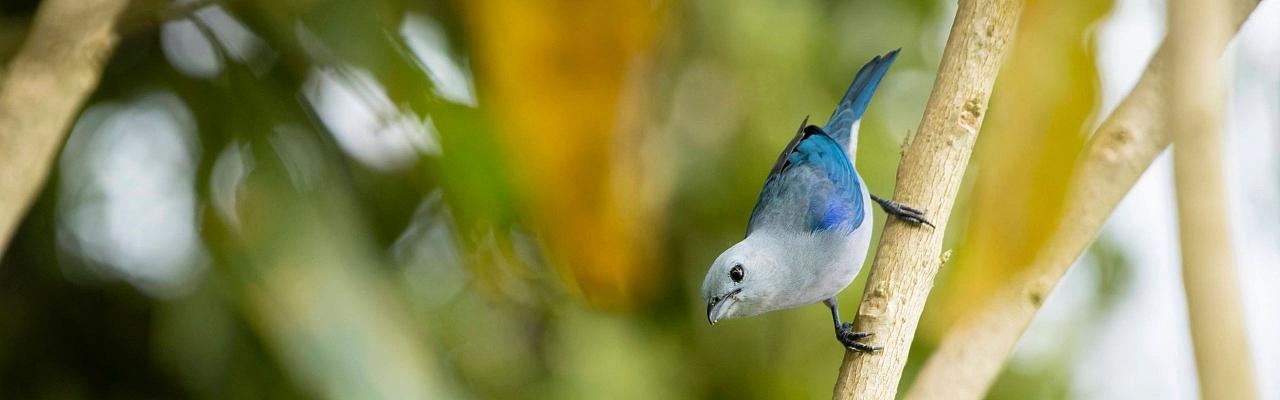
Lake Yojoa, Honduras, is a biodiversity hotspot, home to a remarkable range of habitats and elevations. This scenic freshwater lake lies between two national parks, surrounded by lush mountains and teeming with life—over 500 bird species have been recorded in the area.
In its northwest corner, where limestone cliffs and forested slopes meet the water, we find Emerald Valley, a hidden gem created by Naturalist Journeys’ 2023 Guide of the Year Robert Gallardo and his wife, Olivia. Built by hand with community support, this peaceful retreat now protects nearly 80 acres of mid-elevation rainforest, forming part of a 250-acre conservation area.
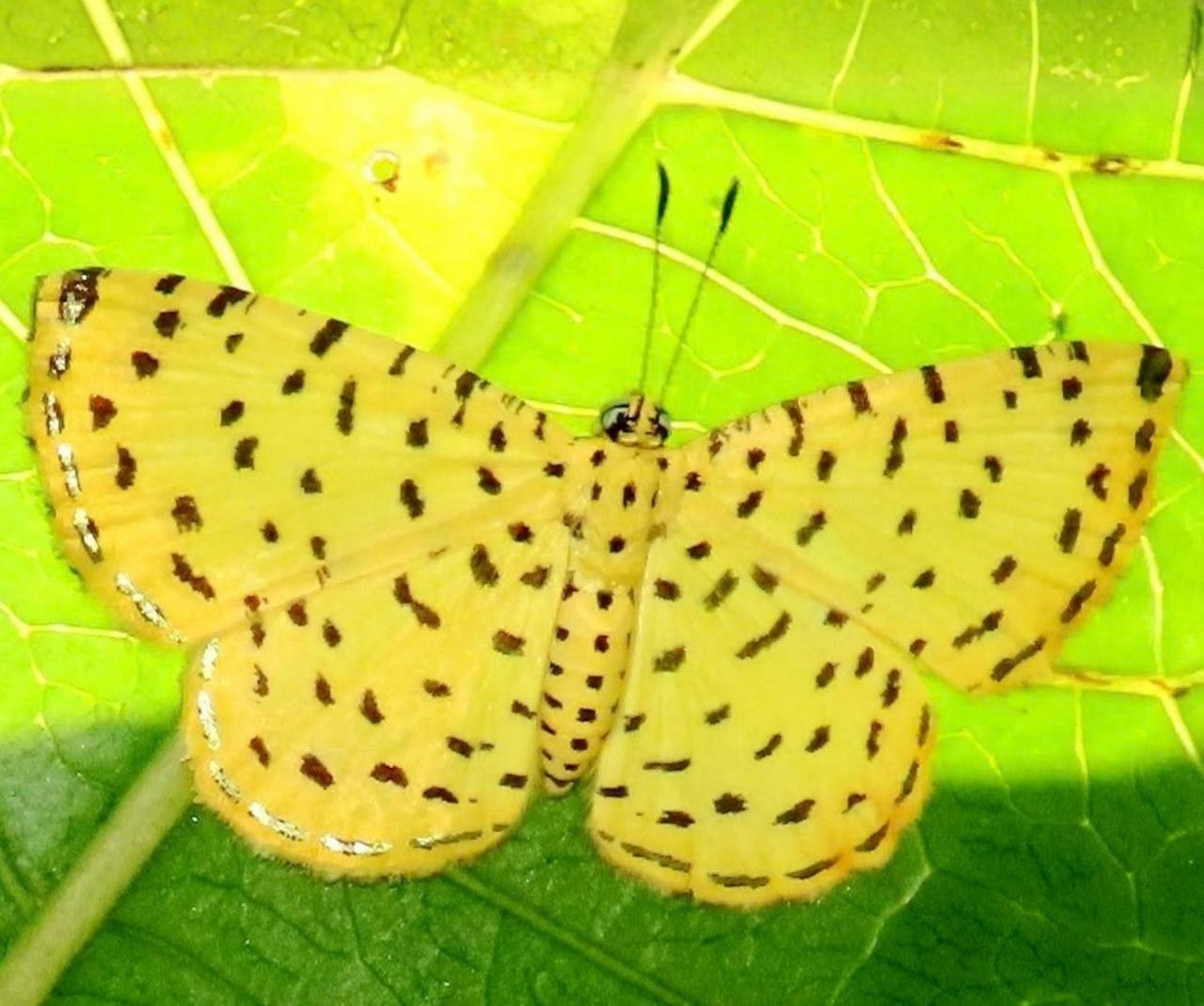
Emerald Valley hosts nearly 200 bird species and an astounding 768 butterfly species—more per acre than anywhere else on Earth. Ocelots, agoutis, coatimundis, and gray foxes also call this place home.
Guests stay in hillside cabins with covered decks nestled in the forest, offering views of oropendolas, toucans, trogons, motmots, and tanagers feeding on wild fruit. Mornings begin with the calls of Little Tinamous, Chachalacas, and Laughing Falcons echoing through the trees.
This trip is designed for minimal driving and maximum discovery, with rich wildlife experiences close at hand. Robert Gallardo brings his deep knowledge as the author of both field guides to the birds and butterflies of Honduras. This year, we've added a day to ensure we see the endemic Honduran Emerald hummingbird.
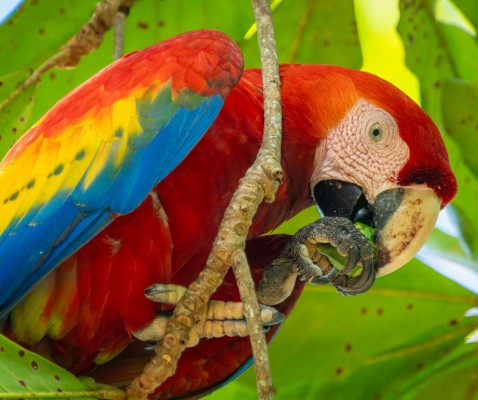
Tour Highlights
- Unpack and relax once at the beautiful Emerald Valley Lodge
- Travel with the author of the Guide to the Birds of Honduras, expert Robert Gallardo whose Guide to the Butterflies of Honduras makes him your double-expert naturalist for beautiful winged creatures
- Bird and boat on Lake Yojoa, Honduras’ largest natural freshwater lake
- Explore the lush Cerro Azul Meámbar National Park, teeming with birds and also the beautiful cloud forest of Santa Barbara National Park
- Enjoy species that are easier to see here than elsewhere in their range, including Keel-billed Motmot, White-breasted Hawk, Guatemalan Screech-Owl, Great Swallow-tailed Swift and Bushy-crested Jay
Trip Itinerary
Itineraries are guidelines; variations in itinerary may occur to account for weather, road conditions, closures, etc. and to maximize your experience.
Sat., Jan. 30 Arrival into San Pedro Sula- Travel to Lake Yojoa
Welcome to Honduras. Please plan to arrive by 3:00 PM. You will be met at the airport by Robert and will go directly to Lake Yojoa. The flatlands will give way to foothills and then mountains as we make our way into the lake basin. Having a slightly crater-lake appearance, the lake was, in fact, formed by volcanic action several million years ago. The lake’s surface encompasses 31 square miles and we enjoy time to explore sites around this beautiful landscape during your stay.
After arriving at the village of La Union Suyapa, we switch vehicles and make the final half-mile descent we call ‘Emerald Valley.’ Unpack once in the comfort of the cabin and spread out. You will be received by a welcome drink and enjoy the late afternoon from the spacious deck.
Accommodations at Emerald Valley (D)
Sun., Jan. 31 Full Day Birding and Exploring at Emerald Valley
This is your vacation! Wake up early or sleep in. Make coffee in your room or have it served on the café. The cool morning air and bird sounds that echo from the surrounding forest will draw you out of the room to enjoy the verdant landscape. The property sits at nearly 2,700 feet above sea level and has a comfortable temperature.
We start the day with some bird watching from the cabin deck. Species that can be seen include Montezuma and Chestnut-headed Oropendolas, Crimson-collared and Yellow-winged Tanagers, Spot-breasted Oriole, and Keel-billed Toucan, to name a few. Breakfast will be served in the café. Afterwards, we will spend the entire morning exploring a few different parts of the property. During the months of September to March, many species of migratory birds are present and we may see different wood-warblers, flycatchers, or even Wood Thrush. If we encounter a fruiting fig or mistletoe, we could possibly see Masked or Black-crowned Tityras, Northern Emerald Toucanet, Gartered Trogon, Yellow-throated Euphonia, or Buff-throated Saltator.
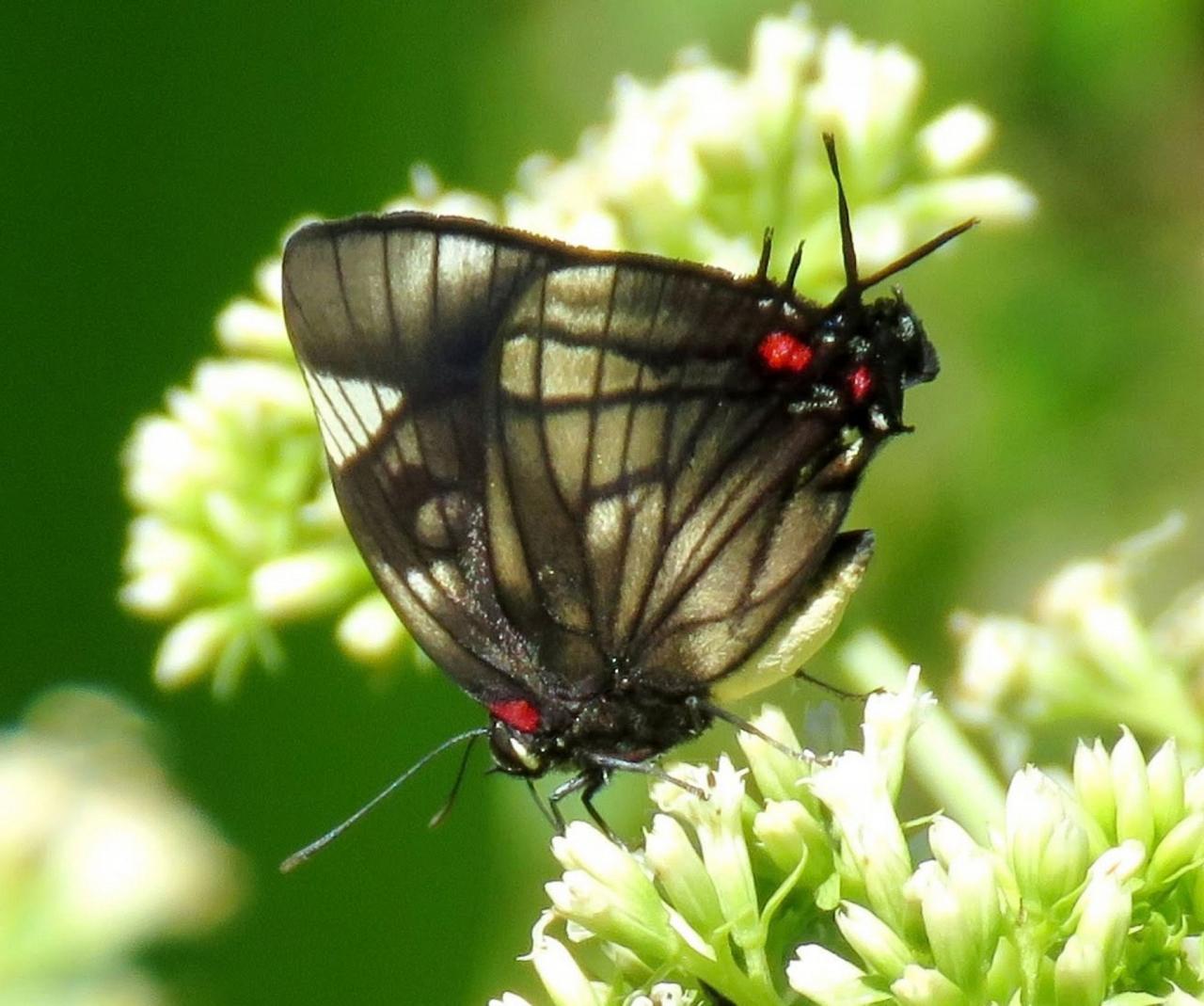
After enjoying a morning of bird watching, it will be time for a lunch break. Depending on one’s energy level and interest, we can jump right into another realm of wildlife appreciation; butterfly watching. Emerald Valley is a world renowned and premiere butterfly sanctuary. An amazing 791 species have been recorded there, including one endemic. That is more species than Canada and the lower 48 States combined, and there is nowhere else on Earth that boasts more species per acre. The actual month of the year determines which groups and species are present at any given moment. But one thing is for sure; we witness a great variety of species.
The late afternoon can be spent relaxing, wandering down side paths, or visiting one of the flower gardens. The front deck of Robert and Olivia’s house is lined with a long table and benches. It is a perfect place to sit, see, and photograph a small variety of hummingbirds that visit the Porterweed, Firebush, Heliconias, and Costa plants. More common species include White-bellied Emerald, Rufous-tailed Hummingbird, and Stripe-throated Hermit. Others that pop in on a less frequent basis include Long-billed Starthroat, Long-billed Hermit, and Blue-throated Goldentail.
Accommodations at Emerald Valley (B,L,D)
Mon., Feb. 1 Los Naranjos Archaeological Site
Today we set out to explore a nearby archaeological site called Los Naranjos. It named after a local coral tree (Erythrina poeppigiana) that produces large quantities of orange-colored blossoms during the brief dry season. For some time, these Lenca people were concurrent with the Mayans in Copan and belonged to an entirely different culture altogether. Studies around Lake Yojoa show that they occupied settlements up to around the 13th Century. The nearby site is not adorned with huge pyramids or stelae as seen at many Mayan sites, but harbors small, delicate mound structures. An on-site museum interprets some of relics and history of the site.
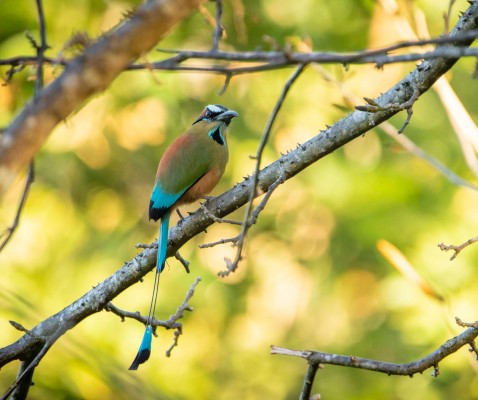
Around the parking lot we will start to sense that we are in a different habitat altogether. Flood-forest lines the lake’s edge and is subjected to annual flooding as the lake level rises and falls. Here, we usually see Turquoise-browed Motmot, Rufous-naped Wrens, Blue-gray Tanagers, and White-fronted Parrots. Depending on the current lake level, we may see a lot of birds in the wetlands near the park’s entrance. For those wishing, we take a look inside the museum before continuing our walk. Sometimes there’s a Cinnamon Hummingbird in front of the museum that feeds on Porterweed.
We walk a flat, raised pathway into the flood-forest and enjoy the tall trees laden with bromeliads, orchids, and other epiphytes. Birds we hope to see there include Streak-headed Woodcreeper, Rufous-and-white Wren, Roadside Hawk, Lesson’s Motmot, and Bright-rumped Attila. If we’re lucky, we find species that are not so common such as the diminutive Olivaceous Piculet, Tropical Parula, and White-winged Becard. There is an elevated boardwalk on-site and, if operable, we walk it. It takes us over marsh where it is more open and we will look for Ivory-billed Woodcreeper, Red-lored Parrot, Gray Hawk, Green-breasted Mango, and Olive-throated Parakeet. During the northern winter months, these forests are literally crawling with migrants that dine on the abundant insect populations.
We return to Emerald Valley in time for lunch and some downtime. The remainder of the day can be spent relaxing or continuing to explore the property.
Accommodations at Emerald Valley (B,L,D)
Tues., Feb. 2 Cerro Azul Meambar National Park | Chocolate Farm
We want to get an early start this morning. After breakfast, we head out to the eastern side of the lake and climb a mountain in route to a national park. We may make a stop or two along the way to check out some bird watching sites. Red-lored Parrots are sometimes seen in the pines along the access road. One beautiful bird we look for is the White-faced Ground-Sparrow, a northern Mesoamerican endemic.
We spend the entire morning at Cerro Azul Meambar National Park, walking short trails, and observing the treetops from a canopy tower. This is a humid rainforest and we should see some nice butterflies as well along the trails and others feeding on Porterweed. We keep our eyes open for native fig tree with fruits. These often attract species such as Crested Guan, Blue-crowned Chlorophonia, Collared Trogon, Elegant Euphonia, Golden-hooded Tanager, Short-billed Pigeon, and many more. This is also one of the best places in the country to see the prized Keel-billed Motmot, and our only chance to see it during this trip. This is also a good place to look for the diminutive Black-crested Coquette and if we’re lucky, or patient, one may come down to ground level to feed on the Porterweed flowers.
In the afternoon we casually make our way back down the mountain, but make another worthwhile stop. Honduras is known for its high-grade chocolate and cacao that is grown all around the lake. We visit a chocolate factory where we enjoy a tour to see how the chocolate is made and we can even taste-test the delicacies. Yes, there are many products to choose from for purchase. Afterward, we return to Emerald Valley.
Accommodations at Emerald Valley (B.L,D)
Wed., Feb. 3 Luna del Puente Private Reserve
Honduras has two legally sanctioned reserve systems: one private and one public. Today, we visit a private reserve located just northeast of Lake Yojoa. The 150-acre reserve is comprised of a mixed broadleaf-pine forest and harbors many different species. We spend the morning here walking some its trails in search of Pheasant Cuckoo, Rufous-breasted Spinetail, White-collared Manakin, Rose-throated Becard, Slate-headed Tody-Flycatcher, Tody Motmot, Green-backed Sparrow, and many more. A small hide attracts many of the more common species, but others such as Spot-breasted Oriole, Green Jay, Collared Aracari, and Yellow-winged Tanager can also be observed.
Photo opportunities abound at Emerald Valley. Enjoy an afternoon to pursue your passions, whether they be capturing images of birds, butterflies or flowers, or simply a nap! Dinner is at the lodge, and we tally up our sightings each night with a checklist.
Accommodations at Emerald Valley (B,L,D)
Thurs., Feb. 4 Boat Ride on Lake Yojoa
We spend the morning taking a leisurely boat ride on Lake Yojoa. The lake harbors a rich mixture of waterfowl, both resident and migrant alike. We take a boat ride on a small pontoon boat, departing from a point nearby. We pass through a forested canal, which opens up the lake. Along the canal we look for Bare-throated Tiger-Heron, Amazon Kingfisher, Morelet’s Seedeater, and Russet-naped Wood-Rail. Uncommon species we keep an eye out for include Pinnated Bittern, Yellow-breasted Crake, Spotted Rail, and Masked Duck. We then explore two stretches of the shoreline, including the craggy, backside of Enchanted Peak along the western shore, and a post with extensive aquatic vegetation along the north shore. We see elegant Snail Kite, an assortment of different duck, herons, jacanas, and much more. We have lunch at a local diner before returning to Emerald Valley.
Enjoy another siesta or some quiet time in this pristine valley, or continue birding and exploring.
Accommodations at Emerald Valley (B,L,D)
Fri., Feb. 5 Honduran Emerald
Honduras has numerous regional endemics, one near-endemic, and one country endemic: the Honduran Emerald. As late as the 1980s, this hummingbird was thought to be facing extinction as small numbers occurred in only two threatened thorn-scrub forests. It was subsequently listed as Critically Endangered, and as more bird watchers began to appear, more populations were discovered around the country. We now know that this enigmatic hummingbird is far from going extinct. The last known population was discovered around the country’s largest hydroelectric dam, inhabiting a mixed deciduous pine woodland, and is within easy driving distance from the lake.
We get an early start this morning and drive eastward toward the Francisco Morazán reservoir. We visit several different areas in search of the Emerald as it utilizes different nectar sources during the year. Other species that occur in the area include Lesser Ground-Cuckoo, Streak-backed Oriole, Blue Bunting, White-necked Puffbird, Black-headed Trogon, and many more. Time permitting, we can explore a different road that leads into a hilly area covered in pine forest. There, we have the opportunity to see Rusty Sparrow, Gray-crowned Yellowthroat, Rufous-browed Peppershrike, Grace’s Warbler, Bushy-crested Jay, amidst other species. We have lunch at a local restaurant before returning to Emerald Valley.
Enjoy a final celebratory dinner and share highlights of the week.
Accommodations at Emerald Valley (B,L,D)
Sat., Feb. 6 Departures
After breakfast, we pack up and make the return trip to San Pedro Sula for international flights home. If you wish to extend your stay, you can return to the airport with the group and fly to different locations such as Roatán in the Bay Islands or to Pico Bonito Lodge at La Ceiba for an elegant ecolodge stay. The famed archaeological ruins site in Copan is reached by car and is available via an express bus transport. This can be arranged by Robert. (B)
-
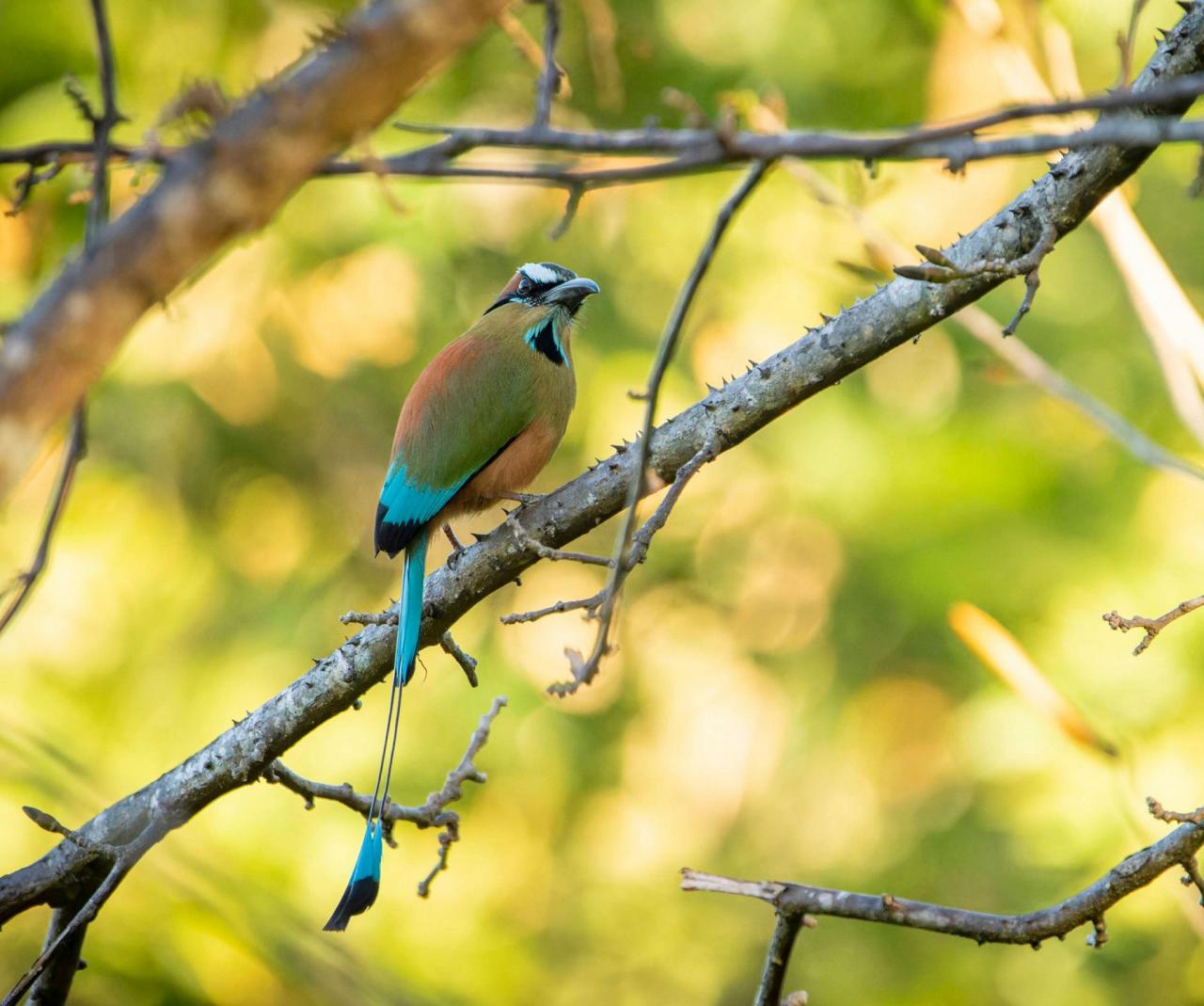
Turquoise-browed Motmot by Bryan Calk
-
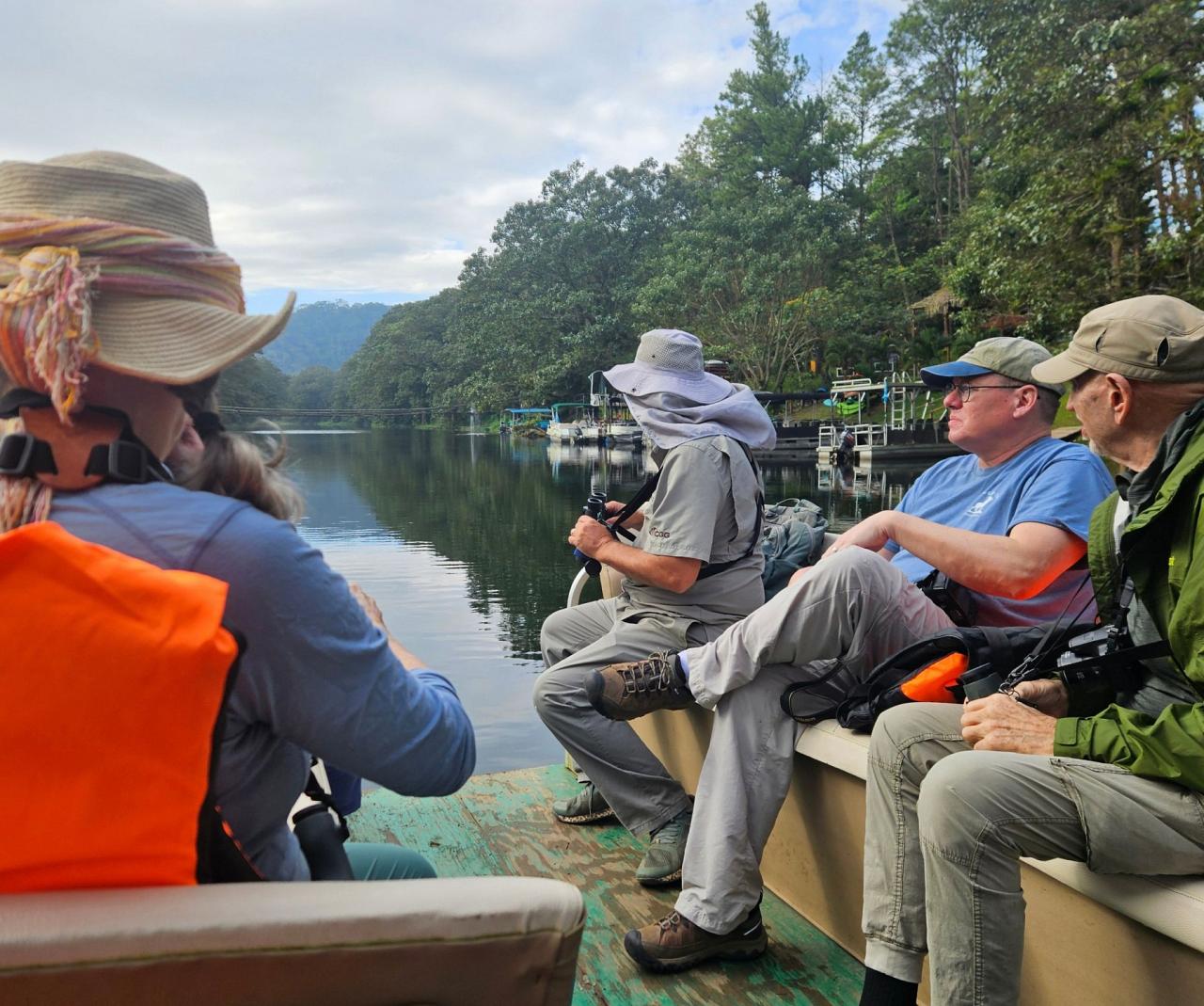
Birding by boat by Robert Gallardo
-
-
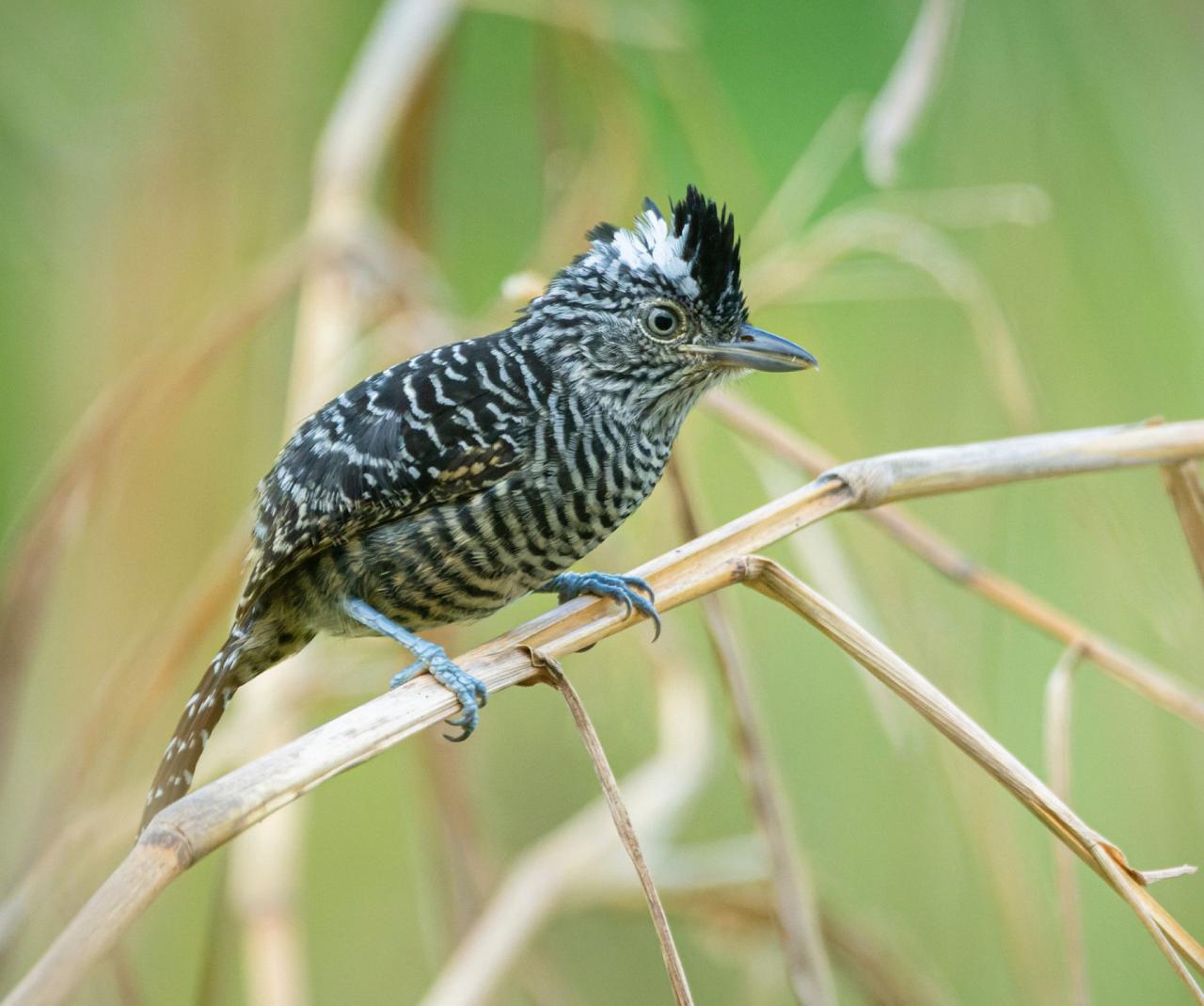
Barred Antshrike by Bryan Calk
-
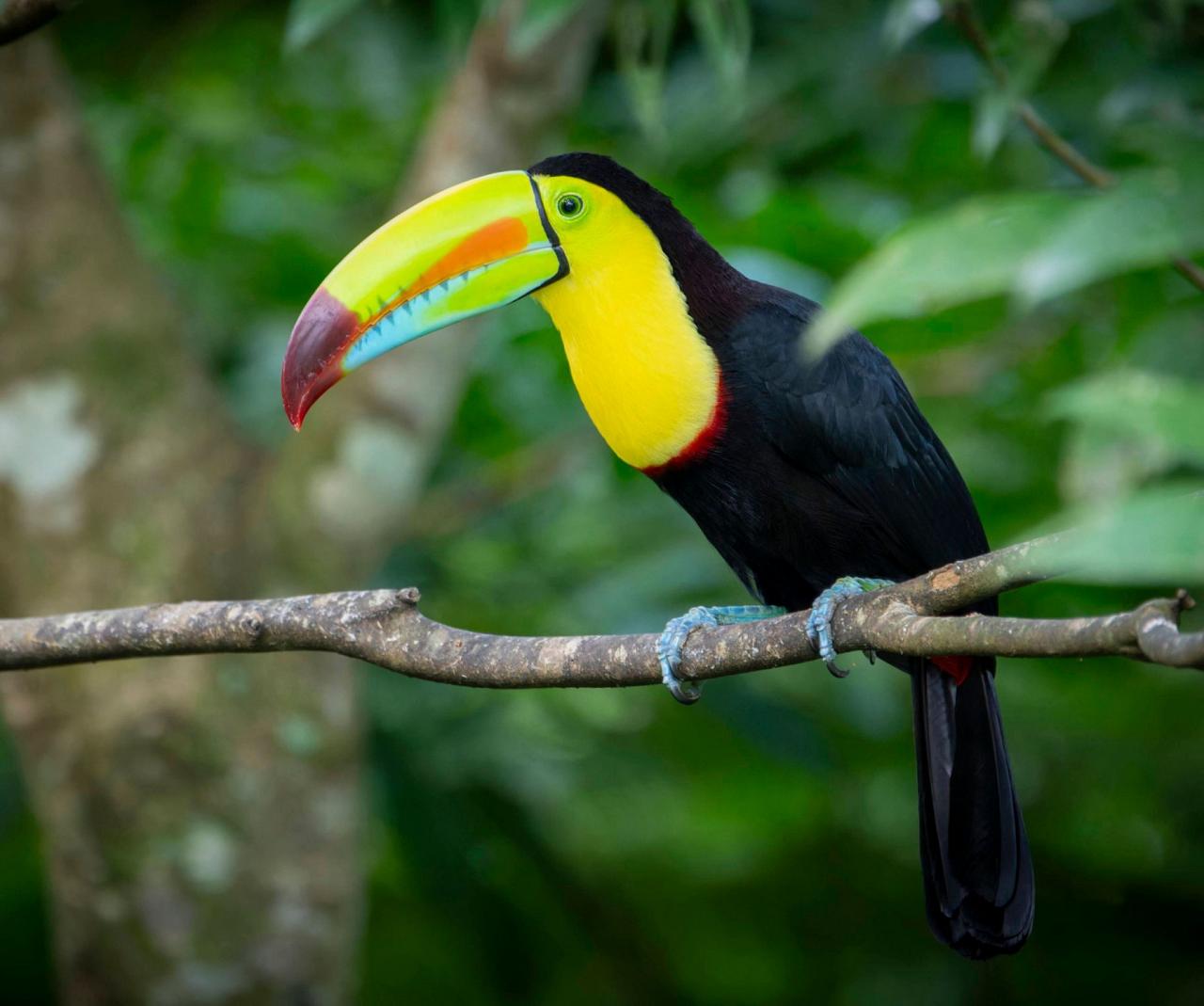
Keel-billed Toucan by Bryan Calk
-
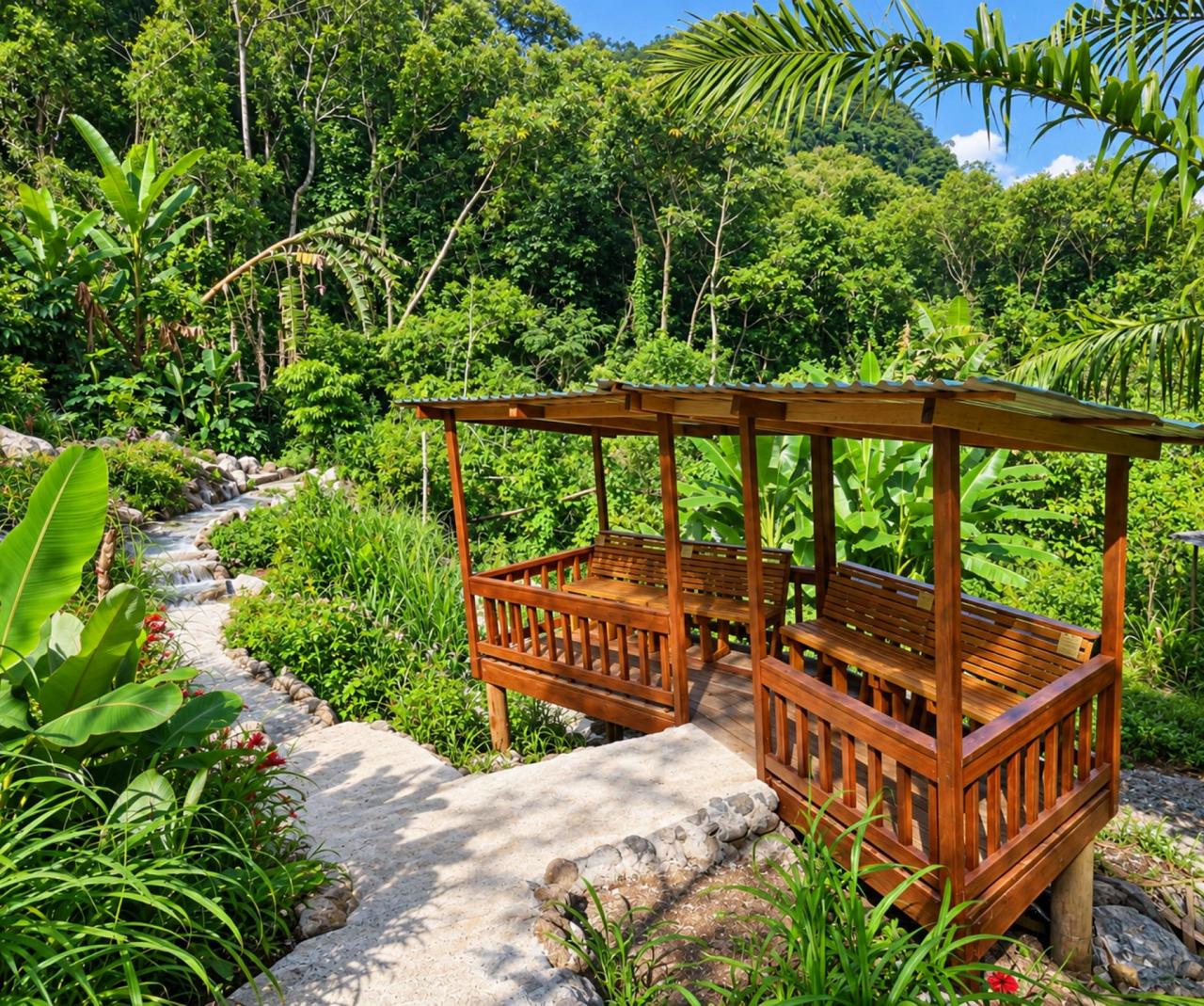
Viewing platform at Emerald Valley Lodge
-
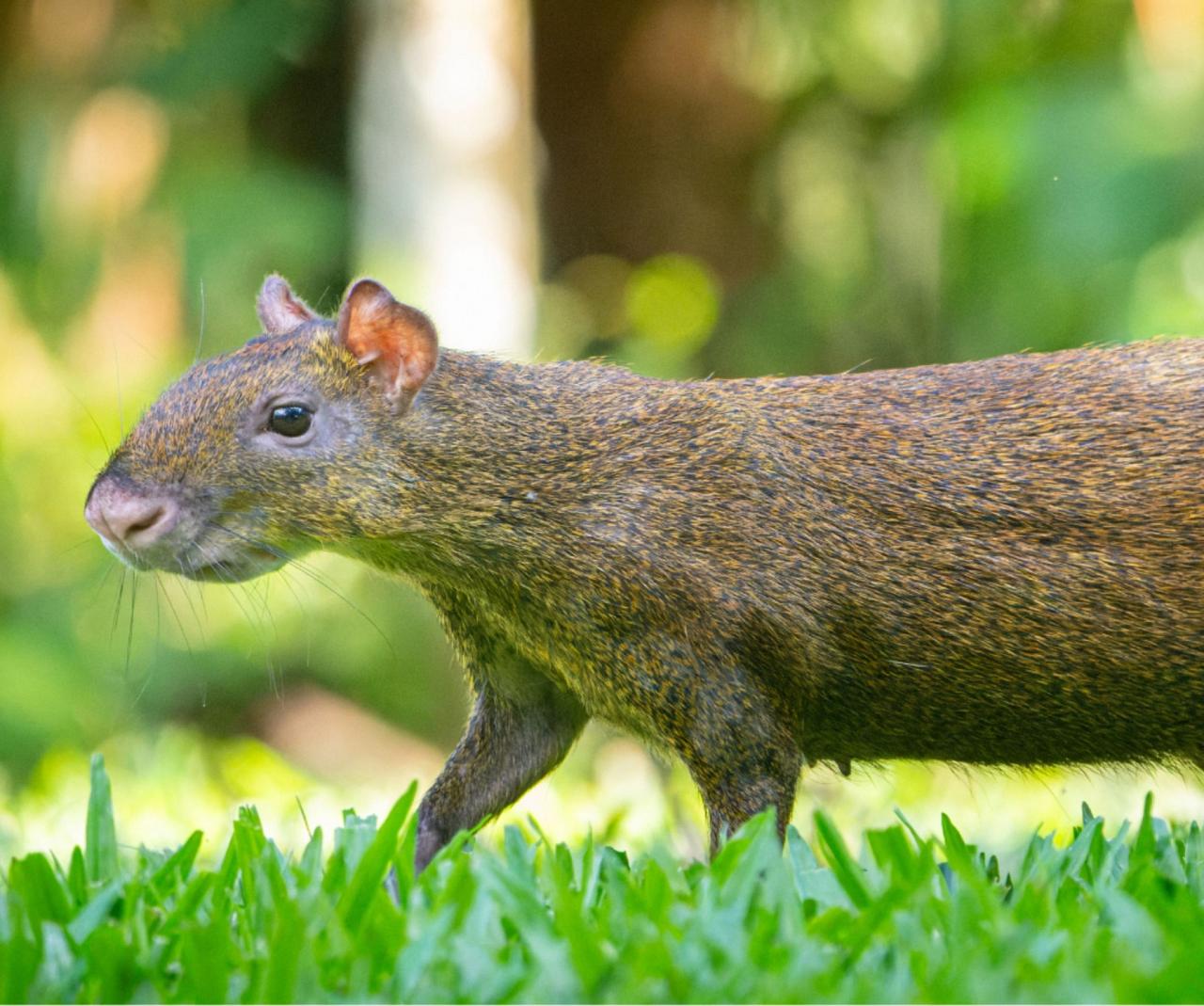
Central American Agouti by Bryan Calk
-
-
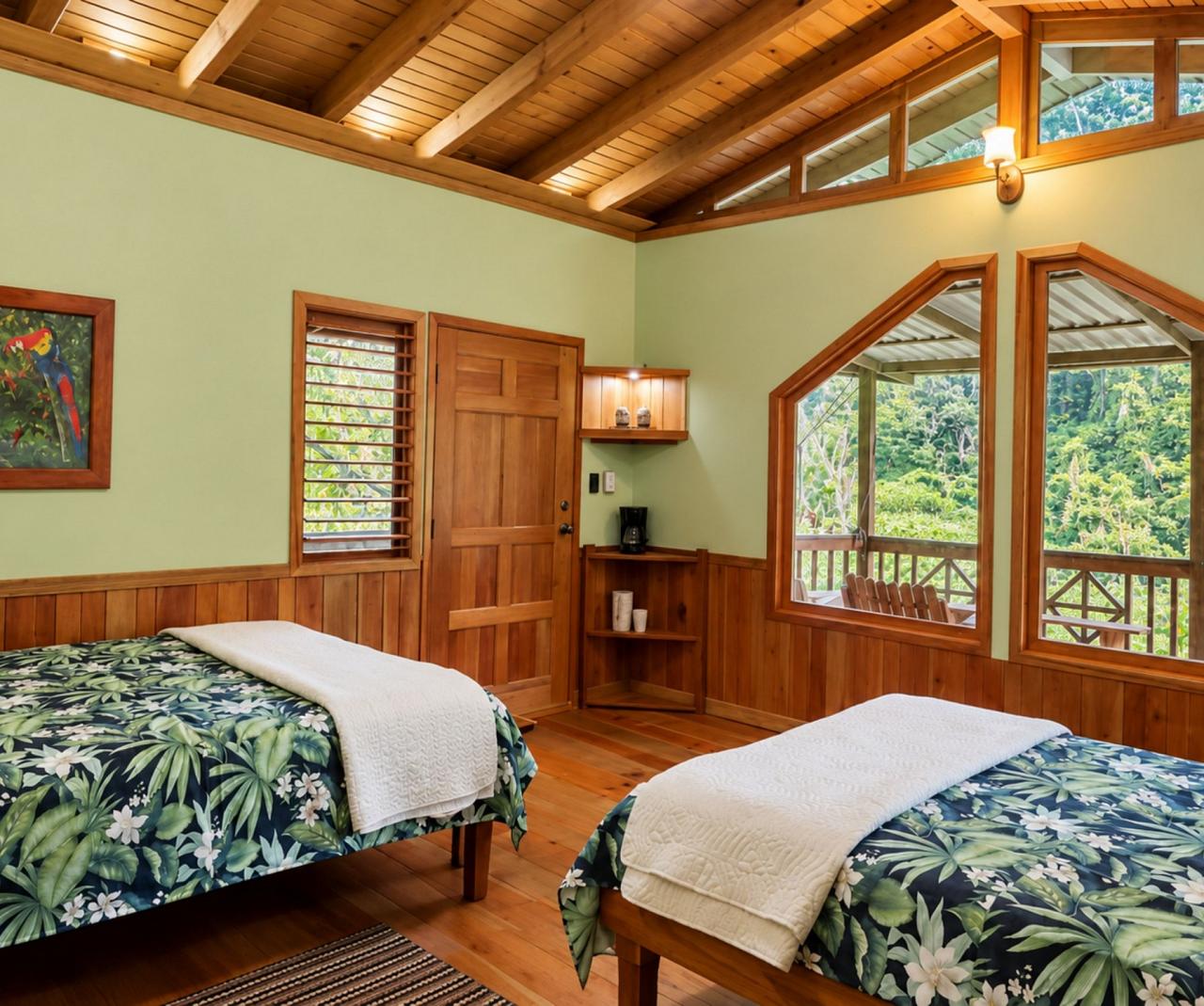
Toucan Cabin at Emerald Valley Lodge
-
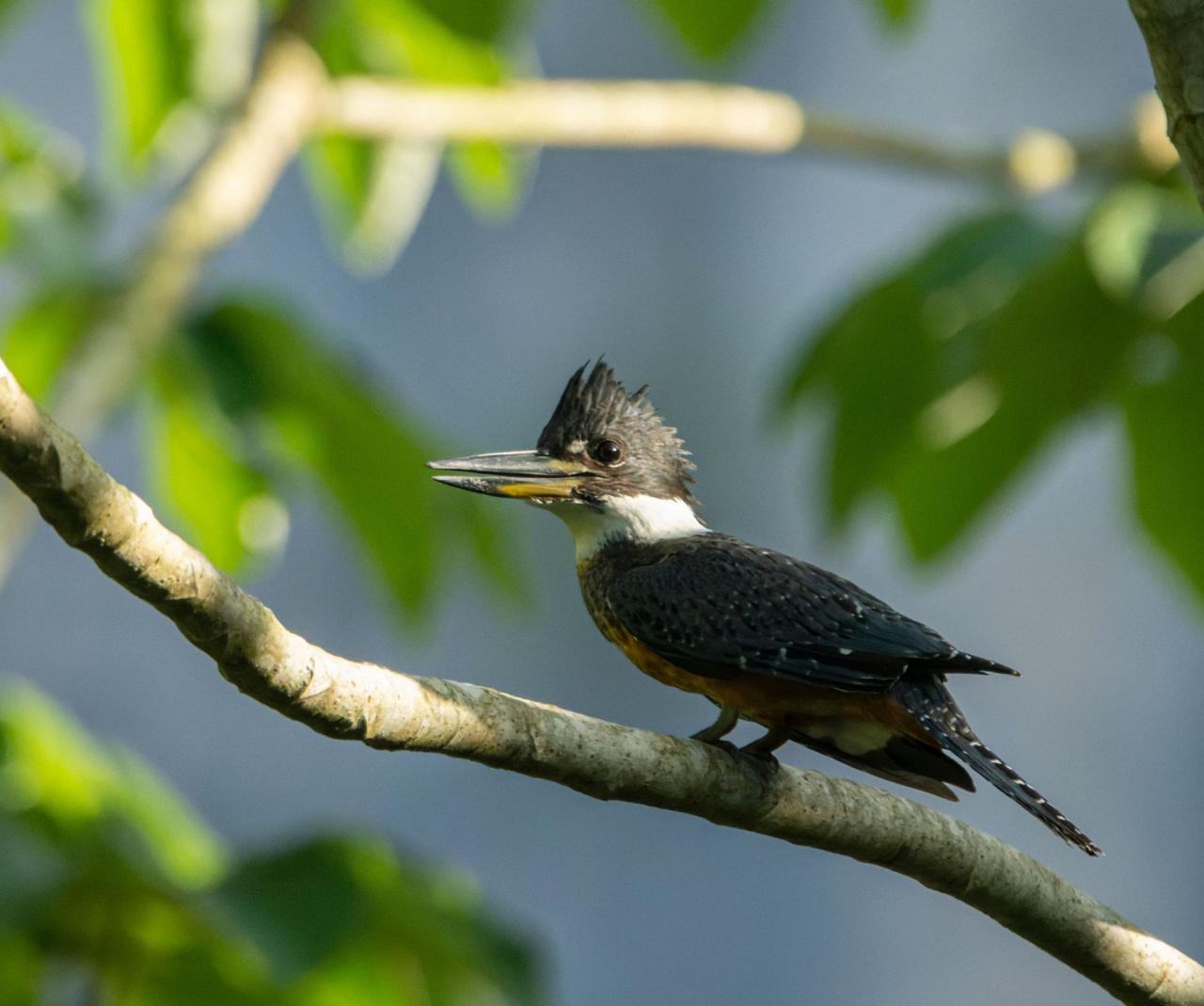
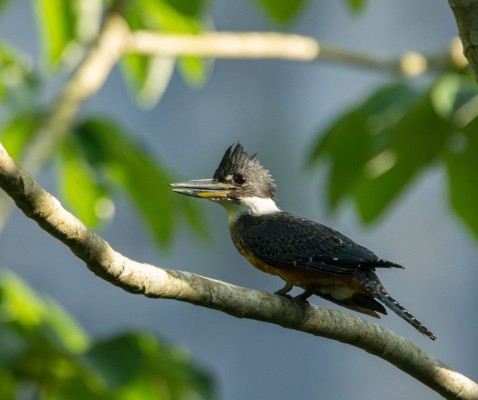
Ringed Kingfisher by Bryan Calk
-
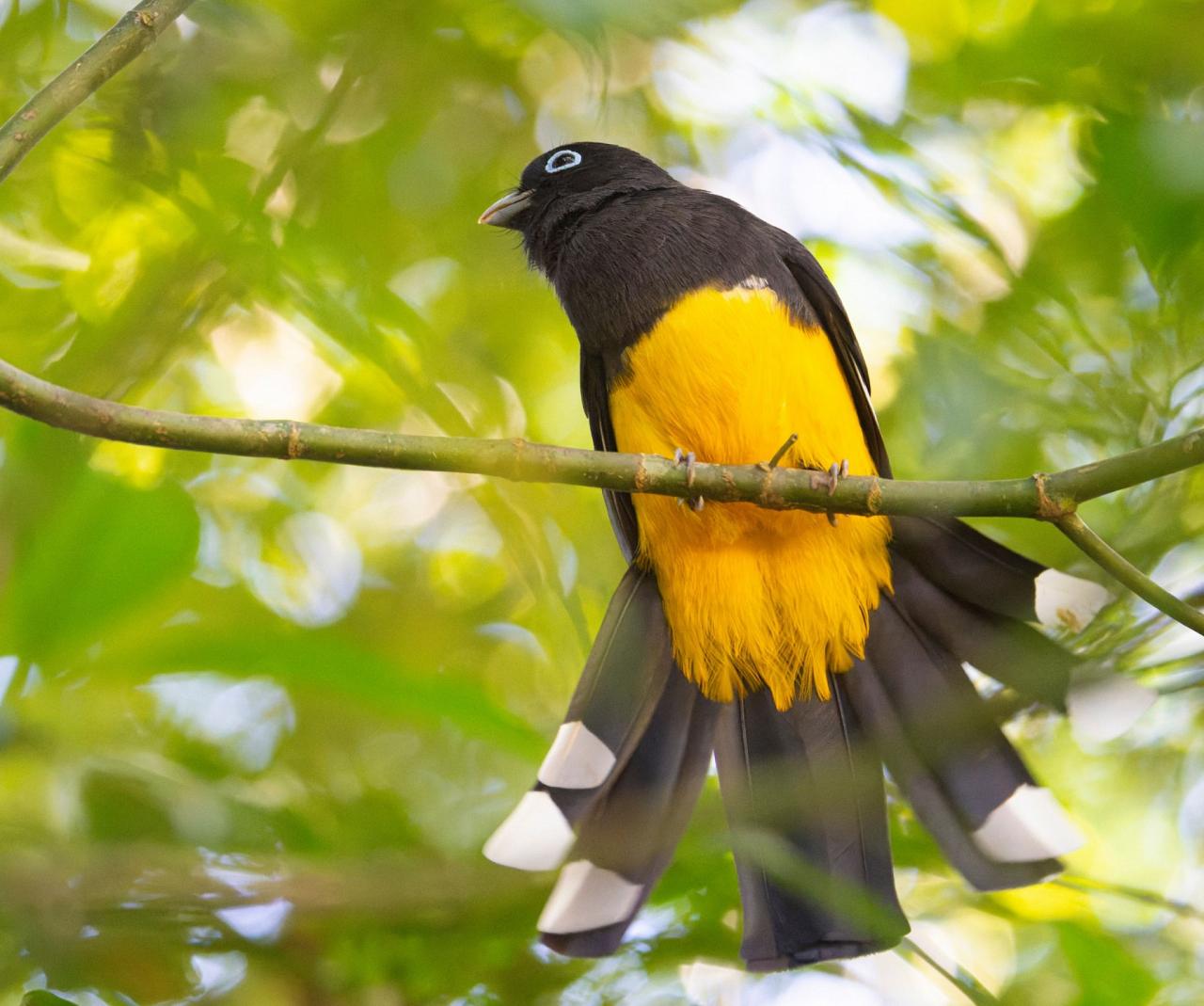
Black-headed Trogon by Bryan Calk
-
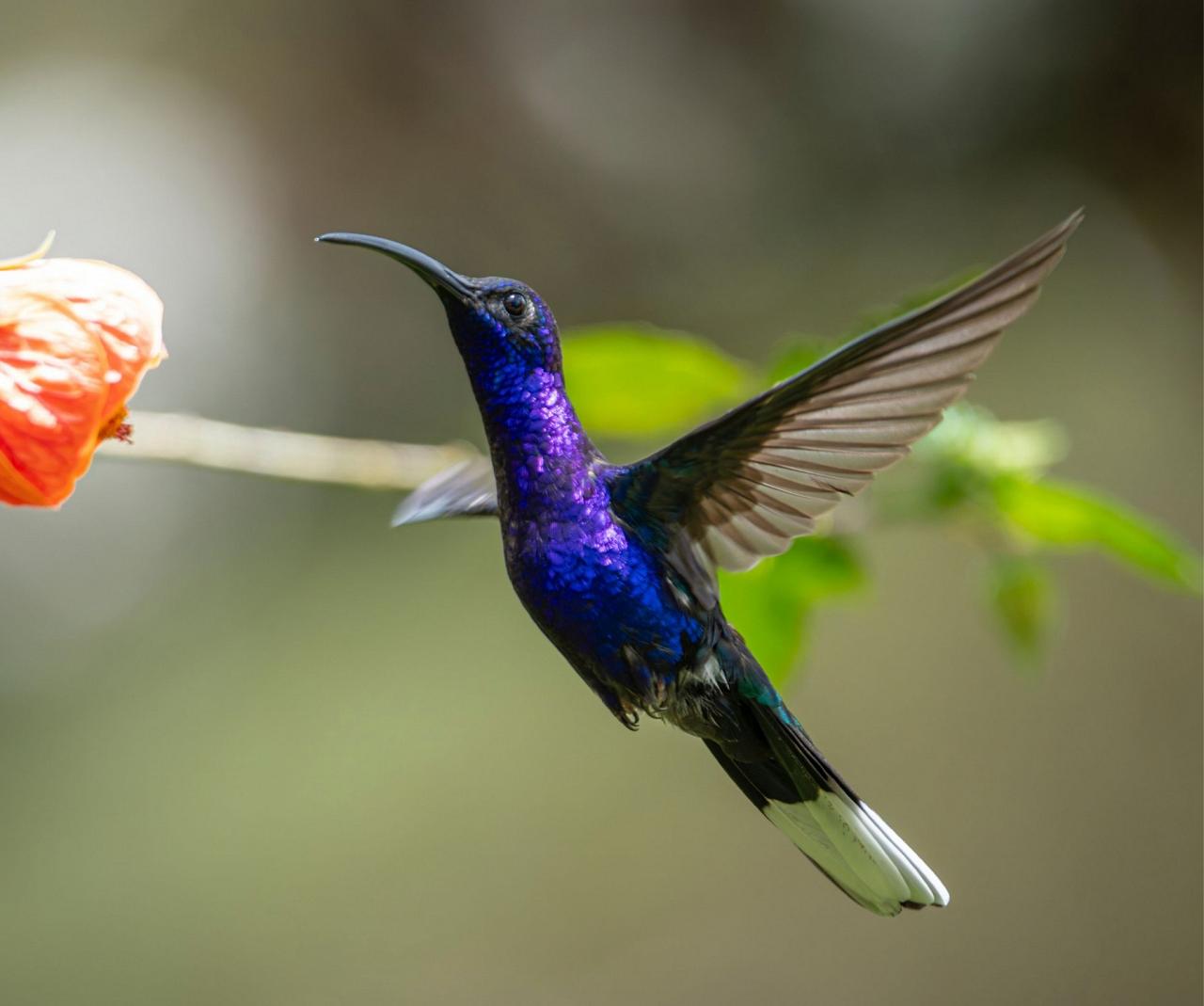
Violet Sabrewing by Bryan Calk
-
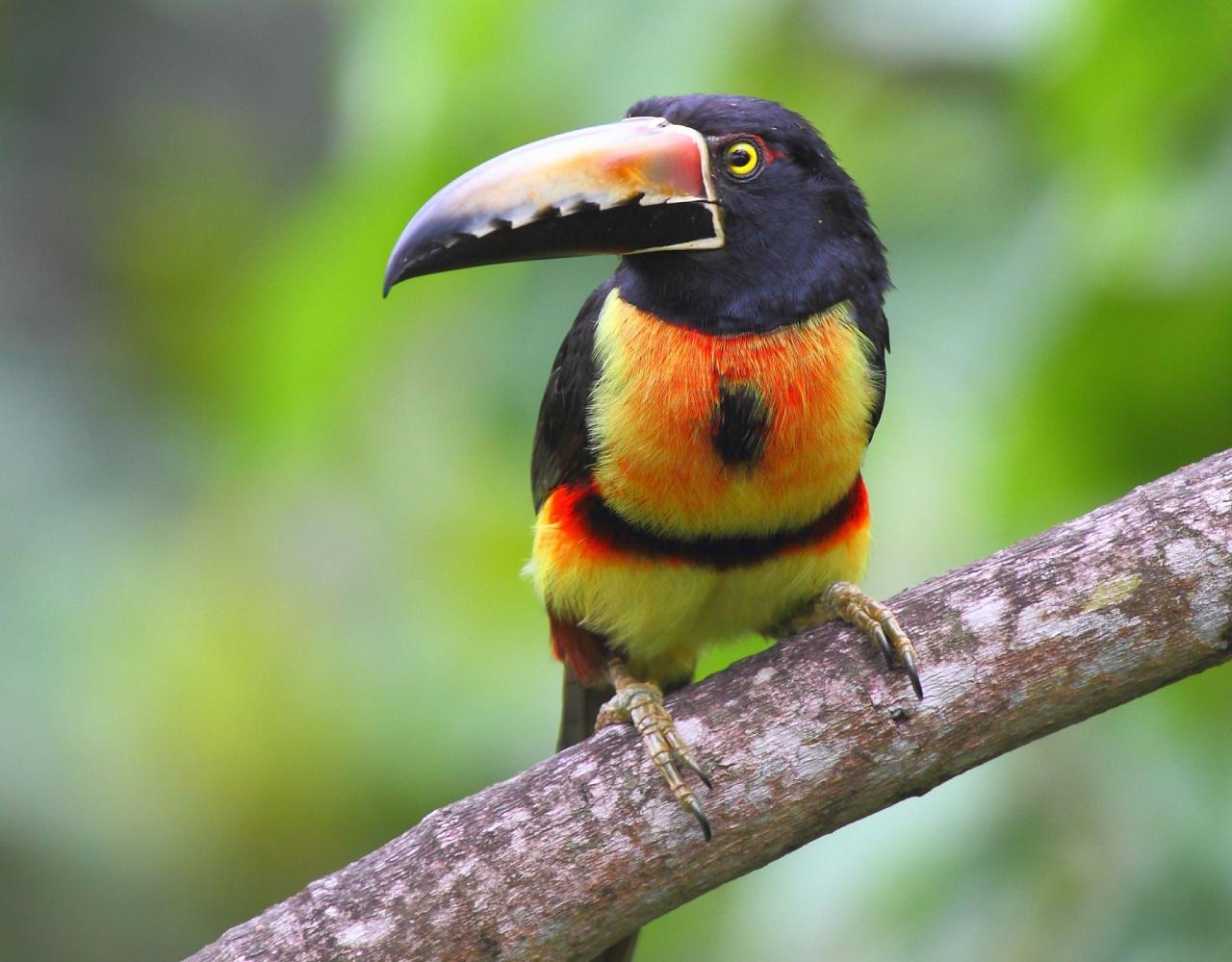
Collared Aracari by James Adams
-
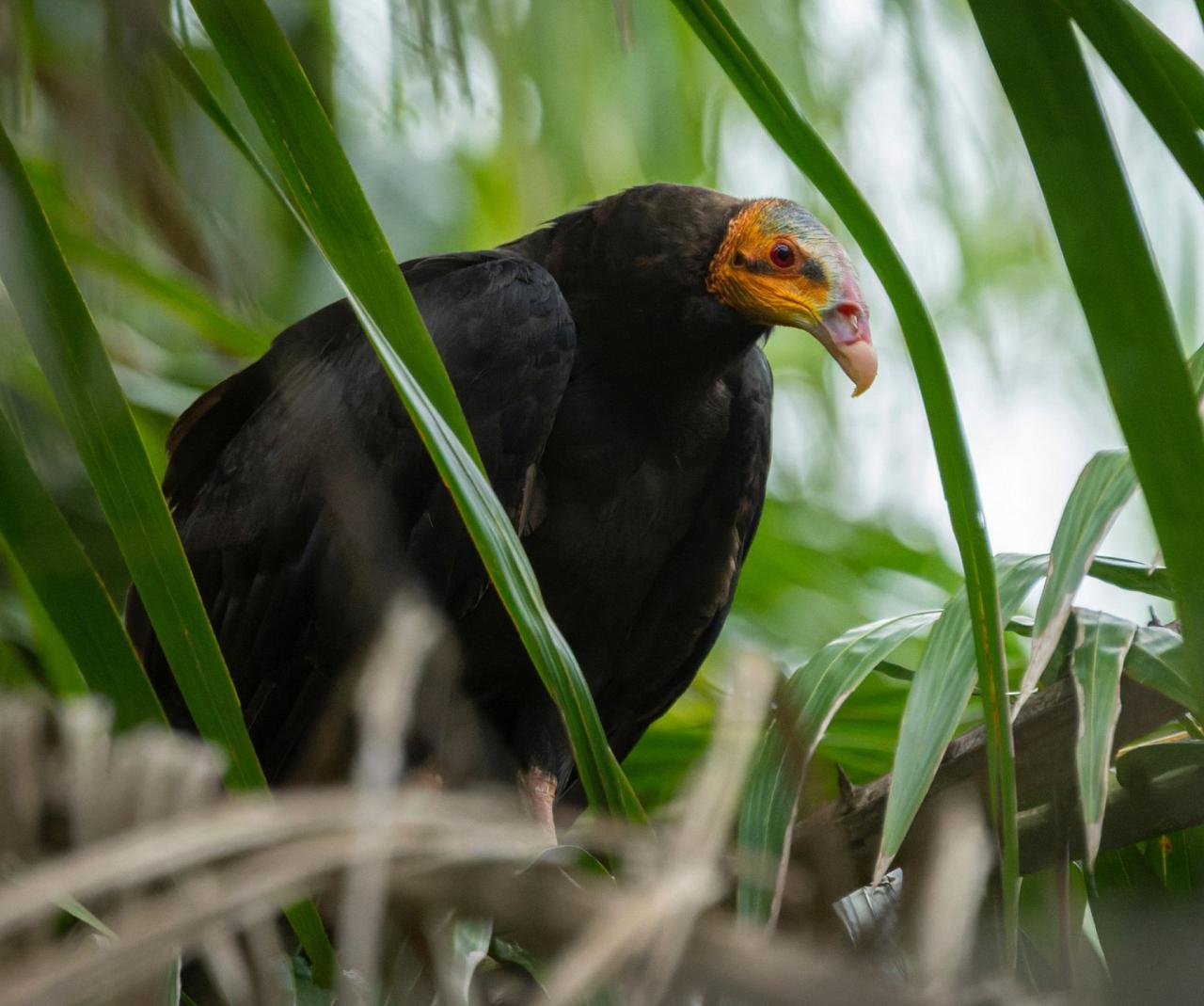
Lesser Yellow-headed Vulture by Bryan Calk
Cost of the Journey
The cost of this journey is per person, based on occupancy: $3990 DBL / $4470 SGL, from San Pedro Sula.
This cost includes: All accommodations; meals as specified in the itinerary, group airport transfers, professional guide services, local park and other area entrance fees, and miscellaneous program expenses. All tips other than your local guide are included (this includes tips for your driver, lodge and staff, day activities, meals and other services).
Tour cost does not include: Round-trip transportation from your home city to San Pedro Sula, optional activities, or items of a personal nature such as laundry, telephone charges, or beverages from the bar.
Travel Details
Please plan to make air travel plans only after the minimum group size has been met. We will send you a confirmation email as soon as the trip has been confirmed.
Arrival and Departure Airport: The airport for this tour is Ramón Villeda Morales (SAP) in San Pedro Sula, Honduras.
Arrival: Please arrive no later than 3:00 PM on January 30, 2027.
Departure: Please plan to depart February 6, 2027, after 12:00 PM. We have a 2 hour drive to the airport in the morning.
Travel Tips: Our guide and operator in Honduras recommends if you plan to come the day before to rest up from travel that you book at the Hyatt San Pedro Sula. This is a popular spot for travelers from the US and affordable. It has a restaurant and a pool and he can pick you up there.
Entry Requirements: See "Essential Information" section under the "Know Before You Go” tab.
Browse below for trip reports and species lists from past versions of this and other tours from this destination.
Honduras
- February 2014
- February 2015
- April 2016
- April 2018
- February 2024
- February 2025
- February 2026
- May 2026
-
Robert Gallardo
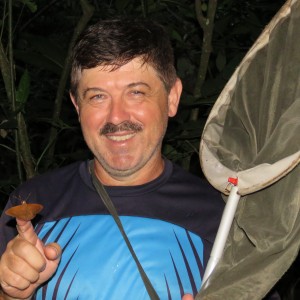
A California native who moved to Honduras in 1993 for the Peace Corps, Robert stayed to make a life there, diving headfirst into the world of tropical birds. He is now considered the country's leading authority on both avifauna and butterflies – a double expert on beautiful flying things. He leads tours for Naturalist Journeys to Panama, Honduras, Texas and Trinidad & Tobago. Robert is the current President of the Pro Nature Honduras Foundation, a small non-profit which promotes nature-based sustainable tourism and environmental education. He is also the co-founder of the Honduran Ornithological Society. He has authored two editions of the "Guide to the Birds of Honduras." He and his partner Olivia hope to publish the "Guide to the Butterflies of Honduras" sometime in 2022. The couple lives in Emerald Valley where they protect 50 acres of rich mid-elevation rainforest and are working to install a nature center with their foundation.
Other trips with Robert Gallardo
-
 Honduras’ Emerald Valley: A Short & Sweet Birding Blitz FULL - See our Trinidad Christmas trip!December 1 - 7, 2026
 -
 Honduras’ Emerald ValleyFebruary 9 - 16, 2027
 -
 Honduras’ Emerald ValleyMarch 6 - 13, 2027
 -
 Honduras’ Emerald ValleyApril 3 - 10, 2027
 -
 Peru: Cusco to Manú National ParkOctober 9 - 24, 2027, w/Machu Picchu extension
-
Essential Information +
Pace & Protocols +
Packing List +
Suggested Reading List +
Useful Links +
Photo credits: Banners: Howler Monkey, Copan Ruins, Scarlet Macaw, Montezuma Oropendola, Bare-throated Tiger Heron, Thumbnails: Turquoise-browed Motmot, Violet Sabrewing, Guatemalan Screech Owl, Mantled Howler Monkey Three-toed Sloth, Red-lored Parrot, Bare-throated Tiger Heron, Scarlet Macaw