
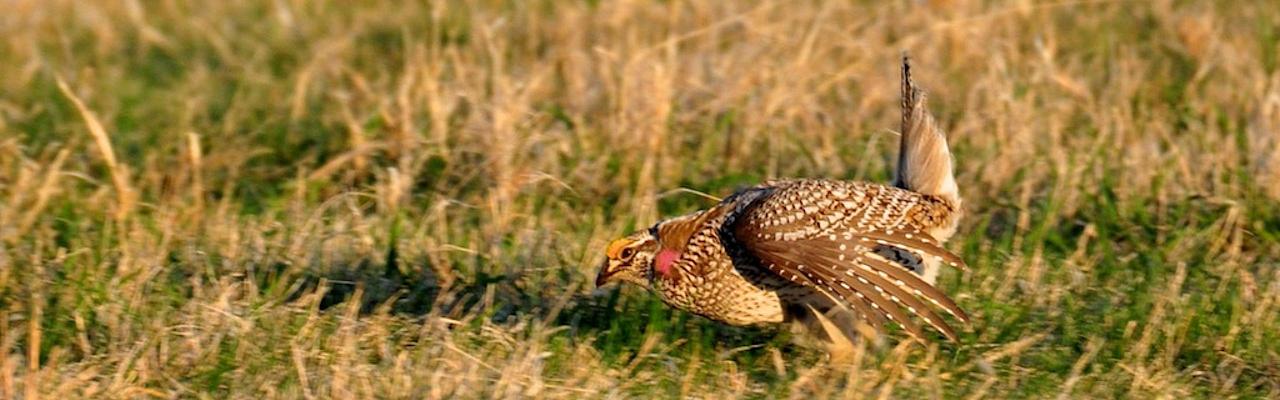
Northwest Colorado comes alive each spring as the region's iconic grouse gather on their ancestral leks in one of North America's most captivating wildlife spectacles. From the booming displays of Greater Sage-Grouse across the Sagebrush Sea to the spirited dances of Columbian Sharp-tailed Grouse in the mountain foothills, this journey offers an intimate look at behaviors few people ever have the opportunity to witness. Guided by local wildlife biologist Jeremiah Psiropoulos, you'll experience these remarkable displays from comfortable blinds, allowing the birds to carry on naturally while you observe every detail.
Beyond the leks, discover the remarkable diversity of northwest Colorado's landscapes, from sagebrush steppe and Pinyon-Juniper woodlands to mountain forests and vibrant wetlands. Along the way, search for an impressive variety of birds and mammals, learn how thoughtful conservation and sustainable ranching work hand in hand, and enjoy the warm hospitality of local families who have dedicated themselves to protecting this extraordinary corner of the American West.
Tour Highlights
- Witness the unforgettable courtship displays of Columbian Sharp-tailed Grouse and Greater Sage-Grouse from carefully positioned viewing blinds.
- Explore an incredible variety of habitats, including the Sagebrush Sea, Gambel's Oak and Chokecherry Scrub, Pinyon-Juniper woodlands, mountain forests, wetlands, and riparian corridors.
- Learn from local wildlife biologist Jeremiah Psiropoulos as he shares his deep knowledge of grouse behavior, ecology, conservation, and the natural history of northwest Colorado.
- Discover how conservation-minded ranching supports thriving wildlife populations during exclusive visits to private properties, including the beautiful Howe Ranch.
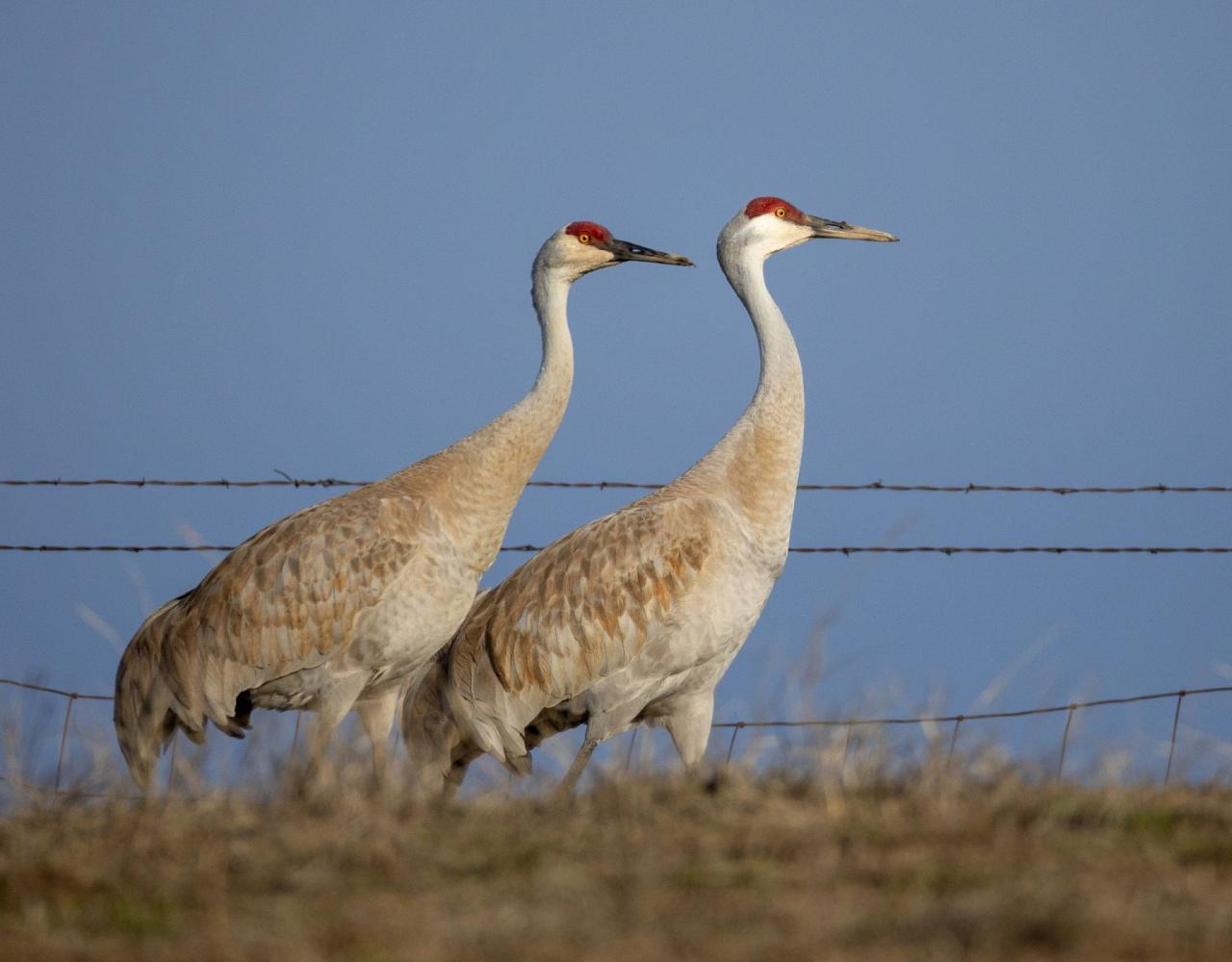
- Search for an outstanding diversity of western birds and mammals, from Dusky Grouse, Pinyon Jay, and American Dipper to Golden Eagle, Sandhill Crane, elk, pronghorn, and Mule Deer.
Trip Itinerary
Itineraries are guidelines; variations in itinerary may occur to account for weather, road conditions, closures, etc. and to maximize your experience.
Sun., Apr. 18 Arrivals
Welcome to Northwest Colorado, where snowcapped peaks rise above an endless sea of sagebrush. We greet our travelers at the airport before gathering this evening for a welcome dinner and an introductory presentation with our local expert, Jeremiah Psiropoulos.
Accommodations in Craig, Colorado (D)
Mon., Apr. 19 Columbian Sharp-tailed Grouse Lek | Howe Ranch
The best wildlife experiences often begin before dawn, and today is no exception. Lekking displays take place at first light, so we depart the hotel well before sunrise—typically around 4:00 AM—to reach the blinds without disturbing the birds. The early start is rewarded with one of North America's most remarkable spring wildlife spectacles.
Today we join local guide Jeremiah Psiropoulos, wildlife biologist and Naturalist Journeys guide, for a Columbian Sharp-tailed Grouse lek experience in the mountain foothills of Colorado, between 6,000 and 8,000 feet in elevation.
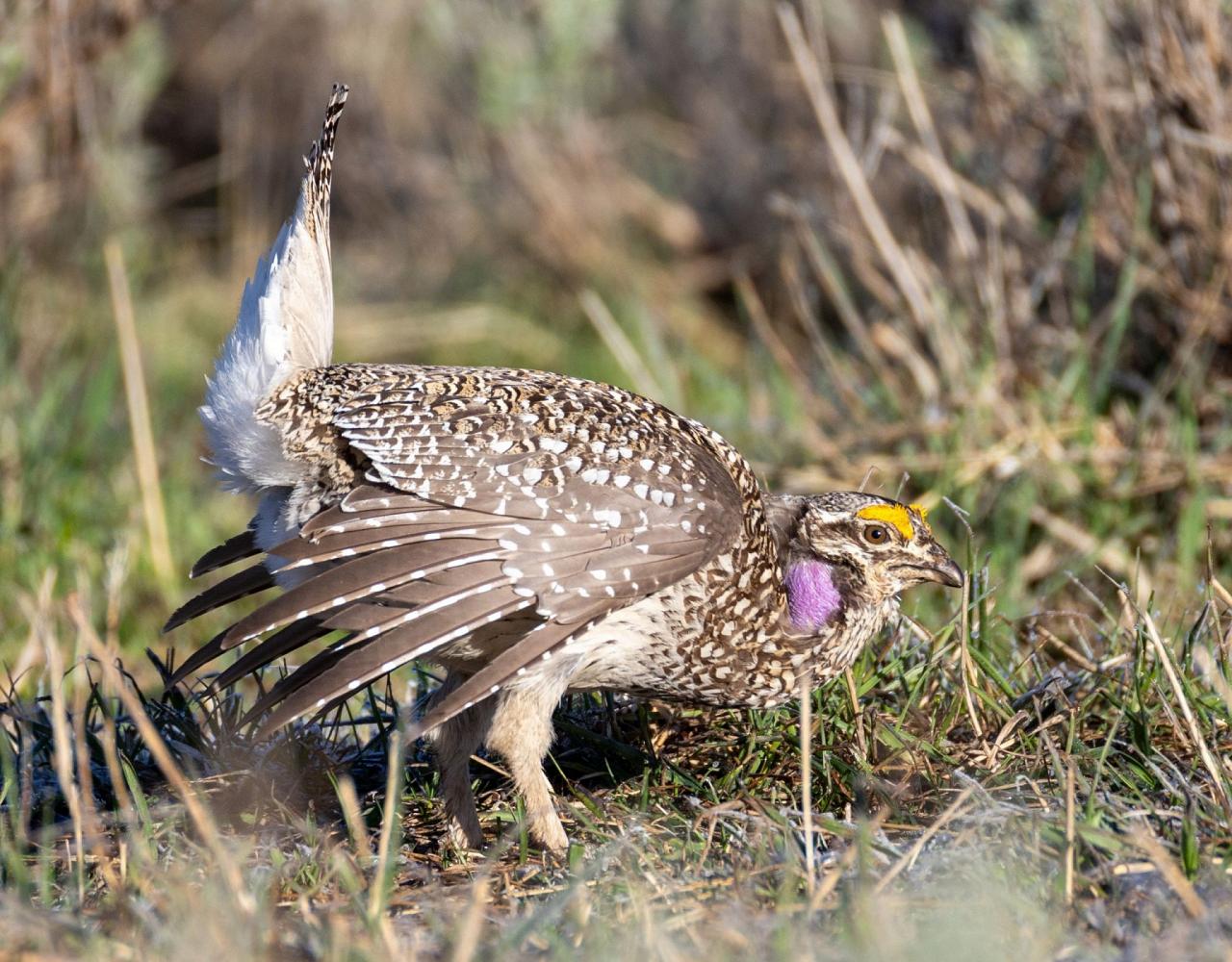
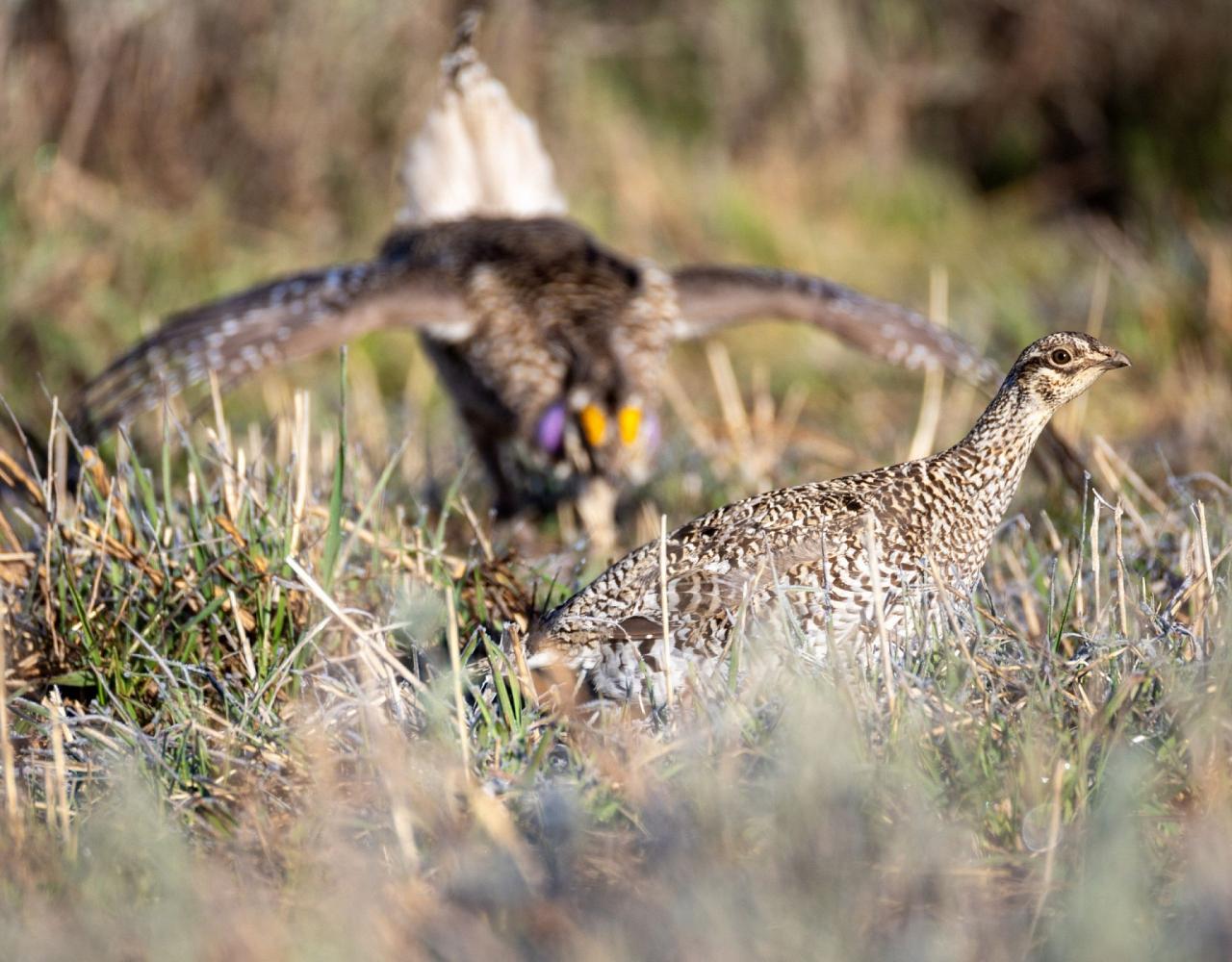
After meeting Jeremiah for an introduction to the morning's experience, we take a short walk to comfortable viewing blinds where chairs, blankets, hand warmers, and hot coffee and tea await. Just before first light, the grouse begin hooting, chuckling, and cooing. As the sun rises, those quiet vocalizations give way to an extraordinary display. With wings spread wide, tails held erect, and heads lowered, the males inflate their brilliant purple esophageal sacs before launching into rapid foot-stamping displays. Dancing, marching, sparring, and posturing fill the lek as the birds compete for the attention of visiting females. If we're fortunate, females arrive to select their mates, and the action becomes wonderfully frenetic.
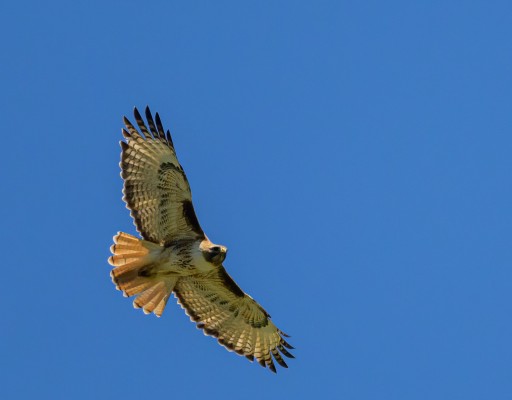
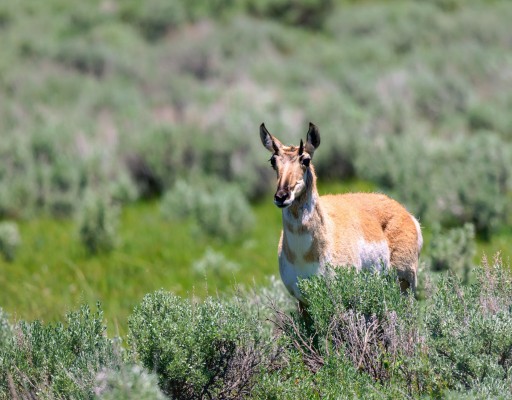
While watching the grouse, we also look and listen for Western Meadowlark, Vesper Sparrow, American Robin, Sandhill Crane, and more. Raptors frequently patrol the lek in search of an easy meal, and Northern Harrier, American Kestrel, and Red-tailed Hawk are expected, with chances for Prairie Falcon, Merlin, or even Ferruginous Hawk. Throughout the morning, elk, deer, and pronghorn graze across the surrounding hillsides. We remain in the blinds until the grouse finish displaying and naturally flush.
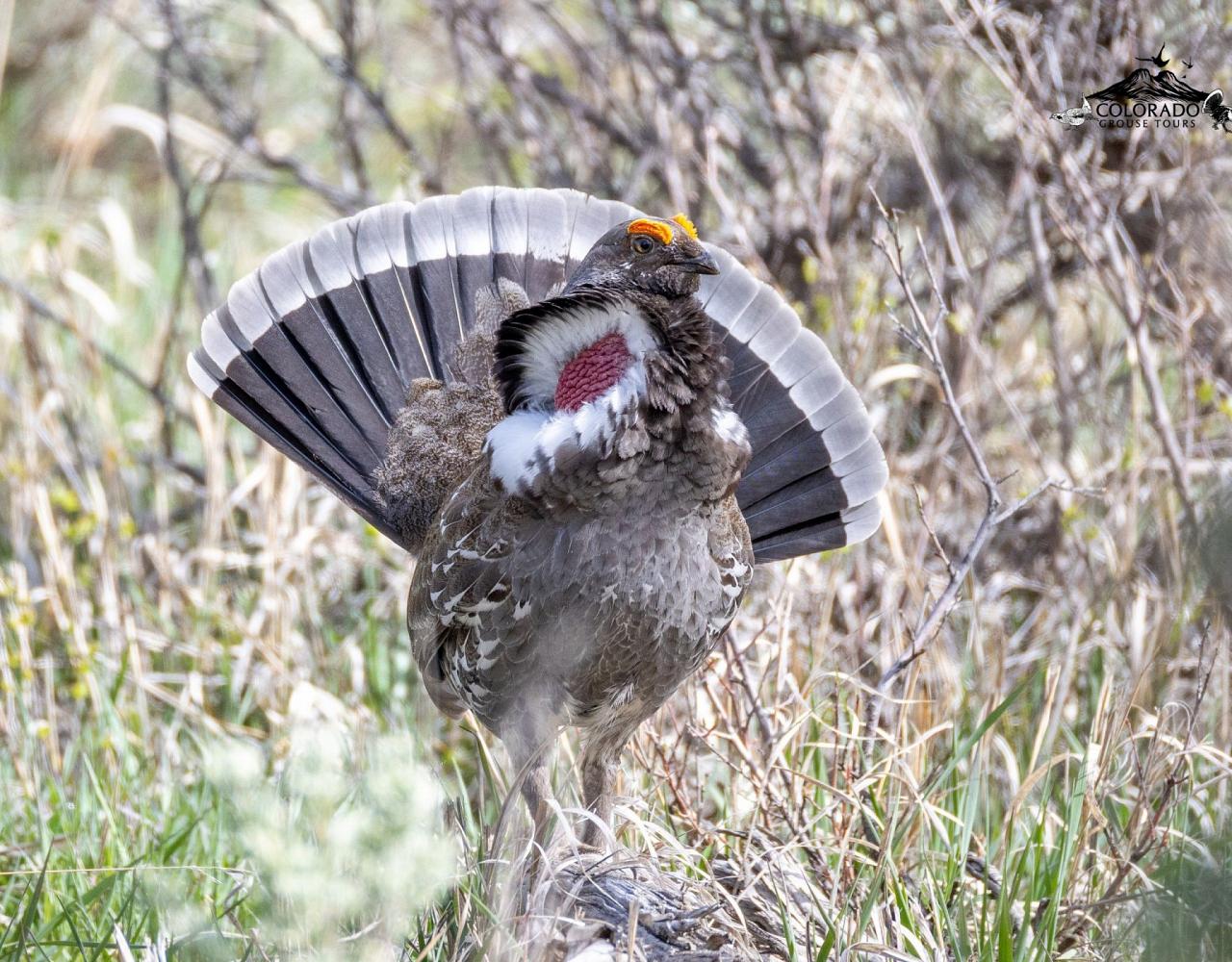
After leaving the lek, we explore Gambel's Oak and Chokecherry Scrub in search of Dusky Grouse. Rather than gathering on traditional leks, these birds perform their low hooting, tail-fanning, booming, and strutting displays in small open areas scattered through the forest.
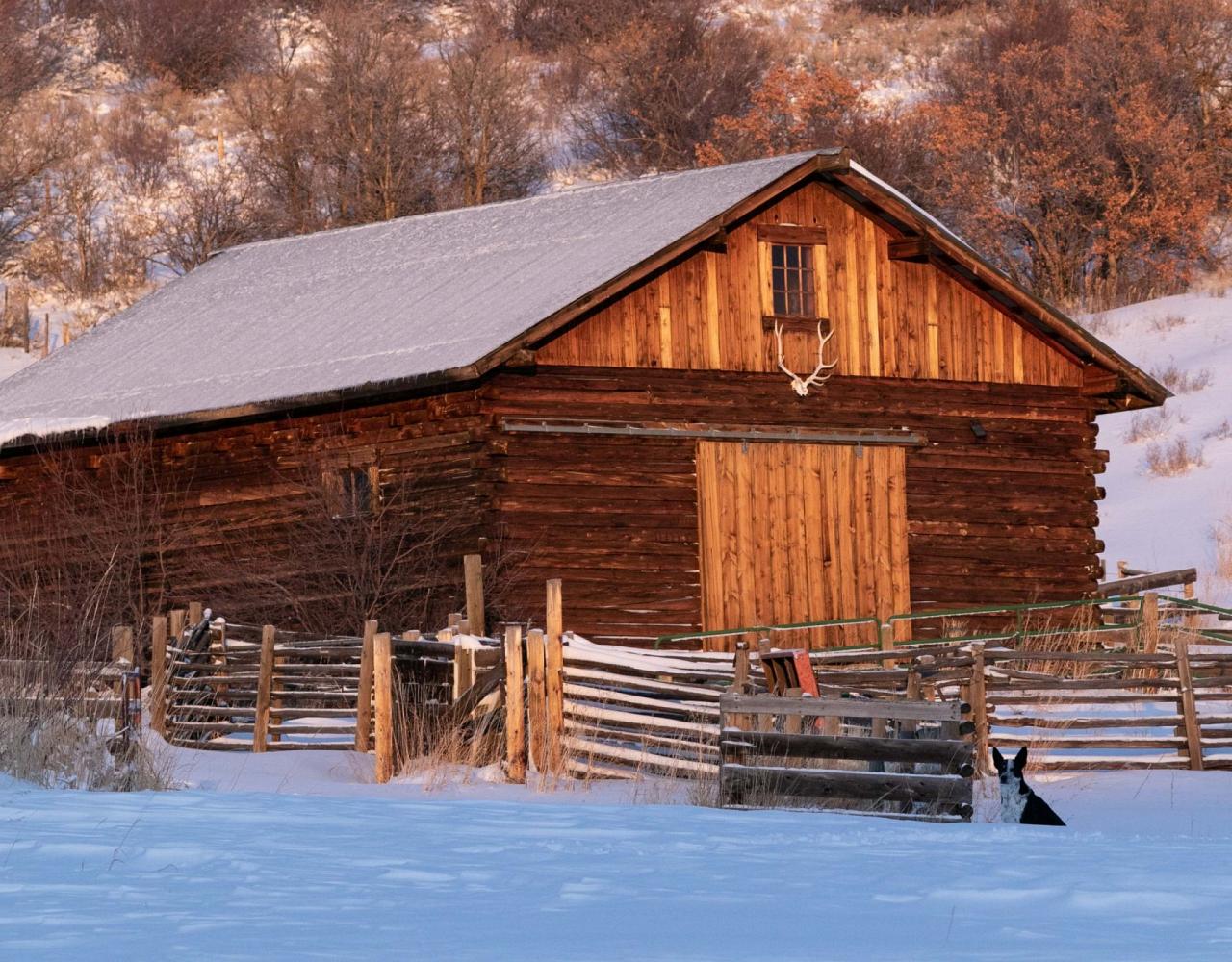
Our day continues at Howe Ranch, a conservation success story owned and managed by Jeremiah, his wife Emily, and her mother, Penny. Their ranch demonstrates how sustainable ranching practices—including light stocking rates and thoughtful weed management—can support both a working family operation and the native flora and fauna of the region. Here we may find Sandhill Crane, perhaps dancing or tending nests, along with nesting raptors and migratory songbirds. By late April, Broad-tailed Hummingbird, Bullock's Oriole, and Lazuli Bunting are beginning to arrive, joining overwintering Evening Grosbeak, Cassin's Finch, and other year-round species characteristic of this ecotype. We enjoy lunch at the ranch.
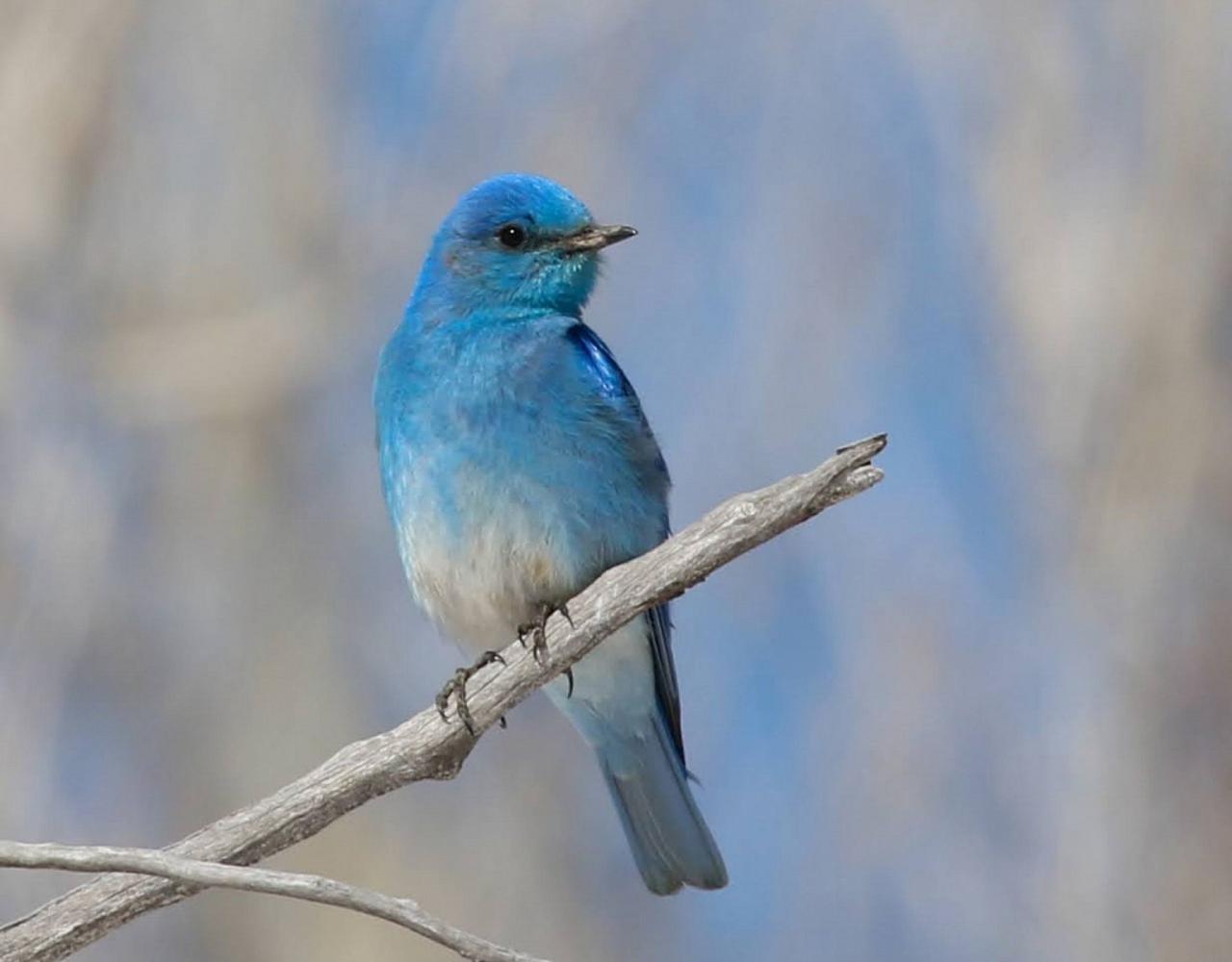
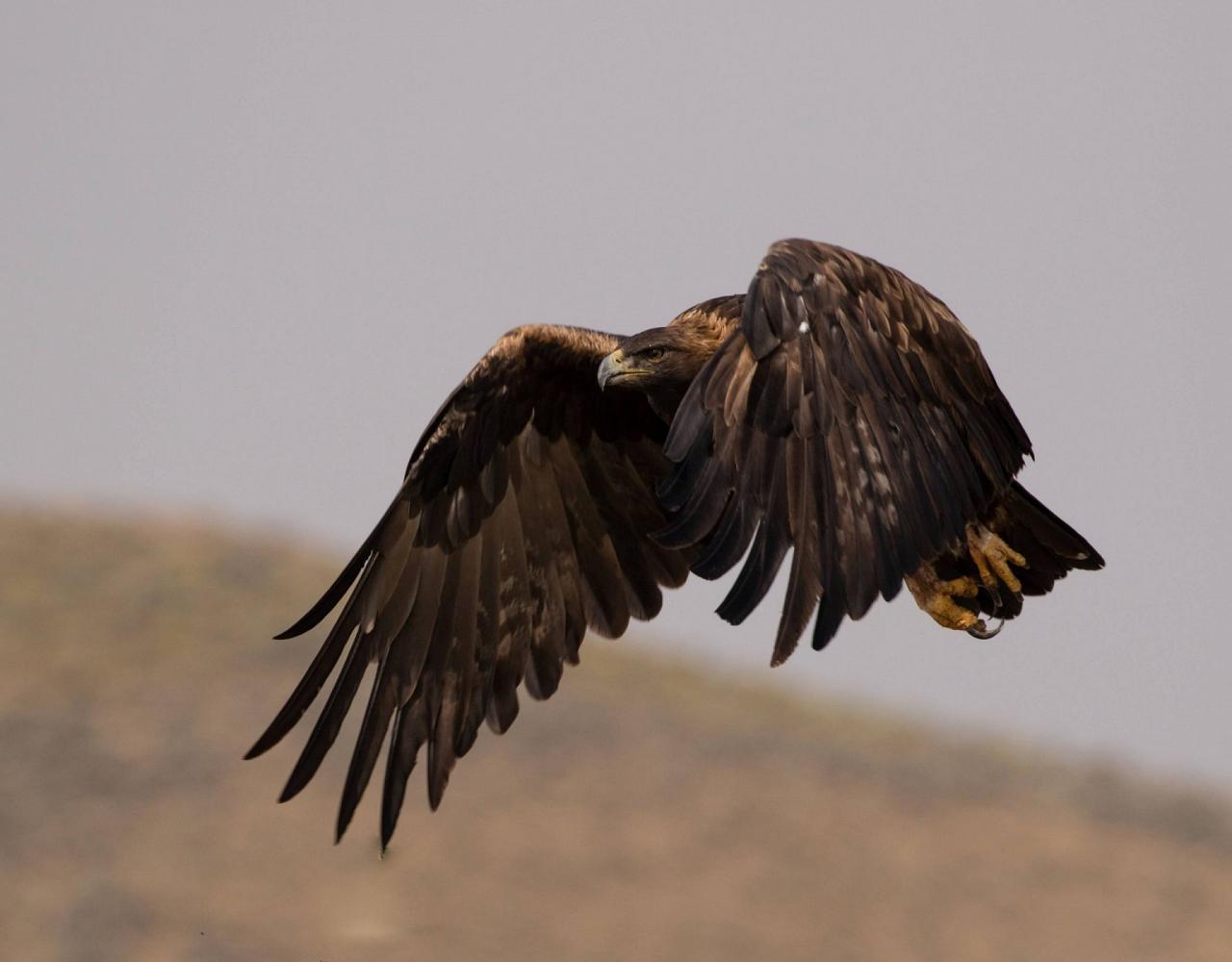
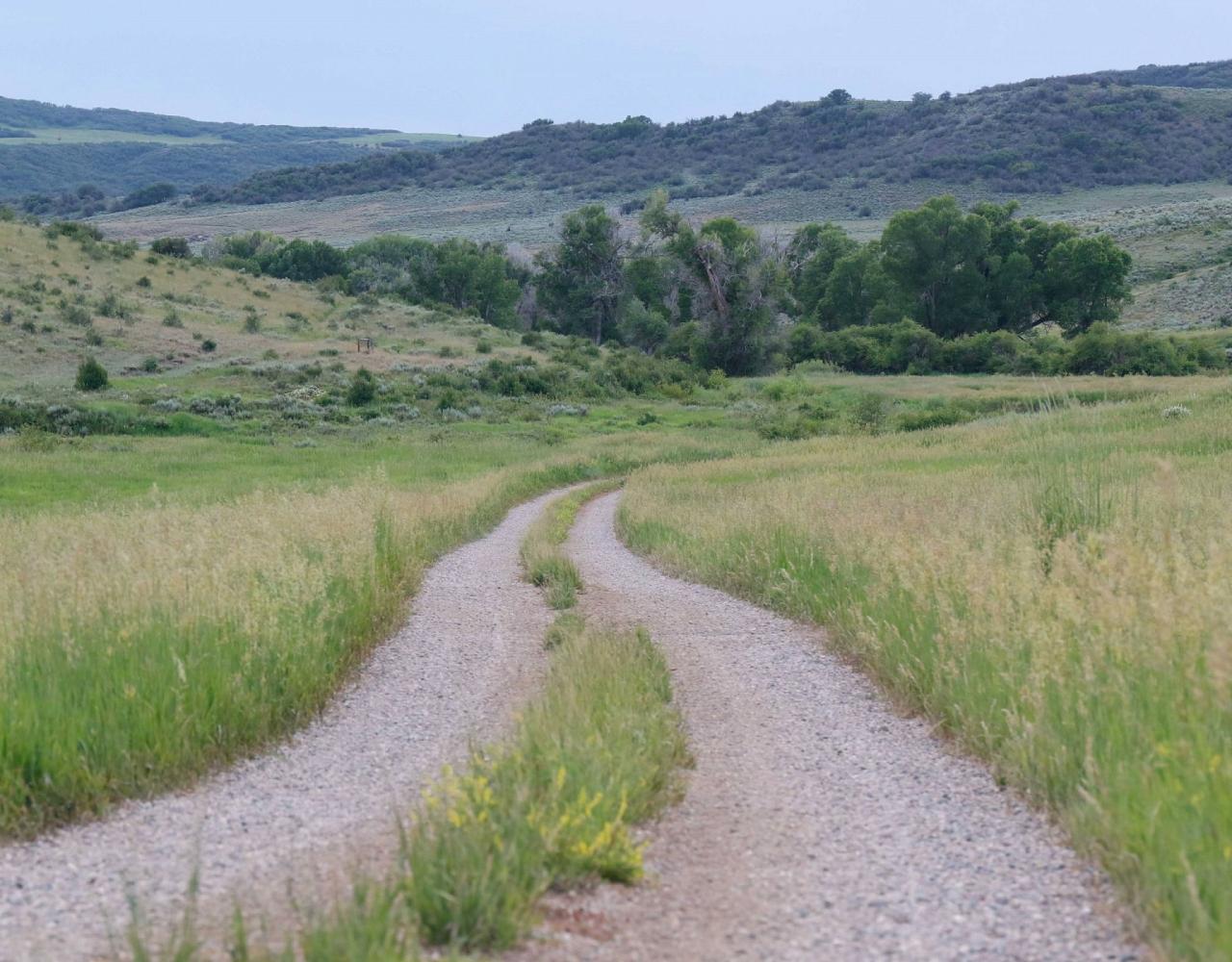
This afternoon we explore the back roads of Routt and Moffat Counties in search of Mountain Bluebird, Swainson's Hawk, and Golden Eagle. A nearby reservoir may host grebes, diving ducks, Great Blue Heron, and, with luck, some early migratory shorebirds.
After a full day in the field, we return to the hotel for time to relax before dinner.
Accommodations in Craig, Colorado (B,L,D)
Tues., Apr. 20 Greater Sage-Grouse Lek | Sagebrush Sea Tour
Another early departure takes us into the heart of Colorado's Sagebrush Sea for an unforgettable morning with Greater Sage-Grouse. Our destination is a private ranch owned by two conservation-minded brothers whose family has stewarded this remarkable landscape for more than 60 years. Protected under a The Nature Conservancy conservation easement, the ranch provides outstanding breeding habitat for sage-grouse, nesting birds, deer, elk, and pronghorn.
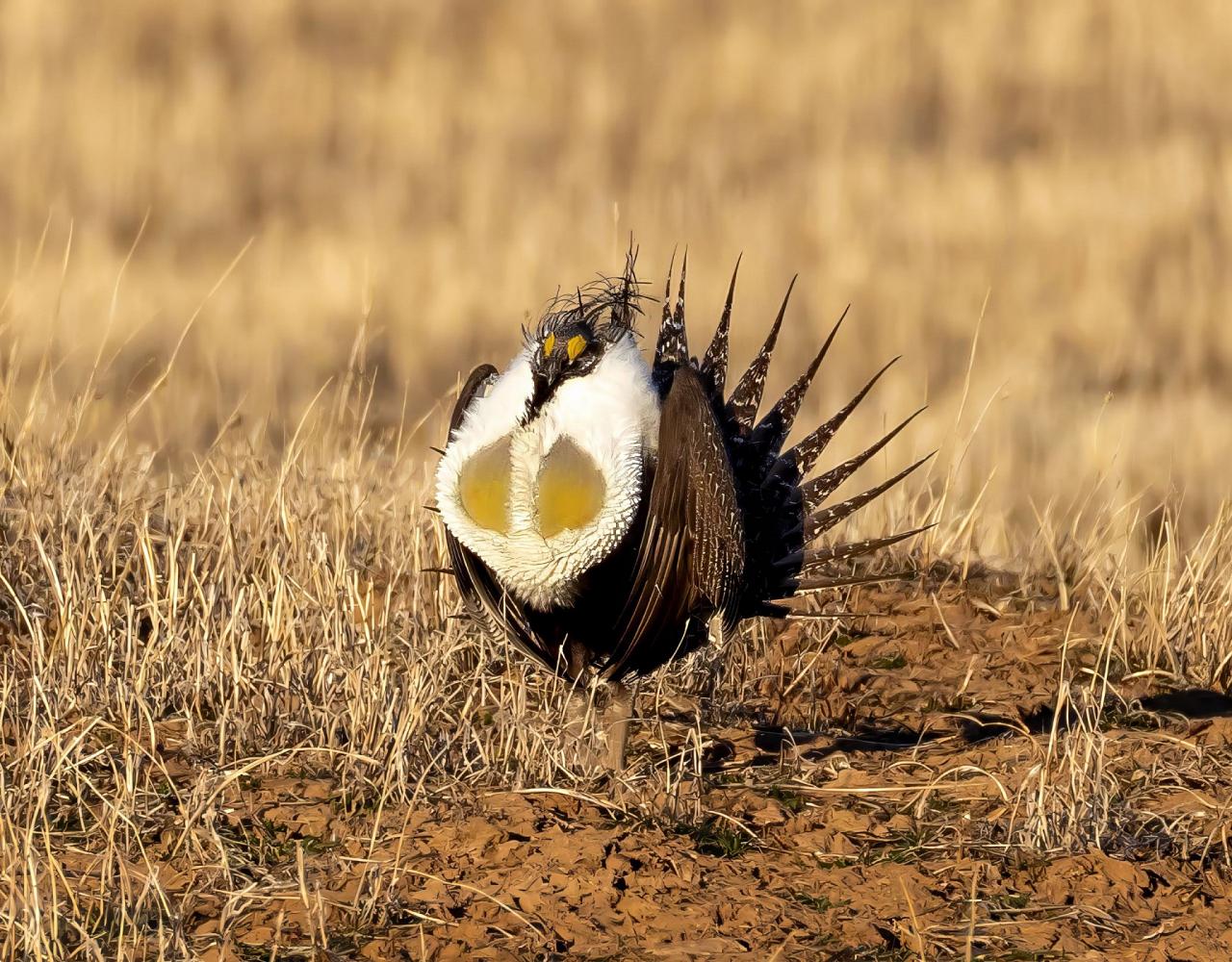
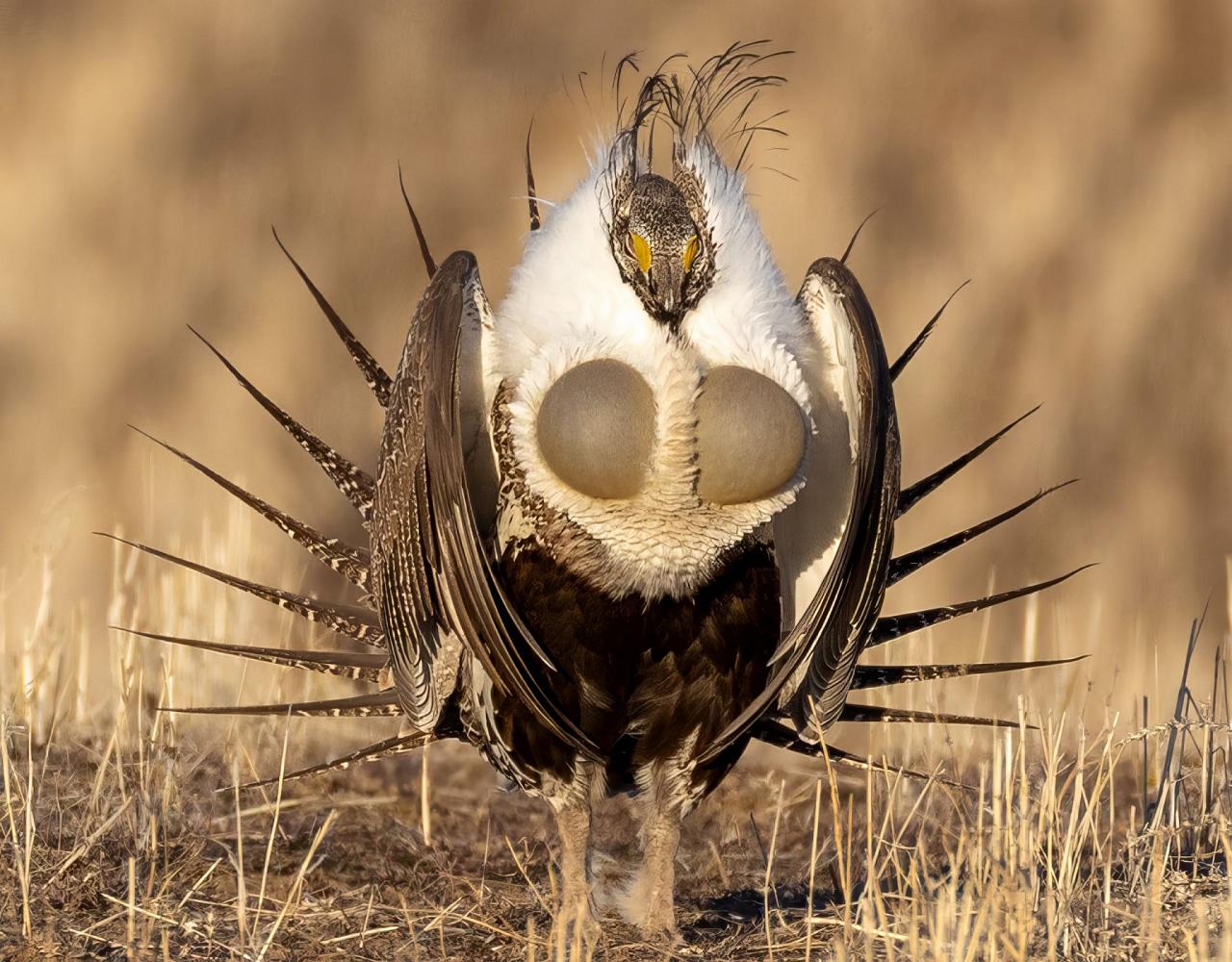
After another brief introduction from Jeremiah, we settle once again into comfortable viewing blinds. As dawn approaches, the deep booming calls of the sage-grouse echo across the landscape, creating an almost otherworldly soundtrack. As sunlight reaches the lek, the males begin their spectacular displays, inflating their green esophageal sacs and pivoting in circles to attract females. Wing slaps punctuate the morning as rival males compete for territory while females quietly move among them, selecting a mate. Around us, Horned Lark defend territories, Western Meadowlark sing from nearby perches, and Vesper Sparrow add to the morning chorus. Pronghorn and Mule Deer are common visitors, while Ferruginous Hawk, Prairie Falcon, and Golden Eagle patrol overhead. We remain in the blinds until the birds finish displaying.
After the morning's spectacle, we enjoy a short birding walk where Sage Thrasher, Brewer's Sparrow, Common Raven, Black-billed Magpie, and Prairie Dog are expected. With luck, we may also encounter Burrowing Owl, Coyote, or even Badger.
Leaving the ranch, we spend the remainder of the morning exploring the dirt roads that wind through the vast Sagebrush Sea. Additional opportunities await for Sage Thrasher, Brewer's Sparrow, Golden Eagle, Loggerhead Shrike, Dark-eyed Junco, Horned Lark, and other characteristic species.
Our route brings us to a wetland nestled beneath an impressive igneous dike, a striking geologic formation where a near-vertical intrusion of magma cuts through older rock layers. This oasis attracts birds from the surrounding sagebrush steppe, offering opportunities for Marsh Wren, Yellow-headed Blackbird, Cinnamon and Green-winged Teals, Bald and Golden Eagles, Tree Swallow, Gadwall, and many more.
Following a field lunch, we continue into Pinyon-Juniper habitat, where a new suite of species awaits. Among our top species is the nomadic and often elusive Pinyon Jay, along with Spotted Towhee, Green-tailed Towhee, Bushtit, and Blue-gray Gnatcatcher.
We return to Craig this evening with time to freshen up before dinner at a local restaurant.
Accommodations in Craig, Colorado (B,L,D)
Wed., Apr. 21 Hayden Museum | Carpenter Ranch | Stagecoach Reservoir | Steamboat Springs
After two early mornings, today begins at a more relaxed pace. We enjoy breakfast at a beautifully repurposed local granary before visiting the Hayden Museum, where we explore the rich history of the region—from cowboying and homesteading to coal mining and ranching.
Next we visit Carpenter Ranch to meet Belle Zars, author of Only Connect, which chronicles the history of the Utes and the Western settlers of the Yampa Valley. Belle is also the granddaughter of Ferry Carpenter, an early conservation-minded rancher and founder of the schoolhouse featured in Dorothy Wickenden's Nothing Daunted. We enjoy a picnic lunch on the ranch while learning about its fascinating history.
This afternoon our focus returns to birding at Stagecoach Reservoir. Here we hope to find Barrow's Goldeneye along with a variety of waterfowl, early migratory shorebirds, and songbirds.
Later we stroll the Yampa River Walk in Steamboat Springs, where the river corridor provides excellent habitat for American Dipper, Osprey, Bald Eagle, and other riparian species.
Dinner this evening is in the charming mountain town of Steamboat Springs.
Accommodations in Craig, Colorado (B,L,D)
Thurs., Apr. 22 Mountain Birding Day
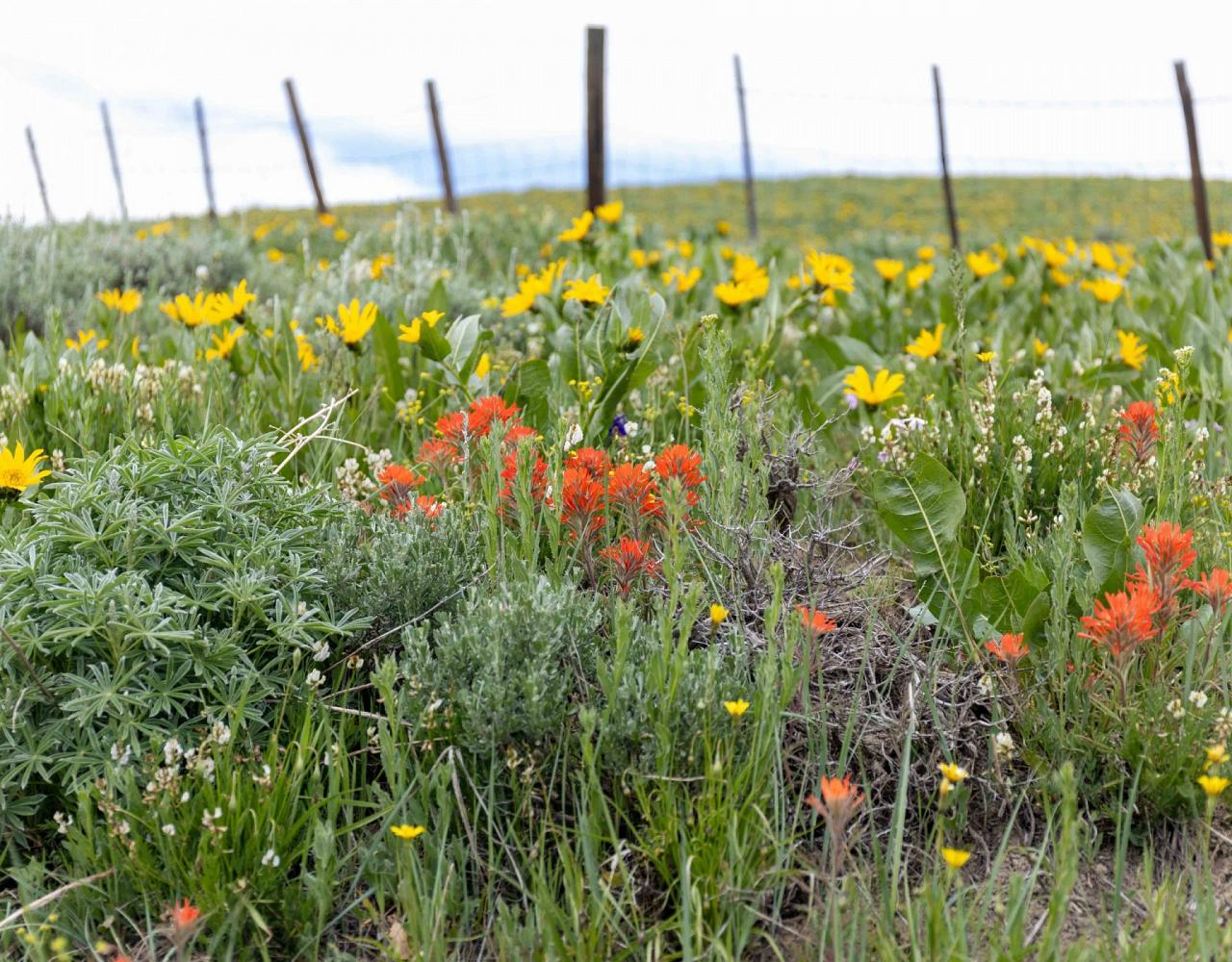
Today we venture into the mountains above Steamboat Springs in search of high-elevation specialties, with birding between 8,000 and 10,000 feet, conditions permitting. Aspen forests mixed with Engelmann Spruce and Subalpine Fir create a beautiful backdrop for our exploration. Early wildflowers, including Glacier Lilies and Arrowleaf Balsamroot, are likely to be blooming as we search for Dusky Grouse, Red-naped Sapsucker, American Three-toed Woodpecker, Canada Jay, Pine Grosbeak, Mountain Chickadees, and many more. Elk, deer, pronghorn, Golden-mantled Ground Squirrel, and Yellow-bellied Marmot are also possible.
We enjoy a picnic lunch surrounded by mountain scenery before returning to Steamboat Springs to visit the Yampa River Botanic Park. By late April, the gardens should be coming alive with spring blooms across this beautiful six-acre landscape. We also stop to check on the local Osprey nest before returning to Craig for some downtime and dinner.
Accommodations in Craig, Colorado (B,L,D)
Fri., Apr. 23 Guide's Choice
Today serves as both a flexible weather day and a chance to revisit favorite locations. Colorado's spring weather can be wonderfully unpredictable, so we've intentionally reserved this final full day to make the most of conditions. If weather has affected any of our planned excursions, we can use today to revisit missed leks or habitats. Otherwise, our guides choose from the week's most productive birding locations, giving us another opportunity to enjoy some of Northwest Colorado's outstanding wildlife.
This evening we celebrate our adventure with a special farewell dinner at Howe Ranch, hosted by Jeremiah and his family.
Accommodations in Craig, Colorado (B,L,D)
Sat., Apr. 24 Departures
You may depart at your leisure today. Hayden Regional Airport typically offers two daily departures.
-
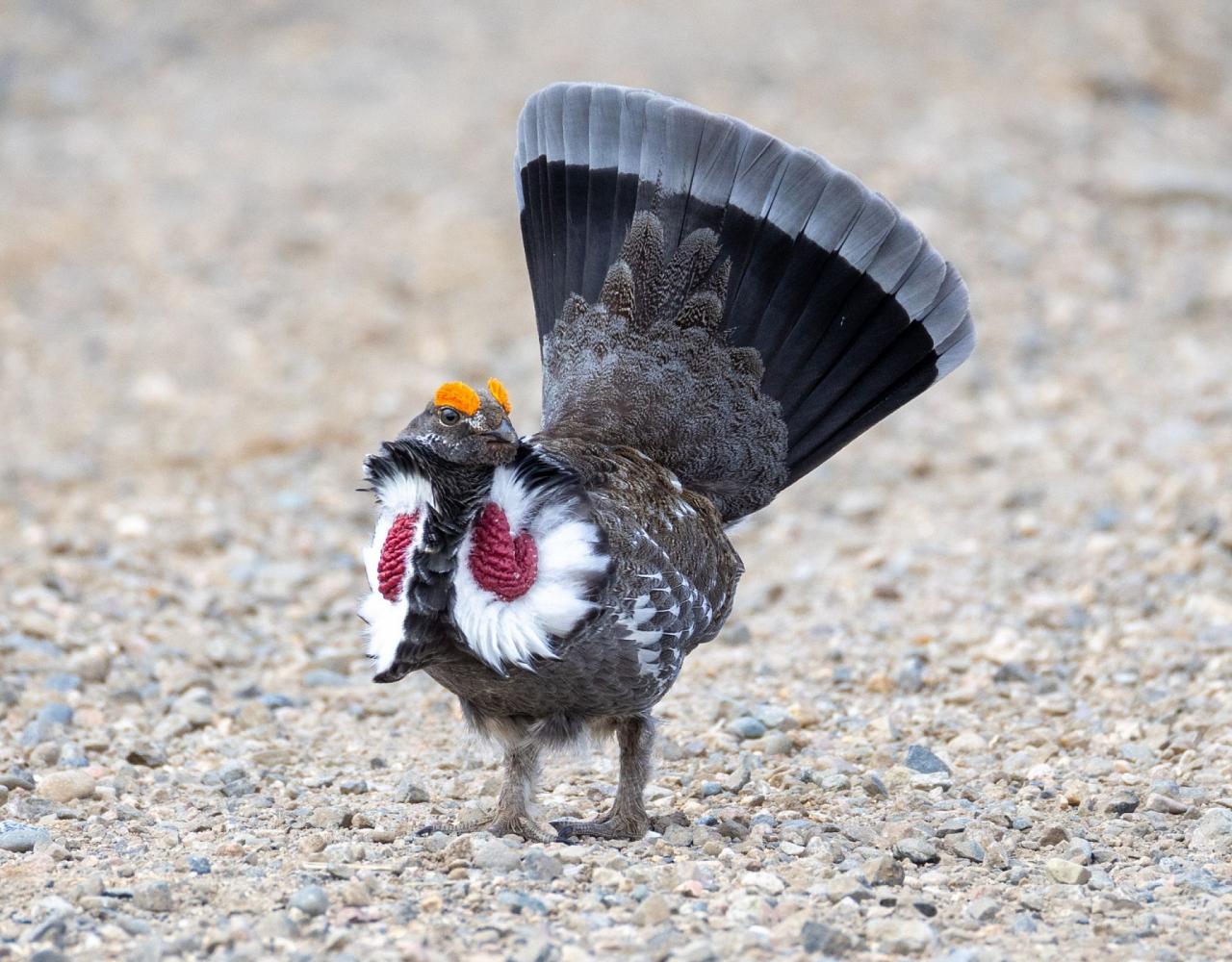
Dusky Grouse by Jeremiah Psiropoulos
-
-
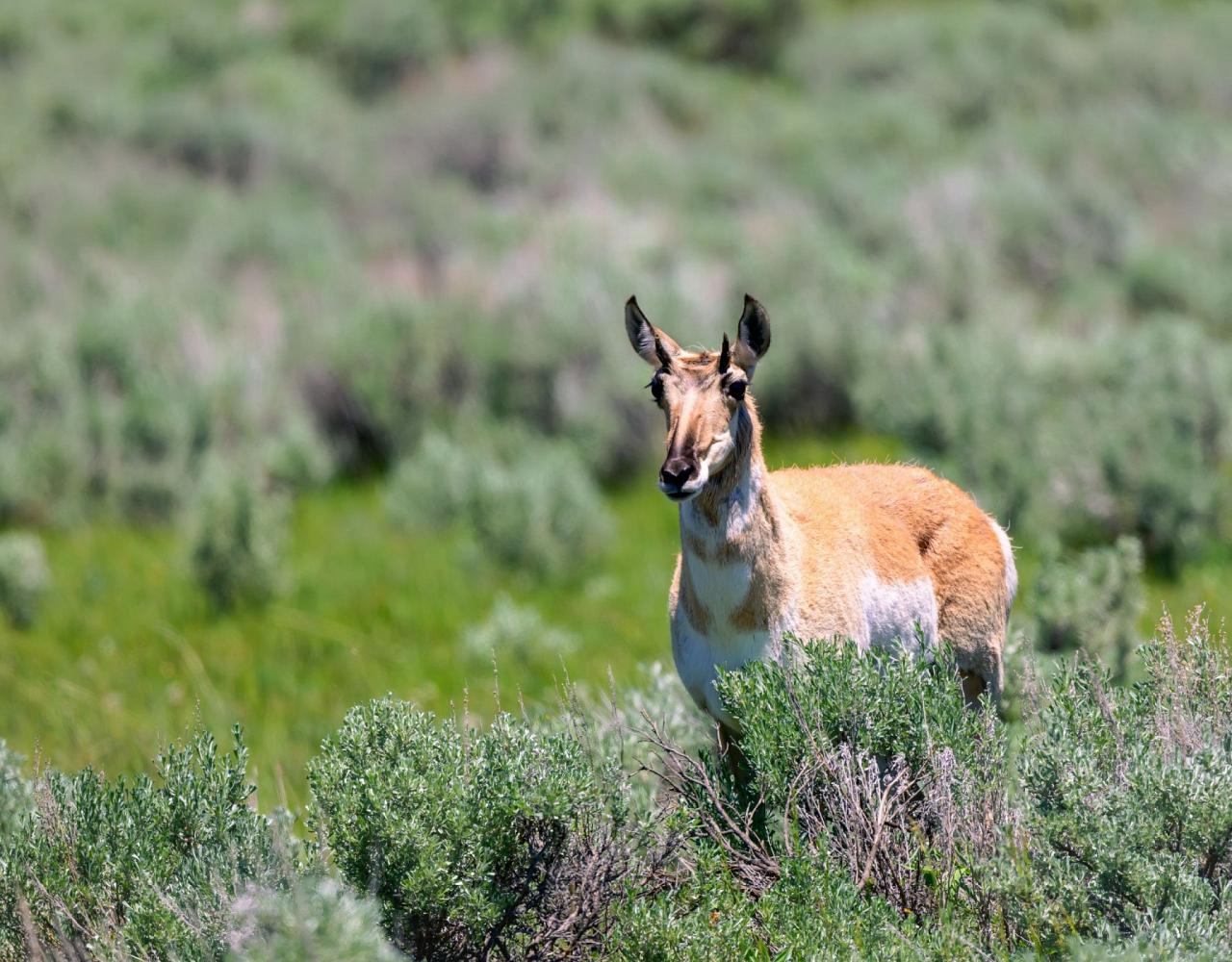
Pronghorn by Hugh Simmons
-
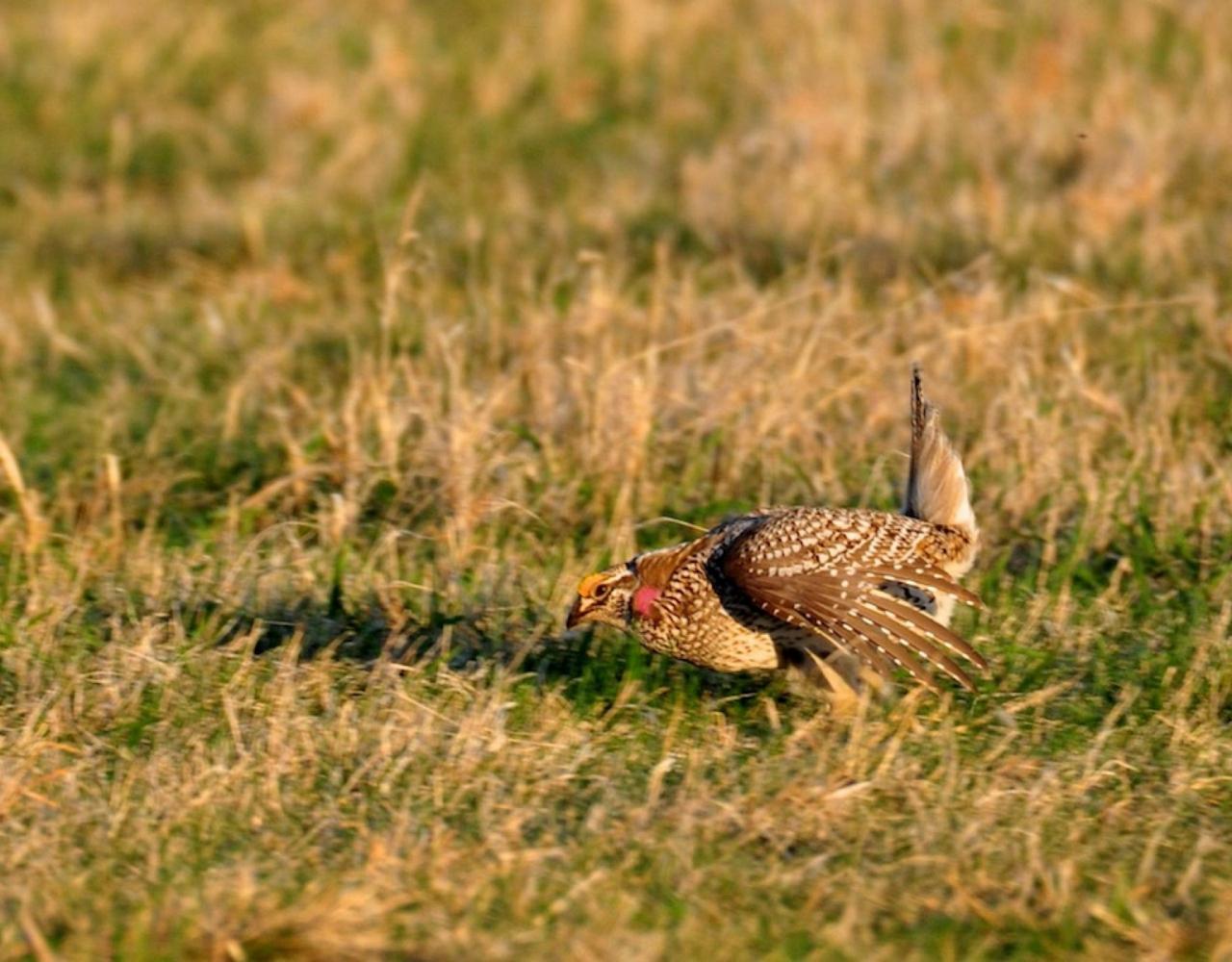
Sharp-tailed Grouse by Ed Pembleton
-
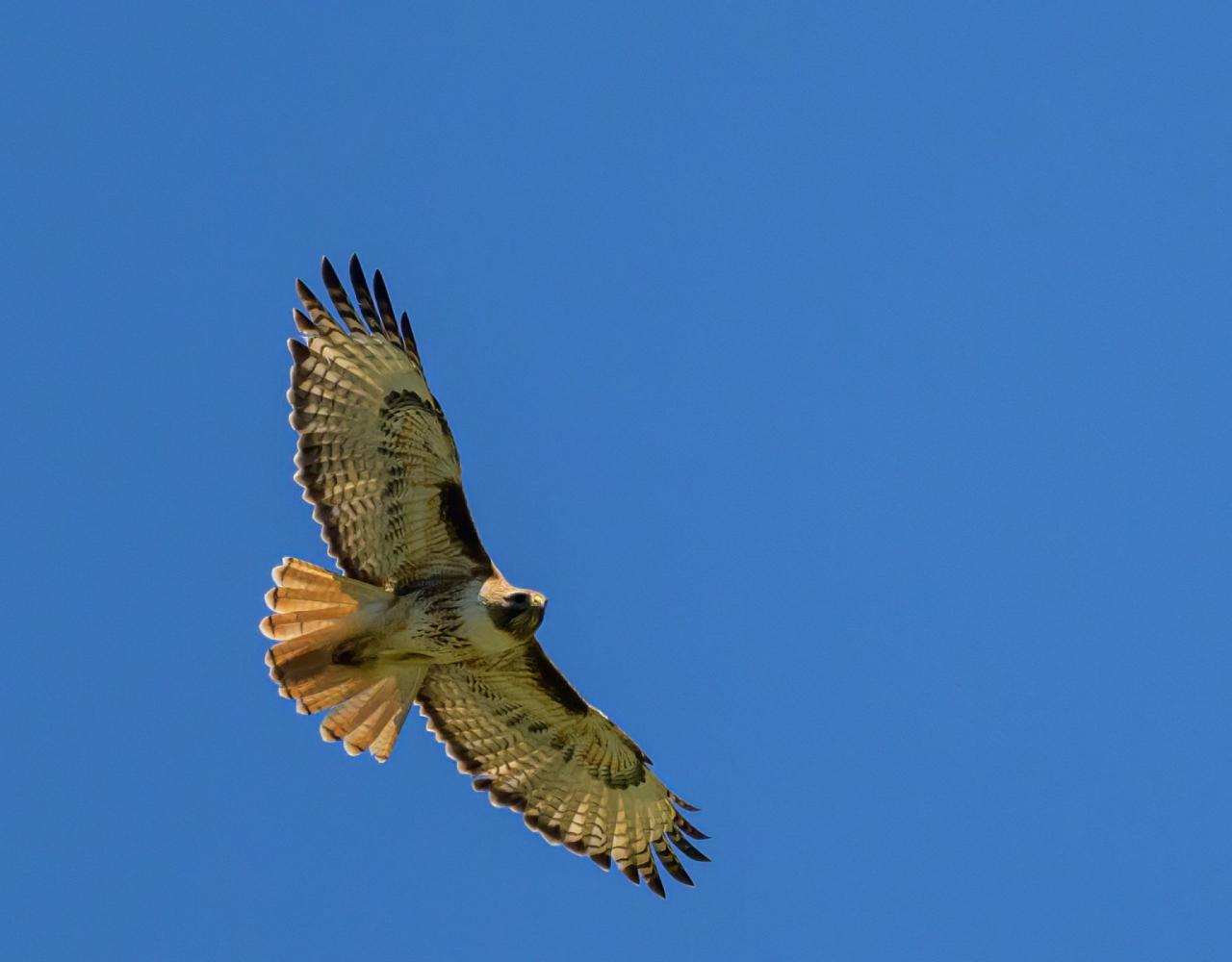
Red-tailed Hawk by Hugh Simmons
-
-
-
-
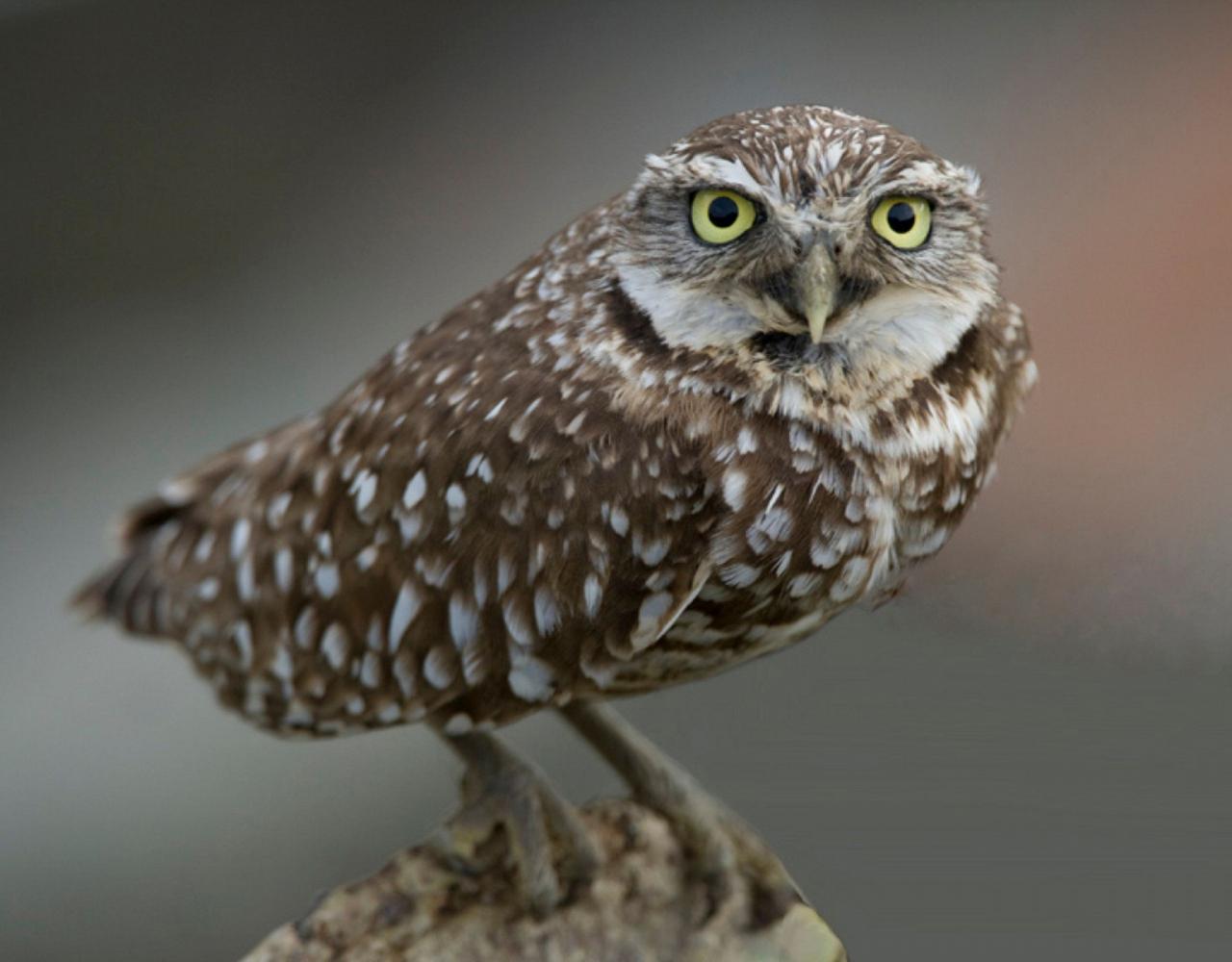
Burrowing Owl by Greg Smith
-
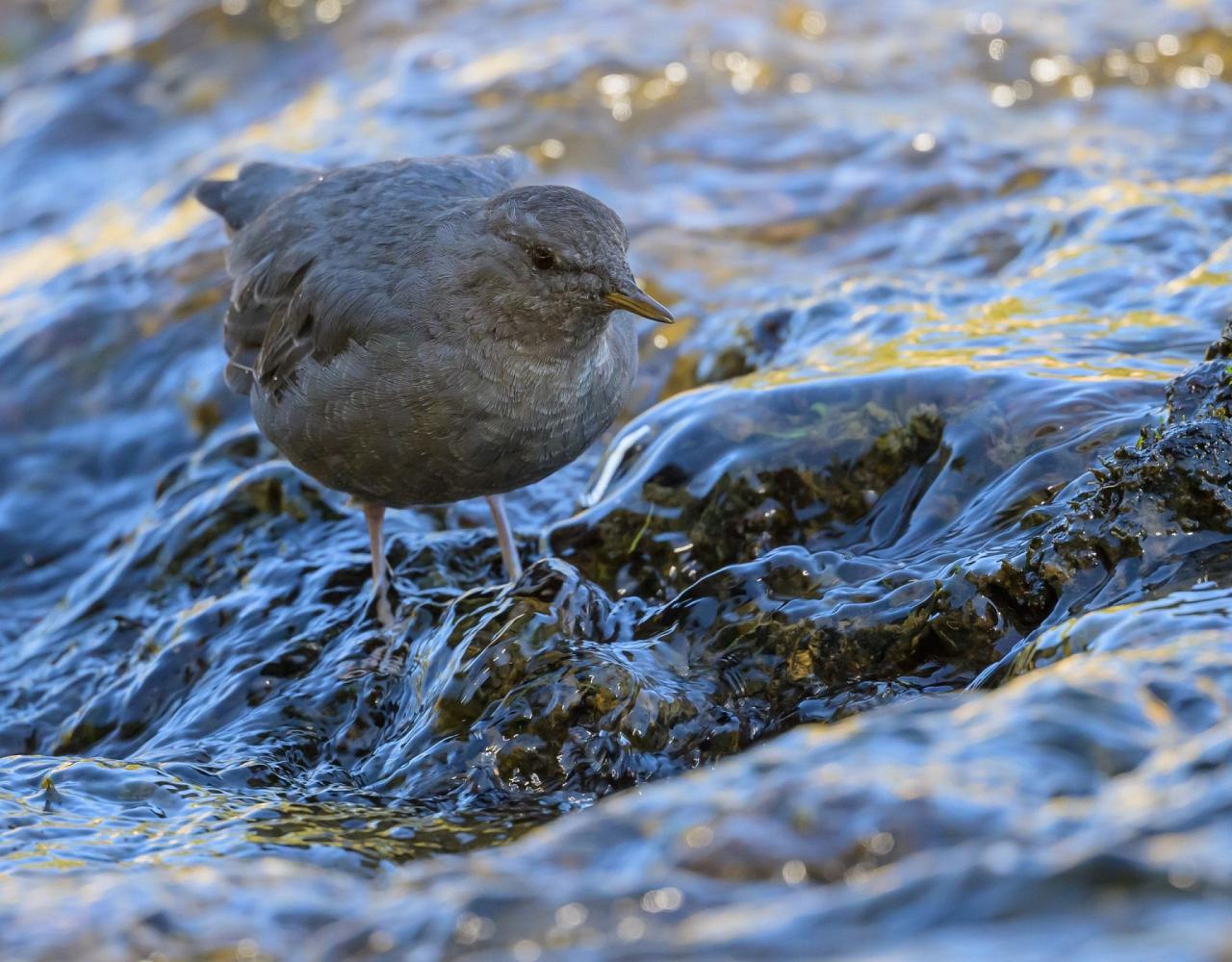
American Dipper by Hugh Simmons
-
-
-
-
-
-
-
Cost of the Journey
The cost of this journey is $4390 DBL / $4890 SGL, per person, based on occupancy, from Hayden, Colorado.
This cost includes all accommodations; meals as specified in the itinerary, professional guide services, lek expenses, local park and other area entrance fees, and miscellaneous program expenses.
The cost does not include transportation to or from your home to Hayden or items of a personal nature such as laundry, telephone charges, porterage, maid gratuities, or beverages from the bar.
Travel Details
Please plan to make air travel plans only after the minimum group size has been met. We will send you a confirmation email as soon as the trip has been confirmed.
Arrival and Departure Airport: Yampa Valley Regional (HDN) in Hayden, Colorado
Arrival Details: Please plan to arrive April 18, 2027, no later than 4:00 PM.
Departure Details: Please plan to depart April 24, 2027, at your leisure.
Travel Tip:
Browse below for trip reports and species lists from past versions of this and other tours from this destination.
Colorado
- June 2021
- May 2023
-
Jeremiah Psiropoulos

Jeremiah is a wildlife biologist, bird guide, and naturalist living in Hayden, Colorado. Originally from Oregon, his enthusiasm for wildlife and ecology was fostered by a youth spent in the woods. After receiving degrees in Fisheries and Wildlife Sciences from Oregon State University and Environmental Studies at the University of Oregon, he pursued a career in federal service as a wildlife biologist. In 2025, he left federal service to start a new chapter as bird and expedition guide and biological consultant. He lives on a former cattle ranch in Northwest Colorado with his wife Emily, her mom Penny, and their dog, Cricket, where they manage the land for native flora and fauna.
Other trips with Jeremiah Psiropoulos
-
 Western Panama: Tranquilo BayFebruary 6 - 13, 2027
 -
 Southern California: Spring Coastal BirdingFebruary 22 - March 1, 2027
 -
 Platte River Cranes: A Migration SpectacularMarch 14 - 20, 2027
 -
 Michigan’s Isle Royale & Keweenaw PeninsulaAugust 20 - 28, 2027
-
-
Dan Donaldson
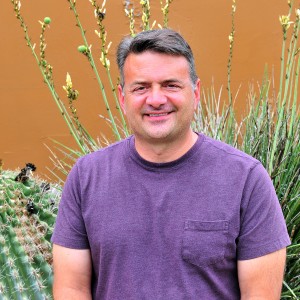
Dan Donaldson is an accomplished naturalist-birder based in Northeastern Ohio and has been guiding for Naturalist Journeys for nearly 20 years. Dan has developed his skills while working as a naturalist for a local park district for 25 years as well as with his full-time job as director of the local soil and water conservation district. Acustomed to varied audiences from novices to experts, Dan incorporates much more than just identification in his tours and programs. Dan has led tours for The Nature Conservancy, National Parks Conservation, and other tour companies. While now an international guide, his specialization in birding locales ranges from the Great Lakes to coastal destinations ranging from the Maritime Provinces of Canada and Maine, to the Florida Keys.
Other trips with Dan Donaldson
-
 Southeast Arizona: Sky Island Fall Sampler FULL - Check out Arizona: New Year’s Birding Blitz!November 1 - 8, 2026
 -
 Costa Rica Birding & Nature FULL - See our March departure!February 3 - 10, 2027, w/Pacific Coast extension
 -
 Ohio: The Biggest Week in BirdingMay 4 - 11, 2027
 -
 Ohio: The Biggest Week in BirdingMay 12 - 19, 2027
 -
 Classic Alaska: Birding & Wildlife: Anchorage, Nome, Seward & Kenai Fjords FULL - Check out Nome Sweet Nome or our Alaska Sampler!June 4 - 13, 2027
-
Essential Information +
Photo credits coming soon.