Trip Itinerary
Itineraries are guidelines; variations in itinerary may occur to account for weather, road conditions, closures, etc. and to maximize your experience.
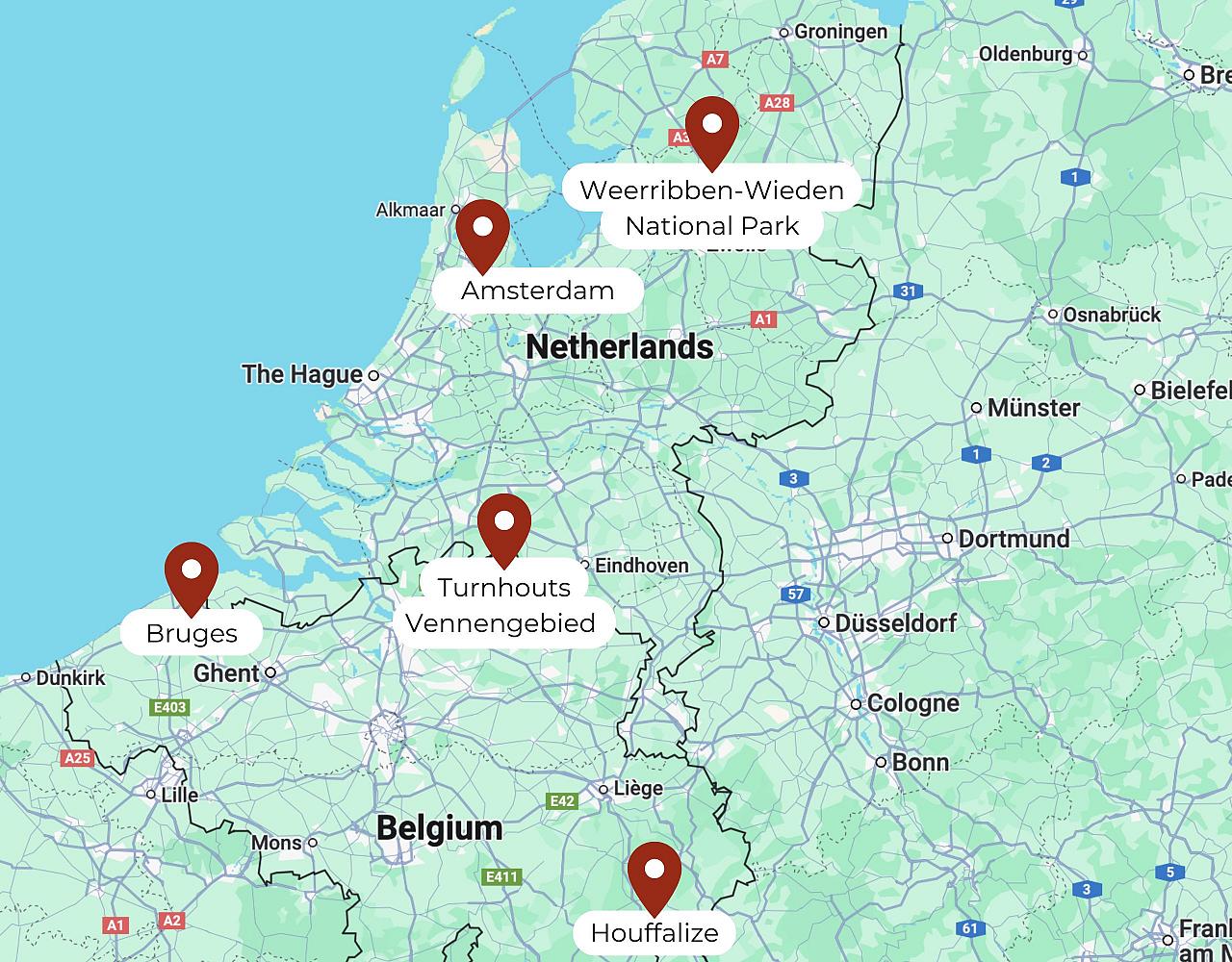
Sat., May 1 Arrivals in Amsterdam
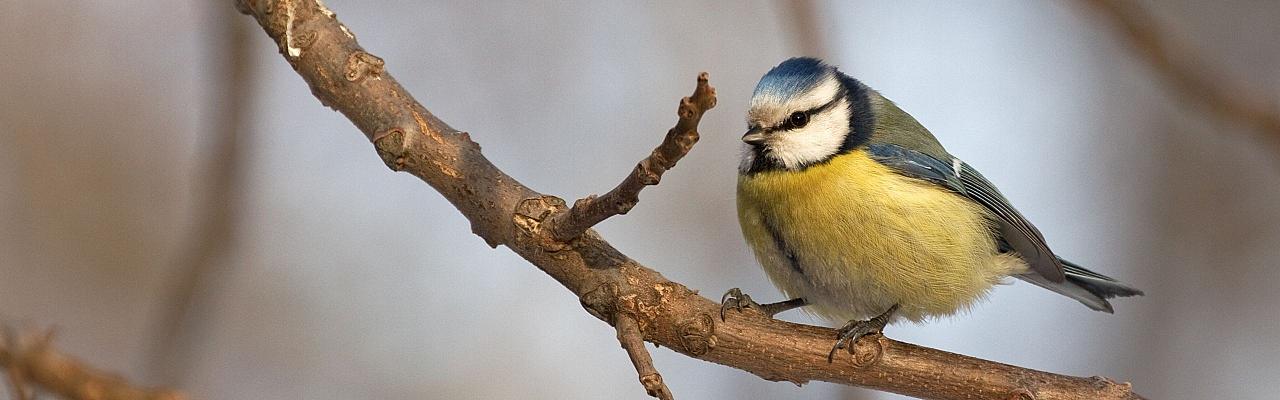
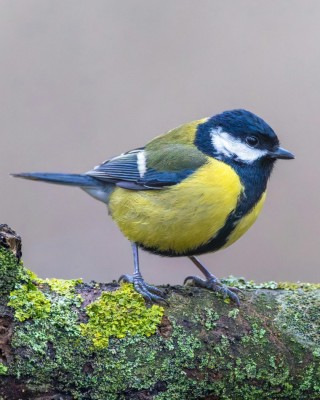
Welcome to Amsterdam! Arrive at Schiphol International Airport (AMS) by late afternoon. You are met on arrival and taken to a lovely hotel just outside the city. For those that arrive early, enjoy a birding outing to a local park near the hotel and get our first taste of western European songbirds like Eurasian Blackcap, Blue Tit, and Song Thrush.
Tonight, we gather to meet our guide and fellow travelers and get an overview of our mixed birding, history, and culture trip ahead.
Accommodations just outside Amsterdam (D)
Sun., May 2 Exploring South Pier Ijmuiden
This morning, we visit Zuidpier Ijmuiden, an amazing pier at the mouth of the North Sea Canal. At nearly a mile long, the pier is an excellent spot during spring migration of sea and coastal birds. We hope to spot Eurasian Oystercatcher, Common Ringed Plover, Ruddy Turnstone, Great Cormorant, and a variety of gull species. If we’re lucky, we may spot Common Eider.
In the afternoon, we work our way north along the beautiful coast and its protected dunes. We make stops at two small preserves for some birding to search out more coastal species along with Meadow Pipit, European Stonechat, Bluethroat, Eurasian Linnet, and others.
We reach our accommodations, located close to some great birding areas we will visit over the next two days.
Accommodations at Fletcher Hotel (B,L,D)
Mon., May 3 Weerribben-Wieden National Park | Giethoorn
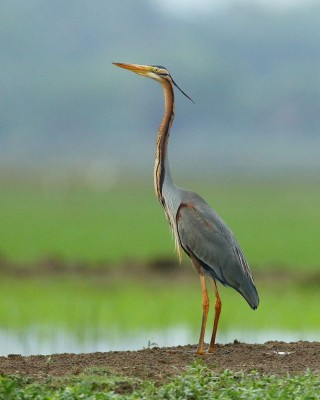
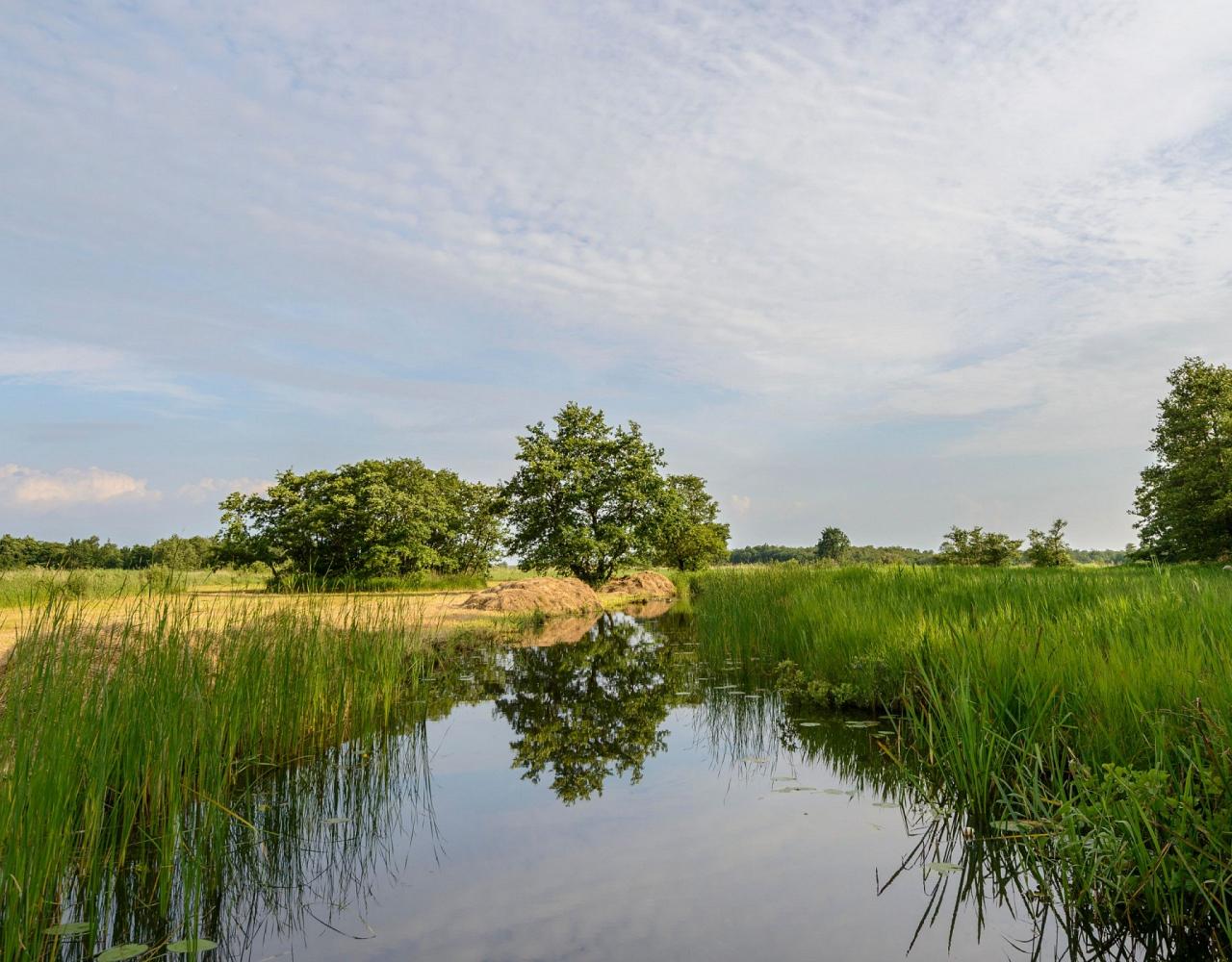
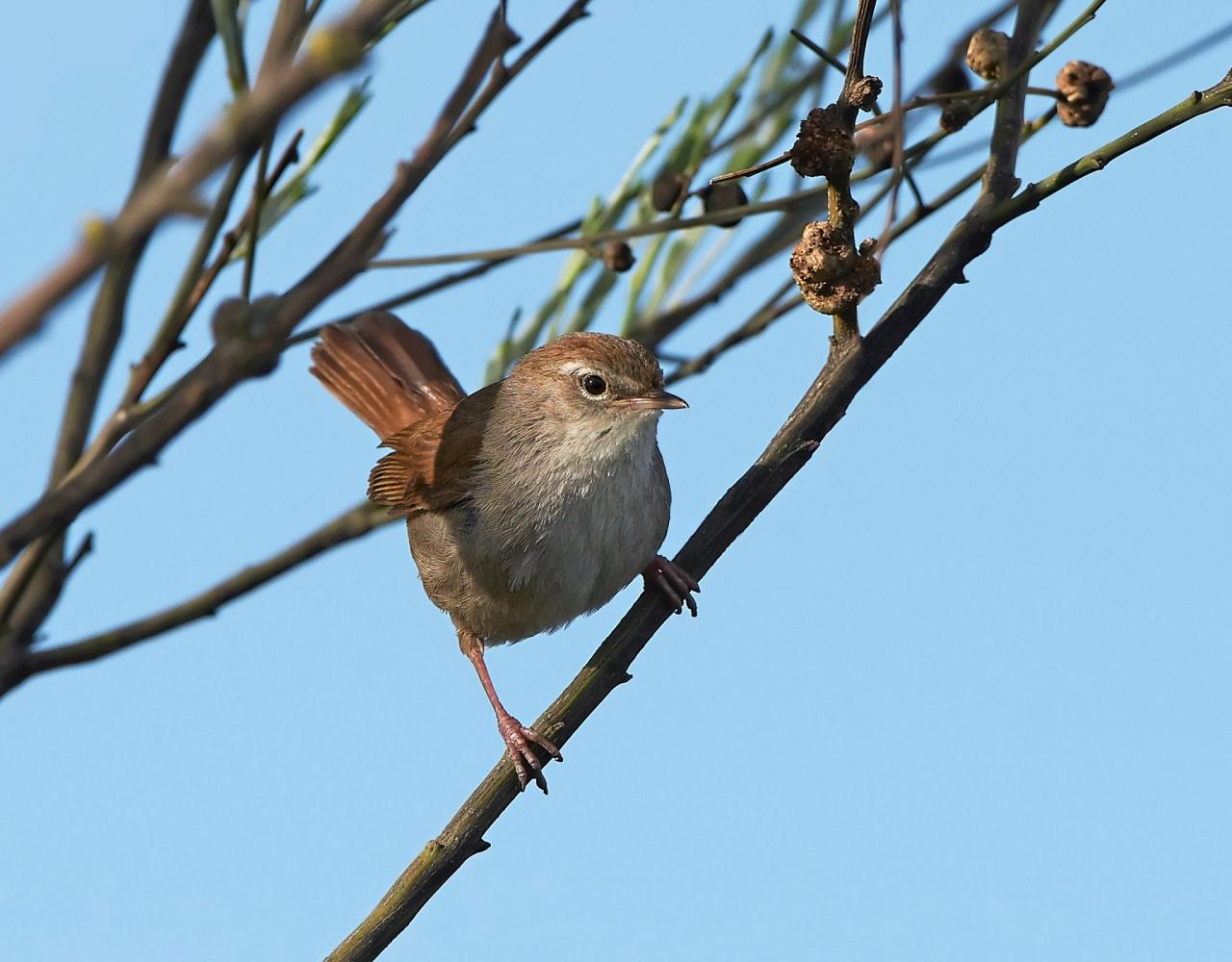
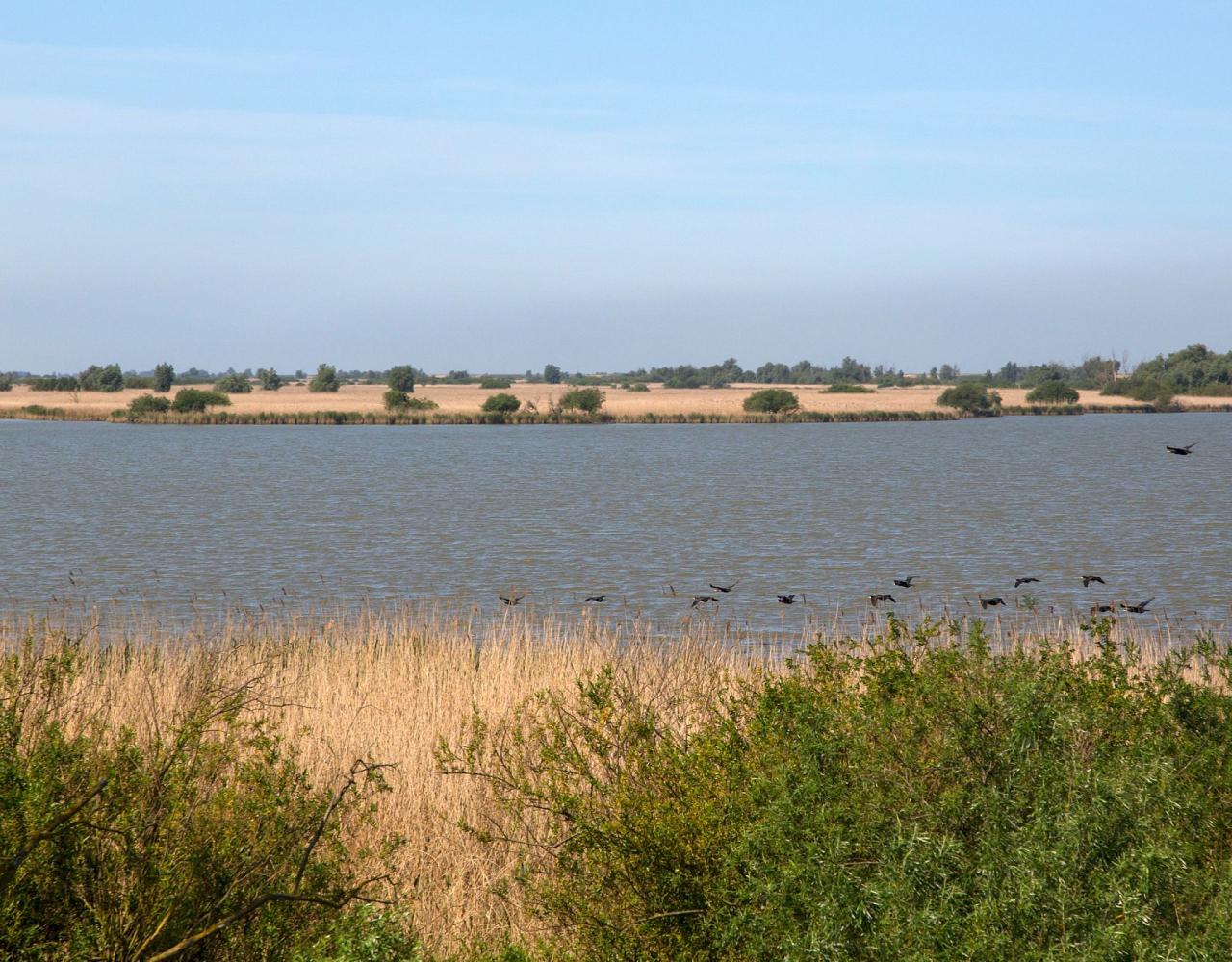
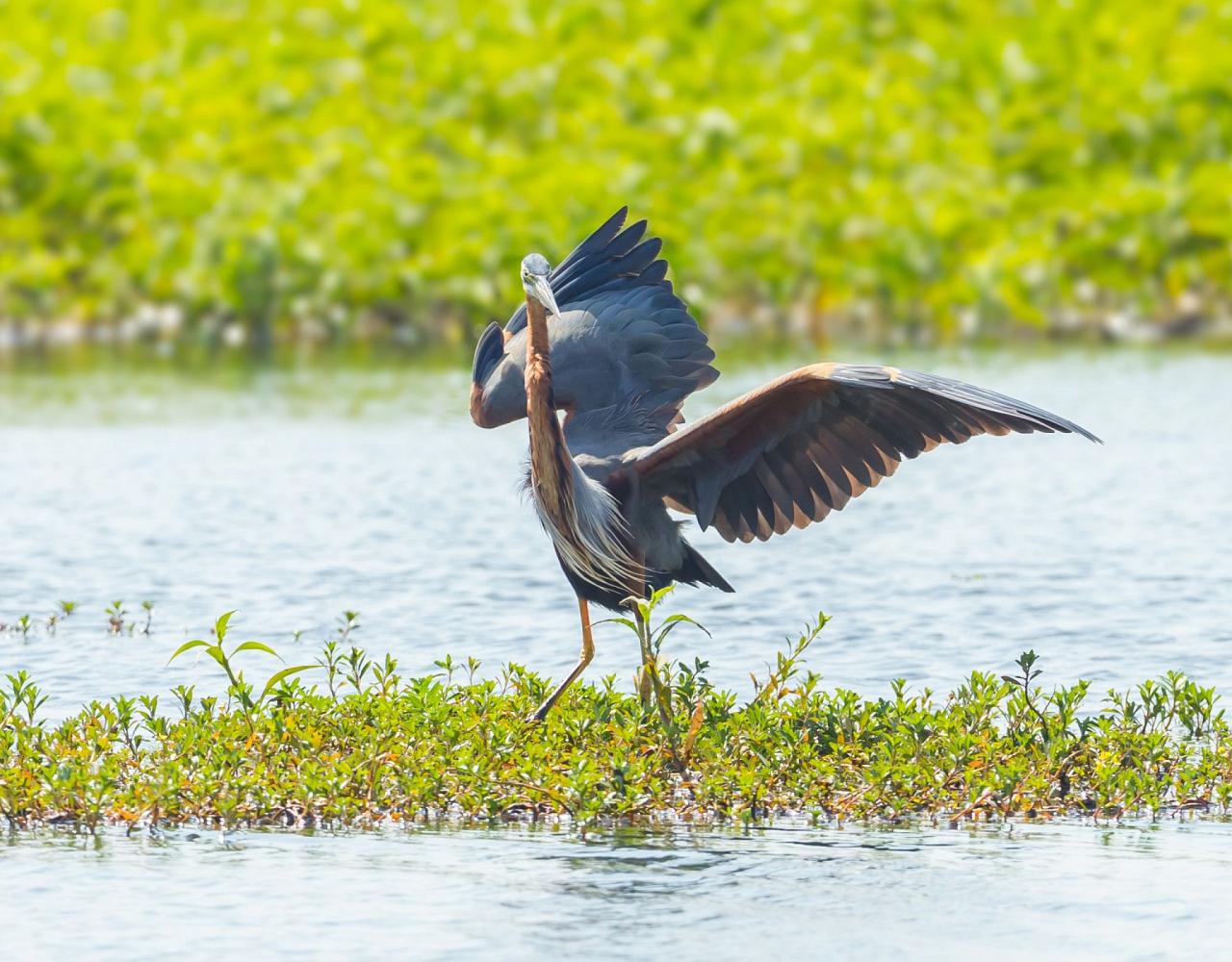
Today we visit Weerribben-Wieden National Park. This unique marshland area contains the largest fen, a peat-rich wetland, in northwest Europe. Much of this area was used for peat production during World War II and became designated as a park in 1992. Now covering almost 60 square miles, this park has many recreation opportunities, and we enjoy a few short hikes to several bird blinds. We look for Purple Heron, Great Bittern, Black-crowned Night Heron, and a variety of songbirds including Cetti’s Warbler and Greater Whitethroat.
In the afternoon, we visit one of the most beautiful villages in the Netherlands: Giethoorn. Nicknamed ‘Venice of the North’, this quaint village has quiet canals lined with thatch-roofed farmhouses. There are no roads here and access is only by boat. We have time to wander around and learn about the Dutch history of this little known village.
Accommodations at Fletcher Hotel (B,L,D)
Tues., May 4 Dwingelderveld National Park | Scenic Village of Orvelte
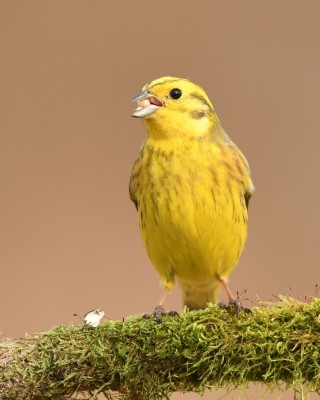
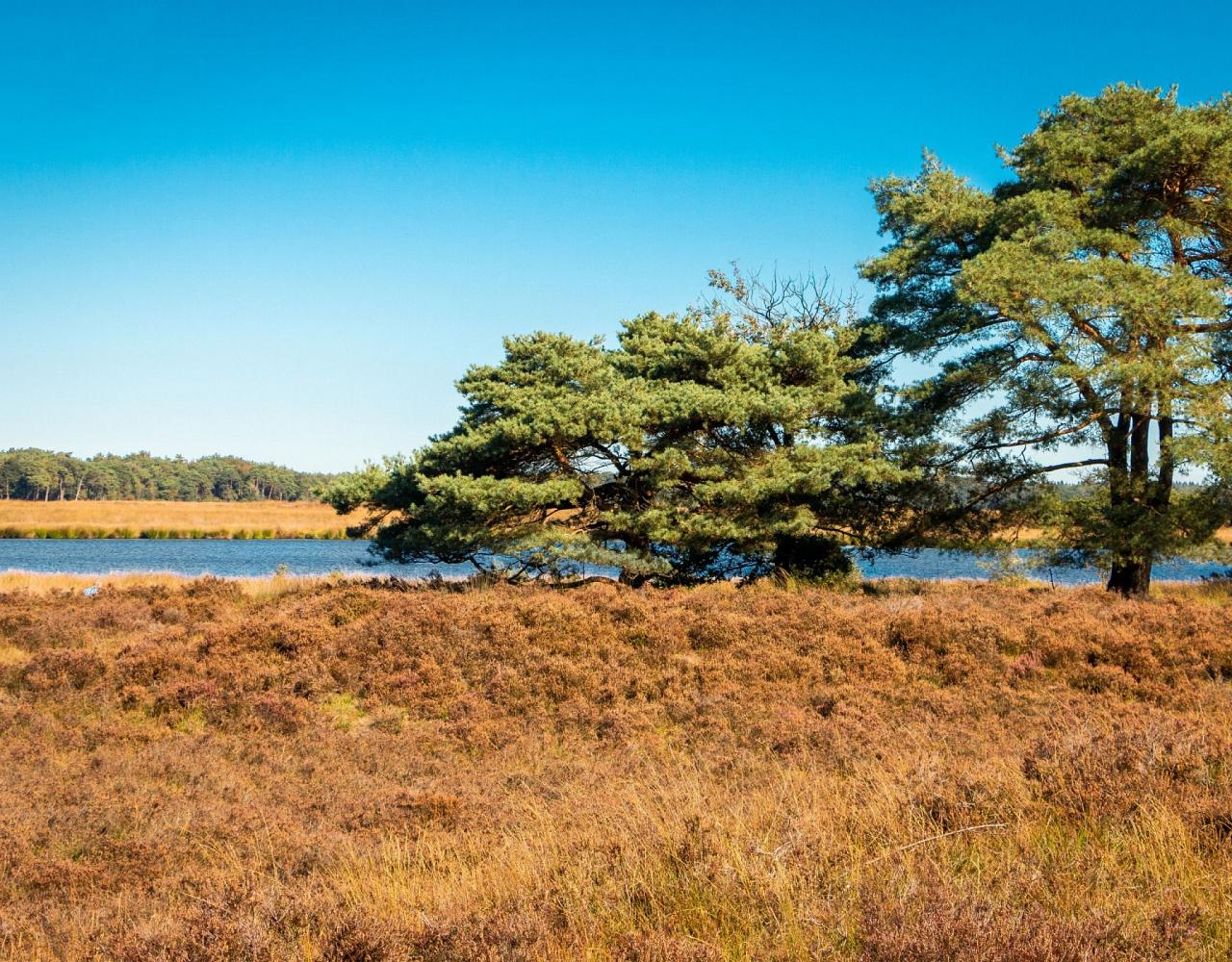
This morning, we head to Dwingelderveld National Park, which is the largest wet heathland in western Europe. Pine forests and sandy hills add to the landscape here and create a variety of habitats for birds. Breeding birds here include Black-necked Grebe, Little Grebe, and Common Crane. We also look for European Stonechat and Wood Lark and forested species such as Yellowhammer, Red-backed Shrike, Common Cuckoo, Golden Oriole, and other species.
In the afternoon, we visit Orvelte, a village with a very rich history. This charming museum village with cobblestone and bricks roads is presented in its 19th Century state, although it dates back to the 1300s. Visit a blacksmith, wooden shoemaker, and explore wooden farmhouses built in the Saxon-style.
Accommodations at Fletcher Hotel (B,L,D)
Wed., May 5 Marker Wadden | Oostvaardersplassen National Park
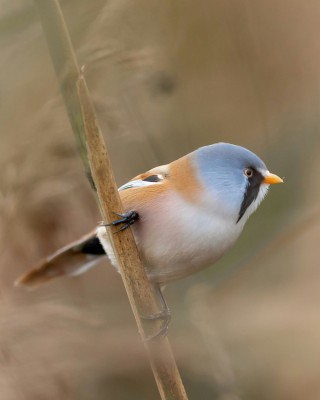
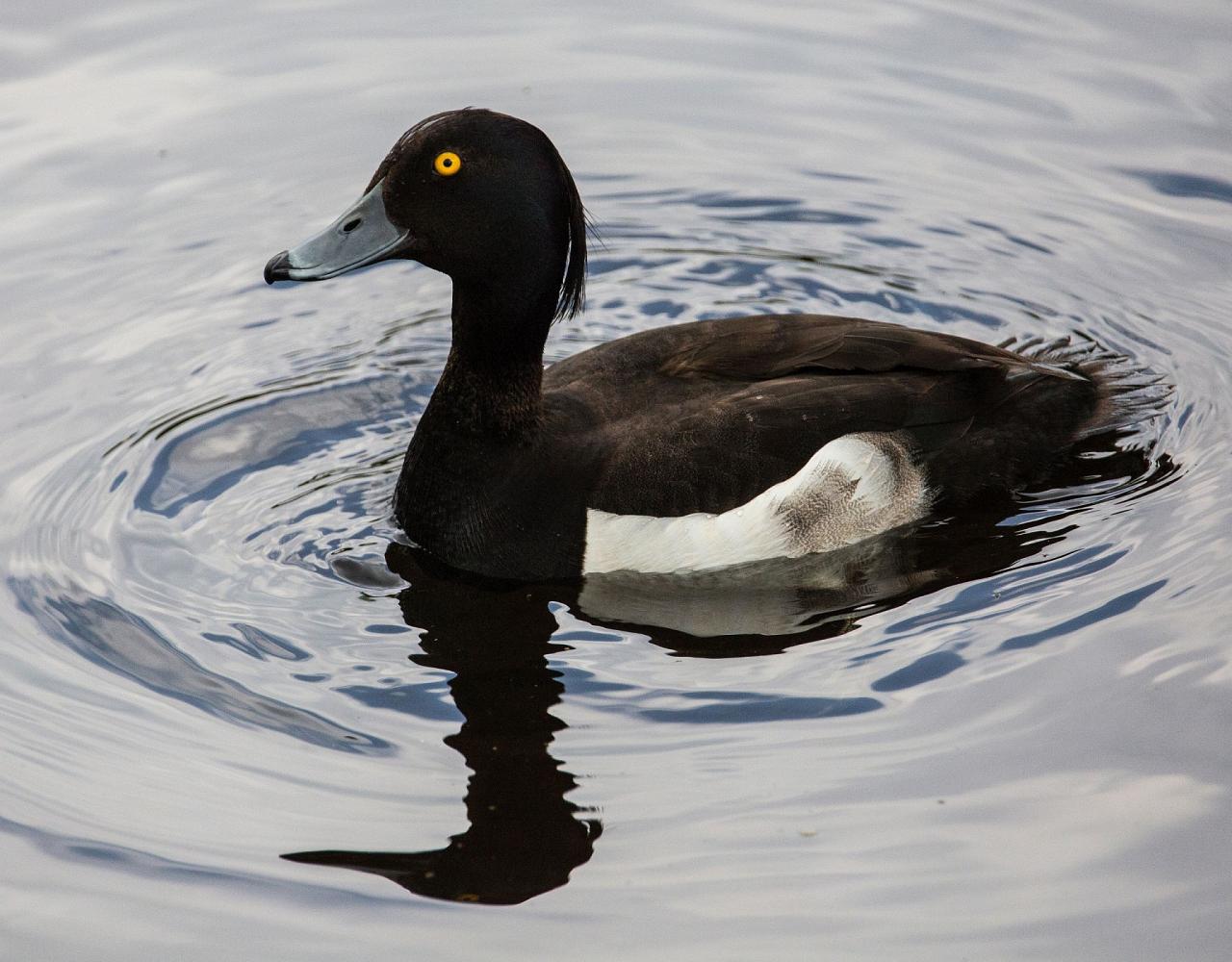
After breakfast, we head out to Marker Wadden to explore by boat. This area consists of man-made islands that were created using sand, clay, and muds from Lake Markermeer. We visit one of the islands that has a walking path, a few bird hides (blinds), and a viewing tower. We search for Tufted Duck, Black-necked Grebe, Black-winged Stilt, Little Ringed Plover, and Western Yellow Wagtail. We also hope to see large numbers of Common Tern and Pied Avocet. Marker Wadden is also one of the best places to see the striking Bearded Reedling.
In the afternoon, we head to Oostvaardersplassen National Park. This area is great for warblers and we hope to spot Common Reed, Savi’s, Willow, Cetti’s, and Garden Warbler in addition to many other species. There are also herds of wild horses that roam this area and we keep an eye out for them. After a few hours here, we continue on to our hotel, stopping along the way for dinner in Spakenburg.
Accommodations at Van der Valk Hotel (B,L,D)
Thurs., May 6 Zouweboezem Reserve | Belgium!
This morning, we visit the beautiful Zouweboezem Reserve. We take a short hike among the reed beds to listen for and hopefully see some of the Western European reedbirds. This reserve is also well known for its Purple Heron colony, the biggest in Western Europe. Our visit is timed perfectly to see these beautiful birds during breeding season.
In the afternoon, we work our way down to Belgium. We stop at an area with tumuli, which is an ancient burial mound. We do a bit of birding in this area to look for Yellowhammer and Eurasian Skylark. We then cross the border into Belgium!
Accommodations in Beerse, Belgium (B,L,D)
Fri., May 7 Turnhouts Vennengebied | Liereman Nature Reserve | Beer Before a Frog Frenzy
This morning, we visit scenic Turnhouts Vennengebied, which is a paradise for photographers as well as the hometown of our guide. We hike a popular route through open fields with characteristics fens and heathlands. This area is an important breeding area for many waterbirds and grassland species. As we walk at a birder’s pace, we look for Eurasian Curlew, Black-tailed Godwit, Eurasian Goshawk, Northern Lapwing, Red-backed Shrike, Northern Wheatear, Meadow Pipit, and Reed Bunting.
In the afternoon, we visit the Liereman, one of the oldest nature reserves in Belgium. Known as the kingdom of Bluethroats, which should be doing their aerial flight displays, as well as the fantastic aerial display of the many Tree Pipits that breed there, and bog myrtle (a secret ingredient for medieval beer!), we do an easy hike through beautiful meadows surrounded by pine forests. We search for Common Cuckoo, Eurasian Green Woodpecker, Green Sandpiper, Fieldfare, and of course, Bluethroat.
We also get our first taste of Belgian beers today! For those who wish, we have the chance to sample organic beers from Flanders.
Sample one of your guide’s favorite restaurants this evening. After dinner, in the long hours of daylight at this time of year, we have an evening excursion near the River Mark at Castelreesche Heide. As thousands of tree frogs serenade us, we look for Nightingale, Yellowhammer, and other songbirds.
Accommodations in Beerse, Belgium (B,L,D)
Sat., May 8 Ardennes Forest | Wéris Megaliths | Mammal Safari
This morning, we head south, further into Belgium. Our first stop is Durbuy, located on the edge of the Ardennes Forest. We visit Wéris, known for its megaliths, in particular menhirs and dolmens, that date back to 2500 BC. Birding in this area should produce a variety of species including Red-backed Shrike, Yellowhammer, Wood Warbler, and along a picturesque stream, White-throated Dipper.
This evening, we have an exciting mammal safari! We search for Wild Boar, Roe Deer, European Badger, Pine Marten, the adorable Dormouse, and more.
Accommodations near Houffalize (B,L,D)
Sun., May 9 Belgian Ardennes | Watching Birds of Prey
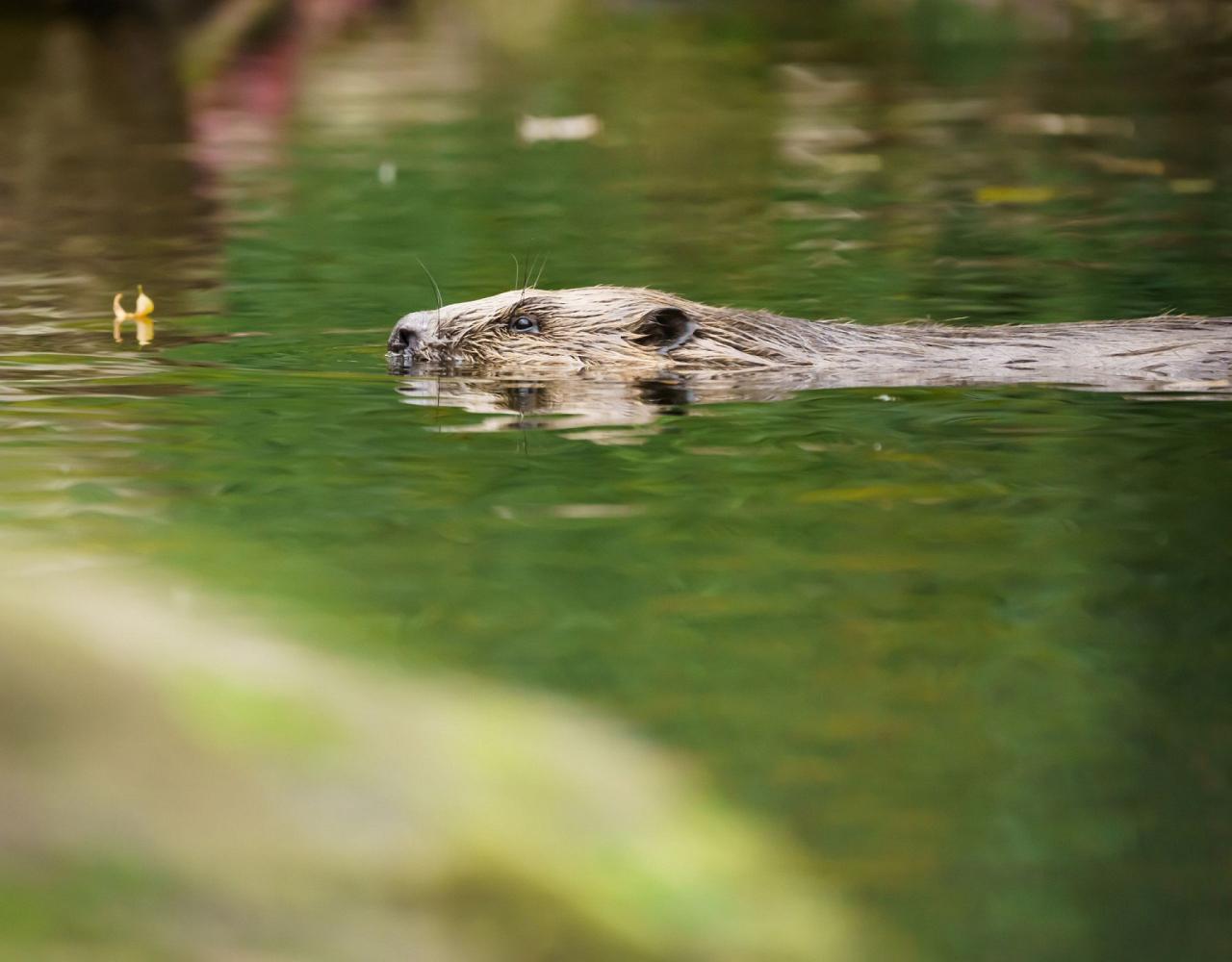
We spend time this morning walking along a European Beaver reserve. The resulting wetlands are a good area for Common Kingfisher as well as Barred Grass Snake and Common Slow Worm, a legless lizard native to the region. We also hope to see Red Kite, Coal Tit, Great Gray Shrike, and European Treecreeper.
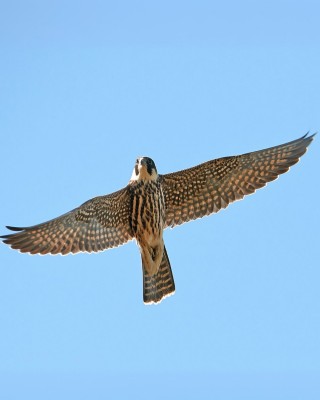
This afternoon, we focus our attention on birds of prey! We search for Red Kite, Black Kite, Eurasian Hobby, and others.
In the evening, enjoy a Belgian Walloon beer tasting with local cheeses and breads. Walloon beers originated in the Wallonia region and are known for citrus and fruit notes with a dry finish. Depending on our success the night previous, we may venture out in search of more mammals.
Accommodations near Houffalize (B,L,D)
Mon., May 10 Bruges | Paradise of Orchids & Butterflies
Wake to the sounds of spring. This morning we look for beautiful orchids and butterflies in the village Lavaux St. Anne. Known for its orchid population, the expansive meadows around the village are home to purple orchid and monkey orchid. This area also has a diverse butterfly population and we keep our eyes peeled for a variety of species including the Scarce Swallowtail, some rare blues, fritillaries, and skippers. We don’t forget about the birds and also spend time birding in these spectacular chalk grasslands. The hedgerows in these areas are great breeding grounds for Greater Whitethroats, Common Nightingale, and we might see a Black Stork fly over.
We have a picnic lunch near a castle before continuing on toward the Belgian coastal region.
Accommodations near Bruges (B,L,D)
Tues., May 11 Bruges | Zwin Nature Reserve
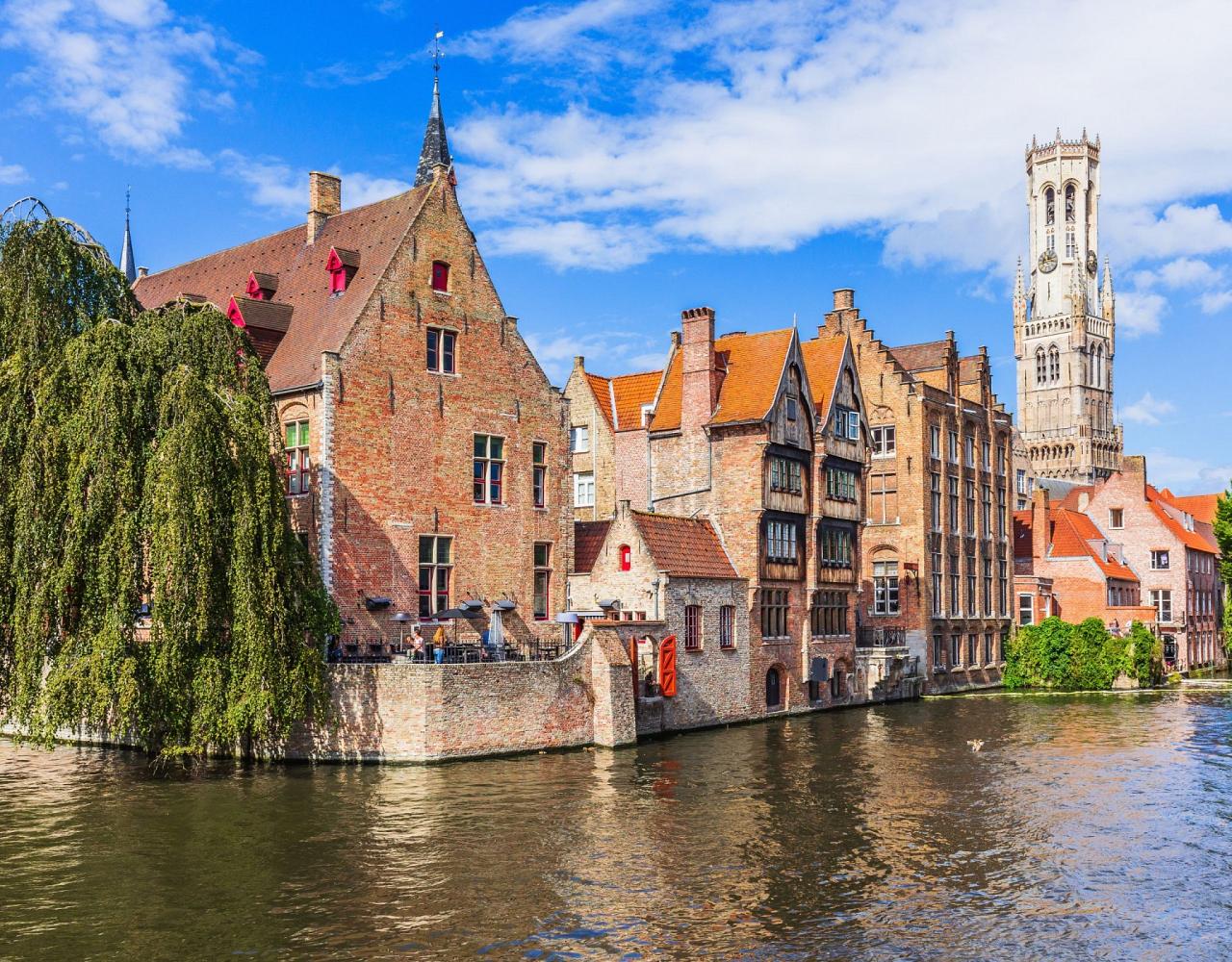
We spend the day exploring around Bruges, a charming city in northwestern Belgium characterized by cobblestone streets, canals, and medieval architecture. Our first stop in this area is Ijzermonding, a coastal estuary that is a great spot for migrant waders and Harbor Seals. We search the mudflats and salty grasslands for Spotted Redshank, Grey Plover, Dunlin, Red Knot, Curlew Sandpiper, Yellow-legged Gull, Sand Martin, and Meadow Pipit.
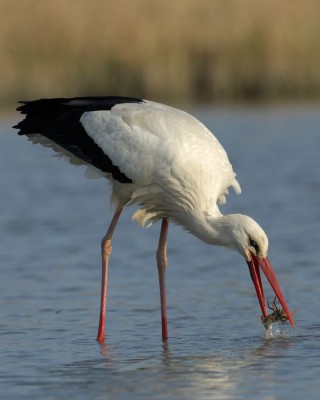
Later in the day, we visit the Zwin Nature Reserve, one of the most iconic birding locations in Belgium. Zwin is a recognized Ramsar site and an important breeding area for over 100 species. As we leisurely walk through the reserve, we hope to see White Stork, Kentish Plover, Mediterranean Gull, Common Tern, European Turtle Dove, Grasshopper Warbler, and others.
Back in Bruges, we enjoy a dinner in the historical part of the city and perhaps sample more Belgian beer.
Accommodations near Bruges (B,L,D)
Wed., May 12 Drijdijck
Today, we say goodbye to Belgium and head back to the Netherlands. We make a quick stop at Drijdijck to visit a Black-winged Stilt Colony and possibly catch a migrating Ruff. We then head to a wetland area to look for Bearded Reedling, Bluethroat, Cetti’s and Sedge Warbler, Black-necked Grebe, and perhaps Great Bittern. Continuing on to the Netherlands we stop at an area that should give us nice views of colorful European Bee-eater.
After lunch we make a couple of stops to watch large groups of Gray Seal along with terns and gulls. Then we had back into Amsterdam for a final celebratory dinner and to recount our great trip.
Accommodations at Ibis Hotel Amsterdam Airport (B,L,D)
Thurs., May 13 Departures
It is time for our flock to disperse. Departures today are at your leisure, but keep in mind you need to be at the airport three hours ahead of your flight for check-in.
Essential Information +
This information is important for being prepared for your journey; we want you to have Read more
This information is important for being prepared for your journey; we want you to have the best experience possible. If you only read one section, this one is key!
Ahead of Your Tour
- Make sure your passport will be valid at least six months after the date of your scheduled return to the U.S.
- Visas are not required. Expected changes to entrance requirements in Europe have been delayed until late 2026 and should not affect this trip. More information is available at European Travel Information and Authorization System (ETIAS) website.
- Travel insurance in case of serious medical emergency is strongly recommended. Full health coverage and repatriation is available through Allianz Travel Insurance.
- Please check current CDC recommendations for travel to Belgium and the Netherlands and consult with your doctor about general travel vaccinations you should have as precaution for travel. See the “General Health and Inoculations” section below.
- Soft sided luggage/duffel bags are easiest for packing the vans. Pack essential medications in your carry-on luggage, as well as one day of clothing and optics in case of luggage delay.
Passports, Visas & Documents
You must have a passport that is in good condition and is valid for six months AFTER your scheduled return to the U.S. You should have at least one blank page per stamp. The blank pages need to say “Visas” at the top. Pages marked “Amendments and Endorsements” will not be accepted. If you are from another country, please contact the Netherlands and Belgium embassy websites for guidelines. Click the links for information for U.S. citizens for Belgium and Netherlands.
It is recommended to check for changes 60-90 days before your tour departs but, at the time of writing, a tourist visa is not required of US citizens for stays of this length. Requirements requiring visitors from more than 60 visa-free countries (including the U.S.) to get a travel authorization when entering Europe for brief stays have been delayed until the last quarter of 2026. Learn more at European Travel Information and Authorization System (ETIAS) website.
As a precaution for lost or misplaced documents you carry on your person during travel, we highly recommend you keep hard and digital backup copies on your phone (either photo or PDF scan), as well as a hard copy left with your emergency contact at home. The recommended important documents to copy include, but are not limited to; your passport ID page, travel visa, the front and back of your credit card(s), the airline barcode on your luggage. This will greatly expedite getting new ones if necessary – we hope everyone will always keep travel documents close so that losing them will not be an issue.
General Health & Inoculations Information – Be Prepared!
Health requirements for entry to any country can change. It is always advisable to double-check the country’s health requirements and recommendations 60-90 days ahead of traveling. Please, thoroughly read the Centers for Disease Control (CDC) for the country you will travel in. You may contact them by phone at (800) CDC-INFO or (800) 232-4636 if you have any unanswered questions.
We will share your health information with your guide. This information will be kept confidential but is very important as we want to be best prepared in case of medical emergency.
Vaccinations: Although at the time of writing there were no other required vaccinations to enter Belgium or the Netherlands, the Centers for Disease Control and Prevention (CDC) recommends that all travelers be up to date with routine vaccinations and basic travel vaccines (such as Hepatitis A and Typhoid) before traveling to any destination. Please check with your doctor for recommendations at least 4-6 weeks before departing on your trip. For other helpful information, check the CDC for Belgium and CDC for the Netherlands webpages or contact by phone at 800-CDC-INFO (800-232-4636).
Prescriptions: It is a good idea to pack any meds you take regularly in your carry-on luggage. Bring an extra pair of your prescription glasses or contact lenses. Bring an adequate supply of any prescription medications you use, a copy of the prescription(s) and a list of generic names of your medicines as “back-up” in case it is necessary to purchase drugs while abroad. Your doctor may also recommend some prescription medications to bring with you to treat possible illnesses that might occur, depending on your destination, such as an anti-malarial medication or an antibiotic. You’ll want to keep all medications in their original, labeled containers.
Allergies: To be prepared for environmental triggers to allergies or breathing difficulties, please bring your allergy and/or asthma medication(s). If you have severe allergies talk to your doctor about carrying an EPI pen and notify your guides. It is also recommended to carry with you an up-to-date record of known allergies, chronic medical problems and Medic Alerts so that, if necessary, emergency treatment can be carried out without endangering your health.
Common Ailments: We recommend that you bring a travel-sized first aid kit and a supply of standard over-the-counter medications for prevention or treatment of common ailments (such as diarrhea, constipation, stomach upset, cough, congestion, head or body aches, motion sickness, insect bites and sunburn); as well as ointments, moisturizer, sunscreen, oral rehydration salts, band-aids, moleskin for blisters, cotton swabs, nail clippers, and tweezers, etc.
Weather & Climate
We’ll be visiting several cities throughout Belgium and the Netherlands. The furthest south we’ll be, Houffalize, has average temperatures in May between 62° / 47°F. Further north, Weerribben-Wieden National Park in the Netherlands experiences mild spring weather in May with average temperatures around 54°F, with daytime highs commonly reaching 62°F. Nights are cool, and the area generally features pleasant, mild, and occasionally windy conditions.
Light to moderate rain is common this time of year in the areas we’re visiting, but it’s typically short spring showers. We recommend you bring layers, including a rainjacket and warmer clothes for cool evenings. Bring comfortable walking shoes, ideally water-resistant.
Annoyances & Hazards
Always listen carefully to any advice given by your local guide regarding pests and other biting insects. We’ll be spending time in a number of nature reserves and parks. Mosquitoes can occur in the forests; therefore, a supply of insect repellent is advisable. While the mosquitoes in this region do not carry or spread disease, they can be somewhat of a nuisance. It is helpful to wear loose clothing, long sleeves, and spray yourself with repellent. Your guide should have a good read on whether chiggers are a concern. It is helpful to spray your shoes with repellent and tuck your pants into your socks . When back, be sure to shower and air out your clothing.
Remember, sunburn can be both an annoyance and a hazard, so be prepared with sufficient sun protection.
Food & Drinks
Meals will offer a variety of local and international cuisine. When eating out, just use common sense and ask for referrals from your hotel or guide/host. Menus at the lodges are varied and are sustainably based on the wonderful local ingredients available.
One of the many ways we strive to do our part for the environment is by intentionally reducing our consumption of single use plastics (such as bottled water), so we appreciate you bringing a reusable water bottle. Purified drinking water will be made available to refill your bottle, however, bottled water will be available for field trips where refilling your personal bottle is not an option.
There are some great reusable water filtering bottles on the market today that are great for travels abroad. We encourage you to invest in one (such as Lifestraw or GRAYL Ultrapress or SteriPen). A little research will be well worth the effort to reduce the reliance on single-use plastics when purified water refills are not readily available.
Packing, Clothing & Laundry
See “Packing List” tab for more detailed information and checklists, but in summary, we emphasize that you pack light in soft-sided luggage (easier to load in vans and charter planes), plan for dressing comfortably in layers (for managing varying conditions in any given day), and please pack your personal medication, travel documents, optics, and other essential items in your CARRY-ON, not in your checked luggage. Laundry services are available at most lodgings for an additional fee, but be prepared to hand launder if you need to.
Spending Money
The official currency in Belgium and the Netherlands is the Euro. We advise you to carry a mix of different types of payments, such as cash, an ATM card, and a credit card. For the current exchange rate, please refer to an online converter tool like www.xe.com, or your bank. U.S. dollars in good condition (no rips or tears) are taken as a form of payment but shopping for smaller handicrafts may necessitate using local currency. Bring large U.S. bills ($50 or $100) that will give you the better rate when exchanging to local currency.
When using the ATM to withdraw cash, keep in mind it might only accept cards from local banks or not allow cash advances on credit cards. Many U.S. banks charge a fee of $1 - $5 each time you use a foreign ATM. Others may charge you a percentage of the amount you withdraw. Check with your bank before departure. You must become familiar with how to use your ATM card and PIN number ahead of the journey.
We suggest you have more than one card available, if possible. You may want to bring more than one brand of card (VISA and Mastercard are commonly accepted; American Express is less common). You can use credit cards at hotels to pay your bar and gift tabs. Not every shop will accept every card. Some smaller shops and restaurants, or taxis require cash, so it is always a good idea to ask before making a purchase. Also, we recommend that you advise your bank or credit card company that you will be traveling abroad to avoid questions, card freezes, or charges. If you have a choice of cards, bring one with no foreign exchange fees.
Traveler’s checks are not widely accepted. They can be difficult to exchange. We do not advise you to use them.
Gratuities
All tips for all services of your tour are now included in your tour price, with the exception of your main guides. The local guide is your main guide, if there is more than one, they will share your gratuity. The recommended rate is $10.00 - $15.00 per day per guest. You may also wish to tip your Naturalist Journeys guide/host if you have one on your tour; this should be done separately and the same suggested rate applies. We suggest you bring two envelopes or cards to make it easy to share your gratuity at the end of the tour.
Tipping to your guide(s) to show your appreciation is entirely at your discretion and should reflect your level of satisfaction of the service provided. If you wish to offer a tip, know that they appreciate anything you care to give. Of course, you are welcome to give more in recognition of exceptional service.
Please note recommended tips are quoted in U.S. dollars. Tips should be converted and paid in local currency.
Cell Phones & Internet Service
Your guide is well connected and can help if any urgent communication need arises. However, it is highly recommended that you travel with a cell phone, if only as a precaution for the unfortunate occurrence of a medical emergency during an outing and needing swift accessibility to critical personal or medical contacts.
If you plan on using your cell phone on this trip, please check with your wireless provider to see if your phone and service will work in your destination country. Ask for “international roaming” to be activated on your phone. Or you can buy a local SIM card at the airport and insert this in your mobile phone (just make certain your phone can accept one). Newer phones are transitioning to eSIM cards.
If your phone can connect to Wi-Fi, you may be able to make voice and video calls free of charge. Please contact your cell phone provider for further details. Another option if you have access to Wi-Fi, is to use smartphone apps like Skype, WhatsApp, or Viber to send text messages, and make voice calls, or video calls. Many smartphones, tablets, or laptops come with one of these apps pre-installed or you can download for free. If bringing a laptop or tablet, get a good dustcover to protect it at all times.
Make sure if you do NOT want to use your cell phone that you turn off your cellular data. You could incur huge charges if you are not on Wi-Fi. Putting your phone in airplane mode if you mainly use it for photos will save the battery as well. Your hotels and most local restaurants provide Wi-Fi at least in their common areas. Although it is generally a reliable service, it can be affected by adverse weather conditions due to the remote location.
Please refrain from taking or making cell phone calls in the vehicles when traveling with other passengers, unless it appears to be an emergency. This disrupts other guests, plan on cell phone call use on your own time.
Electricity
The standard for both Belgium and the Netherlands is 230 volts AC (50 cycles), so you will need an adapter to operate appliances from the US. Plugs are set up in the C, E (Belgium) and F (Netherlands) styles. For more information: https://www.power-plugs-sockets.com/us/belgium/ and https://www.power-plugs-sockets.com/netherlands-holland/
Time
Belgium and the Netherlands are in the Central European Time (CET) zone with observations to daylight savings time. Check www.timeanddate.com before leaving home for your conversion.
Questions?
Please contact Naturalist Journeys by email at clientservices@naturalistjourneys.com or telephone at our office: (866) 900-1146 if you have any questions. Many thanks for traveling with us and we hope you enjoy your journey!
Pace & Protocols +
Pace of the Tour & What to Expect
You will receive a Schedule-at-a-Glance and list of Read more
Pace of the Tour & What to Expect
You will receive a Schedule-at-a-Glance and list of hotels (our eContact List) a few weeks before your departure. This will serve as an outline for each day and alert you to any recent changes made in the schedule or to our hotels, if needed.
Our journeys are set up to follow the rhythm of nature. Our focus is on birding and nature; we offer full, well-planned field days and often get up early for that magical time around dawn. We generally follow the published itinerary, but we stay flexible to the weather, wildlife opportunities and the interests of the group. Your guide will keep you apprised of the next day’s schedule at each evening meal, noting what to bring and what to prepare for. Questions and/or concerns are welcome.
The pace of our Naturalist Journeys tours is moderate; to fully participate you should be able to get in and out of vehicles several times a day, and walk 1-3 miles over uneven terrain. It is important to participate with a flexible attitude as adjustments may be made in our schedule to make the most of our time in the field or for other purposes at your guide's discretion. We are not a “listing” bird company that drills down on target species, but at times we do wait for those special species unique to the places we visit. During the day, we take time to stop for photos and for educational opportunities to learn about conservation projects, landscapes, and geology. We appreciate other taxa as well as birds, with mammals often the biggest draw but plants and butterflies are also very popular. Our clients often lend their own expertise to the mix.
We like to make meals a fun and memorable part of the experience, too. Breakfasts are often at hotels, and we carry snacks, fruit, and water in the vans each day. Lunches are a mix of picnics in the field (weather dependent) and a chance to dine with locals at small cafes and restaurants. For dinner, we pride ourselves in our homework to keep up with the best choices for dining, choosing restaurants with atmosphere that specialize in local foods. On occasion we keep dinner simple to go back out in the field for sunset wildlife viewing or night walks. In some remote locations, our choices are limited. If you are tired, room service for dinner may be an option you can choose.
Naturalist Journeys International Trips: Guide Role
Naturalist Journeys supports ecotourism and the development of excellent local guides. Once we know our international partners and guides well, we can send out small groups working directly with these trusted partners, adding a Naturalist Journeys guide to assist the local expert when we have a group of 6-7 or more. This helps us keep your costs down while retaining tour quality. The local guide is your main guide. You can expect your Naturalist Journeys guide to be well-researched and often they are experienced in the destination, but their role is not to be primary, it is to help to organize logistics, help you find birds, mammals, and interesting other species in the field, keep reports, help facilitate group interactions, and to keep the trip within Naturalist Journeys' style. Local guides live in the countries we travel to, know the destinations intimately, and are often the strongest force for conservation in their countries. They open many doors for us to have a rich experience.
Smoking
Smoking is not permitted in any vehicle or in any situation where the group is participating in an activity together, such as a vehicle excursion or a guided walk. Please respect all designated smoking areas at hotels and restaurants.
Transportation
As a courtesy to each other, we ask that all travelers please rotate seating. On international trips we may all be in one small bus, on some trips we are in vans, particularly the roomy Sprinter Vans when available. Some areas require us to be in smaller 4-wheel drive or safari vehicles. Rotation allows you to sit with different drivers and alternate front and back seating.
Photo Release & Sharing
We take many group photos and will share photos with the group. And after your tour, we will organize a chance to share photos via Dropbox or Google Photos. Please note that this is our policy and if you prefer to be excluded, we need to know ahead of your tour.
By registering for this tour, you agree to grant to Naturalist Journeys and its authorized representatives’ permission to record on photography film and/or video, pictures of my participation in the tour. You further agree that any or all of the material photographed may be used, in any form, as part of any future publications, brochure, or other printed materials used to promote Naturalist Journeys, and further that such use shall be without payment of fees, royalties, special credit or other compensation.
Travel Insurance
You are traveling in remote areas. Naturalist Journeys strongly recommends you have full medical and evacuation insurance from a company such as Allianz, for all international travel. If you do not have medical coverage or evacuation coverage on your existing travel insurance policy or for some reason elected not to take that out, we advise getting an evacuation plan with Global Rescue, World Nomads, Medjet, Allianz (they can do evacuation only) or a similar company. These plans are typically $300-$400 for a year for multiple destinations. This coverage may be a part of a larger Travel Insurance policy but can also be purchased on its own.
Questions?
Please contact Naturalist Journeys by email at clientservices@naturalistjourneys.com or telephone our office: (520) 558-1146 or toll free: (866) 900-1146 if you have any questions. Many thanks for traveling with us and we hope you enjoy your journey.
Packing List +
Please pack light!
Soft-sided luggage is much easier for us to pack in vehicles or charter Read more
Please pack light!
Soft-sided luggage is much easier for us to pack in vehicles or charter aircraft than a more rigid hard sided piece, so if you have the choice, please use your soft-sided luggage. Be sure to have your name and address on the inside of the bag, as well as on the luggage tag on the handle. It is our hope that you can pack in one checked bag that does not exceed 50 pounds. Please reconfirm your airline’s baggage weight and size restrictions about a week or so before departure.
TRAVEL TIP: Imagine NOT getting your checked luggage upon arrival. DO NOT pack any essential medications, vital optics (binoculars, camera, eye-glasses), or essential travel documents in your checked luggage! Pack these and other essential items in your carry-on bag and on your person (i.e. under-garment pouch). You will want a day pack for field trips, so this makes an ideal carry-on. Travel wearing your most important shoes for the field and have one day’s clothing change (including a change of underwear!).
Pack clothing that is appropriate for the anticipated temperatures and conditions. See the "Weather & Climate" section under "Essential Information" for general seasonal climate info for the date of this tour. In addition, you may check your preferred weather app closer to departure to get a better idea of the weather to expect.
Dress is comfortable and informal throughout the trip. Dressing in lightweight layers is the best way to provide options to get you through a day of varying weather and temperatures comfortably. Lightweight long sleeve shirts and long pants make ideal field clothing as they are more protective from sun, vegetation and pests. Also, choose clothing you don’t mind getting dirty or muddy and things that are loose-fitting, comfortable, and easy to layer and launder. Quick-dry fabrics are ideal. A lightweight and waterproof outer layer is essential as well as comfortable hiking footwear. It is important to have a warm jacket if the tour includes higher elevations.
Treating your clothing to better protect you from insects: It is possible to purchase Permethrin spray (online or from REI) to treat your field clothing and socks before your departure. Another approach is to purchase field clothing permeated with insect repellent such as the Craghoppers Insect Shield collection.
Note on clothing colors: We recommend muted colors of tan, brown, khaki, grey or green, as they are spotted less easily than white or bright colors, though camouflage clothing is not recommended.
An offshore birding trip by rubber zodiac-type boat is often a highlight of this tour. Bring lightweight rain jacket and pants to maximize enjoyment, as well as waterproof coverings for cameras and backpacks.
WE DO NOT RECOMMEND TRAVELING WITH PRECIOUS OR VALUABLE JEWELRY – don’t tempt anyone and don’t bring things you’d regret losing, and your mind will be at ease!
Clothing & Gear
- Lightweight long pants, 2 pair
- Shorts (optional)
- Lightweight long sleeve shirts (2-3)
- T-shirts or equivalent (3-4 – remember you may be buying some!)
- Personal underclothing and pajamas
- Socks – lightweight and easy to wash and dry
- Comfortable clothes for evening (a cleaner version of your field clothes or a skirt, sundress, etc.)
- Bathing suit (optional)
- Hat with broad brim
- Bandana (gel bandanas work well to keep you cool)
- Comfortable walking shoes (such as tennis shoes)
- Lightweight hiking boots
- Sandals for evenings, travel days (optional)
- Lightweight sweater or jacket; fleece fabric is ideal, but a sweatshirt will do
- Lightweight raincoat and pants (doubles as windbreaker)
- Field vest (optional), a great source is Big Pockets
Equipment & Miscellaneous
- Photo identification - name should match your passport to avoid issues with confirming your identity
- Airline tickets or E-ticket verification
- Passport (and visa or other travel authorizations if required)
- Travel insurance info
- Money & credit cards
- A secure pouch to carry the items above on your person at all times (such as a secure, under-clothing document pouch)
- As a backup: copies of all the above (phone and/or paper) packed in a separate location than on your person, plus a set given to your emergency contact at home as a backup. For passport, copy of the ID and entry stamp pages.
- Small backpack, daypack or fanny pack for carrying your field gear (this can double as your carry-on!)
- Cell phone and charger
- Binoculars
- Camera and charger/extra batteries, memory cards/film, lens cleaning supplies and instruction manual (optional)
- Spotting scope and tripod (optional – guide will have them)
- Tablet/laptop for personal use and/or transferring photos, USB stick, USB cord and charger (optional)
- Rechargeable power bank (optional)
- Electricity converters and adapters for 2-to-3 prong electronics plugs if needed (See "Electricity" under "Essential Information")
- Reusable water bottle to avoid the use of disposible plastics (*with filters such as Lifestraw and UV sterilization system such as SteriPen for destinations where tap water is deemed unsafe to drink - see "Food & Drink" section in Essential Information)
- Umbrella – compact and not brightly colored
- Walking stick – we find that many travelers appreciate a walking stick on trails, sporting goods stores carry collapsible models that pack easily in your suitcase (optional)
- Small flashlight with fresh batteries
- Alarm clock
- Sunscreen/lip balm
- Sunglasses with neck strap
- Toiletry articles
- Laundry soap (consider laundry soap "sheets" that pack flat, and are lightweight and environmentally friendly)
- Notebook or journal and pen (optional)
- Field guides (optional)
- Earplugs – in urban and even rural areas barking dogs and traffic noise can be annoying
- A collapsible airplane footrest (such as an inflatable, foldable, or hammock type) may help make longer flights more comfortable. Some airlines may have restrictions, so confirm with your airline which types are allowed and where they may be not allowed, i.e. bulkhead or exit rows (optional)
Medical & First Aid Items
- Health insurance and vaccination information (kept in personal pouch with other travel documents)
- Personal Rx medications (in their original labeled prescription packaging)
- Epi-pen if needed for allergic reactions (include prescription label)
- Anti-malarial prophylactics and antibiotic prescription in case of infection, if prescribed by your physician
- Altitude illness meds (such as Diamox) if likely to be needed
- Motion sickness preventatives if likely to be needed on bus, van, drives, etc.
- Personal first aid kit and medications for general ailments, colds and stomach ailments, etc.
- Foot powder, lotions, general “comfort” items
- Hydrocortisone cream to ease itching from insect bites
- Band-Aids, moleskin to protect against blisters
- Antibacterial and/or hygienic cleansing wipes
- Copy of eyeglass prescription, medical prescriptions, and any medical alerts
- Extra pair of eyeglasses or contacts (with plenty of wetting and cleaning solution)
Suggested Reading List +
There are many titles of interest for Belgium and the Netherlands; the following are a Read more
Useful Links +
Learn more about your destination at these external websites, carefully researched for you. Read more


 Birding & Nature in Spain's PyreneesJuly 6 - 16, 2027