
- Overview
- Full Itinerary
- Photo Gallery
- Costing
- Travel Details
- Trip Reports
- Guides
- Map
- Know Before You Go
- Other Trips You May Like
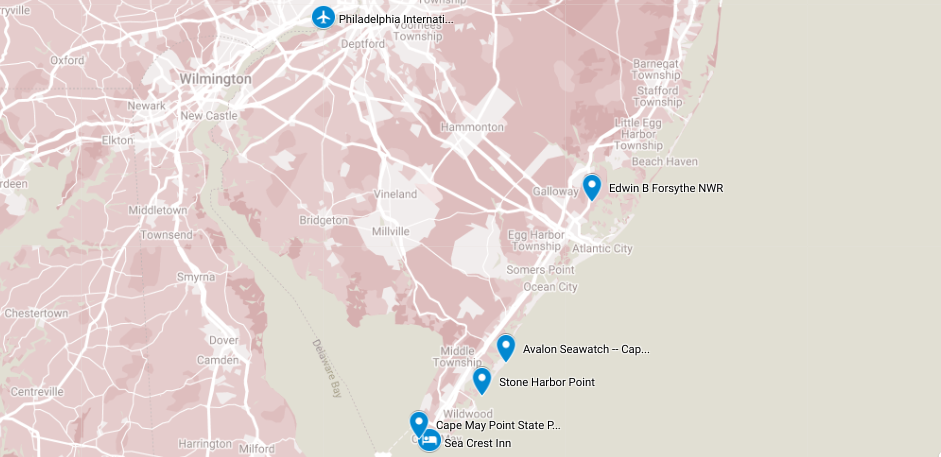
Experience the ultimate spring bird migration at America’s quintessential beach town. Historic Cape May in May is considered one of the top birding destinations in North America to witness spring migration, especially for songbirds and shorebirds. Timed for peak diversity and quantity, we visit famous New Jersey birding locations and little-known local patches up and down the coast. These will include the Cape May Point State Park, the Nature Conservancy’s South Cape May Meadows, an active heron and ibis rookery, fresh and salt-water wetlands, and Delaware Bayshore beaches where horseshoe crabs spawn and whose eggs attract thousands of migrating shorebirds. We tour the world’s largest contiguous salt marsh by boat, bird the Edwin B. Forsythe National Wildlife Refuge and Belleplain State Forest, and participate in an evening horseshoe crab volunteer rescue program.
Cape May, NJ, the nation’s oldest seaside resort, is a national historic site and offers incredible examples of Victorian architecture and charm, as well as some of the best seafood on the east coast. Our lodgings for the entire week are at a classic beachside hotel in historic Cape May. A few mornings begin with optional sunrise beach walks in search of gulls, terns, shorebirds and beautiful Black Skimmers. Daily trips range from exploring the many examples of tidal salt marshes by boat and van, to visiting one of the most successful beach and dune restorations in the United States, a project led by the New Jersey Nature Conservancy.
It’s Cape May’s unique location, situated on a south facing peninsula where the Atlantic seaboard meets the Delaware Bay, that makes it a geographic migrant trap. Birds, both land and sea flyers, sometimes by the thousands, follow the coastline north and once they cross Delaware Bay find themselves in the forests, fields, salt marshes, and freshwater wetlands of Cape May; the perfect spot to stop and fuel up before heading to their breeding grounds. Far from the metro areas of central New Jersey, the Cape May peninsula is home to forests, farmland, wetland meadows, and salt marshes. We search for migrating eastern warblers and other neotropical migrants while we visit. We also spend time at the Cape May Point State Park, famous for its fall hawk watch and lighthouse, and visit its boardwalk trails and freshwater ponds. Large numbers of shorebirds are also in migration and they use the vast saltmarsh flats and beaches of Delaware Bay to feed on horseshoe crab eggs and invertebrates to refuel and rest.
Please keep in mind that weather, winds, and tides play an important role in the migration along the coast and while we visit all the great birding sites, we may rearrange activities accordingly.
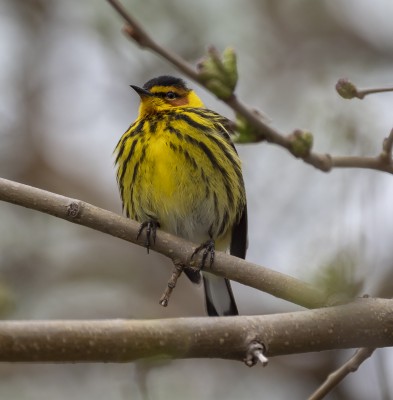
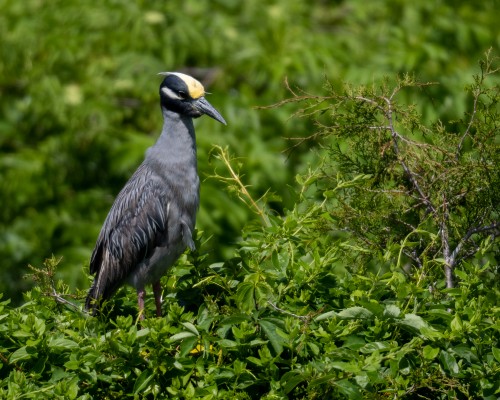
- "Fantastic! It was great to be by the ocean, to stay in the same lodging for 6(!) days, to have wonderful guides, to see so many birds." — Carol Cook, 2023 Traveler
- "Cape May is spic and span with tidy colorful houses and meticulously groomed gardens of flowers and flowering shrubs...All the field trips were productive birding spots. Rick and Greg were outstanding in their collective knowledge of Eastern birds, migratory species and general natural history of the place. " — Kathleen Pasierb, 2023 Traveler
- "Really great exposure to biologists of different preserves and programs. And the horseshoe crab “flipping” was a unique treat." — Caryn Throop, 2023 Traveler
- “Carefully planned and organized…the combination of a beach location in tandem with the sighting of many species of shore birds was excellent…several new species for me!” — Robert Davis, 2023 Traveler
- “Thousands of birds and species we don't see in the Pacific NW. Also, great guides!” — 2023 Traveler
- “A wonderful experience of all birding all the time. Highlights included the number of raptors, especially sharp-shinned hawks and bald eagles and tree swallows congregating in the many thousands in the early morning…we saw a lot!” — Ross Millikan, 2023 Traveler
- “Absolutely wonderful. The guides were great, we saw over 130 species including 20 that were life birds for me, and everything was smooth and well organized. And some great meals, too!” — 2023 Traveler
Tour Highlights
- Search for Least, Common, Forster’s, Royal, and Caspian Terns, Black Skimmers, and multiple shorebird and beach nesting species on our daily walks
- Take a short ride north on the Garden State Parkway to Ocean City to visit an active heron, egret, and ibis rookery
- Spend time at The Nature Conservancy’s South Cape May Meadows, one of the most successful beach and dune habitat restorations on the Atlantic seaboard
- Climb aboard for a salt marsh pontoon boat cruise as we search for migrating shorebirds, Clapper Rails, Saltmarsh Sparrows, dolphins, herons, and Eastern Diamondback Terrapins, America’s only saltwater marsh turtle
- Search for colorful spring plumage warblers and other neotropical songbirds as they cross Delaware Bay and arrive in Cape May to refuel and rest
- Explore Belleplain State Forest where Summer Tanagers and Yellow-throated Warblers are at the northern edge of their breeding range
- Visit Delaware Bayshore beach, where thousands of Red Knots, Semipalmated Sandpipers, Ruddy Turnstones, and other shorebirds and gulls feast on horseshoe crab eggs
- Learn about ongoing beach nesting bird conservation efforts in NJ from a Conserve Wildlife Foundation of NJ field biologist
- Join a “Return the Favor” volunteer program one evening to help save horseshoe crabs that have been flipped over by waves or impinged
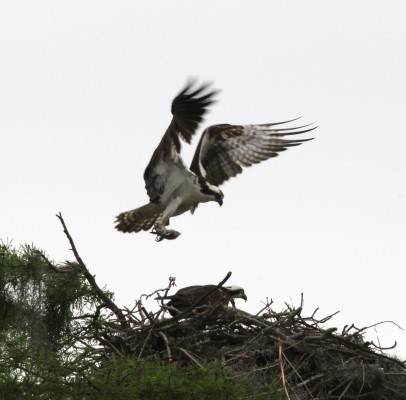
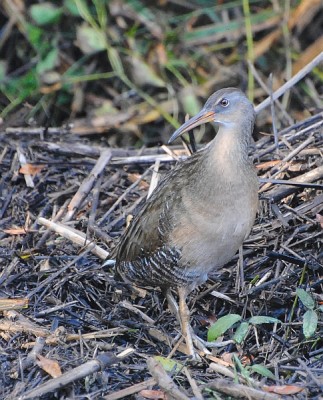
Trip Itinerary
Itineraries are guidelines; variations in itinerary may occur to account for weather, road conditions, closures, etc. and to maximize your experience.
Tues., May 11 Arrivals
Please plan to arrive today at the Philadelphia International Airport (PHL) where we assemble as a group no later than 1:00 PM at a prearranged meeting area. Your guides will contact you in advance with pick-up details. If you arrive early, please plan your accommodations at one of the suggested airport hotels and you will be picked up there. Then, we load up and travel about 2 hours, that may include a quick snack stop, to our lodgings in Cape May, New Jersey. If time permits, we have a late afternoon birding excursion to see what’s around and then take a bit of time to freshen up before dinner and get to know our fellow traveling companions.
Accommodations at the Sea Crest Inn (D)
Wed., May 12 TNC South Cape May Meadows Preserve | Wetlands Institute
Today we get to know Cape May. We stay close to this pretty beach town and familiarize ourselves with the island and the local spots that we visit throughout the week. We start the day with an optional sunrise beach walk right across the street from our hotel. Here we spend time identifying multiple gull and tern species, counting the Atlantic Bottlenose Dolphin fins in the surf, and searching for migrating shorebirds. Then we’re off to the Cape May Point State Park with its hawk watch platform, freshwater ponds and trails, nature center, and lighthouse. There, we spend the rest of the morning birding and exploring the state park. Walking the nearby beach can produce sightings of Parasitic Jaeger, all three scoters, and many species of gulls and terns as well as nesting American Oystercatcher and skimming Black Skimmers. Walks around the park can push up nearly any migrating eastern passerine this time of year and a few duck species as well. Lunch is at one of our favorite cafes.
This afternoon we explore the South Cape May Meadows Preserve. Owned and managed by The Nature Conservancy, this important coastal birding area is one of the most successful habitat restorations on the Atlantic seaboard. Almost anything can turn up in spring migration at the Meadows including Merlin and Peregrine Falcons as they work the meadows to catch that last dragonfly or shorebird snack before settling in for the evening. Multiple shorebirds, herons, egrets, rails, and American and Least Bitterns all can be found here in spring. The beach areas can offer a good selection of shorebirds, some like Piping Plover nesting on the protected beaches. We the dine at a local restaurant where we also get a presentation on shorebird conservation by a Conserve Wildlife Foundation of NJ field biologist.
Accommodations at the Sea Crest Inn (B,L,D)
Thurs., May 13 Local Cape May Birding | Salt Marsh Boat Tour
We start today with and early morning visit to the NJ Audubon’s spring watch where we learn from local experts how they track migration daily from March 1 – May 31, followed by breakfast at a local restaurant. Then we make a visit to the newly renovated Cape May Bird Observatory’s Northwood Center and their pollinator gardens; they have a great gift shop and bookstore as well. We enjoy lunch at a local restaurant or perhaps a picnic lunch depending on the weather.
After a local lunch we head to Miss Chris Marina where we board the Osprey, a large pontoon tour boat, to explore the salt marshes along New Jersey’s Intracoastal Waterway. Here we have a chance to see many shorebirds, gulls and terns that utilize the sea grass islands and constantly changing tidal creek mudflats of the saltmarsh. We watch for the elusive Diamondback Terrapin, North America’s only saltwater marsh turtle. American Bottlenose Dolphin are also a possibility. After a late afternoon break, we then head to dinner at a local restaurant and strive to finish in time for a fabulous sunset viewing.
Accommodations at the Sea Crest Inn (B,L,D)
Fri., May 14 Belleplain State Forest | Horseshoe Crabs & Shorebirds | Optional Evening Horseshoe Crab Rescue Program
An early breakfast and then we explore Belleplain State Forest located in the Pinelands National Reserve. Belleplain contains the greatest variety of habitats anywhere in New Jersey, including saltwater marsh, Atlantic white cedar swamp, and oak-hickory forest. Some spring Belleplain specialties include nesting Yellow-throated, Hooded, Worm-eating, and Prothonotary Warblers as well as Summer Tanager and Acadian Flycatcher. After visiting Belleplain we may stop at nearby hotspot Jake’s Landing Road, which is part of the Dennis Creek WMA. Clapper Rail, Seaside Sparrow, and Marsh Wren are abundant here as are nesting Osprey. Lunch is at a local diner— after all you are in New Jersey, the diner capital of the USA.
After lunch we visit one of the Delaware Bay beaches to hopefully witness horseshoe crabs spawning and laying their eggs in the sand, perfectly timed with the northern shorebird migration. Large flocks of migrating shorebirds like Red Knot, Semipalmated Sandpiper, and Ruddy Turnstone feast on the recently laid, fat-enriched horseshoe crab eggs. These birds need to almost double their body weight in just a few weeks to successfully continue their migration north to reach their breeding grounds in peak condition. Their thousands of miles migration north is intricately timed with the horseshoe crab egg-laying. We also witness thousands of Laughing Gull enjoying the feast. This annual phenomenon is very weather and water temperature dependent, so fingers crossed!
Tonight after dinner and our species checklist we have an optional evening opportunity to walk a beach along Delaware Bay with a Conserve Wildlife Foundation of NJ biologist and “Return the Favor” by rescuing horseshoe crabs that have been flipped over by wave action or that are impinged. This is also a water temperature, tide and weather dependent event.
Accommodations at the Sea Crest Inn (B,L,D)
Sat., May 15 Edwin B. Forsythe NWR | Heron & Ibis Rookery
We bird our way through the vast salt marsh areas north of Cape May today as we make our way up the coast to Edwin B. Forsythe National Wildlife Refuge (aka Brigantine), a 43,000-acre natural area with both fresh and saltwater marshes. Here we have great opportunities to see Clapper Rail, bitterns, migrating shorebirds, and waterfowl, as well as Northern Harrier and Bald Eagle hunting over the marshes and impoundments. All the East Coast waterfowl and wading birds can be found here, too, and Brant should still be possible. Watch as Peregrine Falcon push around shorebirds that take flight in flashing waves of motion. Osprey are also common and we may even tire of seeing them! These thousands of acres of fresh and saltmarshes host almost every East Coast water bird.
After lunch at a seafood restaurant located on the salt marsh we head south back towards Cape May and stop at the Ocean City welcome center to view an active heron, egret, and ibis rookery. Then it’s guides choice for local Cape May birding in the afternoon or an optional rest back at the hotel followed by dinner at another wonderful Cape May restaurant.
Accommodations at the Sea Crest Inn (B,L,D)
Sun., May 16 Cape May Local Birding
This morning after breakfast we visit some local spots we may have missed or revisit some of the previously productive areas to spend more quality time there. Your guides are always aware of rare bird sightings and if one or two occur, they do their best to search for them.
After lunch, the rest of the day is open to continue with more local birding. Guests can also have some free time if they desire in the afternoon to enjoy parts of historic Cape May on your own or continue birding. With two vehicles and guides we have lots of flexibility on our final day to accommodate requests. Our farewell dinner tonight is at another wonderful Cape May restaurant called Oyster Bay. After dinner we finish our species checklist for the tour, share our favorite birds and memories, and reflect on the great week of birding we’ve experienced.
Accommodations at the Sea Crest Inn (B,L,D)
Mon., May 17 Departures
After breakfast at a local restaurant, we depart for the Philadelphia airport. Depending on flight schedules we may be able to have one last birding excursion on the way to the airport. Please plan flights out after 1:00 PM. (B)
-
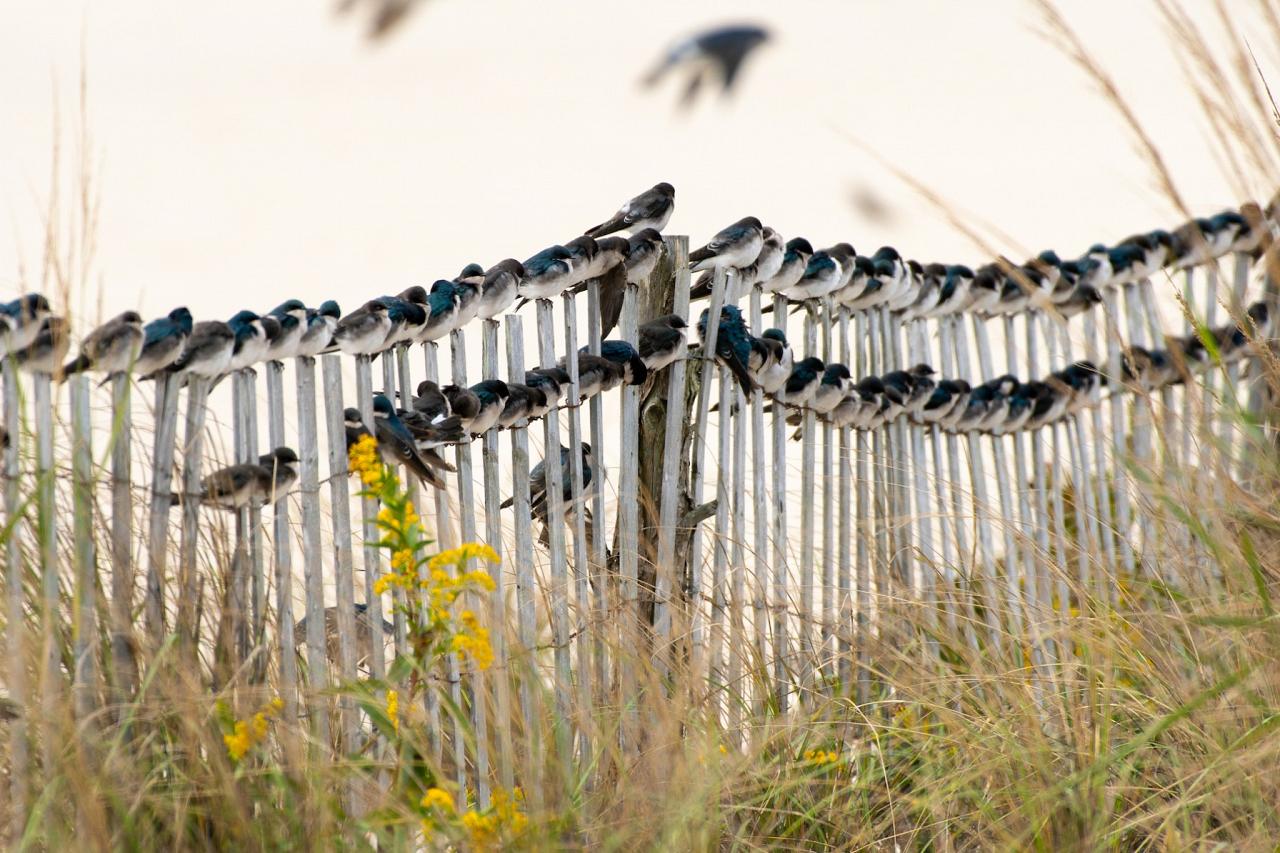
Tree Swallows by Hugh Simmons
-
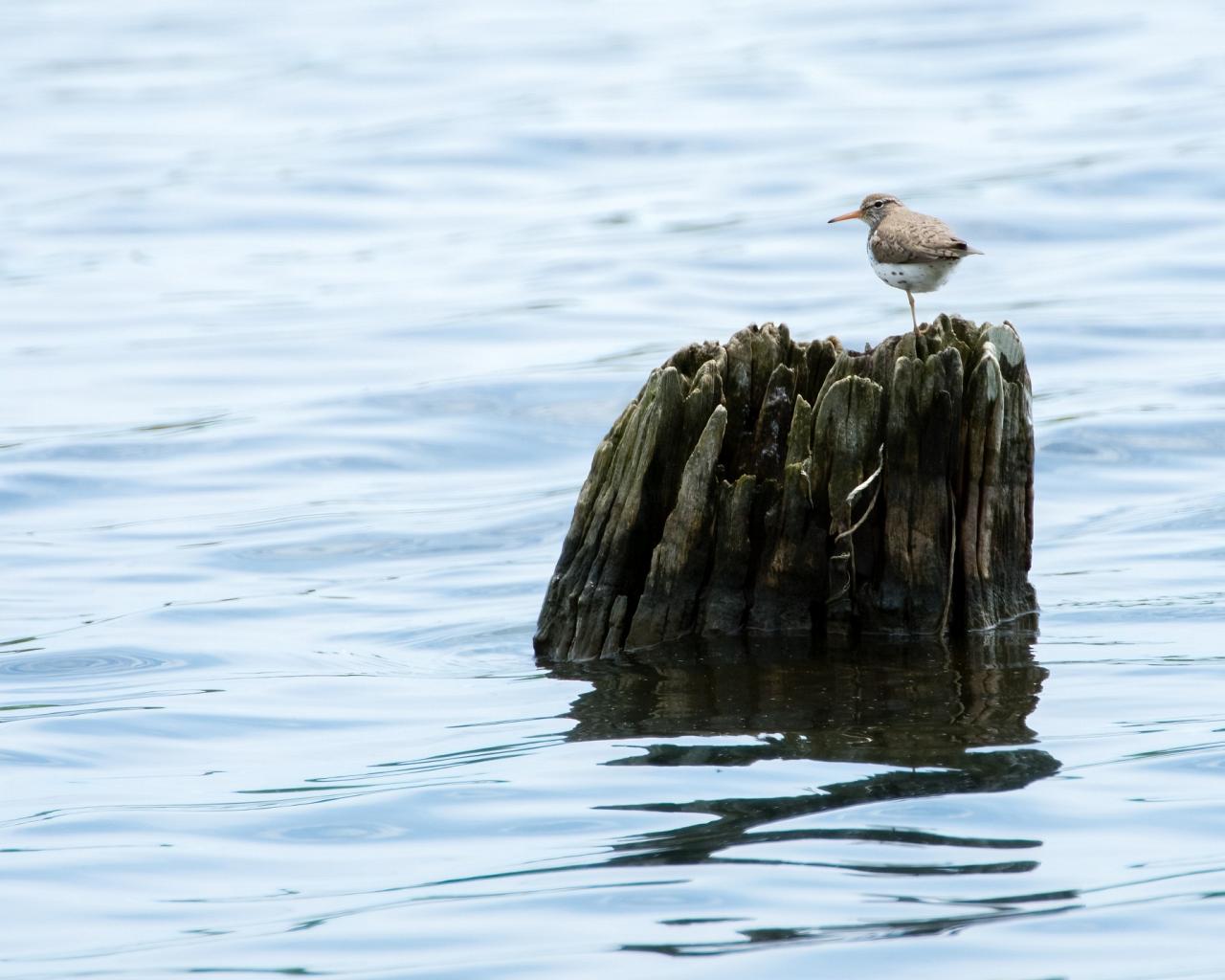
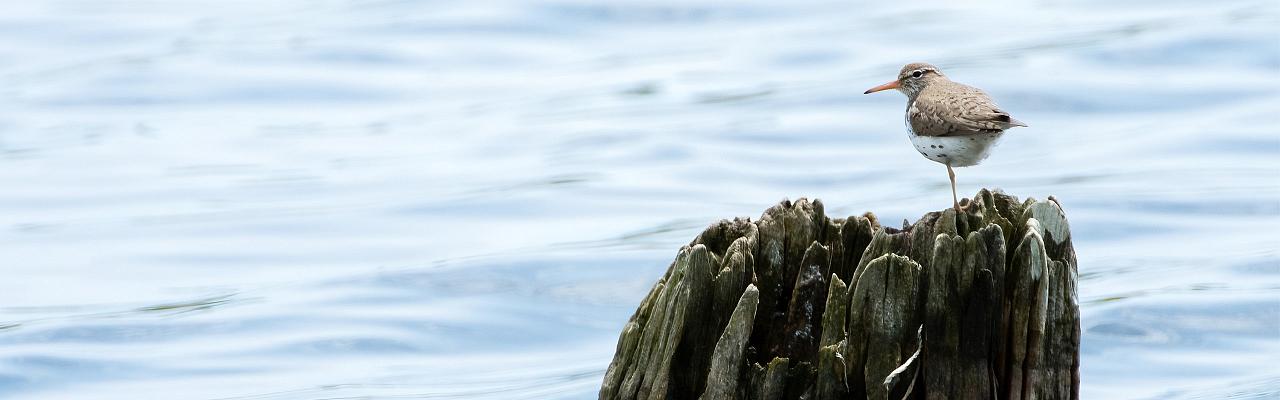
Spotted Sandpiper, Hugh Simmons
-
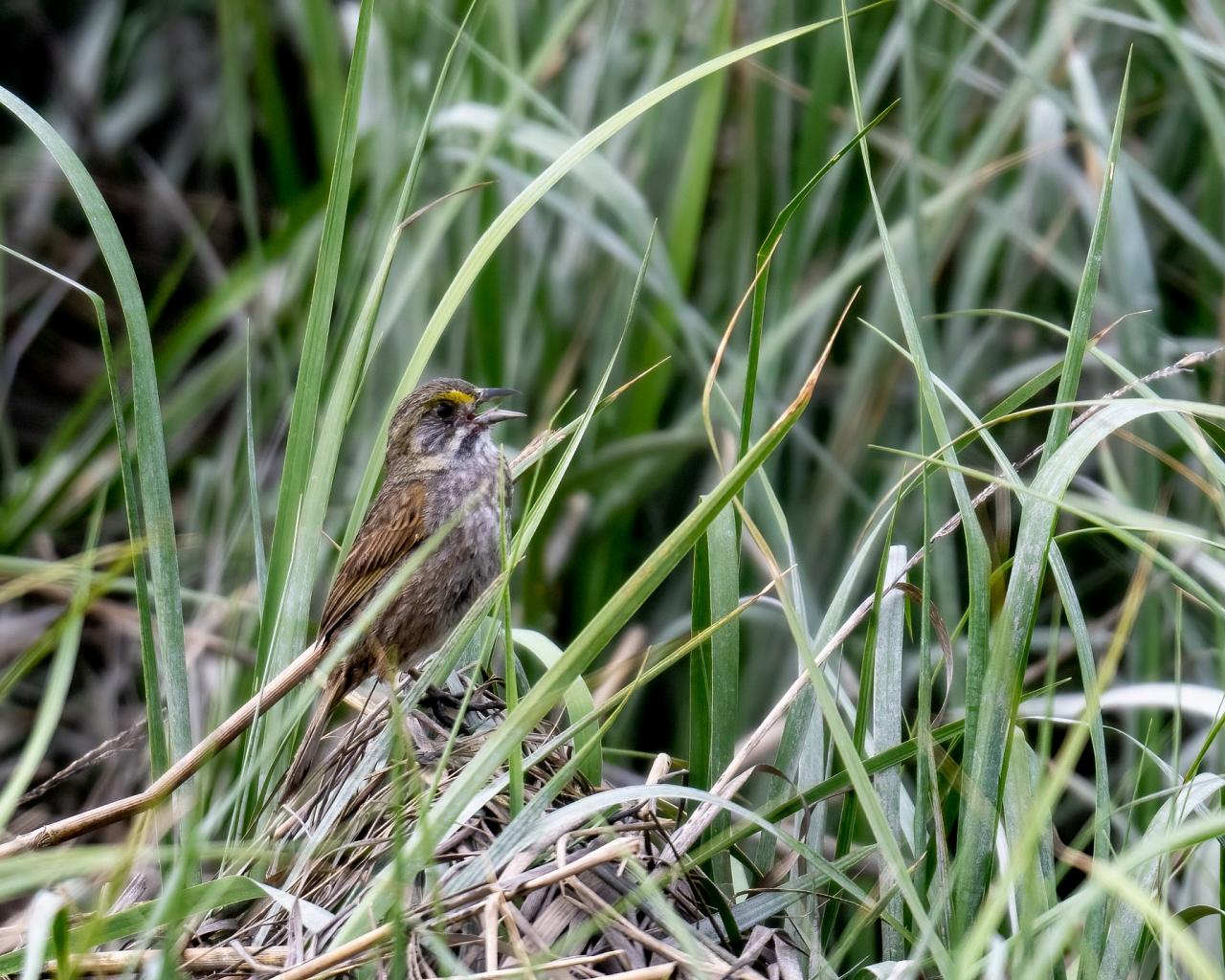
Seaside Sparrow, Hugh Simmons
-
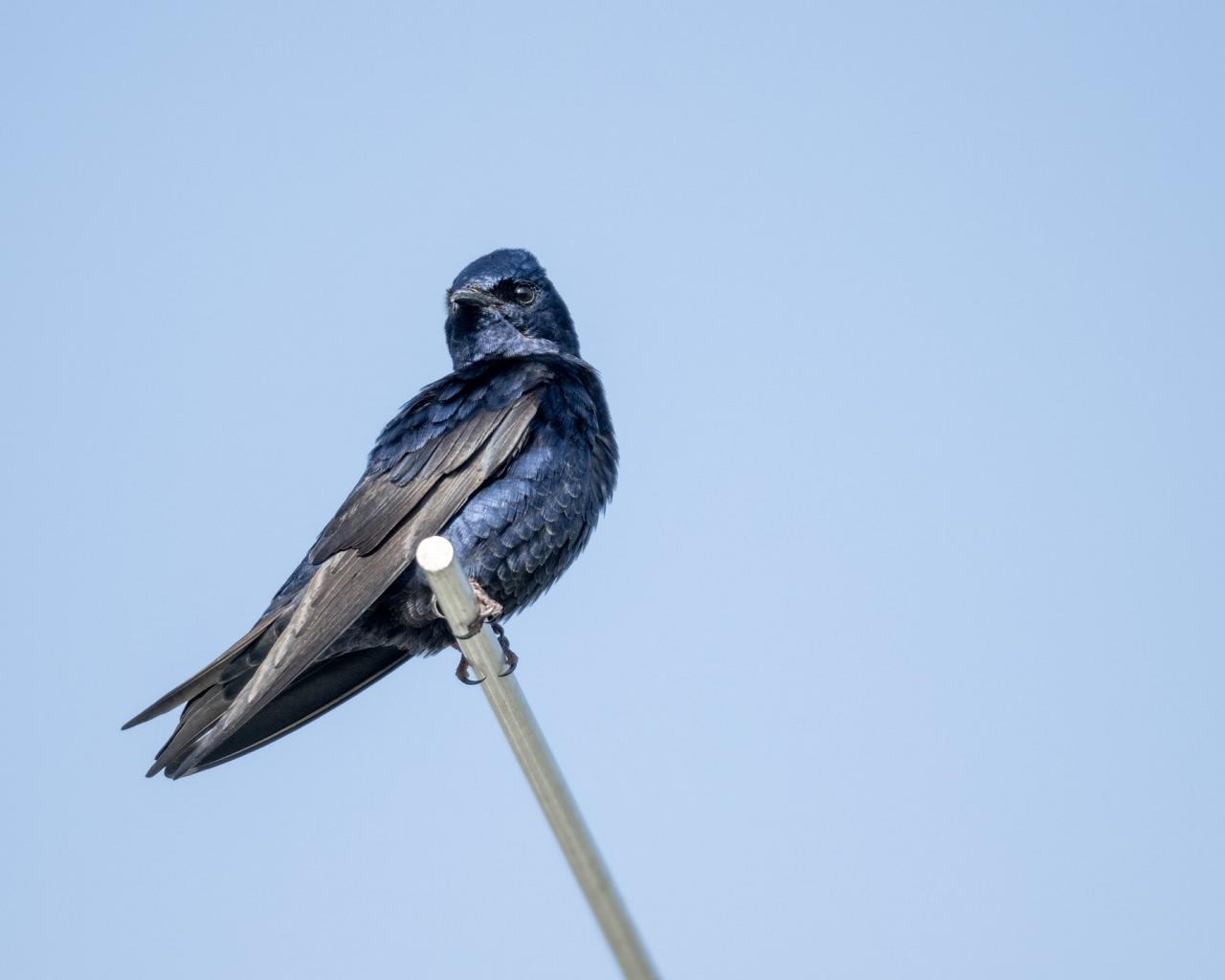
Purple Martin, Hugh Simmons
-
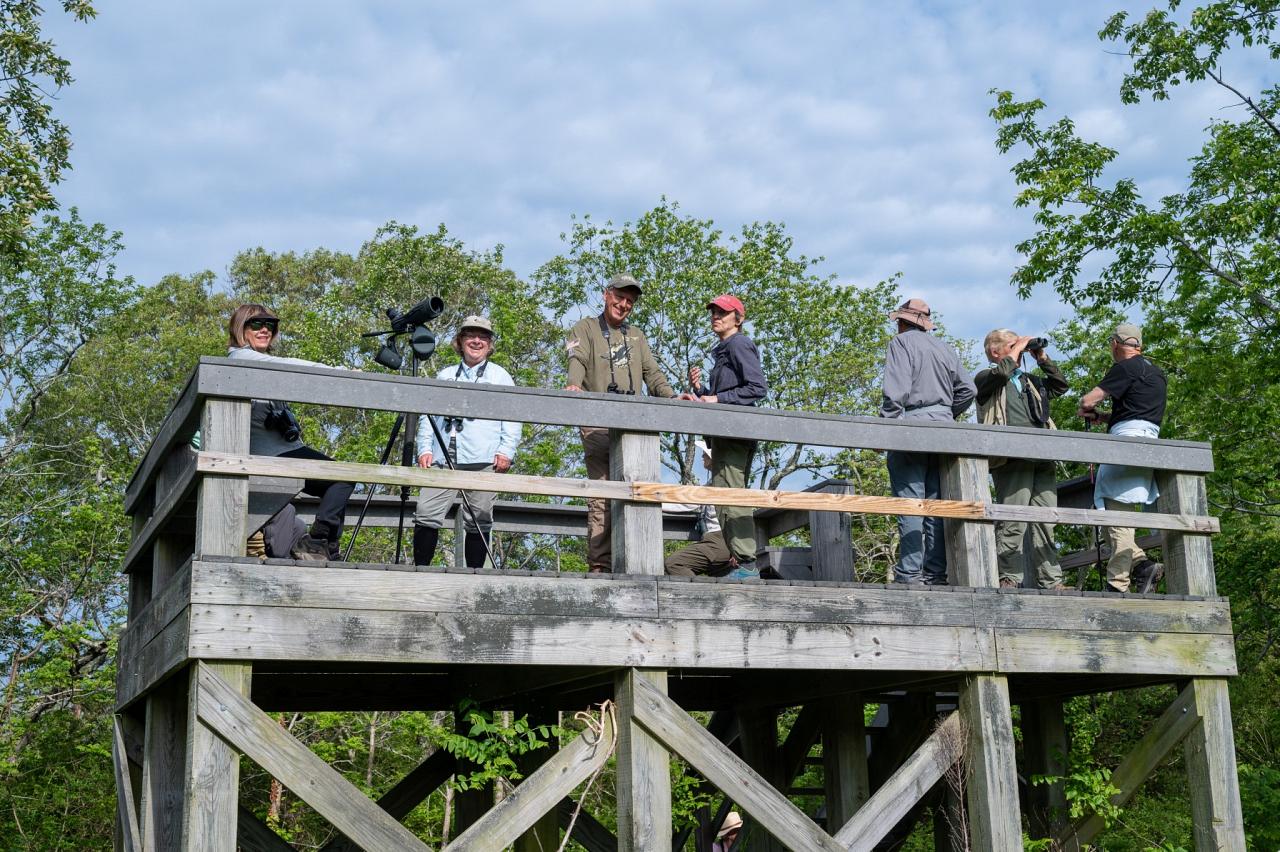
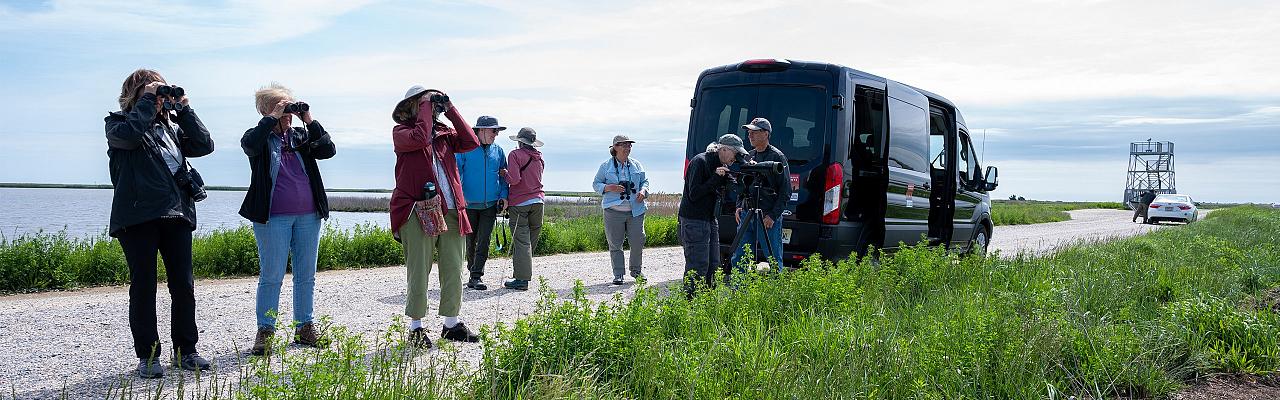
Group on platform, Hugh Simmons
-
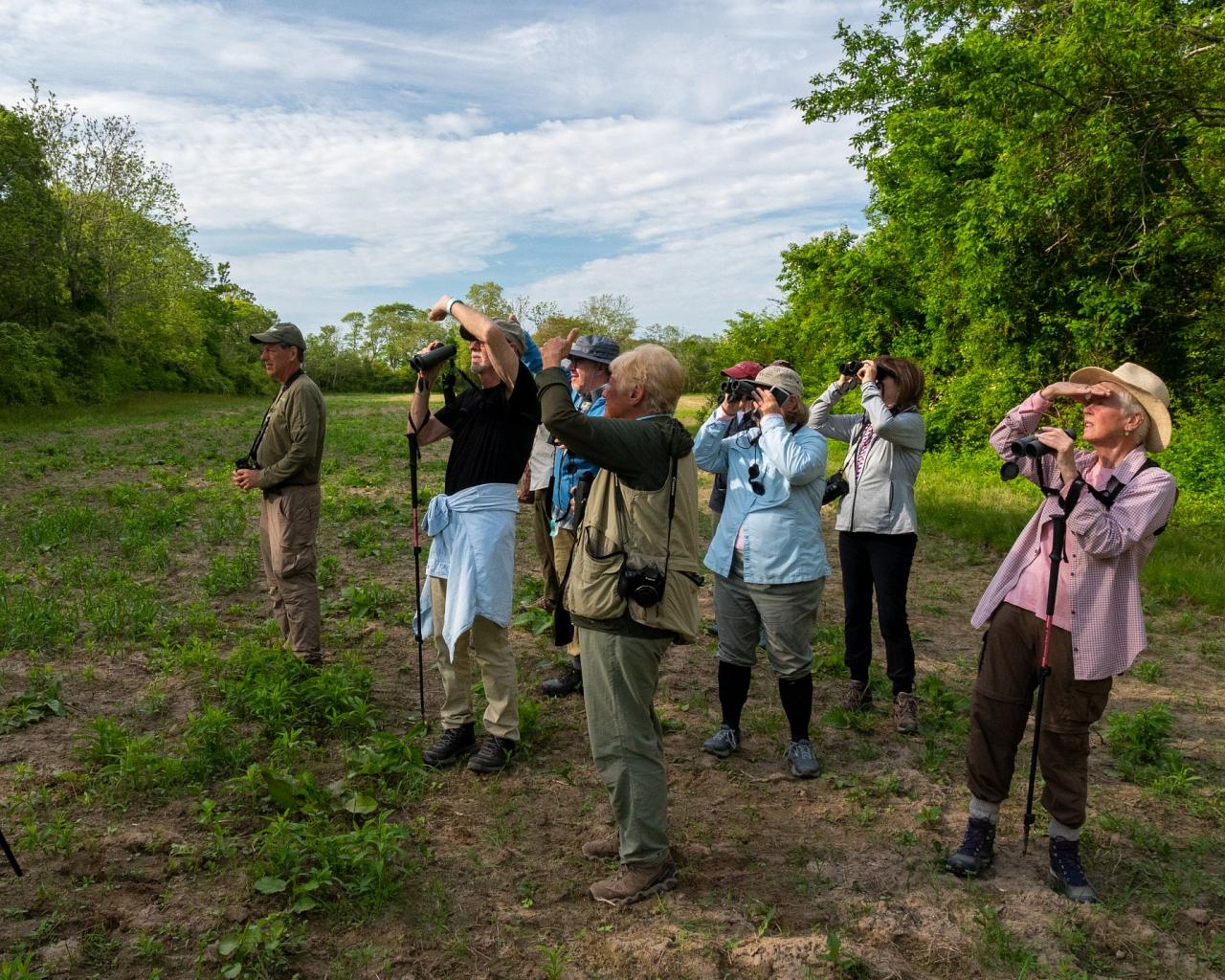
Group photo by Hugh Simmons
-
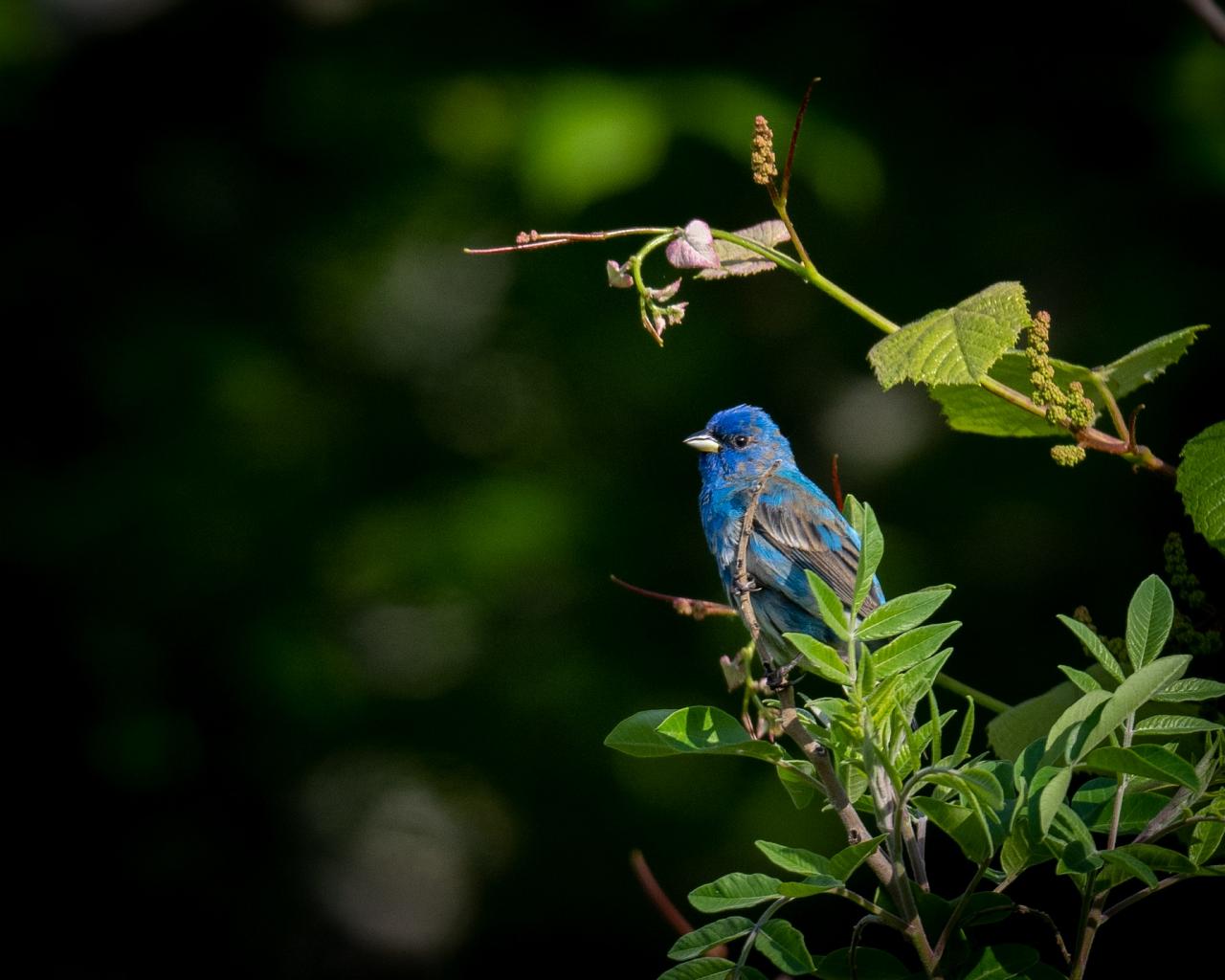
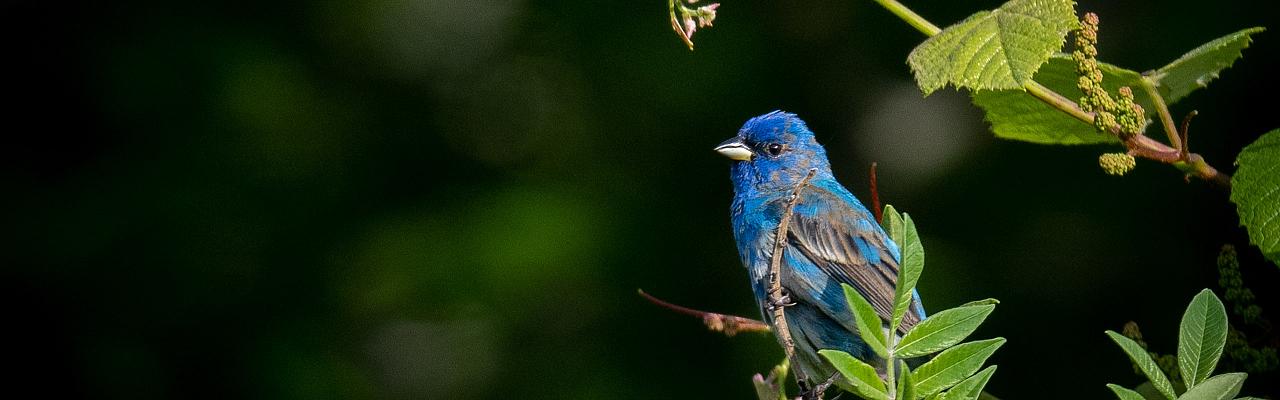
Indigo Bunting, Hugh Simmons
-
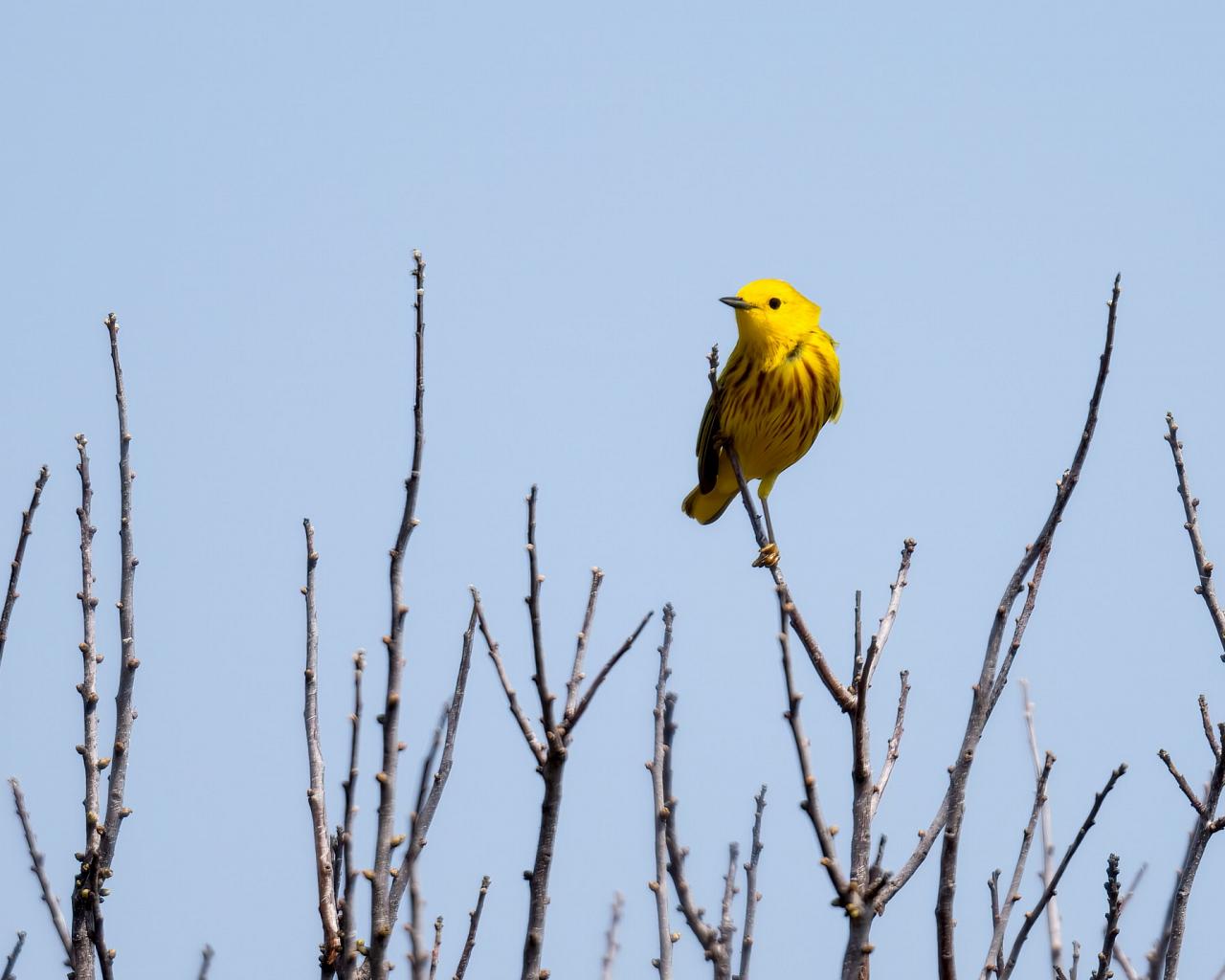
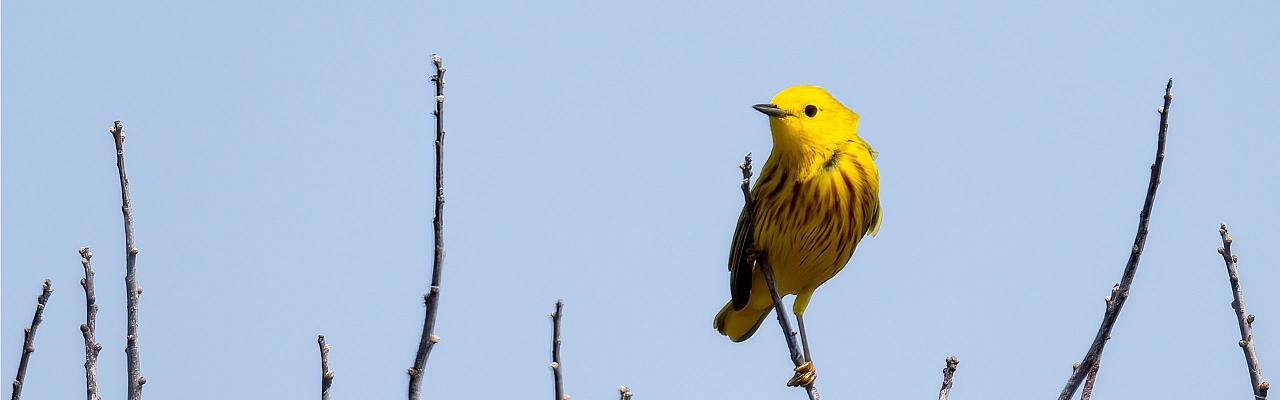
Yellow Warbler, Hugh Simmons
-
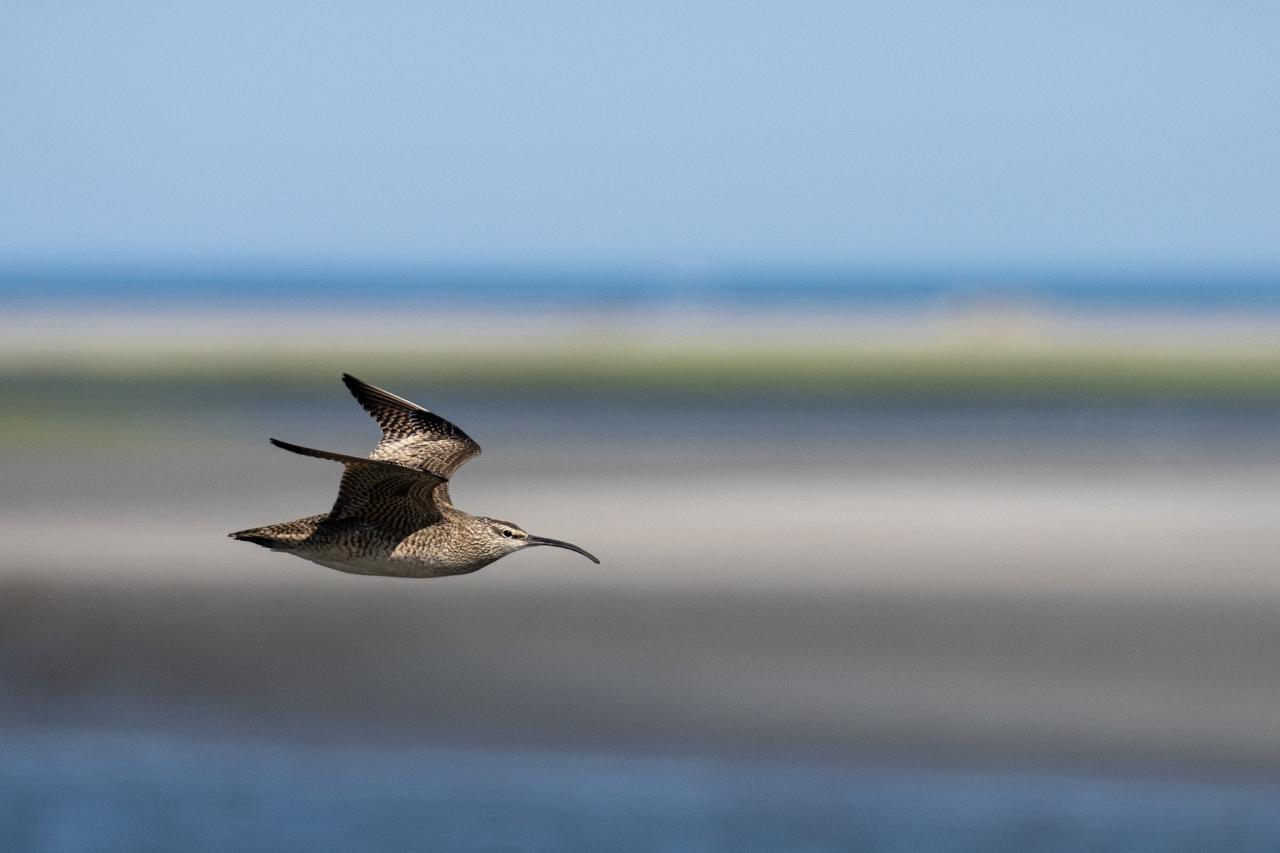
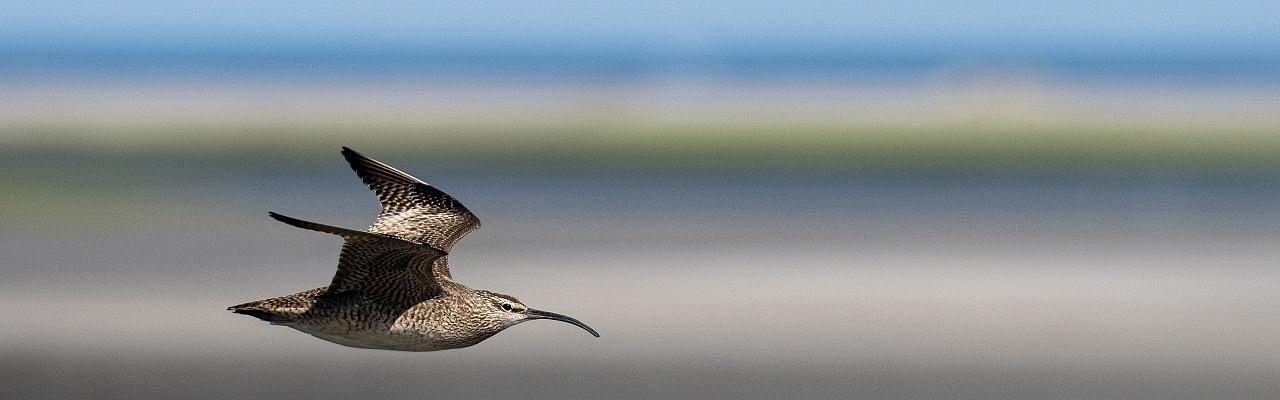
Whimbrel, Hugh Simmons
-
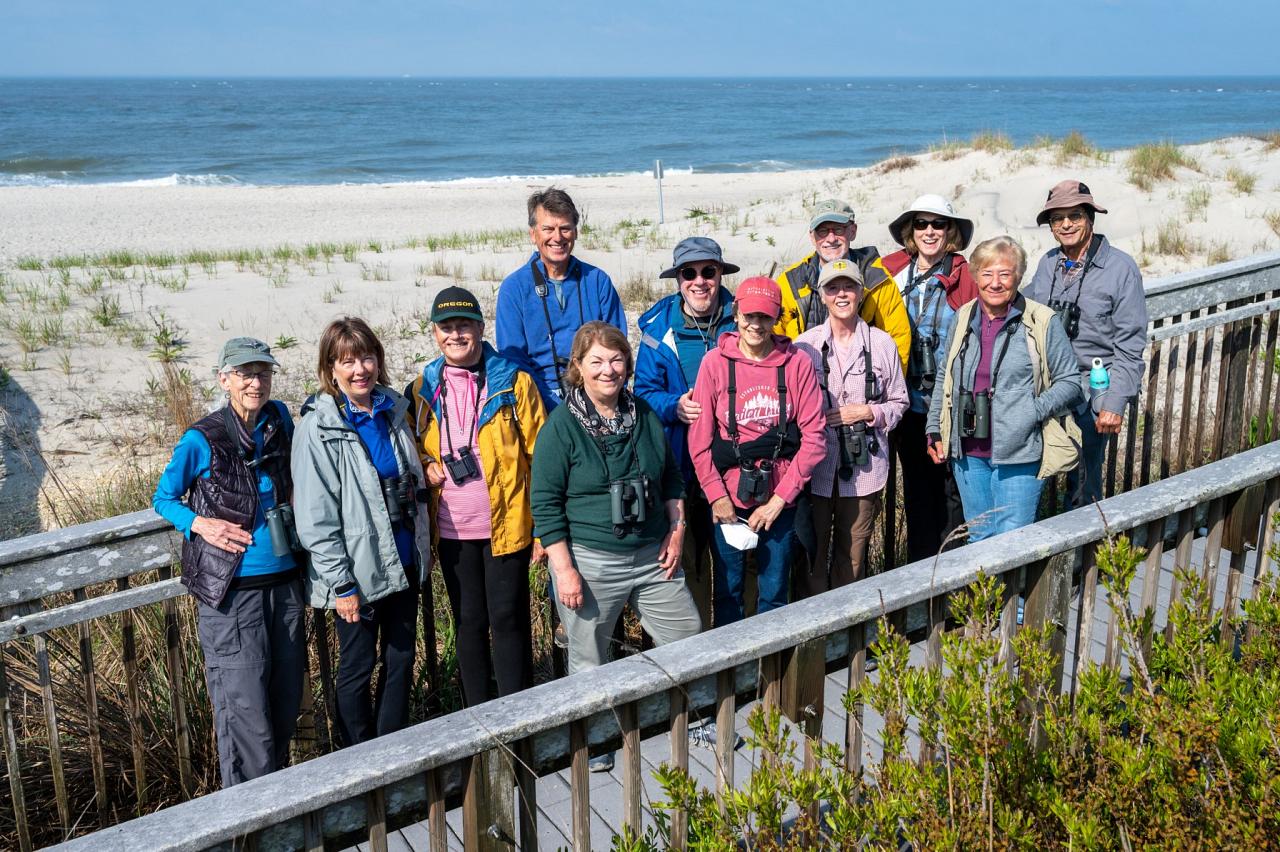
Beach Group, Hugh Simmons
-
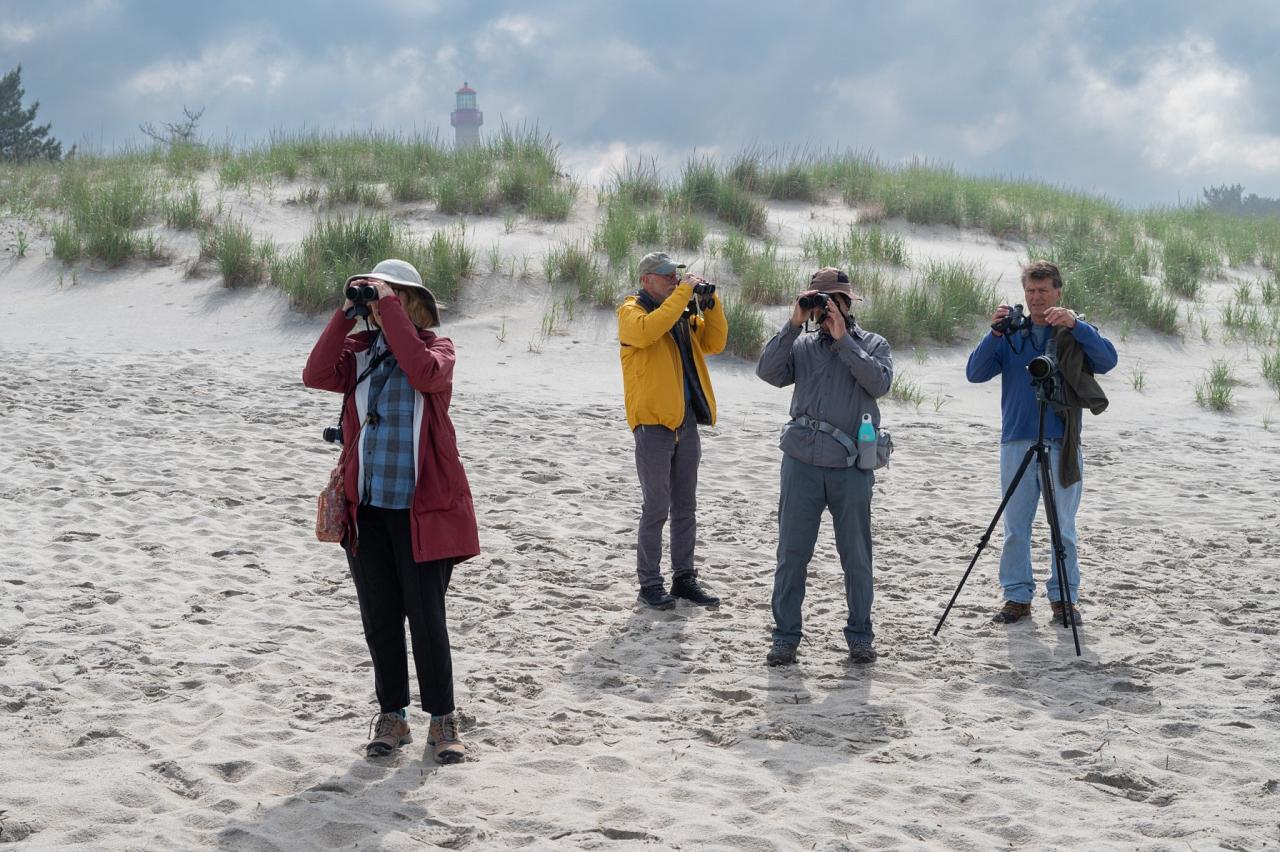
Beach birding near the lighthouse, Hugh Simmons
-
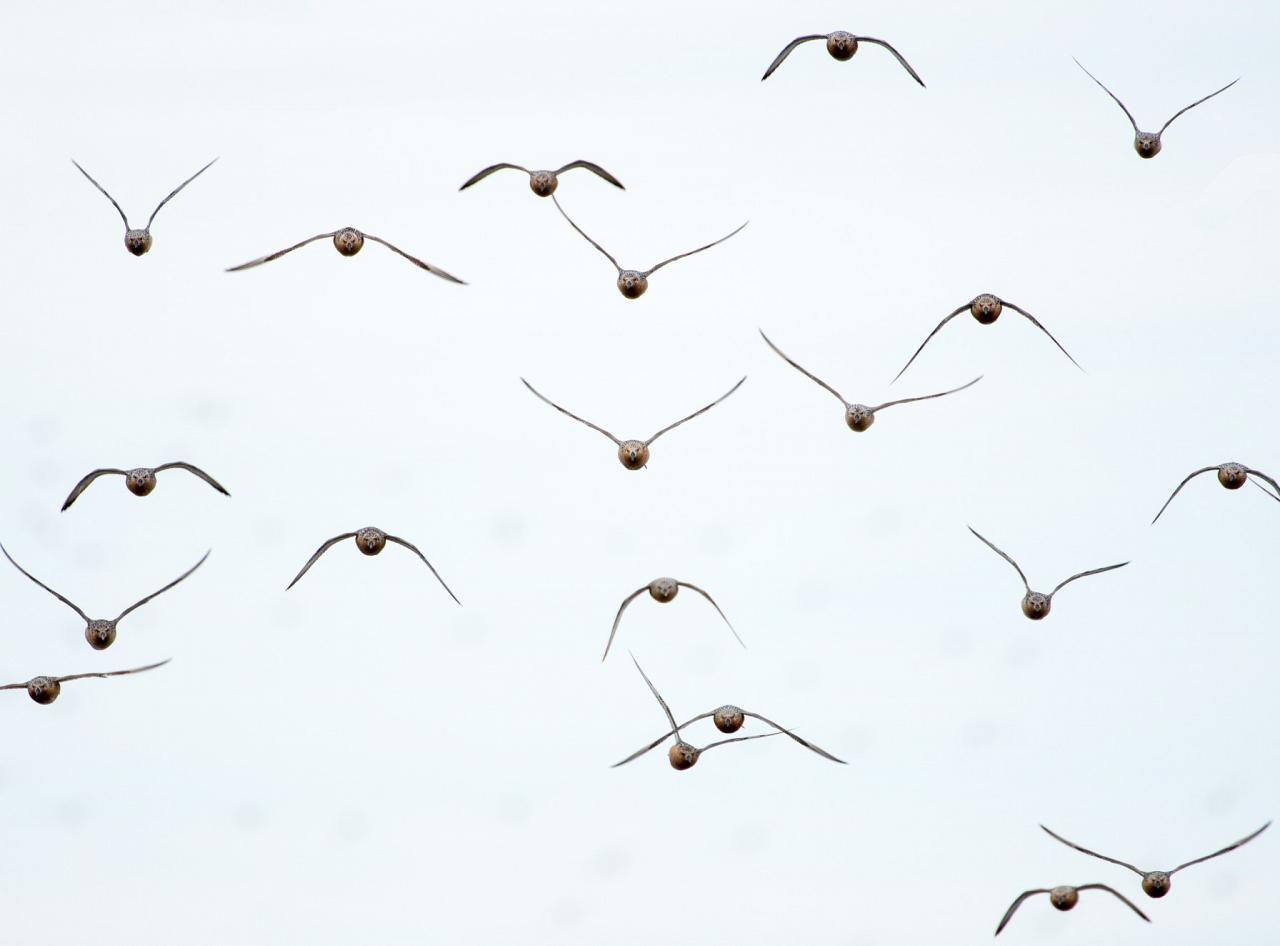
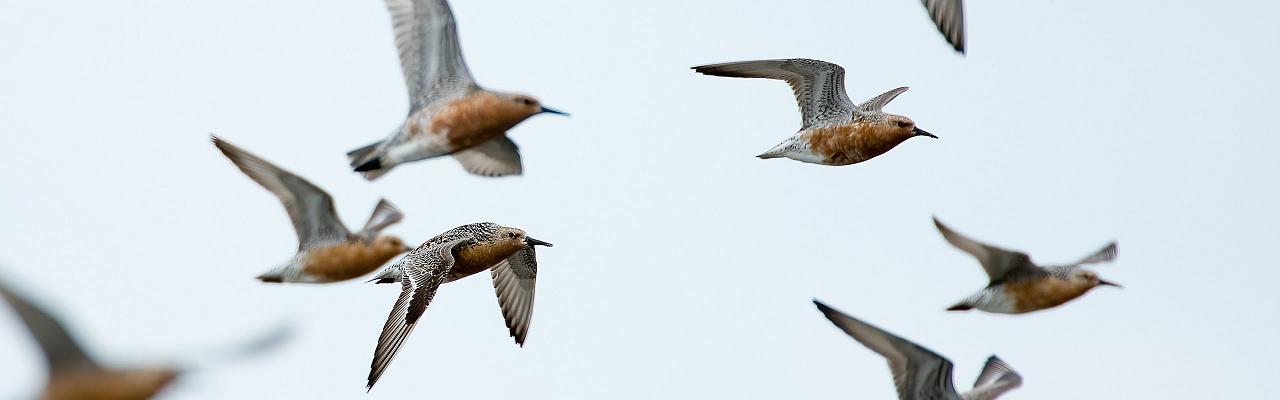
Red Knots, Hugh Simmons
-
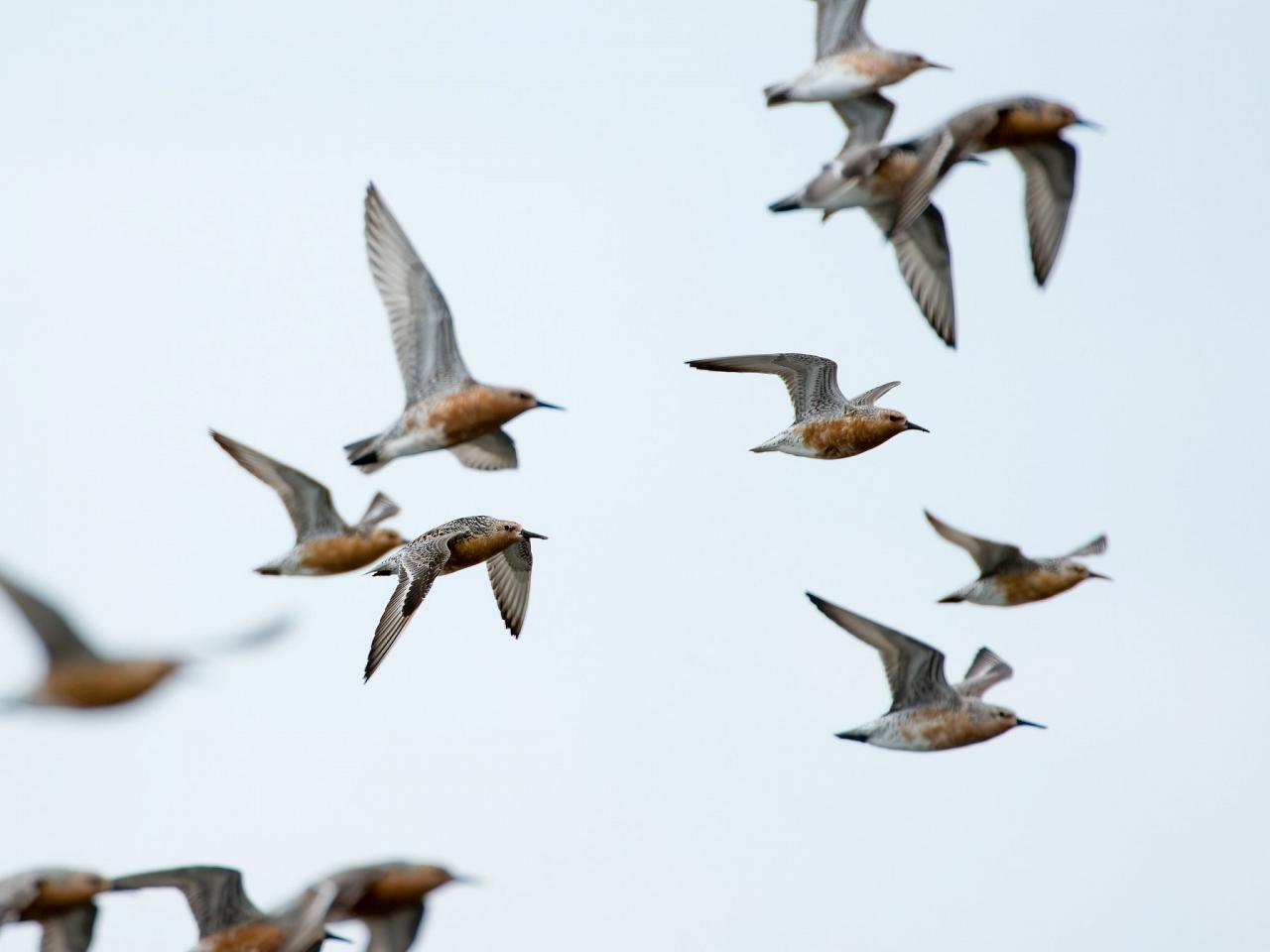
Red Knots, Hugh Simmons
-
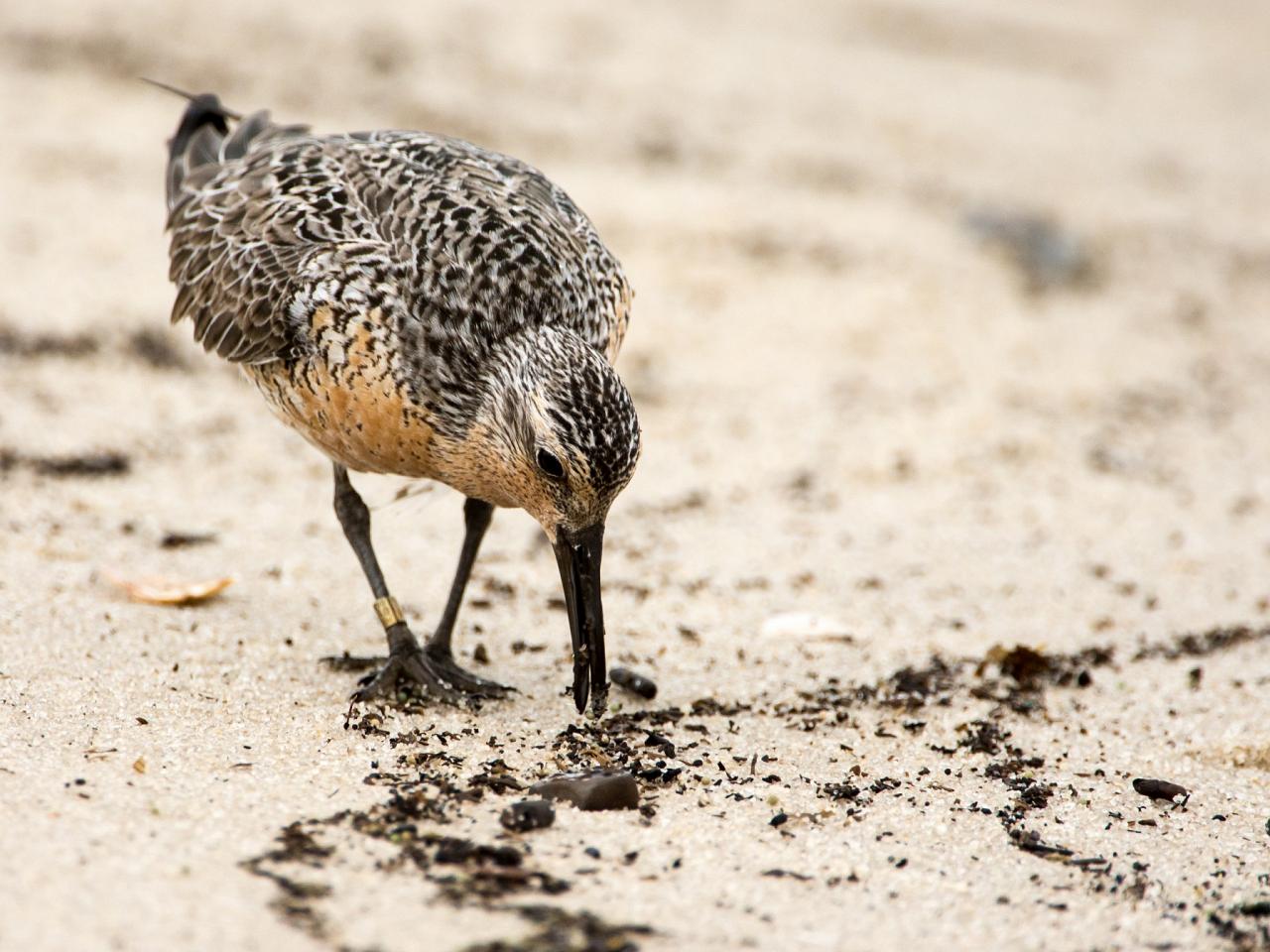
Banded Red Knot, Hugh Simmons
-
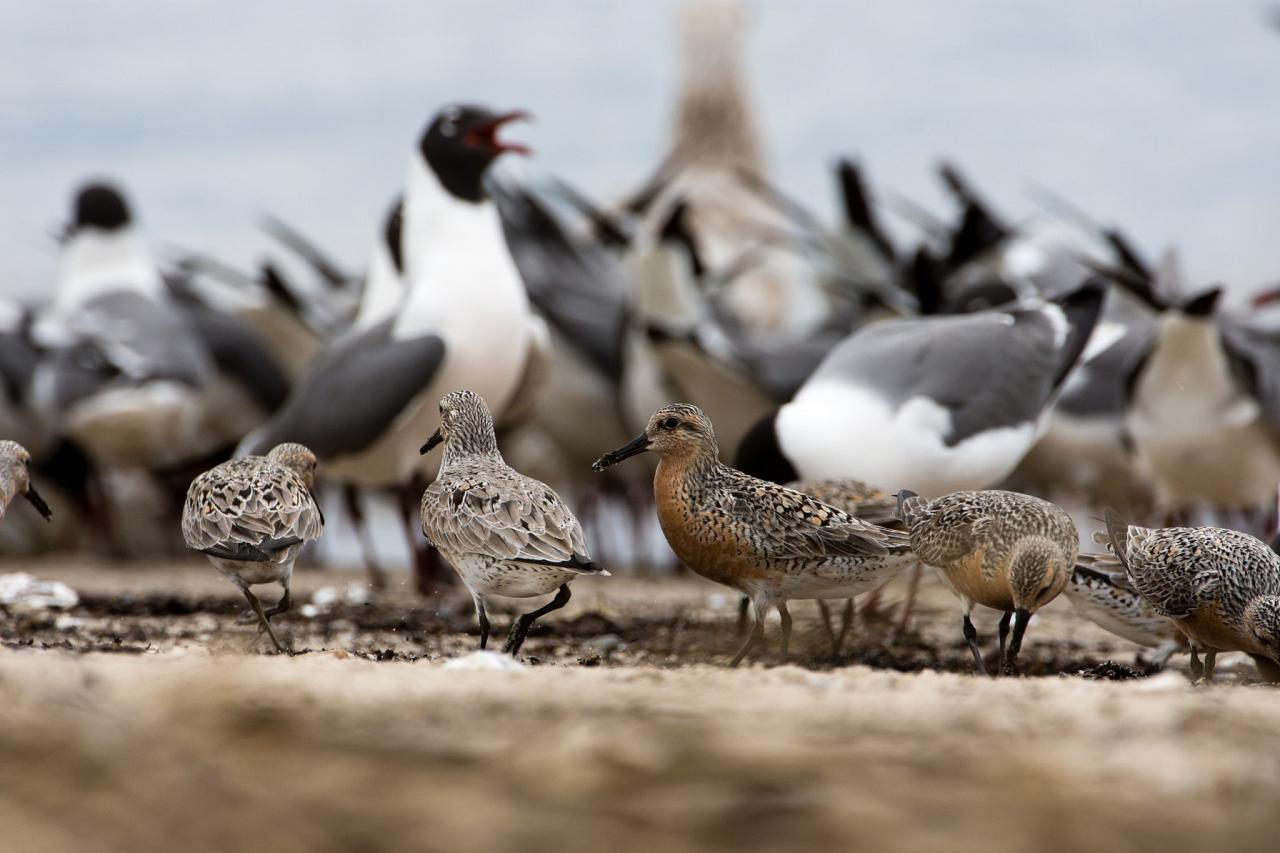
Red Knots with gulls, Hugh Simmons
-
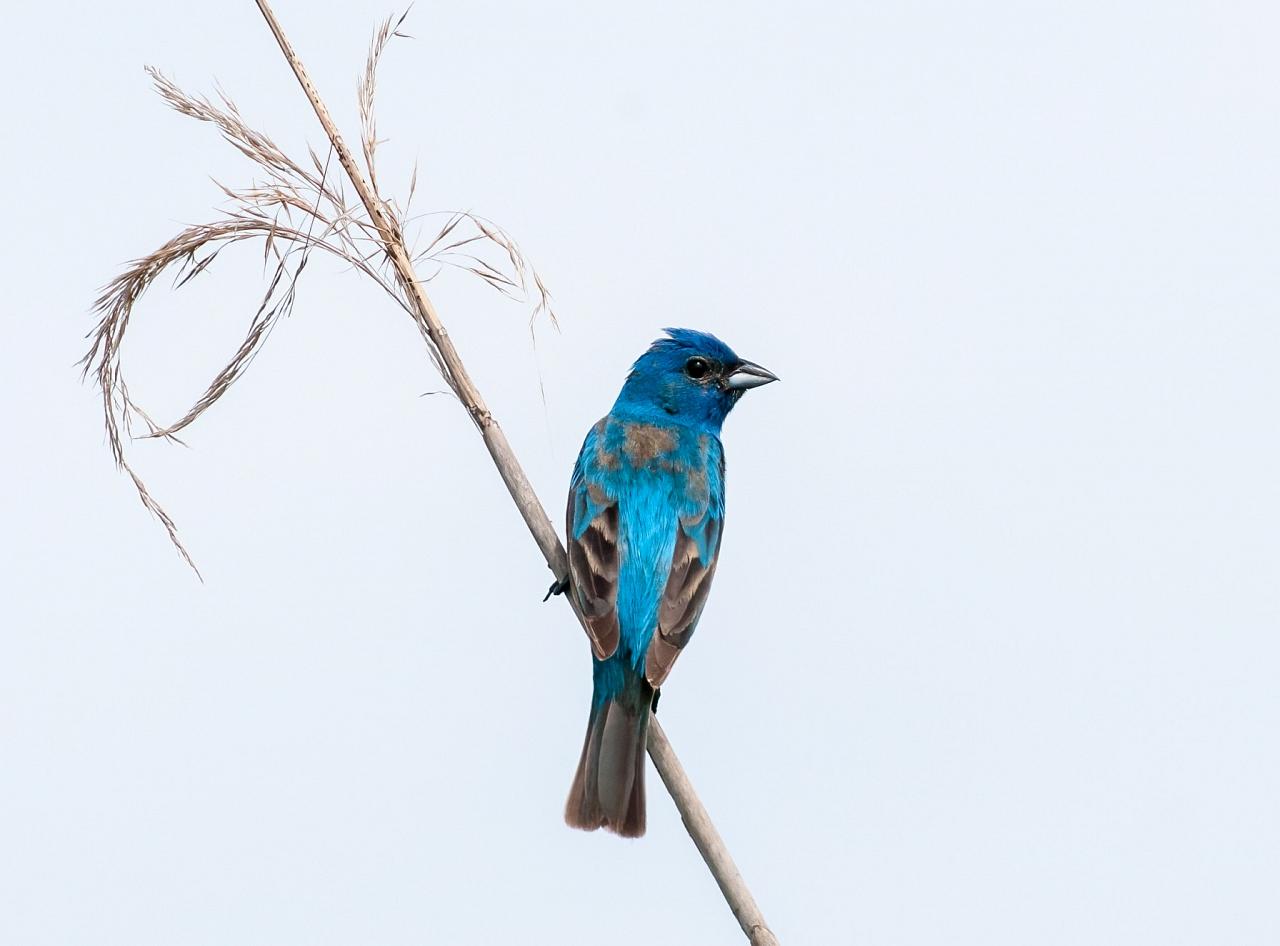
Indigo Bunting, Hugh Simmons
-
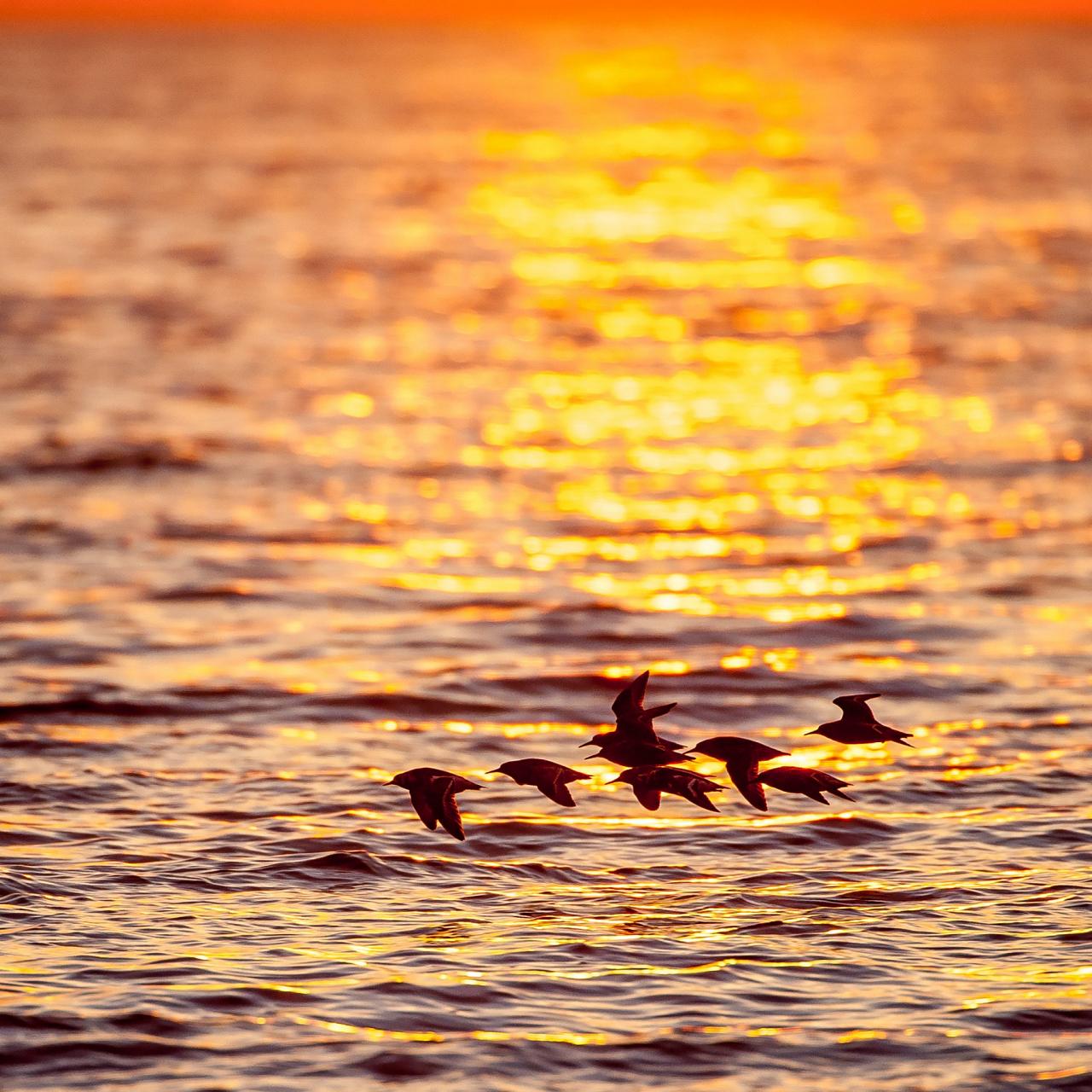
Shorebird Sunset, Hugh Simmons
-
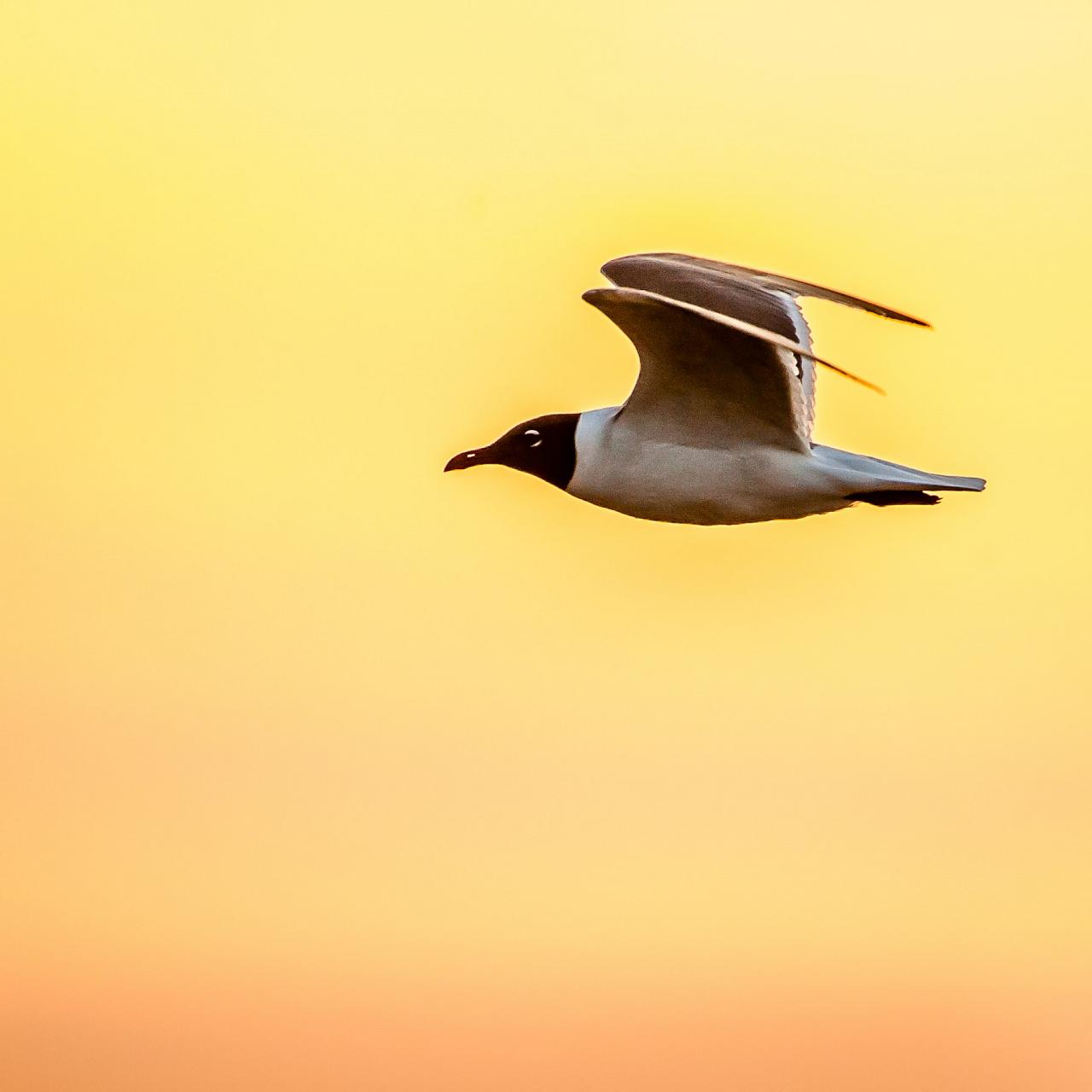
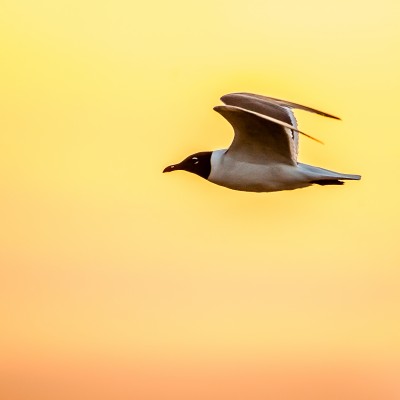
Laughing Gull, Hugh Simmons
-
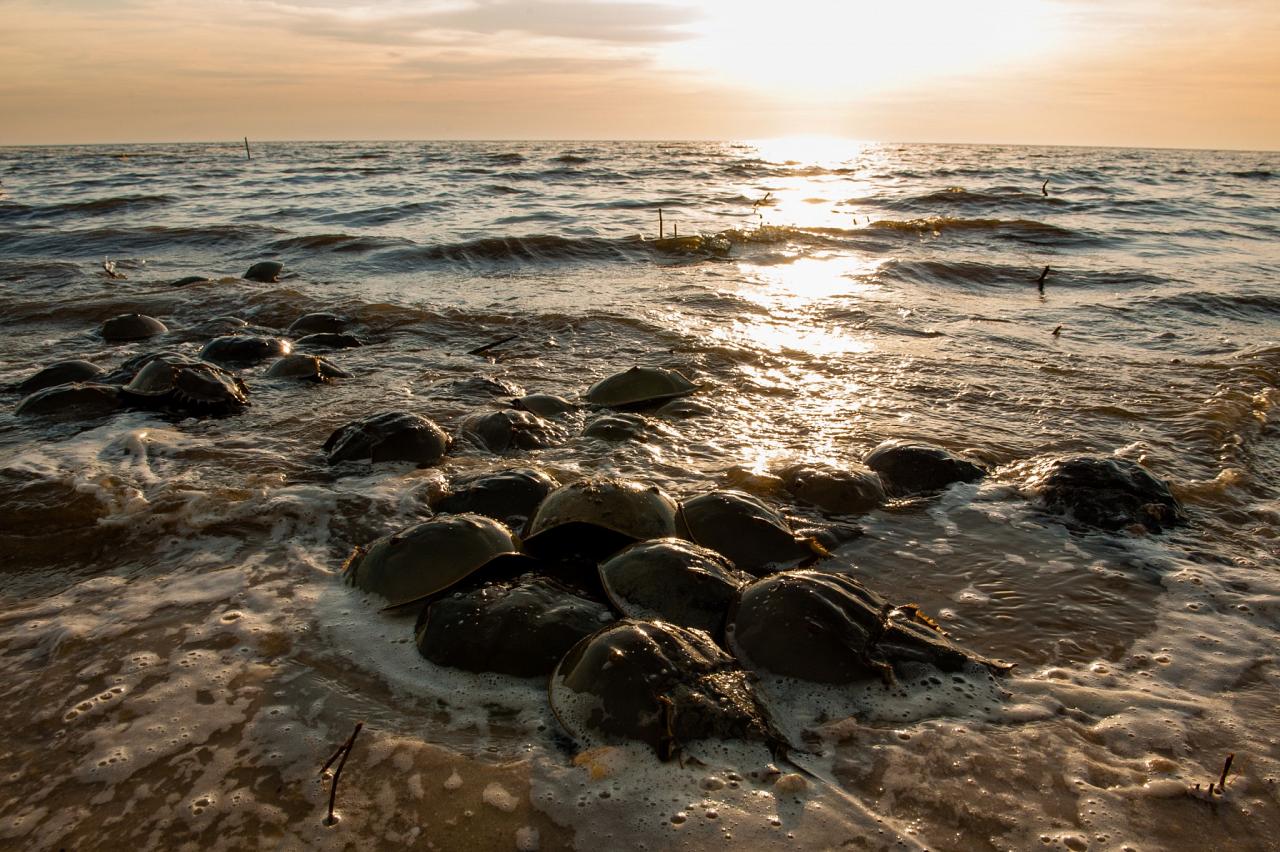
Horseshoe Crabs in Deleware Bay, Hugh Simmons
-
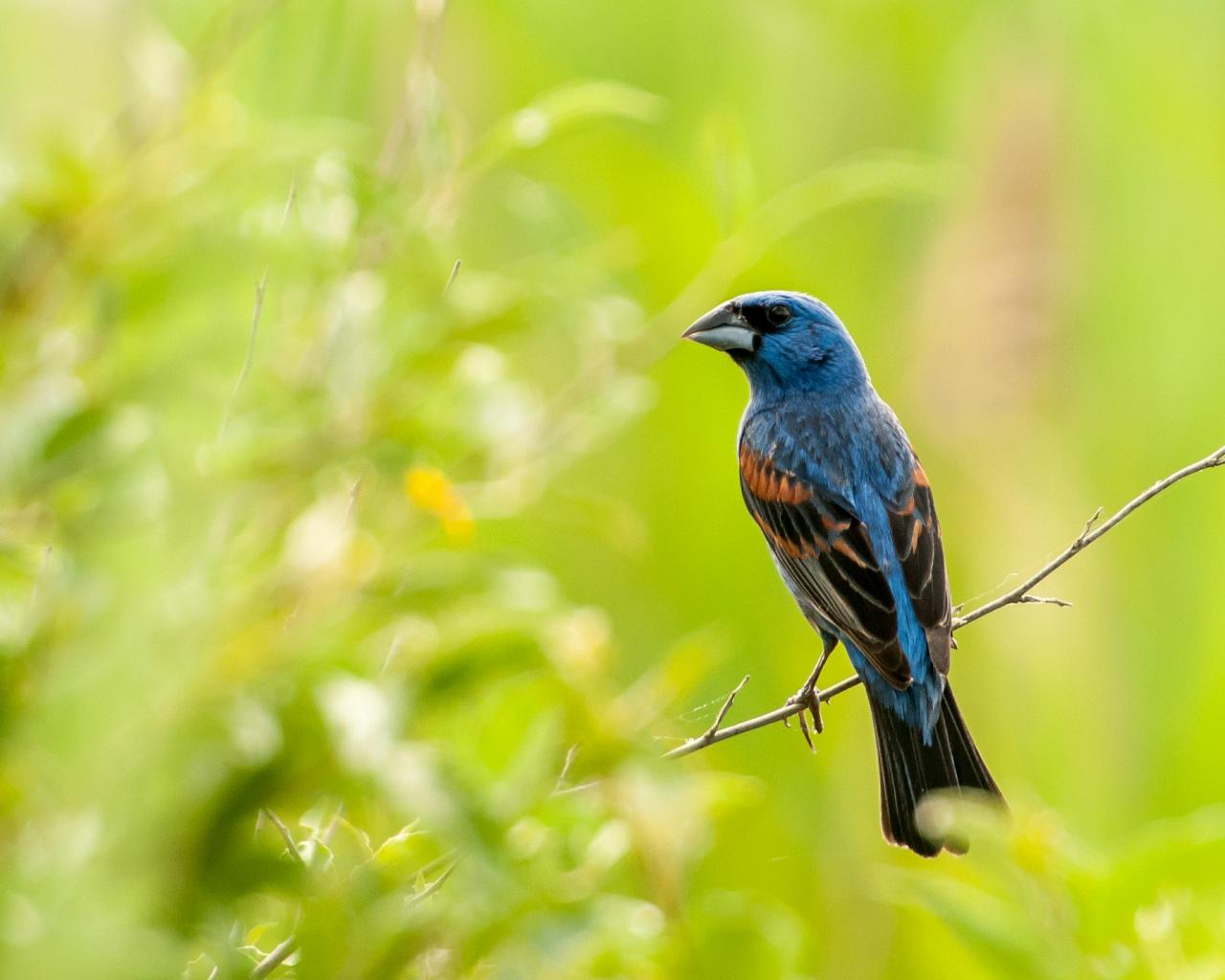
Blue Grosbeak, Hugh Simmons
Cost of the Journey
The cost of this journey is per person, based on occupancy, $3990 DBL / $4790 SGL, from Philadelphia.
This cost includes all accommodations, meals specified in the itinerary, group airport transfers, professional guide services, local park and other area entrance fees, miscellaneous program expenses, and festival registration fee.
This cost does not include transportation to or from your home to Philadelphia or items of a personal nature such as laundry, telephone charges, porterage, maid gratuities, or beverages from the bar.
Travel Details
Please plan to make air travel plans only after the minimum group size has been met. We will send you a confirmation email as soon as the trip has been confirmed.
Arrival and Departure Airport: Philadelphia International Airport (PHL)
Arrival Details: Plan to arrive May 11, 2027, no later than 2:00 PM. If you plan to drive to Cape May, please meet the group at the Sea Crest Inn around 3:00 PM. Parking is available.
Departure Details: Plan flights to depart May 17, 2027 after 1:00 PM.
Travel Tip: If you are arriving early or staying on after the trip in Philadelphia, there are plenty of hotels near the airport. The Delta by Marriot is just minutes from the airport. If you’re looking to explore around Philadelphia, there is no shortage of things to do! The Philadelphia Museum of Art, the Museum of the American Revolution, the Weitzman National Museum of American Jewish History, and the African American Museum are just a few of the great museums in the city. No trip to Philadelphia is complete without a visit to Independence Hall and the Liberty Bell, which is conveniently located near several museums and the National Constitution Center. Philadelphia is easy to get around via taxi, Uber, or SEPTA, which is the public transportation system offering buses, trains, trolleys, and subways.
Items of Note
This is a relaxed journey with only a few early mornings. Most locations are just minutes from our hotel and while we spend full days in the field, there are ample opportunities for breaks or an afternoon off on your own. Most birding locations are short walks on flat ground, easy on the exertion level.
Browse below for trip reports and species lists from past versions of this and other tours from this destination.
New Jersey
- October 2017
- October 2018
Cape May
- October 2014
- October 2017
- October 2018
- October 2021
- October 2021
- May 2022
- October 2022
- May 2023
- October 2023
- May 2024
- October 2024
- May 2025
- October 2025
- May 2026
-
James P. Smith

James grew up in Sheffield in the UK. Little could he have known at the tender age of ten that a boyish hobby would eventually lead to a career. After studying graphic design at The Sheffield College, his fascination for large scale bird migration drew him to Israel, one of the largest migration flyways in the World. He joined several bird migration surveys and by 1995, he’d ultimately discovered a love for guiding and the magic of the shared birding experience in the deserts of Southern Israel. With some 30 years of experience behind him, he has led hundreds of tours throughout Europe, Africa, and North America.
In recent years he’s featured as a regular guide on the Naturalist Journeys team, having led or co-led over 40 tours to a wide variety of destinations but especially the tropics of Central and South America. Forever grateful of life’s opportunities, he thinks of global travel as a ‘gift’ and brings expertise, enthusiasm and a quiet sense of humor to the tours.
Prior to his tour leading career, James was an accomplished illustrator and placed runner-up in the prestigious British Birds ‘Bird Illustrator of the Year’ competition in 1992. His artwork has appeared in numerous birding publications, books, and identification guides. In 1996, his set of national stamps were represented at the 9th Asian International Philatelic Exhibition in Beijing and included a special souvenir sheet featuring eight songbirds of Israel.
When not leading tours James conducts field research for Mass Audubon, the Biodiversity Research Institute, and the University of Massachusetts. At home, he’s always looking for an excuse to be outdoors and can often be found riding his bike on the roads and gravel paths of Western Massachusetts. Locally, he likes to reduce his carbon footprint and keeps his daily birding ventures to within 20 minutes of the family home in Northfield where he resides with his wife Susannah and their teenage son Matan.
Other trips with James P. Smith
-
 Grand Oaxaca: Valley, Mountains & Coast FULL - See our January departure!October 19 - 30, 2026
 -
 South Texas Birding & Nature A private tour for St. Louis Audubon.November 12 - 20, 2026
 -
 Birding from Bogota A Short & Sweet Colombia Tour - FULL, see our July departure!December 4 - 12, 2026
 -
 The Hummingbird Series: Ecuador!January 12 - 23, 2027
 -
 Belize: Three Great LodgesFebruary 16 - 26, 2027
 -
 Morocco: Birding & NatureMarch 23 - April 3, 2027, w/Agadir extension
 -
 Jewels of Brazil's Atlantic ForestJune 12 - 23, 2027
 -
 Birding from Bogota A Short & Sweet Colombia TourJuly 22 - 30, 2027
 -
 Brazil’s Pantanal: Jaguars! And More… FULL - Look for our 2028 departures!September 5 - 15, 2027, w/Amazônia extension
 -
 Grand Oaxaca: Valley, Mountains & Coast October 18 - 29, 2027
-
-
Rick Weiman

Rick lives in Oakland, NJ with his wife Patricia and two adult children, Jack and Annabel. Rick has led birding trips for a number of years as a volunteer for various local nonprofits, and for Oakland residents in his town's 40-acre Great Oak Park. For over 30 years he has counted birds on annual big days to raise dollars for endangered species recovery efforts in his home state. His passion for conservation started during his college years at Rutgers where he majored in Biology, and he has been a trustee of the Conserve Wildlife Foundation of NJ since 2000. His volunteer and fundraising efforts for The Raptor Trust, the largest wild bird rehabilitation center on the east coast, resulted in his addition to their board of trustees in 2018. One of his favorite areas to visit is Central America and he has hosted tours for Naturalist Journeys in Costa Rica, Panama, Guatemala, and Belize. In his spare time besides birding, Rick enjoys playing street hockey, fishing, and visiting the jersey shore, especially Cape May.
Photo credit: Hugh Simmons
Other trips with Rick Weiman
-
 Cape May: Fall Migration FULL - See our 2027 departures!October 13 - 19, 2026
 -
 Louisiana: Birds, Bayous & Beignets FULL - See our spring 2027 departure!November 5 - 11, 2026
 -
 Florida's Winter Wonders FULL - See our February departure!January 12 - 19, 2027
 -
 Trinidad & Tobago: Incredible Birds & WildlifeFebruary 18 - 27, 2027
 -
 Western Panama: Tranquilo Bay FULL - See our April departure!March 14 - 21, 2027, w/Mt. Totumas extension
 -
 Louisiana: Birds, Bayous & BeignetsApril 15 - 21, 2027
 -
 Trinidad & Tobago: Incredible Birds & WildlifeJune 21 - 30, 2027
-
Essential Information +
Packing List +
Suggested Reading List +
Useful Links +
-
Louisiana: Birds, Bayous & BeignetsApril 15 - 21, 2027
-
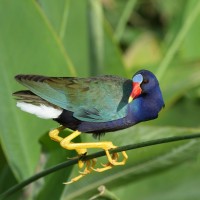 Texas Coast & Big ThicketApril 21 - 29, 2027
 -
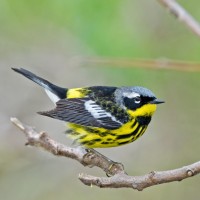 Ohio: The Biggest Week in BirdingMay 4 - 11, 2027
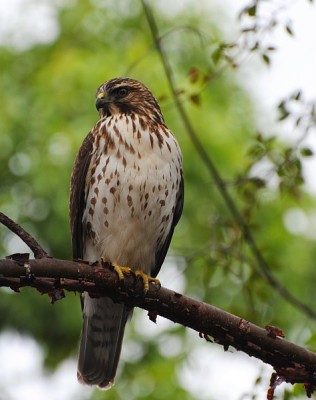
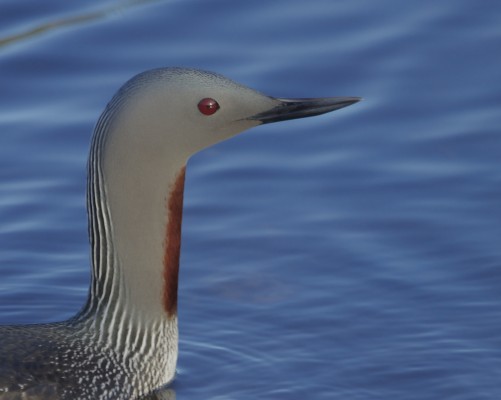
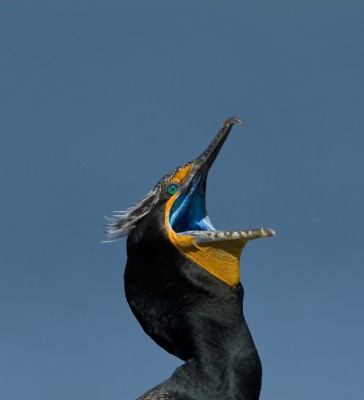
Photo credits: Banners: Whimbrel, Hugh Simmons; Group Birding, Hugh Simmons; Red Knot, Hugh Simmons; Indigo Bunting, Hugh Simmons; Yellow Warbler, Hugh Simmons; Spotted Sandpiper by Hugh Simmons. Overview Gallery Top Row: Broad-winged Hawk, Carlos Sanchez; Laughing Gull, Hugh Simmons; Cape May Warbler, Doug Greenberg; Yellow-crowned Night Heron by Hugh Simmons; Second Row: Osprey, Red-throated Loon, Double-crested Cormorant, Greg Smith; Clapper Rail, Carlos Sanchez Group Photos in Day to Day itinerary by Hugh Simmons Photography.