


Kenya and Tanzania are home to some of the world's most celebrated wildlife destinations, where vast savannas, towering mountains, and ancient volcanic landscapes create an unforgettable backdrop for remarkable birding and safari experiences. From the shadow of Mount Kilimanjaro to the legendary plains of the Serengeti, each day brings new opportunities to observe spectacular wildlife, colorful birds, and breathtaking scenery.
Designed for birders and nature enthusiasts alike, this journey blends iconic East African parks with rewarding birding, immersive conservation experiences, and comfortable lodges in extraordinary settings. Search for more than 500 bird species, witness thriving populations of elephants, lions, giraffes, and countless plains mammals, visit the renowned Sheldrick Wildlife Trust, and enjoy the warm hospitality that has made East Africa one of the world's premier wildlife destinations.
“Throughout the journey, you are immersed in the splendor of wildlife, both mammals and birds. ... East Africa is still the ultimate safari experience, hands down.”
—Peg Abbott, Owner of Naturalist Journeys

Tour Highlights
- Experience unforgettable game drives through Nairobi National Park, Amboseli, Ngorongoro Crater, the Serengeti, and Ndutu, searching for an extraordinary diversity of birds and Africa's iconic mammals.
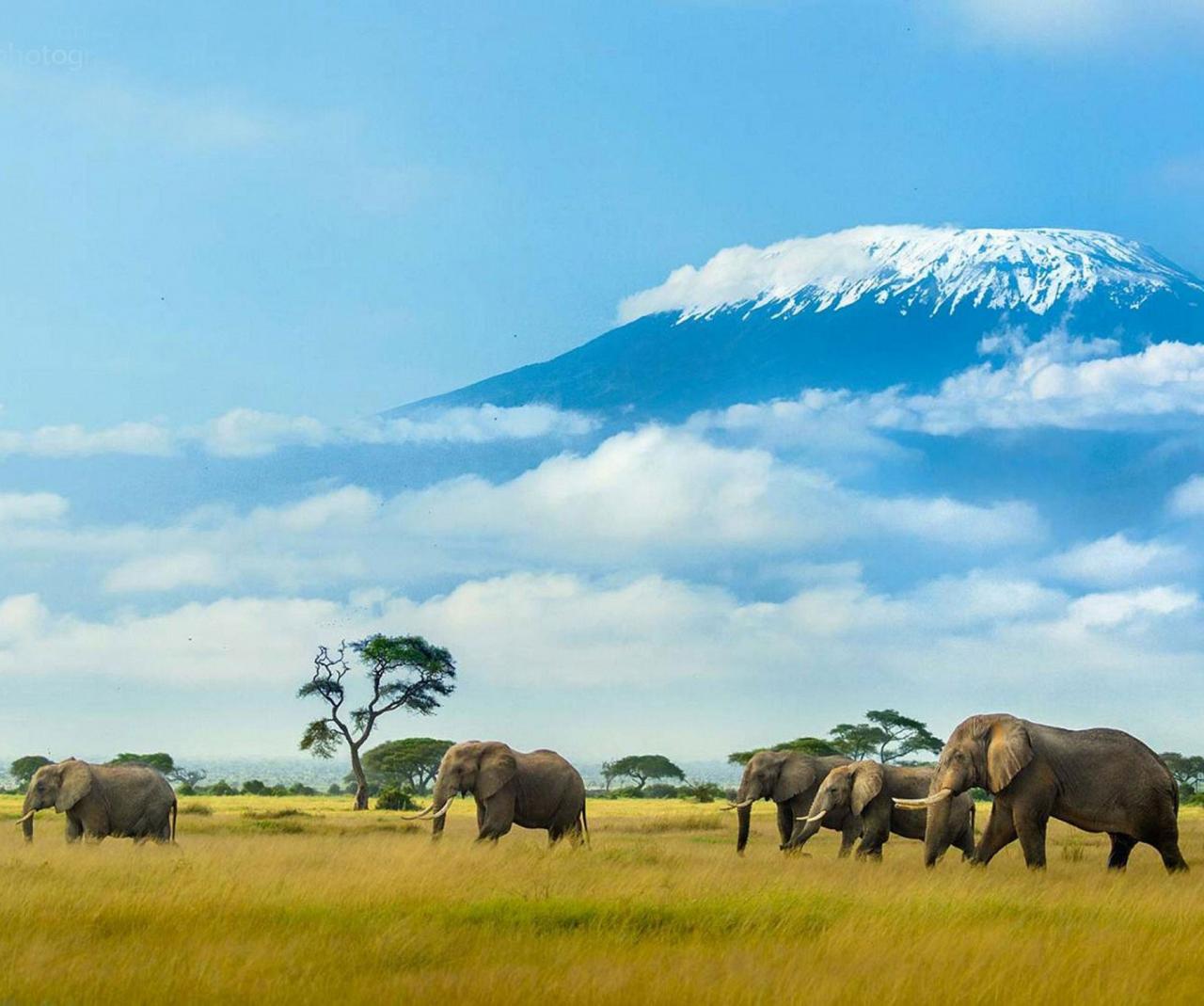
- Marvel at spectacular views of Mount Kilimanjaro rising above Amboseli's marshes and sweeping savannas while observing some of Africa's largest elephant herds.
- Visit the Sheldrick Wildlife Trust to learn about its internationally recognized elephant rescue and rehabilitation program and Naturalist Journeys' conservation partnership.
- Explore the remarkable Ngorongoro Crater, a UNESCO World Heritage landscape renowned for its dense concentrations of wildlife, exceptional birding, and dramatic scenery.
- Search for more than 500 bird species across East Africa's diverse habitats, from savanna grasslands and acacia woodlands to marshes, crater highlands, and the famed Serengeti ecosystem.
- Relax in carefully selected safari lodges and luxury tented camps that place you in the heart of East Africa's wildlife while offering exceptional comfort and memorable hospitality.
Trip Itinerary
Itineraries are guidelines; variations in itinerary may occur to account for weather, road conditions, closures, etc. and to maximize your experience.
Thurs., July 1 Nairobi Arrivals
Please plan to arrive today into Nairobi at your leisure. Upon arrival, rest up or enjoy birding on the grounds. Then enjoy a patio dinner and an early night as we leave early tomorrow to head out to Nairobi National Park. If you are in a few days early you may want to visit the Karen Blixen (Out of Africa) home or other Nairobi sites; we can arrange those visits for you with our local team, please ask.
Accommodations at Emara Ole Sereni Hotel, Nairobi Airport (D)
Fri., July 2 Nairobi National Park
We venture out today to explore Nairobi National Park, Kenya’s oldest. Located just seven kilometers from the edge of the Nairobi city center (Kenya’s capital), this is Kenya’s premier birding location with over 500 species recorded in the park. It has a wonderful variety of habitats, from Whistling-Thorn Acacia scrub to gallery forest along streams to ponds and open savanna. We should see impressive large birds such as Secretarybird, Kori Bustard, Hartlaub’s Bustard, and Saddle-billed Stork. We drive a series of park roads, searching out Spotted Thick-knee, Pangani Longclaw (a meadowlark look-alike), Yellow-throated Sandgrouse, African Quail-finch, Zebra Waxbill, Harlequin Quail, and Violet Wood-hoopoe—to name a few! By our picnic area, we may find African Yellow White-eye, Common Nightingale, Ruppell’s Robin-chat, Northern Pied Babbler, Red-throated Tit, Speke’s Weaver, and more.
In well-watered areas we look for African Water Rail, Black-winged Plover, Little Grebe, Jackson’s Widowbird, and Hamerkop. In open areas, it’s reassuring to have a local expert to help us sort out pipits and larks: Nairobi Pipit, Grassland Pipit, White-tailed Lark, Rufous-naped (now called Sentinel) Lark, Somali (Athi type) Short-toed Lark and those cryptic cisticolas—today perhaps Siffling, Croaking, Desert, and more! And watch the sky, avian predators and scavengers here may include Lappet-faced Vulture, Martial Eagle, African Crowned Eagle, Augur Buzzard, and Wahlberg’s Eagle.
Accommodations at Emara Ole Sereni Hotel, Nairobi Airport (B,L,D)
Sat., July 3 Sheldrick Wildlife Trust | Amboseli National Park
This morning we are in for a treat! After breakfast, we pack up and head out to the Sheldrick Wildlife Trust, an orphan Elephant rescue and rehabilitation program. This morning we visit the Nairobi Nursery, where we learn about the important work this program is doing to help conserve, protect, rescue, and rehabilitate not only the local Elephant population, but also Rhinos, Giraffes, and more. We hope to time our visit for the Elephant's mid day mud bath and milk feed. Naturalist Journeys has sponsored a few of these Elephants and we may have the chance to see them on our visit.
Then, we are off and en route to incredible Amboseli National Park. Entering Amboseli, the first impact is the stellar view of Mt. Kilimanjaro across extensive salt pans. Standing at 19,340 feet, this stunning mountain makes its own weather; afternoon clouds can hide the summit and then it can peek back through again. We arrive late afternoon to check into our accommodations where birding is excellent right on the grounds.
Accommodations at Ol Tukai Lodge (B,L,D)
Sun., July 4 & Mon., July 5 Two Full Days in Amboseli National Park
We head out early and start seeing birds right away: Fischer’s Sparrow-Lark, Red-capped Lark, African Harrier-Hawk, Eastern Chanting-Goshawk, and of course, Lilac-breasted Roller with its kaleidoscope of twenty-seven colors. The physical beauty of Amboseli is simply impressive; past clients have described it as “quintessential Africa.” Giraffe and Elephant are common.
Each day here, we can expect a morning and afternoon game drive. Kilimanjaro is the source of water for myriad underground rivers and springs at Amboseli, and we visit two marshes, each a stunning oasis full of life. Enjoy watching herds of Zebra with young, the little ones frisky, and often hiding behind their moms. Watch herd dynamics; see the dominant female discipline another with just a short switch of her ears. You may be mesmerized by variations in the stripe patterns — particularly on their faces but also on their flanks and bellies. We also see Egyptian Goose, African Spoonbill, Black-headed Heron, and impressive Goliath Heron, the latter being the world’s largest, standing up to five feet tall. Steppe and Martial Eagles may perch in view atop isolated trees, or we may find a crèche of Ostrich chicks guarded by wary parents.
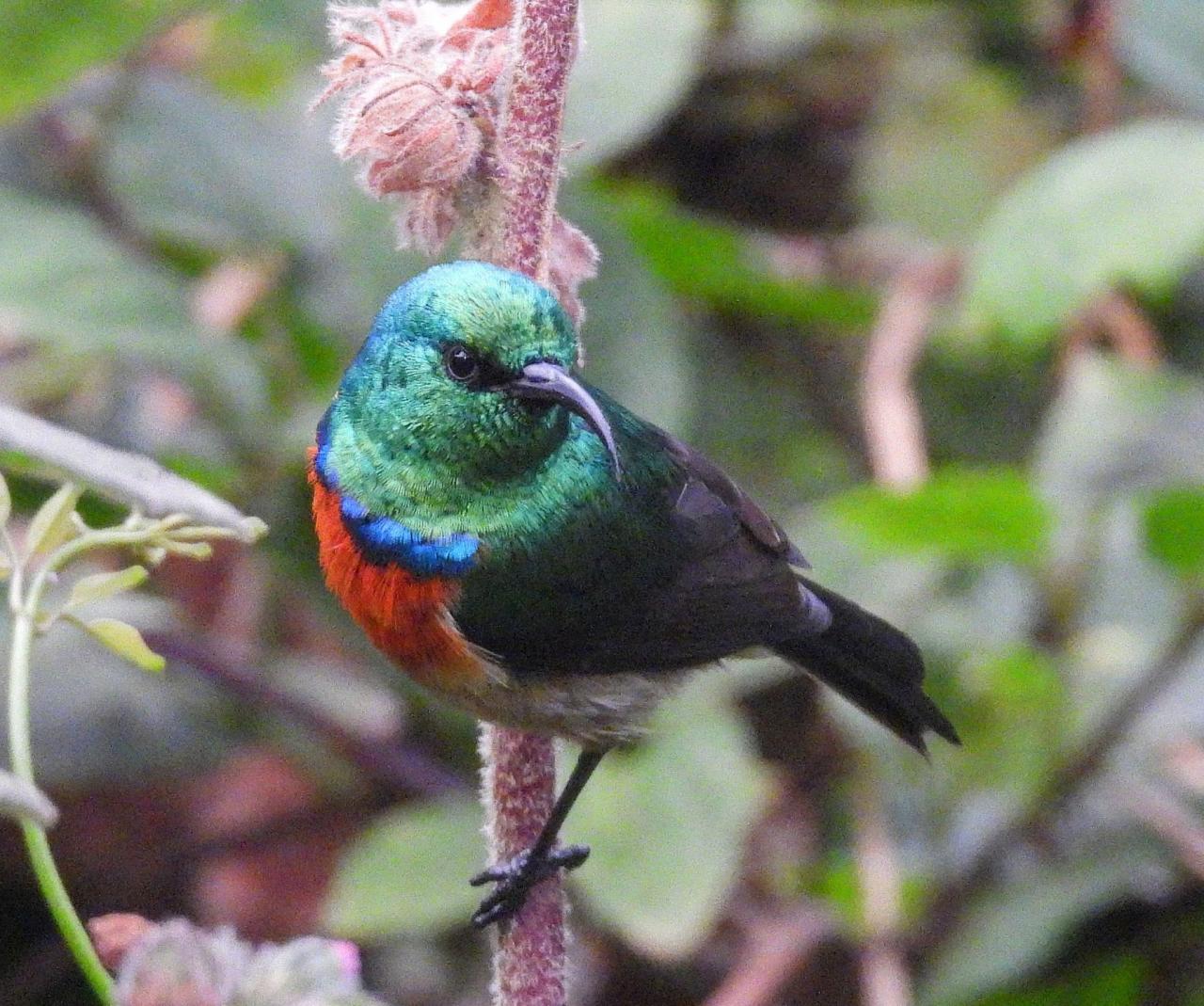
We return to the lodge for lunch, and on the grounds look for African Pied Wagtail, colorful firefinches, and Chestnut Weaver taking drinks from the pool’s edge. White-bellied Go-Away-Bird, Speckled Mousebird, and incredibly bright Beautiful (Gorgeous) Sunbird may feed in flowering acacia trees all around.
After a break, we meet for an afternoon game drive, keeping our eyes open to spot a Fringe-eared Oryx, a fairly rare find of a range-restricted species here at Amboseli. Tall umbrella acacias frame views of Kilimanjaro. What typically steals the show for the afternoon is time with Elephants. It’s amazing to be so close to these giants. They spend time in the water, and when they emerge with their legs so dark against pale, mud-clad bodies, they are startling. The age mix of the herd makes for playful encounters; we have ample time to photograph, watch, and wait for things to happen. There are just SO many Elephants, surrounded by ample numbers of Grant’s Gazelle and Zebra, Hyena, Jackal, and more.
Accommodations at Park Ol Tukai Lodge (B,L,D)
Tues., July 6 Amboseli to Arusha | Lark Plains
As we travel outside the park, we see Maasai in their colorful, red traditional dress, and their bomas, which are clusters of mud-walled homes within a traditional ring of shrubs cut to make a safe enclosure for people and their cattle.
At the border, we say good-bye to our wonderful Kenyan drivers, and move our gear to vehicles that have come from Arusha. After clearing immigration and customs (a simple process here) we head toward Arusha; much of our drive is scenic, and we enjoy seeing birds and wildlife along the way.
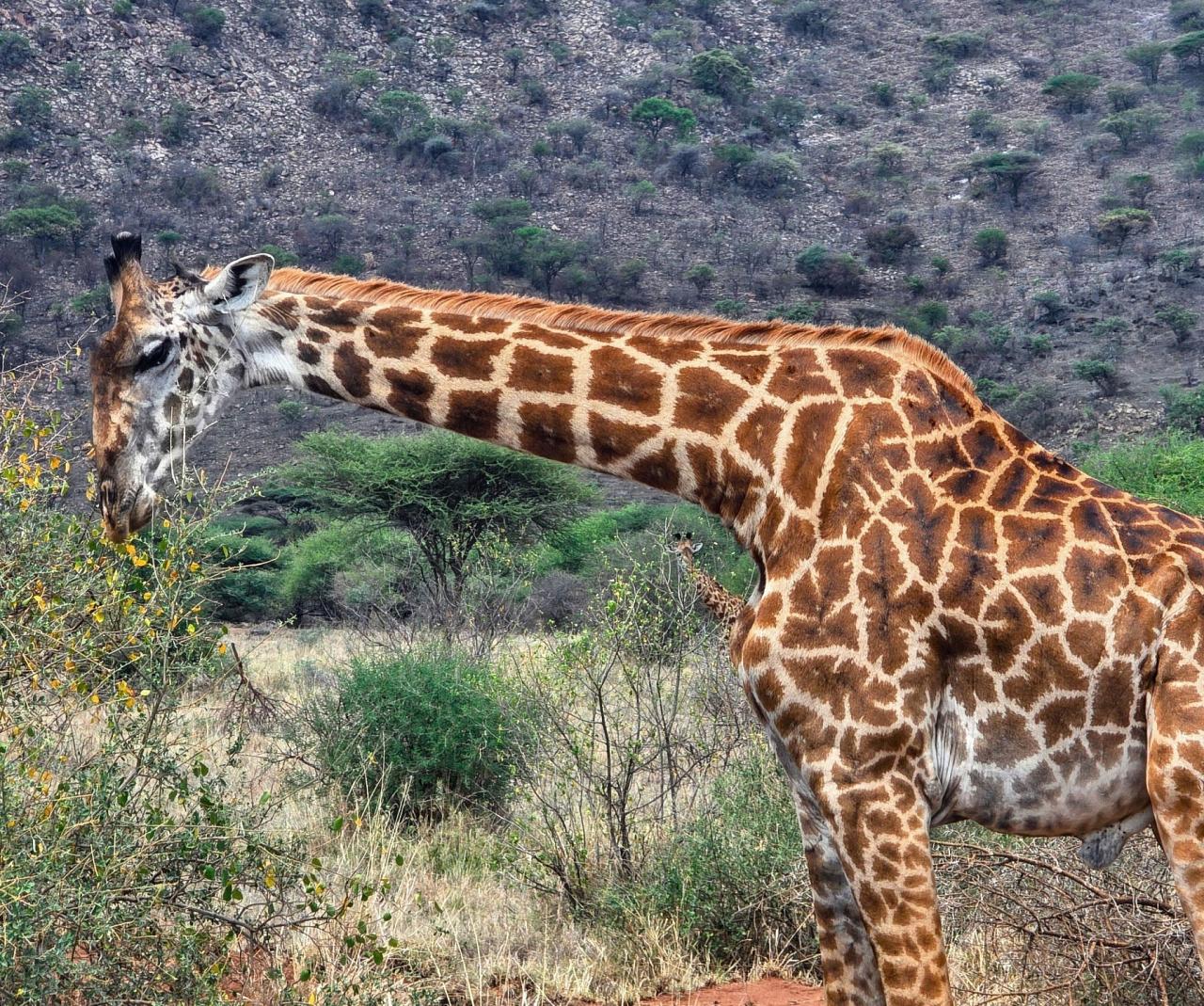
One of Tanzania’s endemic birds, the Beesley’s Lark, is much at home in arid country and on the way to the border we explore this rare bird’s terrain. This is an arid savanna with shrubs and fine views of Mt. Meru and if it’s a clear day, Kilimanjaro. We can find other larks such as Short-tailed, Foxy, and Athi Short-toed, Abyssinian Wheatear, Tiny Cisticola, Pygmy Flacon, Blue-naped Mousebird, Rosy-patched Bush-shrike, and Gray-capped Social Weaver. We spend our time birding, and likely finding Zebra, Maasai Giraffe, Olive Baboon, and White-bearded Wildebeest.
Our hotel is an historic estate; photos of the original settlers are framed on the walls of the of the bar that’s barely changed since colonial times. Outside large shaded trees attract birds and are frequented by troops of black-and-white Mantled Guerezas and there is lovely patio dining with a view of a pond. The staff make us feel welcome as we settle in for the evening.
Accommodations at Mt. Meru Game Lodge (B,L,D)
Wed., July 7 Morning Birding At The Lodge | To Ngorongoro
We enjoy morning birding at the lodge before setting off to Ngorongoro Crater. Our lovely lodge is a comfortable place to settle in. Relax and enjoy birding the grounds. Meals are served in the historic dining room, with lovely views and memorable hospitality. Your rooms have a patio facing the crater. Maasai villagers bring their beautiful beadwork and provide evening dancing and showcase feats of acrobatics.
Accommodations at Ngorongoro Serena Lodge (B,L,D)
Thurs., July 8 Ngorongoro Crater
As we reach Ngorongoro Crater, we witness a landscape that is spectacular to view from above and below. Your first view from the rim down into this fabled crater is unforgettable!. After settling in, we spend the late afternoon birding and watching for wildlife from the rim, finding such beauties as Golden-winged Sunbird. Our lodge is a maze of rock and timbers that blends in perfectly with the rim environment.
Early this morning we descend into the crater, taking a picnic lunch. The Ngorongoro Crater and the Ngorongoro Conservation Area are, without a doubt, some of the most beautiful parts of Tanzania, steeped in history and teeming with wildlife. This protected area is located in the Great Rift Valley and is also known as the eighth wonder of the world. The Crater is actually a gigantic fracture in the earth's crust, consisting of volcanoes, mountains, plains, lakes, forests, and archaeological sites.
At 1600 meters (approximately 5200 ft.) above sea level, the bottom of the Crater is extensive, measuring 265 km (102 miles) square. It is dotted with watering holes and offers shelter to almost 30,000 individual animals in an area naturally enclosed by the slopes of the volcano. It is hard to find this density of mixed mammal species anywhere else in the world. The bird life is largely seasonal and is also affected by the ratio of soda and fresh water on the crater floor. Expect species such as Hildebrandt’s Francolin, Grey Crowned Crane, Fan-tailed Widowbird, Lyne’s Cisticola, Pied Avocet, Yellow-throated Sandgrouse, Black-bellied Bustard, Kori Bustard, Secretarybird, Rosy-breasted Longclaw, Lesser Flamingo, Greater Flamingo, Chestnut-banded Plover, and Rufous-tailed Weaver. We observe the behavior of the abundant wildlife: Lion, Zebra, Hippo, Buffalo, Warthog, Dung Beetle, and Eland are just a few. Considerable research has been done at Ngorongoro and we relate this as we drive. The crater’s Elephant are, strangely, mainly bulls. There are also a small number of rare Black Rhino.
We stay there in the crater until mid-afternoon, then head back to our lovely hotel on the rim. Those that wish to keep birding can enjoy some of the mountain species, such as Black-fronted Bush-Shrike, Oriole Finch, Schalow’s Turaco, African Olive Pigeon, Hunter’s Cisticola, Bar-throated Apalis, Red-collared Widowbird, Rameron Pigeon, White-eyed Slaty Flycatcher, and others new for our route, on the hotel grounds.
Accommodations at Ngorongoro Serena Lodge (B,L,D)
Fri., July 9 & Sat., July 10 Oldupai Gorge | Central Serengeti National Park
This morning we depart and make a lunch stop and visit to the world-famous Oldupai Gorge. The Gorge is famous for the study of human evolution and one of the most significant anthropological sites in the world. A local guide helps us understand the sequence of important finds here. This is an arid area, with fabulous scenery, geology, and colorful bird species, in addition to its renowned history. A recently-expanded museum here has excellent exhibits.
The Serengeti boasts a unique combination of diverse habitats, enabling it to support species of large herbivores, as well as birds. Its landscape includes open grass plains, savannah with scattered acacia trees in the center, wooded grassland, and black clay plains. Small rivers and swamps are scattered throughout. Kopjes are scenic knolls of granite and gneiss outcroppings, great for birds of prey and mammalian predators that use them for resting, nesting, and dens; they are also great for seeing smaller mammals. Central Serengeti holds ecological richness, and healthy numbers of predators, including Lion, Leopard, Cheetah, and smaller cats as well.
Serengeti National Park is undoubtedly the best-known wildlife sanctuary in the world, unequalled in its natural beauty and scientific value. With great concentrations of Wildebeest, Thomson’s Gazelle, Zebra, and many other herbivores, Serengeti forms the greatest view of plains game in Africa and has long been a natural classroom for wildlife biologists, many of whom reside here for years. The visitor center has excellent displays to highlight its iconic wildlife spectacle — the annual Serengeti migration.
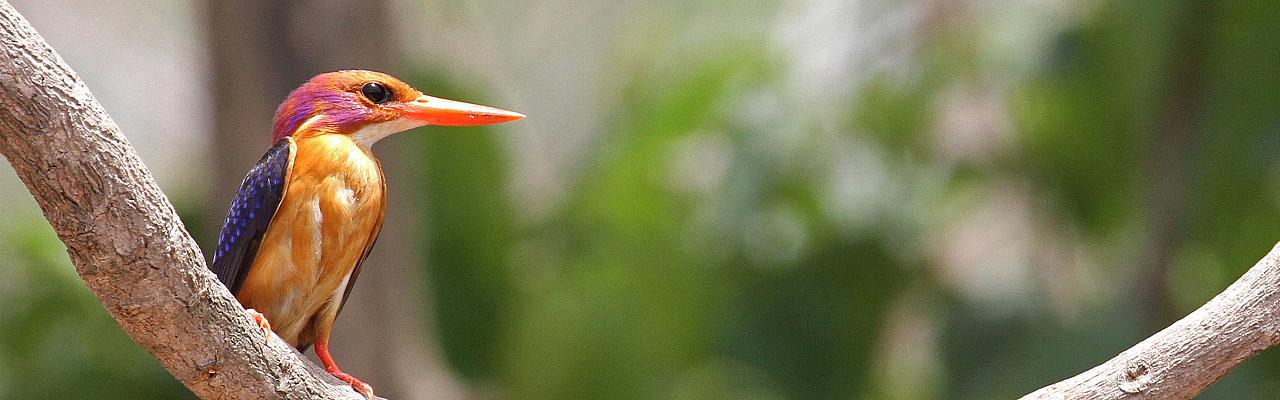
Birding is also legendary in the Serengeti, and in between mammal sightings we find dozens of species! Over 500 species have been recorded, with 53 birds of prey and Secretary Bird among them. Some of the memorable species include colorful Saddle-billed Stork, African Openbill Stork, Lappet-faced Vulture, Tawny and Martial Eagles, Kori Bustard, Meyer’s Parrot, Black Coucal, Swahili Sparrow, Verreaux’s Eagle Owl, Malachite and African Pygmy Kingfishers, Rosy-breasted Longclaw, Chinspot Batis, Fork-tailed Drongo, Beautiful Sunbird, Golden-breasted Bunting, and so many more!
Our lodgings also have an expansive view—including one from your luxury open-air shower! Just opened in 2016, Kubu Kubu is a premium permanent tented camp with stunning vistas of the Serengeti Plains. This camp provides a wonderful blend of nature and creature comforts, including a pool. Rooms are spacious with a wooden deck with views and comfortable seating. You even have a view from your indoor/outdoor shower! Fischer’s Lovebird and a variety of songbirds that may include Purple Grenadier, Grey-capped Social Weaver, Red-cheeked Cordon-Bleu, and Red-billed Firefinch gather in acacia trees just off your patios; wake up calls compliments of Africa.
Accommodations for two nights at Kubu Kubu Camp (B,L,D)
Sun., July 11 To Kogatende | Flight over the Serengeti to Mobile Safari Camp
This morning we have a short flight to ease our travel to Kogatende on the banks of the Mara River. This is a wetter area, in July, with fabulous scenery, geology, and impressive bird species, from the majestic Martial Eagle, charismatic Secretarybird, to the elegant Kori Bustard. We settle into our mobile camp and enjoy an afternoon game drive. We have three nights here, often one of the highlights of our journey.
Accommodations at Gnu Migration Tented Camp (B,L,D)
Mon., July 12 & Tues., July 13 Kogatende Area of the Northern Sergengeti
The wildlife-rich Kogatende area is part of the Northern Serengeti. Leopard, Cheetah, Lion, and other cats are all possible, as well as many grazing animals. On both days we enjoy very extensive game and bird viewing drives in the morning and afternoon. The circle of life is astounding. We often find a kill made before dawn, and watch as vultures, Jackal, and other scavengers wait their turn for the Lion to be done.
Our camp is wonderful, small with a fine sense of hospitality, and you are in the right place to watch the large wildebeest herds march across the plains. For birders it’s also a wonderland, with Taita Fiscal, Magpie Shrike, Southern Ground Hornbill, Bare-faced Go-Away-Bird, Yellow-throated Sandgrouse, African Penduline Tit, Purple Grenadier, Black-faced Waxbill, Blue-capped Cordon-bleu, White-bellied Canary, Southern Grosbeak Canary, Red-throated Tit, Yellow-throated Longclaw, Athi Short-toed Lark, Silverbird, Black-lored Babbler, Black-winged Bishop, Two-banded Courser, White-headed Barbet and many, many more.
While in the Serengeti, we can arrange a hot-air balloon ride for you (an additional cost), timed to watch the sun rise as you drift over the plains, filled at this time of year with wildlife—this is pretty wonderful!
Accommodations at Gnu Migration Tented Camp (B,L,D)
Wed., July 14 Return Flight to Arusha | Mt. Meru
We enjoy some final morning birding around the lodge before boarding a mid-morning flight to Arusha. Once settled at our hotel, we have time to bird the grounds, enjoy one last local lunch, and reorganize before flights home tomorrow. Tonight we have our celebratory farewell dinner, going over our bird list one last time and recounting our favorite memories of the trip.
Accommodations at Mt. Meru Game Lodge (B,L,D)
Thurs., July 15 Departures
Please plan to depart today at leisure. (B)
-
Scenic courtesy of Park Ol Tukai Lodge
-
Masai Giraffe by Stephen Grace
-

Ngorongoro National Park by Stephen Grace
-

Gnu Mara River Migration Camp
-
Eastern Double-collared Sunbird by Stephen Grace
-

Masai by Stephen Grace
-

Cheetah by Stephen Grace
-

African Lions by Stephen Grace
-
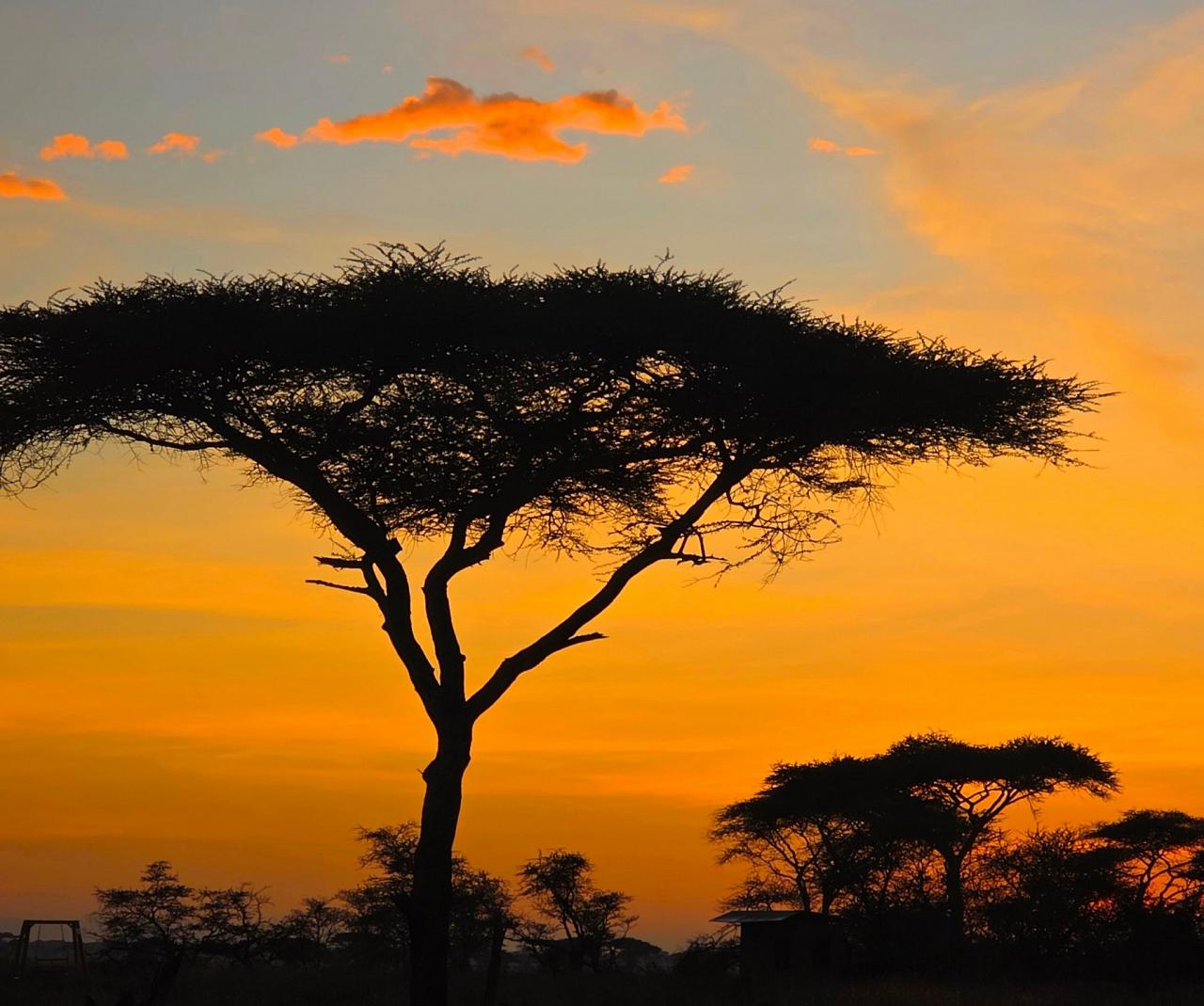
Scenic by Stephen Grace
-

Saddle-billed Stork by Stephen Grace
-

Scenic courtesy of Park Ol Tukai Lodge
-

Standard Room courtesy of Park Ol Tukai Lodge
-

Common Hippopotamus by Stephen Grace
-
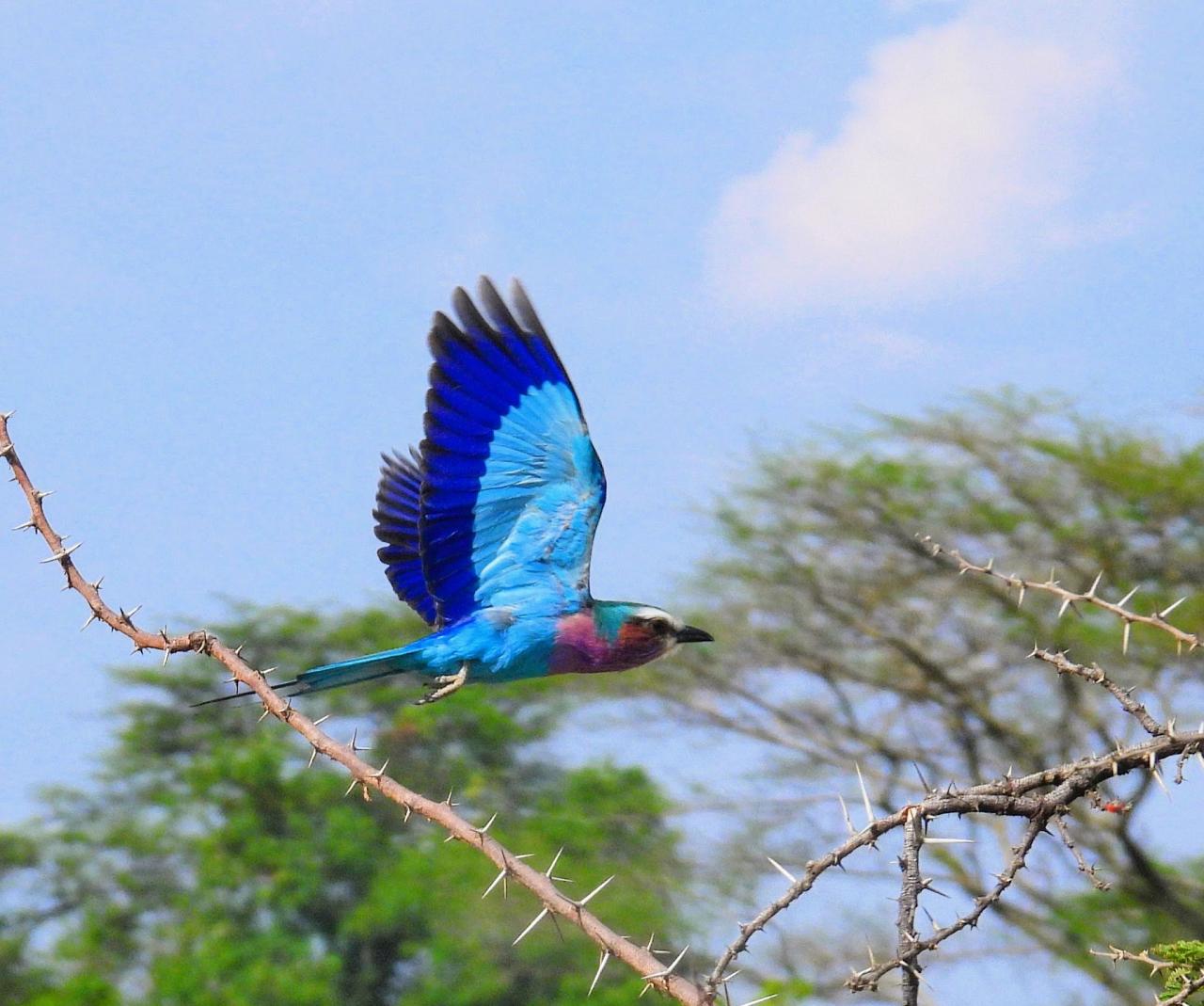
Lilac-breasted Roller by Stephen Grace
-

Park Ol Tukai Lodge
-

Gray Crowned-Crane by Stephen Grace
-

Ngorongoro Serena Lodge
Cost of the Journey
Cost of the 15-Day / 14-Night East Africa safari is per person, based on occupancy: $14,490 DBL / $16,340 SGL from Arusha, Tanzania.
This cost includes: Accommodations for 14 nights, all meals as specified in the itinerary, professional guide services, other park and program entrance fees, and miscellaneous program expenses. All tips other than your NJ guide (optional) and local guide(s) are included (this includes tips for your local guide, driver, lodge and staff, day activity, meals and other services).
Tour costs do not include: Round-trip transportation from your home city to Nairobi, departing Arusha, optional activities, or items of a personal nature such as laundry, telephone charges, or beverages from the bar; personal, medical, cancellation insurance. The optional the hot air balloon ride is estimated at $599; it is best to plan in advance to secure space, by the final payment due date is recommended.
Travel Details
Please plan to make air travel plans only after the minimum group size has been met. We will send you a confirmation email as soon as the trip has been confirmed.
Arrival Airport: Jomo Kenyatta International (NBO)
Arrival Details: Plan to arrive no later than July 1, 2027, though we recommend you come in at least a day early. Please note that to arrive today, you will need to depart the USA a day or two in advance according to your flight route.
Departure Airport: Kilimanjaro International Airport (JRO) in Arusha
Departure Details: Please plan departure flights a leisure on July 15, 2027.
Travel Tips: If you arrive early to rest up from your travels, you can book an early night at our first night tour hotel, the Ole Sereni Hotel. You can book online and send us the confirmation number, with the goal being you won’t have to switch rooms. The hotel is a great place to unwind and relax after a long flight. The patio has a nice view of Nairobi National Park and there are two restaurants, a bar, and a pool. Birding is really good right from the patio.
Entry Requirements: See "Essential Information" section under the "Know Before You Go” tab.
Browse below for trip reports and species lists from past versions of this and other tours from this destination.
Tanzania
- February 2017
- February 2018
- February 2019
- February 2020
- February 2023
- February 2024
- February 2025
- October 2025
- February 2026
Southern Tanzania
- September 2023
-
Kip Miller

Kip Miller worked 36 years as a park naturalist in southwest Michigan, before moving to Colorado Springs in 2019 to be closer to mountains and his grandkids. He enjoys sharing his enthusiasm for birds and believes birding is more fun in shared company. He has been organizing and leading birding events, tours and local field trips since the 1980s. Kip has experience guiding in most regions of the United States, including Alaska, and has organized and co-led tours to many international destinations as well. His other outdoor passions include mountain biking, backroads cycling, hiking, Nordic skiing and walking his dogs—all activities that provide good opportunities for casual bird observations as a bonus!
Other trips with Kip Miller
-
 Belize: A Short & Sweet Birding Blitz FULL - See our 2027 departures!December 5 - 11, 2026
 -
 Lesvos, Greece: Migration!April 18 - 25, 2027
 -
 Classic Alaska: Birding & Wildlife: Anchorage, Nome, Seward & Kenai Fjords FULL - Check out Nome Sweet Nome or our Alaska Sampler!June 4 - 13, 2027
 -
 South Africa: Birding & Wildlife Safari Designed to pair with Namibia.September 19 - October 3, 2027
-
Essential Information +
Pace & Protocols +
Packing List +
Suggested Reading List +
Useful Links +
Photo credits: Banners: Elephants by Peg Abbott; Saddle-billed by Greg Smith; Africa Pygmy Kingfisher, by Gisela Gerson Lohman-Braun; Wildebeest and Zebra by Peg Abbott; Giraffes under Baobab by Peg Abbott; Leopard by Greg Smith; African Fish Eagle, Crowned Crane, Elephant with Infant, Lion Cub, Yellow-billed Stork Rookery, Zebra Greeting, European Bee-eater, Wildebeest and Calf by Peg Abbott; Secretary Bird, Peg Abbott; African Hoopoe, Peg Abbott; Knob-billed Duck, Peg Abbott; Yellow-necked Spurfowl, Peg Abbott; Gazelle, Peg Abbott; Malachite Kingfisher, Peg Abbott; Red-billed Hornbill, Greg Smith; Arusha National Park, Peg Abbott; Striped Kingfisher, Peg Abbott; Black-and-white Colobus, Peg Abbott; Lilac-breasted Roller, Peg Abbott; Ndutu Sunrise, Peg Abbott; Zebra, Peg Abbott; Wildebeest, Peg Abbott; Kori Bustard, Peg Abbott; Tawny Eagle, Peg Abbott; Red-cheeked Cordon-blue, Peg Abbott; Fork-tailed Drongo, Peg Abbott; Rosy-breasted Longclaw, Peg Abbott; Bar-throated Apalis, George Bakken; Giraffe, Peg Abbott; African Fish Eagle, Peg Abbott; Chestnut-bellied Sandgrouse, Washington Wachira; Saddle-billed Stork, Peg Abbott; Greater Flamingo, Bob Rodrigues; Chestnut-banded Plover, Bob Rodrigues; Bat-eared Fox, Peg Abbott; Blue-cheeked Bee-eater, Peg Abbott; Brown-crowned Tchagra, Peg Abbott; Crowned Crane, Peg Abbott; Hammerkop, Peg Abbott; Helmeted Guineafowl, Peg Abbott; Ostrich, Peg Abbott; Red-billed Oxpecker, Peg Abbott; Sandgrouse, Peg Abbott; Yellow-billed Stork, Peg Abbott; Red-headed Barbet, Peg Abbott.