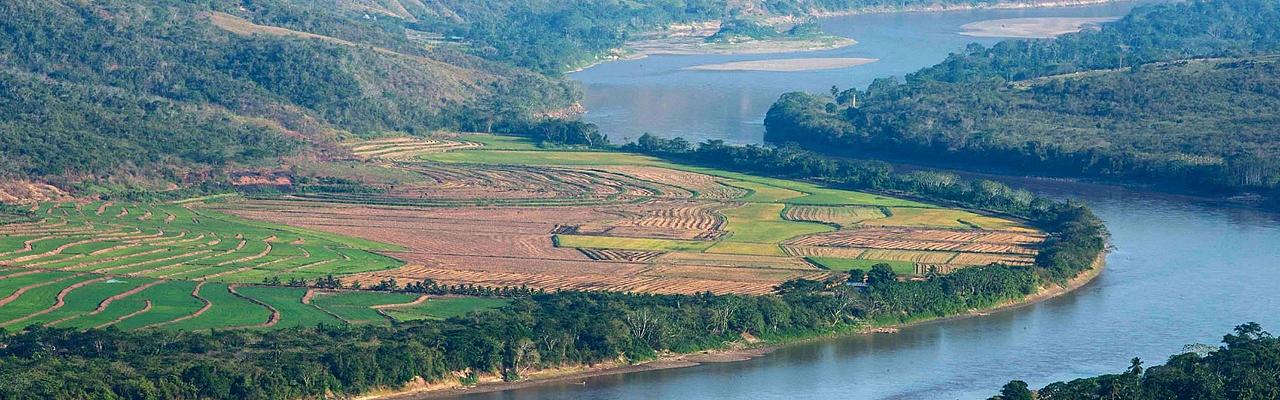
The second in our series of in-depth hummingbird journeys, this shortened version of our popular Northern Peru trip follows an enchanting birding loop from Tarapoto, Peru’s “City of Palms.” Designed in true Naturalist Journeys style, the route combines three-night stays at two of the renowned birding lodges on our route with minimal driving and an easy one-hour group flight from Lima included at either end. Along the way, we explore a remarkable range of habitats and landscapes, from lush lowland jungle and wetlands to forested Andean foothills, arid terrain, and even a cave where enigmatic Oilbirds can be seen from the road.
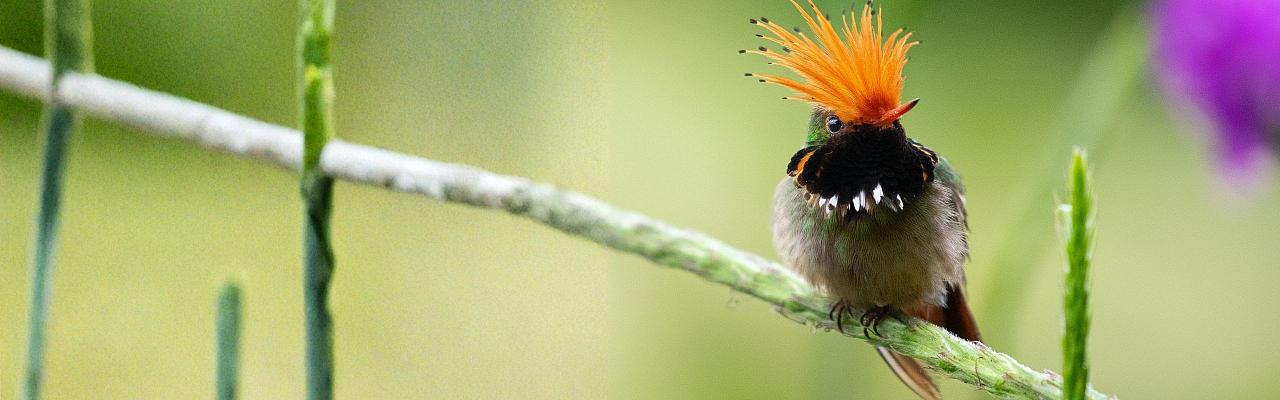
Northern Peru is a wonderful place to immerse yourself in the dazzling world of hummingbirds, with more than 40 species possible, including several endemics. Feeders and gardens offer relaxed opportunities to watch and photograph these jewel-like birds, while the surrounding forests bring toucans, parrots, woodpeckers, antbirds, and other tropical treasures. We visit private reserves run by local people, making conservation and community-based ecotourism an important part of our journey. From the rare Koepcke’s Hermit near Tarapoto to Wire-crested Thorntail, Black-throated Hermit, and Rufous-crested Coquette at Waqanki Lodge, each stop brings new possibilities. At Norbil’s Arena Blanca Lodge, we experience the inspiring work of Norbil and his son as they restore habitat and welcome visitors to their remarkable community-based ecotourism project. Our journey concludes near Moyobamba, the “City of Orchids,” where Waqanki’s lush gardens, hummingbird feeders, orchids, and heliconias provide a beautiful finale to our exploration of northern Peru.
Throughout the trip the sites we visit hold high conservation value and your visit supports research and resource protection.
“An excellent small group trip to search for birds in northern Peru, particularly endemics, staying in a variety of accommodations including birding lodges, hotels, and one private residence. Our guide, Andrea Molina, is outstanding and teamed extremely well with the driver to ensure everyone had a chance to see all the available birds. Highights: The fantastic scenery of Northern Peru and exposure to a different culture; seeing all the different varieties of hummingbirds especially the Marvelous Spatuletail; and seeing the Long-whiskered Owlet, although the hike to see it was extremely challenging!” — Judy Steenhoven, 2023 Traveler

Tour Highlights

  • Observe the stunning Marvelous Spatuletail, arguably the most beautiful hummingbird in the world, along with over 40+ other species including Royal Sunangel, Rainbow Starfrontlet, and Emerald-bellied Puffleg
  • Observe and learn about Peru’s incredible hummingbirds—45-50 species can be expected on this trip!
  • Spend three nights each at two famous birding lodges: Waqanki and Owlet where we find a host of Peruvian endemic species
  • Seek the Long-whiskered Owlet, a mythical denizen of stunted high elevation forest, first mist-netted on the night of August 23, 1976
  • Look down on the nocturnal fruit-eating Oilbird, one of the oddest birds on the planet
  • Immerse yourself in dramatic Andean landscapes, from arid valleys to lush cloud forests
  • Sample Peru’s culinary delights, now famous around the world, such as chicha morada and causa rellena
  • Renew your spirits as you bird brilliant gardens where orchids and other blooms abound

Trip Itinerary

Itineraries are guidelines; variations in itinerary may occur to account for weather, road conditions, closures, etc. and to maximize your experience.

Tues., July 13      Arrive in Lima

Welcome to Peru! There are no tour activities planned today since many flights land in the evening, most of them after dinner. If you do wish to come in early we can request a city tour or a birding outing for you at additional cost—please let us know. Otherwise plan to arrive at a time convenient for you, rest up, and tomorrow (early) the adventure begins!

The Grand Costa del Sol Hotel is newly renovated and delightful, and it’s a simple walk across the street on a dedicated walkway from the airport terminal. There are carts or porters to help with bags if needed. So plan to arrive at your convenience and those of us who arrive by dinner can join together casually in the on-site restaurant. They offer Peruvian and International cuisine. This is a 5-star, modern hotel with nice ambiance, notable Peruvian art, a heated pool, and fitness center.
Accommodations at Lima Airport Grand Cosa del Sol

Wed., July 14     Morning Flight to Tarapoto | Wetland Birding at Ricuricocha Lagoon

Breakfast is available at the hotel, and we plan to book a group flight as early as possible—typically it is a 7:00 or 8:00 AM flight to Tarapoto. We then have the rest of the day for some wonderful field time with birding at Ricuricocha Lagoon. Bird sightings here at the 90-acre lagoon with emergent vegetation often include Black-bellied Whistling Duck, Comb Duck, Speckled Chachalaca, Least Grebe, Southern Lapwing, Limpkin, Striated and Cocoi Herons, both Pearl and Snail Kites, Purple Gallinule, Wattled Jacana, Blue Ground-dove, Canary-winged Parakeet, Red-stained Woodpecker, Straight-billed Woodcreeper, Barred Antshrike, Smooth-billed Ani, and Rusty-fronted Tody-flycatcher, as well as a variety of possible crakes and rails. This rain-fed lagoon is a low elevation birding site, about 1000 feet above sea level, and we look for Planalto Hermit here, a hummingbird of the Amazon region.

We enjoy a local lunch, and check in to our hotel. After a siesta we choose one of the many local hotspots for a short afternoon outing, or have an early dinner and head out for some night birding, pending what has been sighted over the last few weeks.

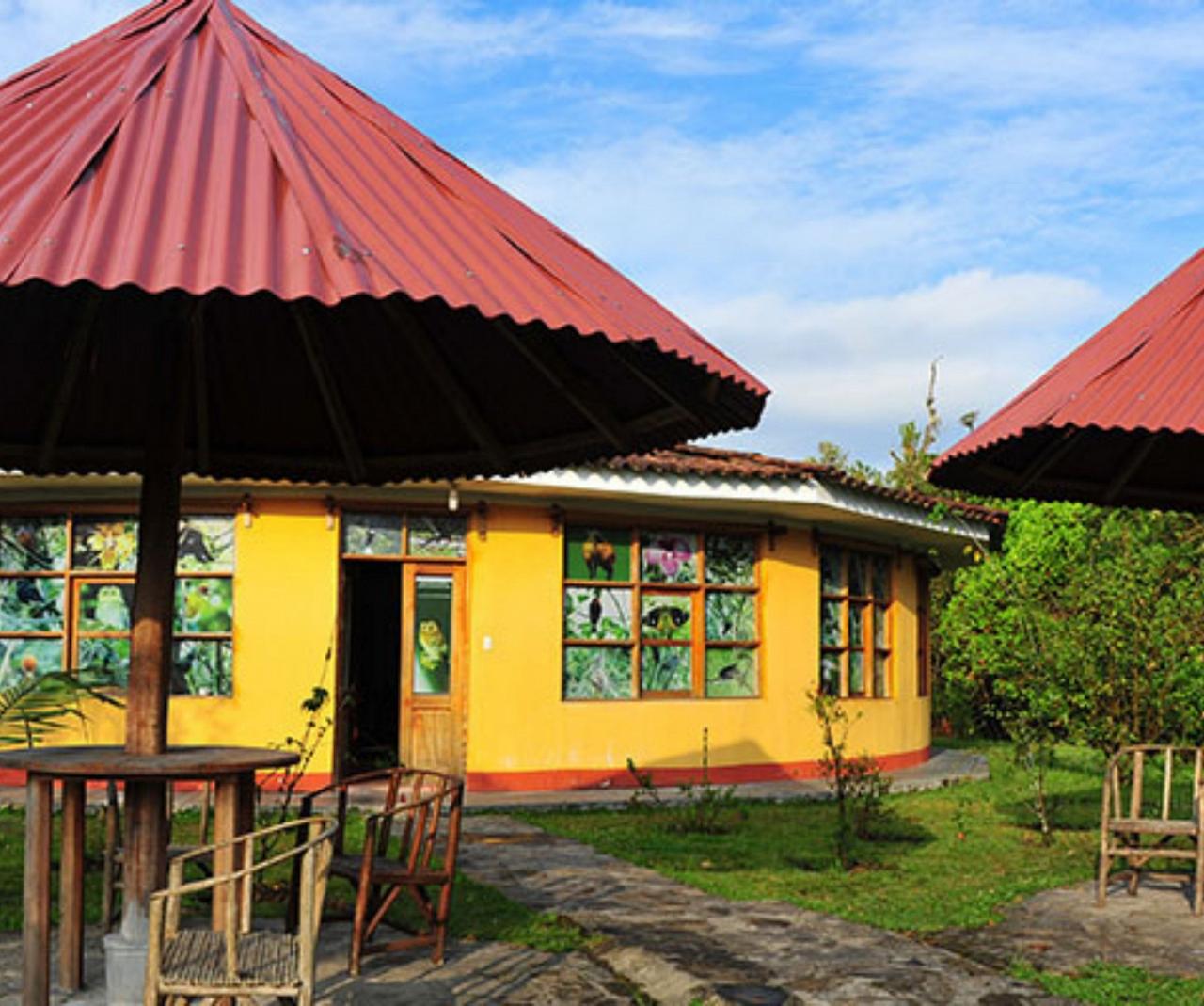
Our hotel is modern and close to both the airport and the main city square. It has an outdoor pool, indoor and patio dining, and spacious rooms equipped with a kitchenette facility and a balcony. Dinner is at the hotel, with an optional happy hour when we typically tally up our sightings. 
Accommodations at Tucan Suites Aparthotel, Tarapoto 

Thurs., July 15     Full Day Tarapoto Area | Yurimaguas Road – Cordillera La Escalera

After breakfast at the hotel, we start the day at Huallaga River dry forest, near the Shapaja district, in the San Martín province, one hour away from our hotel. A local garden recently set up feeders to attract antbirds, crakes, hummingbirds, woodpeckers, and more. Other possibilities include Russet-crowned Crake, Northern-slaty Antshrike, Chestnut-tailed Antbird, Chestnut-Headed Crake, White-Browed Antbird, Long-billed Woodcreeper, and many other species.

Back for lunch at Tarapoto and then we are off for a full afternoon birding the tunnel area along the Tarapoto-Yurimaguas Road, a very productive birding site around Tarapoto that climbs (by road) to the summit of La Escalera in the Cordillera Escalera. Its elevation gradient offers a mix of lowland and foothill species, being a particularly good site for the widespread, yet scarce, Dotted Tanager—most likely found by checking fruiting Cecropia trees.

Lunch is at El Mono y La Gata followed by an afternoon of feeder time at Aconabikh Reserve, a conservation property managed by a private foundation where the endemic Koepcke's Hermit and stunning Gould's Jewelfront may occur. We could also see Great-billed Hermit, Sapphire-spangled Emerald, and Amethyst Woodstar at these excellent feeders.

We enjoy another evening at our lovely hotel before we head out into “the bush” tomorrow!
Accommodations at Tucan Suites Hotel (B,L,D)

Fri., July 16   Marsh Birding | Oilbirds at Quisqarumi Bridge | Arena Blanca Reserve

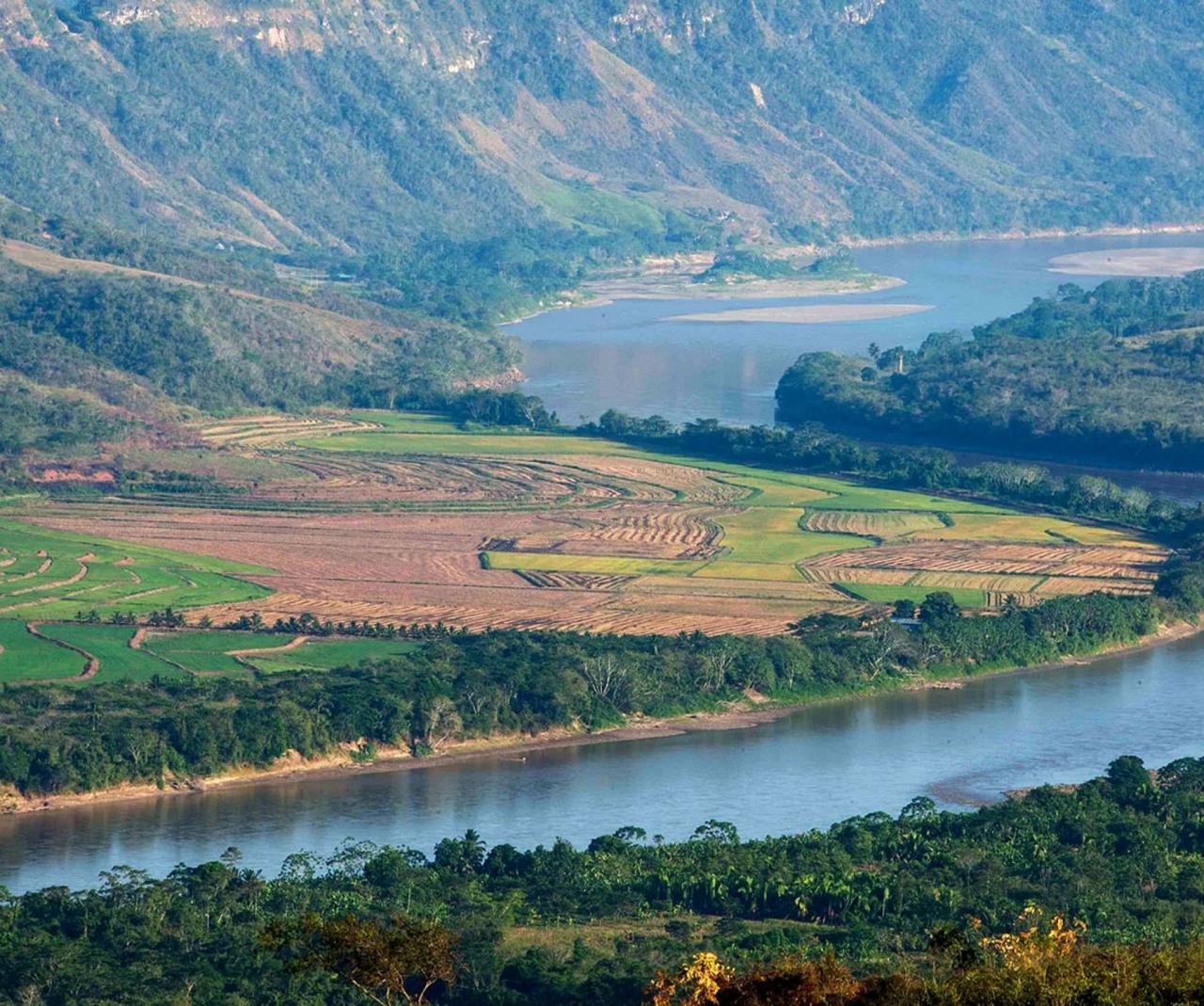
We leave Tarapoto today, heading to Arena Blanca Reserve. About an hour away we stop for some marsh birding and we also check rice fields of the wide Mayo Valley that attract waterbirds along the way. Drive time is about four-and-a-half hours and we break up the travel time with a few excellent birding stops on the way.

It’s hard to imagine, but along a busy highway, viewing from a famous bridge, we get a glimpse into the lives of one of nature’s most amazing species—a nocturnal fruit-eating bird known as the Oilbird. This is perhaps the most accessible viewing site in the world. We peer down into a deep cave-like ravine where they roost during the day.

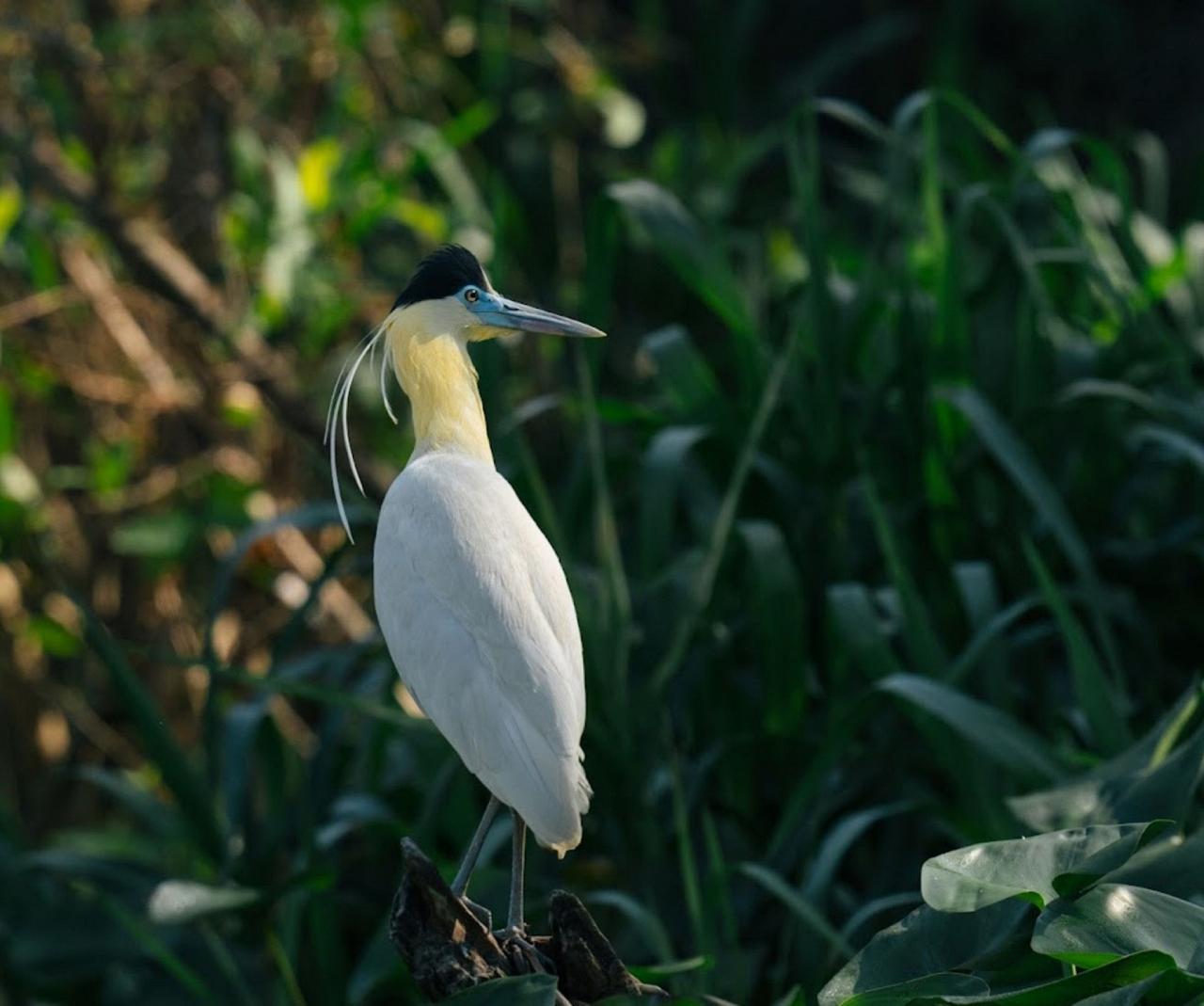
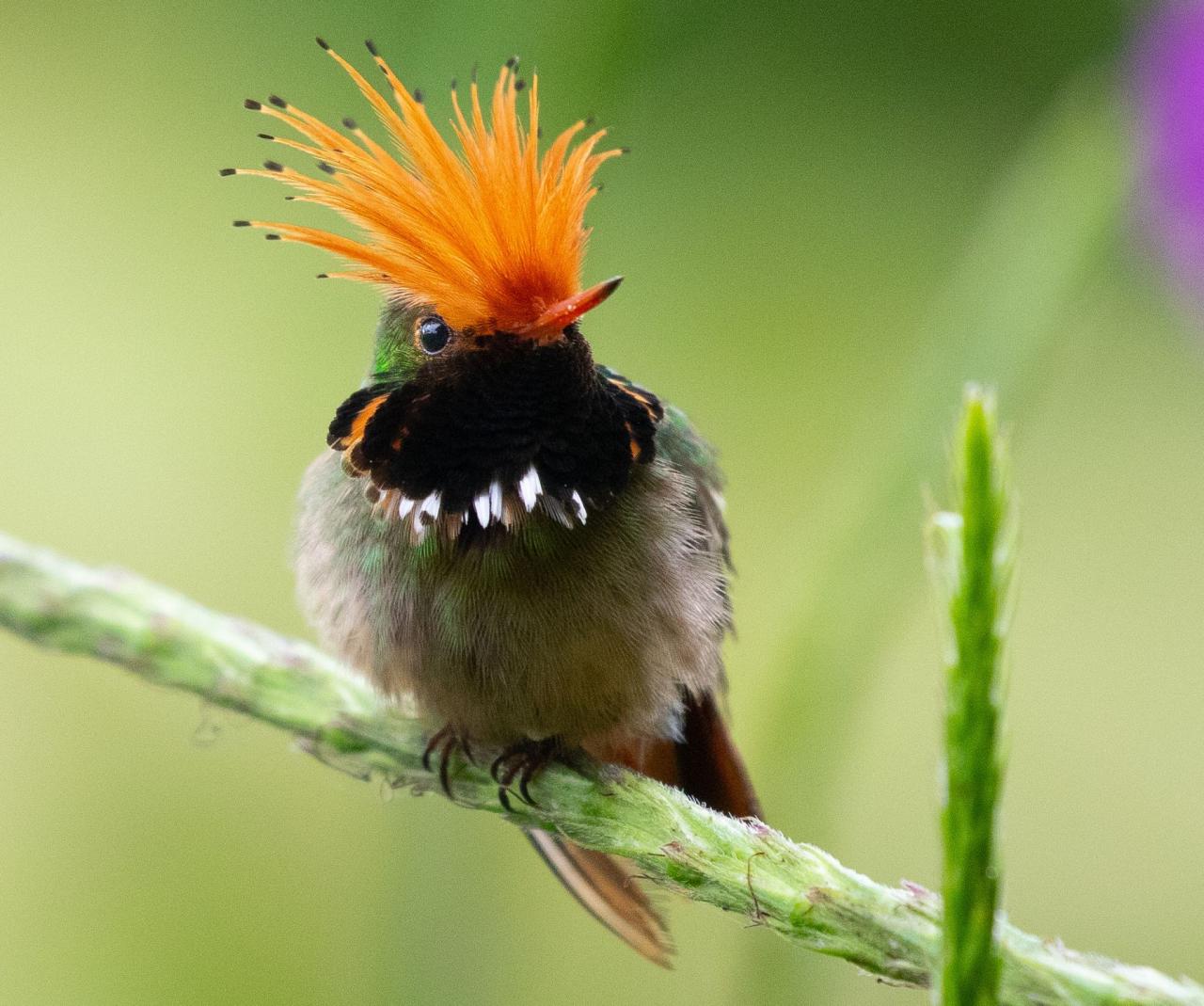
We have lunch at a restaurant in Moyobamba at the well-known Yacumama restaurant. Here we can bird a series of small lagoons and wetlands where Point-tailed Palmcreeper, Black Caracara, several kingfishers, and Capped Heron can be seen. By mid-afternoon, we arrive to a wonderland—the private, family-run Norbil Lodge and Arena Blanca Reserve where the Becerra family has transformed a life of logging to one of conservation with remarkable feeding stations that attract rare species. Here we have a great chance to see the dazzling Wire-crested Thorntail and jaunty Rufous-crested Coquette, among many other hummer specialties. Almost 500 bird species have been recorded at this eBird hotspot!

Our lodgings here are very simple, yet comfortable and we have the whole place, so it is well worth it to stay on property, immersed in this incredible project and place. We have time to really study the species here and hummingbirds abound! Over 30 species of hummingbirds have been recorded, and on a typical visit we may see 15 or more species, including Blue-fronted Lancebill, Rufous-throated Sapphire, Rufous-crested Coquette, Black-throated Brilliant, Many-spotted Hummingbird, Little Woodstar, and more.
Accommodations at Norbil Lodge, Arena Blanca Reserve (B,L,D)

Sat., July 17       Morning at Arena Blanca Reserve | Drive to Owlet Lodge

We begin at dawn when we have the best chance to search for Buff-tailed Sicklebill. By 7:00 AM we want to be in a hide where Cinereous and Little Tinamous, Gray-cowled Wood-Rail, and possibly Rufous-breasted Wood-Quail may come in to feed. We enjoy a full breakfast after the show.

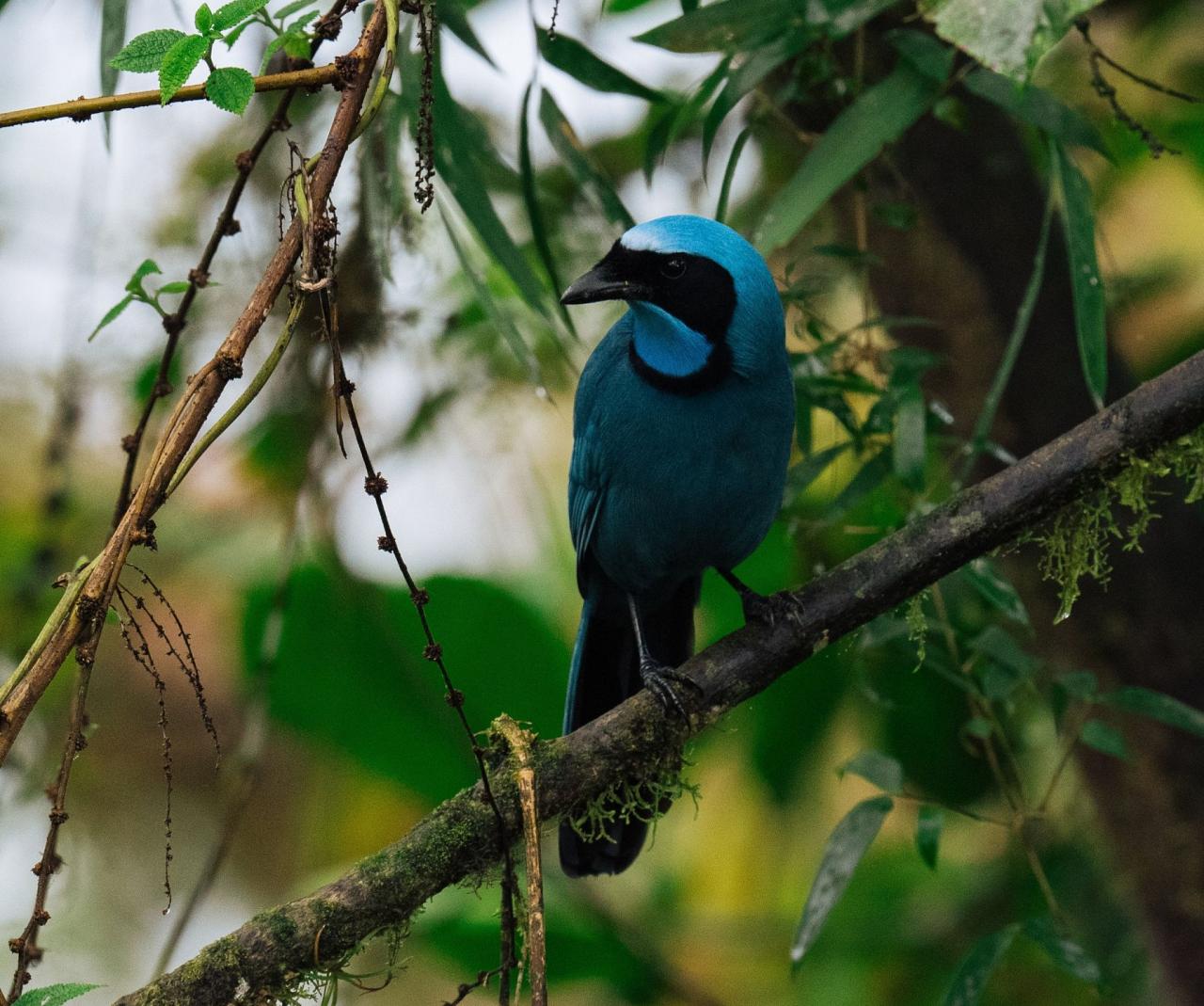
After our breakfast it’s breakfast time for the birds, with feeding planned at another hide where we may find woodcreepers and an array of colorful tanagers in mixed flocks that may include Turquoise, Blue-necked, Masked, White-lined, Black-bellied, and Guira plus honeycreepers and euphonias. The gardens attract Hauxwell’s Thrush, Fiery-capped Manakin, Peruvian Warbling Antbird, Golden-collared Toucanet, and Red-billed Parrot, to name just a few of the many species here.

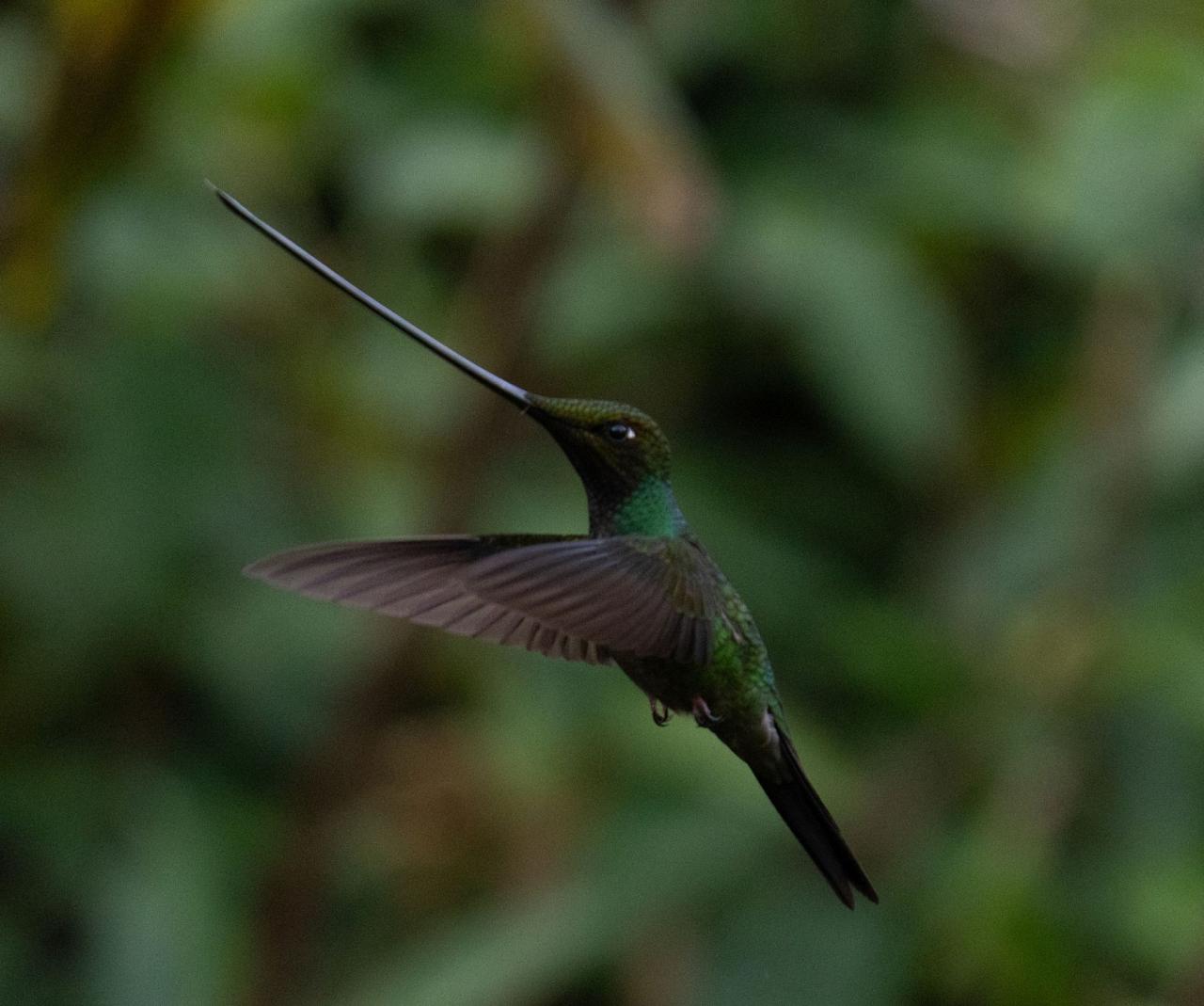
The drive is about an hour and a half, traveling from 3000 feet at Arena Blanca and ascending into the mountains. On arrival, the feeders may be teaming with activity! We are in the Abra Patricia cloud forest now, at 8000 feet, and characteristic hummingbird species greeting us include Chestnut-breasted Coronet, Collared Inca, Fawn-breasted Brilliant, and White-bellied Woodstar. Two stars often steal the show, the dazzling Long-tailed Sylph and the shocking Sword-billed Hummingbird. Any number of other species may be active in the garden and fortunately we have several days to explore and enjoy them.
Accommodations at Owlet Lodge (B,L,D)

Sun., July 18 & Mon., July 19     Birding Abra Patricia | Marvelous Spatuletail & More

What a place to wake up, perhaps to the calls of Golden-headed Quetzal or Masked Trogon. Owlet Lodge is situated in a magical cloud forest of the 25,000 acre Abra Patricia Reserve. We can walk a number of trails looking for Sword-billed Hummingbird, Booted Racket-tail, and Collared Inca, as well as secretive antpittas, dazzling tanagers in mixed flocks, Southern Emerald Toucanet, Crimson-mantled Woodpecker, and several endemic flycatchers. We have two full days, and we mix walks at the lodge with driving to other nearby locations.

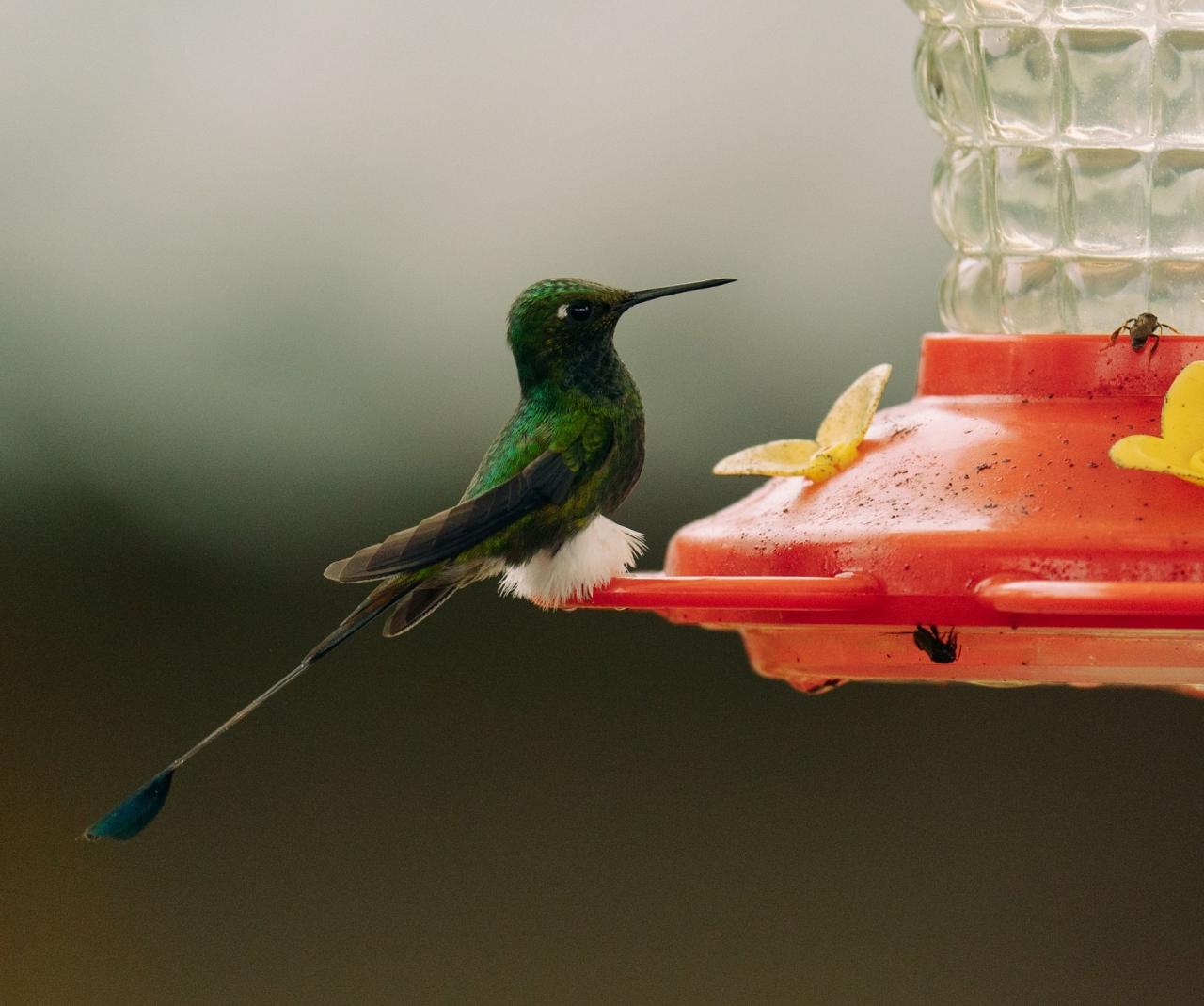
On a key outing we venture out to more open areas where we hope to feast our eyes on what many describe at the most beautiful of hummingbirds: the endemic and highly range-restricted Marvelous Spatuletail. There are several local sites where we have had good success, including in the village at Huembo, near Pomococha Lake, and more. As we watch for them, we observe other beauties such as Long-tailed Sylph and both Royal and Purple-throated Sunangels.

With favorable weather, we love to feature night-birding at Owlet Lodge, with excellent chances to see the legendary Long-whiskered Owlet, an endangered species. We could also see or hear Cinnamon Screech-Owl, White-throated Screech-Owl, Yungas Pygmy Owl, Stripe Owl or possibly Rufous-banded Owl.

Throughout the trip and on these days, the sites we visit hold high conservation value and your visit supports research and resource protection. One of these sites is Fundo Alto Niebla, where they feed two species of antpittas (Rusty-tinged and Ochre-fronted). They have a great forest for mixed flocks, too, that often include Green-and-black Fruiteater, Metallic-green Tanager, Beryl-spangled Tanager, White-capped Tanager, and Barred Becard. The reserves excellent hummingbird feeders often buzz with Royal Sun Angel, Peruvian Racket-tail, Greenish Puffleg, Bronzy Inca, and more—this is a special place. Mammals we hope to see throughout our time in and around Owlet Lodge include several primates, including the endemic and endangered Yellow-tailed Woolly Monkey, Andean Saddle-backed Tamarin (adorable), San Martin Titi Monkey, and with luck, Peruvian Night Monkey.  
Accommodations at Owlet Lodge (B,L,D)

Tues., July 20   Owlet Lodge to Waqanki Lodge | Rice Fields & Wetlands

After breakfast we head back in the direction of Tarapoto, with three nights at wonderful Waqanki Lodge. The name comes from the local name for canopy-dwelling Fiery-throated Fruiteater which can be found on the property.

On the way to Waqanki, we stop at rice fields and wetlands looking for a variety of species including Masked Duck, Black-capped Donacobious, Pale-eyed Blackbird, Lanceolated Monklet, and others. We have lunch in the Milan Restaurant in Moyobamba, and plan to arrive at the lodge mid- to late-afternoon to check out grounds and gardens that are so rich with birds.

Tucked into the eastern foothills of the Andes in northern Peru, Waqanki Reserve is a private, family-run sanctuary where birds and orchids take center stage. We can explore over 250 acres of protected forest here, where the influence of the Amazonian lowlands is still strong. Right from the lodge we can access trails that wind beneath the canopy, and climb the observation tower for sweeping views over the treetops. The private gardens here are like no other in the region, with more than 250 flowering species—one of the finest botanical displays in Peru.

With over 400 bird species recorded on-site, Waqanki is a true hotspot for birders of every level. At various hummingbird feeders set out in the garden and above it on a terrace, watch more than 20 species of these winged gems dart and glitter in the light, including the dazzling Rufous-crested Coquette and the iridescent White-chinned Sapphire.

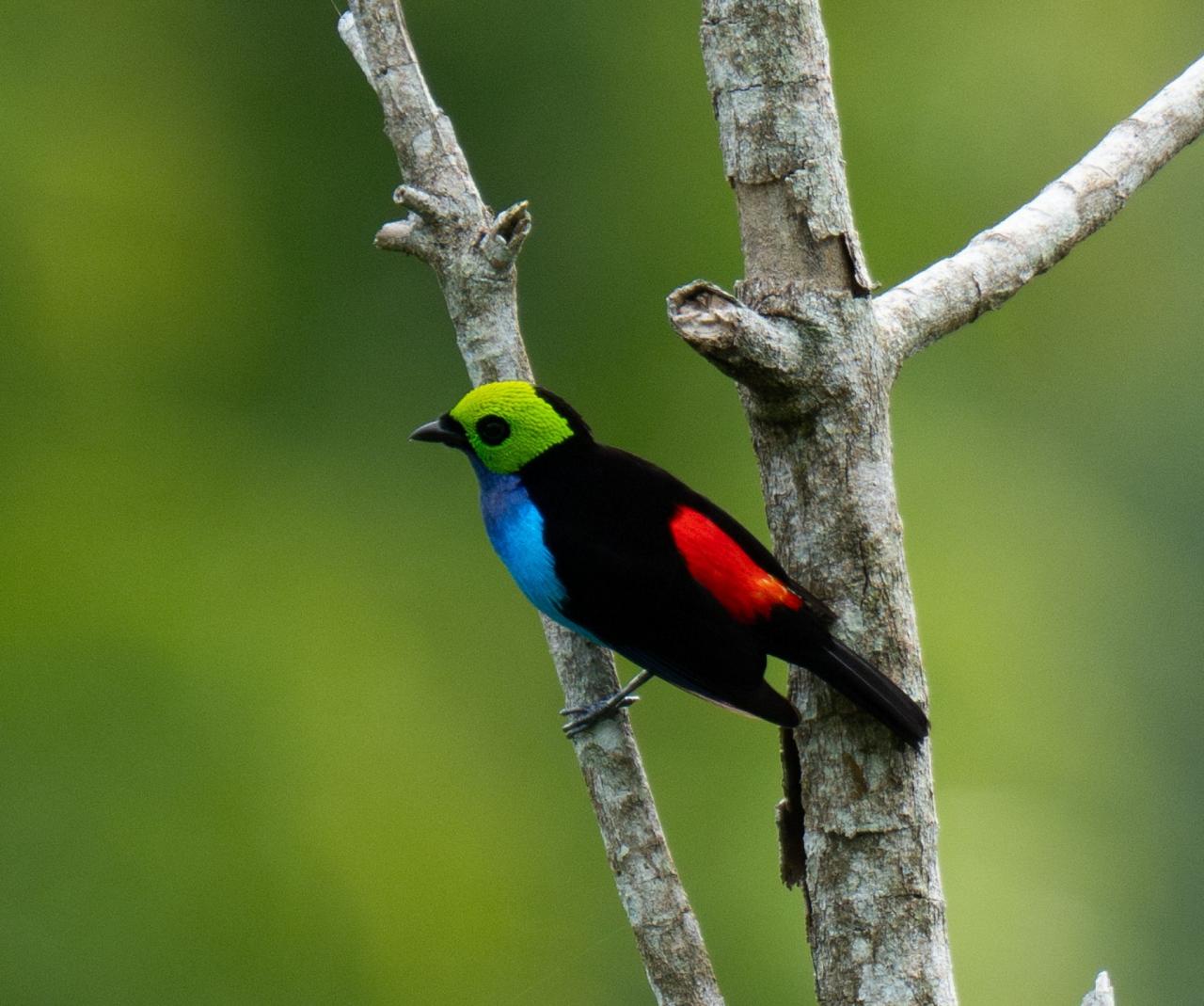
Keep an eye out for other local specialties such as the Bluish-fronted Jacamar, Gilded Barbet, Mishana Tyrannulet, Black-and-white Tody-Flycatcher, and the vibrant Paradise Tanager—plus a rare glimpse of Black-bellied Tanager, endemic to Peru.

Dining is here at the lodge, served family style.
Accommodations at Waqanki Lodge (B,L,D)

Wed., July 21     Morro de Calzada Gardens | Waqanki Lodge Gardens & Trails

After an early breakfast we venture out to Morro de Calzada, a newly-protected forest on a dome-shaped mountain that rises abruptly out of the Alto Mayo valley. It is a striking landscape, and offers excellent birding and a real chance to spot tiny and highly active Andean Saddle-back Tamarin monkeys and possibly San Martin Titi monkeys. This isolated reserve, managed by a conservation organization, hosts a unique white-sand forest ecosystem found nowhere else in the region, making it one of the most biodiverse pockets of northern Peru.

Our visit includes a stop at a private hummingbird garden where Rufous-crested Coquette, Black-throated Hermit, Great-billed Hermit, Fork-tailed Woodnymph and more call home. We can also expect tanagers, euphonias, jacamars, and more. Rufous-sided Crake and Rufous-crowned Crake, two very secretive birds, are fed in this garden in the morning, giving you a chance to glimpse these intriguing species.

Other highlights in this protected corner of Alto Mayo River system may include seeing Paradise Tanager, Green-backed Trogon, Channel-billed Toucan, White and Black-fronted Nunbirds, Zimmer's Antbird, and Burnished-buff Tanager.

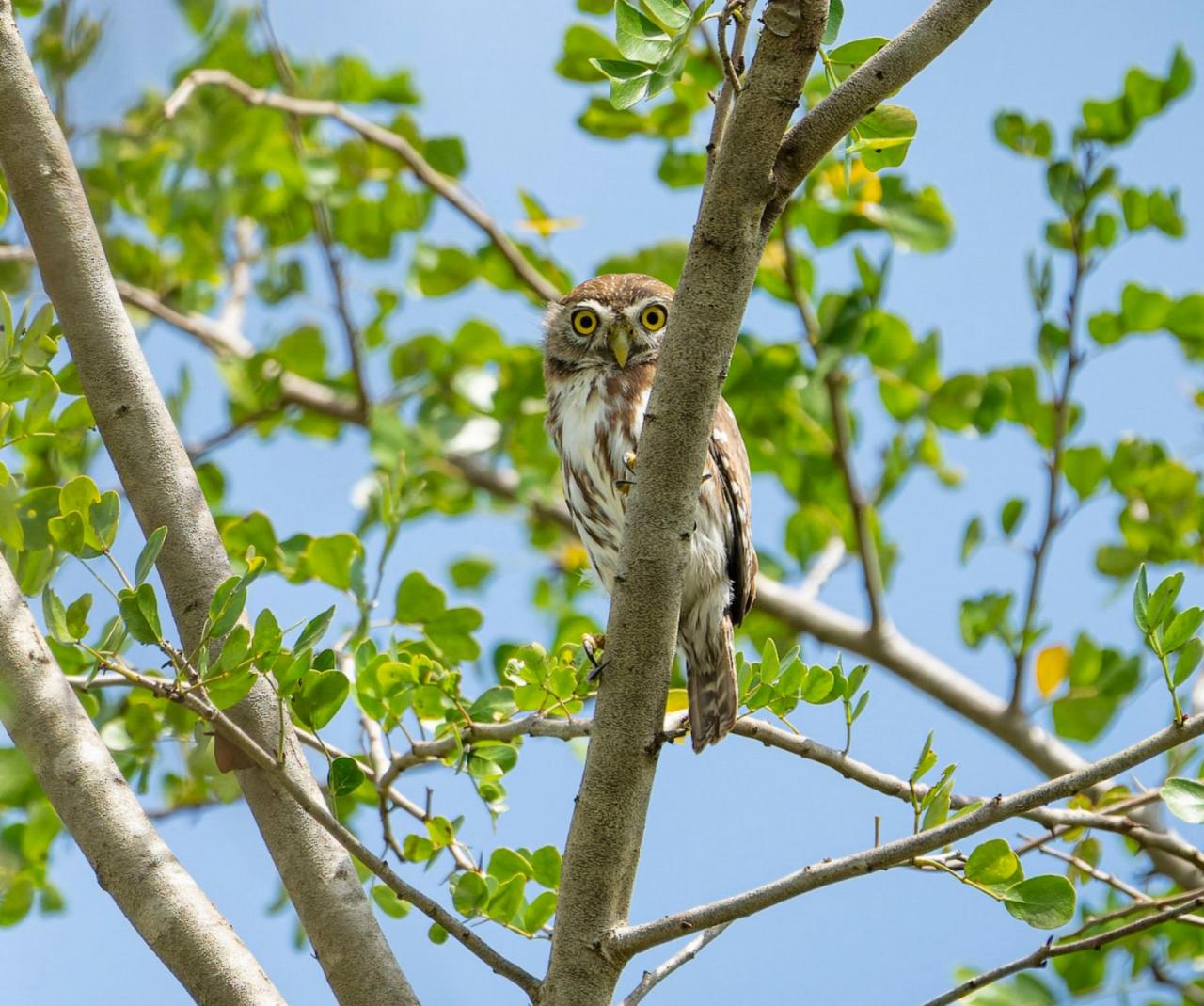
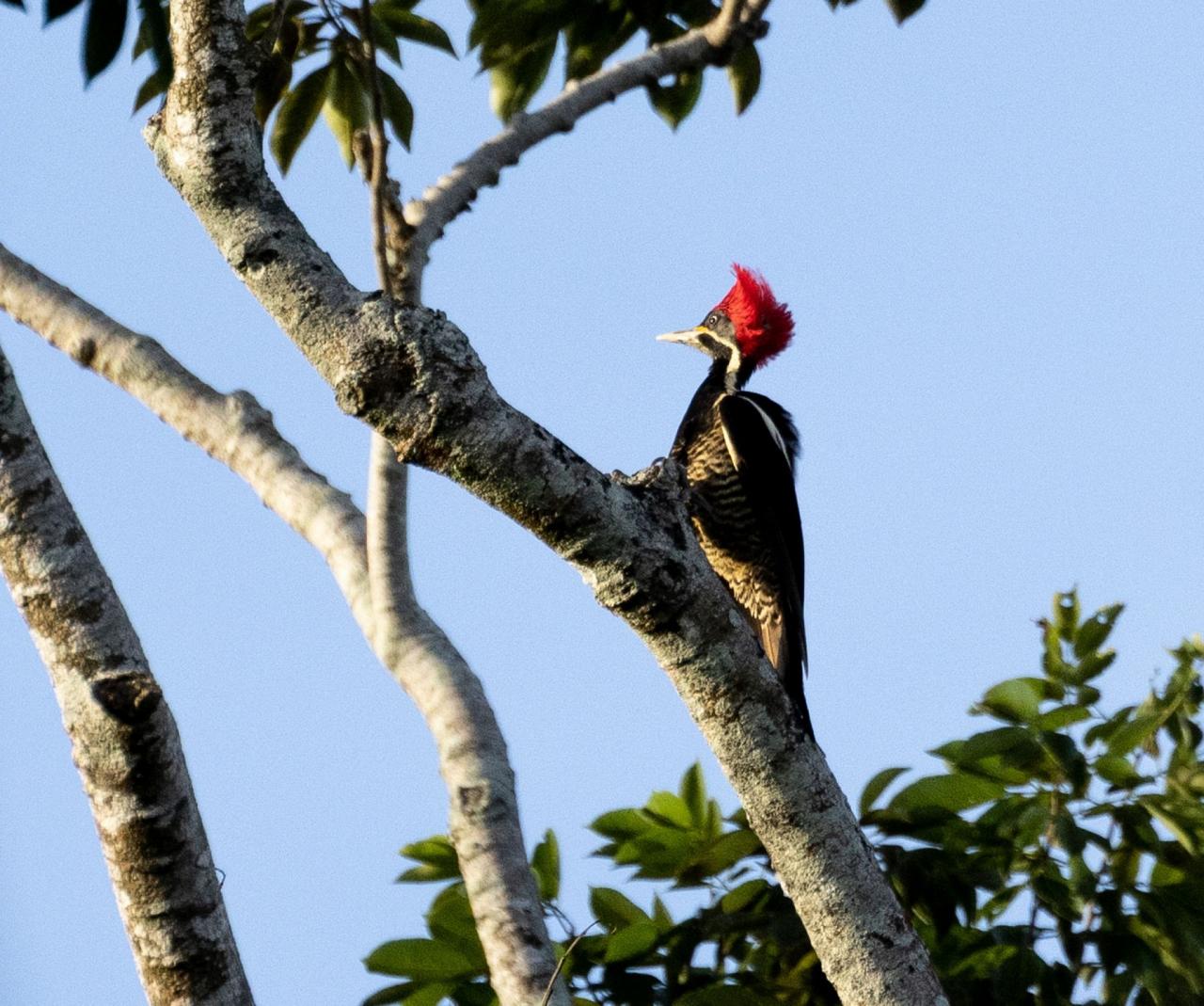
Our lunch today is back in the city of Moyobamba at the Indanal restaurant, located adjacent to several small lagoons where Lineated Woodpecker, Mishana Tyrannulet, Ferruginus Pygmy Owl, White-winged Becard, and Burnished-buff Tanager can also be seen.

After a fun morning out, we then head back to Waqanki to enjoy some downtime or perhaps even more birding in their gardens, on a short walk after 3:00 PM. Dinner tonight is at the lodge.  
Accommodations at Waqanki Lodge (B,L,D)

Thurs., July 22    Moyobamba Valley | Cerro Calzada | Waqanki Protected Forest

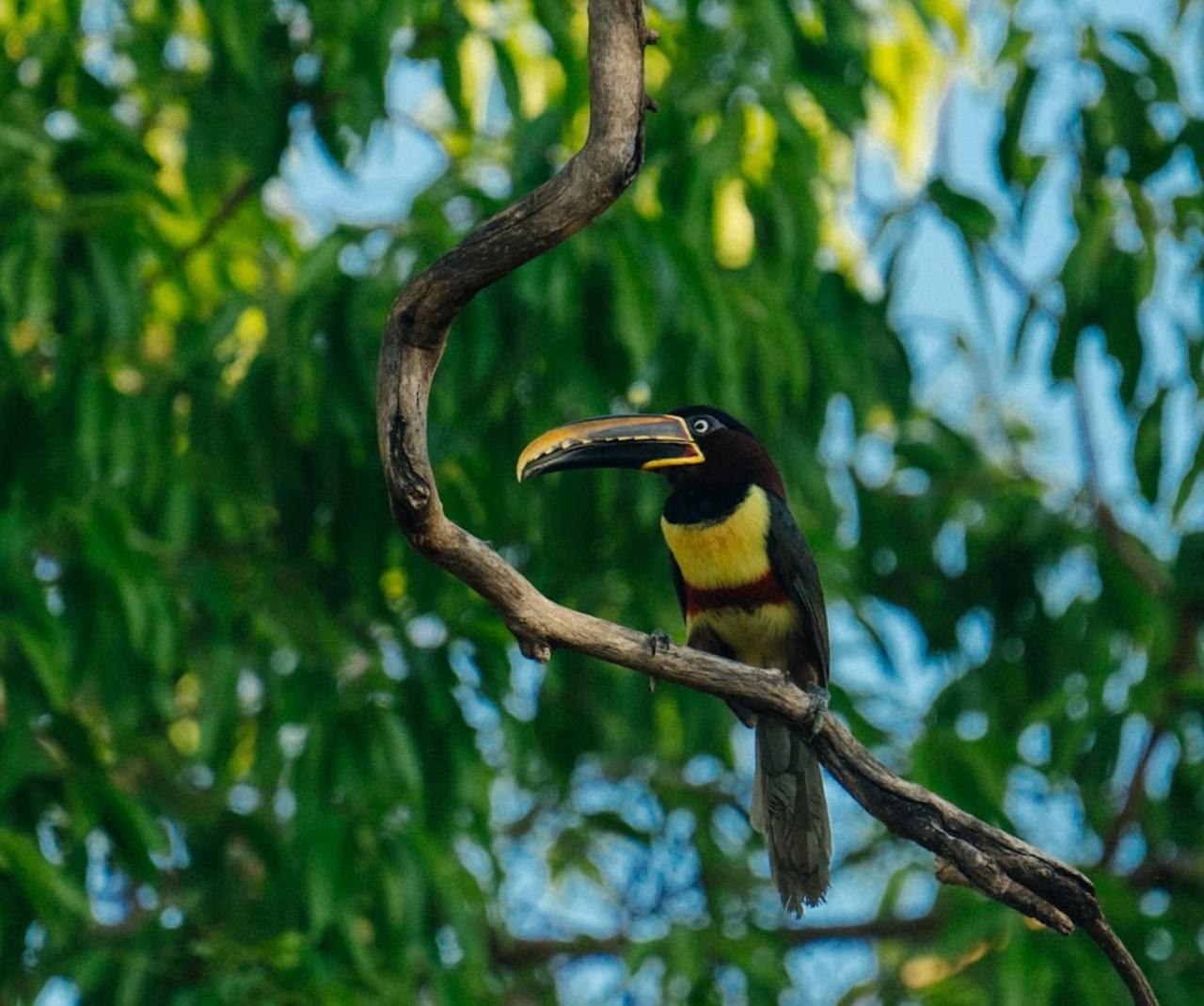
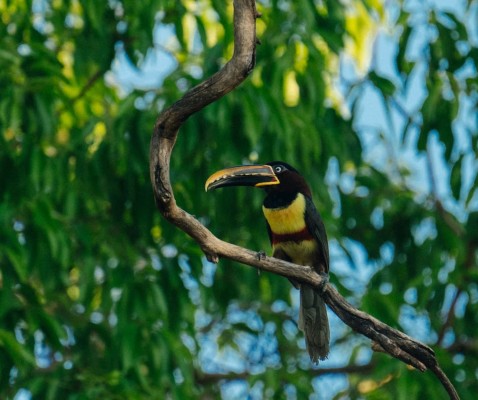
There is still more to discover here! Following breakfast, we make a short 15-minute drive to the Tahuishco Lookout, where we spend time observing eye-level views of numerous bird species feeding above the forest canopy. Species we may encounter include Gilded Barbet, Chestnut-eared Aracari, Lettered Aracari, Little Woodpecker, White-eyed Parakeet, Olivaceous Woodcreeper, Olive-faced Flatbill, Yellow-crowned Tyrannulet, Yellow-bellied Elaenia, Short-crested Flycatcher, Crowned Slaty Flycatcher, Paradise Tanager, Tropical Parula, and Turquoise Tanager, among others.

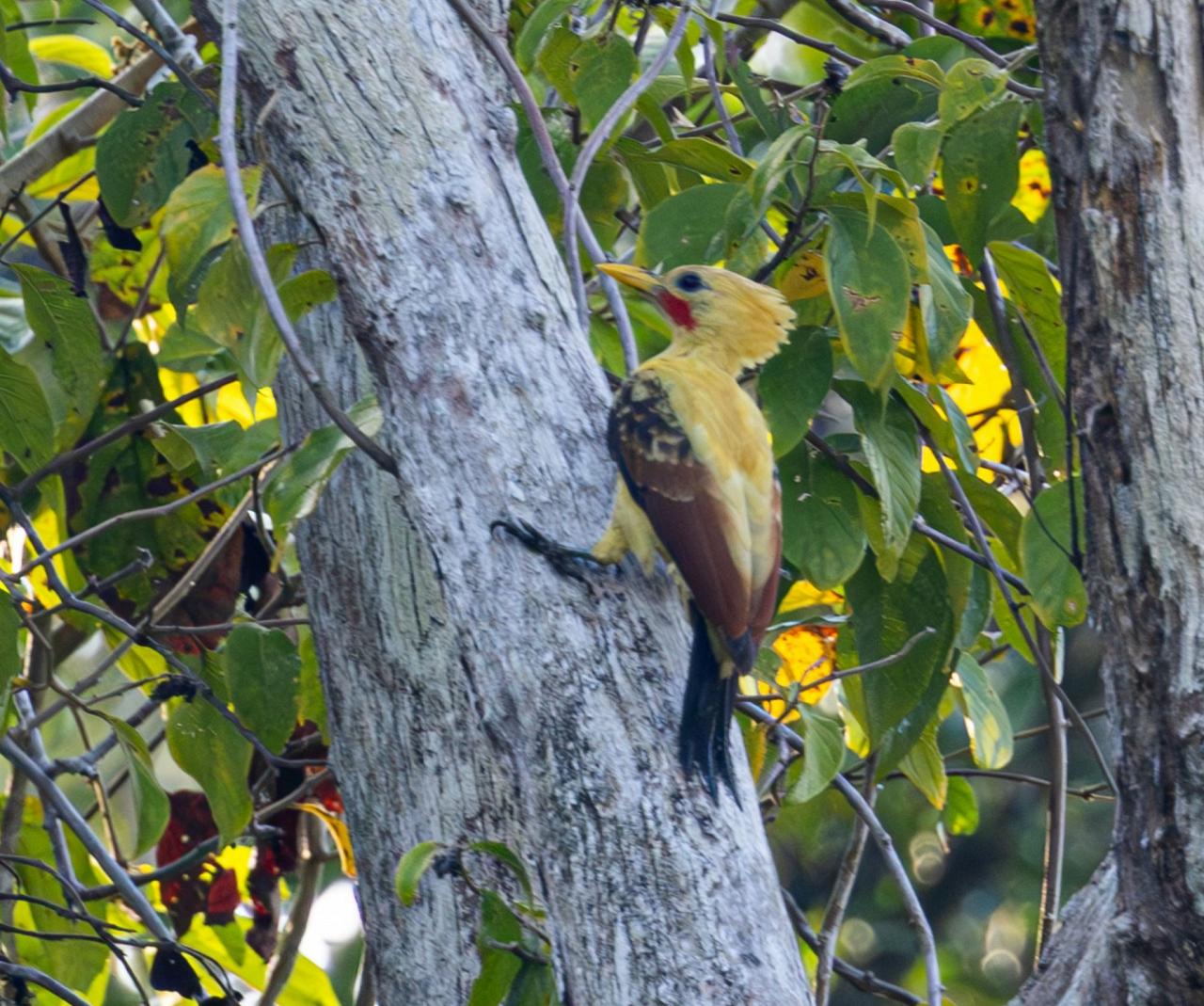
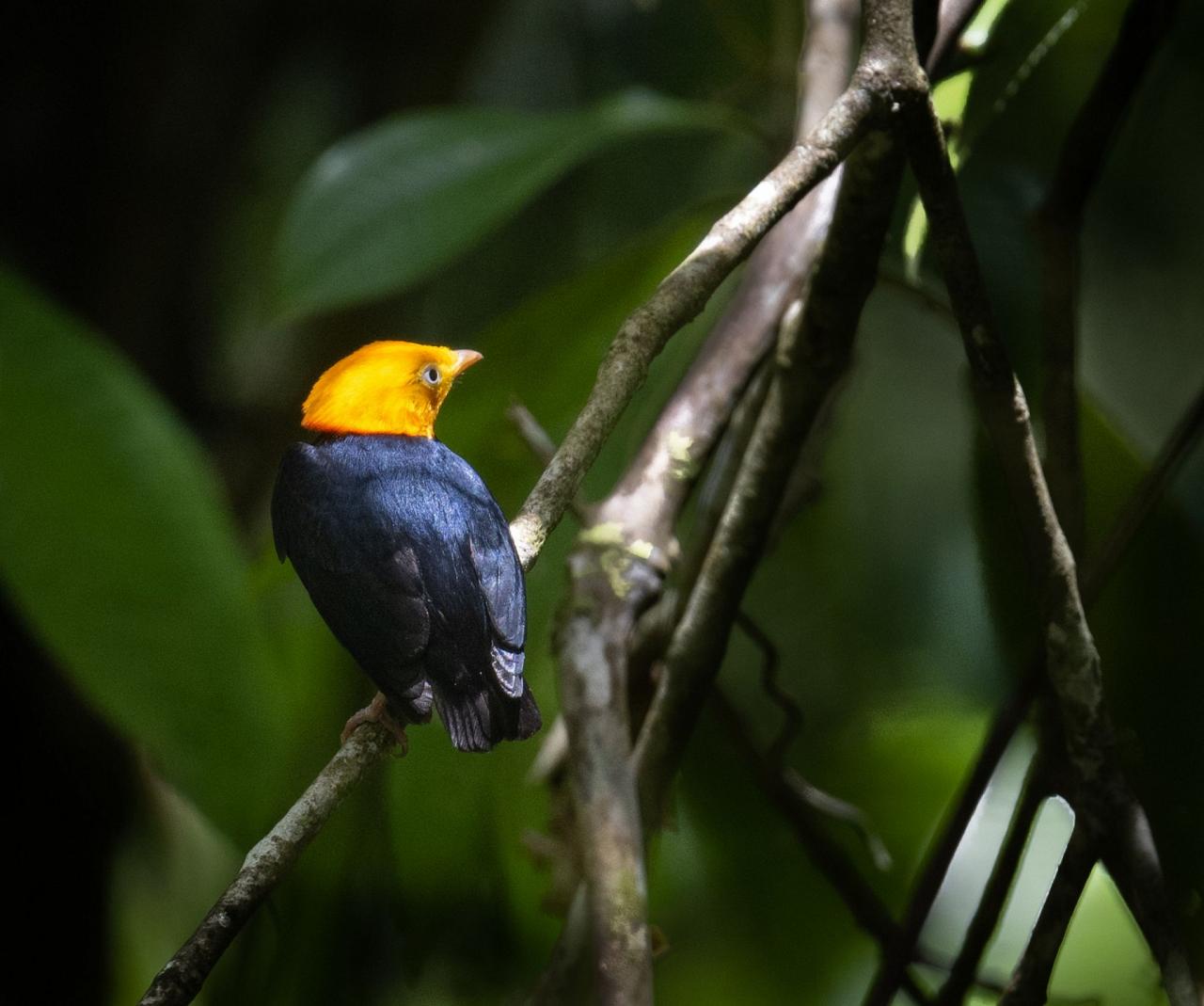
We also hope to make another visit to the fantastic Morro Calzada, where we embark on a three-hour walk through pristine tropical high-forest habitat in a different area than yesterday. This dense forest ecosystem is home to a distinctive suite of species, including Painted Manakin, Fiery-capped Manakin, Golden-headed Manakin, Peruvian Warbling-Antbird, Cinnamon-throated Woodcreeper, Lafresnaye's Piculet, Yellow-tufted Woodpecker, Cream-colored Woodpecker, Bluish-fronted Jacamar, Coraya Wren, Golden-collared Toucanet, and a host of other species.

We have lunch at a restaurant close to the protected forest, and afterwards drive back to Waqanki. We want to be sure to save time for the high action time here at the hummingbird feeders with a suite of spectacular species.
Accommodations at Waqanki Lodge (B,L,D)

Fri. July 23     Local Birding | Return to Tarapoto | Afternoon Flight to Lima | Departures

This morning is “guide’s choice” based on your interests and what we still hope to see as we start heading toward the Tarapoto Airport, a trip of approximately three hours. Our plan is to leave early to allow time for short stops and we have our lunch at Tarapoto city.

We have an afternoon flight with LATAM, the local airline, arriving at Lima about 5:00 PM. Since most flights for the USA depart around midnight, those connecting to a flight back home tonight can have a day use hotel room at Grand Costa del Sol at Lima’s Airport until it is time to check in and board the flight back home. Those continuing on to Machu Picchu (highly recommended!) check their bags through to Cusco and meet a connecting flight. (B,L)

Machu Picchu Post-Tour Extension

Itineraries are guidelines; variations in itinerary may occur to account for weather, road conditions, closures, etc. and to maximize your experience.

Spend a full day at Peru’s famed Machu Picchu, Lost City of the Incas on this don’t-miss extension, which also visits the Sacred Valley of The Incas and ruins of Chinchero and Ollantaytambo. We wrap up with a guided tour of the plazas, markets and museums of the beautiful colonial city of Cusco. There is also terrific birding amid all the cultural fireworks of this extension, as we stop to bird lakes and private reserves and bird the lovely gardens of our lodge.

Fri. July 23 : Flight to Cusco


Those continuing on the Machu Picchu extension say goodbye to the rest of the group at the Lima Airport.

We then continue on to Cusco. Luggage is checked directly to Cusco and our group is met at the airport and driven to the Novotel hotel in Cusco
Accommodations at Novotel Cusco (D)

Sat., July 24 : Sacred Valley Sacred Garden & Ensifera Hummingbird Gardens


After breakfast, we explore Peru's Sacred Valley, once a key agricultural, spiritual, and political center of the Inca Empire, fed by the Urubamba River. The tour starts at Huacarpay Lake looking for Rusty-fronted Canastero, Yellow-winged Blackbird, Puna Teal, and many others.

Our day includes visits to two remarkable hummingbird sanctuaries—Ensifera and Sacred Gardens—where you can spot unique species such as the Bearded Mountaineer, Great Sapphirewing, Sword-billed Hummingbird, Shining Sunbeam, Tyrian Metaltail, White-bellied and the endemic Green-and-white Hummingbirds.

We conclude in Ollantaytambo, a living Inca town where cobblestone streets, adobe houses, and ancient irrigation canals remain in daily use.
Accommodations at Ollantaytambo Village (B,L,D)

Sun., July 25 : Machu Picchu Inca Site


We take the early train from Ollantaytambo to Machu Picchu and spend the full day exploring. A local guide shares expertise about the site. We have our lunch at the Sanctuary Hotel so we are not rushed, and after our guided walk we can enjoy some birding (must find Inca Wren!) or walk among the ruins. Shuttle buses run often to the town of Aquas Calientes, so you can come down at a time you wish. Some like to do a bit of shopping or have a coffee or ice cream while walking through town.
Accommodations at Inkaterra Hotel (B,L,D)

Mon., July 26 : Morning Birding Inkaterra Gardens | Train to Cusco via Ollantaytambo


Our hotel offers terrific birding and we explore the grounds this morning. The Urubamba River runs through the property—watch for White-capped Dipper and Torrent Duck! We check out, then spend the rest of the morning visiting Inkaterra Gardens, feeders, and forest before enjoying lunch at the on-site Inkaterra Café.

This afternoon we board the train back to Cusco, and stopping en route to explore the ruins at Ollantaytambo.
Accommodations at Novotel Hotel (B,L,D)

Tues., July 27 : Cusco | Lima | Departures


This morning we enjoy a Cusco city tour to learn about this special city’s history and take in the fascinating architecture. We, of course, watch for birds in the parks and while we enjoy our lunch. We have late afternoon flights back to Lima today. Most flights from Lima depart around midnight, but if yours is a morning flight, we can arrange a hotel for you this evening (additional cost). (B,L)

  • Chestnut-eared Aracari by Wes Larson

  • Sword-billed Hummingbird by Wes Larson

  • Tucan Suites Aparthotel

  • Scenic courtesy of Tucan Suites

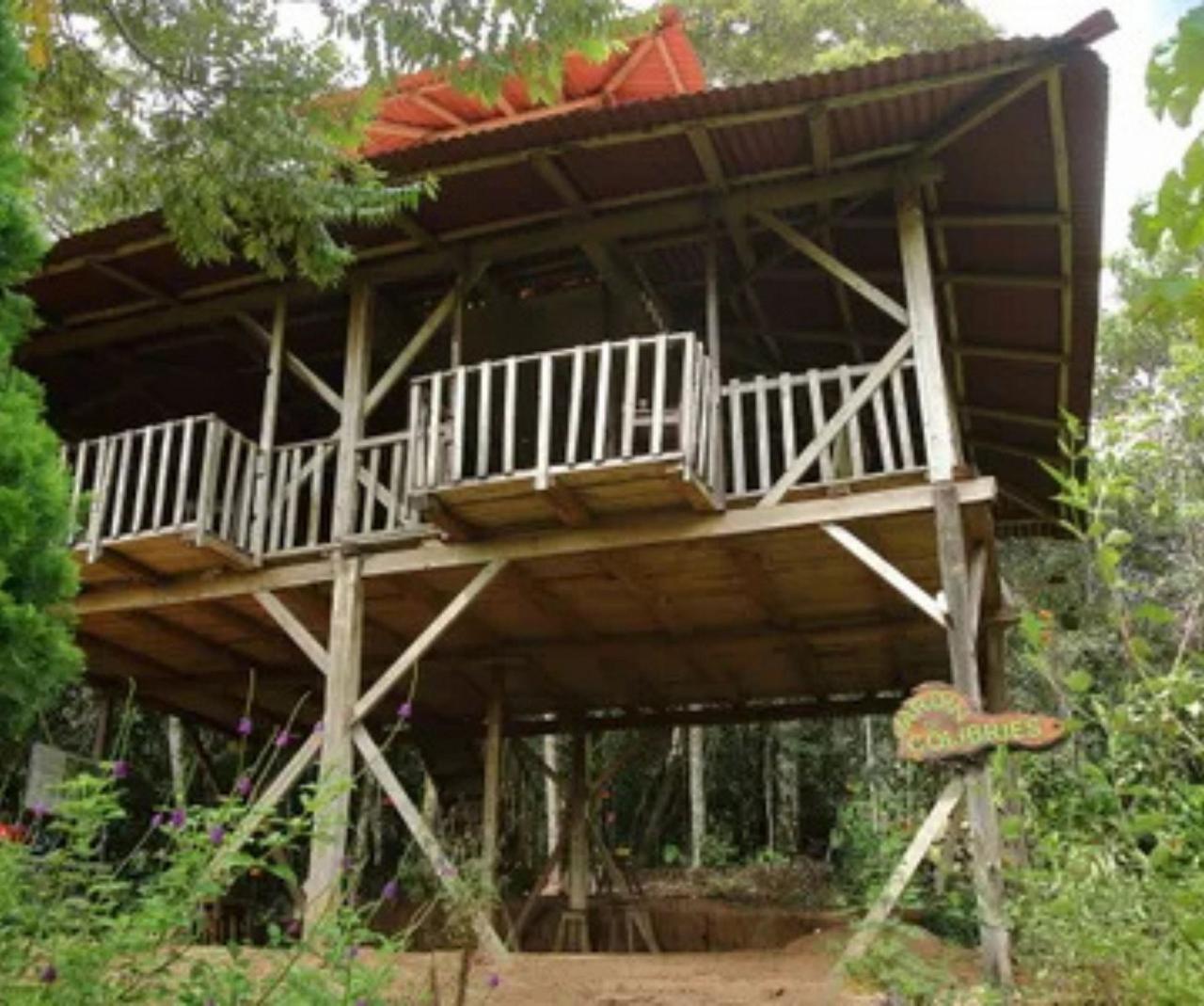
  • Owlet Lodge

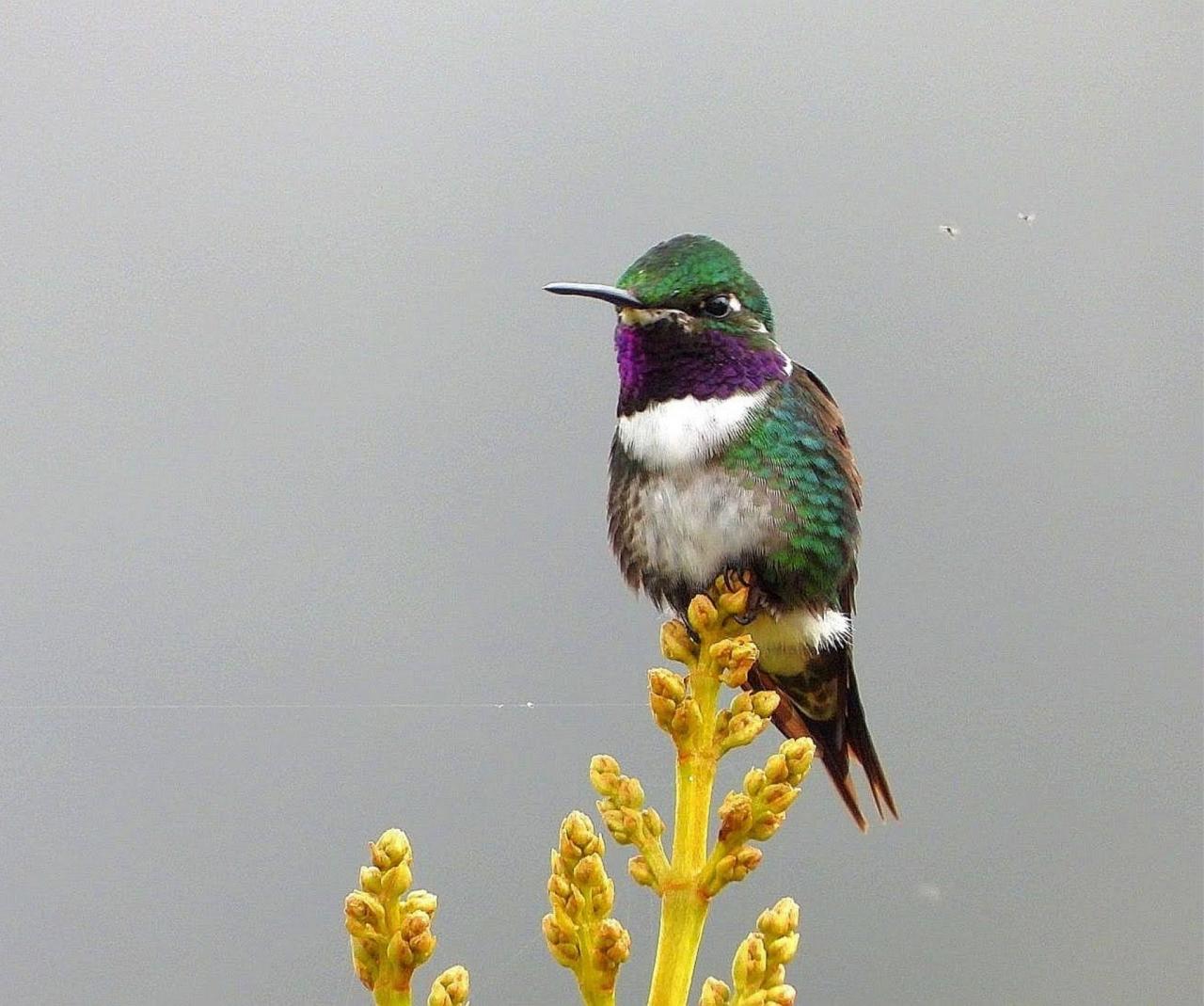
  • White-bellied Woodstar

  • Capped Heron by Wes Larson

  • Paradise Tanager by Wes Larson

  • Waqanki Lodge Hummingbird Observatory

  • Cream-colored Woodpecker by Mason Flint

  • Rufous-crested Coquette by Peg Abbott

  • Turquoise Jay by Wes Larson

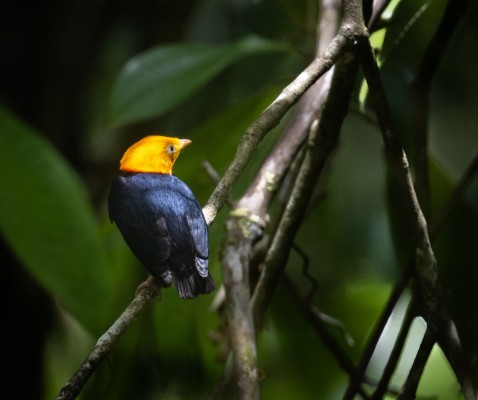
  • Golden-headed Manakin by Hugh Simmons

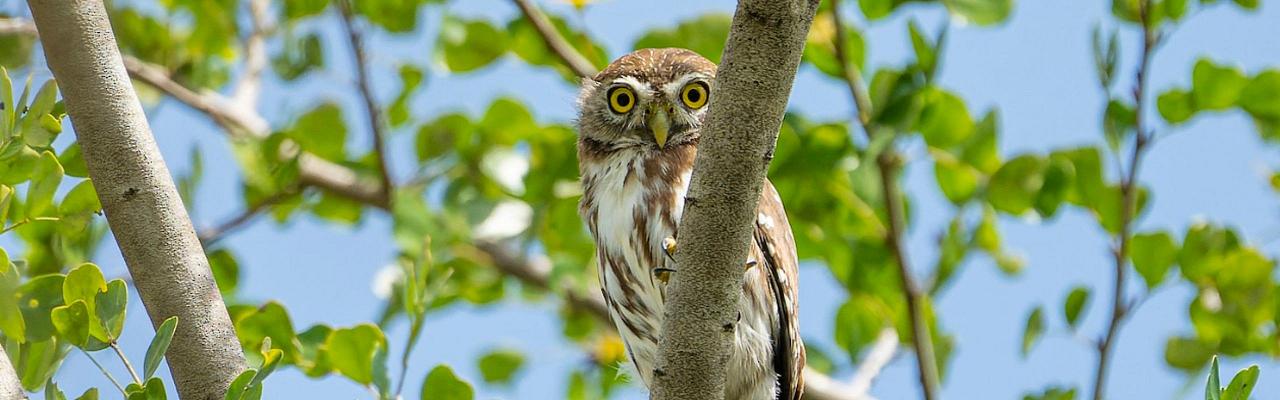
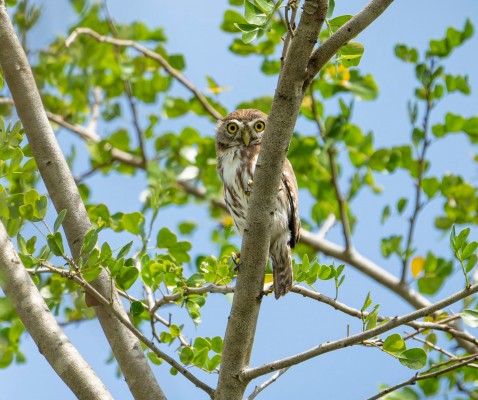
  • Ferruginous Pygmy-Owl by Bryan Calk

  • Lineated Woodpecker by Peg Abbott

  • Booted Racket-tail by Wes Larson

Cost of the Journey

The cost of the main tour is per person based on occupancy: $6990 DBL / $7680 SGL, from Lima, Peru. This cost includes all accommodations, meals as specified in the itinerary, internal flights, professional guide services, other park and program entrance fees, and miscellaneous program expenses. All tips other than your NJ guide (optional) and local guide are included (this includes tips for your driver, lodge and staff, day activities, meals and other services).

Cost of the Machu Picchu extension is per person, based on occupancy: $3190 DBL / $3525 SGL.

The tour cost does not include round-trip transportation from your home city to Lima, optional activities, or items of a personal nature such as laundry, telephone charges, or beverages from the bar.

Travel Details

Please plan to make air travel plans only after the minimum group size has been met. We will send you a confirmation email as soon as the trip has been confirmed.

Main Tour Arrival Airport: Jorge Chávez International (LIM)

Main Tour Arrival Details: Please plan flights to arrive July 13, 2027, no later than 5:00 PM if you wish to join the group for dinner

Main Tour Departure Airport: Jorge Chávez International (LIM)

Main Tour Departure Details: Please plan flights to depart on July 23, 2027, after 7:00 PM

Post-tour Extension Departure Airport: Jorge Chávez International (LIM)

Post-tour Extension Departure Details: Please plan flights to depart on July 27, 2027, after 7:00 PM

Travel Tips: If you arrive early to rest up from your travels, we can book you an early night at our first night tour hotel, the Wyndham Costa del Sol Lima Airport at a cost of around $195/night for a double. If you want to get out and explore Lima, we highly recommend signing up for the pre-tour extension for a day trip to the coast to explore the Pucusana Fishing Village, take a boat tour, and stop at the Villa Marshes Reserve. It’s a great chance to explore and get some birding in around Lima prior to departing on our exciting main tour.  

 Entry Requirements: See "Essential Information" section under the "Know Before You Go" tab.


Browse below for trip reports and species lists from past versions of this and other tours from this destination.

Birding & Archeology

Peru

Birding & Archeology

Cusco to Manu

Northern Peru

Essential Information +

This information is important for being prepared for your journey; we want you to have Read more

This information is important for being prepared for your journey; we want you to have the best experience possible. If you only read one section, this one is key!

Ahead of Your Tour

  • Make sure your passport will be valid at least six months after the date of your scheduled return to the U.S. See "Passports, Visas & Documents" section below for details.
  • Travelers with a U.S. passport do not need to apply for a visa. It is free and issued at the port of entry. If you are from another country, please contact the Peru embassy website for guidelines.
  • Please check current CDC recommendations for travel to Peru and consult with your doctor about general travel vaccinations you should have as precaution for travel. See the “General Health and Inoculations” section below.
  • Travel insurance in case of serious medical emergency is strongly recommended. Full health coverage and repatriation is available through Allianz Travel Insurance.
  • Soft sided luggage/duffel bags are easiest for packing the vans. Pack essential medications and optics in your carry-on luggage, as well as one day of clothing in case of luggage delay. See "Packing List" for detailed packing information.

Passports, Visas & Documents

Guidelines and regulations can change. It is always advisable to double-check the country’s documentation requirements 60-90 days ahead of traveling. Information for U.S. citizens can be found athttps://travel.state.gov/content/travel/en/international-travel/International-Travel-Country-Information-Pages/Peru.html. If you are from another country, please contact the tour destination’s embassy website for guidelines.

Passport: You must have a passport valid for six months beyond your scheduled return date. Your passport should have at least one blank page per entry stamp. The blank pages need to say “Visas” at the top. Pages marked “Amendments and Endorsements” will not be accepted. 

Visa: On the airplane or upon arrival in Peru, you will receive paperwork to fill out for an automatic VISA, free and good for 90 days; Keep this document in a safe place as it is required for exit.

Please carry a copy of our Emergency Contact List with your travel documents. This is very handy when passing through immigration where they will ask you where you are going and what the phone number is. 

As a precaution for lost or misplaced documents you carry on your person during travel, we highly recommend you keep hard and digital backup copies on your phone (either photo or PDF scan), as well as a hard copy left with your emergency contact at home. The recommended important documents to copy include, but are not limited to; your passport ID page, travel visa, the front and back of your credit card(s), the airline barcode on your luggage. This will greatly expedite getting new ones if necessary – we hope everyone will always keep travel documents close so that losing them will not be an issue.

General Health & Inoculations Information – Be Prepared!

Health requirements for entry to any country can change. It is always advisable to double-check the country’s health requirements and recommendations 60-90 days ahead of traveling and again 4-6 week prior. A helpful website for planning is the Centers for Disease Control and Prevention (CDC) website for Peru or by phone (800) CDC-INFO or (800) 232-4636.

We will share your health information with your guide. This information will be kept confidential but is very important as we want to be best prepared in case of a medical emergency.

Vaccinations: Please bring your up-to-date vaccination records with you.  At the time of writing, no vaccinations are required to enter Peru. However, the CDC recommends that all travelers be up to date with routine vaccines and basic travel vaccines (such as Hepatitis A and Typhoid, etc.).  Consult with your doctor for recommendations at least 4- 6 weeks before departing on your trip as some vaccines may require more than one dose and time to become effective before your departure. 

Travel Tip: It is suggested to consider the Yellow Fever vaccine, as these are good for at least ten years. Many international travelers will either have one or get one for this trip and it will be good for other destinations in the future. If you do receive the Yellow Fever vaccine, be sure to bring your Yellow Fever vaccination certificate with you on your trip along with your other vaccination records. If Peru makes a last-minute change to their entry policy before you leave, having this document might make all the difference. If you cannot get a vaccine due to age and caution on that by your physician, then bring a physician letter saying you are in good health, but they do not recommend due to age that you get the vaccine. Yellow fever vaccine recommendations in Peru map:  https://wwwnc.cdc.gov/travel/yellowbook/2024/preparing/yellow-fever-vaccine-malaria-prevention-by-country/peru

Prescriptions: It is a good idea to pack any meds you take regularly in your carry-on luggage.  Bring an extra pair of glasses or contact lenses. Bring an adequate supply of any prescription medications you use, a copy of the prescription and a list of generic names of your medicines as “back-up” in case it is necessary to purchase drugs while abroad. You’ll want to keep medications in their original, labeled containers. 

Allergies: To be prepared for environmental triggers to allergies or breathing difficulties, please bring your allergy and/or asthma medication(s).  If you have severe allergies talk to your doctor about carrying an EPI pen and notify your guides. It is also recommended to carry with you an up-to-date record of known allergies, chronic medical problems and Medic Alerts so that, if necessary, emergency treatment can be carried out without endangering your health.

Common Ailments: We recommend that you bring a travel-sized first aid kit and a supply of standard over-the-counter medications for prevention or treatment of common ailments (such as diarrhea, constipation, stomach upset, cough, congestion, head or body aches, motion sickness, insect bites and sunburn); as well as ointments, moisturizer, sunscreen, oral rehydration salts, band-aids, moleskin for blisters, cotton swabs, nail clippers, and tweezers, etc.

Altitude illness: We will be exploring in some high altitudes: 

  • Cusco is 11,152 ft above sea level
  • Machu Picchu is 7,972 ft


According to the CDC's website, day trips to high-elevation destinations less than 8000 ft. with an evening return to a lower elevation are much less stressful on the body, depending on the time provided for your body to adjust. However, overnights at higher altitudes may have more adverse affects on your body and you should be informed about altitude illness and Acute Mountain Sickness (AMS) (see https://wwwnc.cdc.gov/travel/yellowbook/2024/environmental-hazards-risks/high-elevation-travel-and-altitude-illness). The most general symptoms are headache and occasionally fatigue and dizziness. You’ll want to take it easy, particularly at first. The likelihood of these symptoms can be reduced by resting, drinking plenty of water, avoiding alcohol, taking aspirin and optimize acclimatization by adjusting itineraries to avoid going “too high too fast." If you have worries about the altitude, ask your physician about medications (such as Diamox) that may be right for you. 

Oxygen: Given Cusco’s elevation, we will have access to oxygen; hotels have oxygen available for guests if needed and transportation also carries oxygen. 

Some travelers ask if coca tea is a safe or reasonable alternative to oxygen?

  • Mate de coca (coca tea) is widely offered in hotels and is a common local remedy for mild altitude symptoms. However, staying well-hydrated, resting, avoiding alcohol, and eating light meals at night are often more effective ways to prevent issues. Oxygen remains the best option for more serious symptoms.
  • Some travelers also consult their medical provider before the trip about prescription medications that can help prevent or ease altitude sickness, such as acetazolamide (Diamox).
  • Please note: Coca tea is mildly stimulating and contains caffeine-like compounds, which may keep some people awake if consumed in the evening. It is not recommended for people with certain medical conditions, such as high blood pressure. If you have any health concerns or pre-existing medical conditions, please consult your healthcare provider before consuming coca tea.
  • Also, while coca tea is legal in Peru and commonly consumed there, it is illegal to bring coca leaves or coca tea into the United States. 
  • Additionally, drinking coca tea can cause a positive result on a drug test for cocaine. If you have any concerns about this, it’s best to avoid coca tea entirely.  

Weather & Climate

We will experience a wide range of elevations, so temperatures and humidity will vary as the trip progresses. We will be at higher altitudes in the cloud forest, where it can be wet and cold, as well as crossing the Puna grasslands and at Machu Picchu. So, we could have anything from freezing temperatures at night to highs in the 90s during the day. Layers to protect from both sun and cold are recommended to keep you comfortable wherever you go. See "Packing List" for details in packing appropriately for the weather.

You may check your favorite weather website like, www.weather.com, closer to your departure to better predict what the weather will be on your adventure. An informative website that describes the general climate in different regions of Peru is https://www.climatestotravel.com/climate/peru#google_vignette.

Annoyances & Hazards

Mosquitoes: While mosquitoes and other biting insects are not as common in the mountainous regions that we will be visiting on this tour, they can occur. It is best to come prepared by wearing long sleeves and neutral colored clothing and a supply of insect repellent is essential. It is possible to purchase field clothing permeated with insect repellent such as the Craghoppers Insect Shield collection. Another approach is to purchase Permethrin spray (online or from REI) to treat your field clothing and socks before your departure.

Sun protection: Peru is close to the Equator and we are at high elevation – it is very important to protect yourself from the sun! A few precautions we recommend you take:

  • A hat is a must to protect you from the strong tropical sun.
  • Plenty of sunscreen and lip protection to last the whole trip.
  • Good quality sunglasses
  • Wear a long-sleeved shirt and long pants to protect skin.

Food & Drinks

At the tourist hotels you are using, it is generally  safe to sample the local cuisine, and it is always smart to ask about getting bottled water and being able to use ice. The hotels should have treated water in the restaurant areas, and you can fill your bottles there for daily use.

In general, in Peru you do NOT want to drink any tap water, nor should you eat fresh, uncooked vegetables from street vendors (hotels that we frequent should be fine), shellfish or ceviche outside of higher-end restaurants or well-established tourist facilities. Tap water may be potable at some of our hotels (the Front Desk will advise) but it still can contain minerals that upset your stomach – best to proceed with caution. Bottled water is available in the bar at most hotels, and we recommend you take advantage of that. Neblina Forest will provide water when out in the field. We also recommend buying a Steri Pen so you can treat water in a few seconds or consider bringing a water bottle that includes a filter, like LifeStraw. We want to reduce use of plastics where possible!

Packing, Clothing & Laundry

Please pack light! We are serious about this – we move around a lot; you just do not need much to cope with tropical life! Please do not bring anything more than you must. 

Pack using soft-sided luggage, if at all possible, with ID tags inside and out. Please reconfirm your international airline’s baggage weight and size restrictions about a week or so before departure. Note: The max bag weights for internal flights in Peru are slightly less (checked bag 44lbs. and carry-on 17lbs.)

TRAVEL TIP: Imagine NOT getting your suitcase. Wear your most important shoes for the field and have one day’s clothing change (including a change of underwear!). And please DO NOT pack any essential medications, or your vital optics, in your checked luggage!

Dress is comfortable and informal throughout the trip. While some people will change for dinner, it is usually just to a drier or cleaner version of what they wore during the day. Dressing in layers is the best way to be comfortable. Choose clothing you don’t mind getting dirty or muddy and things that are comfortable and easy to launder and dry out.

Laundry services can be arranged for a fee at some of our hotels where you have multiple nights. But be prepared to hand launder if you need to.

See “Packing List” tab for detailed information regarding this tour and further recommendations.

Spending Money

The Sol is the official currency of Peru. For the current exchange rate, please refer to online converter tools like www.xe.com or your bank. The U.S. Dollar is an accepted currency in Peru (especially in hotels or businesses and some outings that cater to visitors). However, it’s a good idea to have some Peruvian soles on hand for small purchases—like drinks or items from local markets—especially in rural areas where soles are preferred. So, we advise you carry a mix of different types of payments; both U.S. dollars and local currency, an ATM card, and a credit card.

Bring crisp, unsoiled U.S. dollars in good condition in SMALL denominations ($1 and $5) for purchases and tipping where they are accepted and bring large U.S. bills ($50 or $100) that will give you the better exchange rate. You’re welcome to get soles before traveling, but it’s not necessary. Exchange rates are typically better in Peru, and our local guide can help us exchange money once we arrive.

Additional tips regarding exchanging money in Peru: The easiest way is to withdraw funds from a local ATM. The airport is a convenient place. ATM machines are readily available in large cities, like Lima, and become less available in rural areas. The ATMs provide local money and your bank will convert that into U.S. Dollars. Many banks charge a fee of $1 - $5 each time you use a foreign ATM. Others may charge you a percentage of the amount you withdraw. Check with your bank before departure. You must become familiar with how to use your ATM card and PIN number ahead of the journey.

Credit cards are accepted, but not as widely as in the USA. We suggest you have more than one card available. You may want to bring more than one brand of card (one Visa, and one MasterCard; American Express is less accepted), if possible. Not every shop will accept every card. Some machines are set up for both, while some will only service one or the other. Also, we recommend that you advise your bank or credit card company that you will be traveling to Peru to avoid questions, card freezes, or charges. For handicrafts and smaller purchases, such as drinks with dinner, it is easiest to have cash available, preferably in Peruvian Soles.

Traveler’s checks can be difficult to use in Peru, especially in villages and small towns. We do not recommend that you use them.

Many people ask how much money to plan to bring for spending money. Part of that depends on how much you want to shop. Typical items people purchase include: local souvenirs and T-shirts, carvings, beads, textiles, artworks, drinks before or with dinner, maps and natural history books. Cash is also handy for your drinks from the bar.

Donations

You may wish to bring small gifts for local people that you meet and enjoy (this is totally optional!). T-shirts, school supplies like pens and small notebooks, inexpensive watches and baseball caps are always popular. Your guides can pass along school supplies to a local school if you bring them. They also love any nature books/coloring books.

Cell Phones & Internet Service

When dialing from the US, the country code for PERU is 51. Dialing to the USA starts with 001, then area code.

Your guide is well connected and can help if any urgent communication need arises. However, it is highly recommended that you travel with a cell phone, if only as a precaution for the unfortunate occurrence of a medical emergency during an outing and needing swift accessibility to critical personal or medical contacts. 

Please check with your wireless provider to see if your phone and service will work in your destination country. Options include activating international roaming, purchasing a local SIM card at the airport (newer phones may not accept SIM cards), or simply turning off cellular service and relying on Wi-Fi to make calls and access the internet. If your phone can connect to Wi-Fi, you may be able to make voice and video calls free of charge. Another option if you have access to Wi-Fi is to use smartphone apps like Skype, WhatsApp, or Viber to send text messages, and make voice calls, or video calls. Many smartphones, tablets, or laptops come with one of these apps pre-installed or you can download for free.

Your hotels and most local restaurants provide Wi-Fi at least in their common areas. Although it is generally a reliable service, it can be affected by adverse weather conditions due to the remote location.

Make sure if you do NOT want to use your cell phone that you turn off your cellular data. You could incur huge charges if you are not on Wi-Fi. Putting your phone in airplane mode if you mainly use it for photos will save the battery as well. 

Please refrain from taking or making cell phone calls in the vehicles when traveling with other passengers, unless it appears to be an emergency. This disrupts other guests, plan on cell phone call use on your own time.

Language

The official language of Peru is Spanish. Quechua is the native language and is spoken by many indigenous people. English is NOT readily spoken, with the exception of large city hotels and shops. A pocket dictionary is a great idea, and you can gift it to someone if you don’t want to haul it back! There are also dictionary apps for your phone, and quick learning programs such as Duo Lingo if you want to practice a bit.

Electricity

Peru uses 220-volt electricity (unlike the 110-volt used in the U.S.), so there are two things to check:

  • Voltage Converter: Most modern devices—such as phones, cameras, and laptops—are designed to handle both 110 and 220 volts. Check the fine print on your chargers to confirm. If your device isn’t rated for 220 volts, you’ll need a voltage converter.
  • Plug shape adapter: In Peru, power sockets are type A or C. Note: (Shape adapters only change plug shape; they do not convert voltage.)
    • Type A sockets take flat prongs of equal width, so a simple adapter from unequal width flat plugs (common in the US) is very helpful where you find Type A sockets. 
    • There are fewer grounded plugs, so a 3-prong to 2-prong adapter is helpful (available in hardware stores). 
  • More information can be found at http://www.power-plugs-sockets.com/peru.

Time

Peru is UTC/GMT -5hrs and observes the PET (Peru Time) time zone. You can check time differences conveniently on www.timeanddate.com.

Questions?

Please contact Naturalist Journeys by email at clientservices@naturalistjourneys.com or telephone at our office: (520) 558-1146 or toll free: (866) 900-1146 if you have any questions. Many thanks for traveling with us and we hope you enjoy your journey!


Pace & Protocols +

Pace of the Tour & What to Expect You will receive a Schedule-at-a-Glance and list of Read more

Pace of the Tour & What to Expect

You will receive a Schedule-at-a-Glance and list of hotels (our eContact List) a few weeks before your departure. This will serve as an outline for each day and alert you to any recent changes made in the schedule or to our hotels, if needed.

Our journeys are set up to follow the rhythm of nature. Our focus is on birding and nature; we offer full, well-planned field days and often get up early for that magical time around dawn. We generally follow the published itinerary, but we stay flexible to the weather, wildlife opportunities and the interests of the group. Your guide will keep you apprised of the next day’s schedule at each evening meal, noting what to bring and what to prepare for. Questions and/or concerns are welcome.

The pace of our Naturalist Journeys tours is moderate; to fully participate you should be able to get in and out of vehicles several times a day, and walk 1-3 miles over uneven terrain. It is important to participate with a flexible attitude as adjustments may be made in our schedule to make the most of our time in the field or for other purposes at your guide's discretion. We are not a “listing” bird company that drills down on target species, but at times we do wait for those special species unique to the places we visit. During the day, we take time to stop for photos and for educational opportunities to learn about conservation projects, landscapes, and geology. We appreciate other taxa as well as birds, with mammals often the biggest draw but plants and butterflies are also very popular. Our clients often lend their own expertise to the mix.

We like to make meals a fun and memorable part of the experience, too. Breakfasts are often at hotels, and we carry snacks, fruit, and water in the vans each day. Lunches are a mix of picnics in the field (weather dependent) and a chance to dine with locals at small cafes and restaurants. For dinner, we pride ourselves in our homework to keep up with the best choices for dining, choosing restaurants with atmosphere that specialize in local foods. On occasion we keep dinner simple to go back out in the field for sunset wildlife viewing or night walks. In some remote locations, our choices are limited. If you are tired, room service for dinner may be an option you can choose.

Naturalist Journeys International Trips: Guide Role

Naturalist Journeys supports ecotourism and the development of excellent local guides. Once we know our international partners and guides well, we can send out small groups working directly with these trusted partners, adding a Naturalist Journeys guide to assist the local expert when we have a group of 6-7 or more. This helps us keep your costs down while retaining tour quality. The local guide is your main guide. You can expect your Naturalist Journeys guide to be well-researched and often they are experienced in the destination, but their role is not to be primary, it is to help to organize logistics, help you find birds, mammals, and interesting other species in the field, keep reports, help facilitate group interactions, and to keep the trip within Naturalist Journeys' style. Local guides live in the countries we travel to, know the destinations intimately, and are often the strongest force for conservation in their countries. They open many doors for us to have a rich experience.

Smoking

Smoking is not permitted in any vehicle or in any situation where the group is participating in an activity together, such as a vehicle excursion or a guided walk. Please respect all designated smoking areas at hotels and restaurants.

Transportation

As a courtesy to each other, we ask that all travelers please rotate seating. On international trips we may all be in one small bus, on some trips we are in vans, particularly the roomy Sprinter Vans when available. Some areas require us to be in smaller 4-wheel drive or safari vehicles. Rotation allows you to sit with different drivers and alternate front and back seating.

Photo Release & Sharing

We take many group photos and will share photos with the group. And after your tour, we will organize a chance to share photos via Dropbox or Google Photos. Please note that this is our policy and if you prefer to be excluded, we need to know ahead of your tour.

By registering for this tour, you agree to grant to Naturalist Journeys and its authorized representatives’ permission to record on photography film and/or video, pictures of my participation in the tour. You further agree that any or all of the material photographed may be used, in any form, as part of any future publications, brochure, or other printed materials used to promote Naturalist Journeys, and further that such use shall be without payment of fees, royalties, special credit or other compensation.

Travel Insurance

You are traveling in remote areas. Naturalist Journeys strongly recommends you have full medical and evacuation insurance from a company such as Allianz, for all international travel. If you do not have medical coverage or evacuation coverage on your existing travel insurance policy or for some reason elected not to take that out, we advise getting an evacuation plan with Global Rescue, World Nomads, Medjet, Allianz (they can do evacuation only) or a similar company. These plans are typically $300-$400 for a year for multiple destinations. This coverage may be a part of a larger Travel Insurance policy but can also be purchased on its own.

Questions?

Please contact Naturalist Journeys by email at clientservices@naturalistjourneys.com or telephone our office: (520) 558-1146 or toll free: (866) 900-1146 if you have any questions. Many thanks for traveling with us and we hope you enjoy your journey.


Packing List +

Please Pack Light! Soft luggage is much easier for us to pack in vans than a Read more

Please Pack Light!

Soft luggage is much easier for us to pack in vans than a more rigid hard sided suitcase, so if you have the choice, please use your soft luggage. Be sure to have your name and address on the inside of the bag, as well as on the luggage tag on the handle. Please reconfirm your airline’s baggage weight and size restrictions about a week or so before departure.

Unlike typical international travel with a 45 lb. weight limit, domestic airlines within Peru are slightly less. They typically allow one checked bag, 20 KG (44 lbs.) max, one personal item and one carry on (carry-on weight 17 lbs. max. but they rarely weigh them).

TRAVEL TIP:  Imagine NOT getting your checked luggage upon arrival. Travel wearing your most important shoes for the field and have one day’s clothing change (including a change of underwear!). And please, DO NOT pack any essential medications, vital optics (binoculars, camera, eye-glasses), or essential travel documents in your checked luggage! Pack these and other essential items in your carry-on bag and on your person (i.e. under-garment pouch). You will want a day pack for field trips, so this makes an ideal carry-on. 

Pack clothing that is appropriate for the anticipated temperatures and conditions.  See the "Weather & Climate" section under "Essential Information" for general seasonal climate info for the date of this tour. 

Dress is comfortable and informal throughout the trip. Dressing in layers is the best way to be comfortable as temperatures vary during the days and nights. Lightweight long sleeve shirts and long pants make ideal field clothing as they are more protective from sun, vegetation and pests. Quick-dry fabrics are ideal. Also, choose clothing you don’t mind getting dirty or muddy and things that are loose-fitting, comfortable, and easy to layer and launder. Be sure to bring warm sweater or fleece and a warm hat for the higher elevations. A lightweight and waterproof outer layer is essential as well as comfortable hiking footwear.

Treating your clothing to better protect you from insects: It is possible to purchase Permethrin spray (online or from REI) to treat your field clothing and socks before your departure. Another approach is to purchase field clothing permeated with insect repellent such as the Craghoppers Insect Shield collection.

Note on clothing colors: We recommend muted colors of tan, brown, khaki, grey or green, as they are spotted less easily than white or bright colors, though camouflage clothing is not recommended.

Clothing and Gear

  • Lightweight long pants, 2-3 pair
  • Shorts (optional, not generally recommended)
  • Lightweight long-sleeved shirts, 2-3
  • T-shirts, short-sleeved or equivalent, 2-3
  • Casual clothing for travel days, skirts for women may come in handy in the city
  • Personal underclothing (consider what dries quickly if you plan to wash) and nightclothes
  • Socks – lightweight and easy to wash and dry, and long enough to tuck your pants to help protect from chiggers
  • Comfortable walking shoes (such as tennis shoes)
  • Lightweight hiking boots. Please note that forest trails will be on uneven terrain and may be muddy – bring shoes with good support and firm grip tread.
  • Comfortable sandals or light shoes for evenings and travel days
  • Shower thongs
  • Lightweight raincoat or poncho, that can double as a windbreaker
  • Lightweight fleece jacket or sweater for highlands
  • Scarf, light gloves, light hat for colder mornings and evenings
  • Hat with broad brim
  • Bandana (optional, great for cooling off when hot and sweaty)
  • Bathing suit (optional, if you enjoy swimming)
  • Field vest (optional) a great source is Big Pockets

Equipment and Miscellaneous

  • Airline tickets or e-ticket verification
  • Passport, health card with current vaccinations, and a photocopy of your passport ID and entry stamp pages
  • Money pouch, or someplace to carry your money and passport with you at all times
  • Small daypack to carry gear while hiking and in vehicles
  • Cell phone and charger
  • Binoculars (a shower cap is great to cover these when it is raining)
  • Spotting scope and tripod (optional – guide will have them)
  • Camera and extra batteries/charger, memory cards/film, lens cleaning supplies and your instruction manual (optional). 
  • Adapters for three prong electronic equipment and converter
  • Rechargeable power bank (optional)
  • Walking stick (optional, but recommended if you usually use one)
  • Umbrella (compact, not brightly colored!)
  • Flashlight or headlamp with fresh batteries (important – cabins may be separate from dining areas. Extra batteries.
  • Alarm clock (or use your phone)
  • Sunscreen/lip balm with SPF
  • Sunglasses with neck strap
  • Insect repellent (containing DEET) and sulphur powder or equivalent for chiggers
  • Toiletry articles: shampoo and conditioner, dental supplies, razor, emery boards, hairbrush/comb, tweezers, hand lotion, feminine hygiene, birth control supplies, deodorant, pain reliever
  • Water bottle (can easily be bought in the airport and refilled daily)
  • Notebook and pen or journal (optional)
  • Field guides (optional)
  • Small bottle of antibacterial hand soap
  • Small bottle or bag of laundry soap
  • Washcloth (optional)
  • Earplugs (optional)
  • Gallon-size ziplock-type bags for keeping things dry
  • Steri-Pen or other UV water treatment device to help cut down on the use of plastic bottles (optional)
  • A collapsible airplane footrest (such as an inflatable, foldable, or hammock type) may help make longer flights more comfortable. Some airlines may have restrictions, so confirm with your airline which types are allowed and where they may be not allowed, i.e. bulkhead or exit rows (optional)
  • A collapsible airplane footrest (such as an inflatable, foldable, or hammock type) may help make longer flights more comfortable. Some airlines may have restrictions, so confirm with your airline which types are allowed and where they may be not allowed, i.e. bulkhead or exit rows (optional)


WE DO NOT RECOMMEND TRAVELING WITH PRECIOUS OR VALUABLE JEWELRY – don’t tempt anyone and don’t bring things you’d regret losing - your mind will be at ease!

Medical and First Aid Items

  • Heath insurance and vaccination records (kept in personal pouch with other travel documents)
  • Vital prescription medication in the original containers
  • Copies of eyeglass prescription, medical prescriptions, and any medical alerts
  • Extra pair of eyeglasses or contacts
  • Motion sickness and altitude sickness preventatives if likely to be needed on bus, van, drives, etc.
  • Personal first aid kit including medications for colds, general and stomach ailments, antiobiotic gel or creme
  • Hydrocortisone cream to ease itching from insect bites
  • Band-Aids, moleskin to protect against blisters
  • Epi-pen if needed for allergic reactions


Suggested Reading List +

There are many titles of interest for Peru; the following are a few that we Read more

There are many titles of interest for Peru; the following are a few that we have enjoyed that can get you started.

Top Picks

Merlin App – Peru Pack. A phone-based birding app from Cornell University Laboratory of Ornithology. Before departing the U.S., download the app for free, then from within the app, download the “pack” for Peru.

Birds of Peru Revised and Updated Edition 

Culture Smart! Peru

General Reading

Travellers' Wildlife Guides Peru 

New Neotropical Companion

Birds of Tropical America. A Watcher’s Introduction to Behavior, Breeding, and Diversity

A Naturalist’s Guide to the Tropics

Antpittas and Gnateaters

Field Guides

A Field Guide to the Birds of Peru

Pocket Photo Guide to the Birds of Peru

Mammals of the Neotropics (Volume 3 ): The Central Neotropics: Ecuador, Peru, Bolivia, Brazil

Wildlife & Nature

A Field Guide to the Families and Genera of Woody Plants of Northwest South America: Colombia, Ecuador Peru

Natural History

Cloud Forest: A Chronicle of the South American Wilderness

History & Culture

Chilies to Chocolate: Foods the Americas Gave the World

Peru – Culture Smart! The Essential Guide to Customs & Culture

The Peru Reader: History, Culture, Politics

The Food and Cooking of Peru: Traditions, Ingredients, Tastes and Techniques

Shamanic Mysteries of Peru: The Heart Wisdom of the High Andes

Memoir/Non-Fiction

A Parrot Without a Name: The Search for the Last Unknown Birds on Earth

Cradle of Gold: The Story of Hiram Bingham, a Real-Life Indiana Jones and the Search for Machu Picchu

Your guide will also have a selection of reference books and materials for participants to share. As an Amazon Associate, Naturalist Journeys earns from qualifying purchases, and may get commissions for purchases made through links on this page at no added cost to you.


Useful Links +

Learn more about your destination at these external websites, carefully researched for you. Read more

General

Encyclopedic Overviews:

Lima, Peru (Capital)

Tarapoto

Moyobamba

Aguas Verdes

Leymebamba

Cajamarca

Celendín

Nature, Wildlife & Biology

Birds of Peru - eBird

Species of Peru - iNaturalist

Alto Nieva Private Reserve

Reserva Arena Blanca Hotspot – eBird.org

Waqanki - Birding Hotspot – eBird

Peruvian Cloud Forest

Birds, Culture, and Scenic Beauty Along the Northern Peru Birding Route

Conservation, Parks & Reserves

Santa Elena Cloud Forest Reserve

Scientific American article, “Rising Temperatures Push Andean Species Skyward”

ECOAN – Association of Andean Ecosystems

Abra Patricia - “Peru’s Abra Patricia Reserve Expanded” - ABC Press Release

Geology & Geography

Basic Geology of Peru

Rocks and Minerals of Peru

Geography of Peru

History & Culture

Leymebamba Museum

Kuélap

Chachapoya Culture

Laguna de los Cóndores

Pre-Tour Day Trip – Lima Coastal Birding

Fishing Village in Pucusana District

Pantanos de Villa Wildlife Refuge

Post-Tour Extension to Cusco/Machu Picchu

Cusco

Machu Picchu

“Discover 10 Secrets of Machu Picchu” – Article, National Geographic

National Geographic YouTube Video about Machu Picchu

History of Machu Picchu – History.com

"Machu Picchu As Seen Through the Eyes of Fernando Astete"

Inca Empire

Sacred Valley

Ollantaytambo

Sacsayhuamán

Helpful Travel Websites

National Passport Information Center

U.S. Department of State, Costa Rica International Travel Information - Peru

Homeland Security Real ID Act

U.S. Customs and Border Protection (CBP)

Transportation Security Administration (TSA)

Centers for Disease Control and Prevention (CDC) - Peru

Canada Travel Advice and Advisories – Peru

Travel Health Pro (UK) - Peru

Foreign Exchange Rates

ATM Locator

Electricity and Plugs - Peru

Date, Time, and Holidays - Peru


Photo credits: Banners: Andean Condor (NJ Stock), Rufous-crested Coquette (NJ Stock), Kuelap Archaeological Site (NJ Stock), Marvelous Spatuletail (NJ Stock), Scarlet-bellied Mountain Tanager (NJ Stock) Thumbnails: Curl-crested Aracari (NJ Stock), Rufous-crested Coquette (NJ Stock), Torrent Ducks (NJ Stock), Rufous-booted Racket-tail (NJ Stock), Wire-crested Thorntail (NJ Stock), Black-faced Dacnis (NJ Stock), Andean Flicker (NJ Stock), Hoatzin (NJ Stock)

×

Like what we do?

Sign up for our weekly eNews to stay up to date!

Get to know our favorite destinations each week. We promise no spam.

No Thanks