


- Overview
- Full Itinerary
- Photo Gallery
- Costing
- Travel Details
- Trip Reports
- Guides
- Map
- Know Before You Go
Fall migration starts early for many North American birds, and for water birds in particular. Arctic-nesting sandpipers move down the west coast in astonishing numbers, and Black-footed Albatross come to the continental shelf from the northwest Hawai’ian chain to collect food for their young. Heerman’s Gull and Brown Pelican disperse northward in the fall, away from their Mexico breeding grounds. And locally nesting water birds—like Rhinoceros Auklet and Pigeon Guillemot—begin dispersing along the coast.
One of the best places to witness this annual waterbird extravaganza is along the central Washington Coast. Our Washington Coast birding tour takes us to two of the most productive estuaries in the west at Willapa Bay and Gray’s Harbor, with a pelagic scheduled to offshore canyons.
Mudflats host thousands of shorebirds, with great chances to study ‘peeps’, dowitchers, godwits, and yellowlegs. Every year brings rare shorebirds to the region, with nearly annual sightings of Ruff, Stilt Sandpiper, Bar-tailed Godwit, or golden-plovers. ‘Rock-pipers’ along the jetties and cliffs may include Black Turnstone, Surfbird, and Wandering Tattler.
The open ocean only enhances the phenomenon. The continental shelf is just 30 miles offshore, and the upwelling nutrients from the deep ocean floor attract hordes of seabirds. Black-footed Albatross, Northern Fulmar, and Pink-footed Shearwater can be abundant, with all three jaegers and Red Phalarope fairly common on local pelagic trips. Up to six alcid species can be seen along with Arctic Tern, Sabine’s Gull, and Buller’s Shearwater. Seabird rarities in August have included Laysan Albatross and Flesh-footed Shearwater.
But it’s not all about water birds! In addition to the aquatic habitats, we visit an array of deciduous and coniferous woodlands, including old-growth Sitka spruce forest. Steller’s Jay, Red Crossbill, and Golden-crowned Kinglet can be found in the conifers, with Cassin’s Vireo, Cedar Waxwing, and an array of western warblers in the riparian habitats. Vaux’s Swift is always possible, and we could easily see six swallow species. Pacific Wren, Purple Finch, and Black-headed Grosbeak should all still be in the area.
Beyond the birds, we expose ourselves to some fine American history and coastal culture. The towering cliffs and lighthouses at Cape Disappointment transport us to the time and place where Lewis & Clark completed their westward journey. Fine northwest wines accompany fresh-off-the-boat seafood, including the famous Willapa Bay oysters. We spend two night in Long Beach and five nights in Aberdeen on this Washington birdwatching tour, giving us ample opportunity to relax and absorb the ambiance of the Pacific Northwest.


Tour Highlights
- Witness huge concentrations of shorebirds, with plenty of time to study them well
- Embark on a pelagic trip exploring deep-water canyons; see albatrosses, shearwaters, and more
- Explore the wind-swept cliffs and old-growth Sitka spruce at Cape Disappointment
- See a nice array of western specialty birds like Band-tailed Pigeon, California Scrub-Jay, and Chestnut-backed Chickadee
- Explore the area where Lewis & Clark ended their 18-month, 3,700-mile journey
- Enjoy some of the best oysters in the world and more fresh Pacific seafood, paired with northwest beers and wines
- Embrace cool August weather, with highs in the high 60s
Trip Itinerary
Itineraries are guidelines; variations in itinerary may occur to account for weather, road conditions, closures, etc. and to maximize your experience.
Sun., Aug. 8 Cape Disappointment & Willapa Bay
Please arrive at the Portland International Airport (PDX) by 2:00 PM. We assemble the group and make the 2.5-hour drive to Long Beach, Washington, with a couple of birding stops along the way. We keep our eyes peeled for Bald Eagle and Pileated Woodpecker along the Columbia River, with a special stop to search for American Dipper and Red-breasted Sapsucker.
Then, we check into our Long Beach hotel and before enjoying our kickoff dinner where we get to know our guide and fellow traveling companions and go over the plan for the week.
Accommodations at Long Beach (D)
Mon., Aug. 9 Long Beach
The extreme southwestern corner of Washington offers a great diversity of habitats, from open meadows to temperate rainforest and rocky coast. Cape Disappointment keeps us busy in the morning, with short hikes to the North Head and Cape D lighthouses, as well as Beard’s Hollow. The rocky cliffs below the lighthouses might give us our first Black Oystercatcher of the trip, with Surf Scoter and Western Grebe likely just offshore. Red Crossbill and Golden-crowned Kinglet are regular in the giant Sitka spruce forest, and Beard’s Hollow could produce a Wood Duck, Hutton’s Vireo, or Varied Thrush. After lunch at Long Beach we make the 90-minute drive to Tokeland, birding both sides of the Willapa River estuary. We likely see several duck species as well as our first shorebird abundance. In some years, a Bar-tailed Godwit visits Tokeland harbor.
Accommodations at Long Beach (B,L,D
Tues., Aug. 10 Westport Shorebirding
We have a casual day of shorebirding today, covering the southern parts of Gray’s Harbor, around the peninsula, and out to the open coast. In addition to plenty of sandpipers, Bottle Beach could bring us Brant, all three scoters, and up to eight different gull species. The Westport Jetty may have both turnstones, plus Surfbird and Wandering Tattler. Along the open coast, Elegant Tern is possible, and we scope the ocean for Alcids and other seabirds. Our precise itinerary is based on the tides and our success at finding certain species.
Accommodations in Aberdeen (B,L,D)
Wed., Aug. 11 Pelagic Tour
We head for Westport early this morning to catch our pelagic tour. Westport Seabirds has been operating here for decades, and these tours are well known among seabird aficionados. We see an array of common Pacific Coast seabirds, including Black-footed Albatross, Pink-footed Shearwater, and Red-necked Phalarope. Throughout the trip we carefully scan the horizon for jaegers, albatrosses, shearwaters, and true ‘sea gulls’, like Black-legged Kittiwake. Each trip is different and many departures encounter rare species; we stay on alert for any rarities.
Accommodations in Aberdeen (B,L,D)
Thurs., Aug. 12 Ocean Shores
We enjoy another casual day of shorebirding today, covering the northern side of Gray’s Harbor and the Ocean Shores peninsula. We start at the Hoquiam sewage ponds, which host plenty of duck species and always a possible surprise. We might find Cackling or Greater White-fronted Geese, and we should have a chance for a good comparison of Greater and Lesser Scaup. With all the falcon fodder, we have a good chance for a Peregrine. Gray’s Harbor National Wildlife Refuge immerses us in shorebirds. We hope to compare both dowitcher species, and we comb through ‘peeps’ in search of the larger Baird’s and Pectoral Sandpipers. Out on the Ocean Shores peninsula, we visit Damon Point, where we look again for all three scoters, as well up to five possible grebe species. As before, our precise itinerary today is based on the tides and our success at finding certain species.
Accommodations in Aberdeen (B,L,D)
Fri., Aug. 13 Chehalis River & Woodlands
We begin our last full day birding our way up the Chehalis River, with stops in at Brady and Elma and up to Lake Sylvia State Park. Our goal is to sample as many habitats as possible, with an emphasis on riparian and coniferous woodlands. The wetlands at Brady and Elma could net us Wilson’s Snipe, Virginia Rail, and Green Heron. At Lake Sylvia, we look for Band-tailed Pigeon, Pileated Woodpecker, Pacific-slope Flycatcher, and Varied Thrush. Any of the wooded habitats could have Red-breasted Sapsucker, Purple Finch, Spotted Towhee, and Black-headed Grosbeak. We might get lucky and see a dipper!
Accommodations in Aberdeen (B,L,D)
Sat., Aug. 14 Return to Portland | Departures
After breakfast, we head toward Portland with a great birding stop at Ridgefield National Wildlife Refuge. We drive the refuge auto tour, though we do have plenty of chances to get out of the vehicle. White-tailed Kite and Red-shouldered Hawk are both possible here, and we encounter an array of water birds. In the wooded areas, we might find Western Tanager and Pacific Wren, plus Yellow-headed Blackbird, Black Phoebe, and Marsh Wren in the wetlands. The Ridgefield eBird list shows more than 160 species for August alone, and we have to forcefully extract ourselves from the birding in order to make our flights on time!
Our flock disperses at the airport. Please plan your departure flights for 2:00 PM or later. (B)
-

Sea Otter
-
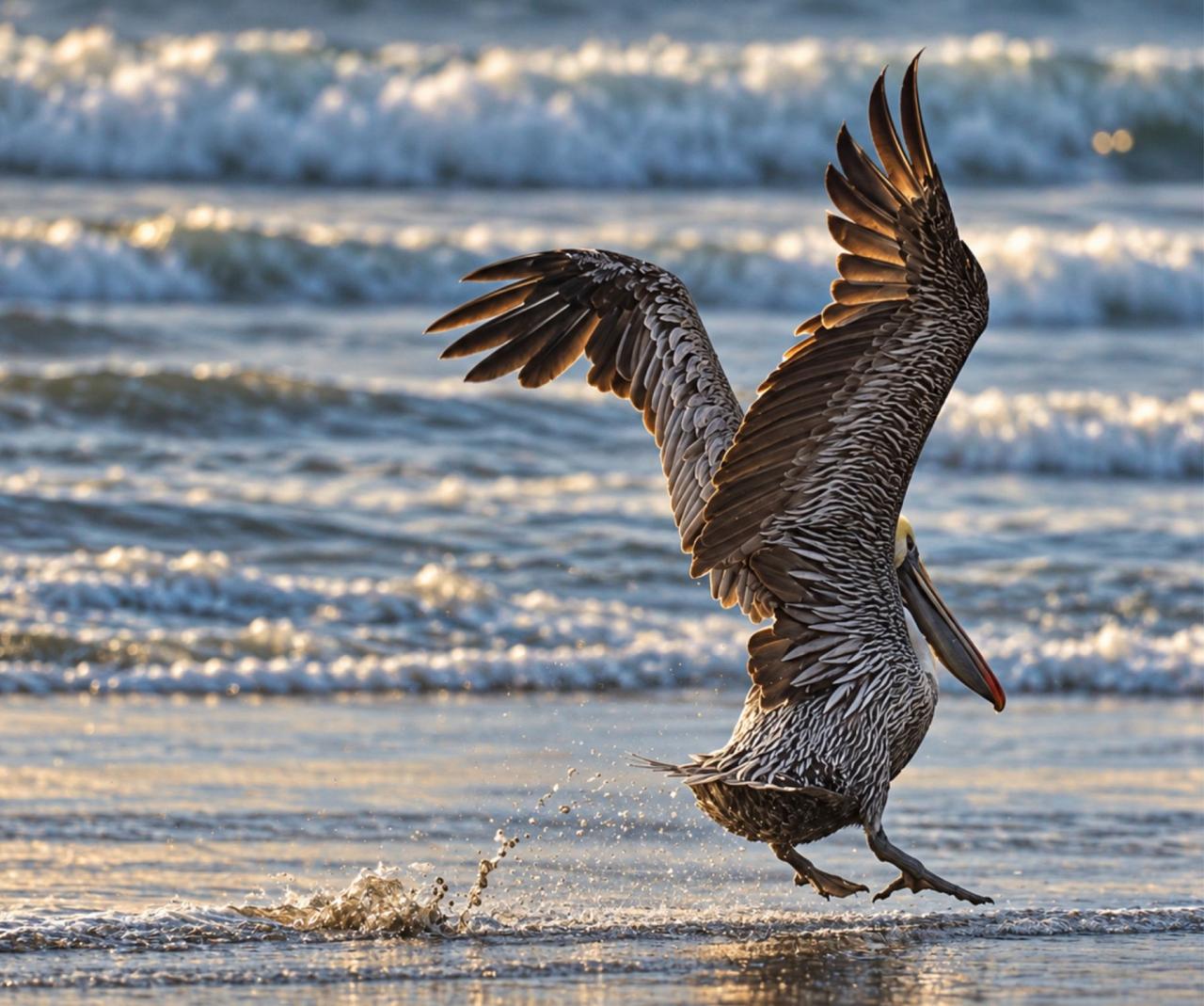
Brown Pelican by Stephen Grace
-
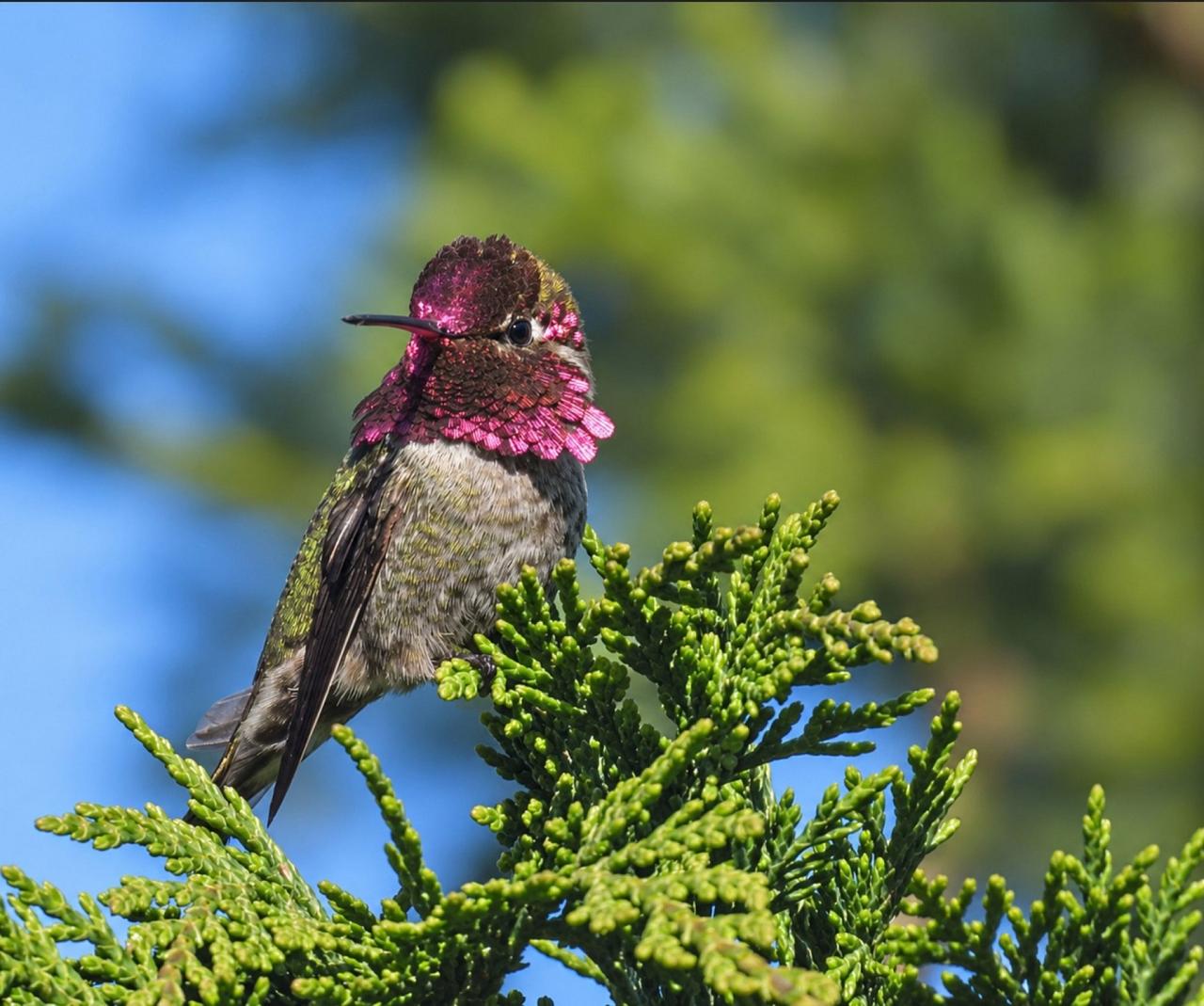
Anna's Hummingbird by Stephen Grace
-
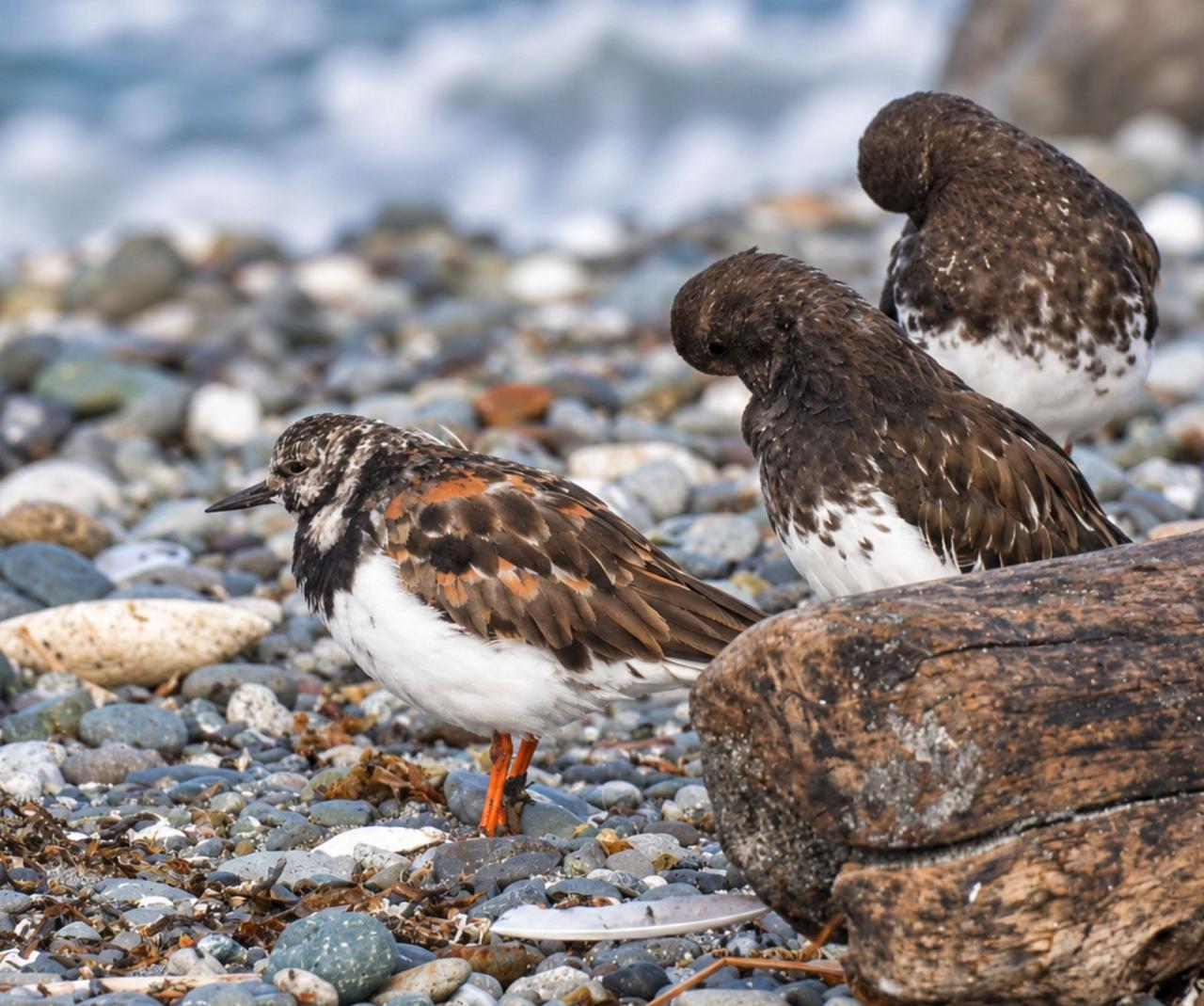
Ruddy Turnstone (left) and Black Turnstones (right) by Stephen Grace
-
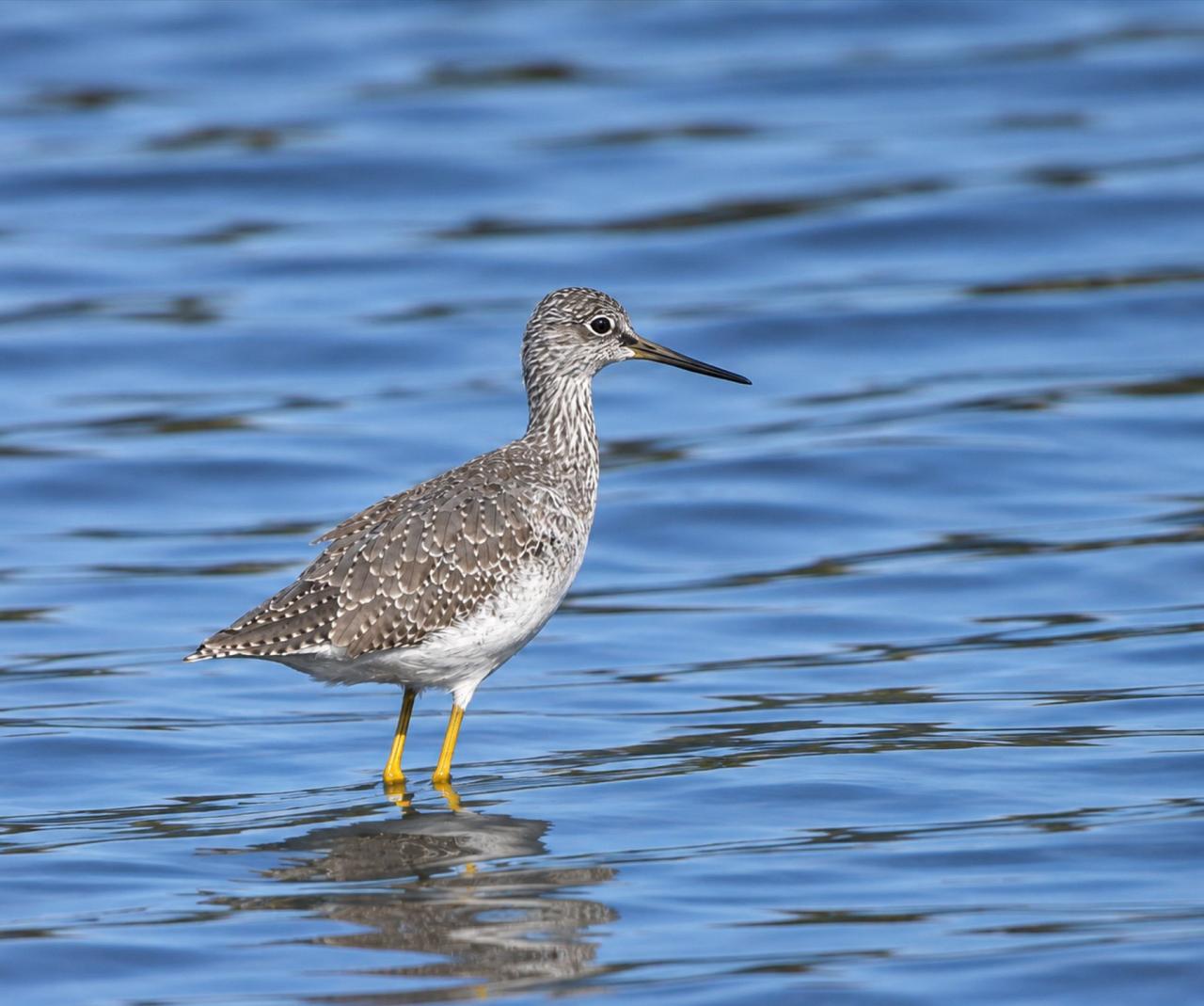
Greater Yellowlegs by Stephen Grace
-
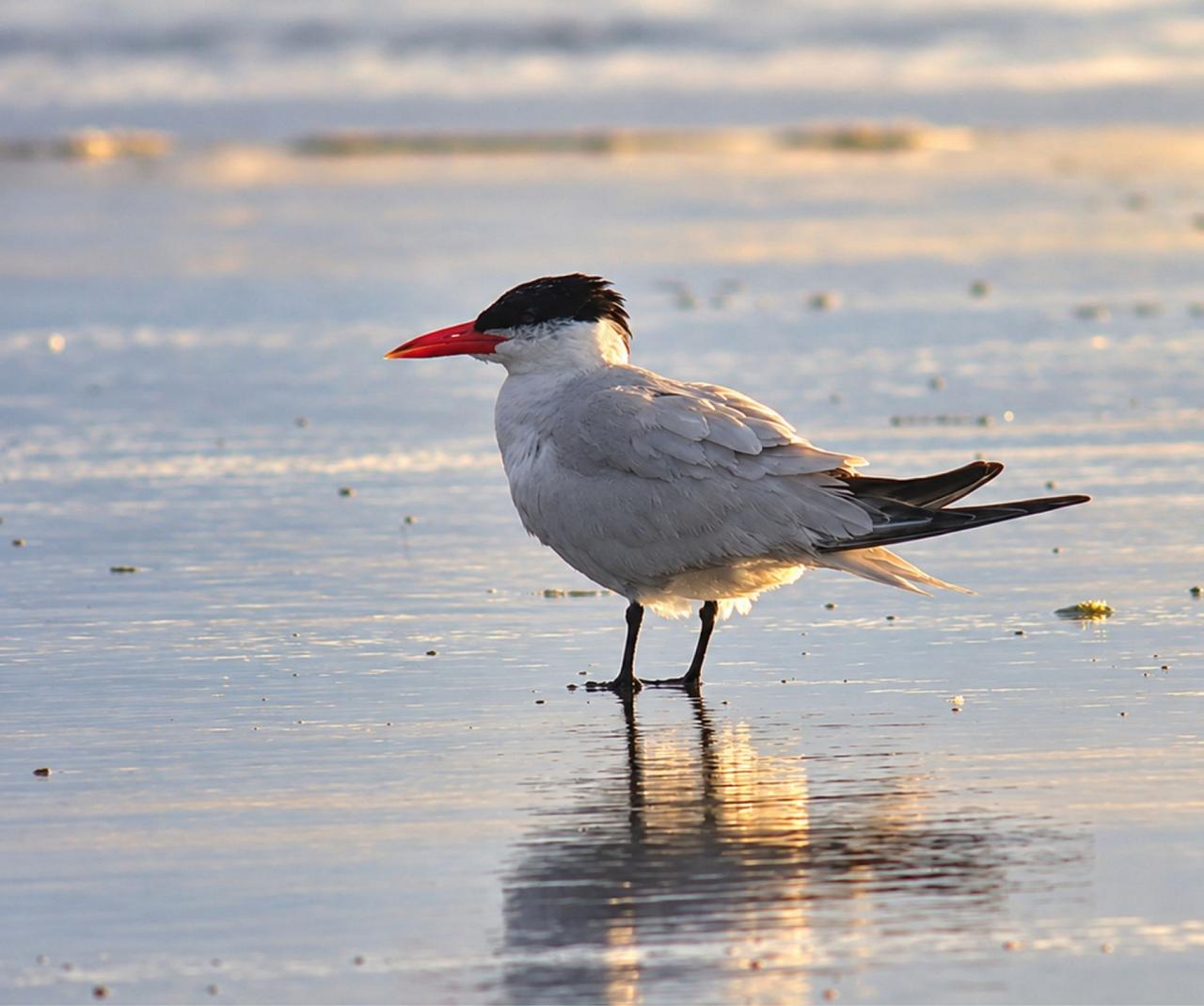
Caspian Tern by Stephen Grace
-
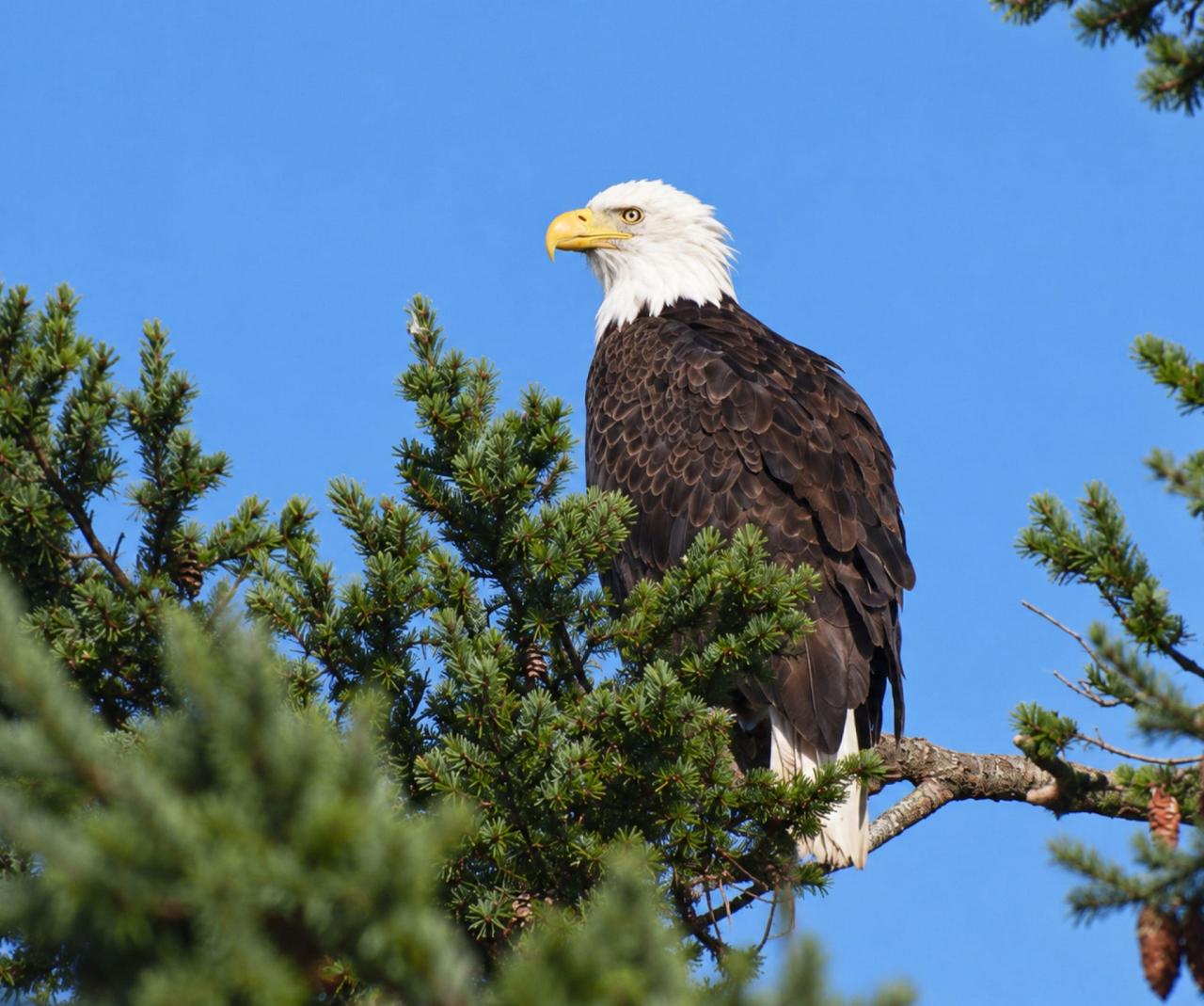
Bald Eagle by Stephen Grace
-
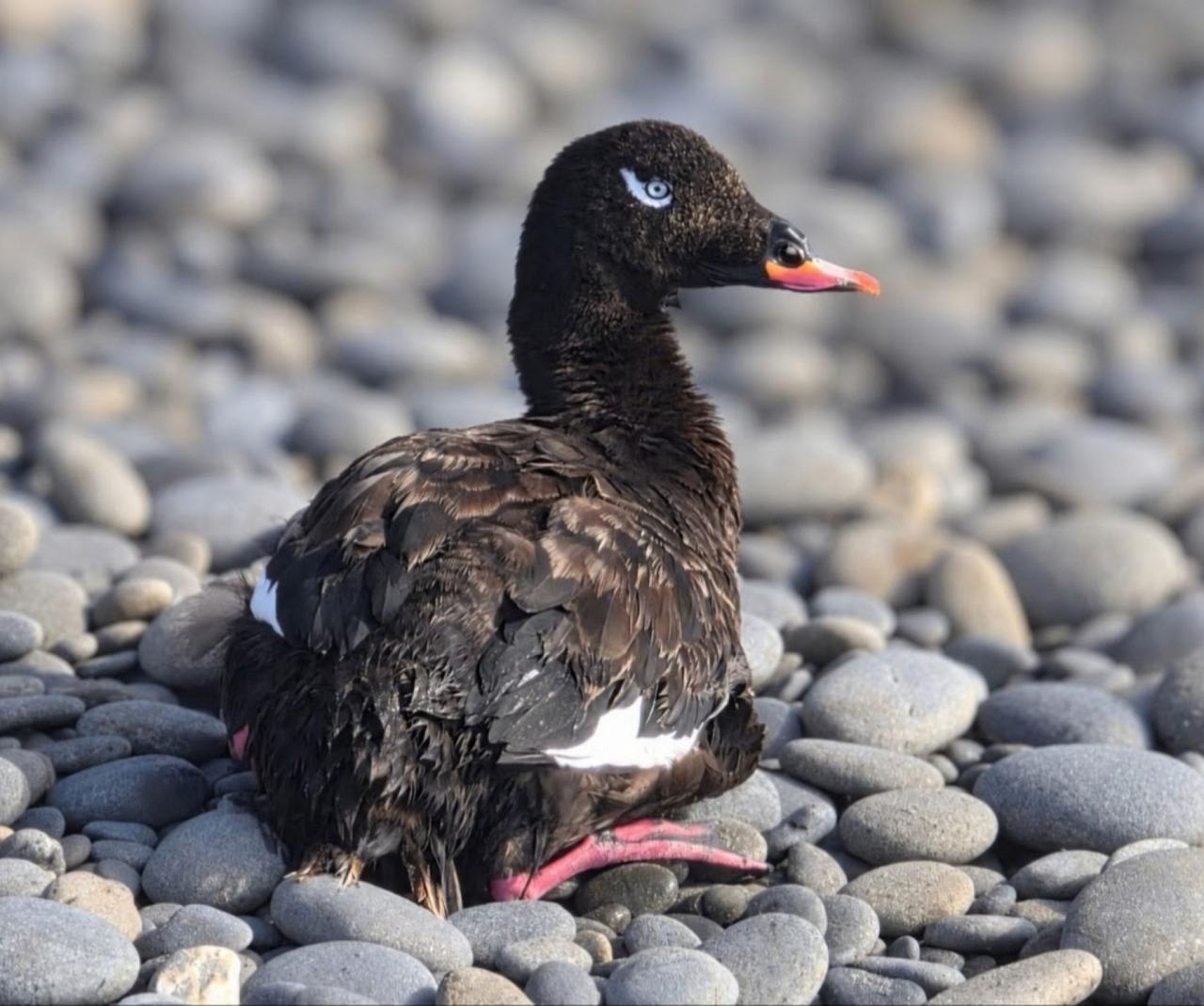
White-winged Scoter by Stephen Grace
-
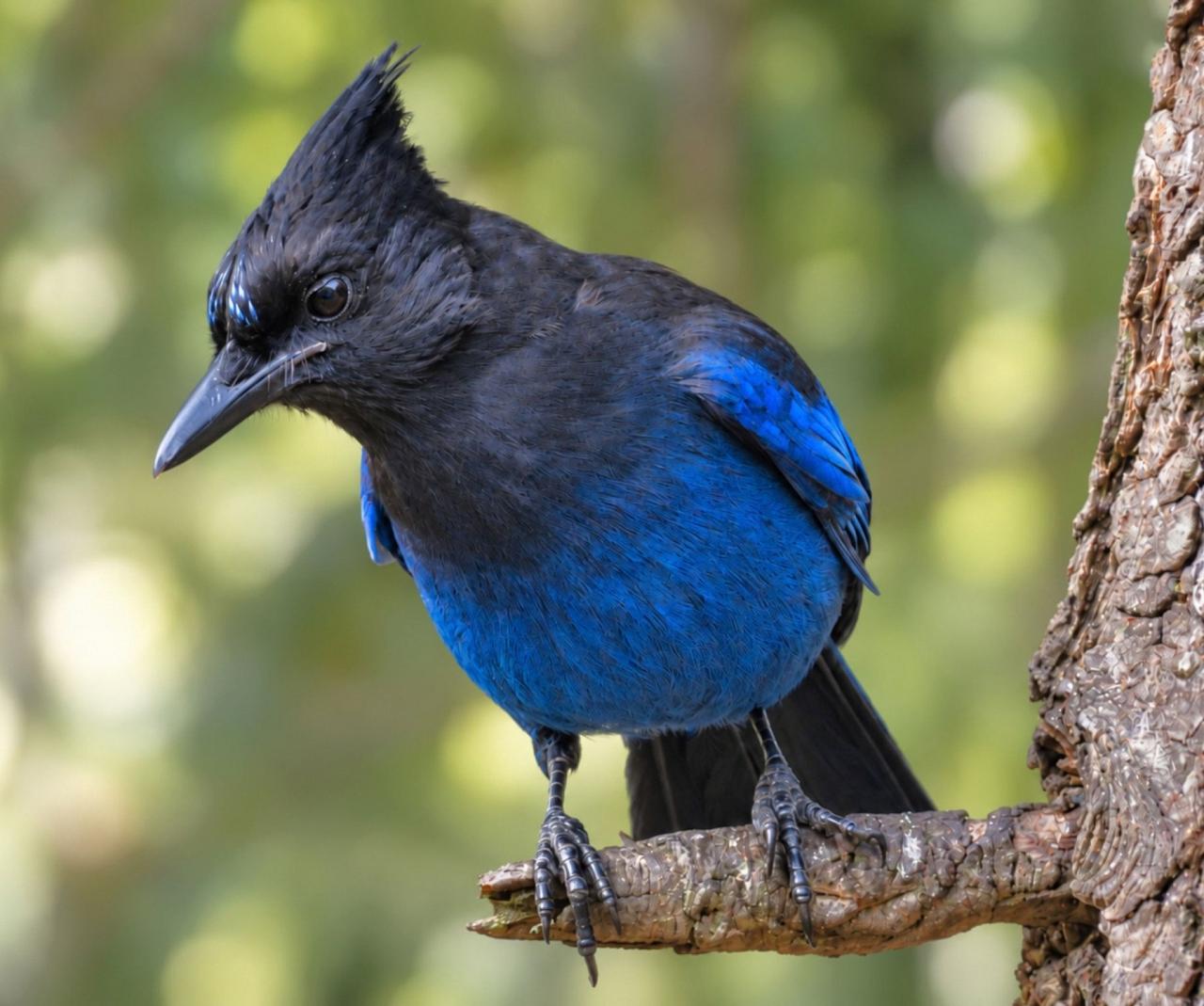
Steller's Jay by Stephen Grace
-

-
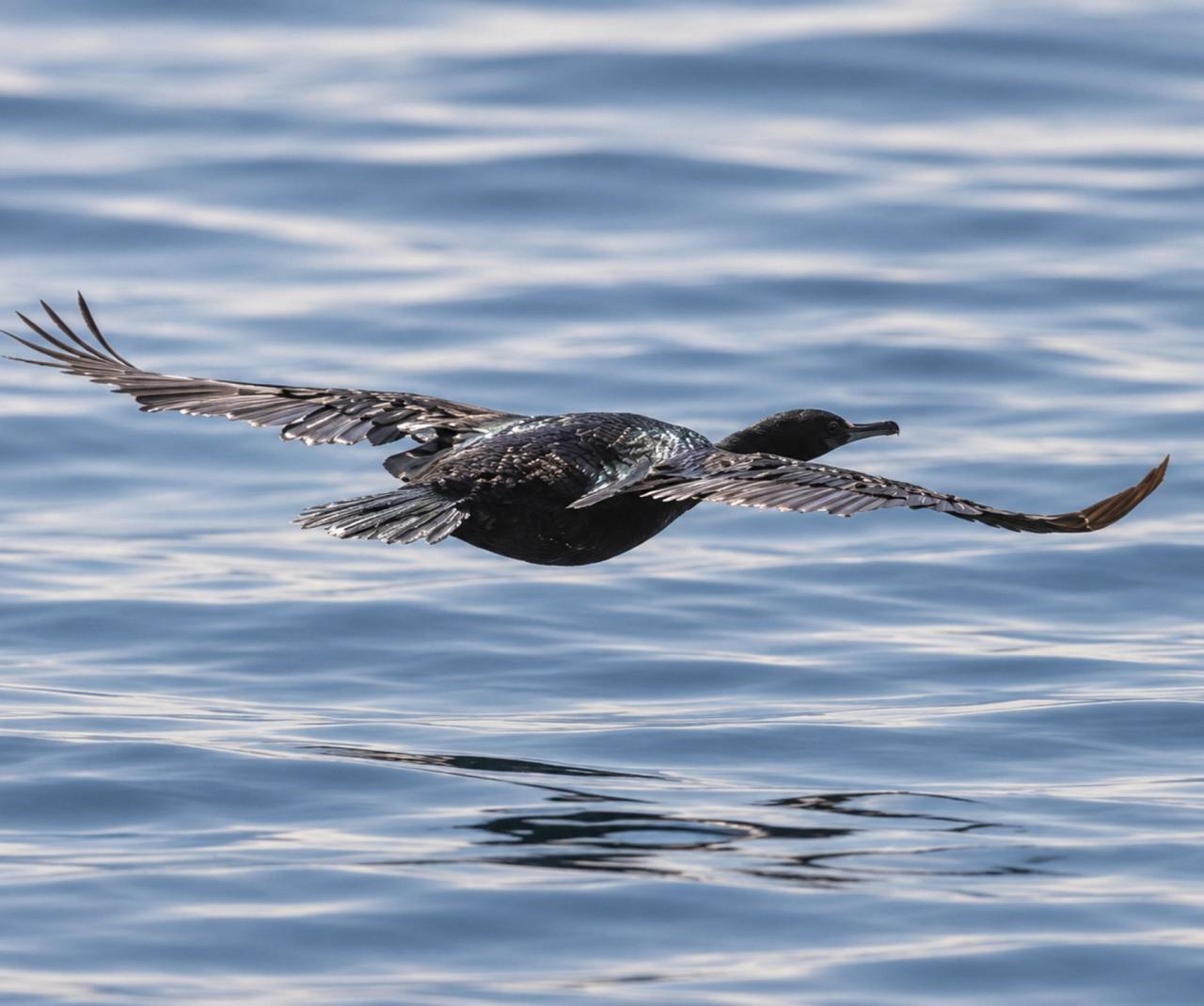
Pelagic Cormorant by Stephen Grace
-
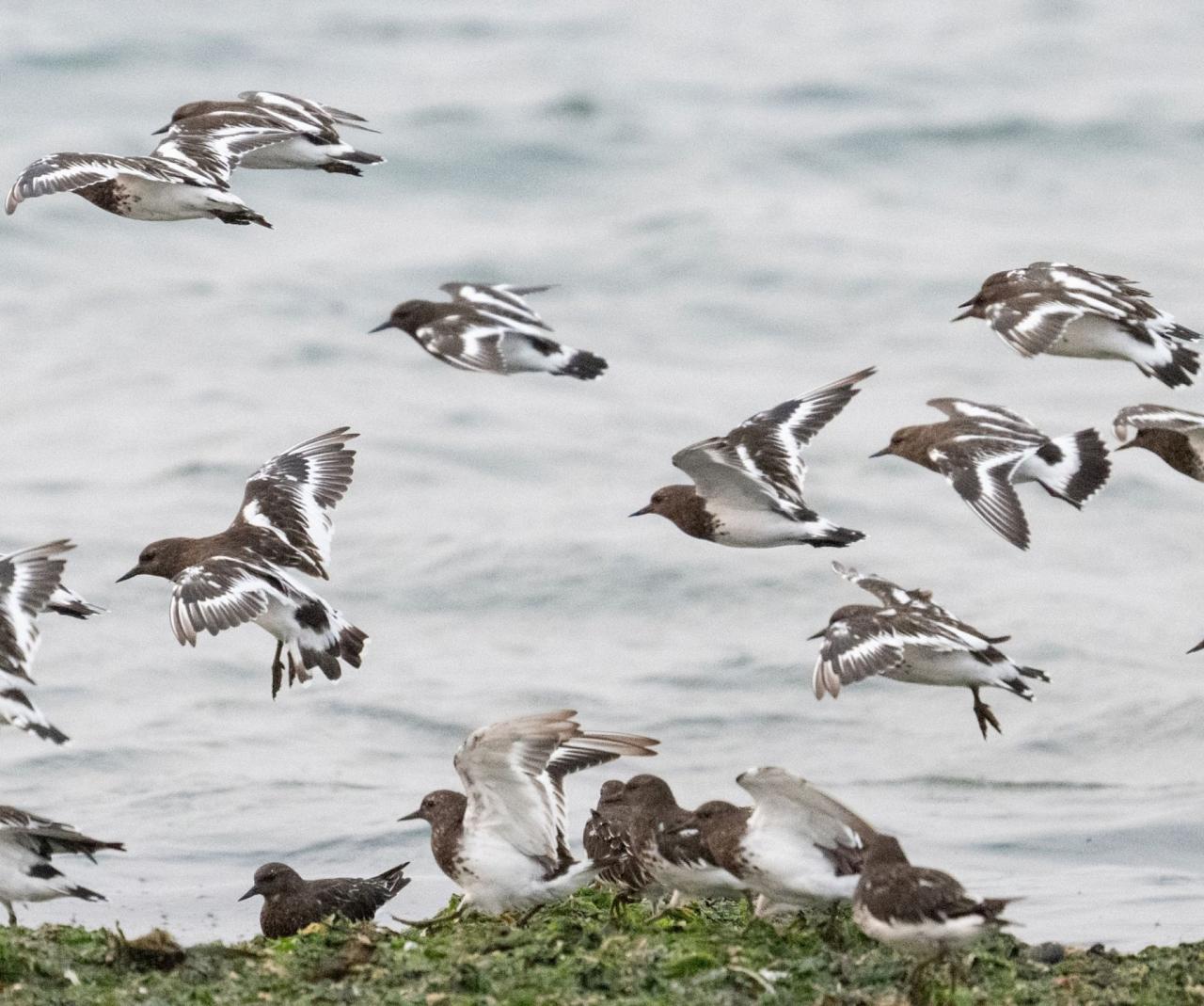
Black Turnstone by Dennis Utterback
-
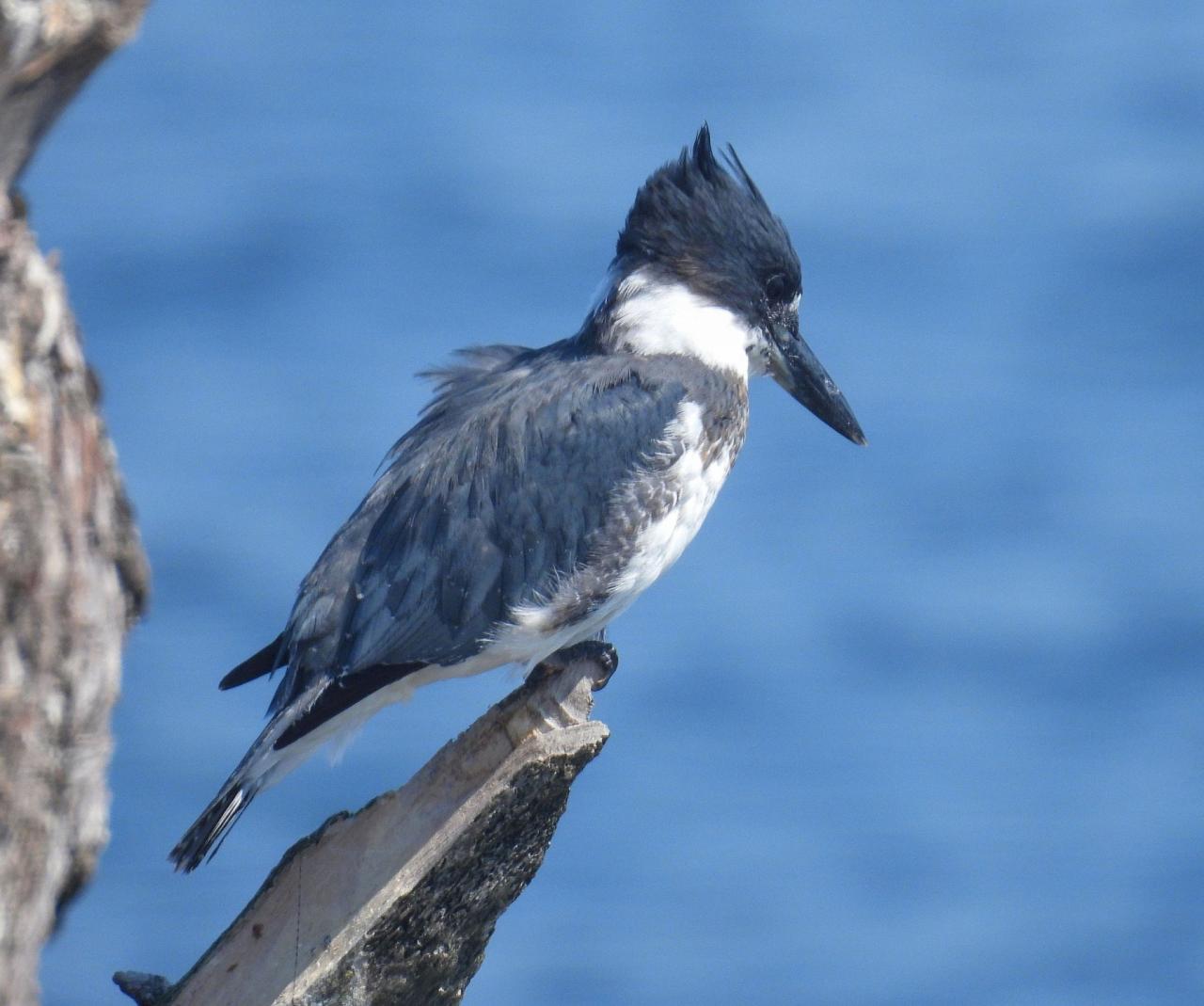
Belted Kingfisher by Stephen Grace
-
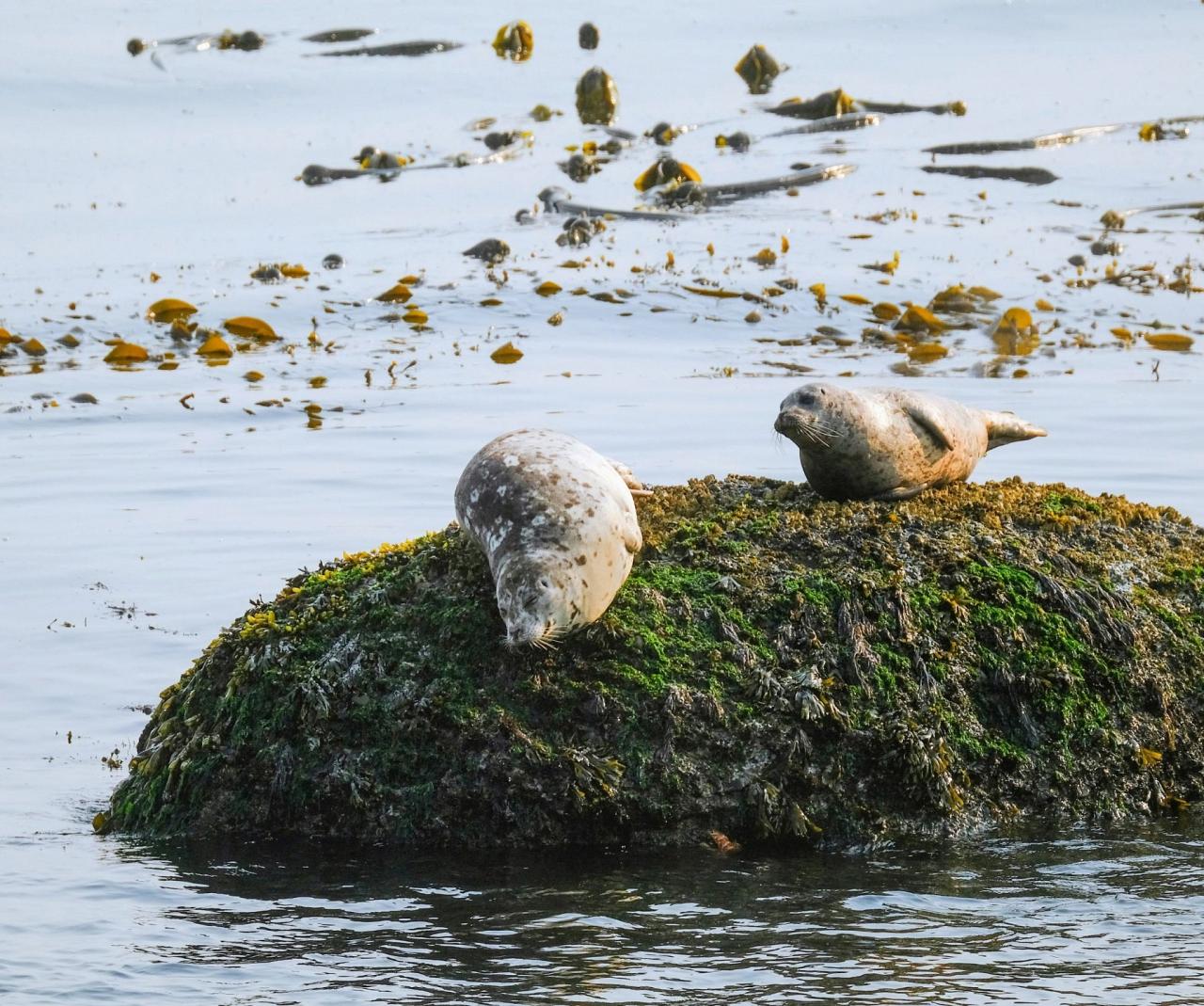
Harbor Seal by Nathan Welch
-
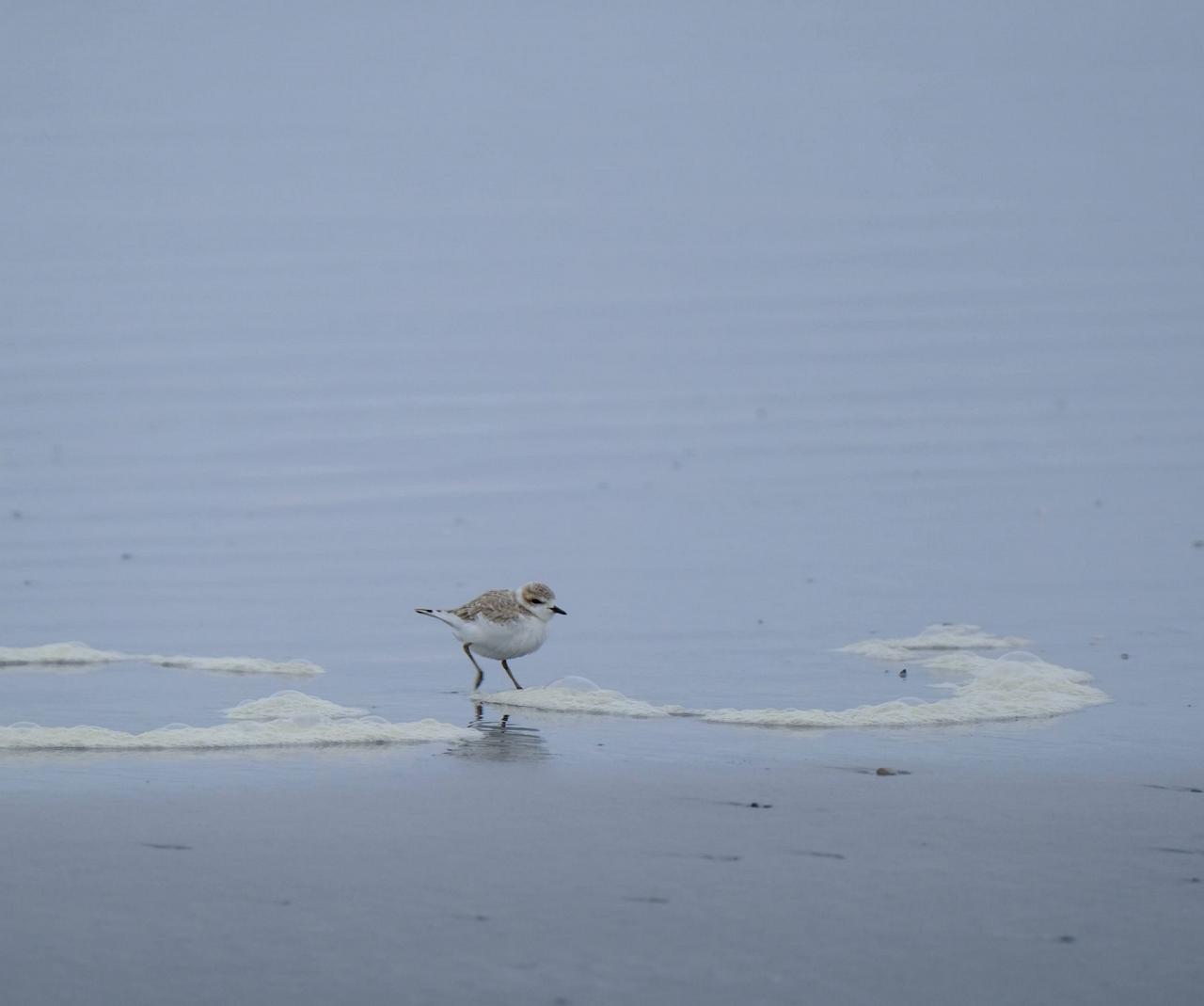
Snowy Plover by Nathan Welch
Cost of the Journey
Cost of the journey is $4390 DBL / $5190 SGL, based on double occupancy, from Portland, Oregon. Cost includes six nights’ accommodations, all meals as noted in the itinerary, airport transfers, ground transportation, professional guide services, park and other entrance fees, and miscellaneous program expenses.
Not included is round-trip airfare to and from Portland, personal expenses such as laundry, telephone, drinks from the bar, and gratuities for luggage handling or other services. Guide gratuities are at your discretion.
Travel Details
Please plan to make air travel plans only after the minimum group size has been met. We will send you a confirmation email as soon as the trip has been confirmed.
Arrival Airport: Portland International (PDX)
Arrival Details: Please plan flights to arrive August 8, 2027, no later than 2:00 PM
Departure Airport: Portland International (PDX)
Departure Details: Please plan flights to depart August 14, 2027, after 2:00 PM
Hotel Recommendations: If you want to relax and stay near the airport after arrival (we can pick you up at this hotel, also where the guide will be staying), we recommend: Hyatt Place Portland Airport. If staying downtown there are many unique charming hotels such as the Heatham Hotel.
Travel Tip: If you want to arrive a day or two early, Portland has an array of wonderful things to do. The Portland Japanese Garden is considered the most beautiful and authentic Japanese garden outside of Japan. For those geology fans, the Rice Museum of Rocks & Minerals is a must see. Not only does it have a wonderful location, the building itself is also on the National Register of Historic Places. Just staying in downtown Portland offers endless dining options and access to many more great museums such as the Oregon Historical Society.
Browse below for trip reports and species lists from past versions of this and other tours from this destination.
Washington
- February 2013
- July 2013
- June 2017
- June 2018
- June 2019
- February 2021
- May 2021
- February 2022
- August 2022
- May 2023
- May 2024
- September 2024
- May 2025
- September 2025
- May 2026
- September 2026
-
James Petersen

James grew up in New Jersey and started birding at a young age. He continued that passion by getting an undergraduate degree in Wildlife Ecology from the University of Maine. Since then, he has worked and birded extensively across the United States, including conducting point counts and banding ducks in Maine; identifying and counting waterfowl in Nebraska; counting migrating raptors in Texas, Arizona and Wyoming; and surveying for Northern Goshawks in northern California. The past three springs he has been a bird guide in the Chiricahua mountains in southeast Arizona, and he enjoys sharing his passion for birds with others. His favorite bird is the Red-headed Woodpecker.
Other trips with James Petersen
-
 Cape May: Fall Migration FULL - See our 2027 departures!October 13 - 19, 2026
 -
 Guyana: Unspoiled WildernessNovember 5 - 17, 2026
 -
 Arizona: New Year’s Birding Blitz FULL - Check out New Year at Tranquilo Bay!December 29, 2026 - January 4, 2027
 -
 New Mexico: Winter Birds & Grand LandscapesJanuary 17 - 25, 2027
 -
 Tanzania: Wildlife & Birding Safari Only one space left!February 8 - 21, 2027, w/Amboseli & Nairobi National Parks extension
 -
 Best of Guatemala: Birding & CultureMarch 2 - 12, 2027, w/Tikal extension
 -
 Nome Sweet Nome! May 30 - June 6, 2027
 -
 Summer in Maine: From Acadia to the NorthwoodsJuly 6 - 13, 2027
 -
 Arizona Monsoon Madness: Birding & Nature in a Season of Wonder!August 19 - 26, 2027
 -
 Maine's Monhegan IslandSeptember 4 - 11, 2027
 -
 Arizona: New Year’s Birding Blitz December 29, 2027 - January 4, 2028
-
-
Mason Flint

Mason is a New Mexico native who started birding at age 11 when his family moved within walking distance of the Richardson Bay Audubon Sanctuary in Tiburon, California. Here, he became an Audubon Junior Naturalist. His love of birding and travel grew through as he moved with his family to Alaska, Ohio, and Vermont, college on the east coast, and a few years trying to eke out a living as a birder/ski bum in Montana and back in New Mexico.
In desperate need of gainful employment, Mason settled in Seattle where he spent most of his career at Microsoft. Mason was able to feed his habit by adding on a day or two of birding to business trips across the US, Europe, and Asia and travel with his family. His wife Suzy, who loves travel but isn’t a birder, is a good sport and jokes that being married to a birder has given her the opportunity to visit sewage treatment ponds around the world.
Mason retired a bit early in 2015 to help fledge his two sons, squeezing in travel and birding between soccer games and band performances. He was thrilled to finally combine his passions and profession when he joined Naturalist Journeys as a consultant in early 2020. Mason has led field trips in Guyana, Peru, Iceland, Texas, Washington, Wyoming, Southeastern Arizona, Minnesota, and South Africa.Other trips with Mason Flint
-
 Brazil’s Pantanal: Jaguars! And More… FULL - See our 2027 departures!October 11 - 21, 2026, w/Amazonia extension
 -
 Ultimate Patagonia FULL - See our 2027 departure!November 5 - 19, 2026
 -
 Colombia: Santa Marta & the Atlantic Coast FULL - See Bogota in July!January 17 - 27, 2027
 -
 Costa Rica Birding & Nature FULL! See our Monteverde tour.March 28 - April 4, 2027, w/Pacific Coast extension
 -
 Texas Coast & Big ThicketApril 21 - 29, 2027
 -
 Classic Alaska: Birding & Wildlife: Anchorage, Nome, Seward & Kenai Fjords Sold as a private tour.June 8 - 17, 2027
 -
 The Pearl of Africa: Gorillas & Safari in Uganda Only one space left!July 8 - 19, 2027, w/Royal Mile-Murchison Falls extension
-

Essential Information +
Photo credits: Banners: Washington boardwalk birding, Naturalist Journeys stock; Pacific Northwest birding guests, Naturalist Journeys Stock; Landing page, all by Carol Comeau, Black Oystercatcher, Black Turnstone, Elegant Tern, Least Sandpiper, Long-billed Curlew, Long-Billed Curlew with crab, Marbled Godwit, Sanderlings, Semi-palmated Plover, Snowy Plover, Surfbird, Wandering Tattler, Western Sandpiper, Whimbrel; Gallery: Bald Eagle, Greg Smith; Black Turnstone, Greg Smith; Brandt's Cormorant, Greg Smith; Cape Flattery, Woody Wheeler; Sea Otter, Greg Smith;