

- Overview
- Full Itinerary
- Extensions
- Photo Gallery
- Costing
- Travel Details
- Trip Reports
- Guide
- Know Before You Go
Discover the wonders of India—amazing birds, mammals, and landscapes—as we travel to three key national park areas from Kolkata, India’s cultural capital, into the rich habitats of this colorful country. India is a top destination for mammals as well as birds and our carefully crafted itinerary highlights both. We have chosen Kaziranga, Singalila, and Pench as three totally different enironments to explore; our tour is a national park sampler rich in wildlife.
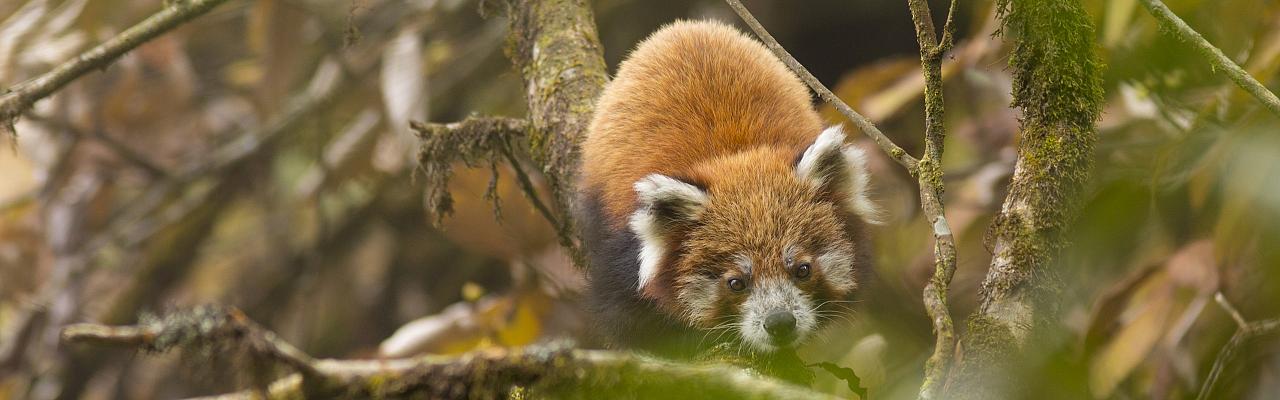
Explore by safari jeeps through Kaziranga National Park, keeping your eyes peeled for Indian Elephant, Indian Rhinoceros, and possibly even Bengal Tiger. Then explore on foot and safari 4 X 4 cars the Himalayan habitats of Singalila – looking for the cutest wild animal, the Red Panda, along with other species like the Yellow-throated Marten, Assamese Macaque, Orange-bellied Squirrel, the rare but possible Indian Leopard, Leopard Cat and some other mammals. A variety of interesting birds like the Spotted, Scaly, Blue-winged, Black-faced and Chestnut-crowned Laughingthrush, White-collared Blackbird, Red-throated, Black-throated, Scaly, Long-billed Thrush, Green-backed and Asian Tit, Gray-crested Tit, Blood Pheasant, Snow Partridge, Satyr Tragopan and other species are possible in this area. After that we will head to Kurseong to relax and enjoy a bit of tea-tourism in a carefully restored bungalow. Birds are always nearby and we will go out to look for the rare and beautiful Rufous-necked Hornbill, Red-headed Trogon, etc. After that we’re off to the Saal forests of Central India to enjoy safaris in the open forests of Pench—a park that was the base of Kipling’s Jungle Book. Keep an eye out for Bengal Tiger, Common Leopard, Sloth Bear, Jungle Cat, elegant Sambhar. Pench is home to Wild Dogs too, a unique species that we may be lucky to spot here. Explorations are in open 4x4 jeeps with a knowledgeable local naturalist.
Birding highlights for the tour include Great Hornbill, Rufous-necked, Oriental Pied & Malabar Pied & Indian Gray Hornbills, Swamp Francolin, Red Spurfowl, Red-headed Trogon, Spotted Laughingthrush, Darjeeling Woodpecker, Common Green Magpie, rare but possible Satyr Tragopan and Bengal Florican, Greater-necklaced Laughingthrush, Indian Roller, Indochinese Roller, Grey-headed Fish Eagle, Pallas’ Fish Eagle, Blue-naped Pitta, and so many more!
Our main tour is designed for two weeks plus your travel time. But since you’ve traveled all the way to India, we encourage you to make the most of your time at another beautiful natural habitat and try to see the amazing journey of the dimunitive Amur Falcon in Nagaland. It’s the only place in the Asia where one can hope to see one of the smallest raptors of the world congegrate in very large numbers. By timing the extension in early November with the expected peaking of the mass congegration of the Amur Falcons – we hope to offer you an opportunity to see this amazing bird spectacle. Nagaland also offers us a chance of a no of other birds – endemic Naga Wren Babbler, the Blyth’s Tragopan, Spot-breasted, White-browed, Moustached, Assam and Brown-capped Laughingthrush, Spot-breasted Parrotbill, Crimson-naped Woodpecker and other species.
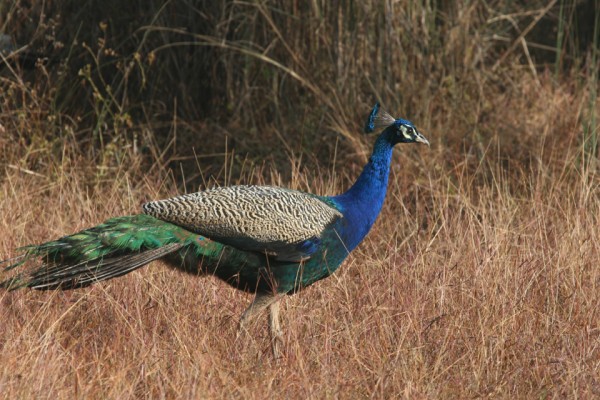
Tour Highlights
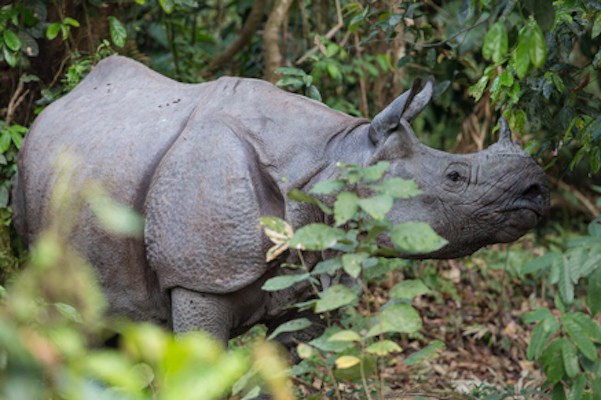
- At Kaziranga, have the chance to see wild Indian Elephant and Rhino
- Spend time exploring the Brahmaputa River, one of the great rivers of the world, for Gangetic River Dolphin
- Look for Bengal Tiger, Common Leopard and Indian Wild Dog, Asiatic Gray Wolf in Pench Tiger Reserve
- Seek adorable Red Panda in rhododendron forests
- Gaze at the stunning Himalayas near your lodging, including Mount Kanchenjunga – the tallest peak in India!
- Join us on the Pre-Tour Extension to witness the amazing sight of nearly a million Amur Falcons on their journey south to Africa
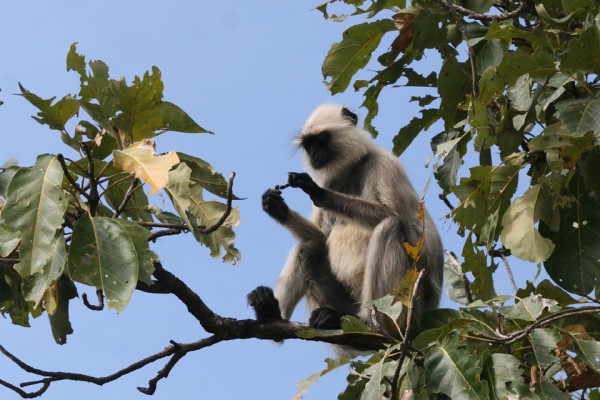
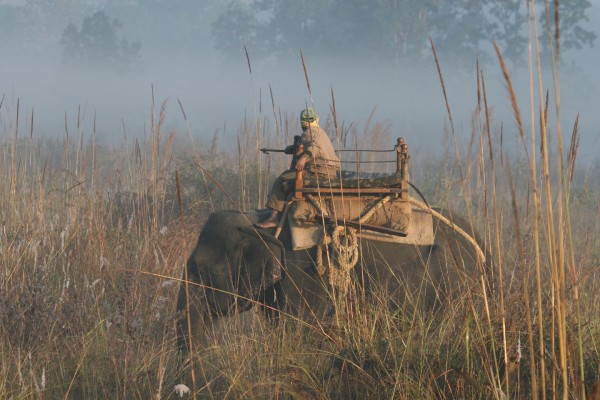
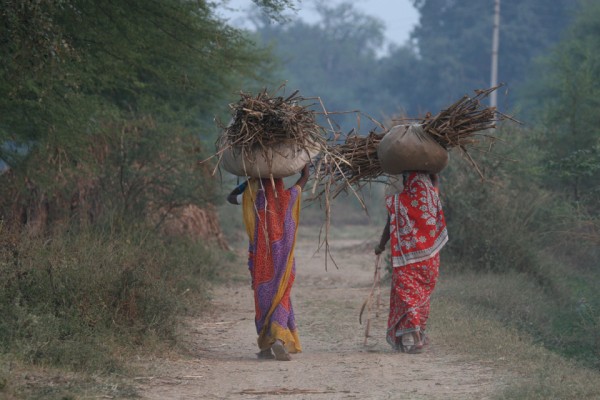
Trip Itinerary
Itineraries are guidelines; variations in itinerary may occur to account for weather, road conditions, closures, etc. and to maximize your experience.
Thurs., Nov. 4 Arrivals in Kolkata
Welcome to India! You are met on arrival at the airport and are transferred to our nearby hotel. As the group arrives, we assemble for dinner to get to know each other and our guides. Kolkata is the capital of India’s West Bengal state, in the far eastern part of the country. Some may wish to arrive early, to rest up from travel and see cultural highlights of the city; if so we can help you with plans and ideas to explore.
Accommodations at The Taj Vivanta or similar (D)
Fri., Nov. 5 Kolkata
Enjoy breakfast at the hotel and a bit of rest, if you wish, or enjoy some optional sightseeing around Kolkata. A private guide will take you on a walking tour of both modern and old Kolkata while sampling delightful food along the way.
In the afternoon, we do a bit of urban birding on the outskirts of the city for species such as the colorful Indian Pitta, Blue-throated Flycatcher, Tickell’s Blue Flycatcher, the adorable Spotted Owlett, Large-billed Leaf Warbler, and Orange-headed Thrush.
Accommodations at The Taj Vivanta or similar (B,L,D)
Sat., Nov. 6. Kolkata| Jorhat | Kaziranga
After breakfast at the hotel, we fly to Jorhat and then drive for three hours in our comfortable air-conditioned van to reach the magnificent Kaziranga National Park in the far northeast part of the country. Kaziranga is one of the great wildlife-rich parks of India, and it hosts grasslands, savanna woodlands, tropical moist deciduous forests, and tropical semi-evergreen forests. The Brahmaputra River passes by to the north of the park and we should be lucky enough to spot Elephants and Rhinos here—a solid mark to the health of this wildland ecosystem.
Settle into air-conditioned accommodations and enjoy a bit of evening birding around the outskirts of the park.
Accommodations at The Infinity Lodge or similar (B,L,D)
Sun., Nov. 7 and Mon., Nov. 8 Kaziranga National Park
The next two days we enjoy morning and afternoon safaris in the national park in open 4x4 jeeps. On our morning safari we hope to see One-horned Rhino, Bengal Tiger, herds of Indian Elephant, a number of Wild Buffalo, Capped Langur, Common Palm Civet, and other mammals like Smooth-coated Otter and the rare Hog Badger. After the morning safari, we return to the lodge for lunch and a short rest before our afternoon safari drive, looking for more birds and mammals. We may also be lucky to find rare King Cobra or a basking Burmese Rock Python and other reptiles like Water or Bengal Monitor.
Birding at Kaziranga is some of the best in India. Almost 500 species of birds call this place home; the park is a vitally important IBA (Important Bird Area), home to 14 near threatened species. Notable residents include Swamp Francolin, Lesser and severely endangered Greater Adjutant, Pallas’s Fish-Eagle, Bengal Florican, Gray-headed Fish-Eagle, Black-necked Stork, Marsh Babbler, and more. Pale-capped Pigeon, a globally-threatened species, breeds in the park. Kaziranga is also famous for its nesting colonies of Spot-billed Pelican.
Accommodations at The Infinity Lodge or similar (B,L,D)
Tues., Nov. 9 Kaziranga | Guwahati
We have one last morning safari in the park today where we search for anything we may have missed in previous days. After the morning safari, we return to the lodge for lunch and pack up to head to Guwahati, about five hours away. If time allows, we do a bit of birding in the outskirts of the city to look for the immense Greater Adjutant, Blue-naped Pitta, Oriental Bay-Owl, Great Slaty Woodpecker, Bay Woodpecker, Malayan Night Heron, White-browed and Speckled Piculet, and Blue-eared Barbet.
We arrive at the hotel in time for dinner.
Accommodations at the Taj Vivanta or similar in Guwahati (B,L,D)
Wed., Nov. 10 Guwahati | Bagdogra | Cross Into Nepal
We depart our hotel early this morning with a packed breakfast for the airport to catch our flight to Bagdogra, north of Kolkata. Once we land, we are met by our driver and embark for our four-hour drive to Ilam in eastern Nepal.
On our way up, we make several stops to enjoy our first hill birds. As we slowly gain altitude, we see birds such as Blue Whistling Thrush, Lesser Racket-tailed Drongo, some of the gregarious laughing-thrushes and with luck a mixed flock comprising of minivets, minlas, orioles, and other interesting species. On arrival we enjoy a couple of hours of birding around the lodge and then have dinner before a good night’s sleep.
Accommodation in Ilam (B,L,D)
Thurs., Nov. 11 Ilam | Singalila
After breakfast at the lodge, we contine on to Singalila National Park, about a 3-hour drive. A beautiful oak forest uncovers itself from the folds of the mists that keep it as a secret forest unknown to the world. The Singalila ridge that the park sits on is covered by thick bamboo, magnolia, oak, and rhododendron forests between 2,000 and 3,600 meters. On a clear day, you can see four of the five highest peaks in the world- Everest, Kangchenjunga, Lhotse, and Makalu, all above 8,400 meters.
We start making stops and walk in to the wilderness enjoying the birding, starting from below and then moving up into the forests. We break for an al fresco breakfast and then resume birding for a while. Our support crew meanwhile breaks themselves into two teams and starts looking for Red Pandas. Once they find one, they guide us to the location and we can enjoy scope views and potentially reasonably close views of the panda.
Accommodation in Jaubari (B,L,D)
Fri., Nov. 12 – Sat., Nov. 13 Singalila
We awaken early each morning for breakfast and then set out for the 45 minute drive in covered and heated vehicles to the gate of the Singalila National Park. We search for Red Panda and other fascinating mammals including Asiatic Leopard, Leopard Cat, Jungle Cat, Yellow-throated Marten, Himalayan Serow, Himalayan Black Bear, Wild Boar, Assam Macaque, Hoary-bellied Squirrel, Orange-bellied Squirrel, and more.
Birds include the striking Satyr Tragopan, the brilliant Red-headed Trogon, and numerous specialties including Hill Partridge, Darjeeling Woodpecker, Spotted Nutcracker, Streak-throated Barwing, Gold-naped Finch, Scarlet Finch, Dark-breasted and Dark-rumped Rosefinches, Sikkim Treecreeper, a number of different warblers, yuhinas, and tits. Overhead, we keep alert for views of raptors.
Accommodation in Jaubari (B,L,D)
Sun., Nov. 14 Singalila | Kakarbhita | Kurseong
We have one more search for Red Panda this morning before having breakfast at our lodge. Then we pack up and gradually head down to Kakarbhita to cross back into India. Our destination is Kurseong, a scenic hill station in West Bengal. Situated at just under 5,000 feet, Kurseong is known for its world-famous tea estates.
In the afternoon, we arrive at our lodge. Set within the Singell Tea Estate, one of Darjeeling’s oldest organic tea gardens, the property has great views of the eastern Himalayan range. Built in the late 1800s, the bungalow is a great place to relax.
Accommodation at CGH Earth Singel or similar in Kurseong (B,L,D)
Mon., Nov. 15 Kurseong Area Birding | Tea Tasting
After breakfast, we do some birding near the forest village Latpanchar, near the lodge. Set at the highest point of the Mahananda Wildlife Sanctuary at 4,200 feet, it has a mesmerizing view of the Teesta River. Species we may find include Pin-tailed Green Pigeon, Thick-billed Green Pigeon, Wedge-tailed Green Pigeon, Great Hornbill, Rufous-necked Hornbill, Red-headed Trogon, etc.
The Mahananda Wildlife Sanctuary is home to 36 species of mammals and more than 240 species of birds. The Rufous-necked Hornbill is the main target species of Latpanchar. Populations of this species are in decline and only a handful currently thrive in the forests here, but they can be easily spotted from the openings and optimum bird watching vantage points. Species including Red-headed Trogon, Collared Scops-Owl, and Gray-headed Parrotbill are just some of the other vibrant birds that can be viewed from this quaint village. If we are lucky, we may also see Malayan Giant Squirrel and Barking Deer.
In the afternoon, we have the opportunity to learn about tea. We take a guided tour of the tea estate and enjoy a tasting session.
Accommodation at CGH Earth Singel or similar in Kurseong (B,L,D)
Tues., Nov. 16 Kurseong | Bagdogra | New Delhi
Today is mostly a travel day as we head to the airport in Bagdogra for a flight to New Delhi. We arrive in the early afternoon and for those interested, we can do some birding in nearby areas to look for Sarus Crane, Painted Stork, Black-necked Stork, Bar-headed Goose, Graylag Goose, Black-rumped Flameback, Brown-capped Pygmy Woodpecker, Brahminy Starling, and other species.
In the evening, we enjoy a delicious dinner at the hotel.
Accommodation at Roseate House or similar in New Delhi (B,L,D)
Wed., Nov. 17 New Delhi | Nagpur | Pench Tiger Reserve
This morning after breakfast, we take a short flight to Nagpur, in central India. Upon arrival, we are driven to Pench Tiger Reserve, which is about 3 hours from the airport. We check into our lovely lodge, set on 50 acres just a few minutes from the reserve.
Later in the afternoon, we enjoy our first safari in the buffer zone of Pench Tiger Reserve. The entire park is about 450 square miles and is divided in eight zones that are open to tourists. Known as the setting for Rudyard Kipling’s ‘The Jungle Book’, the mixed forest with plentiful saal trees provide habitat for a healthy population of Bengal Tiger, Leopard, Asiatic Jackal, Jungle Cat, Sloth Bear, the endemic Swamp Deer, Bengal Fox, Sambhar, the world’s largest bovid- Indian Gaur, herds of Spotted Deer, and other mammals. This is also a great park for birds, with over 300 species recorded here. We search for Changeable Hawk-Eagle, Crested Serpent-Eagle, Brown Wood-Owl, Scarlet Miniviet, the elegant Indian Paradise-Flycatcher, Brown-cheeked Fulvetta, Red Spurfowl, the endemic Indian Scimitar-Babbler, and others.
Our intimate and spacious accomodation with comfortable beds is managed with friendly staff. The food is excellent and experienced naturalists from the lodge will accompany us on our safaris and bird walks around the lodge.
Accommodation at Pench Jungle Camp or similar (B,L,D)
Thurs., Nov. 18 & Fri., Nov. 19 Pench Tiger Reserve
We have two full days to explore here and each day we enjoy early morning and afternoon safaris in open 4x4 jeeps. We return to the lodge for lunch and a brief break in early afternoon.
We return to our comfortable lodge in the evenings to sample more of the wonderful Indian cuisine we’ve been indulging in.
Accommodations at Pench Jungle Camp or similar (B,L,D)
Sat., Nov. 20 Pench | Nagpur | Delhi | Departures
We have one last morning safari in Pench and then pack up and head to the airport in Nagpur. We arrive in Delhi in the late afternoon for evening international flights home. (B,L)
Amur Falcon Pre-Tour Extension
Itineraries are guidelines; variations in itinerary may occur to account for weather, road conditions, closures, etc. and to maximize your experience.
Each year, the Amur Falcon undertake one of the most remarkable migrations of any bird of prey, traveling anywhere from 13,000 to 20,000 miles each year from East Asia to southern Africa. These pigeon-sized raptors leave Russia and China in the fall, migrating through India—with a vital stop in Nagaland—before crossing nearly 2500 miles of Indian Ocean to East Africa, often taking advantage of monsoon winds.
Mon., Nov. 1 Arrivals in Kolkata
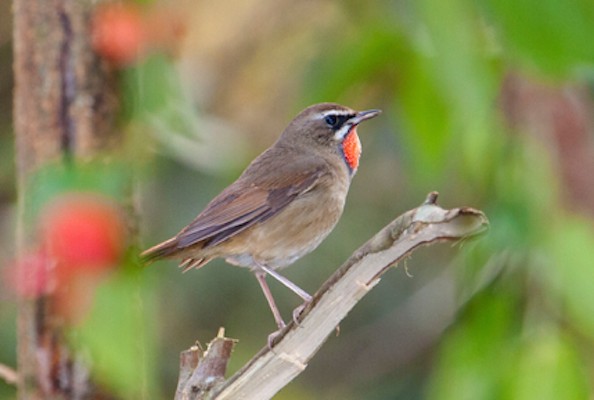
Arrive in Kolkata, known as the cultural capital of India, today. You are met at the airport and taken to the hotel. We have optional birding in the afternoon in the outskirts of the bustling city. Likely species include Spotted Owlet, Indian Blue Robin, Indian Pitta, White-rumped Shama, Blue-throated Flycatcher, Siberian Rubythroat, Black-rumped Flameback, and others.
In the evening we gather to enjoy some of the fabulous cuisine that Kolkata is known for while getting to know our guides and fellow travelers.
Accommodations at Taj Vivanta Gateway (D)
Tues., Nov. 2 Kolkata Birding | Fly to Dimapur | Khonoma
After breakfast at the hotel, we take a short flight to Dimapur. We are met on arrival and head to Khonoma, a village in Nagaland about 3-4 hours away. Khonoma is nestled in the Japfu Mountains and a renowned wildlife conservation area. Traditional hunting and logging has been banned since 2000, which has allowed bird populations to flourish.
We arrive and check in to our simple, family run guesthouse. Today is mostly a travel day, but if time allows we do some birding before dinner.
Accommodations at Dovipie Inn (B,L,D)
Mon., Nov. 3 Khonoma Birding
This morning, we explore the Khonoma Nature Conservation and Tragopan Sanctuary. The forests here are home to over 300 bird species including the endemic Naga Wren-Babbler, the beautiful Blyth’s Tragopan, Hodgson’s Frogmouth, Dark-rumped Swift, Gray Sibia, Cachar Wedge-billed Babbler, and several Laughingthrush species including Spot-breasted, Assam, and Brown-capped. If times allows, we head to Chizami to search for the skulking Yellow-throated Laughingthrush, Spot-breasted Scimitar-Babbler, Striated Prinia, and White-browed Fulvetta. We also have a chance at the rare Blue-naped Pitta in this area.
More uncommon species we look for include the beautifully patterned Mountain Bamboo-Partridge, Mountain Hawk-Eagle, Crested Goshawk, Chestnut-vented Nuthatch, Red-faced Liochichla, Silver-eared Mesia, Spot-breasted Parrotbill, and a variety of others.
We return to our simple accommodation and enjoy dinner.
Accommodations at Dovipie Inn (B,L,D)
Thurs., Nov. 4 Khonoma | Dimapur
We head out early this morning to return to Dimapur. Once there, we explore a recently reported site for one of the world’s most amazing bird spectacles- the Amur Falcon migration. During the annual migration to southern Africa, these small birds weighing just 150 grams travel over 13,000 miles from their breeding grounds in northern China and eastern Russia. They pass through Nagaland, India in large numbers on their way to the wintering grounds. In 2025, nearly one million Amur Falcons were reported from this area.
Once targeted by hunters for consumption and sale in local markets, religious leaders and youth groups stepped in by 2013 to persuade local authorities to allow safe passage for the birds. In the following years, villagers have adopted measure to protect the falcons and their habitat and punish illegal hunting of the species. Data collected in recent years has given scientists a more clear understanding of the migratory routes as well as why so many Amur Falcons migrate through Nagaland and other parts of northeastern India. The abundance of termites in September and October makes the area a preferred refueling site for the birds before they continue their migration across the Arabian Sea.
We visit a roost in Hakheze village, situated in the Niuland Circle of the Dimapur district in Nagaland. In recent years, there has been a notable shift in the roosting area from the Pangti area to Hakheze. After viewing this amazing spectacle, we continue on to nearby Dimapur.
Accommodations at Niaythu Resort (B,L,D)
Fri., Nov. 5 Amur Falcon Migration
We head out early with a packed breakfast back to Hakheze, less than an hour away. We spend the whole day admiring this wonder of Amur Falcon migration. We also spend time looking for other species in the area including Blue Whistling Thrush, Yellow-browed Warbler, Blue-throated Barbet, and others.
After a picnic lunch, we head back to Dimapur for some rest and to pack for the next part of our adventure.
Accommodations at Niaythu Resort (B,L,D)
Sat., Nov. 6 Kaziranga National Park
If you haven’t had your fill of Amur Falcons, we can visit Hakheze one last time this morning before heading to Kaziranga National Park. The drive is about 3.5 hours and we make stops along the way for birding. Species we look for include both Great and Jungle Myna, Asian Pied Starling, Blue-eared Barbet, Shikra, Asian Openbill, and if we are lucky perhaps Pied Falconet or Yellow Bittern.
On arrival, we check into our lodge and meet up with the rest of the group for dinner.
Accommodations at Niltava Kaziranga (B,L,D)
.: .
.
-
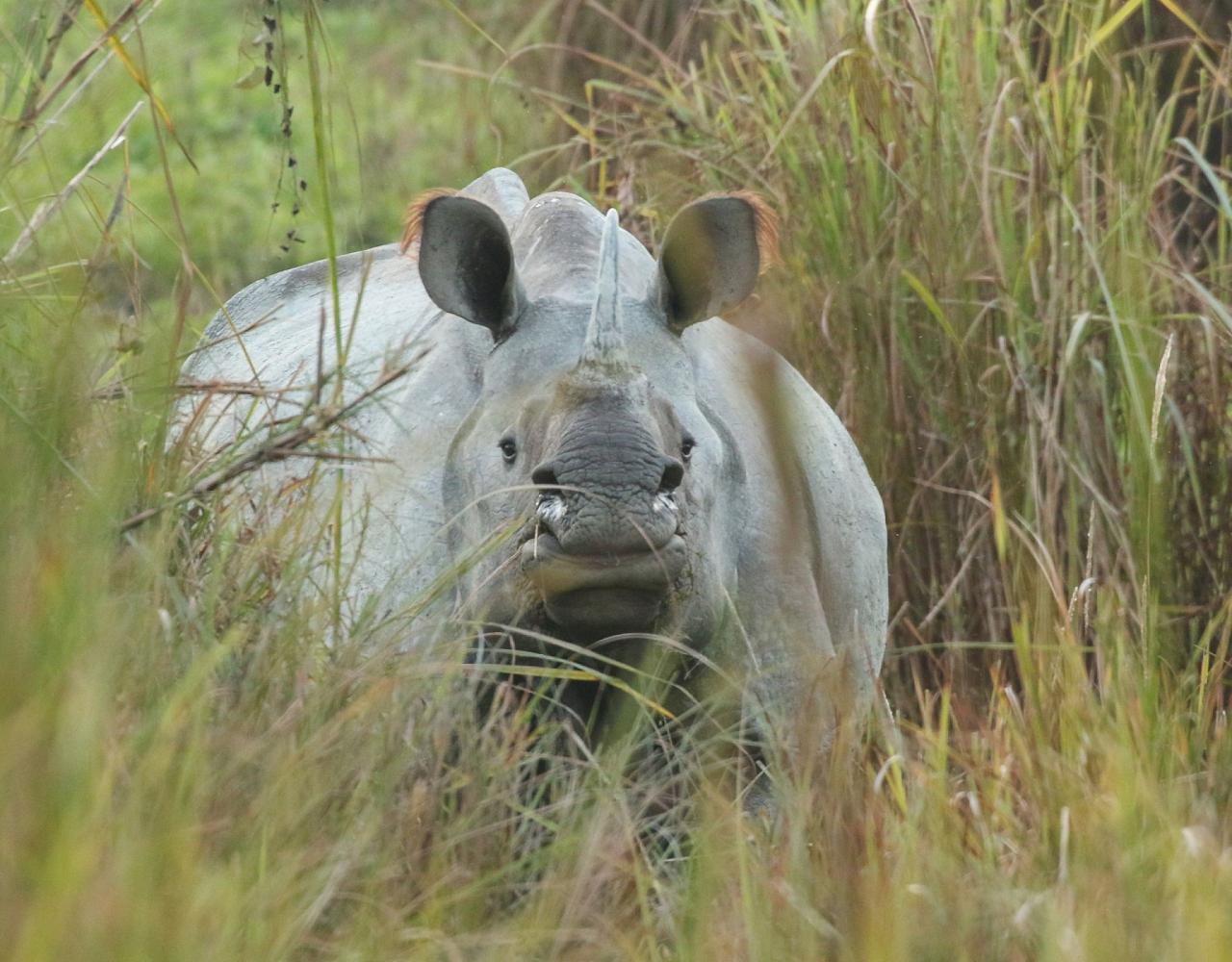
Indian Rhino by Carlos Sanchez
-
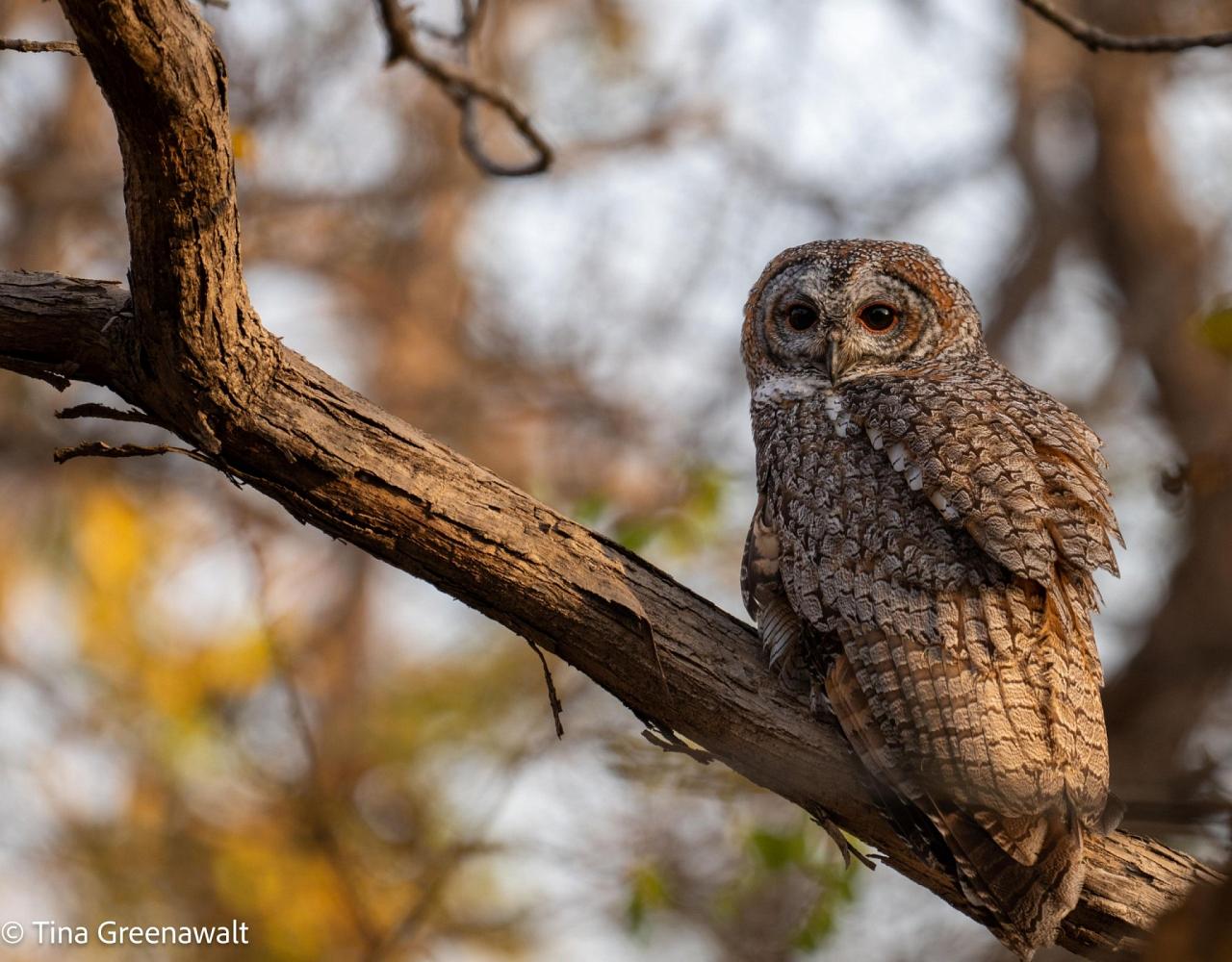
Mottled Wood Owl by Tina Greenawalt
-
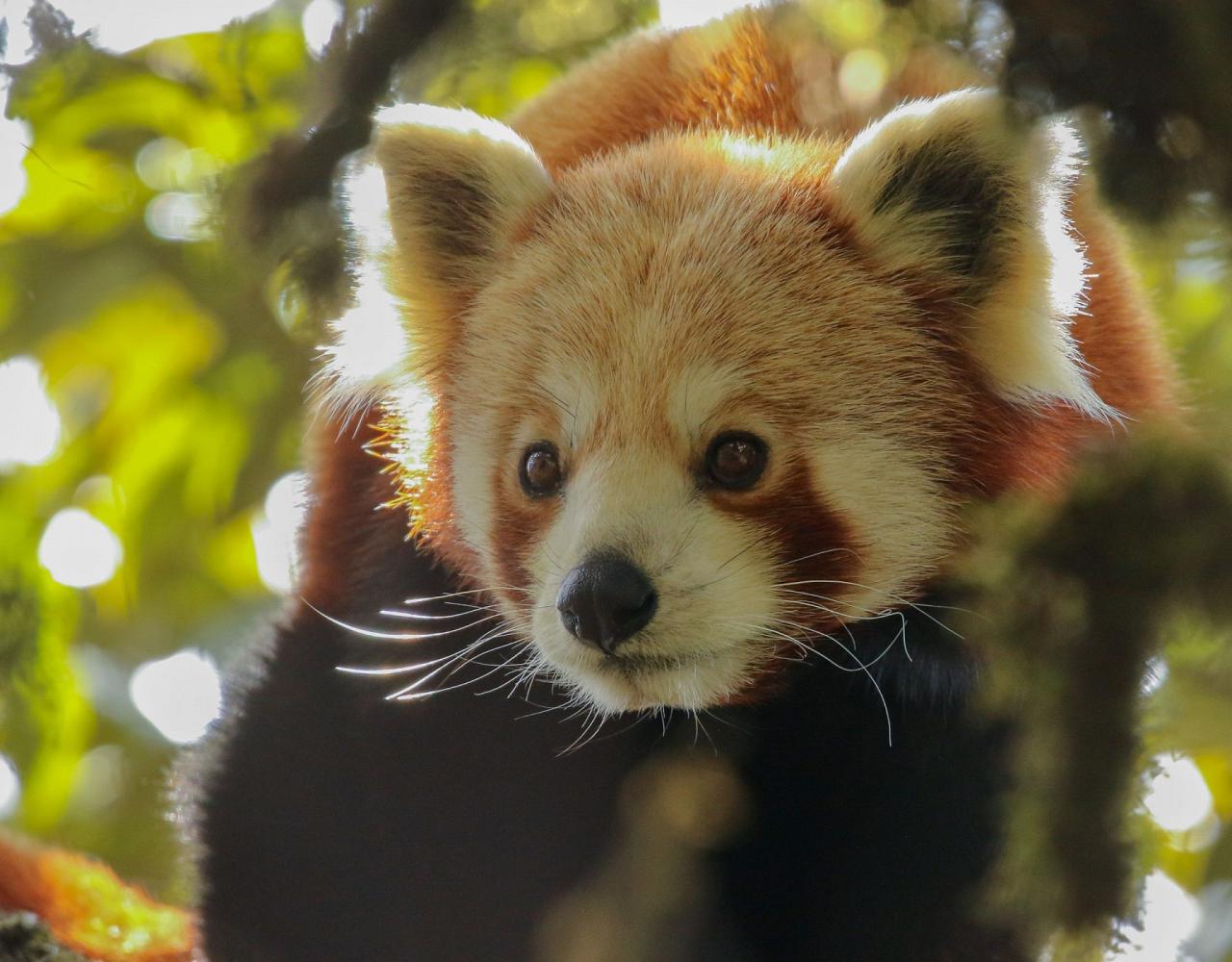
Red Panda by Carlos Sanchez
-
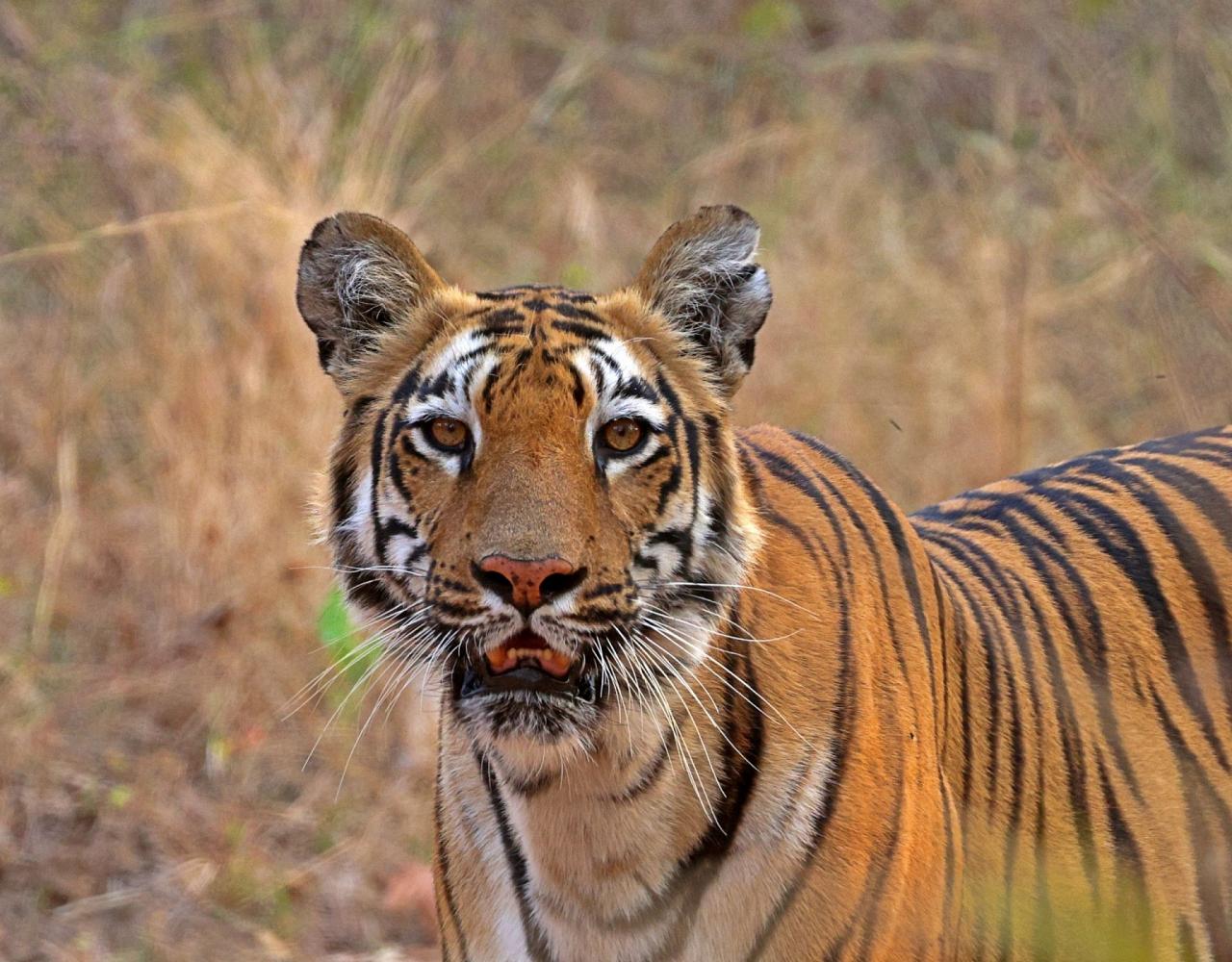
Bengal Tiger by Nancy Siepman
-
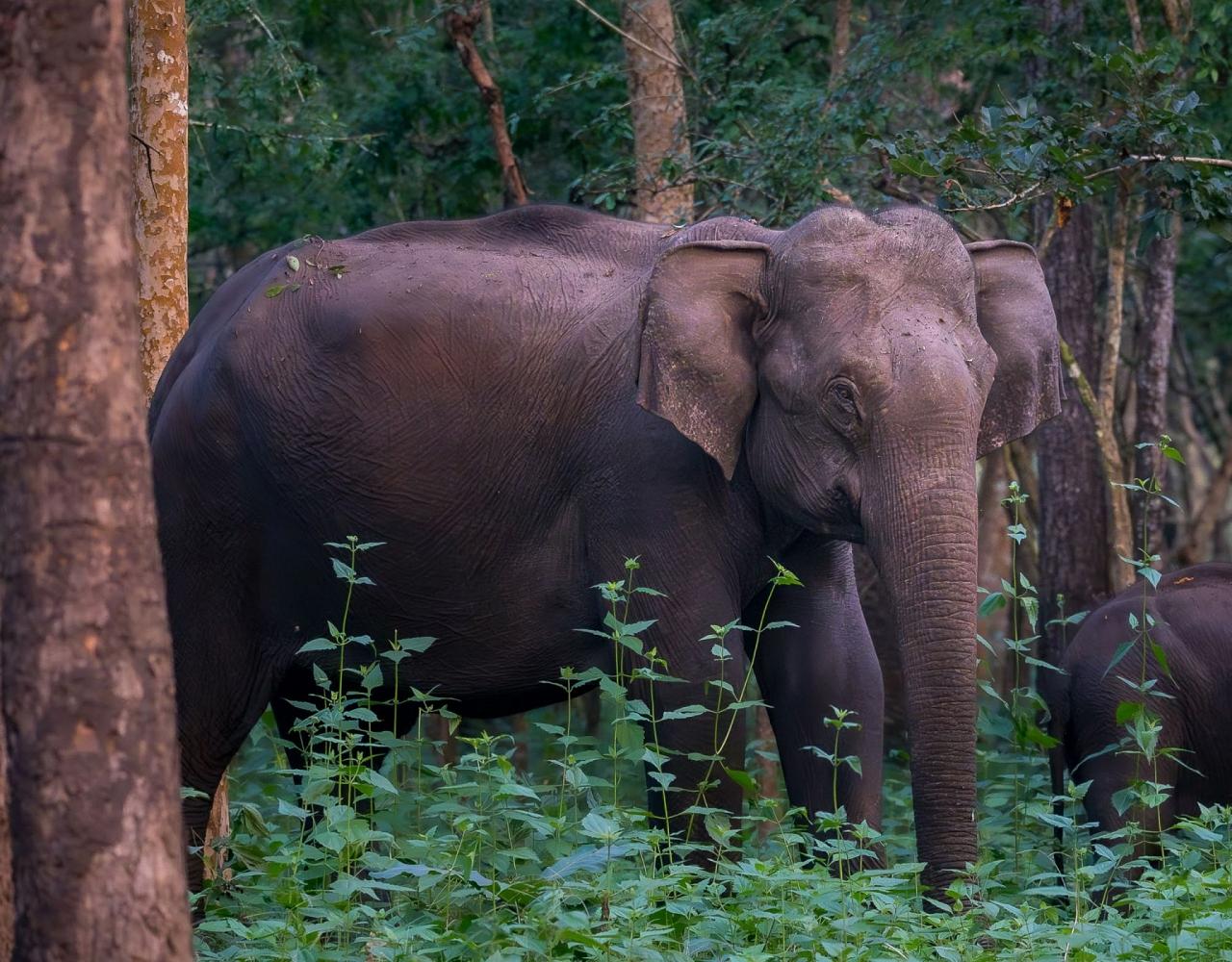
Asian Elephant by Arden Powell
-
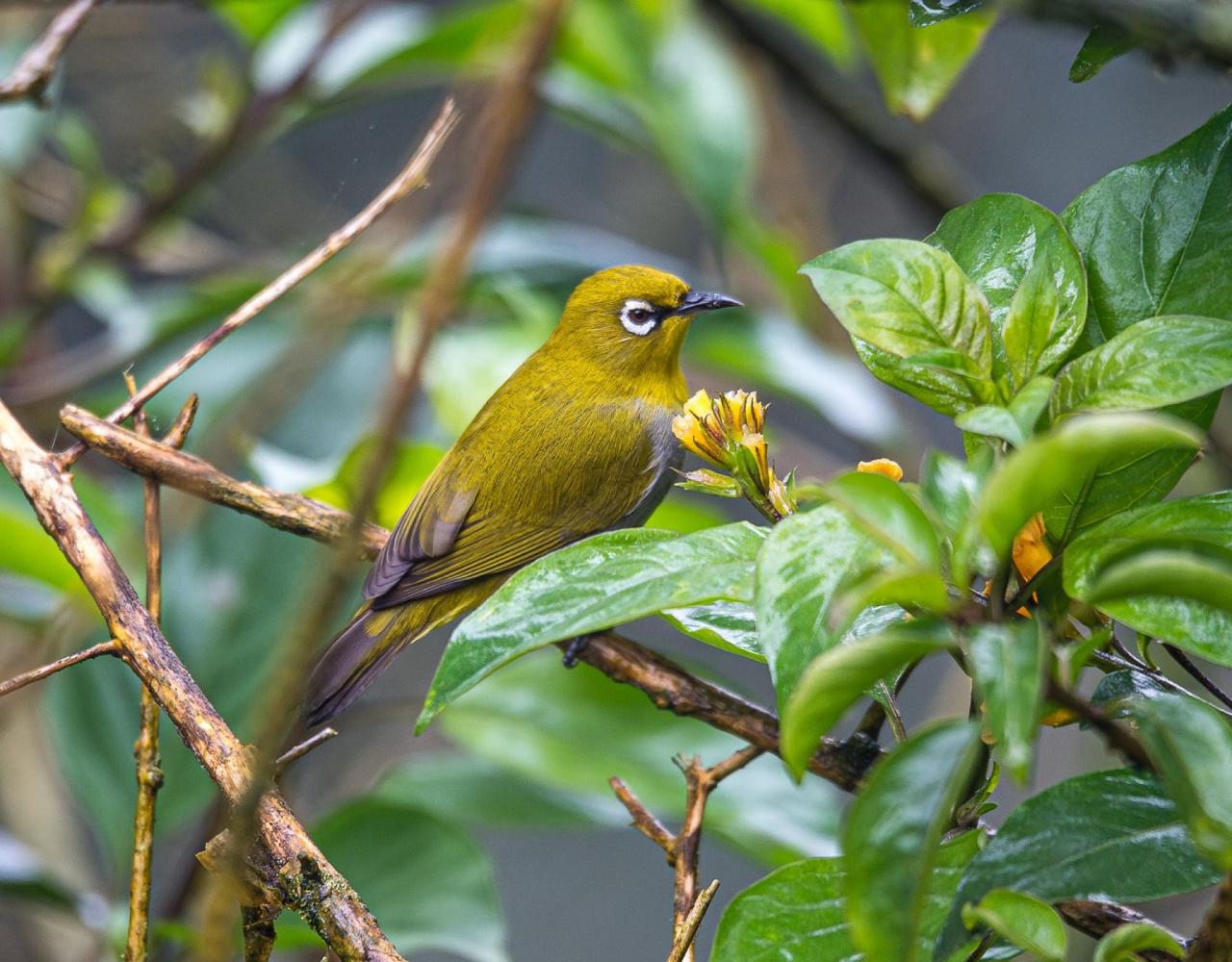
Indian White-eye by Arden Powell
-
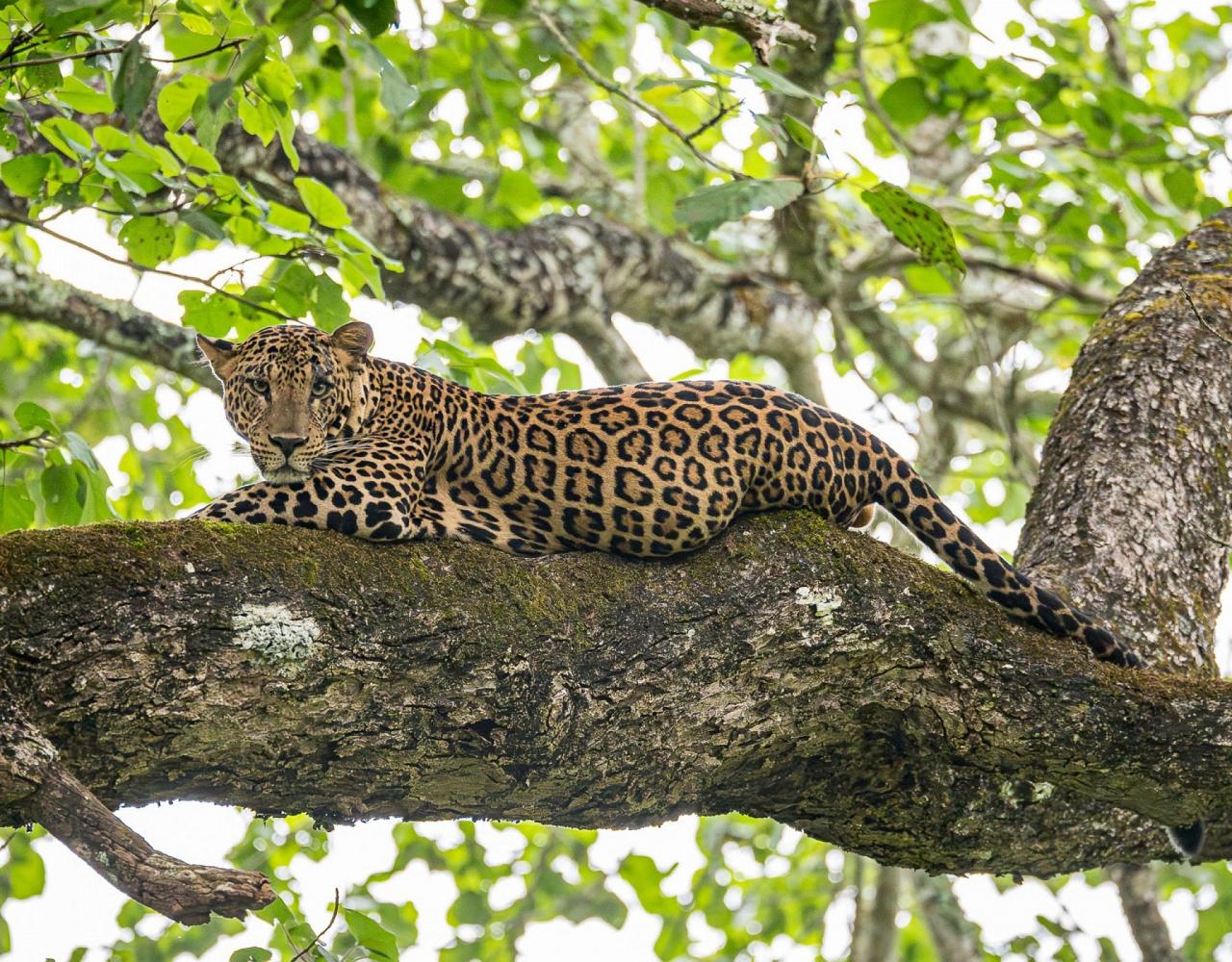
Common Leopard by Arden Powell
-
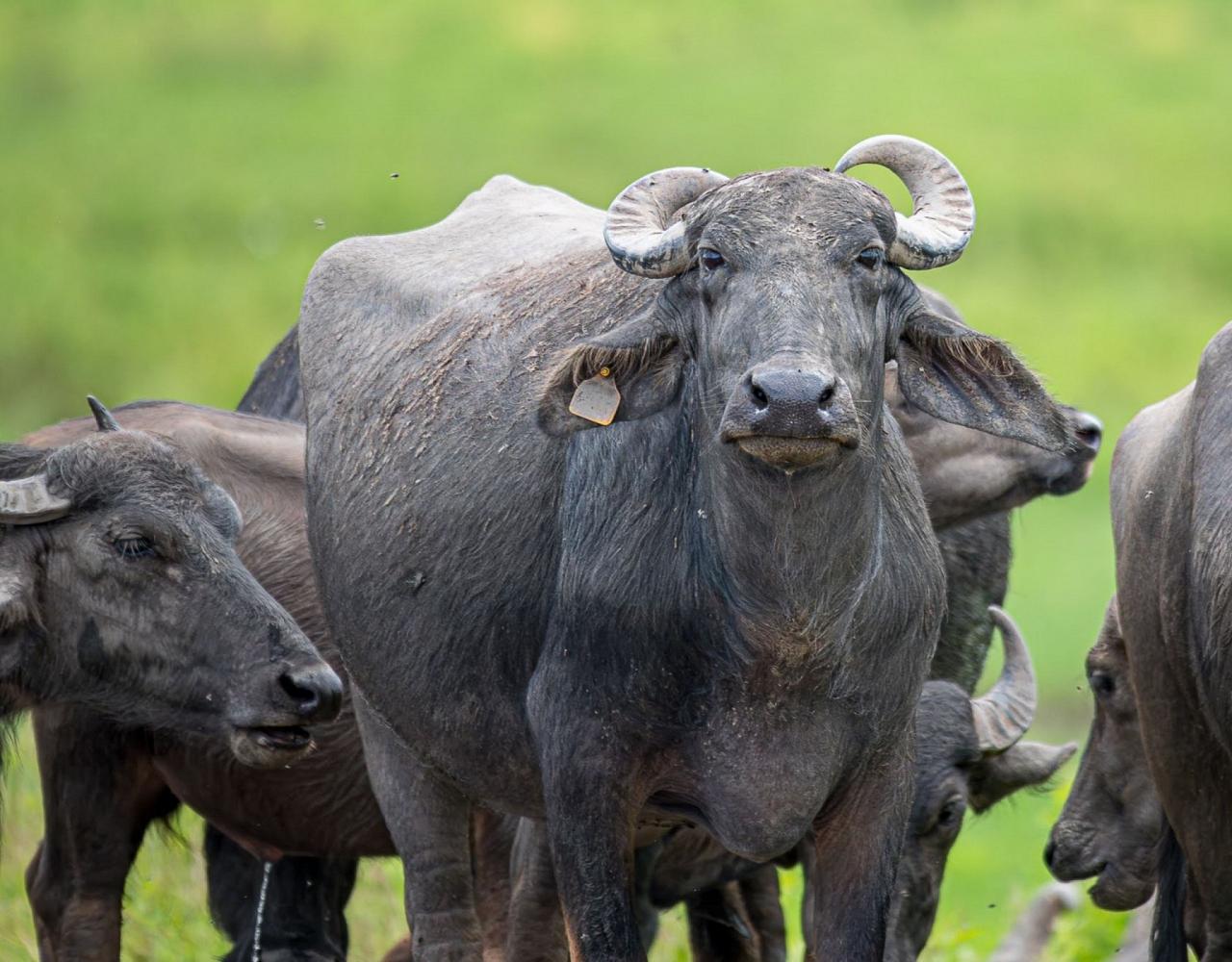
Water Buffalo by Arden Powell
-
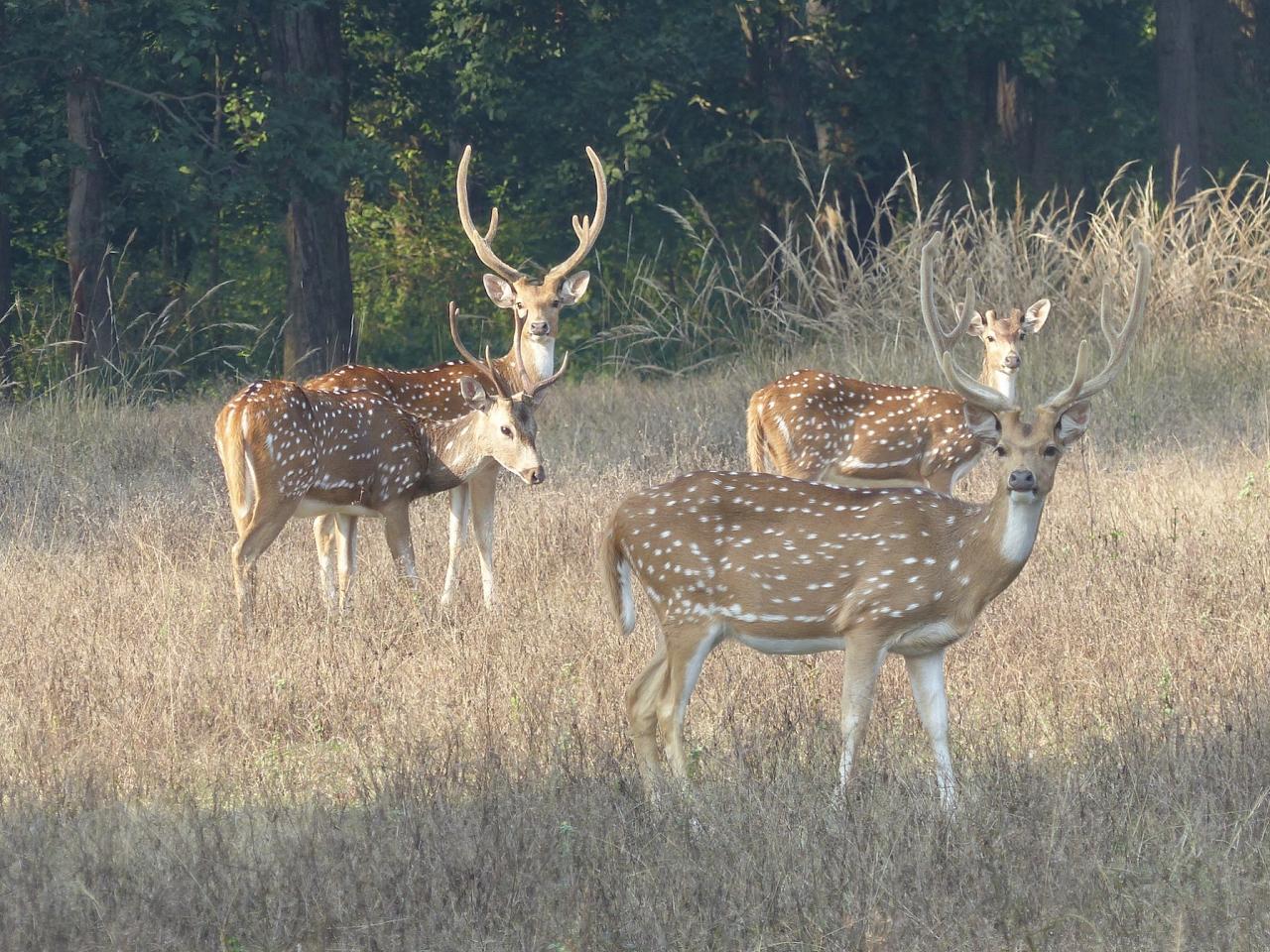
Chital
-
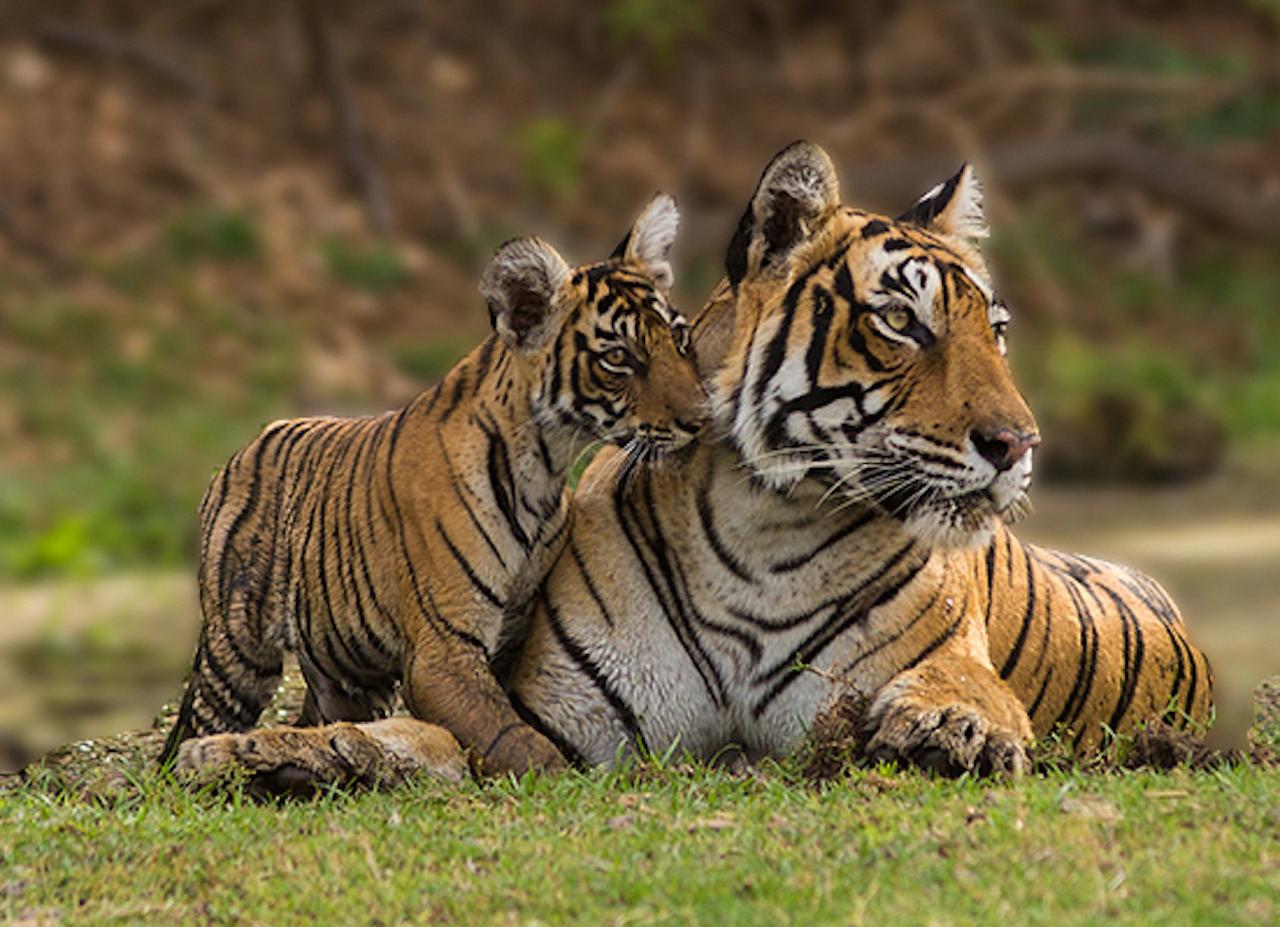
Bengal Tiger
Cost of the Journey
Cost of the journey is $11,990 DBL / $13,365 SGL per person, based on double occupancy, from Kolkata, departing New Dehli. Cost includes all accommodations; all meals as stated in the itinerary; group airport transfers; ground transportation; professional guide services; park, preserve, and other activity fees; miscellaneous program expenses; and internal airfare. All tips other than your NJ guide (optional) and local guide are included (this includes tips for your driver, lodge and staff, day activities, meals and other services).
Cost of the Amur Falcon extension is $3,190 DBL / $3,579 SGL, based on occupancy, and includes internal flights.
Tour price does not include: roundtrip airfare to Kolkata or from New Dehli, or items of a personal nature such as laundry or alcoholic beverages.
Travel Details
Please plan to make air travel plans only after the minimum group size has been met. We will send you a confirmation email as soon as the trip has been confirmed.
Arrival Airport: Netaji Subhash Chandra Bose International (CCU) in Kolkata
Arrival Details: Please plan to arrive on November 4, 2027, at your leisure. Plan to arrive by 4:00 PM if you want to join the group for dinner.
Departure Airport: Indira Gandhi International Airport (DEL) in Delhi
Departure Details: Please plan flights to depart on November 20, 2027, after 8 PM.
Items of Note
Main Tour Pace: The tour demands a fair amount of walking, occasionally uphill or downhill, particularly in Singalila National Park. Normally we are out walking for several hours, though at a birders pace so not covering significant distances, typically 1 – 2 kilometers. After time at Singalila, the tour is pretty relaxed, but the safaris require early morning starts.
Browse below for trip reports and species lists from past versions of this and other tours from this destination.
India
- January 2006
- March 2012
- January 2020
- November 2023
- November 2024
- February 2025 (Big Cats)
- November 2025 (Western Ghats & Andaman Islands)
- January 2026 (Birds, Tigers & Taj Mahal)
- March 2026 (Big Cats)
-
Peg Abbott

Peg Abbott is the owner and lead guide of Naturalist Journeys, LLC. She has been designing, guiding, and organizing natural history tours for more than 25 years, working for the National Audubon Society and other organizations before launching Naturalist Journeys, LLC in 1998. Her work has taken her from Alaska to Africa and Argentina, as well as many other locations around the world. She has conducted research on several bird and mammal species and keeps a close interest in Yellowstone and Mexican wolf reintroduction projects. Her interests include all aspects of natural history and geology. After 20 years in and around the Yellowstone area, Peg relocated in 2003 to the birding mecca of Portal, AZ.
Photo credit: Carol Simon
Other trips with Peg Abbott
-
 Peru: Cusco to Manú National Park A private tour for Tucson Bird Alliance - FULL!October 2 - 17, 2026, w/Machu Picchu extension
 -
 Biodiverse Bhutan: Birds, Mammals & Beyond Closed. See our April departure!November 6 - 21, 2026, w/Panna Tiger Reserve extension
 -
 Arizona: New Year’s Birding Blitz FULL - Check out New Year at Tranquilo Bay!December 29, 2026 - January 4, 2027
 -
 Panama: Birds & MammalsFebruary 5 - 13, 2027
 -
 Eastern South Africa Birding From the Drakensberg Mountains to the Indian Ocean Coastal Plains - Only one room left!February 28 - March 12, 2027, w/Madikwe Game Reserve extension
 -
 In-Depth & Incredible: South Africa’s Specialty Mammals & BirdsJuly 20 - 31, 2027, w/Zambia's Kafue National Park extension
 -
 Brazil’s Pantanal: Jaguars! And More… FULL - Look for our 2028 departures!August 14 - 24, 2027, w/Amazônia extension
 -
 North Sulawesi, Halmahera & West Papua Birds of Paradise & MoreSeptember 8 - 27, 2027, w/Arfak Mountains extension
-
Photo credits: Banners: Red Panda, Avijit Sarkhel; Birders, Naturalist Journeys Stock; Tiger, Peg Abbott; Market, Naturalist Journeys Stock; Mahouts, Naturalist Journeys Stock; One-horned Rhino, Avijit Sarkhel; Siberian Rubythroat, Avijit Sarkhel; Habre's Nest, courtesy Habre's Nest; Peacock, Naturalist Journeys Stock; Mahout, Naturalist Journeys Stock; Women Walking, Naturalist Journeys Stock; Tiger Family, Avijit Sarkhel; Brown-winged Kingfisher, Narca Moore-Craig; Rhino, Avijit Sarkhel; Primate, Naturalist Journeys Stock; Greater Necklaced Langhing Thrush, Carlos Sanchez; Raquet-tailed Drongo, Peg Abbott; Puff-throated Babbler, Peg Abbott; Siberian Rubythroat, Avijit Sarkhel; Morning Birding, Naturalist Journeys Stock; Tiger, Peg Abbott; Common Myna, Carlos Sanchez; Elephants and Mahouts, Peg Abbott; Hoolock Gibbon, Avijit Sarkhel; Jackals, Peg Abbott; Giant Squirrel, Bud Ferguson; Tiger, Peg Abbott; Red Panda, Avijit Sarkhel; Red-billed Leothrix, Avijit Sarkhel; Vehicle in Singalila, Avijit Sarkhel; Jeep at Singalila, Avijit Sarkhel; Birding, Avijit Sarkhel; Chital, Narca Moore-Craig; Horned Lark, Avijit Sarkhel; Elephant walks, Naturalist Journeys Stock; Jeep, Avijit Sarkhel; Red Panda, Narca Moore-Craig; Stripe-throated Yuhina, Naturalist Journeys Stock; Tiger, Avijit Sarkhel; White-collared Thrush, Naturalist Journeys Stock; Raquet-tailed Drongo, Peg Abbott; Puff-throated Babbler, Peg Abbott; Siberian Rubythroat, Avijit Sarkel; Morning Birding, NJS; Hoolock Gibbon, Avijit Sarkel; Jackals, Peg Abbott; Giant Squirrel, Bud Ferguson; Tiger, Peg Abbott; Tiger, Peg Abbott; Common Myna, Carlos Sanchez; Elephants and Mahouts, Peg Abbott; Local Women, Peg Abbott; Tiger and Cub, Avijit Sarkel; White-naped Woodpecker, Narca Moore Craig; Mahout, Peg Abbott; Red Panda, Avijit Sarkel; Red-billed Leothrix, Avijit Sarkel; Singalila Track, Avijit Sarket; Northern Plains Gray Langurs, Narca Moore Craig; Indian Roller, Narca Moore Craig; Great Hornbill, NJS.