

- Overview
- Full Itinerary
- Extensions
- Photo Gallery
- Costing
- Travel Details
- Trip Reports
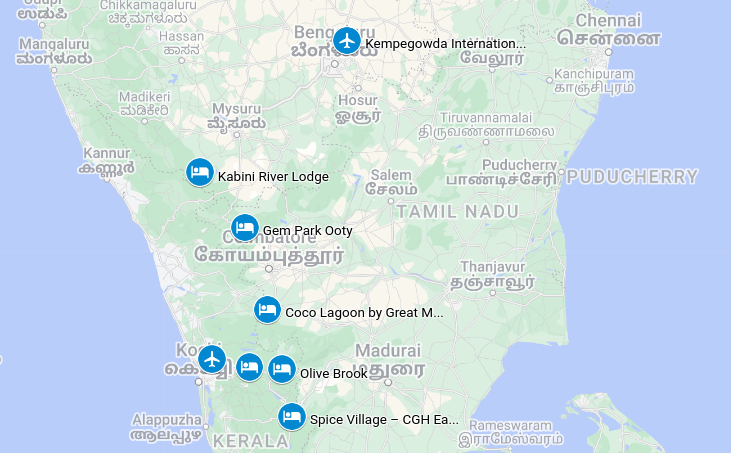
- Map
- Know Before You Go
On a global scale, India hosts a dizzying array of endemic birds and fascinating mammals. This biodiversity reaches its peak frenzy in southern India’s Western Ghats, often compared to the “Sky Islands” of Southeast Arizona as a haven for naturalists seeking world-famous flora and fauna. Join expert guides and like-minded companions to explore a scenic archipelago of mountains within part of the Nilgiri Biosphere Reserve. Along the way, delight in stunning landscapes and evocative culture, where colorful day-to-day life unfolds. Southern India’s culinary richness is legendary as well!
In Nagarhole National Park, we embark on both boat and jeep safaris to search for elusive Leopard, Tiger, and Indian Elephant. Find Nilgiri Marten, Nilgiri Wood Pigeon and the Nilgiri (Black-chinned) Laughingthrush at Ooty, a resort town with lush tea plantations in the blue hills of the Nilgiris. In Rajamalai National Park admire White-bellied Sholakili, Palani Laughingthrush, and Nilgiri Wood Pigeon—just some of the 15 (out of 16) endemic species we should see. Stay two nights inside the Periyar Tiger Reserve, birding with local guides on trails, on the river in a raft, and through the gardens of our jungle lodge. Journey through Thattakad Bird Sanctuary in search of Indian Pitta, Malabar Trogon, Red Spurfowl, and Gray-headed Bulbul, along with Travancore and Indian Flying Squirrel and Slender Loris (with luck!).
And there’s more! We’re excited to offer an optional pre-tour extension with a flight out to explore the Tadoba Tiger Reserve, in the center of the country, where we take several safari drives through the rich woodlands and grasslands. This is quite possibly the best place in India to see tigers. We also hope to find Common Leopard, Asiatic Sloth Bear, Indian Wild Dog, Asiatic Jackal, and if very lucky - Rusty Spotted Cat!
Tour Highlights
- Discover a host of Asian and Indian endemics in a scenic region rich in biodiversity
- Experience India’s “quiet side” – Southern India is a delight to travel in, being less congested than more urban areas to the north.
- Rest comfortably in air-conditioned rooms, enjoying local and international cuisine
- Explore the Munnar Hill Country area; take quiet forest walks, visit cardamom and spice plantations and look for endemics like Nilgiri Wood-Pigeon, Nilgiri Flycatcher, Nilgiri Pipit, Black-and-orange Flycatcher, Nilgiri Sholakili, and Indian Blue Robin
- Embark on jeep and boat safaris through Nagarhole National Park in search of Leopard, Tiger, Indian Elephant, and Smooth Coated Otter, alongside a rich array of birds
- Enjoy night walks and spotlighting on drives to find owls and other night animals
- Bird Thattekad Bird Sanctuary for Red Spurfowl, Gray Junglefowl, Malabar Parakeet, White Cheeked Barbet, Malabar Gray Hornbill, Sri Lanka Bay Owl, Sri Lanka Frogmouth, Mottled Wood Owl, and so many more
- Opt for a pre-tour extension to one comfortable lodge near the Tadoba Tiger Reserve, home to an amazing array of mammals and the best place to spot Bengal Tiger!
Trip Itinerary
Itineraries are guidelines; variations in itinerary may occur to account for weather, road conditions, closures, etc. and to maximize your experience.
Sat., Nov. 6 Arrive in Bengaluru (Bangalore)
Welcome to India! Our journey begins in Bengaluru, also known as Bangalore, the capital and largest city of the southern Indian state of Karnataka. We recommend planning your arrival at least one day early to rest and recover from the long journey. Bengaluru traffic can be very busy during daytime hours, so choosing flights that arrive late at night or very early in the morning (between about 10 PM and 5 AM) will help ensure a smoother, quicker transfer to the hotel.
You will be met at the airport and can then rest up at a modern hotel – many flights land first thing in the morning. At dinner, meet your fellow travelers and sample some regional cuisine.
Accommodations Taj Bangalore or similar in Bengaluru (D)
Sun., Nov. 7 Bengaluru to Nagarhole Tiger Reserve
This morning, we head for Nagarhole National Park, with a stop at in the Ramanagara Hills for a chance to stretch our legs and start birding. This is a rugged and fascinating geologic area and on striking cliffs we look for Long-billed/Indian Vulture, Jungle Myna, Coppersmith Barbet, Yellow-billed Babbler, Indian Black Robin, Sirkeer Malkoha, White-browed Bulbul, and more.
We continue on as this is mostly a travel day with stops to break it up with scenery and birding. We pass a large reservoir where a stop may reveal Red-wattled Lapwing, Asian Openbill, Painted Stork, Great Cormorant, Eurasian Spoonbill, Spot-billed Pelican and Red-naped Ibis. Our plan is to arrive at our lodge adjacent to Nagarhole National Park in the late afternoon, with time to enjoy a jeep or boat safari on the river. Settle into your spacious cottages as we head to the dock, we then check fruiting trees and other vegetation along the river. Bright blooms let us have close up views of colorful sunbirds, White-cheeked Barbet, Indian Golden Oriole, Indian Paradise Flycatcher, Oriental Magpie Robin, Blue-throated Flycatcher and other species.
Dinner is served buffet style. Each night there is soup, some delicious Indian breads, a typical fare includes dishes with panner, several vegetable dishes, salad with peanuts, angel hair pasta with sauces, sambal, dahl, and yoghurt. The food here is mostly vegetarian, with meats available such as goat or chicken. Birds are never far - if we hear a Mottled Wood Owl or any other owls, we can readily take a peek!
Accommodations at Kabini River Lodge (B, L, D)
Mon., Nov. 8 Nagarhole Tiger Reserve
Today, we enjoy two safaris (by jeep driven by local rangers with abundant experience here) in Nagarhole Tiger Reserve, located in the foothills of the Western Ghats or Sayhadris in the southwest corner of India. This lush forest is home to a fantastic array of mammals including Bengal Tiger, a sizable population of Indian Leopard, Jungle Cat, Indian Wild Dog, Golden Jackal, Stripe-necked Mongoose, Ruddy Mongoose, Gaur, Indian Elephant, Sambar, Cheetal, Asiatic Sloth Bear, the endemic Malabar Giant Squirrel. On past safaris we have seen Indian Wild Dogs and massive Gaur – incredible!
The park’s colorful range of bird species includes Great Hornbill, Malabar Pied Hornbill, Malabar Trogon, and Red Spurfowl along with ever-present Gray Jungle Fowl, Blue-faced Malkoha, White-bellied Woodpecker, Malabar Gray Hornbill, Malabar Lark, Changeable Hawk Eagle, Crested Serpent Eagle, Brown Fish Owl, Spotted Owlet, Jungle Owlet, Little Spiderhunter, Orange-bellied Minivet, Small Minivet, and more. With luck we’ll see one or more of the flamebacks (large and colorful woodpeckers), Indian Nuthatch, or Crested Treeswift.
We enjoy our stay in a beautiful wildlife lodge nestled on the tranquil Kabini River. The property was once a hunting camp for the colonial wealthy; today it is recognized as a conservation property. The dining area with bar overlooks the river and the cuisine includes both Indian and South Indian dishes.
Accommodations at Kabini River Lodge (B,L,D)
Tues., Nov. 9 Nagarhole Tiger Reserve
This morning, we enjoy a boat safari. On the Kabini River, watch for River Tern, Painted Stork, both Little and Great Cormorants, and possibly our first hornbills – we check all large fruiting trees.
After our relaxing boat safari, we depart Nagarhole for Masinagudi. Birding on the way and enjoying a picnic lunch, we move gradually into the lush Kotagiri Hills in the Nilgiris. Masinagudi is a good spot for Spot-bellied Eagle Owl, Brown Fish Owl, Oriental Scops Owl, Spotted Owlet, Jerdon’s Bush Lark, Malabar Lark, Jungle Bush Quail and others.
Accommodations in Masinagudi (B,L,D)
Wed., Nov. 10 Masinagudi | Ooty
After some morning birding, we head to Ooty, in the Nilgiris. The word Nilgiris (once spelled Nilagiris or Neilgherries) is derived from two Sanskrit words: "nilam" meaning blue and "giri" meaning a hill. Thus, the literal meaning is, "Blue Hills." The origin of the name is apparent to anybody who has viewed the hills from a distance, rising majestically and enveloped in a peculiar blue haze that usually shrouds them. The almost 1000-square-mile Nilgiris District forms an integral part of the Western Ghats.
The whole area enjoys a subtropical temperate climate with moderate temperatures (cool in the mornings and pleasant in the day). The natural vegetation of the valley is typically a dense rather low forest with much undergrowth and many epiphytes and mosses. Both tropical and temperate flora occur, vegetation being mostly tropical in character at lower elevations and temperate at higher elevations.
We bird in a lovely location with views of the Western Ghats. The easiest way over to Ooty is through a park and only 4-wheel drive local jeeps are allowed to take us, so our patient bus driver goes the long way around with luggage and we get a fun ride up and over the mountains. Ooty feels a bit like Jackson Hole, Wyoming, with a setting unrivalled which tourists and residents enjoy.
A landmark in the hills of Ooty, our charming hotel features beautiful lawns and gardens, fine dining, and a coffee shop. Rooms are a bit dated, but comfortable, but this is quiet and out of the city, and the perfect location for our birding.
Accommodations at Sinclairs Retreat Ooty (B,L,D)
Thurs., Nov. 11 Ooty Plateau | Western Ghat Mountains
We have a full day to explore the Ooty Plateau. The peaks of the Western Ghats range host a unique form of tropical montane cloud forest known as Shola, a natural matrix of forests and grasslands. The Shola habitat is restricted to the highest elevation zone and is characterized by high rainfall, humidity, and low temperatures relative to lower elevations. A variety of endemic taxa are exclusively found in this habitat. These species often have disjunct distributions across the Western Ghat mountain-tops, which have been likened to “islands” of specific habitat and microclimatic conditions in an “ocean” of surrounding lowland habitat—much like the “Sky Islands” of Arizona.
Out of the 141 endemic plant genera in India, 11 are found in Nilgiris. Endemic fauna that inhabits these forests include the Nilgiri Marten, Nilgiri Wood-Pigeon and the Nilgiri (Black-chinned) Laughingthrush. More common birds also await us like Black-and-orange Flycatcher, Nilgiri Sholakili, Indian Blackbird, Nilgiri Flycatcher, Malabar Whistling-thrush, and Nilgiri Thrush. Other species here include Indian Black Eagle, Vernal Hanging-Parrot, Hill Swallow, Indian Blue Robin, Blue-capped Rock-thrush, Jerdon’s Leafbird, Square-tailed Black Bulbul, Bar-winged Flycatcher-shrike, Indian Yellow Tit, Tytler’s Leaf-warblers, and sometimes Kashmir Flycatcher.
Accommodations at Sinclairs Retreat Ooty (B,L,D)
Fri., Nov. 12 Ooty | Western Ghat Mountains | Valparai
Right next to our hotel there is a lovely forest walk, easy but very productive. We hope to find Indian Scimitar-Babbler, Nilgiri Laughingthrush, Nilgiri Sholakili, and perhaps Indian White-eye and Indian Blue Robin. We walk a quiet road next to the hotel, have a quick bit, and then depart for Pollachi. We have a scenic drive of about four hours as we wind our way south to another section of Sky Island ranges, descending into an agricultural valley and then back up into mountains. The dry deciduous forest and scrubland along the way are host to the White-bellied Minivet. Other interesting birds include the Red Spurfowl, Blue-faced Malkoha, White-naped Woodpecker, Malabar Lark, Indian Pygmy Woodpecker, Blue-bearded Bee-eater, Indian Nuthatch, and more.
We stop for birds, coffee, and snacks along the way. Our local guide finds the best stops for snacks and fun, letting us sample a bit of rural life. You simply MUST try Ooty Varkey biscuits!
This is again a spectacular drive through the Western Ghats on the way to Valparai. The road is twisty, with numerous switchbacks as we go up from the Aliyar Dam. Each switchback has a cutout of a bird or mammal, which is a fun way to keep the drive interesting and educate people on the local flora and fauna. We take our time and enjoy the grand views, keeping our eyes peeled for birds and other wildlife highlights. We also have the chance to see Elephant, Sambar, and Nilgiri Langur.
We arrive at the lodge in time for birding on the lodge grounds and surrounding areas. We hope to see Rufous Babbler, Wayanad Laughingthrush, Great Hornbill, Black-and-orange Flycatcher, and many others.
Accommodations at Sinnadorai Bungalow or similar (B,L,D)
Sat., Nov. 13 Valparai Hill Station
Early in the morning, we head down to look for the Great Hornbill and Legge’s Hawk Eagle and a number of other species. Vernal Hanging Parrots fly by, flocks of Orange Minivets, and the noisy Greater Racket-tailed Drongos keep us busy. We also hope to find White-bellied Woodpecker, Speckled Piculet, Malabar Flameback, Malabar Gray Hornbill, Malabar Barbet, Malabar Parakeet, and more. We will likely see Indian Gaur, and with luck, the Indian Elephant as well.
Later in the morning, we head to look for the Lion-tailed Macaques, Nilgiri Langur, and other mammals. If time permits, we stop at the Nature Conservation to learn about the flora and fauna of this region and the conservation work.
In the evening, we look for the endemic Jerdon’s Palm Civet and possibly the Travancore Palm Squirrel.
Accommodations at Sinnadorai Bungalow or similar (B,L,D)
Sun., Nov. 14 Valparai Hill Station| Chinnar Wildlife Sanctuary | Munnar Hill Station
Early this morning, we leave Valparai with a packed breakfast and continue to make our way through the Western Ghat Mountains, for Chinnar, a wildlife sanctuary where we walk and look for dry scrub habitat birds like the Blue-faced Malkoha, Indian Cuckoo-shrike, Black-headed Cuckoo-shrike, Yellow-eyed Babblers, Jungle Nightjar, Stork-billed Kingfisher, Indian White-rumped Shama, Black-naped Monarch, Indian Paradise Flycatcher etc.
We travel then to Munnar, a town and hill station (cool summer retreat) in the Western Ghats. Stunning views overlook thousands of acres of tea and cardamom plantations, reaching up into remaining pockets of shola forest. Here we search for the rare Tytler’s Leaf Warbler, Palani Laughingthrush more common Nilgiri and White-bellied Blue Flycatcher, and Nilgiri Pipit.
Relax at our lodge for the next two nights. Here, beautifully maintained gardens full of flowers offer good birding. The food is one of the highlights of our trip, here in the Kerala region prized for growing spices. Enjoy!
Accommodations at Windermere Munnar or similar (B,L,D)
Mon., Nov. 15 Munnar | Eravikulam National Park
The Kerala Region of India is lush and inviting to explore. We are up and out very early this morning to visit the Eravikulam (Rajamalai) National Park. The park has scenic high mountains and provides home to endangered Nilgiri Tahr, a goat-like grazing mammal. This and surrounding areas are great places to also find White-bellied Sholakili, Palani Laughingthrush, Nilgiri Wood-Pigeon, Nilgiri Flowerpecker and other key birds – if you can take your eyes off the scenery. We also keep our eyes peeled for Hill Swallow and Dusky Crag-Martin.
The Rajamalai Hills in Munnar are part of the Western Ghat Biosphere Reserve, in the northern part of the Southern Western Ghats, an area known as High Ranges. The scenic landscape of High Ranges encompasses the widest and highest reaches of the Western Ghats in Kerala. A variety of habitats include high elevation montane-forests and grasslands, humid and high elevation forests, humid mid-elevation and humid low elevation evergreen forests in the windward side and dry forests in the Anjanad Valley.
The High Ranges are rich in avian diversity with more than 300 species of birds including 15 of 16 Western Ghat endemics. Being part of the “sky-islands,” the shola forests in the hills are home to unique endemic species that are yet being researched and documented.
After the morning birding we return to our comfortable lodge. This afternoon, we bird from our lodge with some explorations to find the Large-scaled Pit Viper, Anamalai Spiny Lizard and with luck, a few other reptiles and amphibians.
Accommodations at Windermere Munnar or similar (B,L,D)
Tues., Nov. 16 Munnar Hill Station | Periyar Tiger Reserve
After breakfast, we head out and down the mountains to our stay for the next two nights in the Periyar Tiger Reserve, on the way we detour to look for the Yellow-throated Bulbul in the Bodighat area. Once we reach Periyar, we enjoy lunch in a local restaurant, if there is interest, we can visit a spice farm as we are in a prime region for growing them. It is fun and educational with great taste treats and a little “retail therapy” available, and then head to the buffer area of Periyar for an afternoon birding – looking for the difficult to find Wayanad Laughingthrush, Malabar Trogon, Heart-spotted Woodpecker, Malabar Woodshrike, Gray-fronted Green Pigeon, and other interesting species. We then drive to our lodge, located in a forested area and relax for the rest of the evening followed by dinner.
Our elegant lodge near the Periyar Tiger Reserve offers a swimming pool, lovely gardens, quiet rooms, fine dining, and a spa where you can book one of the therapies that Kerala is famous for. Chefs take great pride in locally sourced foods, including their own organic gardens.
Accommodations in The Niraamaya Retreat (B,L,D)
Wed., Nov. 17 Periyar Tiger Reserve Jeep Safaris
Today we start birding from the lodge and then drive into the sanctuary. Once inside the reserve, we explore from the boat jetty - on foot until midday, looking for special local species including Great Hornbill, Black Baza, Brown-cheeked Fulvetta, Bay Woodpecker, Malabar Flameback, Gray-fronted Green Pigeon, Besra, Vernal Hanging-Parrot, White-bellied Treepie, Forest Wagtail, Little Spiderhunter, Loten’s Sunbird, Yellow-browed Bulbul and more. Mammals like the Malabar Giant Squirrel, Three-striped Squirrel, Jungle Striped Squirrel etc may be sighted.
In the afternoon we head for an afternoon walk back in the same area as the previous afternoon to allow us a second chance for the rare Wayanad Laughingthrush and some other species. We may also find the Indian Elephant, and the Gaur, here. We hope to find birds like the Malabar Gray Hornbill, Indian Scimitar Babbler, and others. We reach back to our lodge and as it gets dark we can try for Jerdon’s Nightjar and Oriental Scops Owl, and Indian Scops Owl & Brown Wood Owl.
Accommodations at The Niraamaya Retreat (B,L,D)
Thurs., Nov. 18 Periyar Tiger Reserve | Thattekad Bird Sanctuary
We depart early this morning for a half-day drive to Thattekad Bird Sanctuary with birding stops enroute. This is a famous area for birding in India with a lot of history and intrigue. It is home terrain of one of the local guides we learn so much from. Today’s route winds through a mix of scenic mountains and rural lands, as we wind our way down the Western Ghats. Once we arrive and settle in at Bird’s Murmur Camp, birding is available right outside the door. Our lodge is located on the banks of the river, and from the lodge grounds we start looking for the local garden birds. Dining is covered but open air so you can continue looking at birds while you dine. They keep a cooler stocked with local beer, a welcome treat not that commonly found.
Later this afternoon, we explore the Thattekad sanctuary looking for Mottled Wood Owl, Sri Lanka Bay Owl, Brown Fish Owl, Spot-bellied Eagle Owl, White-bellied Treepie, Crimson-backed Sunbird, Wayanad Laughing Thrush, Malabar Parakeet, and Malabar Gray Hornbill. We should also find Red Spurfowl, Gray Jungle Fowl, Indian Pitta, Black-throated Munia, and the Gray-headed Fishing Eagle, Great-eared Nightjar, Jerdon’s Nightjar, Indian Nightjar, and even the Savanna Nightjar. Local mammals include Slender Loris (if we are lucky to find this elusive species!), Travancore Flying Squirrel, Indian Flying Squirrel, and Indian Elephant.
Our bird-themed home for the next two nights is the epitome of calm. This is a lovely, permanent tented camp with private bathrooms in each tent. Think safari style, but still with full sized beds, comfy bedding, and relaxation areas. Sitting on the banks of the Periyar River, this is a special place to enjoy birds, mammals, and nature.
Accommodations in The Birds Murmur Camp (B,L,D)
Fri., Nov. 19 Thattekad Bird Sanctuary | Kerala
Spend the day birding in Thattekad with an early morning start, a break for breakfast followed by birding until early lunch. After lunch, birding commences after a break and ends by dusk. In addition to birds, you may also be lucky to see the rare Slender Loris and a few other mammals.
Thattekkad Bird Sanctuary is the first bird sanctuary in Kerala and is a haven for nature lovers and bird watchers with a wide variety of flora and fauna. Well-known ornithologist Dr. Salim Ali recognized the species richness of this sanctuary during his survey in 1933 in which found about 167 species of birds, now upgraded to 284 species. A total of 39 species of mammals have also been identified at the sanctuary, from elephant to rats, mongoose to otter. Enjoy fine dining, including a celebratory dinner on the last night of our amazing tour of southern India!
Accommodations in The Birds Murmur Camp (B,L,D)
Sat., Nov. 20 Thattekad | Kochi | Fly Out
We start the morning birding with a packed breakfast and enjoy a last morning of birding. After one last special home lunch (with a short culinary demonstration), we depart for the Cochin International Airport (COK) in Kochi. We have a two-hour drive and then you need time for check-in. Please plan flights to depart after 7:00 PM, (anticipated arrival at the airport is 4PM) (B, L).
Tadoba Tiger Reserve Pre-Tour Extension
Itineraries are guidelines; variations in itinerary may occur to account for weather, road conditions, closures, etc. and to maximize your experience.
Mon., Nov. 1 : Arrive in Delhi
Arrive in Delhi at your leisure today. When you arrive in the airport’s arrival hall after picking up your luggage and passing through customs, look for a driver holding a sign with your name, who takes you to the hotel. Once there, your guide greets you, answers any questions, and lets you know the next morning’s breakfast and departure time.
Accommodations at Roseate House Hotel or a similar hotel near the airport.
Tues., Nov. 2: Bengaluru to Nagpur | Tadoba Tiger Reserve
With an early morning start, we head to the airport for our flight to Nagpur. After landing, we drive about three hours to our lodge in Tadoba. Our lodge is situated just minutes from the gate to Tadoba Tiger Reserve, so we are well situated to start our search of Tigers. Situated on 10 acres of reforested land with just 12 safari cottages, it is the perfect place to relax after our exciting safaris. We arrive in time for lunch at the lodge and enjoy an afternoon safari in open 4x4 jeeps.
The Tadoba Tiger Reserve, at over 650 square miles, is one of India’s 50 project tiger reserves. At last count, the reserve had approximately 115 Tigers, making it one of the most populous in the country. Dominated by teak, the tropical dry deciduous forest mixed with large open meadows make it a great location for both birds and mammals. The large Tadoba Lake provides a water source for wildlife as well as habitat for numerous birds. Mugger Crocodile can also be spotted here.
The park is home to Tigers, Indian Leopards, the rare and severely endangered Indian Wild Dog, Asiatic Jackal, Jungle Cat, Sloth Bear, Sambar, the largest wild bovid—Indian Gaur, Bengal Fox, herds of Spotted Deer, Wild Boar, and other mammals. The reserve is also home to over 275 species of bird like the Changeable Hawk Eagle, Crested Serpent Eagle, Mottled Wood Owl, Scarlet Minivet, Brown-cheeked Fulvetta, Paradise Flycatcher, Red Spurfowl, Greater Racket-tailed Drongo, endemic Indian Scimitar Babbler and Gray Junglefowl, and others.
We return to the lodge with time to relax a bit before dinner.
Accommodations at Tadoba Jungle Camp (B,L,D)
Wed., Nov. 3 – Fri., Nov. 5 : Three Full Days in Tadoba
We enjoy early morning and afternoon safari drives in open 4x4 jeeps. The park is about 1,700 sq kms and it is divided in four zones that are open to tourists.
Our simple but well-appointed lodge is located near to the park in a natural forest with a number of birds on the grounds. It is one of our favorite lodges for the trip. The rooms are spacious and air conditioned and the lodge has a pool, which is a welcome amenity in this hot climate. Within the lodge grounds we can see a number of birds (which keeps us busy over lunch). The lodge employs and engages with the local community with active participation from the manager and his wife and the naturalists. Tadoba Jungle Camp has running hot water, laundry facilities, and for those who need to get in touch with their family and friends there is an area that is equipped with wi-fi. The lodge serves a mix of Indian and continental cuisine (and can manage special dietary needs for those who need it). We gather for meals in a lovely dining area adorned with local art and furnishings. A fireplace is lit up in the evenings, and everyone gathers around to share conversation and learn from each other over tea and drinks.
Accommodations at Tadoba Jungle Camp (B,L,D)
Sat., Nov. 6: Tadoba to Nagpur | Flight to Bengaluru
We enjoy one last morning safari before heading back to Nagpur and then on to Bengaluru. On arrival, join the rest of the group at a nearby hotel for an overnight stay. The main tour begins the next day.
Accommodations in Taj Bangalore in Bengaluru (B,L,D)
-
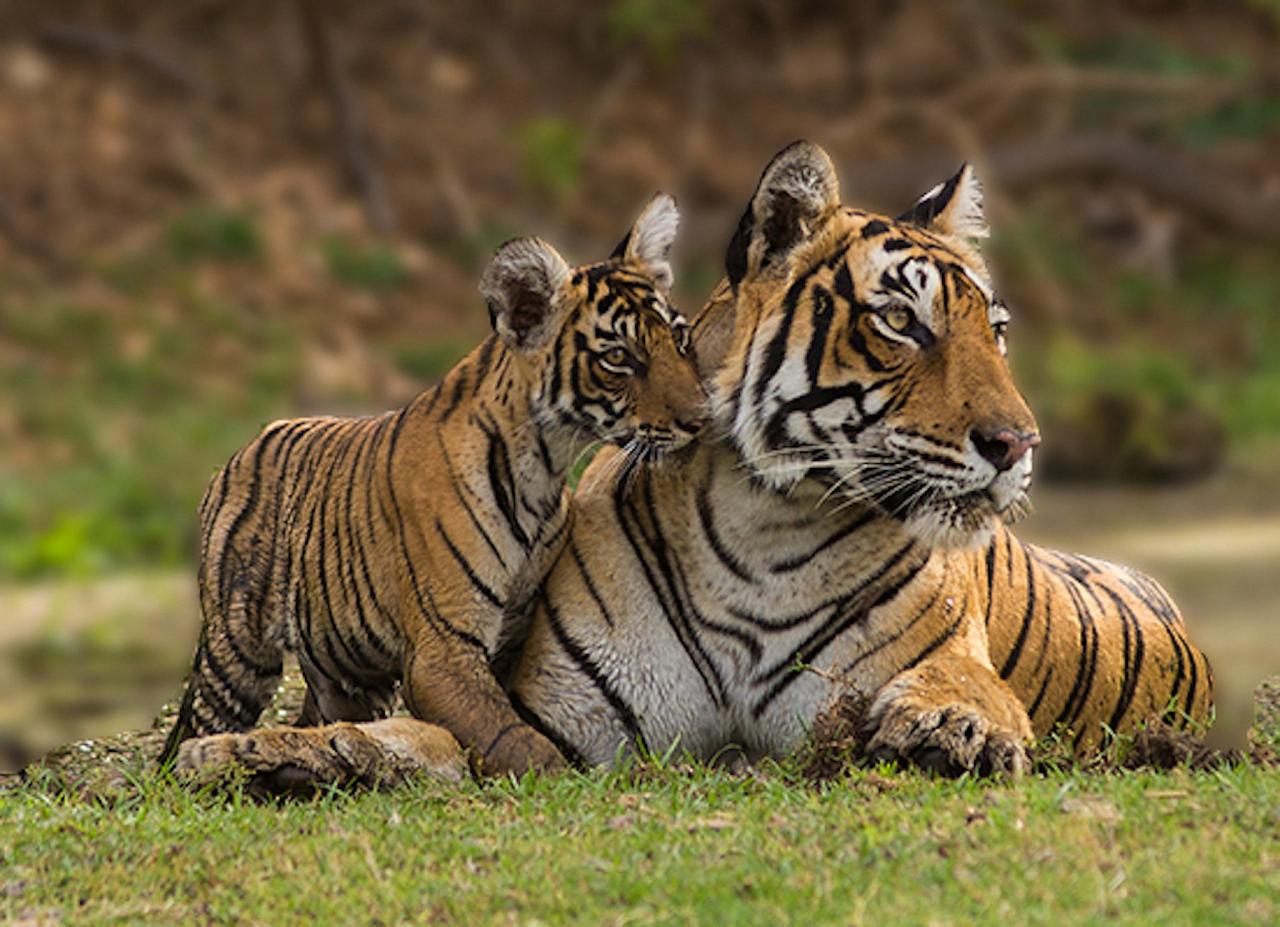
Tiger family, Avijit Sarkhel
-
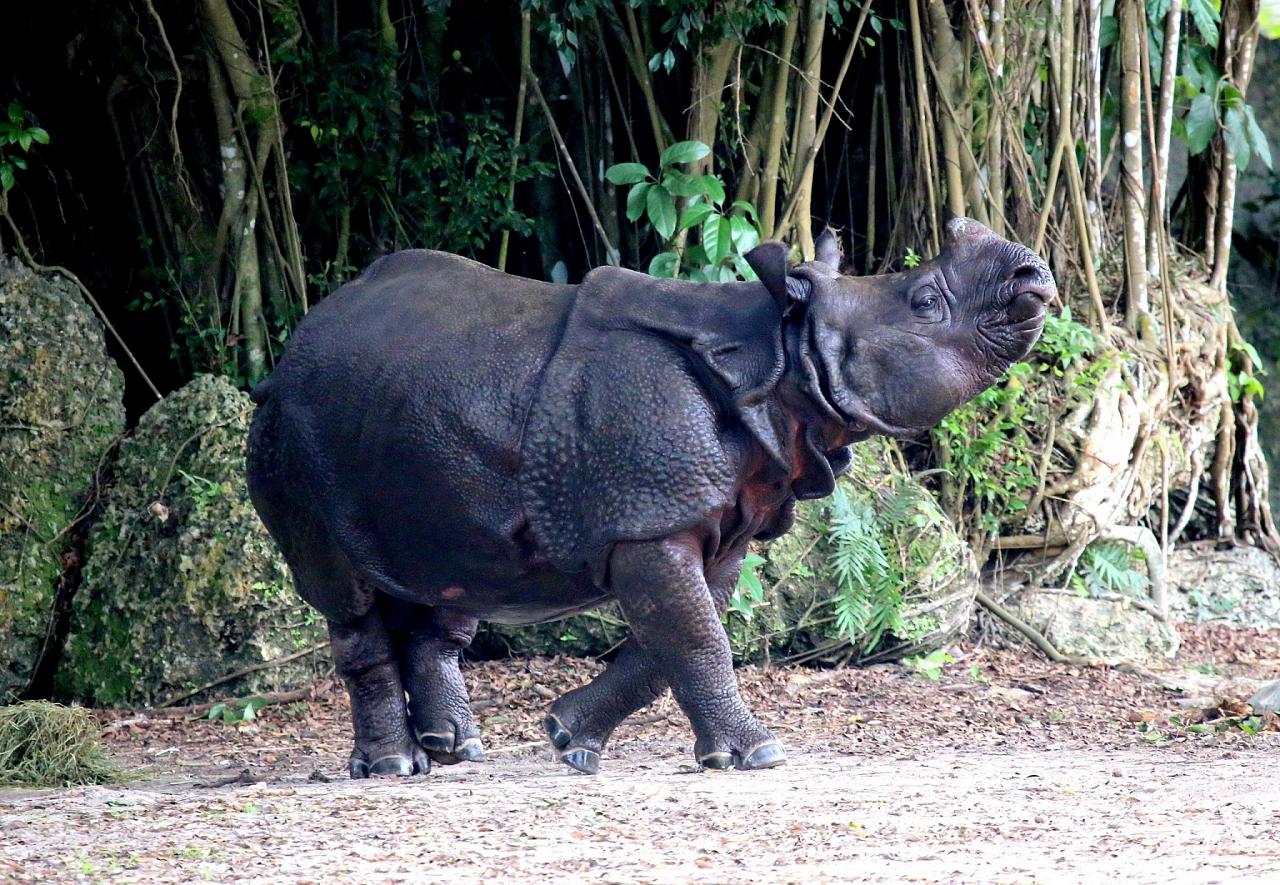
Indian Rhinocerous, Cuatrok77 via Creative Commons
-
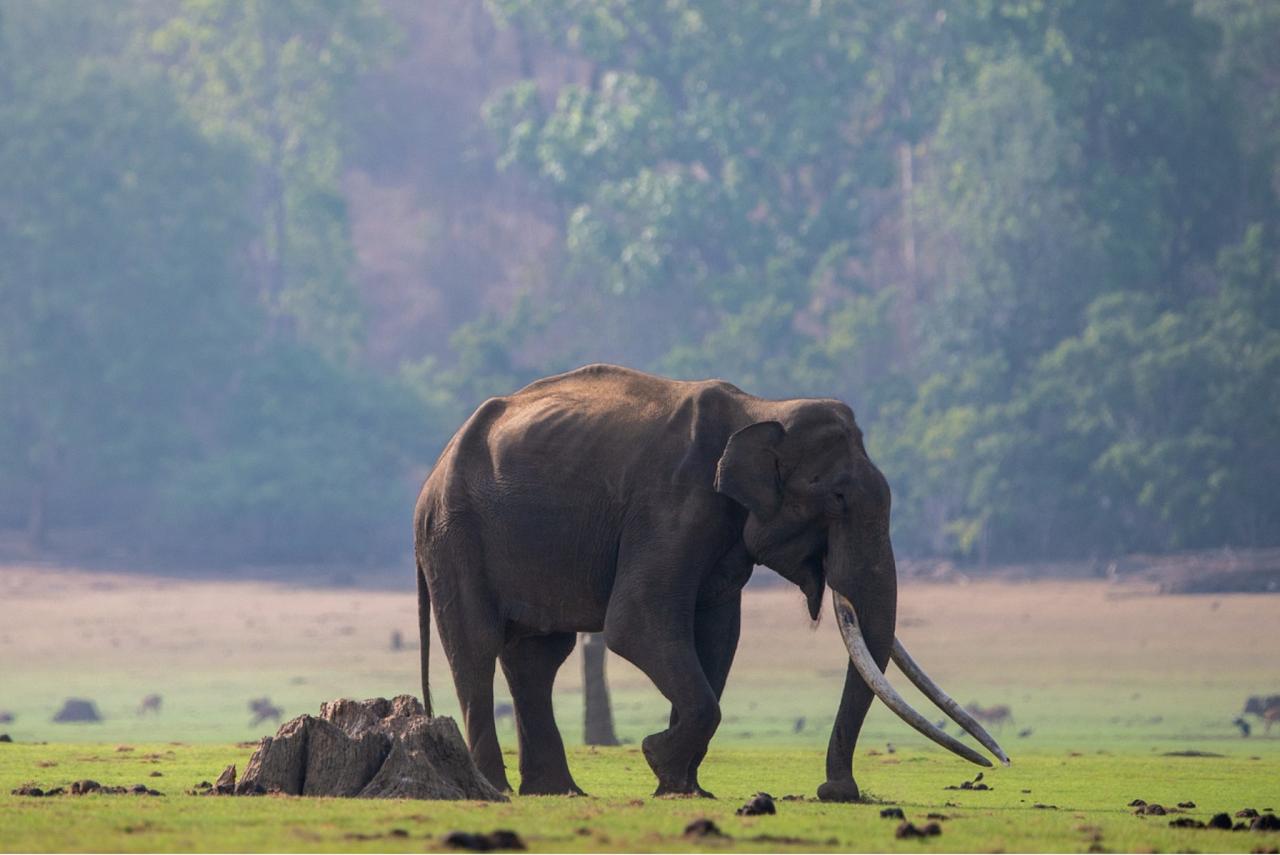
Male Indian Elephant, Nagarhole NP
-
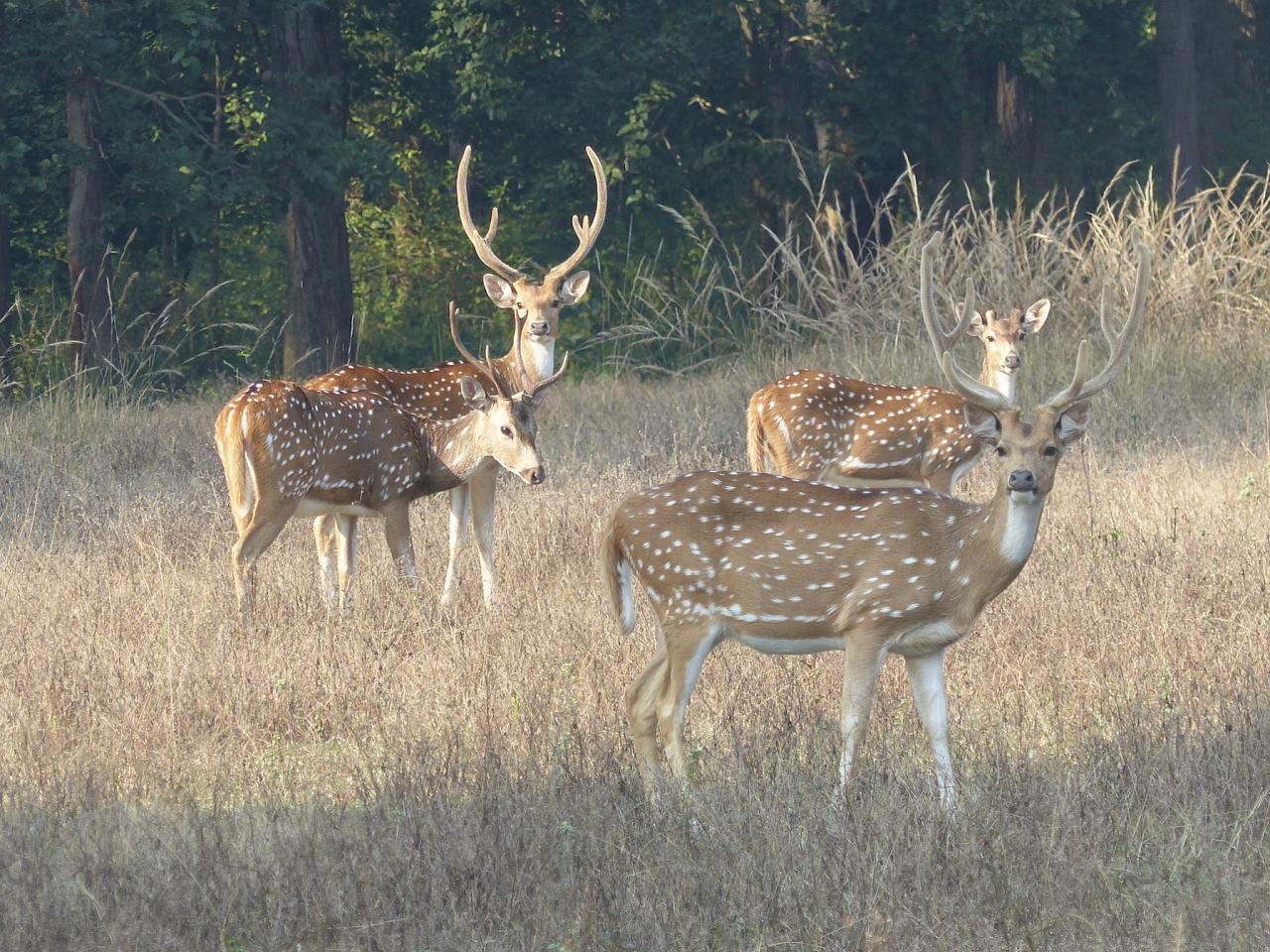
Chital Spotted Deer, Narca Moore-Craig
-

Stripe-throated Yuhina, Narca Moore-Craig
-
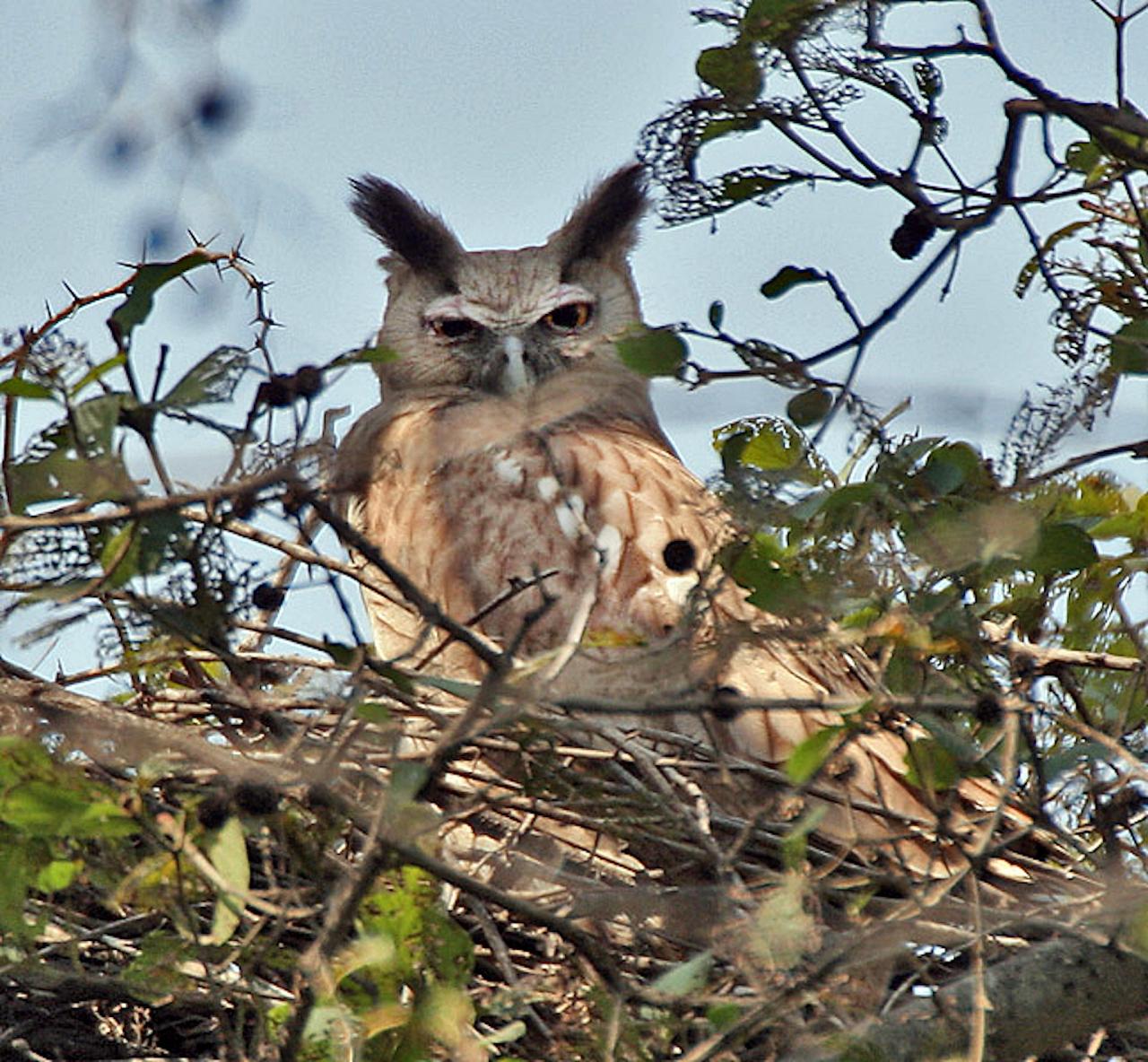
Dusky Eagle-Owl by J.M.Garg via Creative Commons
-
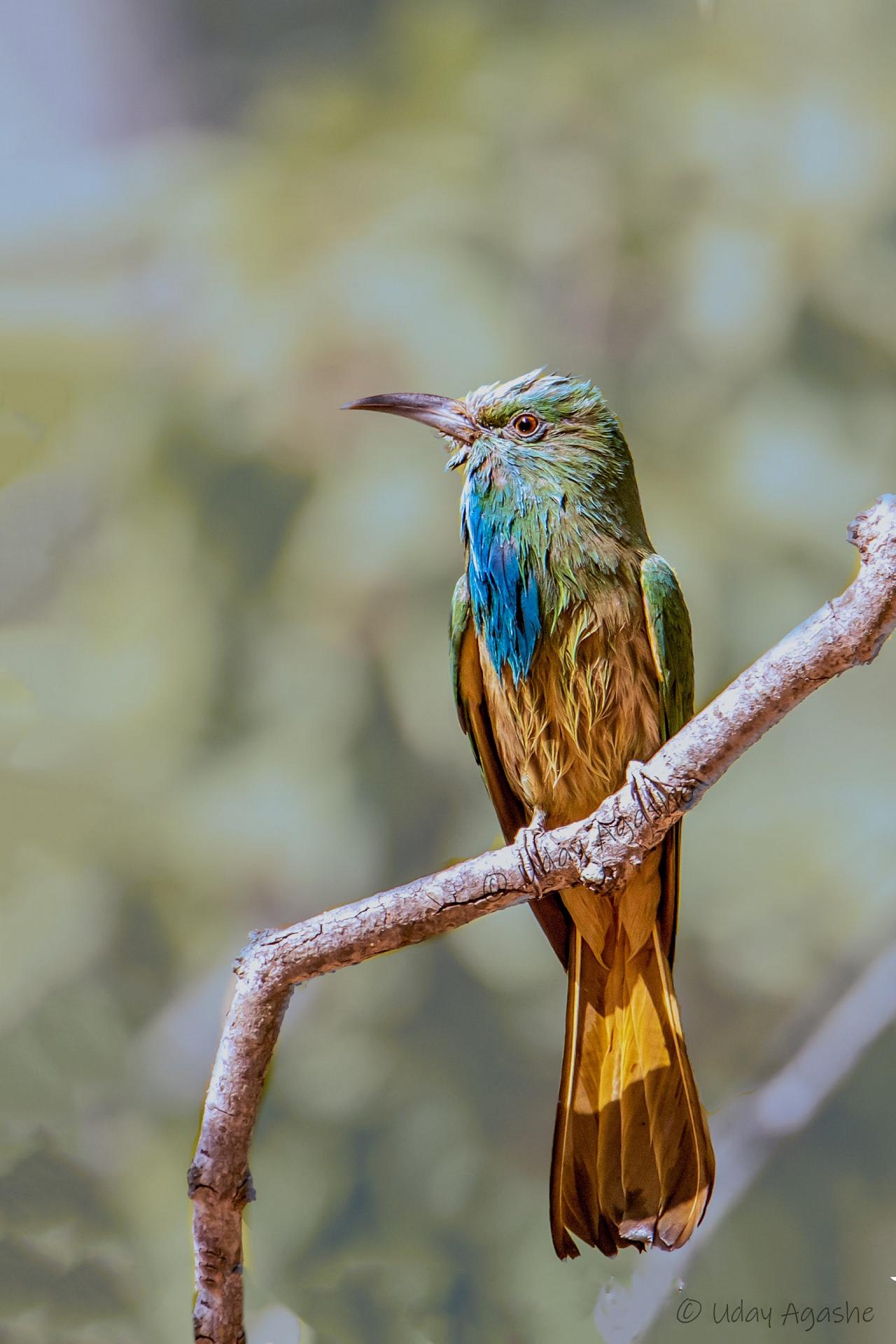
Blue-bearded Bee-eater by Udayagashe via Wikimedia Commons
-
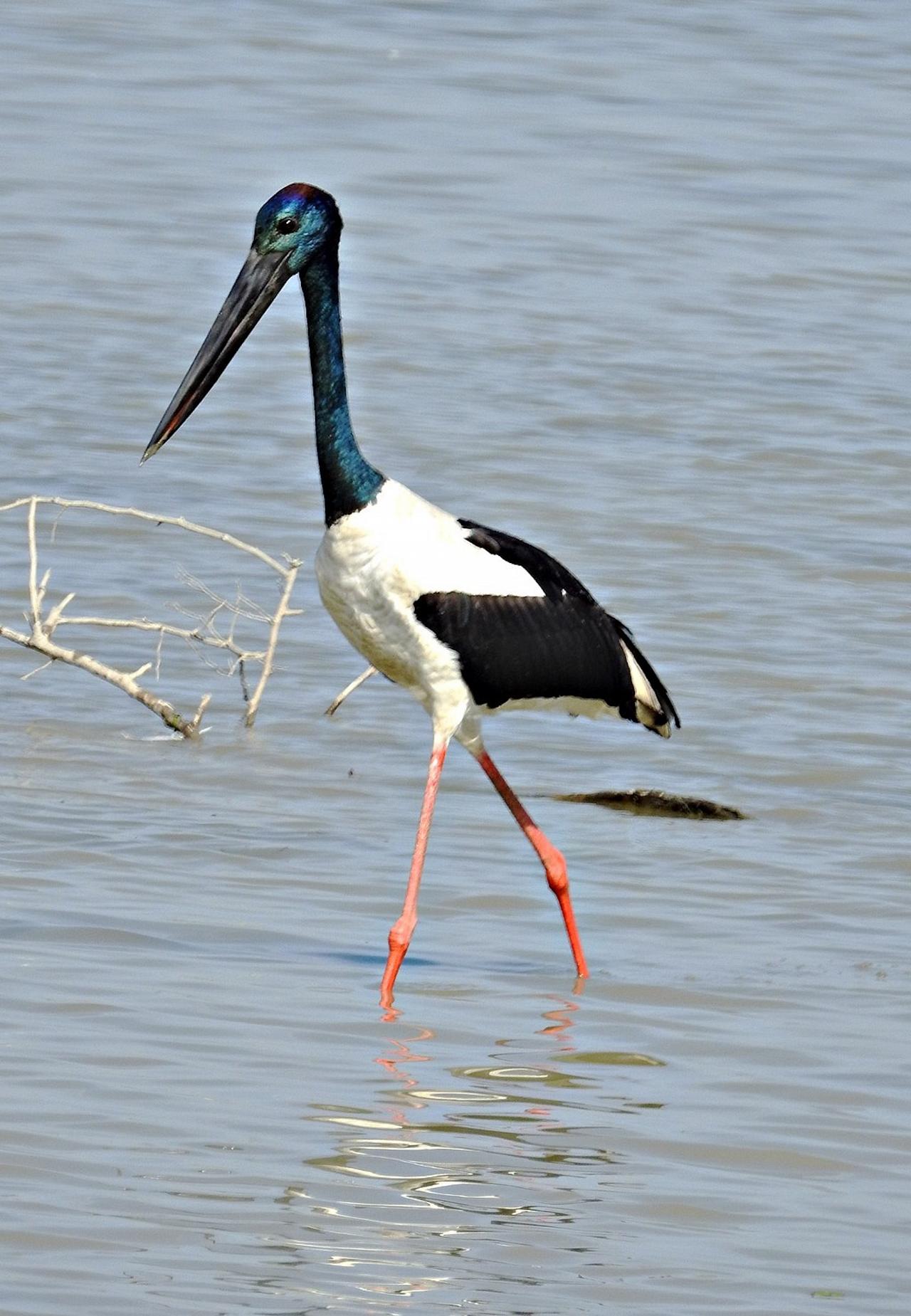
Black-necked Stork by Dr. Raju Kasambe via Creative Commons
-
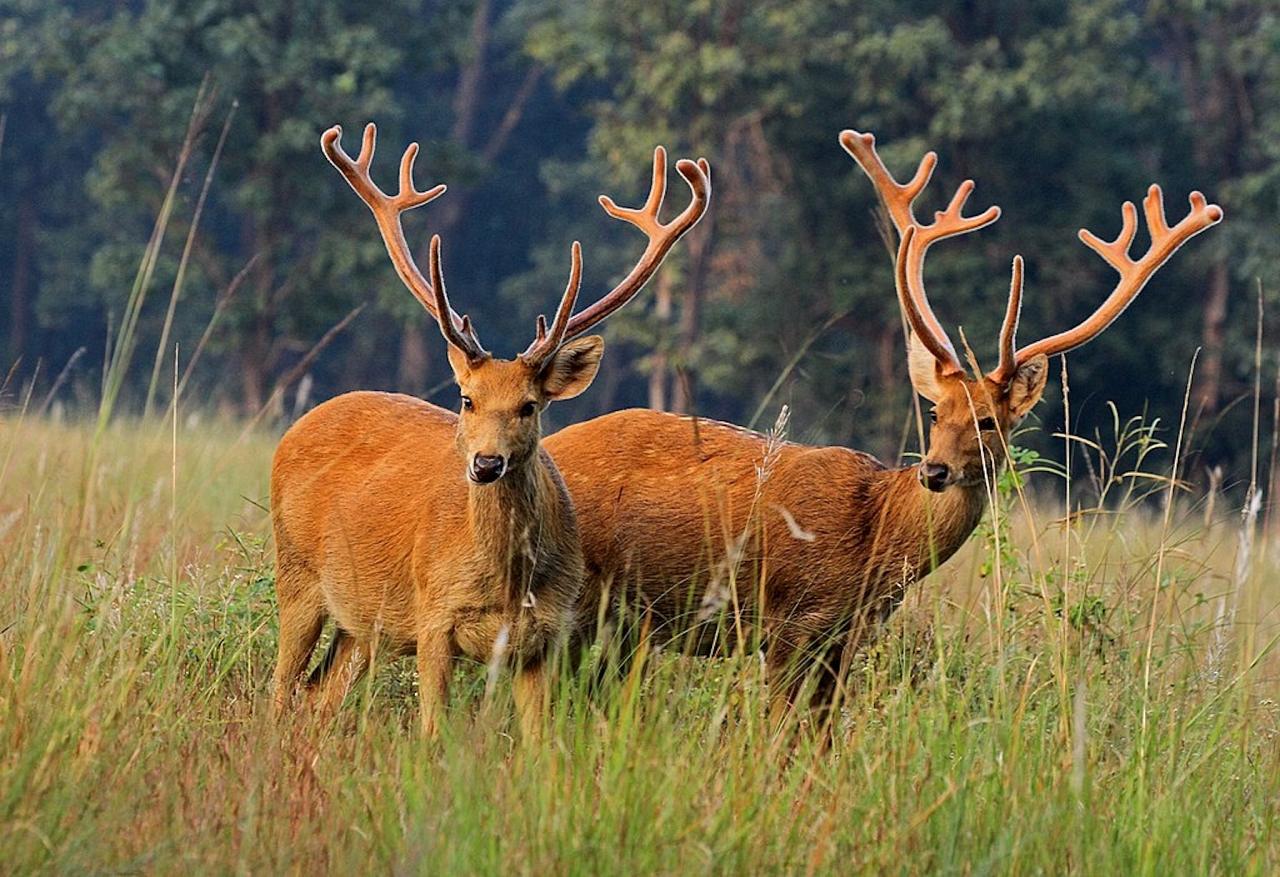
Barasingha by Davidvraju via Wikimedia Commons
-
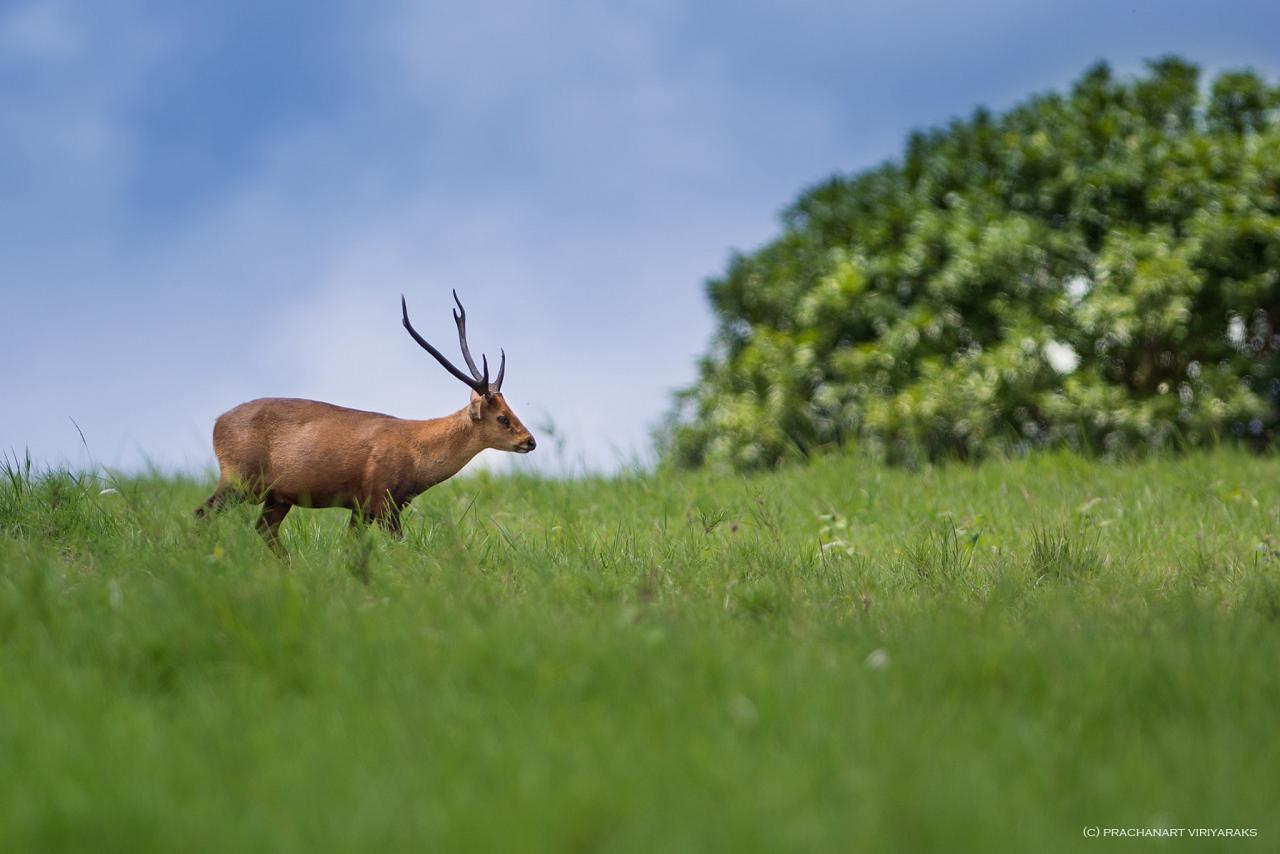
Indian Hog Deer by Prachanart Viriyarak via Creative Commons
Cost of the Journey
Cost of the journey is $8690 DBL. / $10445 SGL per person, based on occupancy, from Bengaluru, departing Kochi.
Cost includes all accommodations; all meals as stated in the itinerary; group airport transfers; ground transportation; professional guide services; park, preserve, and other activity fees; and miscellaneous program expenses.
NEW! all tips other than your NJ guide (optional) and local guide are included (this includes tips for your driver, lodge and staff, day activities, meals and other services).
Tour price does not include: roundtrip airfare to Bengaluru and from Kochi, or items of a personal nature such as laundry, telephone charges, or alcoholic beverages.
Cost of the Tadoba Tiger Reserve extension is $3590 DBL / $4265 SGL, based on occupancy, and includes internal flights.
Travel Details
Please plan to make air travel plans only after the minimum group size has been met. We will send you a confirmation email as soon as the trip has been confirmed.
Main Tour Arrival Airport: Kempegowda International Airport Bengaluru (BLR)
Main Tour Arrival Details: Plan flights to arrive November 6, 2027, at your leisure. If you want to join the group welcome dinner, please plan to arrive by 5:00 PM
Departure airport: Cochin International Airport (COK), also called Kochi Airport as it has domestic and international terminals.
Departure Details: Plan flights to depart November 20, 2027, after 7:00 PM
Pre-extension Arrival Airport: Indira Gandhi International Airport (DEL) in Delhi
Pre-extension Arrival Details: Plan flights to arrive November 1, 2027, at your leisure
Please check all flight times with us before booking. Naturalist Journeys offers you the service of our travel agent, Exito Travel, to help you book flights. If you wish to extend your time in India, our Indian operator is happy to make suggestions.
Entry Requirements: See "Essential Information" section under the "Know Before You Go” tab.
TRAVEL TIP! If you arrive early, or need a night to transition at the end, we can book rooms for you near the arriving or departing airports. For a flight this far, we do always recommend coming one night early if possible, to rest up from your flight. If your flight arrives at dawn, this is in effect a night early. Please remember if so, that you need to book the night before to be able to get into a room (normal check in at hotels is 2-4 PM) so keep that in mind when you make a request.
Browse below for trip reports and species lists from past versions of this and other tours from this destination.
India
- January 2006
- March 2012
- January 2020
- November 2023
- November 2024
- February 2025 (Big Cats)
- November 2025 (Western Ghats & Andaman Islands)
- January 2026 (Birds, Tigers & Taj Mahal)
- March 2026 (Big Cats)
Essential Information +
Pace & Protocols +
Packing List +
Suggested Reading List +
Useful Links +
Photo credits: Banners: Bengal Tiger (NJ Stock), Indochinese Roller (NJ Stock), One-Horned Rhino in Kaziranga NP (Diganta Talukdar via Creative Commons), Birders (NJ Stock), Sloth Bear (NJ Stock), Sunrise at Kanha Tiger Reserve (NJ Stock), Spot-billed Pelican (NJ Stock), Bengal Tiger (NJ Stock), Sultan Tit (NJ Stock) Tour Highlights Galleries: One-horned Rhino, Naturalist Journeys Stock; Siberian Rubythroat, Avijit Sarkhel; Peacock, Naturalist Journeys Stock; Black-footed Gray Langur, Naturalist Journeys Stock; Women Walking, Naturalist Journeys Stock; Western Ghats Mountains, Naturalist Journeys Stock