Thank you for your interest! This journey is either underway or complete, but we do have many other tour options for you to choose from.

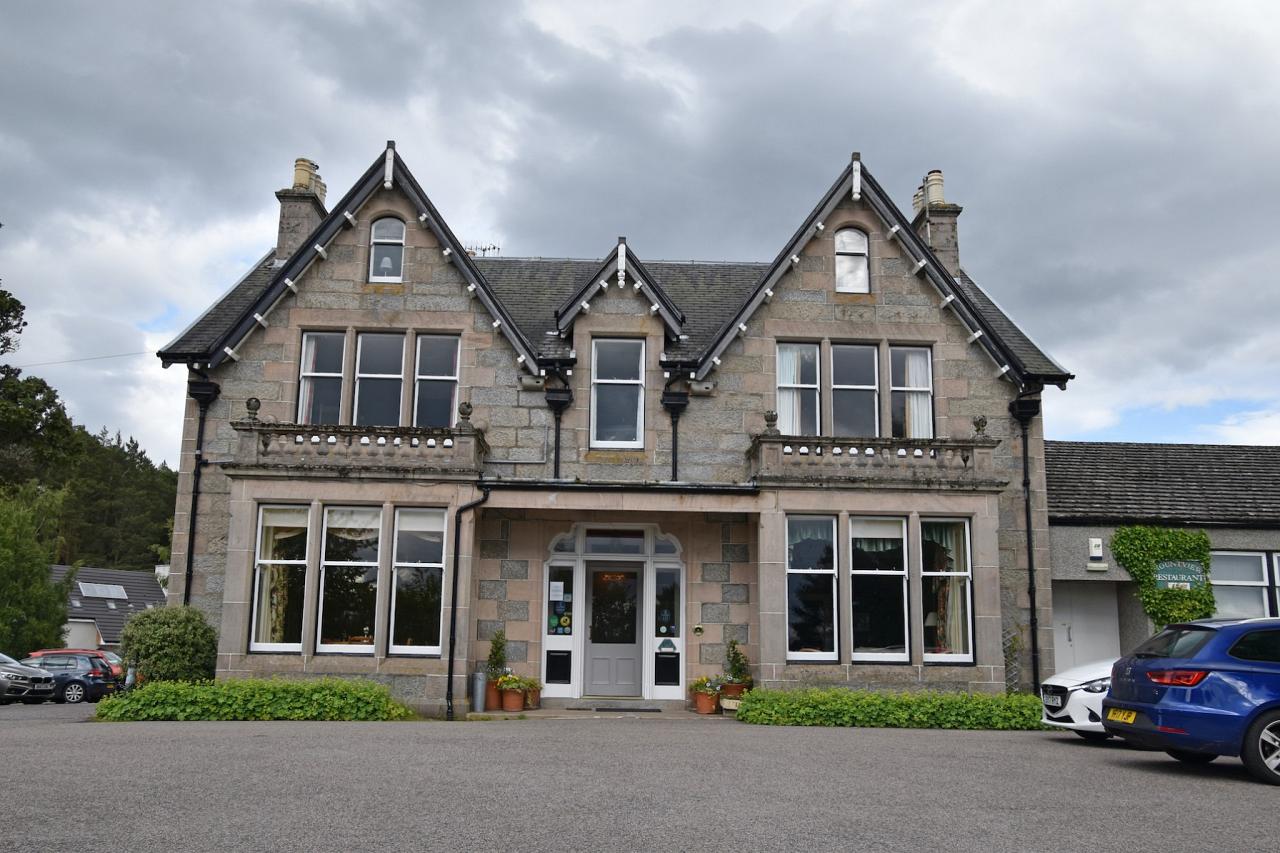
Join Naturalist Journeys to discover the Scottish Highlands and Islands at the peak of wildflower season. August is a marvelous time to explore. We are based out of Mountview Hotel at Nethy Bridge for seven of our 12 nights, a particular delight. Mountview Hotel sits upon a hill, within walking distance of the quaint, small town. Expert local naturalists have a long history of work with the hotel, so they know where to find the birds and the scenic stops; they set a comfortable tone right away. Dining is lovely and the lodge boasts a fully-stocked bar—you may want to try their wide variety of local Scottish whisky in the fireside room!

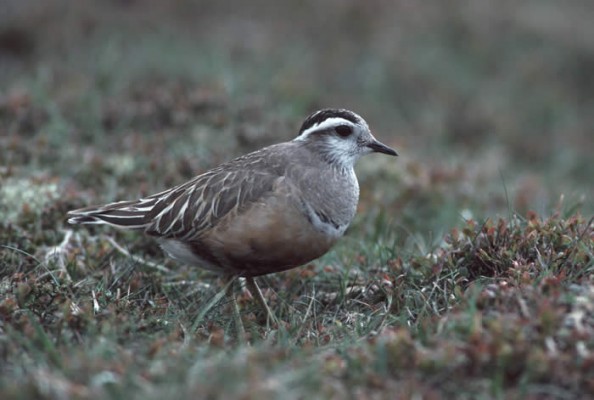
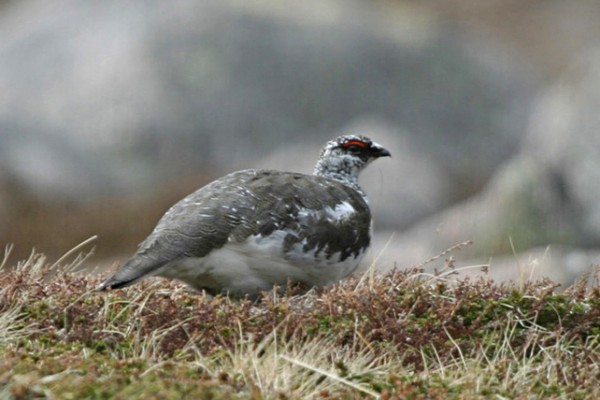
This tour explores Scotland’s wonderful pine and oak forests, rugged coastlines and trails, and walks in the heather above treeline in open moorland. Look for Ptarmigan, nesting Dotterel, Crested Tit, and Scottish (Parrot) Crossbill. Study shorebirds, seabirds (puffins!), and raptors, including Golden Eagle. After a week at Mountview, we venture to Mull and Iona, enchanting islands with wilderness species such as White-tailed Eagle and Hen Harrier. The islands’ residents take pride in their gardens, and the open moorland is in bloom, here we may find Skylark displaying and Twite. Iona’s Abbey hold Celtic treasures, and the rhododendrons and azaleas should be in bloom. Interesting geology, historic castles, fascinating birds … Scotland is a special place!
Tour Highlights

  • View rolling mountain and woodland vistas right from our lodge
  • Enjoy time in the nearly 8000 year old Abernethy Forest, a Royal Society for the Protection of Birds reserve
  • Witness mainland Scotland’s only Gannetry during a boat ride to Troup Head
  • Choose a hike into the arctic-alpine realm, just over 4000 feet, to see Dotterel and Ptarmigan
  • Discover the beautiful Mull and Iona, with colourful villages and stunning ancient architecture
  • Set sail to the tiny isles of Staffa and Lunga to see thousands of seabirds
  • A note about the Western Capercaillie: The Western Capercaillie is a huge woodland grouse under the protection of several wildlife and government organizations. While we will not be seeking out Capercaillie on this tour, incidental sightings are possible as we work to respect and protect their essential habitat.
Trip Itinerary

Itineraries are guidelines; variations in itinerary may occur to account for weather, road conditions, closures, etc. and to maximize your experience.


Fri., Aug. 8     Arrival in Inverness, Scotland

Welcome to Scotland! Today there are no activities planned so you can rest up from travels. Enjoy the gardens at your hotel and a walk if you wish to. Those in on time can join together for an optional group dinner—once we know everyone’s arrival schedule and who wants to join in, we make dinner reservations.

Our accommodations are close to airport tonight and since everyone arrives at different times, please transfer by taxi to our first hotel.
Accommodations at an airport hotel, TBD closer to time of departure

Sat., Aug. 9     Scenic Drive to Nethy Bridge | Arrival at Mountview Hotel | Abernethy Highland Games

This morning we enjoy breakfast together and time to get acquainted. We then have about an hour drive today to reach the delightful Mountview Hotel at Speyside, our lodgings for the week ahead. A bonus to this trip is not having to keep on the move! En route to this perfect base, we make scenic and birding stops along the way and enjoy a fun picnic lunch.

A special treat for this first official day is experiencing the famed Abernathy Highland Games! Held on the Games Field in the centre of Nethy Bridge, they are one of the oldest Games in the country. Known as the "Friendly Games” the Abernethy Highland Games are famous for the Massed Bands march around the arena and for being the annual Clan Grant Gathering. Read more here.

Our hotel is in the Highlands; as we head south to it we pass through open moorland with views of rolling mountains and woodlands. Upon arrival at the Mountview Hotel, enjoy some free time to get settled before a welcome dinner and orientation. It’s an easy wander down to the river or the nearby village of Nethy Bridge. Or there are those tempting local scotches awaiting you at the bar ….
Accommodations at the Mountview Hotel (B,L,D)

Sun., Aug. 10     Abernethy Forest—Walking & Birding

Today we visit extensive pine forests, a habitat type that has existed here for close to 8000 years. This ancient Caledonian forest is the largest natural woodland remaining in Britain, a true national heritage. It is a Royal Society for the Protection of Birds (RSPB) reserve. Here we find a good number of songbirds, including Crested Tit and Scottish Crossbill. A number of trails cross the reserve and we have the day to walk and explore. We join British visitors most excited to see nesting Osprey, still a relatively rare bird, though recovering, in Britain. In the 1950s, after an absence of nearly 50 years, Osprey returned from their winter home in Africa to breed at this location.
Accommodations at the Mountview Hotel (B,L,D)

Mon., Aug. 11     Outer Hebrides Migration Sea Trip

We travel north to Ullapool, perhaps seeing Raven and Hooded Crow on the way, to join the ferry to the Isle of Lewis in the Outer Hebrides. The ferry is a large ship, with excellent viewing opportunities in all directions, perfect for birding. While this is a non-landing crossing, we take both the outbound and return sailings to double our chances of migrant seabirds.

Leaving port, Black Guillemot, Shag, and any late terns are possible and entering the Minch and more open water, Fulmar, Gannet, Shag, Manx Shearwater, European Storm Petrel, Great and Arctic Skua and commoner auks become likely. It is a great time of year for wandering Sooty Shearwater and rarer possibilities include Balearic, Cory’s, or Great Shearwaters, Leach’s Petrel, Pomarine and Long-tailed Skuas, or perhaps storm driven Grey Phalarope or Sabine’s Gull. The Minch has a superb reputation for cetaceans and on calm seas we have a better than average chance of seeing Minke Whale, Harbour Porpoise, and dolphins with Risso’s and Short-beaked Common Dolphin the most likely.
Accommodations at Mountview Hotel (B,L,D)

Tues., Aug. 12     Local Moors in Search of Black Grouse | Classic Highland Birding & Scenic Walking

Enjoy an optional early morning outing to look for Black Grouse, another of Britain’s displaying grouse, intermediate in size with a long, forked tail. The males gather in impressive numbers on known display grounds, known as a ‘lek’, often on the edge of woodland and moor. The lek is now finished, though birds still return to parade and hopefully attract a female.

After this outing and breakfast, enjoy stunningly beautiful rolling mountain scenery today, as we search for some of Scotland’s most iconic species. We visit local woodland sites to see Crested Tit and Crossbills.

In the afternoon we visit moorland at a remote glen where we may see Golden Eagle, Peregrine, Merlin, Red Kite, and Ring Ouzel, a member of the thrush family found in mountains and moorlands, Stonechat, Common Sandpiper, and more. It’s a lovely day, with spectacular scenery, and a good time to walk for those who are interested. Perhaps a celebration with a drink of Famous Grouse scotch is in order this evening!
Accommodations at the Mountview Hotel (B,L,D)

Wed., Aug. 13     Mountains & Whisky!

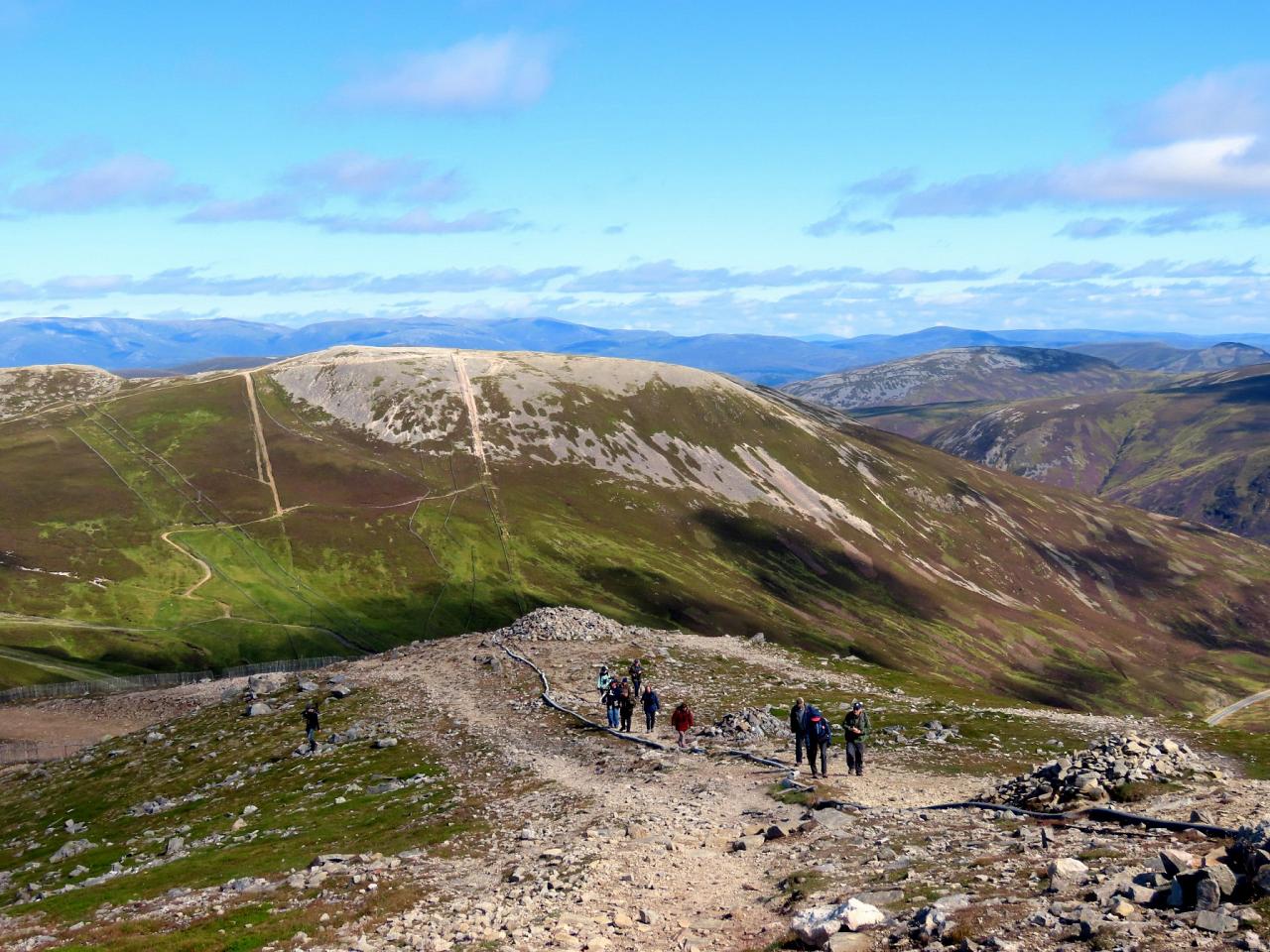
In Scotland you don’t have to contend with high elevation to enjoy a taste of the arctic-alpine realm, as the highest peaks of the region, rounded and sculpted by time, reach just over 4,000 feet. We visit the southern end of the Cairngorm mountain range and take the chairlift up to around 3,000 feet to feast our eyes on mountain vistas with unforgettable scenery all around. We walk the final stretch to the summit to reach the realm of the Ptarmigan and Mountain Hare and there is also a show of alpine plants. More common species are present here too with Meadow Pipit and Northern Wheatear. There are 2,200 square miles of mountain wilderness here, and the geology is fascinating as well. It may be brisk up on the plateau so dress warm
If time allows we have a stop in the village of Braemar where you can explore the unique, independent shops selling local produce—everything from chocolate to haggis to gin! The main attraction this afternoon is a tour of a whisky distillery to learn how the spirit is made before tasting the results!
Accommodations at the Mountview Hotel (B,L,D)

Thurs., Aug. 14        Exploring the Scenic West Coast

We head north to explore more of Britain’s 7000 miles of varied and beautiful coastline, exploring the rocky reaches where rivers flow straight to the sea. We visit beautiful seaside places and villages including Gruinard Bay, Dundonnell, Little Loch Broom and Gairloch. Migrant shorebirds are heading north — we hope to see Dunlin, Ruddy Turnstone, European Golden Plover, Bar-tailed Godwit, Curlew, Lapwing, Oystercatcher, Ringed Plover, and more. Terns include Sandwich, Arctic and Common. We have very good chances at Scotland’s breeding divers including Black-throated (Arctic), and beautiful Red-throated Diver. This is a great day for raptors too with both eagles (Golden and White-tailed) being possible along with Hen Harrier, Peregrine and Merlin.
Accommodations at the Mountview Hotel (B,L,D)

Fri., Aug. 15      Moray Coast

Due north of our base is the Moray Firth (a Scots word for sea inlet) which has a stunning coastline lined with quaint fishing villages, beautiful sandy beaches and a surplus of wildlife. We may look for concentrations of waders, including Bar and Black-tailed Godwit, Sanderling, Dunlin, Ruddy Turnstone, Red Knot and Curlew. We’ll have a look at some farmland too with species such as Corn Bunting, Grey Partridge and Yellowhammer high on our target list. If we are lucky we’ll come across the resident pod of Bottle-nosed Dolphins along the way. Not to be missed is our visit to a local fish and chip shop for our lunch.
Accommodations at Mountview Hotel (B,L,D)

Sat., Aug. 16      Travel to Mull

After breakfast we travel to Mull, one of the most scenic islands of the Hebrides, its coast deeply indented and laced with smaller scenic rocks and islets. We travel via Fort William, crossing the Corran Ferry and driving through the area known as Morvern. Mull’s geologic story tells of violent volcanic activity some 30,000 – 50,000 years ago when sequential lava flows accumulated to thicknesses of 6000 feet.

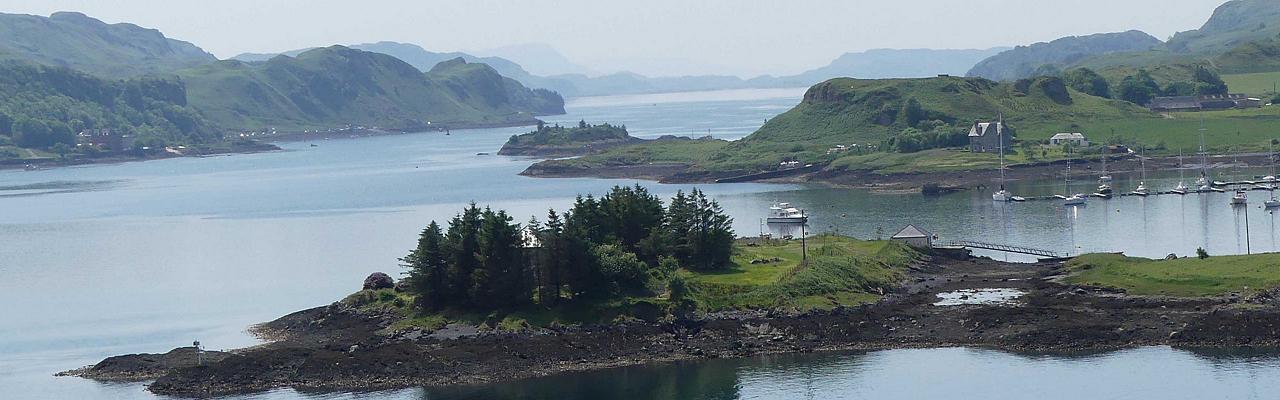
Mull is the second most mountainous island after Skye — its central tablelands reach over 3000 feet. Driving near the coast, we look for Harbor and Atlantic Grey Seals and River Otter. On arrival we visit picturesque Tobermory, the capital town of Mull, known for its colorful buildings. Enjoy some time to explore before heading to our comfortable hotel for three nights.
Accommodations on Mull (B,L,D)

Sun., Aug. 17     Staffa Boat Trip

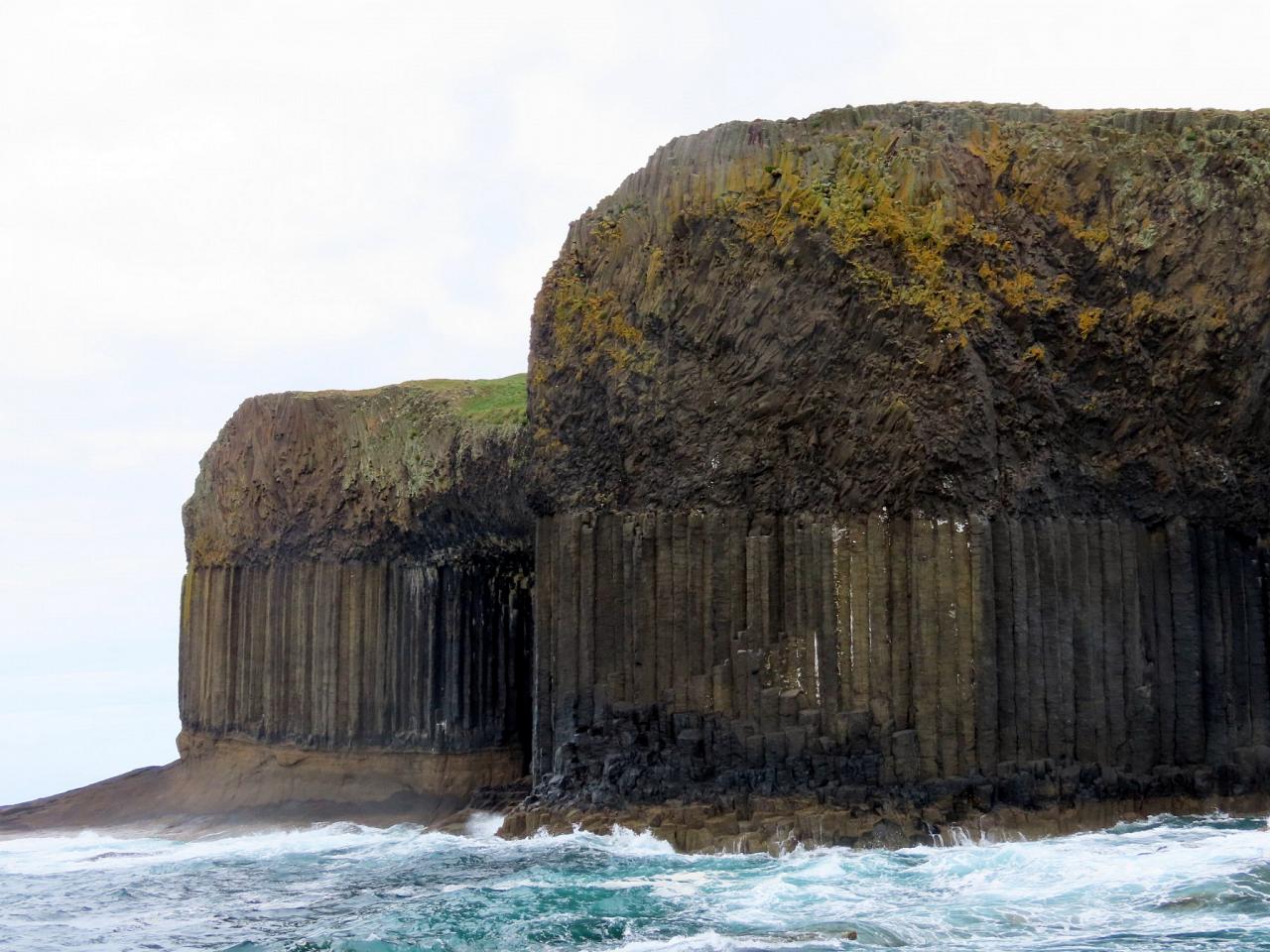
We enjoy a spectacular morning boat trip, visiting the Isle of Staffa, where we have enough time to visit Fingal’s Cave, a unique geological phenomenon recognised as one of the wonders of the natural world. We hope to find Twite, Meadow Pipit on the grassy tops of the island while European Shag and Great Cormorant linger on the rocky shore. From the boat we can hope to see Manx Shearwaters along with a few auks, Great Skua, Arctic Tern. This is an excellent opportunity to see Atlantic Grey Seals as they loaf on rocky islands, sometimes getting into the water to come and have a closer look at us! Minke Whale and Common Dolphin are also possible. This trip can be weather dependent, though it usually sails one of our two full days.

In the afternoon we take a drive round Mull’s scenic coastline where European Otter is always a possibility as are White-tailed Eagles. Common Greenshank and Oystercatcher can usually be found on the tideline and we should get a look at some passerines such as Linnet, Mistle Thrush and Grey Wagtail.
Accommodations on Mull (B,L,D)

Mon., Aug. 18      Iona & Mull

Mull is a wildlife paradise, becoming ever more popular with birdwatchers. It’s easy to see why, with more eagles (both Golden and White-tailed) than anywhere else in Britain, Hen Harrier, Short-eared Owl, Raven, and a range of northern moorland birds. The coastal habitat is special and allows us to search for Great and Arctic Skua, Manx Shearwater, Great Northern Diver (Common Loon), Puffin, Gannet, and much more, including a variety of waders. It is also a popular walking area, set in magnificent scenery and featuring towering cliffs, rugged mountains, rocky coastlines, and beautiful pristine beaches.
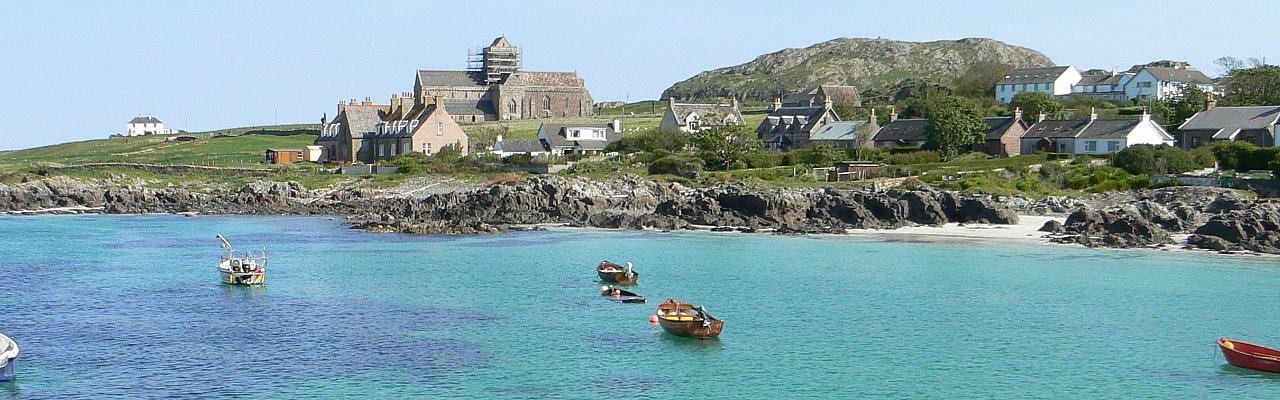
On Iona, accessed by ferry from Mull, we look for Skylark and Twite (a Redpoll relative) and visit the Abbey, a Celtic treasure dating from the 5th Century.
Accommodations on Mull (B,L,D)

Tues., Aug. 19     Mull to Inverness

Today we bird and explore on Mull in the early morning and then cross by ferry to the Scottish mainland, returning to Inverness. This is a four to five-hour drive in total, and we break it up with a picnic lunch and some geographic commentary en route.


We arrive in the late afternoon and enjoy a last dinner in Inverness with our guide before settling into our accommodations. Most need an airport hotel this night, so we include it.. If you are staying on in Scotland or taking the train to other areas, we can help with suggestions.
Accommodations in Inverness (B,L)

Wed., Aug. 20     Departures

Your return to the airport is by taxi today to match up with your flight; we can help coordinate possible ride-shares if flights match up with others in the group.

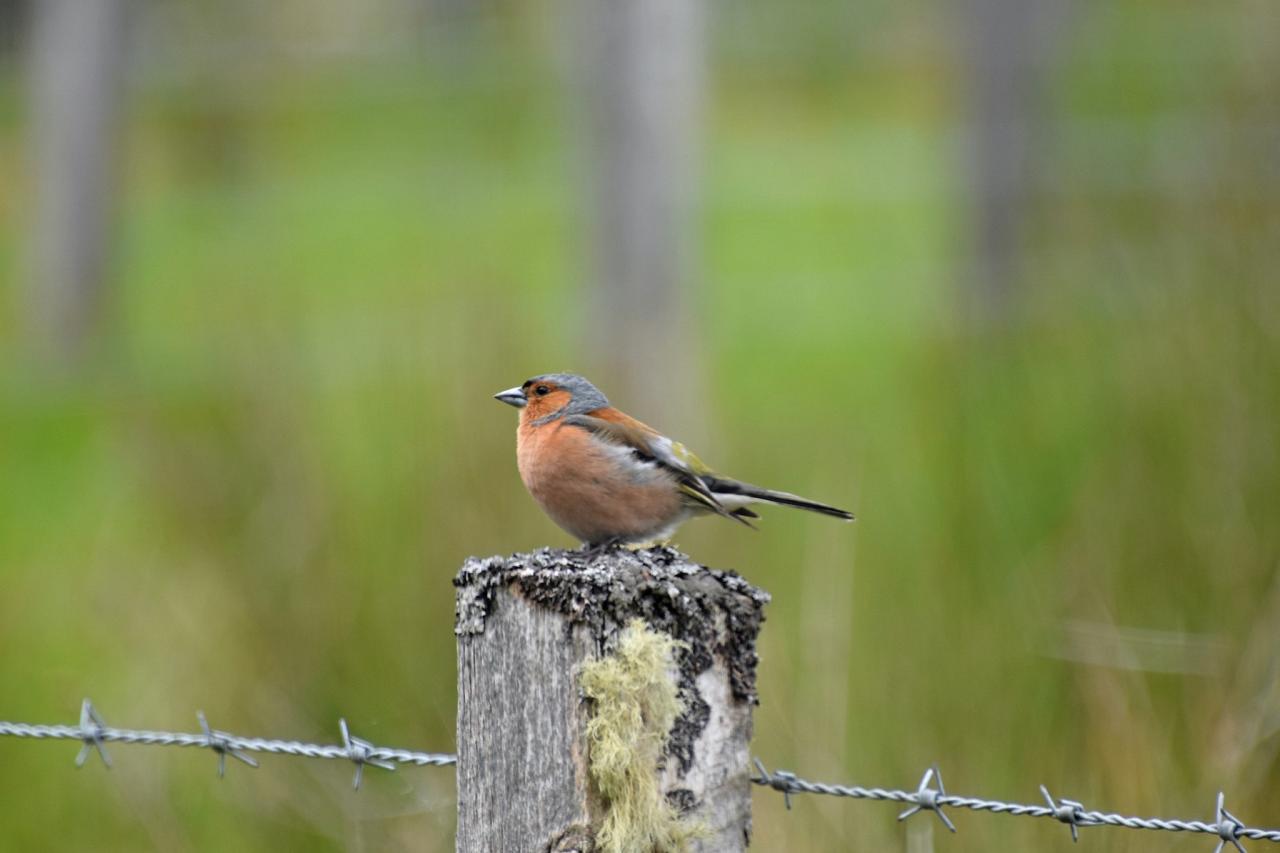
  • Chaffinch, Scotland, Scottish Highlands, Scottish Islands, Scotland Birding Tour, Scotland Nature Tour, Naturalist Journeys

    Chaffinch, John Ianacone & Cindy D'Ambrosio

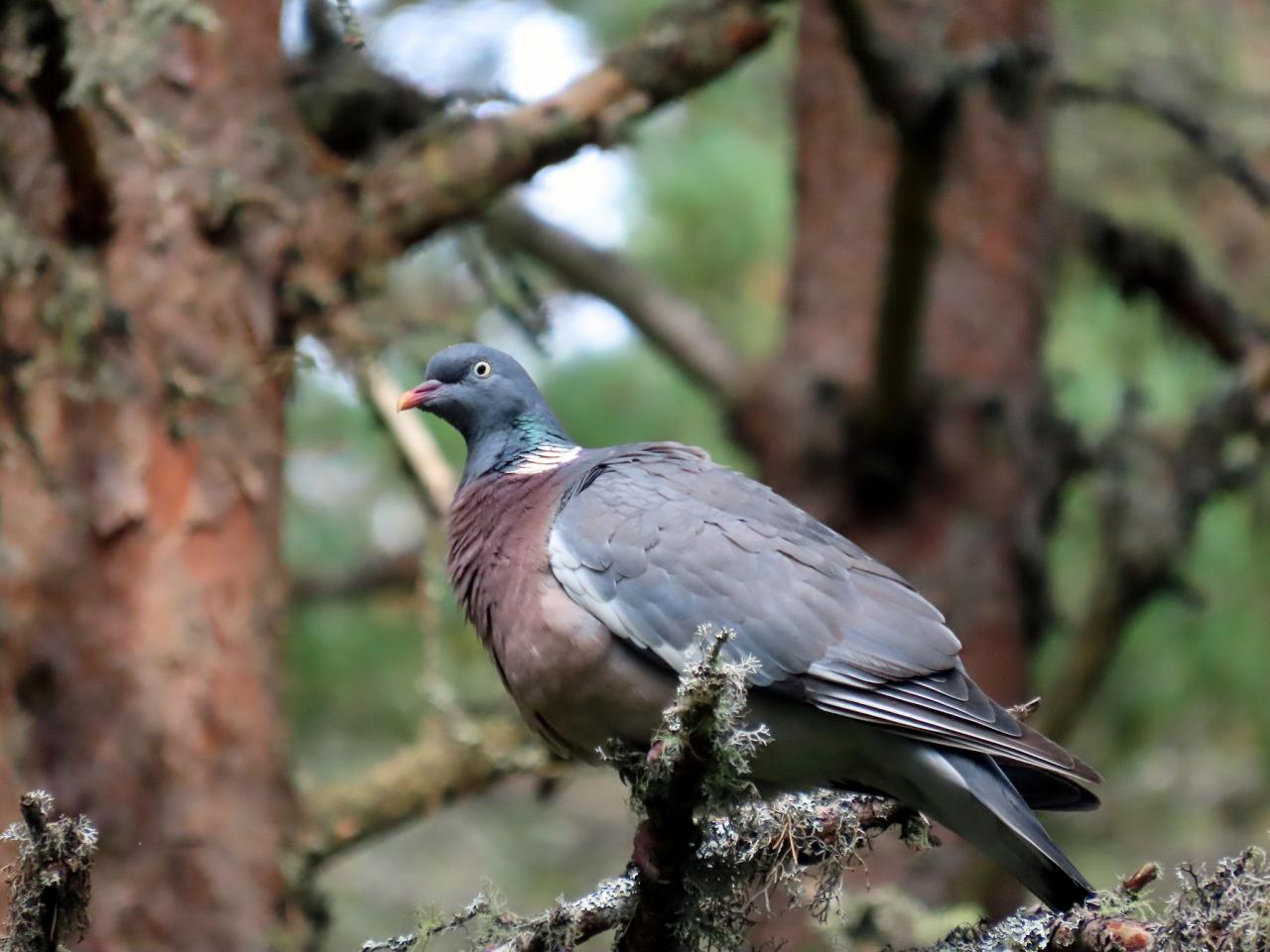
  • Wood Pigeon, Marlo Kauffman, Scotland, Scotland Nature Tour, Scotland Birding Tour, Naturalist Journeys

    Wood Pigeon by Marlo Kauffman

  • Scotland, Scotland Nature Tour, Scotland Birding Tour, Naturalist Journeys

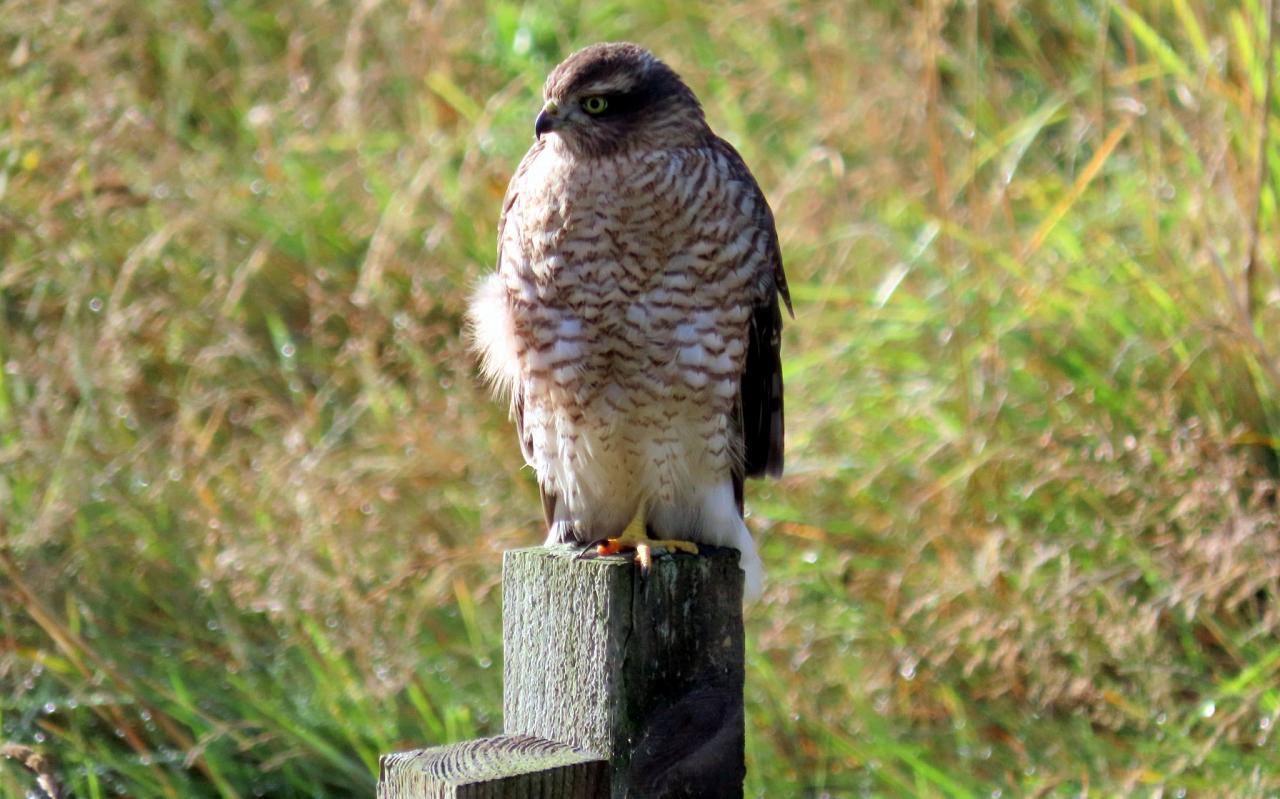
    Sparrowhawk, Marlo Kauffman

  • Scotland, Scotland Nature Tour, Scotland Birding Tour, Naturalist Journeys

    Landscape, Marlo Kauffman

  • Scotland, Scotland Nature Tour, Scotland Birding Tour, Naturalist Journeys

    Seascape, Marlo Kauffman

  • Scotland, Scotland Nature Tour, Scotland Birding Tour, Naturalist Journeys

    Group with landscape, Marlo Kauffman

  • Scotland, Scotland Nature Tour, Scotland Birding Tour, Naturalist Journeys

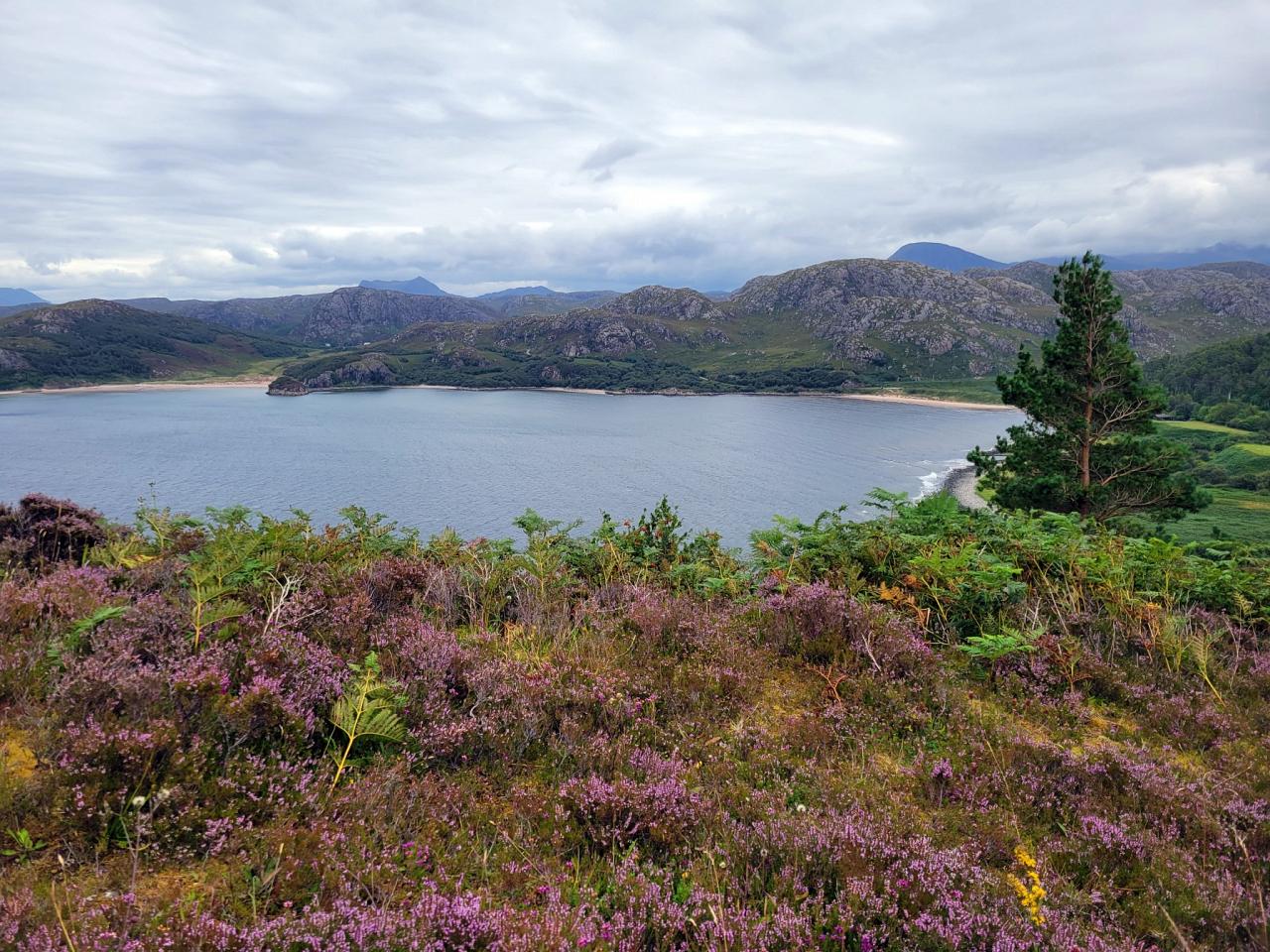
    Heather and lake, Marlo Kauffman

  • Abernathy, Scotland, Scottish Highlands, Scottish Islands, Scotland Birding Tour, Scotland Nature Tour, Naturalist Journeys

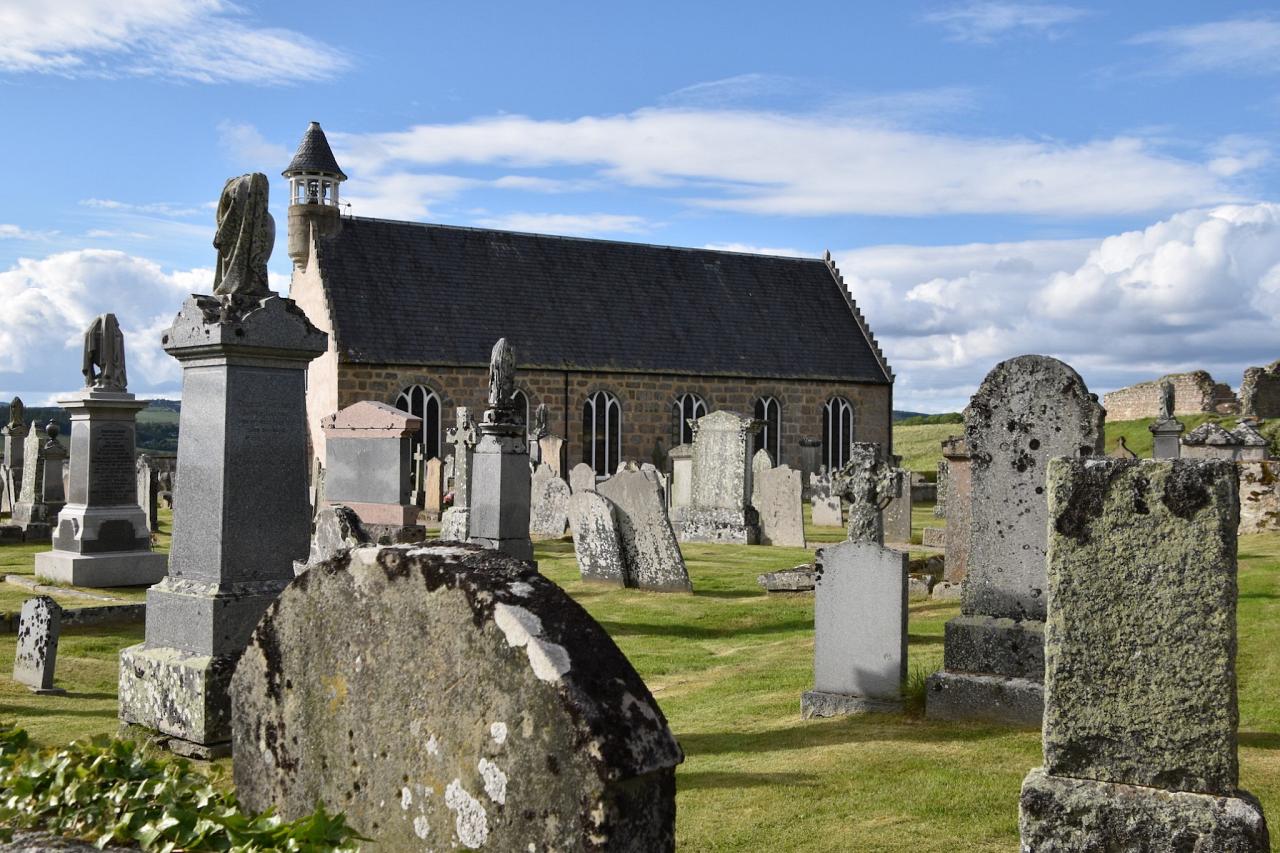
    Abernathy Cemetery, John Ianacone & Cindy D'Ambrosio

  • Woodcock, Scotland, Scottish Highlands, Scottish Islands, Scotland Birding Tour, Scotland Nature Tour, Naturalist Journeys

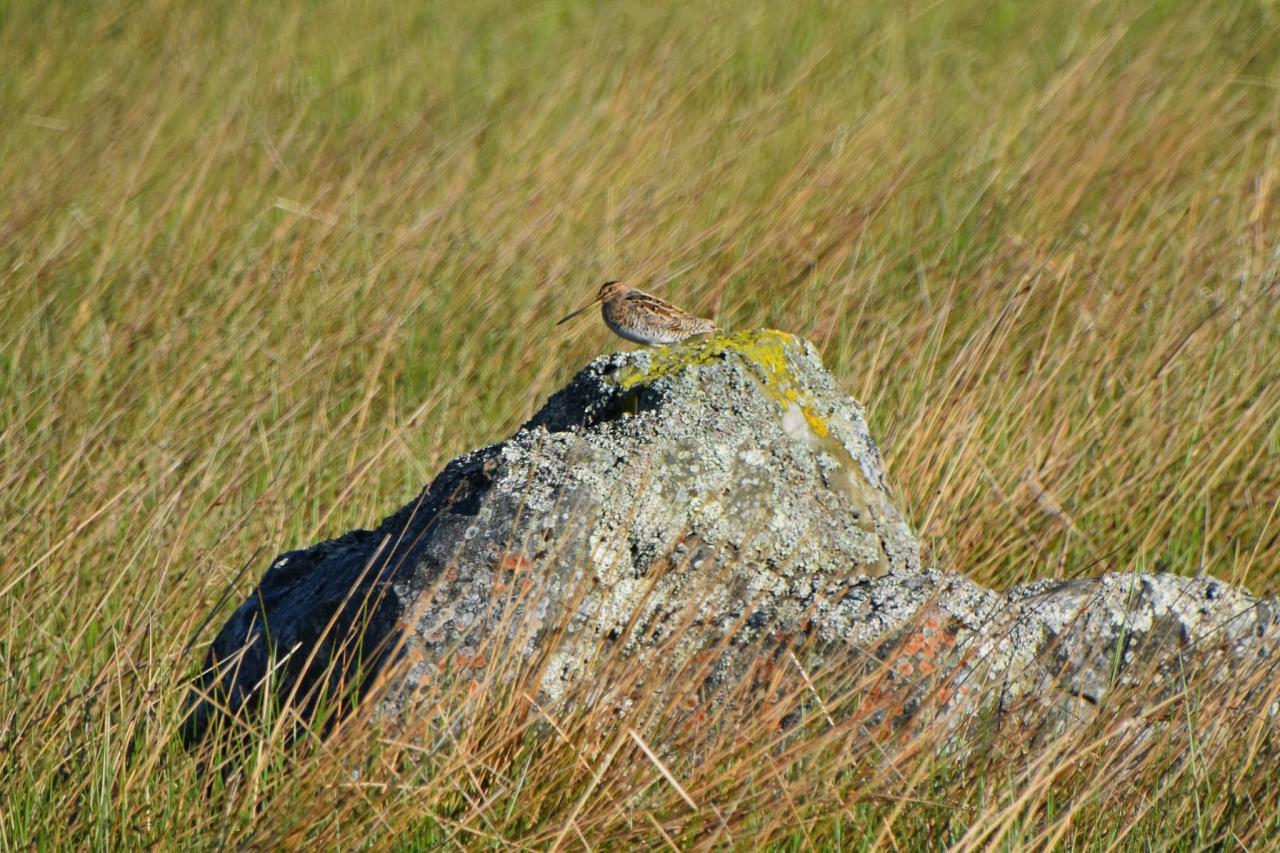
    Woodcock, John Ianacone & Cindy D'Ambrosio

  • Carr Bridge, Scotland, Scottish Highlands, Scottish Islands, Scotland Birding Tour, Scotland Nature Tour, Naturalist Journeys

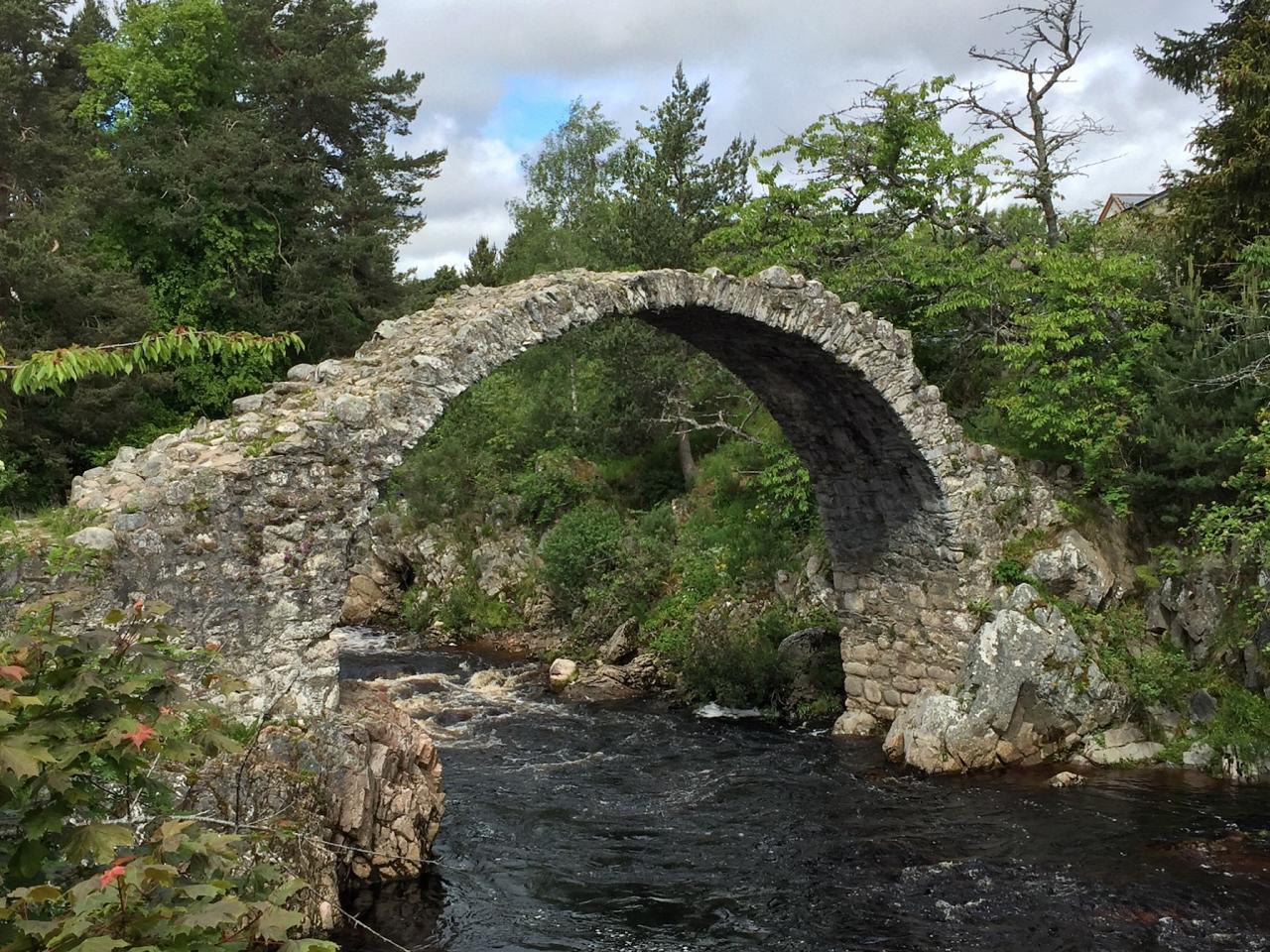
    Carr Bridge, John Ianacone & Cindy D'Ambrosio

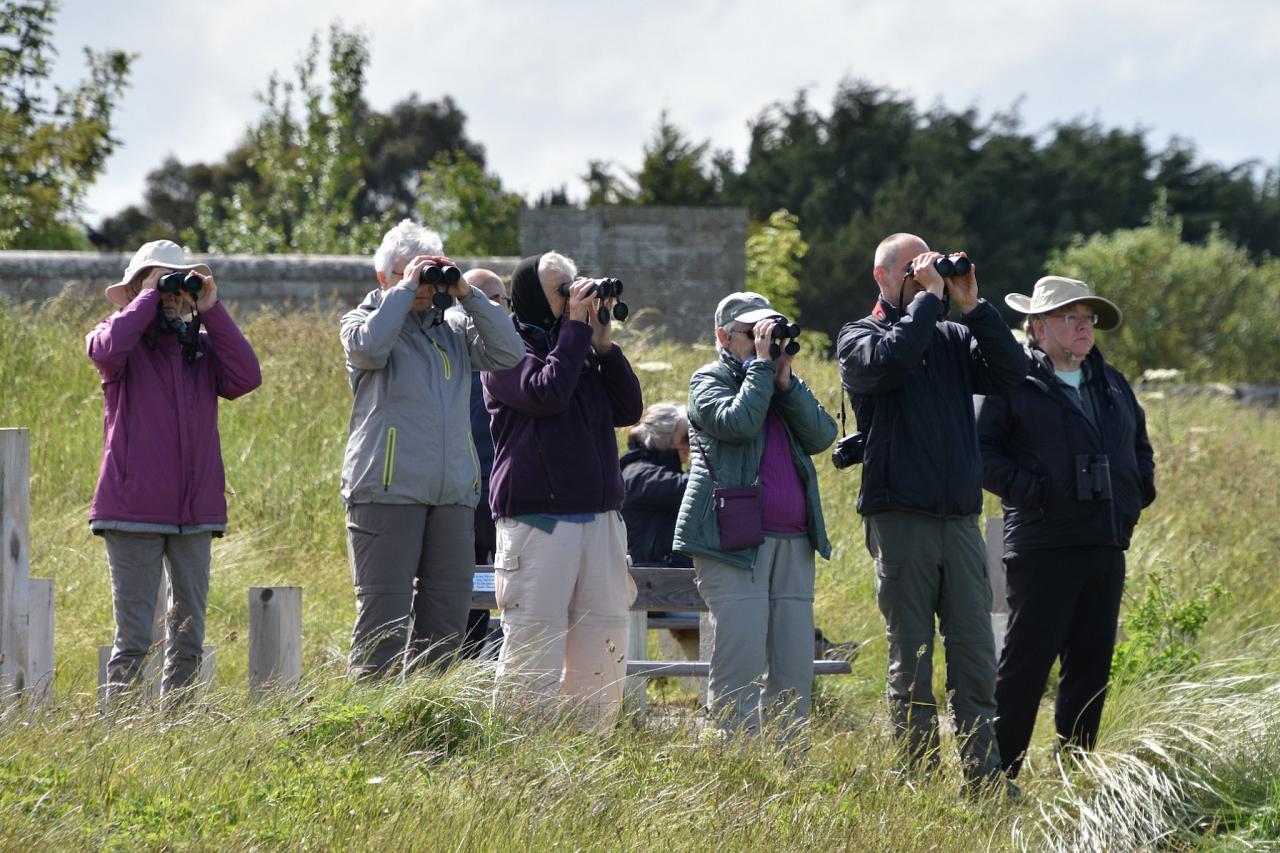
  • Birding Group, Scotland, Scottish Highlands, Scottish Islands, Scotland Birding Tour, Scotland Nature Tour, Naturalist Journeys

    Birding Group, John Ianacone & Cindy D'Ambrosio

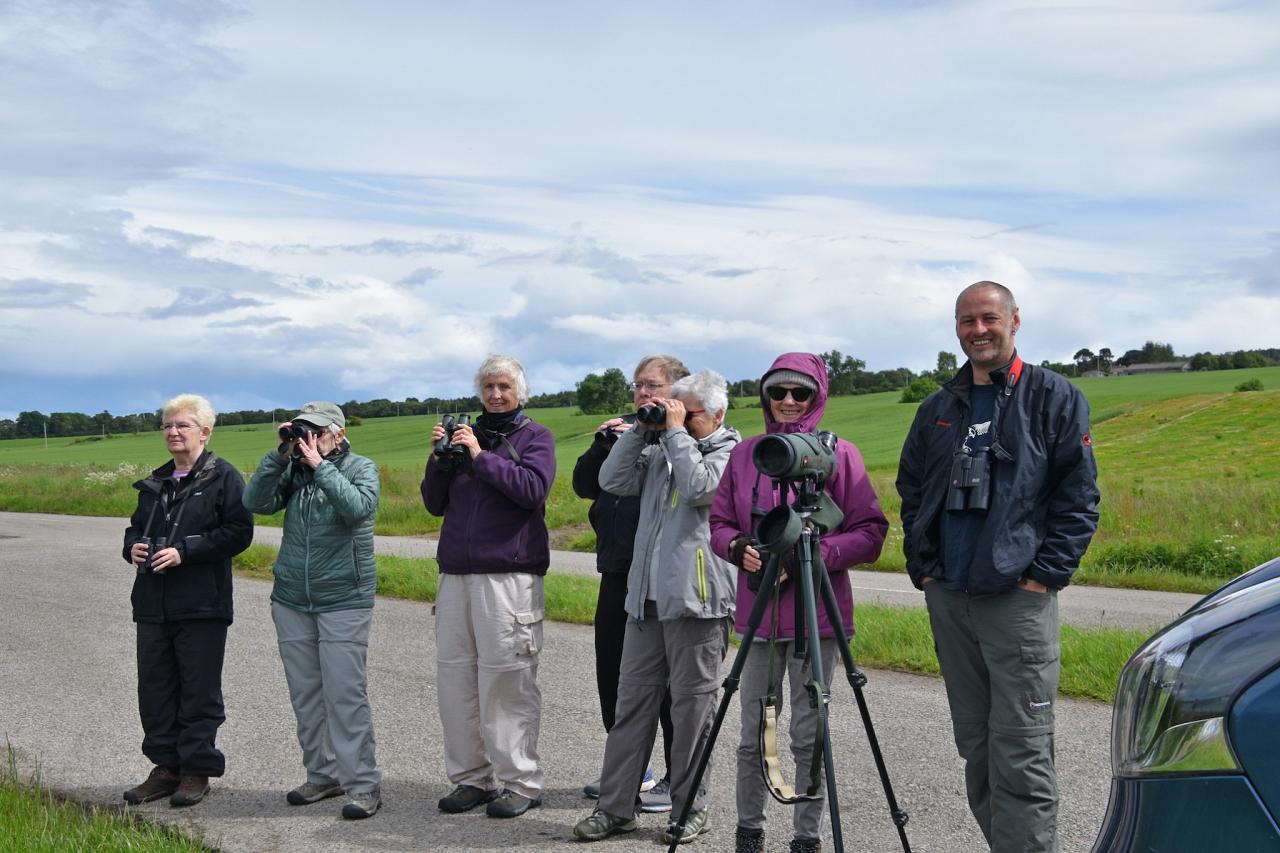
  • Birding Group, Scotland, Scottish Highlands, Scottish Islands, Scotland Birding Tour, Scotland Nature Tour, Naturalist Journeys

    Birding Group, John Ianacone & Cindy D'Ambrosio

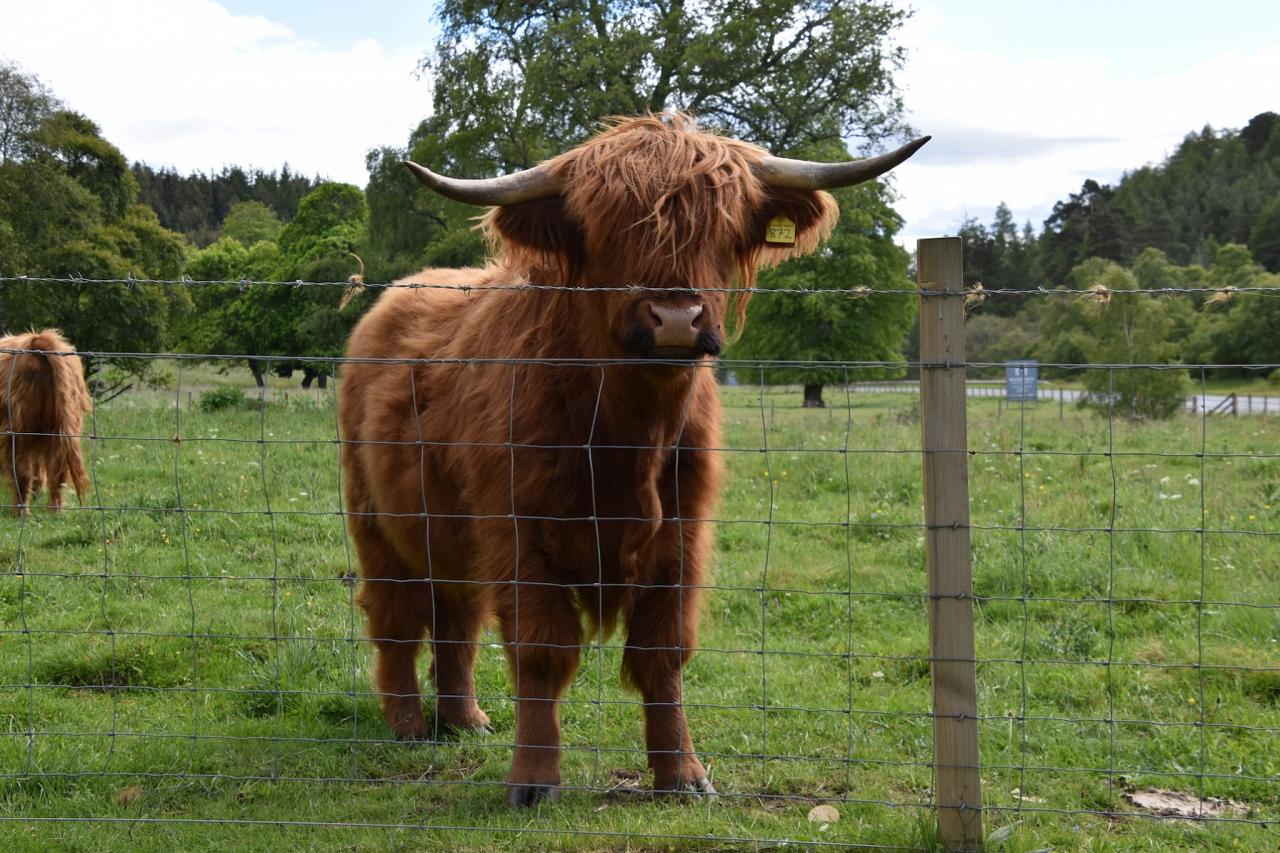
  • Highland Cattle, Scotland, Scottish Highlands, Scottish Islands, Scotland Birding Tour, Scotland Nature Tour, Naturalist Journeys

    Highland Cattle, John Ianacone & Cindy D'Ambrosio

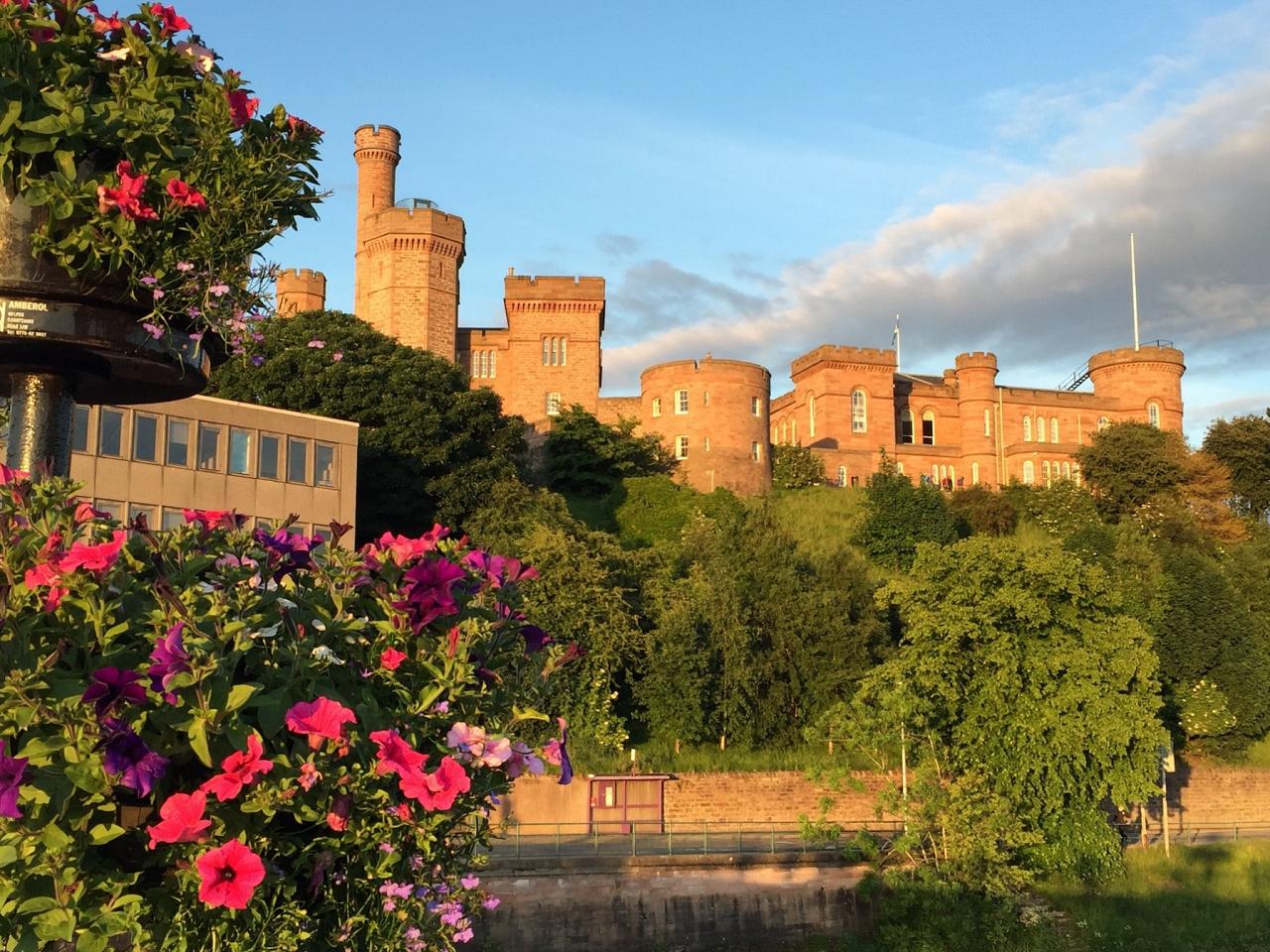
  • Inverness Castle, Scotland, Scottish Highlands, Scottish Islands, Scotland Birding Tour, Scotland Nature Tour, Naturalist Journeys

    Inverness Castle, John Ianacone & Cindy D'Ambrosio

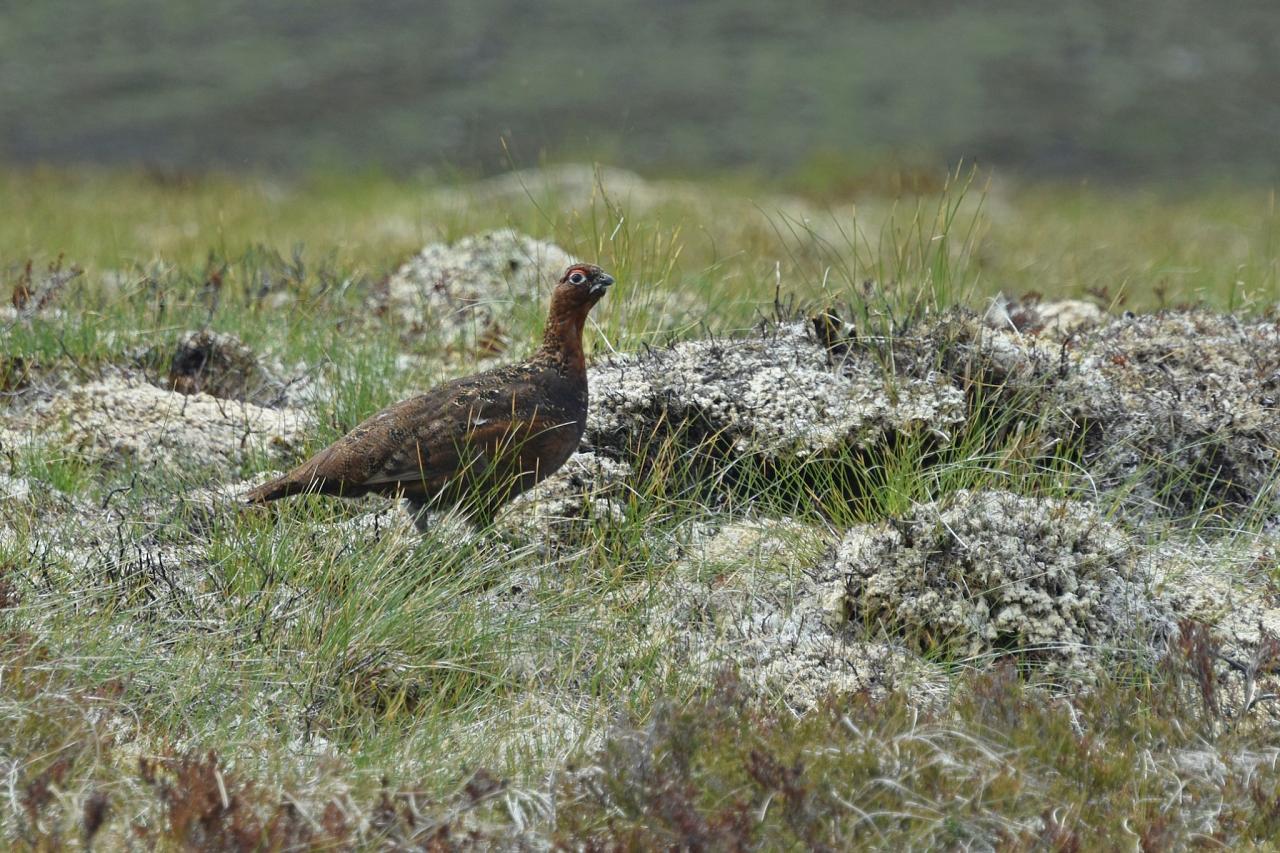
  • Red Grouse, Scotland, Scottish Highlands, Scottish Islands, Scotland Birding Tour, Scotland Nature Tour, Naturalist Journeys

    Red Grouse, John Ianacone & Cindy D'Ambrosio

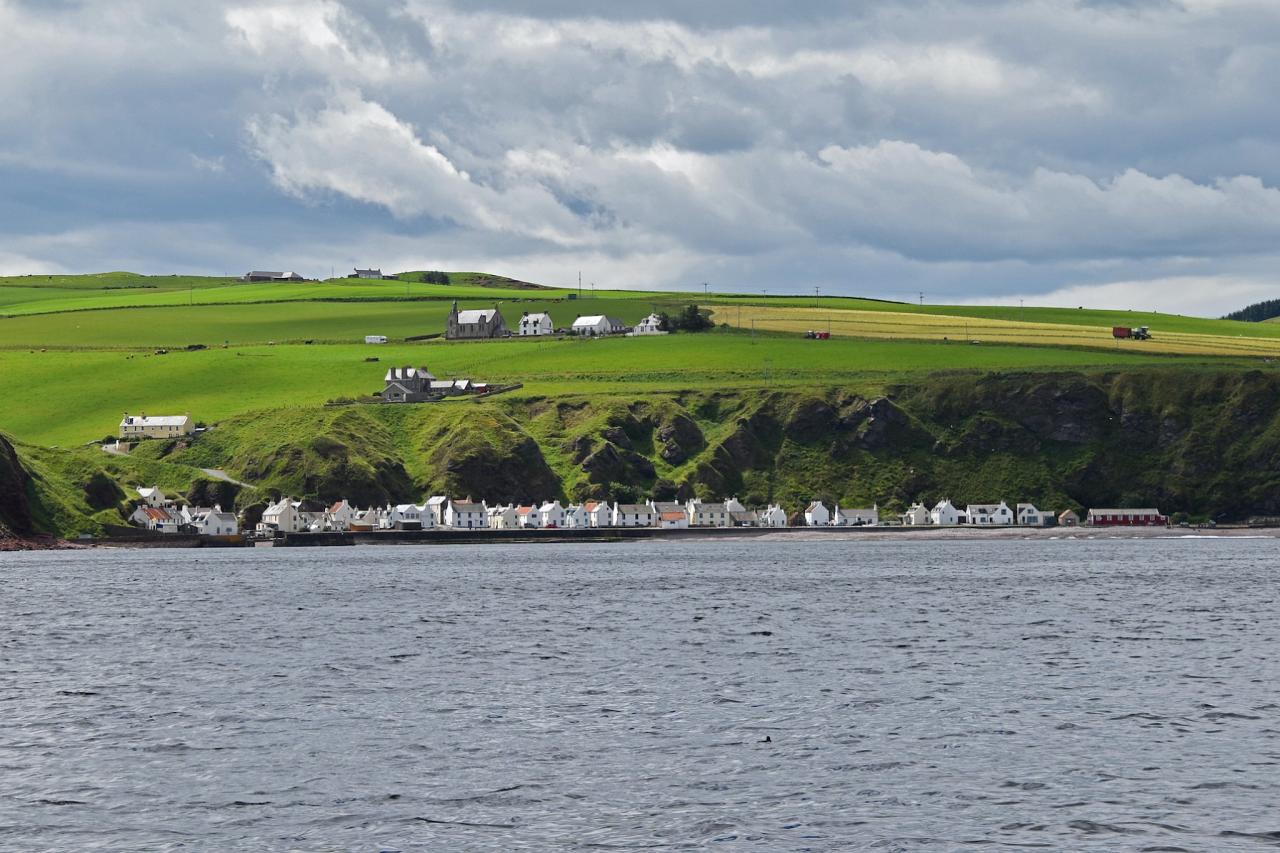
  • Coastal Village, Scotland, Scottish Highlands, Scottish Islands, Scotland Birding Tour, Scotland Nature Tour, Naturalist Journeys

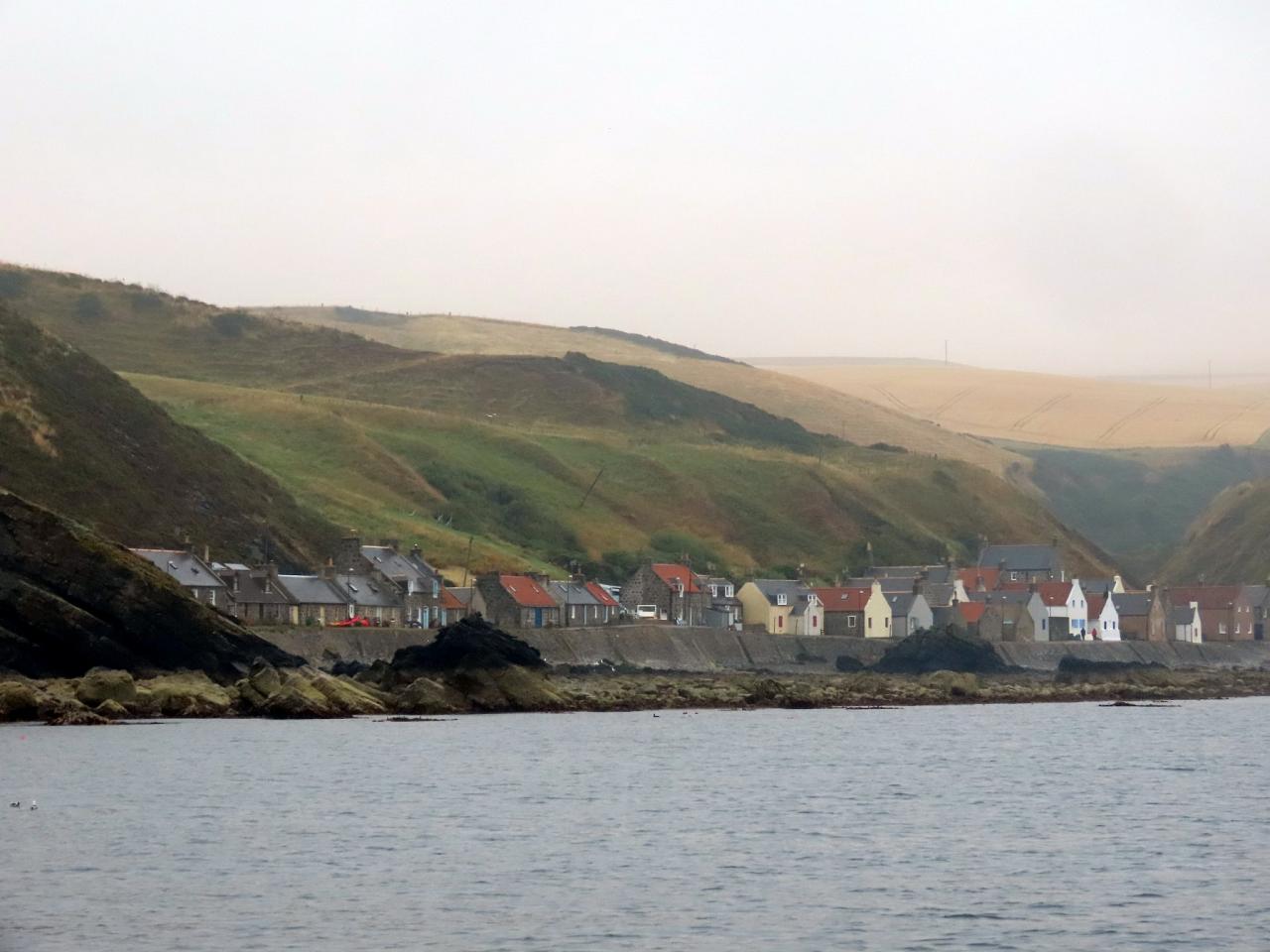
    Coastal Village, John Ianacone & Cindy D'Ambrosio

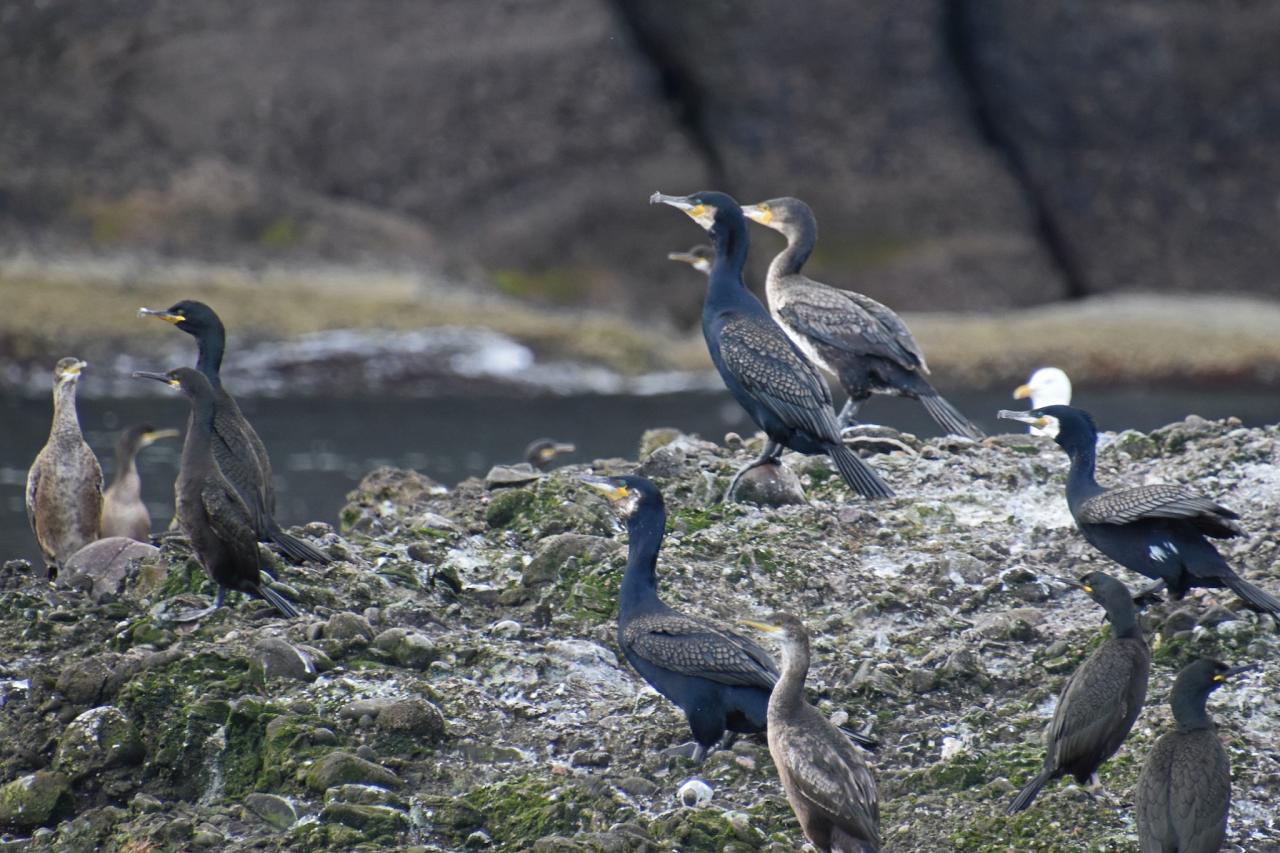
  • Cormorants, Scotland, Scottish Highlands, Scottish Islands, Scotland Birding Tour, Scotland Nature Tour, Naturalist Journeys

    Cormorants, John Ianacone & Cindy D'Ambrosio

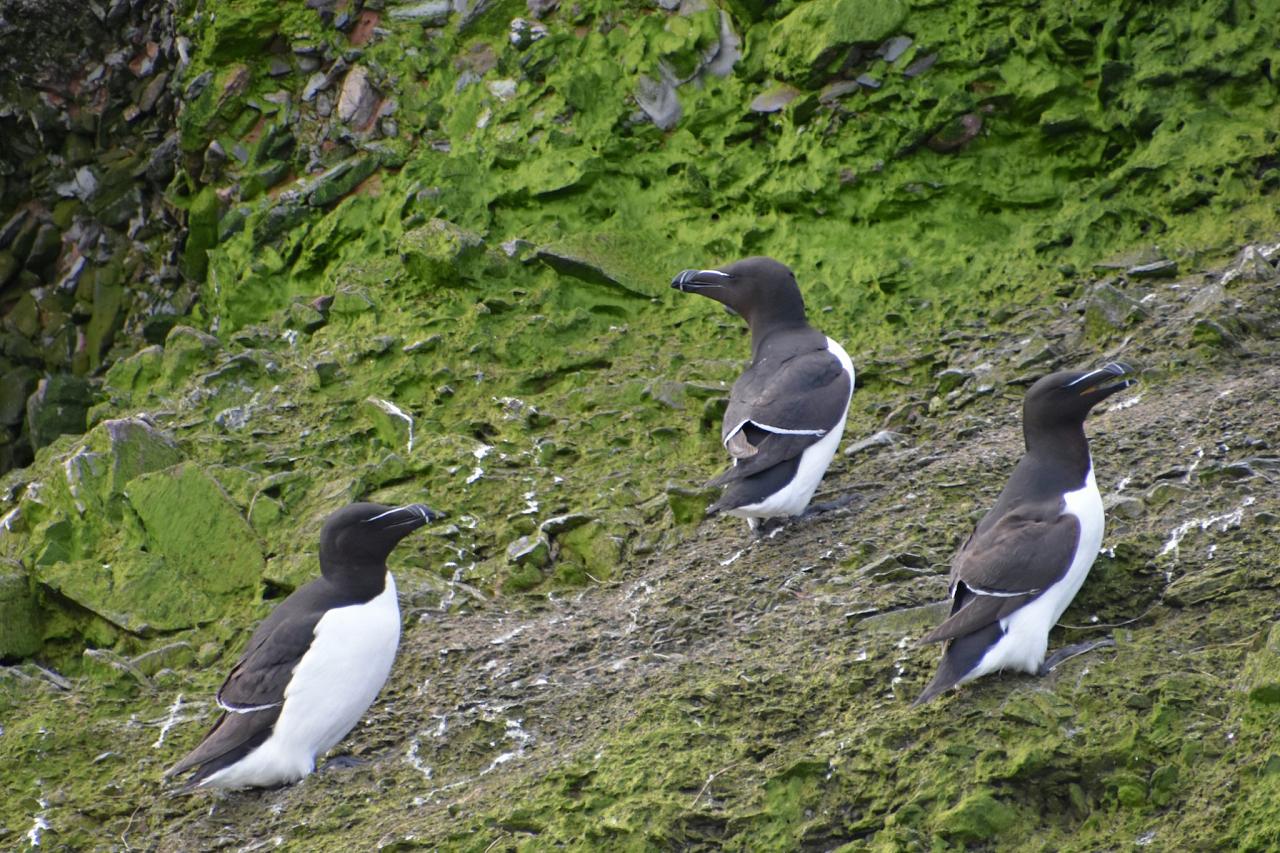
  • Razorbills, Scotland, Scottish Highlands, Scottish Islands, Scotland Birding Tour, Scotland Nature Tour, Naturalist Journeys

    Razorbills, John Ianacone & Cindy D'Ambrosio

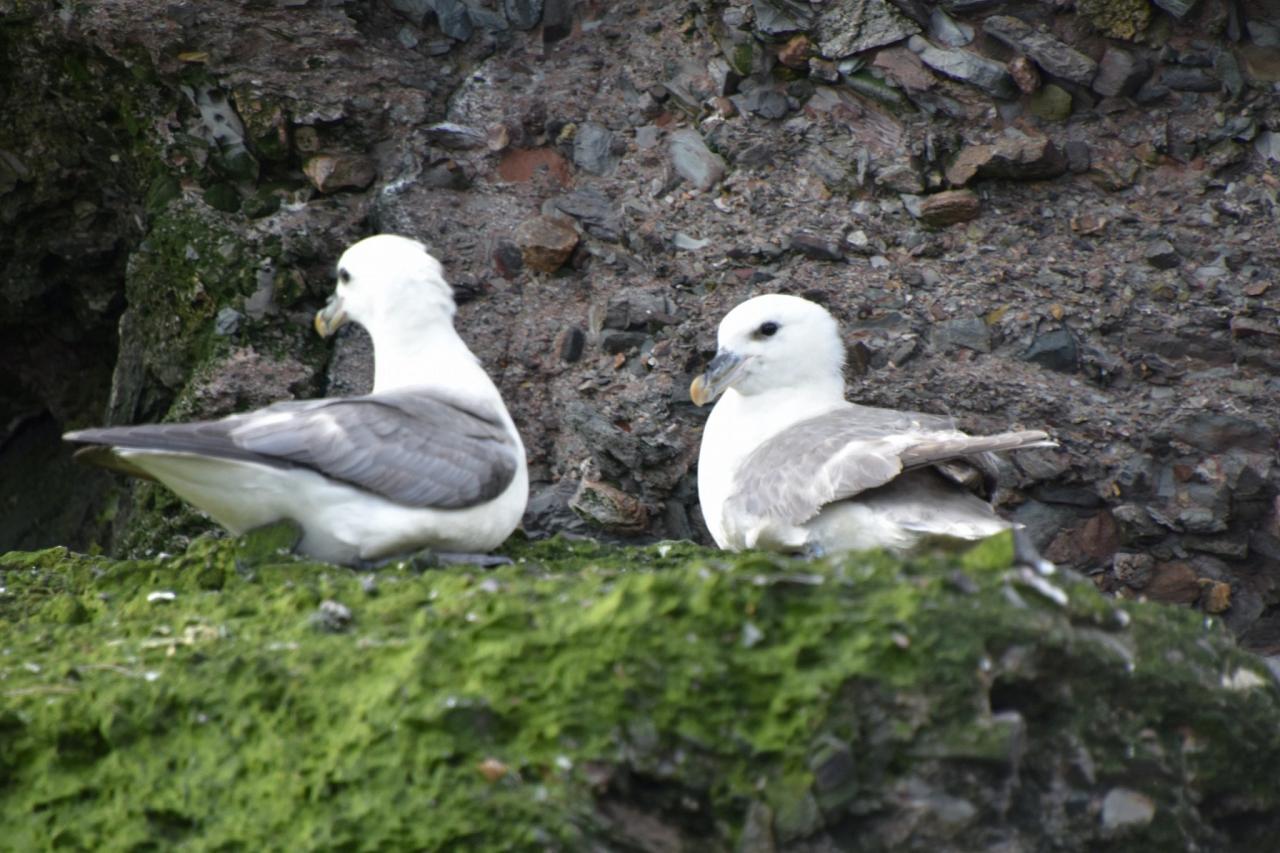
  • Fulmars, Scotland, Scottish Highlands, Scottish Islands, Scotland Birding Tour, Scotland Nature Tour, Naturalist Journeys

    Fulmars, John Ianacone & Cindy D'Ambrosio

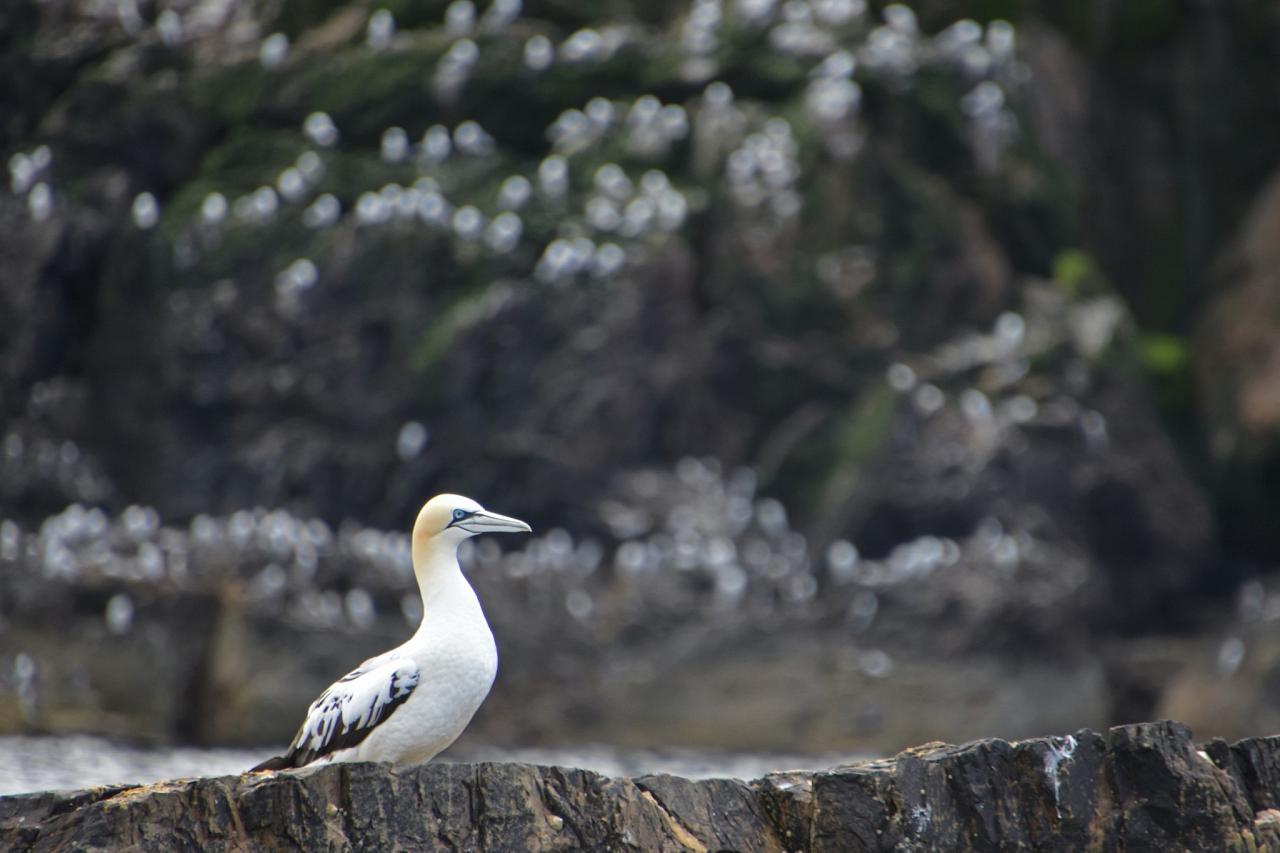
  • Northern Gannet, Scotland, Scottish Highlands, Scottish Islands, Scotland Birding Tour, Scotland Nature Tour, Naturalist Journeys

    Northern Gannet, John Ianacone & Cindy D'Ambrosio

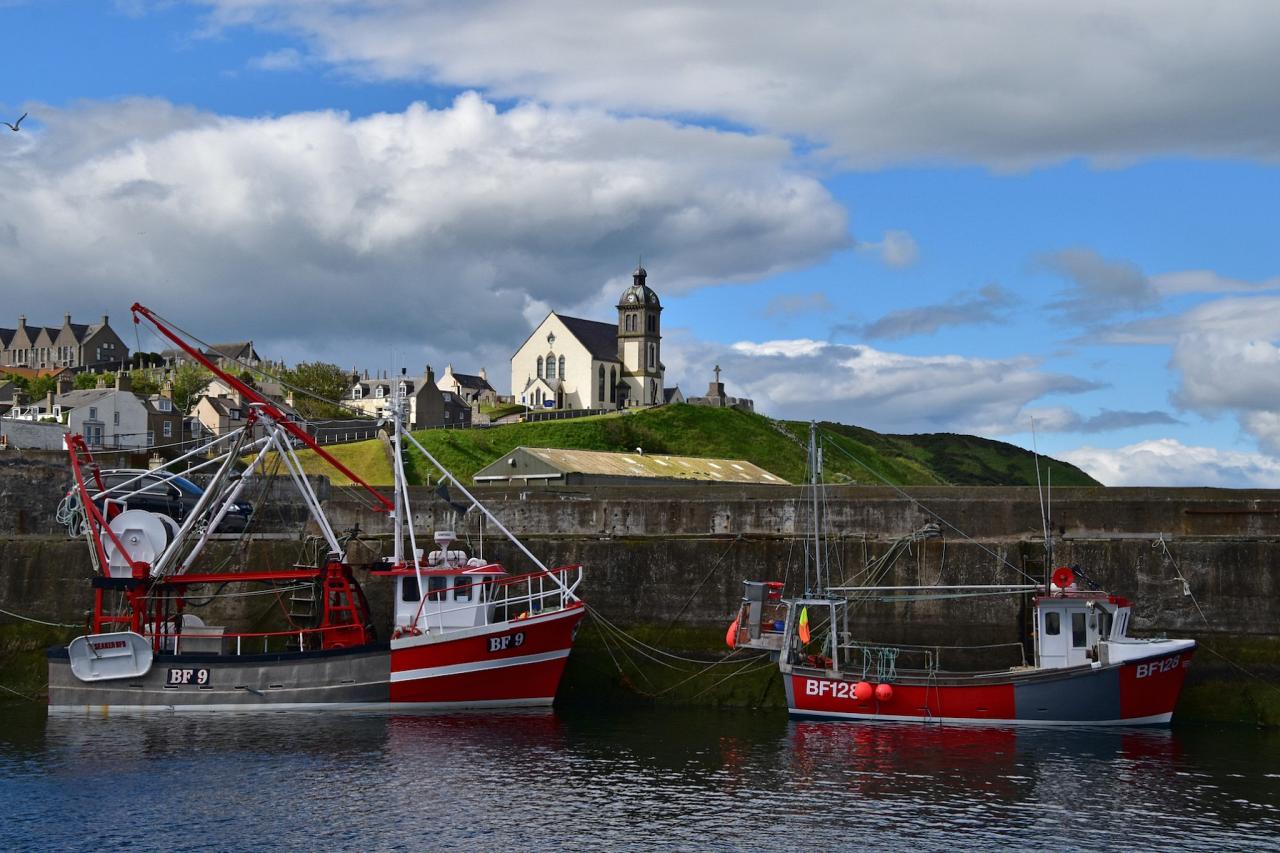
  • Coastal Village, Scotland, Scottish Highlands, Scottish Islands, Scotland Birding Tour, Scotland Nature Tour, Naturalist Journeys

    Coastal Village, John Ianacone & Cindy D'Ambrosio

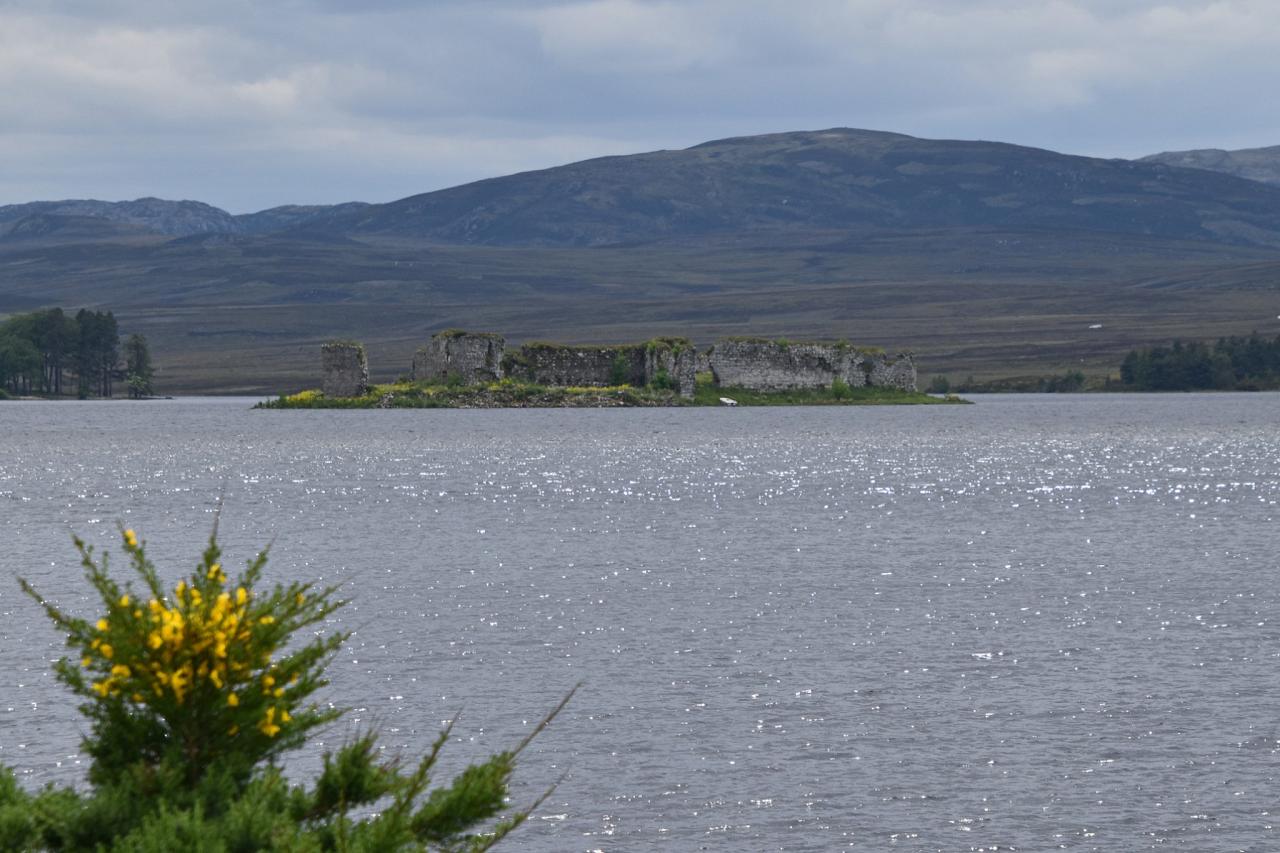
  • Scottish Ruins, Scotland, Scottish Highlands, Scottish Islands, Scotland Birding Tour, Scotland Nature Tour, Naturalist Journeys

    Scottish Ruins, John Ianacone & Cindy D'Ambrosio

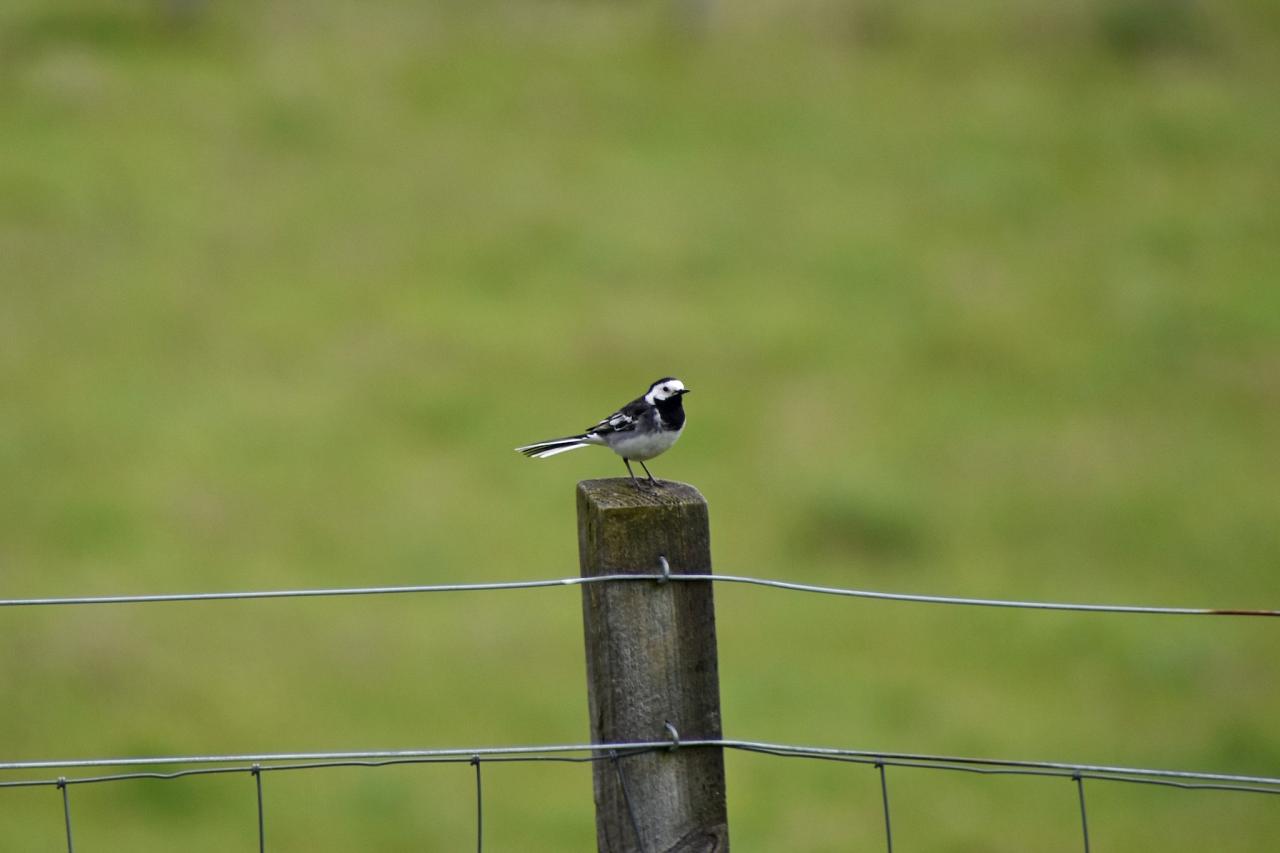
  • Pied Wagtail, Scotland, Scottish Highlands, Scottish Islands, Scotland Birding Tour, Scotland Nature Tour, Naturalist Journeys

    Pied Wagtail, John Ianacone & Cindy D'Ambrosio

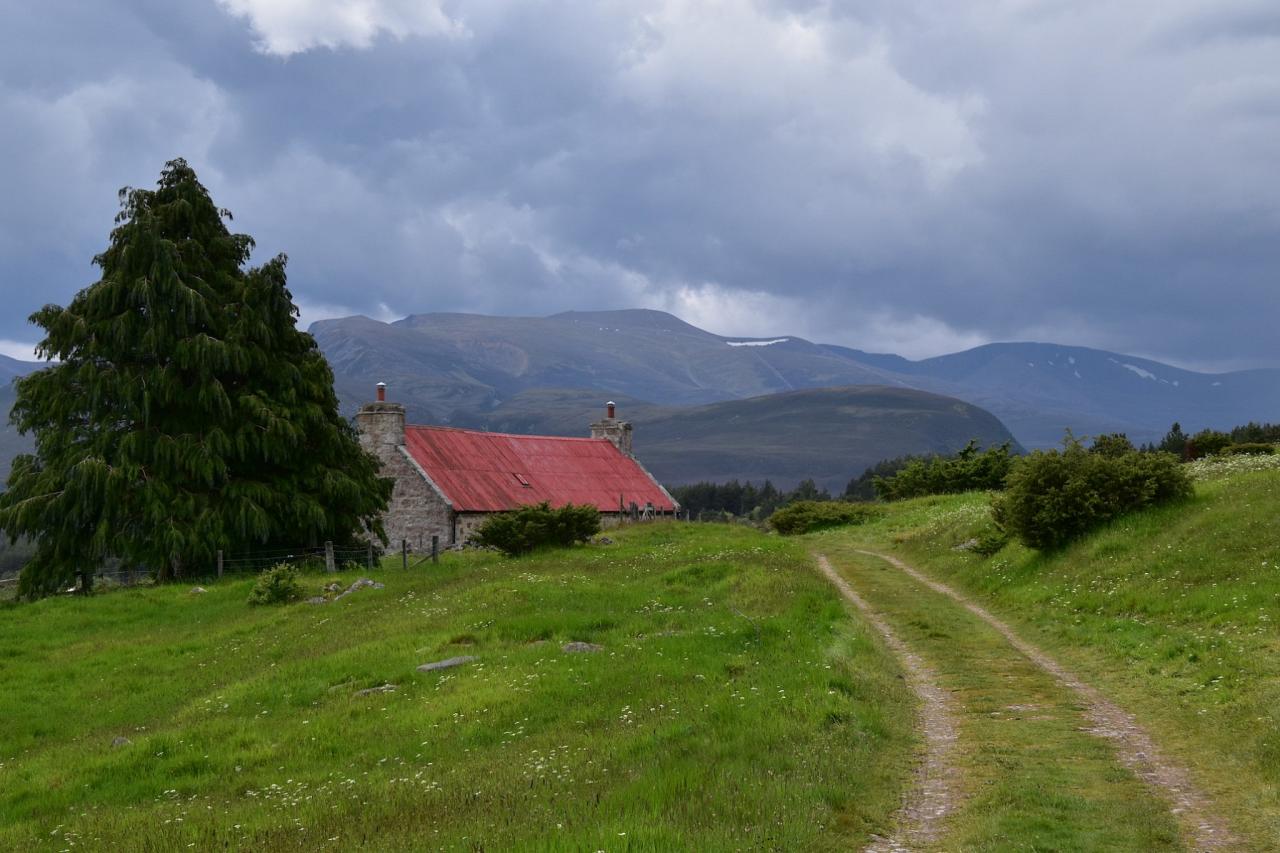
  • Scottish Highlands, Scotland, Scottish Highlands, Scottish Islands, Scotland Birding Tour, Scotland Nature Tour, Naturalist Journeys

    Scottish Highlands, John Ianacone & Cindy D'Ambrosio

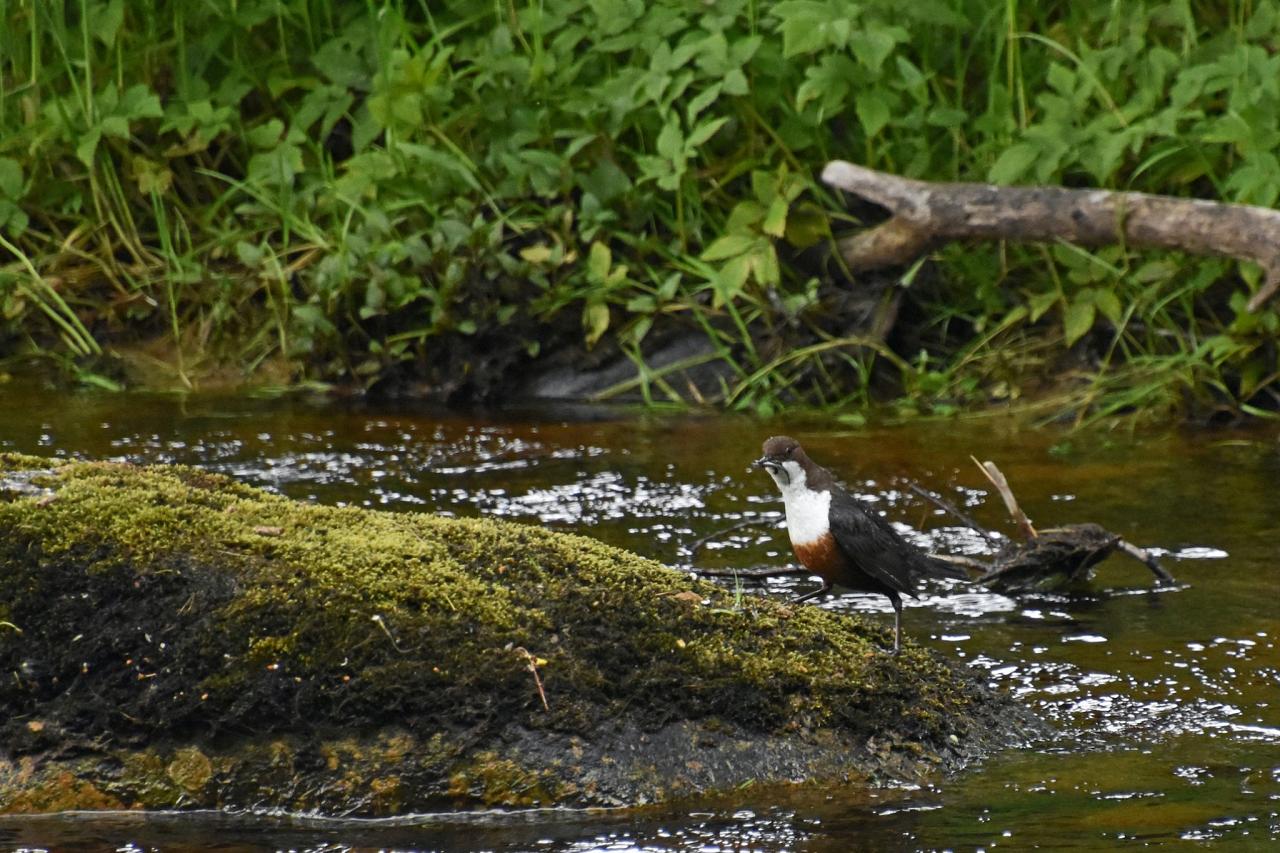
  • Dipper, Scotland, Scottish Highlands, Scottish Islands, Scotland Birding Tour, Scotland Nature Tour, Naturalist Journeys

    Dipper, John Ianacone & Cindy D'Ambrosio

  • Mountview Hotel, Scotland, Scottish Highlands, Scottish Islands, Scotland Birding Tour, Scotland Nature Tour, Naturalist Journeys

    Mountview Hotel, John Ianacone & Cindy D'Ambrosio

Cost of the Journey

Cost of the journey is $6490 DBL / $6990 SGL based on occupancy from Inverness, Scotland.

The cost includes: accommodations for 12 nights, meals as specified in the itinerary, professional guide services, local guides, local park and reserve entrance fees, and miscellaneous program expenses.

Cost does not include roundtrip airfare to or from Inverness, airport transfers, or items of a personal nature such as laundry, telephone, drinks from the bar, or gratuities for porterage or personal services. 

*This journey was priced using the exchange rate between British Pound and USD as of May 17, 2024. If this changes by the final payment due date, plus or minus 5% of the tour cost we will adjust your invoice accordingly. 

Travel Details

Please plan to make air travel plans only after the minimum group size has been met. We will send you a confirmation email as soon as the trip has been confirmed.

Arrival and Departure Airport: Inverness Airport (INV)

Entry Requirements: Click the Know Before You Go tab > Essential Information > "Passports, Visas and Documents" section 

Arrival Details: Plan to arrive August 8, 2025 at your leisure. The UK has an excellent train service and you may also choose to arrive by train.

Departure Details: Plan August 20, 2025 flights at your leisure. 

Travel Tip: You may find it easier to fly into Edinburgh Airport (EDI) and take the train to Inverness. Direct train routes are available and the journey is approximately 3.5 hours. If you would like to spend a few days in Edinburgh prior to traveling to Inverness, there are plenty of things to see! The world famous Edinburgh Castle, dating back to the 12th century, is a fascinating site steeped in history that is definitely worth a visit. You can also explore The Royal Mile, which is historically important to the city with Edinburgh Castle at one end and Holyrood Palace, the King’s official residence in Scotland, at the other end. If you enjoy museums, a visit to the National Museum of Scotland will allow you to explore Scottish history, art, and culture. If you would like to maximize your birding adventures, the coastal town of North Berwick is a short train ride from Edinburgh and has a variety of seabird cruises as well as the Scottish Seabird Centre. If you would like to arrive early to Inverness and rest up, you can book additional nights at our first night tour hotel.

Hotel Recommendation: If you arrive early and spend time in Edinburgh, it’s best to work with your travel agent or research which hotel best suits your needs. If you arrive early in Inverness, we suggest you book extra nights at our first night tour hotel. You can book the Premier Inn Inverness East online and give us the confirmation number that we will submit when we send our final room list, the goal being you don’t have to change rooms.

Entry Requirements: See "Essential Information" section under the "Know Before You Go" tab.

Items of Note

A note about the Western Capercaillie:

The Western Capercaillie is a huge, highly endangered woodland grouse under the protection of several wildlife and government organizations. While we will not be seeking out Capercaillie on this tour, incidental sightings are possible. We respect and support conservation efforts to protect these birds and their essential habitat.

Browse below for trip reports and species lists from past versions of this and other tours from this destination.

Scotland

Map for Scottish Highlands & Islands

Essential Information +

This information is important for being prepared for your journey; we want you to have Read more

This information is important for being prepared for your journey; we want you to have the best experience possible. If you only read one section, this one is key!

Ahead of Your Tour

  • It is required that your passport will be valid for the duration of your stay. We suggest at least 3 months validity beyond end of tour to allow for unexpected delays in return travel.
  • As of January 8, 2025, an electronic travel authorization (ETA) will be required for visitors to the UK from dozens of visa-exempt countries, including the United States and Canada. See “Passports, Visas and Documents” section below for more details.
  • Please check current CDC recommendations for travel to Scotland and consult with your doctor about general travel vaccinations you should have as precaution for travel. See “General Health and Inoculations” section below.
  • Travel insurance in case of serious medical emergency is strongly recommended. Full health coverage and repatriation is available through Allianz Travel Insurance.
  • Soft sided luggage/duffel bags are easiest for packing the vans. Pack essential medications in your carry-on luggage, as well as one day of clothing and optics in case of luggage delay. See "Packing List" TAB for details.

Passport, Visas & Documents

Guidelines and regulations can change and compliance is the traveler's responsibility. It is always advisable to double-check documentation requirements 60-90 days ahead of traveling. Information for U.S. citizens can be found at https://travel.state.gov/content/travel/en/international-travel/International-Travel-Country-Information-Pages/UnitedKingdom.html. If you are traveling from a country other than the U.S., please contact Scotland's embassy website for guidelines.

Passport: At the time of writing, the U.K. requires a passport that is in good condition and is valid for the duration of your stay. We suggest at least 3 months validity beyond end of tour to allow for unexpected delays in return travel. If traveling to other countries, you should check for their requirements should they differ. You should have at least one blank page per stamp. The blank pages need to say “Visas” at the top. Pages marked “Amendments and Endorsements” will not be accepted. 

Visa: At the time of writing, a tourist visa is not required for stays the length of this tour. However, you will need proof of a return ticket.  We advise that you bring your eContact list of hotels for use at immigration as well.

Electronic Travel Authorization (ETA): As of January 8, 2025, an ETA is required for visitors traveling to the UK from dozens of visa-exempt countries, including the United States and Canada. You can apply for an ETA and find information on new requirements on the UK Government website.  

As a precaution for lost or misplaced documents you carry on your person during travel, we highly recommend you keep electronic backup copies on your phone (either photo or PDF scan), as well as a copy left with your emergency contact at home. The recommended important documents to copy include, but are not limited to; your passport ID page, travel visa, the front and back of your credit card(s), the airline barcode on your luggage. This will greatly expedite getting new ones if necessary – we hope everyone will always keep travel documents close so that losing them will not be an issue.

General Health & Inoculations Information – Be Prepared!

Health requirements for entry to any country can change. It is always advisable to double-check the country’s health requirements and recommendations 60-90 days ahead of traveling and compliance is the traveler's responsibility. A helpful website for planning is the Centers for Disease Control and Prevention (CDC) website for United Kingdom or by phone (800) CDC-INFO or (800) 232-4636.

We will share your health information with your guide. This information will be kept confidential but is very important as we want to be best prepared in case of medical emergency. 

Vaccinations: Bring your up-to-date vaccination records with you. At the time of writing there were no required vaccinations to enter Scotland. Please check current CDC recommendations for travel to your tour destinaton and consult with your doctor about vaccinations you should have as precaution for travel at least 4-6 weeks before departing on your trip (in case there are any that require followup inoculations or time to become effective). 

Prescriptions: It is a good idea to pack any meds you take regularly in your carry-on luggage.  Bring an extra pair of glasses or contact lenses. Bring an adequate supply of any prescription medications you use, a copy of the prescription and a list of generic names of your medicines as “back-up” in case it is necessary to purchase drugs while abroad. You’ll want to keep medications in their original, labeled containers. 

Allergies: To be prepared for environmental triggers to allergies or breathing difficulties, please bring your allergy and/or asthma medication(s).  If you have severe allergies talk to your doctor about carrying an EPI pen and notify your guides. It is also recommended to carry with you an up-to-date record of known allergies, chronic medical problems and Medic Alerts so that, if necessary, emergency treatment can be carried out without endangering your health.

Common Ailments: We recommend that you bring a travel-sized first aid kit and a supply of standard over-the-counter medications for prevention or treatment of common ailments (such as diarrhea, constipation, stomach upset, cough, congestion, head or body aches, insect bites and sunburn); as well as ointments, moisturizer, sunscreen, oral rehydration salts, band-aids, moleskin for blisters, cotton swabs, nail clippers, and tweezers, etc.

Altitude Illness: According to the CDC's website, day trips to high-elevation destinations less than 8000 ft. with an evening return to a lower elevation are much less stressful on the body, depending on the time provided for your body to adjust. However, overnights at higher altitudes may have more adverse effects on your body and you should be informed about altitude illness and Acute Mountain Sickness (AMS) (see CDC's information for Altitude Illness). The most general symptoms are headache and occasionally fatigue and dizziness. You’ll want to take it easy, particularly at first. The likelihood of these symptoms can be reduced by resting, drinking plenty of water, avoiding alcohol, and taking aspirin.  In addition, we will optimize acclimatization by adjusting itineraries to avoid going “too high too fast." If you have worries about the altitude, ask your physician about medications (such as Diamox) that may be right for you. 

Weather & Climate

Scotland does have rain, and as it’s a regular feature, the field work will continue regardless, so plan for a large variation in weather conditions. Brilliant sunshine and rain are equally as possible. The weather is often cool in Scotland, even in the summer, with thunderstorms and rain. Highs average in the low-60s°F, and lows in the mid- 40s°F, with comfortable to high humidity. You may check your favorite weather website, like www.weather.com, closer to your departure to better predict what the weather will be upon arrival. See “Packing List” for recommendations for clothing and gear that is appropriate for the anticipated temperatures and conditions.  

Annoyances & Hazards

Always listen carefully to any advice given by your local guide regarding pests and other biting insects or reptiles you may encounter, especially those that may be poisonous, though this may be rare.

Mosquitos, ticks and other insects: Even if you are traveling in the dry season, mosquitos, ticks and other insects can always be encountered in your travels, so don't risk illness. See the “General Health and Inoculations” section above regarding recommended preventative measures.

Chiggers are a part of lowland and mid-elevation habitats. You may encounter them at grassland or farm locations. Your guide should have a good read on whether chiggers are a concern. It is helpful to spray your shoes with repellent and tuck your pants into your socks .  When back, be sure to shower and air out your clothing.

Remember, sunburn at any altitude can be both an annoyance and a hazard, so be prepared with sufficient sun protection.

On particularly hot days be sure to increase your intake of fluids.

Food & Drinks

Meals during this journey will reflect local cuisine and specialties, and will be varied and flavorful.

One of the many ways we strive to do our part for the environment is by intentionally reducing our consumption of single use plastics (such as bottled water), so we appreciate you bringing a reusable water bottle.  Purified drinking water will be made available to refill your bottle, however, bottled water will be available for field trips where refilling your personal bottle is not an option. 

There are some great reusable water filtering bottles on the market today that are great for travels abroad. We encourage you to invest in one (such as Lifestraw or GRAYL Ultrapress or SteriPen). A little research will be well worth the effort to reduce the reliance on single-use plastics when purified water refills are not readily available.

Packing, Clothing & Laundry

See “Packing List” tab for more detailed information and checklists, but in summary, we emphasize that you pack light in soft-sided luggage (easier to load in vans and charter planes), plan for dressing comfortably in layers (for managing varying conditions in any given day), and please pack your personal medication, travel documents, optics, and other essential items in your CARRY-ON, not in your checked luggage. Laundry services are available at most lodgings for an additional fee, but be prepared to hand launder if you need to. 

Spending Money

The official currency in Scotland is the pound sterling (GBP). We advise you carry a mix of different types of payments, such as cash, an ATM card, and a credit card. For the current exchange rate, please refer to an online converter tool like www.xe.com, or your bank. If you plan to exchange cash in country, bring large U.S. bills ($50 or $100) in good condition (no rips or tears) that will give you the better rate when exchanging to local currency.

When using the ATM to withdrawal cash, keep in mind it might only accept cards from local banks or not allow cash advances on credit cards. Many U.S. banks charge a fee of $1 - $5 each time you use a foreign ATM. Others may charge you a percentage of the amount you withdraw. Check with your bank before departure. You must become familiar with how to use your ATM card and PIN number ahead of the journey.

We suggest you have more than one card available, if possible. You may want to bring more than one brand of card (VISA and Mastercard are commonly accepted; American Express is less common). Some smaller shops and restaurants, or taxis require cash, so it is always a good idea to ask before making a purchase. Also, we recommend that you advise your bank or credit card company that you will be traveling abroad to avoid questions, card freezes, or charges. If you have a choice of cards, bring one with no foreign exchange fees.

Traveler’s checks are not widely accepted. They can be difficult to exchange. We do not advise you use them.

Gratuities

We hope that you will be pleased with all professional services offered on this tour. All tips, with the exception of your NJ guide (optional) and local guide(s), are included in the cost of this tour (this includes tips for your driver, lodge and staff, day activities, meals and other services). 

Tipping your guide(s) to show your appreciation is entirely at your discretion and should reflect your level of satisfaction of the service provided. If you wish to offer a tip, know that they appreciate anything you care to give. Of course, you are welcome to give more in recognition of exceptional service.  Here is a guideline for tipping your NJ and local birding guide(s):

  • US $10.00 - $15.00 per day, per guest. Note: If there is more than one guide, this can be split among them. 

*Please note that these suggested tips are quoted in U.S. Dollars. You will want to convert and tip in local currency. 

Cell Phones & Internet Service

Your guide is well connected and can help if any urgent communication need arises. However, it is highly recommended that you travel with a cell phone, if only as a precaution for the unfortunate occurrence of a medical emergency during an outing and needing swift accessibility to critical personal or medical contacts. 

Please check with your wireless provider to see if your phone and service will work in your destination country. Options include activating international roaming, purchasing a local SIM card at the airport if they’re even available (newer phones may not accept SIM cards), or simply turning off cellular service and relying on Wi-Fi to make calls and access the internet. If your phone can connect to Wi-Fi, you may be able to make voice and video calls free of charge. Another option if you have access to Wi-Fi is to use smartphone apps like Skype, WhatsApp, or Viber to send text messages, and make voice calls, or video calls. Many smartphones, tablets, or laptops come with one of these apps pre-installed or you can download for free.

Your hotels and most local restaurants provide Wi-Fi at least in their common areas. Although it is generally a reliable service, it can be affected by adverse weather conditions if you are in a remote location.

Make sure if you do NOT want to use your cell phone that you turn off your cellular data. You could incur huge charges if you are not on Wi-Fi. Putting your phone in airplane mode if you mainly use it for photos will save the battery as well. 

Please refrain from taking or making cell phone calls in the vehicles when traveling with other passengers, unless it appears to be an emergency. This disrupts other guests, plan on cell phone call use on your own time.

Electricity

The standard voltage in Scotland is 240V, higher than in the United States (120V), with frequency of 50 Hz. Electrical sockets (outlets) in Scotland are primarily "Type G".

You will most likely need to bring a power plug adapter, and a voltage converter in order to use appliances or devices from the U.S. To be sure, check the label on your appliance. More information can be found at https://www.power-plugs-sockets.com/scotland/.

Time

Scotland is in the Greenwich Mean Time Zone, which is 5 hours earlier than New York (Eastern Time). Scotland does observe Summer Time (or Daylight Savings Time). A great website if you want to tell someone to check ahead of calling you is www.timeanddate.com.

Questions?

Please contact Naturalist Journeys by email at clientservices@naturalistjourneys or telephone at our office: (520) 558-1146 or toll free: (866) 900-1146 if you have any questions. Many thanks for traveling with us and we hope you enjoy your journey!


Pace & Protocols +

Pace of the Tour & What to Expect You will receive a Schedule-at-a-Glance and list of Read more

Pace of the Tour & What to Expect

You will receive a Schedule-at-a-Glance and list of hotels (our eContact List) a few weeks before your departure. This will serve as an outline for each day and alert you to any recent changes made in the schedule or to our hotels, if needed.

Our journeys are set up to follow the rhythm of nature. Our focus is on birding and nature; we offer full, well-planned field days and often get up early for that magical time around dawn. We generally follow the published itinerary, but we stay flexible to the weather, wildlife opportunities and the interests of the group. Your guide will keep you apprised of the next day’s schedule at each evening meal, noting what to bring and what to prepare for. Questions and/or concerns are welcome.

The pace of our Naturalist Journeys tours is moderate; to fully participate you should be able to get in and out of vehicles several times a day, and walk 1-3 miles over uneven terrain. It is important to participate with a flexible attitude as adjustments may be made in our schedule to make the most of our time in the field or for other purposes at your guide's discretion. We are not a “listing” bird company that drills down on target species, but at times we do wait for those special species unique to the places we visit. During the day, we take time to stop for photos and for educational opportunities to learn about conservation projects, landscapes, and geology. We appreciate other taxa as well as birds, with mammals often the biggest draw but plants and butterflies are also very popular. Our clients often lend their own expertise to the mix.

We like to make meals a fun and memorable part of the experience, too. Breakfasts are often at hotels, and we carry snacks, fruit, and water in the vans each day. Lunches are a mix of picnics in the field (weather dependent) and a chance to dine with locals at small cafes and restaurants. For dinner, we pride ourselves in our homework to keep up with the best choices for dining, choosing restaurants with atmosphere that specialize in local foods. On occasion we keep dinner simple to go back out in the field for sunset wildlife viewing or night walks. In some remote locations, our choices are limited. If you are tired, room service for dinner may be an option you can choose.

Naturalist Journeys International Trips: Guide Role

Naturalist Journeys supports ecotourism and the development of excellent local guides. Once we know our international partners and guides well, we can send out small groups working directly with these trusted partners, adding a Naturalist Journeys guide to assist the local expert when we have a group of 6-7 or more. This helps us keep your costs down while retaining tour quality. The local guide is your main guide. You can expect your Naturalist Journeys guide to be well-researched and often they are experienced in the destination, but their role is not to be primary, it is to help to organize logistics, help you find birds, mammals, and interesting other species in the field, keep reports, help facilitate group interactions, and to keep the trip within Naturalist Journeys' style. Local guides live in the countries we travel to, know the destinations intimately, and are often the strongest force for conservation in their countries. They open many doors for us to have a rich experience.

Smoking

Smoking is not permitted in any vehicle or in any situation where the group is participating in an activity together, such as a vehicle excursion or a guided walk. Please respect all designated smoking areas at hotels and restaurants.

Transportation

As a courtesy to each other, we ask that all travelers please rotate seating. On international trips we may all be in one small bus, on some trips we are in vans, particularly the roomy Sprinter Vans when available. Some areas require us to be in smaller 4-wheel drive or safari vehicles. Rotation allows you to sit with different drivers and alternate front and back seating.

Photo Release & Sharing

We take many group photos and will share photos with the group. And after your tour, we will organize a chance to share photos via Dropbox or Google Photos. Please note that this is our policy and if you prefer to be excluded, we need to know ahead of your tour.

By registering for this tour, you agree to grant to Naturalist Journeys and its authorized representatives’ permission to record on photography film and/or video, pictures of my participation in the tour. You further agree that any or all of the material photographed may be used, in any form, as part of any future publications, brochure, or other printed materials used to promote Naturalist Journeys, and further that such use shall be without payment of fees, royalties, special credit or other compensation.

Travel Insurance

You are traveling in remote areas. Naturalist Journeys strongly recommends you have full medical and evacuation insurance from a company such as Allianz, for all international travel. If you do not have medical coverage or evacuation coverage on your existing travel insurance policy or for some reason elected not to take that out, we advise getting an evacuation plan with Global RescueWorld Nomads, Medjet, Allianz (they can do evacuation only) or a similar company. These plans are typically $300-$400 for a year for multiple destinations. This coverage may be a part of a larger Travel Insurance policy but can also be purchased on its own.

Questions?

Please contact Naturalist Journeys by email at clientservices@naturalistjourneys.com or telephone our office: (520) 558-1146 or toll free: (866) 900-1146 if you have any questions. Many thanks for traveling with us and we hope you enjoy your journey.


Packing List +

Please pack light! Luggage: Soft-sided luggage is much easier for us to pack in vehicles or Read more

Please pack light!

Luggage: Soft-sided luggage is much easier for us to pack in vehicles or charter aircraft than a more rigid hard sided piece, so if you have the choice, please use your soft-sided luggage. Be sure to have your name and address on the inside of the bag, as well as on the luggage tag on the handle. It is our hope that you can pack in one checked bag that does not exceed 50 pounds. Please reconfirm your airline’s baggage weight and size restrictions about a week or so before departure.

Delayed Luggage:  Imagine NOT getting your checked bags upon arrival! Therefore, DO NOT pack any essential medications, vital optics (binoculars, camera, eye-glasses), or essential travel documents in your checked luggage! Pack these and other essential items in your carry-on bag and on your person (i.e. under-garment pouch). You will want a day pack for field trips, so this makes an ideal carry-on. Another suggested tip is to travel wearing your most important shoes for the field and have one day’s clothing change (including a change of underwear!).

Weather: Pack clothing that is appropriate for the anticipated temperatures and conditions (See “Weather & Climate” section in Essential Information). You may check your favorite weather website, such as www.weather.com, closer to your departure to better predict what the weather will be upon arrival. You may also visit https://www.climatestotravel.com for more regional information by month.

Dress: Plan to dress comfortably and informal throughout the trip. Dressing in lightweight layers is the best way to provide options to get you through a day of varying weather and temperatures comfortably. Lightweight long sleeve shirts and long pants make ideal field clothing as they are more protective from sun, vegetation and pests. Also, choose clothing you don’t mind getting dirty or muddy and things that are loose-fitting, comfortable, and easy to layer and launder. Quick-dry fabrics are ideal.  As rain is Scotland is a regular feature, the field work will continue regardless. A lightweight and waterproof outer layer is essential as well as comfortable hiking footwear. Fabrics like fleece, as well as rain gear, will protect you from rain and wind and keep you warm. It is important to have a warm jacket when the tour includes cooler temps and/or higher elevations.

Treating your clothing to better protect you from insects: It is possible to purchase Permethrin spray (online or from REI) to treat your field clothing and socks before your departure. Another approach is to purchase field clothing permeated with insect repellent such as the Craghoppers Insect Shield collection.

Note on clothing colors: We recommend muted colors of tan, brown, khaki, grey or green, as they are spotted less easily than white or bright colors, though camouflage clothing is not recommended.

Valuables: WE DO NOT RECOMMEND TRAVELING WITH PRECIOUS OR VALUABLE JEWELRY – don’t tempt anyone and don’t bring things you’d regret losing, and your mind will be at ease!

Clothing & Gear

  • Long pants, 2-3 pair (comfortable and loose fitting is best)
  • Shorts or zip-off/convertible pants (optional)
  • Long-sleeved shirts (2-3)
  • T-shirts or equivalent (4-5 – remember you may be buying some anyway!)
  • Personal underclothing and pajamas
  • Lightweight long underwear for cooler evenings
  • Socks (light to medium weight and easy to wash and dry)
  • Comfortable clothes for evening (a cleaner version of your field clothes or a skirt, sundress, etc.)
  • Bathing suit (optional)
  • Hat with broad brim
  • Comfortable walking shoes - such as tennis shoes (great if they are water-resistant)
  • Lightweight hiking boots – preferably waterproof
  • Comfortable light shoes for evenings, travel days (Crocs work well or sandals)
  • Jacket - fleece fabric is ideal
  • Warm sweater or sweatshirt
  • Raincoat/Waterproof shell (great if this doubles as a windbreaker)
  • Rain pants (optional)
  • Wind/waterproof gloves – for night spotting
  • Warm Hat & scarf (or turtleneck) – for night spotting
  • Field vest (optional), a great source is Big Pockets

Equipment & Miscellaneous

  • Photo identification (Real ID is required as of May 2025 for U.S. citizens on domestic flights who are not carrying a valid passport)
  • Airline tickets or E-ticket verification
  • Passport (and visa or other travel authorizations when traveling internationally) - Note: To avoid issues with confirming your identity when two forms of ID are required, the name on your Drivers License (or other secondary forms of ID) should match your passport.
  • Travel insurance info
  • Money & credit cards
  • A secure pouch to carry the items above on your person at all times (such as a secure, under-clothing document pouch)
  • As a backup: copies of all the above (phone and/or paper) packed in a separate location than on your person, plus a set given to your emergency contact at home as a backup. When carrying a passport, a copy of the ID and entry stamp pages.
  • Small backpack, daypack or fanny pack for carrying your field gear (this can double as your carry-on!). Consider waterproof if excessive rain is expected.
  • Cell phone and charger
  • Binoculars
  • Camera and charger/extra batteries, memory cards/film, lens cleaning supplies and instruction manual (optional)
  • Spotting scope and tripod (optional – guide will have them)
  • Tablet/laptop for personal use and/or transferring photos, USB stick, USB cord and charger (optional)
  • Rechargeable power bank (optional)
  • Electricity converters and adapters for 2-to-3 prong electronics plugs if needed (See "Electricity" under "Essential Information")
  • Reusable water bottle to avoid the use of disposible plastics (*with filters such as Lifestraw and UV sterilization system such as SteriPen for destinations where tap water is deemed unsafe to drink - see "Food & Drink" section in Essential Information) 
  • Umbrella – compact and not brightly colored
  • Walking stick – we find that many travelers appreciate a walking stick on trails, sporting goods stores carry collapsible models that pack easily in your suitcase (optional)
  • Small flashlight with fresh batteries
  • Alarm clock
  • Travel Sewing Kit
  • Sunscreen/lip balm
  • Sunglasses with neck strap
  • Toiletry articles
  • Washcloth (available some places and not at others)
  • Laundry soap (consider laundry soap "sheets" that pack flat, and are lightweight and environmentally friendly)
  • Notebook or journal and pen (optional)
  • Field guides (optional)
  • Earplugs – in urban and even rural areas barking dogs and traffic noise can be annoying
  • A collapsible airplane footrest (such as an inflatable, foldable, or hammock type) may help make longer flights more comfortable. Some airlines may have restrictions, so confirm with your airline which types are allowed and where they may be not allowed, i.e. bulkhead or exit rows (optional)

Medical & First Aid Items

  • Health insurance
  • Vaccination information (if traveling internationally)
  • Personal Rx medications (in their original labeled prescription packaging)
  • Epi-pen if needed for allergic reactions (include prescription label)
  • Anti-malarial prophylactics and antibiotic prescription in case of infection, if recommended for this destination, prescribed by your physician
  • Altitude illness meds (such as Diamox) if likely to be needed
  • Motion sickness preventatives if likely to be needed on bus, van, boats, etc.
  • Personal first aid kit and medications for general ailments, colds and stomach ailments, etc. (Imodium or Lomotil, antihistamine cream or tablets, eye drops, antibiotic ointment, Band-Aids, moleskin to protect against blisters, etc.)
  • Foot powder, lotions, general “comfort” items
  • Hydrocortisone cream to ease itching from insect bites
  • Hand sanitizer and/or hygienic cleansing wipes
  • Copy of eyeglass prescription, medical prescriptions, and any medical alerts
  • Extra pair of eyeglasses or contacts (with plenty of wetting and cleaning solution)


Suggested Reading List +

There are many titles of interest for Scotland; the following are a few that we Read more

There are many titles of interest for Scotland; the following are a few that we have enjoyed that can get you started.

Top Picks

Collins Bird Guide, The Most Complete Guide to the Birds of Britain and Europe

Merlin App – Europe Pack. A phone-based birding app from Cornell University Laboratory of Ornithology. Before departing the U.S., download the app for free, then from within the app, download the “pack” for Europe.

Birds of Europe

Scotland (Travel Guide) - Lonely Planet

General Reading

Scotland: Hidden Places, Great Adventures, and the Good Life - Wild Guide

Where to Watch Birds in Europe & Russia

Field Guides

Collins Scottish Birds

Mammals of Britain and Europe

Collins Butterfly Guide: The Most Complete Field Guide to the Butterflies of Britain and Europe

Butterflies of Britain and Europe: A Photographic Guide

The Complete Illustrated Guide to Animals, Birds & Fish of the British Isles: A Natural History and Identification Guide with Over 440 Native Species from England, Ireland, Scotland and Wales

Natural History

Set in Stone: The Geology and Landscapes of Scotland

History & Culture

Scotland – Culture Smart!: The Essential Guide to Customs & Culture

How the Scots Invented the Modern World: The True Story of How Western Europe’s Poorest Nation Created Our World & Everything In It

A History of Scotland: Look Behind the Mist and Myth of Scottish History

The Noble Houses of Scotland

Memoir/Non-Fiction

Hebrides

Sea Room: An Island Life in the Hebrides

A House by the Shore: Twelve Years in the Hebrides

Your guide will also have a selection of reference books and materials for participants to share. As an Amazon Associate, Naturalist Journeys earns from qualifying purchases, and may get commissions for purchases made through links on this page at no added cost to you.


Useful Links +

Learn more about your destination at these external websites, carefully researched for you. Read more

General

Scotland

Inverness

Nethy Bridge

Nature, Wildlife & Biology

Key Species

Scotland Birding

Northern Gannet

Kittiwake

Puffin

Capercaillie

Otters

Dolphins, Whales, and Porpoises

Scotland Trees

Conservation, Parks & Reserves

Abernethy Forest

Troup Head

Staffa National Nature Reserve

Treshnish Isles

Lunga

Geology & Geography

How Scotland’s Geological Foundations Came Together

Scottish Geography

Fingal’s Cave

Scottish Highlands

History & Culture

Historical Timeline of Scotland

Scotland’s Culture

History of Mull

History of Iona

Royal Society for the Protection of Birds History

Traditional Scottish Food

Helpful Travel Websites

Homeland Security Real ID Act

Transportation Security Administration (TSA)

Visa ATM Locator

Mastercard ATM Locator

U. S. National Passport Information Center

U.S. Customs and Border Protection (CBP)

Foreign Exchange Rates

U.S. Department of State International Travel Information - UK

Centers for Disease Control and Prevention (CDC) - UK

Electricity and Plugs - Scotland

Time and Date - Scotland

Holidays - Scotland


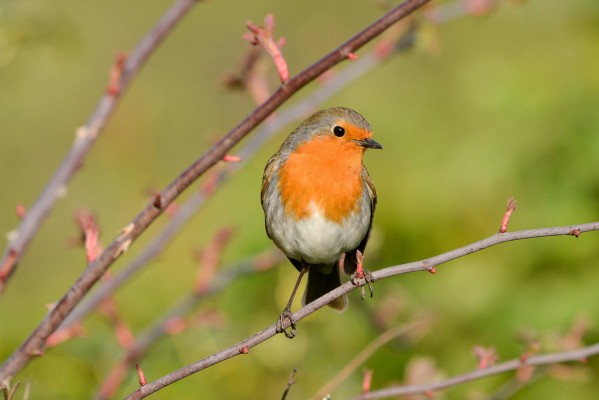
Photo credits: Banners: Iona Abbey, courtesy Heatherlea; Atlantic Puffin, courtesy Heatherlea; Scotland by Colin White; Loch an Eilei, courtesy Heatherlea; Sound of Mull Sunrise, courtesy Heatherlea; Scenic Coastline, Marlo Kauffman. Blue Tit by Sandy Sorkin; Scenic by Dennis Lankford; Dotterel, courtesy Heatherlea; Rock Ptarmigan by Dennis Lankford; Razorbill by Colin White; Puffin by Colin White; Robin by Sandy Sorkin; Abernethy Forest, courtesy Heatherlea; Northern Gannet, Naturalist Journeys Stock; Puffin in Thrift, courtesy Heatherlea; Scottish scenery, Naturalist Journey Stock; Puffin, Colin White; Antarctic Tern, Naturalist Journeys Stock; Iona Abbey, courtesy Heatherlea; Cormorants by John Ianacone & Cindy D'Ambrosio (JICD); Abernathy Cemetery, JICD; Woodcock, JICD; Carr Bridge, JICD; Group x2, JICD; Highland Cattle, JICD; Chawfinch, JICD; Red Grouse, JICD; Coastal Village, JICD; Inverness Castle, JICD; Razorbills, JICD; Fulmars, JICD; Northern Gannet, JICD; Coastal Village, JICD; Ruins, JICD; Pied Wagtail, JICD; Red Barn, JICD; Dipper, JICD; Mountview Hotel, JICD.

×

Like what we do?

Sign up for our weekly eNews to stay up to date!

Get to know our favorite destinations each week. We promise no spam.

No Thanks