
- Overview
- Full Itinerary
- Photo Gallery
- Costing
- Travel Details
- Trip Reports
- Guide
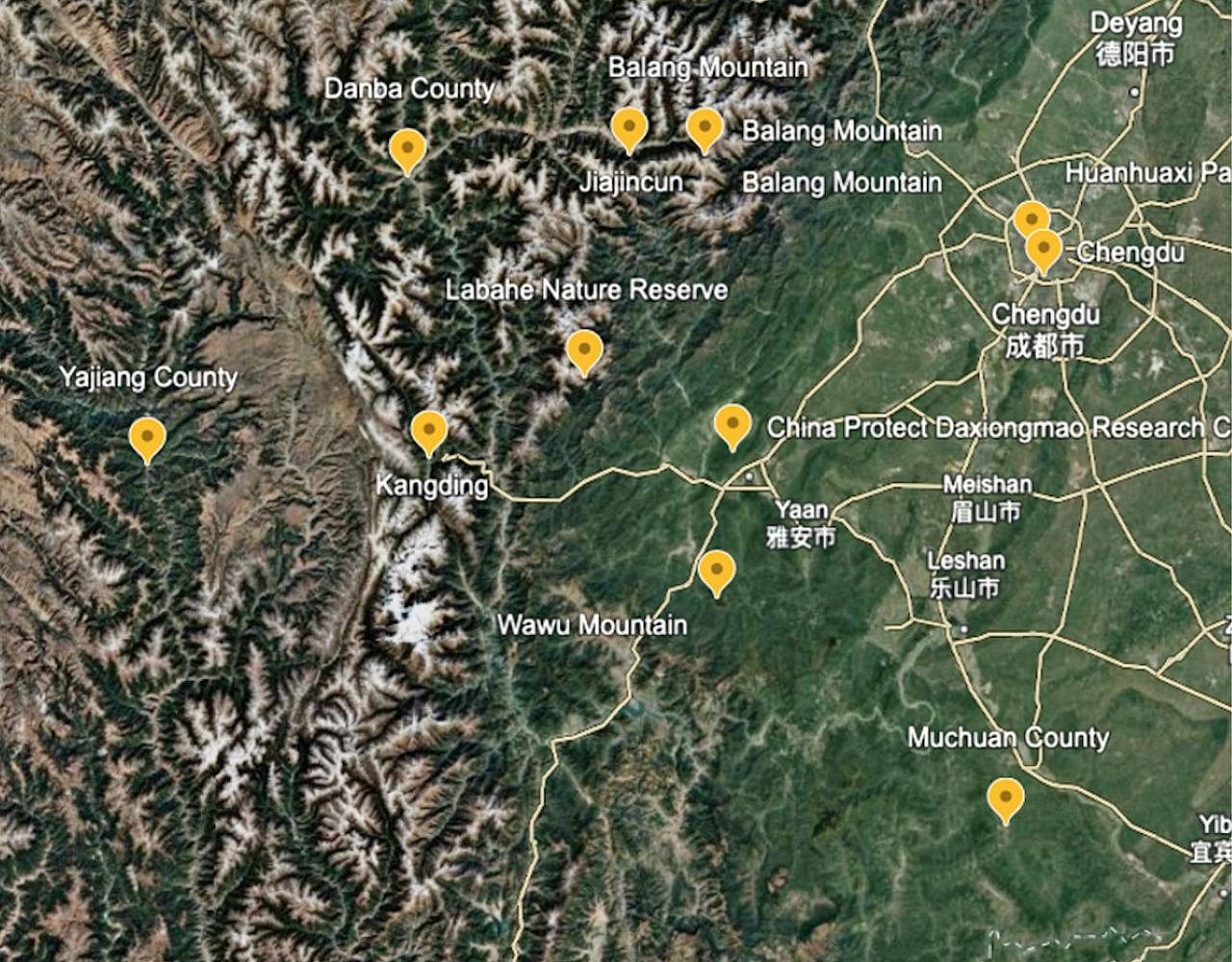
- Map
- Know Before You Go
China's Sichuan Province is renowned for its diverse landscapes and breathtaking scenery, making it one of the premier birding destinations in China. Our route covers a wide range of elevations, offering the perfect introduction to the country’s avian wonders, including a remarkable variety of endemic species. With stunning mountain vistas and the rich cultural heritage of Tibet, this is truly a bucket-list journey for any avid birder. Join Peg Abbott, founder of Naturalist Journeys, and Bella Zhang, a local expert guide, as we explore the natural wonders of Sichuan together.
This tour blends nature and culture, providing plenty of time for birdwatching and mammal spotting, alongside opportunities to explore the captivating villages of the Tibetan Plateau. Our adventure begins in Chengdu, a city with a history spanning 4,500 years, which has served as the administrative center of the region for over seven centuries. Today, it’s a dynamic metropolis. Despite its dense population, Chengdu is home to urban parks and religious sites where we find forest patches teeming with birdlife. From Chengdu, we venture into the Sichuan Basin, a fertile area bordered by mountains, where agricultural traditions have been passed down for more than 100 generations. After leaving the city behind, we head south to Muchuan, an area known for its striking limestone formations, rarely visited by other birding tours. This region is rich in lowland and foothill species, including the endemic Sichuan pheasant, among other hard-to-find birds.
After two nights in Muchuan, we continue to Wawushan and Wawu Mountain, renowned as one of the region’s prime forest birding locations. We spend two nights here, searching for elusive species like various parrotbills, laughingthrushes, and fulvettas. Our next stop is the Bifengxia Panda Base, a research facility dedicated to the conservation of Giant Pandas, a symbol of the region. After learning about the ongoing research and conservation efforts, we head to the Labahe Nature Reserve for an overnight stay. The reserve’s mixed alpine forests provide excellent habitat for both Giant and Red Pandas. While spotting a Giant Panda in the wild is unlikely, we remain on alert for both species, as well as the Asiatic Black Bear, while exploring the lush habitats of the reserve.
The final leg of the journey is a highlight for many: crossing the eastern edge of the Himalayas, where montane forests filled with rhododendrons, laurels, oaks, and conifers lead us to the untamed beauty of the Tibetan Plateau, a legendary destination for both nature and culture. We base ourselves in Kangding, the gateway between Sichuan and Tibet, to acclimatize before heading to our highest point at Jiajin. Along the way, we explore several Tibetan villages, visit a monastery, and, of course, continue our search for the stunning birdlife of this remarkable region.

Tour Highlights
- Search for endemic and near-endemic species in Sichuan province, seeking Emei Shan Liocichla, Silver Oriole, Gray-hooded and Gold-fronted Fulvetta, and Sichuan Treecreeper
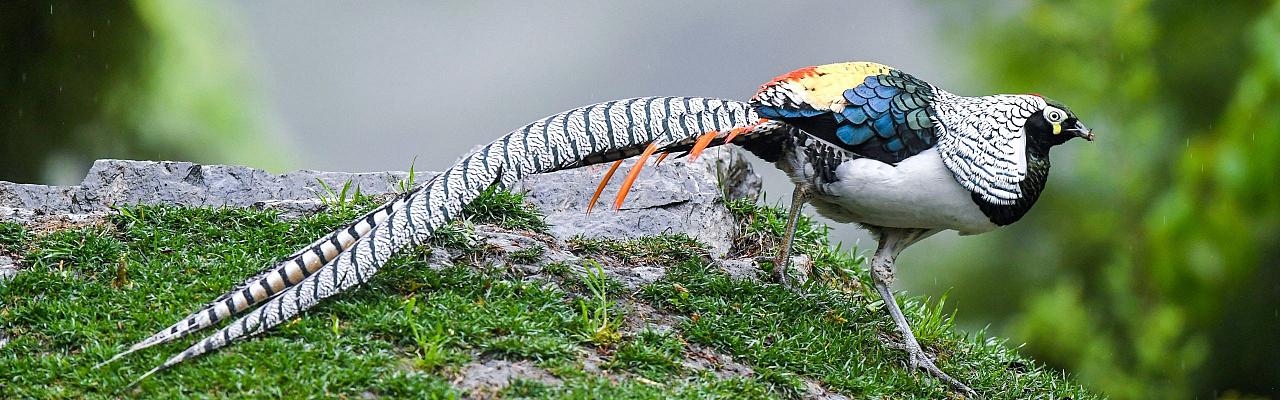
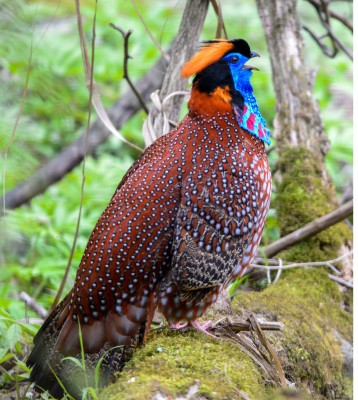
- Enjoy a wide range of partridges and pheasants — fifteen occur in the region — including secretive Sichuan Partridge, stunning Lady Amherst’s Pheasant, Silver Pheasant, Temminck’s Tragopan, Blood Pheasant, White-eared Pheasant, and more
- Visit a research center to learn more about Giant Pandas, and search for Red Panda in the wild
- Explore Wawu Mountain, a renown birding site, and stunning Balang Mountain
- Travel with our founder, Peg Abbott, and our delightful and well-respected local birding guide, Bella Zhang
- Immerse yourself in Tibetan culture and landscapes
- Enjoy delicious Chinese, Sichuan, and Tibetan food along our route
- See a variety of Tibetan monasteries and homes set upon a backdrop of amazing mountain scenery
- Stay in simple and comfortable family guesthouses and local hotels
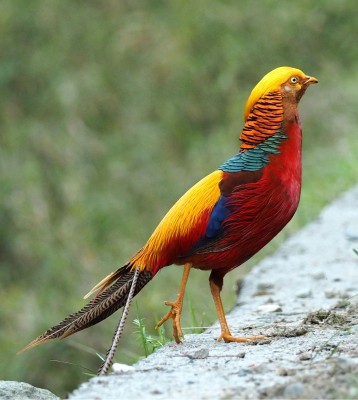
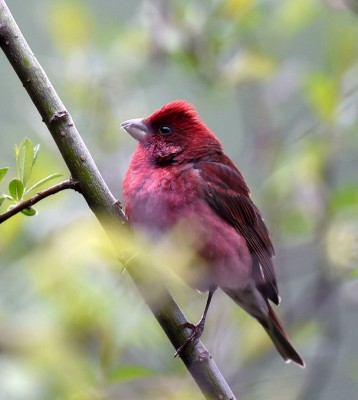

Trip Itinerary
Itineraries are guidelines; variations in itinerary may occur to account for weather, road conditions, closures, etc. and to maximize your experience.
Thurs., June 11 Arrival in Chengdu
Welcome to China’s fascinating Sichuan Province! Arrive at Chengdu Tianfu International Airport (CTU) or Chengdu Tianfu International Airport (TFU) in time to get settled and meet up for our welcome dinner at 7:00 PM. You are met on arrival and transferred to our lovely boutique hotel in the city center.
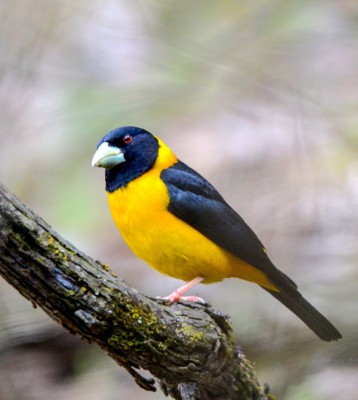
For those that arrive early, enjoy an afternoon birding outing to a local park near the hotel, or if you arrive several days early you can venture out to the Chengdu Research Base of Giant Panda Breeding or the Chengdu Botanic Garden. Some of the birds of the cities’ parks, the university campus, and botanic gardens include Chinese Bulbul, Chinese Blackbird, White-browed Laughingthrush, Red-billed Leiothrix, Vinous-throated Parrotbill, Chinese Blue Flycatcher, and Yellow-billed Grosbeak. Speckled Piculet, Black-throated Tit, Himalayan Shortwing, Indian Blue Robin, Siberian Blue Robin, Firethroat, Siberian Rubythroat, White-tailed Robin, Golden Bush-Robin, Snowy-browed Flycatcher, Fire-breasted Flowerpecker, and Yellow-billed Grosbeak.
Our tour begins today with a welcome dinner at 7:00 PM when we gather to meet our guides and fellow travelers and get an overview of our exciting trip ahead.
Accommodations in Chengdu (D)
Fri., June 12 Huanhuaxi Park | Muchuan
In the early morning, we head to Huanhuaxi Park, an urban forest park in Chengdu with lush vegetation. We walk easy paths to search for Vinous-throated Parrotbill, Chinese Blackbird, the brightly colored Himalayan Bluetail, and Chinese Grosbeak. After a delightful time in the park, we return to the hotel for breakfast.
After breakfast, we head to Kuanzhai Alley, an area of the city that was constructed for Manchu officers more than 300 years ago. This area now combines modern and traditional Chinese culture along with a blend of northern and southern architectural styles. The nearby People’s Park is next. Originally named Shaocheng Park, it was built in 1911 as the first public park in Chengdu. Today it is renowned for its traditional tea houses, exquisite flowers, and a unique matchmaking corner where local parents seek out suitable partners for their children.
After lunch at a local restaurant, we head south of Chengdu to Muchuan. The drive is nearly three hours, but on good, paved highways. This area has several specialty birds that are unlikely on the rest of our tour. The main attraction here is the endemic, endangered, and extremely range restricted Sichuan Partridge. We visit special partridge hides to assist with spotting this rather elusive bird. Other species we hope to see in this area include the endemic Emei Shan Liocichla and the endangered Silver Oriole.
We stay in a simple, but comfortable family-run guesthouse located in the village. Muchuan is a scenic area situated at 1400 feet. All rooms have ensuite bathrooms and homemade meals are prepared by our hosts.
Accommodations in Muchuan (B,L,D)
Sat., June 13 Muchuan | Visit a Bird Hide | Local Birding
We awaken early for the best chance at seeing Sichuan Partridge from the hide in broadleaf forest, which is a short drive from the guesthouse. The birds’ combination of orange cheek patch, striped white throat, and broad maroon chest band is a stunning confirmation. In between visits to the hides, we walk along the dirt road to search for species like the beautifully colored Temminck’s Tragopan, the exquisite Lady Amherst’s Pheasant, Silver Pheasant, and both Buffy and Red-winged Laughingthrushes.
We return to our guesthouse in the evening for another wonderfully prepared meal.
Accommodations in Muchuan (B,L,D)
Sun., June 14 Wawushan | Scenic Drive Into the Mountains
Today we head to the mountains, toward Wawu Mountain (Mountain of Tiled Roof), the second largest tabletop mountain in the world at around 11,000 feet, famous for its deep forests, diverse plant species, and rich wildlife resources. Our drive is roughly three hours, mostly on good highways. We make some birding stops along the way, and may find White-backed or Darjeeling Woodpeckers in the forest, flocks of Oriental Greenfinch, and Speckled Wood Pigeon.
We arrive at our hotel, located part way up the mountain, which gives us convenient access to birding along the road as well as the cable car to reach the top of this flat-topped basaltic mountain. This is a popular area for Chinese tourists, catering to families.
Accommodations in Wawushan (B,L,D)
Mon., June 15 Wawushan | Cable Car to Wawu Mountain
We walk to the cable car station and then board a cable car to ascend to the summit of Wawu Mountain. We spend the entire day here to explore the diverse elevational zones. This is the best known areas for finding a variety of parrotbills including possible Great, Grey-hooded, Fulvous, Ashy-throated, Three-toed, and Golden. So despite winding our way through other visiting tourists, we find it worth it for access to these intriguing species. A signature bird for us here is the Emei Shan Liocichla. We also search for babblers including Black-faced and Red-winged Laughingthrushes, Elliot’s Laughingthrush, along with rosefinches, endemic Gray-hooded, Golden-breasted and Gold-fronted Fulvettas, Temminck’s Tragopan, and Lady Amherst’s Pheasant. With luck we find Vinaceous Rosefinch, Red Crossbill, and Slaty Bunting.
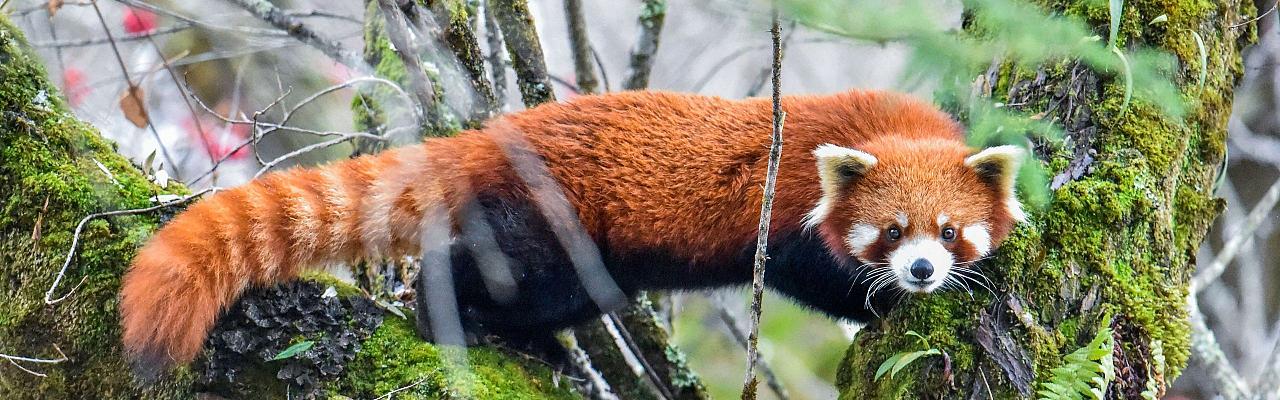
This is also one of the best locations to find wild Red Panda with roughly a 60 percent chance of spotting one. There are about 3,000 Red Panda in the Sichuan province and they are typically found in higher elevation temperate forest with bamboo understories. We keep our eyes peeled for panda while we enjoy the many bird species found here.
In late afternoon, we head down the mountain and back to our lodge for dinner.
Accommodations in Wawushan (B,L,D)
Tues., June 16 Giant Panda Research Center | Labahe Nature Reserve
After breakfast, we have a scenic drive to the Labahe Nature Reserve, located deep in the Hengduan Mountains. Along the way, we make an exciting detour to the Bifengxia Panda Base, which is a branch of the China Conservation & Research Center for the Giant Panda (CCRCGP) in the Department of Forestry. CCRCGP was founded jointly with the World Wildlife Fund for Nature (WWF) in 1980. The Bifengxia Panda Base was constructed in 2003 and is dedicated to both the breeding and scientific study of Giant Pandas. The center is also vital in rescuing wild pandas. The lush vegetation at the center makes it a great place to see pandas and we can view them up close and learn more about conservation efforts.
After a wonderful visit with the Giant Pandas, we enjoy lunch at a local restaurant and then continue on to Labahe to check into our hotel, located in a great location for access to stellar birding. We may find little flocks with Black-browed Tit, Aberrant or Yellowish-bellied Bush Warblers, and Stripe-throated Yuhina before settling in. In the evening, Sambar Deer typically come in to browse the grounds of the hotel to lick salt dumped by the reserve on the ground outside the hotel.
Accommodations near the Labahe Reserve (B,L,D)
Wed., June 17 Labahe Nature Reserve | Kangding: Gateway to Tibet
In the morning, we visit the fabulous Labahe Nature Reserve, a hotspot for biodiversity and birding paradise. The mixed alpine forest with dense bamboo understory is also ideal for both Giant and Red Panda and we keep our eyes peeled for these elusive mammals.
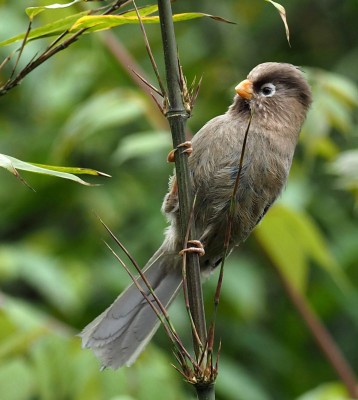
We walk an easy paved path, surrounded by scenic rugged mountains. A small sample of what we hope to see includes Brown and Fulvous Parrotbill, the endemic Sichuan Treecreeper, the bright yellow Golden Bush Robin, Yellow-browed Tit, Green-backed Tit, and the adorably plump Red-billed Leiothrix. In addition to the wonderful birds, we look for Sambar Deer, Red Deer, Chinese Goral, Leopard Cat, and troops of Tibetan Macaque, which are quite acclimated to people at this site.
After lunch, we head to Kangding, the gateway between the Sichuan province and Tibet, a small city situated at 8,400 feet. Kangding was also on the ancient tea route, a haven for travelers then and now, also known for its textiles. The Tuo River, a tributary of the Yangtze River just over 400 miles long, flows through the city; there is a hydroelectric plant.
Accommodations in Kangding (B,L,D)
Thurs., June 18 Kangding | Views of Mount Gongga | Erdaoqiao
We spend the day in Kangding. The area is comprised of Tibetan and Han Chinese inhabitants. The impressive Mount Gongga, known as ‘The King of Sichuan Mountains,’ can be seen from Kangding. Standing at 24,790 feet, it is the highest peak in the Sichuan province.
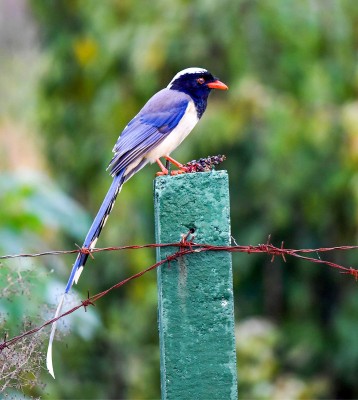
We visit several birding areas around Kangding, including Erdaoqiao, to search for birds such as Chinese Babax, Barred and Elliot’s Laughingthrushs, Firethroat, Brown Parrotbill, and Rufous-tailed Babbler. There is also a hide here for Lady Amherst’s Pheasant with other beauties such as Red-billed Blue Magpie, Streaked Rosefinch, and Great-spotted Woodpecker also coming in. At this elevation, we keep our eyes peeled for mammals as well, with a chance to find Plateau Pika, Himalayan Marmot, and Yellow-throated Martin.
Accommodations in Kangding (B,L,D)
Fri., June 19 Yajiang | Eastern Tibetan Plateau
In the morning, we drive about 3 hours on a mountainous road to Yajiang, the core area for Kampa Tibetans who have a long heritage of horsemanship and marksmanship as part of a warrior culture. Along the way, we make stops to look for the majestic Ibisbill, Robin Accentor, White-browed Tit-warbler, and perhaps a soaring Himalayan Griffon. Yijiang is on the main road used to access the Tibetan Plateau and the scenery is a stunning mosaic of inspiring mountain terrain, picturesque rivers, and villages surrounding agricultural areas. It is popular area for hikers and nature enthusiasts; we make stops to scan for specialty species of grassland and rocky terrain.
Upon arriving in Yajiang, we settle into our accommodations. Situated in a steep valley, Yajiang sits at an elevation of 9,500 feet. The population of 10,000 people is almost entirely Tibetan, with a rich cultural heritage. This is a great chance to try a variety of local dishes known for their bold flavors and spiciness if you wish.
Accommodations in Yajiang (B,L,D)
Sat., June 20 Yajiang | Local Monastery Visit
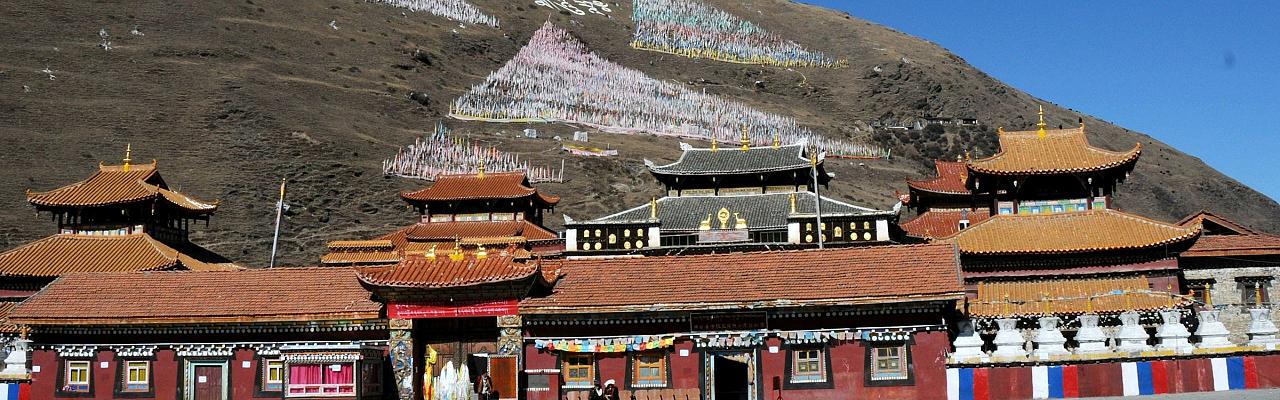
This morning, we visit a local Tibetan monastery, perched on a mountaintop. Enjoy amazing panoramic views of the surrounding mountain peaks and a great sense of peace in the community. Buddhism is an integral part of life here for Tibetans and they treat wildlife as equal living creatures to humans.
We spend time birding in the nearby forests looking for Buff-throated Partridge, the beautiful Blood Pheasant, Crested Tit Warbler, Yunnan Nuthatch, Giant Laughingthrush, Chinese White-browed Rosefinch, Pink-rumped Rosefinch, White-backed Thrush, and a variety of tits including Black-browed, Rufous-vented, and Grey-crested Tits.
Accommodations in Yajiang (B,L,D)
Sun., June 21 Yajiang | Huiyuan Monastery | Danba Tibetan Village
Today is largely a travel day, but we make several stops along the way as we traverse this eastern edge of the Tibetan Plateau. We visit the historic Huiyuan Monastery, built for the seventh Dalai Lama in the 18th Century. It holds both religious and cultural significance for the Tibetan Buddhist community. Picturesque Tibetan houses surround the monastery and have been hailed as the most exquisite family dwellings across the Tibetan region.
We make a scenic stop or two to explore the riverbank, a favored habitat for Ibisbill, Common Rosefinch, Daurian Jackdaw, and Red-billed Chough. By late afternoon we reach the incredibly scenic village of Danba. Known for its architectural beauty, Danba has also been called ‘the kingdom of one thousand castles’ as heavy stone watchtowers and citadels were built hundreds of years ago for defense throughout the area. It sits at a comfortable 6200 feet in elevation and has a deep history; this site has been occupied for over 5000 years.
Danba was a very important stop on trading routes between China and Tibet, its lush valley allowed travelers and horses that once hauled tea and salt a chance to rest. It’s tradition of hospitality runs strong! Upon arrival, we check into our simple family guest house where we enjoy warm hospitality and home-cooked foods.
Accommodations in Danba (B,L,D)
Mon., June 22 Danba Villages | Forest Birding | A Fabulous Look at Jiarong Tibetan Culture
We do a bit of birding in the forest above one of the villages today, looking for Rufous-vented Tit, possible Black-browed Bushtit, Rufous-tailed Babbler, Elliot’s Laughingthrush, Chinese White-browed Rosefinch, and Blue-fronted Redstart.
As morning bird activity wanes, the focus of much of our day is the wonderful culture of the Jiarong Tibetans. There are multiple villages, and in them we are surrounded by prayer flags, multi-storied hand-crafted homes, orchards of apple, pear, peach, and pomegranates, and fields of barley, corn, and potatoes. The Jiarong people have their own language, which differs from other Tibetans in that it also has influences from the Qiang and Han languages. Jiarong Tibetans are known for their unique and very colorful costumes, which can vary throughout the villages depending on age. Try some Yak Butter Tea to warm your soul. We may be fortunate to time our visit with a dance performance. The inside of local homes are full of artistry, adorned with bright painted patterns of nature including lotus flowers, trees, rivers, mountains, birds, and yaks.
Jiarong Tibetan villages are often located in rich areas along rivers at high but not extreme elevations in comparison to other Tibetan settlements, allowing them to pursue farming as well as herding. They inhabit the lowest parts of the Tibetan Plateau and thrive in this comparatively warm agricultural zone. Traditional villages have also benefited in some locations from Giant Panda reserves being established within range of villages, bringing tourism and a market for traditional crafts such as weaving.
Accommodations in Danba (B,L,D)
Tues., June 23 Birding the Mountain Road to Jiajin | Balang Mountain
After breakfast, we head to Jiajin. We make several stops along the winding mountain, particularly once we break out into the extensive grasslands along our route. We search impressive rock scree slopes for the elusive Grandala, Chinese Monal, Tibetan Snowcock, Snow Partridge, White-eared Pheasant, Chinese Babax, and other species. Brown Dipper frequent fast moving small streams.
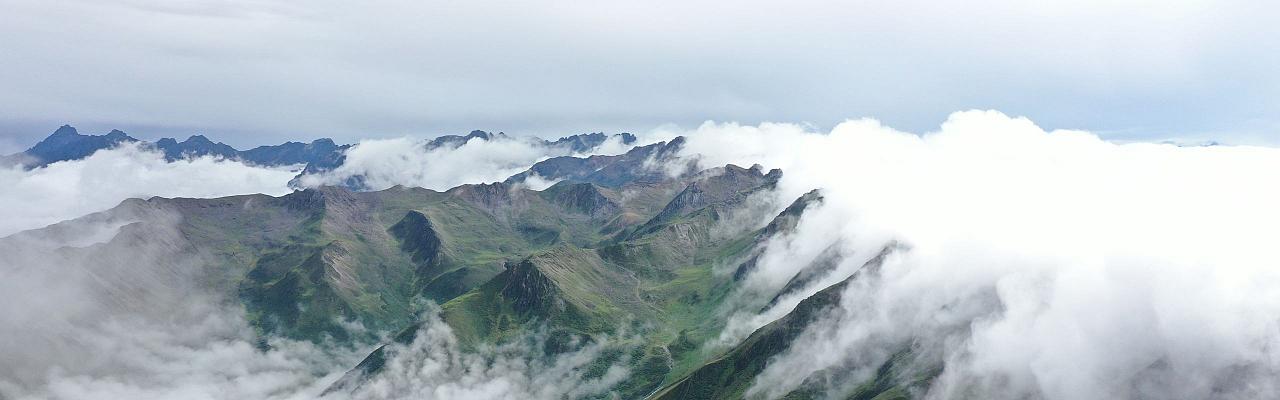
The village of Jiajin is located just above 10,000 feet at the base of Jiajinshan Mountain, which reaches to 13,500 feet high. Balang Mountain is adjacent to Jiajinshan and bridges the Sichuan Basin and Qinghai Tibetan Plateau. Its elevation starts at 6,500 feet at the base and rises to 14,700 feet at the pass, which is our highest elevation on the tour. The surroundings are simply magnificent, with backdrops of snow-capped peaks, while the elevation gradient creates a diversity of habitats that we search for a variety of species.
Accommodations in Jiajin (B,L,D)
Wed., June 24 Jiajin Village | Balang Mountain
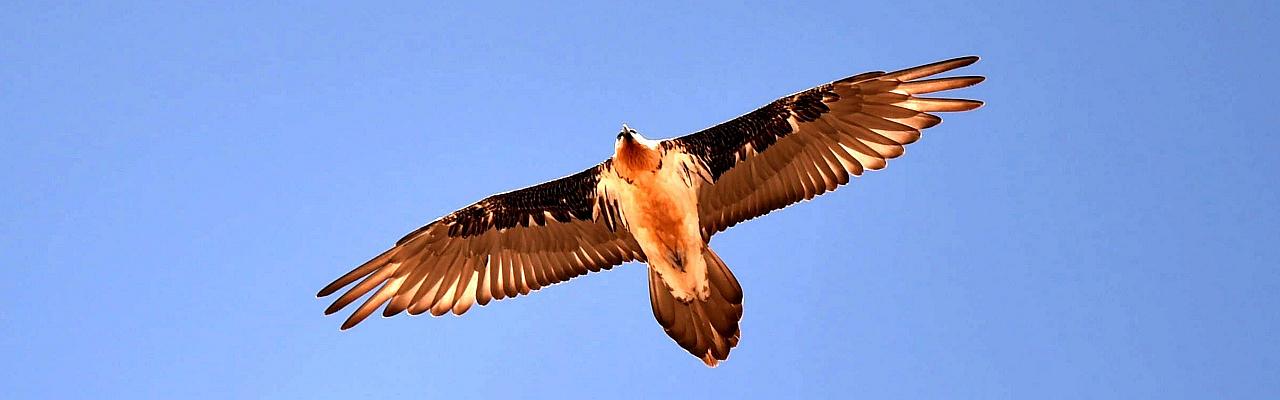
We spend the day exploring this fascinating and stunning area. At the snowline in the alpine, search for Red-fronted Rosefinch, vibrant blue Grandala, Snow Pigeon, Brandt’s Mountain Finch, Alpine Accentor, Rosy Pipit, and both Red-billed and Yellow-billed Choughs. We also keep our eyes peeled to the sky to look for Bearded Vulture (Lammergeier) and Golden Eagle. Wildflowers should be blooming in profusion!
At lower elevations closer to tree line, in lush alpine meadows and dense scrub, we look for the endemic and very elusive Chinese Monal, Chestnut-throated Monal-Partridge, Blood Pheasant, Koklass Pheasant, Firethroat, Eurasian Sparrowhawk, the endemic Chinese Fulvetta, the lovely Chinese Rubythroat, Sichuan Tit, and several Rosefinches including Dark-breasted, Dark-rumped, and Streaked.
Searching the lush broad-leaved forests with dense bamboo undergrowth, we hope to see Large Hawk-Cuckoo, Himalayan Cuckoo, Yellow-streaked Warbler, Buff-throated Warbler, Chinese Leaf Warbler, Sichuan Leaf Warbler, the vibrant Verditer Flycatcher, the beautiful Daurian Redstart, and others.
In addition to so many great birds, we may see Blue Sheep, Himalayan Marmot, Chinese Goral, Tufted Deer, and Red Panda.
After a fulfilling day in the field, we head back to our hotel for a delicious dinner.
Accommodations in Jiajin (B,L,D)
Thurs., June 25 Balang Mountain | Chengdu
We spend the morning looking for any species we may have missed before making the drive back to Chengdu. If time allows, we look for Golden Pheasant and Slaty Bunting in the stunning landscape of Wolong, a Sichuan village located in China’s largest panda reserve. From Jiajin, its roughly five hours back to the city so if we get going early, we have time to make stops along the way.
For our final evening, we enjoy the authentic flavors of local Chinese food as we share highlights of the trip and savor our memorable adventure.
Accommodations in Chengdu (B,L,D)
Fri., June 26 Departures
Departures today are at your leisure.
-
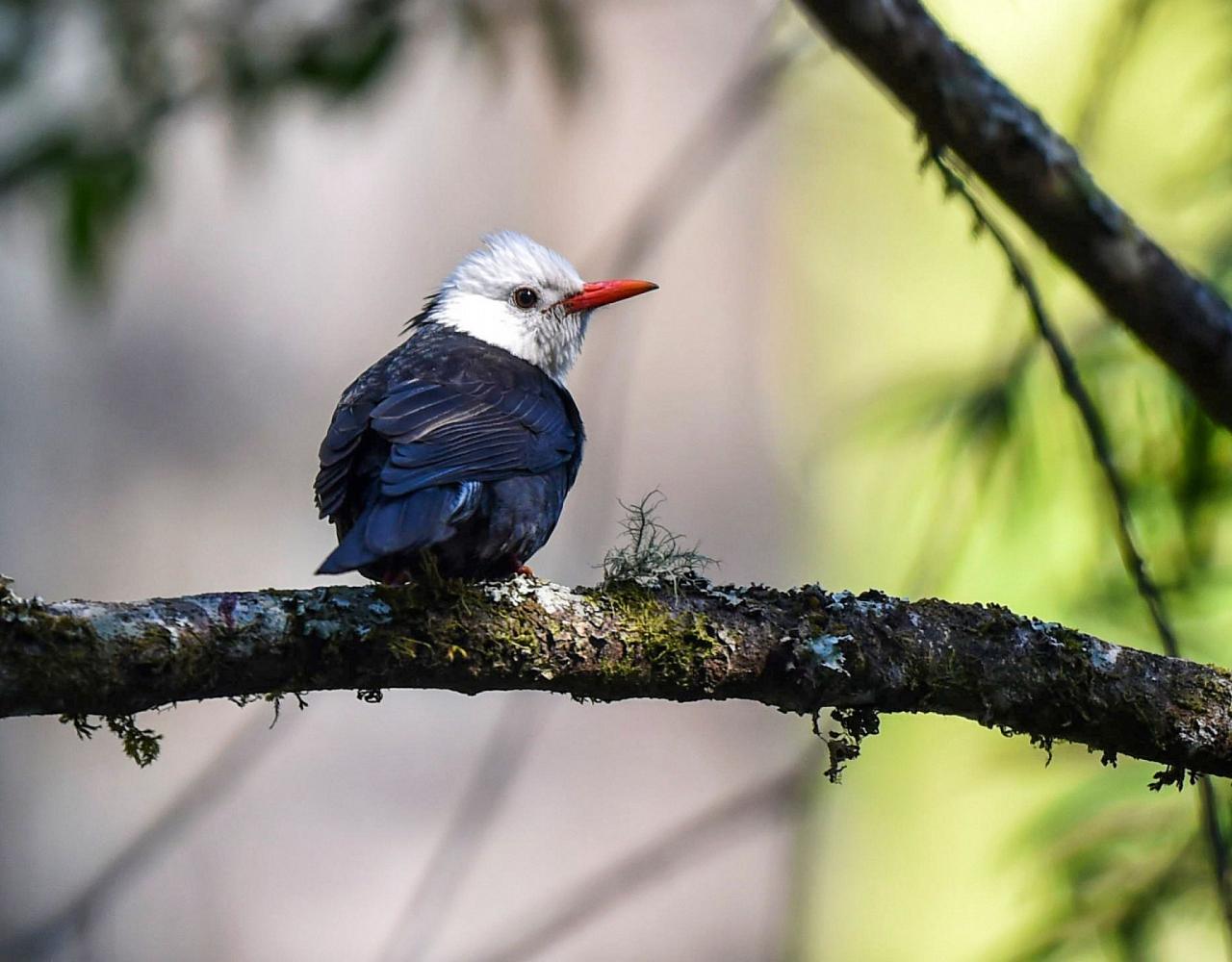
Black Bulbul
-
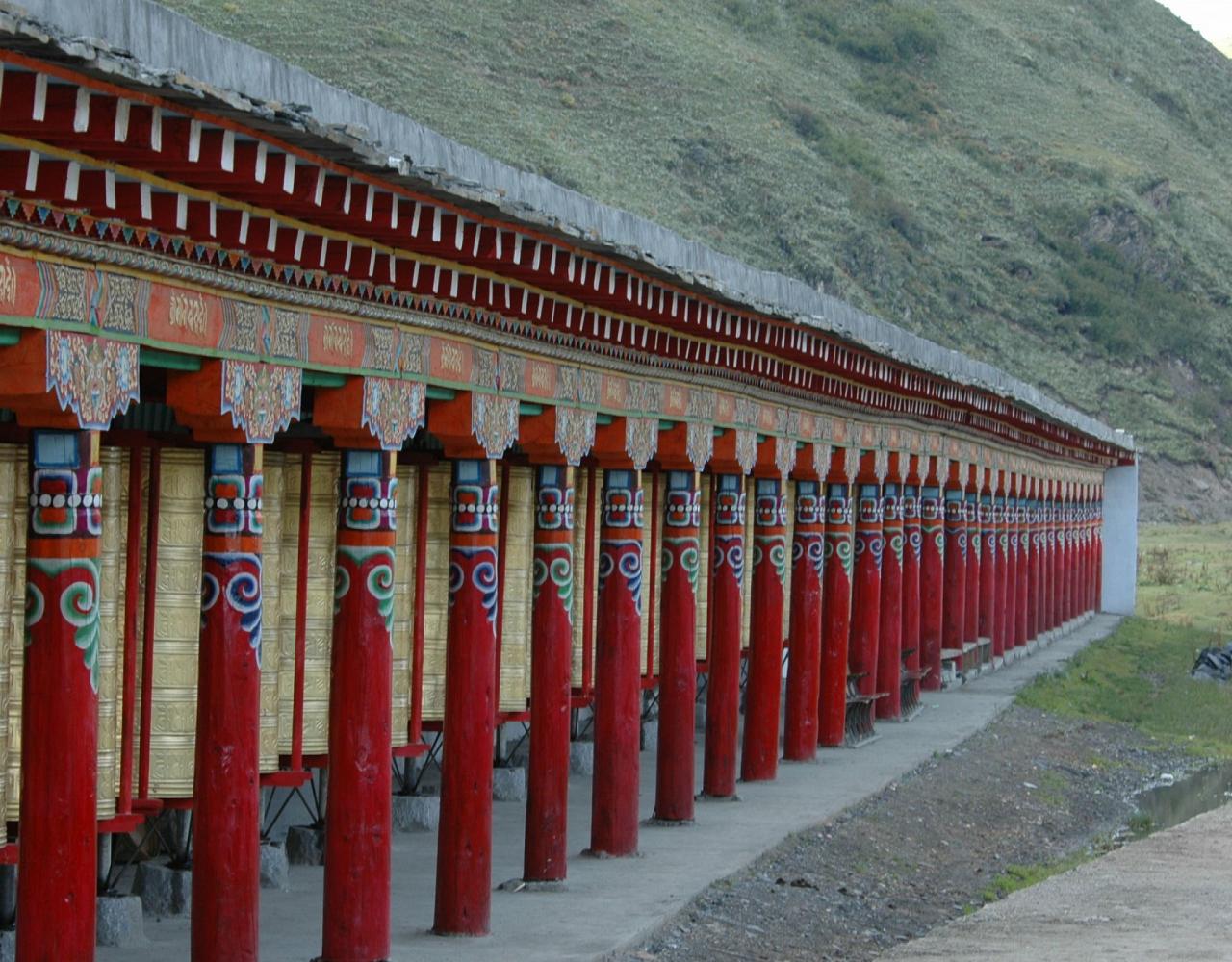
Tibetan Architecture
-
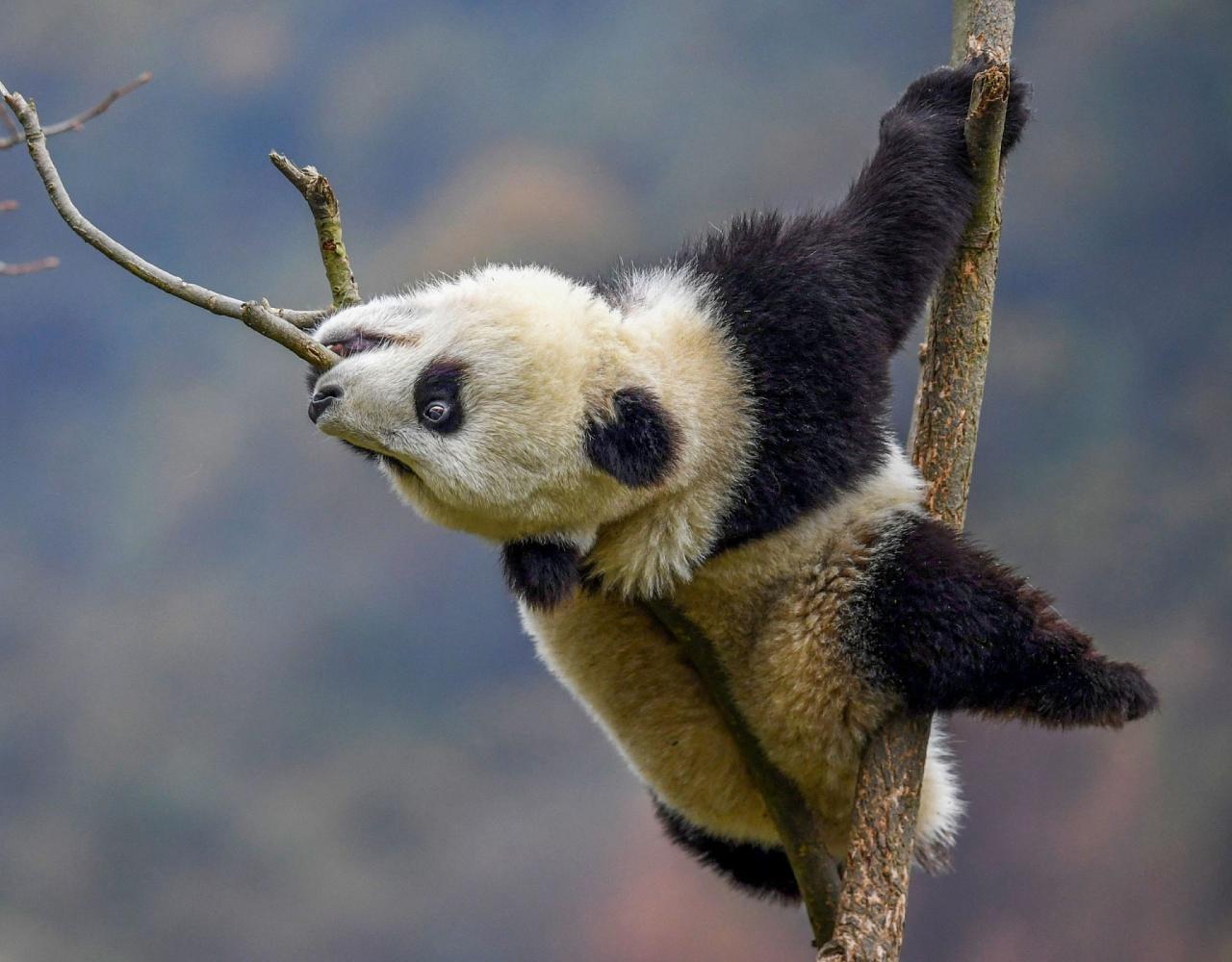
Giant Panda
-
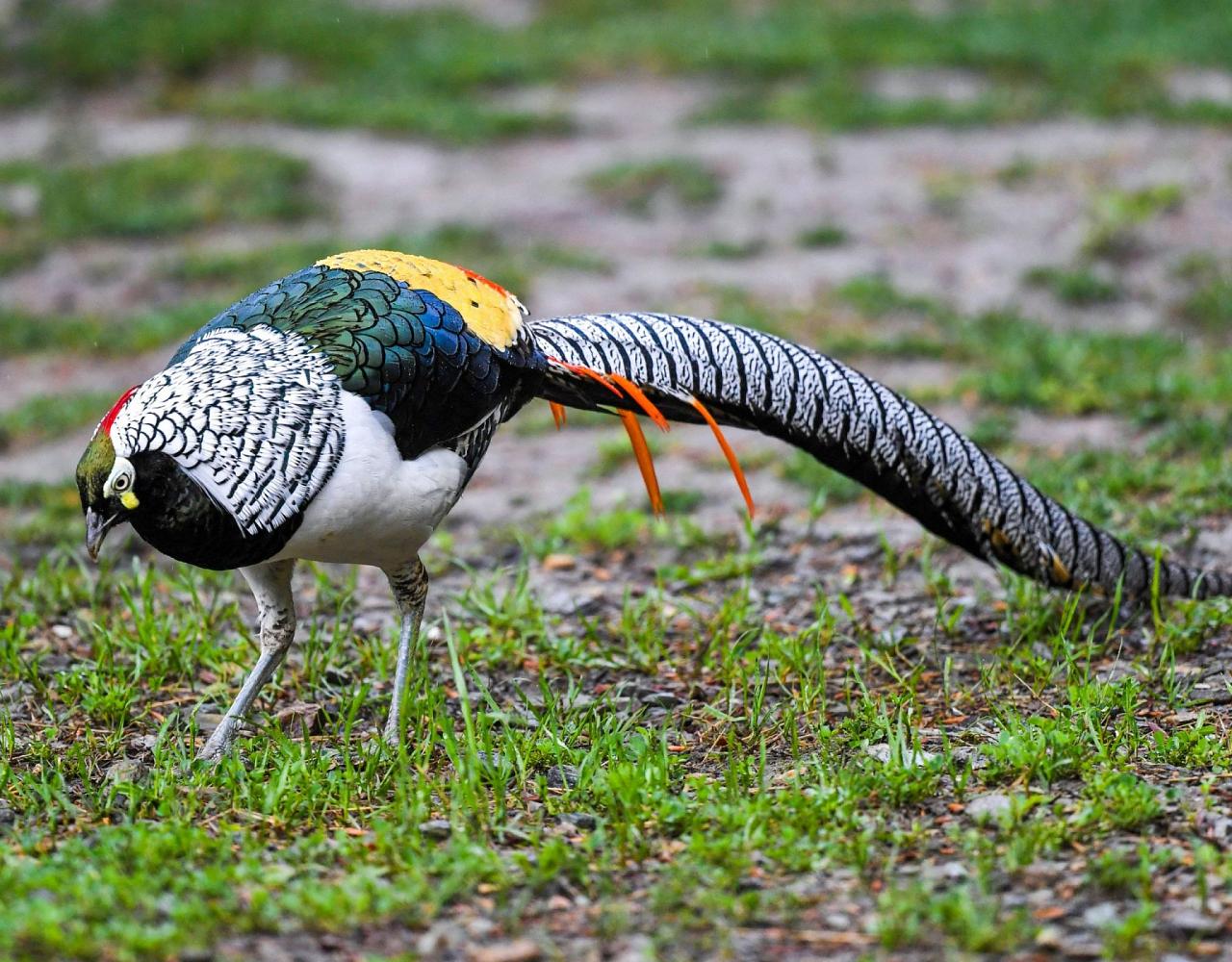
Lady Amherst's Pheasant
-
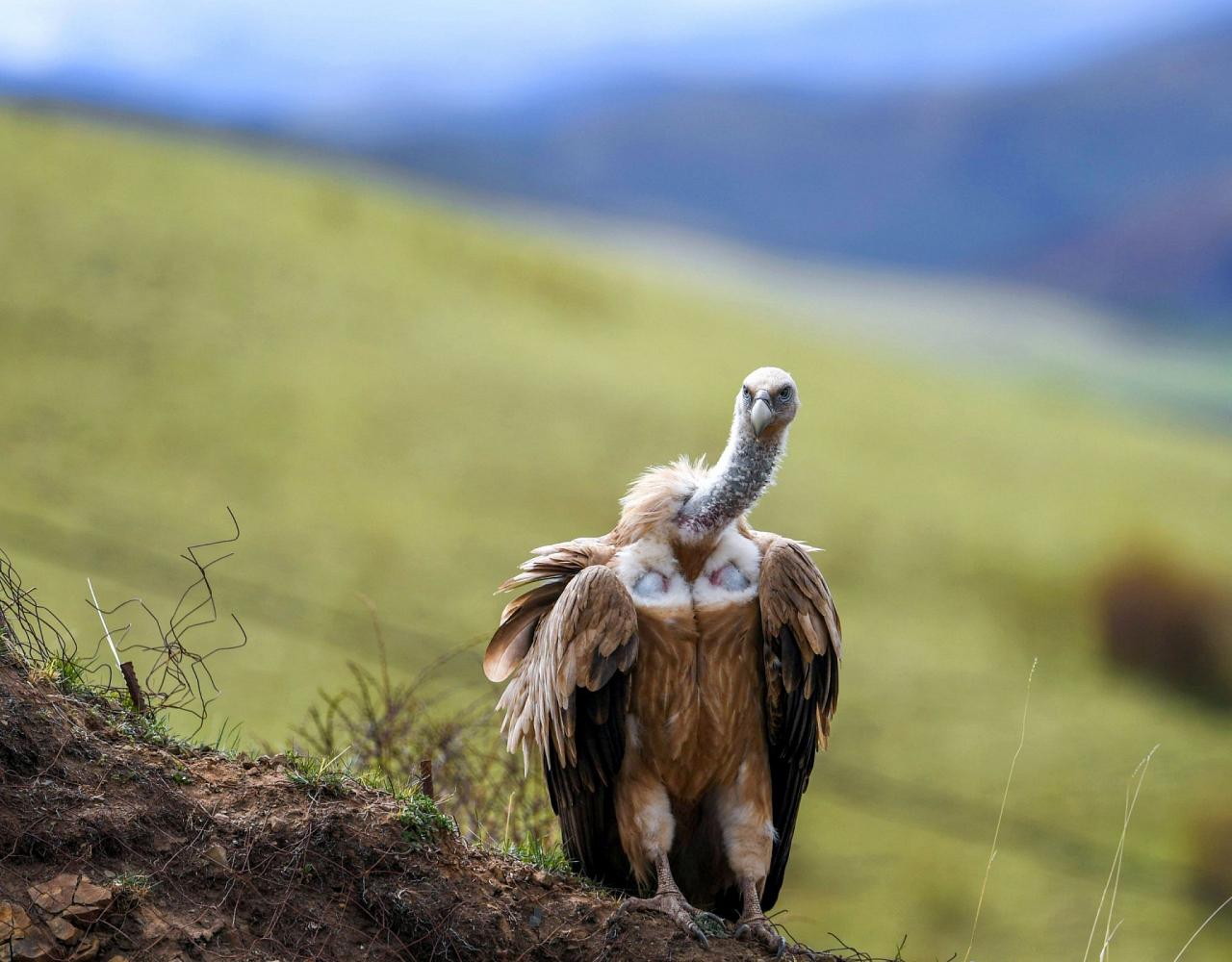
Himalayan Griffon
-
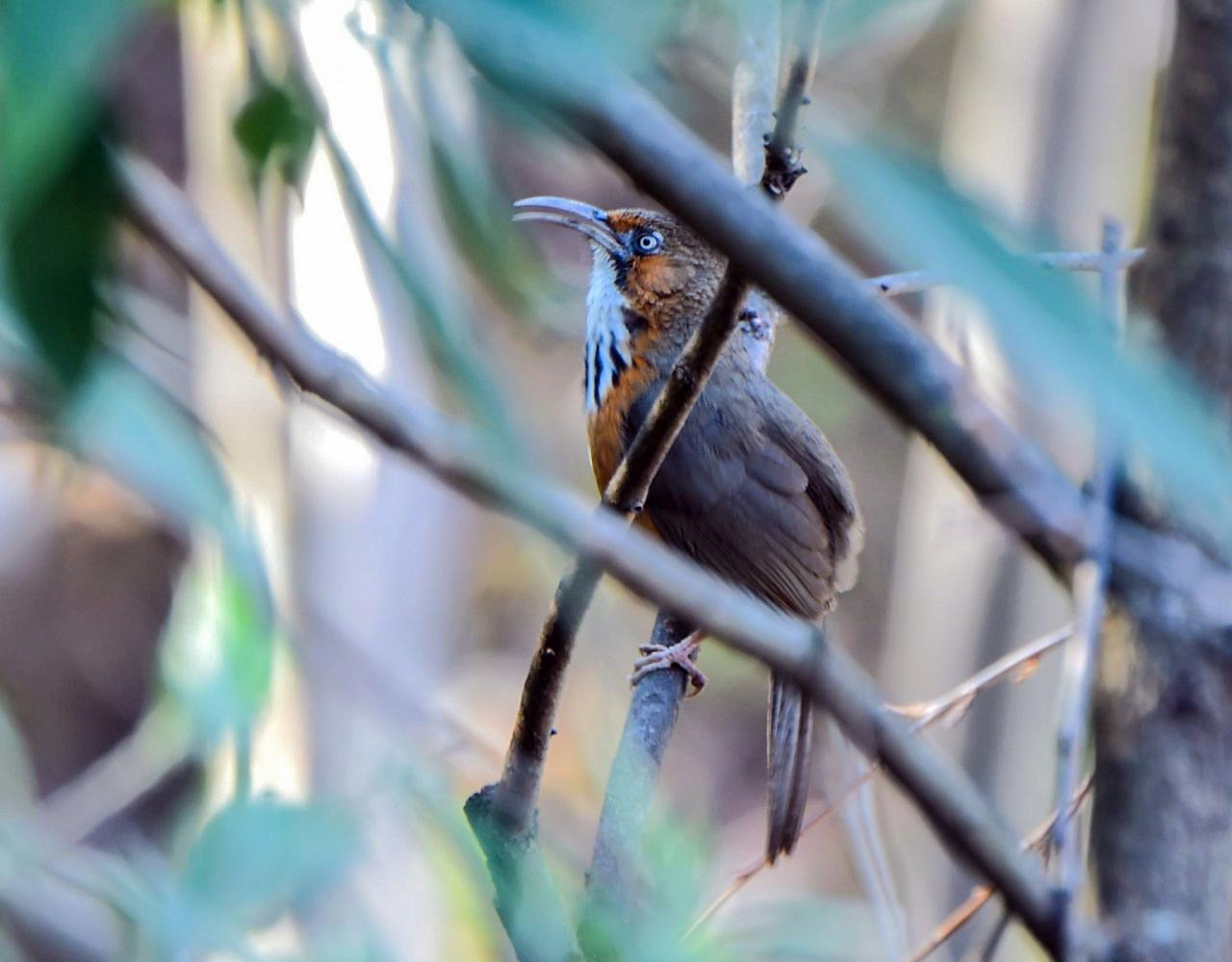
Black-streaked Scimitar Babbler
-
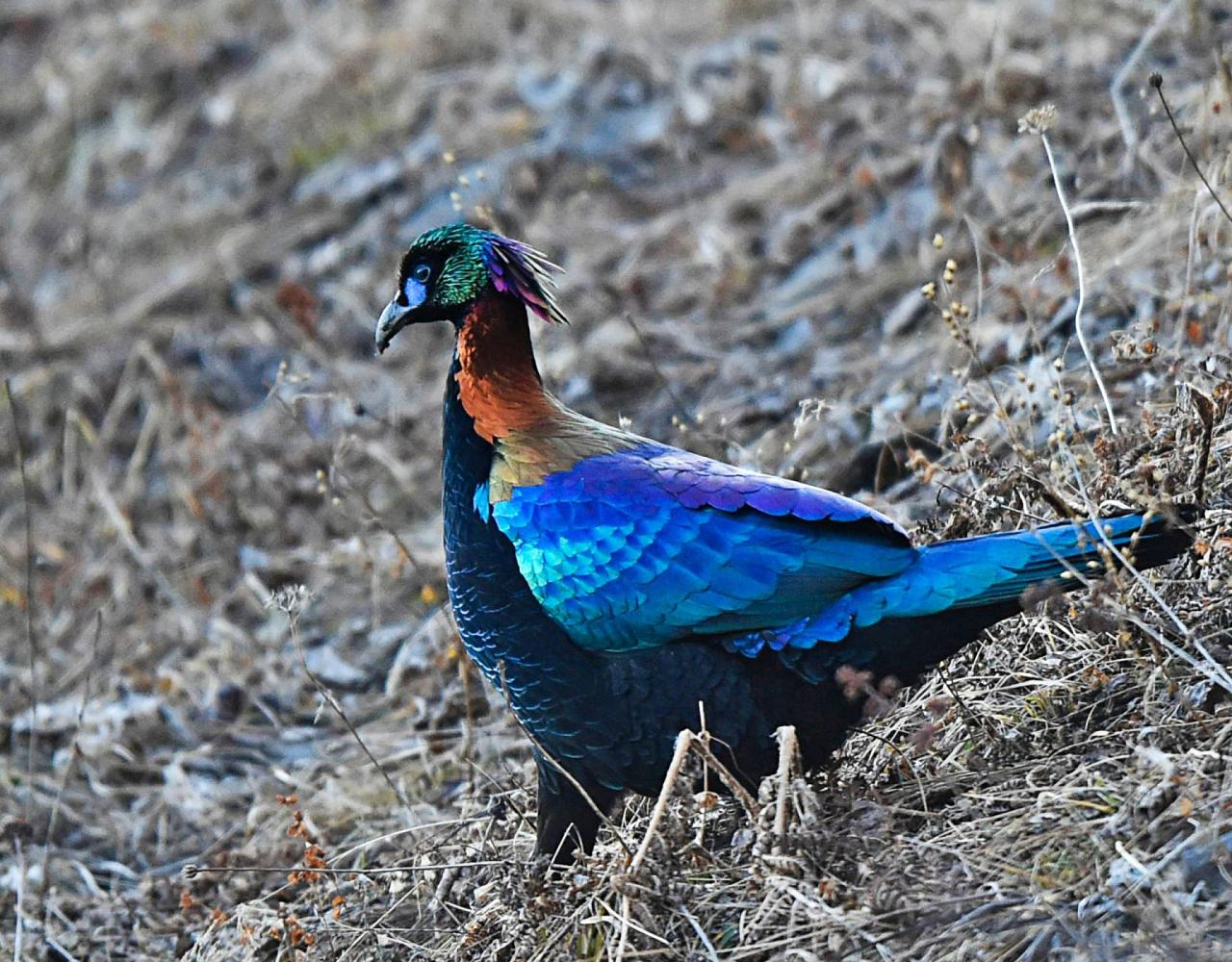
Chinese Monal
-
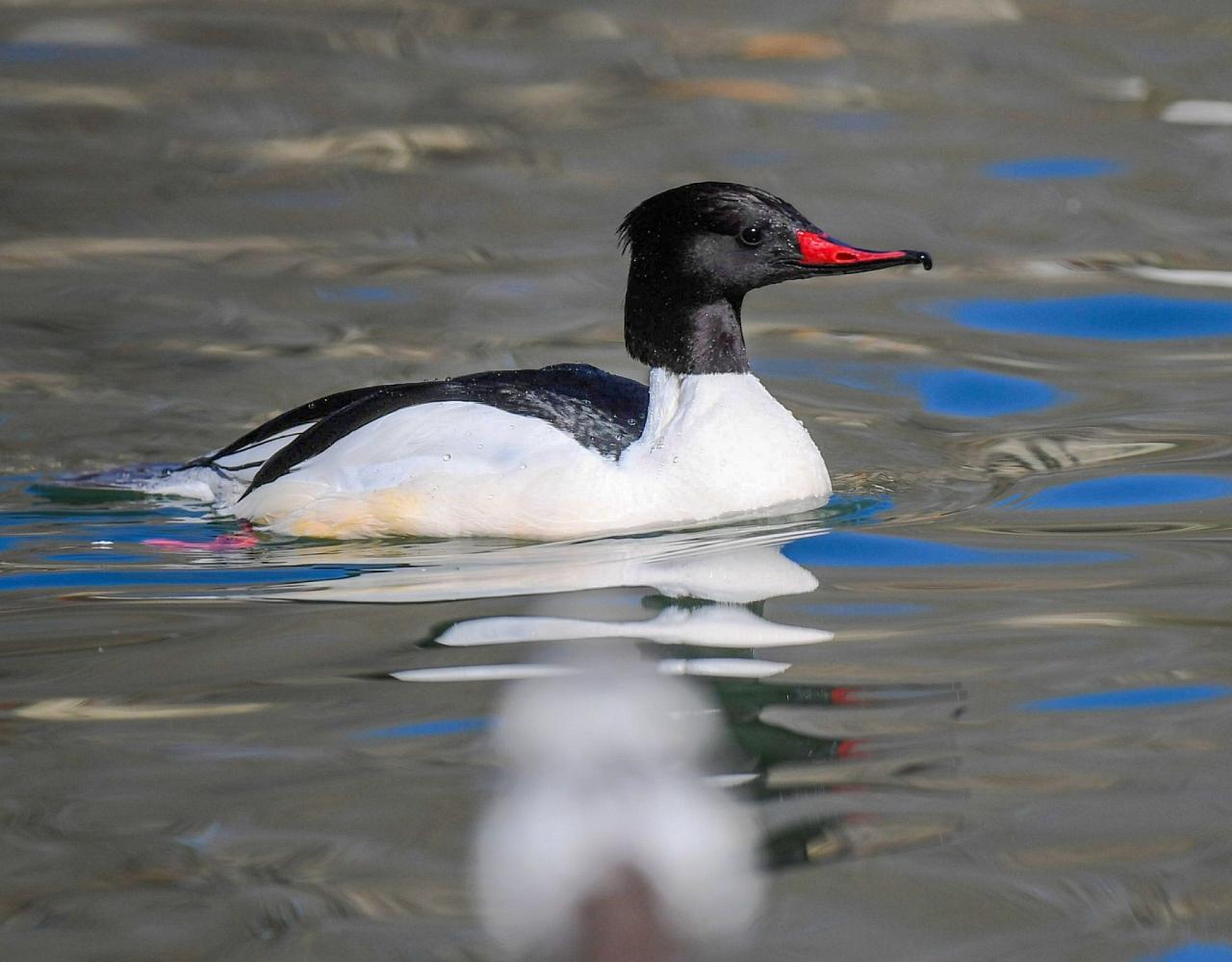
Goosander
-
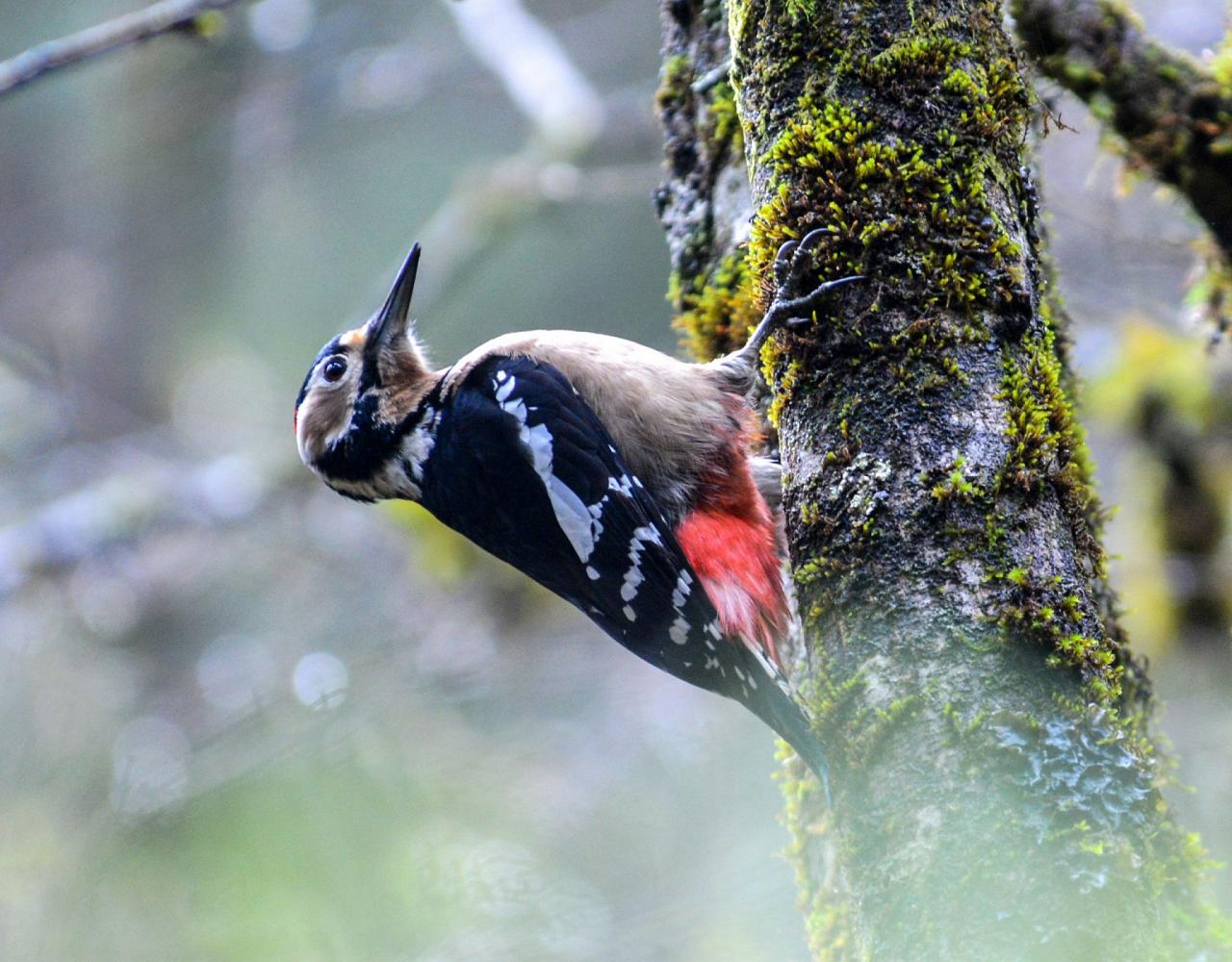
Great Spotted Woodpecker
-
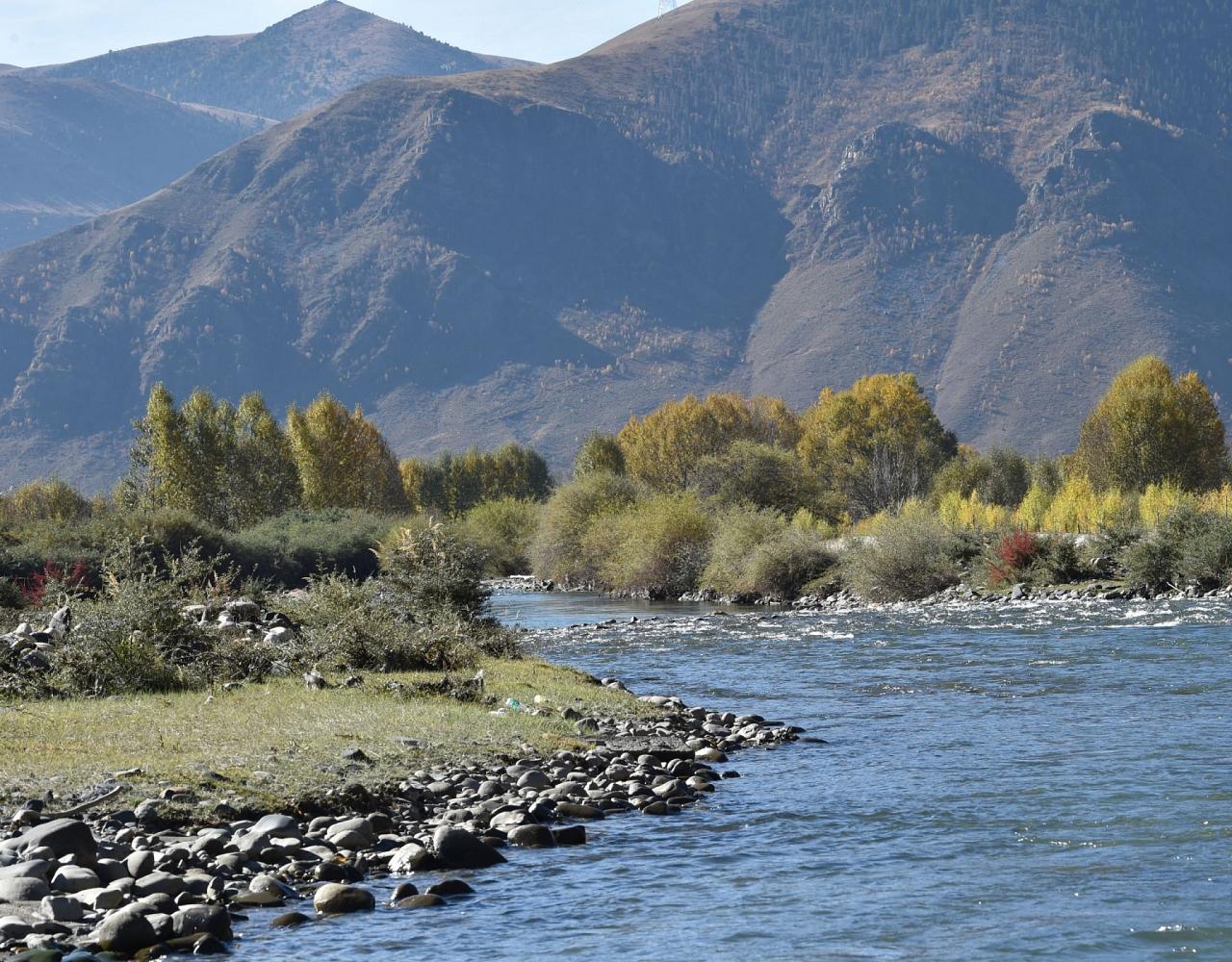
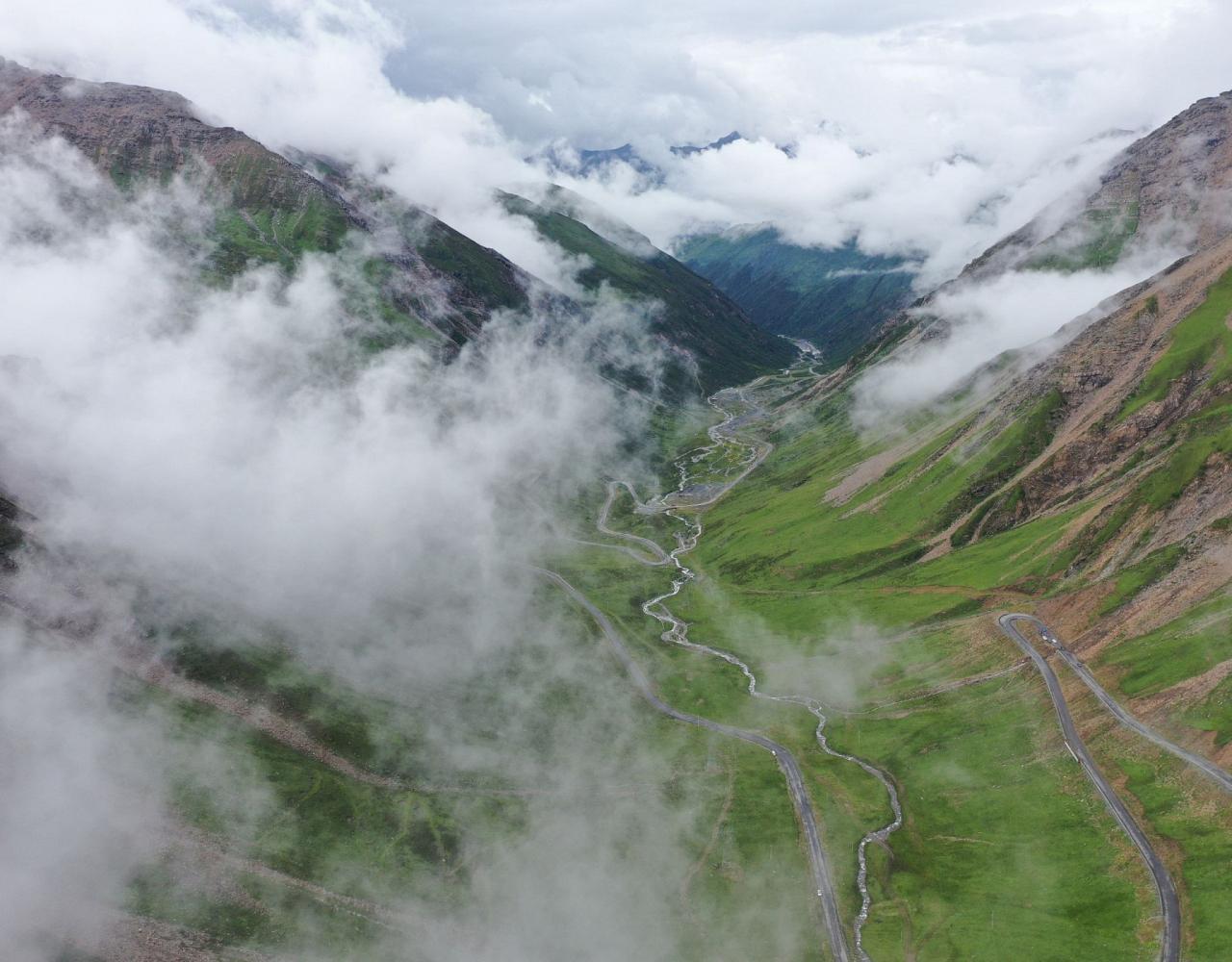
Scenic
-
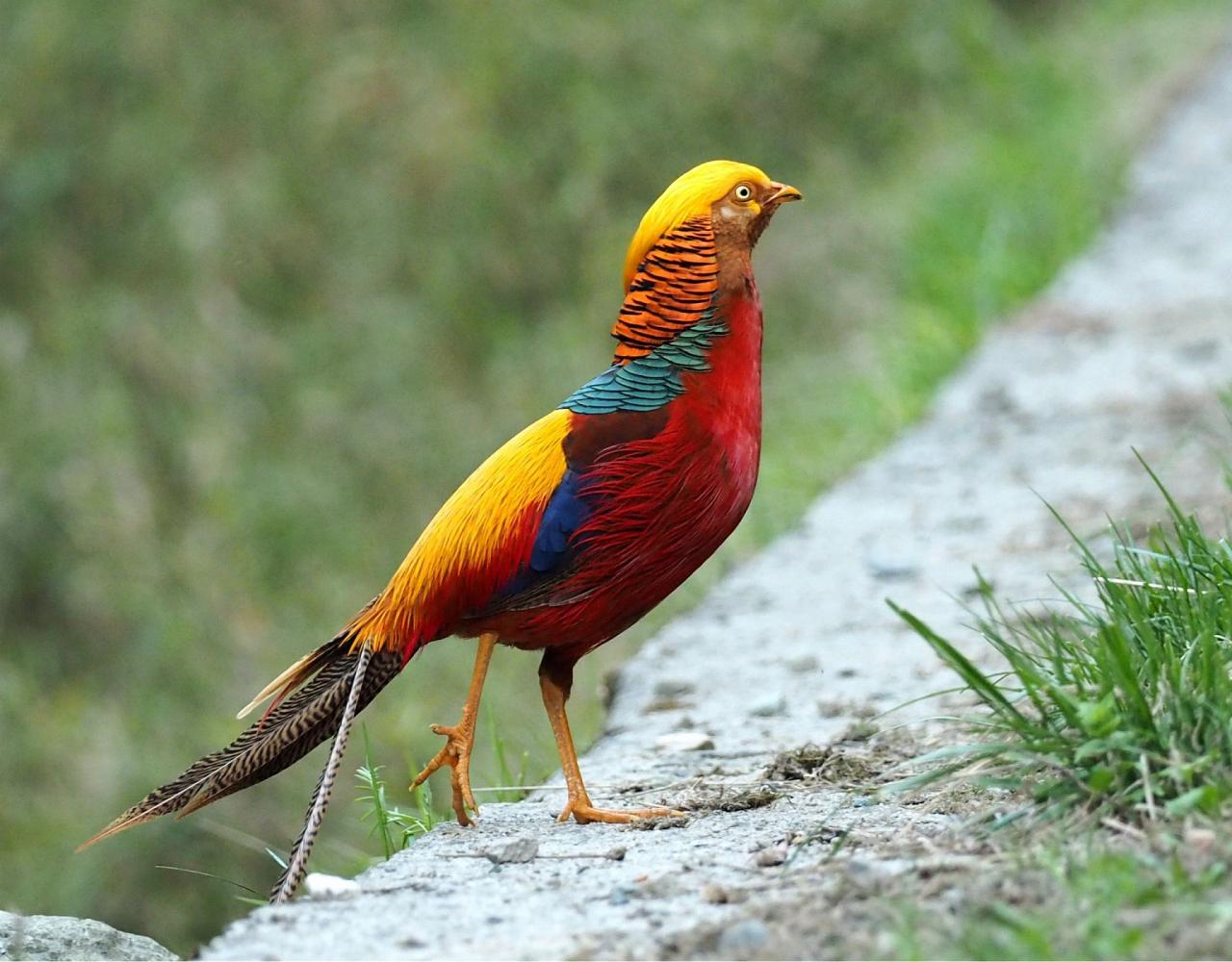
Golden Pheasant
-
-
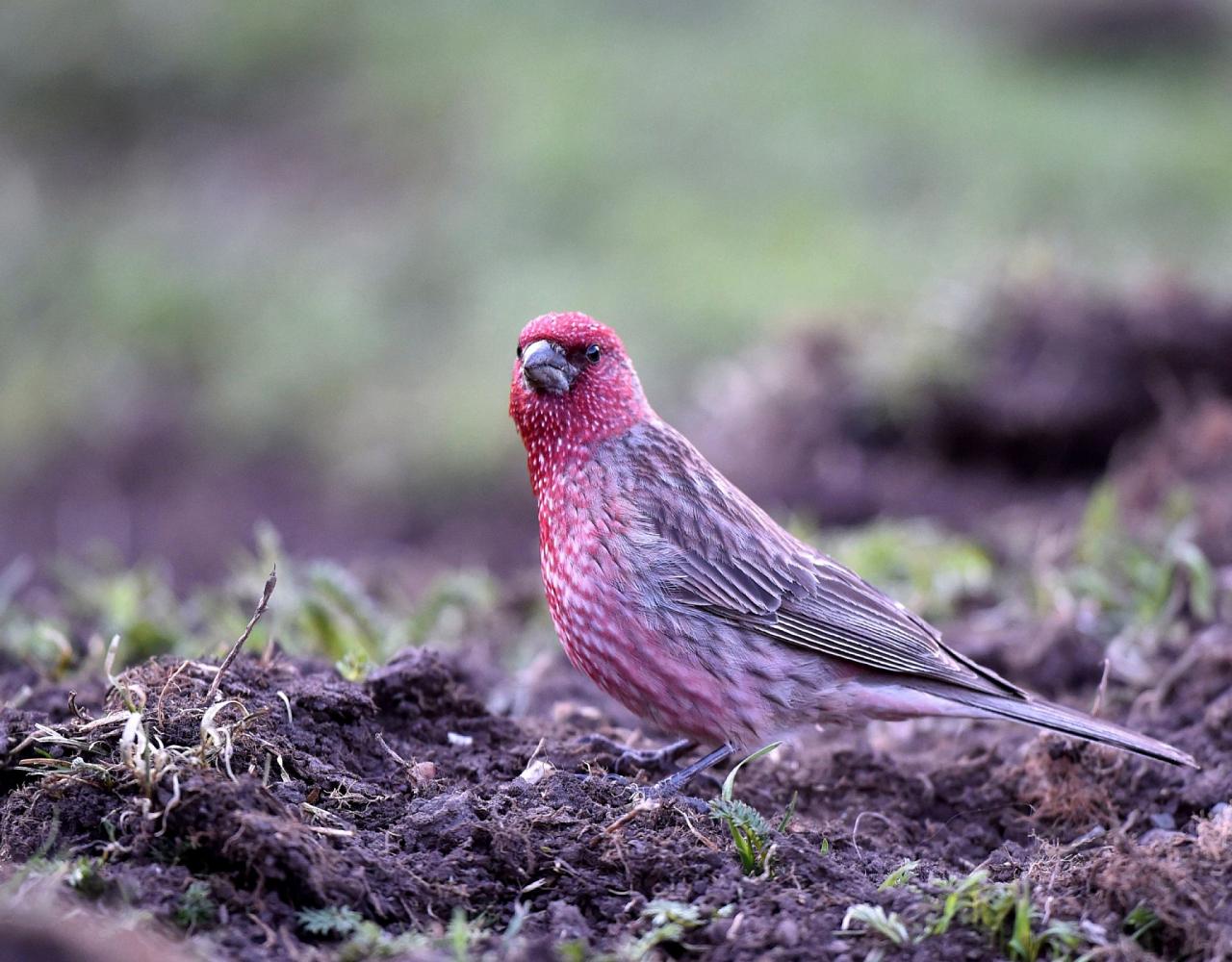
Streaked Rosefinch
-
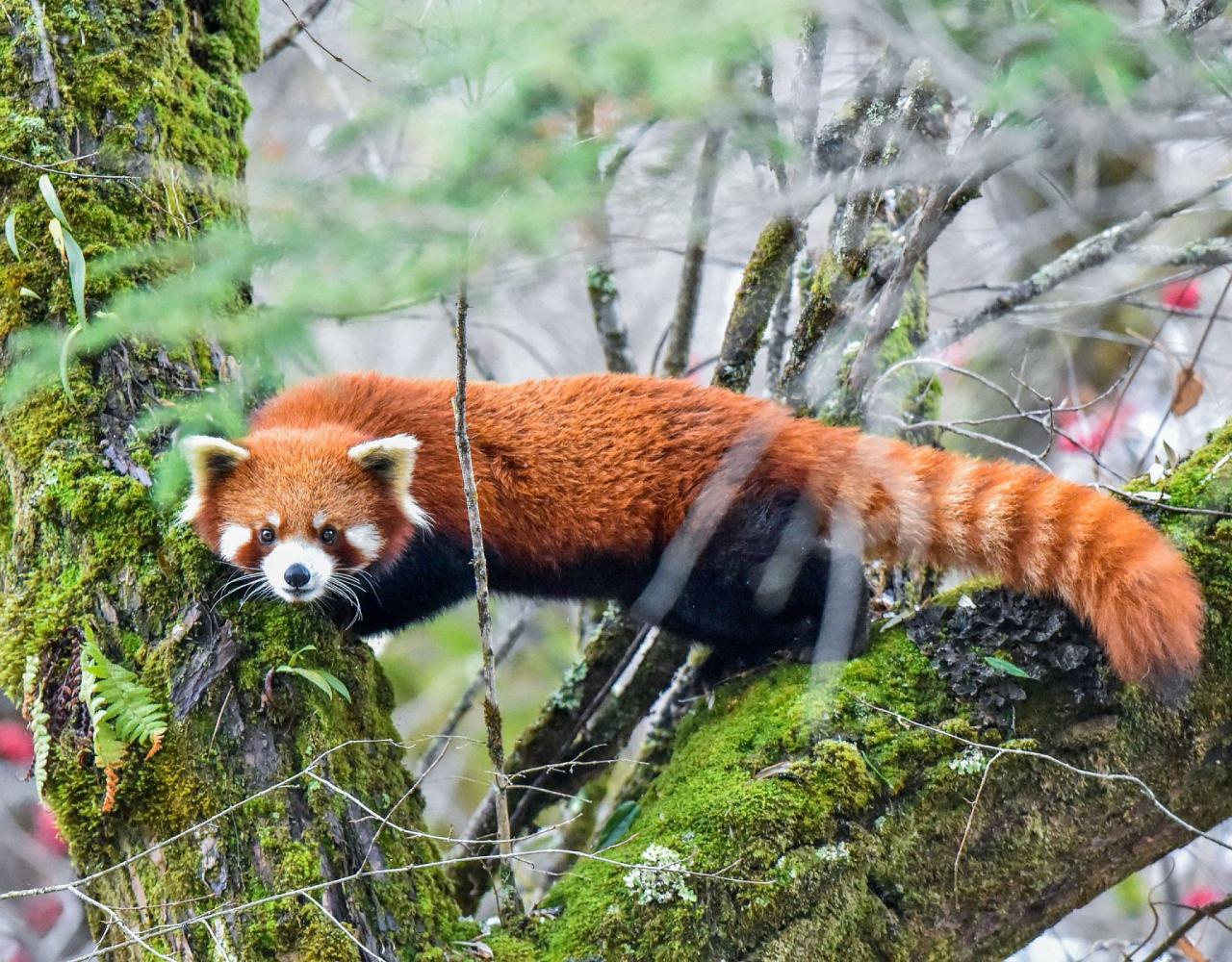
Red Panda
-
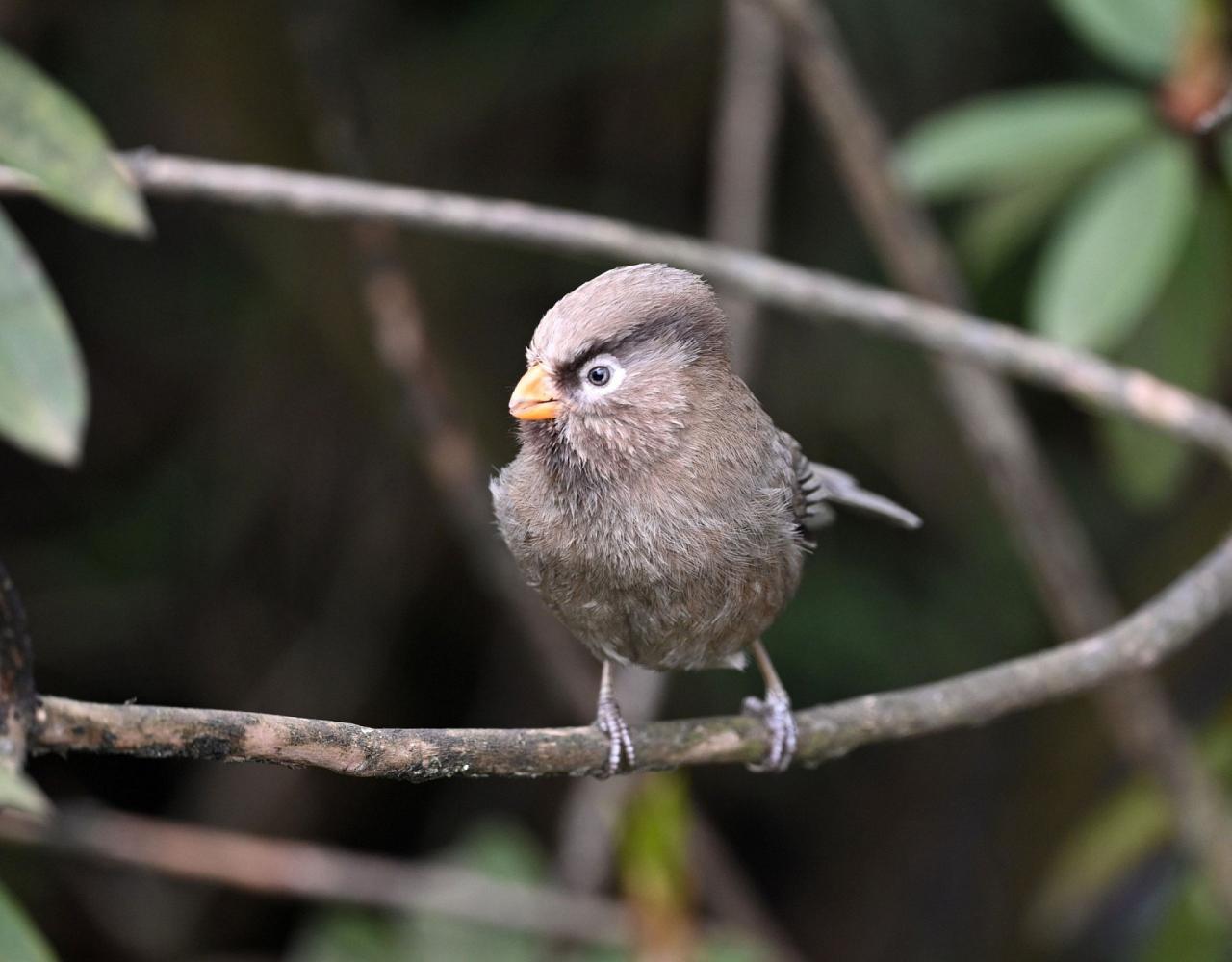
Three-toed Parrotbill
-
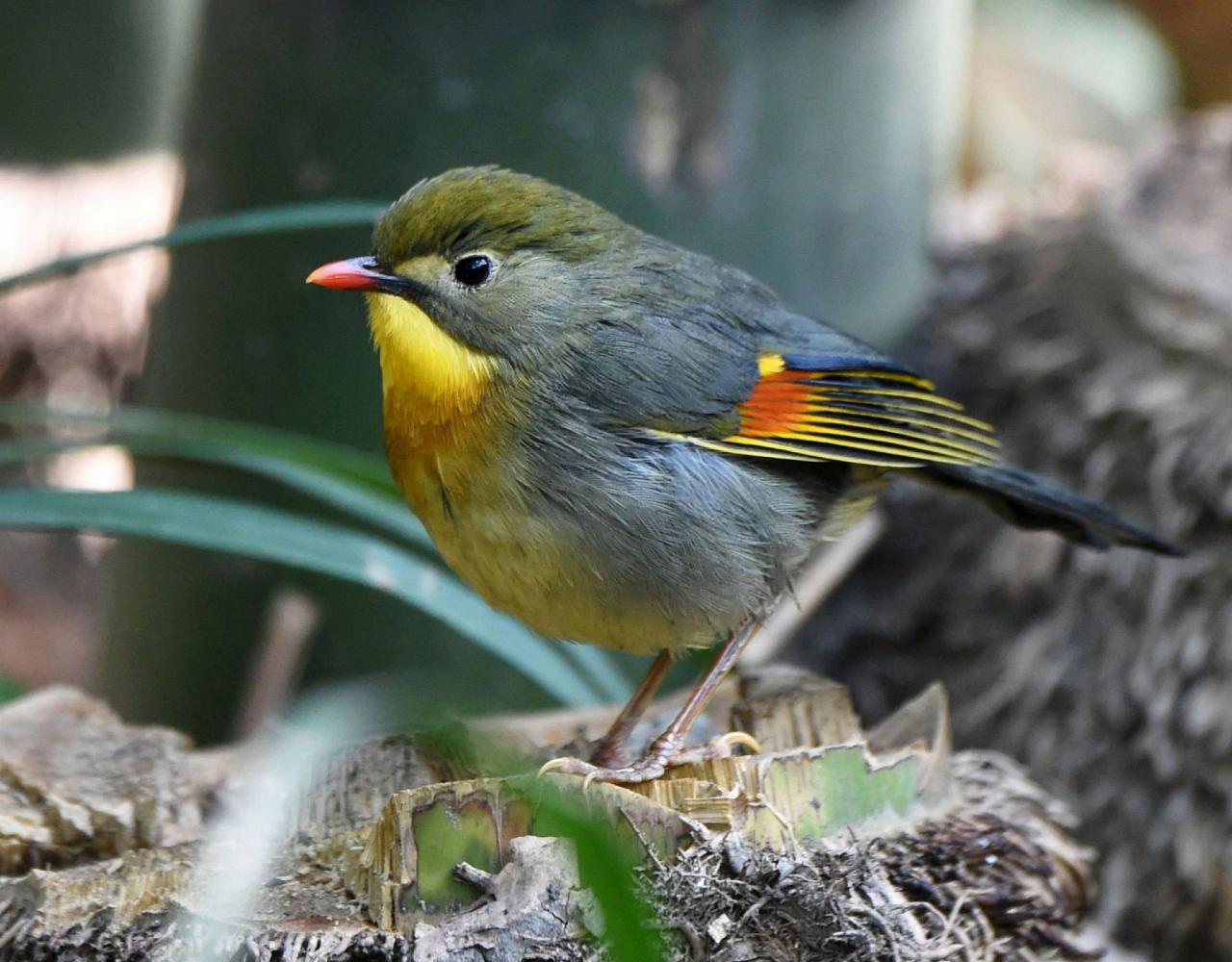
Red-billed Leiothrix
-
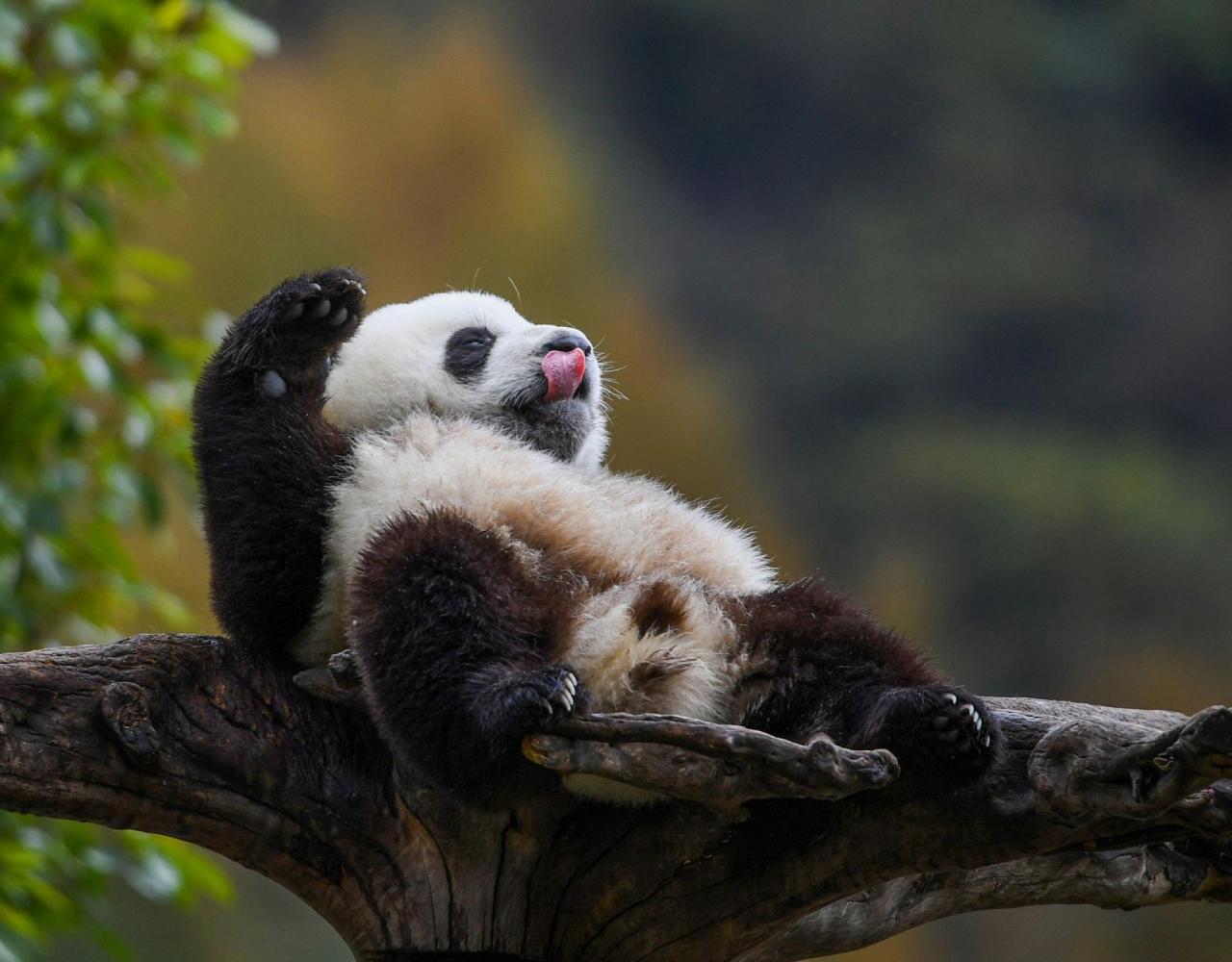
Giant Panda
-
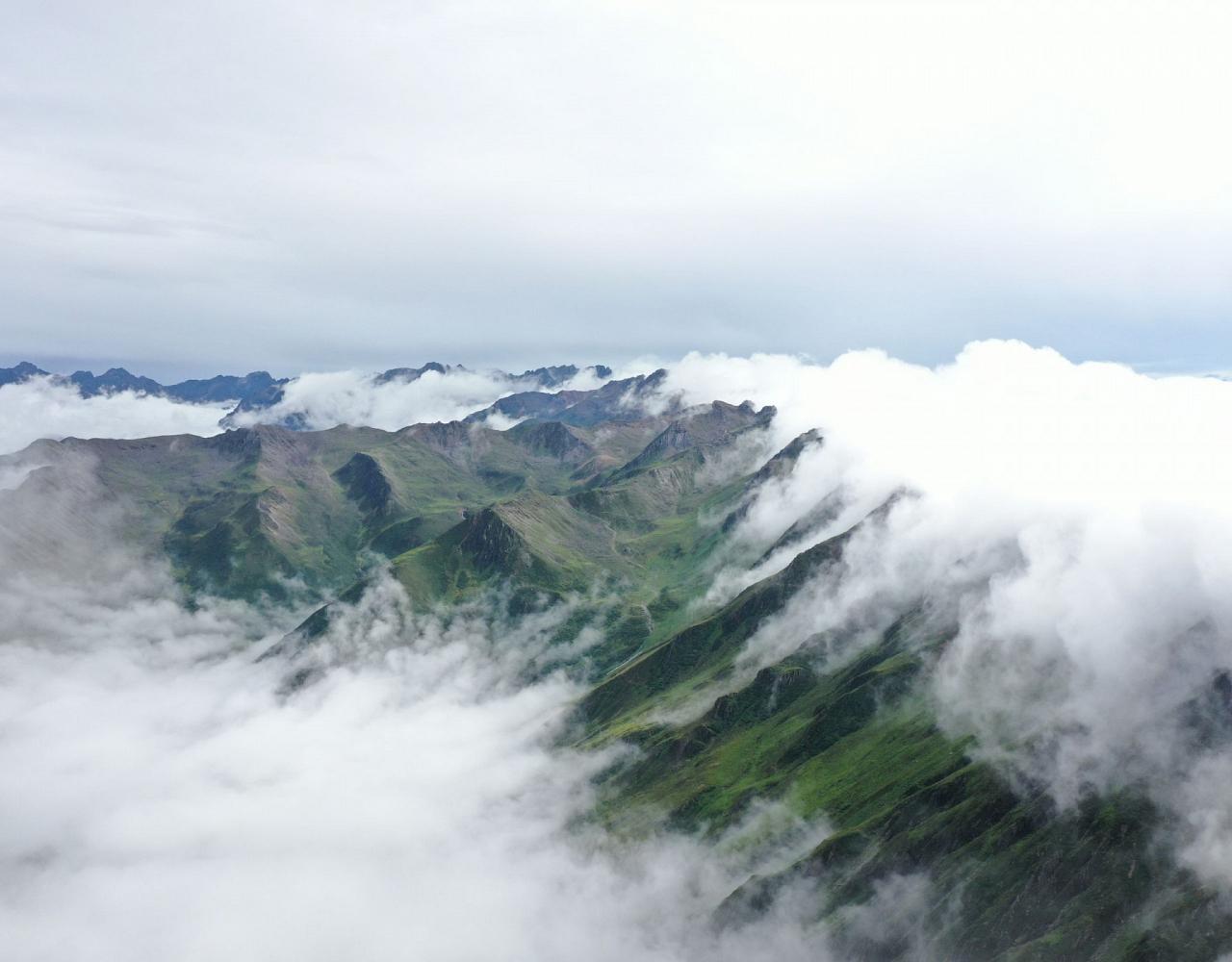
-
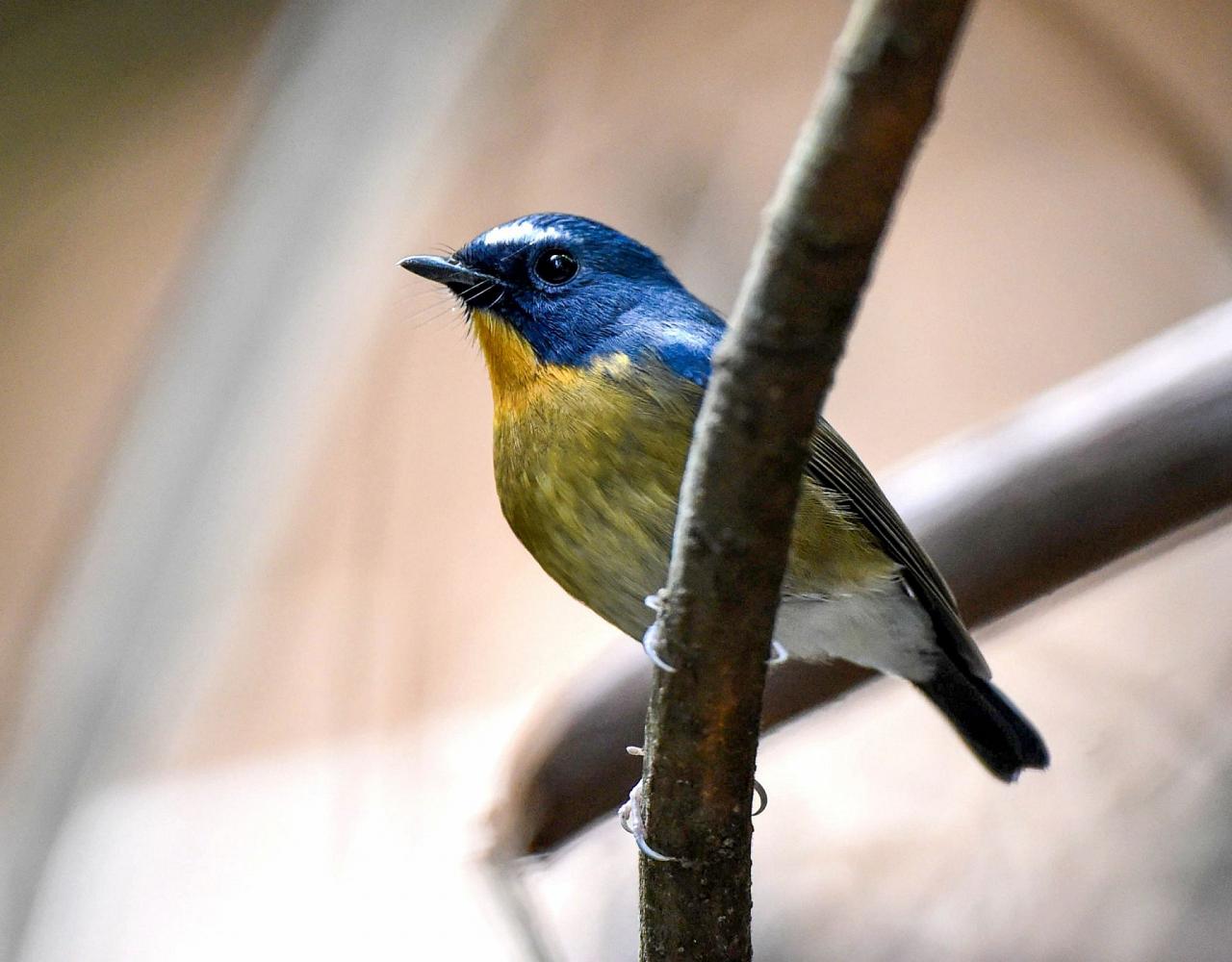
Snowy-browed Flycatcher
Cost of the Journey
Cost of the journey is $6790 DBL / $7390 SGL, per person, from Chengdu.
Cost includes all accommodations; all meals as stated in the itinerary (BLD); group airport transfers; private 19-seat transportation throughout the trip, including airport pickup and drop-off; bottled water and snacks; entrance fees for all listed sites, including cable cars and shuttle buses; professional birding guide services; China domestic travel insurance; and logistical support. The tour also includes the land cost of one international leader from Naturalist Journeys.
NEW! all tips other than your NJ guide (optional) and local guide are included (this includes tips for your driver, lodge and staff, day activities, meals and other services).
Tour price does not include roundtrip airfare to and from Chengdu; drinks during meals; laundry or other personal expenses; extra charges due to itinerary changes initiated by participants or circumstances beyond operator control; third-party service fees from banks or payment platforms; or any activities not listed in the itinerary.
Travel Details
Please plan to make air travel plans only after the minimum group size has been met. We will send you a confirmation email as soon as the trip has been confirmed.
Arrival and Departure Airport: Chengdu Shuangliu International Airport (CTU) or Chengdu Tianfu International Airport (TFU), both are in Chengdu and you will be picked up at either airport. Most international flights arrive into TFU.
Arrival Details: Please plan flights to arrive June 11, 2026, no later than 5:00 PM in order to join the group for dinner. Consider arriving a day early as this is a long flight and you may want to rest up before the tour begins.
Departure Details: Please plan flights to depart June 26, 2026, at your leisure.
Travel Tip: Chengdu is a large, modern city (83 million people!) that offers many attractions—from tea houses to museums to food tours, cooking classes, monasteries, temples, and more. We see a bit of the city at the start of our journey but you may wish to take in more. Those wanting to jump right in to nature and birding might enjoy a visit to the Chengdu Research Base of Giant Panda Breeding. It is a popular tourist destination but an interesting one, and for birders it has a healthy bamboo forest where you have the chance to see Chinese Bamboo Partridge, Light-vented Bulbul, Rufous-faced Warbler, and other species. The Chengdu Botanic Garden offers easy walking among lush vegetation with chances to see Japanese White-eye, Chinese Blackbird, Chinese Grosbeak, Collared Finchbill, Long-tailed Shrike, Fork-tailed Sunbird, and Eurasian Hoopoe as well as other species mentioned above.
Entry Requirements: See "Essential Information" section under the "Know Before You Go" tab.
Browse below for trip reports and species lists from past versions of this and other tours from this destination.
China
- June 2026
-
Peg Abbott

Peg Abbott is the owner and lead guide of Naturalist Journeys, LLC. She has been designing, guiding, and organizing natural history tours for more than 25 years, working for the National Audubon Society and other organizations before launching Naturalist Journeys, LLC in 1998. Her work has taken her from Alaska to Africa and Argentina, as well as many other locations around the world. She has conducted research on several bird and mammal species and keeps a close interest in Yellowstone and Mexican wolf reintroduction projects. Her interests include all aspects of natural history and geology. After 20 years in and around the Yellowstone area, Peg relocated in 2003 to the birding mecca of Portal, AZ.
Photo credit: Carol Simon
Other trips with Peg Abbott
-
 Peru: Cusco to Manú National Park A private tour for Tucson Bird Alliance - FULL!October 2 - 17, 2026, w/Machu Picchu extension
 -
 Biodiverse Bhutan: Birds, Mammals & Beyond Closed. See our April departure!November 6 - 21, 2026, w/Panna Tiger Reserve extension
 -
 Arizona: New Year’s Birding Blitz FULL - Check out New Year at Tranquilo Bay!December 29, 2026 - January 4, 2027
 -
 Panama: Birds & MammalsFebruary 5 - 13, 2027
 -
 Eastern South Africa Birding From the Drakensberg Mountains to the Indian Ocean Coastal Plains - Only one room left!February 28 - March 12, 2027, w/Madikwe Game Reserve extension
 -
 In-Depth & Incredible: South Africa’s Specialty Mammals & BirdsJuly 20 - 31, 2027, w/Zambia's Kafue National Park extension
 -
 Brazil’s Pantanal: Jaguars! And More… FULL - Look for our 2028 departures!August 14 - 24, 2027, w/Amazônia extension
 -
 North Sulawesi, Halmahera & West Papua Birds of Paradise & MoreSeptember 8 - 27, 2027, w/Arfak Mountains extension
 -
 India's Red Pandas, Rhinos, Tigers & MoreNovember 4 - 20, 2027, w/Amur Falcon extension
-
Essential Information +
Pace & Protocols +
Packing List +
Suggested Reading List +
Useful Links +
Photo credits: Banners: Tibetan, Red Panda, Little Forktail, Common Rosefinch, Lady Amherst's Pheasant, Lammergeier, Mrs Gould's Sunbird, Black Bulbul Thumbnails: Temminck's Tragopan, Brown Parrotbill, Giant Panda, Collared Grosbeak, Red-billed Blue Magpie, Golden Pheasant, Collared Finchbill, Common Rosefinch