
- Overview
- Full Itinerary
- Photo Gallery
- Costing
- Travel Details
- Trip Reports
- Guides
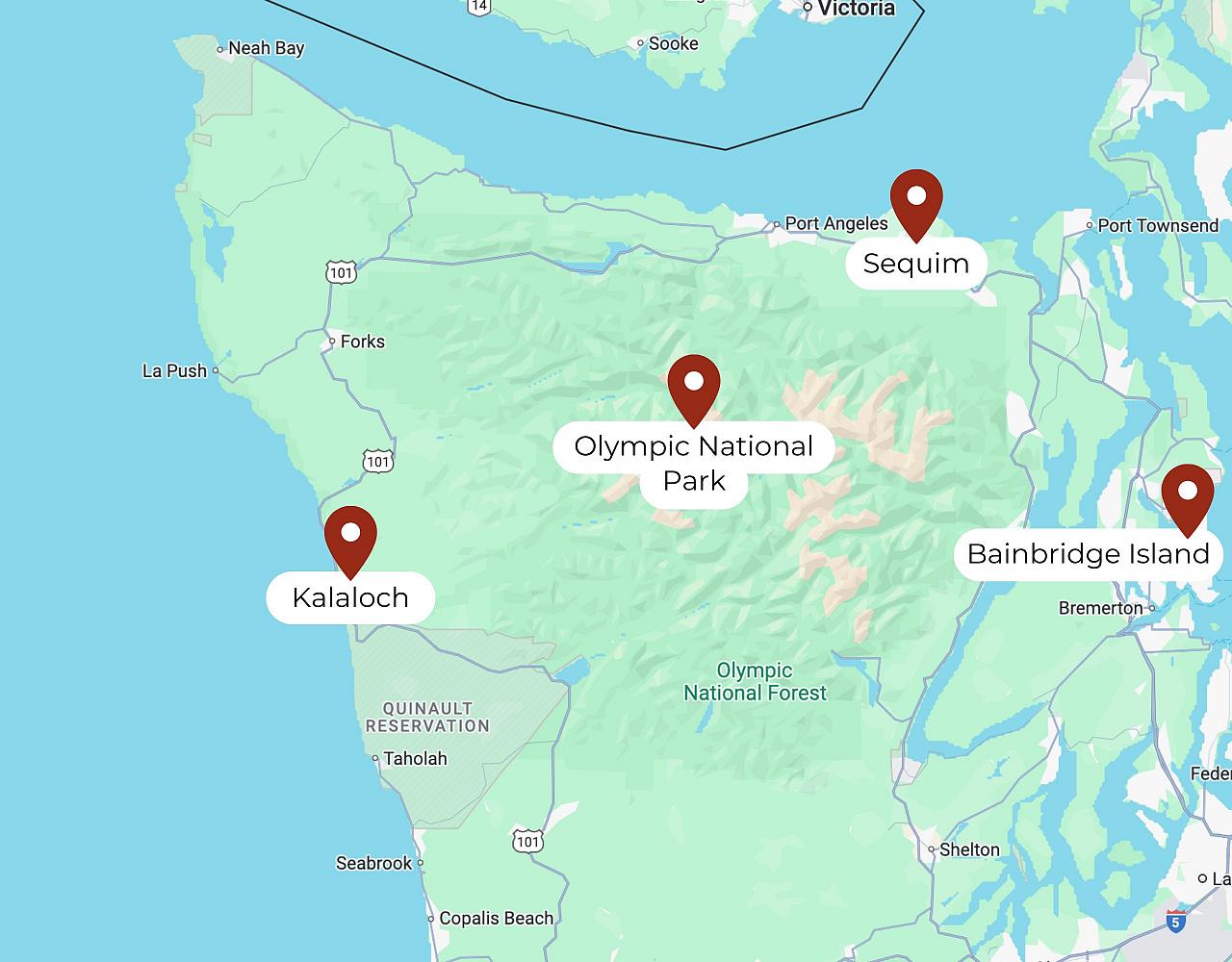
- Map
- Know Before You Go
- Other Trips You May Like
Autumn reveals Washington's Olympic Peninsula at its finest. As summer crowds fade, salmon return from the Pacific to their natal rivers, maples ignite the forests in gold and crimson, and migratory birds gather along estuaries, shorelines, and coastal wetlands. Beneath glacier-clad peaks, Roosevelt Elk bugle across misty valleys, Bald Eagles patrol rugged coastlines, Orcas hunt the inland waters, and storm-sculpted beaches reveal a wild grandeur unique to the Pacific Northwest.
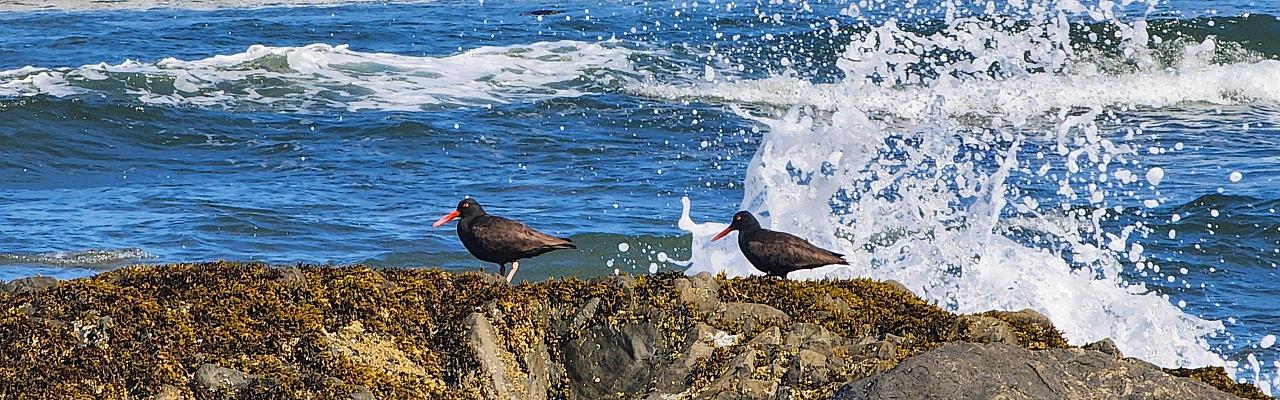
Our journey explores an extraordinary diversity of landscapes, from the sheltered waters of the Salish Sea to alpine ridges, temperate rainforest, and one of North America's most spectacular coastlines. A highlight is a wildlife cruise through the Salish Sea in search of Orcas, Humpback Whales, porpoises, sea lions, and the region's spectacular seabirds. Along the way we seek many of the Peninsula's signature birds, from Rhinoceros Auklets and Marbled Murrelets offshore to Black Oystercatchers along rocky coastlines and the haunting Varied Thrush and exuberant Pacific Wren of the rainforest. With luck, we may even encounter the spectacular Tufted Puffin.
Beginning in historic Port Townsend, one of the West Coast's most charming Victorian seaports, and the sunny rainshadow landscapes around Sequim, we explore bird-rich estuaries, coastal lagoons, and the diverse ecosystems of the Olympic Peninsula. At Hurricane Ridge, sweeping views extend across the Olympic Mountains, the Strait of Juan de Fuca, and Vancouver Island, while Olympic Marmots and other endemic wildlife inhabit subalpine meadows shaped by ice and snow. Sooty Grouse, Canada Jays, and other birds adapted to the long winters and challenging conditions of the high country lend a distinctive character to these windswept heights. We pause at spectacular Lake Crescent, a glacier-carved lake renowned for its sapphire waters, exceptional clarity, and two unique trout forms found nowhere else on Earth. Along the Elwha River, we witness one of the world's most celebrated restoration projects, where salmon have reclaimed waters once blocked for more than a century.
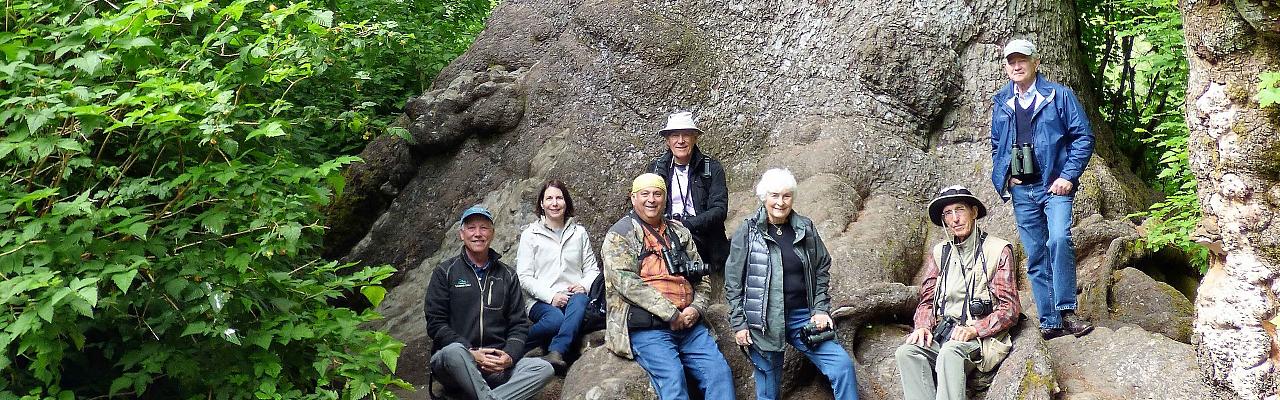
Three nights at iconic Kalaloch Lodge allow us to fully experience the wild Pacific coast. We wander driftwood-strewn beaches, explore colorful tidepools, watch waves crash against offshore sea stacks, search for Sea Otters and shorebirds, and walk beneath towering Sitka Spruce, Western Hemlock, and Douglas-fir in the legendary Hoh Rain Forest. Here, moss-laden branches, immense trees, and abundant rainfall create one of the planet's most luxuriant and biologically rich forest ecosystems. In an ancient Western Redcedar grove, shafts of light filter through towering columns of wood as we stand among trees that were already centuries old when the first European explorers reached the Pacific coast.
Olympic National Park's nearly one million acres protect an extraordinary diversity of life, including more than 300 bird species, endemic amphibians such as the Olympic Torrent Salamander, and mammals ranging from Roosevelt Elk and American Black Bears to the remarkable Mountain Beaver, a living relic of one of the oldest rodent lineages on Earth.
Throughout the journey, our guides bring the Peninsula to life through stories of geology, ecology, wildlife, Indigenous heritage, human history, and conservation. From whale-rich inland seas and salmon-filled rivers to ancient rainforests, alpine meadows, and wave-carved shores, this unforgettable journey reveals why the Olympic Peninsula ranks among North America's greatest natural treasures.
Tour Highlights
- Cruise the wildlife-rich Salish Sea in search of Orcas, Humpback Whales, and a dazzling array of seabirds
- Seek iconic Pacific Northwest birds, from Rhinoceros Auklets and Marbled Murrelets to Black Oystercatchers and, with luck, Tufted Puffins
- Explore historic Port Townsend, a beautifully preserved Victorian seaport framed by mountains, sea, and birdlife
- Ascend Hurricane Ridge for endemic wildlife, alpine scenery, and sweeping views of the Olympic Mountains, Strait of Juan de Fuca, and Vancouver Island
- Enter the emerald world of the Hoh Rain Forest, where towering moss-draped giants echo with the songs of Pacific Wrens and Varied Thrushes and shelter Roosevelt Elk, Chestnut-backed Chickadees, and other rainforest wildlife
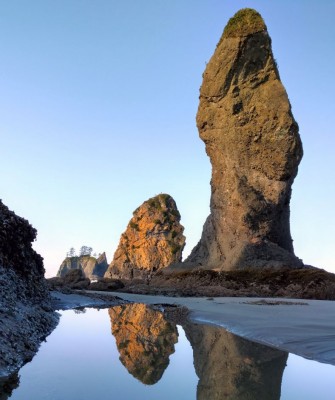
- Explore the wild Pacific Coast, with tidepools, sea stacks, and driftwood-strewn beaches shaped by wind and surf
- Spend three nights at Kalaloch Lodge, where rainforest meets the Pacific along a spectacular wilderness shoreline
- Witness autumn migration as shorebirds, waterfowl, raptors, and songbirds move through estuaries, rivers, forests, and wetlands
- Discover the remarkable recovery of the Elwha River and the return of salmon to Olympic National Park
- Experience the natural history, wildlife, Indigenous heritage, and flavors that make the Olympic Peninsula unforgettable
Trip Itinerary
Itineraries are guidelines; variations in itinerary may occur to account for weather, road conditions, closures, etc. and to maximize your experience.
Thurs., Sept. 10 Arrivals in Seattle | Port Townsend | Sequim
Our Olympic Peninsula adventure begins with morning pickups from the Holiday Inn Express & Suites SeaTac and nearby airport hotels no later than 11:00 AM. We strongly encourage travelers to arrive the day before to rest before the tour and avoid potential airline delays.
Leaving the city behind, we cross Puget Sound via the Tacoma Narrows Bridge. The original bridge, famously nicknamed “Galloping Gertie,” collapsed dramatically in 1940, but today twin suspension spans carry us safely toward the Olympic Peninsula, one of North America’s great natural history destinations. Here, glacier-clad mountains rise above temperate rainforests, inland seas teem with marine life and seabirds, and an extraordinary diversity of habitats supports an abundance of wildlife.
Our first stop is historic Port Townsend, a beautifully preserved Victorian seaport overlooking the Salish Sea. Once expected to become the Pacific Northwest’s premier harbor, the town retains an extraordinary collection of nineteenth-century architecture, maritime history, and waterfront charm. It is also one of the finest birding locations on the Olympic Peninsula and a wonderful introduction to the region’s natural and cultural heritage.
We begin our exploration at Kah Tai Lagoon, a productive wetland where shorebirds, waterfowl, raptors, and songbirds thrive amid marshes, ponds, and riparian vegetation. Next, we visit Fort Worden State Park, a former coastal defense installation whose historic gun batteries now overlook one of North America’s richest inland marine ecosystems. Here we begin our search for signature birds of the Olympic Peninsula, including Pigeon Guillemots, Rhinoceros Auklets, and Black Oystercatchers. Bald Eagles, loons, grebes, cormorants, gulls, and shorebirds are all possible as we scan Admiralty Inlet and the Strait of Juan de Fuca. Harbor Seals, River Otters, and occasionally even whales may be encountered. With luck, we might spot a pair of Marbled Murrelets—secretive seabirds that nest high in the moss-draped branches of old-growth forests.
This evening we enjoy a welcome dinner at a charming waterfront restaurant overlooking Port Townsend Bay. Before and after dinner, we keep our binoculars handy, as Heermann’s Gulls, Black Turnstones, Surfbirds, and other shoreline specialists often forage along the nearby waterfront in autumn.
Following dinner, we continue west to Sequim, nestled within the Olympic rainshadow and affectionately known as “Sunny Sequim” for its remarkably dry climate. Surrounded by mountains, forests, farmland, and the waters of the Salish Sea, Sequim provides an ideal base for exploring the Peninsula’s astonishing diversity of habitats.
Accommodations at the Holiday Inn Express, Sequim (L,D)
Fri., Sept. 11 Port Townsend | Salish Sea Whale Watching & Seabird Tour | Friday Harbor | Sequim
Today we embark on one of the highlights of the tour: a full-day whale-watching and seabird expedition. Departing from Port Townsend, we venture into the heart of the Salish Sea, one of North America’s richest marine ecosystems and a vital crossroads for whales, seabirds, salmon, and marine mammals.
Our route takes us through a maze of islands, channels, and productive marine waters in search of the region’s spectacular wildlife. Bigg’s Orcas, also known as Transient Orcas, are frequently encountered, and Humpback Whales have become increasingly common as populations recover throughout the Salish Sea. Gray Whales, Minke Whales, Harbor Porpoises, Harbor Seals, California Sea Lions, and Steller Sea Lions are all possible. Every voyage is different, adding a sense of anticipation and discovery to the day.
The birding can be equally impressive. We scan the waters for Rhinoceros Auklets, Pigeon Guillemots, Common Murres, Marbled Murrelets, and a variety of cormorants, gulls, loons, grebes, and waterfowl. Bald Eagles patrol the shoreline, while autumn migration brings a changing cast of shorebirds and seabirds through the Salish Sea. Bonaparte's Gulls, Red-necked Phalaropes, and other migrants may appear unexpectedly among the islands and channels. Lucky observers may even spot the charismatic Tufted Puffin.
Midday we enjoy time ashore in Friday Harbor, the charming waterfront community on San Juan Island. Stroll the harbor, browse local shops, and enjoy lunch overlooking the marina before returning to the water for an afternoon of wildlife watching.
Throughout the day, naturalists aboard help interpret the ecology of the Salish Sea—from the recovery of Humpback Whales and the sophisticated communication of Orcas to the intricate food webs that support seabirds, salmon, and marine mammals. Surrounded by forested islands, snow-capped peaks, and some of the most wildlife-rich waters in the Pacific Northwest, this unforgettable excursion offers an unparalleled opportunity to experience the natural wonders of the Salish Sea.
Following our return, we enjoy dinner in Port Townsend before making the short drive back to Sequim for the evening.
Accommodations at the Holiday Inn Express, Sequim (B,L,D)
Sat., Sept. 12 Birding Hotspots of the Dungeness Area
Today we explore birding hotspots around Sequim, adjusting our itinerary in response to tides, weather, and recent bird activity to maximize opportunities for outstanding birding.
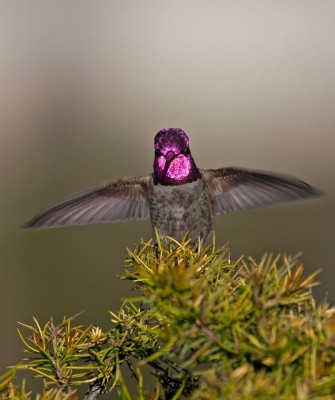
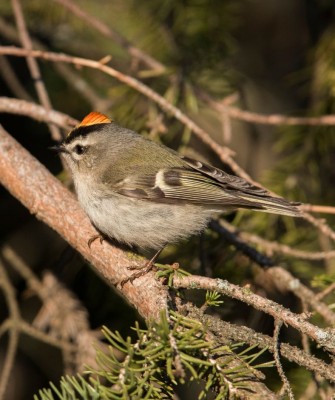
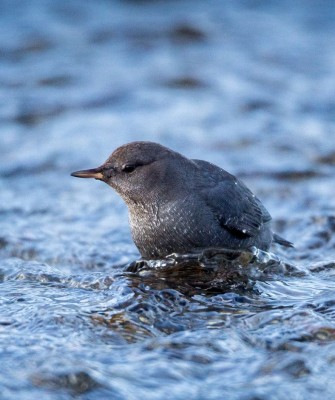
We begin at Railroad Bridge Park and the excellent Dungeness River Nature Center, operated by the Jamestown S'Klallam Tribe, where riparian forest, river habitat, and surrounding woodlands attract a rich variety of resident and migratory birds. Swainson's Thrushes, Black-throated Gray Warblers, and other migrants move through the cottonwoods, while Bushtits, Anna's Hummingbirds, and Red-breasted Sapsuckers are among the resident species that inhabit the surrounding forest. Along the Dungeness River we search for the remarkable American Dipper, North America's only aquatic songbird. As autumn migration gathers momentum, mixed feeding flocks drift through the trees, often revealing warblers, kinglets, chickadees, nuthatches, and other species in a surprisingly small area.
Additional stops may include Dungeness Landing and the celebrated 3 Crabs estuary, one of the Peninsula’s premier shorebird and waterbird locations. This restored estuarine ecosystem provides important habitat for migratory birds along the Pacific Flyway. Here we search for Brant, Green-winged Teal, Northern Pintail, American Wigeon, Pacific Loon, Common Loon, Red-throated Loon, Western Grebe, Horned Grebe, Red-necked Grebe, Caspian Tern, and a variety of gulls and shorebirds. Depending on migration timing, Hudsonian Whimbrel, Black-bellied Plover, Semipalmated Plover, Greater Yellowlegs, Short-billed and Long-billed Dowitchers, Western Sandpiper, Least Sandpiper, Dunlin, Sanderling, and other migrants may all be encountered.
As we move among birding sites, we pass through a landscape of historic barns, open farmland, lavender fields, and native prairie framed by the Olympic Mountains. Along the way we learn how the Olympic rainshadow has shaped both the ecology and human history of this unique corner of Washington. This evening we enjoy another excellent local dinner in Sequim.
Accommodations at the Holiday Inn Express, Sequim (B,L,D)
Sun., Sept. 13 Hurricane Ridge | Lake Crescent | Kalaloch
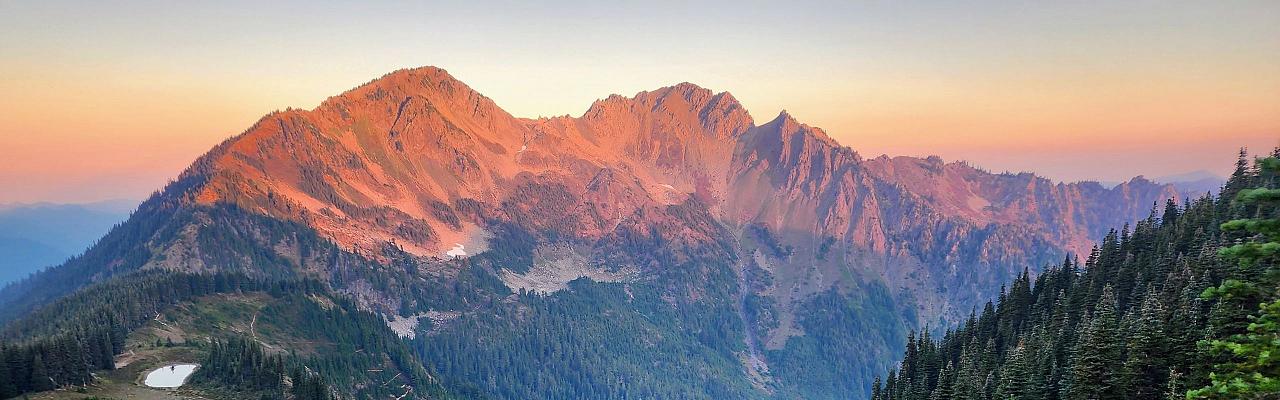
Today we leave Sequim and head toward the Pacific coast, but first we explore one of Olympic National Park's crown jewels: Hurricane Ridge. As we climb from near sea level to 5,242 feet, forests give way to meadows and sweeping alpine vistas. Around every bend, glacier-carved valleys, rugged peaks, and distant waterways reveal the dramatic landscapes that define the Olympic Mountains.
At the top, sweeping panoramas stretch across the Olympic Mountains, the Strait of Juan de Fuca, Vancouver Island, and the San Juan Islands. The landscape tells a story of ice, uplift, and erosion, providing one of the finest natural classrooms for understanding the geology that shaped the Olympic Peninsula. Common Ravens ride mountain thermals overhead while the last wildflowers of the season brighten the hillsides.
Hurricane Ridge also offers our best opportunity to encounter species found nowhere else on Earth. We search for the charismatic Olympic Marmot, whose whistled alarm calls often echo across the slopes, and the Olympic Chipmunk, another Peninsula endemic. Isolated by surrounding waterways and repeatedly shaped by Ice Age glaciers, the Olympic Peninsula functions as an ecological island, fostering an unusual concentration of unique plants and animals. More widespread wildlife is often encountered as well. Columbian Black-tailed Deer—the Pacific Northwest’s distinctive coastal form of Mule Deer—browse along forest edges and roadsides, while American Black Bears sometimes feed in subalpine meadows.
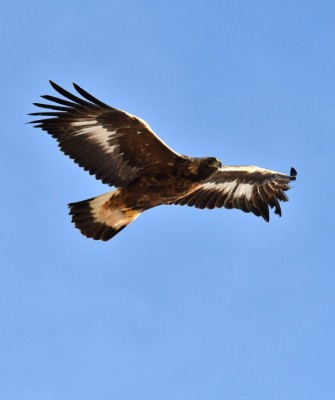
Birding at Hurricane Ridge offers a chance to find species we are unlikely to encounter elsewhere on the tour. Canada Jays move through stunted conifers, Horned Larks and American Pipits forage in open meadows, and Sooty Grouse may emerge from krummholz thickets sculpted by wind and snow. We listen for the tooting calls of the Northern Pygmy-Owl, a tiny but formidable predator that is often active by day. Raptors are always possible. With luck, we may glimpse a Northern Goshawk slipping through the forest in pursuit of prey or watch a Golden Eagle soaring above the ridges as it searches the slopes below for marmots and other mammals.
After descending from the mountains, we continue to historic Lake Crescent Lodge for lunch. Nestled beneath forested slopes, Lake Crescent is one of Olympic National Park’s most beautiful lakes, famous for its deep blue color and exceptional clarity. Carved by glaciers and isolated by ancient landslides, the lake harbors two endemic trout found nowhere else on Earth. The lodge is closely associated with President Franklin D. Roosevelt’s 1937 visit to the Olympic Peninsula, which helped build support for the creation of Olympic National Park the following year.
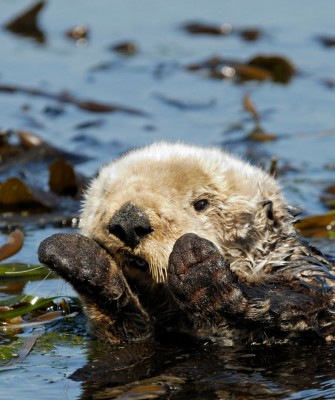
In the afternoon we continue west to Kalaloch Lodge, perched atop a bluff overlooking the Pacific Ocean. Here the sound of surf is constant and sea salt hangs in the air. Nearby, freshwater Kalaloch Creek meets the sea, attracting birds to bathe and drink while waves pound the shore beyond. Sea Otters, whales, and other marine wildlife are sometimes visible from shore. The wild Pacific coast will be our home for the next several days as we explore some of the Peninsula’s most spectacular landscapes.
Accommodations in cabins at Kalaloch Lodge, Olympic National Park (B,L,D)
Mon., Sept. 14 Kalaloch | Ruby Beach | Hoh Rainforest
From Kalaloch it is a short drive to Ruby Beach, one of the most spectacular stretches of shoreline in Olympic National Park. If tides and conditions allow, we explore tidepools among sea stacks, driftwood, and wave-sculpted rock, searching for sea stars, anemones, crabs, chitons, mussels, and other creatures adapted to life at the shifting boundary between land and sea.
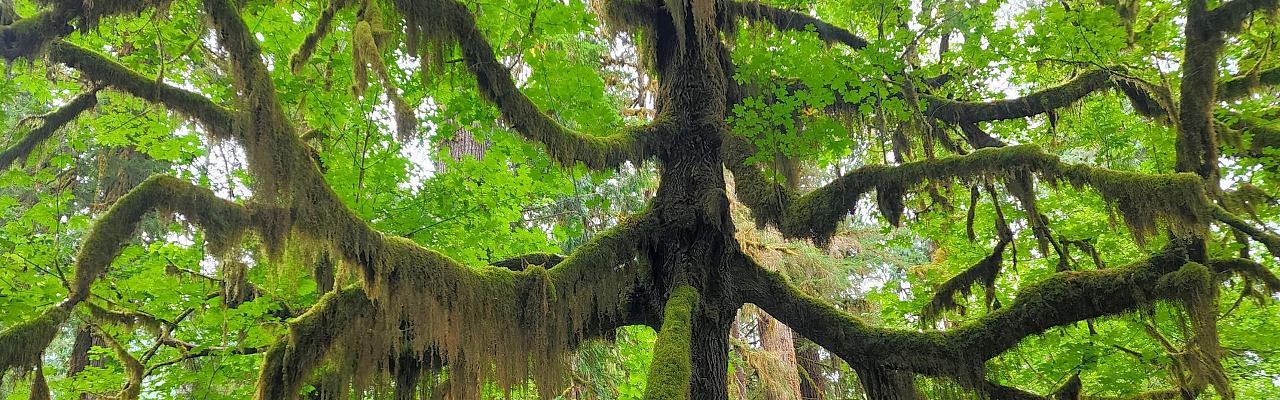
We then head inland to the legendary Hoh Rainforest, part of the largest temperate rainforest ecosystem on Earth. Here we walk beneath towering Sitka Spruce and Western Hemlock, with Douglas-fir, Red Alder, and sculptural Bigleaf Maples draped in mosses, lichens, and ferns. Shaped by abundant rainfall, salmon-bearing rivers, and centuries of ecological succession, the Hoh is among North America’s most extraordinary forests.
Along the trail we examine nurse logs, fungi, epiphytes, and the remarkable adaptations that allow life to flourish in this perpetually damp environment. We hope to encounter the resident Roosevelt Elk herd of the Hoh. The largest elk subspecies in North America, these magnificent animals are woven into the ecology of the rainforest through browsing and nutrient cycling. Even the humble Banana Slug plays an important role in this intricate web of relationships.
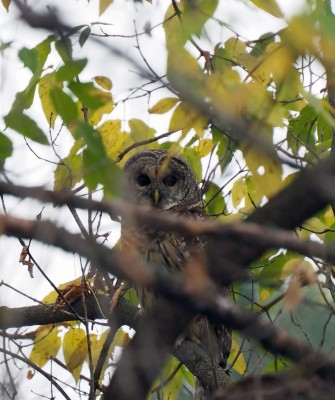
Above us stand trees that have endured for centuries, their massive trunks and moss-laden limbs supporting astonishing life, from Marbled Murrelets nesting high in the canopy to elusive Northern Spotted Owls hidden deep within the forest. Pacific Wrens fill the understory with song, while the haunting, flute-like notes of Varied Thrushes drift through the shadows and Steller's Jays announce our arrival with harsh calls. As autumn migration unfolds, mixed feeding flocks of Chestnut-backed Chickadees, Golden-crowned Kinglets, Red-breasted Nuthatches, Brown Creepers, Townsend’s Warblers, and other forest birds move through the trees, revealing the richness of this ancient ecosystem. After walking among these giants, we enjoy a picnic lunch beneath the towering trees.
We return to Kalaloch for another excellent dinner overlooking the Pacific before settling in for the evening.
Accommodations at Kalaloch Lodge, Olympic National Park (B,L,D)
Tues., Sept. 15 Kalaloch | Coastal Walks & Birding
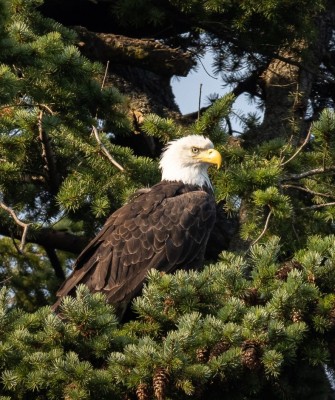
Today we slow the pace and savor the wild Pacific coast. After breakfast at the lodge, we explore the ocean bluffs around Kalaloch, searching for Sea Otters in the surf and Brown Pelicans gliding low above the waves. Violet-green, Barn, and Cliff Swallows often hawk insects over the grassy bluffs, while Red Crossbills feed on Sitka Spruce cones and Bald Eagles perch along the shoreline. We scan the nearshore waters for Marbled Murrelets, as well as scoters, loons, gulls, cormorants, and other seabirds moving along the coast. Around rocky offshore reefs we may find Harlequin Ducks, while the beaches host resident Black Oystercatchers and migratory shorebirds such as Black and Ruddy Turnstones, Wandering Tattlers, and other shorebirds moving south along the Pacific Flyway. Weather, tides, and recent sightings help shape the day’s plan.
We take a short walk in the Big Cedar grove to admire ancient Western Redcedars and discuss the cultural and ecological importance of this remarkable tree. Long known as the “Tree of Life” to many Northwest Coast Indigenous peoples, Western Redcedar provided material for canoes, houses, baskets, clothing, tools, and ceremonial objects. Ecologically, these enormous trees provide food, shelter, and structure for countless forest species.
We may also visit Kalaloch’s famous Tree of Life, a Sitka Spruce suspended between two eroding banks above a coastal stream. Its exposed roots seem to defy gravity, creating one of the most photographed natural landmarks on the Olympic coast. The site offers a vivid illustration of erosion, resilience, and the dynamic relationship between forest and sea.
The afternoon allows time to enjoy the lodge setting, relax in your cabin overlooking the Pacific, or explore the beach on your own. This is a day to savor sea air, the crashing surf, coastal birds, ancient trees, and the ever-changing moods of the Pacific Ocean.
Accommodations at Kalaloch Lodge, Olympic National Park (B,L,D)
Wed., Sept. 16 Olympic Peninsula | Sol Duc Valley | Bainbridge Ferry | SeaTac
After breakfast, we begin our journey back across the Olympic Peninsula, birding and exploring along the way. Depending on conditions, we may stop in the Sol Duc Valley to search the old-growth forest for Varied Thrush, look for American Dippers along the rushing Sol Duc River, and visit Salmon Cascades. In autumn, returning Coho Salmon may be seen leaping upstream, a vivid reminder of the connections linking ocean, river, forest, wildlife, and people throughout the Pacific Northwest.
As we continue east, we cross the Elwha River and may pause to view one of North America's most celebrated ecological restoration projects. Following the removal of two hydroelectric dams between 2011 and 2014, salmon and steelhead have once again gained access to more than seventy miles of habitat within Olympic National Park. The recovering river, newly formed estuary, and returning fish offer a powerful example of nature’s resilience and the benefits of reconnecting rivers to the sea.
We continue east for lunch in Port Angeles before crossing the Peninsula toward Puget Sound.
Our day concludes with the scenic Bainbridge Island ferry crossing back toward Seattle. If the weather cooperates, this grand finale offers views of Mount Rainier, the Seattle skyline, Puget Sound, and the Olympic Mountains fading into the distance behind us. We may enjoy one last look at Pigeon Guillemots, Rhinoceros Auklets, and Glaucous-winged Gulls as we reflect on a week spent exploring temperate rainforests, alpine ridges, rugged Pacific shores, and the extraordinary wildlife that makes the Olympic Peninsula one of North America’s premier natural history destinations.
After arriving in SeaTac, we celebrate the conclusion of our adventure with a farewell dinner at a favorite local restaurant, a final opportunity to share stories and relive the many highlights of our Olympic Peninsula journey.
Accommodations at Holiday Inn Express & Suites SeaTac (B,L,D)
Thurs., Sept. 17 Departures from SeaTac
Departures are at your leisure today. Our accommodation at the Holiday Inn Express & Suites SeaTac provides convenient access to Seattle-Tacoma International Airport for flights home. (B)
-
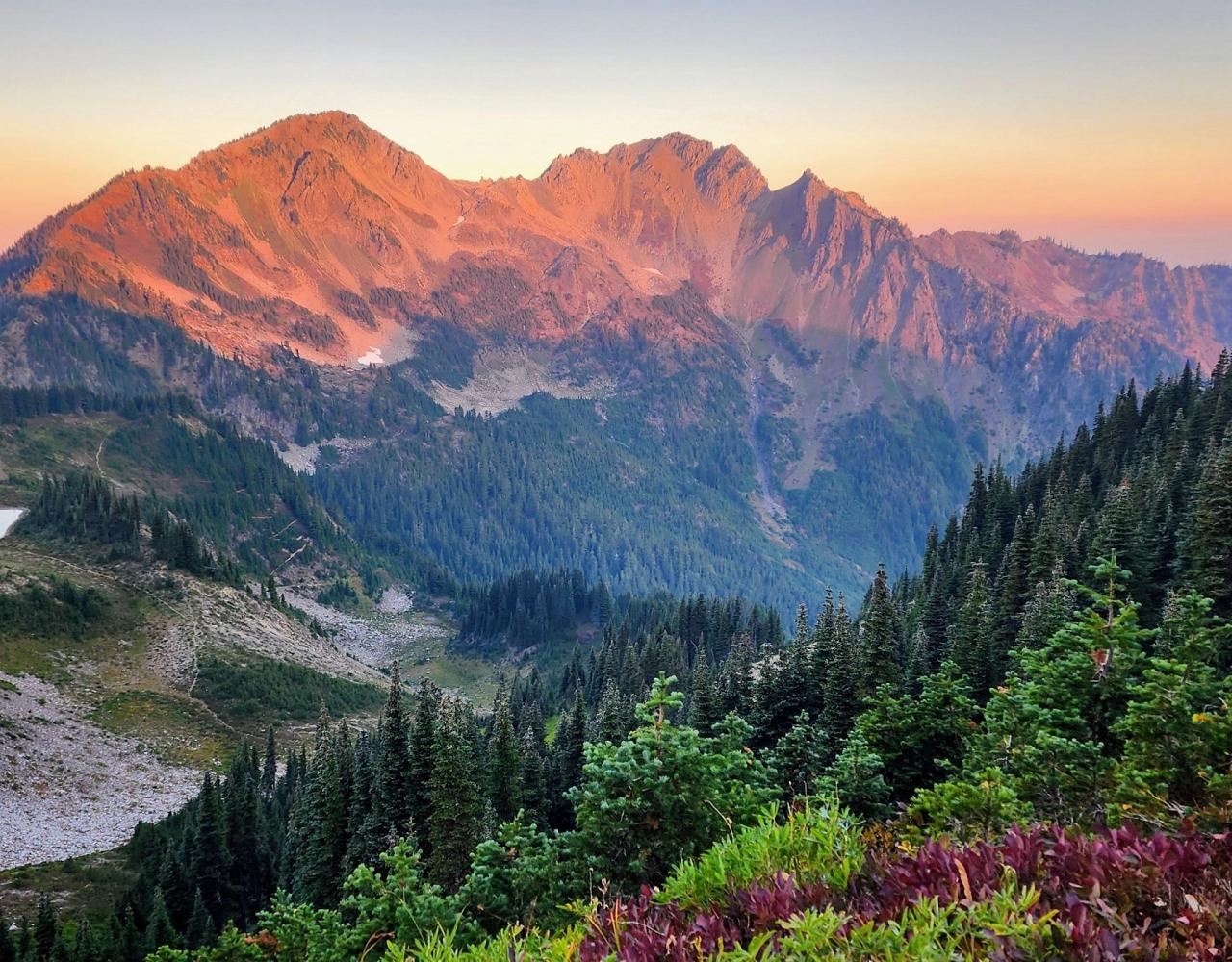
Olympic National Park Scenic by Stephen Grace
-
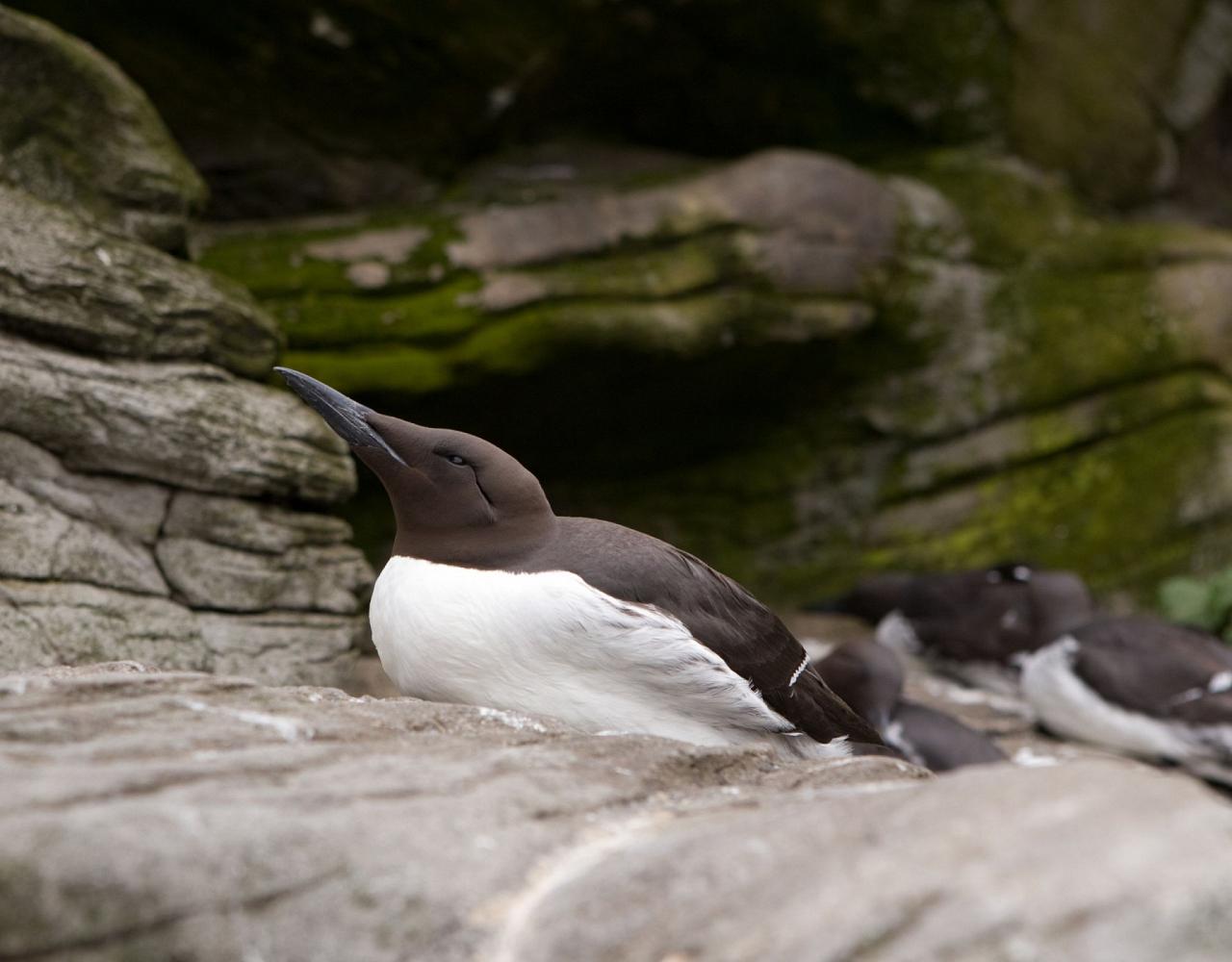
Common Murre
-
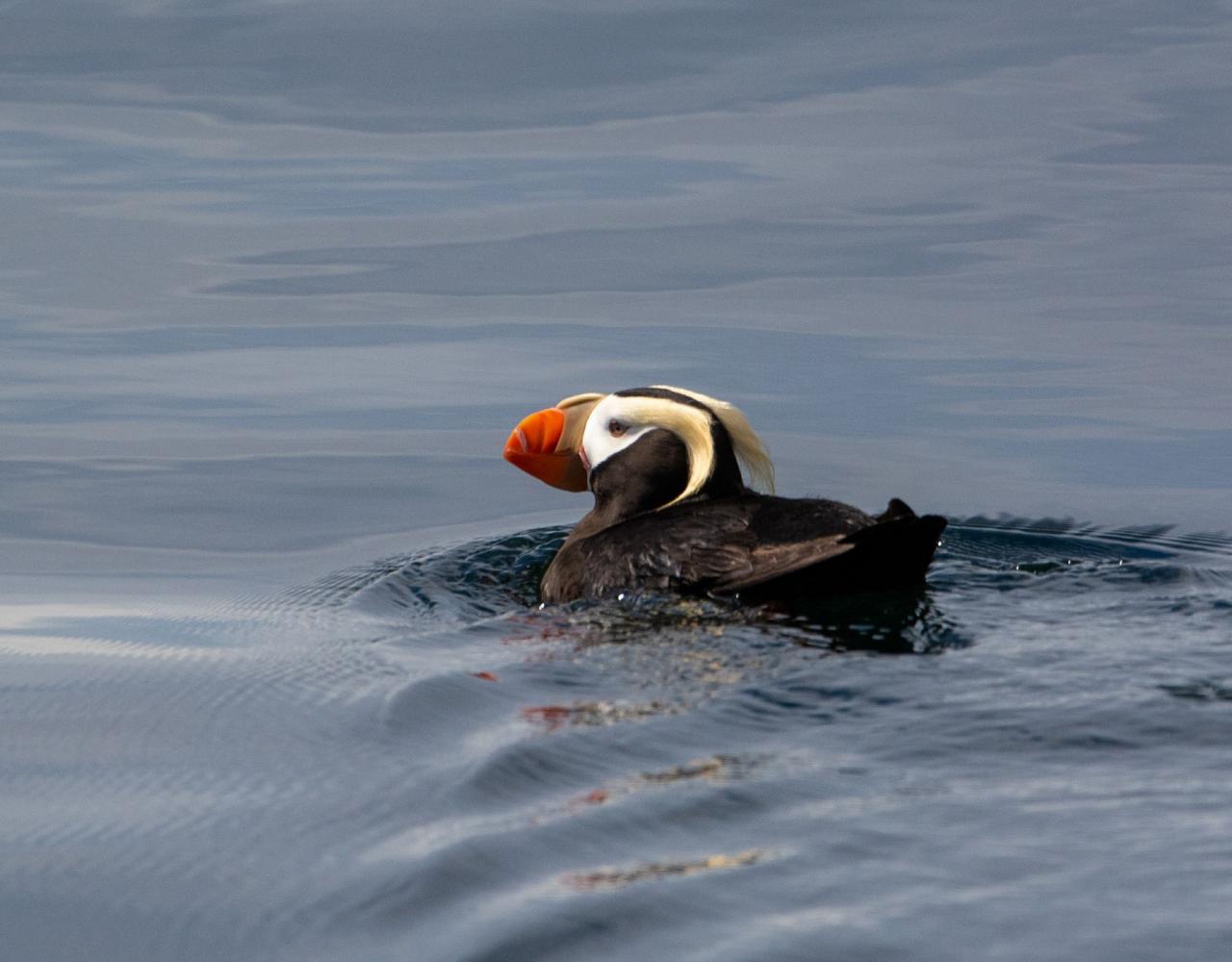
Tufted Puffin
-
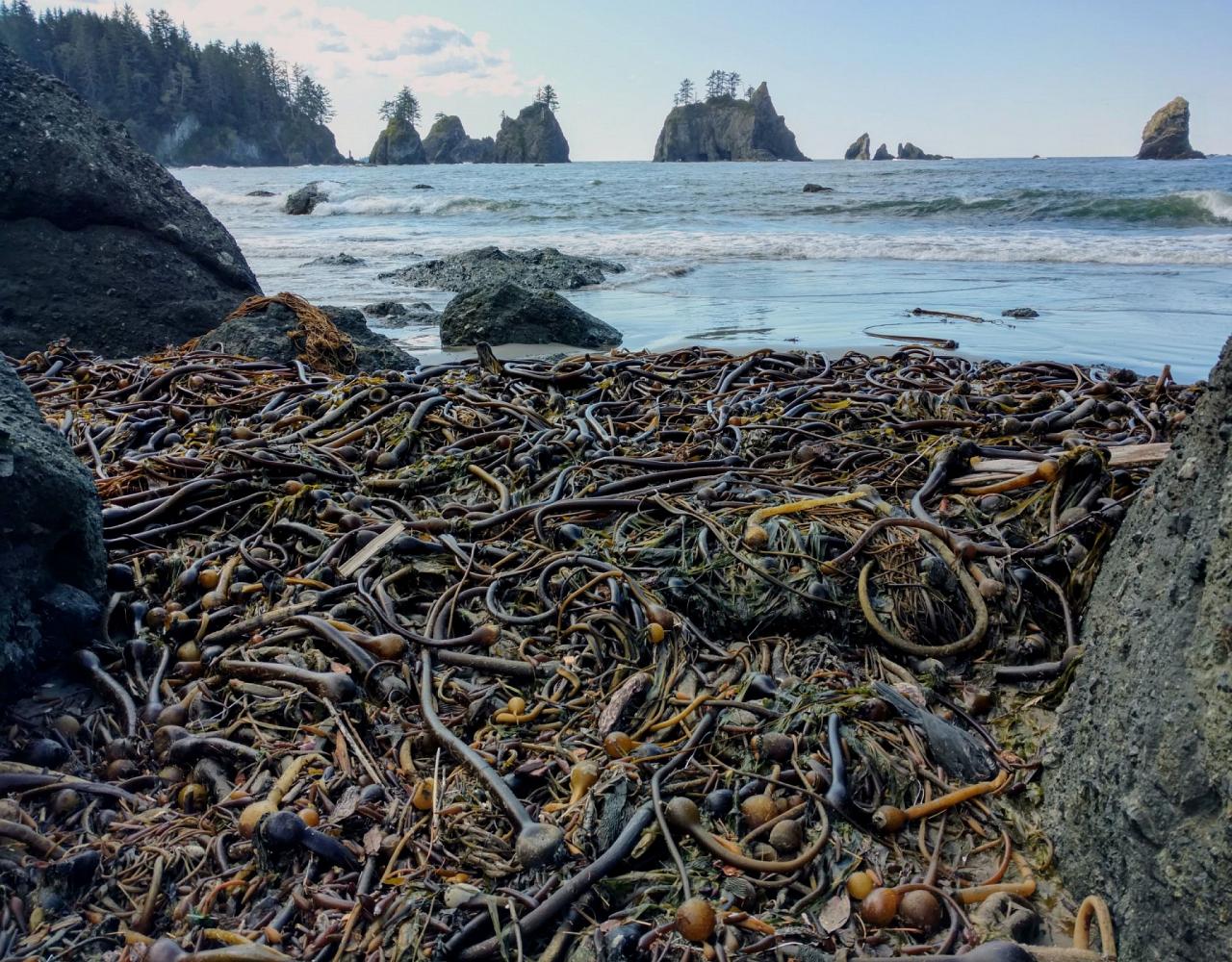
Bull Kelp on Olympic Coast by Stephen Grace
-
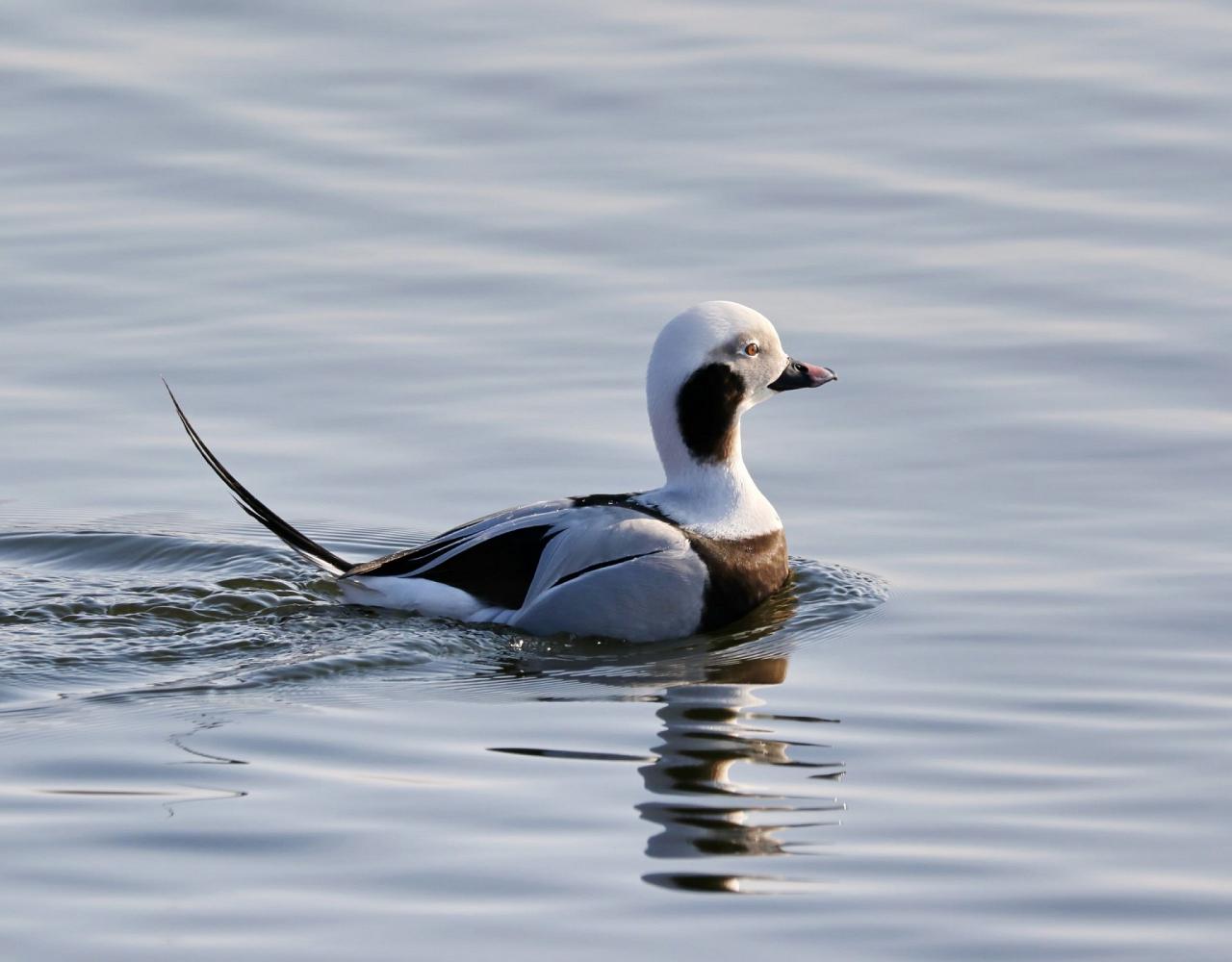
Long-tailed Duck
-
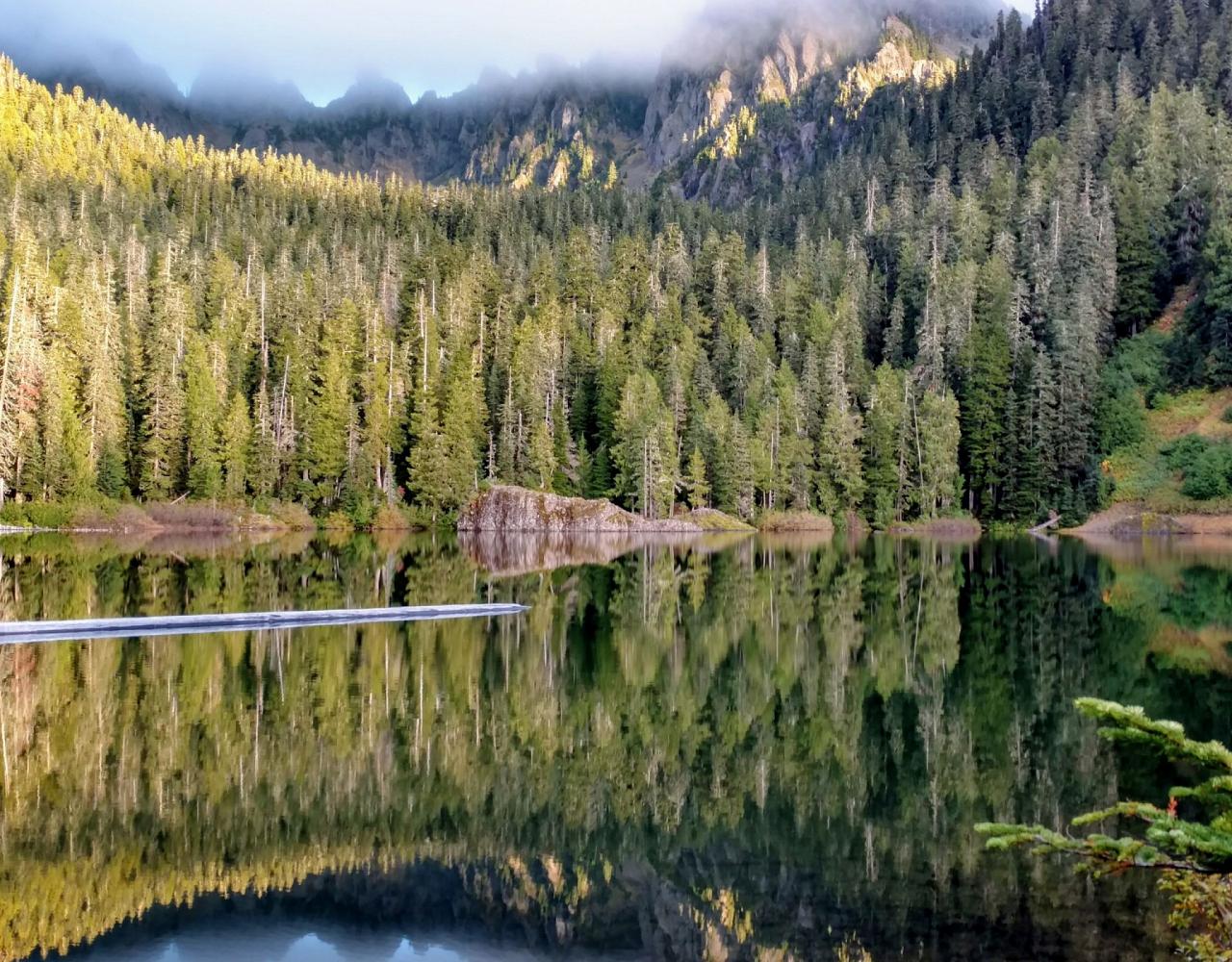
Olympic National Park Scenic by Stephen Grace
-
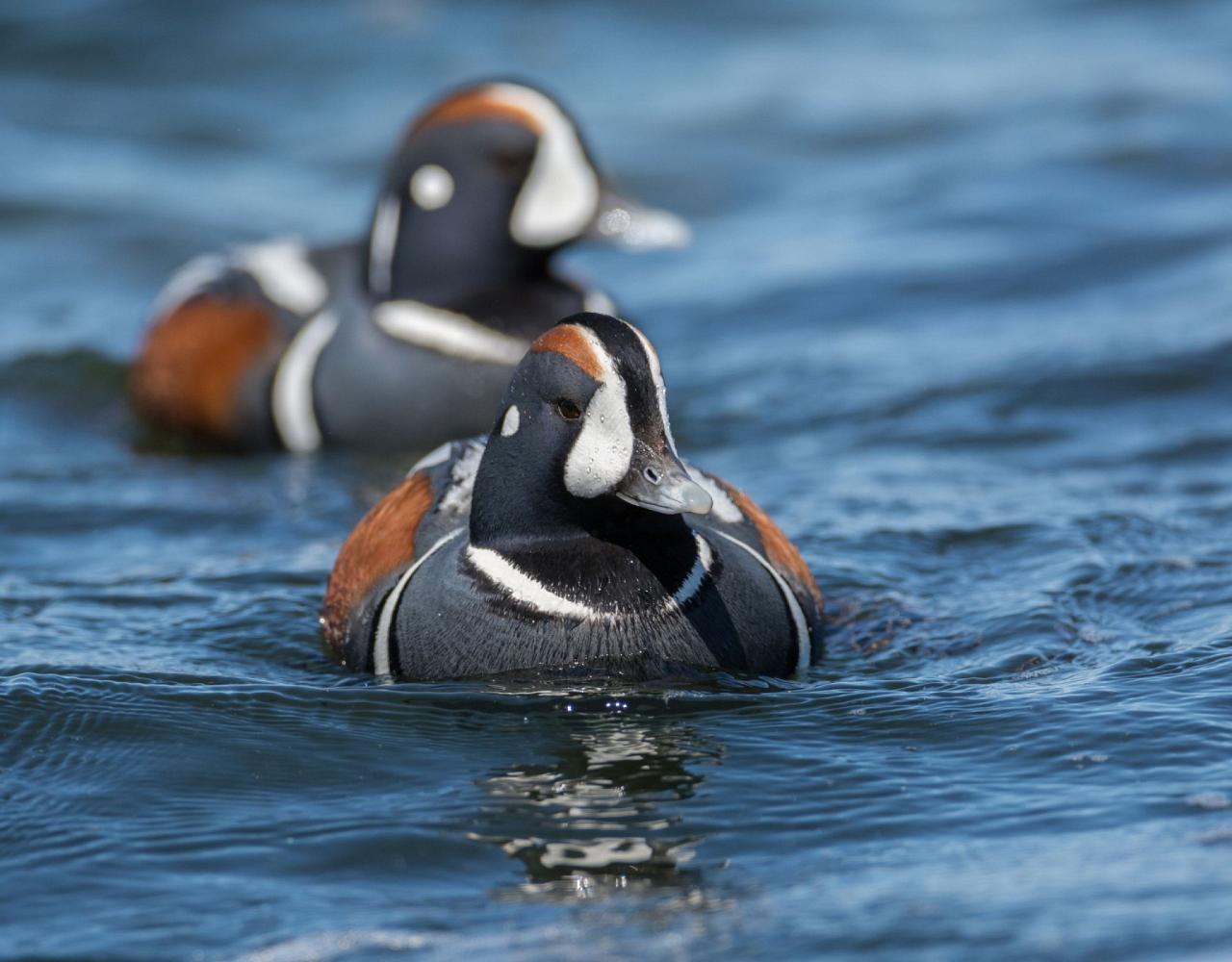
Harlequin Duck
-
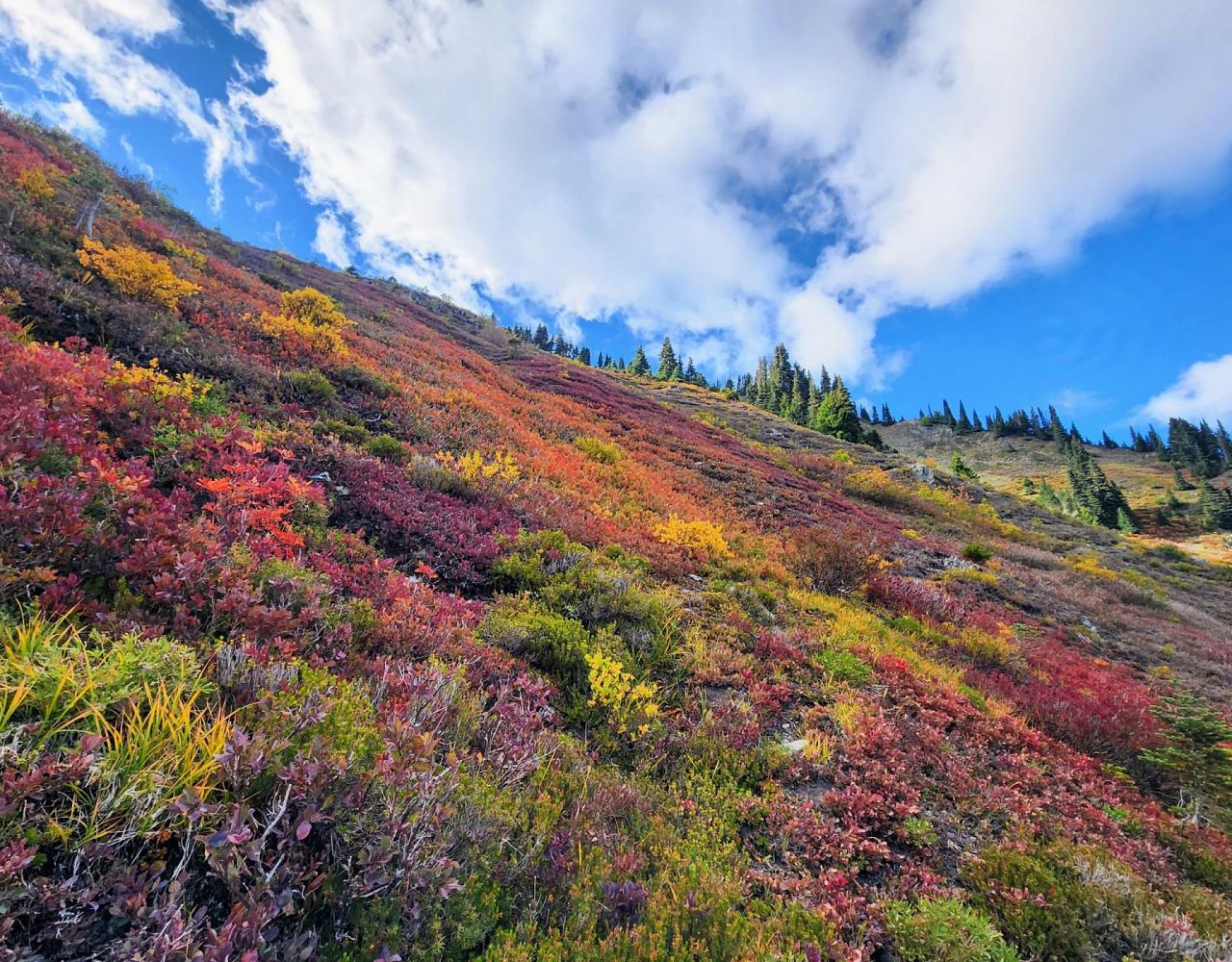
Olympic National Park Scenic by Stephen Grace
-
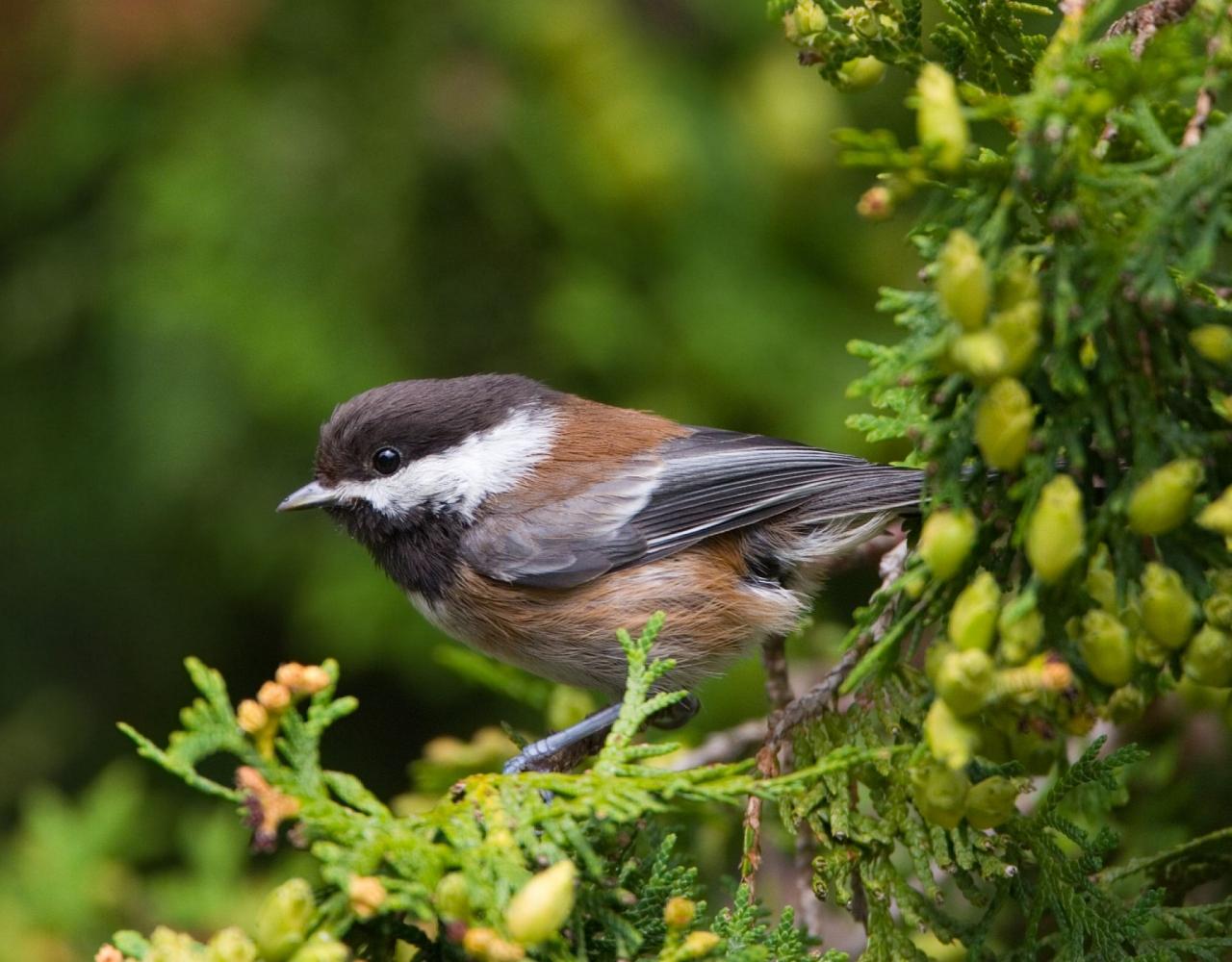
Chestnut-backed Chickadee
-
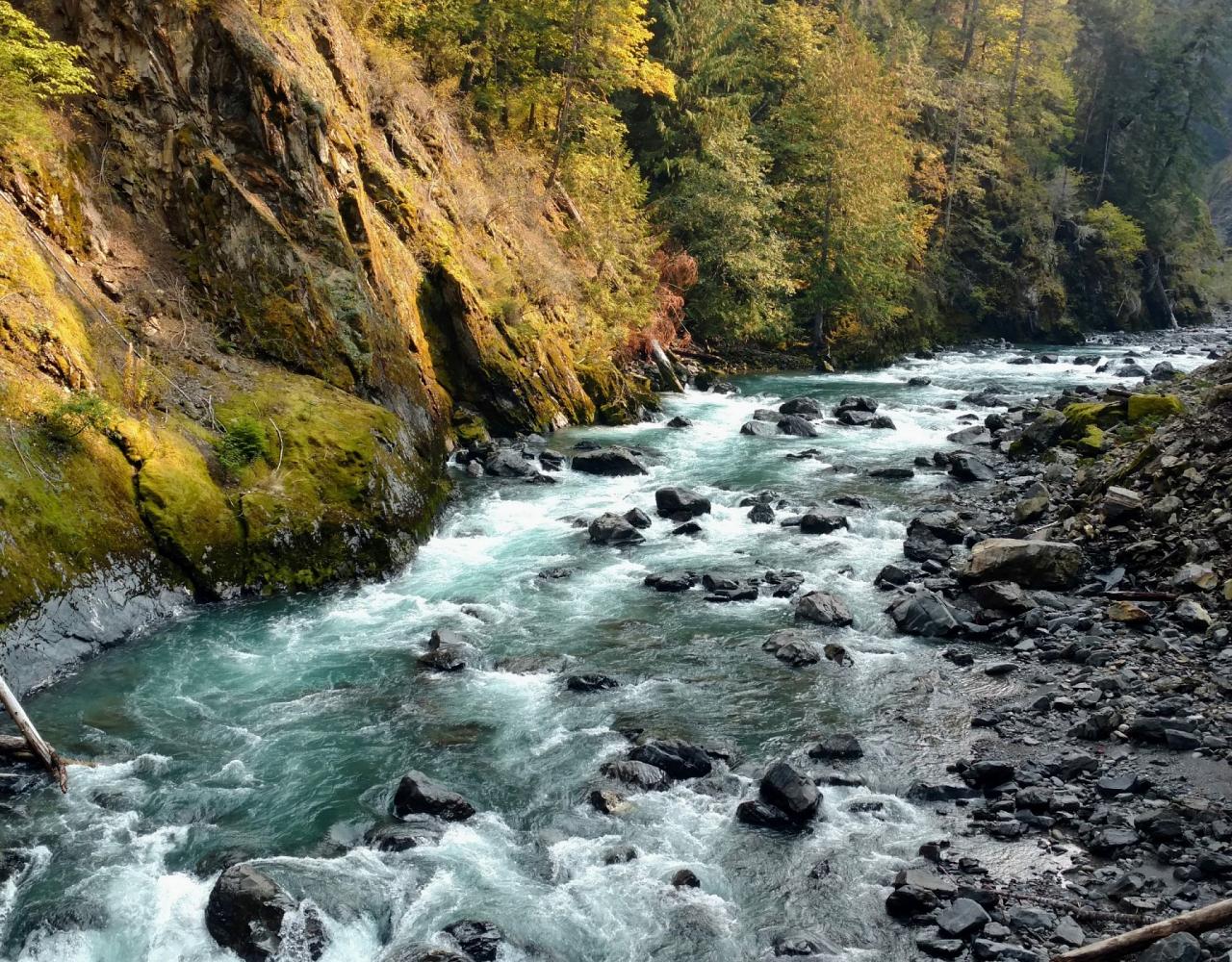
Olympic National Park Scenic by Stephen Grace
-
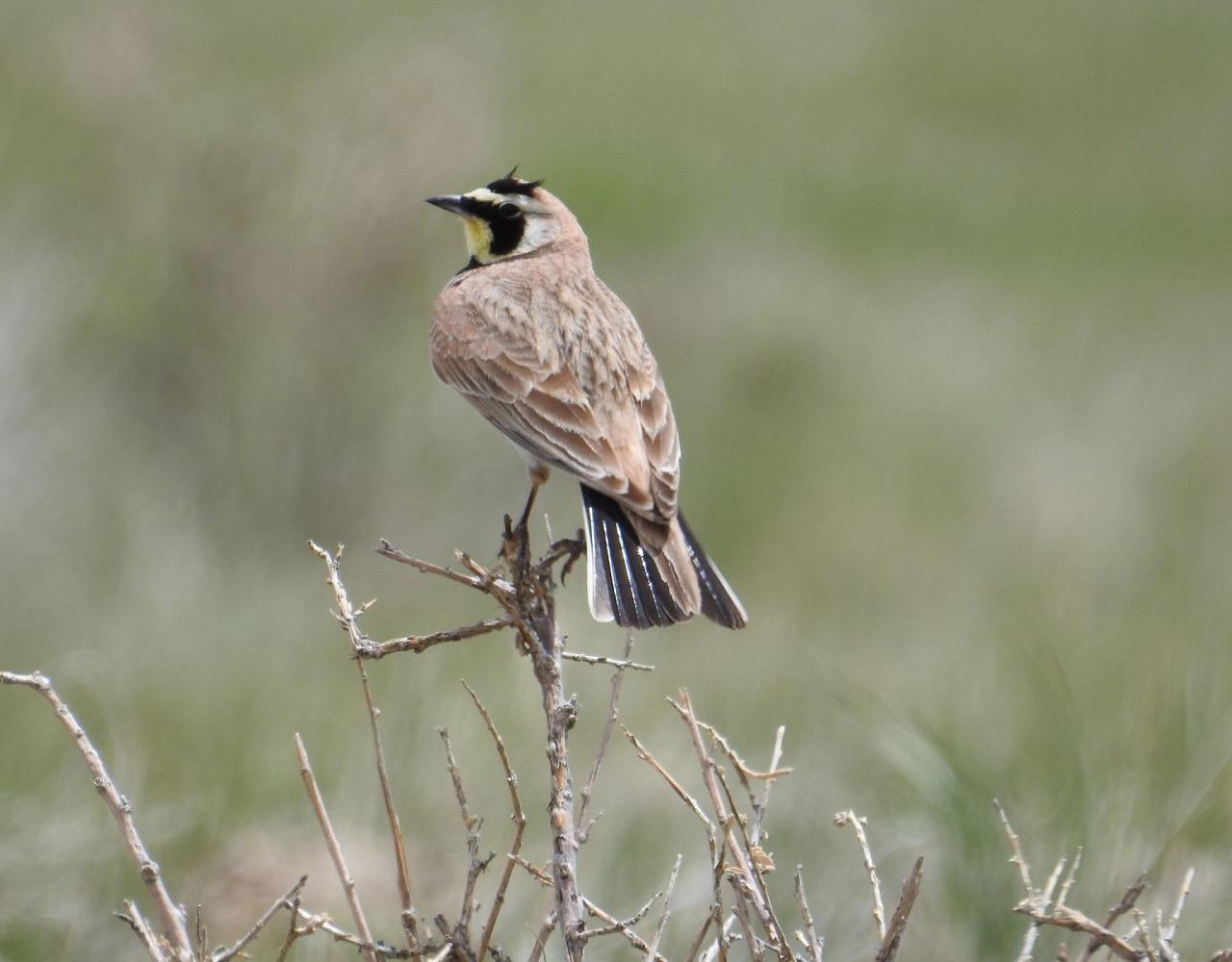
Horned Lark
-
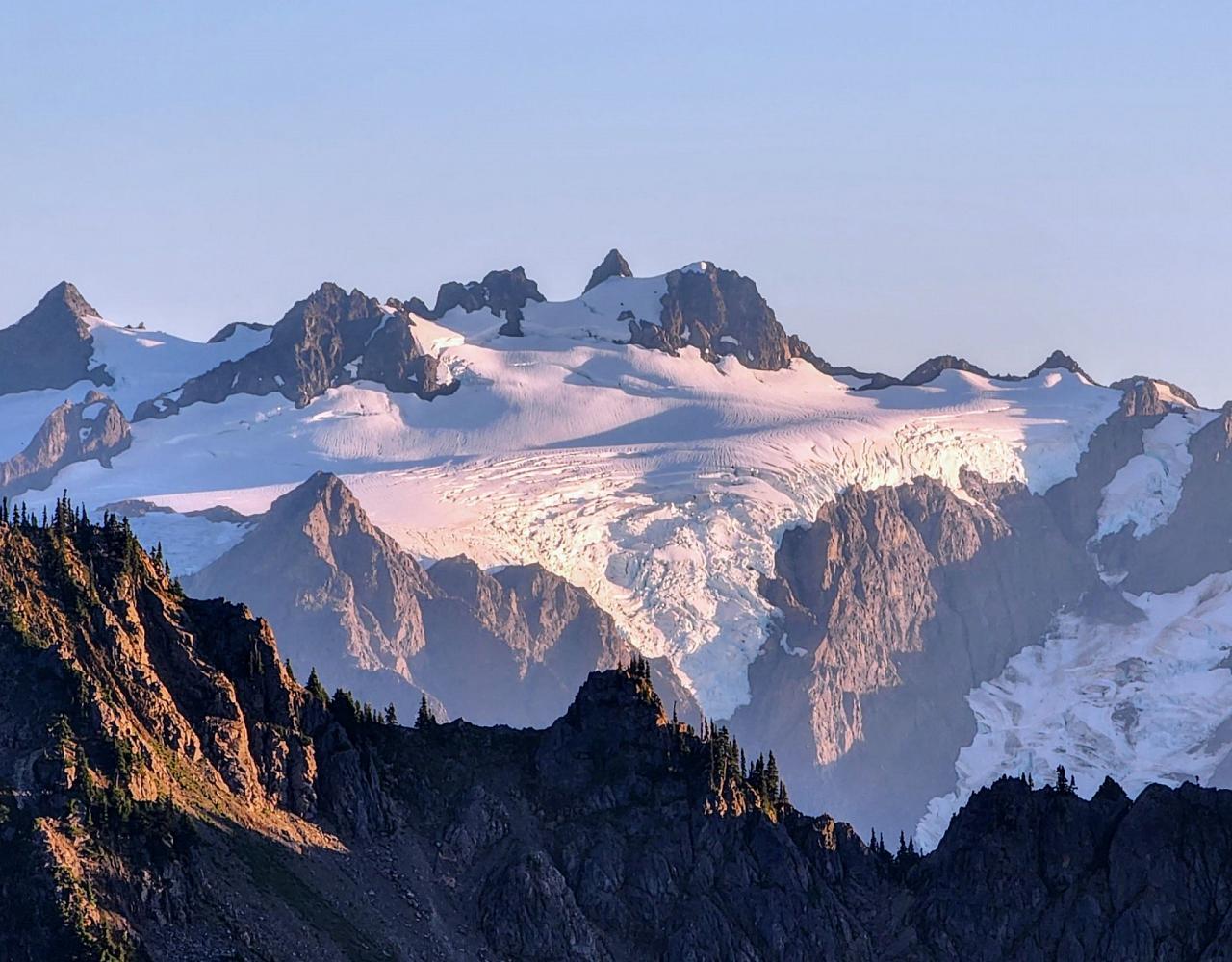
Mount Olympus by Stephen Grace
-
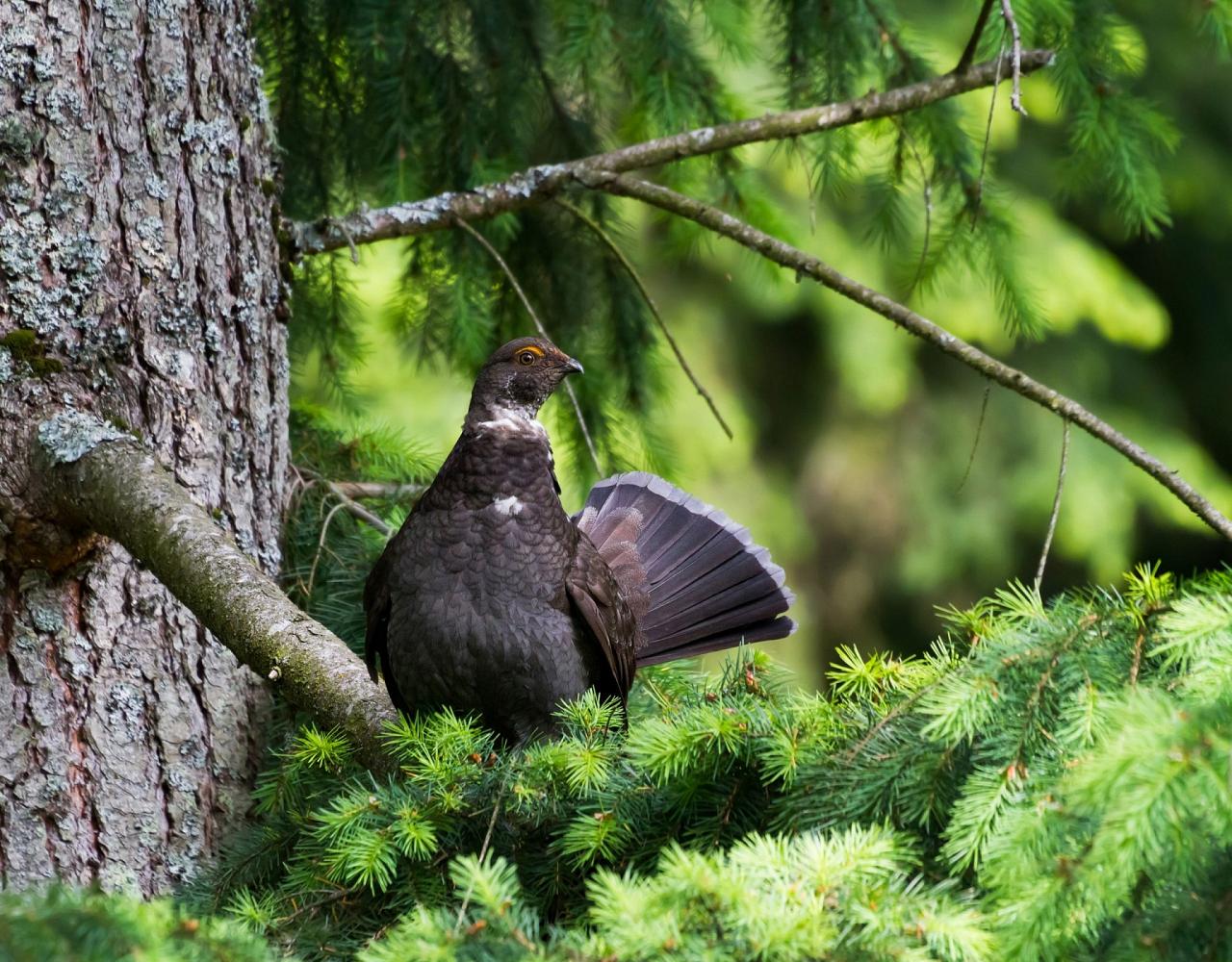
Sooty Grouse
-
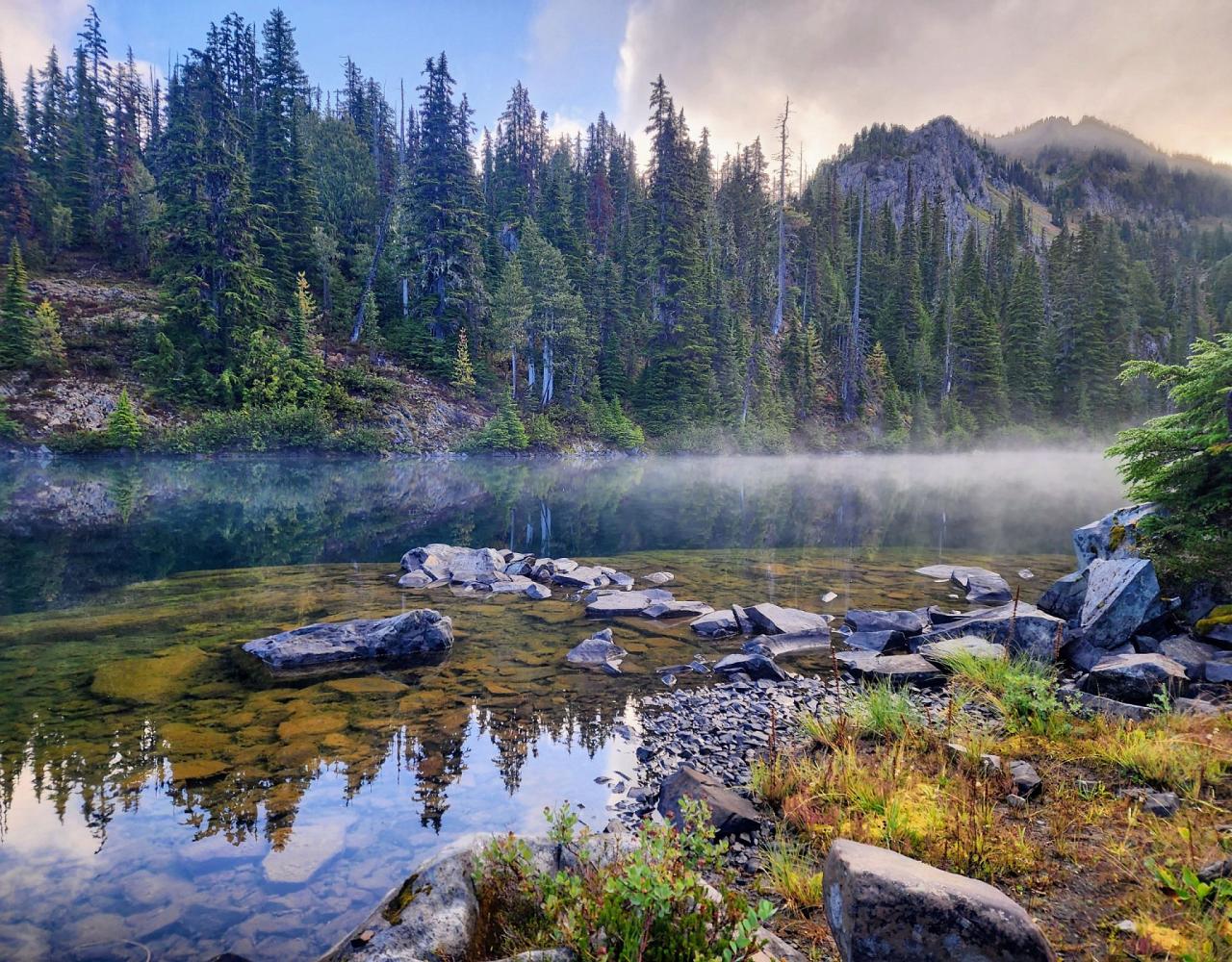
Olympic National Park Scenic by Stephen Grace
-
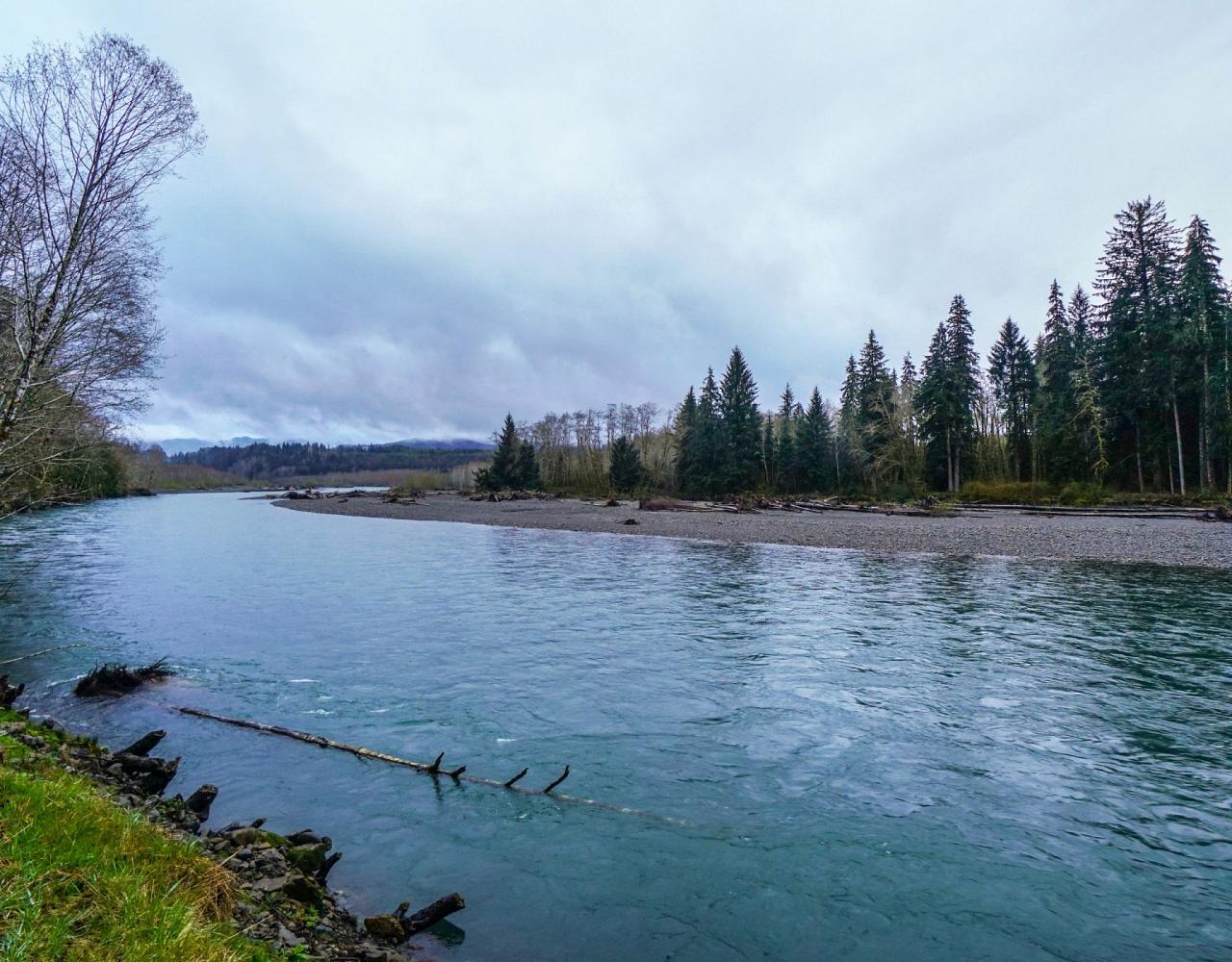
Forks, Washington
-
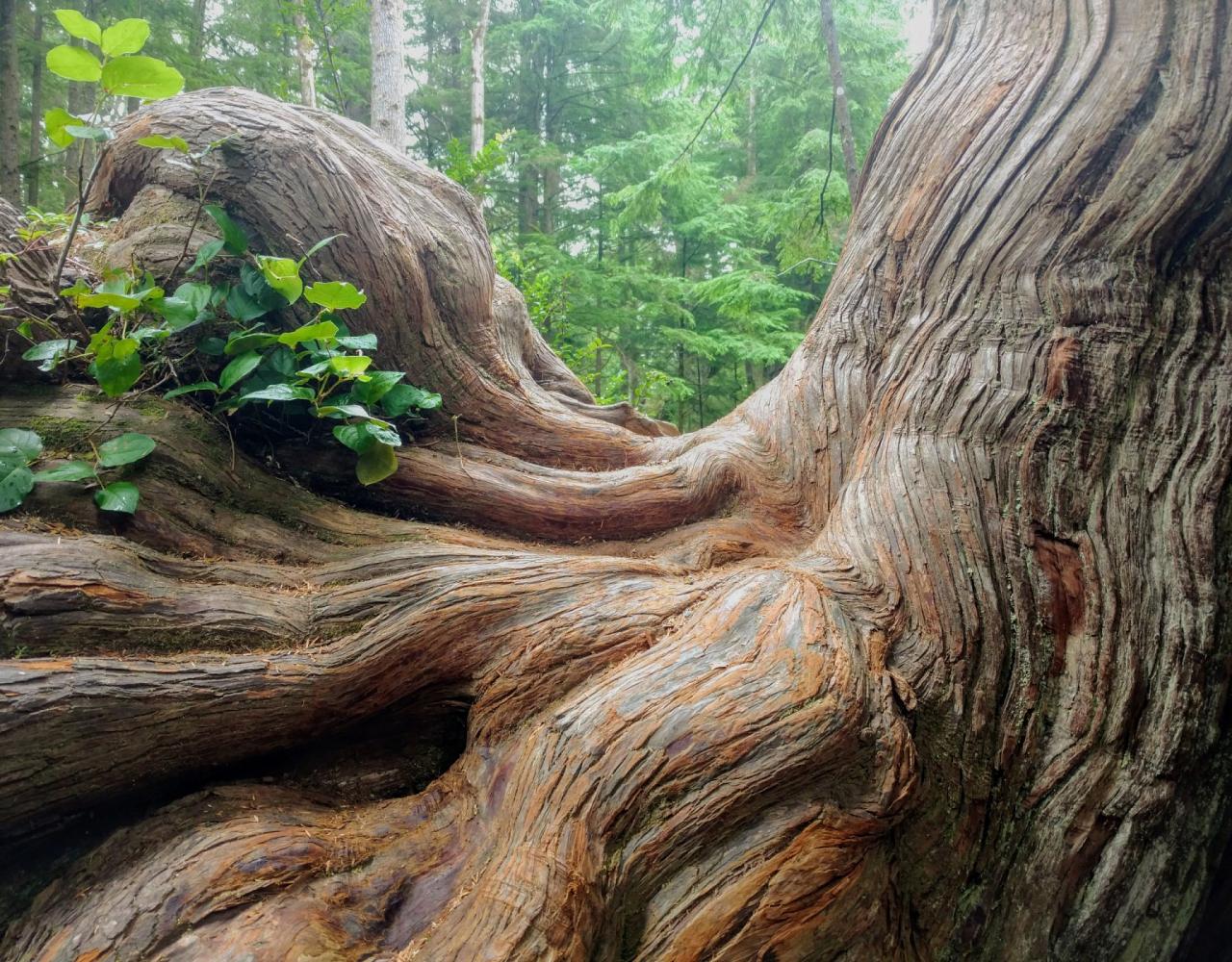
Western Redcedar Tree by Stephen Grace
Cost of the Journey
Cost of the tour is $4190 DBL / $5170 SGL, per person, based on occupancy, from Seattle.
The cost includes seven nights’ accommodation, all meals as noted in the itinerary with a focus on local dining and ferry transportation during the journey, professional guide services, park and other entrance fees, and miscellaneous program expenses.
The cost does not include round-trip airfare to and from Seattle, personal expenses such as laundry, telephone, drinks from the bar, and gratuities for luggage handling or other services. Guide gratuities are encouraged, but given at the tour’s end at your discretion.
For pre-or-post night accommodations, we recommend the Radisson Seattle Airport hotel. They have a complimentary shuttle from the airport, and there is a public light-rail LINK station close by that gives you access to the city if you wish to explore.
Travel Details
Please plan to make air travel plans only after the minimum group size has been met. We will send you a confirmation email as soon as the trip has been confirmed.
Arrival and Departure Airport: Seattle-Tacoma International Airport (SEA)
Arrival Details: Plan flights to arrive September 10, 2026, no later than 10:30 AM
Departure Details: Plan flights to depart September 17, 2026, at your leisure.
Travel Tips: As flights can be delayed, we recommend you arrive a day early and rest up from your travels. There are many hotels near the airport in Seattle and we have a couple of recommendations below. If you want to explore Seattle prior to heading to the Olympic Peninsula, there are plenty of things to do! The Chihuly Garden & Glass is a museum with glass exhibits artistically crafted by Dale Chihuly. There are many fascinating and colorful blown glass sculptures both indoors as well as outside in the garden. The iconic Space Needle is right next door and offers amazing panoramic views of Seattle, Mount Rainier, and Puget Sound. Are shopping and eating local food more your style? Then don’t miss the famous Pike Place Market, one of the oldest continuously operating farmers markets in the United States. You can find just about anything here from fresh fish and produce to crafts and collectibles. There are also many restaurants here and if you’re into seafood, don’t miss the clam chowder! Transportation to downtown is easy with the public light rail system, taxis, and Uber.
Hotel Recommendations: Generally the guides stay at the Holiday Inn Express & Suites Seattle Airport (206) 824-3200 so staying here can make pick-ups on the first day of the tour seamless. This is also the hotel for the last night of the tour. The Radisson Hotel Seattle Airport (206) 244-6666 is also a great hotel and we can arrange to pick clients up from here as well.
Browse below for trip reports and species lists from past versions of this and other tours from this destination.
Washington
- February 2013
- July 2013
- June 2017
- June 2018
- June 2019
- February 2021
- May 2021
- February 2022
- August 2022
- May 2023
- May 2024
- September 2024
- May 2025
- September 2025
- May 2026
- September 2026
-
Stephen Grace
Stephen Grace is an award-winning author, educator, photographer, and conservationist whose work explores the intersection of nature, science, and culture. For more than two decades, he has guided travelers through landscapes ranging from New Zealand to Alaska, Guyana to Tanzania, and India to Belize. He is the recipient of the Naturalist Journeys 2024–2025 Guide of the Year Award.
After moving from Colorado to the Oregon coast, Stephen’s life took a decisive turn when he watched a Tufted Puffin ferry fish back to its burrow. Soon afterward, hearing the ethereal song of a Swainson’s Thrush confirmed a calling that would shape his life: studying birds and sharing their stories with others.
Now based in Port Townsend, Washington, Stephen explores the Pacific Northwest through outdoor pursuits and natural-history investigations—from paddleboarding alongside whales to identifying bats by their biosonar, and from advocating for old-growth forest preservation to restoring native prairie.
Whether guiding in the field or interpreting nature through story, Stephen weaves science, place, and wonder into experiences that resonate long after the journey ends.
Other trips with Stephen Grace
-
 Southern India’s Western Ghats: Global Hotspot for Biodiversity Full!November 7 - 21, 2026, w/Andaman Islands extension
 -
 Belize: A Short & Sweet Birding Blitz Only one space left!January 3 - 9, 2027
 -
 Tanzania: Wildlife & Birding Safari Closed, see our February departure.January 21 - February 3, 2027, w/Amboseli & Nairobi National Parks extension
 -
 Birds & Mammals of Ecuador's AndesMarch 3 - 16, 2027
 -
 Western Panama: Tranquilo Bay FULL - See our other 2027 departures!April 3 - 10, 2027, w/Mt. Totumas extension
 -
 Olympic Peninsula Spring Explorer FULL - See our fall departure!May 10 - 17, 2027
 -
 Aleutian Islands Adventure with Dutch Harbor & Kodiak Island FULL - Check out Alaska’s Northern Passages & Glacier Bay!June 15 - 25, 2027
 -
 Andalusia Birding, Nature, Culture & Total Solar Eclipse FULL - See our second departure!July 26 - August 6, 2027
 -
 Olympic Peninsula Fall ExplorerSeptember 9 - 16, 2027
 -
 World-class Birding in Colombia's Coffee TriangleOctober 9 - 22, 2027, w/Montezuma extension
 -
 Vibrant Vietnam: Birding & Nature from North to SouthNovember 7 - 20, 2027
-
-
Corina Giron
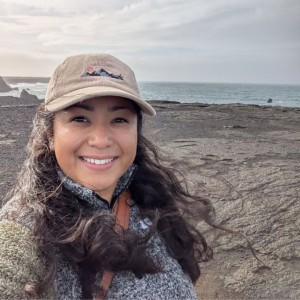
Originally from Baldwin Park, California, Corina’s love of the outdoors began with childhood hikes alongside her dad, exploring local trails and wild places. She has been an avid birder for over a decade and has guided at the Rio Grande Valley Birding Festival since 2016. A defining moment in her birding journey was witnessing a spring migration fallout on South Padre Island, an experience that instantly hooked her. Since then, birds have taken her across 16 countries and 6 continents in pursuit of new species and unforgettable field experiences. After several years in Texas and time spent in Maryland, she now calls South Carolina home. Outside of guiding Corina works as a consulting biologist, currently spending much of her time conducting fieldwork in Nevada. Whether exploring local hotspots or international destinations, Corina brings curiosity, enthusiasm, and a deep appreciation for birds to every outing.
Other trips with Corina Giron
-
 South Texas Birding & Nature Women's Only DepartureMarch 10 - 18, 2027
 -
Olympic Peninsula Spring Explorer FULL - See our fall departure!May 10 - 17, 2027
-
 Maine Puffin ExtravaganzaJune 14 - 20, 2027
 -
 Maine's Monhegan Island Women's Only DepartureSeptember 11 - 18, 2027
 -
 Western Panama: Tranquilo Bay Women's Only DepartureOctober 9 - 16, 2027
-
Essential Information +
Packing List +
Suggested Reading List +
Useful Links +
-
 Olympic Peninsula Spring Explorer FULL - See our Vancouver Island tour in September!May 11 - 18, 2026
 -
 Michigan’s Isle Royale & Keweenaw Peninsula FULL - Check out Southern California: Fall Coastal Birding!August 21 - 29, 2026
Photo credits: Banners: Olympic National; Park Scenic (Stephen Grace), Scoping Tufted Puffins at Cape Flattery (Woody Wheeler), Olympic National Park Trees (Stephen Grace), Olympic National Park foliage (Stephen Grace), Naturalist Journeys Group x2 (Woody Wheeler) Thumbnails: Bald Eagle, Olympic Coast (Stephen Grace), Anna’s Hummingbird, Sea Otter, Golden Eagle, Ruby-crowned Kinglet, American Dipper, Northern Spotted Owlet