
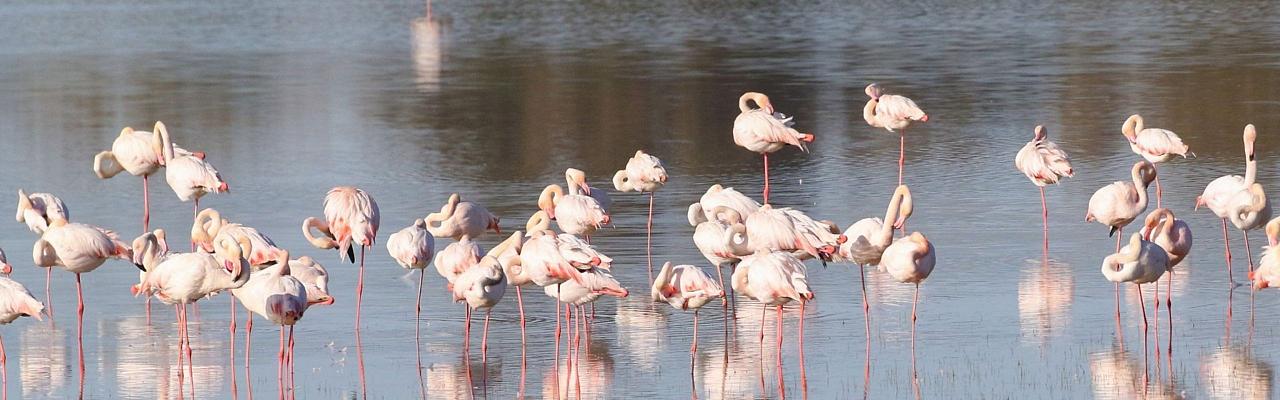


Southern Spain offers an extraordinary blend of spectacular birding, dramatic landscapes, and centuries of cultural heritage. Journey from the snow-capped peaks of the Sierra Nevada to the limestone mountains of Grazalema, the vineyards of Jerez, the shores of the Strait of Gibraltar, and the wetlands of Bahía de Cádiz as you explore some of Andalusia's most rewarding natural areas. Along the way, search for Iberian specialties, soaring raptors, flamingos, seabirds, and marine mammals while discovering picturesque white villages, magnificent UNESCO World Heritage Sites, and the region's renowned cuisine, wines, and traditions.
The centerpiece of the journey is the 2027 Total Solar Eclipse, viewed from the shores of the Strait of Gibraltar before celebrating with a whale and dolphin cruise during peak Orca season. From wandering the Alhambra and Sevilla's Royal Alcázar to experiencing authentic flamenco in its birthplace and watching Andalusian horses perform, this itinerary captures the very best of southern Spain—bringing together exceptional wildlife, rich history, and unforgettable cultural experiences in one remarkable adventure.

Tour Highlights
- Witness the August 2, 2027 Total Solar Eclipse from the Strait of Gibraltar before celebrating with a whale and dolphin cruise during peak Orca migration.
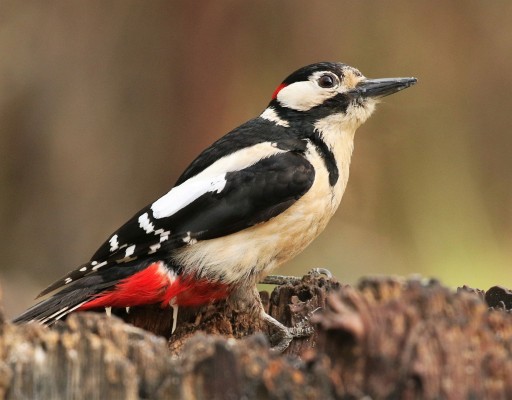
- Search for an impressive diversity of birds across Andalusia's mountains, wetlands, coastlines, and Mediterranean forests, from Griffon and Egyptian Vultures to flamingos, bee-eaters, and Iberian specialties.
- Explore three UNESCO World Heritage Sites, including Granada's magnificent Alhambra, Sevilla's Royal Alcázar, and the city's awe-inspiring cathedral.
- Discover the timeless charm of Andalusia's white villages, from La Alpujarra and Grazalema to Arcos de la Frontera and the dramatic clifftop city of Ronda.
- Experience Andalusia's vibrant culture through authentic tapas, celebrated sherry wineries, passionate flamenco, and the world-famous Royal Andalusian School of Equestrian Art.
Trip Itinerary
Itineraries are guidelines; variations in itinerary may occur to account for weather, road conditions, closures, etc. and to maximize your experience.
Eclipse viewing location may be adjusted for optimal visibility.
Mon., July 26 Arrivals in Málaga
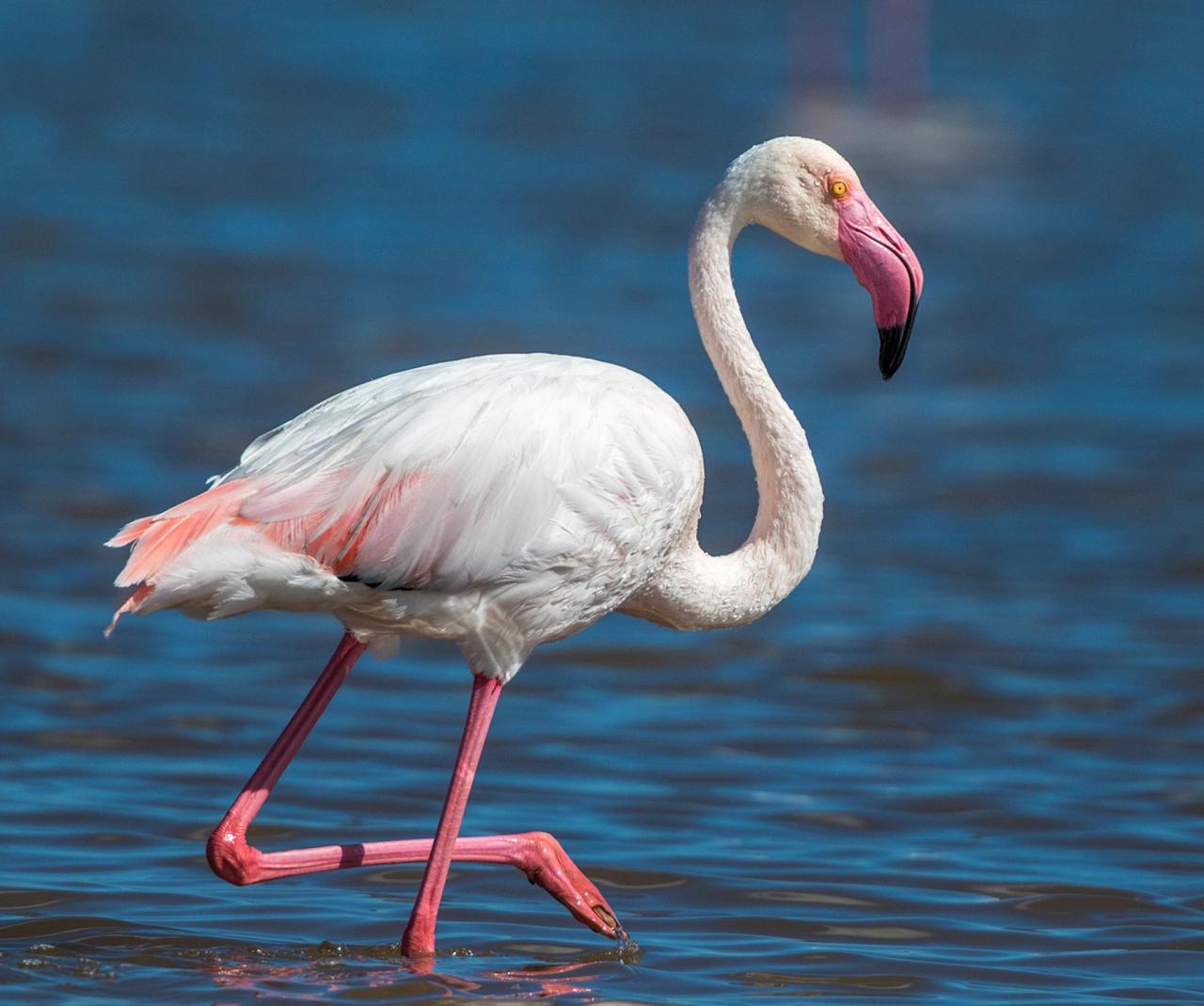
Welcome to Spain! Please plan to arrive in Málaga at your leisure today. After your journey, you may wish to relax at the hotel, but for those eager to begin exploring, a renowned birding site lies just minutes away. The Guadalhorce Nature Reserve stretches between the two branches of the Guadalhorce River, where comfortable observation hides overlook tranquil pools and easy, level trails wind through this compact wetland reserve. Birds you may encounter here include a variety of classic Mediterranean wetland species such as White-headed Duck, Greater Flamingo, Pied Avocet, Audouin’s Gull, Eurasian Spoonbill, and Western Yellow Wagtail.
If birding isn't calling your name just yet, Málaga's vibrant city center and nearby beaches are also within easy reach and well worth exploring.
This evening, we gather for a welcome meeting with your guide to review the journey ahead before enjoying our first dinner together and getting to know our fellow travelers.
Accommodation in Málaga, Hotel Picasso (D)
Tues., July 27 Málaga | Sierra Nevada National Park | La Alpujarra | Granada
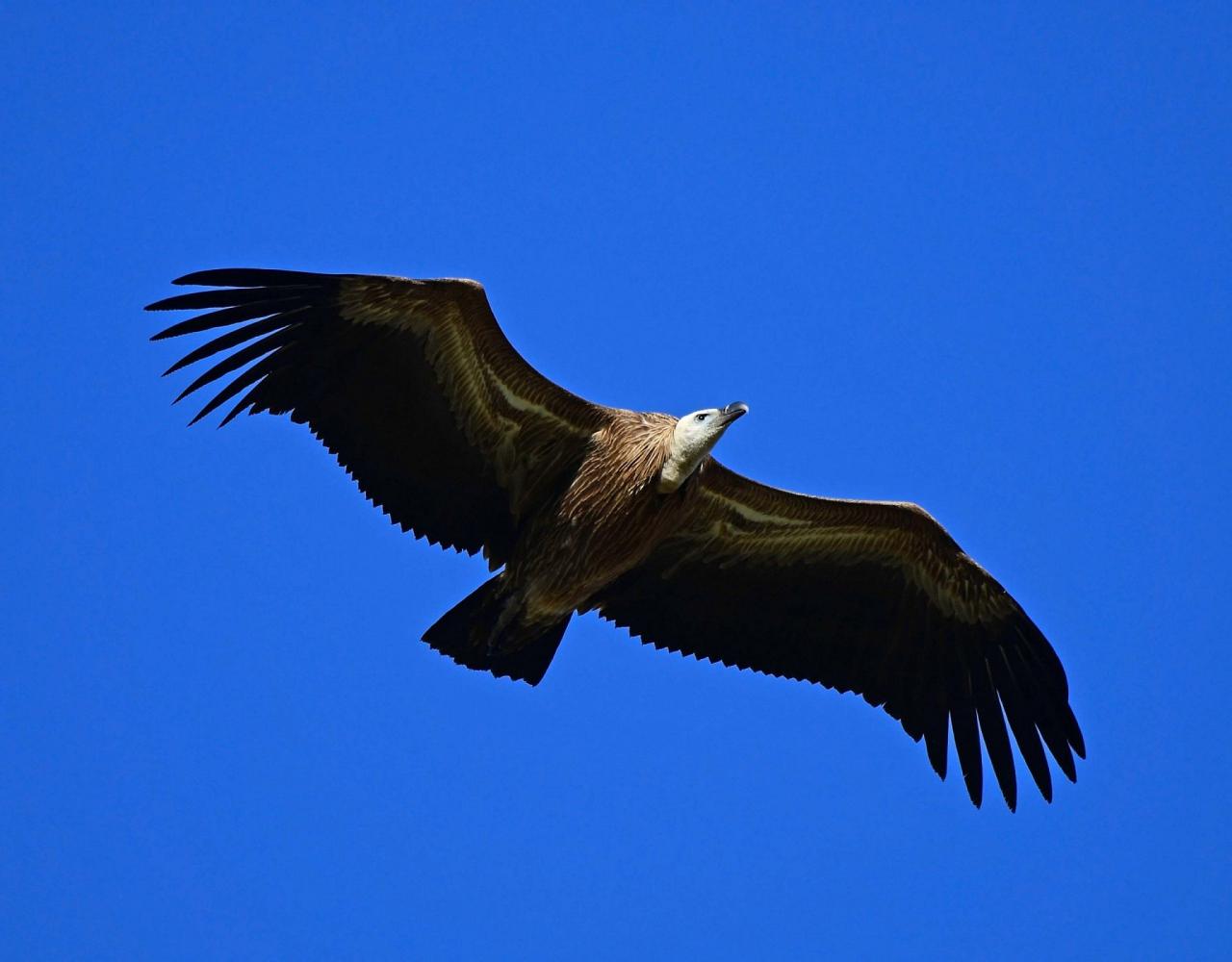
After breakfast, we begin our journey inland to the spectacular Sierra Nevada National Park. Located about 100 miles northeast of Málaga, the park is home to the highest mountains in continental Spain, including Mount Mulhacén, the tallest peak on the Iberian Peninsula at just over 11,400 feet. As we explore this remarkable alpine landscape, we enjoy our first opportunities for birding while watching for classic Iberian species such as Golden Eagle, Griffon Vulture, and several species of larks. Little Owl and Eurasian Eagle-Owl would be especially rewarding finds, while Red-legged Partridge are more regularly encountered. Mammals may include Spanish Ibex and wild boar.
We continue to the picturesque region of La Alpujarra, where terraced hillsides and charming whitewashed villages cling to the mountainsides. Known as the "last stronghold of the Moors," the region became a refuge for bandoleros—legendary bandits who inspired generations of Spanish folklore—following the fall of the Muslim kingdoms to Christian rule in the 15th Century. We pause here to enjoy a delicious local lunch.
Later this afternoon, we continue to Granada, home to the glittering Alhambra. After checking into our hotel, the remainder of the afternoon is yours to relax. Summer temperatures here can be quite warm, making this an ideal opportunity to unwind or perhaps enjoy a traditional Spanish siesta before we gather once again for dinner and review the day's bird list.
Accommodation in Granada (B,L,D)
Wed., July 28 The Alhambra & Granada Cultural Experience
Following breakfast, we set out for a day devoted to one of Spain's greatest cultural treasures—but don't forget your binoculars. Our first stop is the magnificent Alhambra Palace, one of Spain's most celebrated historical monuments and a UNESCO World Heritage Site. Construction of this remarkable Moorish fortress-palace began in the 13th Century during Muslim rule of the Iberian Peninsula. Rich in history and architectural splendor, the Alhambra dazzles with intricate tilework, graceful courtyards, and elaborately landscaped gardens. Set against the warm golden tones of the palace walls, the lush gardens provide not only spectacular photography opportunities but also excellent habitat for birds. We watch for Black Redstart, an assortment of tits, the diminutive Common Firecrest, Sardinian Warbler, Iberian Magpie, and other species that make these beautiful grounds their home.
Reluctantly, we bid farewell to the Alhambra and make our way into Granada's lively city center for a quintessential Spanish tapas lunch. Meaning "small plates," tapas invite us to sample a variety of regional specialties while sharing conversation around the table. Local favorites include Migas Granadinas, Cazón en Adobo, and Jamón Asado.
This afternoon, we stroll through the historic Albaicín district, Granada's atmospheric Moorish quarter. Its narrow cobblestone streets, whitewashed homes with terracotta roofs, hidden gardens, and sweeping views of the Alhambra offer a fascinating glimpse into the city's medieval Islamic heritage. Today the neighborhood is also home to artists, writers, lively markets, inviting cafés, museums, and galleries, making it a delightful place to explore at a leisurely pace.
Accommodation in Granada (B,L,D)
Thurs., July 29 Granada | Grazalema Natural Park
After breakfast, we depart for Grazalema Natural Park, one of southern Spain's most spectacular protected landscapes. Designated a UNESCO Biosphere Reserve, the park encompasses nearly 130,000 acres of dramatic limestone mountains, rugged karst formations, and the remarkable El Pinsapar forest—one of the last remaining strongholds of the rare Spanish Fir (Abies pinsapo), a conifer found only on the Iberian Peninsula and in northern Morocco.
The park is renowned for its impressive raptor populations. Eurasian Griffons soar overhead in remarkable numbers, while one of Europe's largest colonies of Egyptian Vulture also calls these mountains home. Other birds we may encounter include Eurasian Jay, Iberian Green Woodpecker, Bonelli's Eagle, Egyptian Vulture, the beautiful Hawfinch, and the striking Black Wheatear. Grazalema also supports a healthy population of Spanish Ibex, and we keep a watchful eye for these agile mountain mammals.
For lunch, we visit the charming white village of Grazalema, another of Andalusia's famous Pueblos Blancos. Traditional specialties here include Payoyo cheese—a flavorful blend of goat and sheep's milk—and Sopa de Grazalema, a hearty broth prepared with chorizo, bread, and mint. Nestled within the natural park, the village is beautifully preserved and well known for its long tradition of wool production, with shops offering locally crafted blankets, ponchos, and other textiles. You may even find the perfect souvenir to take home.
The remainder of the afternoon is yours to enjoy at your own pace. Our peaceful rural hotel provides an ideal setting to unwind. Join your guide for a leisurely birding walk, explore the surrounding countryside independently, relax by the pool, or embrace another well-earned siesta before dinner.
Accommodation in Hotel El Fuerte Grazalema (B,L,D)
Fri., July 30 Birdwatching & White Villages Route
After breakfast, we set out for a rewarding morning of birding and light hiking in the scenic landscapes surrounding Grazalema. Along the way, your guide shares insights into the region’s geology, culture, and traditions while we search for some of Andalusia’s characteristic birds. Possibilities include Eurasian Sparrowhawk, Little Owl, Tawny Owl, Red-billed Chough, several species of wagtails—ever animated with their characteristic tail wagging—and the striking Blue Rock-Thrush.
Following another delicious local lunch, we explore a portion of Andalusia’s famous White Villages Route. Stretching approximately 85 miles, this scenic route winds through lush valleys and dramatic limestone peaks, linking a series of beautifully preserved whitewashed villages. While we won’t travel the entire route, we do enjoy one of its most picturesque sections and have time to soak in the character and charm of these historic communities.
We return to our hotel later this afternoon, where there is time to relax before gathering once again for dinner and our ever-growing bird list.
Accommodation in Hotel El Fuerte Grazalema (B,L,D)
Sat., July 31 Arcos de la Frontera | Jerez de la Frontera
After breakfast, we bid farewell to Grazalema and travel toward Jerez de la Frontera, a city celebrated for its world-famous sherry, magnificent Andalusian horses, and vibrant flamenco tradition. Over the next several days, Jerez serves as our comfortable base for exploring the Strait of Gibraltar, the Cádiz coast, and charming destinations such as Vejer and Trafalgar, while also allowing time to experience the city's own rich cultural heritage.
En route, we stop in the historic hilltop town of Arcos de la Frontera. Here, we stroll through its atmospheric old quarter before enjoying lunch. The area boasts a remarkable history, with evidence of Stone Age cave dwellers as well as Roman settlement, adding yet another fascinating layer to Andalusia’s rich past.
Upon arriving in Jerez, we settle into our hotel before preparing for one of the cultural highlights of our journey. As the birthplace of flamenco, Jerez offers an unforgettable setting to experience this passionate art form. This evening, we visit a renowned tablao, where we enjoy an authentic live flamenco performance accompanied by dinner in a truly memorable atmosphere.
Accommodation in Jerez, Hotel Villa Jerez (B,L,D)
Sun., Aug. 1 Jerez | Vineyards & Wine Experience
Today we immerse ourselves in one of the region’s best-known traditions—its celebrated sherry wines. This morning, we visit local vineyards and wineries to learn about the history and production of these distinctive wines before enjoying a guided tasting and leisurely lunch.
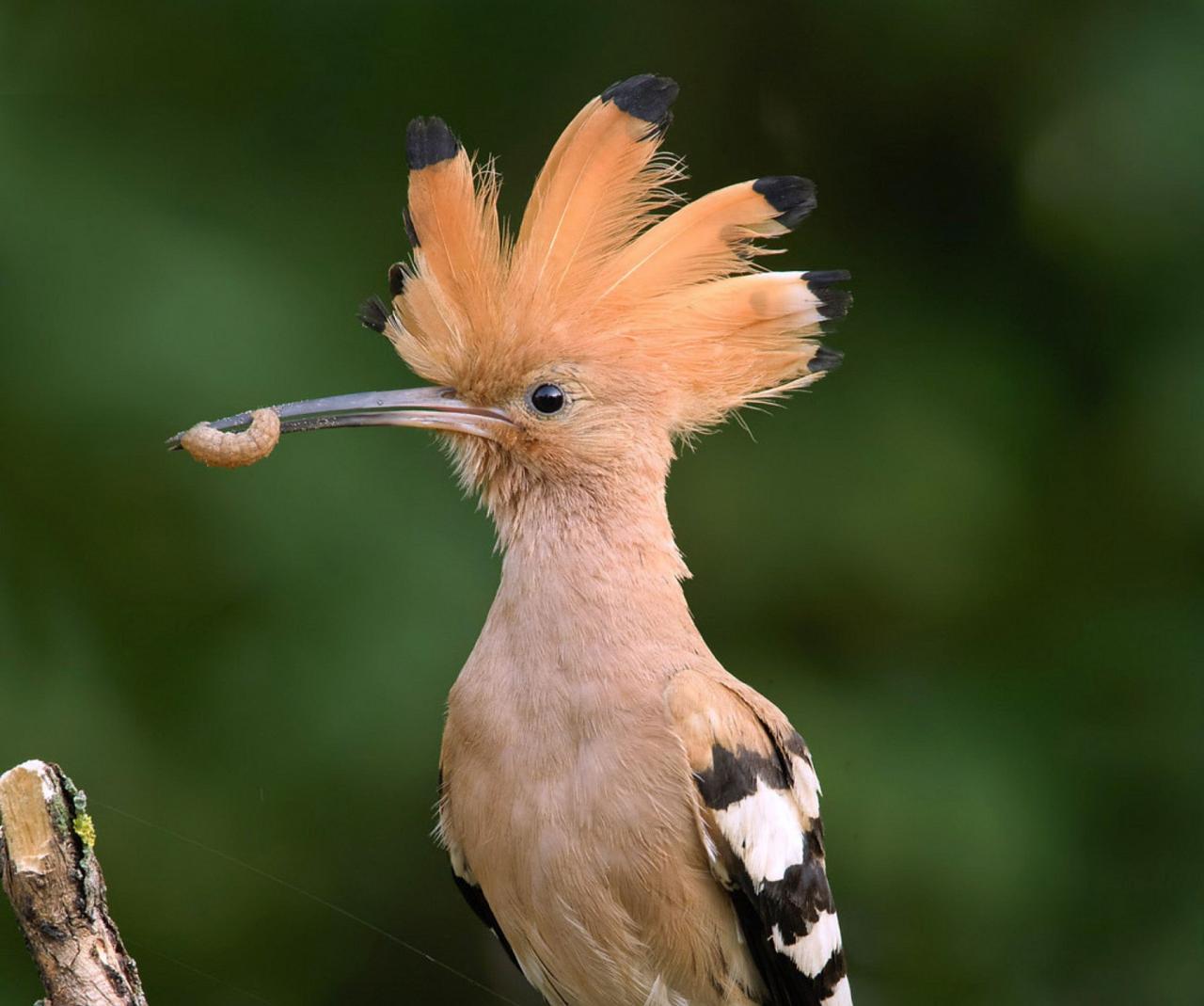
Birding accompanies us throughout the day, and during our morning explorations we may encounter Common Hoopoe, White Stork, Eurasian Magpie, European Bee-eater, and more.
The afternoon is free to enjoy Jerez at your own pace. The city offers a fascinating blend of Moorish fortifications alongside elegant Andalusian Baroque and Neoclassical architecture. Some may wish to tour the impressive Moorish Alcázar, while others may prefer to wander the historic center, browse local shops, or relax at a café with a refreshing drink.
This evening, we reunite to enjoy another delicious regional dinner.
Accommodation in Jerez, Hotel Villa Jerez (B,L,D)
Mon., Aug. 2 Tarifa | Total Solar Eclipse & Whale Watching
Today is the day! We depart early for Tarifa, located within the Strait of Gibraltar Natural Park, where we witness the highlight of our journey—the Total Solar Eclipse. Standing on the shores of the Strait of Gibraltar as the moon completely covers the sun is an experience few people ever have. It is a truly unforgettable moment.
Today's Key Eclipse Phases:
Partial begins: 09:40
Totality begins: 10:45
Maximum eclipse: 10:47
Totality ends: 10:49
End of event: 12:00
Eclipse viewing location may be adjusted to provide the best possible viewing conditions.
Following the eclipse, we enjoy lunch in Tarifa, a charming seaside town known for its lively atmosphere and fascinating blend of architectural influences.
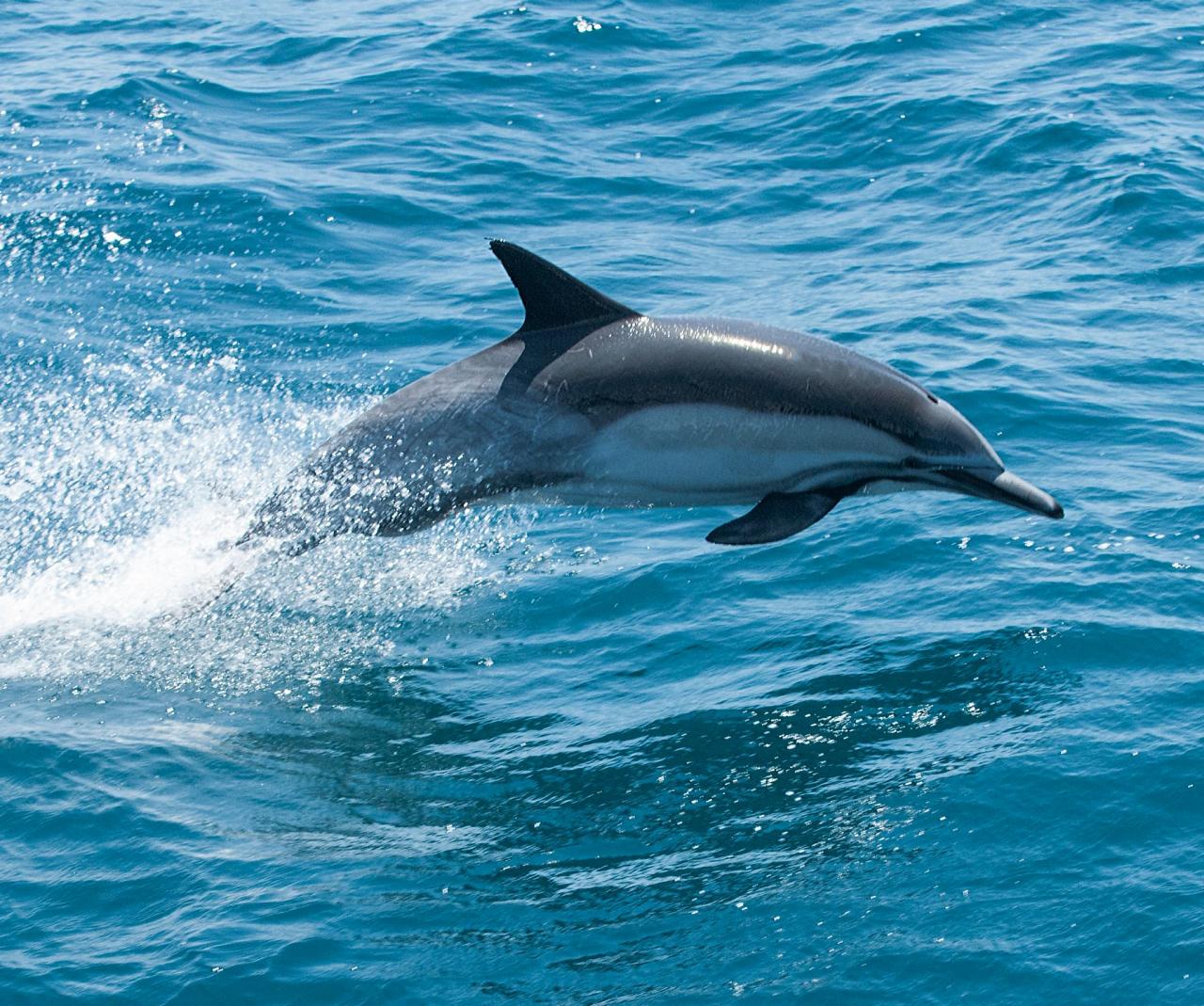
What better way to celebrate such an extraordinary event than by heading out onto the water? This afternoon, we embark on a 2–3-hour whale and dolphin watching excursion. August is the peak season for observing migrating Orcas as they follow schools of migrating bluefin tuna through the Strait of Gibraltar. In addition to these magnificent predators, we look for Common, Striped, and Bottlenose Dolphins, as well as Pilot Whale.
Birdlife offshore can be equally spectacular. We keep watch for Balearic, Scopoli's, and Cory's Shearwater, Northern Gannet, Great Skua, at least five species of gulls—including Audouin's—possible Black Tern, Eurasian Whimbrel, and additional shorebirds along the coastline.
After an exhilarating day filled with remarkable natural spectacles, we return to Jerez this evening. Our time on the water is sure to add several new species to our growing trip list, which we review together over another satisfying dinner.
Accommodation in Jerez, Hotel Villa Jerez (B,L,D)
Tue., Aug. 3 Andalusian Horses & Bahía de Cádiz Natural Park
This morning, we attend the renowned equestrian performance, "How the Andalusian Horses Dance," presented by the Royal Andalusian School of Equestrian Art. Founded in 1973, the school is dedicated to preserving and promoting the rich traditions of classical horsemanship. We enjoy this elegant demonstration of horsemanship before taking time to explore the beautiful grounds and facilities.
This afternoon, we visit Bahía de Cádiz Natural Park, one of southern Europe's most important wetland ecosystems and a premier destination for birdwatching. Part of the Andalusia Network of Protected Natural Areas, the park encompasses approximately 26,000 acres of marshes, dunes, tidal channels, beaches, and estuaries that provide critical habitat for an abundance of birdlife. Here we search for Greater Flamingo, Eurasian Spoonbill, Black-winged Stilt, Pied Avocet, Eurasian Oystercatcher, Bar-tailed Godwit, and Kentish Plovers.
This evening, we return to Jerez for dinner and another review of our ever-growing bird list.
Accommodation in Jerez, Hotel Villa Jerez (B,L,D)
Wed., Aug. 4 Day Trip to Sevilla
After breakfast, we travel to Sevilla, the vibrant capital of Andalusia. Set along the Guadalquivir River, this beautiful city is home to nearly 700,000 residents as well as another remarkable UNESCO World Heritage Site.
Our day begins at the magnificent Royal Alcázar, one of the official residences of the Spanish royal family and the oldest royal palace in Europe still in use. Originally constructed in the 10th Century on the site of an earlier Islamic citadel, the palace is celebrated for its exquisite Mudéjar architecture, elegant courtyards, and lush gardens.
We also visit the adjoining Sevilla Catedral, the largest Gothic cathedral in the world. Built between 1405 and 1506, it is home to the tomb of Christopher Columbus. Towering above the cathedral is the iconic Giralda, originally constructed as the minaret of the Great Mosque of Sevilla during the Almohad dynasty before being transformed into a Renaissance bell tower following the Christian reconquest.
We enjoy a traditional tapas lunch in the heart of the city before returning to Jerez, approximately an hour away. The remainder of the afternoon is yours to relax before we gather once more for dinner.
Accommodation in Jerez, Hotel Villa Jerez (B,L,D)
Thu., Aug. 5 Jerez | Ronda
After breakfast, we bid farewell to Jerez and begin our journey to the spectacular mountaintop city of Ronda. Although the drive itself is only about an hour and a half, we make several birding stops along the way to take advantage of the excellent habitats.
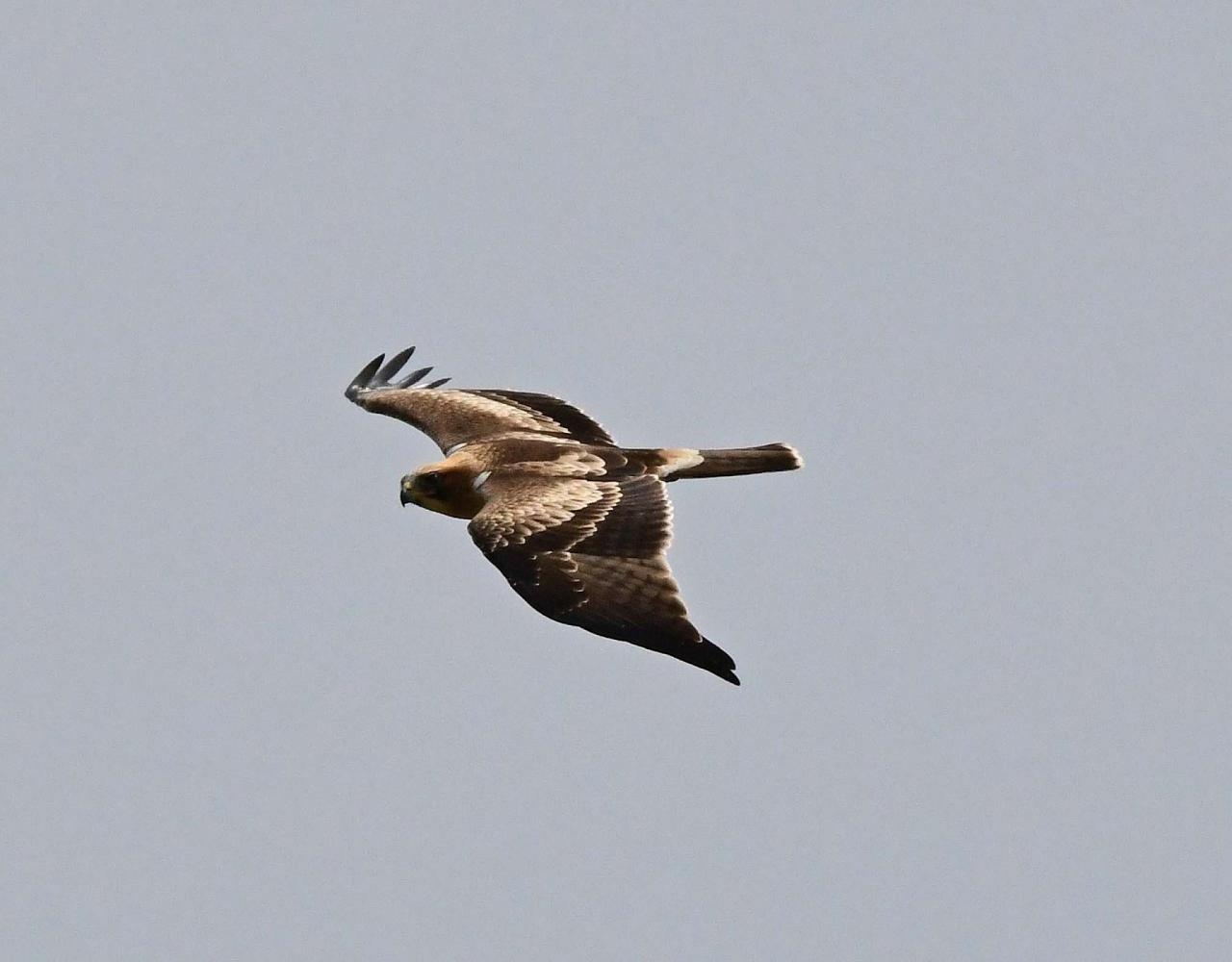
Species we may encounter include Black Kite, Eurasian Kestrel, plentiful swallows and swifts, the ubiquitous Eurasian Blackbird, handsome Common Chaffinch, the diminutive Eurasian Wren (Troglodytes troglodytes!), Common Nightingale, and more.
This afternoon, we explore one of Spain's most dramatic and picturesque cities. Perched above the breathtaking El Tajo Gorge, Ronda offers spectacular scenery as well as excellent birdwatching opportunities. We search for Red-billed Chough, Lesser Kestrel, and Alpine Swift while admiring the gorge, which plunges more than 300 feet below the city and separates the 15th Century new town from the much older Moorish quarter. Spanning the gorge is the city's iconic stone bridge, one of Andalusia's most recognizable landmarks. We also admire the famous 18th Century Plaza de Toros, one of Spain's oldest and most historic bullrings.
This evening, we gather for a festive farewell dinner as we reminisce about the many highlights of our Andalusian adventure—from memorable birds and remarkable wildlife to unforgettable cultural experiences and, of course, the extraordinary Total Solar Eclipse. One final review of our bird list provides the perfect conclusion to an exceptional journey.
Accommodation in Ronda (B,L,D)
Fri., Aug. 6 Departures
After breakfast, we return to Málaga Airport for flights home. As we say our farewells, we reflect on an unforgettable journey through Andalusia that combined exceptional birding, fascinating history, vibrant culture, outstanding cuisine, and one of nature's most extraordinary celestial events. (B)
-
Greater Flamingo
-
Eurasian Griffon by Sharon Lynn
-
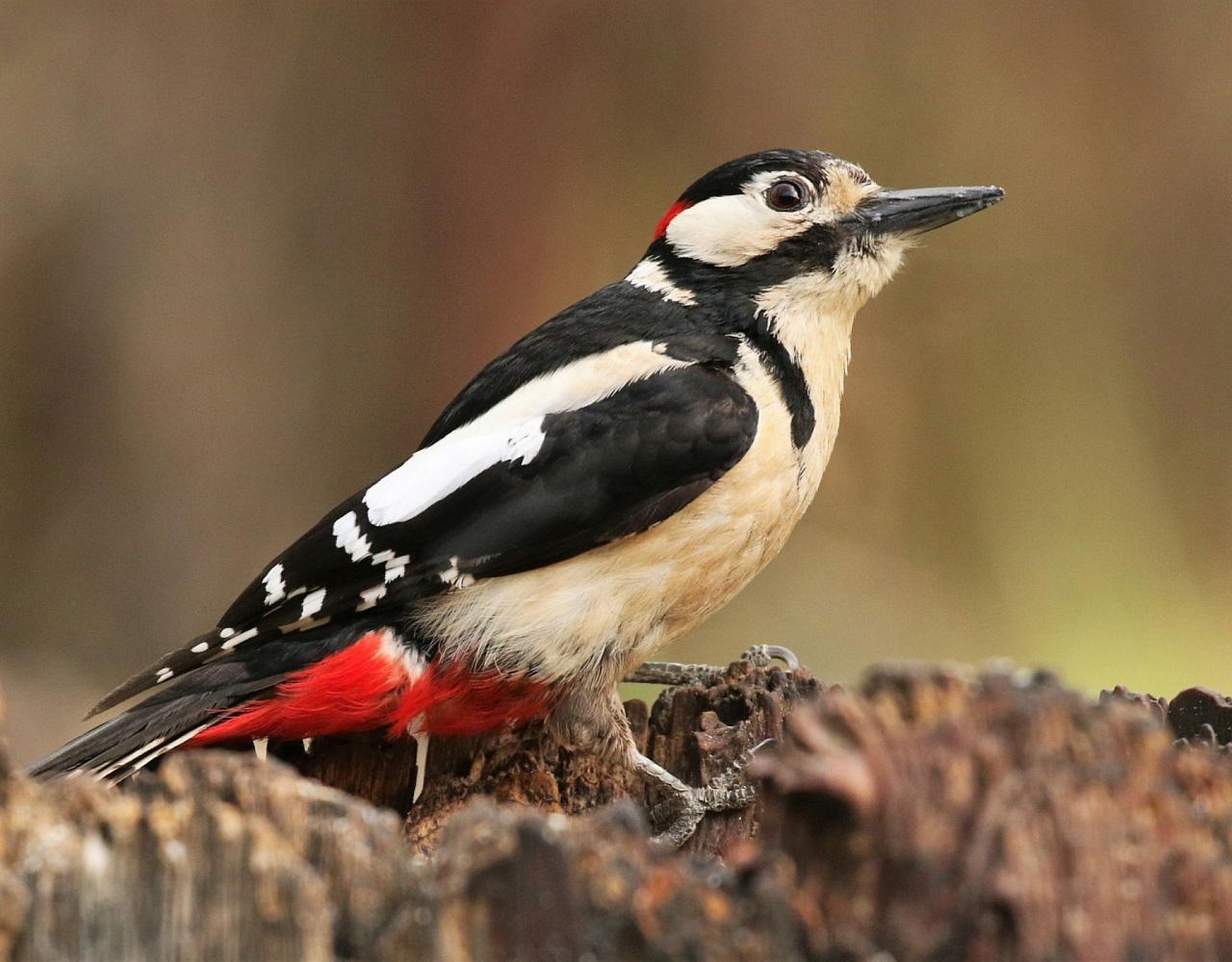
Great Spotted Woodpecker by Carlos Sanchez
-
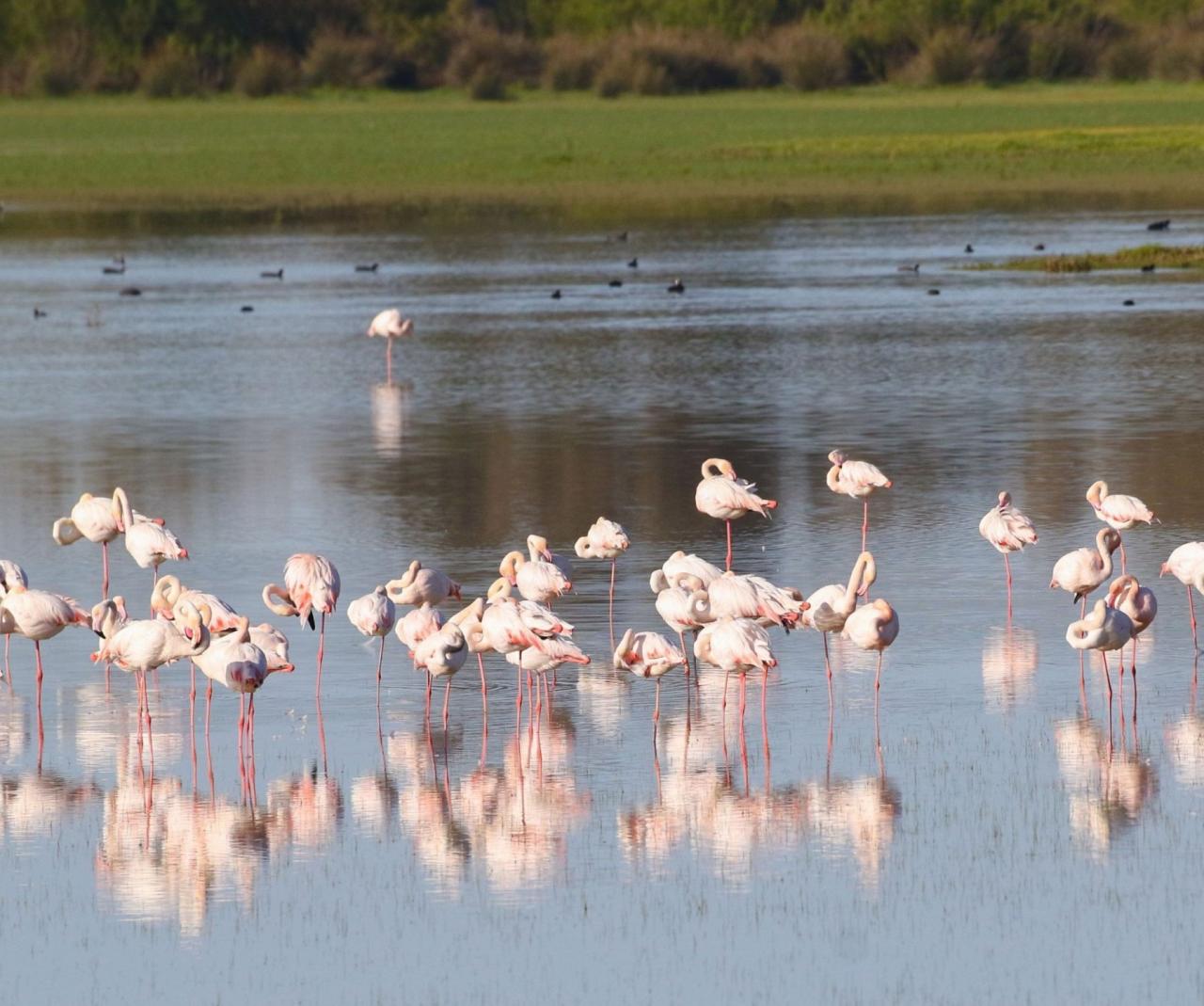
Greater Flamingos by Carlos Sanchez
-
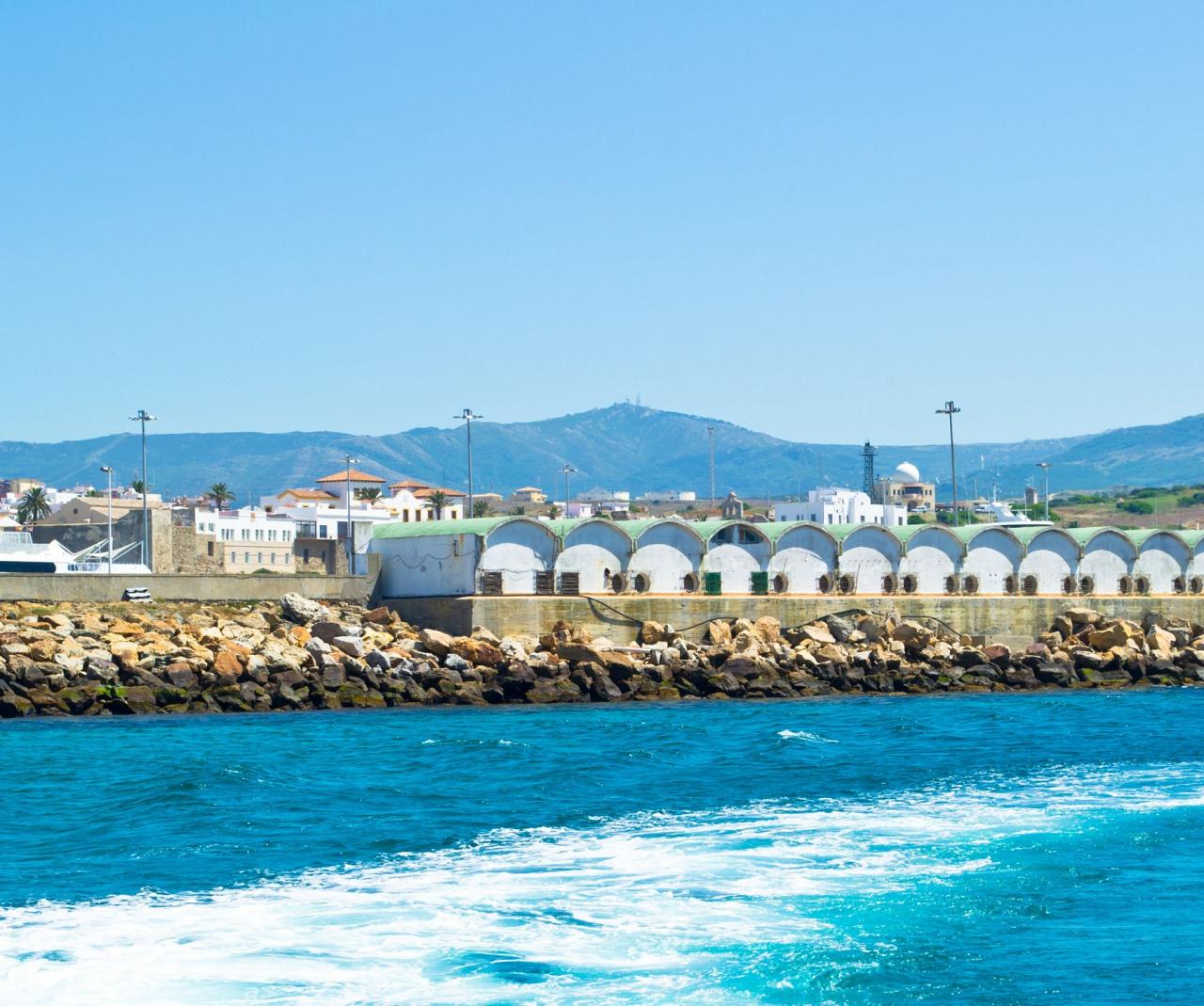
Tarifa, Spain
-

European Robin by Mike Kershaw
-
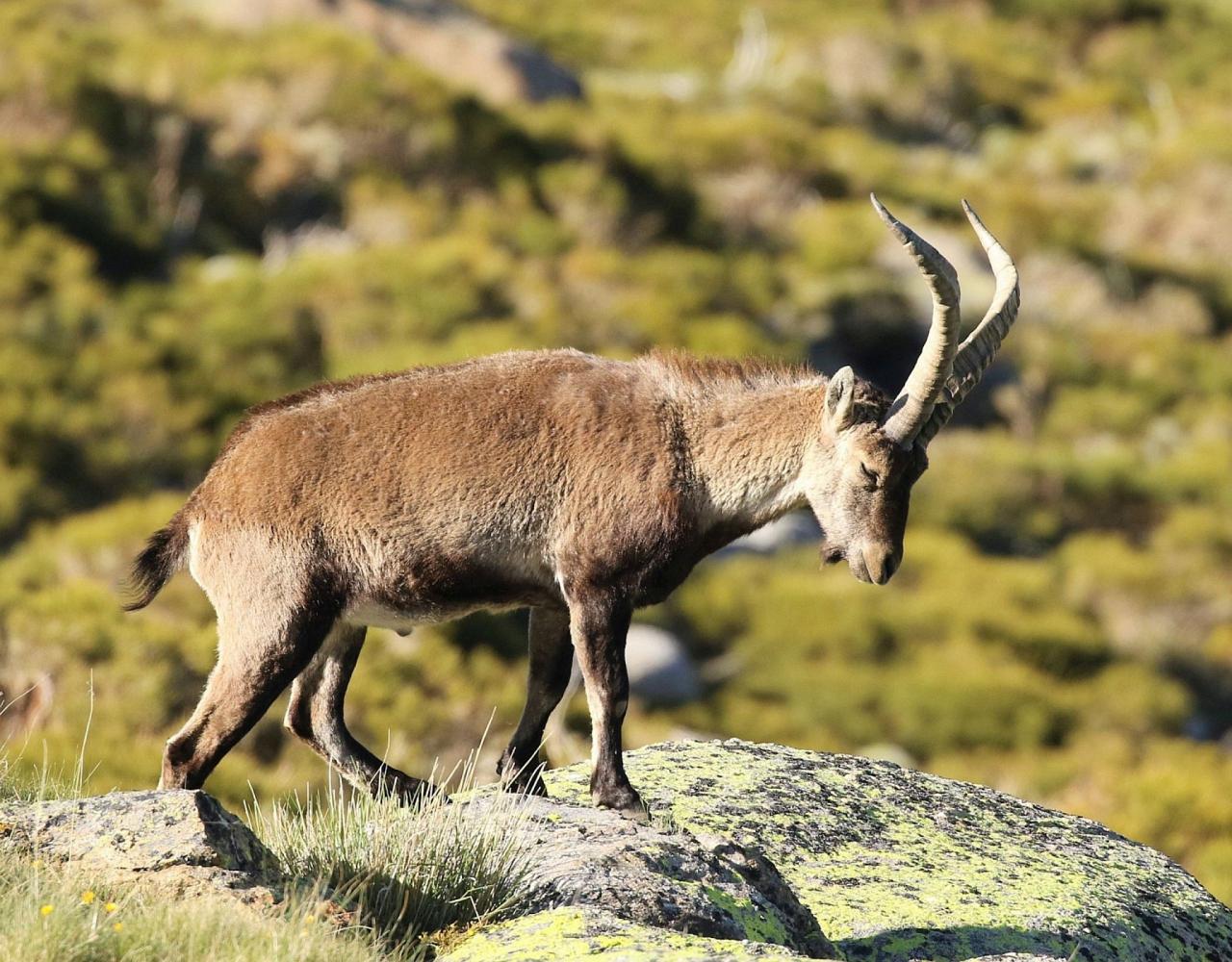
Iberian Ibex by Carlos Sanchez
-
Hoopoe by Gerard Gorman
-
Common Dolphin
-
Booted Eagle by Sharon Lynn
-
Queen of Spain Fritillary by Carlos Sanchez
-
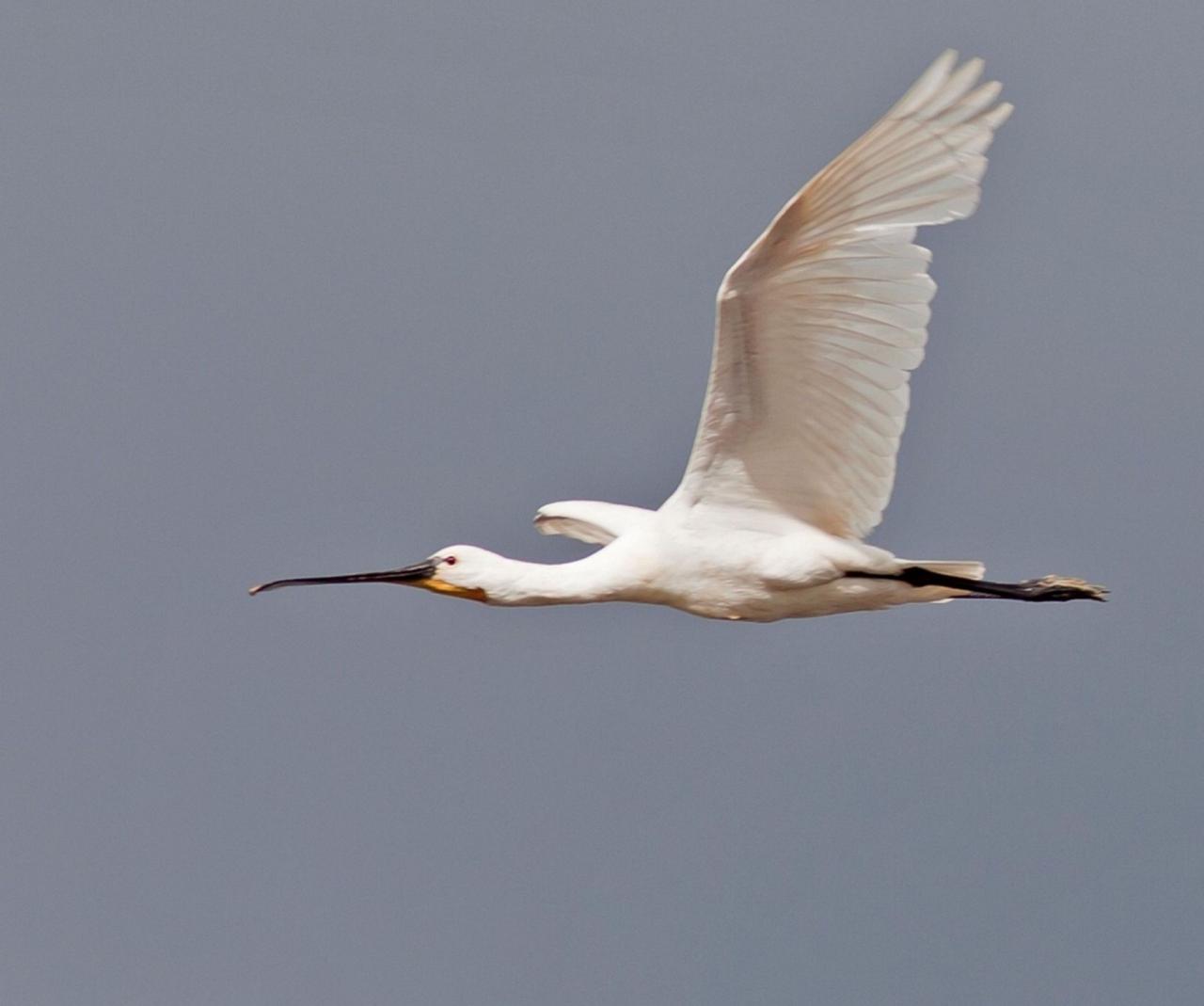
Eurasian Spoonbill
-
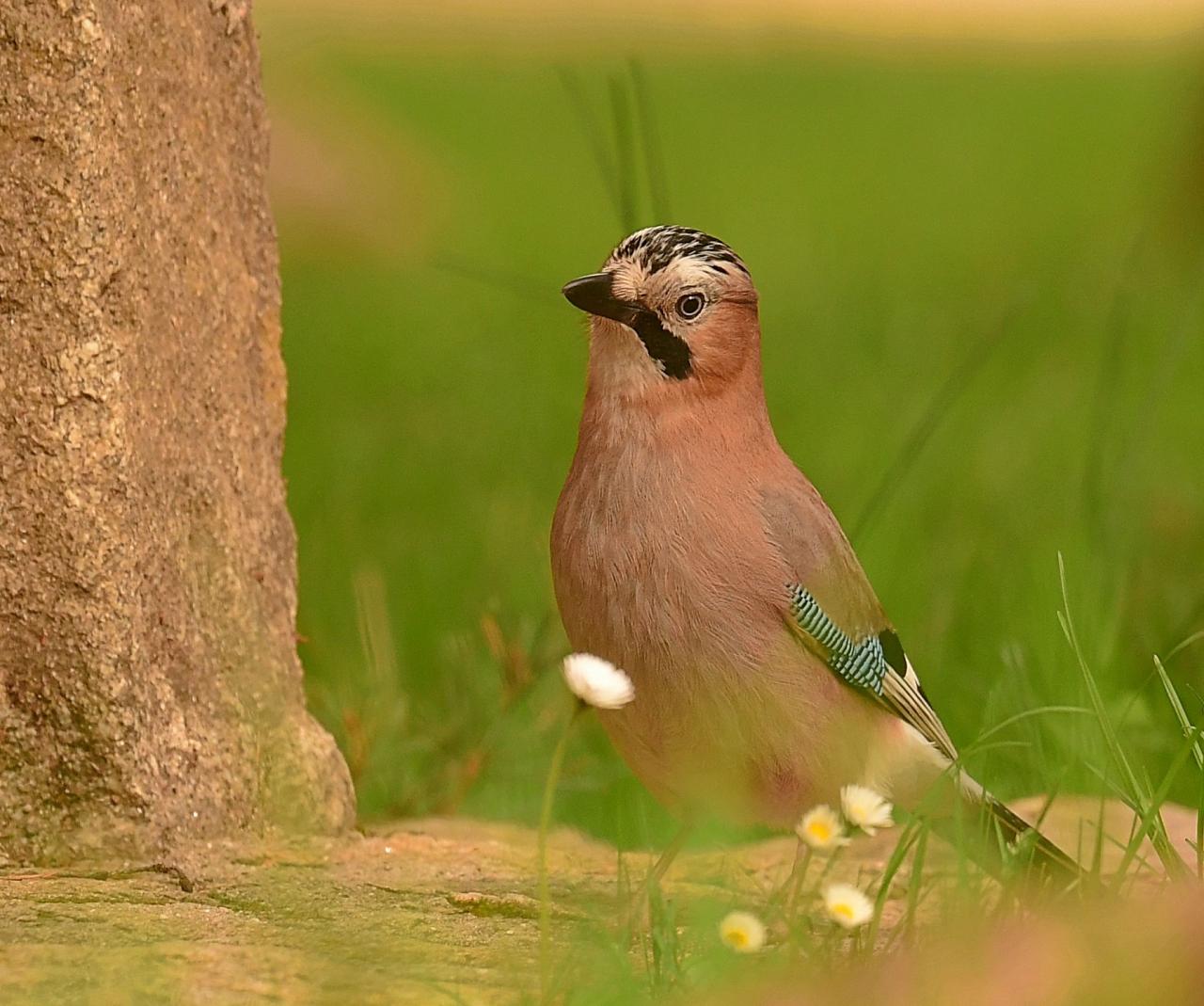
Eurasian Jay by Mike Kershaw
Cost of the Journey
Cost of the journey is $8590 DBL / $9345 SGL per person, based on occupancy, from Malaga, Spain.
Included: accommodations for 12 nights, meals as specified in the itinerary, professional guide services, local guides, local park and reserve entrance fees, and miscellaneous program expenses. All tips other than your NJ guide (optional) and local guide are included (this includes tips for your driver, lodge and staff, day activities, meals and other services).
Not included: roundtrip airfare to or from Malaga, airport transfers, or items of a personal nature such as: laundry or drinks from the bar.
This tour was priced in Euros, on July 20, 2026. If a significant shift in this rate occurs, we will need to adjust tour pricing accordingly, up to the time that final payment is made.
Travel Details
Please plan to make air travel plans only after the minimum group size has been met. We will send you a confirmation email as soon as the trip has been confirmed.
Arrival and Departure Airport: Airport is Málaga-Costa del Sol (AGP)
Arrival Details: Plan flights to arrive July 26, 2027 at your leisure. The group will assemble for dinner.
Departure Details: Plan flights to depart August 6, 2027 after 1:00 PM.
Travel Tips: If you arrive early to rest up from your travels, we suggest booking an early night at our first night tour hotel, Hotel Málaga Picasso. You can book this online and send us the confirmation number with the goal being you don’t have to switch rooms.
Entry Requirements: See "Essential Information" section under the "Know Before You Go" tab.
Browse below for trip reports and species lists from past versions of this and other tours from this destination.
Spain
- May 2018
- May 2019
- September 2021
- April 2022
- September 2022
- April 2023
- September 2023
- April 2024
- April 2025
- July 2026 (Pyrenees )
- August 2026 (Solar Eclipse Tour)
- September 2026
-
Stephen Grace

Stephen Grace is an award-winning author, educator, photographer, and conservationist whose work explores the intersection of nature, science, and culture. For more than two decades, he has guided travelers through landscapes ranging from New Zealand to Alaska, Guyana to Tanzania, and India to Belize. He is the recipient of the Naturalist Journeys 2024–2025 Guide of the Year Award.
After moving from Colorado to the Oregon coast, Stephen’s life took a decisive turn when he watched a Tufted Puffin ferry fish back to its burrow. Soon afterward, hearing the ethereal song of a Swainson’s Thrush confirmed a calling that would shape his life: studying birds and sharing their stories with others.
Now based in Port Townsend, Washington, Stephen explores the Pacific Northwest through outdoor pursuits and natural-history investigations—from paddleboarding alongside whales to identifying bats by their biosonar, and from advocating for old-growth forest preservation to restoring native prairie.
Whether guiding in the field or interpreting nature through story, Stephen weaves science, place, and wonder into experiences that resonate long after the journey ends.
Other trips with Stephen Grace
-
 Southern India’s Western Ghats: Global Hotspot for Biodiversity Full!November 7 - 21, 2026, w/Andaman Islands extension
 -
 Belize: A Short & Sweet Birding Blitz Only one space left!January 3 - 9, 2027
 -
 Tanzania: Wildlife & Birding Safari Closed, see our February departure.January 21 - February 3, 2027, w/Amboseli & Nairobi National Parks extension
 -
 Birds & Mammals of Ecuador's AndesMarch 3 - 16, 2027
 -
 Western Panama: Tranquilo Bay FULL - See our other 2027 departures!April 3 - 10, 2027, w/Mt. Totumas extension
 -
 Olympic Peninsula Spring Explorer FULL - See our fall departure!May 10 - 17, 2027
 -
 Aleutian Islands Adventure with Dutch Harbor & Kodiak Island FULL - Check out Alaska’s Northern Passages & Glacier Bay!June 15 - 25, 2027
 -
 Olympic Peninsula Fall ExplorerSeptember 9 - 16, 2027
 -
 World-class Birding in Colombia's Coffee TriangleOctober 9 - 22, 2027, w/Montezuma extension
 -
 Vibrant Vietnam: Birding & Nature from North to SouthNovember 7 - 20, 2027
-
Essential Information +
Pace & Protocols +
Packing List +
Suggested Reading List +
Useful Links +
Photo credits coming soon.