Join us for a relaxing week of birding and exploring the incredible diversity of southern Sonora and the beautiful colonial city of Alamos. This trip is a great way to experience a truly interesting and exotic area at a nice, relaxed pace!

An easy day’s drive from Tucson, Arizona, puts you in a completely different world. We break up the first day of travel and birding by staying the night in Sonora’s capital city, Hermosillo. In the Alamos area, we enjoy five nights at the nature lodge, El Pedregal. Here, we encounter the mixing of habitats, formed by the transition zone between the southern limits of the Sonoran Desert and the furthest northern reaches of the tropics. We also spend a day at the Sea of Cortez, where we are rewarded with a spectacular show of wintering birds of the shore and sea. And there is time dedicated to learning about the Sinaloa thorn forest and the dry tropical deciduous forest, two of the most botanically rich and most highly endangered habitats in the world. This trip into northern Mexico is sure to impress you with amazing habitat diversity and cultural riches, all within a day’s drive of the U.S. border!

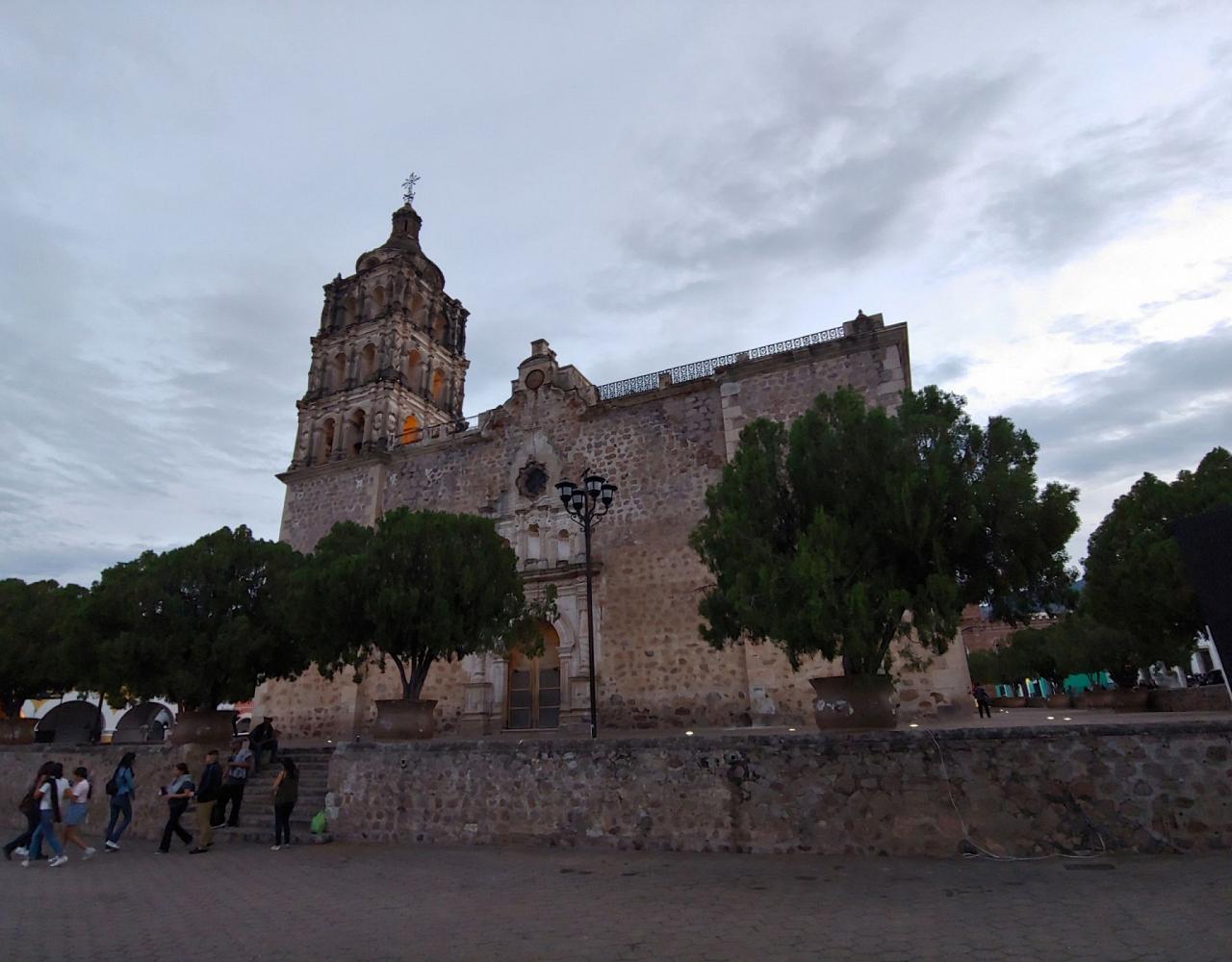
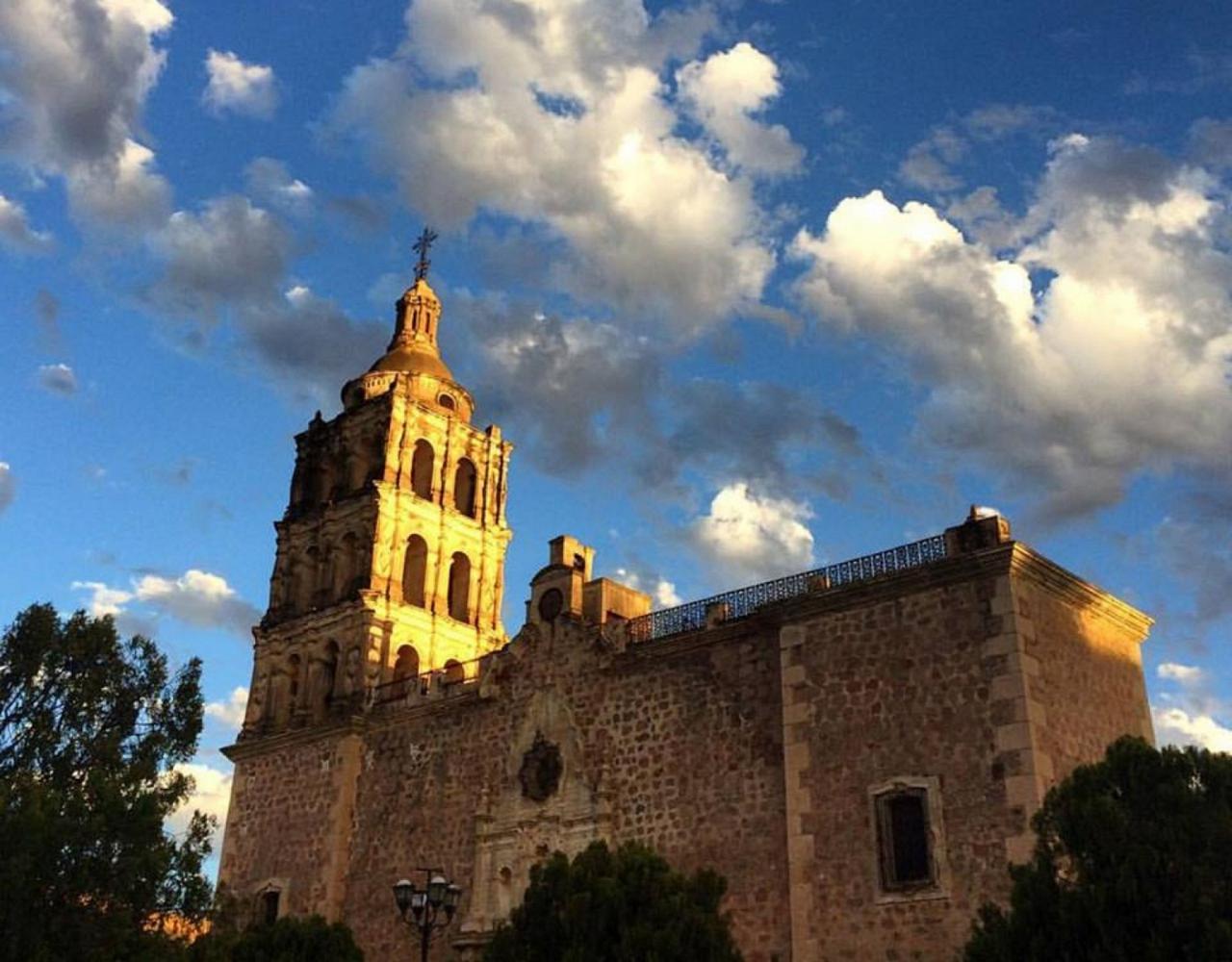
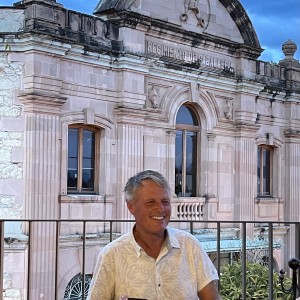
While the emphasis of this trip is bird watching, we take time to explore the rich human history of the area, too. We explore an old mining town, visit a couple of restored haciendas, get some insight into indigenous Mayo Indian culture and tour the historically significant and beautiful town of Alamos. The heart of Alamos has been elevated to National Historic Monument status and is also a “Pueblo Magico” of Mexico, because of its rich history and Spanish colonial architectural.

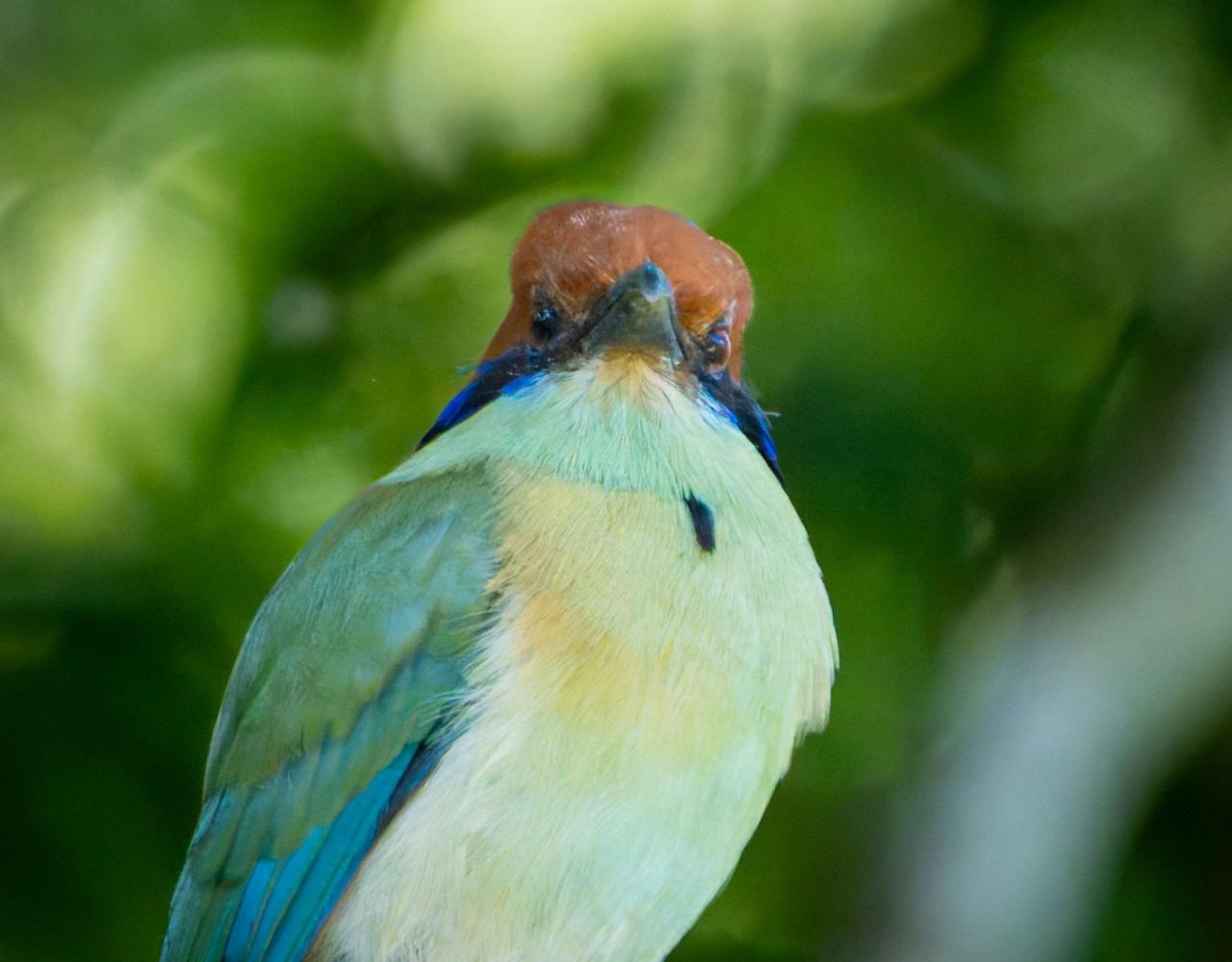
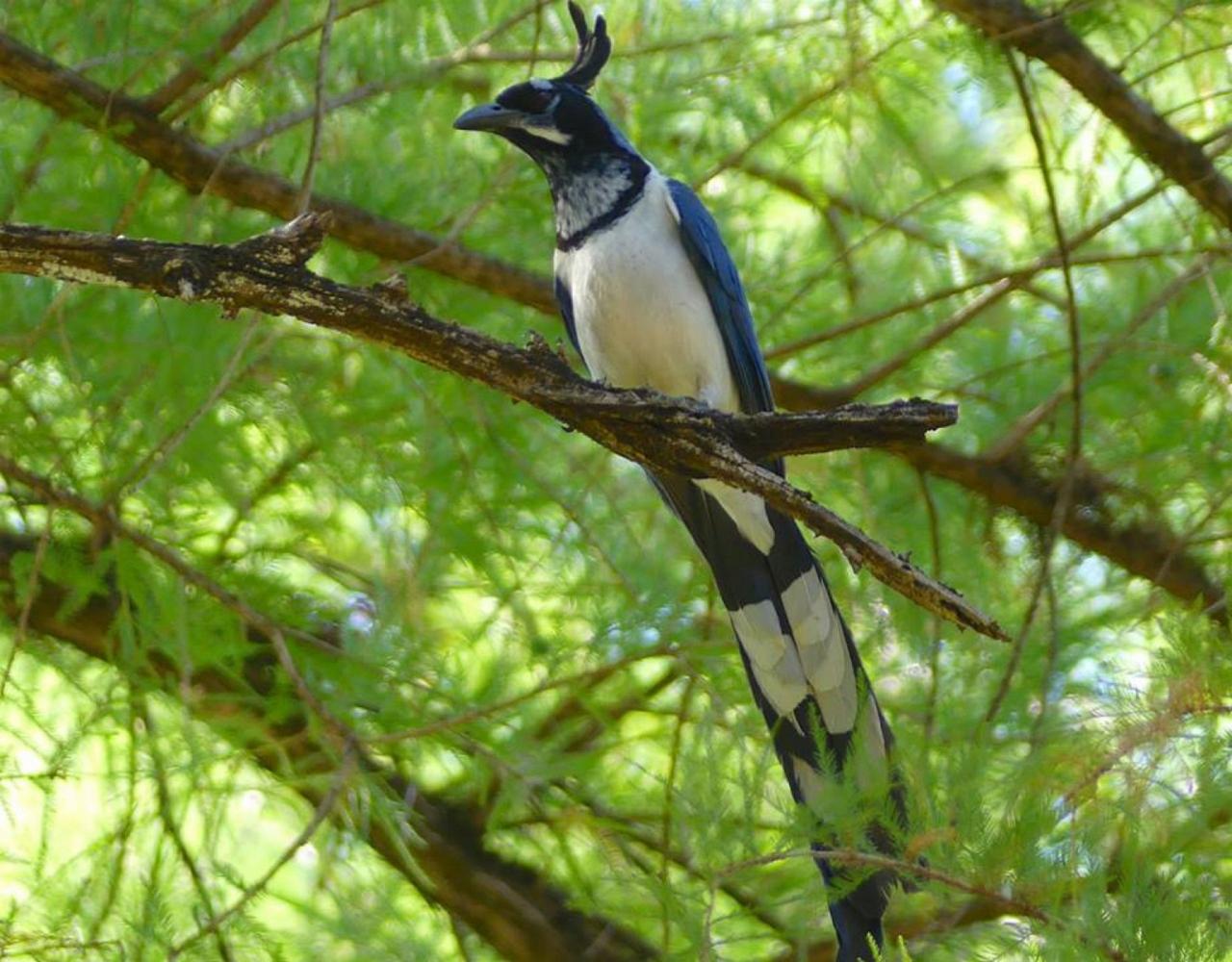
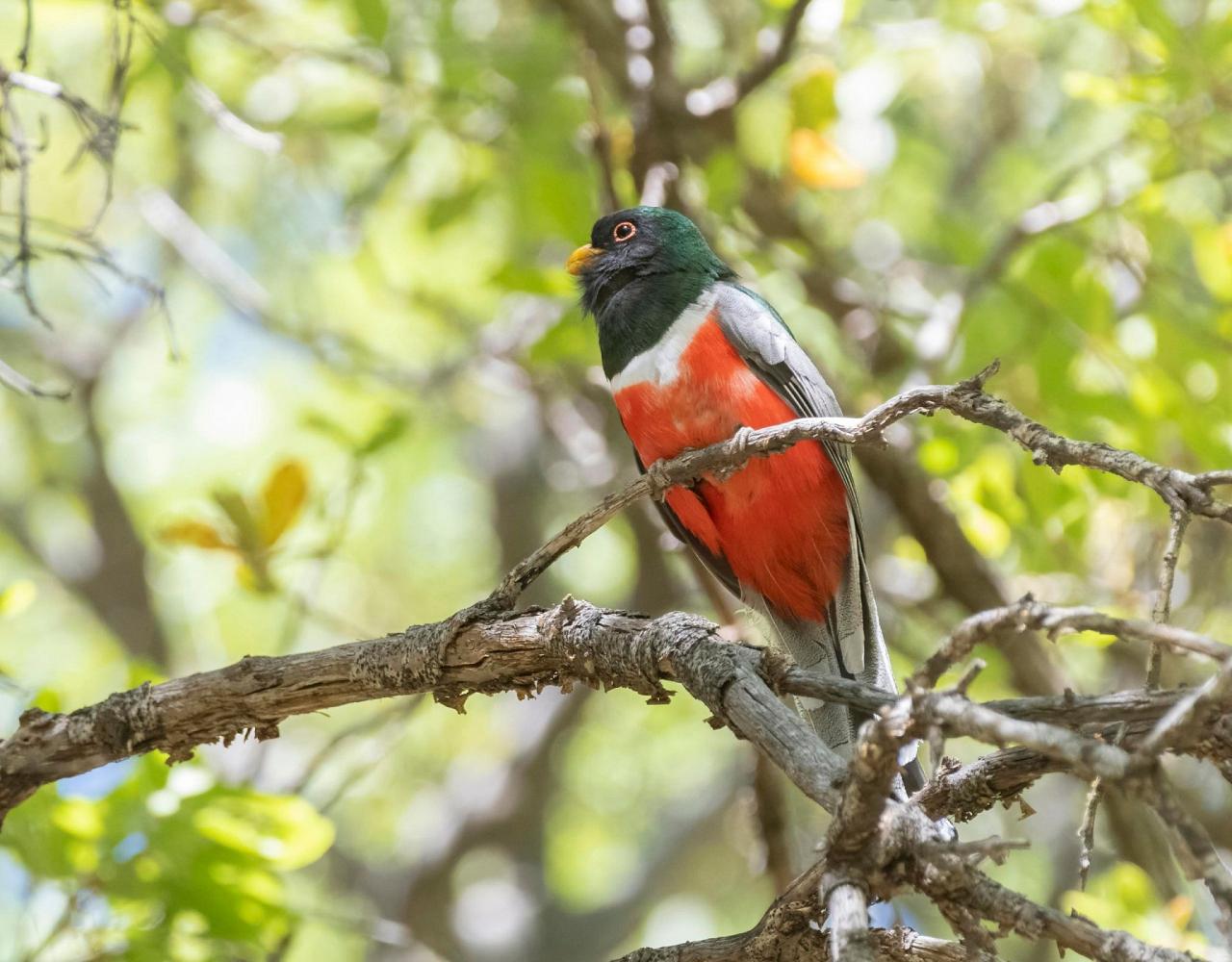
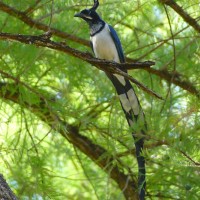
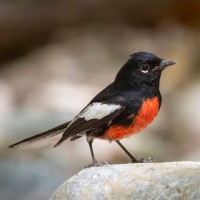
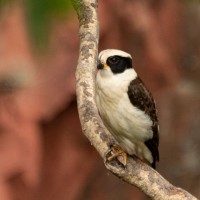
In the environs of Alamos we can see an amazing array of birds, and many of the northwest Mexican endemic birds are visible right from the comfort of our hotel! Some of the birds possible on this trip are Blue Mockingbird, Black-throated Magpie-Jay, Russet-crowned Motmot, Purplish-backed Jay, Elegant Quail, Lilac-crowned and White-fronted Parrots, Five-striped Sparrow, Mexican Parrotlet, Coppery-tailed Trogon, Crane Hawk, Common Black Hawk, Bare-throated Tiger Heron, White-fronted Parrot, Rose-throated Becard, Happy and Sinaloa Wren, Rufous-bellied Chachalaca, and many others. The species list for the area approaches 250 birds; we should encounter upwards of 200 on this trip.

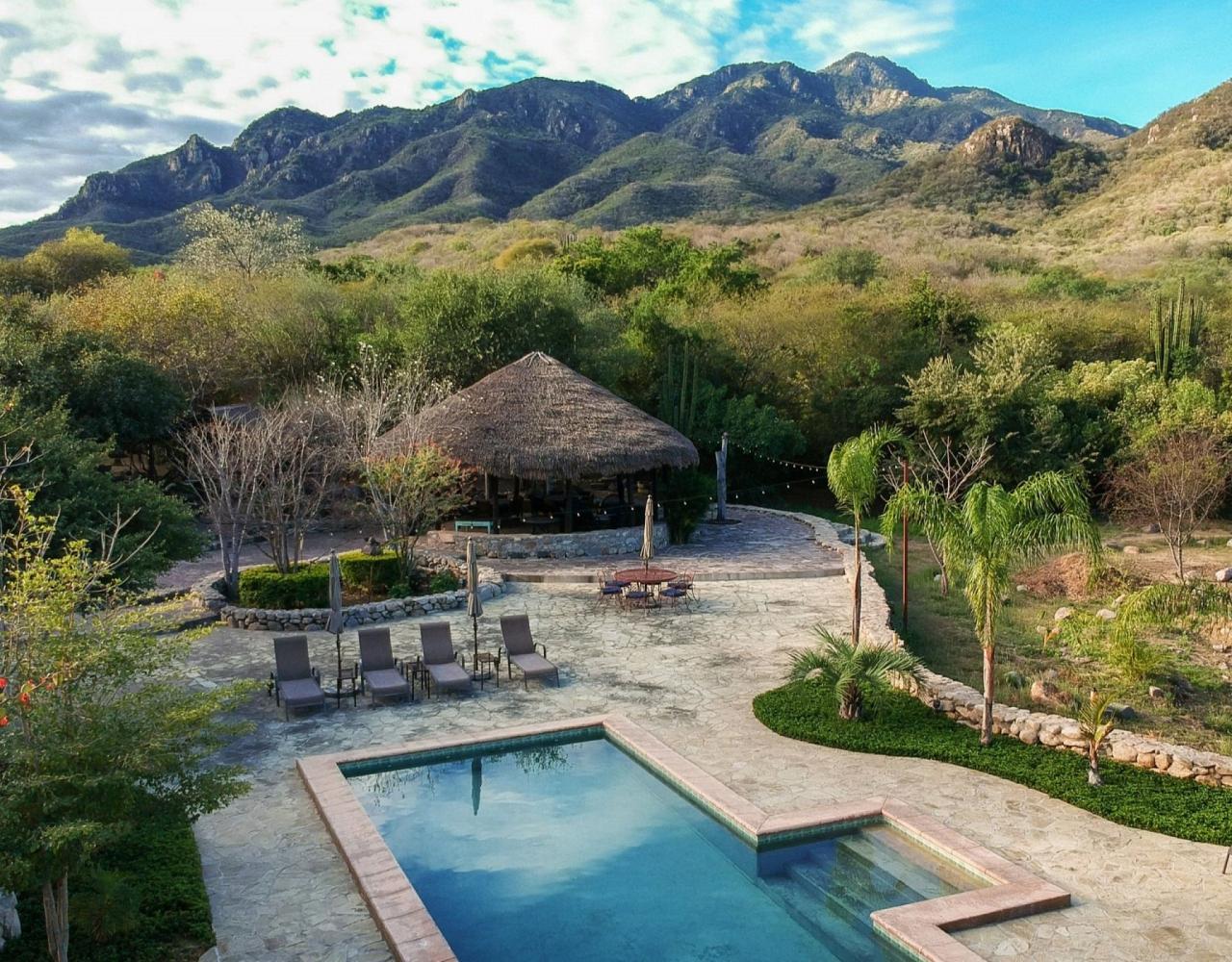
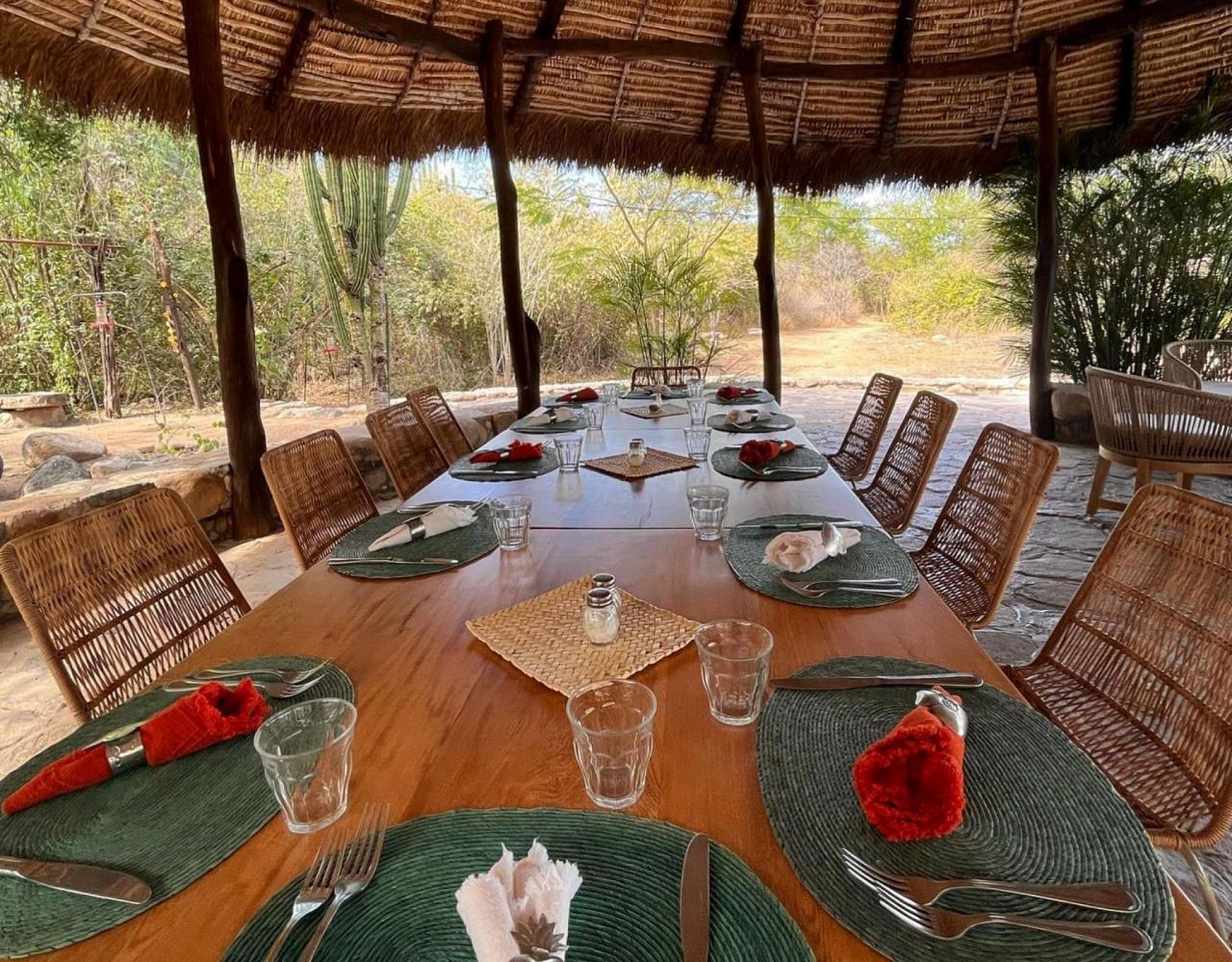
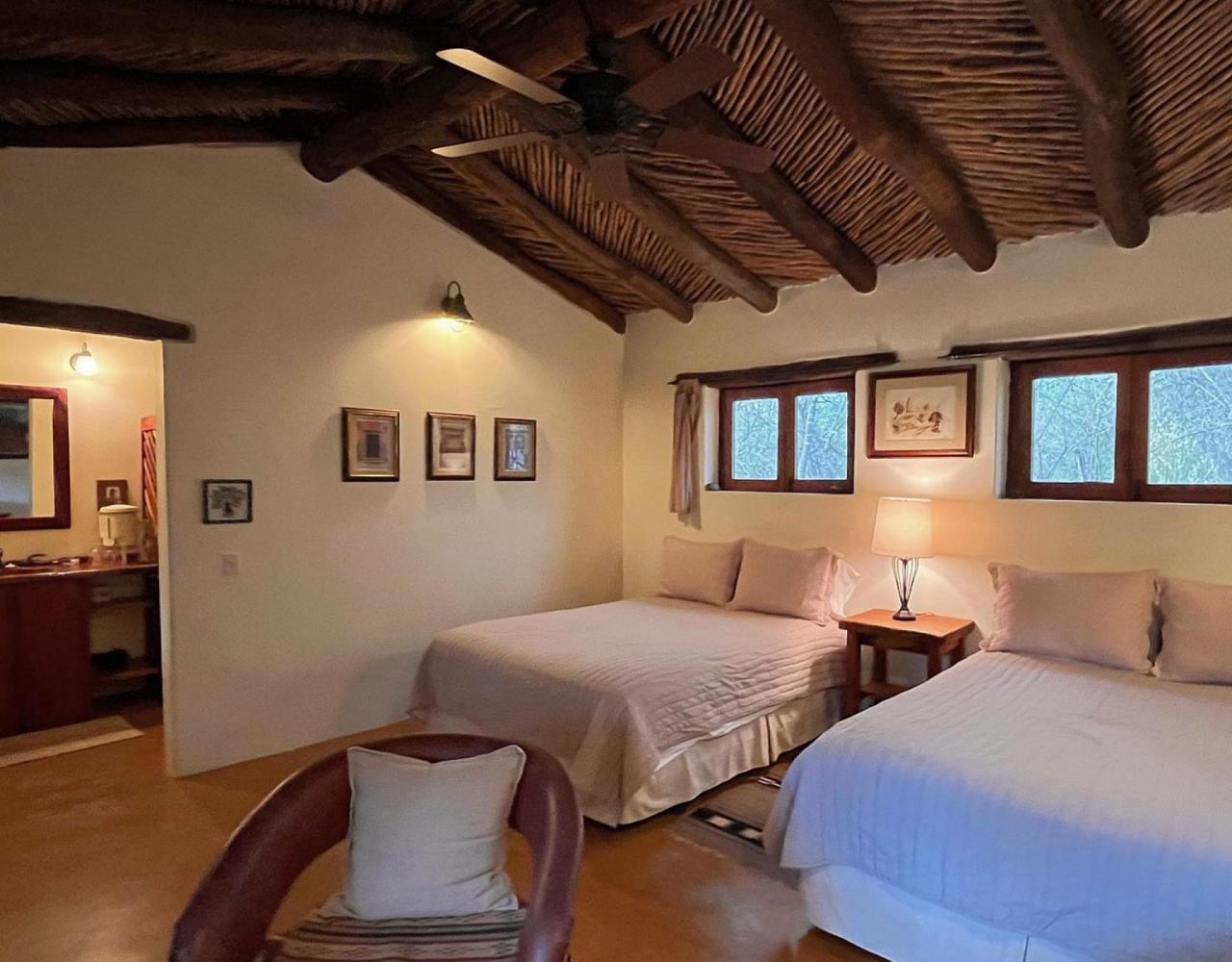
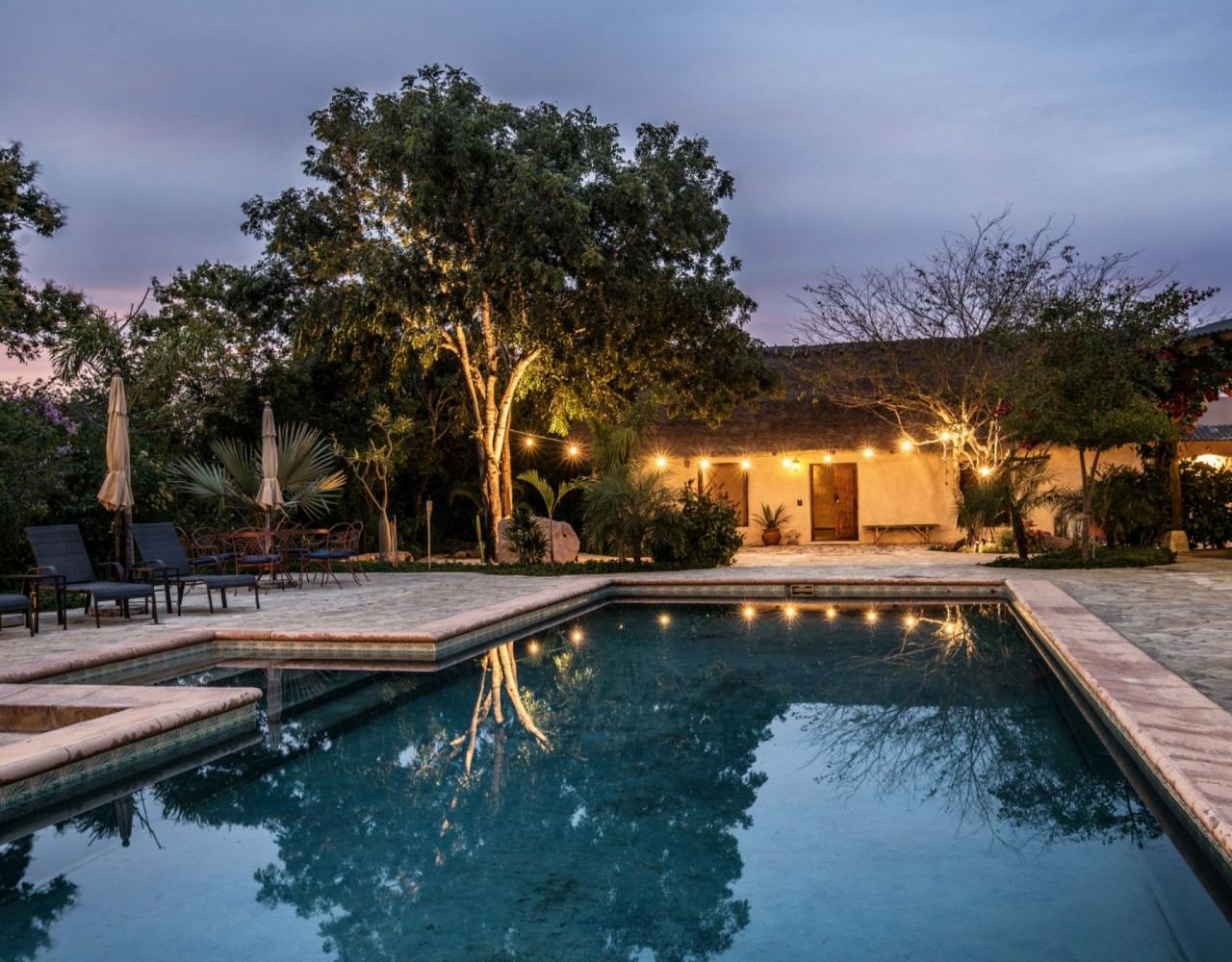
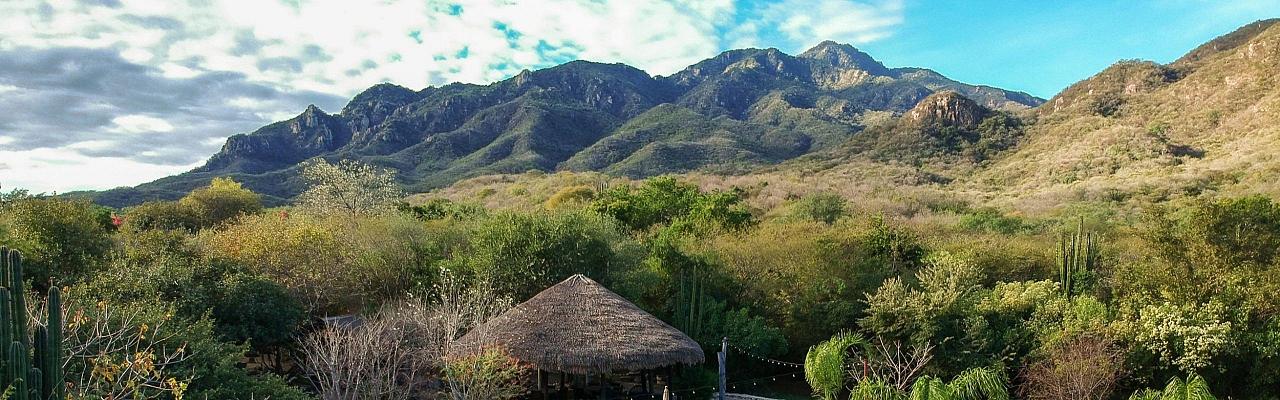
Our accommodations are very comfortable. The first night is spent at a comfortable business hotel in Hermosillo. In Alamos, we stay at the unique and beautiful El Pedregal Nature Lodge. Luxurious adobe casitas and the inviting central lodge are set on 20 acres of intact tropical deciduous forest right at the edge of Alamos. El Pedregal is known for its fine hospitality and delicious food. It is a beautiful and relaxing place to spend our time here. On the last two nights of the trip we stay at a very nice seaside hotel in San Carlos where every room has a view of the Sea of Cortez.

This is a fantastic trip for the beginning birder; it offers the chance to really study a high number of northern migrant birds, as well as an interesting array of tropical birds at their northern limit. The experienced birder is sure to be happy with the high number of northwest Mexican endemics in the Alamos area.

  • "Alamos is charming and full of history. We were warmly welcomed by all." —Leslie Corey Jr., 2023 Alamos Guest
  • "Lots of birds including most of the lifers I was hoping for. Interesting places with great scenery, food, and lodgings." — Dennis Bozzay, 2023 Alamos Traveler

Tour Highlights

  • Explore Sinaloa thorn forest, dry tropical deciduous forest, tropical deciduous habitat, and Sea of Cortez riparian zones and shorelines
  • See stunning Mexican specialties like the Black-throated Magpie-Jay, Purplish-backed Jay, Crane Hawk Rose-throated Becard, and Plain-capped Star-throat
  • Tour the stunningly beautiful historic town of Alamos, a Mexican “Pueblo Magico”
  • Experience winter flocks of shorebirds by the thousands on the edge of the Sea of Cortez

Trip Itinerary

Itineraries are guidelines; variations in itinerary may occur to account for weather, road conditions, closures, etc. and to maximize your experience.

Tues., Dec. 1   Arrival in Tucson, Arizona

Welcome to Arizona! Arrive today in Tucson, a vibrant city surrounded by mountain ranges that rise dramatically from the Sonoran Desert floor. Please arrive by 5:00 PM to enjoy an informal welcome dinner close to our hotel for convenience. Meet fellow travelers, and get ready for a great week ahead!

Please note: Some of you may want to arrive early to explore multi-cultural Tucson with its great museums and restaurants and a chance to visit the Sonoran Desert Museum at your leisure. If so, we can make recommendations.
Accommodations at Sheraton 4 Points at the Tucson Airport (D)

Wed., Dec. 2      Santa Ana | Hermosillo

Plan on an early breakfast at the hotel — our local guides pick us up at 7:00 AM. We have snacks and water in the van throughout the day for your comfort and convenience.

Our first stop is in Nogales, Arizona/Sonora, the border crossing point a short hour from Tucson. Here we take care of customs and immigration paperwork. Welcome to our wonderful neighbor, Mexico!

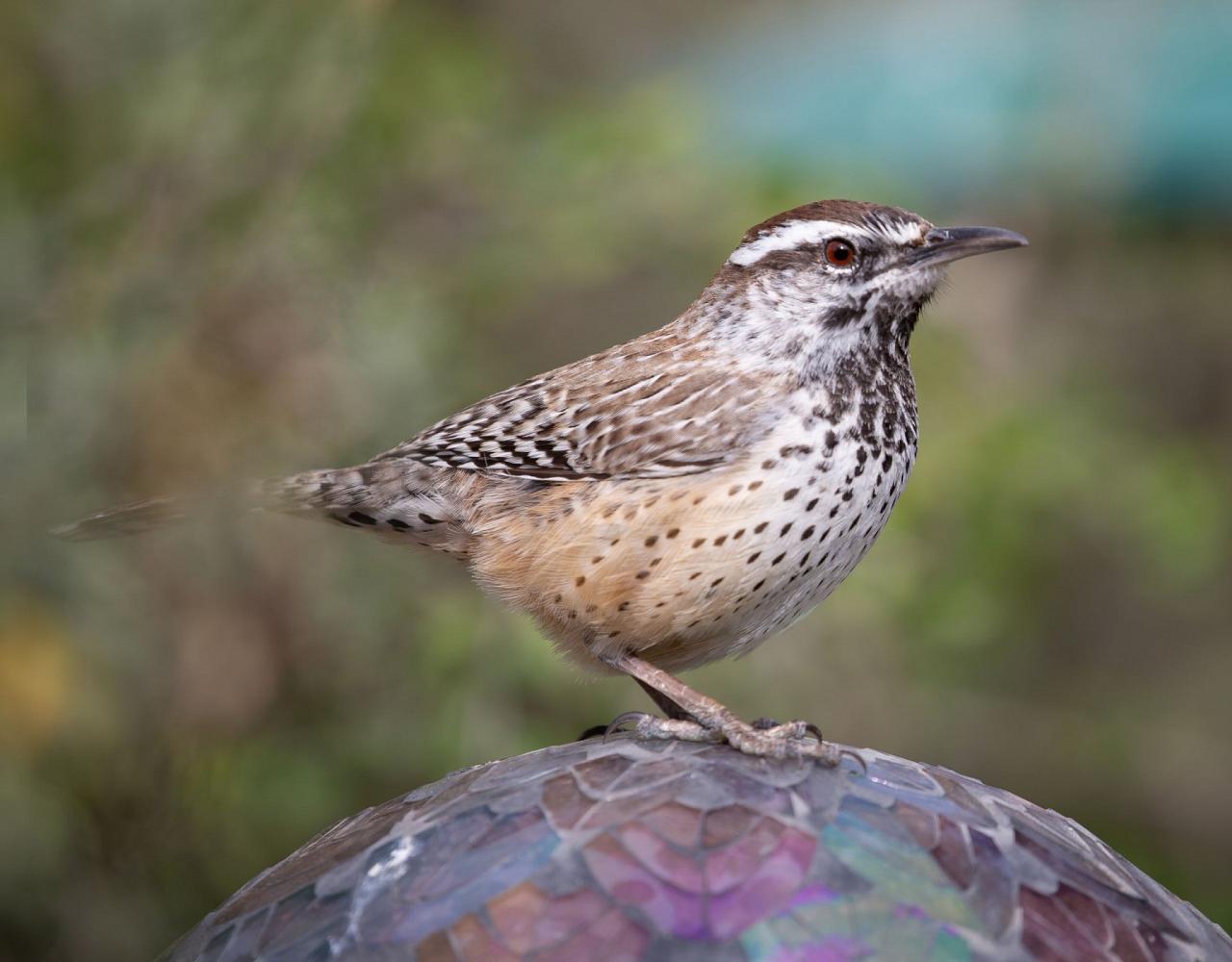
We start birding soon after our stop, hitting some extensive riparian areas and various desert locations along the way. We have lunch at a popular spot in Santa Ana before making our way towards Hermosillo, the capital and largest city of Sonora. We stop in a couple of other spots in the Sonoran Desert before getting to the hotel to relax a bit before dinner. Cactus Wren, Greater Roadrunner, Black-throated Sparrow, and other birds of the Sonoran Desert are readily on hand. Two rivers, the Sonora and the San Miguel, provide green areas in this bustling desert city.
Accommodations in Hermosillo (B,L,D)

Thurs., Dec. 3      Alamos

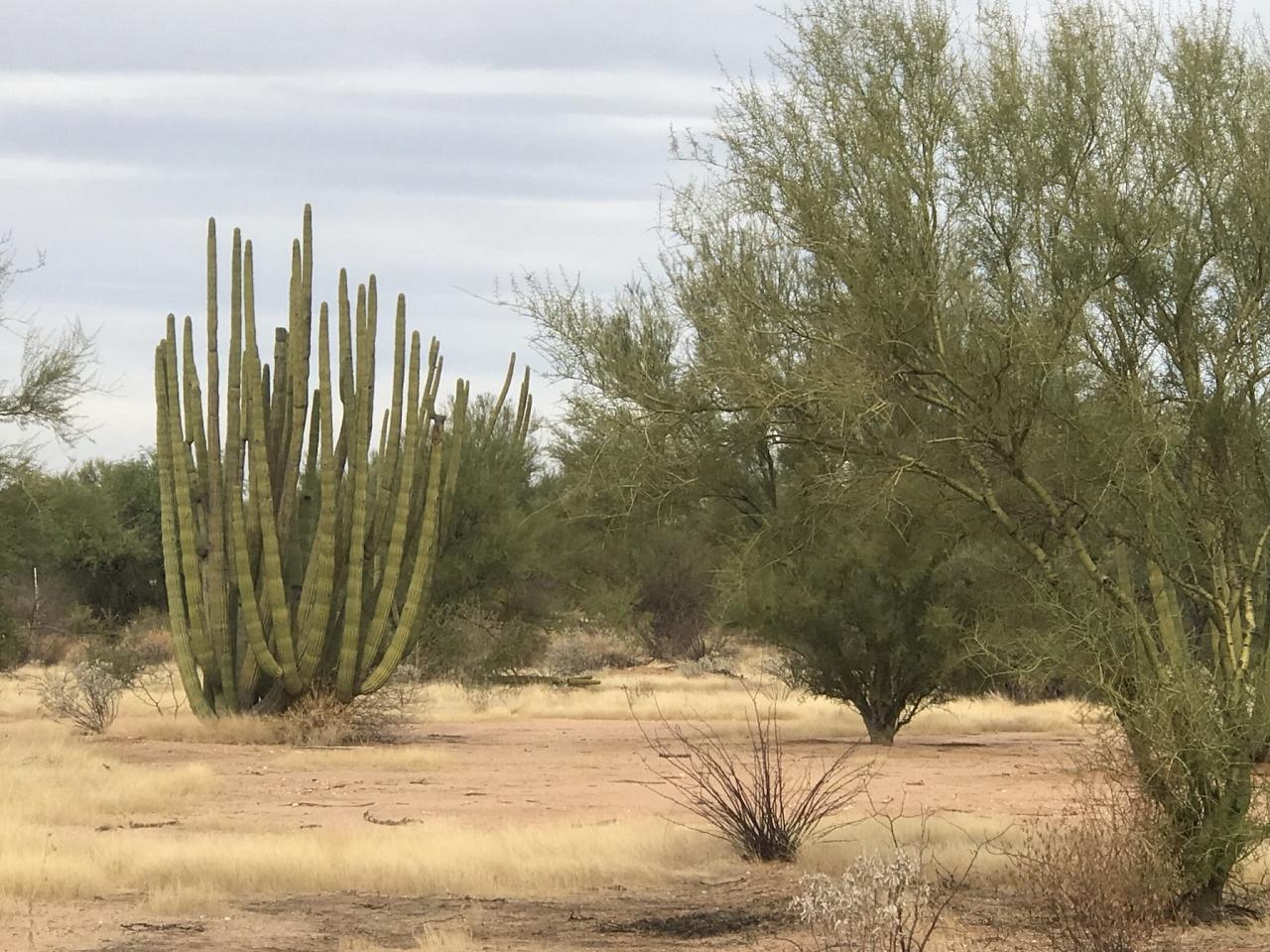
After birding locally and breakfast, we make our way to the colonial city of Alamos, making a few birding spots along the way, but mostly this is a travel morning. As we get closer to our destination, tall cacti and Palo Verde and Ironwood trees give way to trees of the Tropical Dry Forest.

Colonial Alamos is rich in history, noted as the base for the start of the large Coronado expedition in 1540 and established as a village in 1685. Wealth from Mexico’s silver production influenced the architecture and city. Notable buildings include private mansions, an elaborate city hall, the church of La Purisma Concepcion and La Capilla. Cobblestone streets and the Plaza de Armas are part of the charm.

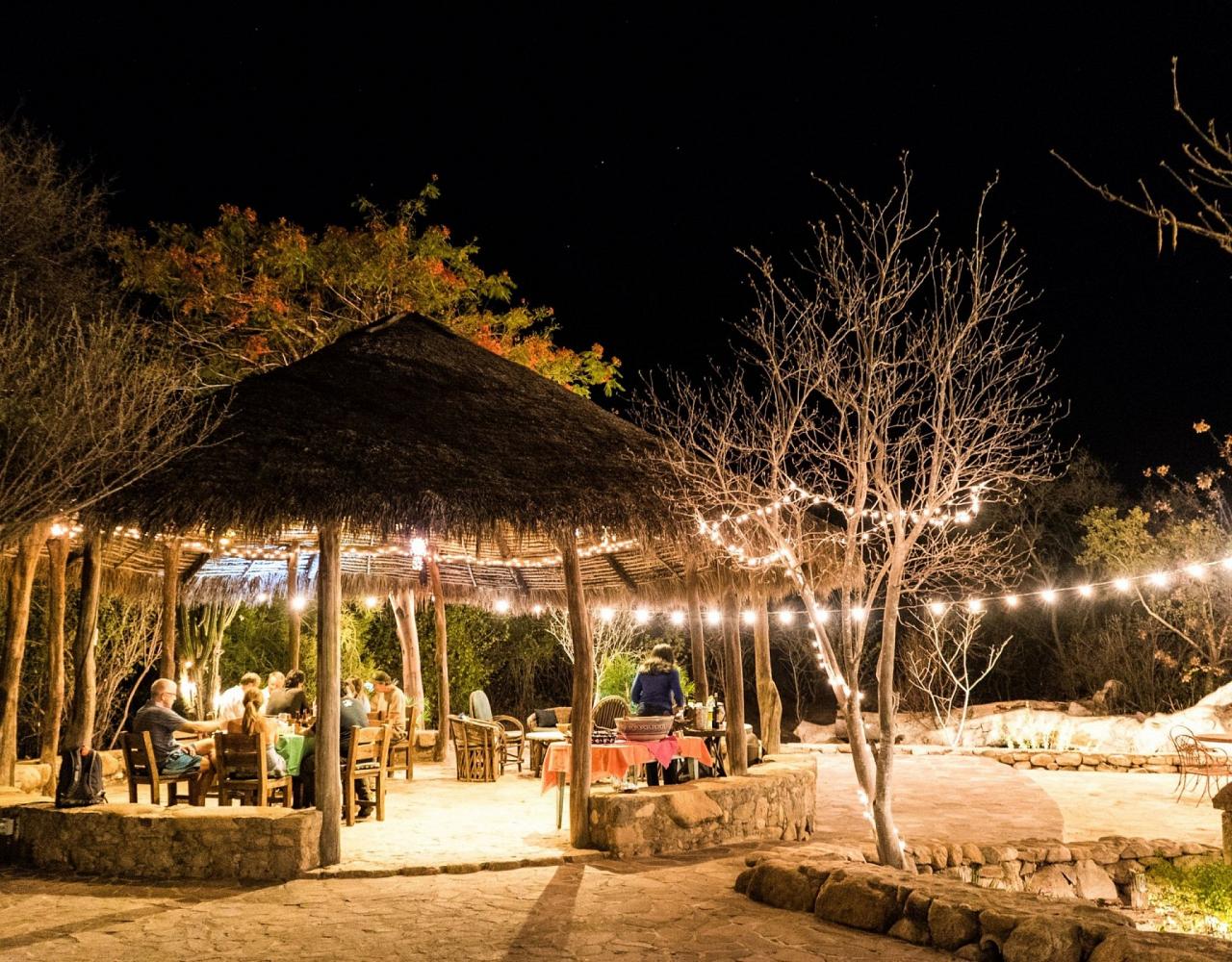
We arrive at El Pedregal, our nature lodge on a 20-acre oasis in the city, for lunch in the palapa! After a short afternoon break and settling into our casitas, we do some birding close to town and enjoy a delicious dinner back at El Pedregal. Being based from one location for our time in Alamos is one of the great features of this tour, allowing you to settle in and feel at home.
Accommodations at El Pedregal (B,L,D)

Fri., Dec. 4      Aduana Arroyo | La Aduana | Walking & Driving Tour of Alamos

Today, we take a short 15-minute drive out to the Aduana Arroyo for birding in cut over tropical deciduous habitat and agricultural fields. We have a good chance of seeing some of the region’s signature birds like Black- throated Magpie-Jay, Purplish-backed Jay, and both Happy and Sinaloa Wrens. A favorite species that brings to mind the tropics is the Squirrel Cuckoo.

We continue with a quick tour of the site of the former mining town of La Aduana, where we’ll visit the historic church (1585) and woman’s artisans cooperative.

Enjoy lunch and a siesta back at El Pedregal, where you can take a break or relax at the feeders in the shade. Our afternoon activity includes a driving and walking tour of Alamos, followed by a great Mexican buffet dinner at the Mirador Restaurant.
Accommodations at El Pedregal (B,L,D)

Sat., Dec. 5      Mentidero Arroyo | Cuchujaqui River

This morning we explore the Mentidero Arroyo, a 30-minute drive from Alamos. The Mentidero is a tributary of the beautiful Cuchujaqui River, a tropical river drainage within a federal Natural Protected Area. Our Mentidero day often yields good looks at a number of the area specialties, including many species very difficult to see in the states, but are more abundant here. Five-striped Sparrow, Bare-throated Tiger Heron, Elegant Quail, Green Kingfisher, Common Black Hawk, Crane Hawk, and Plain-capped Star-throat are possible species.

We spend the entire morning walking in both the Mentidero arroyo and along the Cuchujaqui River, enjoying the birds as well as the plants and other wildlife. This outing requires a fair bit of walking at a slow pace over what at times can be sandy and/or rocky terrain.

As usual, lunch is back at El Pedregal, followed by some relaxing siesta time. This afternoon, we bird around the lodge, then enjoy a dinner at another of our favorite restaurants in town.
Accommodations at El Pedregal (B,L,D)

Sun., Dec. 6       Alamos

What would a birding trip be without visiting a sewage pond! This morning we make our way to some effluent ponds on the southeast edge of Alamos, 30 minutes away, where in the green oasis, we look for Black-vented Oriole, Russet-crowned Motmot, Coppery-tailed Trogon, White-fronted Parrot, Rose-throated Becard, and Rufous-bellied Chachalaca. The perennial water found in this area makes for a fantastic array of bird life and should offer dozens of species.

Today we sample lunch at a favorite restaurant and then return for a siesta at the lodge.

In the afternoon, we have some time to visit town, for those who like to shop and wander around. Alamos is considered to be the colonial gem of the Sierra Madres, and is given the distinction of a “Pueblo Magico” by the Mexican government in recognition of the historic charm that is such a strong part of visiting Alamos. There is an excellent museum in town, too. Pro-Natura, the major Mexican conservation organization, has offices in the city and we hope to hear from them during our visit about some of their programs and successes in creating biological corridors in the region.

And for those who prefer birding, we also offer an outing. This evening, we enjoy a delicious and bountiful Sonoran feast at El Pedregal!
Accommodations at El Pedregal (B,L,D)

Mon., Dec. 7 & Tues., Dec. 8       Rio Mayo | Sea of Cortez | San Carlos Birding

All too soon we say goodbye to Alamos and head west. If you are heading back to winter, enjoy the typical dry season temperatures here of 70s to 80s during the day, with night time temperatures in the 50s.

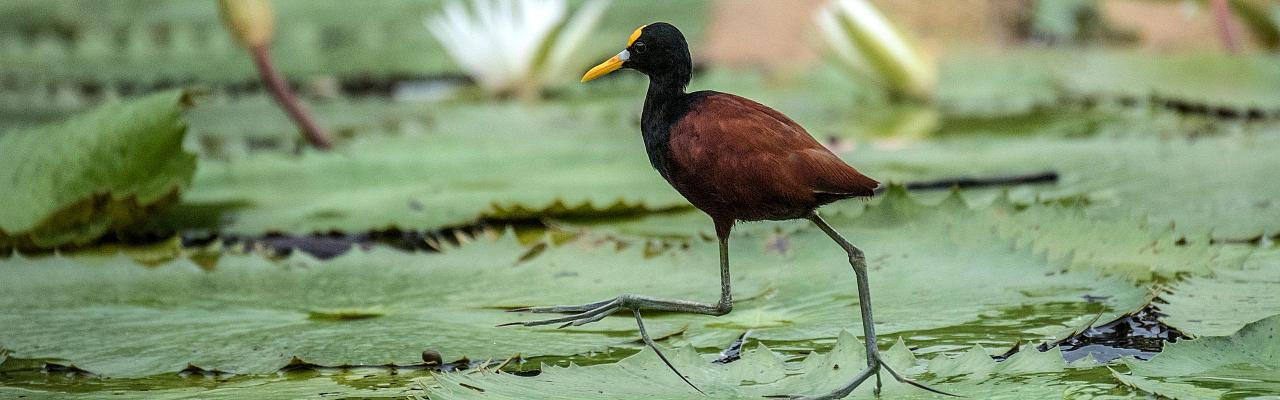
We first stop to bird the Rio Mayo in Navojoa. This area is home to huge numbers of tropical residents, as well as migrant birds. We should find Bare-throated Tiger Heron, Black-bellied Whistling Duck, Least Grebe, and the recent colonizer, Northern Jacana.

After a couple of other good stops, we arrive at the Sea of Cortez where the sheer number of birds is amazing. We bird at the water’s edge looking for Gull-billed Tern, Mangrove Swallow, Roseate Spoonbill, Mangrove Warbler, and much more. We also experience dozens of species of shorebirds with numbers in the tens of thousands. A picnic lunch at the estero allows us to stay out and make the most of the day.

Afterwards we make our way north to San Carlos, where we spend the night at the edge of the Sea of Cortez. It is not unusual to see over 125 species of birds on this day’s route!

On Tuesday, we enjoy a full day to bird around San Carlos, enjoy the beach, and take a break from the driving. Relax!
Accommodations at Hotel Sea of Cortez Beach Club (B,L,D)

Wed., Dec. 9      Estero El Soldado | Santa Ana | Return to Tucson

This morning, we enjoy a seaside breakfast in San Carlos. On our way north we may make one more stop to add a few more desert birds to our list, such as Gray Vireo, Black-throated Sparrow, Bendire’s Thrasher, and Gambell’s Quail.

We stop along the way for lunch in Santa Ana, and get back to Tucson around 5:00 PM, border wait time permitting. We celebrate a successful trip with a farewell dinner at a favorite downtown restaurant!
Accommodations at the Hilton Garden Inn (B,L,D)

Thurs., Dec. 10        Departures from Tucson

Plan to depart at your convenience anytime today. Breakfast is included with your hotel. And if you would like to stay on to enjoy more sightseeing and birding in the Tucson area we can make recommendations.

  • Birding Mexico, Birding North America, Bird watching Mexico, Alamos, Nature Tour, Naturalist Journeys, Wildlife Tour, Wildlife Photography, Ecotourism, Specialty Birds, Birding Hotspot, Sea of Cortez

    El Pedregal

  • Birding Mexico, Birding North America, Bird watching Mexico, Alamos, Nature Tour, Naturalist Journeys, Wildlife Tour, Wildlife Photography, Ecotourism, Specialty Birds, Birding Hotspot, Sea of Cortez

    Kitchen Garden at El Pedregal

  • Birding Mexico, Birding North America, Bird watching Mexico, Alamos, Nature Tour, Naturalist Journeys, Wildlife Tour, Wildlife Photography, Ecotourism, Specialty Birds, Birding Hotspot, Sea of Cortez

    Dining at El Pedregal

  • Birding Mexico, Birding North America, Bird watching Mexico, Alamos, Nature Tour, Naturalist Journeys, Wildlife Tour, Wildlife Photography, Ecotourism, Specialty Birds, Birding Hotspot, Sea of Cortez

    El Pedregal Accommodations

  • Organ Pipe Cactus, Mexico, Mexico Birding Tour, Mexico Nature Tour, Alamos, Naturalist Journeys
  • Birding Mexico, Birding North America, Bird watching Mexico, Alamos, Nature Tour, Naturalist Journeys, Wildlife Tour, Wildlife Photography, Ecotourism, Specialty Birds, Birding Hotspot, Sea of Cortez

    El Pedregal Pool

  • Birding Mexico, Birding North America, Bird watching Mexico, Alamos, Nature Tour, Naturalist Journeys, Wildlife Tour, Wildlife Photography, Ecotourism, Specialty Birds, Birding Hotspot, Sea of Cortez
  • Birding Mexico, Birding North America, Bird watching Mexico, Alamos, Nature Tour, Naturalist Journeys, Wildlife Tour, Wildlife Photography, Ecotourism, Specialty Birds, Birding Hotspot, Sea of Cortez

    El Pedregal Grounds

Cost of the Journey

Cost of the tour is $4990 DBL / $5740 SGL per person, based on occupancy, from Tucson, Arizona.  The cost includes: nine nights’ accommodations, all meals as noted in the itinerary, purified water, ground transportation in vans, professional guide services, park and other entrance fees, and miscellaneous program expenses.

NEW! all tips other than your NJ guide (optional) and local guide are included (this includes tips for your driver, lodge and staff, day activities, meals and other services).

The cost does not include: round-trip airfare to and from Tucson, personal expenses such as laundry, telephone, and drinks from the bar.

Travel Details

Please plan to make air travel plans only after the minimum group size has been met. We will send you a confirmation email as soon as the trip has been confirmed.

Arrival and Departure Airport: Tucson International (TUS), Tucson, Arizona. If you are driving, please plan to park at the long-term lot of the airport.

Arrival Information: You can arrive at your leisure on December 1, 2026. Please try to arrive by 5:00 PM for the welcome dinner at 6:30 PM. Note, we do have an early start the following day (7:00 AM, having loaded our luggage). 

Departure Information: You may depart at your leisure on December 10, 2026. We arrive back to Tucson the night before. Plan on being at the airport at least two hours ahead of your flight. Our hotel has a handy airport shuttle.

Travel Tip: Tucson, Arizona is a fascinating city to explore with a rich history and a downtown area that is a magnet for dining and fun. It also has a number of excellent museums including the Arizona Sonoran Desert Museum. Near the airport we recommend the Sheraton 4 Points, though almost all chains have a hotel within 5 miles of the airport so you can choose as you like. Our guides will be able to pick up only at the airport or at hotels within 5 miles of the airport, but you can return on the tour start date to meet them. 

Entry Requirements: See "Essential Information" section under the "Know Before You Go” tab.

Items of Note

PACE: Moderate, with full days of birding and walks on quiet roads and trails. A typical walk is less than two miles and often we have a series of walks at different spots that are a half-mile each, several times a day. DINING: Casual, a mix of local restaurants and both restaurant and picnic lunches.

Browse below for trip reports and species lists from past versions of this and other tours from this destination.

Mexico

Alamos

Butterflies & Birds

Oaxaca

Rancho Primavera

Sea of Cortés

Veracruz

Rancho Primavera

  • David MacKay - Mexico Expert

    Why travel with David MacKay? Known for his deep knowledge and experience with Mexican birds, David is also known for his infectious smile. He takes great joy in field time; working it hard and finding results. He enjoys life and travel as well, always planning a good day’s end meal to bask and review the day’s sighting highlights. He’s had over two decades of guiding trips and his organization shows that. You can count on David to be ready to go and steer his group to see numerous birds and have a good time.

    Other trips with David MacKay - Mexico Expert

Essential Information +

This information is important for being prepared for your journey; we want you to have Read more

This information is important for being prepared for your journey; we want you to have the best experience possible. If you only read one section, this one is key!

Ahead of Your Tour

  • At the time of writing, U.S. citizens must have a passport that is in good condition and at minimum is valid at the time of entry through your scheduled return to the U.S. with at least one (1) blank page for entry stamp. We suggest at least 3 months validity beyond the end of the tour to allow for unexpected delays in return travel.
  • U.S. citizens carrying a tourist passport do not need a visa to enter Mexico for stays of this tour's duration. 
  • Please check current CDC recommendations for travel to Mexico and consult with your doctor about general travel vaccinations you should have as precaution for travel. See the “General Health and Inoculations” section below.
  • Travel insurance in case of serious medical emergency is strongly recommended. Full health coverage and repatriation is available through Allianz Travel Insurance.
  • Soft sided luggage/duffel bags are easiest for packing the vans. Pack essential medications in your carry-on luggage, as well as one day of clothing and optics in case of luggage delay.

Passports, Visas & Documents

Guidelines and regulations can change. It is always advisable to double-check the country’s documentation requirements 60-90 days ahead of traveling. Information for U.S. citizens can be found at travel.state.gov for Mexico. If you are from another country, please contact the Embassy of Mexico website for guidelines.

Passport: At the time of writing, U.S. citizens must have a passport that is in good condition and is valid at the date of entry through your scheduled return to the U.S. However, we highly suggest at least three (3) months validity beyond the end of the tour to allow for unexpected delays in return travel. Please check that expiration date! You should have at least one blank page per entry stamp. *Pages marked “Amendments and Endorsements” do not count as blank entry stamp pages. 

Visa: At the time of writing, a tourist visa is not required for stays of this tour's duration. You will need to present proof of a return ticket. We advise that you bring your eContact list of hotels for use at immigration as well.

Backups for documentation: As a precaution for lost or misplaced documents you carry on your person during travel, we highly recommend you keep hard and digital backup copies on your phone (either photo or PDF scan), as well as a hard copy left with your emergency contact at home. The recommended important documents to copy include, but are not limited to; your passport ID page, travel visa, the front and back of your credit card(s), the airline barcode on your luggage. This will greatly expedite getting new ones if necessary – we hope everyone will always keep travel documents close so that losing them will not be an issue.

General Health & Inoculations Information - Be Prepared!

Health requirements for entry to any country can change. It is always advisable to double-check the country’s health requirements and recommendations 60-90 days ahead of traveling. A helpful website for planning is the Centers for Disease Control and Prevention (CDC) website for Mexico or by phone (800) CDC-INFO or (800) 232-4636.

We will share your health information with your guide. This information will be kept confidential but is very important as we want to be best prepared in case of a medical emergency.

Vaccinations: Please bring your up-to-date vaccination records with you. The CDC recommends that all travelers be up to date with routine and basic travel vaccines (such as Hepatitis A, Typhoid, etc.).  Consult with your doctor for recommendations at least 6-8 weeks before departing on your trip, as some vaccines may require more than one dose and time to become effective prior to your departure. 

Prescriptions: It is a good idea to pack any meds you take regularly in your carry-on luggage.  Bring an extra pair of glasses or contact lenses. Bring an adequate supply of any prescription medications you use, a copy of the prescription and a list of generic names of your medicines as “back-up” in case it is necessary to purchase drugs while abroad. You’ll want to keep medications in their original, labeled containers. 

Allergies: To be prepared for environmental triggers to allergies or breathing difficulties, please bring your allergy and/or asthma medication(s).  If you have severe allergies talk to your doctor about carrying an EPI pen and notify your guides. It is also recommended to carry with you an up-to-date record of known allergies, chronic medical problems and Medic Alerts so that, if necessary, emergency treatment can be carried out without endangering your health.

Common Ailments: We recommend that you bring a travel-sized first aid kit and a supply of standard over-the-counter medications for prevention or treatment of common ailments (such as diarrhea, constipation, stomach upset, cough, congestion, head or body aches, insect bites and sunburn); as well as ointments, moisturizer, sunscreen, oral rehydration salts, band-aids, moleskin for blisters, cotton swabs, nail clippers, and tweezers, etc.

Altitude Illness: According to the CDC's website, day trips to high-elevation destinations less than 8000 ft. with an evening return to a lower elevation are much less stressful on the body, depending on the time provided for your body to adjust. However, overnights at higher altitudes may have more adverse effects on your body and you should be informed about altitude illness and Acute Mountain Sickness (AMS) (see CDC's information for Altitude Illness). The most general symptoms are headache and occasionally fatigue and dizziness. You’ll want to take it easy, particularly at first. The likelihood of these symptoms can be reduced by resting, drinking plenty of water, avoiding alcohol, and taking aspirin.  In addition, we will optimize acclimatization by adjusting itineraries to avoid going “too high too fast." If you have worries about the altitude, ask your physician about medications (such as Diamox) that may be right for you. 

Weather & Climate

December in Alamos, Sonora, features pleasant, warm days and cool, comfortable nights, low humidity, making it one of the most comfortable times to visit. Daily high temperatures average around 75-79°F and cooler evenings can drop to around 47-54°F. The climate is dry, with only an 8% chance of rain on an average day.

Annoyances & Hazards

Always listen carefully to any advice given by your local guide regarding pests and other biting insects or reptiles you may encounter, especially those that may be poisonous, though this may be rare.

Mosquitos, ticks and other insects: Even if you are traveling in the dry season, mosquitos, ticks and other insects can always be encountered in your travels, so don't risk illness. See the “General Health and Inoculations” section above regarding recommended preventative measures.

Chiggers are a part of lowland and mid-elevation habitats. You may encounter them at grassland or farm locations. Your guide should have a good read on chiggers if it has been wet enough that they are active. Spray your shoes with repellent, and tuck your pants into your socks .  When back, be sure to shower and air out your clothing. 

Remember, sunburn can occur at any altitude and can be both an annoyance and a hazard, so be prepared with sufficient sun protection. On particularly hot days be sure to increase your intake of fluids.

Food & Drinks

Menus at the lodges are varied, delicious and are sustainably based on the wonderful local ingredients available. Meals reflect the contributions of American, European, Spanish, and local cuisines.  As with any case when traveling in another country, trust your common sense when consuming food and beverages. We urge you to consider what your body is used to before you eat something. This is the best way to avoid any unwanted problems. Ask for recommendations from your hotel or consult a guidebook such as Frommers if you are eating out on your own.

Generally, sanitation and cleanliness have improved significantly in Mexico. That said, we urge you to use purified water for drinking and brushing your teeth. If unsure, your guide will be able to tell you when purified water is preferred. Purified water will be available everywhere you go, as well as purified ice. There will be a cooler full of drinks that your guide will keep stocked during the trip. While bottled water will be available for field trips, we intentionally strive to reduce our consumption of single use plastics (such as bottled water), so we appreciate you bringing a reusable water bottle to refill from larger bottles of purified water as needed; this helps enormously to cut down on the use of plastics. A number of restaurants and hotels will use purified water, but you may want to ask first to be sure.

There are some great reusable water filtering bottles on the market today that are great for travels abroad. We encourage you to invest in one (such as Lifestraw or GRAYL Ultrapress or SteriPen). A little research will be well worth the effort to reduce the reliance on single-use plastics in the case that purified water refills are not readily available.

Packing, Clothing & Laundry

In summary, we emphasize that you pack light in soft-sided luggage (easier to load in vans and charter planes), plan for dressing comfortably in layers (for managing varying conditions in any given day), and please pack your personal medication, travel documents, optics, and other essential items in your CARRY-ON, not in your checked luggage. Laundry services are available at most lodgings for an additional fee, but be prepared to hand launder if you need to in a pinch. See “Packing List” tab for more detailed information and checklists.

Spending Money

The official currency in Mexico is the Mexican Peso. We advise you carry a mix of different types of payments, such as cash, an ATM card, and a credit card. For the current exchange rate, please refer to an online converter tool like www.xe.com, or your bank. U.S. dollars in good condition (no rips or tears) are taken as a form of payment but shopping for smaller handicrafts may necessitate using local currency.

When using the ATM to withdrawal cash, keep in mind it might only accept cards from local banks or not allow cash advances on credit cards. Many U.S. banks charge a fee of $1 - $5 each time you use a foreign ATM. Others may charge you a percentage of the amount you withdraw. Check with your bank before departure. You must become familiar with how to use your ATM card and PIN number ahead of the journey. If you plan to exchange cash in country, bring large U.S. bill ($50 or $100) in good condition - that will give you the better rate when exchanging to local currency.

We suggest you have more than one card available, if possible. You may want to bring more than one brand of card (VISA and Mastercard are commonly accepted; American Express is less common). You can use credit cards at lodges to pay your bar and gift tabs. Not every shop will accept every card. Some smaller shops, restaurants, and/or taxis require cash, so it is always a good idea to ask before making a purchase. Also, we recommend that you advise your bank or credit card company that you will be traveling abroad to avoid questions, card freezes, or charges. If you have a choice of cards, bring one with no foreign exchange fees.

Traveler’s checks are not widely accepted. They can be difficult to exchange. We do not advise you use them.

Gratuities

We hope that you will be pleased with all professional services offered on this tour. All tips, with the exception of your NJ guide (optional) and local guide(s), are included in the cost of this tour (this includes tips for your driver, lodge and staff, day activities, meals and other services). 

Tipping your guide(s) to show your appreciation is entirely at your discretion and should reflect your level of satisfaction of the service provided. If you wish to offer a tip, know that they appreciate anything you care to give. Of course, you are welcome to give more in recognition of exceptional service.  Here is a guideline for tipping your NJ and local birding guide(s):

  • US $10.00 - $15.00 per day, per guest. Note: If there is more than one guide, this can be split among them. 

*Please note that these suggested tips are quoted in U.S. Dollars. You will want to convert and tip in local currency. 

Donations to Locals

You may wish to bring small gifts for local people that you meet and enjoy (this is totally optional!). T-shirts, school supplies like pens and small notebooks, inexpensive watches and baseball caps are always popular.  Your guides can pass along school supplies to a local school if you bring them.  They also love any nature books/coloring books.

Cell Phones & Internet Service

Your guide is well connected and can help if any urgent communication need arises. However, it is highly recommended that you travel with a cell phone, if only as a precaution for the unfortunate occurrence of a medical emergency during an outing and needing swift accessibility to critical personal or medical contacts. 

Please check with your wireless provider to see if your phone and service will work in your destination country. Options include activating international roaming, purchasing a local SIM card at the airport (newer phones may not accept SIM cards), or simply turning off cellular service and relying on Wi-Fi to make calls and access the internet. If your phone can connect to Wi-Fi, you may be able to make voice and video calls free of charge. Another option if you have access to Wi-Fi is to use smartphone apps like Skype, WhatsApp, or Viber to send text messages, and make voice calls, or video calls. Many smartphones, tablets, or laptops come with one of these apps pre-installed or you can download for free.

Your hotels and most local restaurants provide Wi-Fi at least in their common areas. Although it is generally a reliable service, it can be affected by adverse weather conditions due to the remote location.

Make sure if you do NOT want to use your cell phone that you turn off your cellular data. You could incur huge charges if you are not on Wi-Fi. Putting your phone in airplane mode if you mainly use it for photos will save the battery as well. 

Please refrain from taking or making cell phone calls in the vehicles when traveling with other passengers, unless it appears to be an emergency. This disrupts other guests, plan on cell phone call use on your own time.

Electricity

Mexico voltage is 127V, slightly higher than in the United States (120V), with a frequency of 60 Hz. Electrical sockets (outlets) are primarily "Type A" and "Type B".

You may need to bring a power plug adapter, and a voltage converter to use appliances or devices from the U.S. that do not automatically detect and convert voltages. Mexico's wall outlets aren't always polarized so you may need an adapter if you have a polarized plug. To be sure, check the label on your appliance. More information is available at https://www.power-plugs-sockets.com/us/mexico/.

Smoking

Smoking is not permitted in any vehicle or in any situation where the group is participating in an activity together, such as a vehicle excursion or a guided walk. Please respect all designated smoking areas at hotels and restaurants.

Transportation

We ask that all travelers please rotate vans, so you sit with different drivers and alternate in front and back seating.

Photo Release & Sharing

We take many group photos and share photos with the group. Please note that this is our policy, if you have an exception to it, we need to know ahead of your tour. And at the end of your tour, we will organize a chance to share photos via Dropbox or Google Photos.

By registering for this tour, you agree to grant to Naturalist Journeys and its authorized representatives permission to record on photography film and/or video, pictures of your participation in the tour. I further agree that any or all of the material photographed may be used, in any form, as part of any future publications, brochure, or other printed materials used to promote Naturalist Journeys, and further that such use shall be without payment of fees, royalties, special credit or other compensation. 

Questions?

Please contact Naturalist Journeys by email at clientservices@naturalistjourneys or telephone at our office: (520) 558-1146 or toll free: (866) 900-1146 if you have any questions. Many thanks for traveling with us and we hope you enjoy your journey!


Pace & Protocols +

Pace of the Tour & What to Expect You will receive a Schedule-at-a-Glance and list of Read more

Pace of the Tour & What to Expect

You will receive a Schedule-at-a-Glance and list of hotels (our eContact List) a few weeks before your departure. This will serve as an outline for each day and alert you to any recent changes made in the schedule or to our hotels, if needed.

Our journeys are set up to follow the rhythm of nature. Our focus is on birding and nature; we offer full, well-planned field days and often get up early for that magical time around dawn. We generally follow the published itinerary, but we stay flexible to the weather, wildlife opportunities and the interests of the group. Your guide will keep you apprised of the next day’s schedule at each evening meal, noting what to bring and what to prepare for. Questions and/or concerns are welcome.

The pace of our Naturalist Journeys tours is moderate; to fully participate you should be able to get in and out of vehicles several times a day, and walk 1-3 miles over uneven terrain. It is important to participate with a flexible attitude as adjustments may be made in our schedule to make the most of our time in the field or for other purposes at your guide's discretion. We are not a “listing” bird company that drills down on target species, but at times we do wait for those special species unique to the places we visit. During the day, we take time to stop for photos and for educational opportunities to learn about conservation projects, landscapes, and geology. We appreciate other taxa as well as birds, with mammals often the biggest draw but plants and butterflies are also very popular. Our clients often lend their own expertise to the mix.

We like to make meals a fun and memorable part of the experience, too. Breakfasts are often at hotels, and we carry snacks, fruit, and water in the vans each day. Lunches are a mix of picnics in the field (weather dependent) and a chance to dine with locals at small cafes and restaurants. For dinner, we pride ourselves in our homework to keep up with the best choices for dining, choosing restaurants with atmosphere that specialize in local foods. On occasion we keep dinner simple to go back out in the field for sunset wildlife viewing or night walks. In some remote locations, our choices are limited. If you are tired, room service for dinner may be an option you can choose.

Naturalist Journeys International Trips: Guide Role

Naturalist Journeys supports ecotourism and the development of excellent local guides. Once we know our international partners and guides well, we can send out small groups working directly with these trusted partners, adding a Naturalist Journeys guide to assist the local expert when we have a group of 6-7 or more. This helps us keep your costs down while retaining tour quality. The local guide is your main guide. You can expect your Naturalist Journeys guide to be well-researched and often they are experienced in the destination, but their role is not to be primary, it is to help to organize logistics, help you find birds, mammals, and interesting other species in the field, keep reports, help facilitate group interactions, and to keep the trip within Naturalist Journeys' style. Local guides live in the countries we travel to, know the destinations intimately, and are often the strongest force for conservation in their countries. They open many doors for us to have a rich experience.

Smoking

Smoking is not permitted in any vehicle or in any situation where the group is participating in an activity together, such as a vehicle excursion or a guided walk. Please respect all designated smoking areas at hotels and restaurants.

Transportation

As a courtesy to each other, we ask that all travelers please rotate seating. On international trips we may all be in one small bus, on some trips we are in vans, particularly the roomy Sprinter Vans when available. Some areas require us to be in smaller 4-wheel drive or safari vehicles. Rotation allows you to sit with different drivers and alternate front and back seating.

Photo Release & Sharing

We take many group photos and will share photos with the group. And after your tour, we will organize a chance to share photos via Dropbox or Google Photos. Please note that this is our policy and if you prefer to be excluded, we need to know ahead of your tour.

By registering for this tour, you agree to grant to Naturalist Journeys and its authorized representatives’ permission to record on photography film and/or video, pictures of my participation in the tour. You further agree that any or all of the material photographed may be used, in any form, as part of any future publications, brochure, or other printed materials used to promote Naturalist Journeys, and further that such use shall be without payment of fees, royalties, special credit or other compensation.

Travel Insurance

You are traveling in remote areas. Naturalist Journeys strongly recommends you have full medical and evacuation insurance from a company such as Allianz, for all international travel. If you do not have medical coverage or evacuation coverage on your existing travel insurance policy or for some reason elected not to take that out, we advise getting an evacuation plan with Global RescueWorld Nomads, Medjet, Allianz (they can do evacuation only) or a similar company. These plans are typically $300-$400 for a year for multiple destinations. This coverage may be a part of a larger Travel Insurance policy but can also be purchased on its own.

Questions?

Please contact Naturalist Journeys by email at clientservices@naturalistjourneys.com or telephone our office: (520) 558-1146 or toll free: (866) 900-1146 if you have any questions. Many thanks for traveling with us and we hope you enjoy your journey.


Packing List +

Please Pack Light! Luggage: Soft-sided luggage is much easier for us to pack in vehicles or Read more

Please Pack Light!

Luggage: Soft-sided luggage is much easier for us to pack in vehicles or charter aircraft than a more rigid hard sided piece, so if you have the choice, please use your soft-sided luggage. Be sure to have your name and address on the inside of the bag, as well as on the luggage tag on the handle. It is our hope that you can pack in one checked bag that does not exceed 45 pounds. Please reconfirm your airline’s baggage weight and size restrictions about a week or so before departure.

Delayed Luggage:  Imagine NOT getting your checked bags upon arrival! Therefore, DO NOT pack any essential medications, vital optics (binoculars, camera, eye-glasses), or essential travel documents in your checked luggage! Pack these and other essential items in your carry-on bag and on your person (i.e. under-garment pouch). You will want a day pack for field trips, so this makes an ideal carry-on. Another suggested tip is to travel wearing your most important shoes for the field and have one day’s clothing change (including a change of underwear!).

Weather: Pack clothing that is appropriate for the anticipated temperatures and conditions (See “Weather & Climate” section in Essential Information). You may check your favorite weather website, such as www.weather.com, closer to your departure to better predict what the weather will be upon arrival. You may also visit https://www.climatestotravel.com for more regional information by month.

Dress: Plan to dress comfortably and informal throughout the trip. Dressing in lightweight layers is the best way to provide options to get you through a day of varying weather and temperatures comfortably. Lightweight long sleeve shirts and long pants make ideal field clothing as they are more protective from sun, vegetation and pests. Also, choose clothing you don’t mind getting dirty or muddy and things that are loose-fitting, comfortable, and easy to layer and launder. Quick-dry fabrics are ideal.  A lightweight and waterproof outer layer is essential as well as comfortable hiking footwear. Fabrics like fleece, as well as rain gear, will protect you from rain and wind and keep you warm. It is important to have a warm jacket when the tour includes cooler temps and/or higher elevations.

Laundry: Several of our lodges and camps provide laundry service. Consider packing laundry soap sheets in case you need to hand launder in a pinch.

Treating your clothing to better protect you from insects: It is possible to purchase Permethrin spray (online or from REI) to treat your field clothing and socks before your departure. Another approach is to purchase field clothing permeated with insect repellent such as the Craghoppers Insect Shield collection.

Note on clothing colors: We recommend muted colors of tan, brown, khaki, grey or green, as they are spotted less easily than white or bright colors, though camouflage clothing is not recommended.

Valuables: WE DO NOT RECOMMEND TRAVELING WITH PRECIOUS OR VALUABLE JEWELRY – don’t tempt anyone and don’t bring things you’d regret losing, and your mind will be at ease!

Clothing & Gear

  • Lightweight or convertible hiking pants, 1-2 pair
  • Lightweight long-sleeved shirts, 2-3
  • Shorts (optional, not generally recommended)
  • T-shirts, sleeveless and short-sleeved or equivalent, 2-3
  • Comfortable clothes for evening (a cleaner version of your field clothes)
  • Personal underclothing (consider what dries quickly if you plan to do laundry)
  • Socks – lightweight, easy to wash and dry
  • Comfortable walking shoes (such as tennis shoes)
  • Lightweight hiking boots - bring shoes with good support and firm grip tread
  • Sandals for evenings, travel days (optional)
  • Lightweight jacket: fleece fabric is ideal, or a pullover/sweater
  • Lightweight hooded raincoat (can double as a windbreaker)
  • Hat with broad brim
  • Bandana (optional, great for cooling off when hot and sweaty)
  • Bathing suit (optional)
  • Field vest (optional), a great source is Big Pockets

Equipment & Miscellaneous

  • Photo identification 
  • Passport (and visa or other travel authorizations when traveling internationally) - Note: To avoid issues with confirming your identity when two forms of ID are required, the name on your Drivers License (or other secondary forms of ID) should match your passport.
  • Airline tickets or E-ticket verification
  • Travel insurance info
  • Money & credit cards
  • A secure pouch to carry the items above on your person at all times (such as a secure, under-clothing document pouch)
  • As a backup: copies of all the above (phone and/or paper) packed in a separate location than on your person, plus a set given to your emergency contact at home as a backup. When carrying a passport, a copy of the ID and entry stamp pages.
  • Small backpack, daypack or fanny pack for carrying your field gear (this can double as your carry-on!). Consider waterproof if excessive rain is expected.
  • Cell phone and charger
  • Binoculars with safety strap (a shower cap is great to cover these when raining)
  • Camera and charger/extra batteries, memory cards/film, lens cleaning supplies and instruction manual (optional)
  • Spotting scope and tripod (optional – guide will have them)
  • Tablet/laptop for personal use and/or transferring photos, USB stick, USB cord and charger (optional)
  • Rechargeable power bank (optional)
  • Electricity converters and adapters for 2-to-3 prong electronics plugs if needed (See "Electricity" under "Essential Information")
  • Reusable water bottle to avoid the use of disposible plastics. If you prefer to drink filtered water, we encourage you to invest in a bottle filter (such as Lifestraw or GRAYL Ultrapress or SteriPen). A little research will be well worth the effort to reduce the reliance on single-use plastics in the case that purified water refills are not readily available.
  • Umbrella – compact and not brightly colored
  • Walking stick – we find that many travelers appreciate a walking stick on trails, sporting goods stores carry collapsible models that pack easily in your suitcase (optional)
  • Small flashlight with fresh batteries
  • Alarm clock
  • Travel Sewing Kit
  • Sunscreen/lip balm
  • Sunglasses with neck strap
  • Toiletry articles
  • Washcloth (available some places and not at others)
  • Laundry soap (consider laundry soap "sheets" that pack flat, and are lightweight and environmentally friendly)
  • Notebook or journal and pen (optional)
  • Field guides (optional)
  • Earplugs – in urban and even rural areas barking dogs and traffic noise can be annoying
  • A collapsible airplane footrest (such as an inflatable, foldable, or hammock type) may help make longer flights more comfortable. Some airlines may have restrictions, so confirm with your airline which types are allowed and where they may be not allowed, i.e. bulkhead or exit rows (optional)

Medical & First Aid

  • Health insurance
  • Vaccination records
  • Personal Rx medications (in their original labeled prescription packaging)
  • Extra pair of eyeglasses or contacts (with plenty of wetting and cleaning solution)
  • Copy of eyeglass prescription, medical prescriptions, and any medical alerts
  • Epi-pen if needed for allergic reactions (include prescription label)
  • Altitude illness meds (such as Diamox) if likely to be needed
  • Motion sickness preventatives if likely to be needed on bus, van, boats, etc.
  • Personal first aid kit and medications for general ailments, colds and stomach ailments, etc. (Imodium or Lomotil, antihistamine cream or tablets, eye drops, antibiotic ointment, Band-Aids, moleskin to protect against blisters, etc.)
  • Foot powder, lotions, general “comfort” items
  • Hydrocortisone cream to ease itching from insect bites
  • Hand sanitizer and/or hygienic cleansing wipes
  • For Malaria risk areas Anti-malarial prophylactics and antibiotic prescription in case of infection, prescribed by your physician


Suggested Reading List +

These books are, of course, optional, but recommended to help you get the most out Read more

These books are, of course, optional, but recommended to help you get the most out of your trip. There are many titles of interest for Mexico; the following are a few that we have enjoyed that can get you started.

Field Guides and Apps

Birds of Mexico and Central America

A Guide to the Birds of Mexico and Northern Central America

A Field Guide to Mexican Birds: Mexico, Guatemala, Belize, El Salvador 

Flowering Plants of the Neotropics

Merlin Bird ID, Cornell Lab of Ornithology – Free app you can download here, and then select the Bird Pack for the appropriate part of Mexico.

General Reading: Nature

Tropical Deciduous Forest of Alamos: Biodiversity of a Threatened Ecosystem in Mexico

Tropical Nature: Life and Death in the Rain Forests of Central and South America

The New Neotropical Companion

General Reading: Culture & Conservation

Mexico: Sonora & Chihuahua Map

Mexico - Culture Smart! The Essential Guide to Customs

Our Stories of Alamos, Un Pueblo Magico: Alamos, Sonora, Mexico

Your guide will also have a selection of reference books and materials for participants to share. As an Amazon Associate, Naturalist Journeys earns from qualifying purchases, and may get commissions for purchases made through links on this page at no added cost to you.


Useful Links +

Learn more about your destination at these external websites, carefully researched for you. Read more

General

Álamos

La Aduana

El Pedregal

Hermosillo

San Carlos

Santa Ana

Nature, Wildlife & Biology

Alamos, Sonora, MX eBird Printable Field Checklist

San Carlos Bird Watching

Amphibians and Reptiles of Mexico

Tropical Deciduous Forest and The Sonoran Desert: A Strong Connection

Matorral

Flora of Southern Sonora

Vegetation of the Alamos Region of Sonora

Selected Wildlife of the Alamos Region of Sonora

Conservation, Parks & Reserves

Research and Conservation in Alamos, Sonora, MX

“An Effective Alternative for Habitat Conservation” – Article in Sonoran Joint Venture

Navopatia Field Station – Sonora, MX

Conservation Issues in Sonora, MX – The Biodiversity Group (.org)

Geology & Geography

Generalized Geologic map of Sonora, Mexico

The Geologic Origin of the Sonoran Desert

The Topography of the Sonoran Desert and Surrounding Areas

Geography of Alamos, Mexico

Cuchujaqui River

Estero El Soldado

History & Culture

History and Culture of Alamos

Historic Town of Alamos (UNESCO)

Sierra de Álamos – Río Cuchujaqu Biosphere Reserve (UNESCO)

Helpful Travel Websites

Homeland Security Real ID Act

U. S. National Passport Information Center

U.S. Customs and Border Protection (CBP)

Transportation Security Administration (TSA)

Foreign Exchange Rates

Visa ATM Locator

Mastercard ATM Locator

U.S. Department of State, Mexico International Travel Information - Mexico

Centers for Disease Control and Prevention (CDC) - Mexico

Canada Travel Advise and Advisories - Mexico

Travel Health Pro (UK) – Mexico

Electricity and Plugs - Mexico

Time and Date – Alamos, Sonora, Mexico


Photo credits coming soon.

×

Like what we do?

Sign up for our weekly eNews to stay up to date!

Get to know our favorite destinations each week. We promise no spam.

No Thanks