
- Overview
- Full Itinerary
- Photo Gallery
- Costing
- Travel Details
- Trip Reports
- Guides
- Map
- Know Before You Go
- Other Trips You May Like
Over the past two years, our journey to the Kingdom of Bhutan has left us with so many lasting impressions. It is one of the most remarkable tours our founder, Peg Abbott, has made; this spring departure is timed for the glory of the rhododendron bloom. We focus on prime areas for birding and scenic vistas at a pace you can absorb the wonders of the mountains — the Himalayan forests are intriguing and views abound!
Nestled between India and China, biodiverse Bhutan is home to seven percent of the world’s bird species. Roughly the size of Switzerland, it is naturally dramatic, rising from the lowland rainforest of the Indian-Malay subcontinent to Himalayan heights far above tree line, its mountains interspersed with valleys carved by fast-moving rivers. Bhutan’s elevation ranges from 315 feet to a staggering 24,500 feet above sea level.
This peaceful Buddhist kingdom is also a conservation champion, with a quarter of its lands protected by national parks and a constitutional decree that no less than 60 percent of the country should be covered in forest. More than 70 percent of it is now richly forested, an important reason some 700 birds call Bhutan home. The incredibly scenic region we travel includes many of the largest and most distinctive birds in Asia, and many riotously colorful and charismatic ones as well, including hornbills, sunbirds, parrotbills, wren-babblers and laughingthrush, to name just a few. We stay longer in the mountain areas on this trip, dropping down a bit into broadleaf forest valleys.
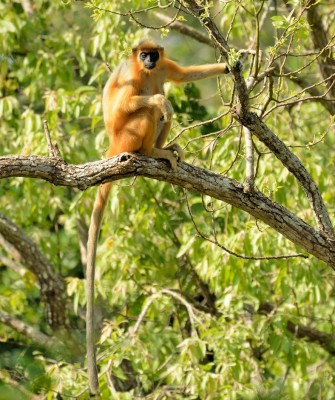
Join us this spring and witness a rich array of colorful rhododendrons and other flowering shrubs as an incredibly beautiful backdrop to an impressive number of birds. There are striking mammals we hope to see too, including Giant Squirrel, the beautiful and endangered Golden Langur monkey, and even rarer Red Panda, seen twice last year on a mountain pass we crossed!
Our tour is also culturally rich, a glimpse of rural life hosted by wonderful guides that share their country’s story as well as their expertise with birds. We visit architecturally marvelous Buddhist fortress-monasteries, locally called “dzongs,” where we observe traditionally robed monks and their devotees. We stop at a weaving studio and try out one of Bhutan’s first brew pubs. Join us to learn why Bhutan is known as the “Land of the Thunder Dragon,” an emblem that adorns the national flag expressing the mysticism that pervades this fascinating culture.
Tour Highlights
- Marvel at some of the most spectacular scenery anywhere in the world, including mountain peaks approaching 25,000 feet as a gorgeous backdrop to our birding.
- Visit at the height of the rhododendron bloom, a special experience in a country with nearly 50 species found both in the wild and cultivated in special parks in Thimphu and Punakha. Bhutan’s rhododendron season is a riot of color.
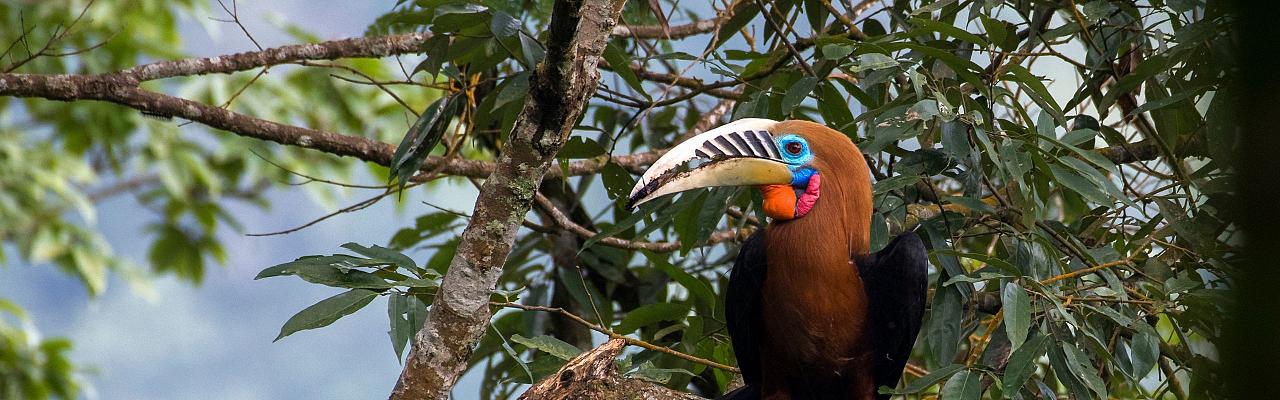
- Marvel at bird superstars, including technicolor Himalayan Monal, Satyr Tragopan, Rufous-necked Hornbill, Fire-tailed Myzornis, Ibisbill, Beautiful Nuthatch, and gorgeous Ward’s Trogon.
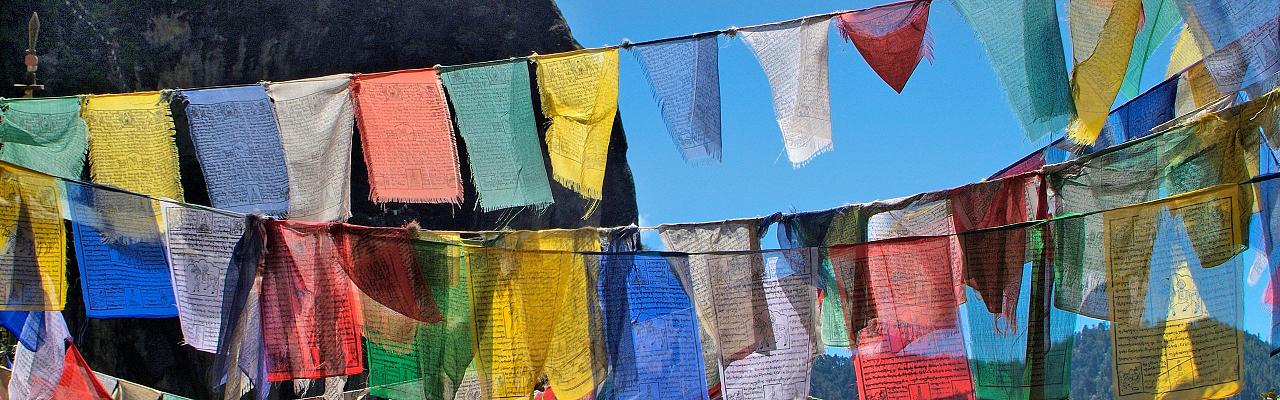
- Admire traditional architecture and visit Buddhist dzongs in this highly devout country. Prayer flags flapping in the breeze are ubiquitous in the settled (not really urban) areas we visit, imbuing our journey with a unique sense of place.
- Travel adventurously with us, birding the single road that crosses this sparsely populated country, thrilling at mixed flocks in its most productive habitats close to our nature lodges.
- NEW! for 2025, we’ve added a day at a reliable site for observing White-bellied Heron in the wild, one of the most critically endangered bird in the world.
- Keep an eye on the skies for one of thirty raptors found in Bhutan, including Changeable Hawk Eagle, Crested Serpent Eagle, Himalayan Vulture, Steppe Eagle, Long-legged Buzzard, and Pallas’ Fish Eagle.
Trip Itinerary
Itineraries are guidelines; variations in itinerary may occur to account for weather, road conditions, closures, etc. and to maximize your experience.
Tues., Apr. 6 Arrivals in Paro | Thimphu
Welcome to Bhutan! Paro is a lovely, small city in one of Bhutan’s most beautiful valleys rimmed by high peaks of the Himalayas. Its centerpiece is the Paro Chhu River and the impressive Rinpung (Paro) Dzong. One has the feel in Paro of ancient meeting modern, as trendy coffee shops and cafes have sprung up and you have a chance to see some of the region’s arts and crafts. Typically, flights into Paro are early, to work with the mountain air currents and be safe; flights to Paro route through Bangkok or Delhi. Paro is a small city with a spectacular setting … even at the international airport, just the landing is exciting! The airport luggage carousel is a welcoming treat and a glimpse into how much this country supports art and artisans. Once the group is together, we do a little birding along the river in Paro.
The scenic drive to the capital city of Thimphu takes about an hour and a half and along the route you see classic Bhutanese architecture and some chortens and stupas, small spiritual sites. Along the river we check for Ibisbill, one of Bhutan’s iconic species. In Thimphu, we settle into our accommodations at a cool and comfortable 7000 feet. After lunch and settling in, we offer some optional birding in a forest close to the city where mixed flocks abound, giving you the first peek at good levels of bird activity characteristic on almost every stop in Bhutan. At dinner we provide an overview of our journey and for those that wish, we start our nightly species checklist to tally what we find each day.
Accommodations at Termalinca Hotel in Thimphu (L,D)
Wed., Apr. 7 Nature & Culture in Thimphu
This morning we enjoy some leisurely birding in nature areas close to the city. We also take some time this morning to learn about Buddhist culture, visit the textile center to learn about the local weaving tradition and meet a local weaver (and make purchases if you wish). We also enjoy local foods at one of the local cafés for lunch. The pace of the day is set to let you rest up from travel but also explore Thimphu, the capital city.
Accommodations at Termalinca Hotel in Thimphu (B,L,D)
Thurs., Apr. 8 Thimphu | Damphu: Home of the White-bellied Heron
After successfully scouting this route in 2024, we have added time in elevation, past the hub of Bhutan’s hydroelectrical development, to a wild stretch of river still home to one of the world’s most critically endangered birds, the White-bellied Heron. Our viewpoints to scan for them are high above the river, so there is no element of disturbance and with luck we find them working on their nest or feeding in the rushing river. There are several other birds we hope to see as well.
While at the lower elevations, we take advantage of several roadside birding stops and spend two nights in Tsirang. This is a rich agricultural area and one of high biodiversity in the forests of the Dhamphu region. We should find an excellent variety of butterflies here due to the mild climate. Common Tailorbird, Himalayan and Large Hawk-Cuckoos, White-throated Kingfisher, and Asian Barred Owlet are just a few of the many species we hope to find.
Our lodgings are simple but comfortable and positions us for some excellent birding as well as scenic views.
Accommodations at Damphu Resort or similar, Tsirang (B,L,D)
Fri., Apr. 9 Damphu | Tsirang
We depart the lodge early this morning to explore the birding habitats around Damphu. We gradually make our way down to lower elevations while keeping an eye out for species such as Asian Barred Owlet, Great Hornbill, Gray-capped Pygmy-Woodpecker, Blue-throated Barbet, Scarlet Minivet, Black Bulbul, Ashy Bulbul, White-crested Laughingthrush, Chestnut-tailed Starling, and many others. After a bit of birding, we reach the White-bellied Heron Research Center to learn more about conservation efforts to ensure this species survival at an active research and education-oriented Visitor Center.
After a picnic lunch in the field, we head back to the resort for some rest. We enjoy another delicious dinner in the evening.
Accommodations at Damphu Resort or similar, Tsirang (B,L,D)
Sat., Apr. 10 Tsirang | Punakha
Enjoy a nice breakfast before we depart from our lodgings to travel to Punakha, with many birding stops along the way. This routing gives us a chance to visit mid-elevation mossy forests where we have a good chance to see Beautiful Nuthatch, a prized sighting in Bhutan. The distance is only about 42 miles as the hornbill flies, but over a three-hour trip due to winding mountain roads. Other bird highlights today might include Blue-bearded Bee-eater, Rufous-necked Hornbill, Greater Yellownape, Orange-bellied Leafbird and one of the world’s smallest species, the Fire-breasted Flowerpecker. Today gives us a good chance to find several laughingthrushes and babblers, classic old-world bird families. We are also on the lookout for mammals, including Bhutan Giant Flying Squirrel and one or more species of langur.
Late afternoon, we arrive in Punakha, a scenic city defined by the impressive Punakha Dzong (Punthang Dechen Phodrang), or 'Palace of Great Bliss', the winter home of Bhutan’s spiritual leader and over 350 monks. This fortress is one of the most beautiful in the country, built in 1637 between the confluence of the Pho Chu and Mo Chu rivers. This afternoon, enjoy photos from the edge of the river and a visit at a quiet time of the day to the impressive Punakha Dzong.
Accommodations at River Valley or similar at Punakha (B,L,D)
Sat., Apr. 11 Punakha | Jigme Dorji National Park
An early start from Punakha takes us to the Jigme Dorji National Park, a dramatic and beautifully scenic park of snow-capped peaks and lush mountain valleys. We bird in broad-leafed forests for several interesting species including Golden-throated Barbet and Black-winged Cuckooshrike. We hope to have the chance to visit Lamperi, too, looking for birds like Black Eagle, Wedge-tailed Green-pigeon, Asian Koel, Asian Emerald Cuckoo, and Nepal Fulvetta. The park is also home to the bizarre Takin, as well as 30 or so other mammals. This is a leisurely and productive route that affords us views of waterfalls, lush forests, and wildlife. Upon return, we check the river area for kingfishers, ducks, and other waterfowl.
Accommodations at River Valley or similar at Punakha (B,L,D)
Mon., Apr. 12 Punakha | Bumthang
This morning we pack up our gear and head on to Chumey, about six hours driving to the east. We have several birding stops along the way and hope to find Red-tailed Minla, White-tailed Nuthatch, and Black-throated Tit. We may find Dark-sided Flycatcher and Brown-flanked Bush Warbler. Chestnut-bellied Rock Thrush are quite common along the road, and we stop at several photogenic waterfalls.
Our route crosses two high passes today; at lunch we may find a herd of free-range yak and an expansive view.
Mid-afternoon we descend into the Chumey valley, a peaceful place with a mosaic of agricultural fields and farms; our lodge is of cozy log construction. As we check in, we find the cheer of a welcoming woodfire. Once settled, we gather to enjoy homemade food featuring local ingredients.
Accommodations at Chumey Nature Resort, Chumey (B,L,D)
Tues., Apr. 13 Chumey | Tharpaling Monastery
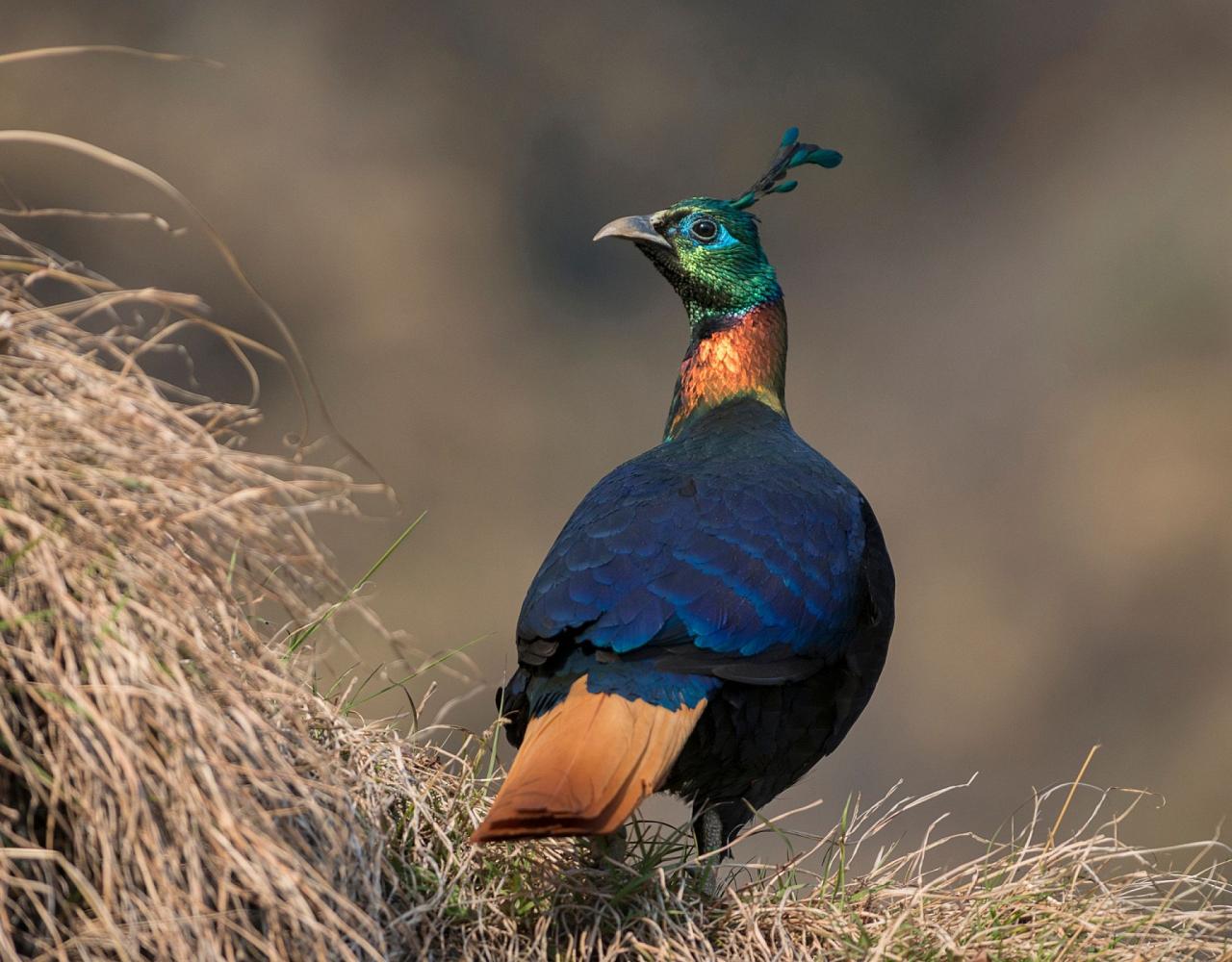
The air is fresh this morning in our little mountain retreat. The focus of our morning birding with an early departure is a drive up through forests to a clearing at the Tharpaling Monastery. For birders, this is an interesting place in addition to the cultural value. The monks here co-habit the space with Himalayan Monal and occasionally Satyr Tragopan. They can typically be seen close to the structures in the morning. Above us we watch for swifts and in lush shrubbery below we find a host of smaller songbird species. The views are sublime and spiritual wonder of the monastery is memorable. We return to our cozy lodge for lunch and a break.
In the afternoon you can just relax or enjoy a walk down the rural road and birding the edges of fields and forests. Among fields of barley and newly planted potatoes, we find fat cattle, still-woolly ponies, and fruit trees in bloom. With the architecture of farmhouses rivaling that of any building seen in town, this rural tapestry creates a lovely background for finding Black-rumped Magpie, Red-billed Chough, and Gray-backed Shrike.
Return for a second delicious meal at the lodge and a chance to catch up on our species tally. This evening appreciate that your room is heated and you have a nice, locally made wooly blanket!
Accommodations at Chumey Nature Resort, Chumey (B,L,D)
Wed., Apr. 14 Chumey | Yongkola
We have an early morning breakfast and head out to our next location, Yongkola. As we enter the remarkable forests, we scan the understory vegetation, stands of thick bamboo, streambanks, and the sky for a good selection of lower elevation species in superb habitat. Some of our most sought-after species include Kalij Pheasant, Streaked Spiderhunter, Slaty-backed Forktail, Red-breasted Pied-flycatcher, Blue Rock Thrush, Indian Blue Robin, White-hooded Babbler, White-crested Laughingthrush, Rufous-necked Hornbill, Blue-throated Barbet, and Crested Serpent-Eagle (along with many more!).
After lunch brought to us by our mobile kitchen, we continue the drive to Yongkola. Once we reach there, we check into Trogon Villa where we find bird-themed rooms. This evening it’s nice to compare notes with other birders at the lodge as we meet for dinner and afterwards, our checklist tally. We have three nights here in the heart of one of Bhutan’s best birding areas.
Accommodations at Trogon Villa, Bumthang-Ura Hwy (B,L,D)
Thurs., Apr. 15 & Fri., Apr. 16 Yongkola Area Birding
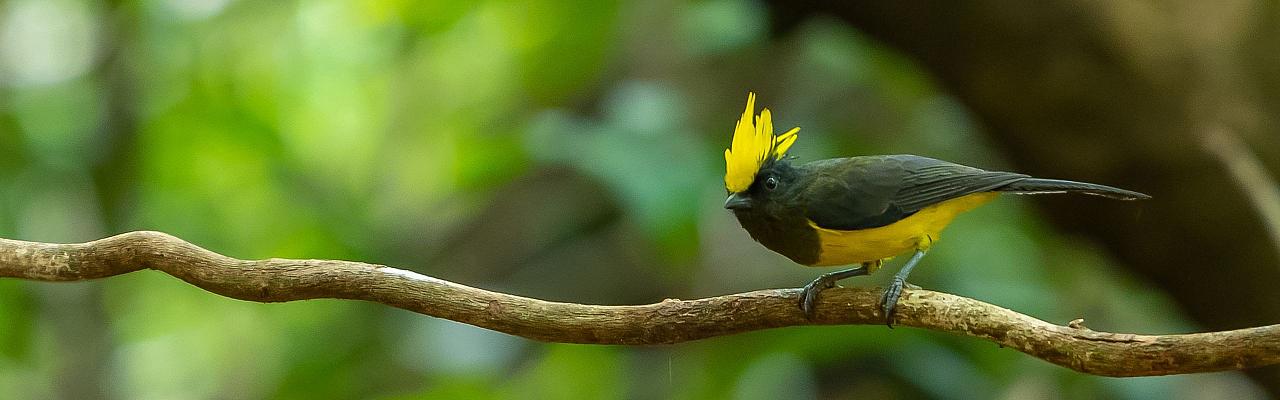
The lodge is located close to pristine forest, and we explore different patches of it from the same road, spending time in lush, mid-altitude subtropical broad-leafed forest, rich in moss, lichens, orchids, and ferns. This is ideal habitat for many species characteristic of the Eastern Himalayas and is one of the finest birding areas throughout the entire Himalayan chain. We search for Beautiful Nuthatch, Himalayan Cutia, Red-headed Trogon, Bay Woodpecker, Black-throated Parrotbill, Blue-bearded Bee-eater, and possibly Black Eagle. Past groups have seen Sultan Tit, Himalayan Bulbul, Golden Babbler, Gold-naped Finch, Yellow-breasted Greenfinch, Crested Bunting, Asian Barred Owlet, and more. This area throws some pleasant surprises and we may even have a chance at seeing mammals like Himalayan Black Bear or a Common Leopard if we’re very lucky. Orange-bellied Squirrel and Capped Langur are fairly common and we expect to see them.
One of our days is typically up in elevation and the other is to elevations lower than our lodge so the total mix of species is impressive. One evening from Yongkola, weather permitting, we try for nocturnal birds like Hodgson’s Frogmouth, Himalayan Wood Owl, Brown Wood Owl, and possibly a few mammals like the endemic Bhutan Giant Flying Squirrel on a night outing.
Accommodations for two additional nights at Trogon Villa, Bumthang-Ura Hwy (B,L,D)
Sat., Apr. 17 Yongkola | Trongsa
We start out early, and after some travel enjoy a full picnic breakfast, set up and catered by our wonderful team. This are not your everyday picnic … there are tables and chairs and the team cooks fresh hot food for us in the field. Fresh flowers adorn the tables and they always seem to be around the bend waiting for us just as our energies falter. We love this Bhutanese hospitality on wheels!
Over the course of the day we gradually head to Trongsa. This one-night stop breaks up what was a long travel day on past trips, and the lovely hotel we have chosen is a good rest stop. It has a view of the historic Trongsa Dzong.
On arrival, you can settle into your room and enjoy the ambiance and views. Some may wish to visit the town market and center, for ATM use or other errands. In the evening we gather for dinner and the checklist tally. Some may want to try to photograph the Tronsa Dzong at night as it is spectacularly lit.
Accommodations at Hotel Yankhill, Trongsa (B,L,D)
Sun., Apr. 18 Trongsa | Old Pele La Road | Phobjika
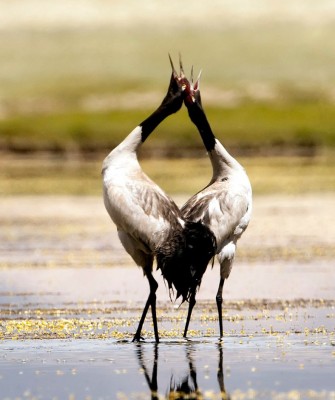
We get an early start as we have about a morning drive to our next stop, crossing over Pele La Pass. Our destination today is Phobjika, a lovely timbered valley with extensive wetlands in several patches. This is where Black-necked Crane spend the winter and while we are too late in the year to see them, we enjoy seeing crane-themed signs and artwork and witnessing the local conservation support. Along our drive, our picnic lunch is set up with a fine view.
Once in Phobjika, we visit a conservation center for Black-necked Cranes. While they are not likely to be here this late in the spring, you should be able to see one or two captive birds that were rescued but cannot migrate on site. There are displays and a film and a fine overview of the valley.
Some may wish to organize a hot stone bath at a local farmhouse, a rustic but soothing experience. Others can relax and enjoy our lovely lodgings.
Our “tents” feel much more like hotel rooms, with nice furniture and full baths. They leave a light footprint on the landscape and have a stunning view. Dinner tonight is at the main lodge of the facility and by the nice wood-fueled stove, we finish the day with our checklist tally.
Accommodations at a Gangtey Luxury Tented Camp, Gangtey (B,L,D)
Mon., Apr. 19 Phobjika
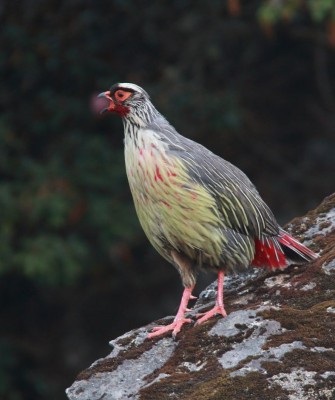
This morning we head out early, wanting to be in the magic of morning activity on the old Pele La Road, one of the best birding spots of our trip. We hope to hear and see the gorgeous Satyr Tragopan, and should also find Blood Pheasant, and Himalayan Monal — a pheasant family extravaganza! The smaller species hold excitement too and are plentiful. Mixed flocks are common and Darjeeling and other woodpeckers fly between massive trees, often calling. We may find Green Shrike Babbler, Scaly-breasted Cupwing, and a host of warblers, tits, and yuhinas in mixed flocks. We have the full morning to walk and bird and take in this stunning setting. Rhododendrons should be at their peak of bloom. As we depart, there is a craft market on the pass we can stop at if you wish … you can even try yak cheese!
This afternoon we can enjoy some down time at the lodge, and local birding in this beautiful valley in the late afternoon.
Accommodations at Gangtey Luxury Tented Camp, Gangtey (B,L,D)
Tues., Apr. 20 Phobjika | Paro
We have our breakfast at the lodge and head off to bird and explore the route to Paro — the total drive is about 5 hours with several good stops.
We are not in a hurry, and we plan to stop near Thimphu at the national weaving center where we can see artists at work and perhaps purchase a woven treasure. From there, we continue to climb up Dochu La Pass. We top out at 10,335 feet, which, weather permitting, provides us with fabulous views of Bhutan’s seven highest Himalayan peaks, all above 23,000 feet. Here the 108 Memorial Stupas stand impressively. On the grounds we find mixed flocks at the forest’s edge. We bird in lush forests of pine, rhododendron, and evergreen oak, and with luck we see a number of interesting birds like the Fire-tailed Myzornis, Yellow-billed Blue Magpie, Chestnut-capped Babbler, and Ultramarine Flycatcher. We also have a chance for Indian White-eye, Gray Bushchat, Blythe’s Leaf Warbler and the showstopping Mrs. Gould’s Sunbird. Noisy laughingthrushes may be present (White-throated, Chestnut-crowned, and Spotted), as well as White-collared Blackbird, Green-backed Tit, Whistling Warbler, Large-billed Warbler and Rufous-throated Fulvetta. With luck we could find a troop of Himalayan Gray Langur.
By late afternoon we arrive in the town of Paro with its trendy shops and cafes; it seems another world from the rural areas we’ve explored. Our dinner tonight is at a fun local restaurant and brewpub.
Accommodations at Hotel Olathang, Paro (B,L,D)
Wed., Apr. 21 Paro | Chele La Pass Birding or Hike to Tiger’s Nest
We have one more incredible day of birding, and we head out early to climb Chele La Pass to the west of Paro. We want to spend time in semi-alpine forests where we have a chance to see White-winged Grosbeak, Himalayan White-browed Rosefinch, Blanford’s Rosefinch, and both Gray-crested, and Rufous-vented Tits. With luck we may find pika and Yellow-throated Marten. We bring a picnic breakfast with us.
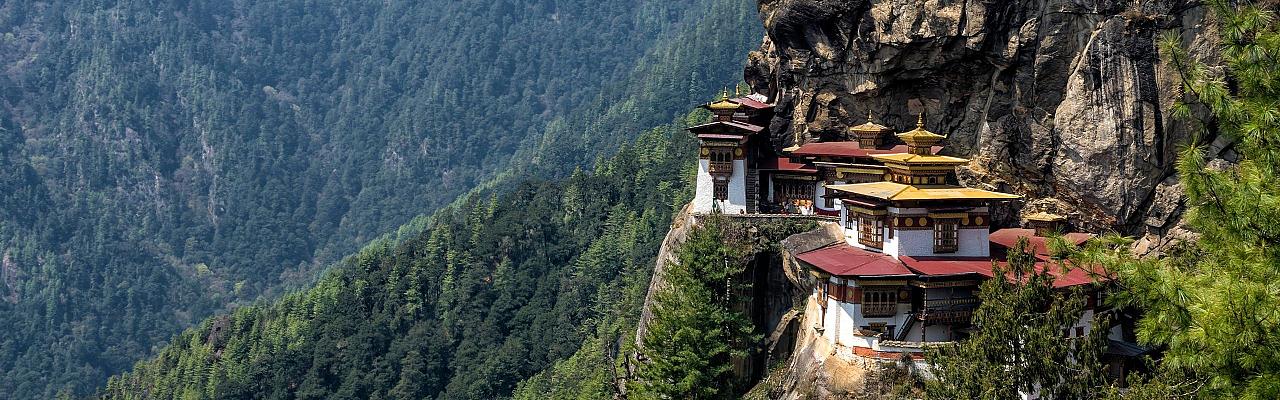
Those that are fit and want an incredible hike on your final full day in Bhutan can opt to hike with a guide up to the iconic Tiger’s Nest, a stunning complex of monasteries nestled into a dramatic cliff. There is a tea house to rest along the way, amazing views and a sense of history waiting for you on this inspiring and spiritual experience.
Late afternoon we visit a wetland looking for Black-tailed Crake. If for any reason we have not had good views of Ibisbill, we can work along the river with very good chances to find them. This is the start of their nesting season and we may find a pair with a chick!
Over dinner we share the many highlights and favorite birds of our trip and we do our final checklist tally.
Accommodations at Hotel Olathang, Paro (B,L,D)
Thurs., Apr. 22 Departures
Today our flock disperses. We have breakfast and time airport runs for departing flights. (B)
-
Himalayan Monal
-
Long-tailed Broadbill
-
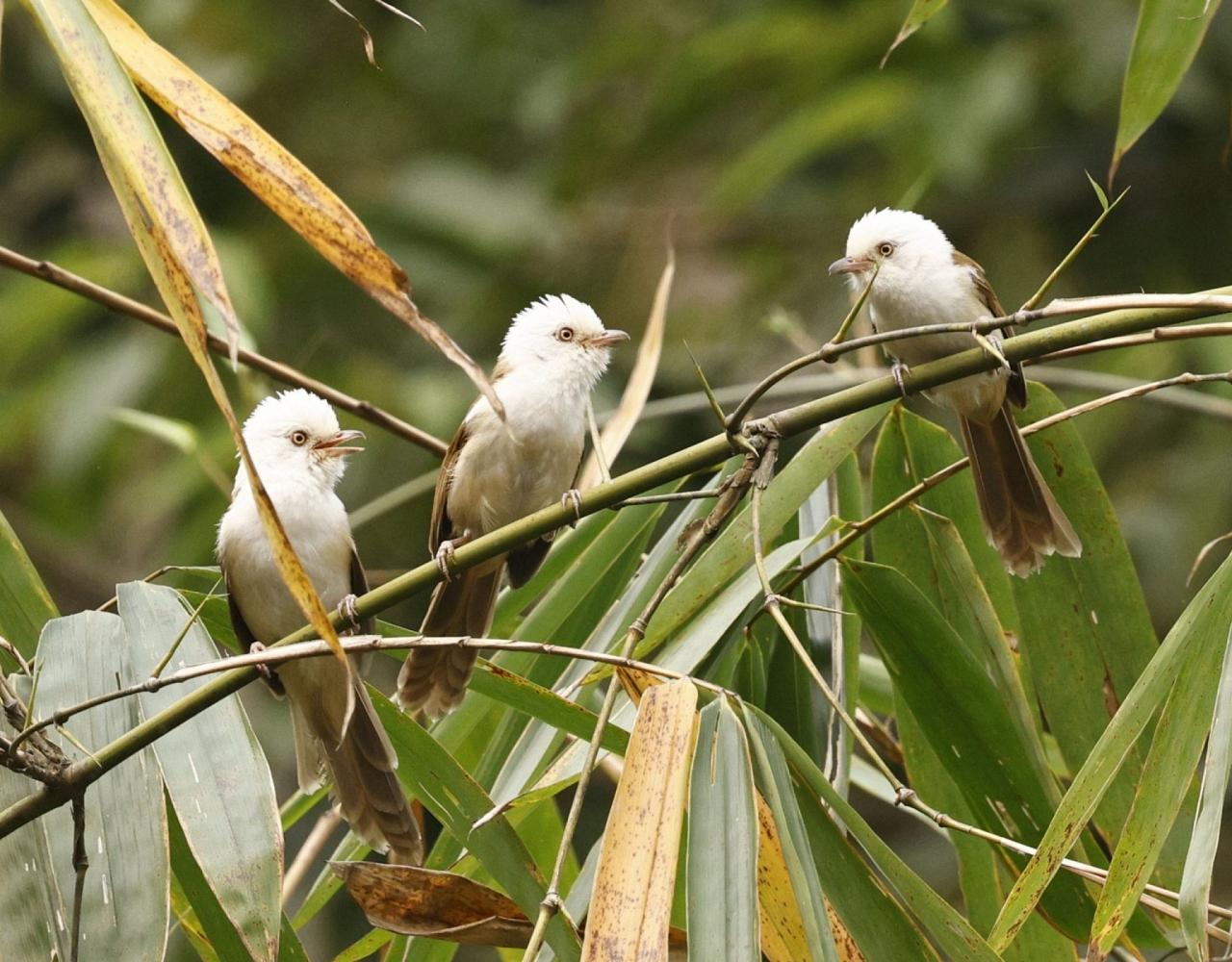
White-hooded Babblers by Peg Abbott
-
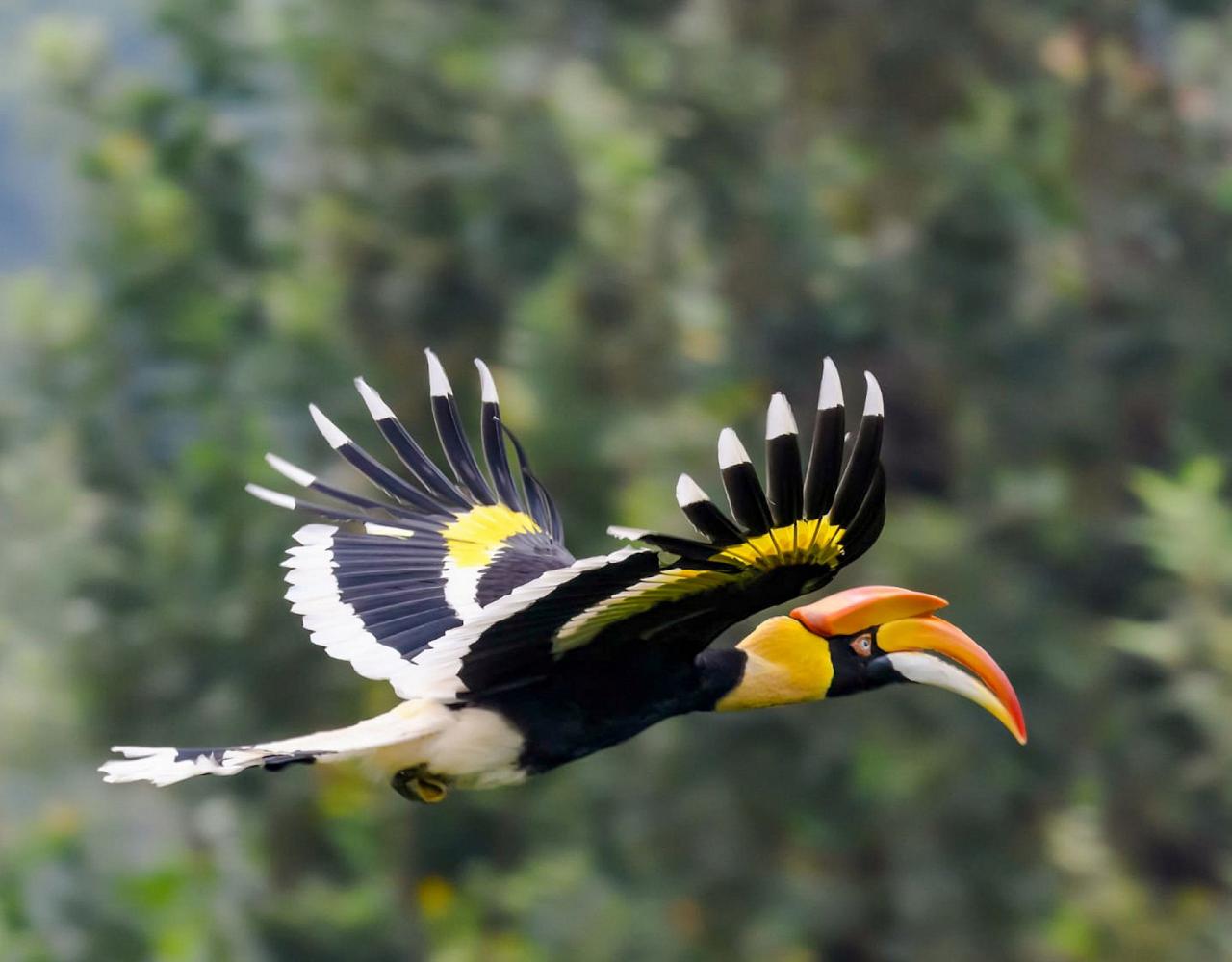
Great Hornbill
-
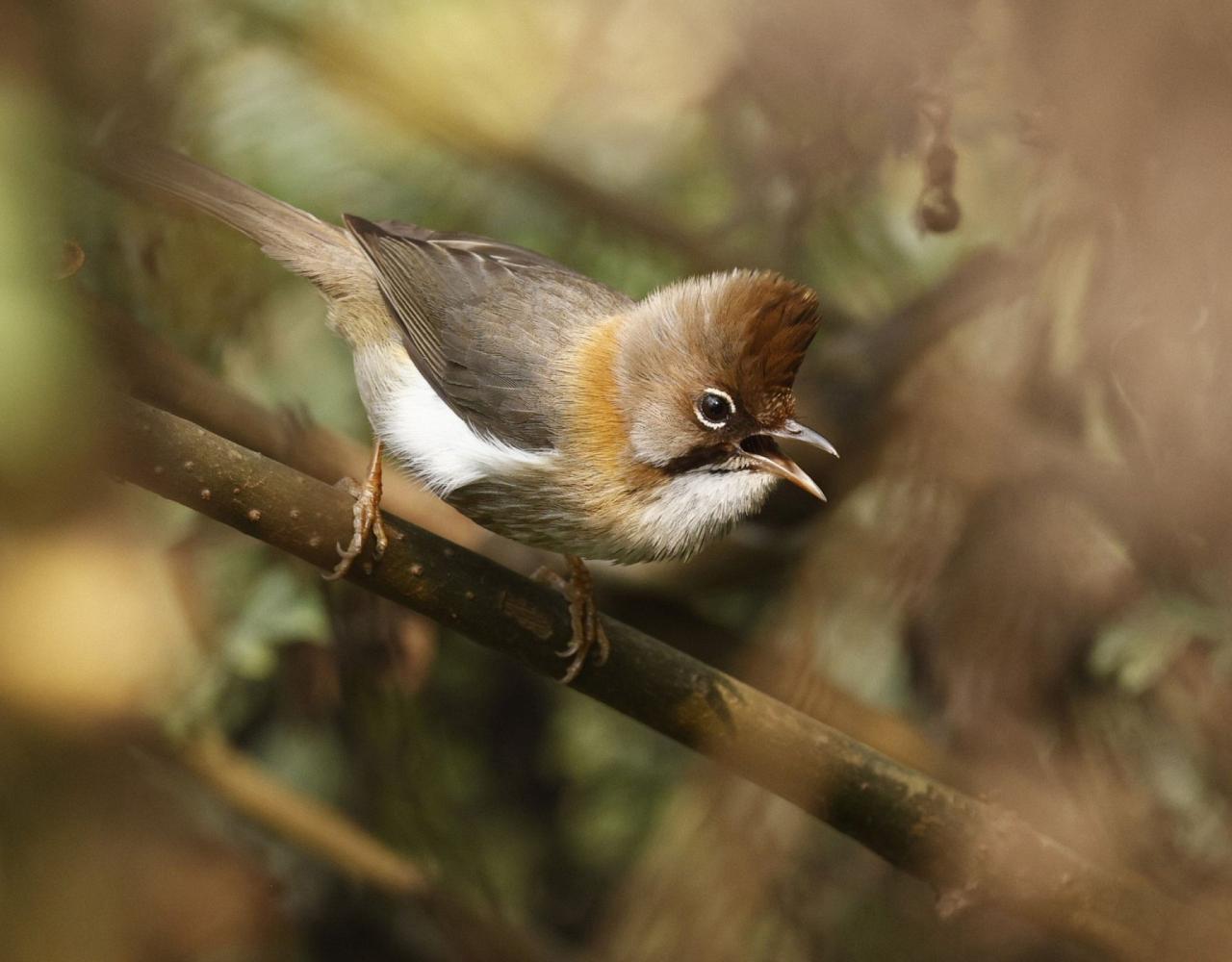
White-naped Yuhnia by Peg Abbott
-
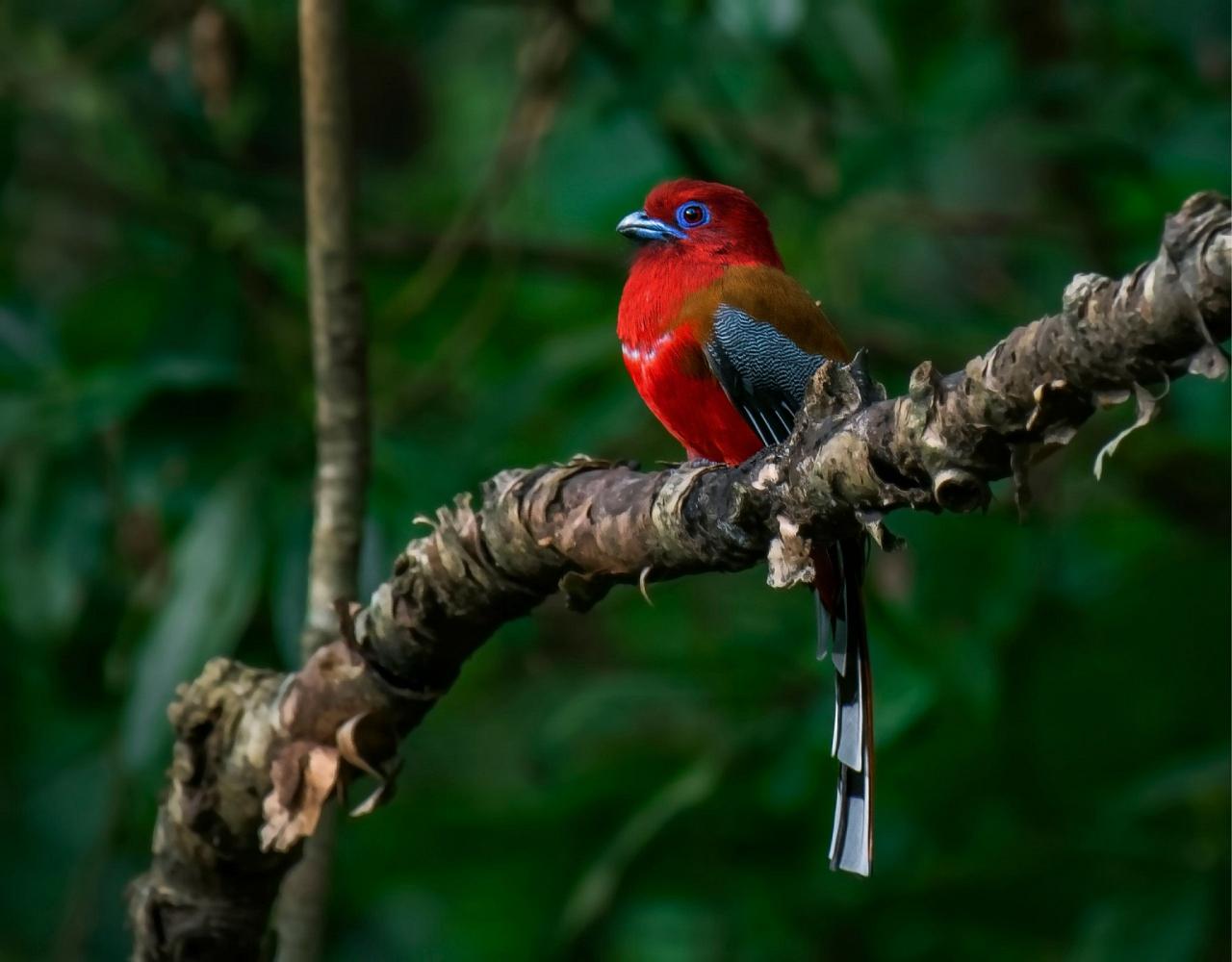
Red-headed Trogon
-
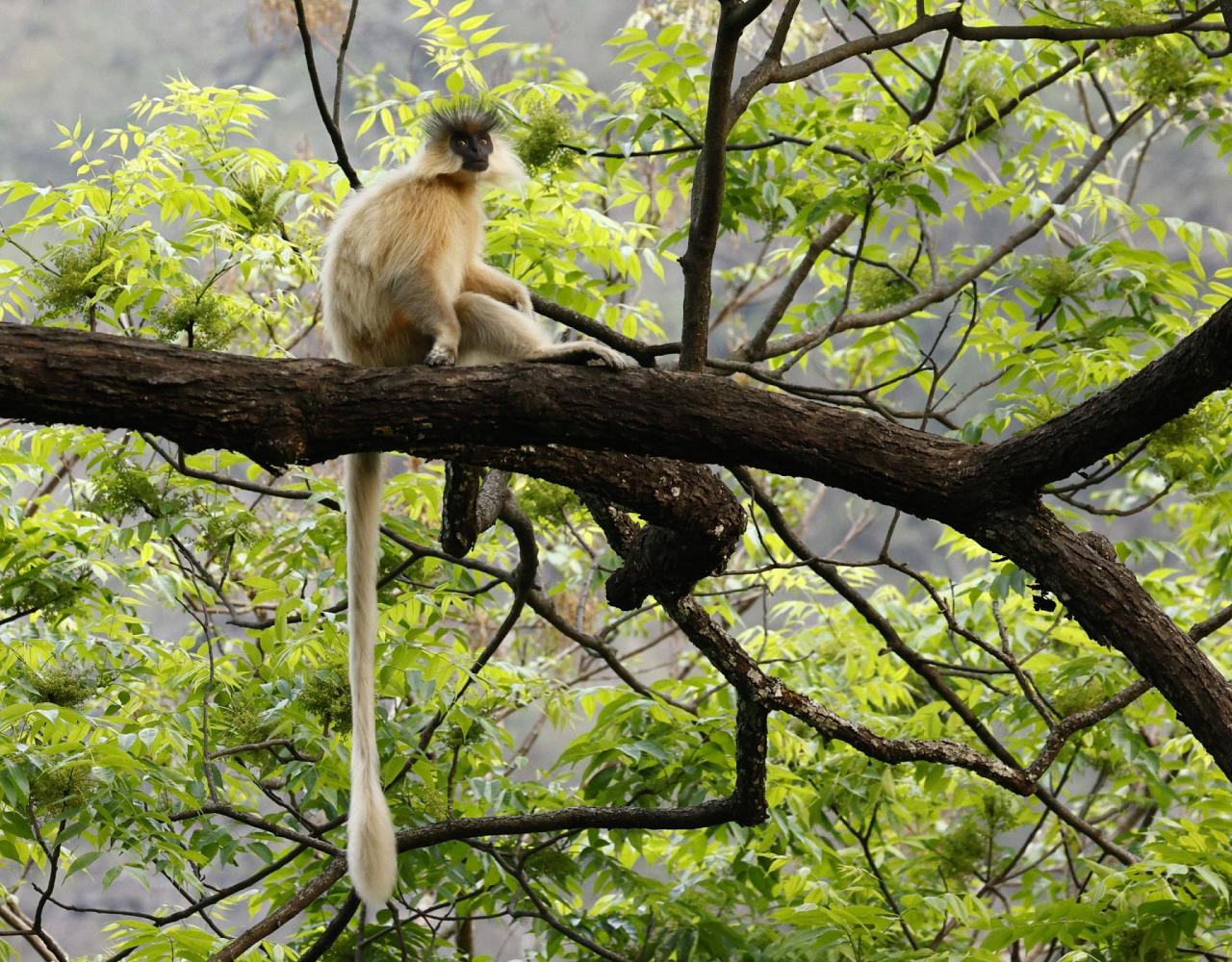
Golden Langur by Peg Abbott
-
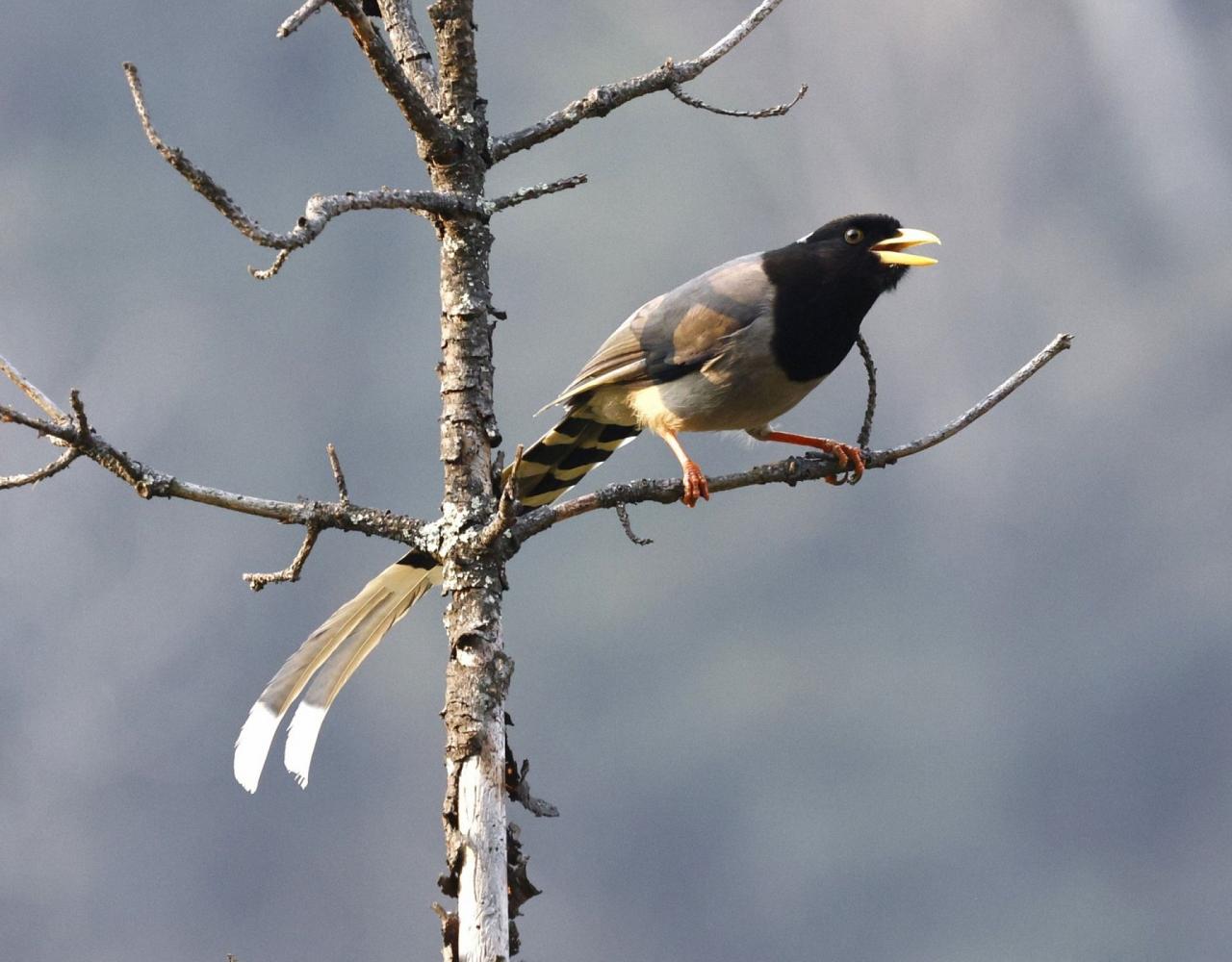
Gray Treepie by Peg Abbott
-
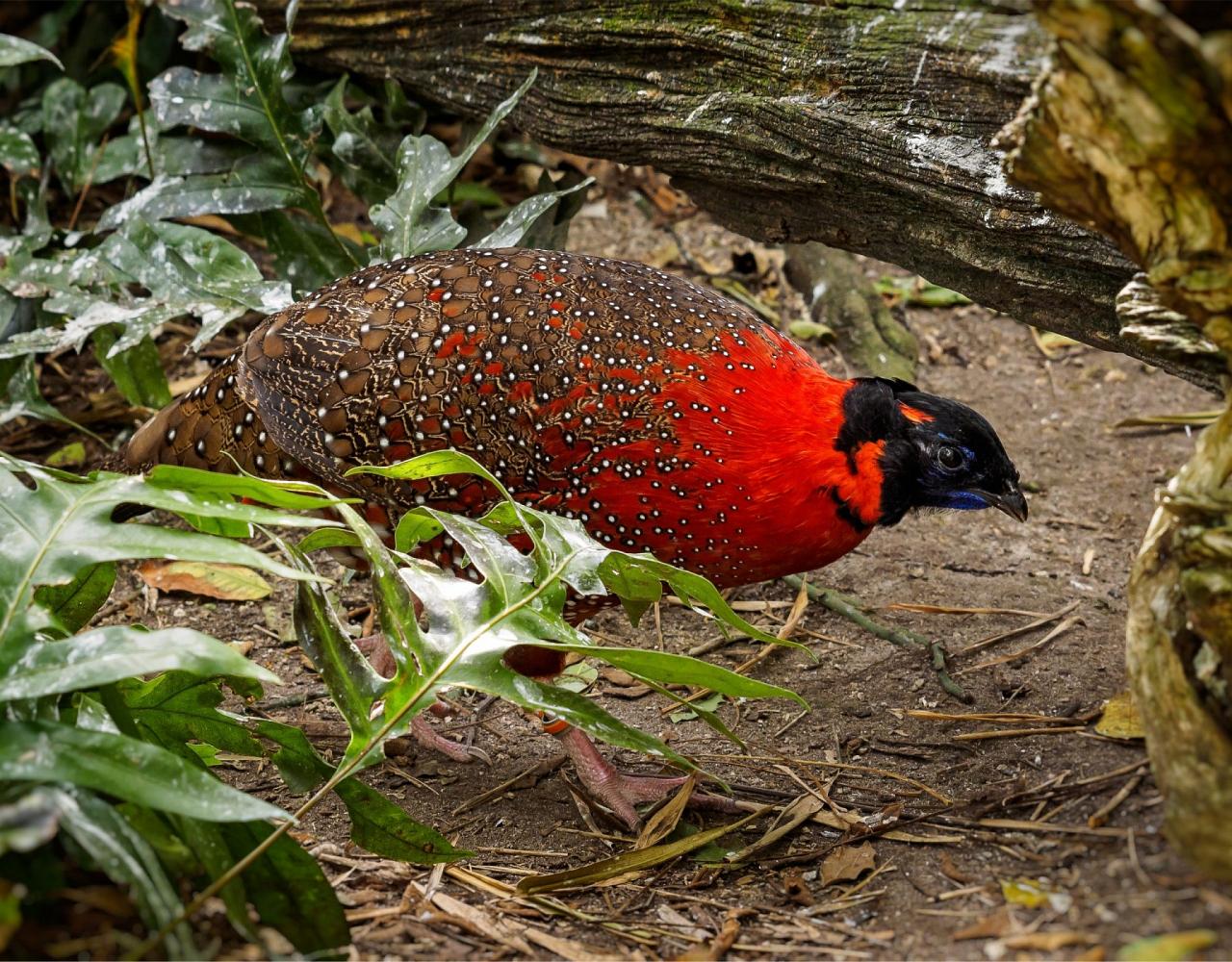
Satyr Tragopan
-
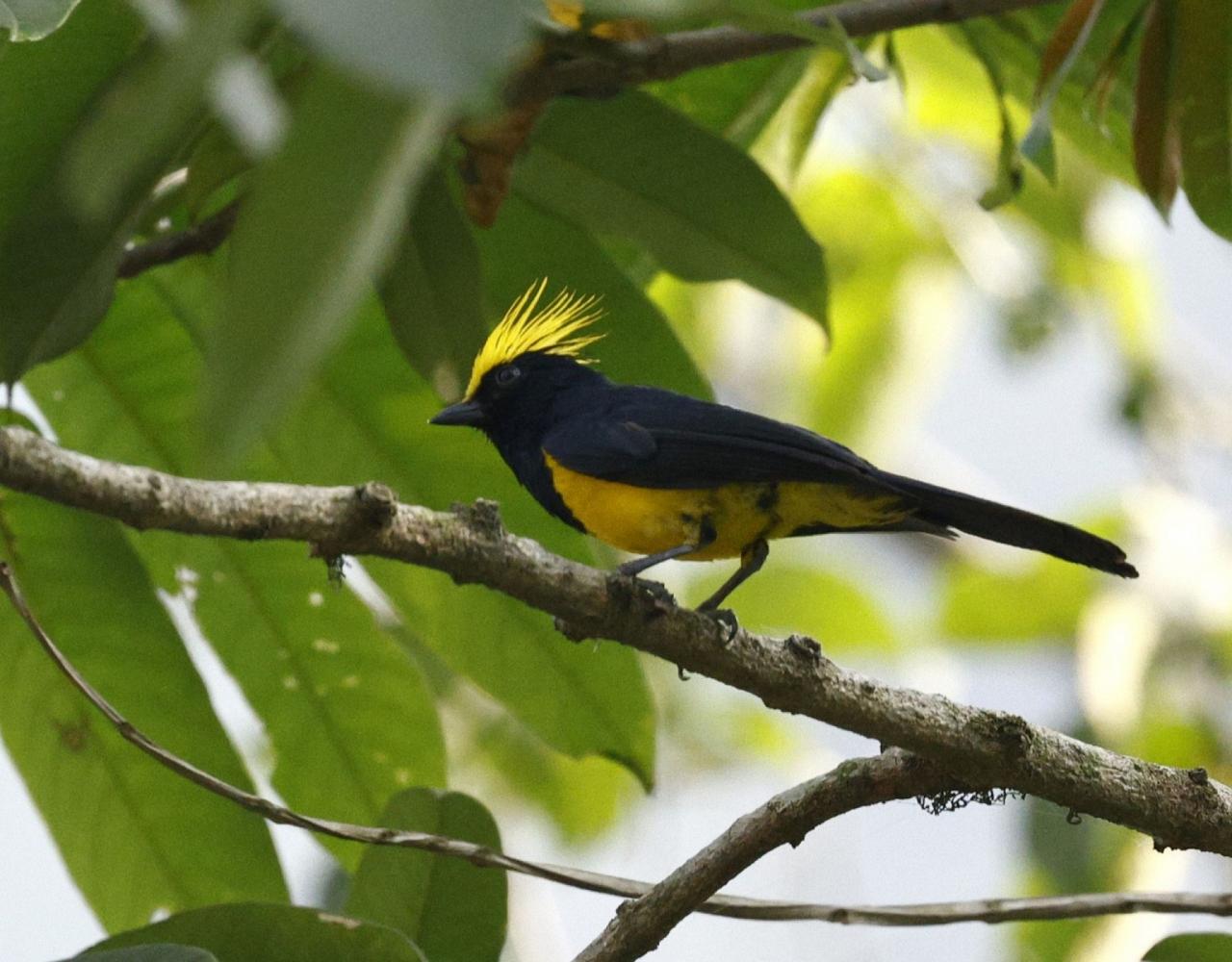
Sultan Tit by Peg Abbott
-
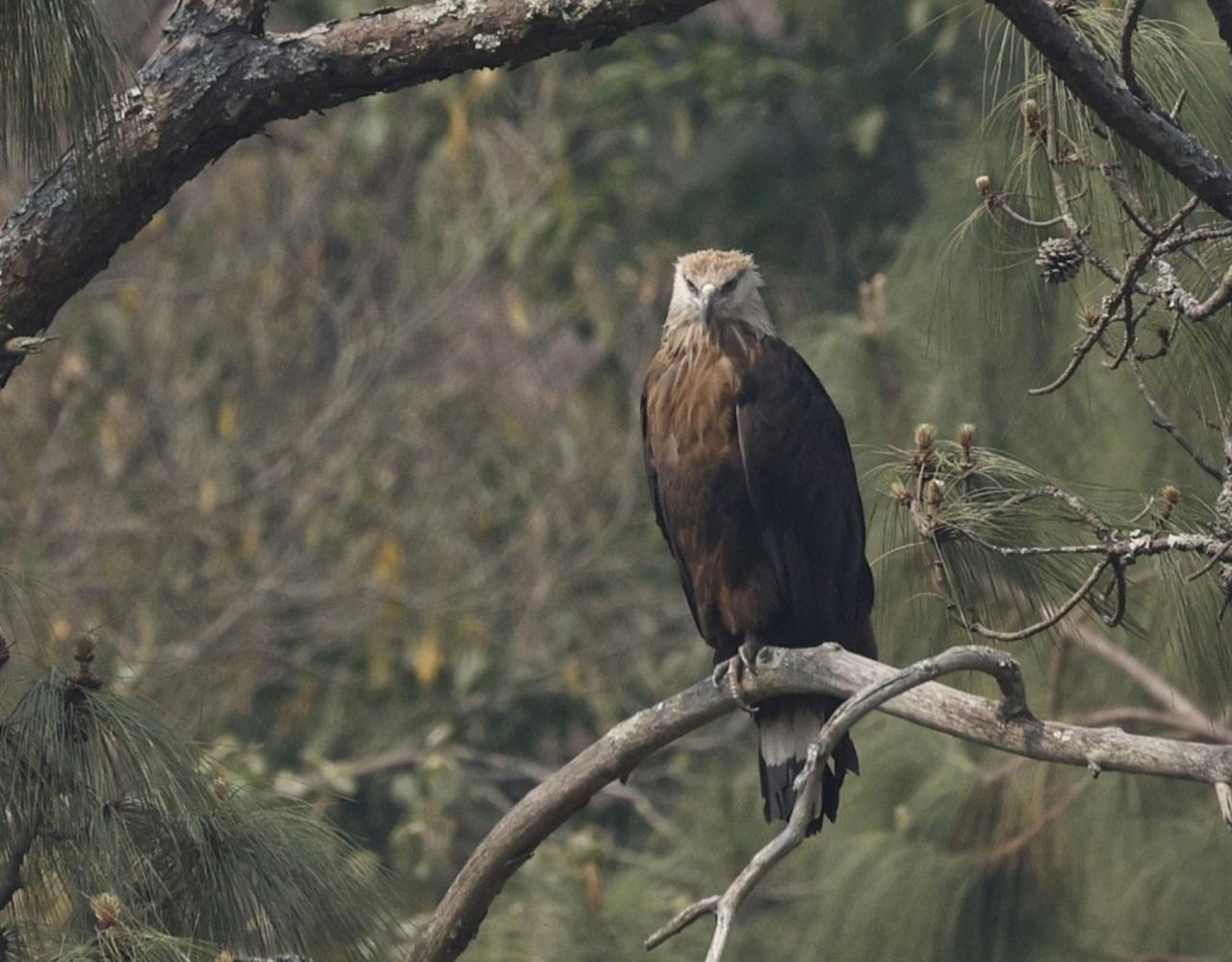
Pallas's Fish Eagle by Peg Abbott
-
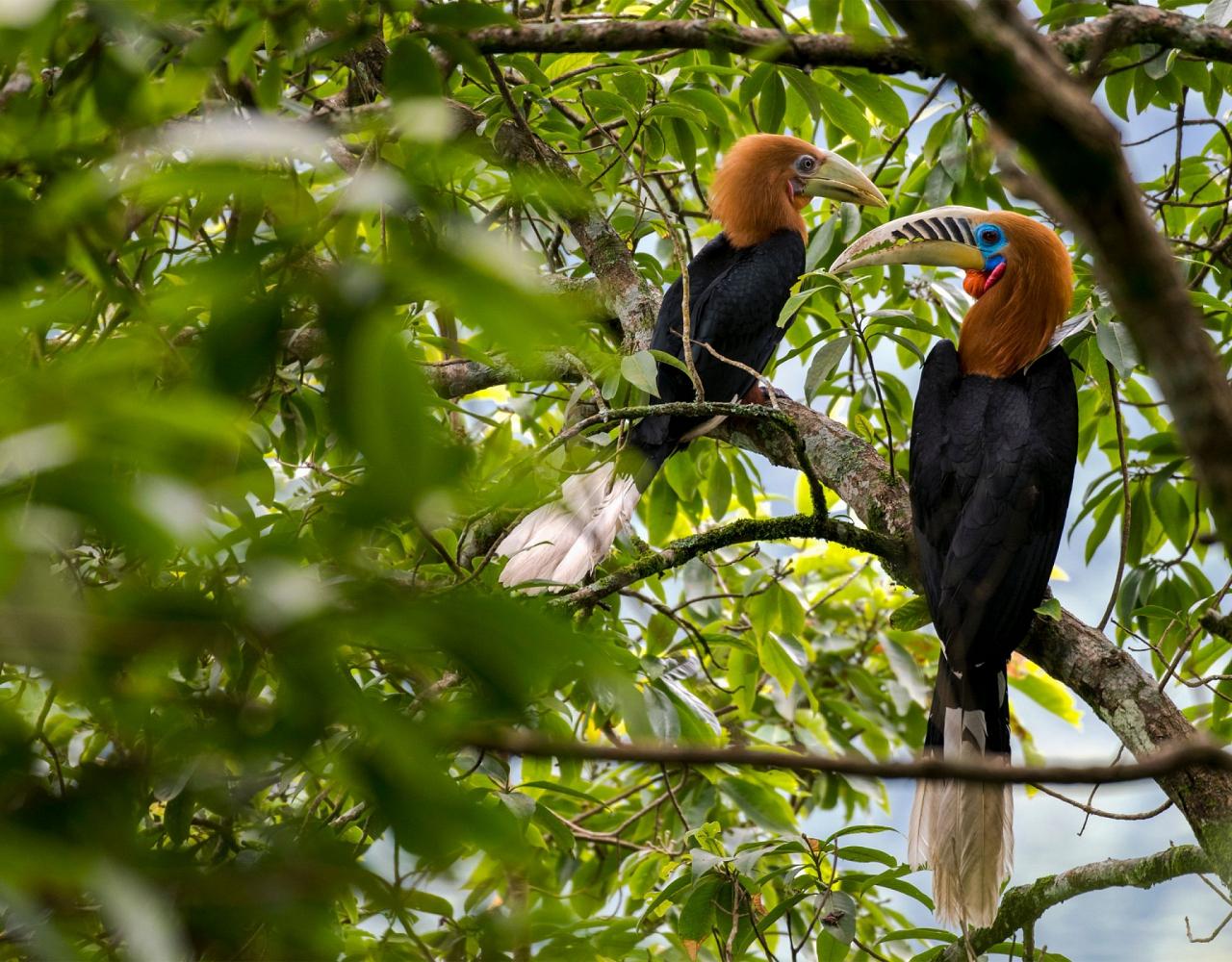
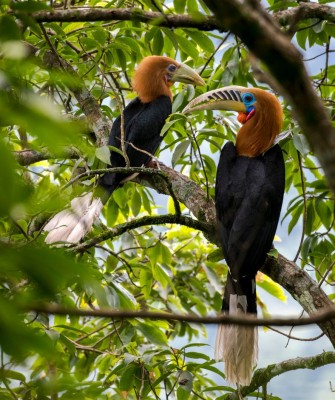
Rufous-necked Hornbills
-
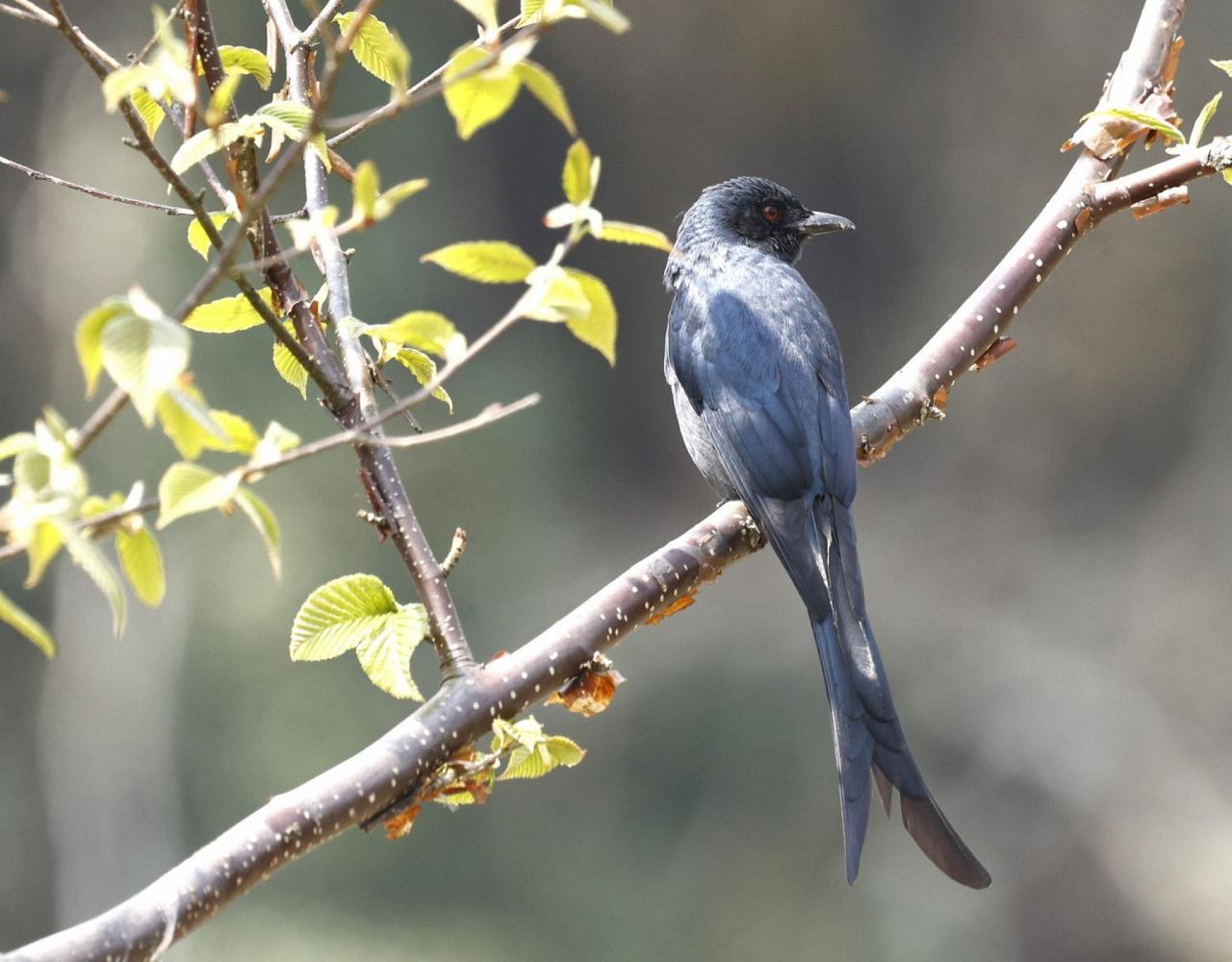
Ashy Drongo by Peg Abbott
-
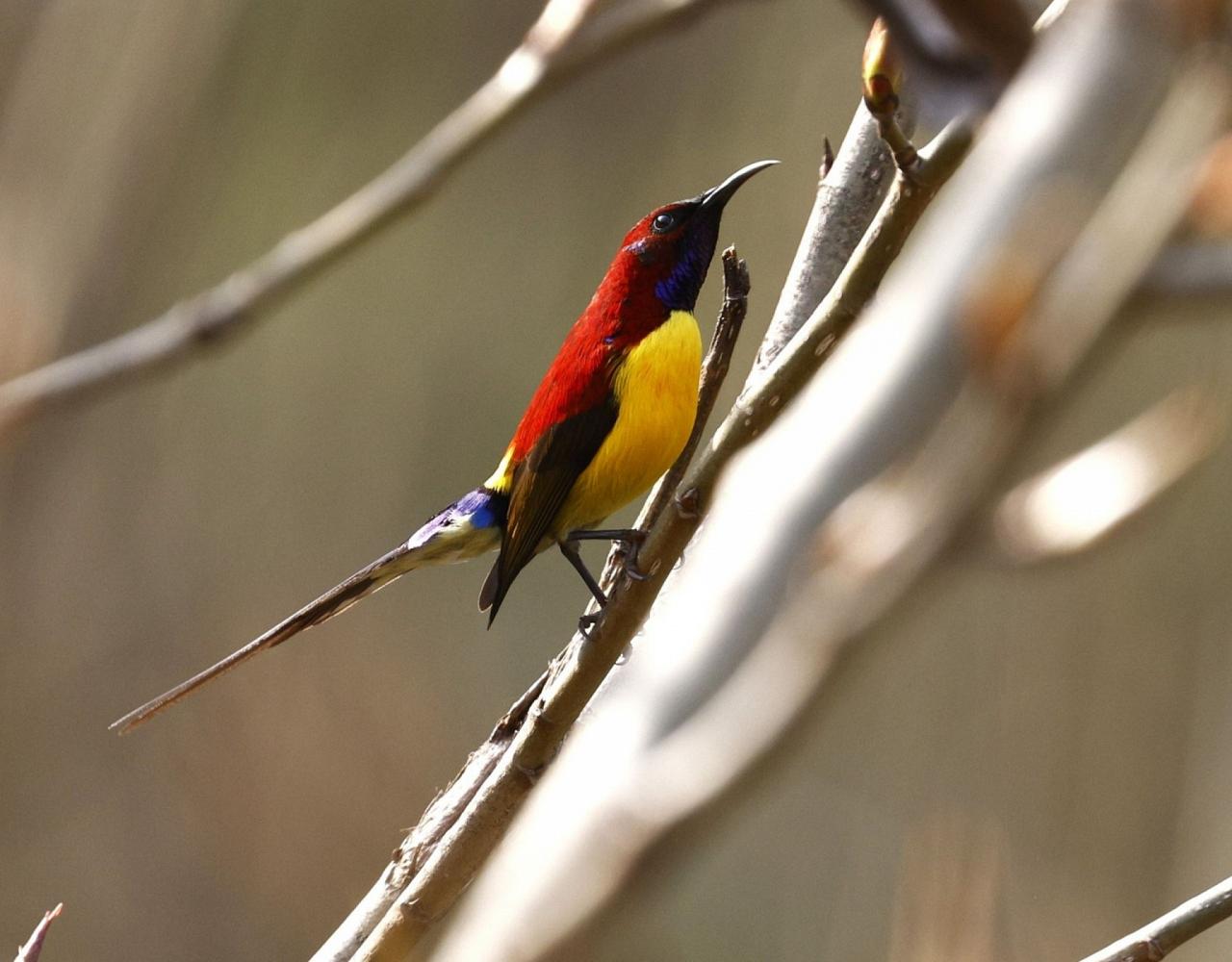
Mrs. Gould's Sunbird by Peg Abbott
-
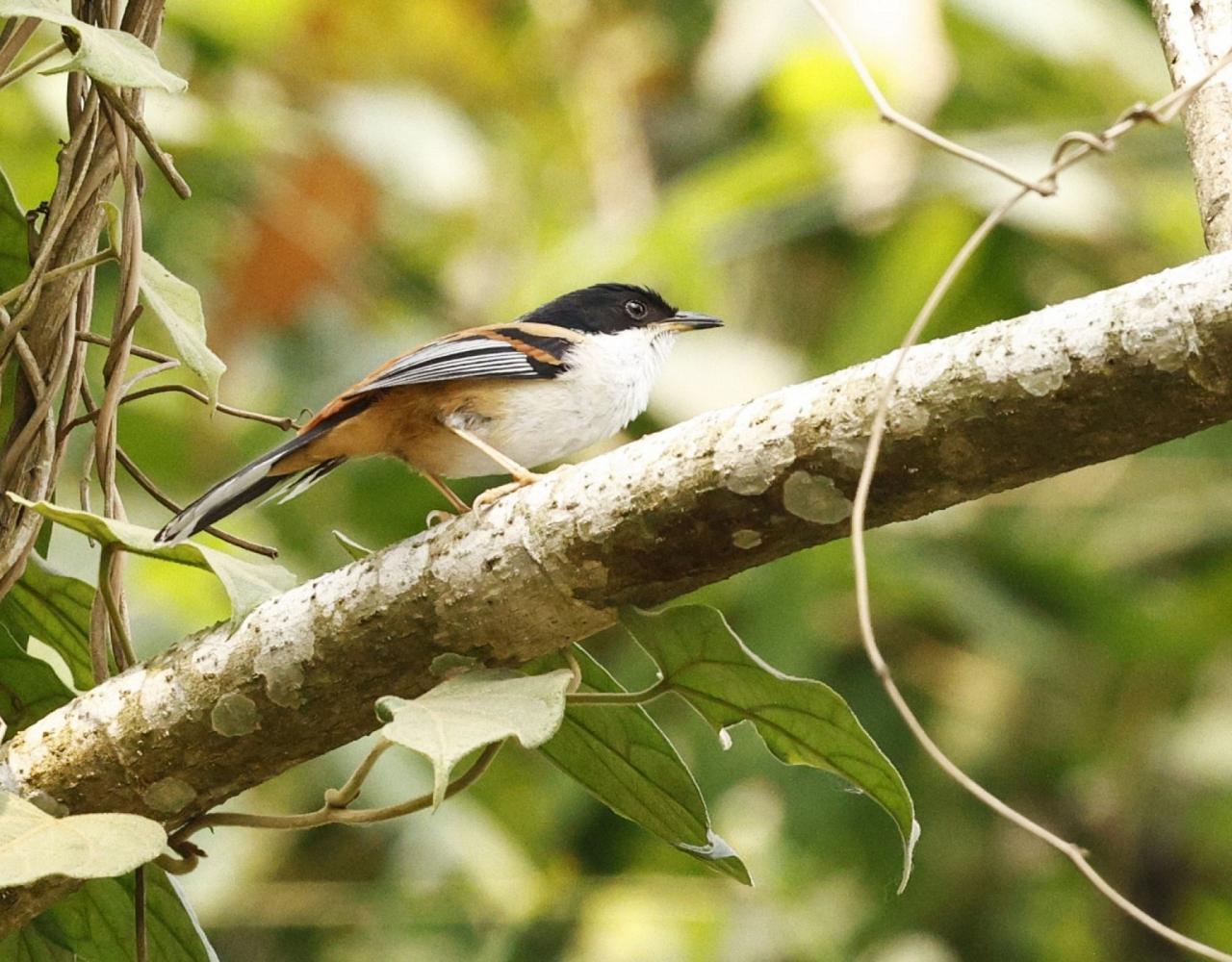
Rufous-backed Sibia by Peg Abbott
-
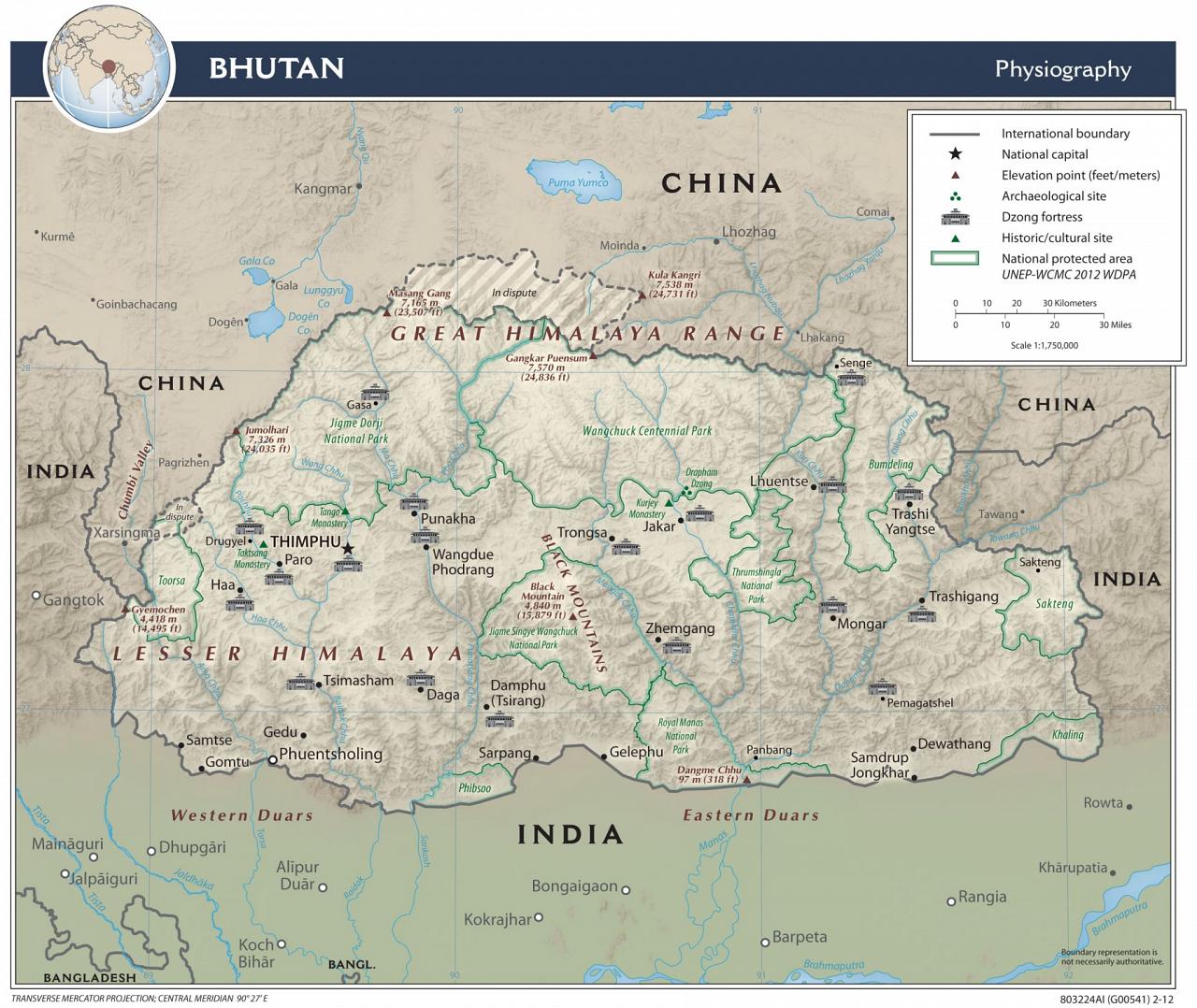
Bhutan Physiography, Credit CIA via Creative Commons
Cost of the Journey
Cost of the journey is per person, based on occupancy: $9890 DBL / $10,810 SGL, from Paro. Tour cost includes all accommodations; all meals as stated in the itinerary; group airport transfers; ground transportation in a Toyota Hiace; professional guide services; park, preserve, and other activity fees; and miscellaneous program expenses. All tips other than your NJ guide (optional) and local guide are included (this includes tips for your driver, lodge and staff, day activities, meals and other services).
Tour cost does not include: roundtrip airfare to and from Paro, or items of a personal nature such as laundry, telephone charges, or alcoholic beverages, overstay expenses arising from weather or other unforeseen situations. Tour cost also does not include the Bhutan tourism fees (at present, $100 per person, per night) or your visa cost (estimated under $100).
A note about the cost of this trip: This is an expensive tour. Bhutan limits tourist visits and links visas to the use of an authorized local operator and by requiring local operators to charge a minimum per person per day for even basic services, with a portion of that going back to the government. A visit to Bhutan is a privilege, we do pay for it in the tourism fees.
Travel Details
Please plan to make air travel plans only after the minimum group size has been met. We will send you a confirmation email as soon as the trip has been confirmed.
Arrival and Departure Airport: Paro International Airport (PBH)
Arrival Details: Please plan to arrive on April 6, 2027, at your leisure.
Departure Details: Please plan international flights to depart Paro on April 22, 2027, after 11:00 AM.
Travel Tip: If you arrive early in Paro to rest up from your travels, we can book you an early night at a hotel in town where it’s easy to walk around and explore.
Entry Requirements: See "Essential Information" section under the "Know Before You Go” tab.
Items of Note
Please expect a fair amount of walking in Bhutan, and note altitudes below. Daily activity starts at 0500 hours, with breakfast at 0700 hours, followed by birding until about 1030 hours. We break then have lunch at around 1230 hours and then birding resumes till 1600 hours. We plan evening birding on two or three different days.
Elevation of Accommodations
Gangtey — 3050 meters / 10,000 ft
Sengor — 3,000 m / 9842 ft
Ura Hwy/Bumthang — 2,800 m / 9,185 ft
Thimphu — 2,350 m / 7,710 ft
Trongsa — 2,200 m / 7,215 ft
Paro — 2,250 m / 7,382 ft
Punakha — 1,310 m / 4,300 ft
High Passes – Altitude
Chele la — 3988 metres / 13,083 ft
Thrumsing la — 3780 metres / 12,401 ft
Yotong la — 3425 metres / 11,236 ft
Dochu la — 3100 metres / 10,170 ft
Browse below for trip reports and species lists from past versions of this and other tours from this destination.
Bhutan
- April 2023
- April 2024
- November 2025
-
Norbu — Bhutan Expert
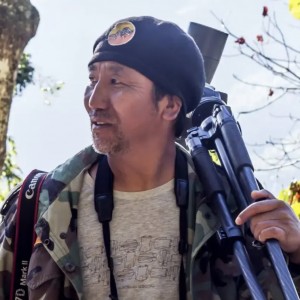
Norbu has been at the forefront of birding excursions and exploring Bhutan’s diverse ecosystems for over 25 years. As an avid birdwatcher, he has spent many weeks traversing Bhutan, identifying prime locations to observe the most coveted bird species, such as the elusive Wren Babblers, Pheasants, Trogons, and other notable species found in Bhutan. His explorations have contributed to expanding the knowledge of many species that were previously poorly documented. Norbu has also been a pioneer among local birding guides, as he was one of the first to lead international birding tours independently.
Norbu’s vast experience in leading birding groups has helped numerous birders witness even the rarest of bird species. With his in-depth knowledge of the local culture, Norbu provides clients with a unique and immersive cultural experience during their tours. He is also known for his dedication to training and mentoring aspiring young guides who wish to pursue their career in birding and nature guiding. Along with birding tours, Norbu is also skilled in organizing nature tours and cultural tours that offer a more comprehensive Bhutanese experience.Other trips with Norbu — Bhutan Expert
-
 Biodiverse Bhutan: Birds, Mammals & Beyond Closed. See our April departure!November 6 - 21, 2026, w/Panna Tiger Reserve extension
-
-
Bryan Shirley
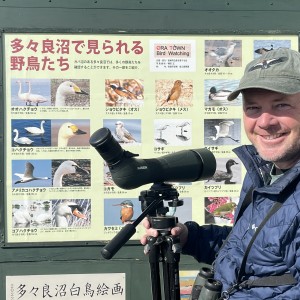
Bryan Shirley graduated from the University of Kentucky with a degree in Japanese/International Economics. He lived in Japan for 3 years when he was 20 and fell in love with the language and culture and has been guiding and birding there ever since. Besides guiding in Japan, he regularly leads tours for Japanese birding groups around the US and other countries. When not guiding he has been involved with various DWR and USFWS projects such as relocating Sage Grouse, breeding bird surveys, and bird-related projects for private environmental consulting firms. He also has volunteered his time to serve as president of Utah County Birders and organizes the annual Audubon Christmas Bird Counts for Provo and Payson, Utah where he currently resides. He currently is a member of the Utah Bird Records Committee.
Other trips with Bryan Shirley
-
 Northern Tanzania: Wildlife & Birding Safari FULL - See our January & February departures.November 7 - 18, 2026, w/Nairobi & Amboseli National Parks extension
 -
 Japan Birding & Nature FULL - Check out Japan in December 2027!January 7 - 23, 2027
 -
 Beginning Birding: BelizeFebruary 23 - March 1, 2027
 -
 Birding Canyon CountryMay 16 - 24, 2027
 -
 Wild Japan: Summer In Hokkaido FULL - See our December Japan tour!June 7 - 17, 2027, w/Sado Island & Crested Ibis extension
 -
 Wild Borneo: Endemic Birding & NatureSeptember 3 - 17, 2027
 -
 Bountiful Bolivia: Birding & Nature in the High AndesNovember 2 - 15, 2027, w/La Paz/Lake Titicaca extension
 -
 Japan Birding & Nature December 1 - 17, 2027
 -
 Japan Birding & Nature Full! See our December 2027 tour.January 7 - 23, 2028
-

Essential Information +
Pace & Protocols +
Packing List +
Suggested Reading List +
Useful Links +
-
 Wild Borneo: Endemic Birding & Nature CLOSED - Check out Southern India’s Western Ghats!September 30 - October 14, 2026
 -
Biodiverse Bhutan: Birds, Mammals & Beyond Closed. See our April departure!November 6 - 21, 2026, w/Panna Tiger Reserve extension
-
 India: Birds, Tigers & the Taj Mahal FULL - See our Sri Lanka tour!January 24 - February 7, 2027
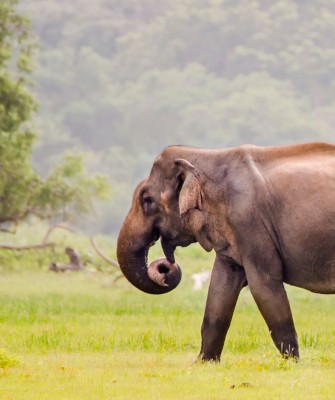
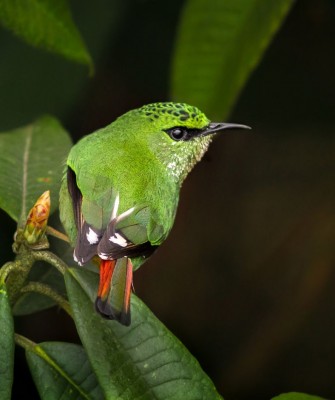
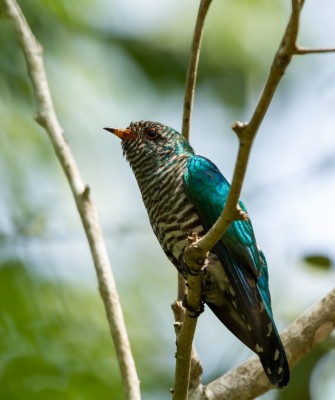
Photo credits: Banners: Thimphu, Bhutan, Dr Vikramjit Kakati via Creative Commons; Golden Langur, M. Swarnali via Creative Commons; Rufous-necked Hornbill by Rohit Naniwadekar via Creative Commons; Great Buddha Dordenma, Christopher J. Fynn via Creative Commons; Female Great Hornbill Debrup Chakraborty via Creative Commons; Golden Eagle Photo Credit/ Avijit Sarkhel; Black-throated Sunbird by JJ Harrison via Creative Commons. Thumbnails: Golden Langur (NJ Stock), Black-necked Crane (NJ Stock), Asian Elephant (NJ Stock), Rufous-necked Hornbill (NJ Stock), Fire-tailed Myzornis (NJ Stock), Asian Emerald Cuckoo (NJ Stock), Indian Rhino (NJ Stock), Blood Pheasant (NJ Stock)