
- Overview
- Full Itinerary
- Photo Gallery
- Costing
- Travel Details
- Trip Reports
- Guide
- Map
- Know Before You Go
Naturalist Journeys returns to the magnificent Canadian Rockies in 2026! Join us for an exciting birding and wildlife tour that explores Western Canada on a loop route from Calgary. Experience a stunning array of diverse habitats from the prairies to mountains that will leave you in awe. On this well-tested route we find an excellent array of classic western bird species, adding iconic wildlife and abundant summer wildflowers to create an unforgettable trip.
We start in Calgary and spend two full days exploring the prairies, wetlands, and foothills of the Rockies. Here we search for prairie specialists like Sprague’s Pipit and Chestnut-collared Longspur as well as wetland species like White-faced Ibis and Black-necked Stilt. Then we head to the legendary Banff National Park, in the heart of the Canadian Rockies. We spend two days here to soak in the beautiful mountains and look for Great Gray Owl as well as mountain species including Boreal Chickadee and Three-toed Woodpecker. Banff is undoubtedly one of the best places in Canada to see wildlife and we keep our eyes peeled for Grizzly Bear, Moose, and other large fauna. Our final stop is in Invermere and the Columbia Valley. Explore the rich mountain habitats and one of North America's largest intact wetland system looking for mountain specialties like Lewis’s Woodpecker, White-throated Swift, and Lazuli Bunting.
Tour Highlights
- Search for prairie species such as Thick-billed and Chestnut-collard Longspur
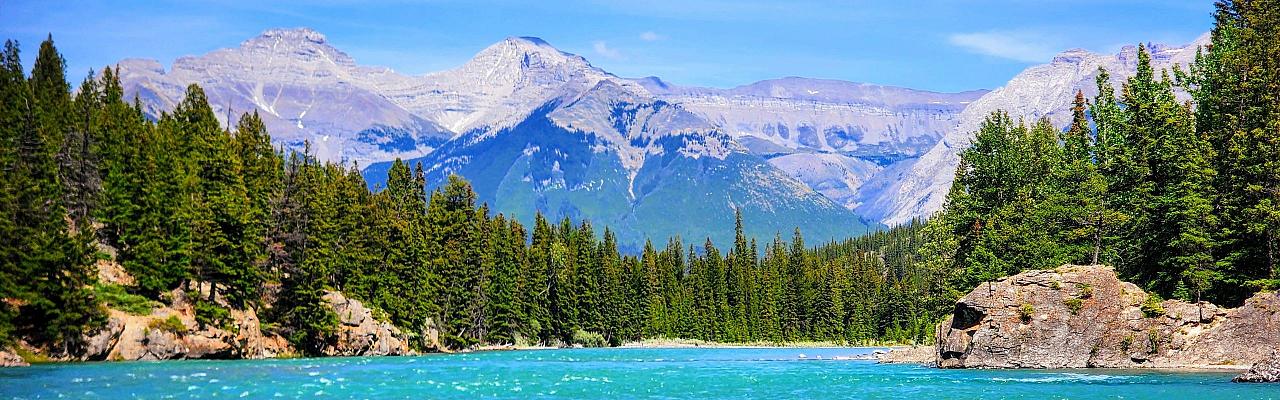
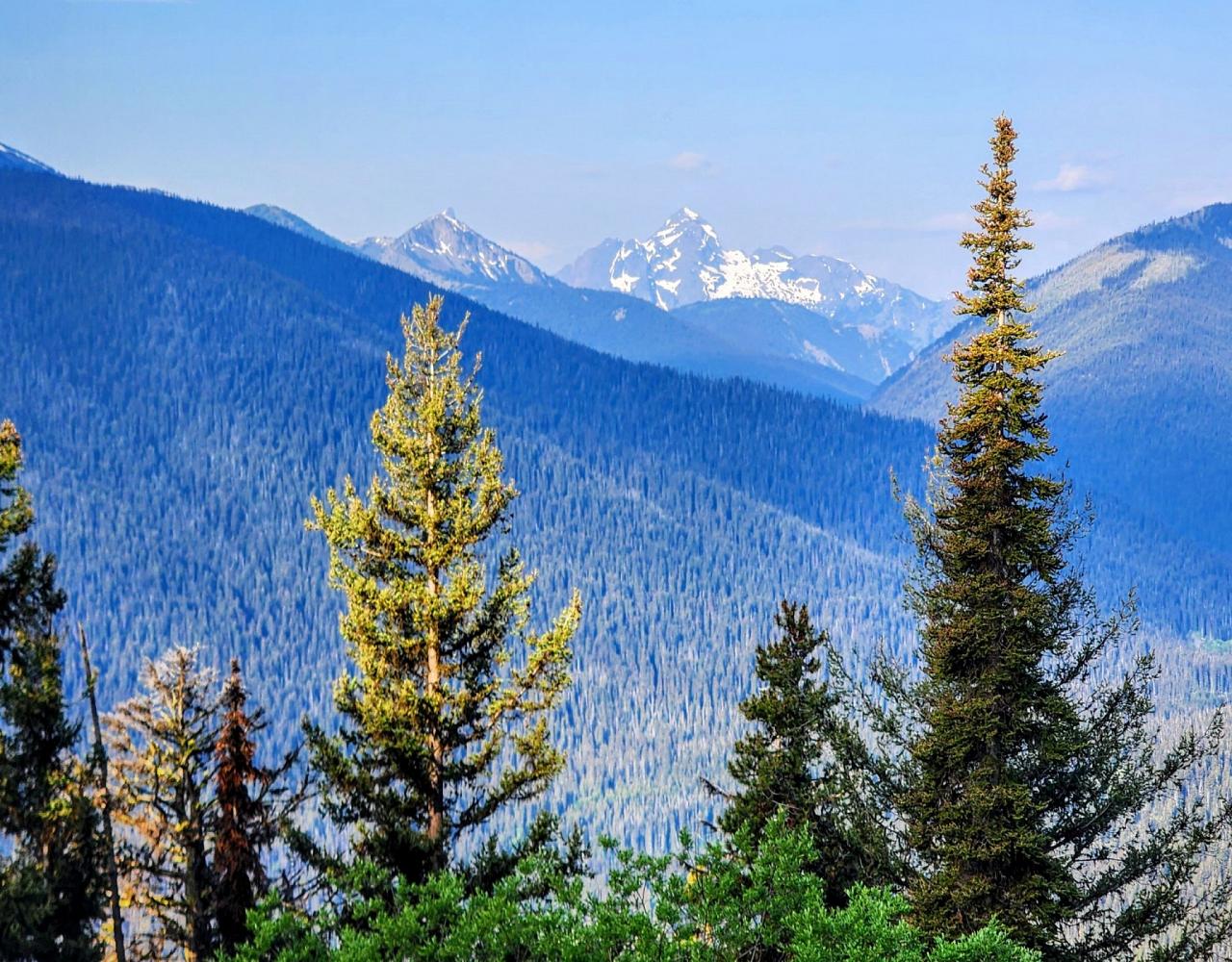
- Explore iconic Lake Louise and Banff National Park in the heart of the Canadian Rockies
- Look for Grizzly and Black Bears, Moose, Elk, and Coyote
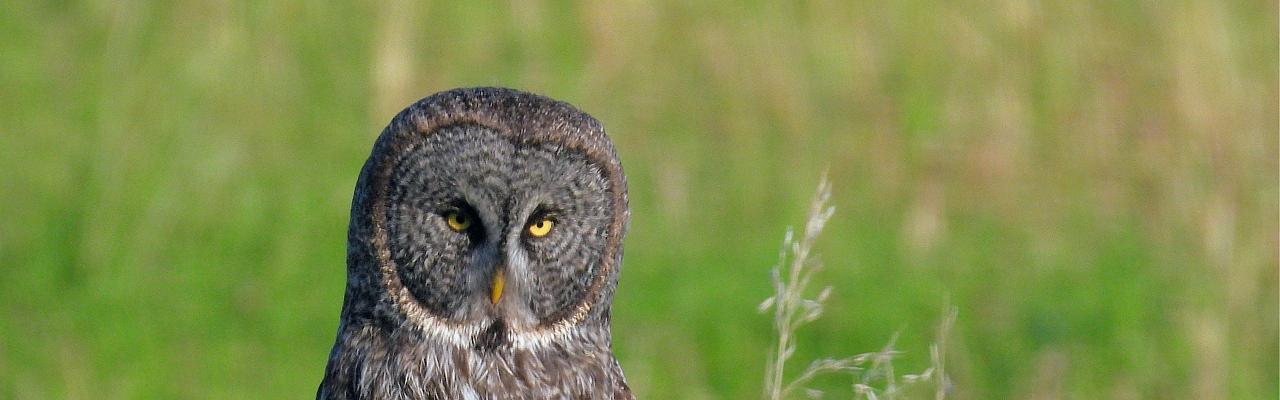
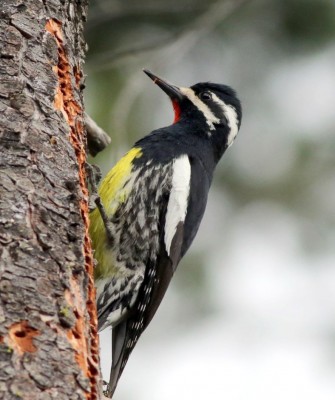
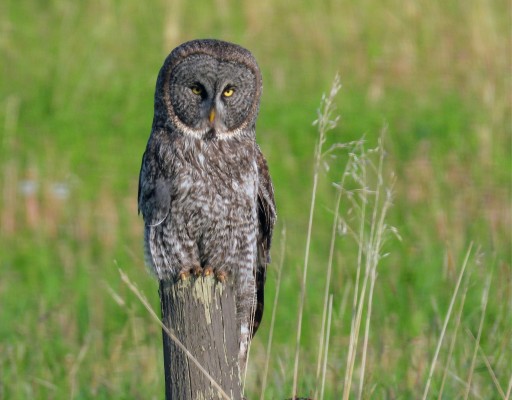
- Search for western forest species including Great Gray Owl, Three-toed Woodpecker, and Boreal Chickadee
- Explore and bird the Columbia Valley, one of North America's largest intact wetlands
Trip Itinerary
Itineraries are guidelines; variations in itinerary may occur to account for weather, road conditions, closures, etc. and to maximize your experience.
Tues., June 22 Arrivals in Calgary
Welcome to Calgary! Nicknamed “Cowtown” due to its long history of being a cattle ranching frontier in the 1800s, Calgary is the largest city in the province of Alberta. It is located in the transitional zone between the Canadian Rockies and the prairies. This variety of habitats make it a great area to start our western Canada bird list.
In the afternoon, we visit some wetlands in the city for a good introduction to birds of the area. In the evening, we enjoy a welcome dinner to get to know our guides and fellow travelers.
Accommodations at the Best Western Premier Calgary Plaza Hotel & Conference Centre (D)
Wed., June 23 Prairie Birding & Wildflowers | Kinbrook Island Provincial Park
Today we travel east and spend some time searching for some of the prairie specialties in the area. The term “prairie,” which is derived from the French word “meadow,” often conjures images of monotonous flatlands, but prairies have great diversity. With varied topography and a diversity of beautiful wildflowers, this habitat is home to many species we hope to see, including Long-billed Curlew, Sprague’s Pipit, Chestnut-collared Longspur, Thick-billed Longspur, Pronghorn, deer, and gophers.
After lunch, we visit Kinbrook Island Provincial Park, located on Lake Newell, a large reservoir constructed in the early 1900s. Here we have the opportunity to see woodland species such as Least Flycatcher and Baltimore Oriole as well as comparing both Eastern and Western Kingbirds side by side. The adjacent marshes give us the possibility of White-faced Ibis, secretive American Bittern, and the always elegant looking Black-necked Stilt.
On our way back to Calgary, we visit an established colony of Purple Martin, the largest swallow species north of Mexico.
Accommodations at the Best Western Premier Calgary Plaza Hotel & Conference Centre (B,L,D)
Thurs., June 24 Calgary’s Birding Hotspots
Today is our last day in Calgary and we make the most of it! We head south to Frank Lake, a restored wetland that is managed by Ducks Unlimited and listed as an Important Bird Area. Known as one of the best birding spots in the Calgary area, we hope to see nesting colonies of American White Pelican, California Gull, and Double-crested Cormorant. In the open water sections of the lake, we look for Western Grebe, Eared Grebe, and Ruddy Duck, which are typically abundant here. Along the shallow edges of the lake, we search for Wilson’s Phalarope, known for their unique method of hunting prey by spinning around frantically on the water to stir up invertebrates.
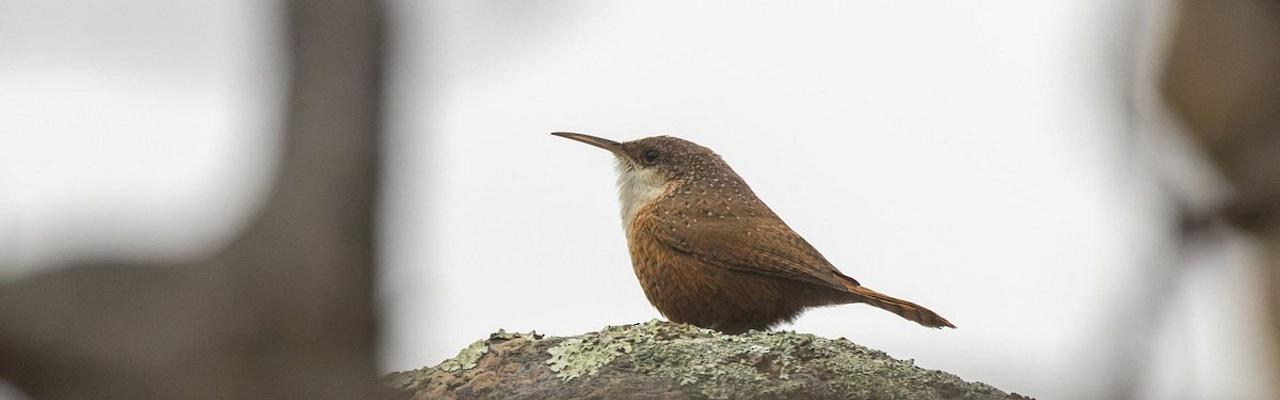
In the afternoon, we stop at a site to observe nesting Prairie Falcon and Rock Wren. Prairie Falcon build their nests on sheer cliff faces, while Rock Wren use a rock crevice, but are known to build a walkway to the site out of pebbles. In the foothills area below the cliffs, we hope to see Mountain Bluebird, Bobolink, Black Tern, and possibly Evening Grosbeak.
Accommodations at the Best Western Premier Calgary Plaza Hotel & Conference Centre (B,L,D)
Fri., June 25 Banff National Park
This morning, we depart Calgary early and head to Banff National Park! One of the most famous national parks in the world, Banff typically sees over 4-million visitors a year. While known for its stunning mountain landscapes of the Canadian Rockies and megafauna like Grizzly Bear and Elk, Banff National Park is also great for birding!
On our way to Banff, we stop at some roadside marshes in hopes of hearing the exceptionally secretive Yellow Rail, which is probably one of the hardest birds to find in North America. We may also see LeConte’s and Nelson’s Sparrows if we’re lucky. As we continue farther into the transitional foothills and boreal forest habitat, we look for Great Gray Owl, a much sought-after species! Songbirds we may find in these forests include Cape May Warbler, Blue-headed Vireo, and Western Flycatcher.
In the afternoon, we head to our lodge in the national park, our home for the next two nights. Our lodge is located just outside of the town Banff, in a quieter location where we soak in the surroundings of this beautiful area.
Accommodations at the Buffalo Mountain Lodge (B,L,D)
Sat., June 26 Birding in Banff
Banff National Park is one of the world’s most famous national parks, it draws in nearly a quarter of a million visitors each year from around the globe. After breakfast we visit Cave & Basin Marsh; this wetland holds healthy numbers of Cinnamon Teal, Sora, Willow Flycatcher and Yellow-headed Blackbird. On the nearby forest trails we hope to find Cassin’s Vireo and Townsend’s Warbler.
Moving on, we explore Vermillion Lakes, where we can see pairs of Common Loon, and songbirds such as Lincoln’s Sparrow, American Redstart, and Northern Waterthrush. At Fenland Nature Trail we search for more common mountain species such as Boreal Chickadee and Golden-crowned Kinglet, as well as more scarce birds including American Three-toed Woodpecker and even Blackpoll Warbler. After lunch we have a few hours to explore the town of Banff.
In the evening we enjoy a drive in search of mammals like Elk, Moose, and Bighorn Sheep near Canmore.
Accommodations at the Buffalo Mountain Lodge (B,L,D)
Sun., June 27 Canmore to Invermere
Today we start with some birding near our hotel in Canmore along Policeman’s Creek and the Bow River; the peaks of the Rockies are our backdrop here. As we stroll, we could see anything from Rufous Hummingbird to Ring-necked Duck to Osprey.
Then we set off for the drive across the Continental Divide to our destination for the next two nights, Invermere. On the way we make stops to look for Western Bluebird and with any luck we may encounter some Vaux’s Swift flying overhead. We also visit nearby wetlands where Bufflehead, Willow Flycatcher, and Northern Rough-winged Swallow can be found. We then check into the lodge where we will spend two nights.
Accommodations in Invermere (B,L,D)
Mon., June 28 Columbia Valley Birding
Today is an exciting day as the entire day is spent exploring the lush Columbia Valley, one of North America's largest intact wetland systems. Here, we seek out Barrow’s Goldeneye, Black Tern, and elusive species like Virginia Rail and Sora. In the cottonwoods and willow thickets, we may find Veery, MacGillivray’s Warbler, and the sweet song of American Redstart. The surrounding montane forests offer a chance for Red-naped Sapsucker, Cassin’s Vireo, and Calliope Hummingbird. We also look for species that are difficult to find east of the continental divide including Lewis’s Woodpecker, Lazuli Bunting, Black-headed Grosbeak, and both Vaux’s and White-throated Swifts. Today promises to be a productive day of birding that adds many new species to our growing trip list.
Accommodations in Invermere (B,L,D)
Tues., June 29 Invermere to Calgary
After spending the morning birding in the Columbia Valley and enjoying our final Lewis’s Woodpeckers, White-throated Swifts, and Lazuli Buntings of the tour, we enjoy lunch locally before beginning our journey back to Calgary. The return drive offers dramatic mountain scenery as we cross through Kootenay National Park and into Alberta. Along the way, we make a final stop at Sibbald Trail marsh, a small but productive wetland in the foothills. This site often provides one last chance to see waterfowl, Sora and Virginia Rail, and a variety of sparrows before we complete our drive back into Calgary in the evening.
Accommodations in Calgary (B,L,D)
Wed., June 30 Depart Calgary
Depart Calgary today at your leisure, taking with you with great memories of time spent on the prairies and in the Rocky Mountains of Western Canada. (B)
-
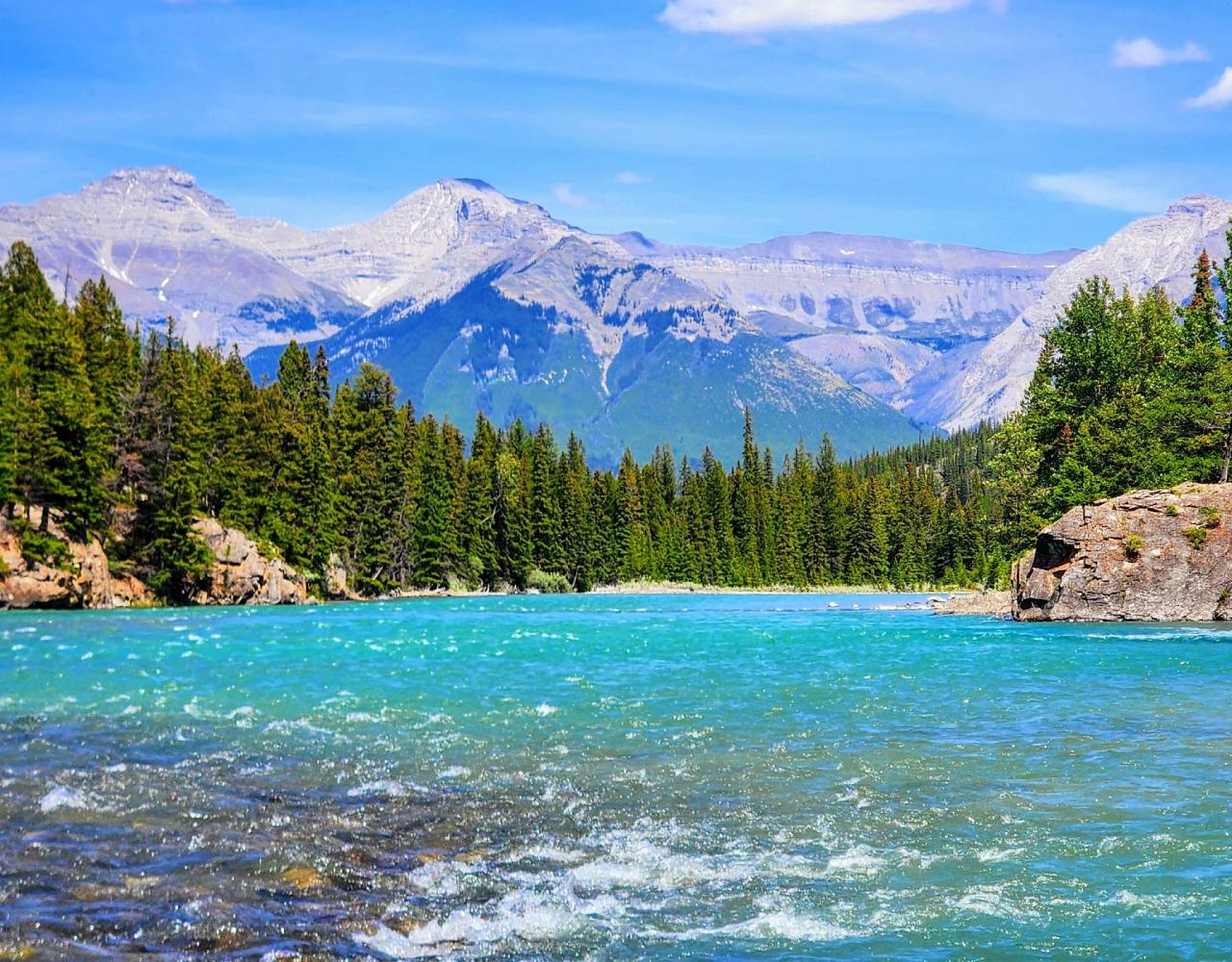
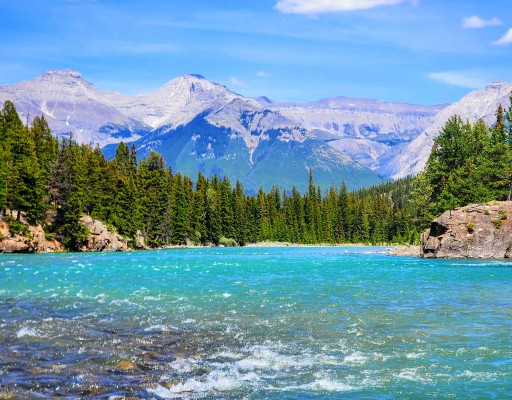
Bow River, Banff National Park by Steve Grace
-
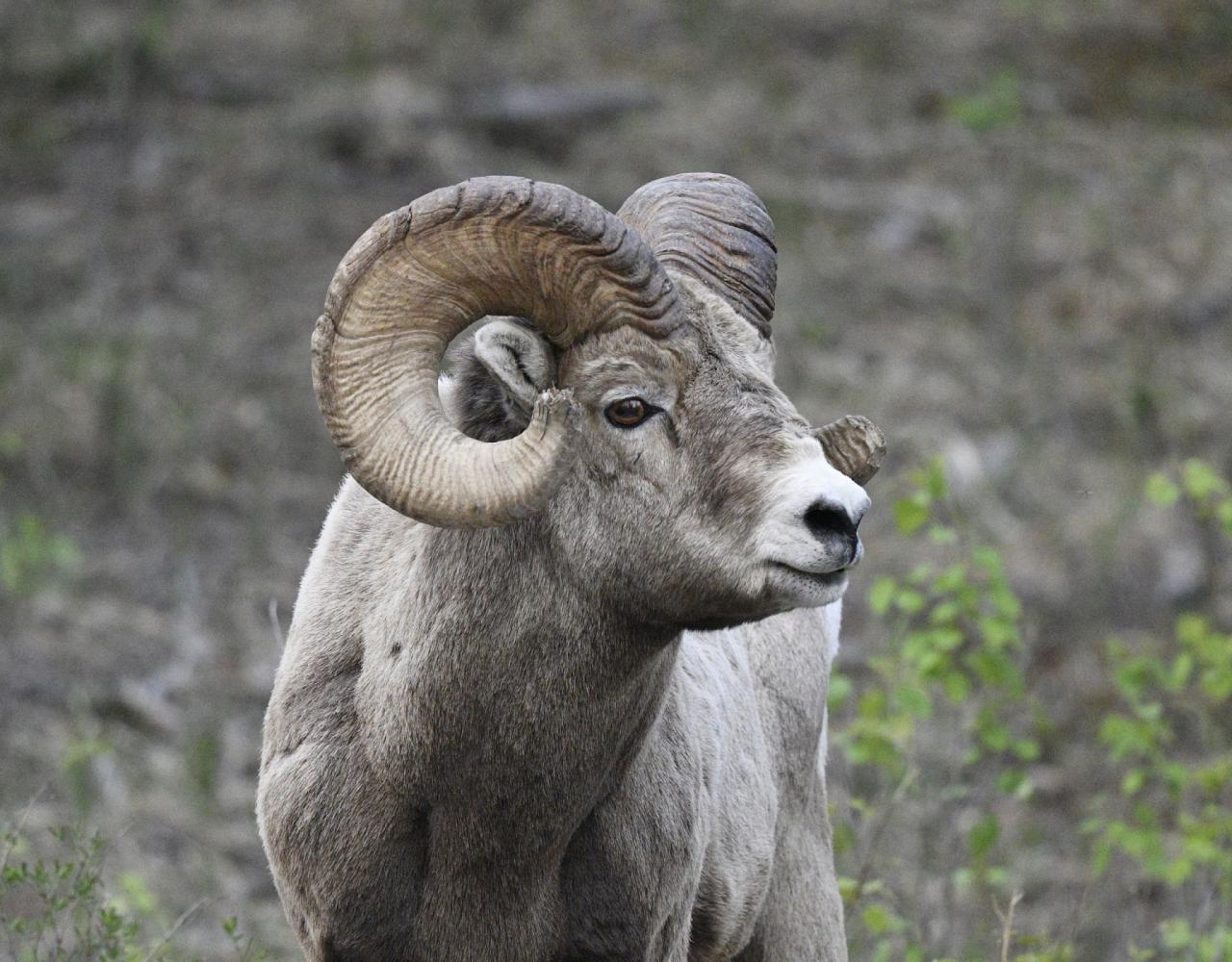
Bighorn Sheep by Tina Greenawalt
-
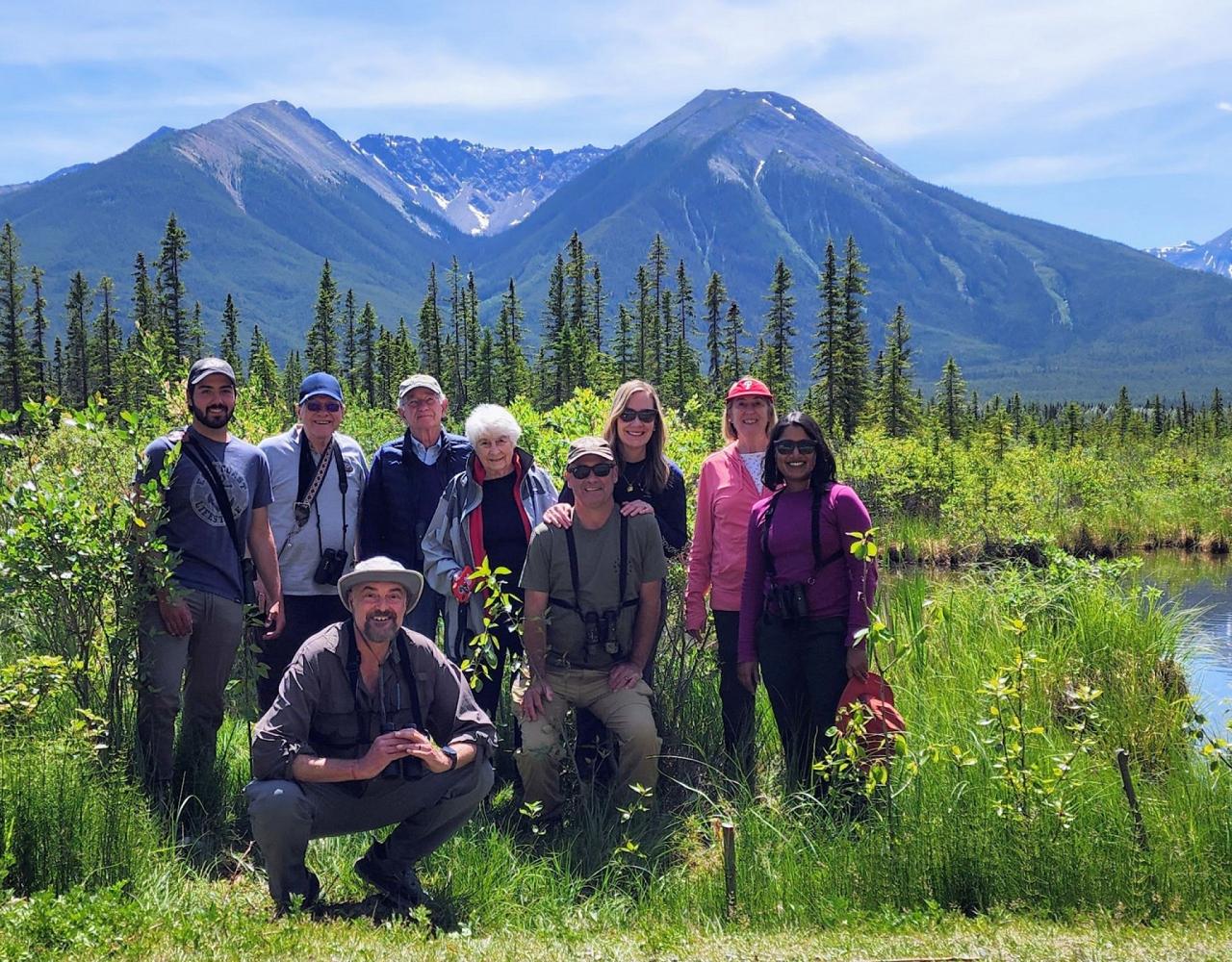
Group by Steve Grace
-
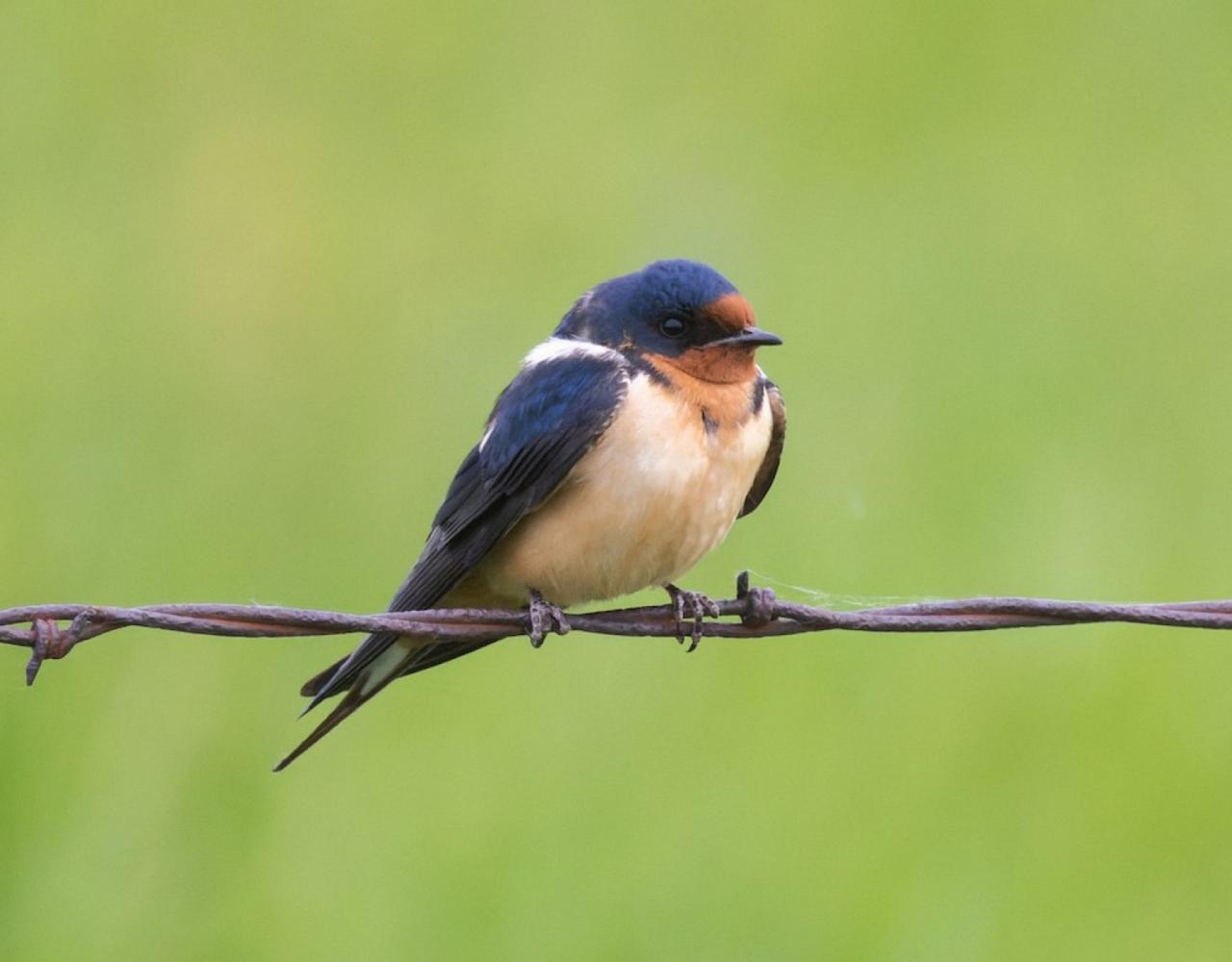
Barn Swallow by Gavin McKinnon
-
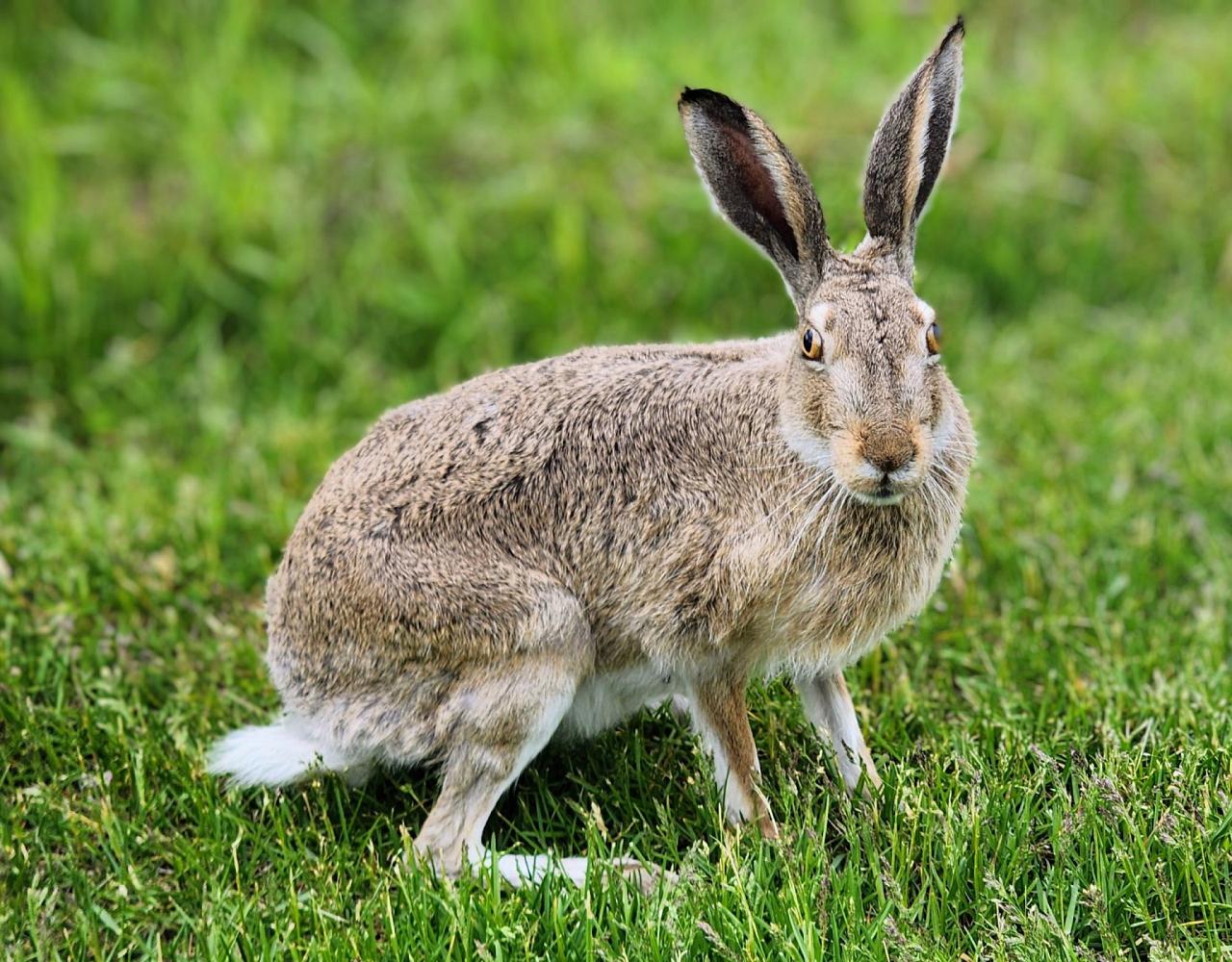
White-tailed Jackrabbit by Steve Grace
-
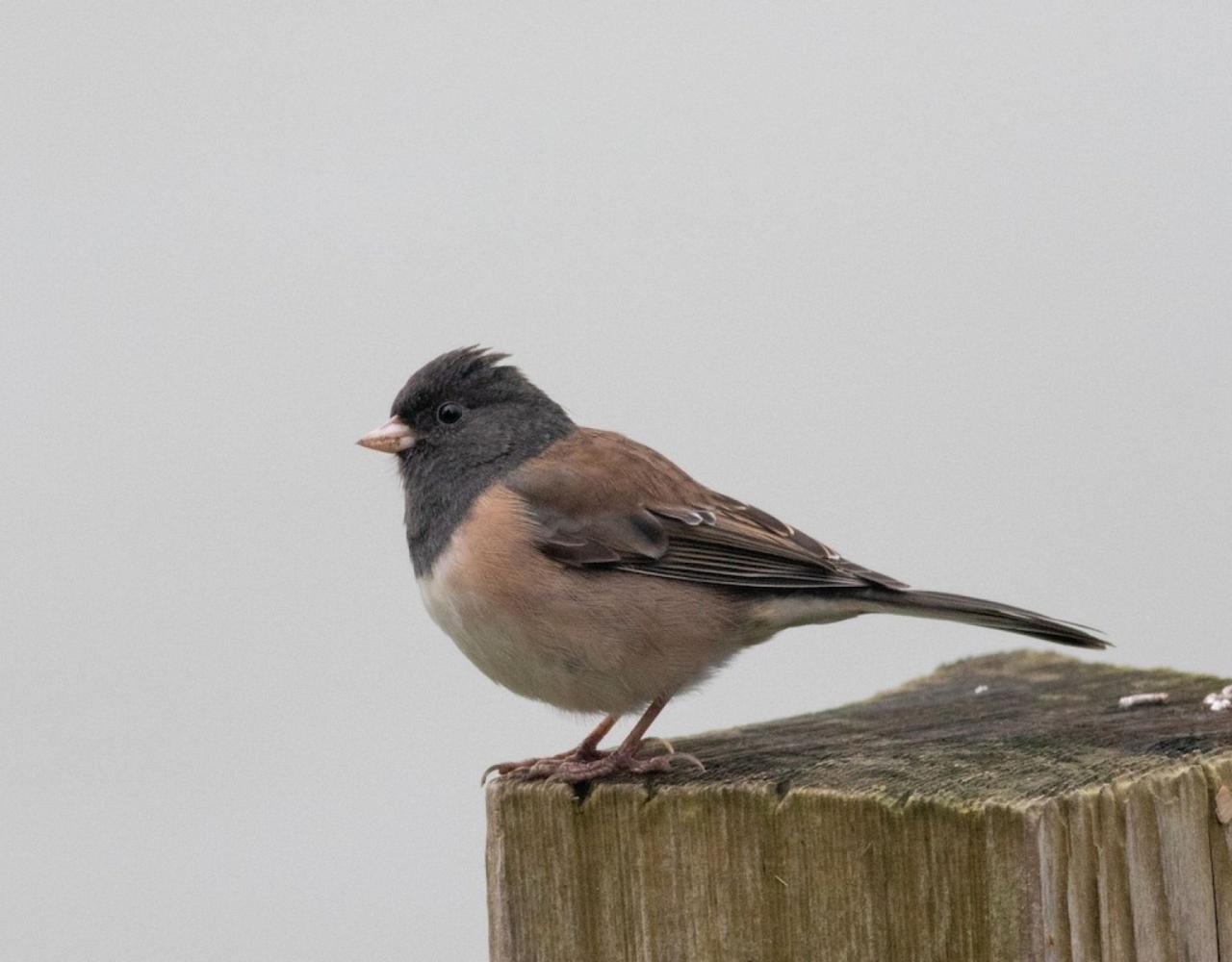
Dark-eyed Junco by Gavin McKinnon
-
-
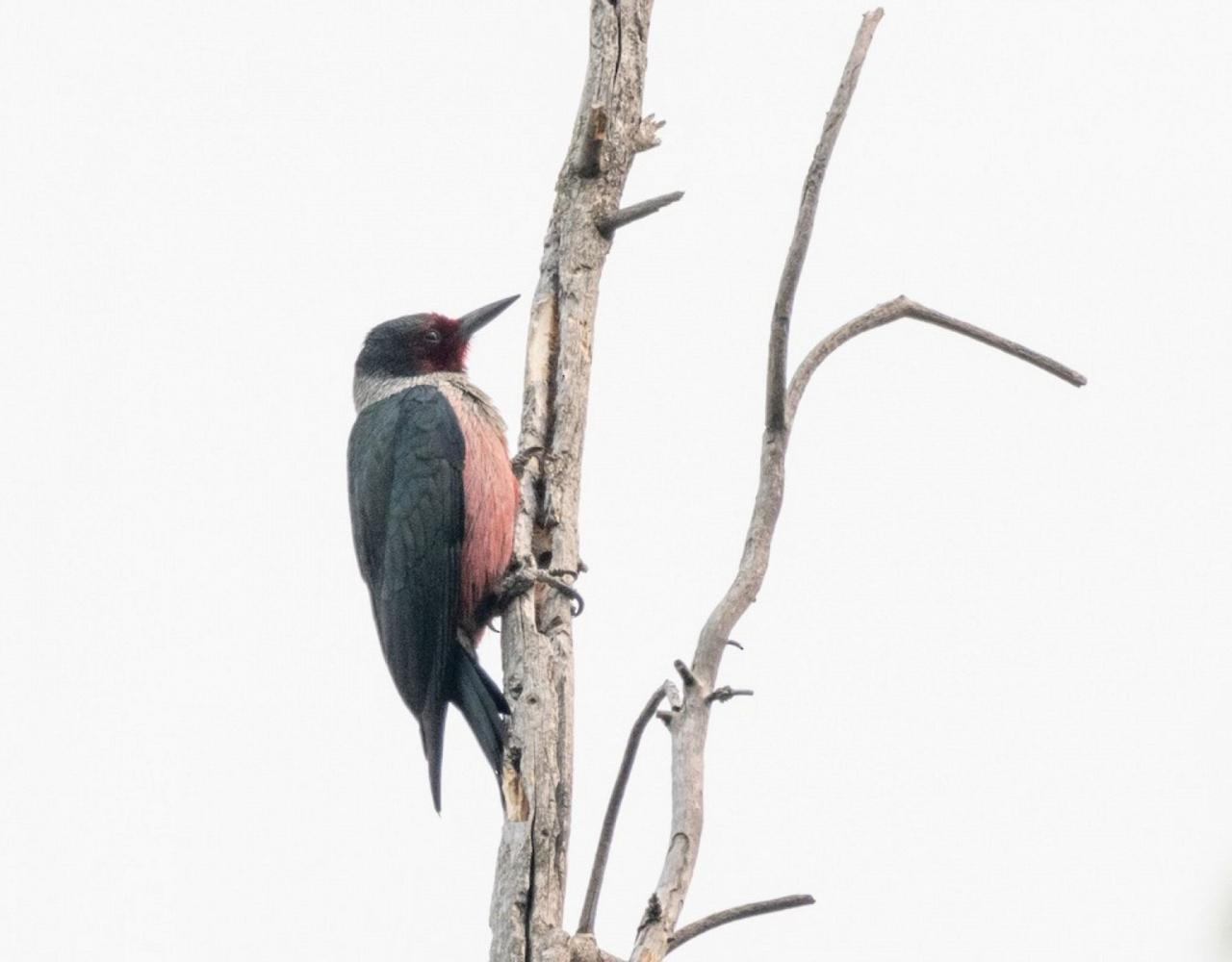
Lewis's Woodpecker by Gavin McKinnon
-
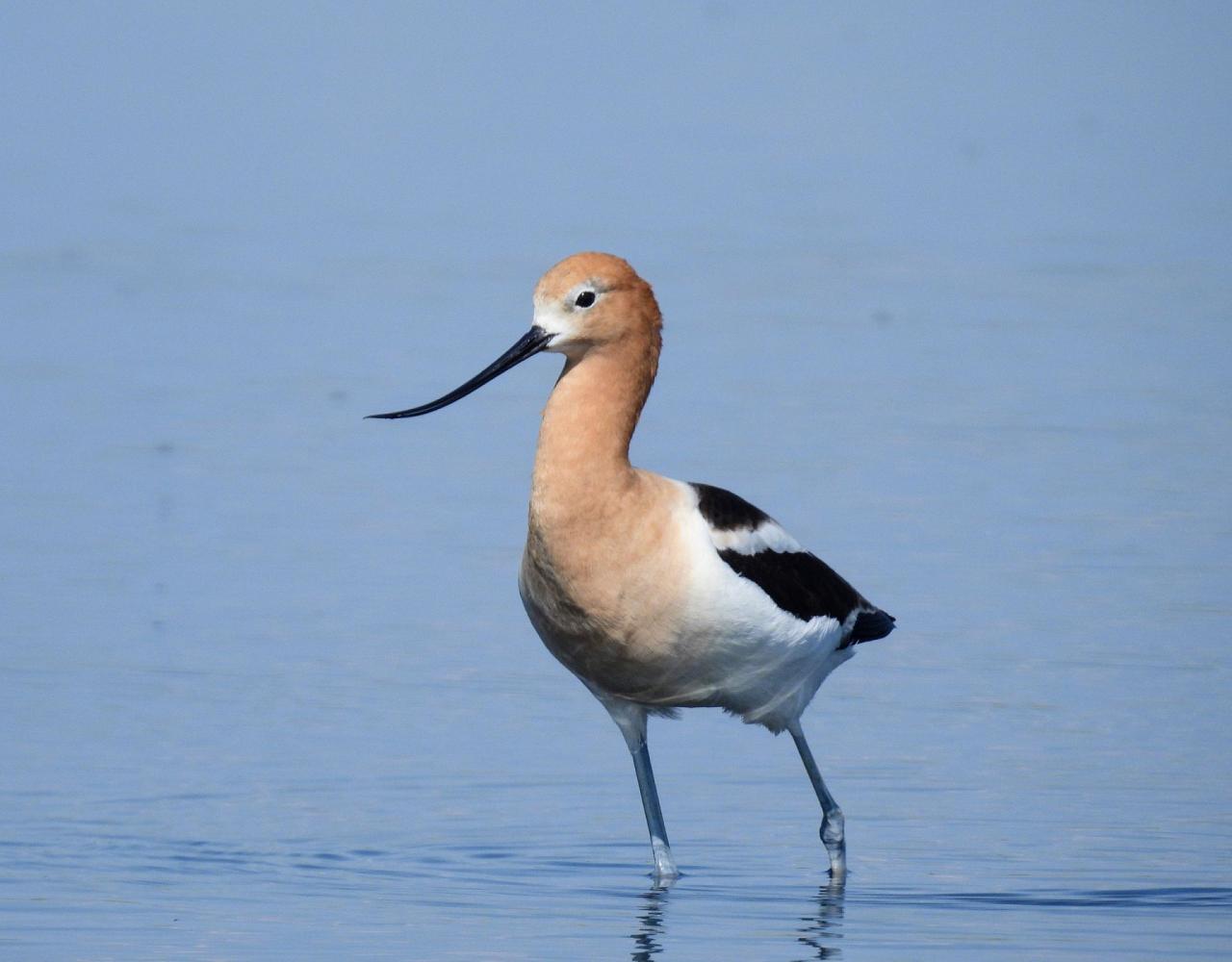
American Avocet by Steve Grace
-
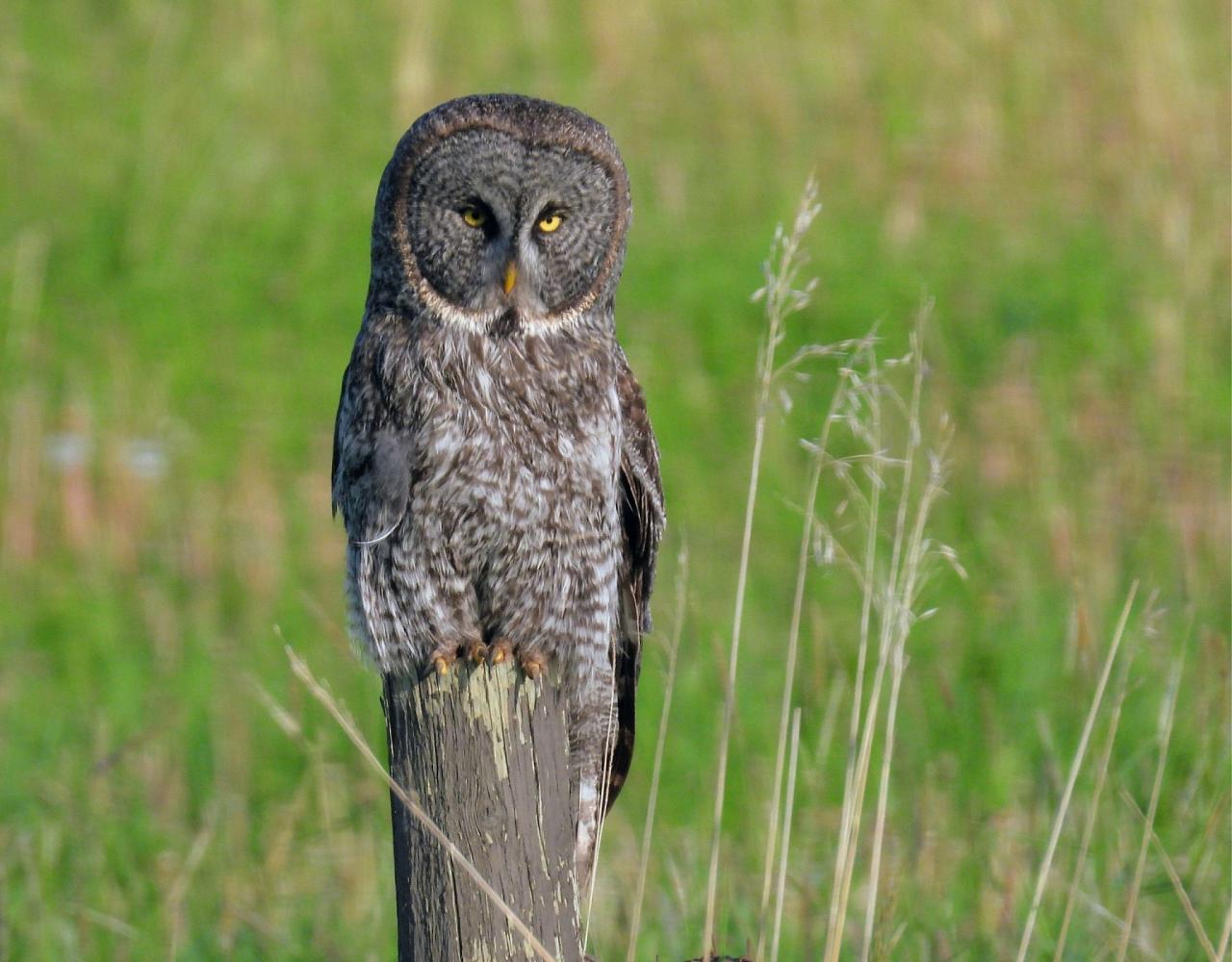
Great Gray Owl by Steve Grace
-

Okanagan Lake by Steve Grace
-

American Coot adult and chick by Steve Grace
-
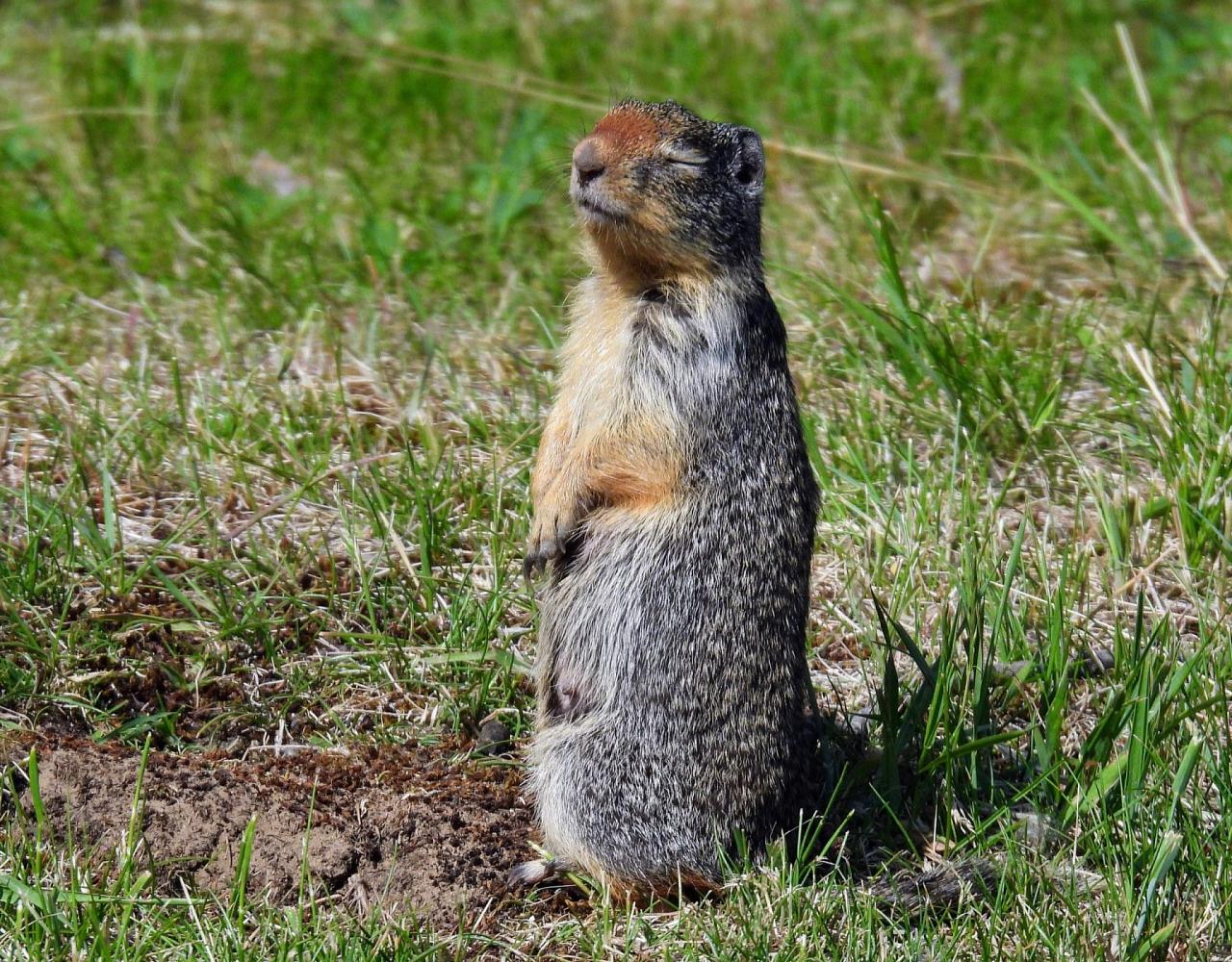
Columbian Ground Squirrel by Steve Grace
-
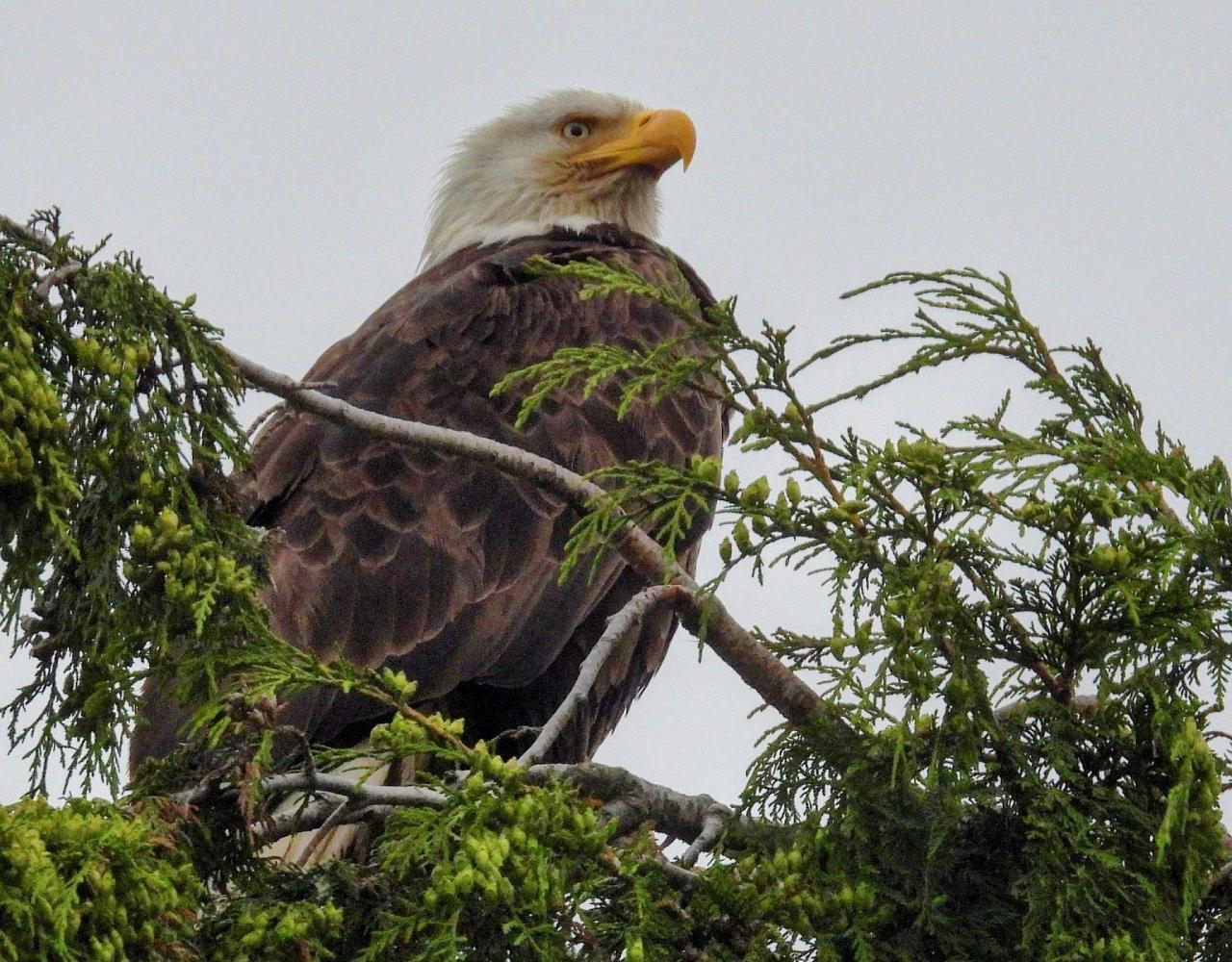
Bald Eagle by Steve Grace
-
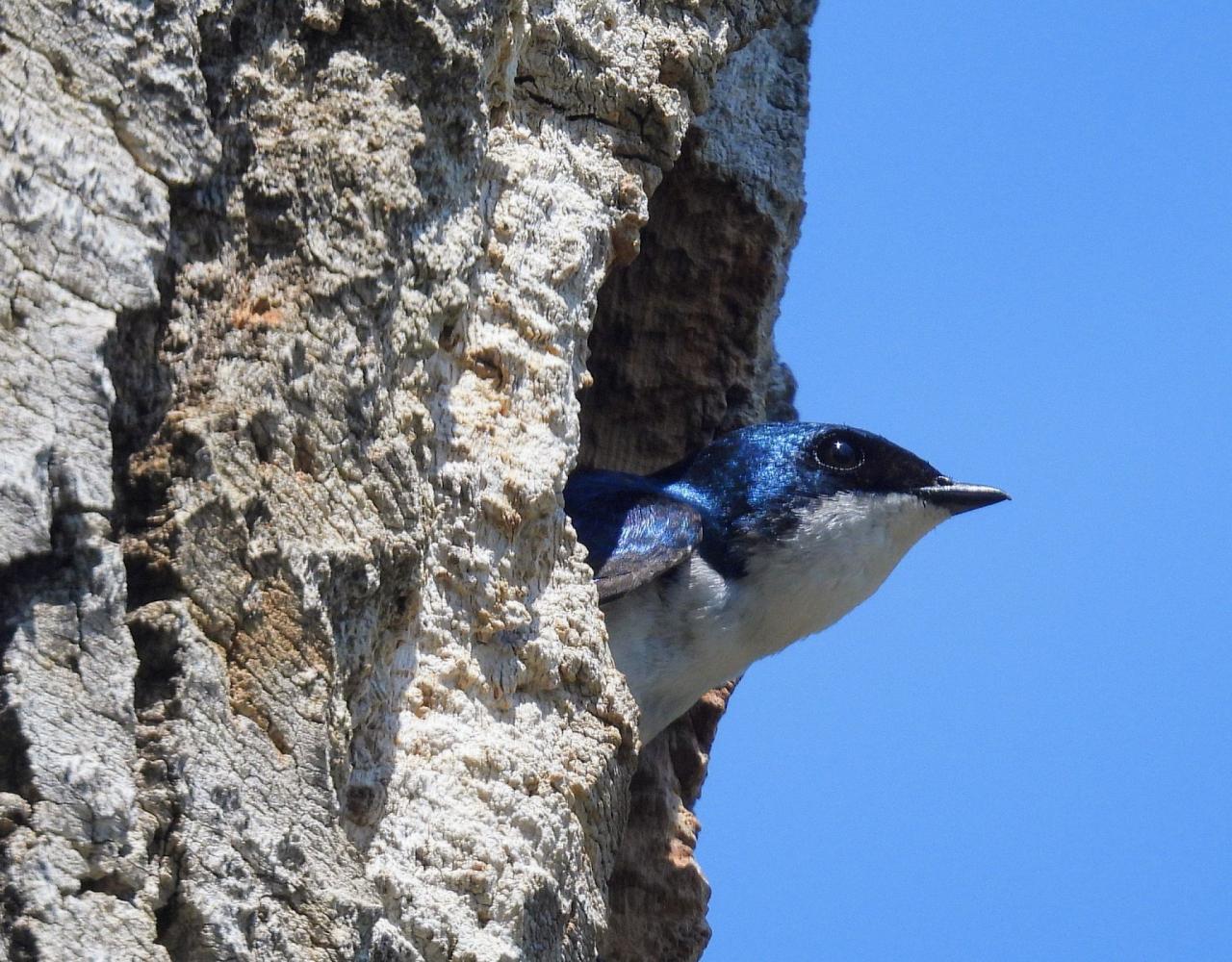
Tree Swallow by Steve Grace
-
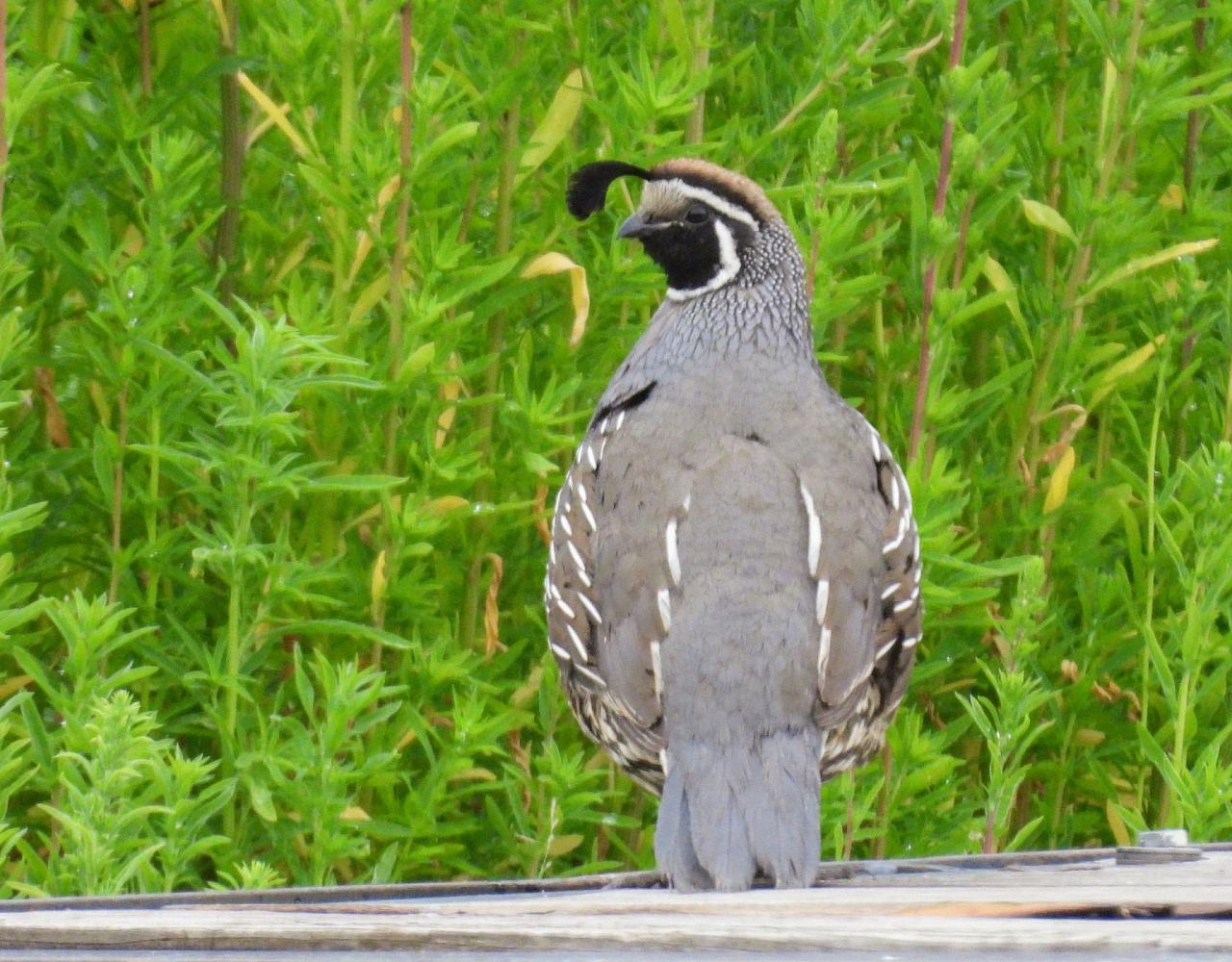
California Quail by Steve Grace
-
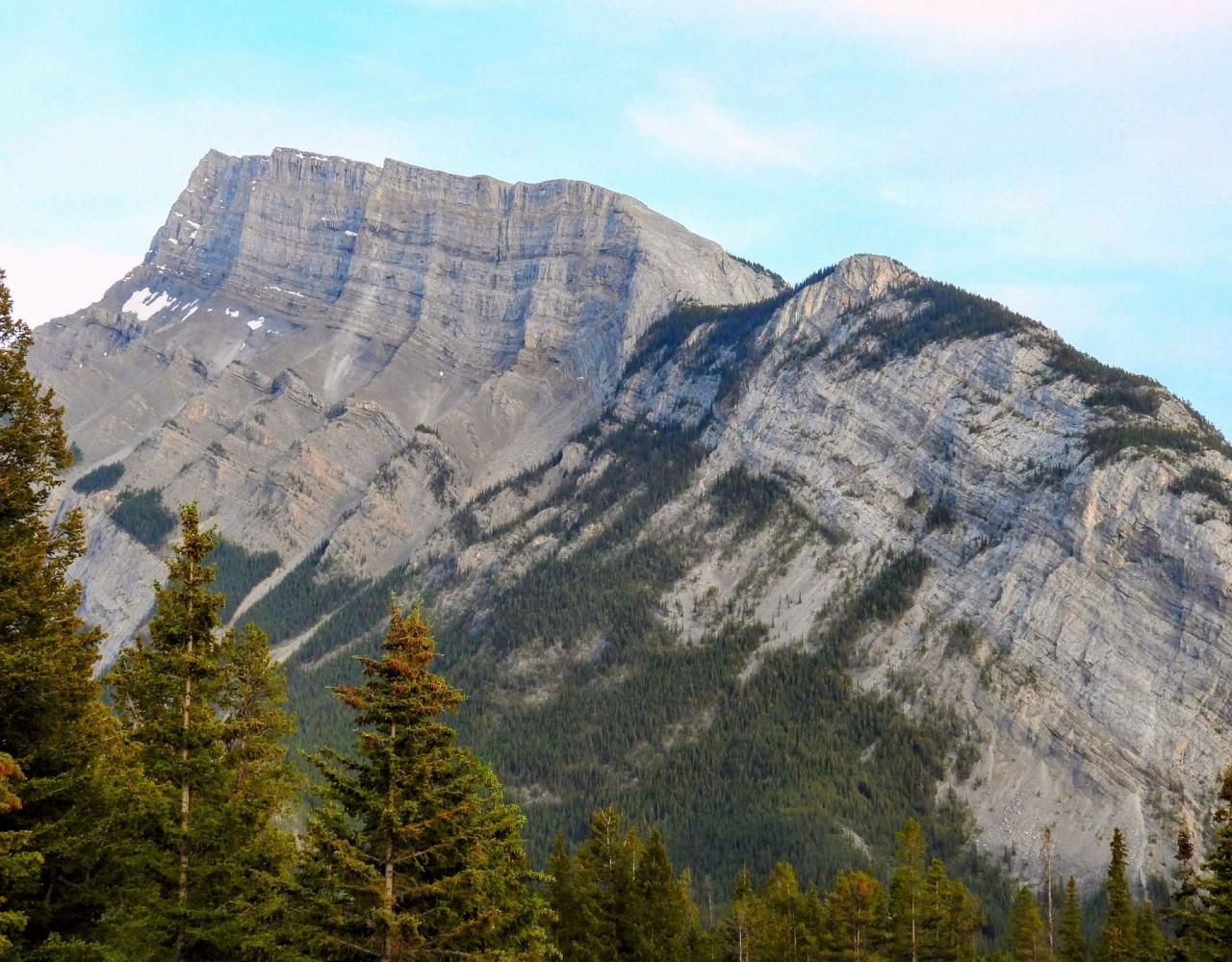
Banff National Park by Steve Grace
-
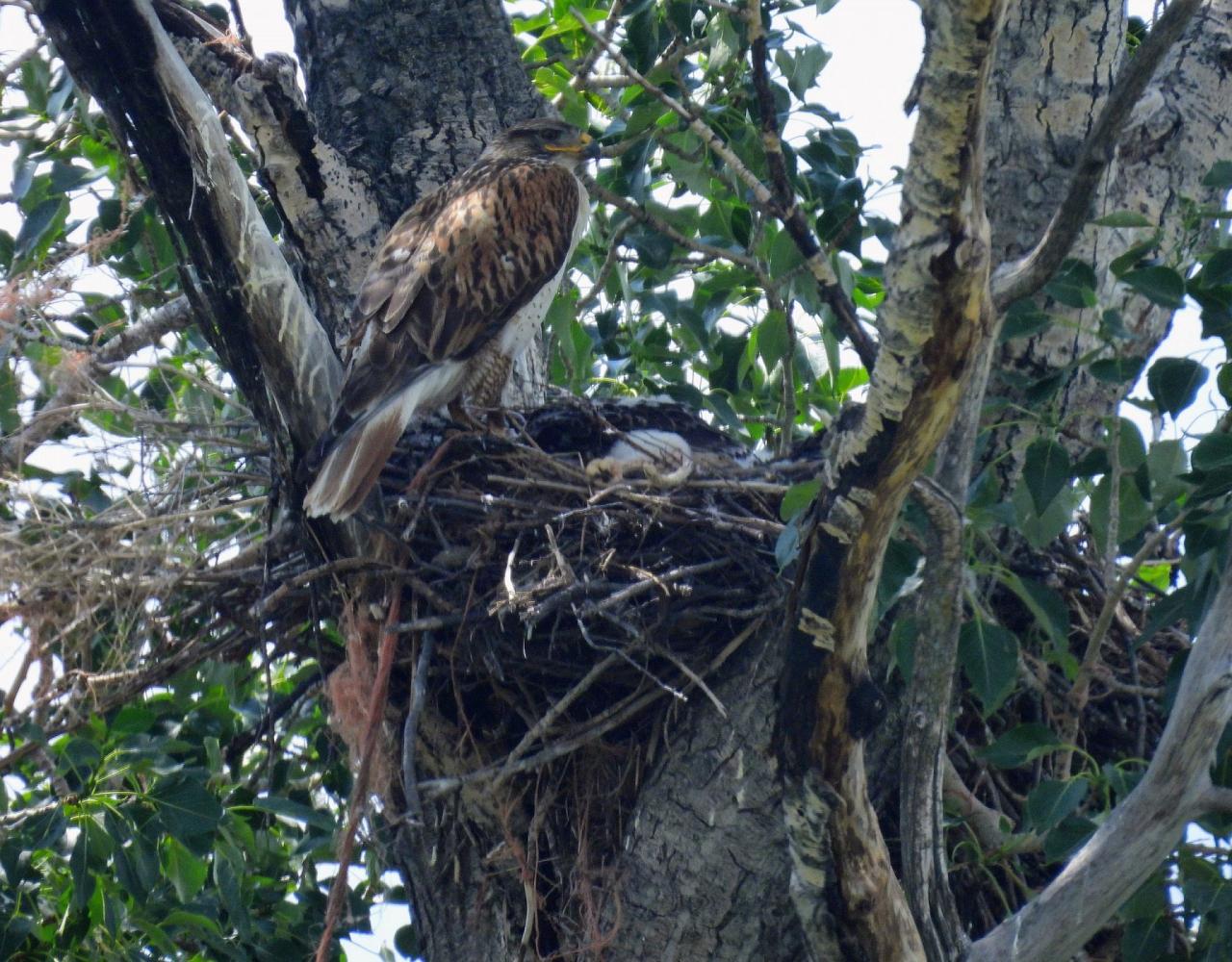
Ferruginous Hawk by Steve Grace
-
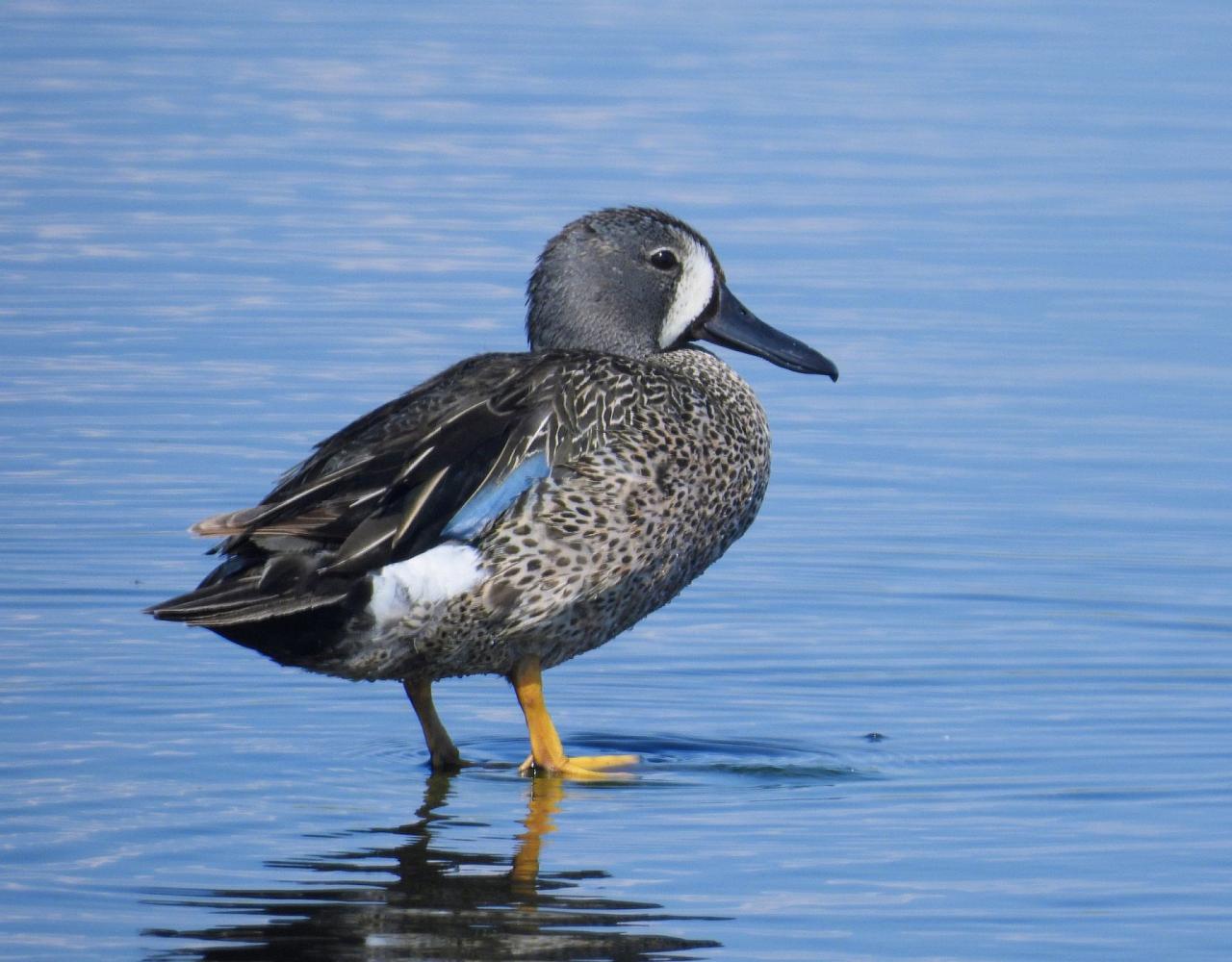
Blue-winged Teal by Steve Grace
Cost of the Journey
The cost of the journey is per person based on occupancy: $6990 DBL / $7890 SGL*, from Calgary.
This cost includes: all accommodations, meals as specified in the itinerary, professional guide services, other park and program entrance fees and miscellaneous program expenses. All tips other than your guide are included (this includes tips for your driver, lodge and staff, day activities, meals and other services).
This cost does not include: round-trip transportation from your home city to Calgary, optional activities, or items of a personal nature such as laundry, telephone charges, maid gratuities, or beverages from the bar.
*Pricing is based on the exchange rate between Canadian Dollars and US Dollars on Date October 5, 2026. If this rate adjusts by more than 5% at the time that final payment is due, Naturalist Journeys reserves the right to adjust this price. See Terms & Conditions for details.
Travel Details
Please plan to make air travel plans only after the minimum group size has been met. We will send you a confirmation email as soon as the trip has been confirmed.
Arrival and Departure Airport: Calgary International Airport (YYC)
Arrival Details: Please plan flights to arrive June 22, 2027, no later than 4:00 PM
Departure Details: Please plan flights to depart on June 30, 2027, at your leisure
Travel Tips: If you arrive early to explore Calgary or rest up from your travels, you can book an early night at our first night hotel, the Best Western Premier Calgary Plaza Hotel & Conference Centre by booking online or calling +1-403-248-8888. Please send us the confirmation number so you won't have to switch rooms when the tour starts.
Entry Requirements: See "Essential Information" section under the "Know Before You Go” tab.
Browse below for trip reports and species lists from past versions of this and other tours from this destination.
Arctic
- July 2022 (Birds, Bears, and Belugas)
- July 2023 (Birds, Bears & Belugas)
- August 2025 (Northwest Passage Cruise)
Canada
- June 2017
- July 2018
- July 2019
- June 2025 (Prairies to Pacific)
- September 2025 (Vancouver Island)
- June 2026
-
Gavin McKinnon—Canada Expert

From an early age, Gavin developed a deep fascination for birds after he visited Point Pelee National Park on a weekend trip with family. Since then, he has traveled extensively in Canada and to numerous locations in the tropics and around the globe in search of unique birding opportunities. In 2022 Gavin founded his own tour company with the goal of sharing his passion for birds with others. After high school, he studied Renewable Resource Management at Lethbridge College and briefly worked in environmental consulting. In addition to leading tours, Gavin is actively involved in the local birding community, serving as a volunteer eBird reviewer.
Other trips with Gavin McKinnon—Canada Expert
-
 Canadian Maritimes Summer Splendor Bay of Fundy & Grand MananAugust 4 - 10, 2027
 -
 Vancouver Island: Coastal Birds & WildlifeSeptember 1 - 7, 2027
-

Essential Information +
Pace & Protocols +
Packing List +
Suggested Reading List +
Useful Links +
Photo credits: Banners: Canyon Wren (Gavin McKinnon) Thumbnails: Great Gray Owl (Gavin McKinnon), Thick-billed Longspur (Gavin McKinnon), Horned Grebe (Gavin McKinnon)