This information is important for being prepared for your journey; we want you to have the best experience possible. If you only read one section, this one is key!
Ahead of your tour:
- Make sure your passport will be valid at least six months after the date of your scheduled return to the U.S. See the "Passports, Visas & Documents" section below.
- A visa is required to enter Madagascar. We recommend you apply ahead of time to avoid long lines at arrival. If you are from another country, please contact the Madagascar Embassy website for guidelines.
- Please check current CDC recommendations for travel to Madagascar and consult with your doctor about general travel vaccinations and prophylactics you should have as precaution for travel. See the “General Health and Inoculations” section below for important details.
- Our local operator requires emergency evacuation and medical insurance. Medical care facilities in Madagascar are not of standards you are used to; most emergencies require transport to South Africa. Full health coverage and repatriation is available through Allianz Travel Insurance. Bring contact information for your coverage in case of emergency. See the "Travel & Health Insurance" section below for details.
- Soft-sided luggage/duffel bags are easiest for packing the vans. Pack essential medications in your carry-on, as well as your optics and one day of clothing in case of luggage delay. To avoid extra charges, observe the baggage weight limit. See the "Packing, Clothing & Laundry" section below.
What to Expect
An adventure to remember forever awaits you! When traveling in a developing country, the unexpected can be right around the corner – we will likely encounter a mix of challenging and rewarding experiences. Our operator describes it this way: “concepts of being organized and reliable can be different from back home.” In Madagascar this is an understatement, especially with internal flights, we may find some real frustration, or simply have to choose a long drive over the delay. Accommodations, food and transport may not have the same quality and safety standards as those at home and even reliable hotels will sometimes double-book rooms. Our partner there has long-time experience in Madagascar and will do everything possible to keep us safe and comfortable.
That being said, standards in Madagascar have improved over the last decade. Our experience to date has been very positive, in both food and lodging. Madagascar has been a European travel destination for a long time. There is a strong French influence in the food; we find fresh hot baguettes in the smallest places! Just expect at times we will need to go to “Plan B”, perhaps even a “Plan C.” Bringing a spirit of adventure and flexibility can help you prepare for, and even enjoy, unexpected circumstances. And of course, your tour leaders are there to help navigate the unexpected to the trip’s best possible advantage.
Browse these helpful websites to learn what to expect in Madagascar:
Travel And Health Insurance
As Madagascar is a remote destination, our ground operator, Birding Africa, requires that participants MUST be fully insured before traveling on this tour. They recommend that your insurance policies cover pre-departure cancellations (for example in the event of illness), damage to or theft of optical equipment, and your insurance must cover repatriation to and treatment at medical facilities in South Africa or the U.S., Naturalist Journeys recommends Allianz Travel Insurance, but you are welcome to shop around for a policy best suited to your needs. Three companies that we have used for evacuation include Global Rescue, World Nomads, and Medjet, and all can be booked online – these are based on destination and not on the amount you pay for your journey, an estimate for coverage of this type is $300-$500.
Passports, Visas & Documents
Guidelines and regulations can change. It is always advisable to double-check the country’s documentation requirements 60-90 days ahead of traveling. Information for U.S. citizens can be found at https://travel.state.gov/content/travel/en/international-travel/International-Travel-Country-Information-Pages/Madagascar.html. If you are from another country, please contact the tour destination’s embassy website for guidelines.
Passports: Your passport must be in good condition and must be valid for SIX (6) months BEYOND your scheduled return to the U.S. Please check that expiration date! Your passport should have at least THREE (3) entirely blank pages for entry. The blank pages need to say "Visas" at the top. Pages marked "Amendments and Endorsements" will not be accepted.
Visas: You will need to get a visa for Madagascar. We recommend it be done ahead of time by mail at the Madagascar Embassy office in Washington, DC. [This can be done in person upon arrival, but you can expect long lines and a wait; most of our travelers take care of this step ahead of time.] Madagascar issues a tourist visa for tours of this length (<90 days). The application form and complete instructions are found on the Madagascar Embassy's Visa & Consular Services webpage (at this time there is not an electronic visa option). You can work directly with the embassy or use the security of an expedited service – that service has a fee, but you will get your passport back quickly. Choose one of the many expedite services in Washington DC (query Passport Expedite for Visa Services Washington DC). You will FedEx your completed forms and the passport to their office and they walk your passport over to the embassy to complete the process and FedEx it back to you.
***It is strongly recommended that you send the information above at least one month (but within three months) in advance of your flight departure from the USA. As of this writing, due to ongoing rennovations at the Chancery at 2374 Massachusetts Avenue NW, Washington, DC 20008, use the address below and when mailing, send certified or in a trackable manner (such as FedEx) to:
Embassy of Madagascar, Consular Office
2445 Massachusetts Avenue NW
Washington, DC 20008
Main and VISA Info Tel: (202) 265-5525; Fax: 202-265-3034
Travel Tip: As a precaution for lost or misplaced documents you carry on your person during travel, we highly recommend you keep hard and digital backup copies on your phone (either photo or PDF scan), as well as a hard copy left with your emergency contact at home. The recommended important documents to copy include, but are not limited to; your passport ID page, travel visa, the front and back of your credit card(s), the airline barcode on your luggage. This will greatly expedite getting new ones if necessary – we hope everyone will always keep travel documents close so that losing them will not be an issue.
General Health & Inoculations Information - Be Prepared!
Health requirements for entry to any country can change. It is always advisable to double-check the country’s health requirements and recommendations 60-90 days ahead of traveling. Also, in case there are any that require follow-up inoculations or time to become effective before your departure. Three helpful websites for planning:
We will share your health information with your guide. This information will be kept confidential but is very important as we want to be best prepared in case of a medical emergency. Keep in mind that Madagascar is a third-world country with considerable poverty, so thorough preparation is key.
Vaccinations: Please bring your up-to-date vaccination records with you. The CDC recommends that all travelers be up to date with routine and basic travel vaccines (such as Hepatitis A, Typhoid, etc.). Consult with your doctor for recommendations at least 6-8 weeks before departing on your trip, as some vaccines may require more than one dose and time to become effective prior to your departure.
Yellow Fever: If you have traveled (or had a layover >12 hrs) in a yellow fever endemic country within 6 months of arrival, proof of yellow fever vaccination is required (check the CDC Yellow Book for list of countries at risk for yellow fever).
Prescriptions: It is a good idea to pack any meds you take regularly in your carry-on luggage. Bring an extra pair of glasses or contact lenses. Bring an adequate supply of any prescription medications you use, a copy of the prescription and a list of generic names of your medicines as “back-up” in case it is necessary to purchase drugs while abroad. You’ll want to keep medications in their original, labeled containers. NOTE: Madagascar pharmacies have medications of mostly French origin. If you need to refill a prescription from a US physician, it is therefore important to provide the generic name of the drugs. Because of the low availability of prescription and over-the-counter medications in Madagascar, please plan to carry a supply of any needed medication sufficient for the entire length of the trip. We recommend that you pack all medications in your carry-on bag!
Malaria: We will be in areas with malaria risk (see more detailed information about malaria in Madagascar). Even if you are traveling during the dry season (less risk than wet season for mosquitos), the risk still exists. Many malarial drugs require you to start taking them ahead of the tour, during and after. Some have side effects such as nausea, so you may want to try them out before leaving home. Talk to your doctor well ahead of the tour about how to prevent malaria while traveling. Note that mosquitos in Madagascar are resistant to Chloroquine.
Mosquito and/or tick-borne diseases: Reduce the risk (including yellow fever, malaria, dengue fever, zika, Japanese encephalitis, etc.) by protecting yourself from bites in the first place by using protective clothing (such as Craghoppers Insect Shield clothing collection), insect repellant (see below) and prophylactics where applicable. See the “CDC Yellow Book: Health Information for International Travel” website for more information: https://wwwnc.cdc.gov/travel/page/yellowbook-home.
Insect Repellent: 25-50% DEET(N,N-diethyl-3-methylbenzamide) or 20% picaridin (Bayrepel) to apply to exposed skin (avoid the eyes, mouth or open wounds). Products with a lower concentration of either repellent need to be re-applied more frequently. Permethrin-treated clothing appears to have little toxicity, so spraying your clothing ahead of the tour is an easy way to gain added protection. Products are available online or at major sporting goods stores.
Other medications: If you start to have stomach or respiratory problems on your trip, you'll want to medicate right away rather than waiting – catching this early is key. See your doctor prior to your trip about medications you need in case of stomach and/or respiratory issues, such as an antibiotic (such as ciprofloxacin (Cipro), levofloxacin (Levaquin), rifaximin (Xifaxan), or azithromycin (Zithromax)) and an antidiarrheal drug (such as either loperamide (Imodium) or diphenoxylate (Lomotil), which should be taken in addition to the antibiotic to reduce diarrhea and prevent dehydration.
Allergies: To be prepared for environmental triggers to allergies or breathing difficulties, please bring your allergy and/or asthma medication(s). If you have severe allergies talk to your doctor about carrying an EPI pen and notify your guides. It is also recommended to carry with you an up-to-date record of known allergies, chronic medical problems and Medic Alerts so that, if necessary, emergency treatment can be carried out without endangering your health.
Common Ailments: We recommend that you bring a travel-sized first aid kit and a supply of standard over-the-counter medications for prevention or treatment of common ailments (such as diarrhea, constipation, stomach upset, cough, congestion, head or body aches, insect bites and sunburn); as well as ointments, moisturizer, sunscreen, oral rehydration salts, band-aids, moleskin for blisters, cotton swabs, nail clippers, and tweezers, etc.
Altitude Illness: According to the CDC's website, day trips to high-elevation destinations less than 8000 ft. with an evening return to a lower elevation are much less stressful on the body, depending on the time provided for your body to adjust. However, overnights at higher altitudes may have more adverse effects on your body and you should be informed about altitude illness and Acute Mountain Sickness (AMS) (see CDC's information for Altitude Illness). The most general symptoms are headache and occasionally fatigue and dizziness. You’ll want to take it easy, particularly at first. The likelihood of these symptoms can be reduced by resting, drinking plenty of water, avoiding alcohol, and taking aspirin. In addition, we will optimize acclimatization by adjusting itineraries to avoid going “too high too fast." If you have worries about the altitude, ask your physician about medications (such as Diamox) that may be right for you.
Weather & Climate
While at lower altitudes and on the plains, the temperatures in Madagascar can be warm to hot; however, it will be cold in the mid to higher altitudes, including evenings and mornings in Antananarivo. In general, temperatures will range with highs in the high-80s°F to lows in the mid-50s°F.
You may check your favorite weather website, like www.weather.com, closer to your departure to better predict what the weather will be upon arrival. See “Packing List” for recommendations for clothing and gear that is appropriate for the anticipated temperatures and conditions.
Annoyances & Hazards
Always listen carefully to any advice given by your local guide regarding pests and other biting insects or reptiles you may encounter, especially those that may be poisonous, though this may be rare.
Mosquitos, ticks and other insects: Even if you are traveling in the dry season, mosquitos, ticks and other insects can always be encountered in your travels, so don't risk illness. See the “General Health and Inoculations” section above regarding recommended preventative measures, including repellents, proper clothing & prophylactics.
Chiggers: are a part of lowland and mid-elevation habitats. You may encounter them at grassland or farm locations. Your guide should have a good read on whether chiggers are a concern. It is helpful to spray your shoes with repellent and tuck your pants into your socks . When back, be sure to shower and air out your clothing.
Ticks: It is a good idea not to sleep with the window open unless there is a screen. In rural or forested areas, check for ticks at the end of each day with the assistance of a friend or a mirror, particularly after wet conditions. We do not find them often. If you encounter a tick, it should be removed with tweezers, grasping the tick by the head. Many tick-borne illnesses can be prevented by prompt tick removal.
Remember, sunburn can be both an annoyance and a hazard, so be prepared with sufficient sunscreen and clothing protection. On particularly hot days be sure to increase your intake of fluids.
Fitness
This tour requires a fair degree of fitness. Most walks will start at the coolest times of the day at a moderate pace. Walks in the spiny forests of the dry south and in the dry deciduous forest of the north west are sandy and can become hot early-on. The trails in the eastern forests are much cooler but can be quite steep. They can also be slippery if wet. A light walking stick can be of help (we can also find a wooden stick locally). Time in the field can span several hours, with no access to conventional seating areas and bathrooms. Please bring a small backpack or waist-bag for day walks. You also may want a portable stool, a wonderful way to rest a bit on the way. We do use local guides in each park, and can pace the outings for varied fitness levels to some degree.
Packing, Clothing & Laundry
In summary, we emphasize that you pack light in soft-sided luggage (easier to load in vans and charter planes), plan for dressing comfortably in layers (for managing varying conditions in any given day), and please pack your personal medication, travel documents, optics, and other essential items in your CARRY-ON, not in your checked luggage. Be prepared to hand launder if you need to in a pinch. See “Packing List” tab for more detailed information and checklists.
Safety
Madagascar is a fairly safe place to travel, and is regularly visited by Europeans - you will be surprised at how many tourists you find. For safety and security use common sense. Take the same precautions as you would in any major city at home: be alert when walking with obvious belongings like cameras; do not carry large sums of cash with you; keep a close watch on handbags, purses, wallets, etc.; lock up valuables in hotel safe deposit boxes. Expect people and children to crowd around you at stops. Keep valuables out of view and travel documents in a safe place (such as an under-clothing document belt). Again, taking a photo of your ticket, boarding pass, and luggage tags gives you immediate backup. That little luggage stub is important if bags are lost!
Language
Malagasy is the first language; French is the official business language. English is restricted to a few people mainly associated with tourism. Looking up words ahead of time for common foods is a plus. If you know some French, it’s a really good time to brush up on it!
Food & Drinks
Most of our meals will be at our hotels, and in local restaurants recommended by our guide during travel – with your guides’ recommendations, do not be afraid to try local cuisine! Home-made fruit juices and raw salads may prove too much for some, though at our hotels they are generally okay - your guides will advise. In general, cooked vegetables are safer than salads. Be careful not to consume unpasteurized dairy products. We will carry water and snacks while in transit. If you have any dietary restrictions or preferences beyond vegetarian preference, you may want to bring specialty foods as they are generally not available. At hotels, during dinners and most lunches (except picnics), beer, soft drinks and bottle water is available for purchase.
The tap water in Madagascar is not potable, and we recommend that you drink and brush teeth with only self-filtered, hotel-filtered, bottled, or treated water. We try to get large bottles of purified water on the buses to refill your reusable bottle, but complimentary bottled water is available as well. Although bottled water is widely available, it results in the use of plastics, so we try to do our part for the environment to help reduce the use of single-use plastic bottles. Therefore, we ask that you bring a reusable bottle.
There are some great reusable water filtering bottles on the market today that are great for travels abroad. We encourage you to invest in one (such as Lifestraw or GRAYL Ultrapress or SteriPen). A little research will be well worth the effort to reduce the reliance on single-use plastics in the case that purified water refills are not readily available.
Changing Money
Access to ATM’s is limited across the country, so we suggest that you change enough currency at the airport for your entire trip. Several currency exchange services can be conveniently found in the international terminal. The local currency (the Malagasy Ariary - MGA) can be bought with cash (US dollars, Euro, or British Pounds) at the Forex bureau and the bank inside the airport's arrival and departure halls. Another option is a Travel Exchange office across the parking lot opposite the terminal. In the past, compared to other currency exchange services (major banks included) used, Travel Exchange offered a slightly better exchange rate for the local currency.
Larger denominations may receive better exchange rates. If you bring US dollars, please note that bills older than 5 years or worn may be refused. You may need to call ahead to your bank to have newer currency ready for you. For currency exchange rates, please consult www.xe.com. You can use credit cards (Visa and Mastercard are your best bet) at your arrival hotel, and at larger hotels on the journey.
Avoid theft and use common sense when exchanging currency or paying for items. Make sure you first count the money you are giving the vendor in front of them, ask for exchanged money or change to be counted out in front of you and finally, recount it in front of the vendor before you leave the counter. If they offer to put your money in an envelope before it is returned to you, kindly decline or ask for the envelope to be passed over separately. That is one more way a bill may magically disappear from the stack that was just counted!
Spending Money
Madagascar is primarily a cash-driven economy and we recommend using the local currency, Malagasy Ariary, for all payments. Madagascar’s currency can be confusing! The government changed the currency from the Malagasy Franc (FMG) to the Malagasy Ariary (MGA) several years ago, however, many Malagasy still think in terms of the Malagasy Franc, which is not the same value as the Malagasy Ariary. 1 Ariary (MGA) = 5 Francs (FMG), so when you see or hear the amount of money you have to pay, be sure you all are talking about Ariarys before paying! If you look at the Ariary, you will see that it has the Franc equivalent printed on it.
Though larger hotels and resorts accept credit cards, most shops and restaurants are cash only. ATMs are available in large cities and at the international terminal at Antananarivo Ivato airport, but often not beyond those areas. All ATM’s will only dispense Ariary. The most widely accepted card is VISA, but we recommend that you plan to bring a credit card for emergency use only. Please do not take Travelers Checks as you will not be able to change them.
NOTE: You may wish to advise your bank or credit card company that you will be travelling in Africa to avoid questions on charges.
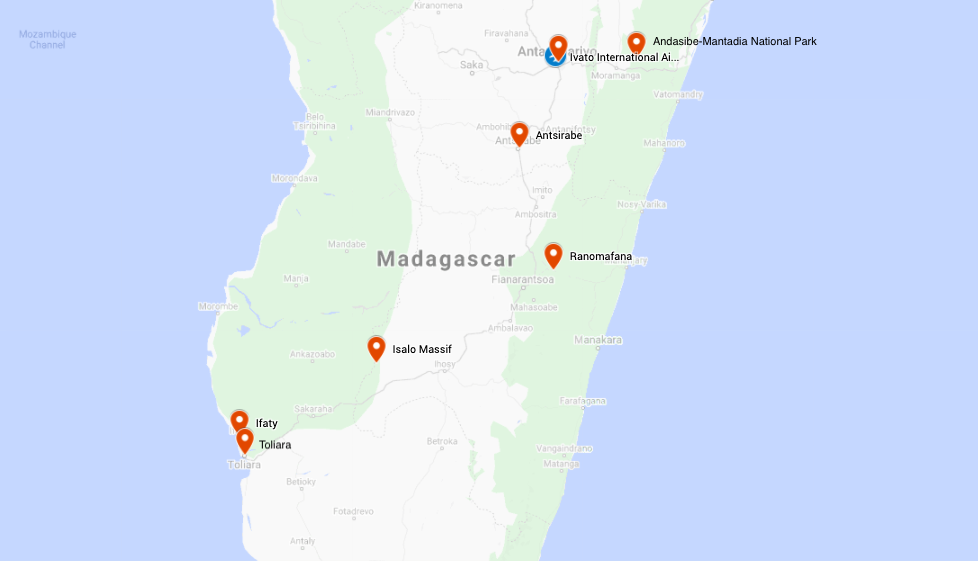
Many people ask how much cash to plan to have on hand as spending money. Part of that depends on how much you want to shop. Typical items people purchase include: local souvenirs and T-shirts, handicrafts, drinks before or with dinner, telephone, maps and natural history books. Handicrafts include products made of raffia, silk, or wood, available at park headquarters at Andasibe and Ranomafana. One suggestion is enough Aviary (value of approximately $25 US Dollars) per day per person, for drinks from the bar, services such as laundry, and souvenirs/crafts, but that is just a guideline.
Gratuities
We hope that you will be pleased with all professional services offered on this tour. All tips, with the exception of your NJ guide (optional) and local guide(s), are included in the cost of this tour (this includes tips for your driver, lodge and staff, day activities, meals and other services).
Tipping your guide(s) to show your appreciation is entirely at your discretion and should reflect your level of satisfaction of the service provided. If you wish to offer a tip, know that they appreciate anything you care to give. Of course, you are welcome to give more in recognition of exceptional service. Here is a guideline for tipping your NJ and local birding guide(s):
*Please note that these suggested tips are quoted in U.S. Dollars. You will want to convert and tip in local currency.
Electricity
Electrical outlets in Madagascar are 220 volts/AC50Hz. Plug sockets are one of two European standard two round pin electrical socket types: Type C European CEE 7/16 Europlug and Type E/F European CEE 7/4 or CEE 7/5 Schuko. U.S. appliances and chargers will need a travel plug adapter – one for each of the two types of plugs.
But be aware, travel plug adapters do not change the voltage. IN ADDITION to bringing an adapter, while most modern appliances now convert for you, please check that each of your cords has a box on it or is labeled to handle the different voltage. The electrical input specifications will appear on a label on the appliance itself, or on its charger or AC adapter if it uses one, near where the brand name and model number appear. Look for the word "input”:
- Input: ~100-240V 50/60Hz 65W – appliance is compatible with multiple voltages (just need adapter)
- Input: 115/230V 50/60Hz 200W – appliance can be switched between 110-120 volts in North America, and 220-240 volts in other parts of the world (flip switch on device, and use adapter)
- Input: 120V 60Hz 2.8A – appliance is only compatible with a single voltage, in this case, 120 volts (need voltage converter or transformer AND adapter)
Click here for more detailed information on socket types, adapters, and compatible appliances for Madagascar.
Note: If you want to charge your laptop in another country visited before or after Madagascar, such as on your flight route, you will need that plug adapter as well. Just query the country name and plug adapter and a picture should appear in one of the selections.
Electricity will be available most nights. To be safe, please bring sufficient rechargeable batteries for your camera, torch/flashlight and other electronics. Some devices such as hairdryers can draw a lot of power and should not be used where electricity is powered by solar panels or a generator - kindly check with reception beforehand.
Accommodations will be with private bathroom wherever possible and at all pre-booked hotel locations. As last minute flight changes often cause hotels to overbook, please be aware that occasionally we can’t guarantee our chosen accommodation. A list will be provided to you ahead of the journey, about 30 days ahead. To date we’ve had very good reception and accountability, but we are always prepared to be flexible in Madagascar!
Mobile network coverage is reasonable throughout most of Madagascar, though you may have to travel a short distance to reach an area of coverage. Although generally a reliable service, it can be affected by adverse weather conditions in more remote locations. Consider downloading smart phone apps like Skype, WhatsApp, or Viber to send text messages, and make voice calls, or video calls via Wi-Fi. Renting an international phone may also be an option.
Phoning hotels and lodges directly is often not possible or unreliable. Our office will provide an emergency contact on the tour. The Naturalist Journeys office can also help you. Contact info@naturalistjourneys.com or 800.426.7781. Please refrain from taking or making cell phone calls in vehicles when traveling with other passengers, unless it is an emergency.
Madagascar is on Eastern Africa Time, and there is no daylight savings. This is UTC +3, and is ten hours ahead of California. A great website if you want to tell someone to check ahead of calling you is www.timeanddate.com.


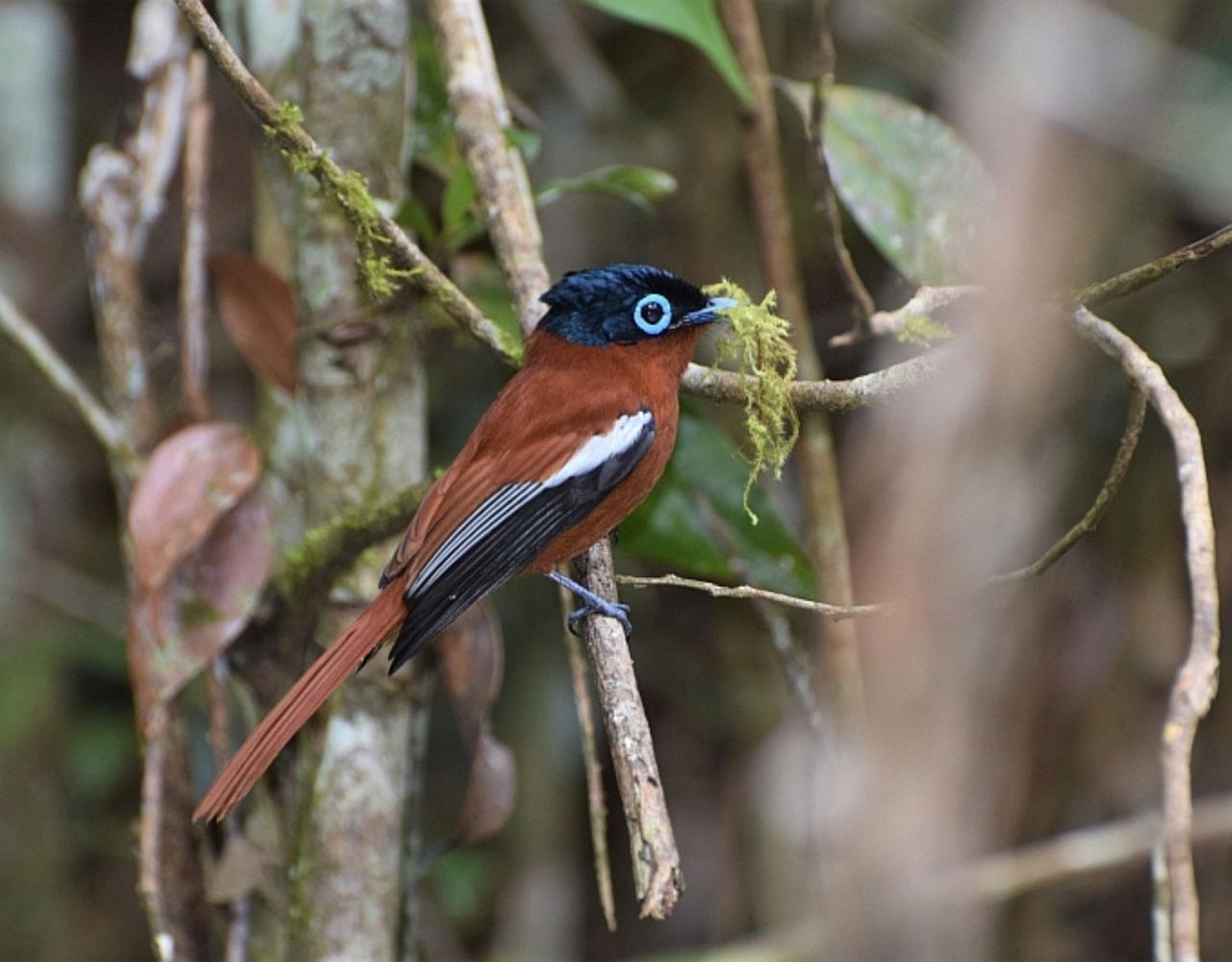
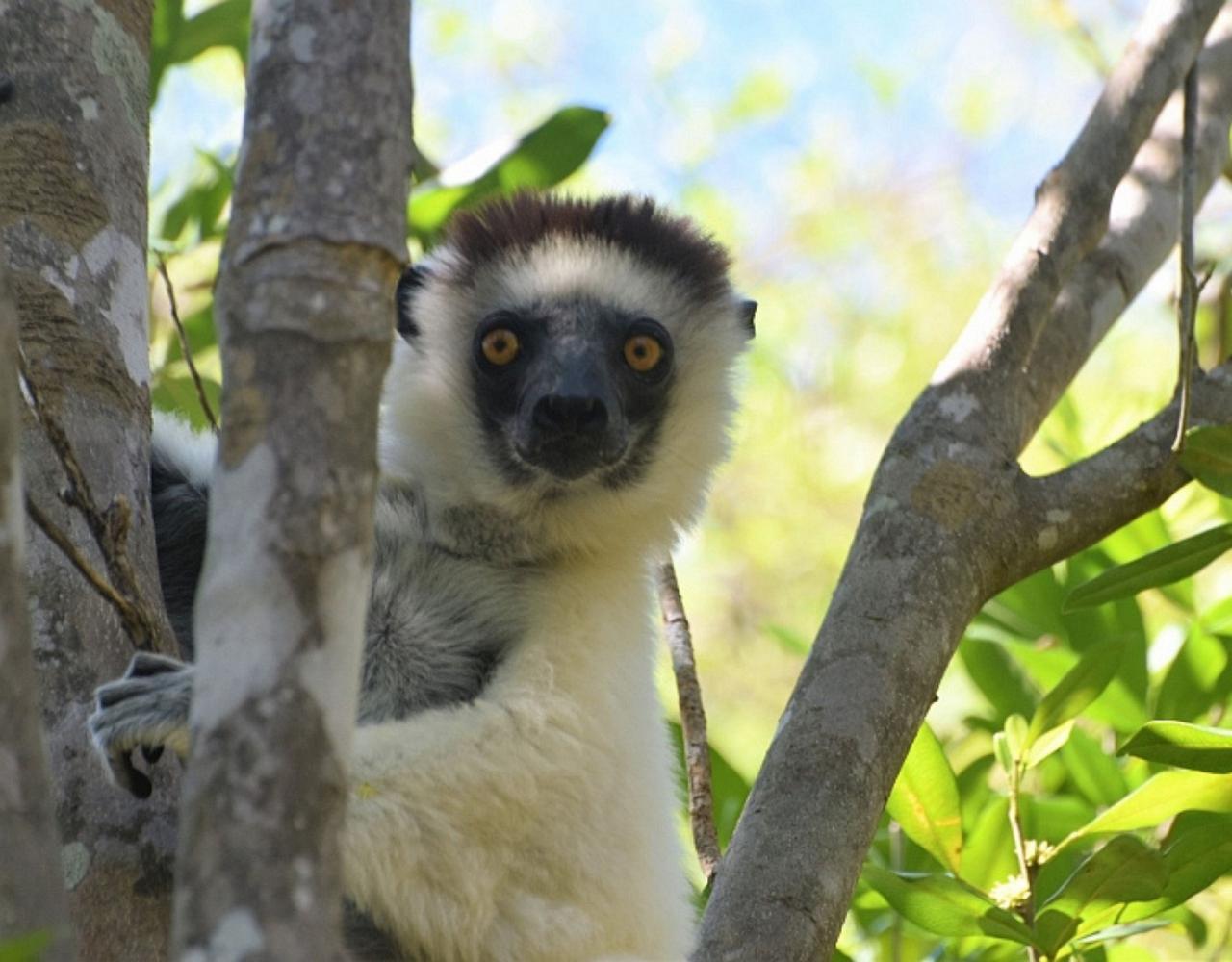
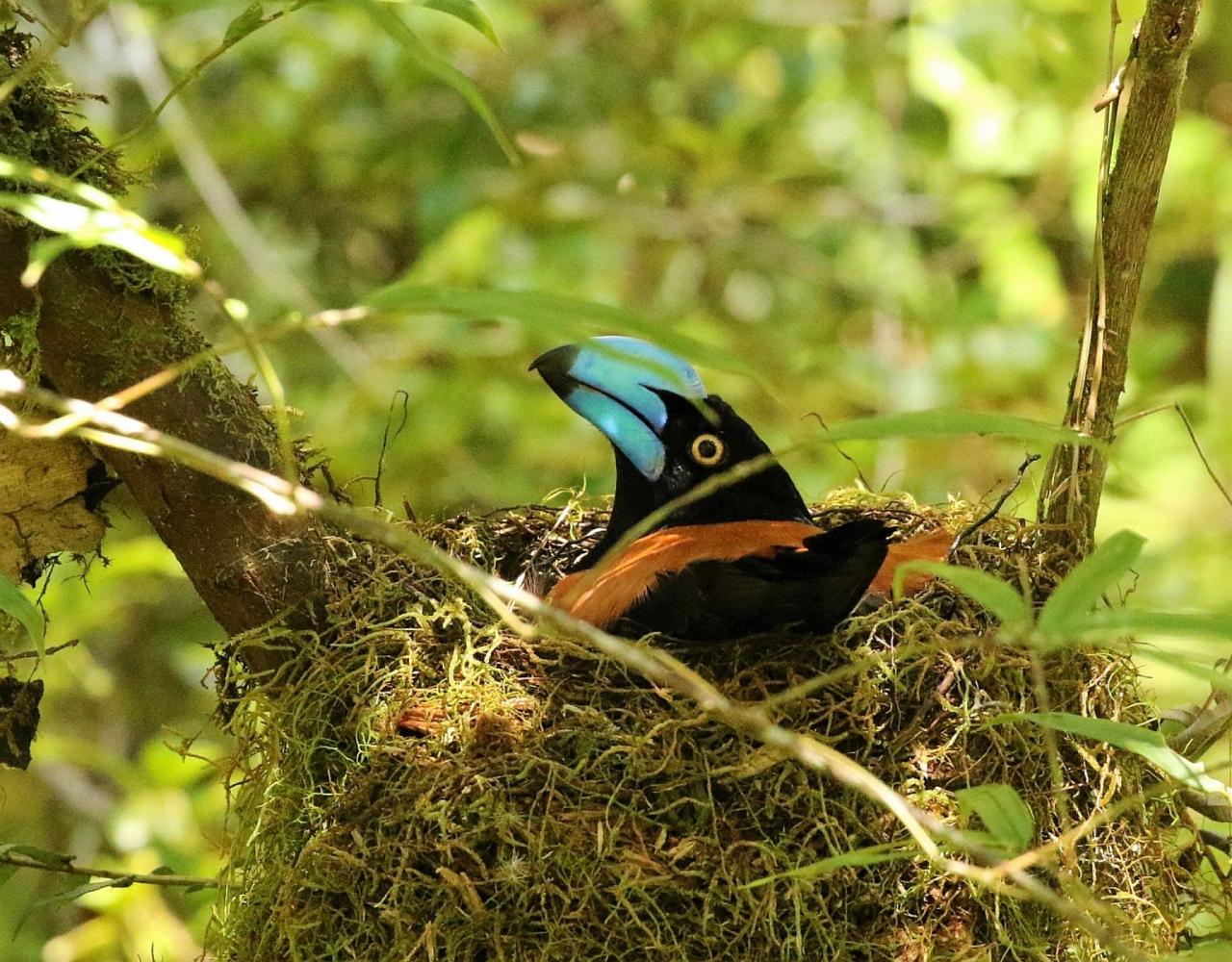
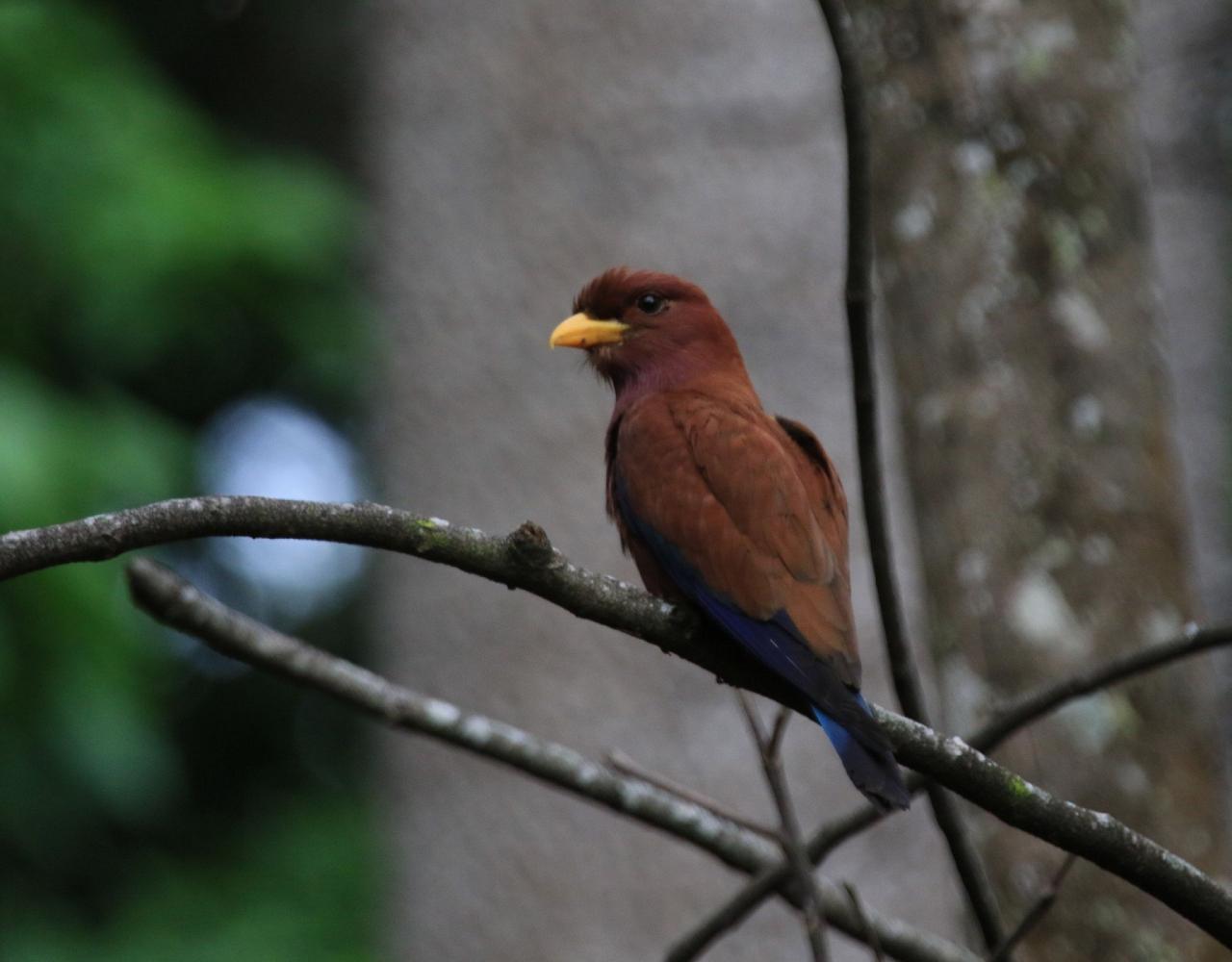
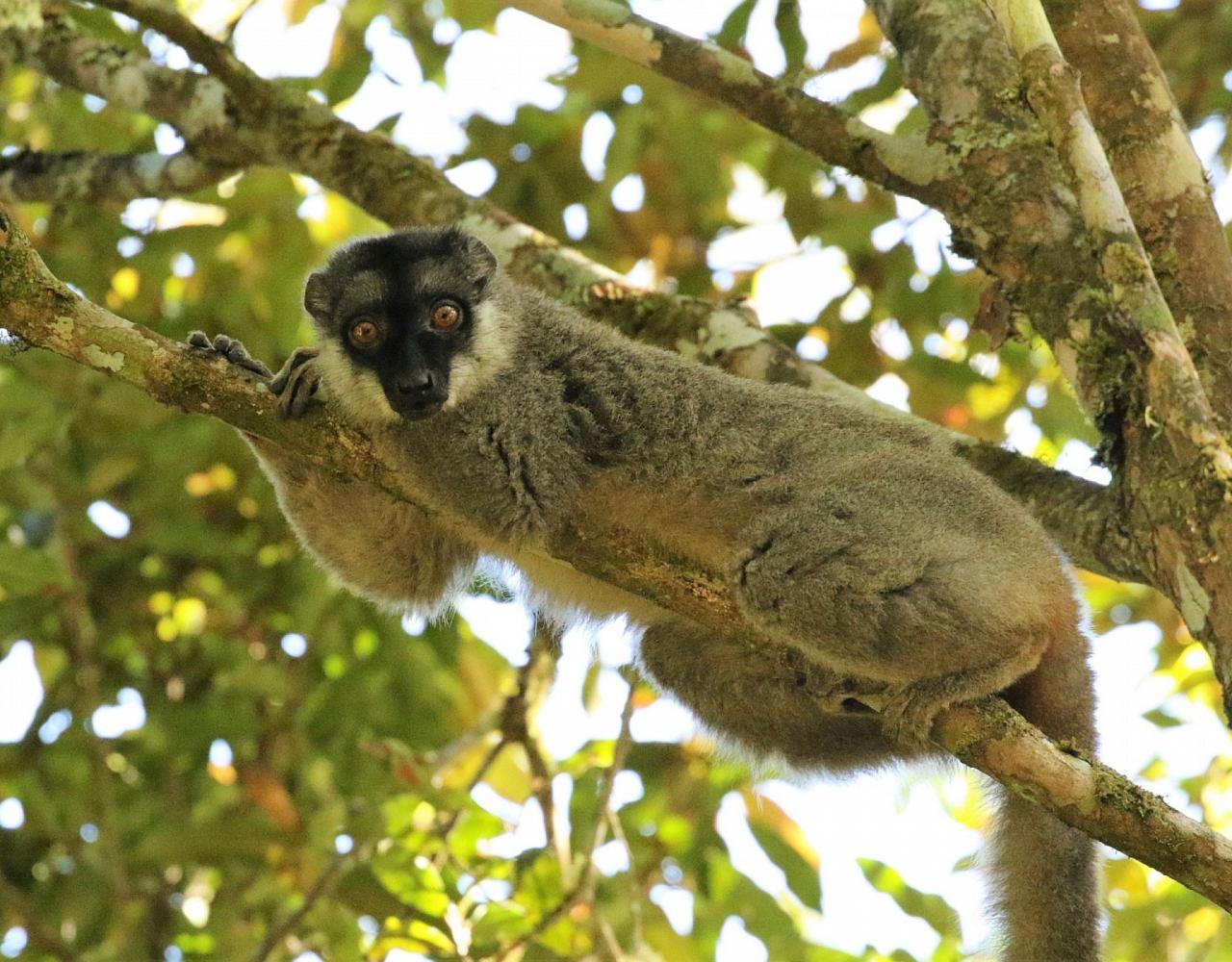
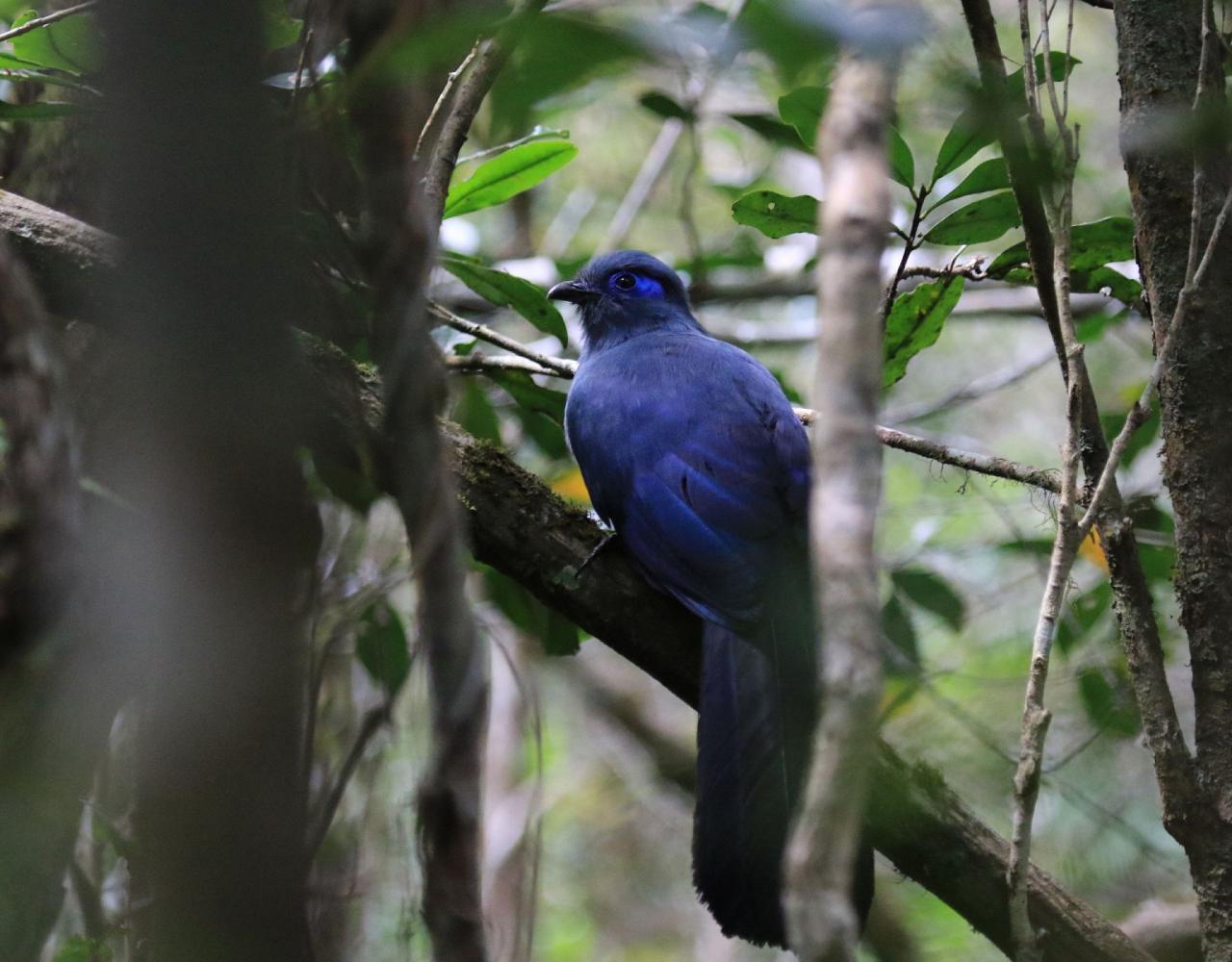

 Madagascar: 8th Continent! POSTPONED TO 2027!November 4 - 18, 2026
 Seychelles Birding Cruise Moved to 2027.November 19 - 28, 2026
 Ohio: The Biggest Week in BirdingMay 4 - 11, 2027
 Classic Alaska: Birding & Wildlife: Anchorage, Nome, Seward & Kenai Fjords Sold as a private tour.June 8 - 17, 2027
 Seychelles Birding Cruise FULL - Check out Journey to the Galápagos!November 18 - 27, 2027