


- Overview
- Full Itinerary
- Photo Gallery
- Costing
- Travel Details
- Trip Reports
- Guide
- Map
- Know Before You Go
- Other Trips You May Like
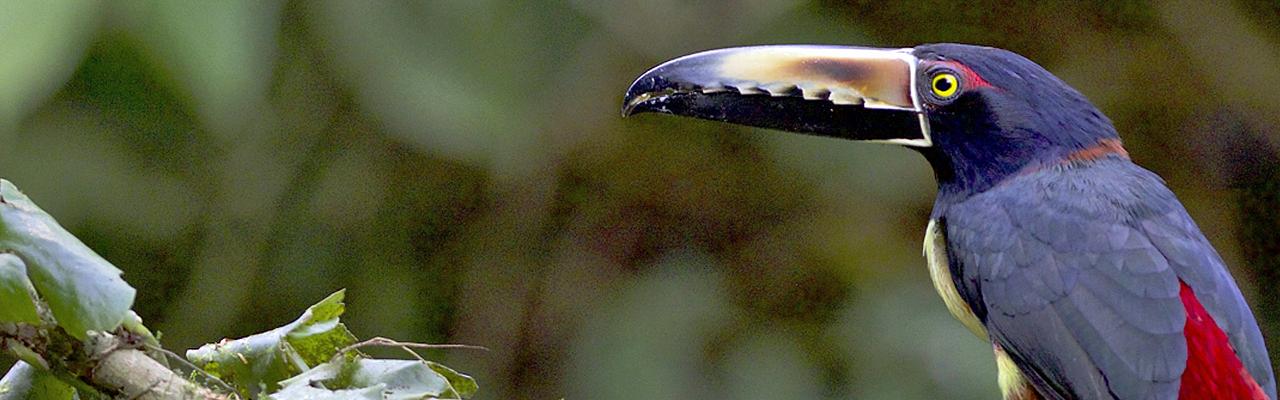
Just a two-hour flight from Miami, Belize offers a rich blend of Maya ruins and lush forests, still wild enough to host Jaguars and a diversity of tropical birds, butterflies, and mammals. This nation’s warm, hospitable people speak English and have a strong tradition of caring for their biological legacy.
We are pleased to offer time at three of Belize’s finest and best-known naturalists’ lodges: Bird’s Eye View Lodge, Lamanai Outpost Lodge and Chan Chich Rainforest Lodge, situated in reserves and protected forests. With a three-lodge trip our goal is to keep logistics simple, providing you with time to savor the lodges’ rich natural history, abundant birds, pleasant creature comforts, and tasty food.
Join us to explore Belize’s biological treasures and cultural roots. We emphasize birding, but also examine natural history and Maya heritage while having some simple, relaxing fun. We enjoy extended time at each lodge to ease travel and soak in the special attributes that give them such fine reputations. Colorful resident birds are joined by winter migrants, making birding each day extraordinary and fun!
- "A birding paradise. Two rather exotic outposts in Central American jungle settings among Mayan ruins led to a wondrous experience. If you are a birder or just interested in ruins this is a trip for you." — Gary & Ann Carpenter, 2023 Travelers
- "Fabulous, it was well organized, well guided, food and lodges were super! The country was beautiful and the people kind." — Janet Miller 2023 Traveler
Tour Highlights
- Treat yourself to a real vacation at three of the best eco-lodges in the Neotropics
- Experience Crooked Tree Sanctuary from Bird’s Eye View Lodge
- Enjoy three nights at the beautiful Lamanai Outpost Lodge, just a stroll away from impressive Maya ruins
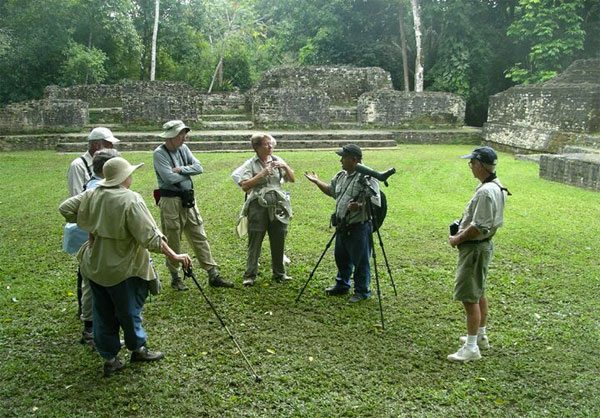
- Bird the forest canopy from above, atop two stunning Maya temples
- Explore bird-rich lagoons by boat to find Snail Kite and colorful wading birds
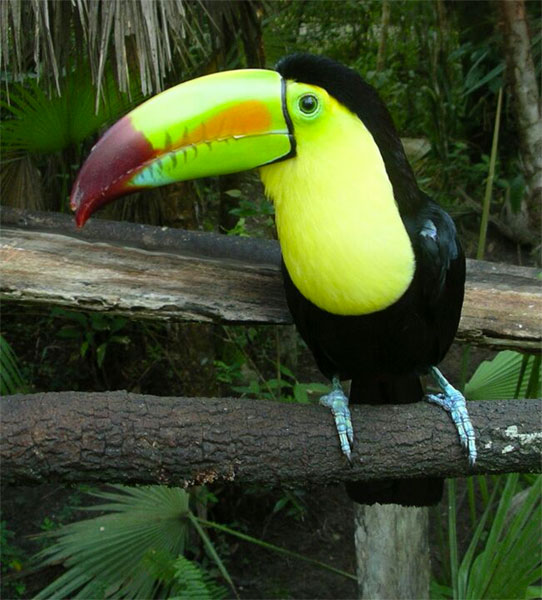
- Traverse the trails of famous Chan Chich Lodge in search of trogons, parrots, toucans, and more
- Wake to the noisy chorus of tinamous, forest-falcons, and motmots, right outside your door
- Take night excursions in search of bats, night birds, and maybe even a Margay, Ocelot, or Jaguar!

Trip Itinerary
Itineraries are guidelines; variations in itinerary may occur to account for weather, road conditions, closures, etc. and to maximize your experience.
Sun., Feb. 9 Arrivals | Bird’s Eye View Lodge
Welcome to Belize! Your local guide meets you upon arrival today and transfers you to the beautiful Bird’s Eye View Lodge.
Our lodge is located on the Crooked Tree Lagoon and boasts a list of over 300 bird species on their property. We can bird the lodge’s grounds today before kicking off the trip with dinner at the resort’s restaurant. Vermilion Flycatcher and quite a few Eastern warblers such as Yellow-throated Warbler can be seen, and the real prize is Agami Heron.
Accommodations at Bird’s Eye View Lodge (D)
Mon., Feb. 10 Crooked Tree Wildlife Sanctuary | Bird’s Eye View Lodge
After an early breakfast and coffee, we enjoy a morning boat trip in the Crooked Tree Wildlife Sanctuary. Barely an hour north of the airport, this refuge is one of the premier birding destinations for aquatic birds in Central America and is designated as a Wetland of International Importance under the Ramsar Convention.
A labyrinth of waterways and small islands, the refuge covers 16,400+ acres of creeks, swamps, and hummocks, including adjoining lowland pine savannas and tropical broadleaf forests. Watch for Morelet’s Crocodile and other reptiles, as well as Yucatan Squirrel and possible Neotropical River Otter.
Inland lagoons support an astonishing array of bird life. Peregrine Falcon, Black-collared Hawk, Great Black Hawk, and Snail Kite are raptor highlights, while across the lagoon, we look for long-toed Northern Jacana and Common Gallinule among the lily pads, with Black-bellied Whistling and Muscovy Ducks nearby. Overhead we may see Caspian and Gull-billed Terns, while the vegetation along the banks supports populations of Anhinga, Tricolored Heron, and Limpkin. Additional heron species may include Little Blue, Green, both night herons (Black- and Yellow-crowned), and possibly Agami. Crooked Tree is also known for its Boat-billed Heron rookeries, which can be noisy, with birds vocalizing and bill-clacking. We also watch for Amazon, Green, Belted, Ringed, and even American Pygmy Kingfishers (the latter as small as a sparrow) perched above the water.
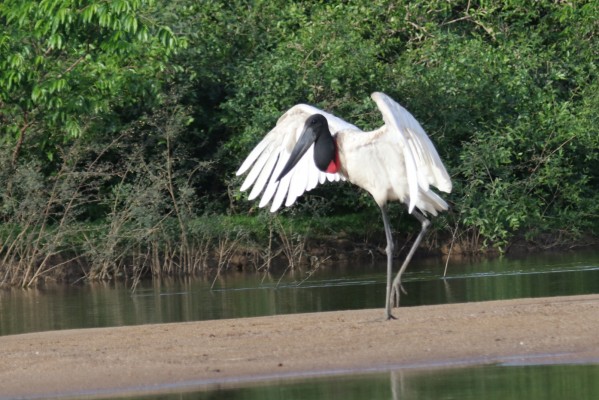
One of the key species we look for on the water is the Sungrebe. We also carefully watch for Jabiru storks, the tallest flying bird in Central and South America. Yucatan endemics include Red-vented (or Yucatan) Woodpecker, Yucatan Flycatcher, Yellow-lored Parrot, the raucous Yucatan Jay, and possibly even Black Catbird.
Nearby Crooked Tree Village, established around 1750, is possibly the earliest inland European settlement in Belize. Surrounded by Crooked Tree Lagoon, it is known for its locally grown and processed cashews.
We enjoy an evening sunset tour by boat that includes rum punch.
Accommodations at Bird’s Eye View Lodge (B,L,D)
Tues., Feb. 11 Bird’s Eye View Lodge | Lamanai Outpost Lodge
We enjoy a morning bird walk on the lodge trails to look for Yucatan endemics. After lunch we depart on another boat trip, this time to transport us to Lamanai Outpost Lodge, our home for the next three nights. The transfer in to Lamanai is FUN. From the boat, we should see Mangrove Swallow, Limpkin, Northern Jacana, Swallow-tailed and Snail Kites, and, with luck, a Black-collared Hawk or a huge Jabiru. Be ready with a windbreaker, camera, and binoculars. We arrive in time for late-afternoon birding by the lodge, followed by dinner.
Accommodations at Lamanai Outpost Lodge (B,L,D)
Wed., Feb. 12 Lamanai Outpost Lodge
Whether you’re well-traveled in Central America or visiting for the first time, there is much to hold your attention at Lamanai. Birds and monkeys busy themselves around the cabins; nearly 200 species of butterflies flit through the area, colorful dragonflies and damselflies buzz by, lizards ranging in size from tiny geckoes to five-foot-long iguanas lounge around, and of course, numerous herbs, shrubs, and trees attract wild tropical wonder.
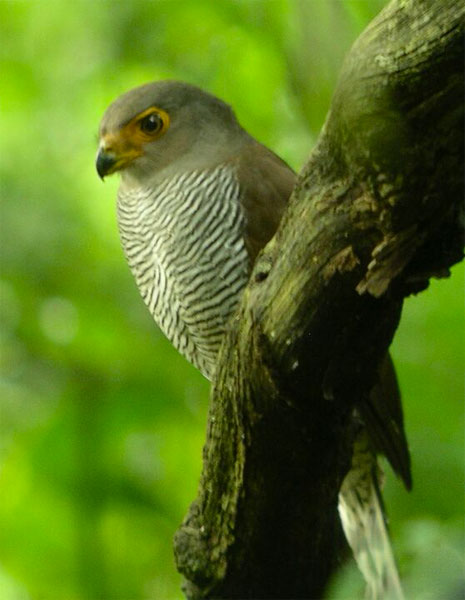
We’re mindful of some of the regional endemics, including Black Catbird, Rose-throated Tanager, Yucatan Jay, and Gray-throated Chat. One of the most interesting phenomena, and one we are likely to encounter at Lamanai and Chan Chich, is an army ant march. Birds of many families attend these marches, eating the insects, frogs, lizards, and other organisms flushed by the foraging ants. Standing quietly at the margin of an ant swarm, we get close looks at faithful ant followers, including Gray-headed Tanager, Red-throated Ant-Tanager, and a number of woodcreepers, including Tawny-winged and Northern Barred. Other possibilities are White-whiskered Puffbird, several flycatchers, migrant warblers, and perhaps a Great Tinamou. Even birds of prey like the dainty Barred Forest-Falcon follow ant swarms all so absorbed in the sea of insect life that they ignore our fascinated observation.
Accommodations at Lamanai Outpost Lodge (B,L,D)
Thurs., Feb. 13 Lamanai Outpost Lodge
Overlooking the edge of the large New River Lagoon, Lamanai offers a different mix of birds from Chan Chich, our third lodge. Some birds at the water’s edge are familiar: Neotropic Cormorant, Yellow-crowned Night-Heron, and Purple Gallinule. Others, like White-collared Seedeater, Mangrove Vireo, Ruddy Crake, or the delightful American Pygmy Kingfisher remind you that you have left the United States. Open-air dining lets you be immersed in nature; local foods and tropical fruits abound!
During our stay we take several boat trips. Canoe excursions offer relaxing and intimate wildlife views, and can be arranged for both day and night paddles. Such trips frequently produce an endangered Morelet's Crocodile, iguanas, and basilisk lizards, up to five species of kingfishers, Boat-billed Heron, Gray-necked Wood-Rail, and occasionally a rarity like an Agami Heron. At night, with the aid of spotlights, we look for several species of bats, Yucatan Nightjar, Yucatan Poorwill, and Northern Potoo.
We also make sure to have time to see the impressive Lamanai Maya Ruins, and to explore the open savanna habitat, which affords us a good mix of species including Yucatan Woodpecker, Yellow-lored Parrot, the Petén race of Botteri’s Sparrow, and occasionally Aplomado Falcon.
Accommodations at Lamanai Lodge (B,L,D)
Fri., Feb. 14 Lamanai Outpost Lodge to Chan Chich Lodge
We enjoy a last morning of birding and breakfast at Lamanai Outpost Lodge before departing by van shuttle to Chan Chich Lodge. This is largely a travel day, on back roads through Mennonite farming country; we do stop for some birding along the way as the opportunity presents itself, and take a break at a small country store. We bring snacks, and plan on a late lunch upon arrival at the lodge.
Chan Chich (Maya for “little bird”) is one of the premier birding lodges in the world, located near the very remote coffee and livestock producing community of Gallon Jug. En route, we watch for Crested Caracara and other birds of prey, Scissor-tailed and Fork-tailed Flycatchers, and flooded fields that attract waterfowl, large wading birds, and migrating shorebirds.
Chan Chich Rainforest Lodge, set in a Maya Plaza dating from the Classic Maya Period of 250 – 800 AD, is located within the 250,000 acre Rio Bravo Wilderness Conservation Area in northwestern Belize. The comfortable lodge and its twelve cabañas are made of local materials and are attractively furnished. From your porch you are likely to see Ocellated Turkey parading through the plaza, hear howler monkeys calling above, and see a Crested Guan crashing through the trees.
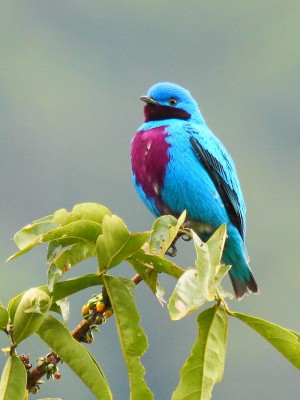
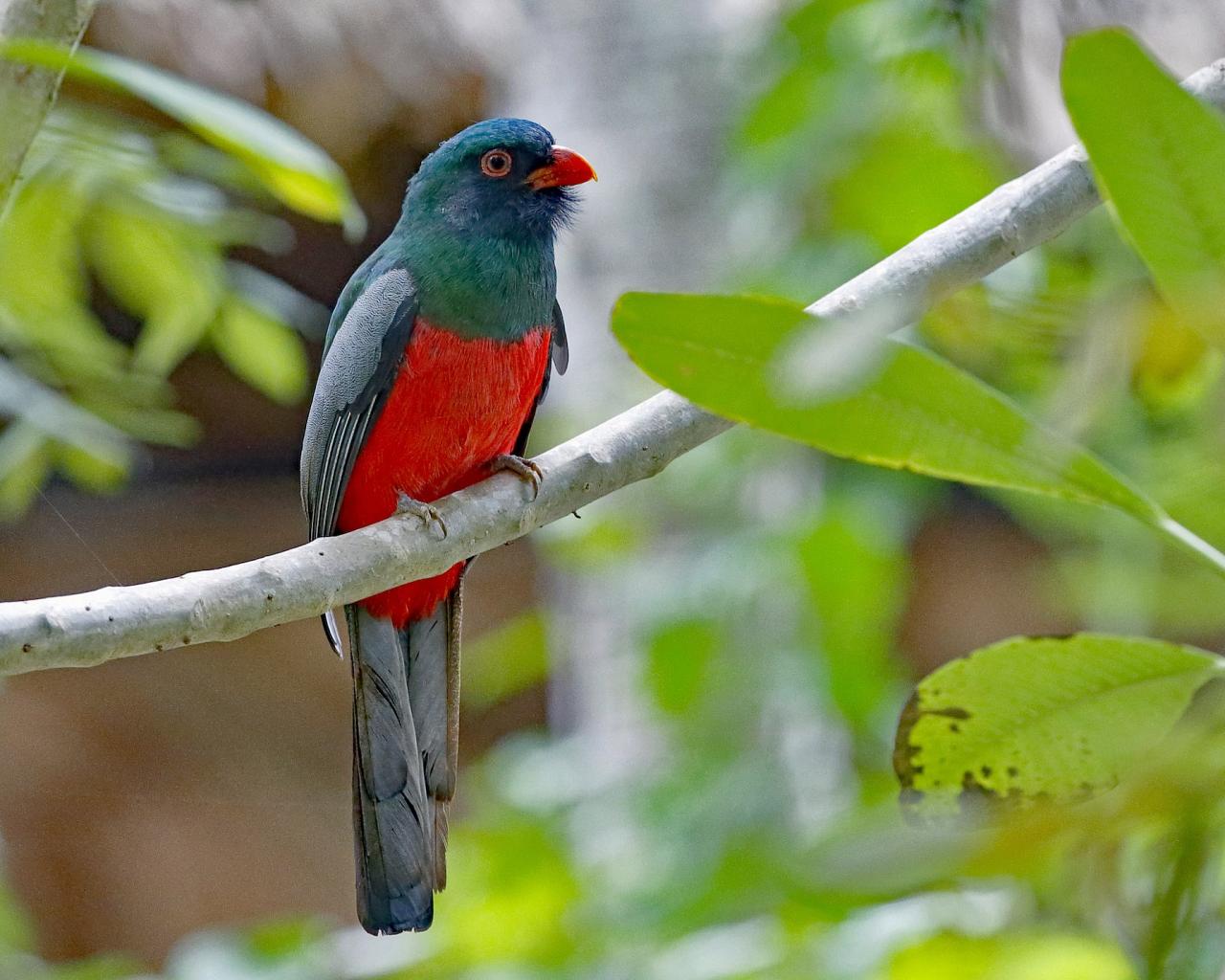
The extensive trail network could reveal Great Tinamou, Red-capped Manakin, Royal Flycatcher, and Lovely Cotinga, along with a host of trogons, parrots, and toucans. Finding their tracks, the possibility of sighting secretive wild cats adds to the excitement. You can visit Maya burial chambers with painted friezes still intact, canoe on Laguna Verde, or swim in a nearby stream where you might be joined by a playful River Otter. Chan Chich also has a swimming pool and spa in this exquisite forest setting.
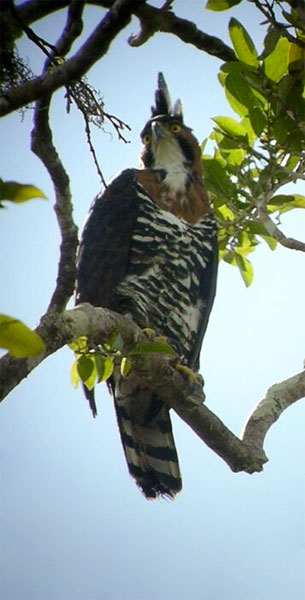
The rich forest here is home to over 350 species of birds, including Ocellated Turkey, Great Curassow, Crested Guan, Ornate Hawk-Eagle, Maya Antthrush, Rufous-tailed Jacamar, Royal Flycatcher, and the impossibly cute and often elusive Tody Motmot. It is always a pleasure to be here!
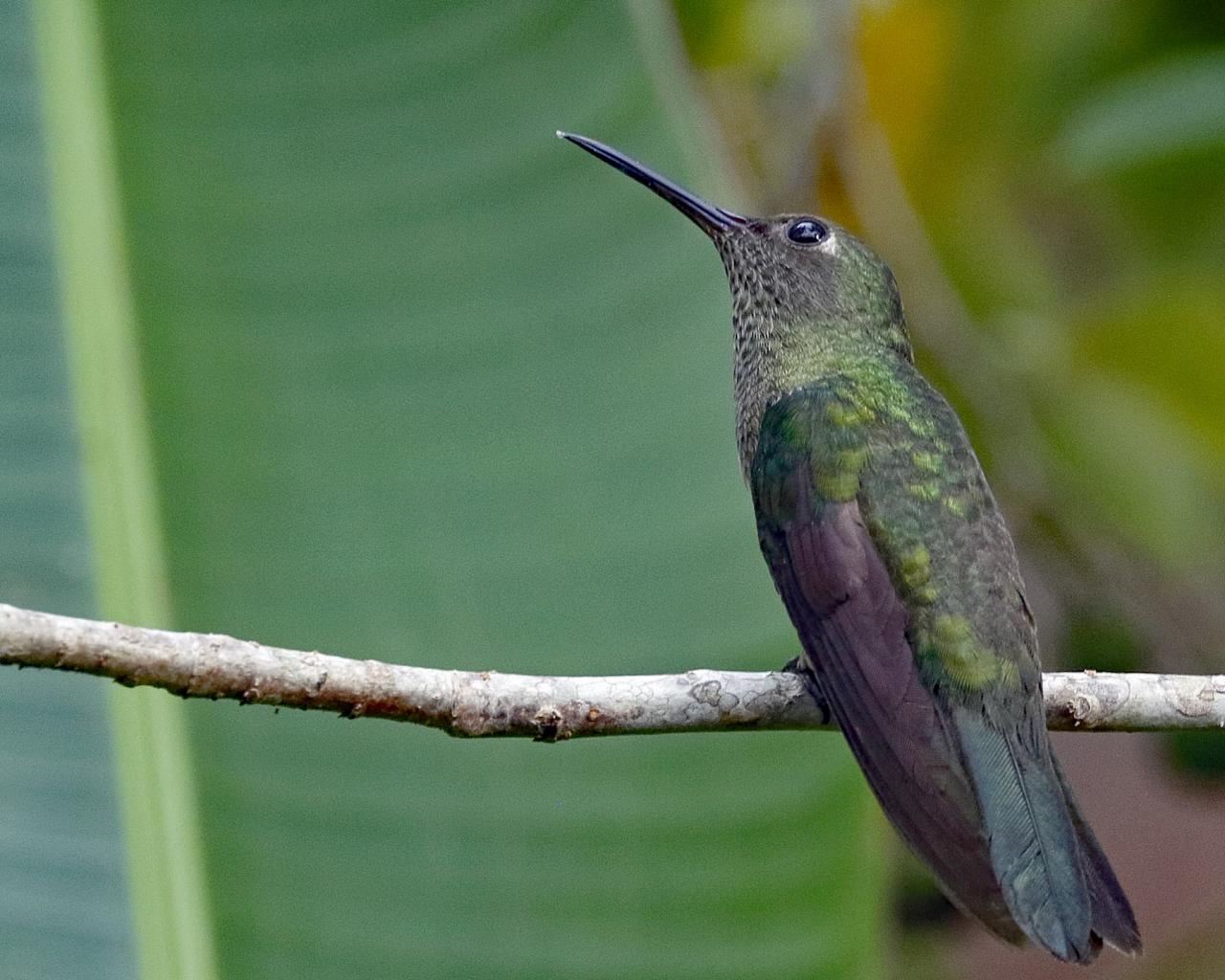
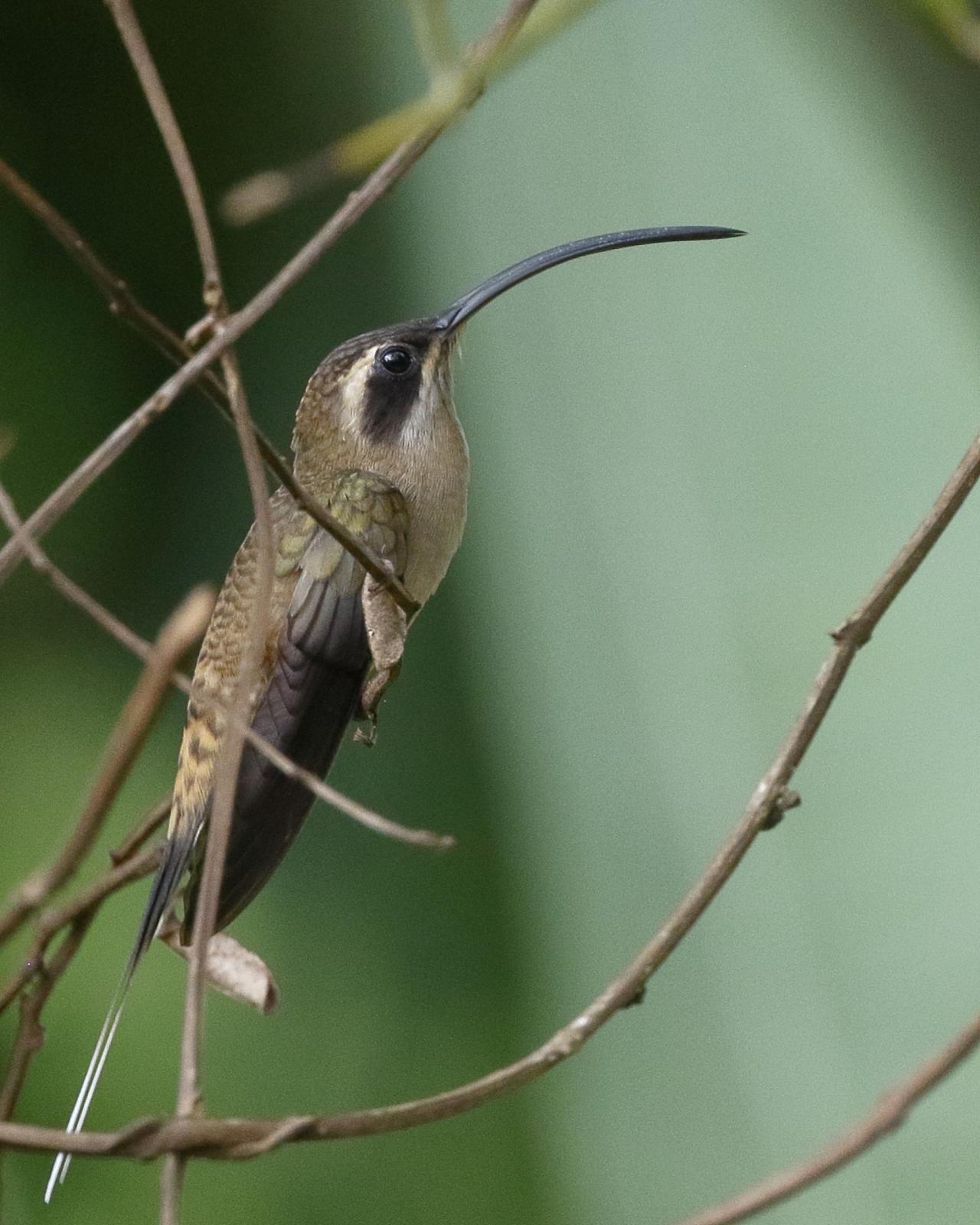
Mammals like Yucatan Black Howler Monkey, Central American Spider Monkey, Central American Agouti, and Gray Fox are commonly seen, and five felines, including Ocelot and Jaguar, have been found here, too. Beautiful hummingbirds like the Purple-crowned Fairy and Long-billed and Stripe-throated Hermits feed in clearings around the cabins, and both Red-capped and White-collared Manakins take berries at fruiting shrubs near the dining room.
As the morning air warms, birds of prey like Bat Falcon, White Hawk, Black Hawk-Eagle, and Plumbeous Kite soar over the cabañas. By January, the bird population is even richer as local nesting birds are joined by numerous migrants: warblers, vireos, orioles, and flycatchers that spend the winter in these rich forests.
Once settled, we begin our exploration with a short afternoon hike to the Upper Plaza and the King’s Tomb Trail. Mounds that have formed over unexcavated ruins provide nest sites for Lesson's Motmot, which are frequently seen around the lodge clearing. Montezuma Oropendola, which nest in colonies around the lodge, are fun to watch as they tumble and gurgle in courtship display.
Accommodations at Chan Chich Lodge (B,L,D)
Sat., Feb. 15 Chan Chich Lodge & Nature Reserve
The nighttime serenade of Common Pauraque quickly blends into a dawn chorus of tinamous, motmots, and perhaps a Strong-billed Woodcreeper, ushering in our early morning walk. With luck we find an assortment of dazzling tropical tanagers, woodpeckers, euphonias, and honeycreepers.
After a delicious breakfast, we venture into the forest, past manakin leks and the territories of dueting Spot-breasted Wren. One trail takes us to a lower open and moist tintal forest where specialties include Rose-throated Tanager, Gray-throated Chat, and Yucatan Flycatcher. On a recent visit to the tintal, a Pheasant Cuckoo sang endlessly. Here we have a greater chance of encountering shy birds like Ruddy Quail-Dove, Great Curassow, and Scaly-throated Leaftosser that are unlikely to venture into the lodge clearing.
We break for lunch and perhaps a brief siesta or a swim, then head out in the late afternoon as the forest cools and life stirs. Today we likely explore the River Trail, which skirts wetter habitats. On past tours we’ve surprised a Tapir enjoying its bath, found both Green and Pygmy Kingfishers and watched delicate hummingbirds come in to drink and bathe.
By 5:30 PM, the afternoon is turning to dusk and we enjoy camaraderie and armchair birding at the lodge’s traditional happy hour and dinner. Mealy Parrot and Olive-throated Parakeet are noisy and are seen as they come to their evening roosts.
Accommodations at Chan Chich Lodge (B,L,D)
Sun., Feb. 16 Chan Chich Lodge & Nature Reserve
This morning we walk along the lush Sylvester Village road, which passes through a variety of forest types, good for birds and butterflies (when sunny). This is always a productive walk for elusive species.
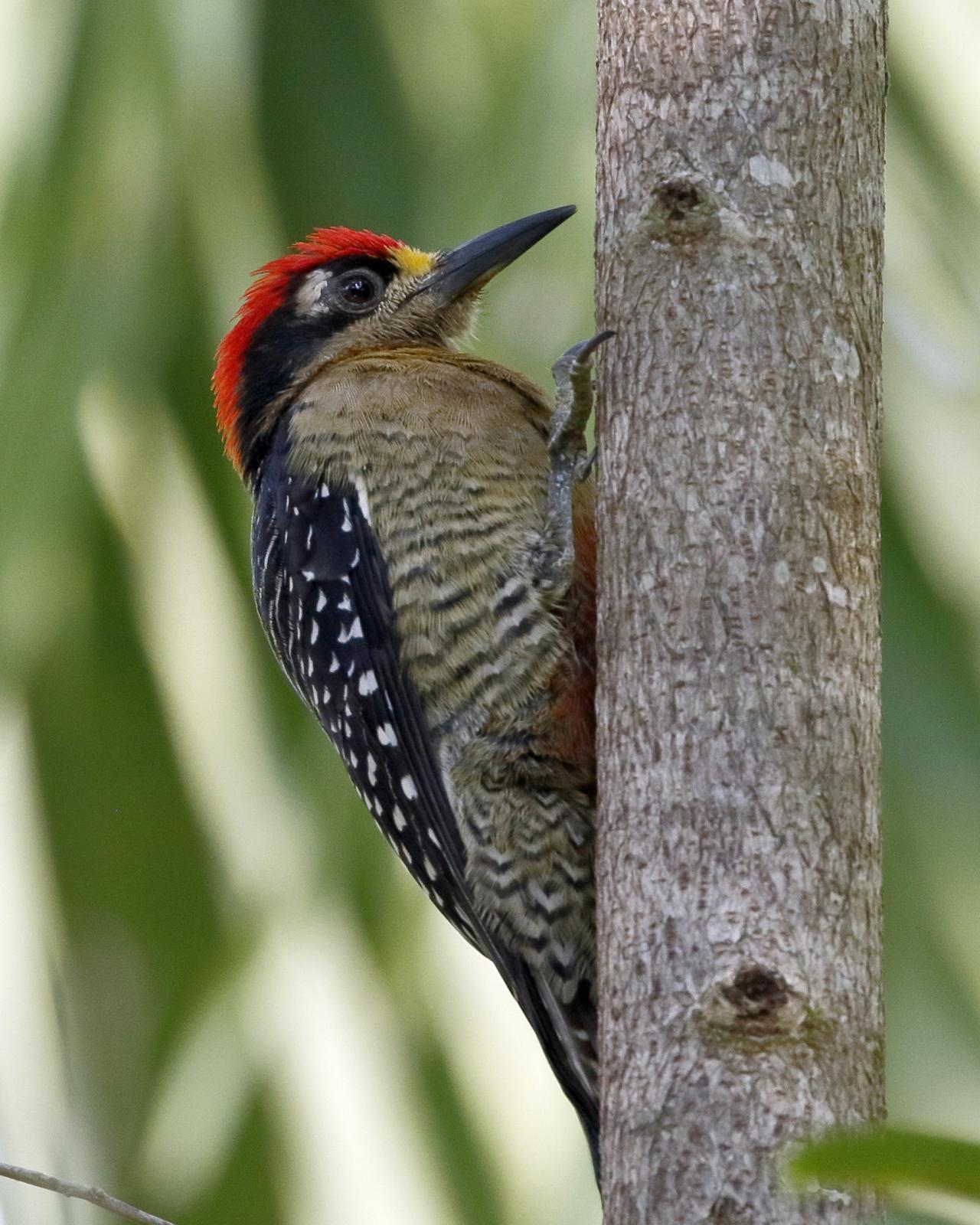
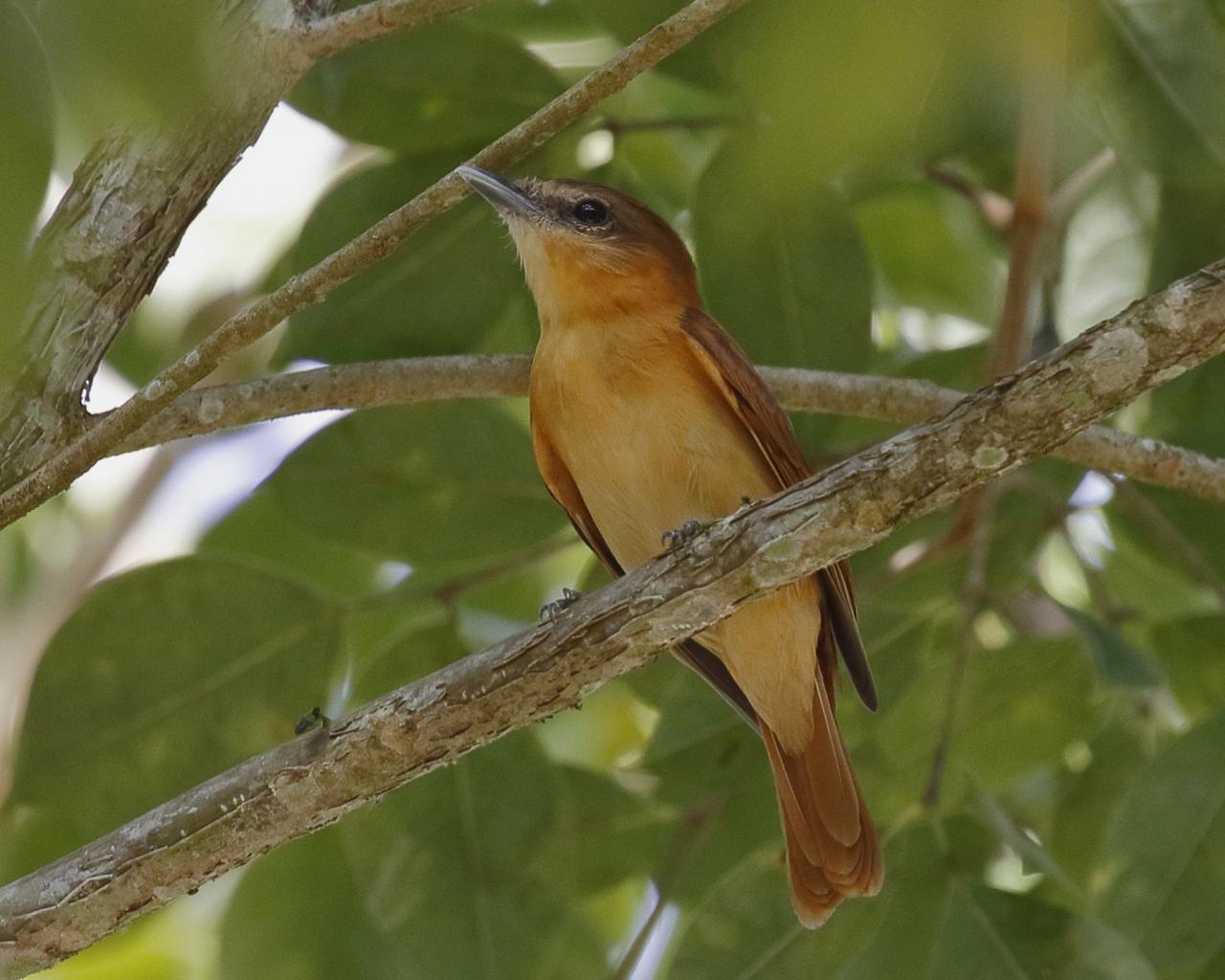
In the afternoon we stroll out on the main road leading from the lodge to the suspension bridge over Chan Chich Creek. Here, huge Blue Morpho butterflies flit by, Cinnamon Becard whistle at the roadside, and fruiting trees attract Black-crowned Tityra, Black-cheeked Woodpecker, Golden-hooded Tanager, and maybe a wintering Yellow-throated Vireo. Some spotting scope work at the bridge could produce several species of dragonflies and damselflies, including one of the red-eyed dancers or the colorful Caribbean Yellowface.
We return to the lodge for a relaxing final evening and a delicious dinner, with time to recount our trip highlights.
Accommodations at Chan Chich Lodge (B,L,D)
Mon., Feb. 17 Chan Chich Rain Forest Lodge | Departures
A final morning walk allows us to search for Black Catbird and other Yucatan bioregion specialties. Then, we leave Chan Chich and return to Belize City for flights home. (B)

Cost of the Journey
Cost of the journey is per person, based on occupancy: $4290 DBL / $5160 SGL, from Belize City. The cost includes: all accommodations; all meals as stated in the itinerary (B,L,D); group airport transfers; in-country charter flights, ground transportation within Belize between two lodges; professional guide services; park, preserve, and other activity fees; lodge tips; and miscellaneous program expenses. The cost does not include: roundtrip airfare to and from Belize City, items of a personal nature like laundry, porterage, telephone charges, or alcoholic beverages, gratuities for maids or porters.
Travel Details
Please plan to make air travel plans only after the minimum group size has been met. We will send you a confirmation email as soon as the trip has been confirmed.
Arrival and Departure Airport: Philip S.W. Goldson International Airport (BZE) in Belize City
Arrival Details: Plan flights to arrive February 9, 2025. We will have two transfers to Bird's Eye View Lodge from the airport, at 2 PM and 4 PM.
Departure Details: Plan flights to depart February 17, 2025, after 1:00 PM.
Travel Tip: You may wish to arrive a day early and rest up from your travels. While there are a few things to do in Belize City, most attractions are located about an hour away and would require a taxi or hiring a guide. The Belize Zoo is home to only native wildlife that have been abandoned, orphaned, or injured. It’s a great way to see almost 50 species of native animals. Does exploring an ancient Mayan city seem appealing? Then head about 30 miles north of Belize City to Altun Ha, an important archaeological zone that covers about 5 square miles. If you’re looking for something right in town, you can explore the rich culture and history at the Museum of Belize.
Hotel Recommendation: The Black Orchid Resort is about 20 minutes from the airport and they can arrange transfers. There is a restaurant on site and hotel staff can assist with booking outings. You can also relax on site and bird along the river.
Entry Requirements: See "Essential Information" section under the "Know Before You Go” tab.
Browse below for trip reports and species lists from past versions of this and other tours from this destination.
Belize
- March 2014
- February 2016
- January 2017 (w/Cave Creek Ranch)
- February 2017 (Private Tour)
- February 2017
- January 2018
- March 2018
- January 2019
- March 2019
- January 2020
- February 2020
- March 2020
- July 2021
- October 2021
- November 2021 (Birds & Beaches)
- December 2021
- January 2022
- March 2022
- November 2022
- January 2023
- February 2023 (3 Lodge Tour)
- March 2023
- November 2023 (3 Lodge Tour)
- January 2024
- February 2024 (Classic Tour)
- February 2024 (3 Lodge Tour)
- March 2024
- July 2024 (Green Season)
- December 2024 (Christmas Tour)
- January 2025 (3 Lodge Tour)
- February 2025
- March 2025
- October 2025
- November 2025 (Three Lodge Tour)
- January 2026 (Three Lodge Tour)
- February 2026 (Three Lodge Tour)
- March 2026 (Short & Sweet Birding Blitz)
- March 2026 (Three Lodge Tour)
- April 2026 (Three Lodge Tour)
- July 2026 (A Week at Black Rock Lodge)
Southern Belize
- March 2018
- February 2019
- February 2020
- March 2021
- February 2022
-
Chris Harbard
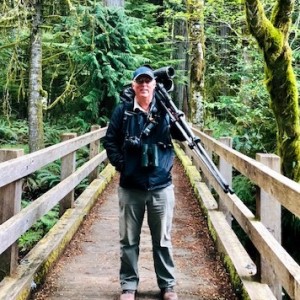
Chris Harbard is a well-known British ornithologist and conservationist who now lives in SE Arizona. After 24 years working with the world’s largest bird conservation organisation, the Royal Society for the Protection of Birds, he moved to the Austrian optics company Swarovski and managed their birdwatching website for several years. He is now a freelance author, editor, broadcaster and lecturer, as well as an occasional bird guide in SE Arizona where he and his wife help to run the Southwest Wings Birding and Nature Festival. He is on the board of the Arizona Field Ornithologists.
Chris writes for Birdwatch magazine and was editor of the Birdwatchers' Guides series of books. His own books include Birdwatch, Songbirds, A Birdwatcher's Quizbook, A First Guide to Birdwatching.
Working as a naturalist lecturer on board expedition cruise ships for the last eighteen years has taken him to remote areas of the Arctic, Antarctic, Atlantic and Pacific. Although his main area of interest is birds, especially seabirds, he also enjoys a range of other wildlife such as cetaceans, butterflies, dragonflies and plants.Other trips with Chris Harbard
-
 Birding Canyon Country CLOSED - See our spring 2027 departure!September 15 - 23, 2026
 -
 Ecuador: Biodiversity Across the Andes!November 3 - 16, 2026
 -
 Oaxaca Valley: Birds, Culture & CraftsDecember 1 - 9, 2026
 -
 Christmas in Costa Rica FULL - Check out New Year at Tranquilo Bay!December 22 - 29, 2026
 -
 Arizona: Sky Island Winter Birding BlitzFebruary 20 - 26, 2027
 -
 Belize: Three Great LodgesApril 6 - 16, 2027
 -
 Svalbard: North Spitsbergen Explorer A Summer Solstice Departure - Only Two Cabins Left!June 15 - 22, 2027
 -
 Costa Rica: Birding & Summer FunJuly 9 - 15, 2027
 -
 Arizona Monsoon Madness: Birding & Nature in a Season of Wonder!August 19 - 26, 2027
-

Essential Information +
Pace & Protocols +
Packing List +
Suggested Reading List +
Useful Links +
-
 Honduras: Stellar Birding & Maya Ruins CLOSED - Check out Panama & the Wild Darién!February 2 - 10, 2025
 -
 Western Panama: Tranquilo Bay FULL - See our October departure!February 8 - 15, 2025, w/Mt. Totumas extension
 -
 Costa Rica: Birding Across the Continental Divide FULL - Check out Summer in Costa Rica!February 15 - 24, 2025
 -
 Belize: Three Great Lodges FULL - Check out Panama: Three Great Lodges!February 19 - March 1, 2025
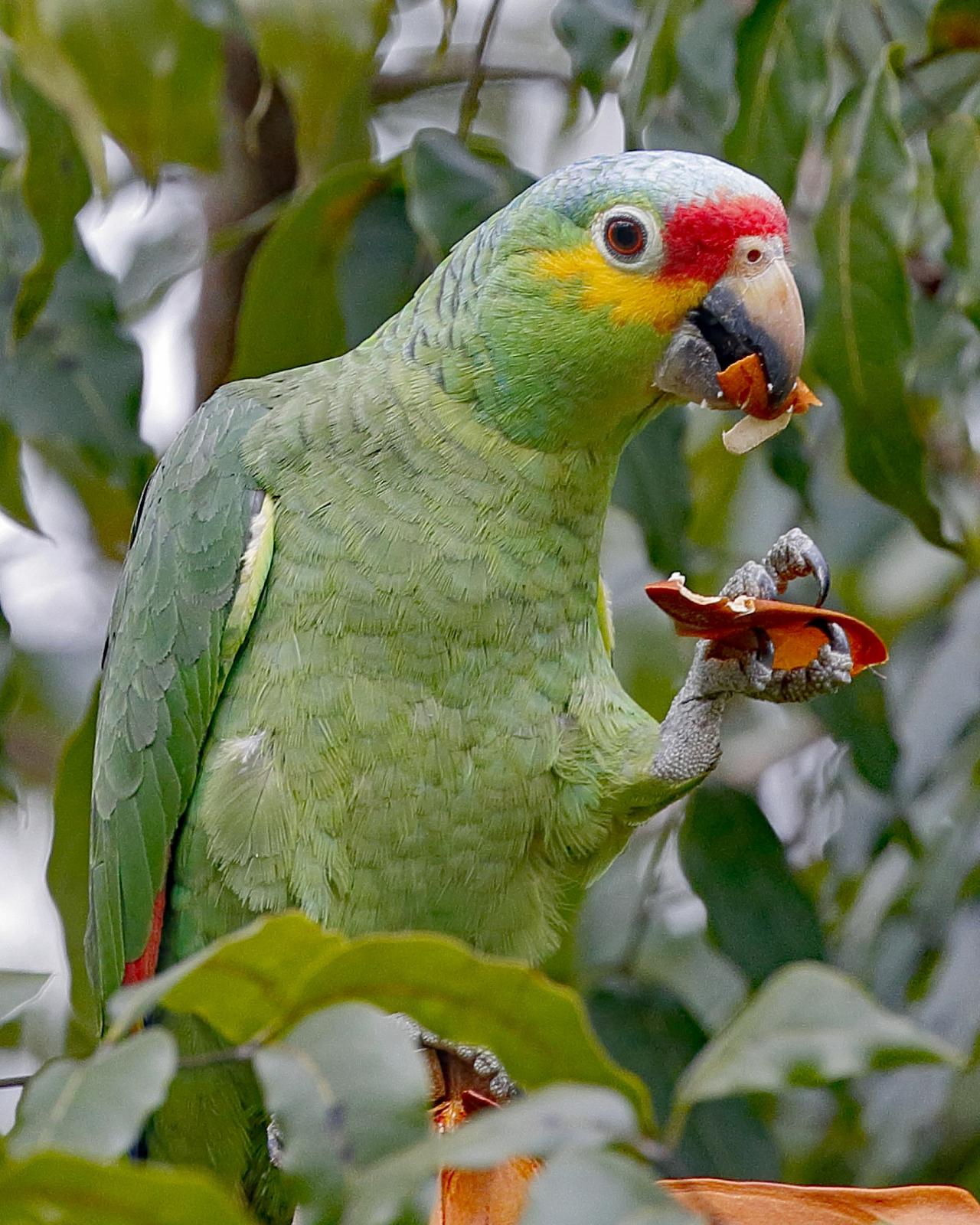
Photo credits: Banners: Collared Aracari by Greg Smith; Jabiru by Peg Abbott; Naturalist Journeys Group Birding Ruins by Carlos Sanchez; Great Black Hawk by Carlos Sanchez; Waders, Naturalist Journeys Stock; Barred Forest-Falcon by Narca Moore-Craig; Barton Creek Boating by Narca Moore-Craig; Birding Caracol Archeological Project by Narca Moore-Craig; Lovely Cotinga by James Adams; Keel-billed Toucan by Narca Moore-Craig; Pale-billed Woodpecker by Narca Moore-Craig; Belize Scenic, Naturalist Journeys Stock; Ornate Hawk-Eagle by Narca Moore-Craig; Masked Tityra by Peg Abbott; Green Jays by Bob Behrstock; Orange-breasted Falcon by Pat Lueders; King Vulture by Doug Greenberg; Squirrel Cuckoo by Sandy Sorkin; Black-cowled Oriole, Naturalist Journeys Stock; Blue-gray Tanager by Peg Abbott; Tody Motmot by Peg Abbott; Olive-backed Euphonia by Sandy Sorkin; Crested Guan by Sandy Sorkin; Black-faced Grosbeak by Sandy Sorkin; Ocellated Turkey by Peg Abbott; Central American Spider Monkey by Peg Abbott; Morelet's Crocodile by Peg Abbott; Black-cheeked Woodpecker by Gerold Morrison and Holly Greening; Slaty-tailed Trogon by Gerold Morrison and Holly Greening; Scaly-breasted Hummingbird by Gerold Morrison and Holly Greening; Rufous-tailed Hummingbird, by Gerold Morrison and Holly Greening; Red-lored Parrot by Gerold Morrison and Holly Greening; Long-billed Hermit by Gerold Morrison and Holly Greening; Eastern Meadowlark by Gerold Morrison and Holly Greening; Cinnamon Becard by Gerold Morrison and Holly Greening; Chestnut-colored Woodpecker by Gerold Morrison and Holly Greening.