


- Overview
- Full Itinerary
- Extensions
- Photo Gallery
- Costing
- Travel Details
- Trip Reports
- Guides
- Know Before You Go
- Other Trips You May Like
Bolivia is a memorable land of striking contrasts and extraordinary natural beauty. From lush rainforests and mystical cloud forests to vast deserts and snow-capped peaks, its landscapes are as diverse as they are breathtaking. As you travel across the country, you pass through a remarkable range of ecosystems that seem to transform with every step—each one offering its own sense of wonder.
This stunning country is a global biodiversity hotspot! Located at the crossroads of four major biomes in South America, Bolivia has more bird species than any land-locked country in the world, recording over 1,400 species! After a successful journey in October of 2024, we have streamlined our route and now offer a main tour from Santa Cruz, with an extension to the spectacular, but higher elevation La Paz and Lake Titicaca region. Our main tour starts in the lowland savannas and dry forests, then moves to the transitional foothill forests of Serranía de Los Volcanes, based out of a spectacular lodge. Continuing on, we explore history-rich Samaipata, and the scenic arid canyons of the Red-fronted Macaw Reserve before exploring the Yungas and cloud forests of the Cochabamba Valley as our end point. What an array of habitats, sampling many beautiful birds. For those with more time and the ability to explore at higher elevation, a short flight brings you to our extension based from beautiful La Paz, surrounded by mountains, gateway to Lake Titicaca and more.
Bolivia is truly a paradise for birdwatchers. Situated in the heart of South America, it serves as a natural bridge between the ecosystems of its five neighboring countries, blending a rich mix of biodiversity while maintaining its own unique character. This fusion of influences gives Bolivia unparalleled natural wealth, with landscapes and wildlife found nowhere else on Earth. Bird highlights on this Bolivia nature tour include Greater Rhea, Red-legged Seriema, Andean Condor, Military Macaw, Cliff Parakeet, White-eared Puffbird, and Bolivian Recurvebill. Mammals include Capybara, several species of monkeys, sloths, and a chance to spot Giant Anteater and Spectacled Bear. October is a perfect time to visit, the peak of the dry season.
Bolivia is a multicultural country, enabling visitors to interact with indigenous populations of pre-Colombian heritage, mostly Quechua and Aymara, to share a mutual love of nature. Bolivia can produce logistical challenges if political protests (usually announced road blocks) erupt during our visit; for locals this is a regular occurrence. Our talented ground team is used to this and monitors our route carefully to avoid delays. Expect a few power outages, a mix of accommodation quality, and some bumpy roads as part of this adventure. This carefully-crafted, guided tour gives you a chance to savor the many wonders of Bolivia!
Tour Highlights
- Discover Bolivia’s scenic, rural culture and wildlife riches!
- Immerse yourself in the Andes with a wide variety of habitats and altitudes, providing incredible views, scenic photos and a generous list of species
- Enjoy antpittas, hummingbirds, toucans, tanagers, warbling-finches; this trip has birds galore
- Encounter mammals, such as sloths, capybaras, giant anteaters, tapirs, several species of monkeys, with a chance for ever-elusive Spectacled Bears
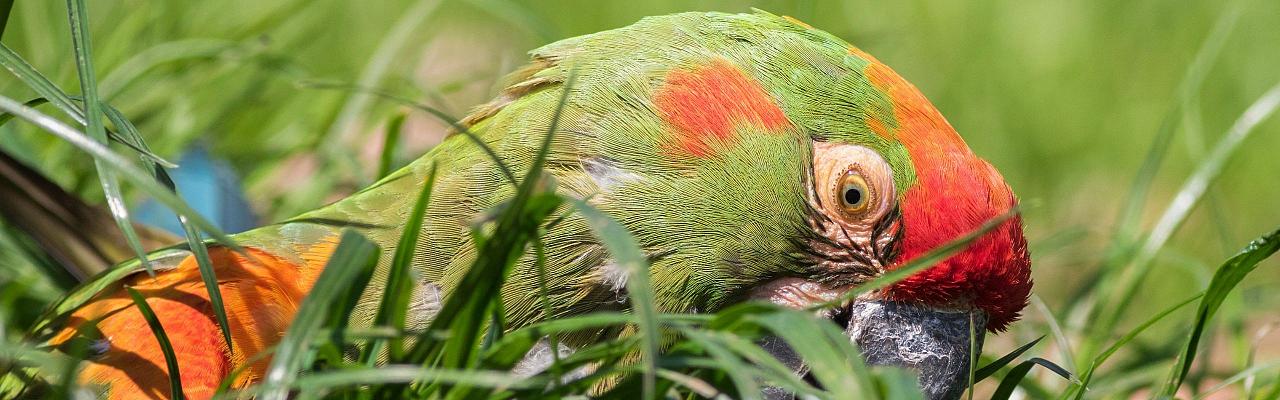
- See the endemic and Critically Endangered Red-fronted Macaw in its spectacular arid landscape; support conservation by staying at Asociación Armonía’s Red-fronted Macaw Lodge
- Visit an Andean archeological site at Samaipata with evidence of Inca and other past cultures
- Appreciate the country’s vibrant indigenous cultures and sample local foods
- For the extension, fly to the High Andes around La Paz, including Lake Titicaca at the foot of the Royal Range and near the Peruvian border
- Ride a traditional boat on the world-renowned Lake Titicaca to find the flightless Titicaca Grebe and other waterbirds
Trip Itinerary
Itineraries are guidelines; variations in itinerary may occur to account for weather, road conditions, closures, etc. and to maximize your experience.
Tues., Oct. 6 Arrivals in Santa Cruz | Optional Afternoon Birding | Welcome Dinner
Welcome to Bolivia! Arrive today at your leisure, where friendly greeters wait for you. Many flights arrive in the early morning hours, so watch the times/dates carefully as you book. Our accommodations are at a modern hotel with full amenities and a delightful swimming pool, just a short way from the airport. Those arriving in time can enjoy some casual afternoon birding at a local lake with big shade trees where our group saw close two 60 species the last visit in just a few hours, including Southern Screamer. Enjoy a welcome dinner at the hotel and the chance to get to know your guides and fellow travel companions.
Accommodations at Hotel Los Tajibos (D)
Wed., Oct. 7 Santa Cruz de la Sierra | Los Lomas de Arena | Botanical Gardens
Despite being the largest city in the country, Santa Cruz de la Sierra may surprise you with its small-town feeling, colonial buildings, and relaxed tropical atmosphere. We bird and get our first glimpse at Bolivia’s biodiversity at a couple of the top hotspots around the city.
In the morning, visit Lomas de Arena Regional Park, a protected area in the northern-most part of the Chaco bioregion, where savannas and patches of forest predominate. We look for Guira Cuckoo, a conspicuous species, Chaco Puffbird, Red-winged Tinamou, Speckled Chachalaca, Barred Antshrike, Red-crested Finch, and always a favorite, the beautiful Blue-crowned Trogon.
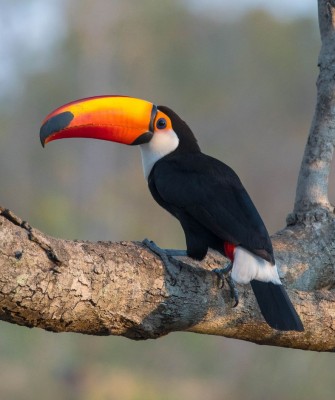
After lunch and a rest, we head to the Santa Cruz de la Sierra Botanical Garden in the afternoon, a vast tract of forest within the city, located in the Chiquitania ecoregion. Wildlife is abundant, with a chance to see Toco Toucan, White-wedged Piculet, Chotoy Spinetail, White-bellied Nothura, Red-legged Seriema, Green-cheeked Parakeet, and the near-endemic Bolivian Slaty-Antshrike. We watch for mammals too and should find quick endearing Black-tailed Marmoset as well as slow-moving sloths.
We also check out grassland habitats close to the airport where impressive Greater Rheas are known to congregate.
Accommodations at Hotel Los Tajibos (B,L,D)
Thurs., Oct. 8 Santa Cruz to Amboró National Park | Refugio los Volcanes
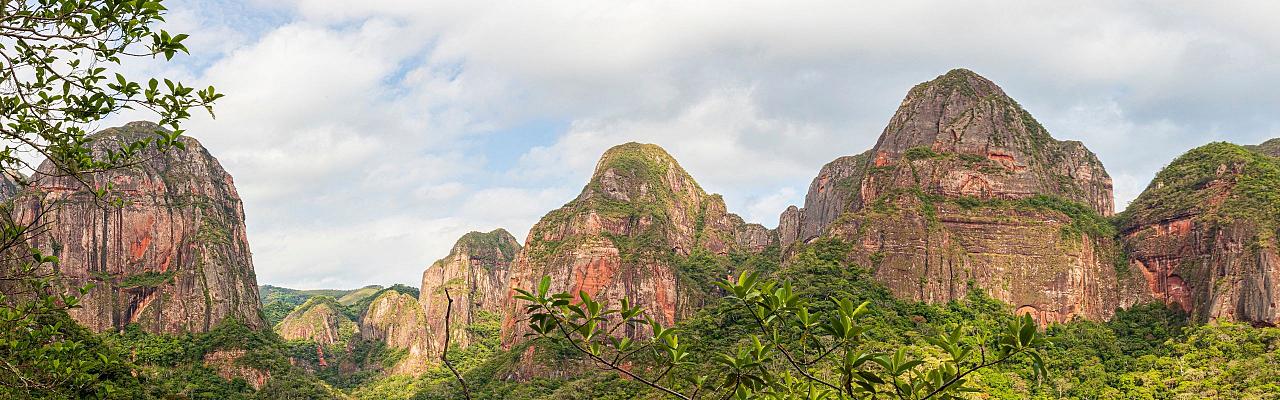
Today we pack up and head to the wilds. Our route passes into the southeastern sector of Amboró National Park. Here, the Andes Mountains curve from NW to SW, forming the "Codo de los Andes" (Elbow of the Andes). Multiple ecoregions converge, making this park one of Bolivia's most diverse.
We depart early to avoid traffic. Within about an hour’s drive from our hotel we start to make stops to look for birds from small local villages, and our exploring might produce the very rare Huayco Tinamou, as well as White-eared Puffbird, Giant Antshrike, and Green-winged Saltator.
En route, we enjoy a picnic breakfast in semi-humid forest along a rushing river on the lower mountain slopes, then hike a dry, gently undulating trail through the forest. We transfer to 4-wheel drive vehicles to reach the lodge, which is truly impressive, set in a small clearing in a thickly forested valley, surrounded by dramatic sandstone pinnacles. In the afternoon we bird near our fantastic lodge. All exploration in the park and from the lodge is on foot, allowing us to immerse ourselves in this vibrant forest.
Accommodations at Refugio los Volcanes (B,L,D)
Fri., Oct. 9 Amboro National Park | Rufugio los Volcanes
Wake to a fabulous dawn chorus! Just outside our cabins we could find Gray-throated Leaftosser, Rufescent Screech-Owl, Dusky-green Oropendola, Yungas Manakin, Ochre-cheeked Spinetail, Guira Tanager, and with some luck the endemic Bolivian Recurvebill. Channel-billed Toucan, Plush-crested Jay, and several species of parrots are found on the trails.
The entrance road is perfect for finding a lot of bird activity with good footing and impressive sightings including Amazonian Motmot, and possible mixed flocks of tanagers, spinetails, and with luck, manakins.
Those that wish can walk deeper into the park where Amboro’s steep, densely forested slopes support an astonishing biodiversity. More than 830 different bird species have been recorded here, including rarities such as Military Macaw, and the almost-mythical Horned Curassow. There is a lovely waterfall site and trail time brings a chance to see plants, lizards and even Tapirs or several species of monkey. And the scenic views are astounding!
Dining is delightful at the lodge and afterwards, if you wish, join others for conversation around a communal campfire.
Accommodations at Refugio los Volcanes (B,L,D)
Sat., Oct. 10 Amboro National Park to Samaipata | Inca Archeological Site
We hate to leave this wonderful lodge but more adventures call. We use the 4-wheel drive vehicles to descend the rugged road down to where our air-conditioned bus awaits. Our destination is the picturesque town of Samaipata, an area which holds both archaeological and natural history significance. Our first stop is the ancient Inca site of El Fuerte de Samaipata, a sacred site once inhabited by four different ancient cultures. As we ascend the Andes Mountains, watch the landscape become drier, with less vegetation, giving way to cacti and acacias typical of more arid environments.
Over the day, on birding stops here and there we seek sightings of Red-faced Guan, Rothschild’s Swift, Tataupa Tinamou, Olive-crowned Crescentchest, Sooty-fronted Spinetail, and Black-and-Chestnut Warbling Finch.
Our hotel is an artsy boutique hotel just a short way from the city. We enjoy a local dinner and time to catch up our species list before nightfall.
Accommodations at Yvy Casa Hotel (B,L,D)
Sun., Oct. 11 Yungas Birding at Tucuman Parrot Reserve & the Hummingbird Garden
At the latitude of Samaipata, humid, subtropical broadleaf forests in Bolivia known as Yungas split into two types, the Northern and Southern Yungas, giving us the opportunity to explore both. Within this narrow band of cloudforests, we head first to the Armonia Bolivia conservation property known as the Tucuman Parrot Reserve, located in the southern zone. Unlike the northern side, this area receives slightly less rainfall and features unique tree species, such as the mountain pine and alder, which shape the landscape. One notable resident is the Tucumán Amazon (Amazona tucumana), a vulnerable parrot species found exclusively in this ecoregion.
In the afternoon, we visit the Refugio de los Colibríes, a small yet outstanding hotspot situated between the Inter-Andean dry valleys and the Chaco Serrano. This site holds three acres of lovingly crafted gardens with feeders, perfect for observing and photographing hummingbirds and other bird species.
Accommodations at Yvy Casa Hotel (B,L,D)
Mon. Oct. 12 Samaipata to Perereta, Red-fronted Macaw Lodge | Mizque River
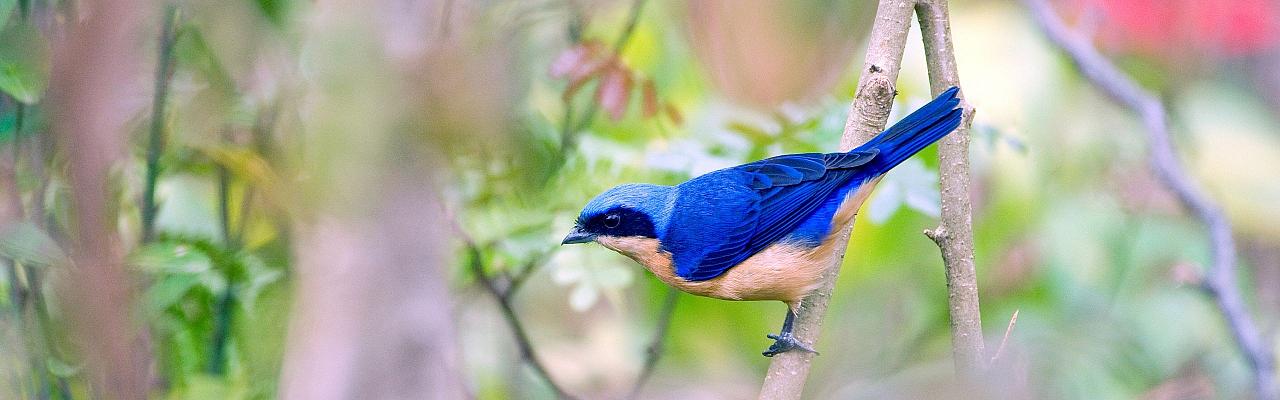
Enjoy another delightful breakfast, one highlight of staying at this hotel. We depart and make our way into progressively drier country dominated by cacti and acacia woodlands, stopping along the roadside to look for Streak-fronted and Spot-breasted Thornbirds, Gray-hooded Parakeet, and Gray-crested Finches. Highlights of the drive include Laguna Pallones, a stunning canyon, and the Jardin de las Cactáceas protected reserve, known for its astonishing diversity of flora and fauna. Birds to look for include Andean Condor, Bolivian Earthcreeper, Stripe-crowned Spinetail, Giant and Rufous-capped Antshrikes, Turquoise-fronted Amazon, Red-tailed Comet, the cactus-loving White-fronted Woodpecker, Fawn-breasted Tanager, Bolivian and Black-and-chestnut Warbling Finches, Sooty-fronted Spinetail, Green-barred Woodpecker, and Ultramarine Grosbeak.
Our next stay is a simple but welcoming lodge situated along the Mizque River, which winds through a rain-shadow valley at mid-elevation (about 5,500 feet) in the heart of the eastern Andes. The memorable view from the lodge is of rugged cliffs where parrots come to breed. This is a conservation property of the Asociación Armonía Bolivia, and through their initiative, three local Quechua communities have become guardians of the Critically Endangered Red-fronted Macaw. Within the bounds of the reserve it is possible to see up to seven (or more if we’re very lucky) types of parrots!
Accommodations at Red-fronted Macaw Lodge (B,L,D)
Tues., Oct. 13 Vicinity of Red-fronted Macaw Lodge
Throughout the day, we explore the surroundings of the lodge. The arid valleys in this part of central Bolivia are home to three endemic species: Bolivian Blackbird, Cliff Parakeet, and the endangered Red-fronted Macaw. Enjoy outdoor dining and warm hospitality. Proceeds of a stay here go to three local indigenous communities that help to protect the macaw and the many additional species we are seeking, such as White-eared Puffbird, White-tailed Plantcutter, and Ultramarine Grosbeak. Over 200 bird species have been recorded on the property.
We like to linger at this lower elevation site, typically sunny and warm, and a fascinating desert terrain to explore.
Accommodations at Red-fronted Macaw Lodge (B,L,D)
Wed., Oct. 14 Parereta to Comarapa
Early in the morning, we leave the lodge and head toward the town of Comarapa, with roadside stops focusing on species we may have missed so far. The Cochabamba Valley is an important one for endemic species and blessed with fertile soils. We travel through a rich agricultural region of Bolivia.
Our route once again passes through the Inter-Andean Dry Valleys and the Serrano Chaco, landscapes distinguished by their remarkable diversity of cacti. One of the key stops along the way is Laguna Pailones, a freshwater lake surrounded by steep and rugged terrain. This is a scenic area that is great for a variety of species.
Our accommodations are simple and comfortable with private bath but more of a camp atmosphere. It is the best location for our early-bird start tomorrow.
Accommodations at Monte Blanco Lodge (B,L,D)
Thurs., Oct. 15 Serranía de la Siberia | Cloudforest Surprises
Today, we ascend (by vehicle) to 9,800 feet, and head into the cloud forest of Serranía de la Siberia in search of new species. Our path winds through lush forest where trees are decorated with epiphytes, several of which may be in bloom. The species rich Northern and Southern Yungas always hold surprises—one never knows what the day might bring, and with luck, we may spot rare birds that have been recorded only a handful of times.
Despite the striking colors of the birds in this ecoregion, spotting them is no easy task amid the dense fog. Birding in these conditions is certainly a challenge, but that’s precisely what makes it so special. In these forests, we have the chance to encounter more endemic and near-endemic species.
Our list of possible species is long! Bolivian and Rufous-faced Antpittas, Blue-capped Puffleg, Violet-throated Starfrontlet, Scaly-naped Amazon, Black-winged Parrot, Bar-bellied Woodpecker, Light-crowned Spinetail, Pearled Treerunner, Highland Elaenia, Pale-footed Swallow, Buff-banded and Tawny-rumped Tyrannulets, Pale-legged Warbler, Brown-capped and Spectacled Redstars, Blue-backed Conebill, Bolivian Brushfinch, Fulvous-headed Brushfinch, Trilling Tapaculo, Common Chlorospingus, Blue-winged Mountain Tanager, Fawn-breasted Tanager, Plumbeus Black-Tyrant and Rusty-browed Warbling Finch.
Accommodations at Monte Blanco Lodge (B,L,D)
Fri., Oct 16 Comarapa to Corani Pampa
Travel west today through a variety of landscapes on what is mostly a travel day. We cross through the cloud forest of Siberia, humid Puna habitat, the Inter-Andean dry valley and finally into the Northern Yungas. Birds seen at stops along with way could include Andean Flicker, Andean Lapwing, Rufous-capped Antshrike and any others missed the day before.
We spend the night in simple but comfortable accommodations in Corani Pampa, a small village developing its tourism services. There is a cozy fireplace in the main room where we can gather to do our checklist. Open lawns and gardens surround your rooms.
Accommodations at Campo Adventura Lodge, Corani Pampa (B,L,D)
Sat., Oct. 17 Corani Pampa to Cochabamba | Cloud and Rainforest Birding
Wake up in the heart of the Yungas of Cochambamba. Throughout the day, we explore a range of mid- to high-elevation forests, from subtropical to temperate – home to some of the best birding hotspots in the country! The rainforest landscape is dominated by cecropia trees, attractive to birds from tanagers to toucans. Birds of the rainforest include Versicolored Barbet, Bolivian Tapaculo, Slaty Tanager, Yungas Tody-Tyrant, Rust-and-yellow and Green-throated Tanagers, Upland Antshrike, Ashy (or Yungas) Antwren, White-throated Quail-Dove, Bolivian, Sclater’s and Buff-banded Tyrannulets, McConnell’s Flycatcher and Flammulated Pygmy-Tyrant.
In the afternoon, we may encounter mist in the cloudforest that can reduce visibility to just ten meters. Still we seek out endemic Black-throated Thistletail, Black-hooded Sunbeam and Bolivian Brushfinch, amongst the more widespread though often elusive Hooded Mountain-Toucan, Stripe-faced Wood-Quail, Chestnut-bellied Mountain Tanager, Rufous-faced Antpitta, Trilling Tapaculo, Rufous-bellied Bush-Tyrant, and Ochre-faced Tody-Flycatcher. Following an exhilarating day of birds, we head to Cochabamba.
Occupying a fertile green bowl, fifteen miles long by six miles wide, the city is set at a comfortable altitude just under 8,500 feet amid a landscape of low hills, allowing those in the group continuing on the extension in a few days to acclimate to altitude before heading to La Paz (11,975 feet) and Lake Titicaca (12,507). Cochabamba fits the Spanish Colonial city model: The city has been laid out in a grid pattern, and most of the streets in the downtown area are narrow with room for one-way traffic only. The city center maintains its colonial archways and residential style. From any point in the city, the mountains of Tunari National Park can be seen, our destination for tomorrow.
We settle into a lovely hotel with a charming ambiance, a former home now hotel. Rooms are more like apartments with a nice amount of space and a balcony overlooking a forest. There is a nice pool in a solarium, and a fitness center. And while we have much of the day together, part of our group returns to Santa Cruz tomorrow, so Cochabamba is the perfect place for a final dinner in which, by tradition, we share memorable moments and favorite species of the journey.
Accommodations at Hotel Aranjuez, Cochabamba (B,L,D)
Sun., Oct. 18 Cochabamba | Polylepis Forest | Alalay Lagoon
On our last morning of the main tour, we depart early to visit Polylepis forest patches within Tunari National Park. While not particularly large or contiguous, this Polylepis forest abounds with incredible species including Wedge-tailed Hillstar, Giant Conebill, the endemic Cochabamba Mountain Finch, Maquis Canastero, Brown-capped and Tawny Tit-Spinetails, d’Orbigny’s Chat-Tyrant, and Glacier (formerly White-winged Diuca) Finch.
Those departing from the main tour have an afternoon flight back to Santa Cruz to position for international flights out either close to midnight or tomorrow. As time permits and for those on the extension remaining in La Paz, our afternoon birding takes place at the nearby Laguna Alalay, where we have a host of waterbirds in our sights, including Silvery and White-tufted Grebes, Puna Ibis, Yellow-billed Teal, and Red Shoveler along with Southern and Andean Lapwings and Puna Pipit, before turning to the surrounding scrub and forest patches for White-tipped Plantcutter, Gray-crested Finch, and Greater Wagtail-Tyrant.
Our flock disperses today – what a grand adventure! Those on the main tour only take an (included) in-country flight to Santa Cruz to catch international flights home near midnight or tomorrow. Those on the extension have another night at our lovely hotel and fly the next day to La Paz.
Extension Only Accommodations at Hotel Aranjuez (B,L,D)
Main Tour Only Accommodations at Hotel Los Tajibos (B,L,D)
Mon., Oct 19 Main Tour Departures
Those on the main tour only can depart at leisure today. (B)
Post-Tour Extension
Itineraries are guidelines; variations in itinerary may occur to account for weather, road conditions, closures, etc. and to maximize your experience.
Sun., Oct 19 : Flight from Cochabamba to La Paz | Drive to Lake Titicaca
In the morning, we take a flight to El Alto, a city located next to La Paz. The airport sits at an elevation of 13,500 ft, so it’s important to take necessary precautions before the flight if you are prone to altitude-related issues. El Alto lies on the high plains, with the 21,325-foot snow-capped peak of Illimani rising in the distance, which we see as we head to La Paz. Set at 12,000 feet on the central plaza and with a population of one million, La Paz, Bolivia’s de facto capital is a frenetic medley of fascinating Andean culture, bizarre food stalls, quirky markets, interesting museums, and haphazard architecture that overwhelms the senses at any time of the day or night.
In the afternoon, we visit a local protected area, the Bosquecillo de Auquisamaña. This small patch of forest, located in the heart of the city, features a mix of native and introduced plant species. Throughout the day, we look for Andean Swift, Red-tailed Comet, Giant Hummingbird, Rock Earthcreeper, Plain-mantled Tit-Spinetail, Streak-fronted Thornbird, White-browed Chat-Tyrant, Brown-backed Mockingbird, and Greenish Yellow-Finch.
Our hotel is a modern business hotel in the city, from which you can explore.
Accommodations at Hotel Ritz, La Paz (B,L,D)
Mon., Oct. 20 : Sorata Valley | Lake Titicaca Boat Ride
This morning, we journey across the high dry plain of the Altiplano, over the Andes, and toward Sorata Valley, where with luck we find two notable endemics—Black-hooded Sunbeam and Berlepsch's Canastero. Other notable species include Black-throated Flowerpiercer, Mourning, Peruvian, and Ash-breasted Sierra Finches, and Yellow-bellied and Black Siskins.
We continue on to Lake Titicaca, the Sacred Lake of the Incas. According to legend, the Sun God, as well as the pre-Inca god, Viracocha, rose from its depths. It is 120 miles long by 50 miles wide: the Inland Sea of Bolivia and Peru. Enjoy a boat ride in a traditional small boat, in search of the lake's namesake species, the Titicaca Grebe, navigating slowly through the reeds towards a scenic viewpoint in the middle of the water. Other species sought include Silvery Grebe, Giant Coot, Chilean Flamingo, Cinereus Harrier, Andean Flicker, Puna Pipit, and Yellow-winged Blackbird.
After a long but rewarding day, we head back to our comfortable hotel in La Paz for the evening.
Accommodations at Hotel Ritz (B,L,D)
Tues., Oct. 21 : Cotapata National Park
Today, we begin our birdwatching at 15,400 feet, in the frigid climate of the highlands, at the entrance to Cotapata National Park. During the first part of the morning, we explore wetlands, lagoons, and native shrublands that provide habitat for several bird species specially adapted to high elevations, including Rufous-bellied and Gray-breasted Seedsnipe, Slender-billed Miner, White-fronted and White-browed Ground Tyrants, Glacier Finch, and Plumbeous Sierra Finch.
Later, we descend into a completely different landscape. In less than 13 miles, we see the beginning of the spectacular “Death Road”—a narrow mountain route that drops dramatically to 3,950 ft in just 30 km. The name dates back to the 1990s, when, before the construction of the new highway to Coroico, this road held the highest annual car accident fatality rate in the world. Thankfully, today the new road is much! less extreme, and the fantastic gradient affords some wonderful birding.
In only a few miles, we pass from the thick fog of the cloud forest to the warm rainforests of the park. A wide variety of species awaits us, including Great Sapphirewing, Rufous-booted Racket-tail, Long-tailed Sylph, Blue-mantled Thornbill, Montane Foliage-gleaner, Fulvous Wren, Andean Solitaire, White-banded and Buff-banded Tyrannulets, Brown-backed Chat-Tyrant, White-browed Conebill, Hazel-fronted Pygmy-Tyrant, Scimitar-winged Piha, Diadamed Tapaculo, Orange-browed, Superciliaried, Black-eared and Three-striped Hemispinguses, Golden-collared Tanager, Orange-bellied Euphonia, Moustached Flowerpiercer, Swallow Tanager and Citrine Warbler.
Our hotel is a popular one for mountain bikers on the historic road. Its pool and modern amenities are welcoming.
Accommodations at Hotel Gloria Coroico (B,L,D)
Wed., Oct. 22: Birding at Jucumari Reserve
Early in the morning, we head to the cloud forests of Jucumari Nature Reserve. This is an outstanding area with beautiful scenery and several bird specialties.
The lodge is one of the few places in the country with bird feeders, the star attraction here is the Rufous-faced Antpitta. This was the first lodge in Bolivia to attract antpittas in by regular feeding. The surrounding forest is dominated by trees of the Lauraceae (avocado) family and hosts many species of bromeliads and orchids. Watch for a variety of endemic species including Black-hooded Sunbeam, Bolivian Antpitta, Bolivian Brushfinch, and Black-throated Thistletail.
Jucumari is a Quechua word meaning Spectacled Bear, a species occasionally seen in the area, though not often. The lodge is set beside the Acero River, a beautiful stream with small rapids, bordered by majestic forest. The property covers about 450 acres, ranging from 9,800 to 14,100 feet, with the lodge located at the lowest elevation. The Wildlife Conservation Society has been working with the lodge on a camera trap survey, finding as many as 11 different bears!
Hummingbird feeders are often a buzz of activity with Tyrian Metaltail, Gould’s Inca, Great Sapphirewing, White-bellied Woodstar, Sparkling Violetear, and the Bolivian subspecies of the Violet-throated Starfrontlet all possible to see.
Accommodations at Jucumari Lodge (B,L,D)
Thurs., Oct. 23 : Birding at Jucumari Reserve
We enjoy birding the upper part of the reserve in our final morning outing of the extension. After a farewell lunch, we depart today for La Paz for tomorrow’s connecting flights. The drive is about an hour and a half back to the city.
Some flights leave after midnight today, and can you can enjoy your room at the hotel until you need to leave for the airport for your flight. Otherwise, enjoy a restful night’s sleep and be ready to leave tomorrow at your leisure.
Accommodations at Hotel Ritz, La Paz (B,L,D)
Fri., Oct. 24 : Departures
Please plan departures at leisure today. (B)
-
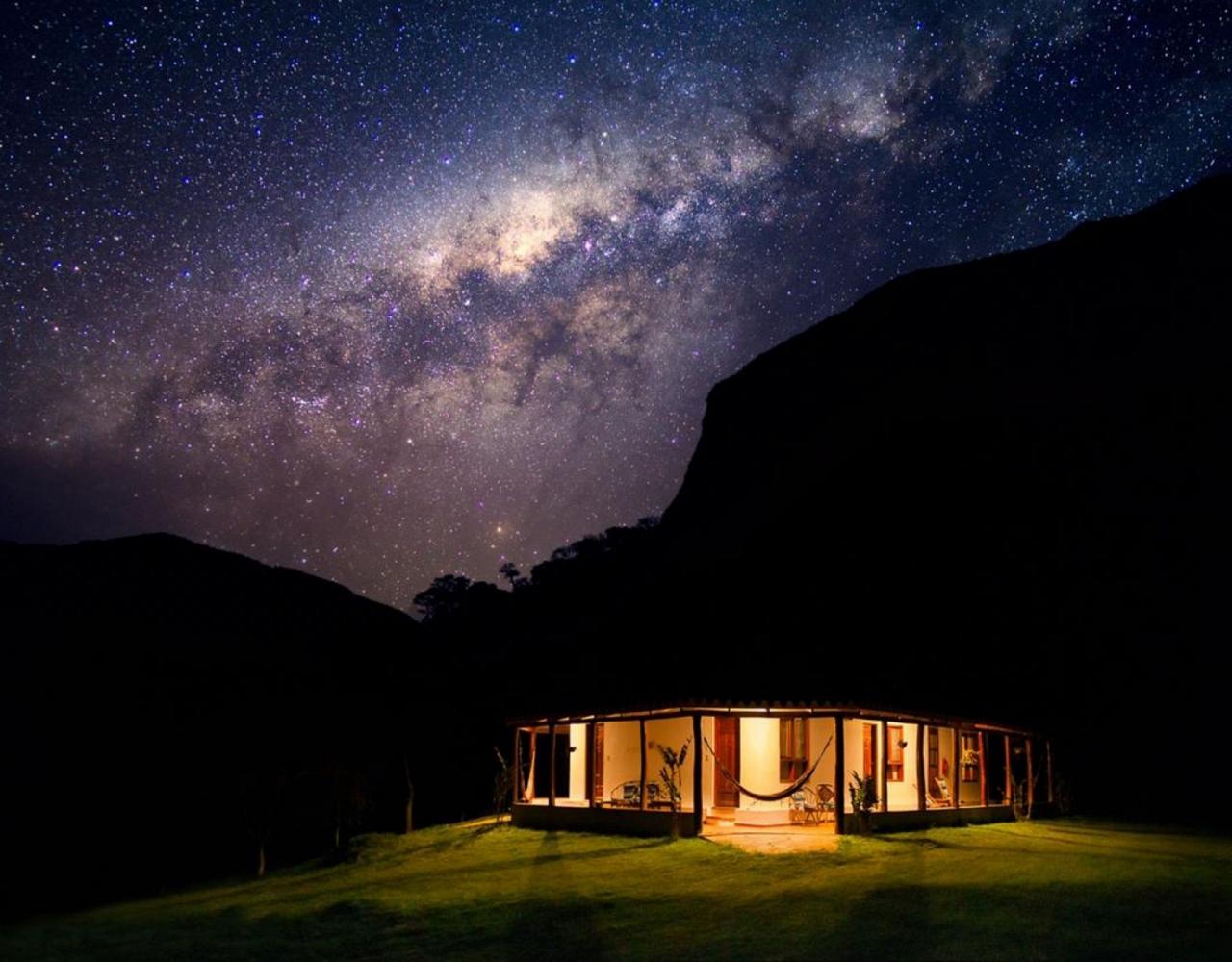
Night Sky courtesy of Refugio Los Volcanes
-
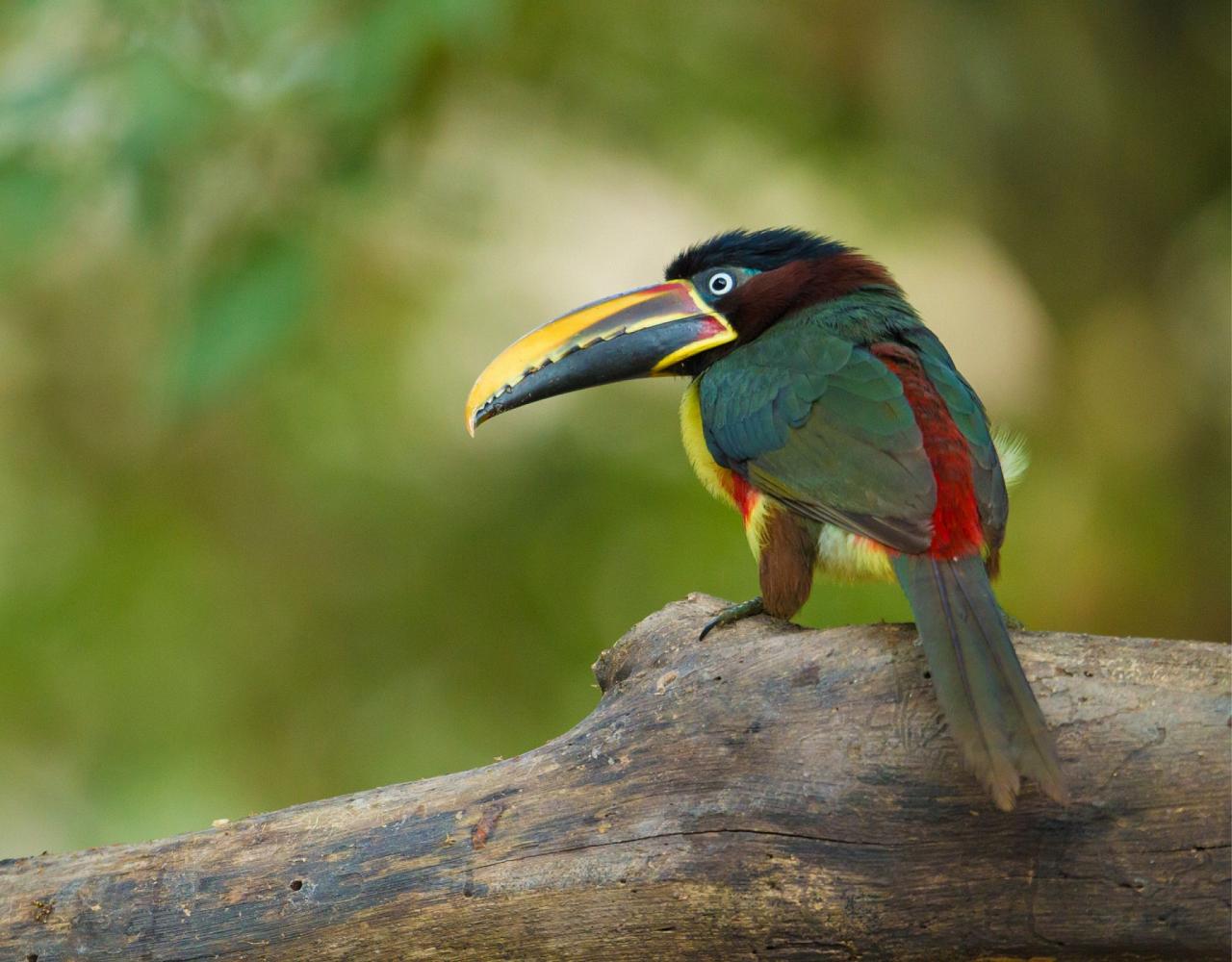
Chestnut-eared Aracari
-
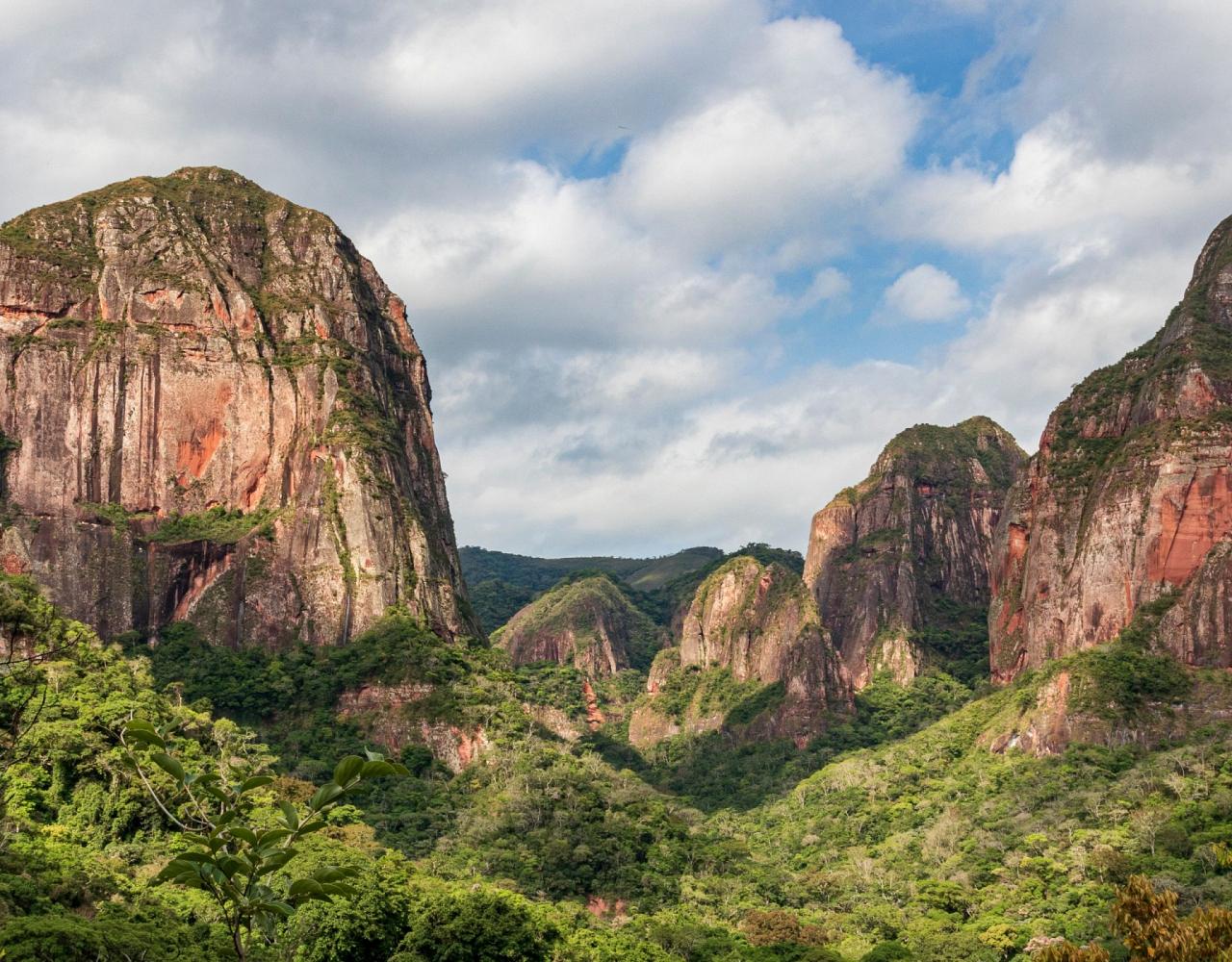
Amboró Park, Bolivia
-
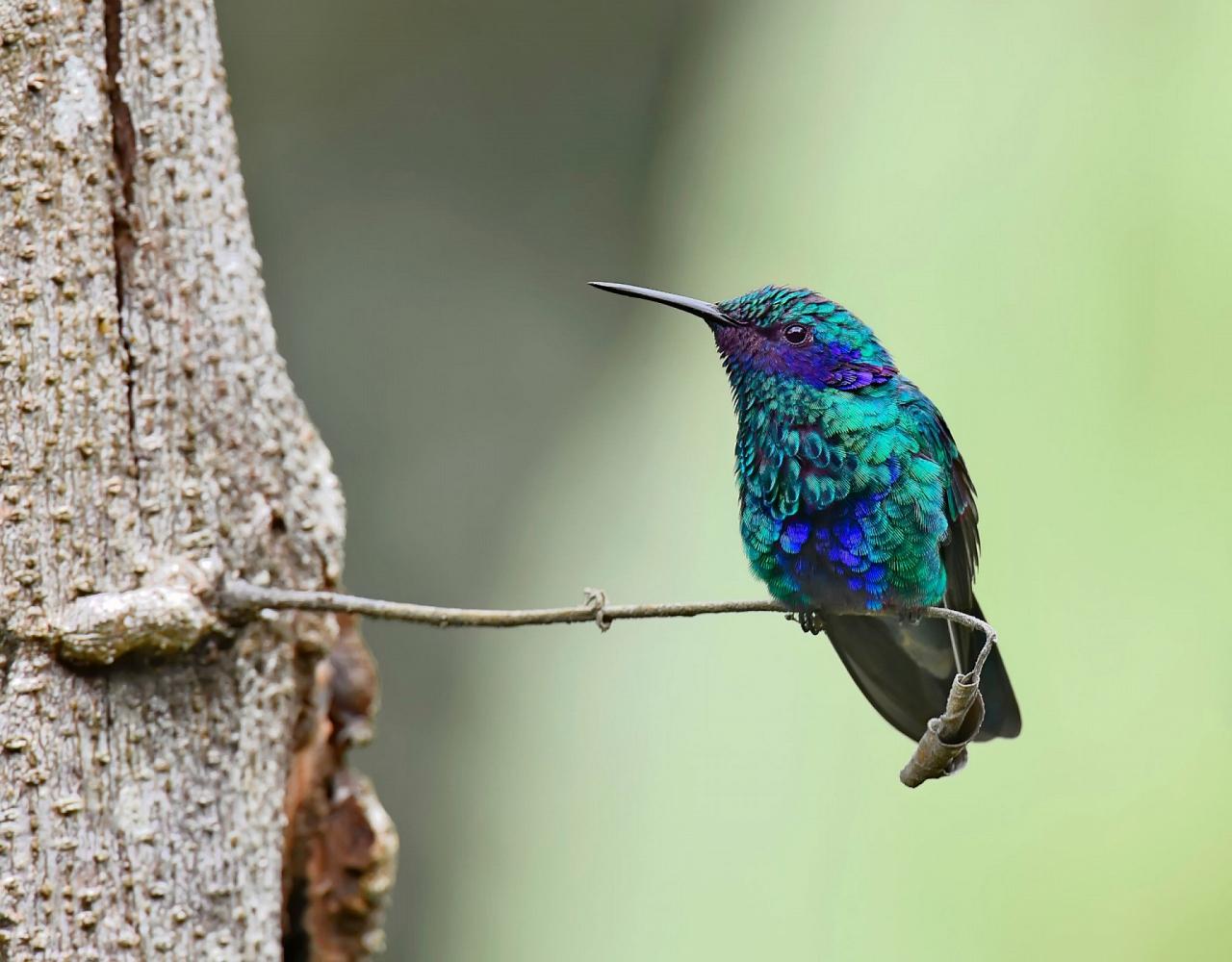
Sparkling Violetear
-
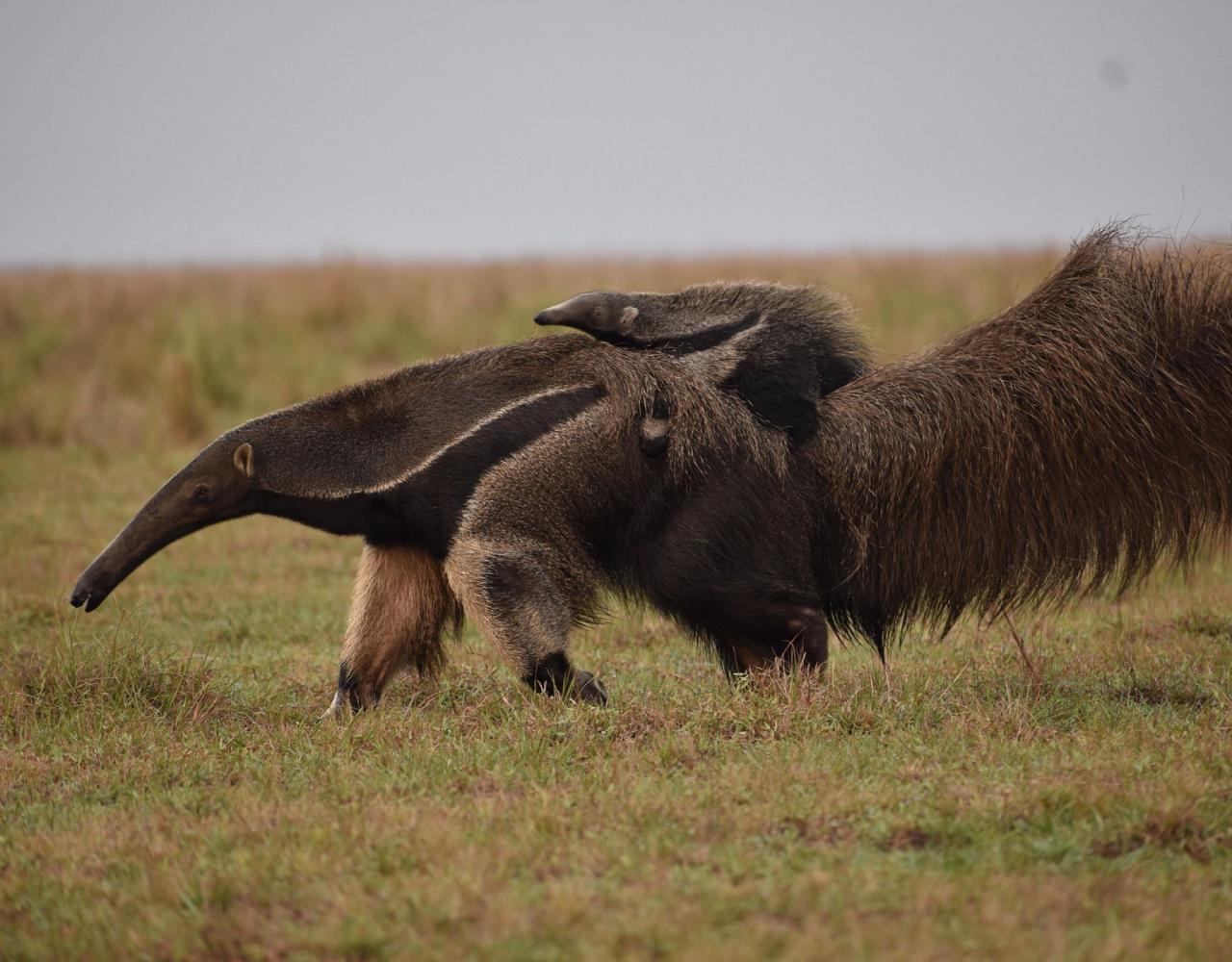
Giant Anteater with Young courtesy of Asociation Armonia
-
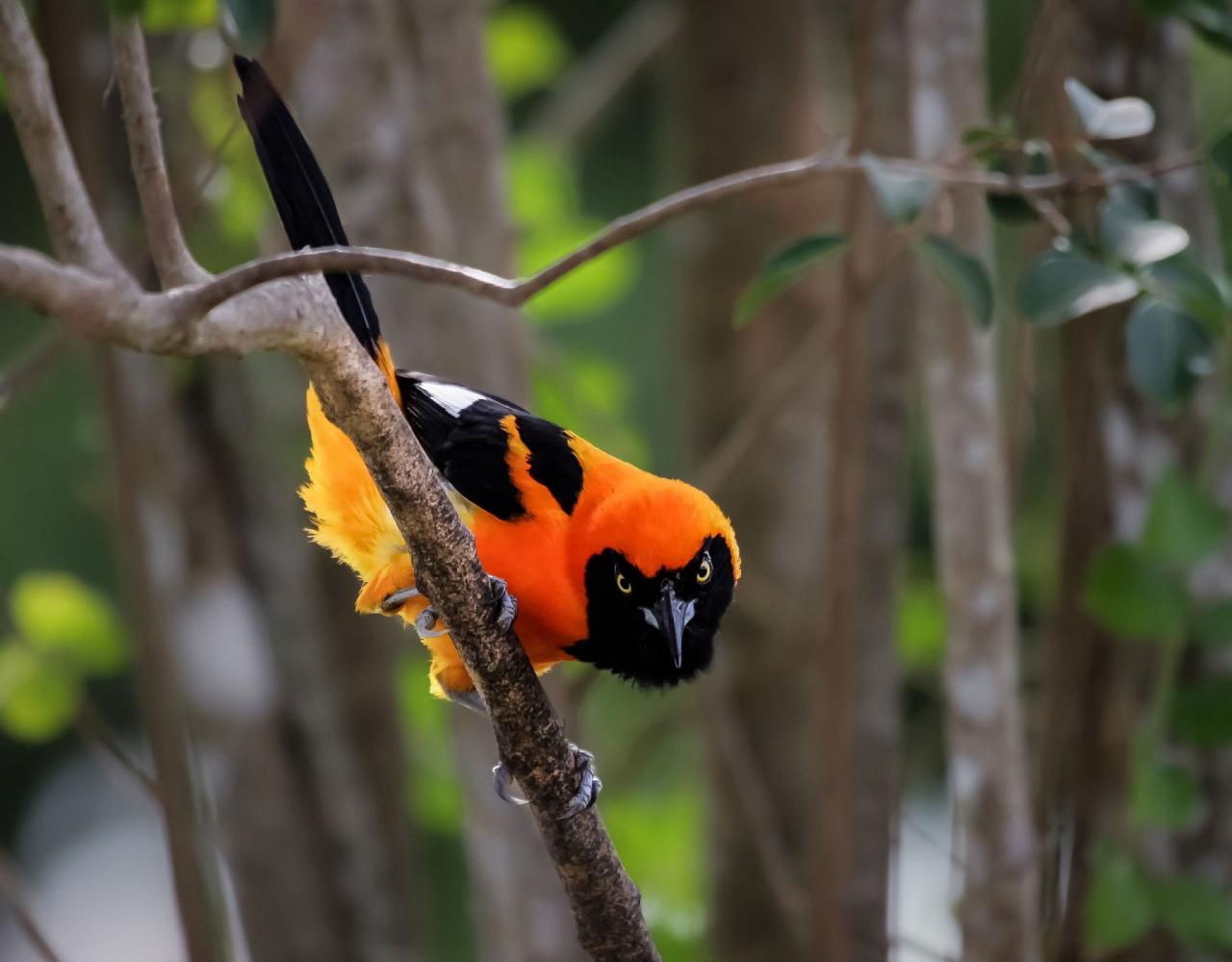
Orange-backed Troupial
-
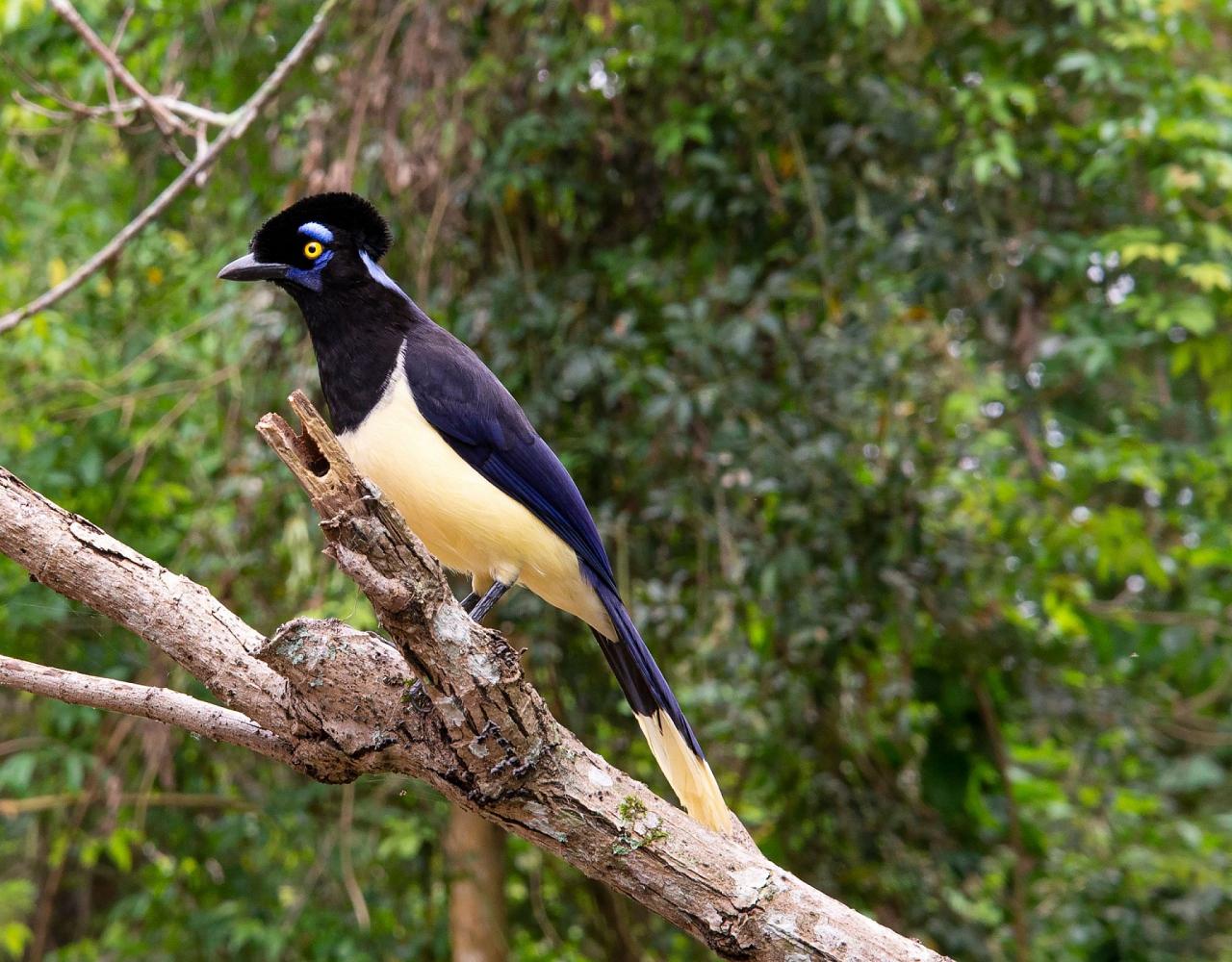
Plush-crested Jay
-
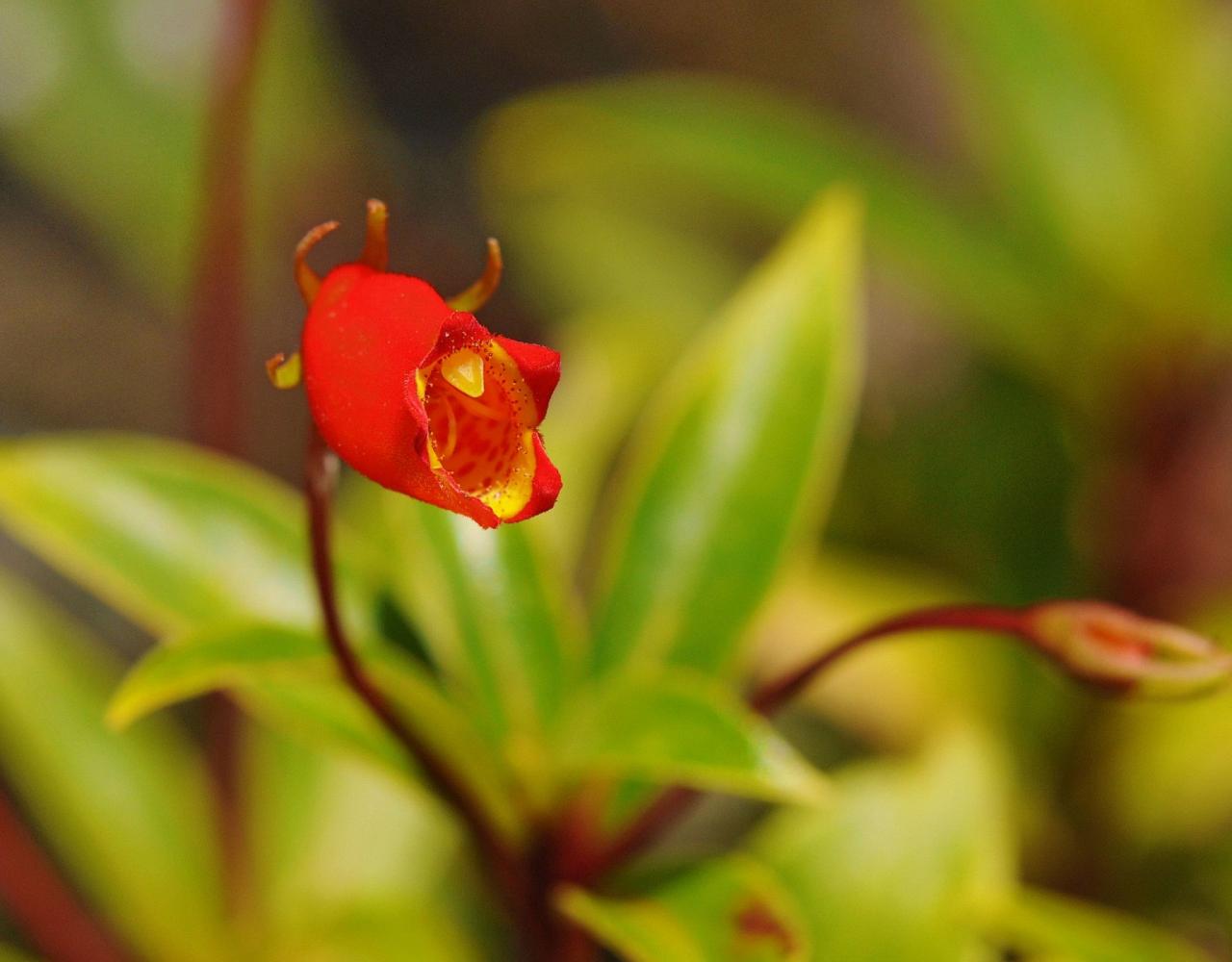
Flora in Amboró National Park
-
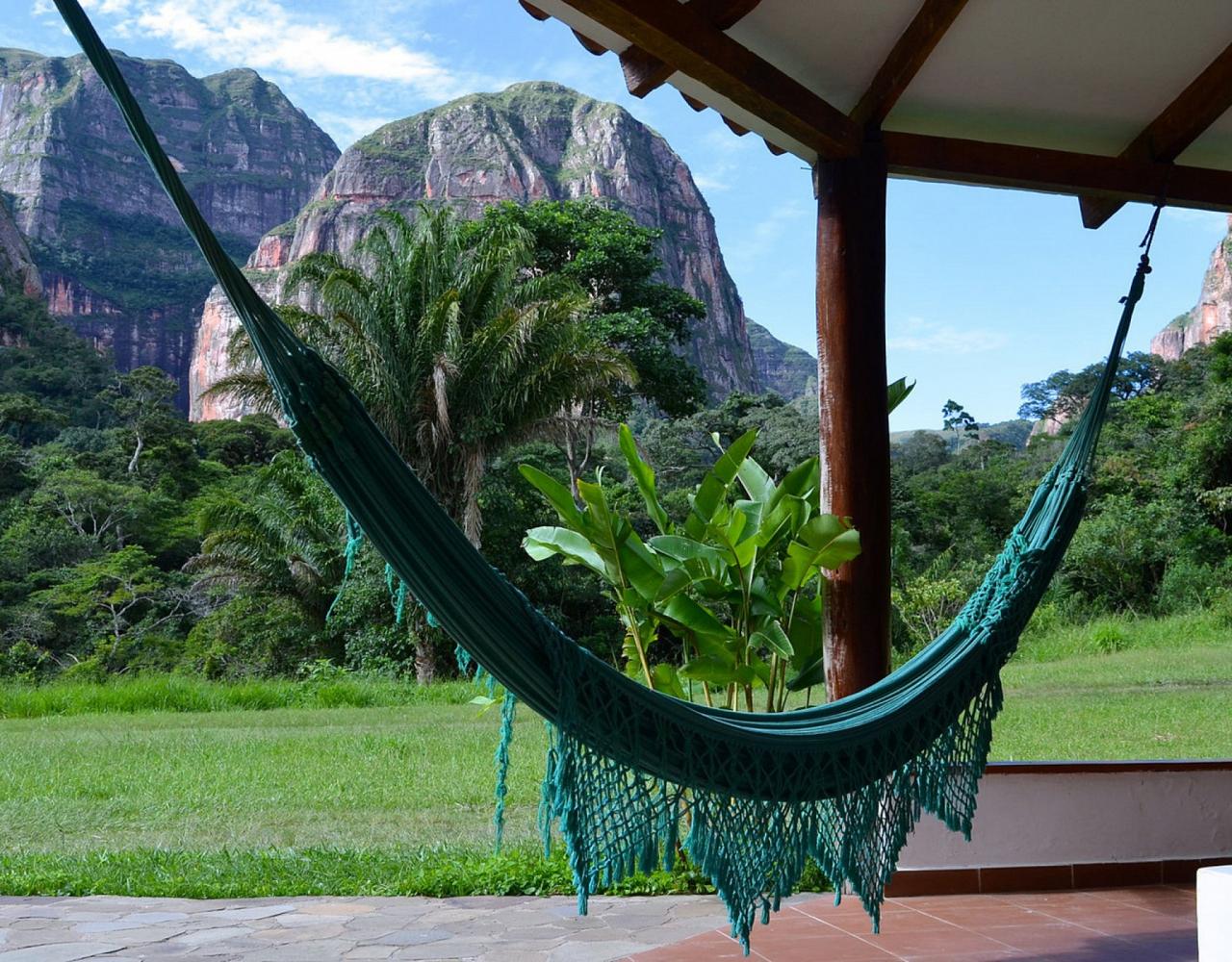
Hammock courtesy of Refugio Los Volcanes
-
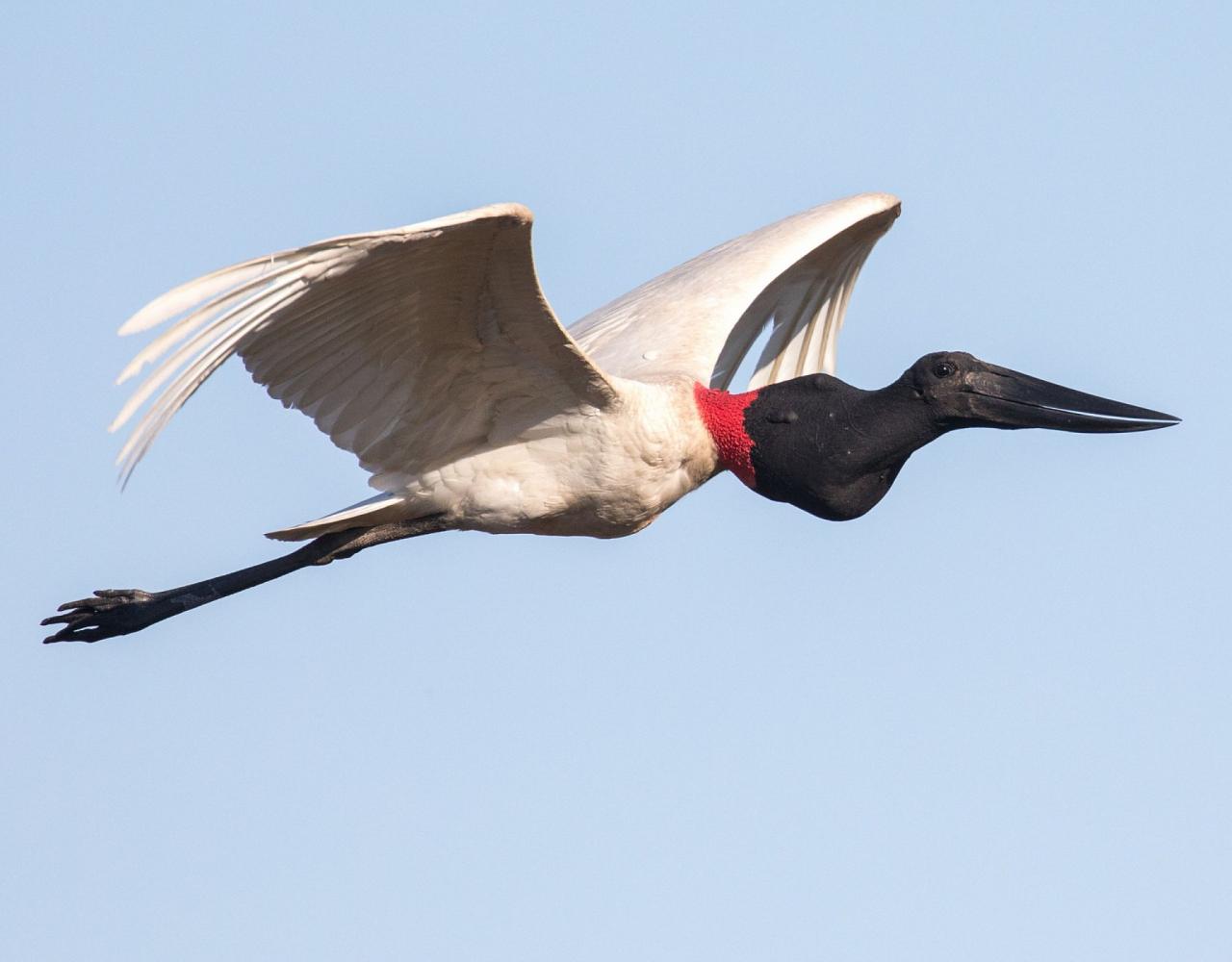
Jabiru courtesy of Asociation Armonia
-
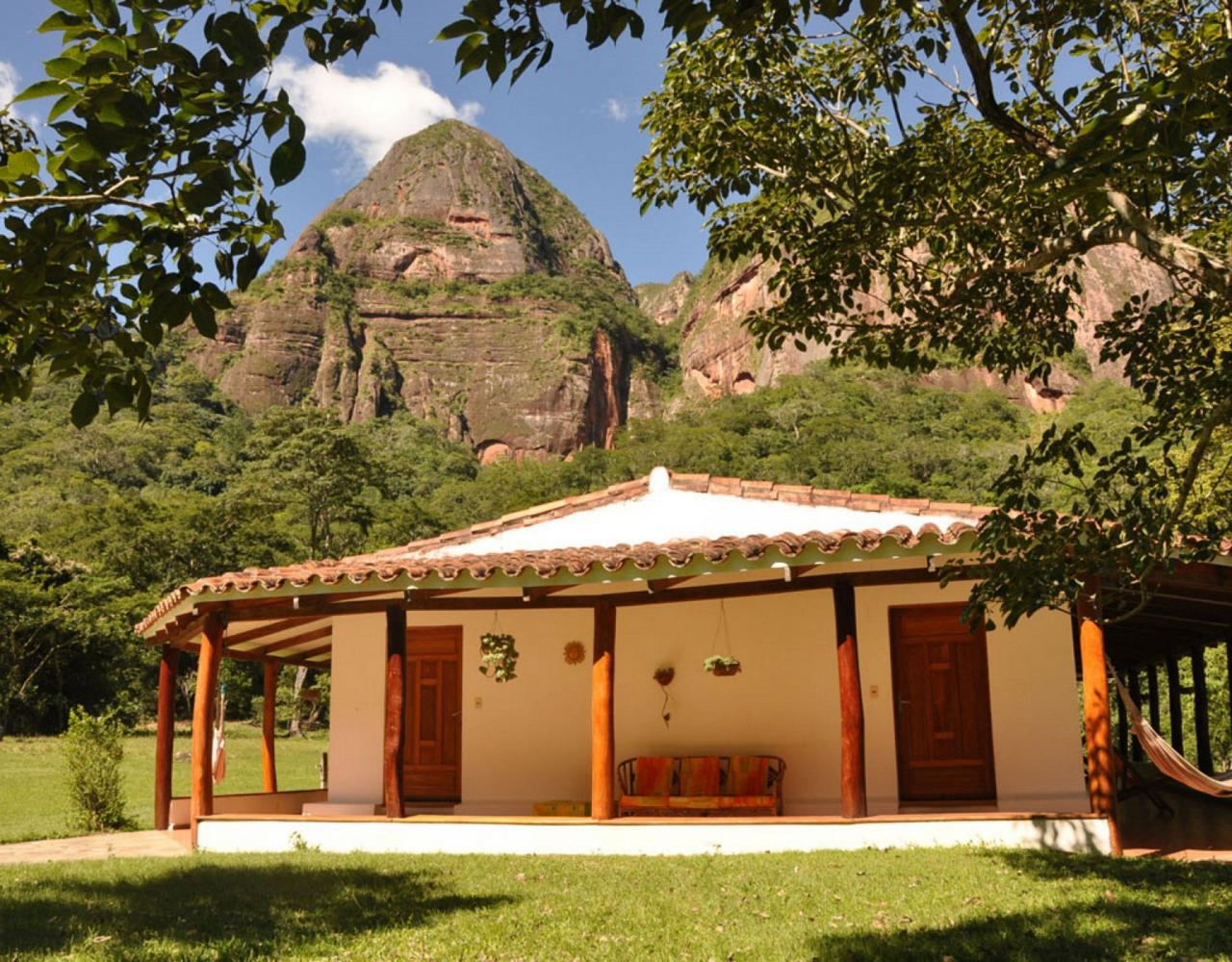
Cottage View courtesy of Refugio Los Volcanes
-
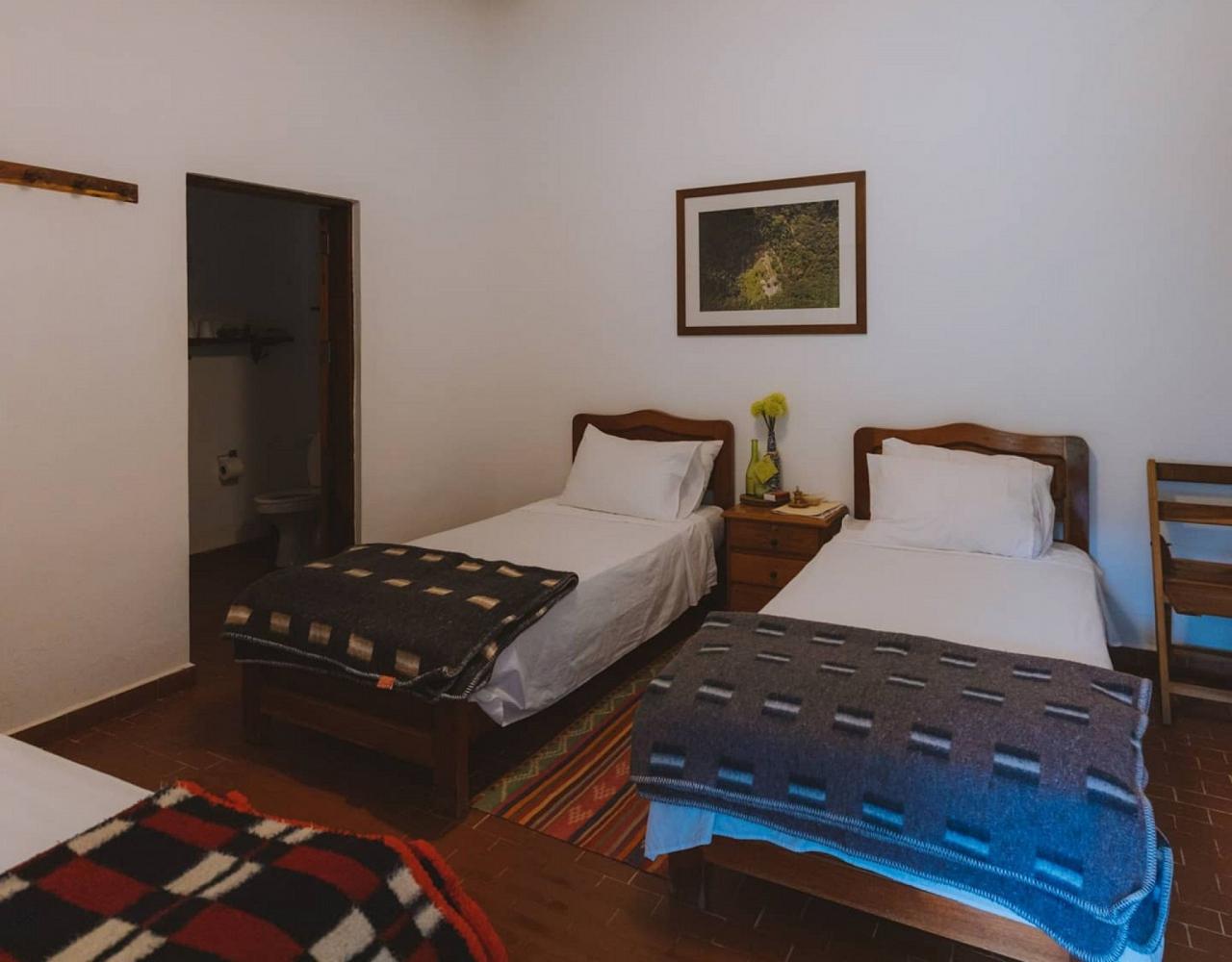
Accommodations at Refugio Los Volcanes
-
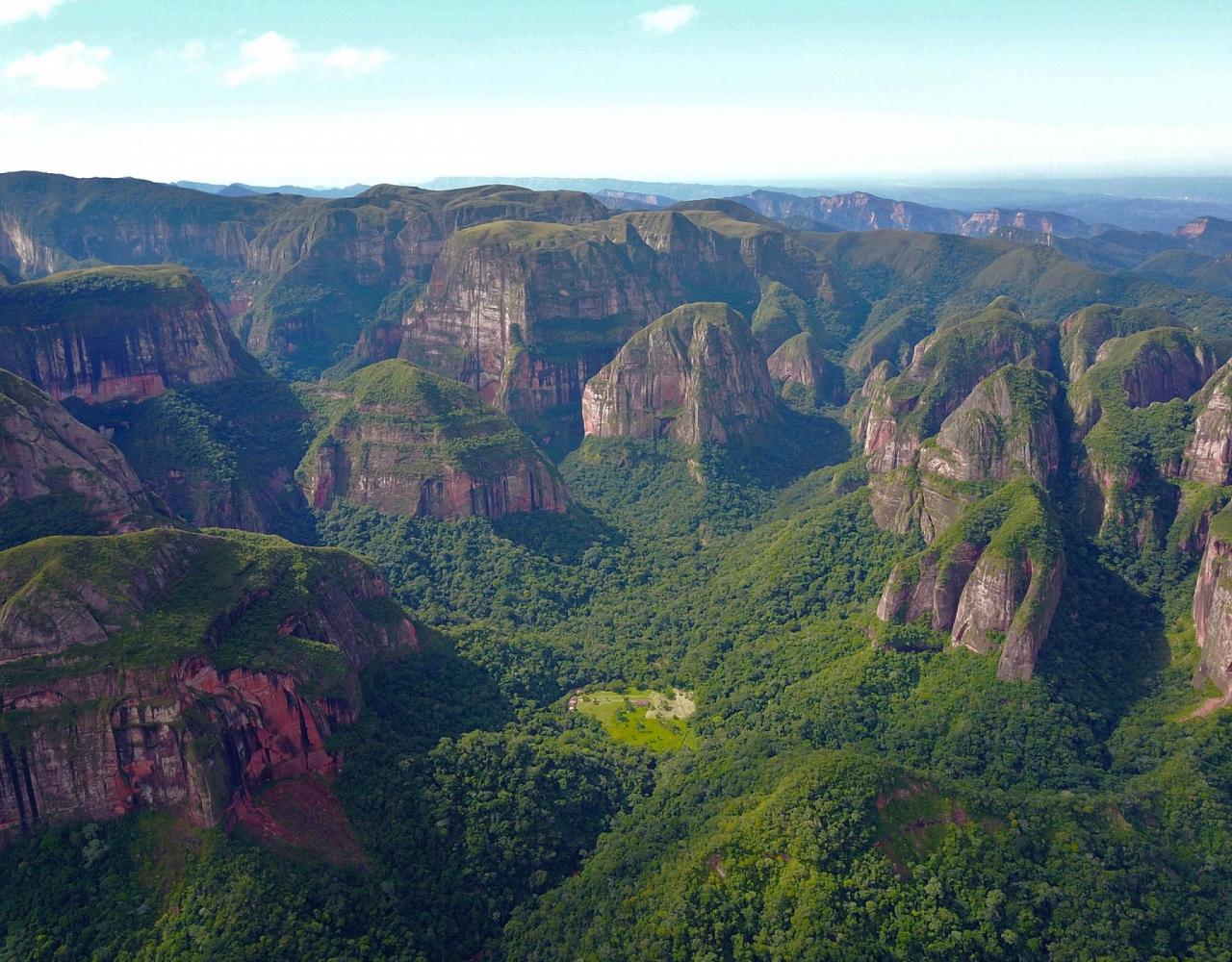
Panoramic Views courtesy of Refugio Los Volcanes
-
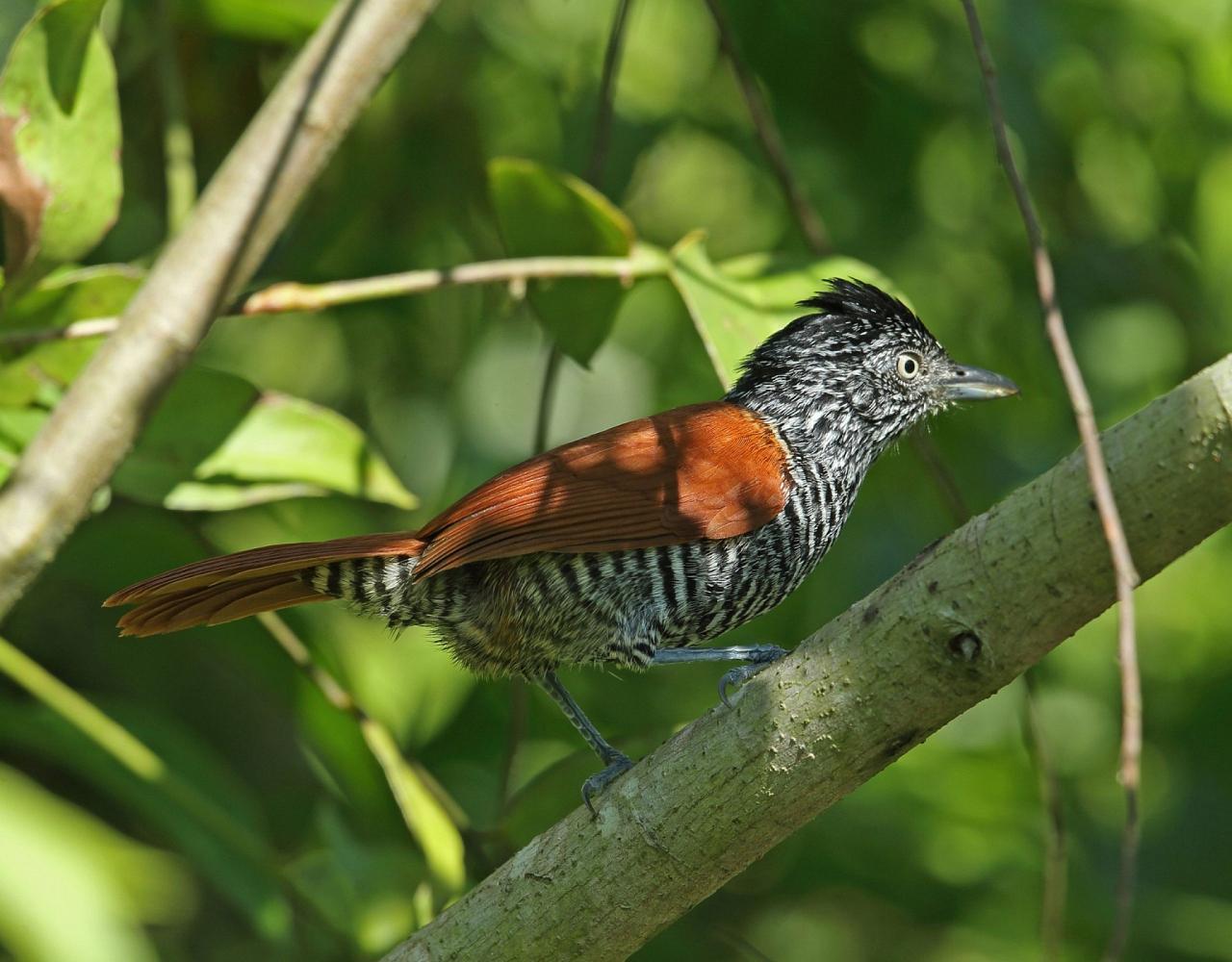
Chestnut-backed Antshrike
-
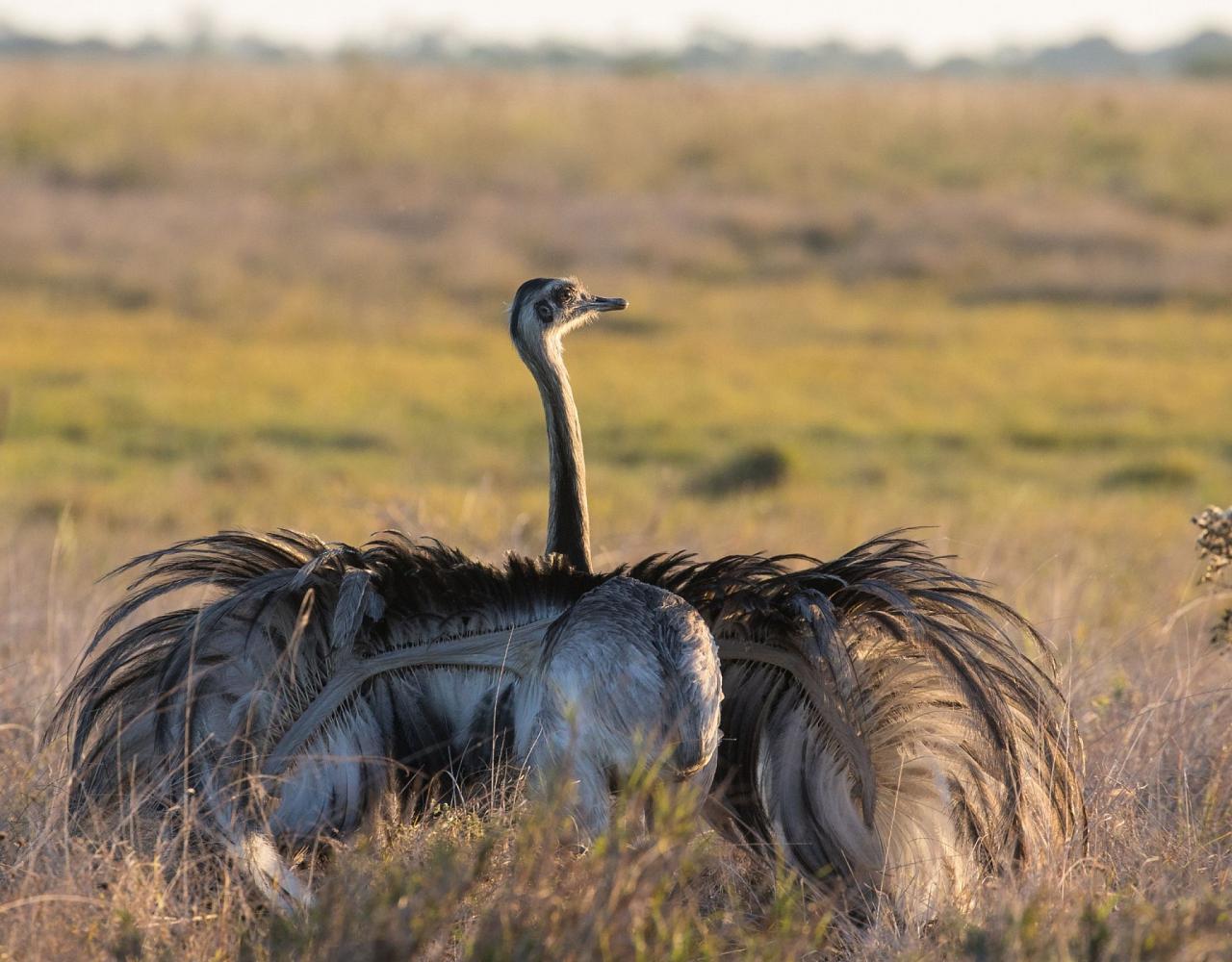
Greater Rhea by Lennart Verheuve
-
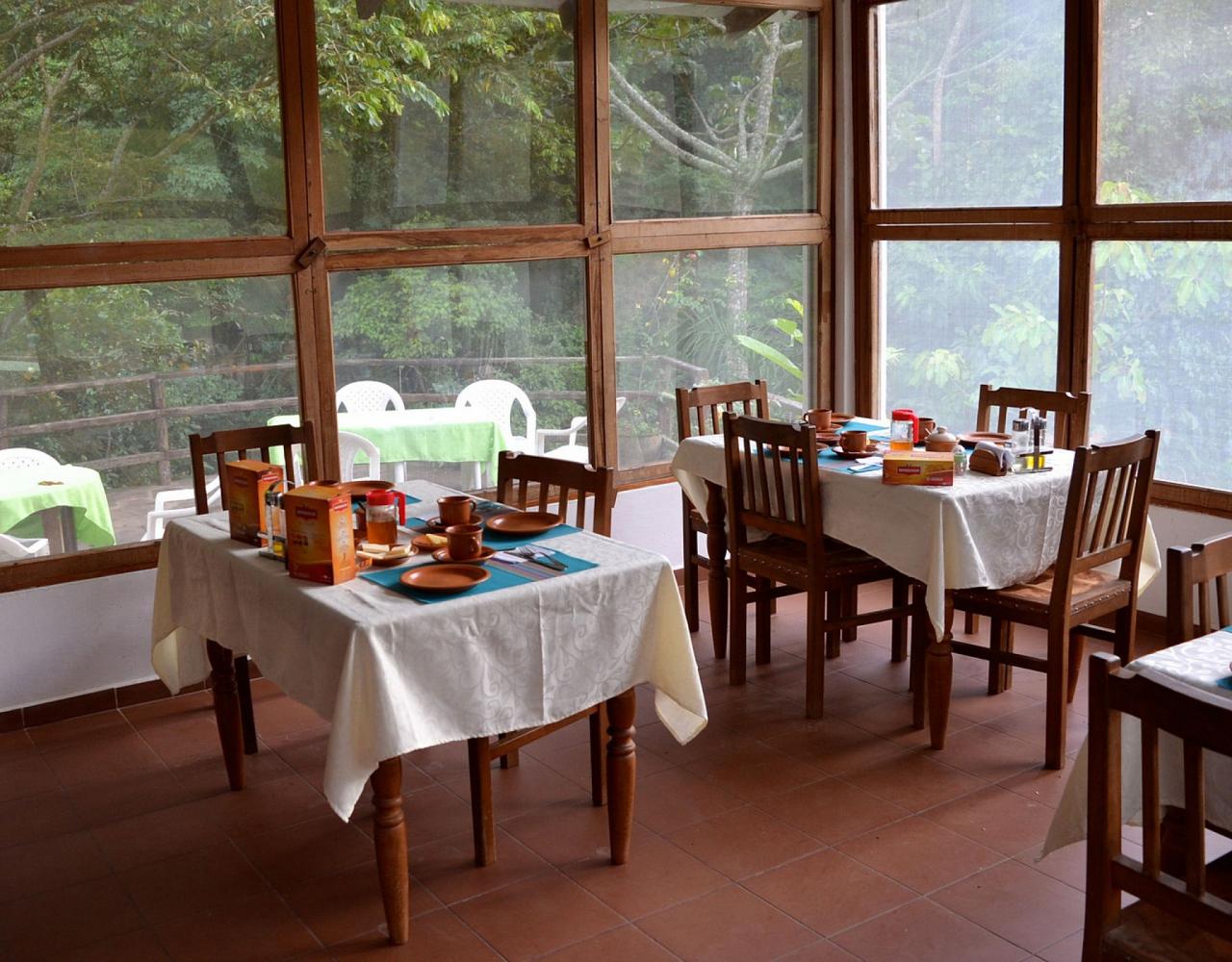
Refugio Los Volcanes Dining Room
-
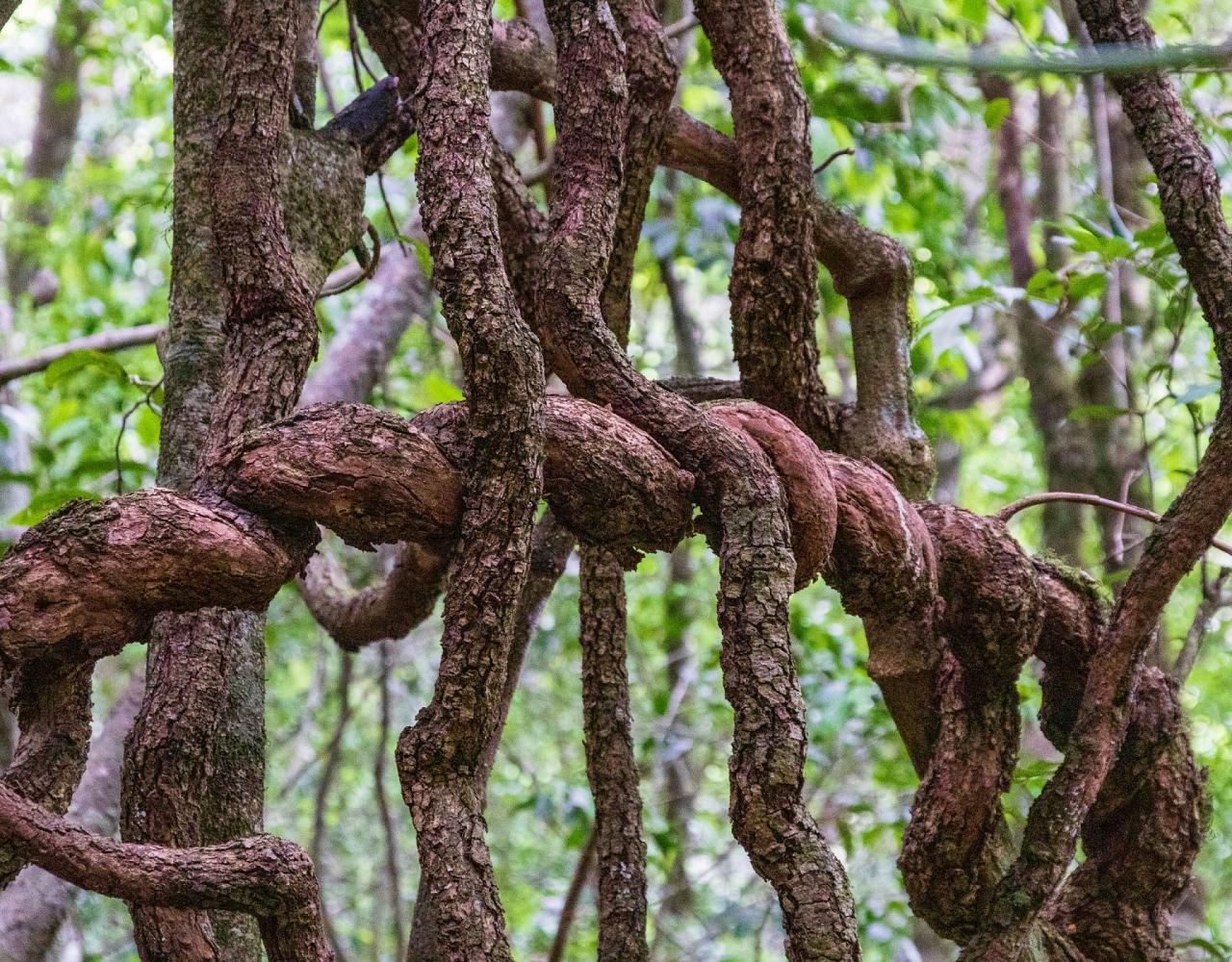
Lianas in Amboró National Park
-
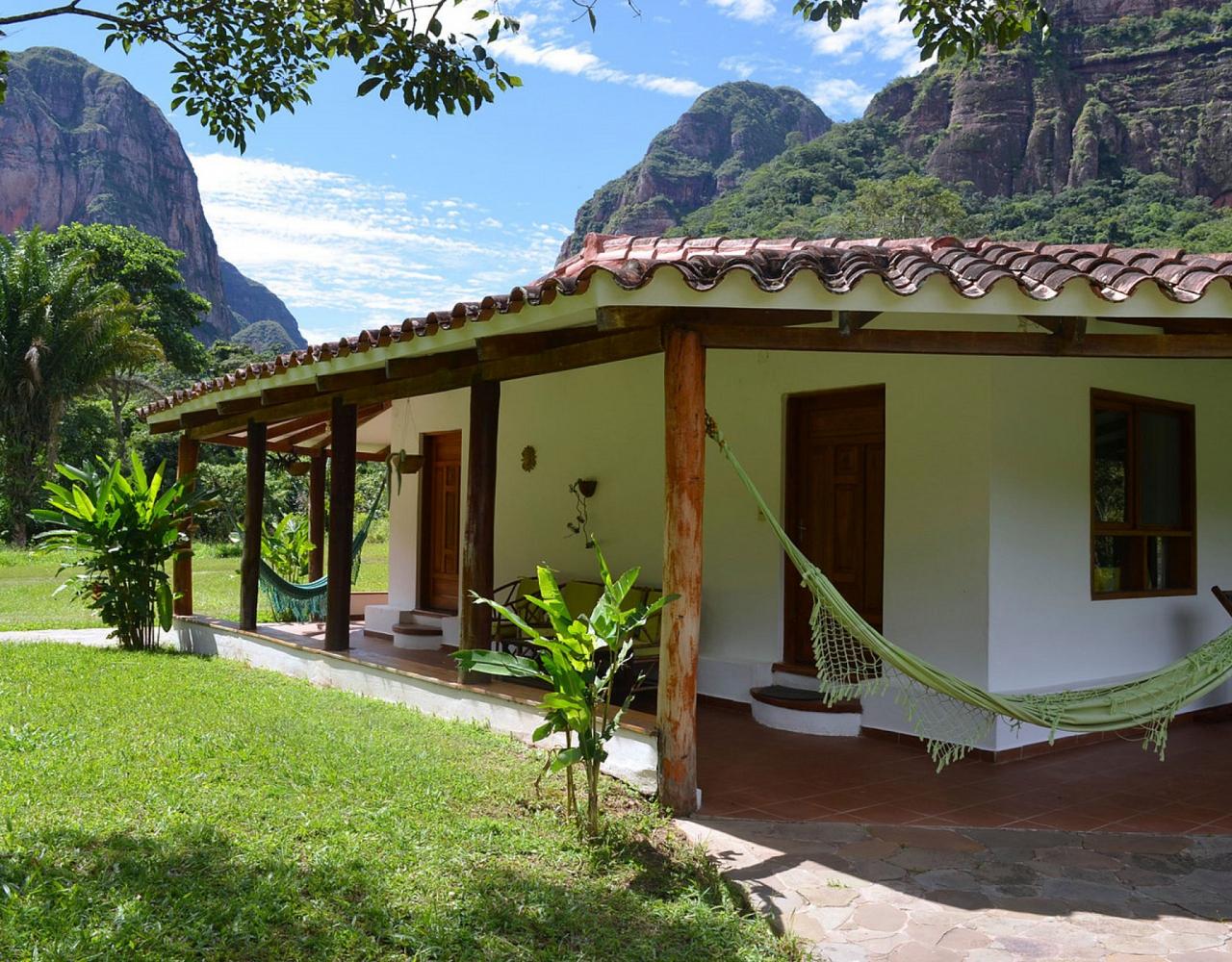
Cottage View courtesy of Refugio Los Volcanes
-
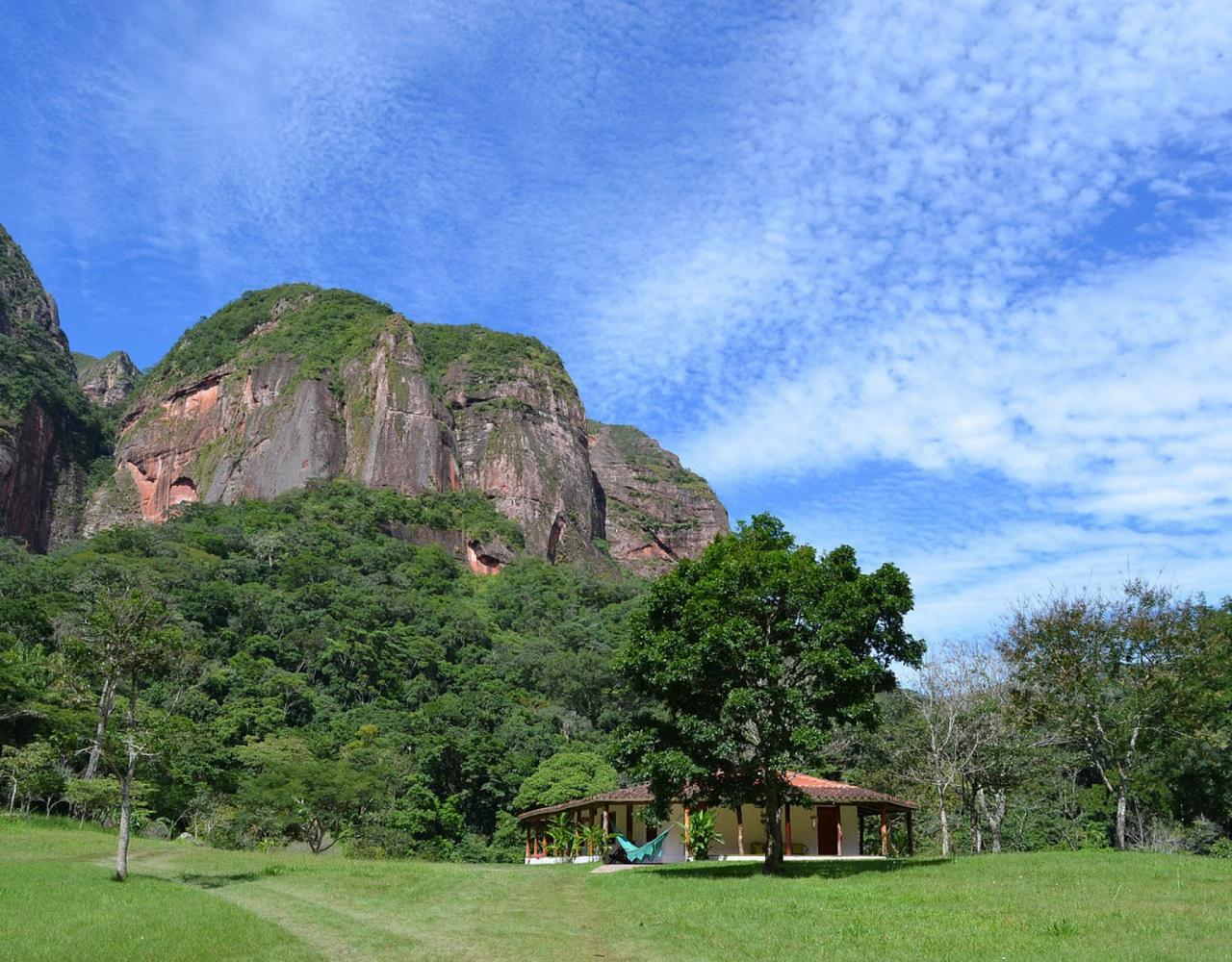
Refugio Los Volcanes
Cost of the Journey
Cost of the tour is $7215 DBL / $7915 SGL per person, based on occupancy, from Santa Cruz, Bolivia. Tour price includes 13 nights’ accommodations, airport transfers, and professional guide services. It includes land transportation within Bolivia, park and reserve entrance fees, pre-departure information and services, miscellaneous program expenses, accommodation and meals at all lodges, private transport, and private bilingual bird/naturalist guide.
NEW! for 2026, all tips other than your NJ guide (optional) are included (this includes tips for your local guide, driver, lodge and staff, day activity, meals and other services).
The cost of the extension is $2990 DBL / $3390 SGL and includes the internal flight from Cochabamba to La Paz.
Cost of the tour does not include your international flights to/from Bolivia, items of a personal nature such as beverages from the bar, laundry, phone calls, or gift items. If you are on the main tour only, the cost of the tour does not include the internal flight from Cochabamba back to Santa Cruz. We will add this $75 flight as a line item to your invoice.
Travel Details
Please plan to make air travel plans only after the minimum group size has been met. We will send you a confirmation email as soon as the trip has been confirmed.
Main Tour Arrival Airport: Viru Viru International Airport (VVI) in Santa Cruz
Main Tour Arrival Details: Please plan flights to arrive October 6, 2026, at your leisure.
Main Tour Departure Airport: Viru Viru International Airport (VVI) in Santa Cruz
Main Tour Departure Details: Please plan flights to depart October 19, 2026, at your leisure.
Post-tour Extension Departure Airport: Alto International Airport (LPB) in La Paz
Post-tour Extension Departure Details: Please plan flights to depart October 24, 2026, at your leisure.
Travel Tips:
Entry Requirements: See "Essential Information" section under the "Know Before You Go” tab.
Browse below for trip reports and species lists from past versions of this and other tours from this destination.
Bolivia
- October 2024
-
Hugo Santa Cruz — Bolivia Expert
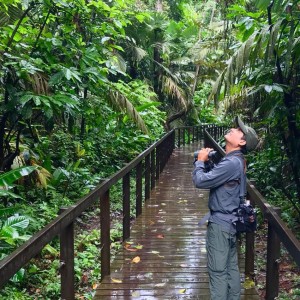
With more than 20 years of experience guiding English-speaking clients in protected areas across a wide range of ecosystems in Bolivia, Chile, Panama, and Costa Rica, Hugo brings extensive expertise in Neotropical ecology, ornithology, and general zoology. His specialties include birdwatching, wildlife observation, environmental interpretation, and wildlife photography. He has trained local guides and park rangers in protected areas throughout Bolivia and Costa Rica, teaching ecotourism, environmental interpretation, ornithology, and other subjects related to sustainable tourism.
Hugo has served as a consultant on ecotourism and protected area management projects for a variety of government, non-governmental, and private institutions, and is a former university lecturer. Additionally, he is a photographer and writer whose work has appeared in numerous books and magazines focused on nature conservation, ecotourism, and protected areas.Other trips with Hugo Santa Cruz — Bolivia Expert
-
 Bountiful Bolivia: Birding & Nature in the High AndesNovember 2 - 15, 2027, w/La Paz/Lake Titicaca extension
-
-
Greg Butcher

Greg recently retired as the Migratory Species Coordinator for U.S. Forest Service International Programs, working throughout the Western Hemisphere, and as Vice President for Audubon Society of Northern Virginia, serving on the Conservation and Citizen Science committees. He is currently a Board Member for BirdsCaribbean. For his Ph.D. in Zoology at University of Washington, he studied the coloration and behavior of Bullock’s Orioles. Greg studied ecology in Costa Rica with the Organization for Tropical Studies and has worked internationally for the past 20 years. Greg previously worked for the National Audubon Society, American Birding Association, Birder’s World magazine (sadly, now defunct), Partners in Flight, and Cornell Lab of Ornithology. He is a Fellow of the American Ornithological Society (AOS). He has been a birder since he was 11 and has birded in all 50 states and 47 countries.
Other trips with Greg Butcher
-
 Birds & Nature of New Zealand FULL - Check out Papua New Guinea & Australia's Wet Tropics in July!January 12 - 28, 2027
 -
 Thailand Birding & Nature FULL - Check out Sri Lanka!February 17 - March 7, 2027
 -
 Ecuador's Incredible Chocó: Three Great LodgesApril 6 - 15, 2027
 -
 China’s Sichuan Basin & Tibetan PlateauJune 11 - 27, 2027
 -
 Alaska SamplerAugust 9 - 17, 2027
 -
 Guyana: Unspoiled WildernessNovember 4 - 15, 2027
-
Essential Information +
Pace & Protocols +
Packing List +
Suggested Reading List +
Useful Links +
-
 Ecuador's Incredible Chocó: Three Great Lodges CLOSED - See our Ecuador Hummingbird Series!April 3 - 12, 2026
 -
 Ecuador: Biodiversity Across the Andes! FULL - See our March departure!November 3 - 16, 2026
 -
 Ultimate Patagonia FULL - See our 2027 departure!November 5 - 19, 2026
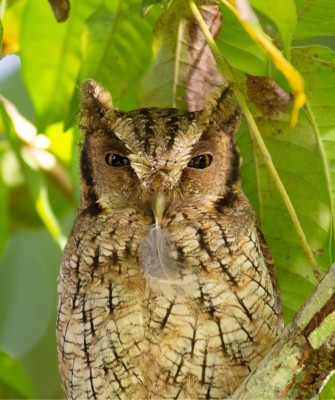
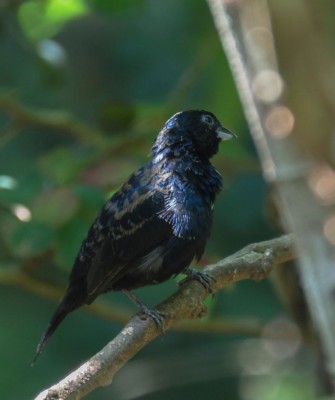
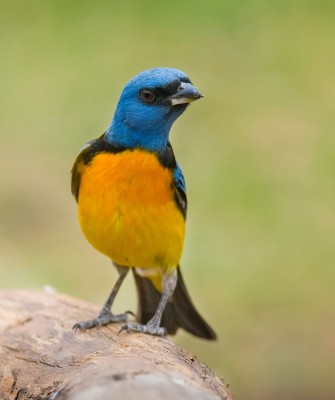
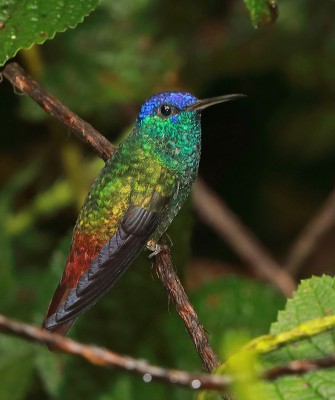
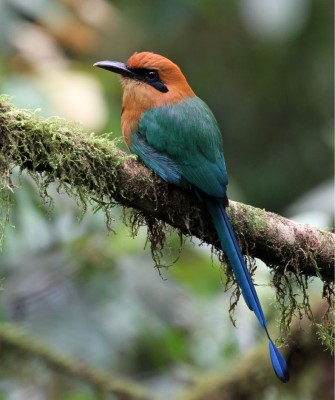
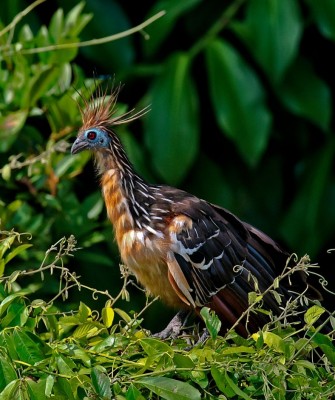
Photo credits: BANNERS: Red-fronted Macaw, Amboró National Park, Fawn-breasted Tanager, Night Sky (courtesy of Refuge Los Volcanes Ecolodge), Carmiol’s Tanager, Russet-backed Oropendola THUMBNAILS: Collared Trogon, Tropical Screech-Owl, Ultramarine Grosbeak, Toco Toucan, Blue-and-yellow Tanager, Golden-tailed Sapphire, Broad-billed Motmot, Hoatzin