
Brazil’s Pantanal: A place of superlatives. Home to the world’s largest fresh-water wetlands, the Pantanal is ten-times the size of the Everglades, draining into a single channel: the Paraguay River. We venture deep into this world-class wildlife hotspot on a long road that bisects the Transpantaneira wilderness, in search of an adventure that can’t be missed.
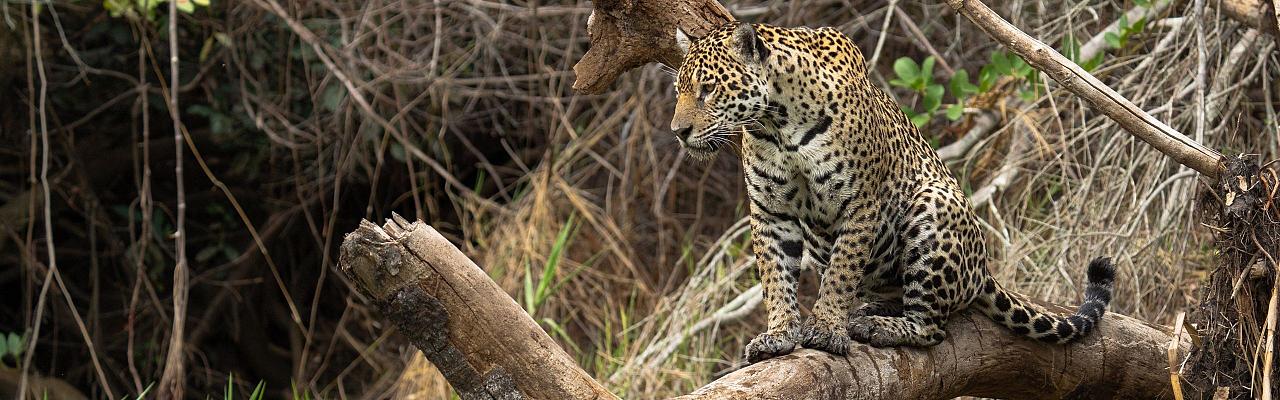
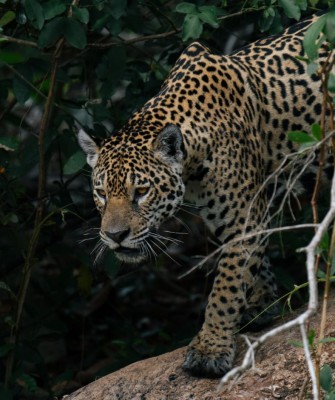
In this famed region, we discover wildlife thriving in a mix of savanna, forest, and wetland habitats. Even a relaxed day can yield more than 100 species of birds and dozens of mammals, including the famous Jaguar. Not to mention, Capybara are everywhere!
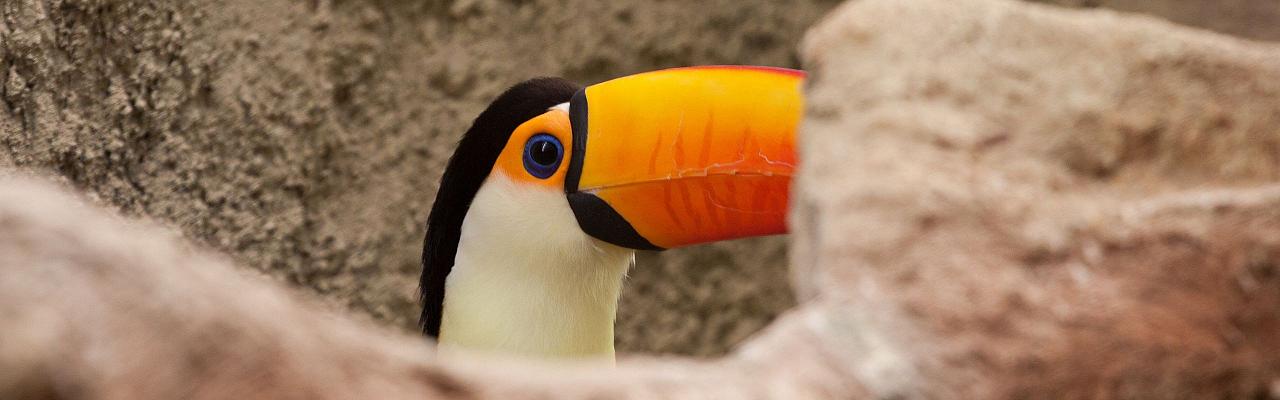
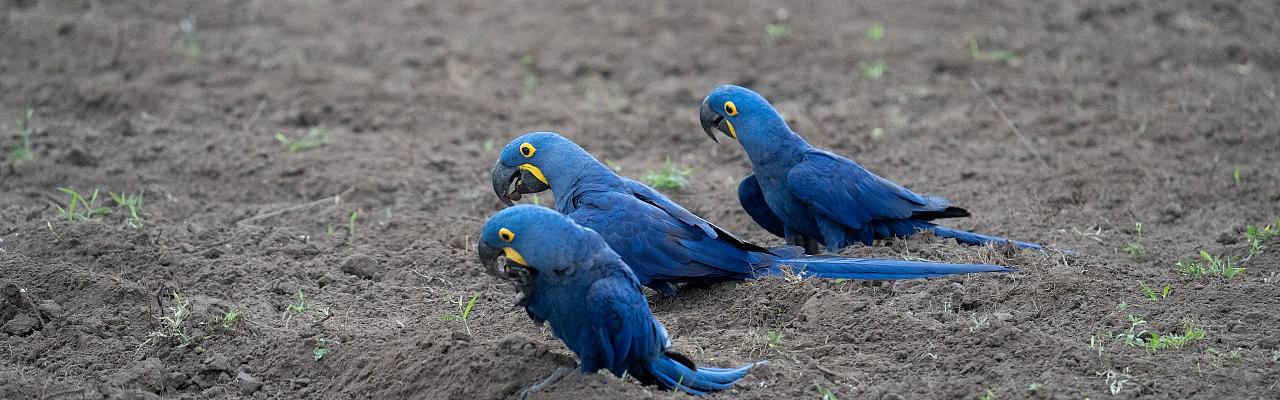
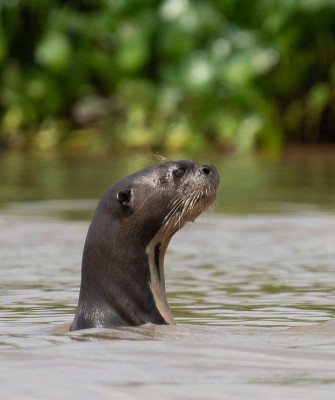
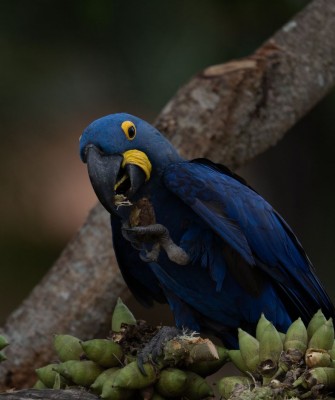
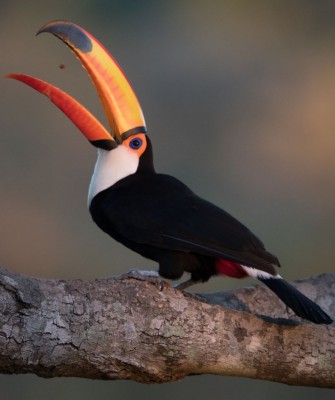
Brazilian Tapir, Capybara, Giant Anteater, Giant Otter, and yes, Jaguar, are five of many incredible mammals we seek, while Greater Rhea, Hyacinth Macaw, Toco Toucan, and Helmeted Manakin top the list of impressive bird sightings. Rare Yellow Anaconda, one of the world’s largest snakes, may be a lucky find, while the small (for a crocodilian at least) Yacaré Caiman can be seen by the thousands. For many, it is the sheer number and variety of species that leaves the most lasting impression.
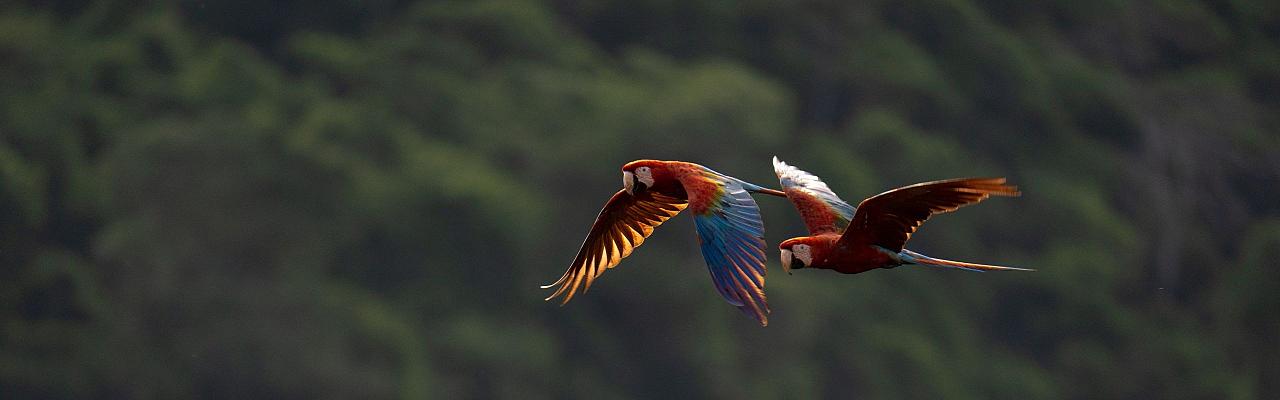
Charming (and working) cattle ranches serve as our accommodations, each with its own impressive and distinctive wildlife community. Lazy afternoons invite photographers to wander between shade circles of the ranch trees for rare time with Hyacinth Macaw and other species.
- “AWESOME, FANTASTIC. A trip of a lifetime! (Guides) Wes and Marco were as good as it gets.” — Charles Henderson, 2023 Traveler
- “I’ve already told family and friends that it may have been the very best trip I’ve ever taken. Oh, the jaguars! Watching three different ones for extended periods of time surpassed my expectations. And I got such wonderful photos and videos.” — Laura Jelemensky, 2023 Traveler
- “Excellent opportunity to view Brazil's southern (Panatal) wildlife. Remarkable birding…for me the most new species ever on a trip. Four different jaguars in three different locations; loved the Giant Anteaters…We were fortunate to see 20 within a two-day period; and Giant River Otters!” — Joyce Kelly, 2023 Traveler
- “Great opportunity to see lots of iconic wildlife up close…Capybaras were the reason I went to the Pantanal. Great to see other mammals like Giant Anteater too.” — Andrew Kimmel, 2023 Traveler
- “Amazing! Like a safari in the Land Before Time.” — Heather Warm, 2023 Traveler
- “If you want to see the birds and wildlife of the Atlantic forest and the interior of Brazil take this trip! It is a bit rugged and you are constantly on the move to see more species but it is well worth the effort. We saw over 300 species of birds, from flightless Greater Rhea, many colorful Macaws including the largest, Blue Hyacinth, my favorite Southern Lapwing, and little Eared Pygmy Tyrant, Piculets, and Pygmy Kingfisher. The greatest excitements were given the Giant Anteaters, the river bank Jaguars, and our one night roaming Cougar.” — James Cheevers 2023 Traveler
- “Amazing, exhausting, and exotic. As an amateur photographer the Pantanal was a wonderful location to see birds and wildlife out in the open, not too afraid of humans. Field trips were great as were the guides. I loved all the boat trips. Wes Larson was the American guide and was very patient and kind. He was organized and made sure everything ran as smoothly as possible. Benedetto was the Brazilian guide and was knowledgeable about birds and his English was excellent.” — Deborah Ellinger, 2023 Traveler
- “We saw many beautiful birds, great views of jaguars hunting along shorelines, a diversity of other mammals such as anteaters, armadillos, capybaras, deer, giant otters, peccaries, and monkeys, and, of course, plenty of caimans. The trip was well-guided, the accommodations were comfortable, the staff at the posadas and other places were friendly, and the drivers and boatmen were friendly.” — Gayle Garman, 2023 Traveler
Tour Highlights
- Cruise the Cuiaba River for the best chances in the world at a Jaguar sighting
- Watch for South America’s “Big Five” of mammals: Jaguar, Giant Anteater, Giant Otter, Brazilian Tapir, and Capybara
- Scout for the “Big Five” of birds: Harpy Eagle, Greater Rhea, Hyacinth Macaw, Toco Toucan, and Helmeted Manakin. Plus Southern Screamer, Sunbittern, Scarlet-headed Blackbird, and so many more!
- Experience the Transpantaneira wilderness road on safari-like excursions
- Look for five species of kingfisher
- Enjoy delicious local cuisine and exceptional hospitality at fazendas (working cattle ranches)
- See water birds in mass congregation — like those of the Everglades, but magnified!
- Watch for at least four species of monkeys and several hundred species of birds
- Discover the intense southern sky constellations at night
Trip Itinerary
Itineraries are guidelines; variations in itinerary may occur to account for weather, road conditions, closures, etc. and to maximize your experience.
Fri., Aug. 27 Arrival in Cuiaba
Arrive today in Cuiaba, Brazil. If you arrive early in the day, we have an optional outing to the local botanical garden, where we can do some casual birding and see what other wildlife may be around. We officially start our tour with a welcome dinner where we meet your guides and fellow travelers. We invite you to sample Brazil's national cocktail, the caipirinha, made with cachaça (sugarcane liquor), sugar, and lime. We predict this may be the first of many.
Accommodations at the Hotel Amazon (D)
Sat., Aug. 28 Wildlife Spotting on the Transpantaneira | Drive to Pouso Alegre
We depart down the Transpantaneira, keeping an eye out for Red Brocket Deer, Marsh Deer, Crab-eating Fox, Greater Rhea, Chestnut-bellied Guan, Bare-faced Curassow, and a mix of wading birds. It's a 2+ hour drive to Pouso Alegre, a huge fazenda (cattle ranch) known for excellent wildlife, but our drive always takes longer — so many wildlife stops! Bridges are hotspots from which we can view the presence of a huge food supply; Green Kingfisher, Great Egret, Cocoi Heron, both Bare-faced and Green Ibises, and White-lored Spinetail are just a few species we may see.
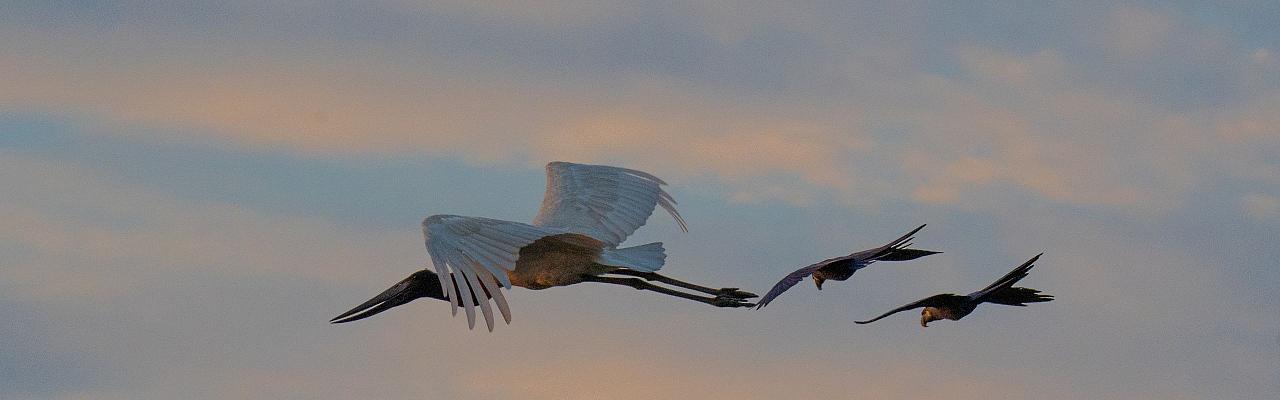
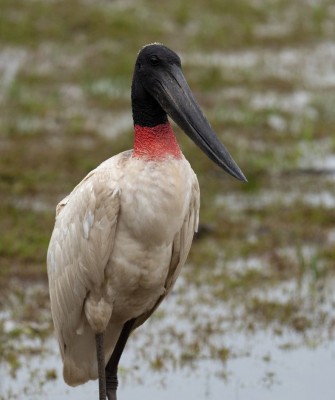
We pass through scattered palm woodlands, cerrado scrub, and seasonally-flooded grasslands reminiscent of the Everglades. Roadside ponds and canals are filled with waders: Roseate Spoonbill, Plumbeous Ibis, Limpkin, cormorants, herons, kingfishers, and their predator, Yacaré Caiman. Dry water conditions concentrate the fish for foraging waders like massive Jabiru and Maguari Stork.
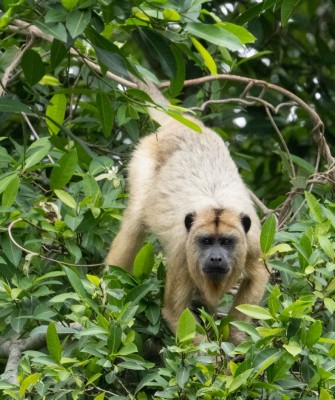
Pouso Alegre is lovely, with palms that attract several resident pairs of brilliant blue Hyacinth Macaw. The open savanna is edged by evergreen and semi-deciduous woodlands. Once settled, we can enjoy trails and drives from the lodge for chances at rare Giant Armadillo, along with Black-tailed Marmoset, Black and Gold Howler Monkey, Southern Tamandua, and Giant Anteater. Among the snakes is one of the greatest of them all, the Yellow Anaconda. The fazenda is also home to 13 parrot species, seven owls, 11 woodpeckers, and 16 hummingbirds. A highlight is the brilliant blue Hyacinth Macaw that roosts within earshot of the lodge.
At the ranch house, Brown Capuchins may join the various parrots and Monk and Yellow-chevroned Parakeets working over ripe mango trees. Long-tailed Ground Dove feed just outside the gate and Ferruginous Pygmy Owl call from the mango trees at dusk.
Relax at the ranch tonight and enjoy Brazilian barbecue.
Accommodations at Pouso Alegre (B,L,D)
Sun., Aug. 29 Wildlife Spotting on the Transpantaneira | Drive to Porto Jofre
We spend a bit more time exploring around our lodge before we head off to Porto Joffe, the “end of the road.” Palms attract several resident pairs of Hyacinth Macaw. We make time this afternoon for a Jaguar safari drive, hoping to spot these incredible cats (and more!) from land before our time on the river. From this little town on the Cuiabá River, we settle into our lodgings—a clean and modern hotel right on the river. This hotel allows us to stay close to where the wildlife has been spotted; we explore from the hotel each day on smaller boats.
We check into our rooms, have dinner, then have a briefing on safety and wildlife we hope to see. If skies are clear, star viewing is impressive you can see the Southern Cross!
Accommodations at the Santa Rosa Hotel (B,L,D)
Mon., Aug. 30 & Tues., Aug. 31 Two Full Days Looking for Jaguar, Jabiru, Giant Otter & More | Jaguar Boat Excursion
Awake on the river to a host of sounds and the sight of macaws and more flying overhead. We use smaller speedboats to spend these two days searching for the iconic Jaguar, known for their affinity to water. They are good swimmers, and often lay down along the shore after a swim. Chances are good that we see at quite a few, male and female—perhaps even together!
We lunch back at the lodge, take a short siesta (yes, love that AC … ) and try for Jaguar again in the afternoon. Wildlife is plentiful in this remote part of the Pantanal, so once we accomplish the main task (a Jaguar, of course) we have time to admire other species like Giant Otter, Black Skimmer, Pied Plover, Southern Screamer, and Yacaré Caiman. We also visit little streams for skulkers like Pygmy Kingfisher and Sungrebe.
By late afternoon we return to the lodge. We celebrate our sightings with caipirinhas before dinner!
Accommodations at the Santa Rosa Hotel (B,L,D)
Wed., Sept. 1 Wildlife on the Lower Transpantaneira
After two days immersed in the wildest part of the Pantanal, we return north, retracing our route. We are not in a hurry though, and work some of the areas we previously traveled in more detail.
Perhaps we find a troop of Black-and-Gold Howler Monkey, Chestnut-eared Aracari, Snail Kite, Rusty-backed Antwren, Common Tody Flycatcher, White-browed Blackbird, and others species as we drive to our next lodge. We watch for Cream-colored Woodpecker, Ashy-headed Greenlet, Short-crested Flycatcher, Mato Grosso Antbird, Great Antshrike, and Purple-throated Euphonia. Near water we find Whistling and Capped Herons, Pygmy and Ringed Kingfishers, Sunbittern, Black-collared and Great Black Hawks, and Rusty-backed Spinetail.
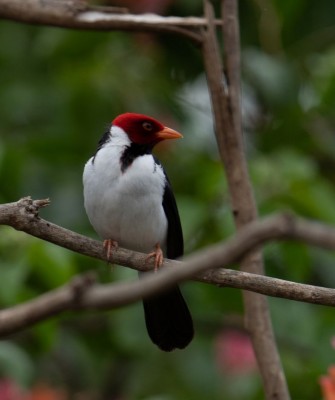
Once we arrive at the hotel on the Rio Pixium, we settle in and check the feeders for brilliant-colored troupials, Palm, Silver, and Sayaca Tanagers, and Red-crested Cardinal. At this point in our journey we have seen numerous mammals and birds, and we can base our efforts on finding anything missing from our list.
Accommodations at Pantanal Mato Grasso Hotel (B,L,D)
Thurs., Sept. 2 Pixaim River Area Wildlife
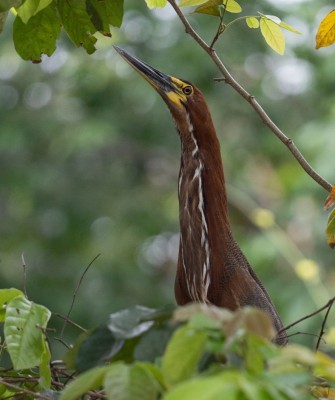
It’s another morning for gazing at the sunrise while sipping good Brazilian coffee. This morning, pending what we still need to see, we can do a safari drive, or we can take a small boat ride on the Pixaim River to spot secretive species like Agami and Zig-Zag Herons. This is a good spot for Giant Otter and, with luck, a Tapir.
The landscapes are iconic and make for great pictures. We look for Black-capped Donacobious, Green-and-rufous Kingfisher, Little Blue Heron, and other species like some very impressive iguanas. We can break up our drive with a walk in Gallery Forest habitat looking for special birds like Helmeted Manakin, Mato Grosso Antbird, Band-tailed Antbird, Black-hooded Tanager, Blue-crowned Trogon, and more.
Dinner finds us sampling authentic Grosso cuisine, including legendary piranha and local beef.
Accommodations at Pantanal Mato Grasso Hotel (B,L,D)
Fri., Sept. 3 Wildlife Viewing | Return Drive to Cuiabá | Departures
Today, we make our way back to Cuiabá; the paved road is perhaps a welcome sight as we bid adieu to the marvelous but often dusty Pantanal. Our plan is to arrive in Cuiabá in time for late afternoon flights home. (B,L)
-
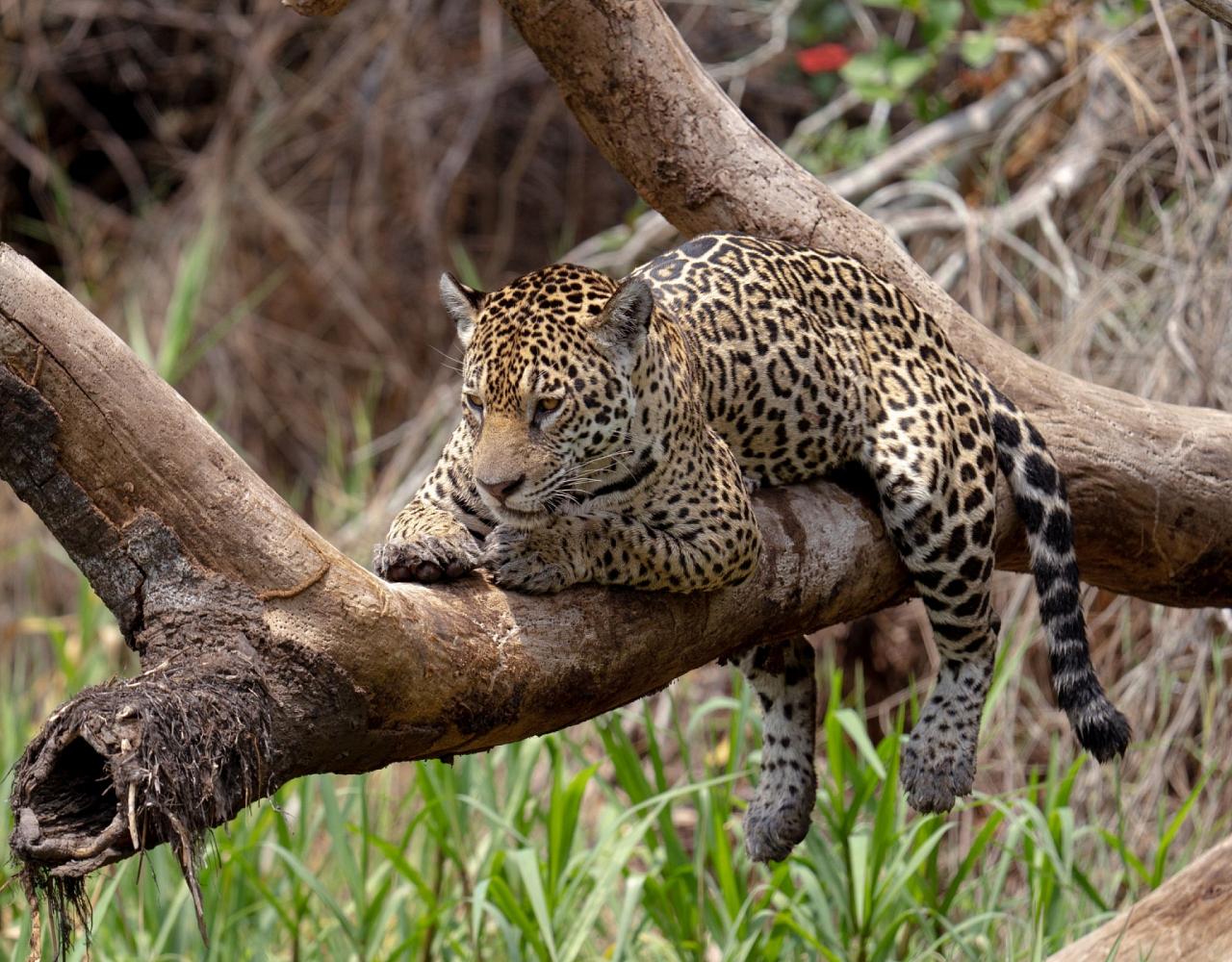
Jaguar by Wes Larson
-
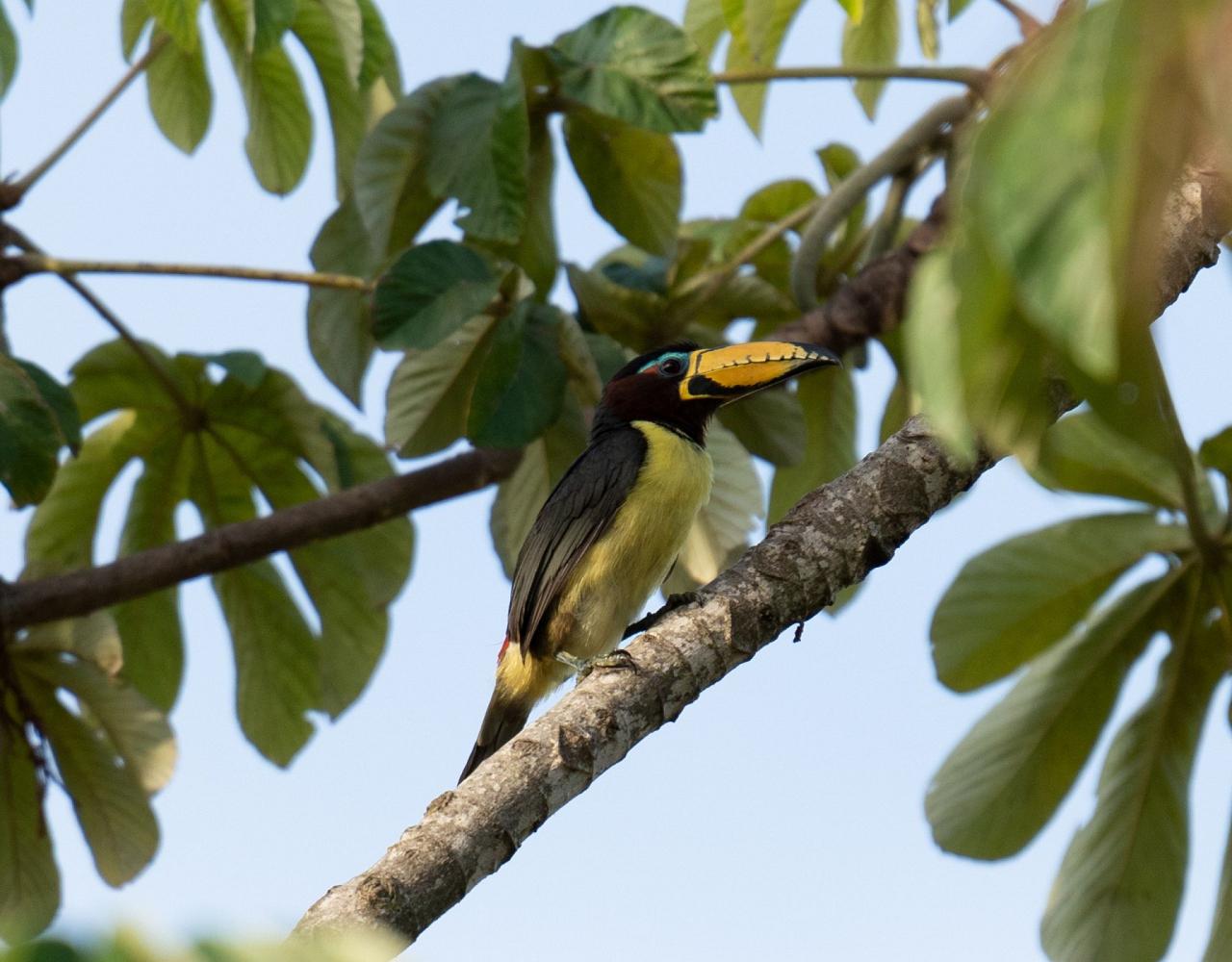
Lettered Aracari by Wes Larson
-
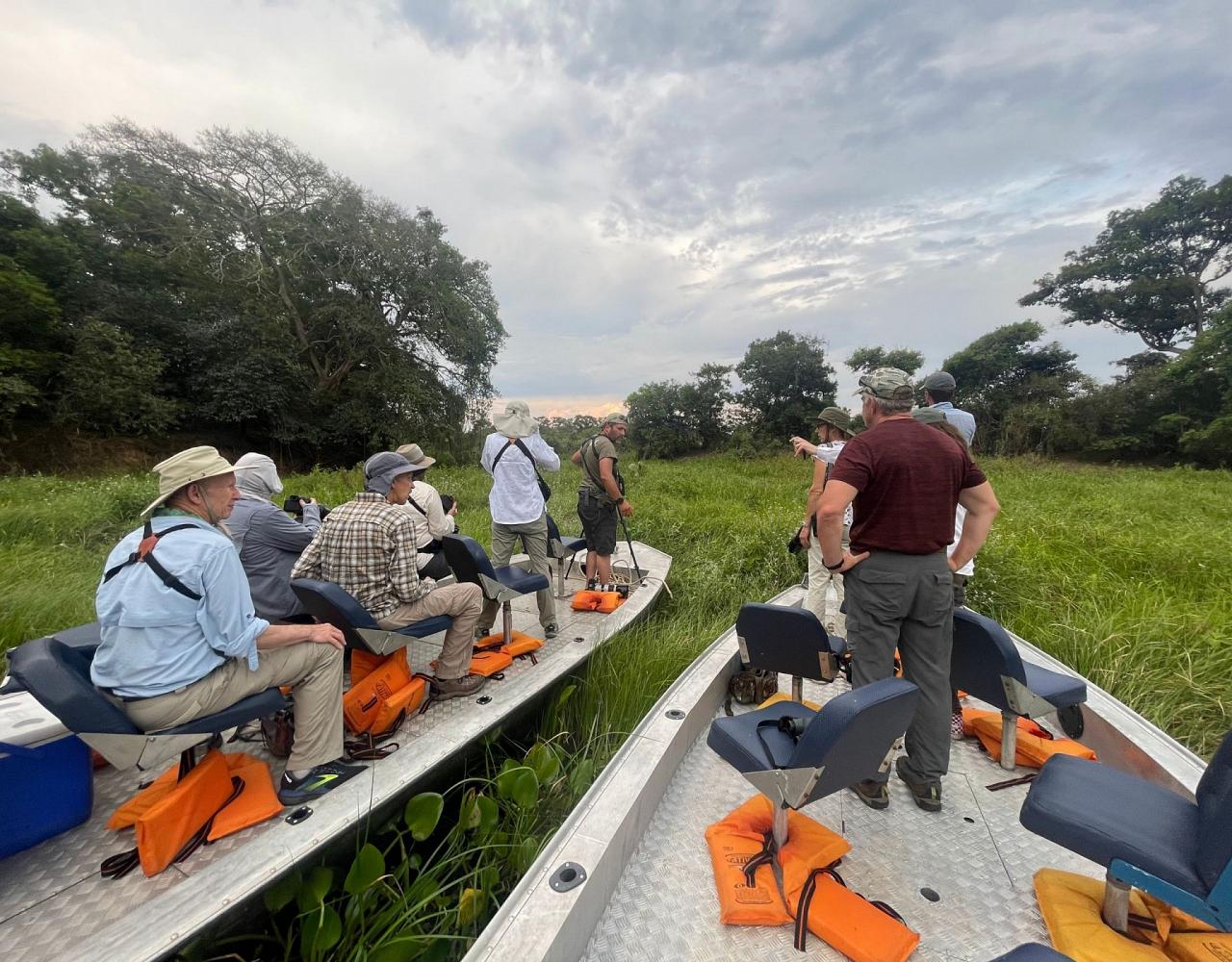
Birding by Boat by Jessie Hallstrom
-
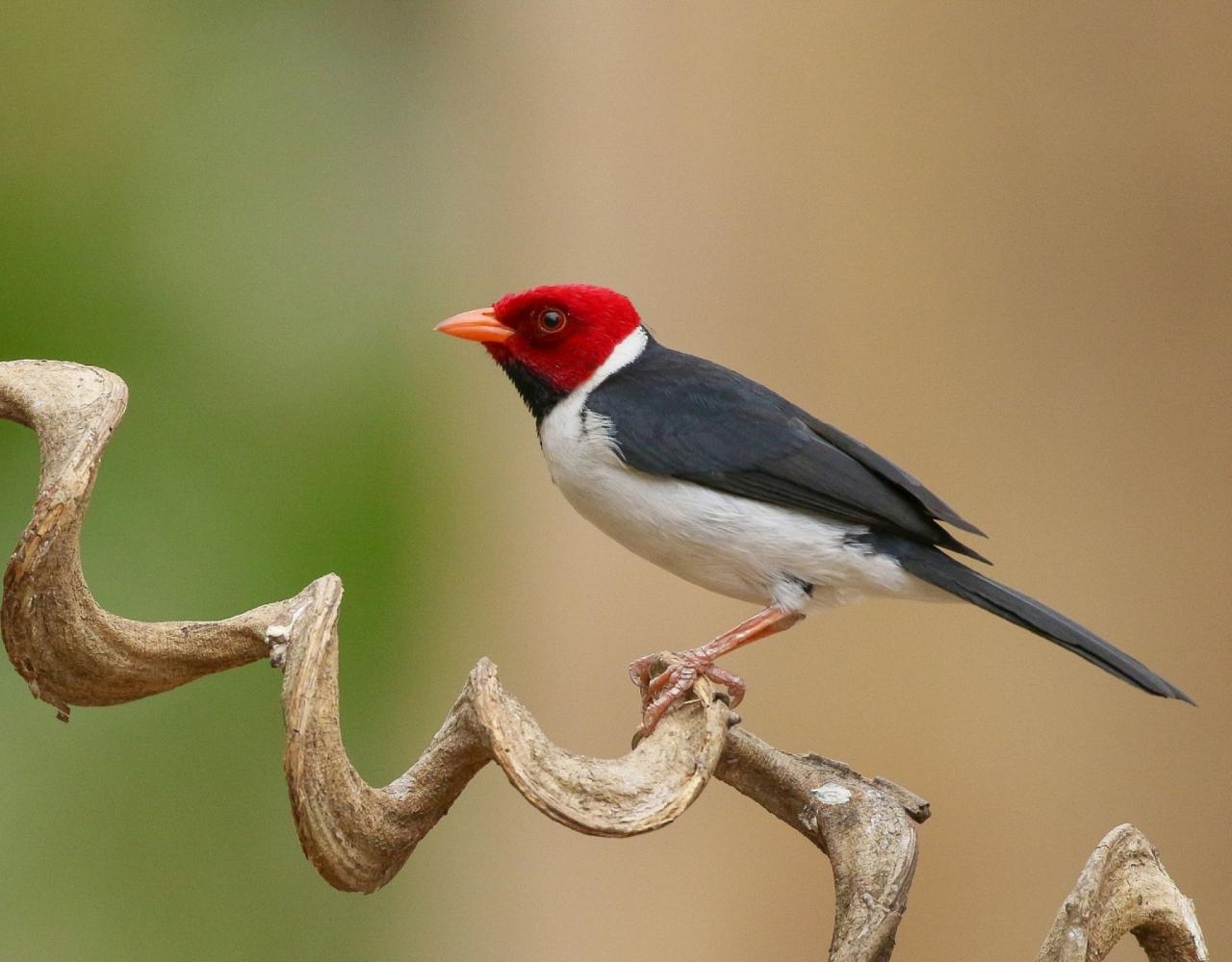
Yellow-billed Cardinal by Wes Larson
-
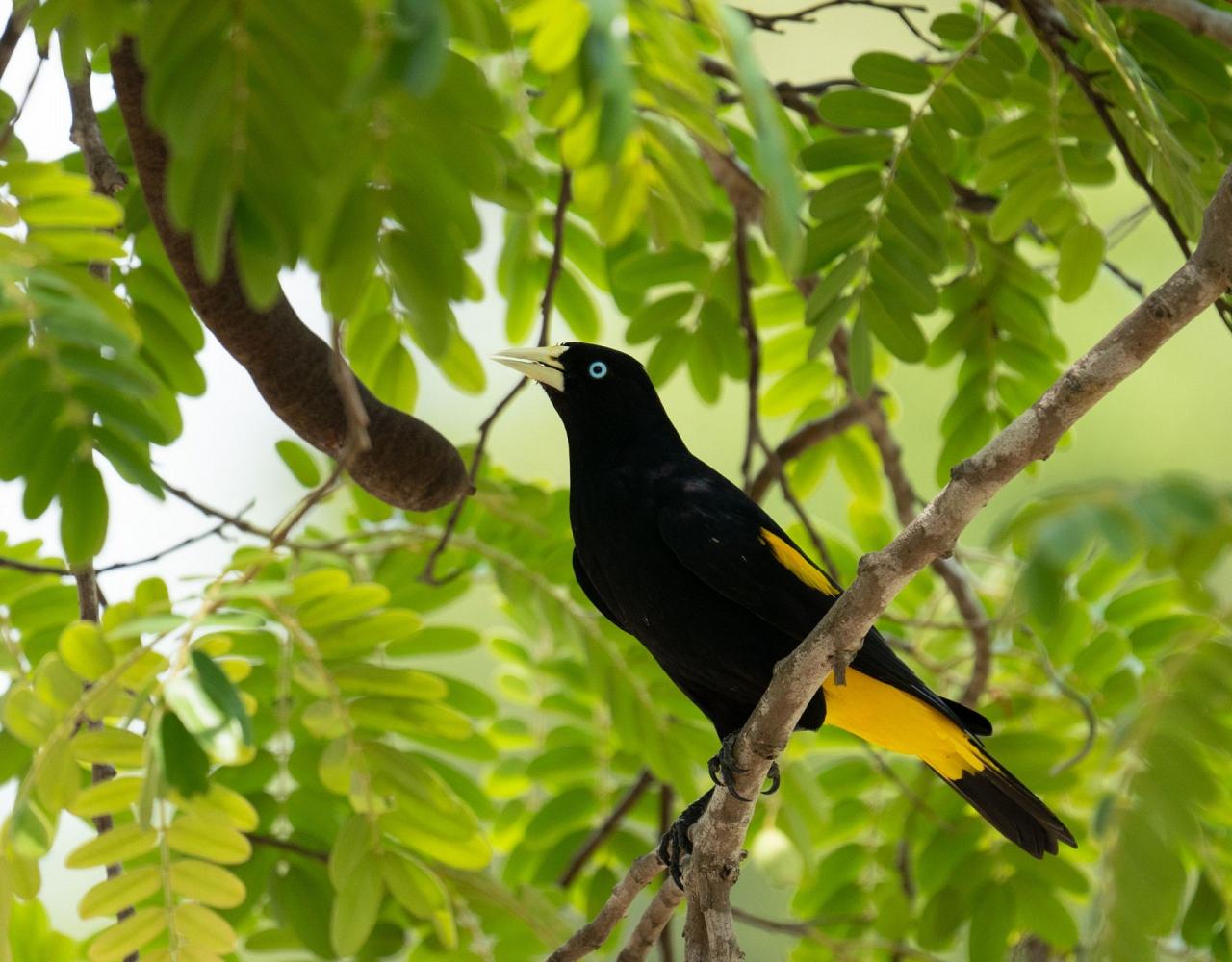
Yellow-rumped Cacique
-
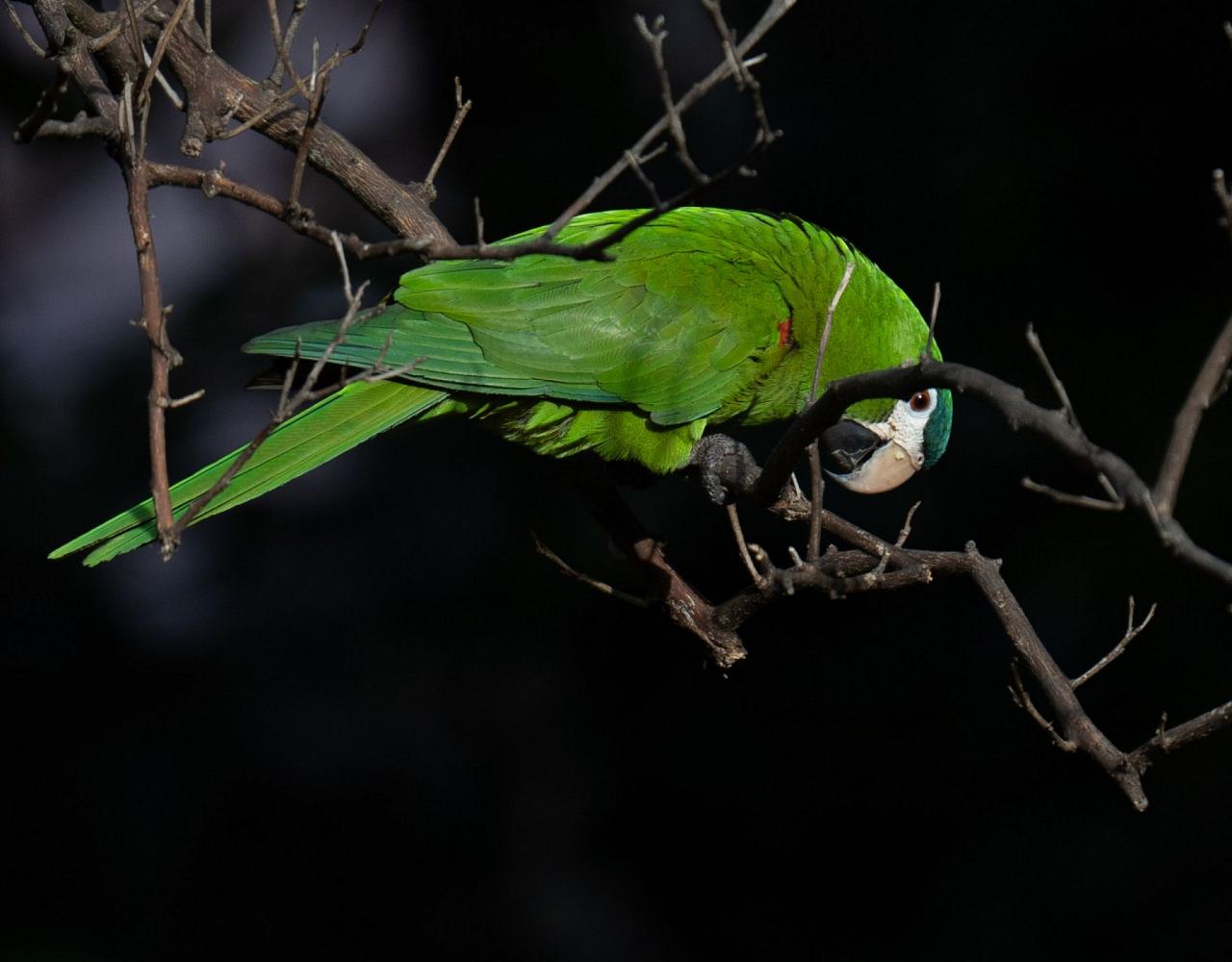
Red-shouldered Macaw by Wes Larson
-
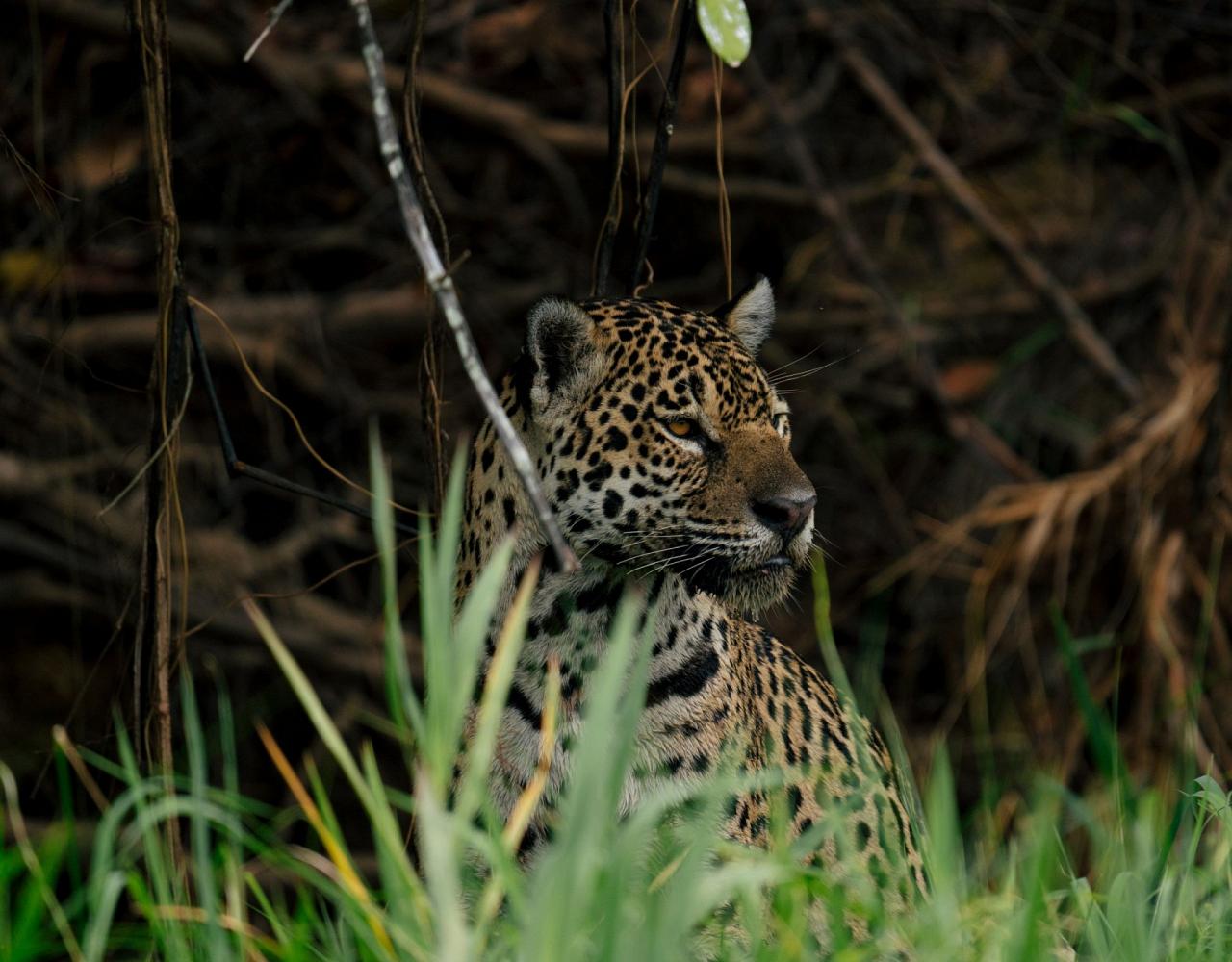
Jaguar by Wes Larson
-
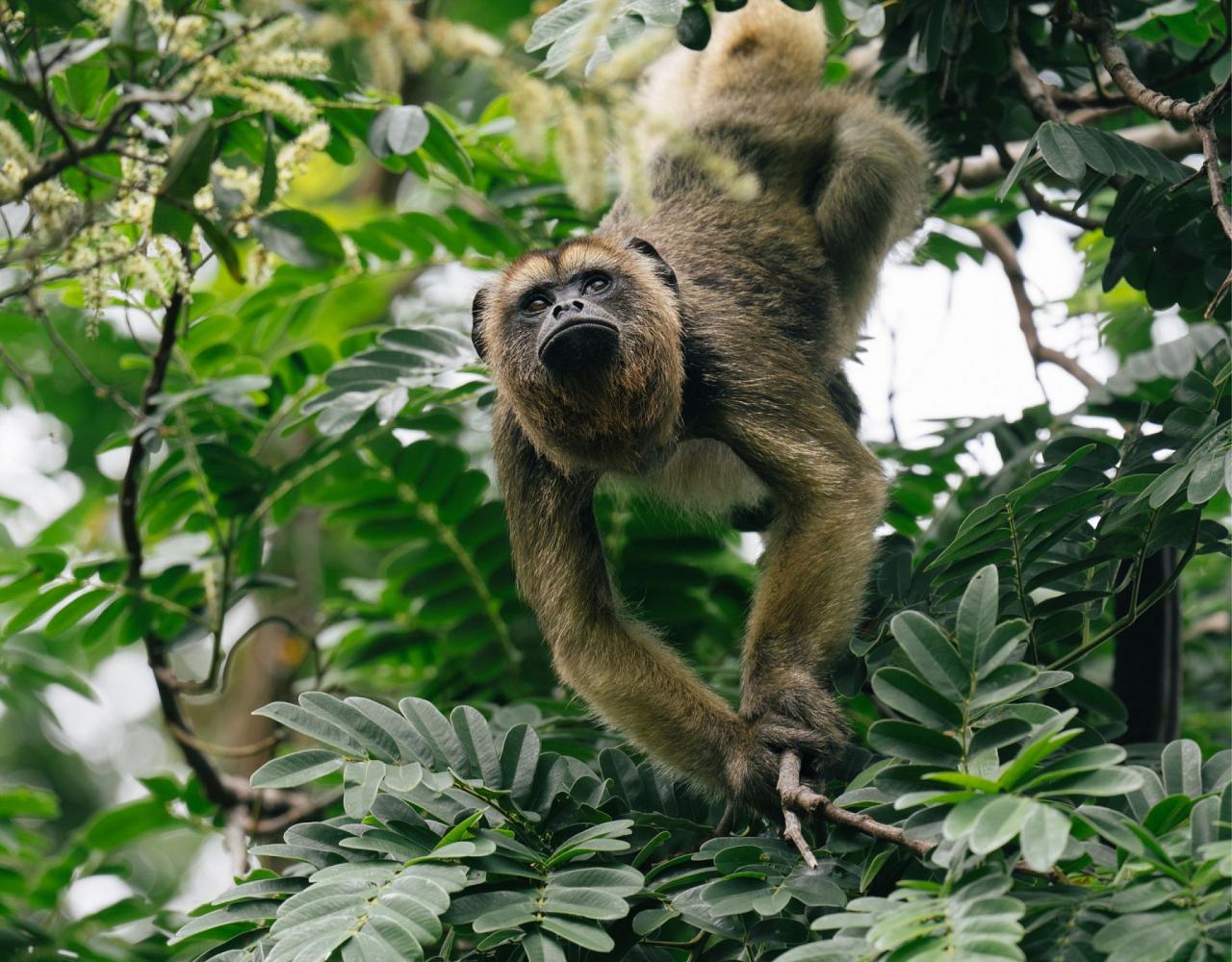
Howler Monkey by Wes Larson
-
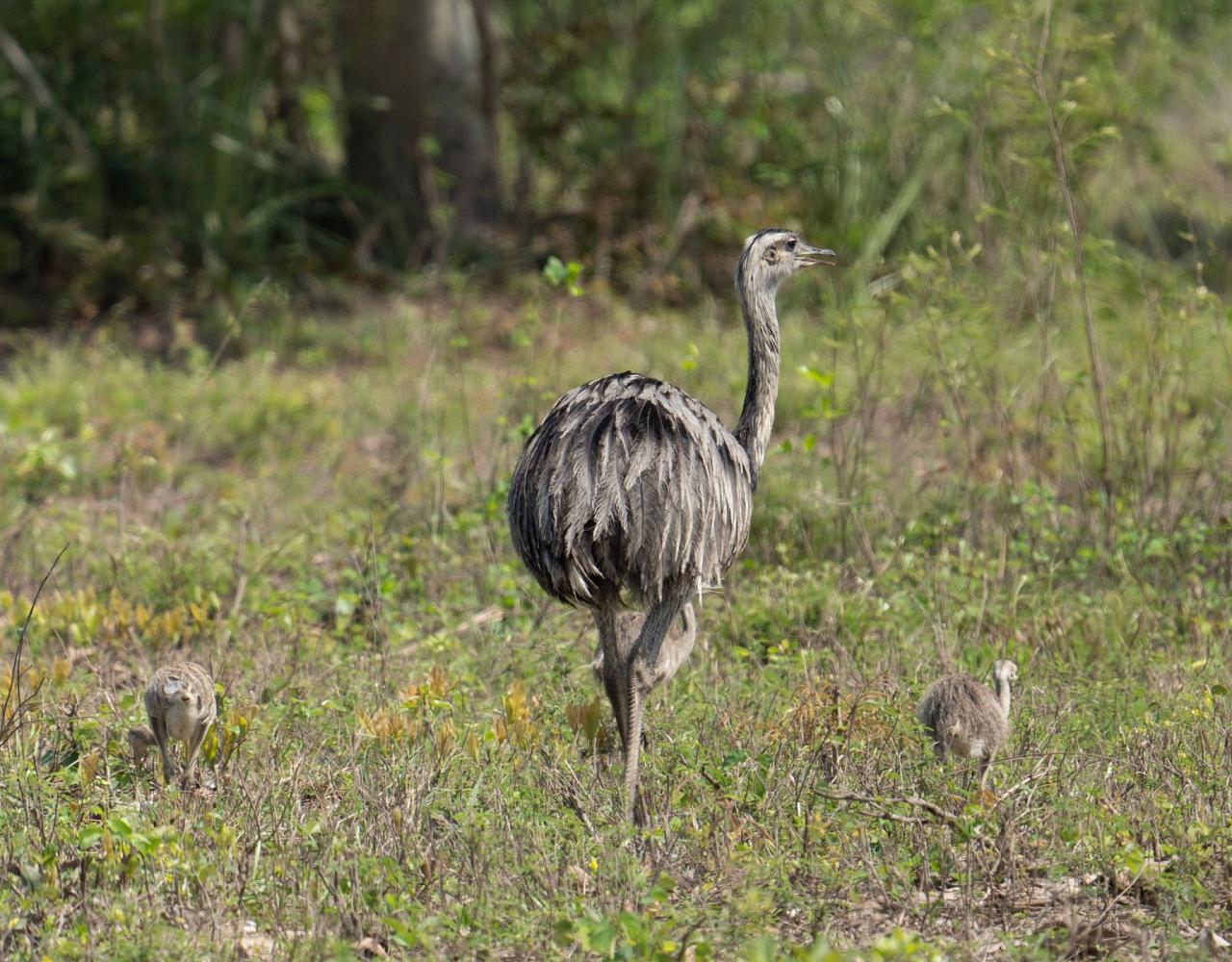
Greater Rhea by Wes Larson
-
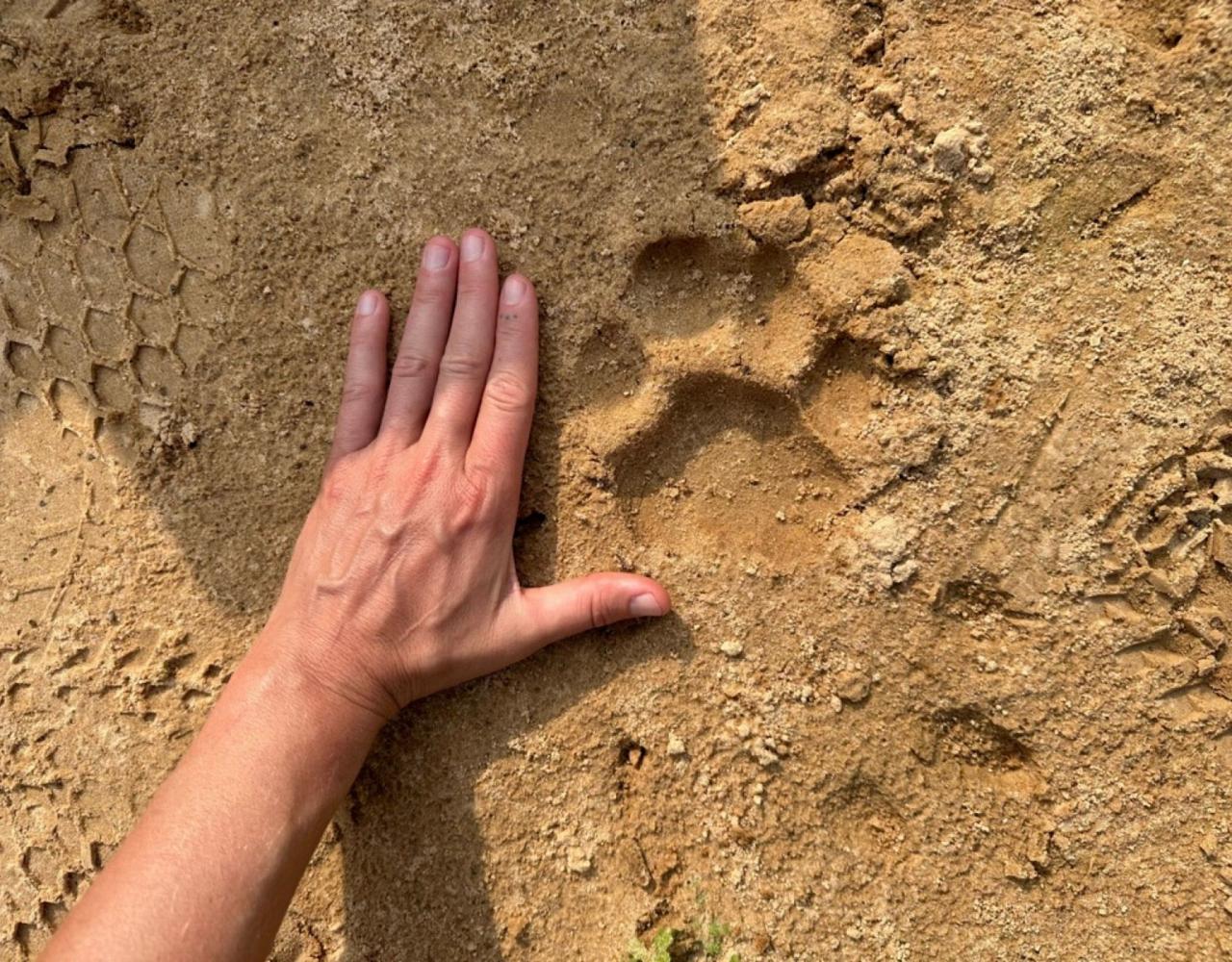
Jaguar Print by Wes Larson
-
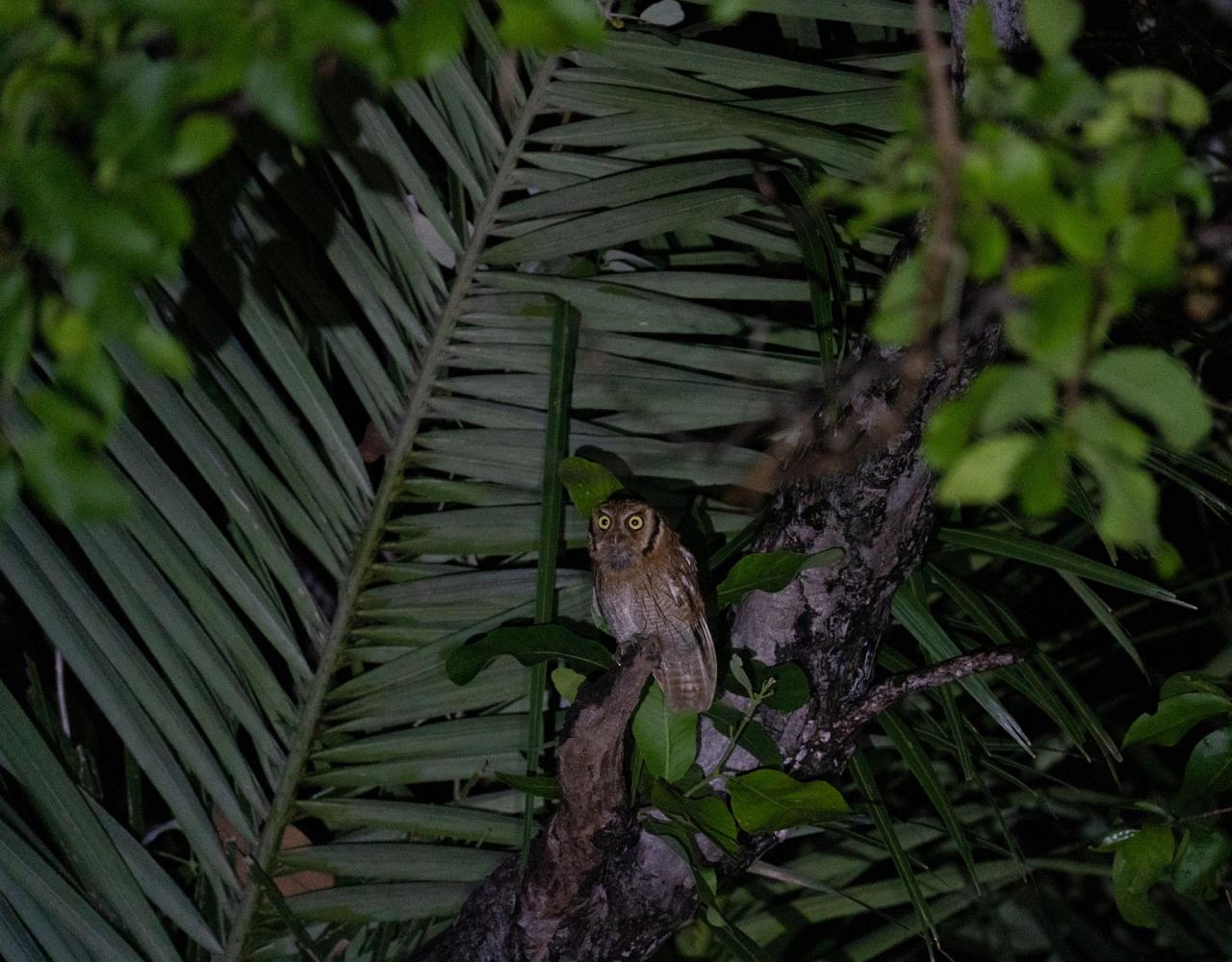
Tropical Screech Owl by Wes Larson
-
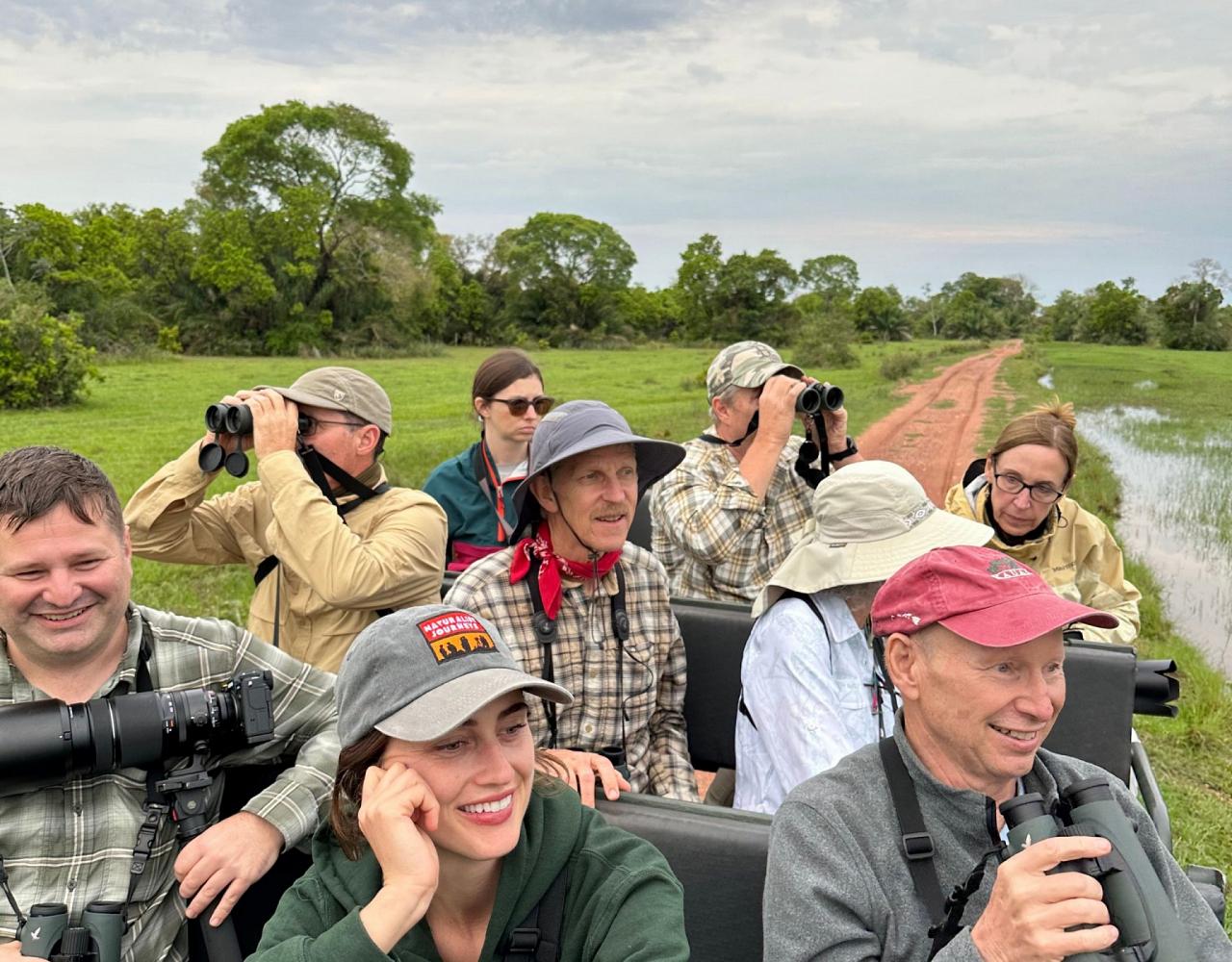
Afternoon Drive by Wes Larson
-
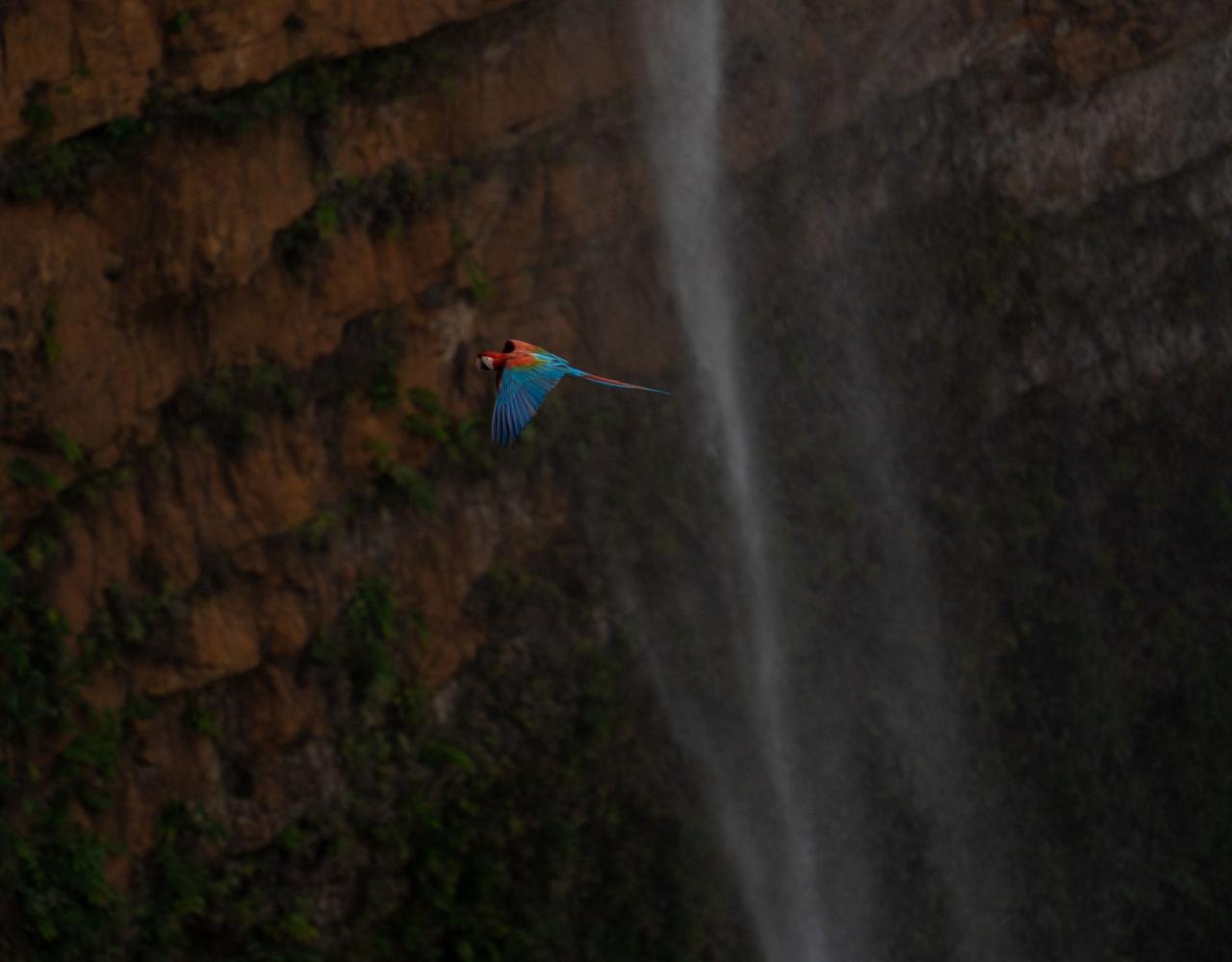
Macaw Soaring Through Waterfall by Wes Larson
-
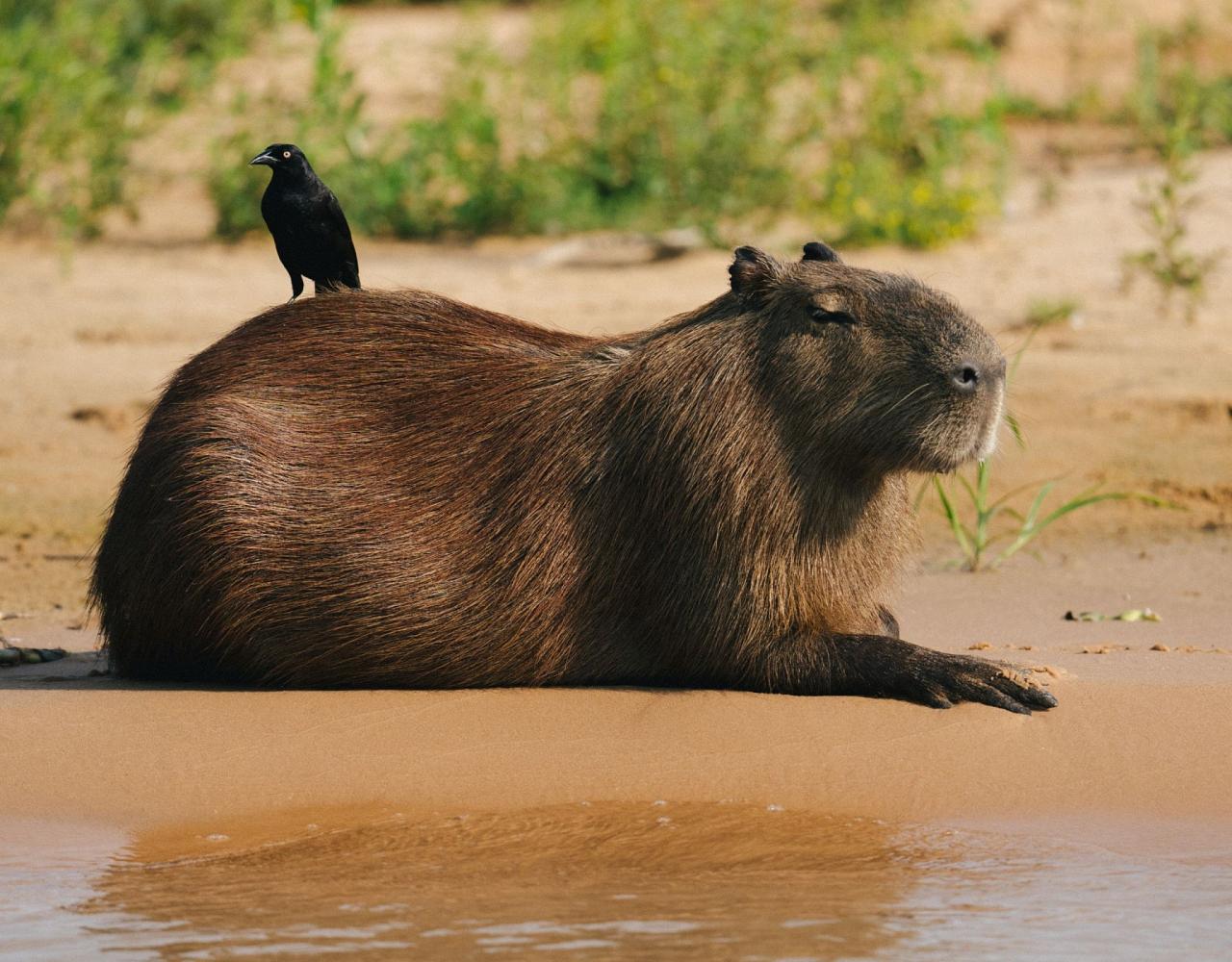
Capybara & Friend by Wes Larson
-
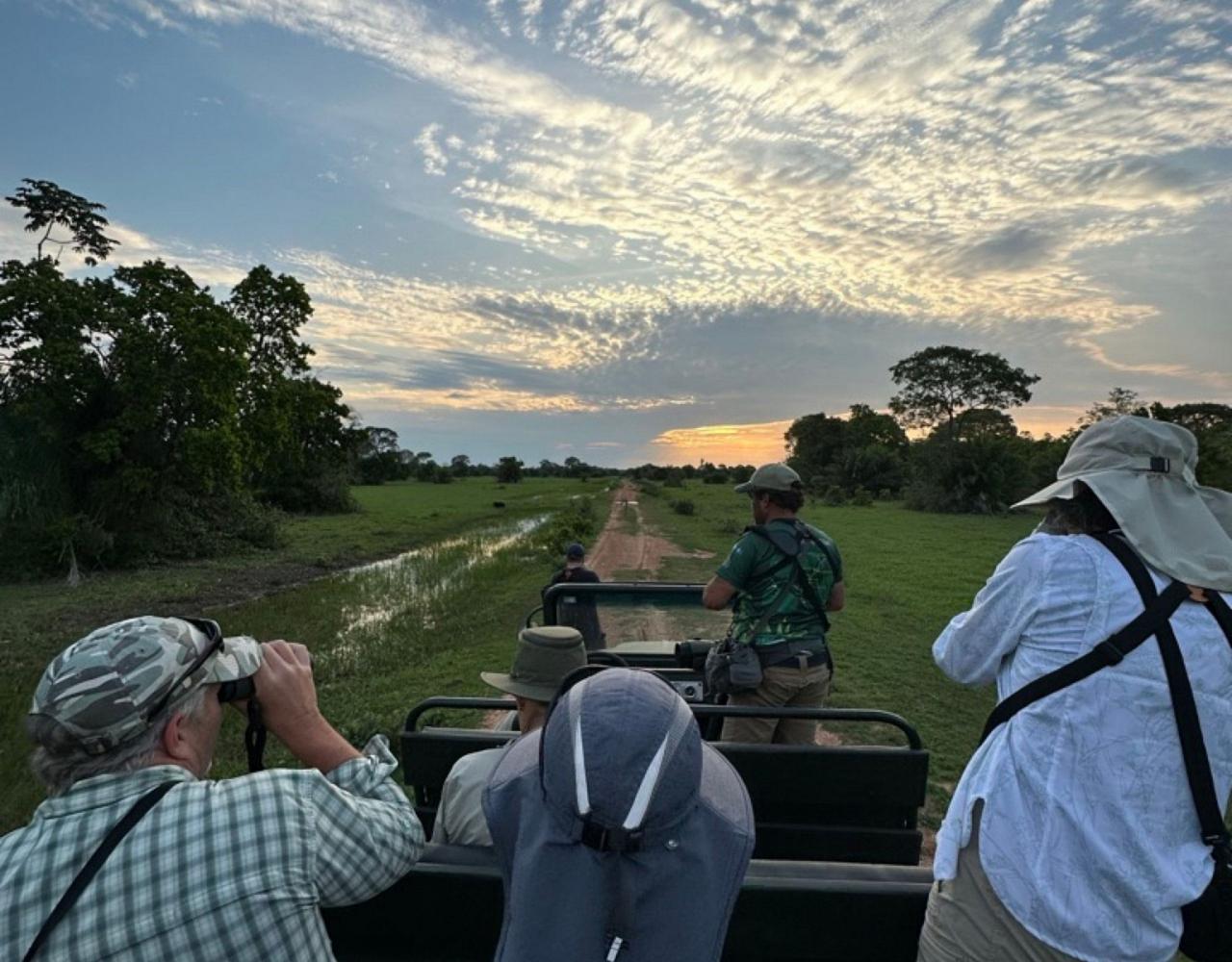
Morning Drive by Wes Larson
-
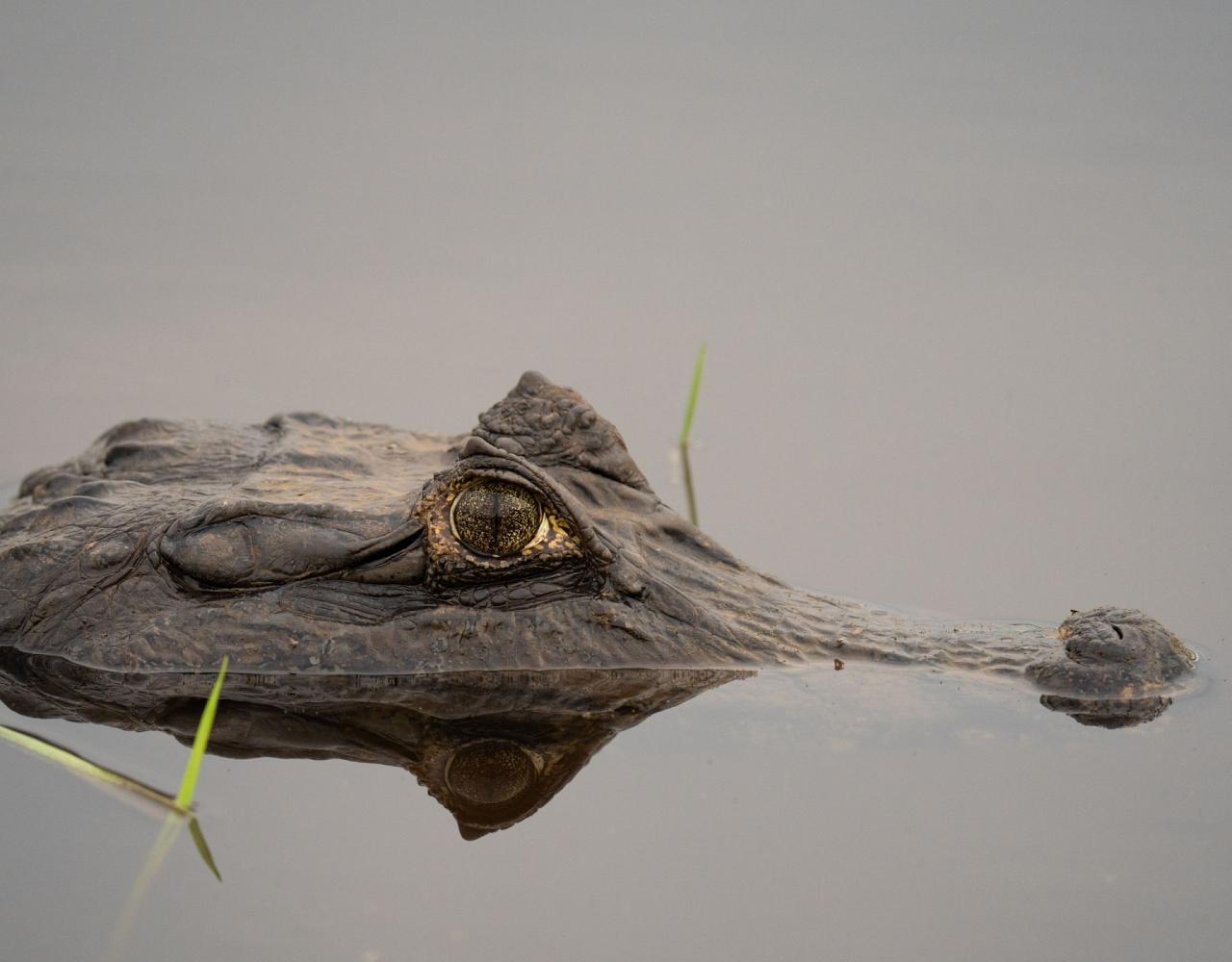
Caiman by Wes Larson
-
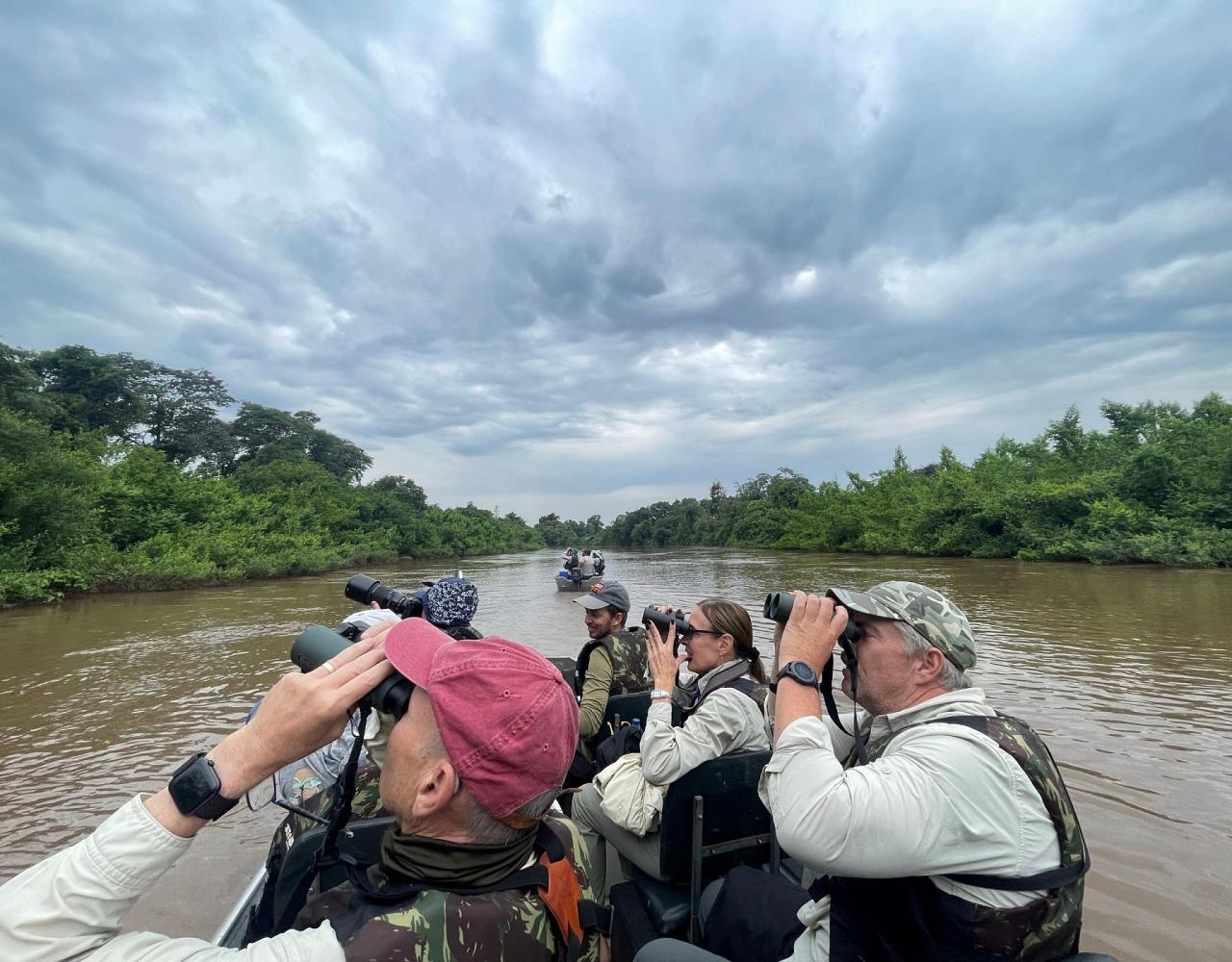
Birding by Boat by Jessie Hallstrom
-
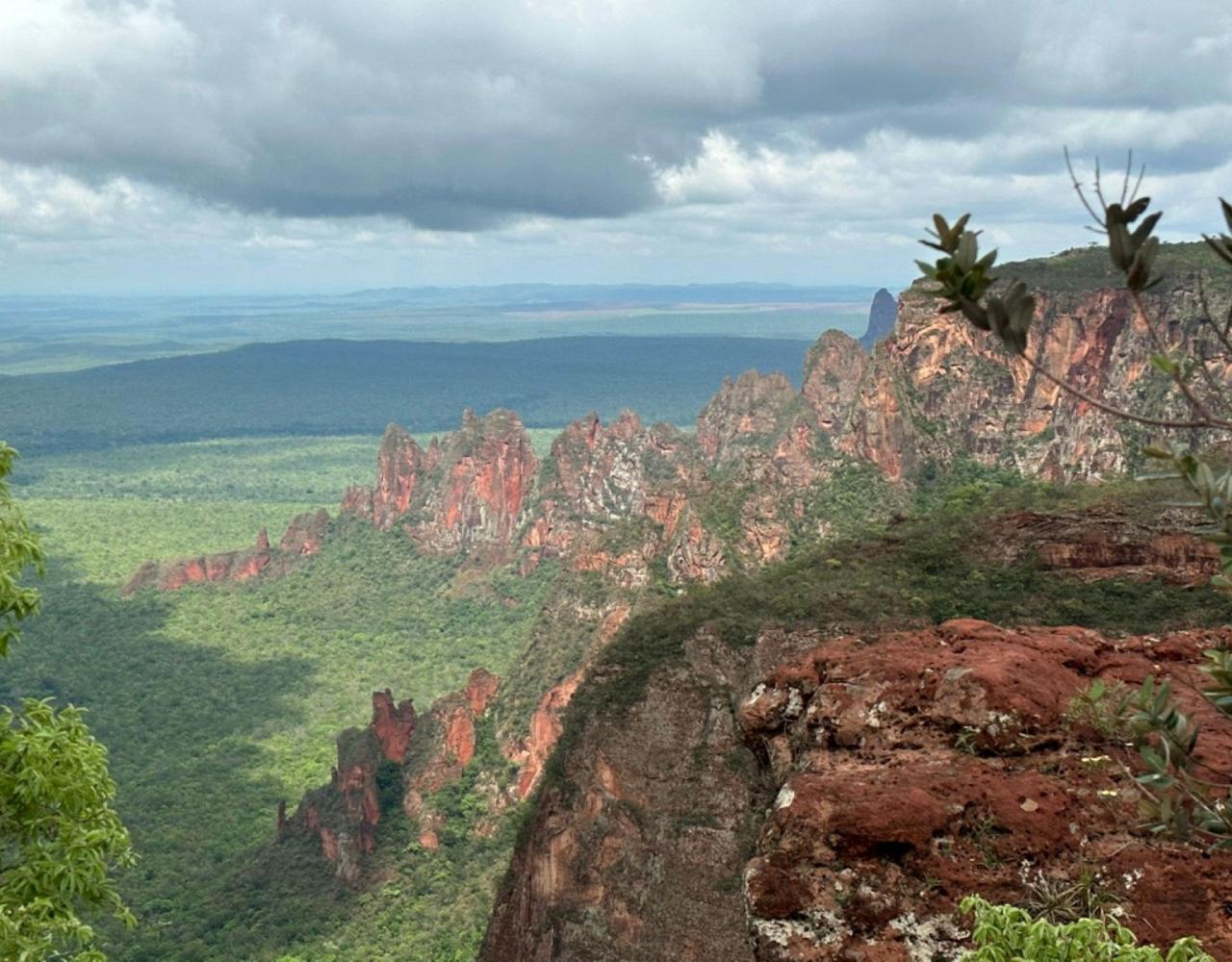
Chapada Scenic by Wes Larson
-
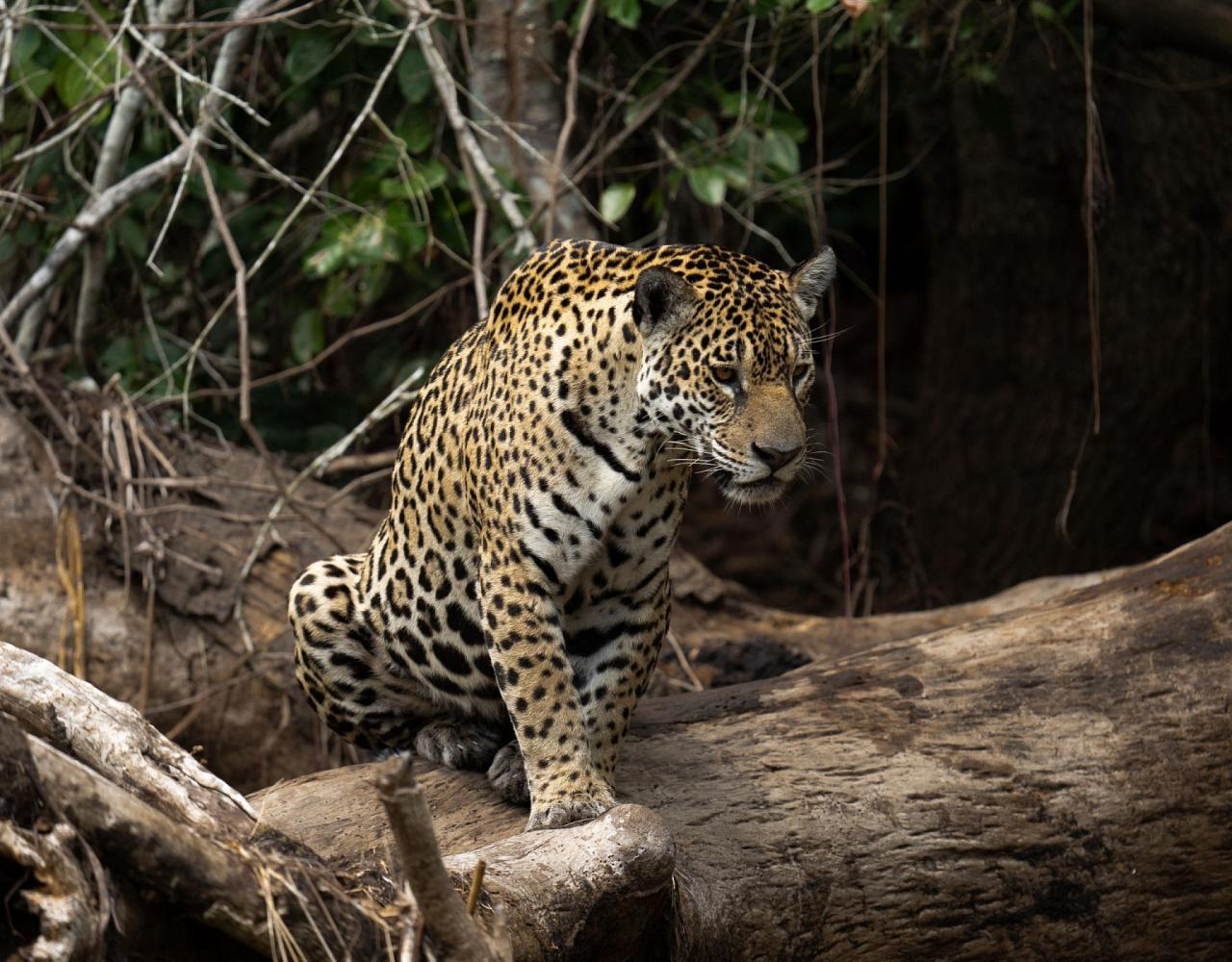
Jaguar by Wes Larson
-
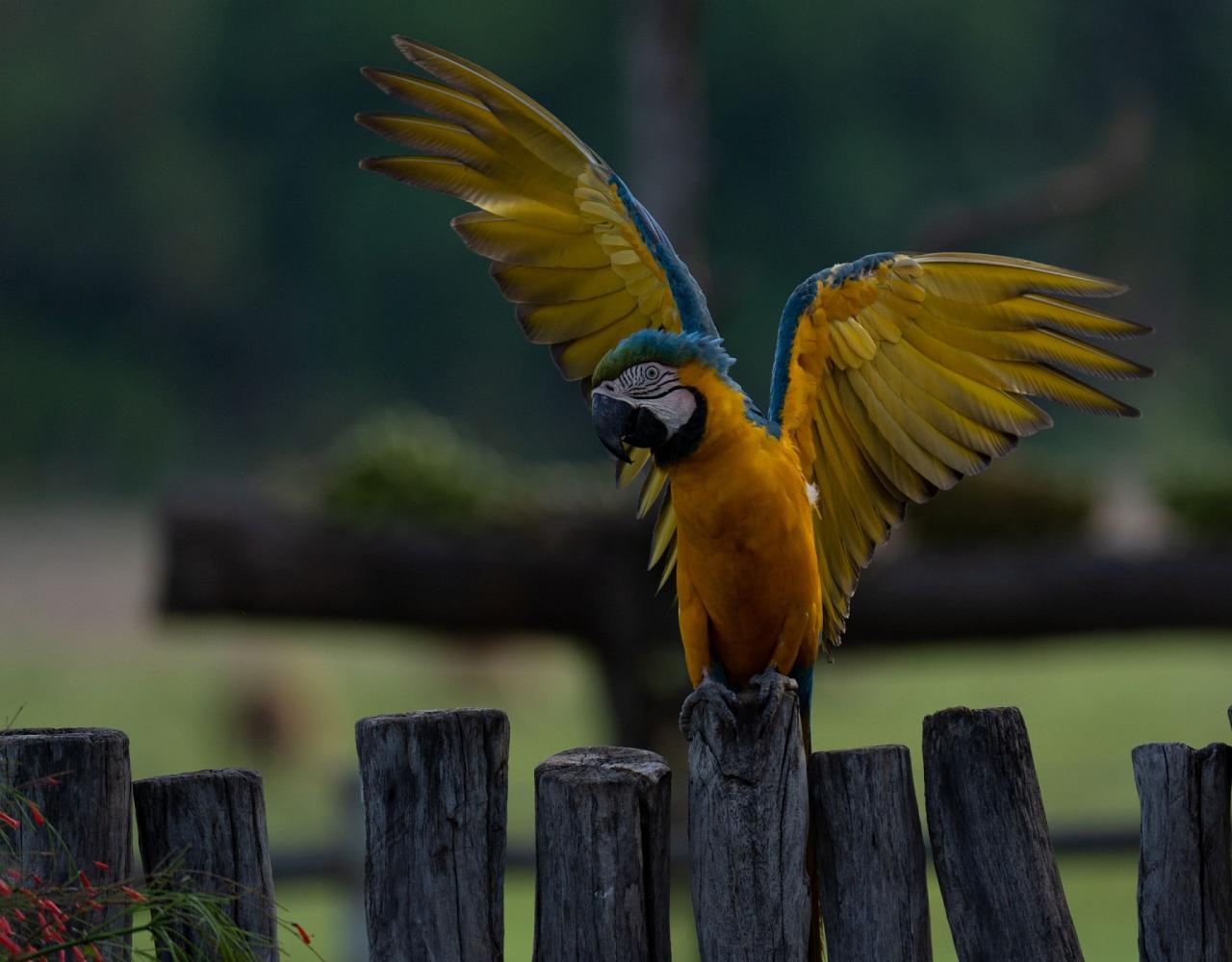
Blue-and-yellow Macaw by Wes Larson
-
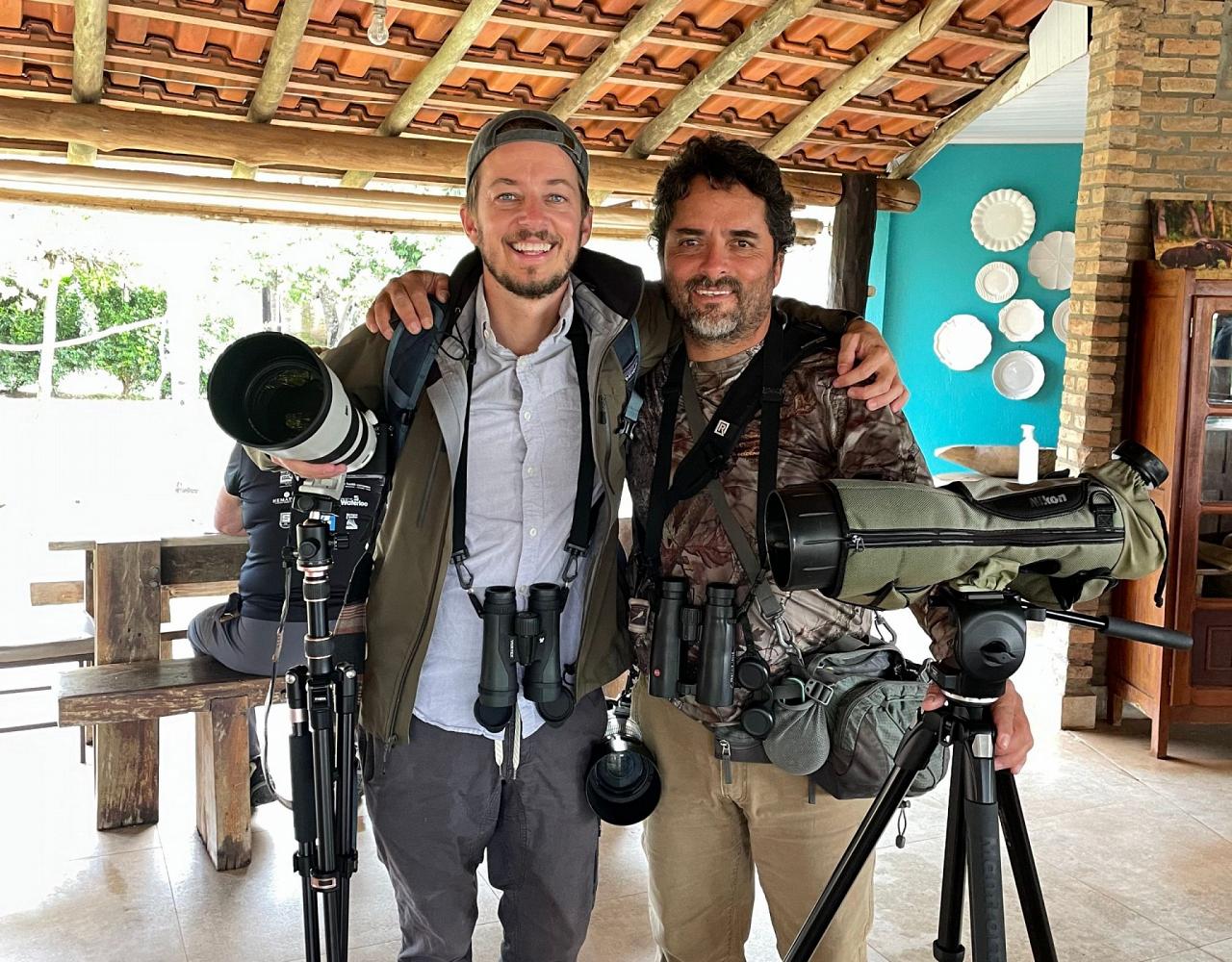
Naturalist Journeys' & Local Guides by Wes Larson
-
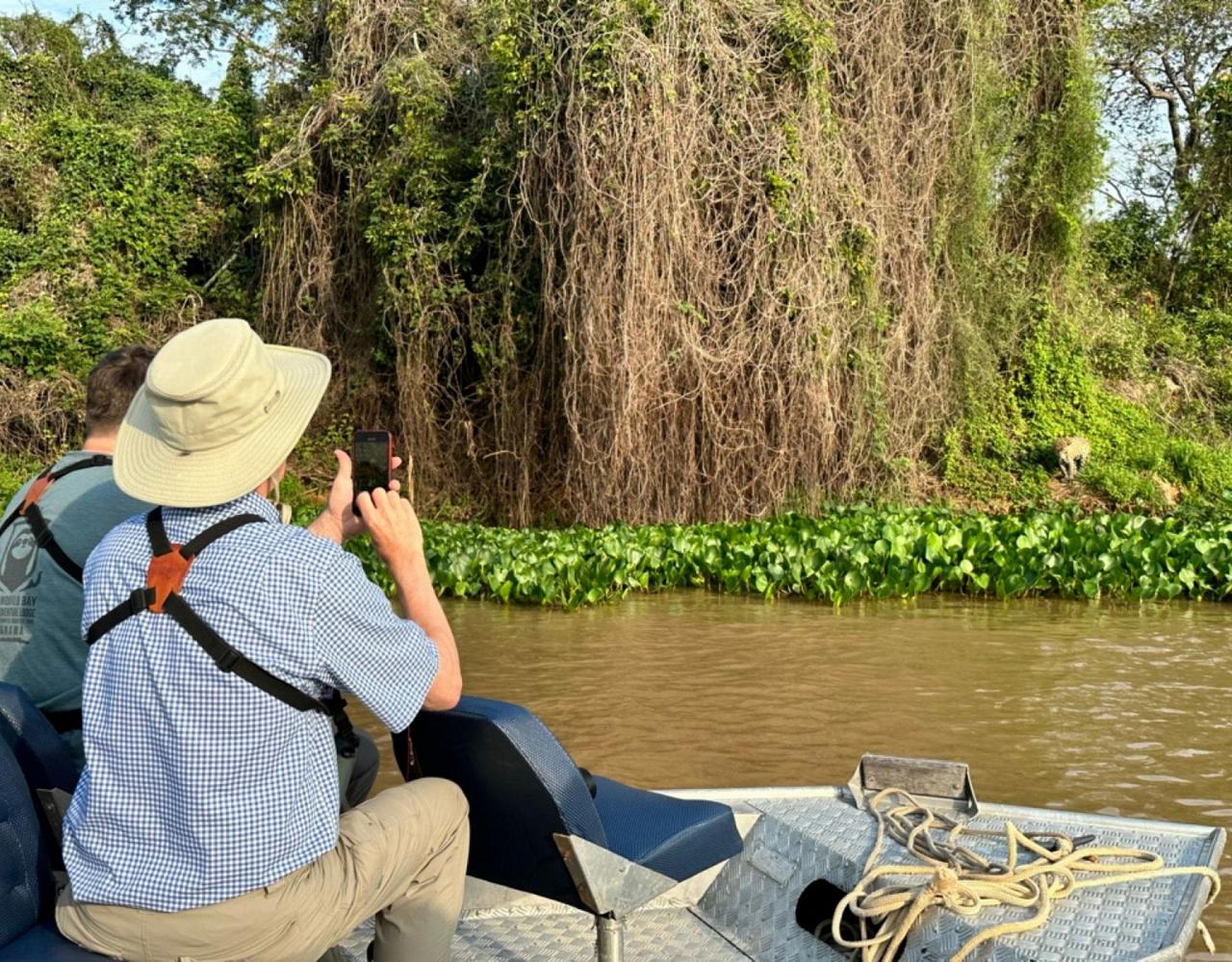
Scoping Jaguars by Wes Larson
-
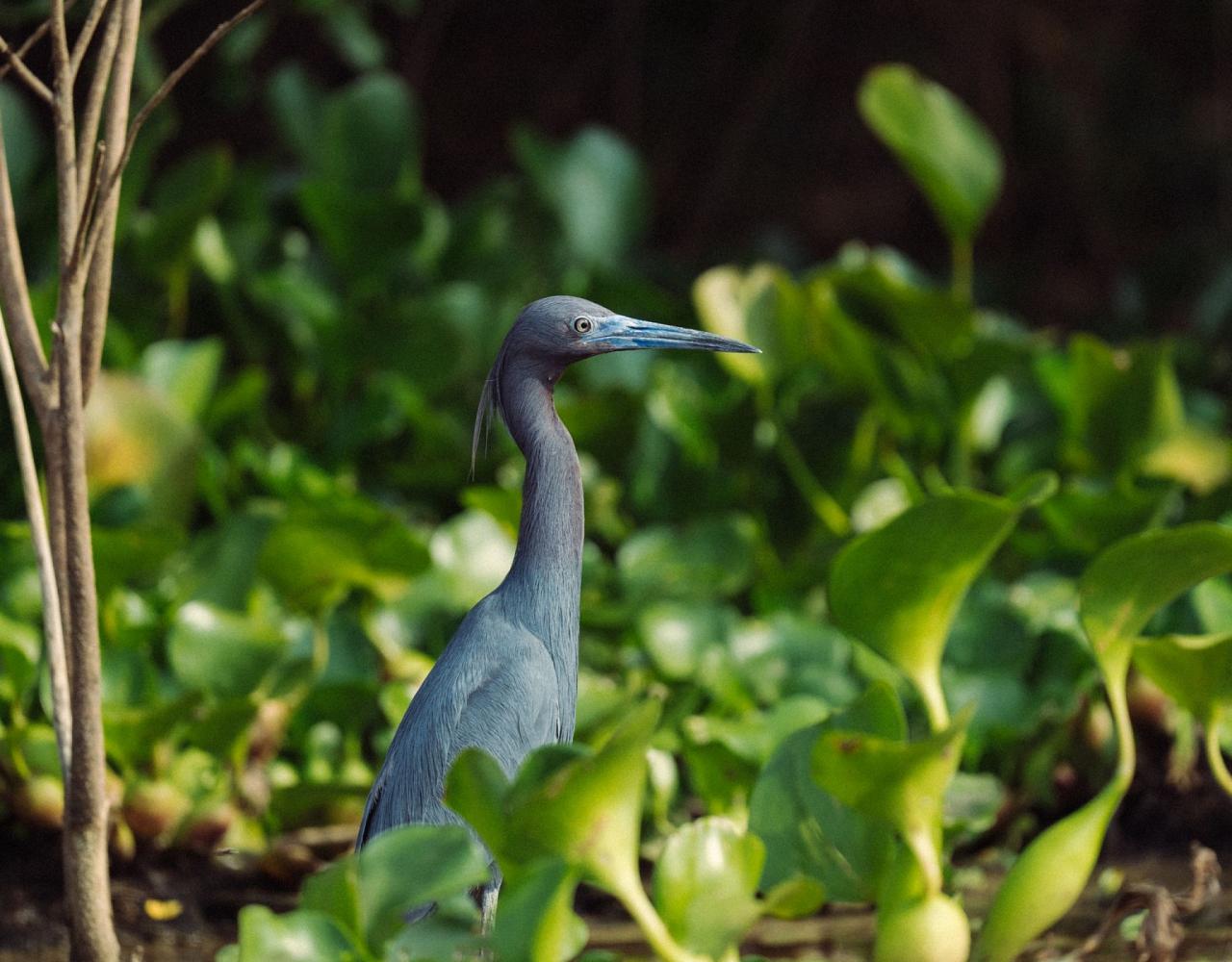
Little Blue Heron by Wes Larson
-
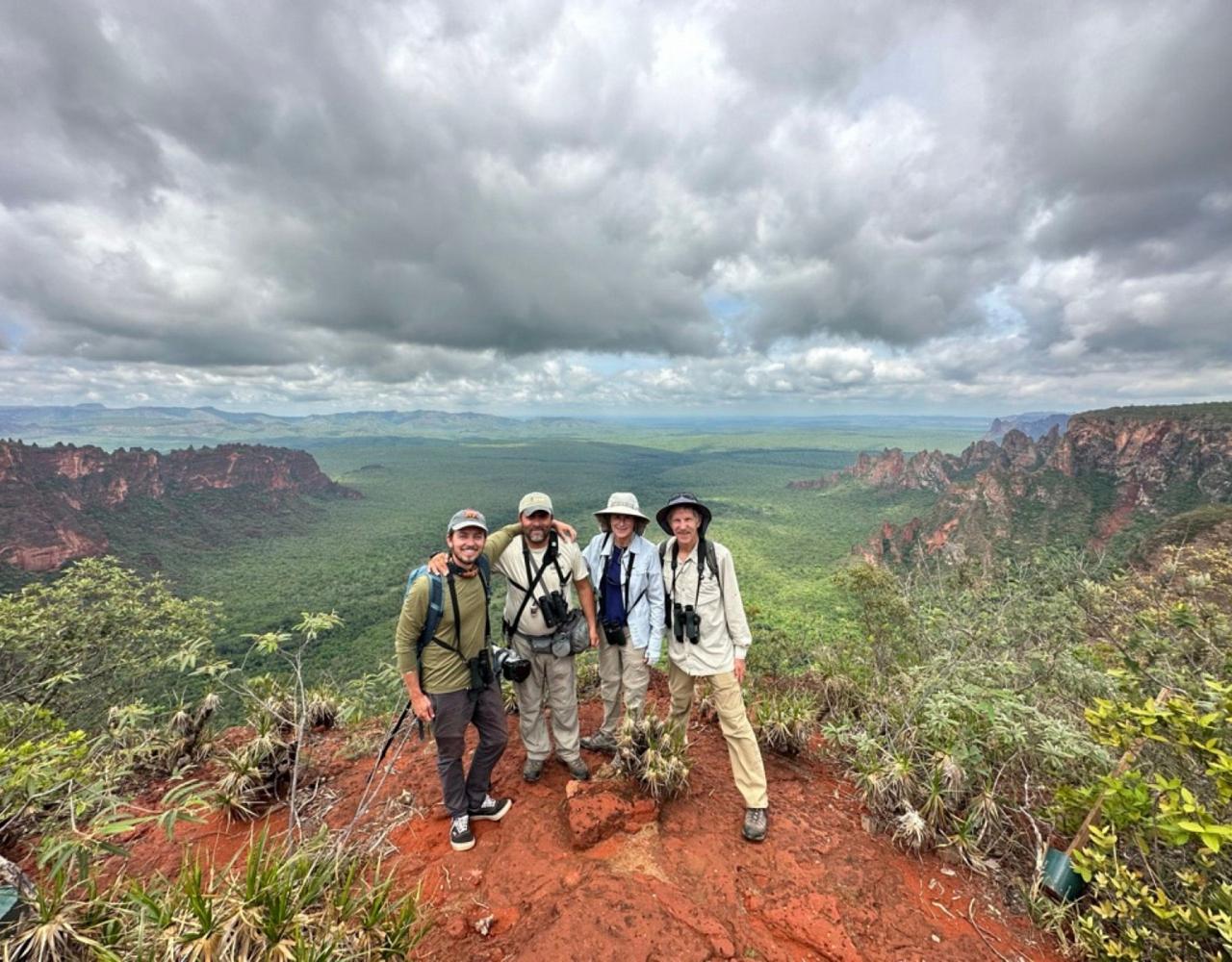
Chapada Extension Group by Wes Larson
-
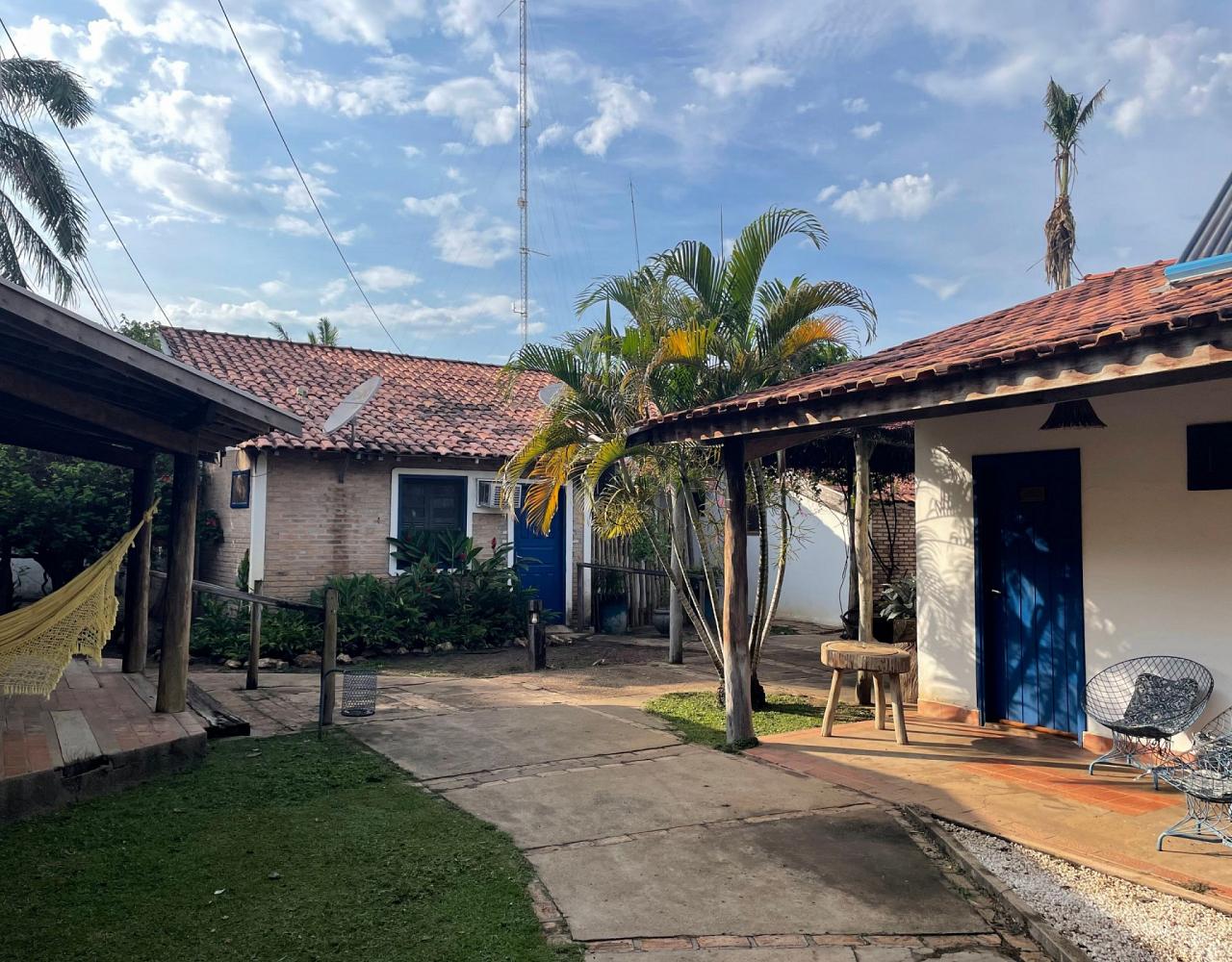
Local Stay Grounds by Jessie Hallstrom
-
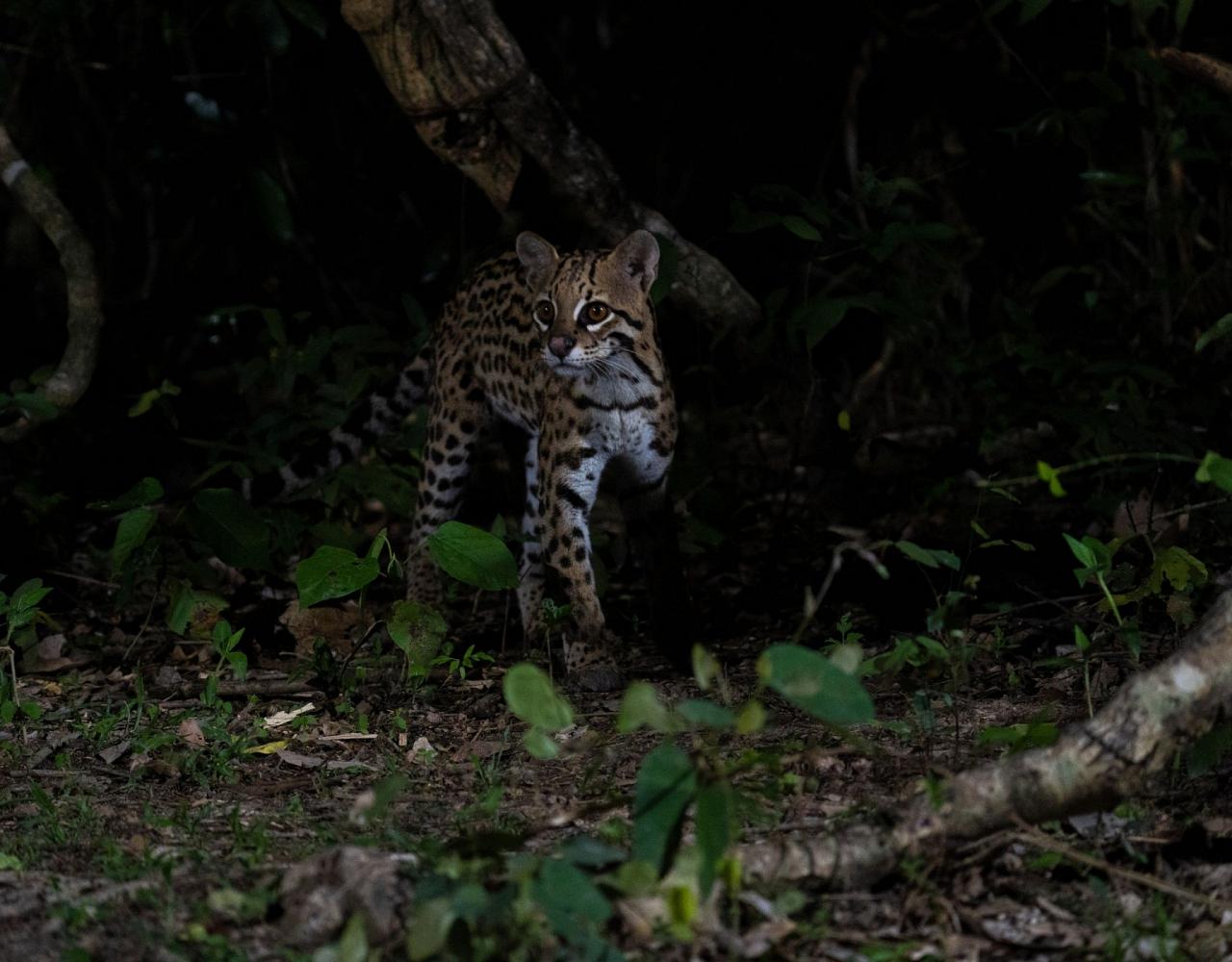
Ocelot by Wes Larson
-
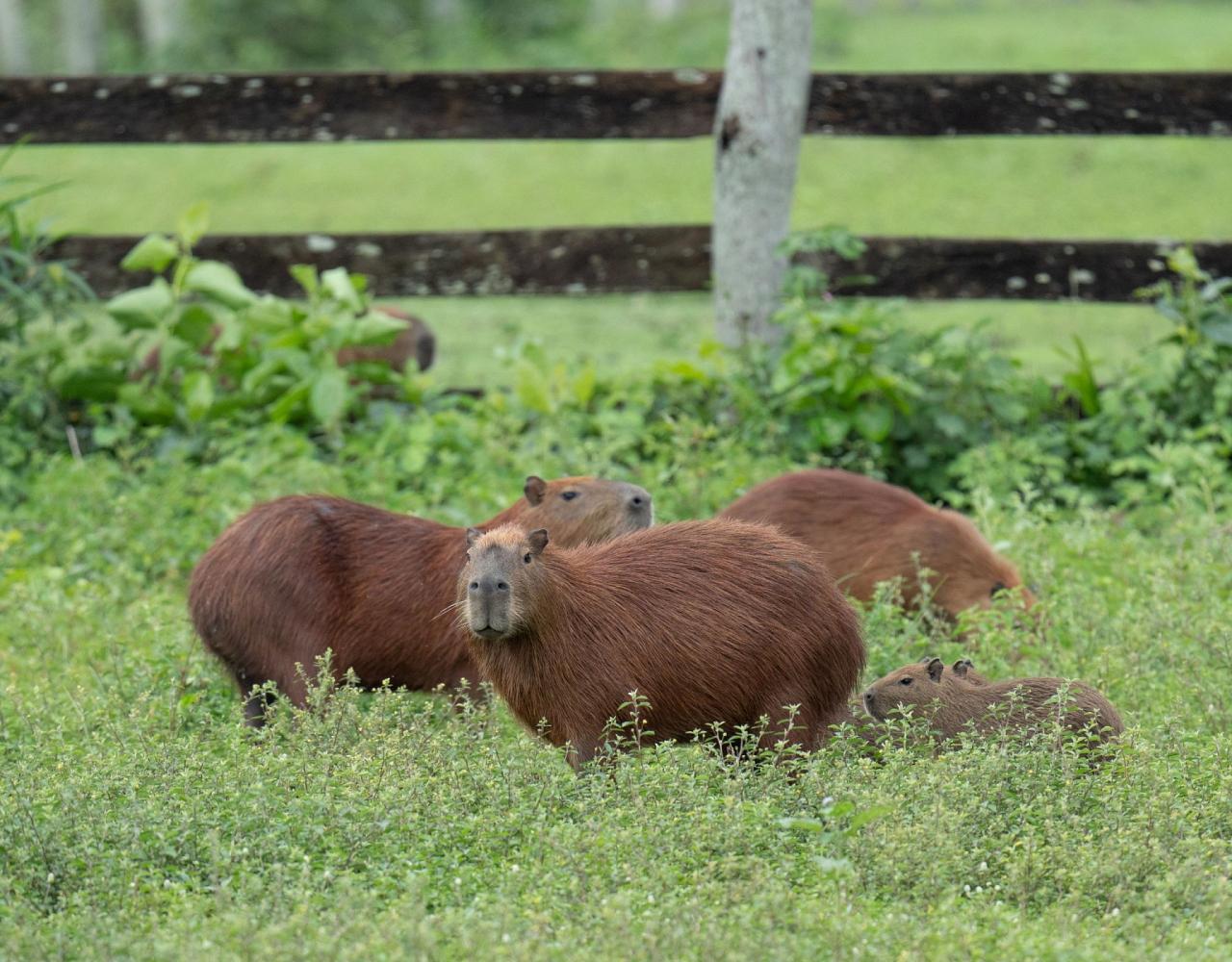
Capybara Family by Wes Larson
-
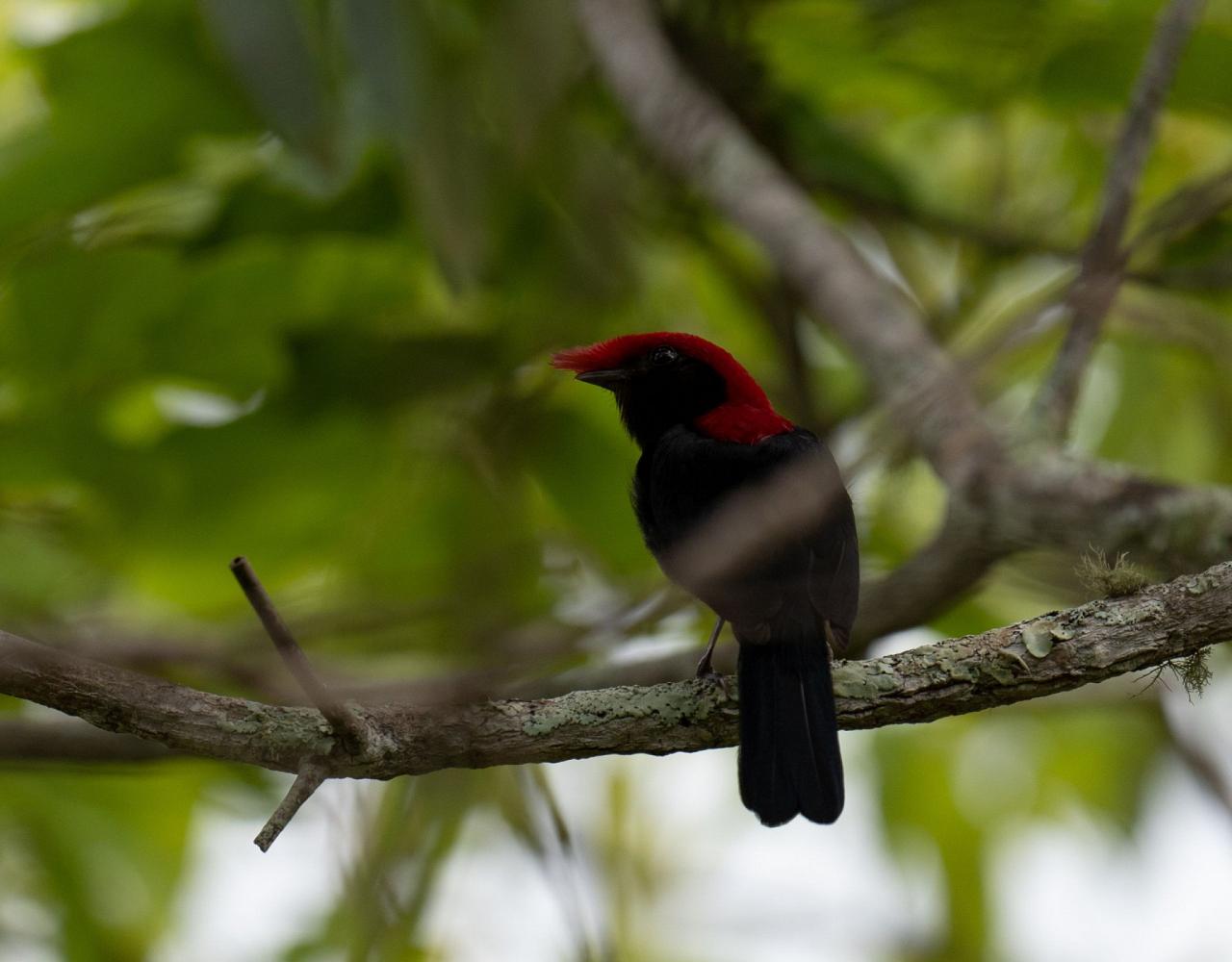
Helmeted Manakin by Wes Larson
-
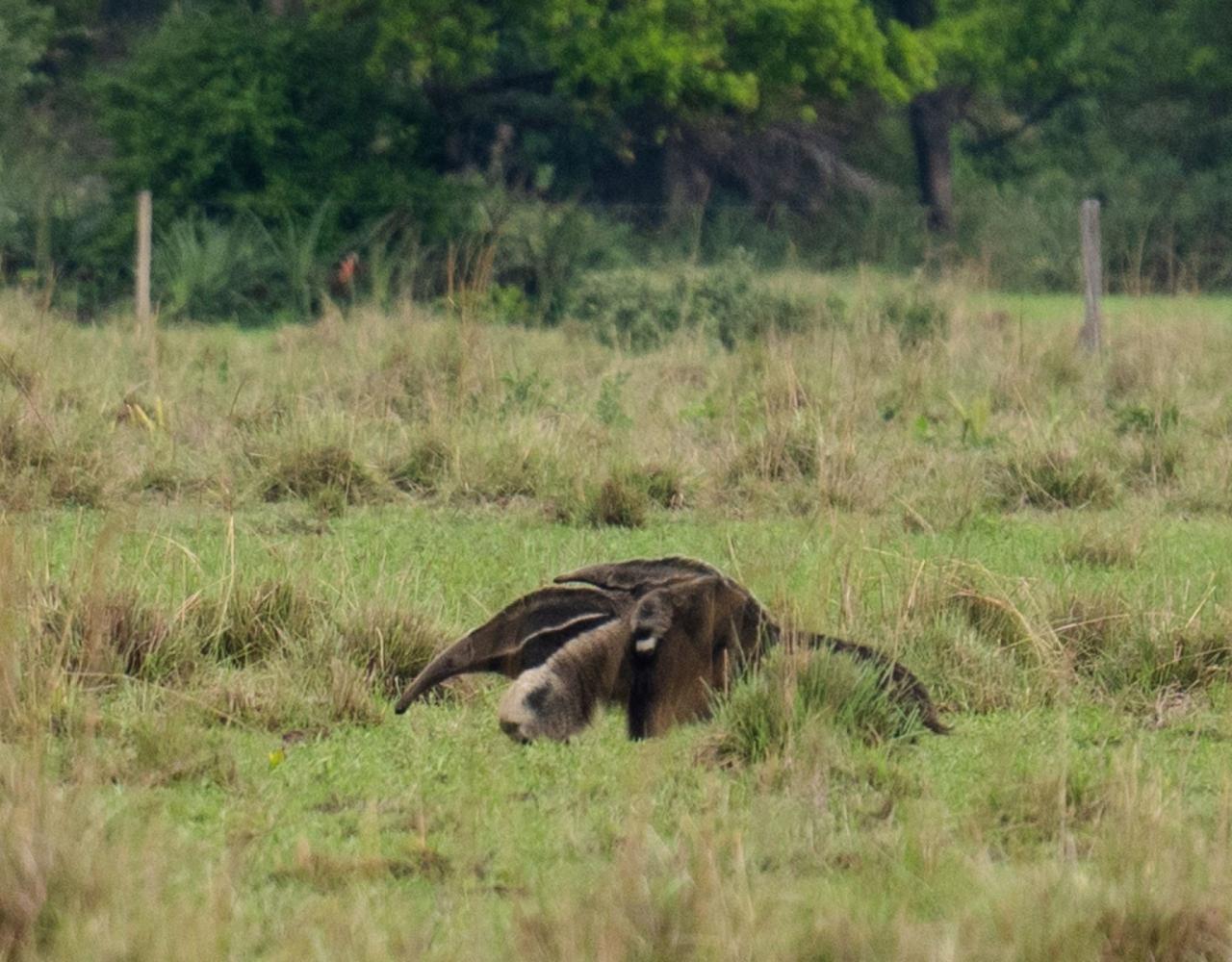
Giant Anteater with Young by Wes Larson
-
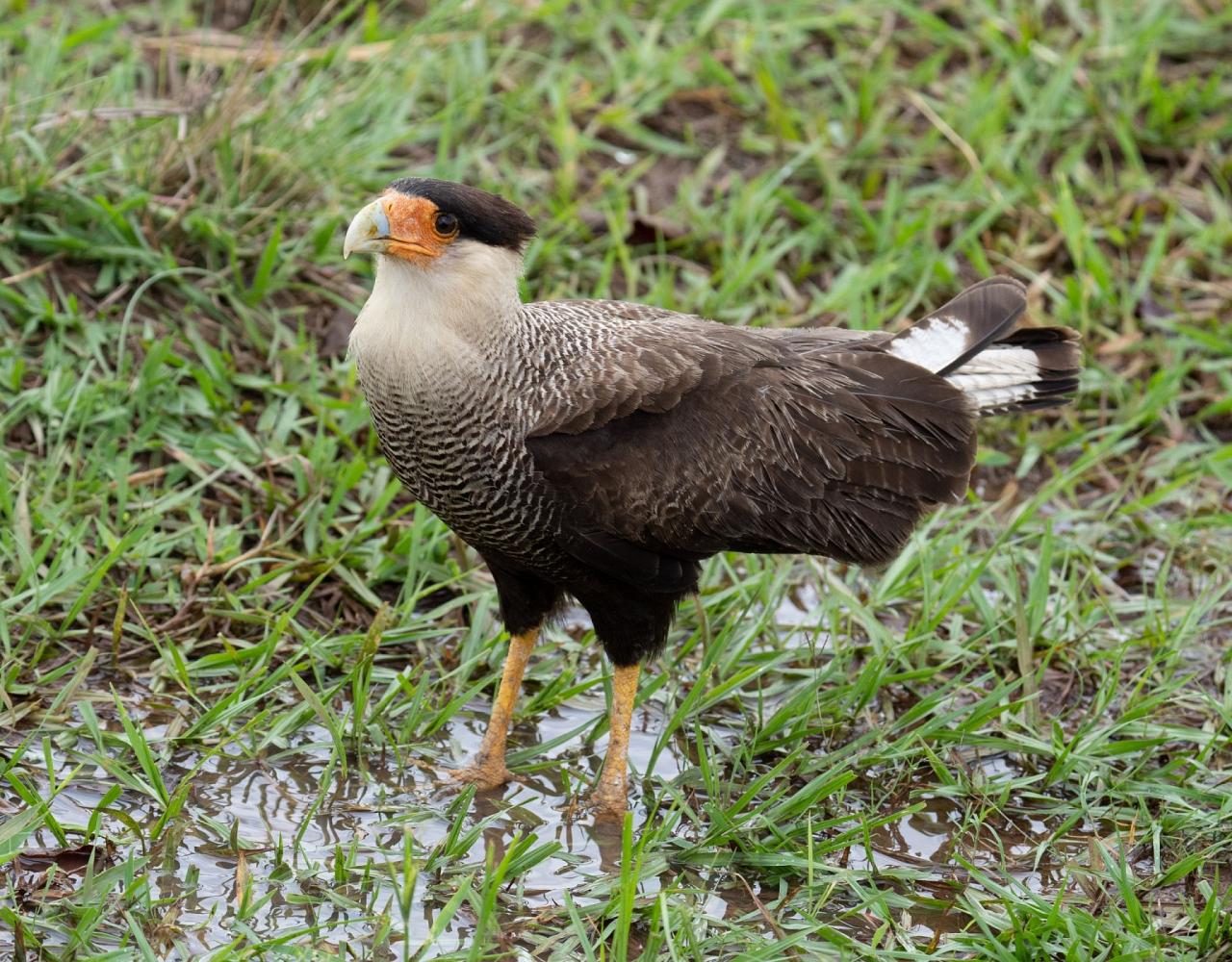
Crested Caracara by Wes Larson
-
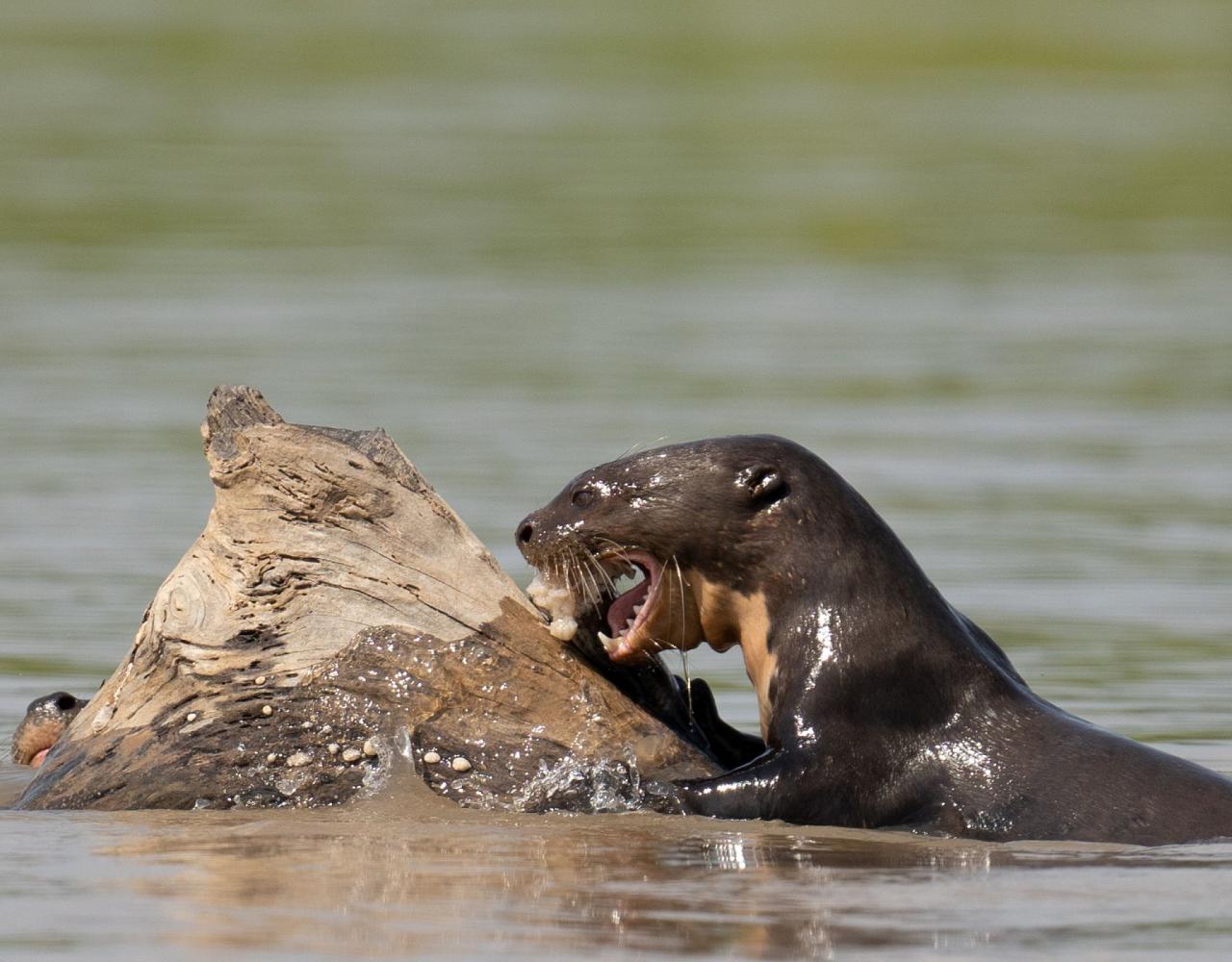
Giant River Otter by Wes Larson
-
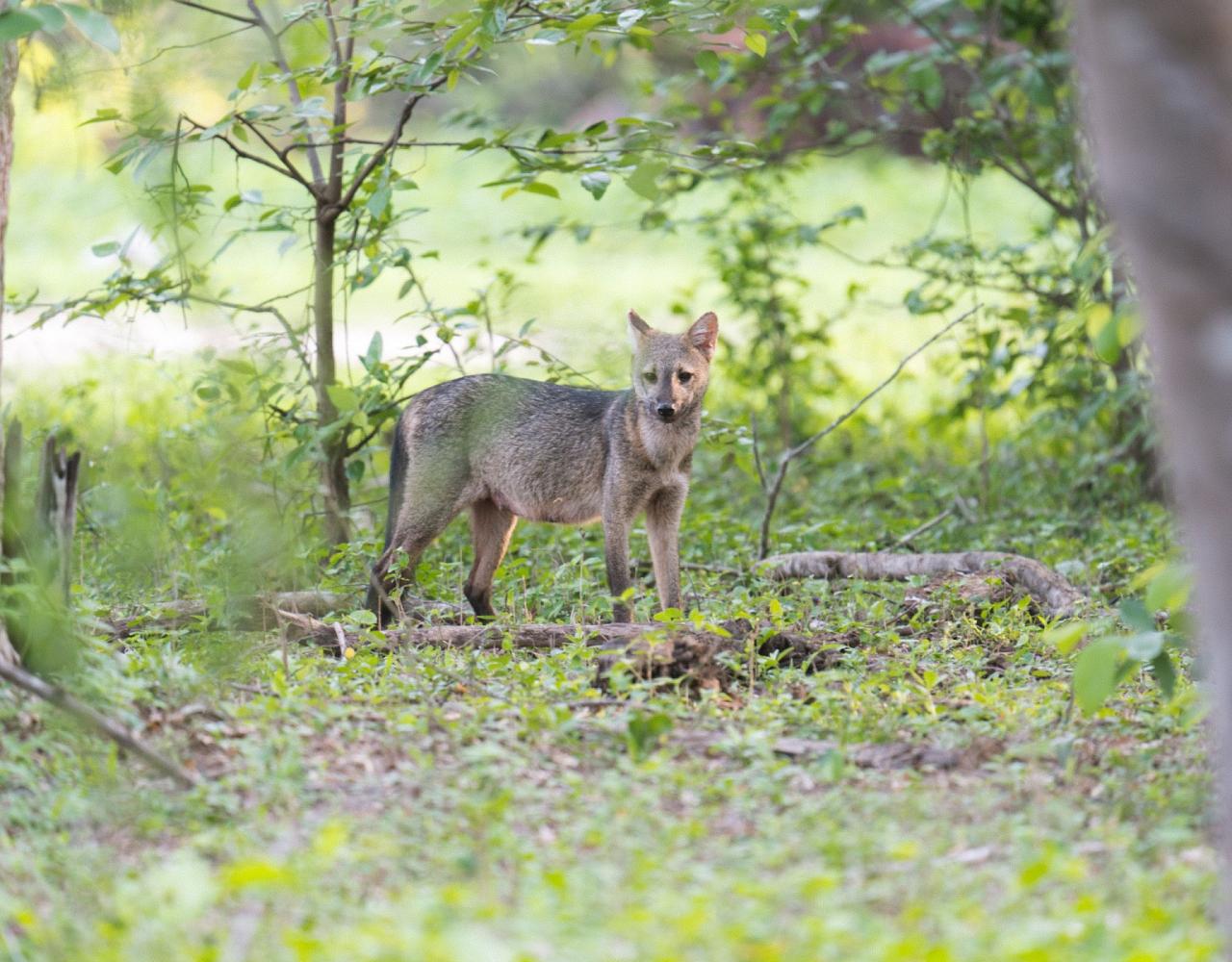
Crab-eating Fox by Wes Larson
-
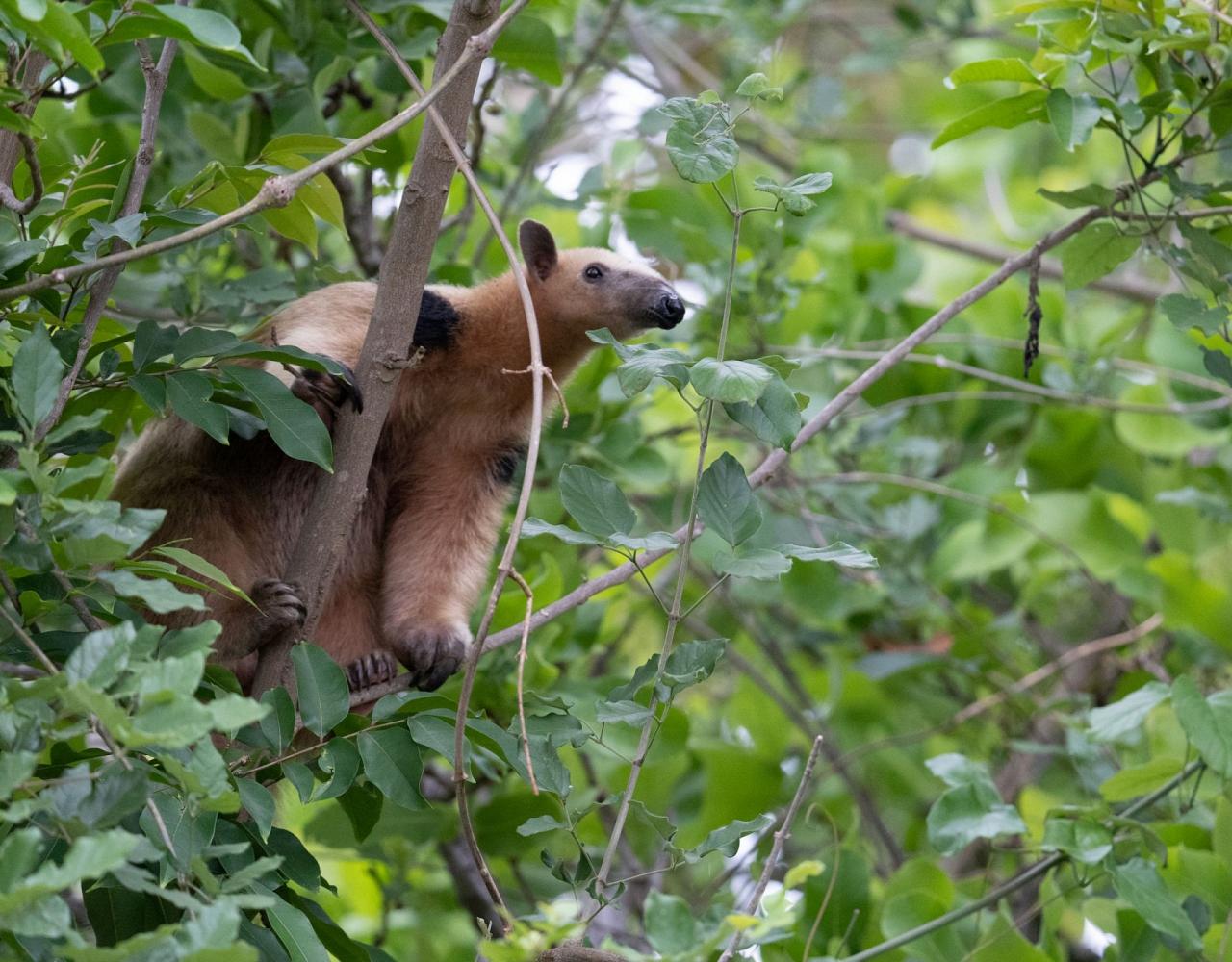
Lesser Anteater by Wes Larson
-
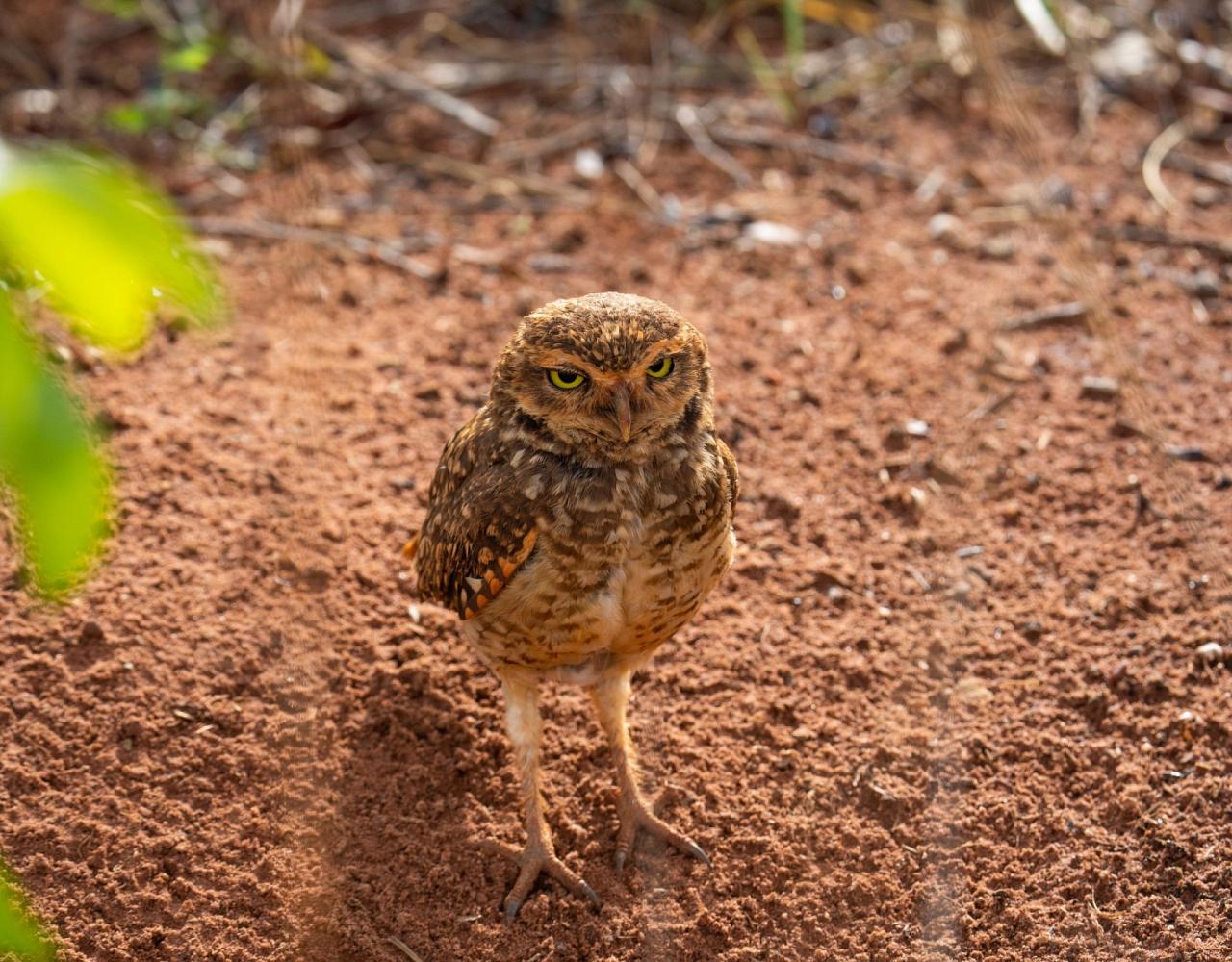
Burrowing Owl by Wes Larson
-
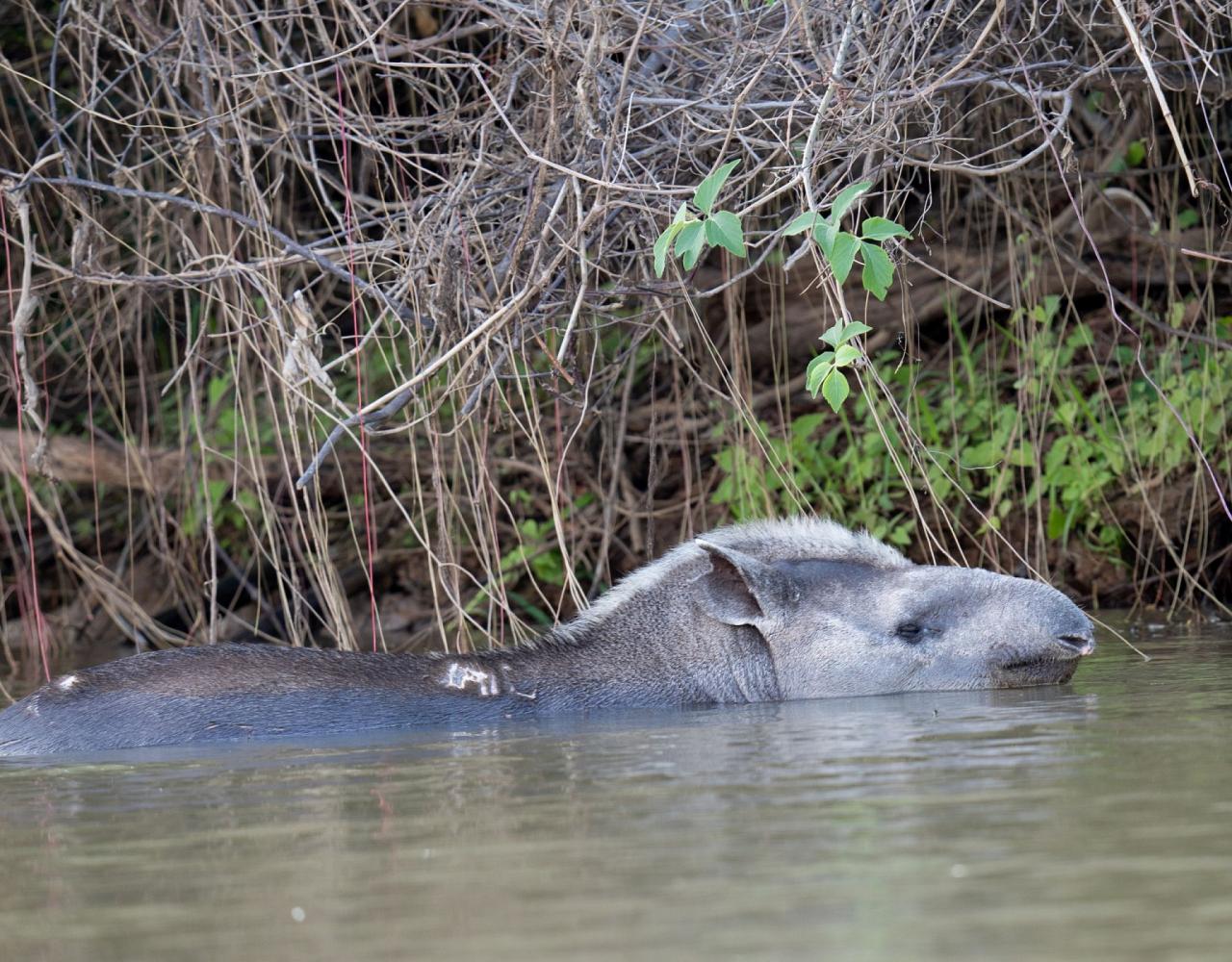
Tapir by Wes Larson
-
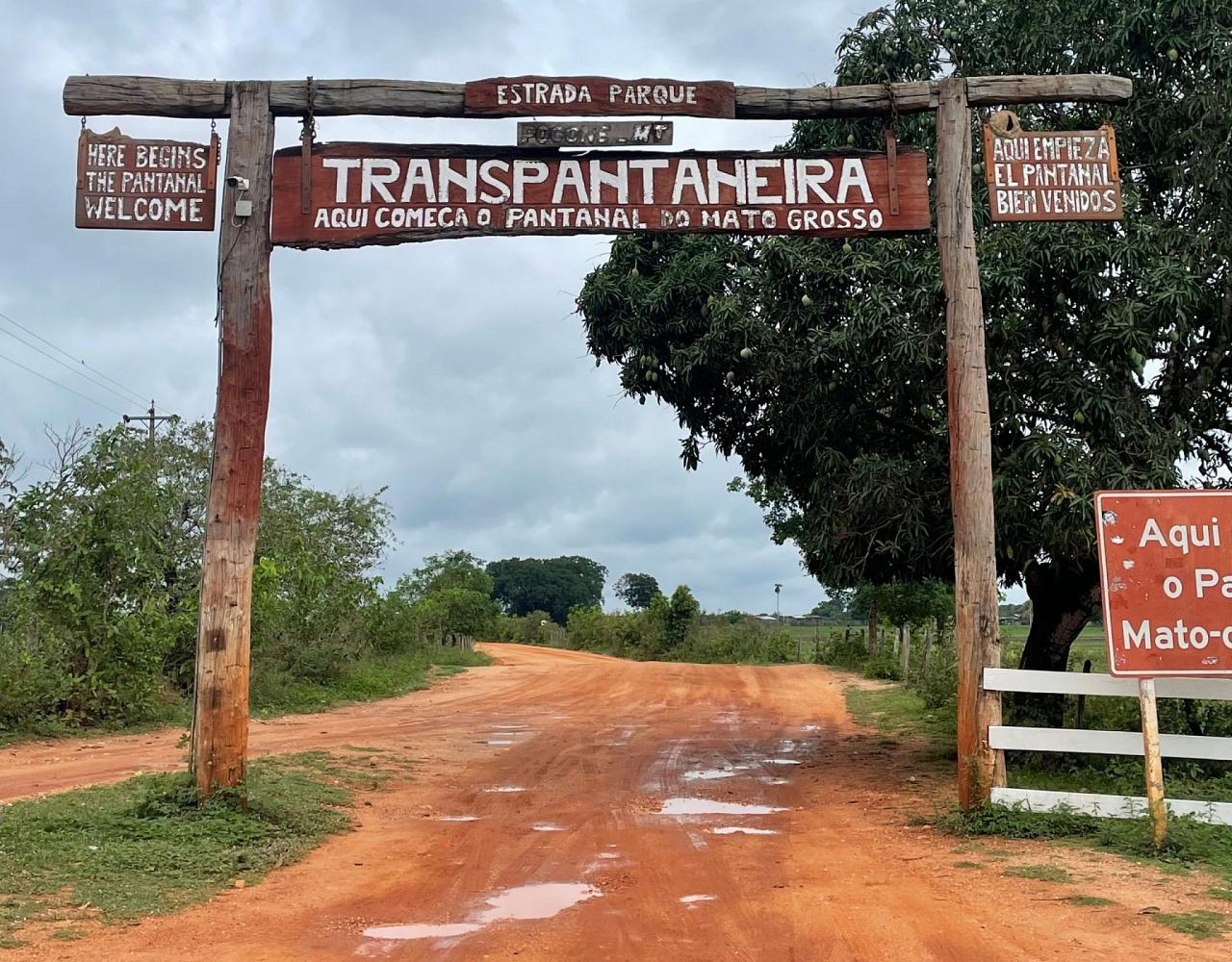
Welcome to Pantanal Sign by Jessie Hallstrom
-
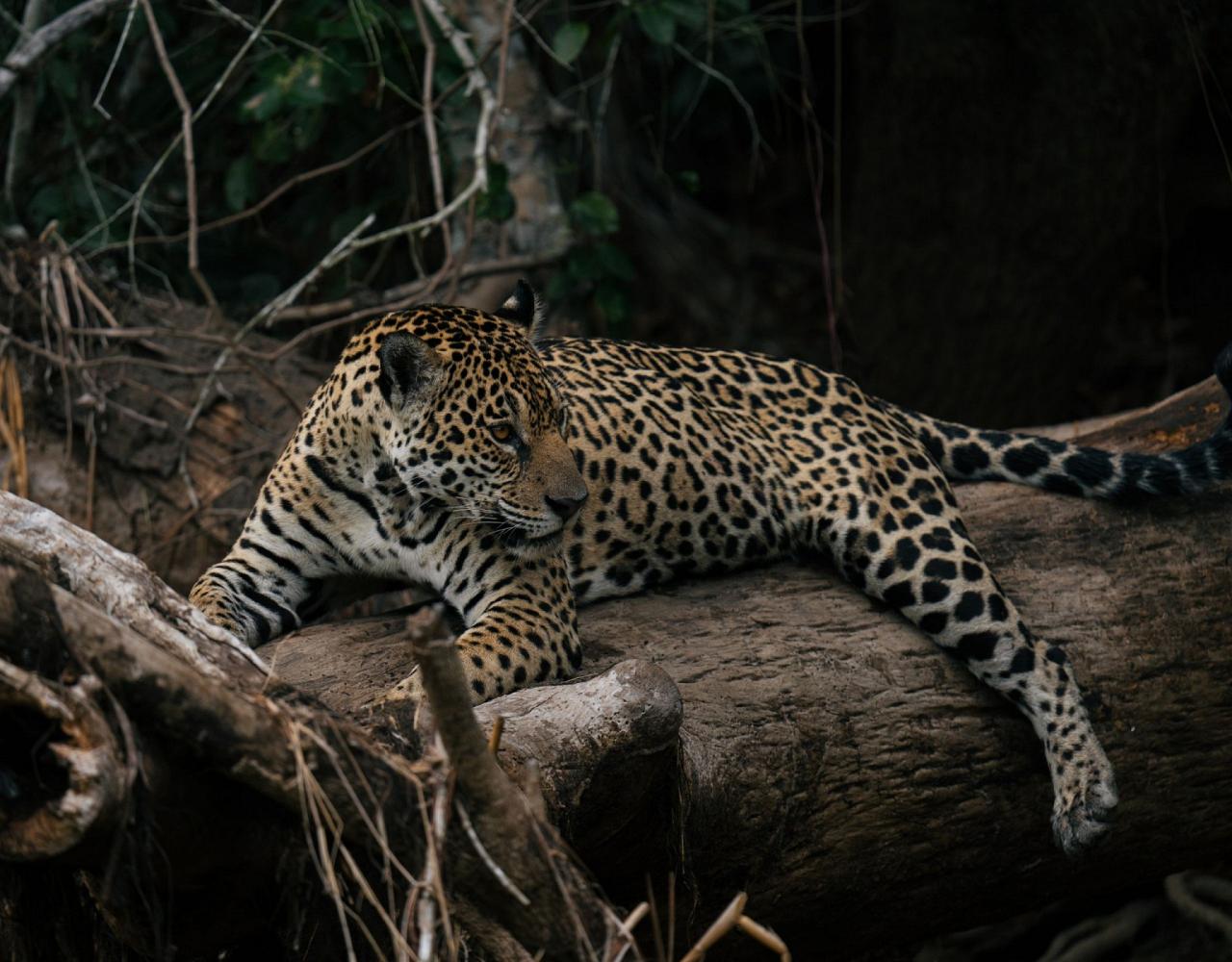
Jaguar by Wes Larson
-
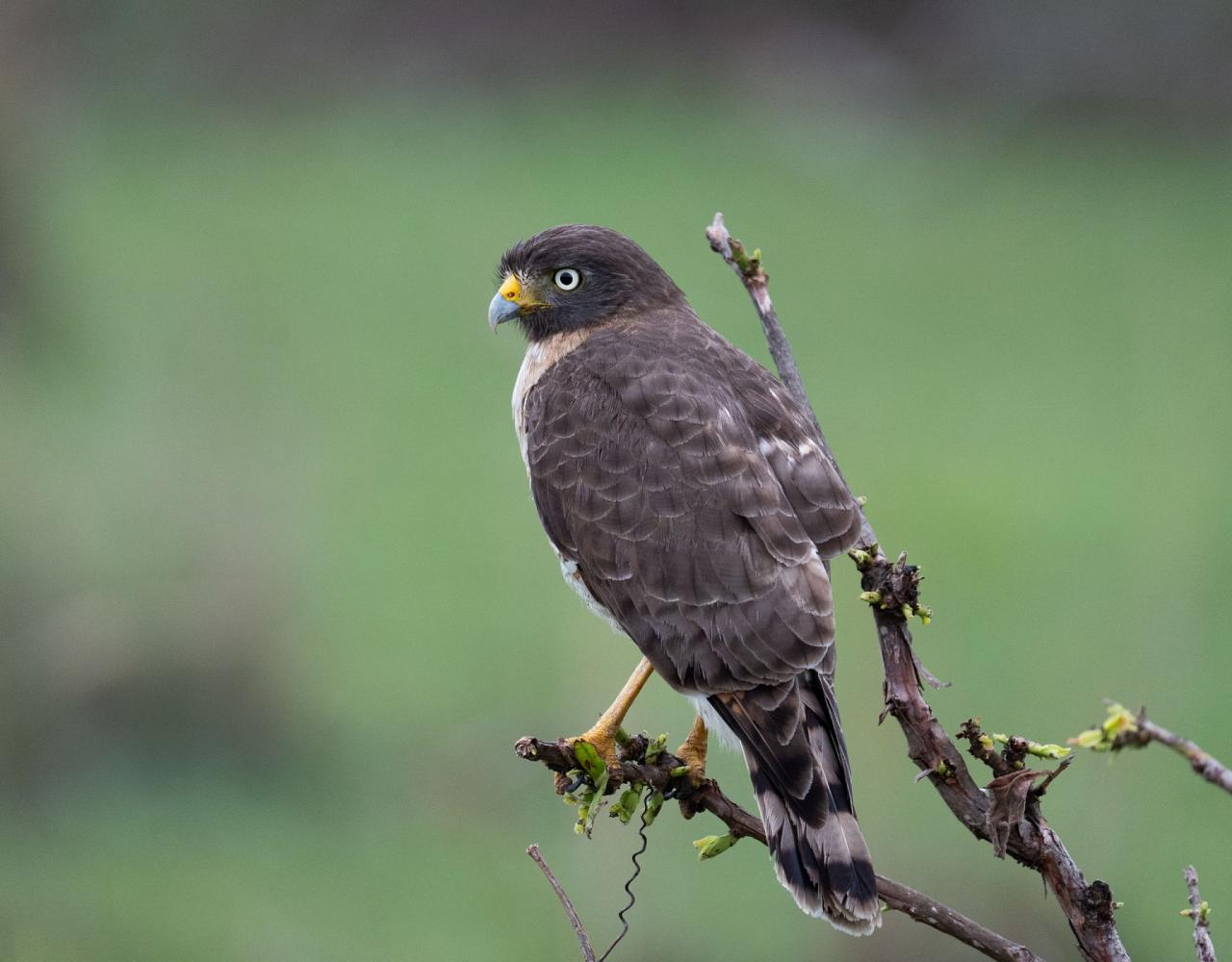
Roadside Hawk by Wes Larson
Cost of the Journey
The cost of the 8-day main tour is per person based on double occupancy: $5500 DBL. This cost includes 7 nights’ accommodations, all meals as noted in the itinerary, airport transfers, land and boat transportation during the journey, professional guide services, park and other entrance fees, and miscellaneous program expenses.
This cost does NOT include airfare to and from Cuiaba, personal expenses such as laundry, telephone, drinks from the bar, and gratuities.
Travel Details
Please plan to make air travel plans only after the minimum group size has been met. We will send you a confirmation email as soon as the trip has been confirmed.
Because your arrival and departure airports are different, you can book this as a multi-city ticket, or as two one-way tickets. This will ensure your luggage gets checked all the way through. Unless you wish to spend extra time in São Paulo, we recommend not breaking up your ticket there.
Arrival Airport: Marechal Rondon International Airport (CGB) in Cuiaba
Arrival Details: Please plan flights to arrive August 27, 2027, no later than 5:00 PM so you can join the welcome dinner
Departure Airport: Marechal Rondon International Airport (CGB) in Cuiaba
Departure Details: Please plan flights to depart September 3, 2027, after 4:00 PM
Entry Requirements: See "Essential Information" section under the "Know Before You Go" tab.
Browse below for trip reports and species lists from past versions of this and other tours from this destination.
Atlantic Forest
- September 2025
- June 2026
Brazil
- July 2016
- July 2017
- July 2018
- August 2018
- October 2019
- July 2022
- August 2022
- October 2022
- July 2023
- August 2023
- September 2023
- July 2024
- August 2024
- September 2024
- October 2024
- July 2025
- September 2025
- October 2025
- June 2026
- August 2026
- September 2026
Atlantic Forest
- September 2025
- June 2026
-
Wes Larson

Wes Larson is a wildlife biologist who specializes in some of the most beloved and threatened species around the world. His primary research has been on polar, black, grizzly and sloth bears, but he has been lucky enough to work on conservation projects with myriad other species, including Golden Eagle, African Wild Dog, Green Sea Turtle, Elephant Seal, Spotted Eagle Ray, Burrowing and Flammulated Owl, American Kestrel, Temminck’s Ground Pangolin, and American Alligator. Wes also has a passion for wildlife conservation education, and hosted the Mission Wild series for CNN’s Great Big Story, and regularly shares his travels and field work with his large social media following. He credits his love for wild things and bears to an upbringing in Montana, where the forests and mountains are a last refuge for his favorite species, the Grizzly Bear of the Rocky Mountains. Wes’s passion for all things wild is infectious and the only thing he loves more than seeing wildlife in its natural habitat is sharing those experiences with other people.
Other trips with Wes Larson
Essential Information +
Pace & Protocols +
Packing List +
Suggested Reading List +
Useful Links +
Photo credits: Banners: Toco Toucan (NJ Stock), Jaguar (Wes Larson), Hummingbird (Wes Larson), Macaws in Flight (Wes Larson), Hyacinth Macaws (Wes Larson), Jabiru & Hyacinth Macaws Flying (Wes Larson) Thumbnails: Jabiru Stork (Wes Larson), Howler Monkey (Wes Larson), Giant River Otter (Wes Larson), Hyacinth Macaw (Wes Larson), Yellow-billed Cardinal (Wes Larson), Jaguar (Wes Larson), Toco Toucan (Peg Abbott), Tiger Heron (Wes Larson)