Trip Itinerary
Itineraries are guidelines; variations in itinerary may occur to account for weather, road conditions, closures, etc. and to maximize your experience.
Thurs., March 4 Arrival in Durban
Arrive in Durban before early afternoon. For those choosing to arrive early, there is plenty to explore in this subtropical modern port city. Walk along the Golden Mile promenade fronting golden sand beaches, where traditional market vendors offer Zulu arts and crafts. Bird the Botanic Gardens (African's oldest surviving botanical gardens), enjoy the uShaka Marine World aquarium, or visit the Art Gallery with rich exhibits of international artists. When the full group arrives, we leave behind the hot, tropical climate of the coast as we head inland towards the cooler endemic-rich Drakensberg mountains of the Great Escarpment in the Underberg region. We make a couple of roadside stops to enjoy our first birds, but keep moving in order to arrive at our accommodation by the late afternoon, where we’re be based for three nights. This gives us a chance to relax and unwind after a long flight, and before the birding starts in earnest tomorrow.
Accommodations at Cedar Gardens or similary in Underberg (D)
Fri., March 5 Sani Pass
The dramatic Sani Pass is the focus of our entire day’s birding today and a highlight of the tour, promising a great variety of southern African endemics. Don’t forget your passport at the hotel today, as we visit the Mountain Kingdom of Lesotho, one of only three sovereign enclaves world-wide completely surrounded by another country. The Drakensberg Mountains are actually a steep escarpment (long cliff) separating the warm coastal plain from the higher, drier alti-montane grasslands and woodlands of the Central Plateau.
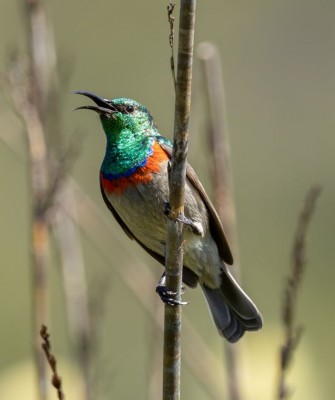
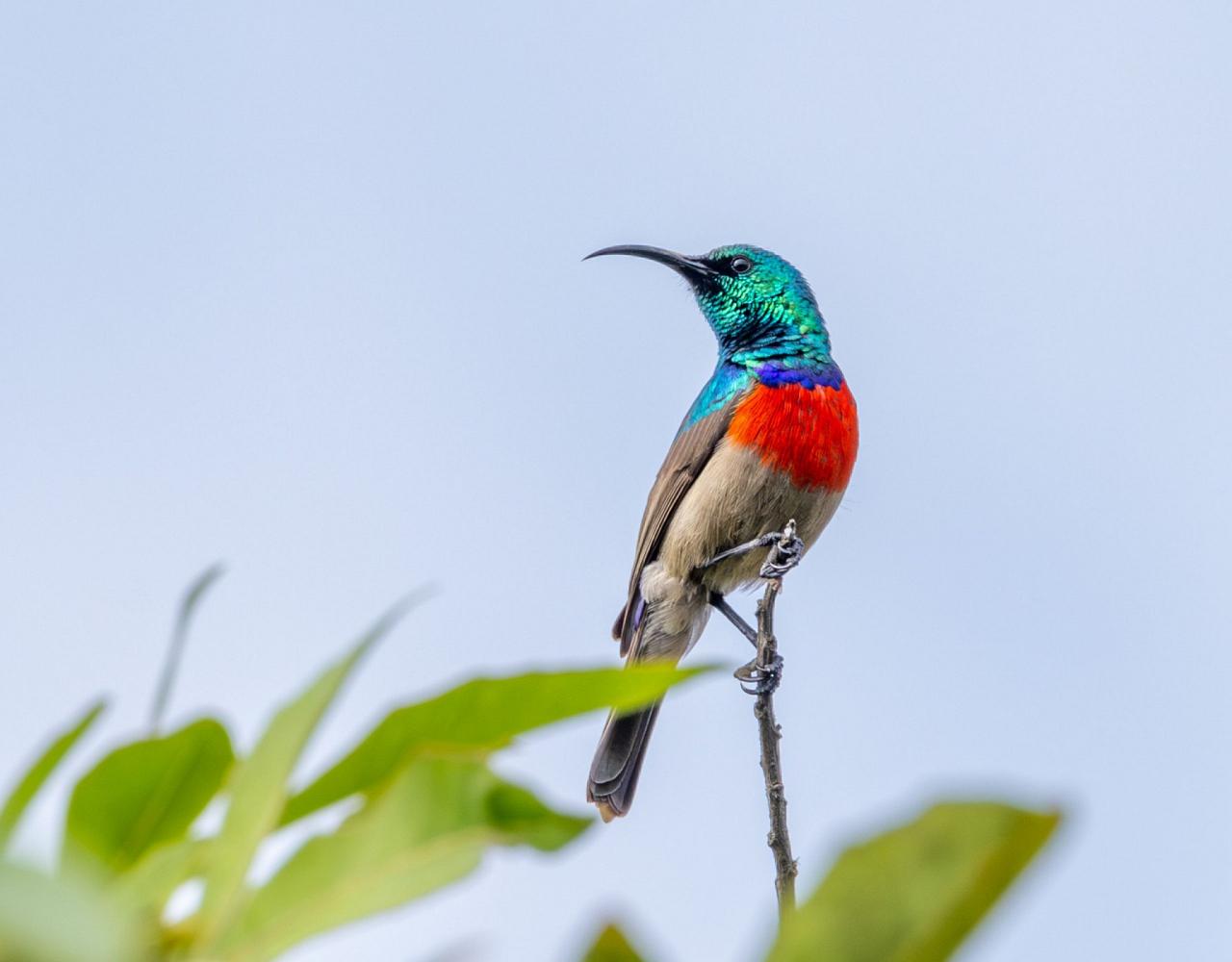
In the foothills of the Drakensberg, we pause at some well vegetated valleys to search for the smart Bush Blackcap, Drakensberg Prinia, Greater Double-collared Sunbird, Cape Weaver and bright Bokmakierie. The lower sections of the pass itself may produce our first Jackal Buzzard, plus Buff-streaked Chat, Horus Swift, Cape Rock Thrush, the popular Red-throated Wryneck, Ground Woodpecker and unusual Gurney’s Sugarbird. We try to draw out the skulking Barratt’s Warbler from its overgrown hideout. Higher up the pass we enjoy breathtaking views from the snaking switchbacks. Some of the oldest rock on the plateau is found at the top of the pass, where dark pock-marked Jurassic basalt lavas cap older wind-blown sandstones. These steep, rocky sections are home to South African Rock Pipit, the very local Drakensberg Siskin, Bearded Vulture, Cape Bunting and, today’s most special bird (hopefully!), the striking Drakensberg Rockjumper. Once through the Lesotho border, we continue for some distance across South Africa's Central Plateau to search savannas for Mountain Pipit, Sentinel Rock Thrush, Southern Bald Ibis, Cape Vulture, Sickle-winged Chat and, in the shrubbier areas, the dainty Fairy Flycatcher and Layard’s Warbler. Mammals here could include Mountain Reedbuck, Grey Rhebok, dainty Klipspringer, Eland, Bushbuck and Grey Duiker. The area is also home to Oribi, Baboon, Vervet Monkey, Black-backed Jackal and Rock Hyrax.
After lunch, perhaps shared with Sloggett’s Ice Rat, we turn back and retrace our steps down to Underberg, pausing near town for some grassland birding if time permits.
Accommodations at Cedar Gardens or similar in Underberg (B,L,D)
Sat., March 6 Midlands Forest & Grassland Birding
Today our attention switches to the region’s endemic-rich Afromontane forests in the Drakenberg foothills. Wonder at the unique flora of the forests, including feathery tree ferns, Cape myrtle and ancient Yellowwood Trees. Birding is slower than yesterday, but the rewards are just as great. We plan to arrive by the early morning, when the rare Cape Parrot is active and noisy. Other species we hope to see include Olive Woodpecker, Bar-throated Apalis, Barratt’s Warbler (if missed yesterday), African Emerald Cuckoo and chunky-billed Forest Canary. Understory skulkers are much more challenging, and include White-starred Robin, Chorister Robin-Chat and Orange Ground Thrush. At the forest edge we search for Lazy Cisticola, Cape Grassbird and stunning, tiny Swee Waxbill. Mammals here include Chacma Baboons, Black-backed Jackals, Caracal or Serval if we are very lucky, and Rock Hyrax.
Once bird activity dies down, we head to an area of mistbelt grassland where we search for one of South Africa’s rarest breeding birds: Montane Blue Swallow. Besides the swallow, these native grasslands, home to an abundant number of plant species, may also hold Wailing and Pale-crowned Cisticolas, Cape Longclaw, Denham’s Bustard, Wattled Crane and Bearded Vulture.
Accommodations at Cedar Gardens or similar in Underberg (B,L,D)
Sun., March 7 Underberg to Eshowe
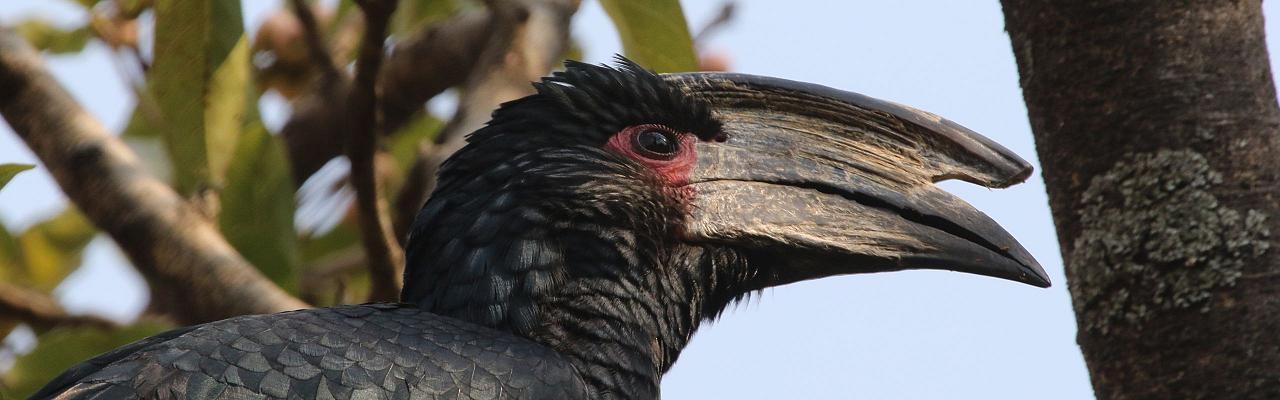
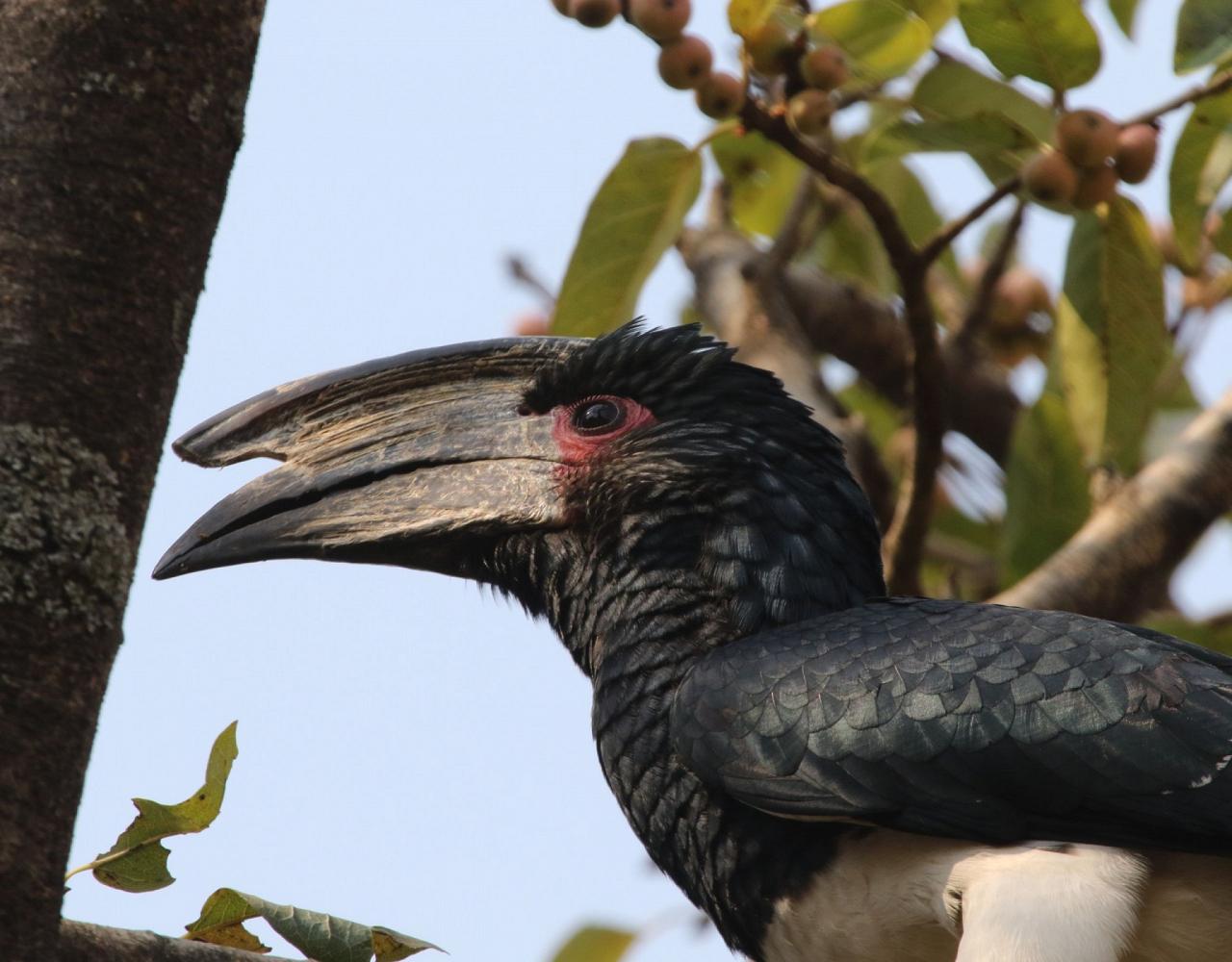
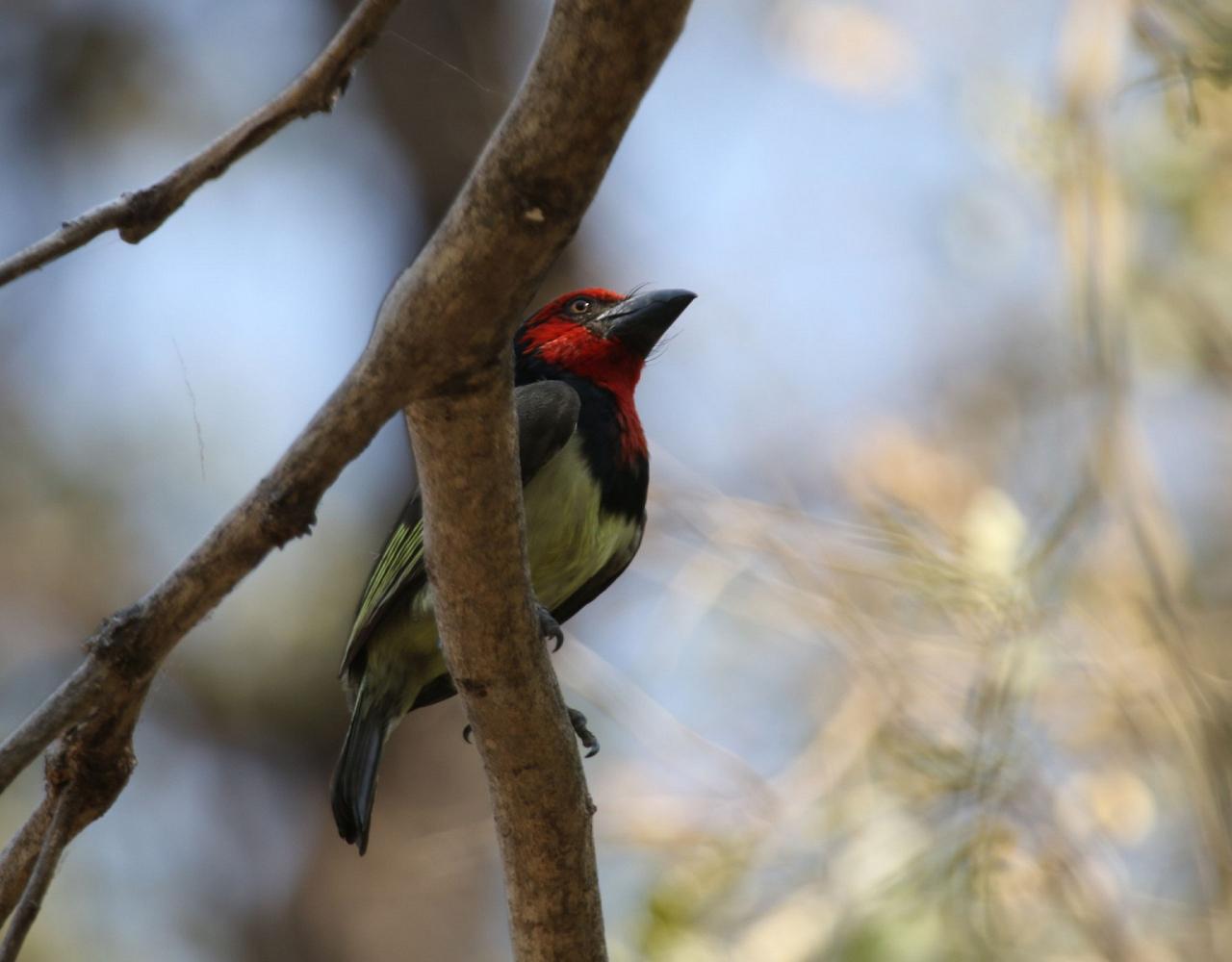
After some early morning birding, we depart for Eshowe, our home for the next two nights, and some of Zululand’s finest forest birding. A market town set on a hill, Eshowe is the oldest town of European settlement in Zululand. It is well known for its history and for the adjacent Dlinza Forest, a remnant of the once-extensive coastal forests that covered much of KwaZulu-Natal. Expect warm days and nights with a moderate chance of precipitation as we return to the coastal plain. We may make a few stops en route, but hope to arrive by the mid-afternoon to make the most of the evening’s spate of bird activity. We should have time to spot the conspicuous Trumpeter and Crowned Hornbills and Black-collared Barbet, although most of the trickier forest birds we begin to search for tomorrow morning.
Accommodations at Eshowe (B,L,D)
Mon., March 8 Eshowe Forest Birding
During our time in the Eshowe area, the main focus of our stay is the famous mid-altitude sub-tropical Dlinza Forest with its canopy tower, right on the edge of Eshowe town. One of only five natural forests running in a 100 km line northwest from the coast, its biodiversity is renowned. From our perch on the 150-meter-long elevated walkway and 20-meter-high tower (first of its kind in South Africa) rising above the canopy of magnificent hardwoods and ancient giant trees, we may spot Eastern Bronze-naped Pigeon, Yellow-rumped Tinkerbird, Little Sparrowhawk, White-eared Barbet, Square-tailed Drongo, Black-bellied Starling and Olive Sunbird. However, our main species we hope to see today is in the understory – the rare and fine Spotted Ground Thrush. While we quietly stalk along the forest paths in search of this rarity, we may find Green Twinspot or Lemon Dove. Duikers, Cape Bushbucks and Vervet monkeys are a few of the mammals found in these woods. We enjoy a full day here.
Accommodations at Eshowe (B,L,D)
Tues., March 9 Eshowe to St Lucia
It’s only a short drive today, and so we bird again in the Eshowe forest before continuing on to the picturesque coastal town of St Lucia. The small settlement is a jumping off point for the RAMSAR-designated, UNESCO World Heritage Site, the iSimangalist Wetland Park,1270 square miles of natural dune forest, savanna, beach, wetland and marine ecosystems recognized for its rich biodiversity. St. Lucia has a consistently comfortable climate. We have two nights in town, in order to explore the surrounding woodlands and grasslands.
Accommodations at St Lucia (B,L,D)
Wed., March 10 St Lucia & iSimangaliso Wetland Park
The moist coastal dune forests surrounding St. Lucia are home to several localized specialties and we should find Woodward’s Batis, Livingstone’s Turaco, Dark-backed Weaver, Rudd’s Apalis, the secretive Brown Scrub-Robin, Blue-mantled Crested-Flycatcher and perhaps even Gorgeous Bush-shrike.
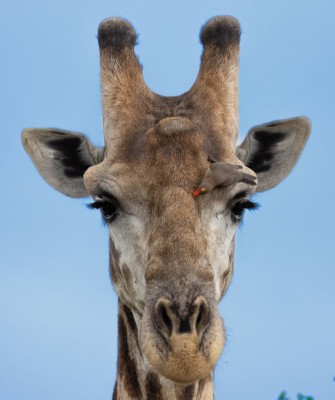
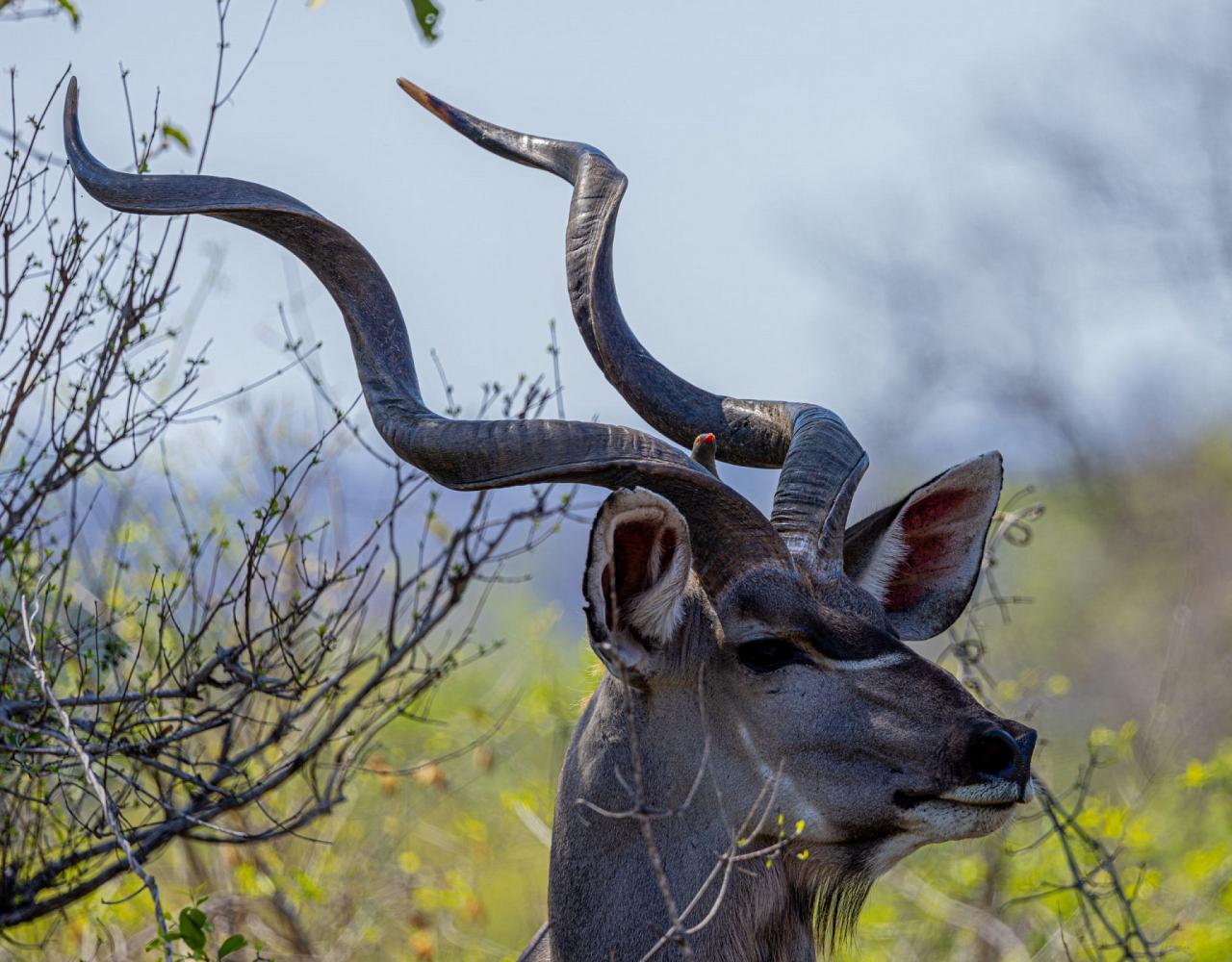
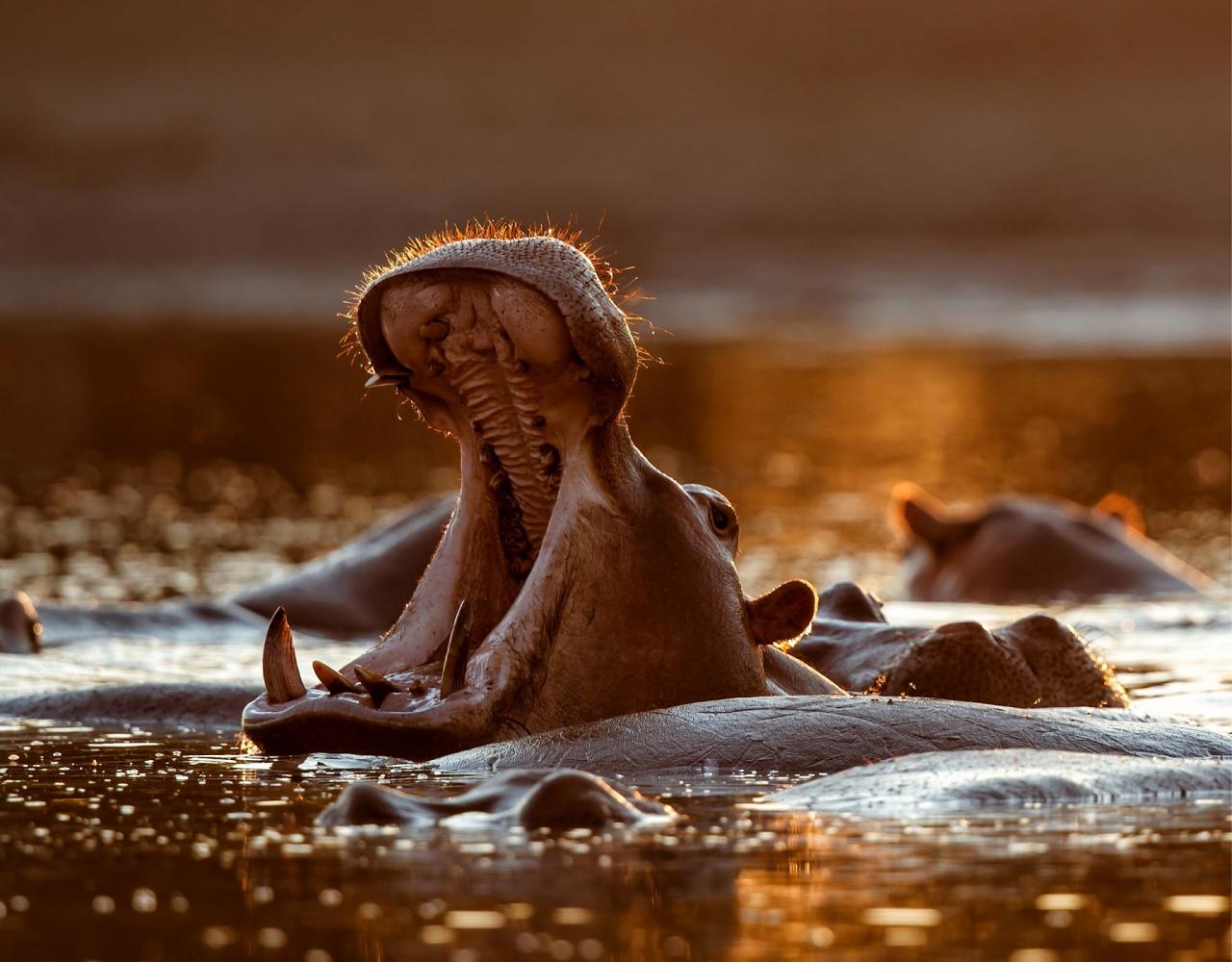
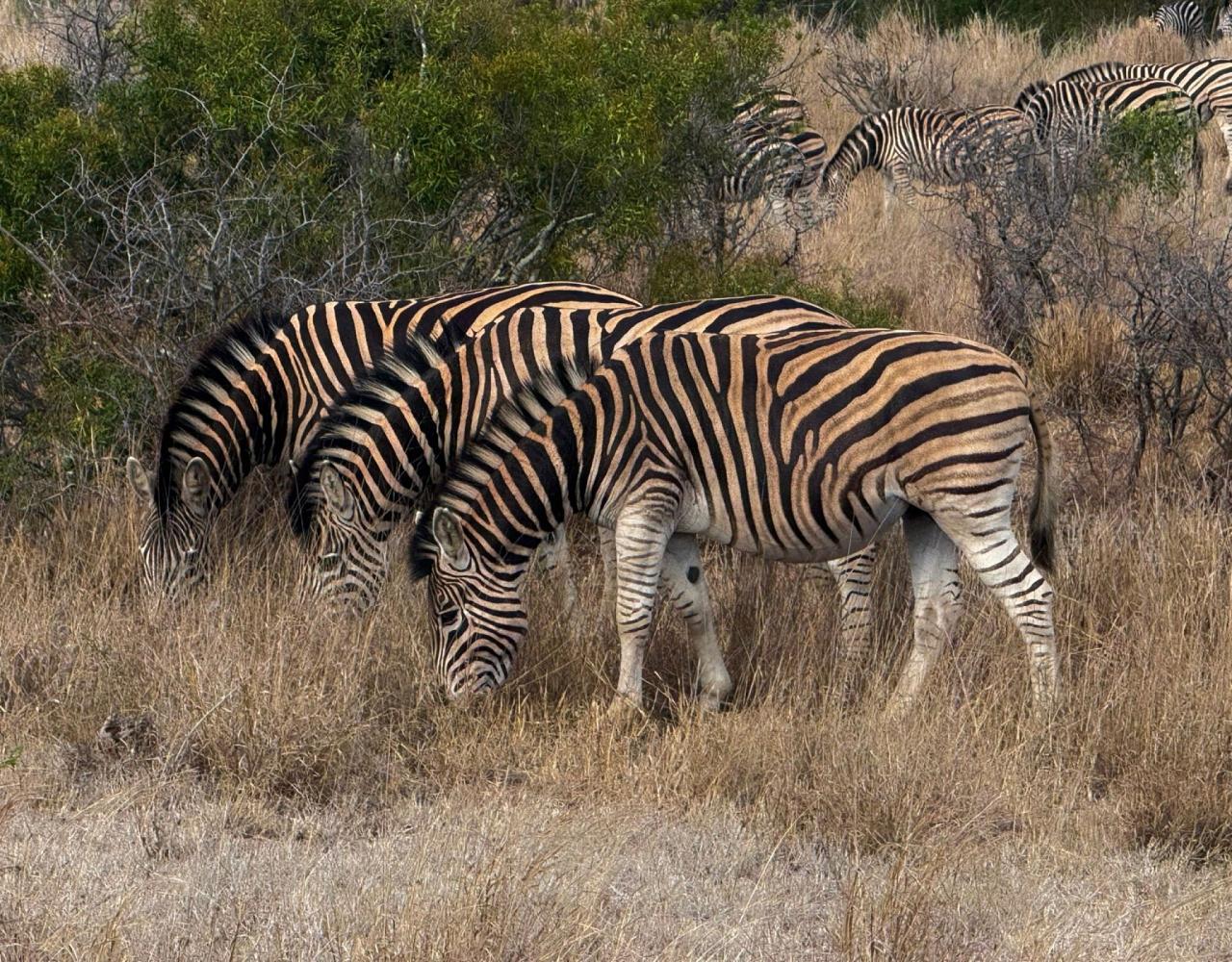
The adjacent iSimangaliso Wetland Park is South Africa's third-largest protected area, spanning 170 miles of coastline and a coastal forest mosaic of habitats. Home to an excellent selection of grassland birds and mammals, we watch for Giraffe, Kudu, Zebra, Wildebeest, and beautiful Nyala, as well as other specialties of the dune forests, including a good chance of Crowned Eagle, Southern Banded Snake-Eagle, and the small and round Red Duiker antelope. A boat trip on the river is excellent for waterbirds, including African Finfoot with luck, as well as many of the Hippopotamus and Nile Crocodiles found in the park.
Accommodations at St Lucia (B,L,D)
Thurs., March 11 St Lucia to Bonamanzi
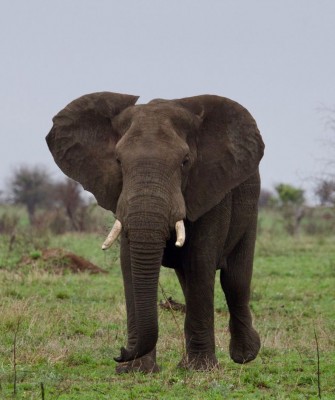
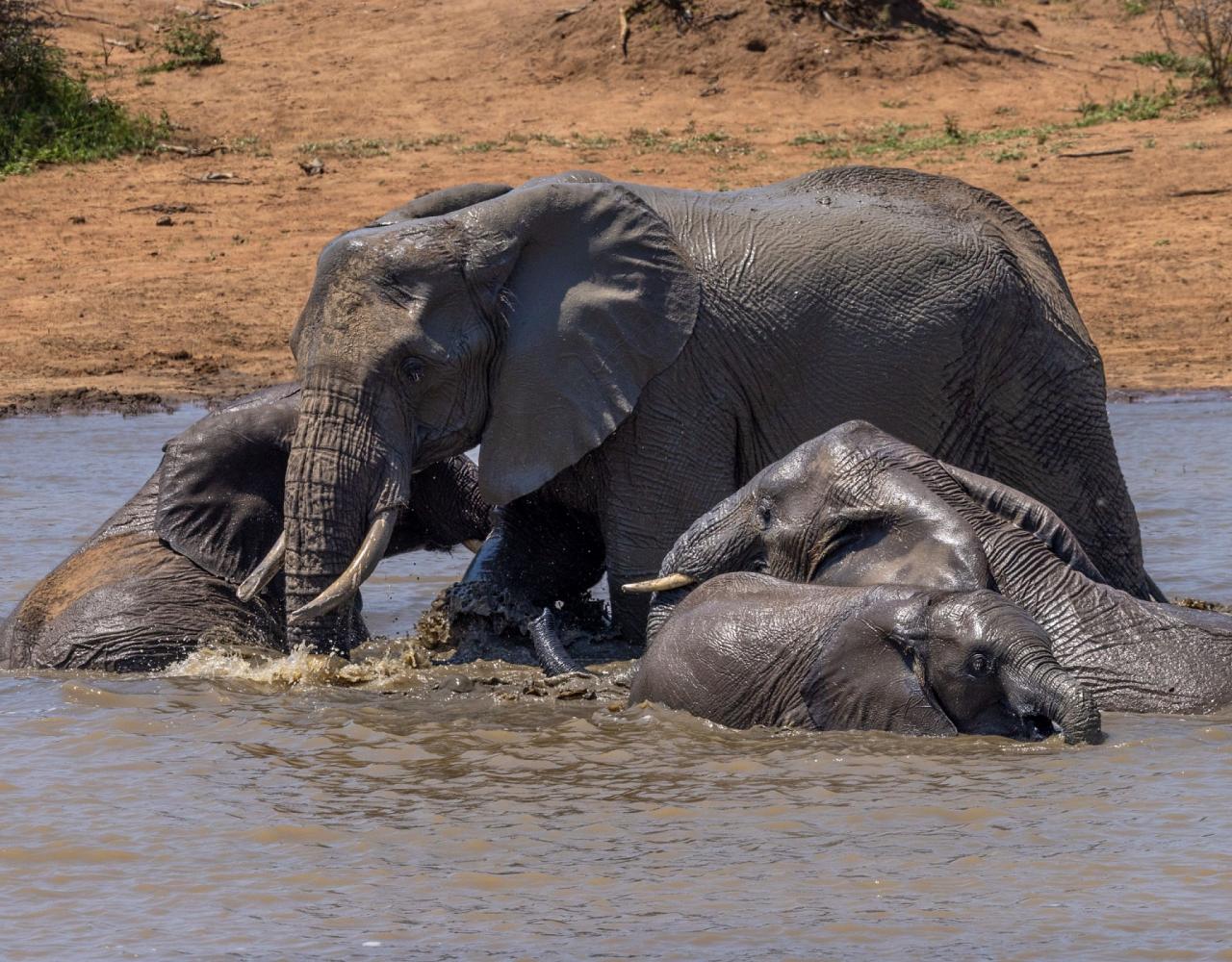
After some more birding in the St Lucia area this morning, depending on what we have seen, we head to the sand forests, savanna and wetlands of the private Bonamanzi Game Reserve, our base for the next nights. Not only do we explore the game reserve itself, but we also use it as a base to explore the surrounding areas. Bonamanzi is a nearly 10,000 acre, privately owned game reserve, from which we can embark on classic safari drives looking for specialty birds of the region and big game including Giraffes, Elephants, and more.
Accommodations at Bonamanzi Game Reserve, or similar (B,L,D)
Fri., March 12 & Sat., March 13 Bonamanzi | Hluhluwe | Mkhuze
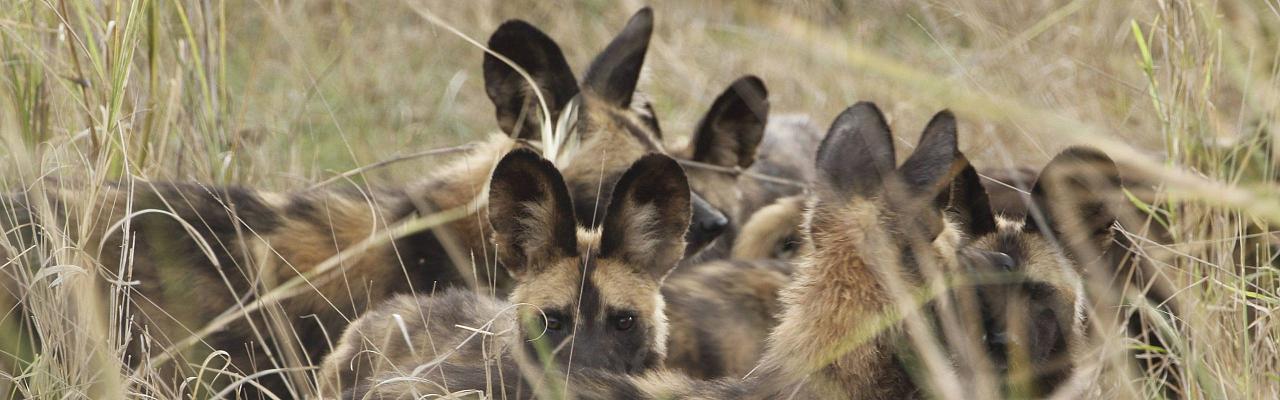
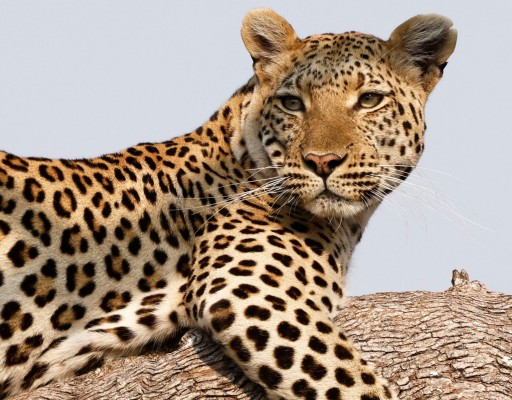
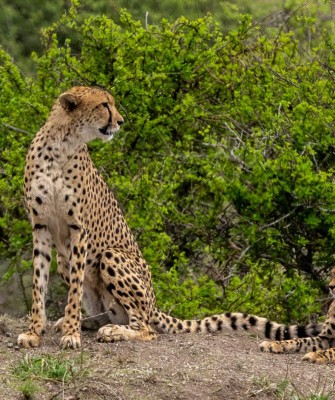
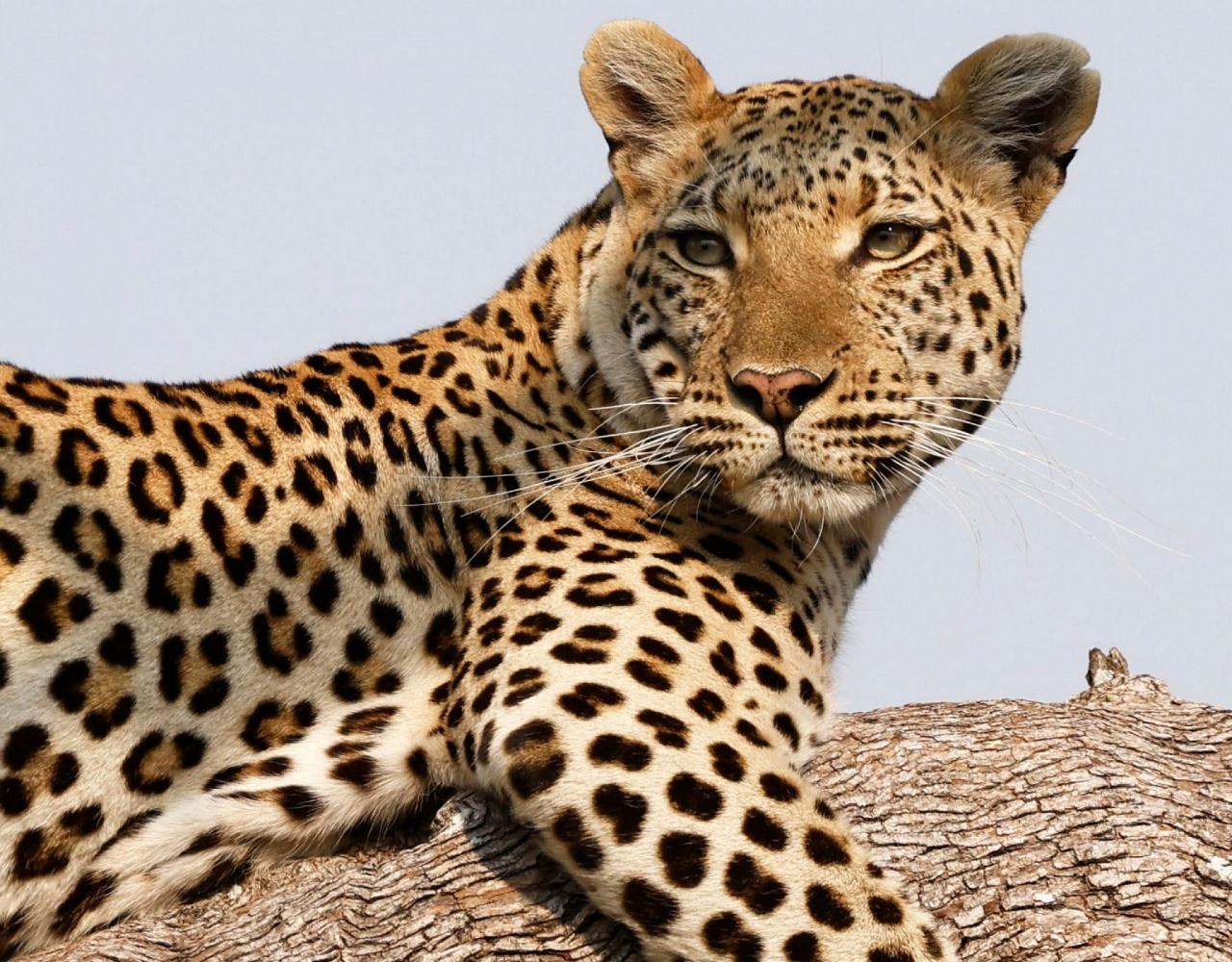
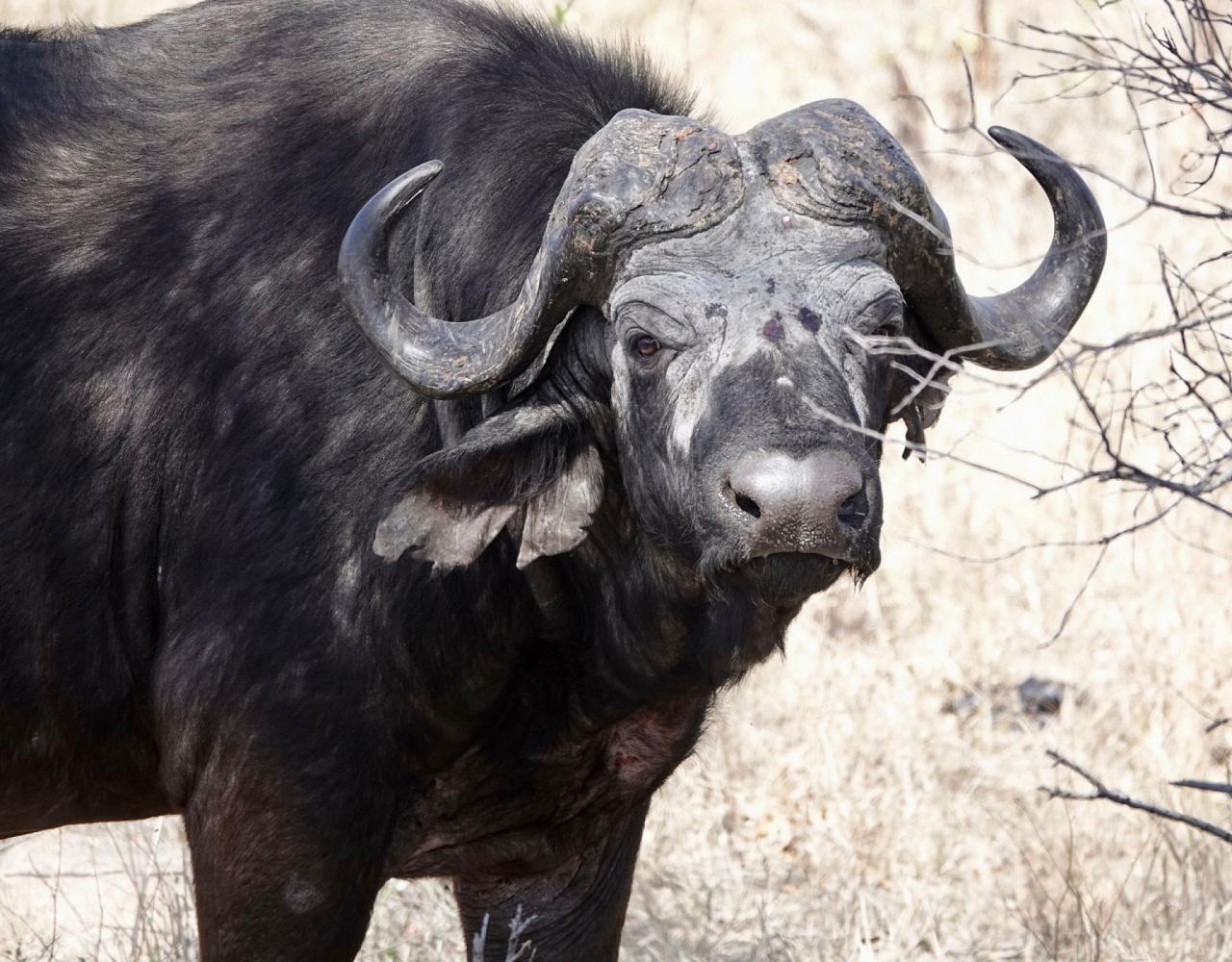
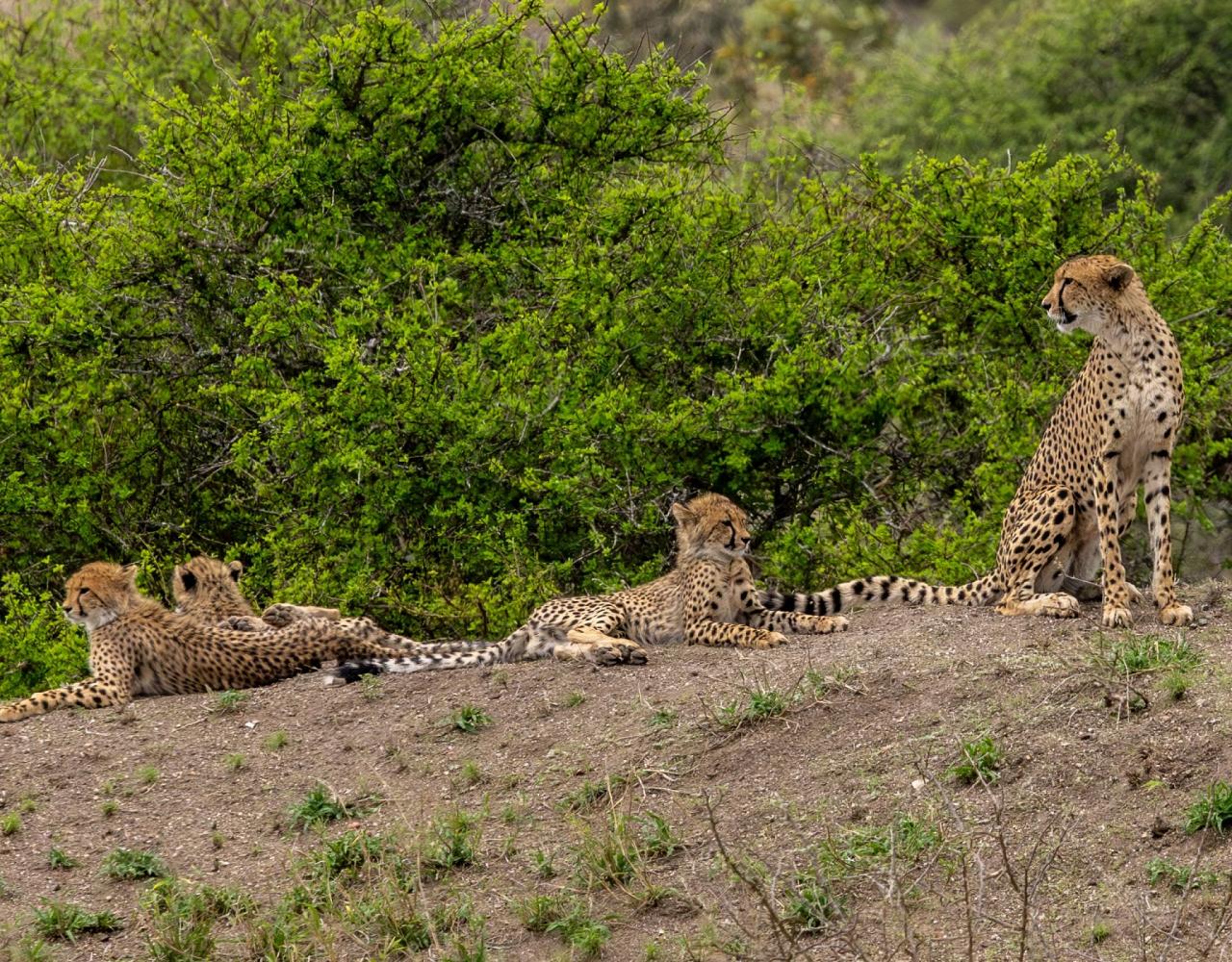
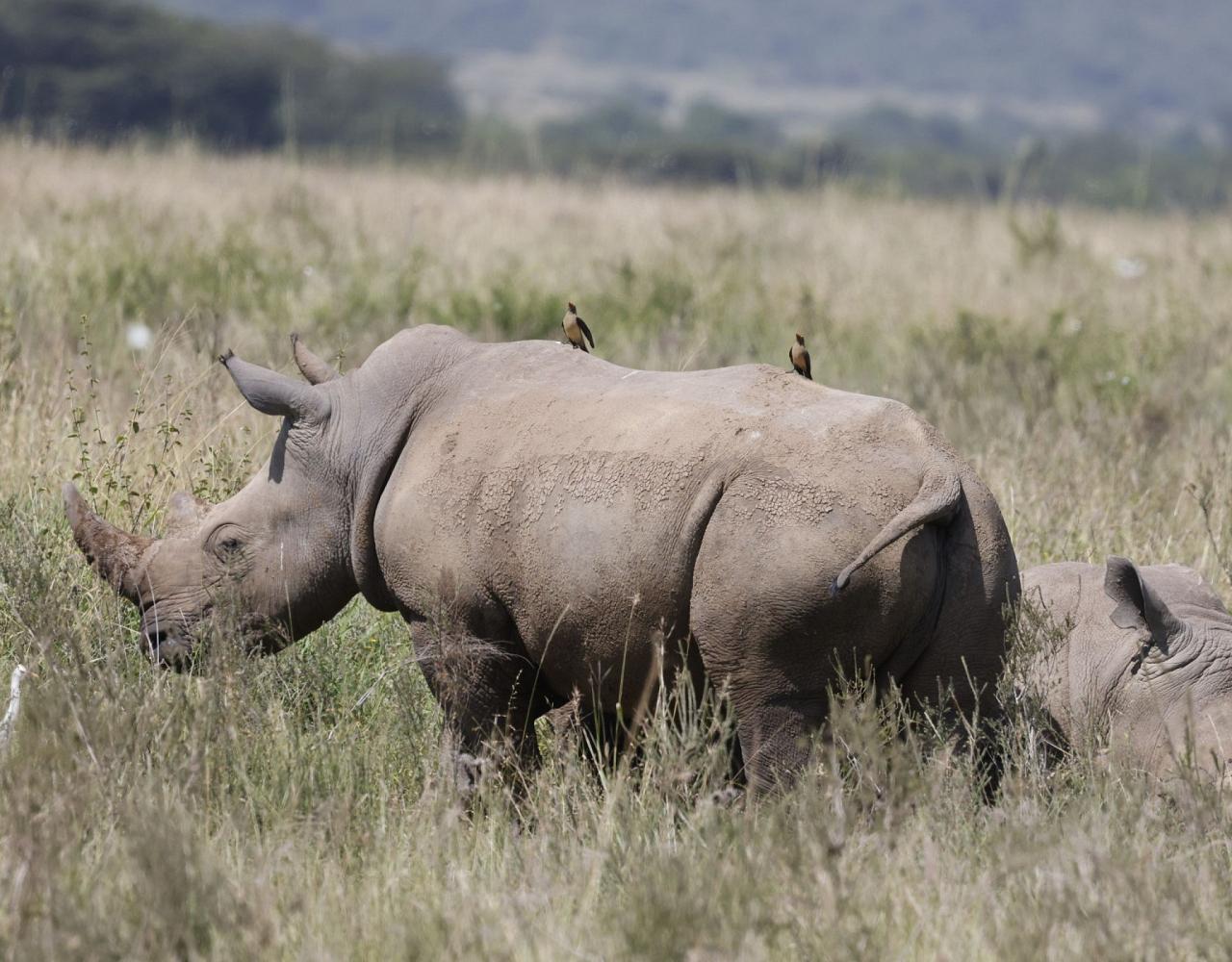
Based at Bonamanzi, we visit several sites in the surrounding area today, including Mkuze Game Reserve, one of South Africa's top birding destinations, and the Hluhluwe-iMfolozi Park, famous for its White Rhinos. In addition to walking around forested sites and camps, and birding from our minivans along the roads, we also embark on two game drives in open vehicles, allowing really superb viewing and photographic opportunities of both birds and mammals. In terms of African mammals, the "Big 5" (Lion, White Rhinoceros, Elephant, Leopard and African Buffalo) is recorded from these reserves and we hope to see a selection of them in the two days we are in the area, but it is worth noting that the vegetation is dense and it is hard to predict exactly which mammals we see in any one trip. Other exciting mammal sightings might also include Cheetah and African Wild Dogs.
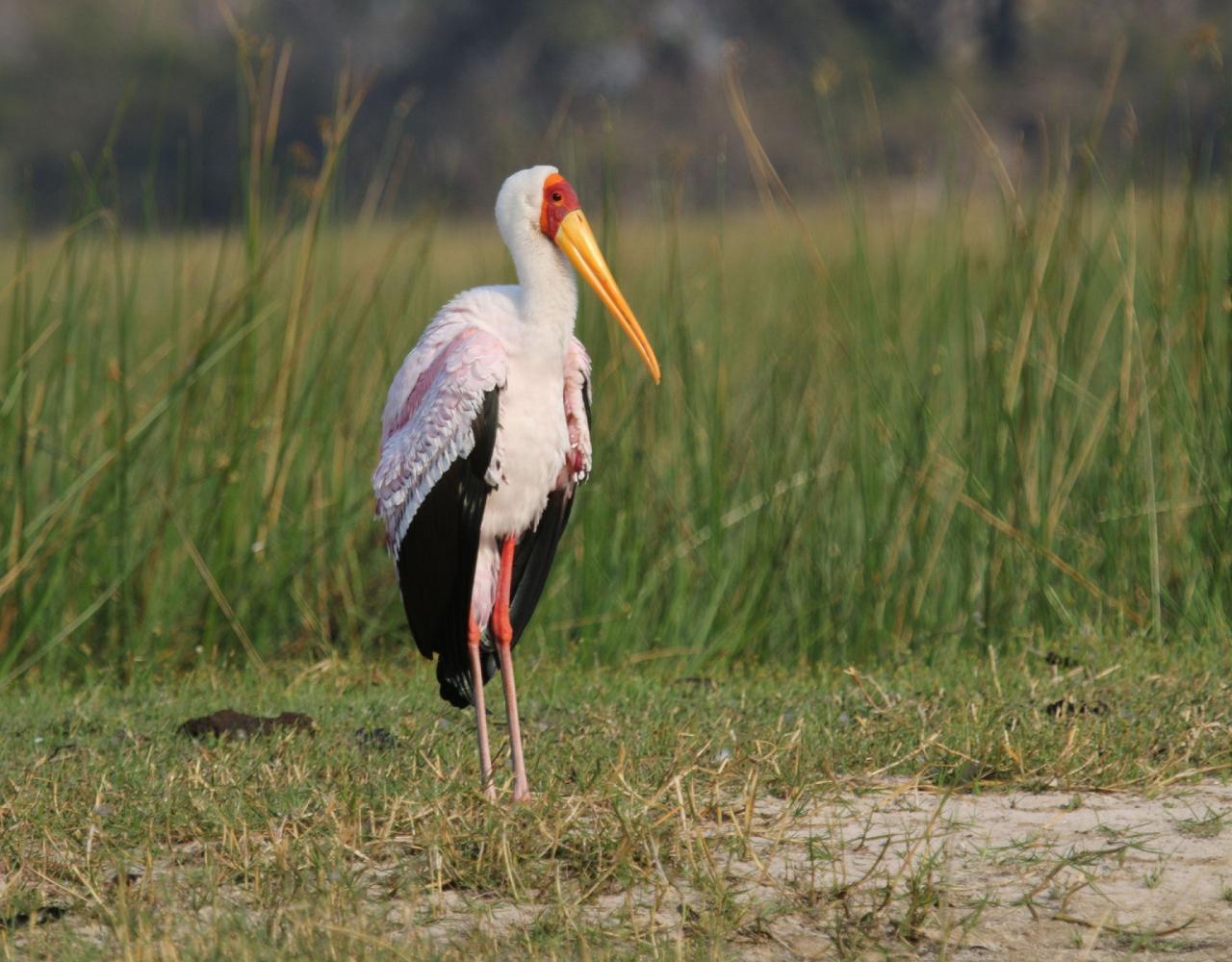
Birds that we seek out include Lemon-breasted Canary, Crested Guineafowl, Red-fronted Tinkerbird, Eastern Nicator, Bearded Scrub Robin and Narina Trogon. Waterbirds are also a feature of the area, and we may find Yellow-billed Stork, Pink-backed Pelican, various herons and egrets, and perhaps even Lesser Jacana and African Pygmy Goose. The area hosts a wide range of more widespread savanna species, and we stand our first chance to see birds such as Bateleur, Grey-headed Bush-shrike, Black Cuckooshrike, Grey Tit-Flycatcher, Broad-billed Roller, Lizard Buzzard, African Pygmy Kingfisher, Acacia Pied Barbet, Crested Barbet, Grey Penduline-Tit, Stierling’s Wren-Warbler, Burnt-necked Eremomela, Kurrichane Thrush and Yellow-throated Petronia.
Accommodations at Bonamanzi Game Reserve, or similar (B,L,D)
Sun., March 14 Bonamanzi to Wakkerstroom
After some final birding in the Bonamanzi area we start the longish drive through the famous highveld grasslands of the Wakkerstroom area, for a two night’s stay. This is a four-hour drive, but the scenery is fascinating as we watch the shift in habitat from savanna and forest to open grasslands, and we do stop en route to stretch our legs and do some birding. Here a host of high-altitude grassland and wetland birds await us, in a habitat where trees and shrubs never thrived, due to natural fires and grazing. En route we pause in an area of lower-lying grasslands to search for the scarce Barrow’s Korhaan, Buffy Pipit, Banded Martin, specialized Southern Anteater Chat, Cloud Cisticola and perhaps Eastern Clapper Lark. If time permits, we also check for the area’s last remaining pair of stunning Wattled Cranes, although we’d have to be very lucky to spot them.
Accommodations at Wakkerstroom (B,L,D)
Mon., March 15 Wakkerstroom High Altitude Grasslands
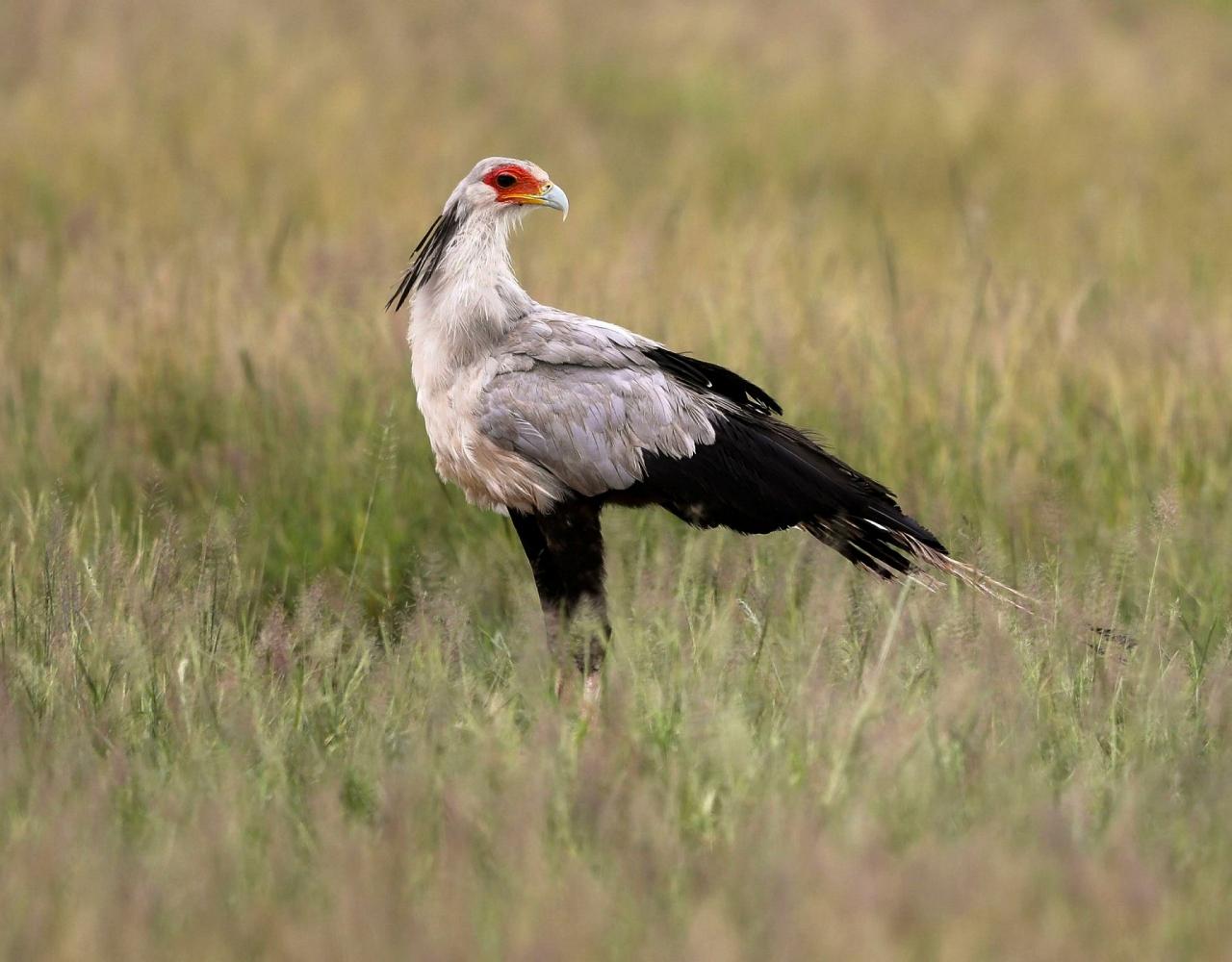
Wakkerstroom is the best area in the world to search for high-altitude grassland birds and we are joined by an expert local guide to aid us in our search. We stand to see a wide range of grassland birds, not least the handsome Blue Bustard, Grey-winged Francolin, Red-winged Francolin, Southern Bald Ibis, Secretarybird, Denham’s Bustard, Blue Crane (South Africa's national bird), Eastern Long-billed Lark, Spike-heeled Lark, South African Cliff Swallow, Wing-snapping Cisticola, Mountain Wheatear and Yellow-crowned Bishop. We also look for Yellow-breasted Pipit, and the critically endangered Rudd’s and Botha’s Larks, depending on access to the sites of these very sensitive species. A variety of wetlands should also produce their share of entertainment, with an abundance of ducks potentially including South African Shelduck, Cape Teal, Cape Shoveller, Southern Pochard and Maccoa Duck. A mammal highlight of the day may be the famous Meerkat!
Accommodations at Wakkerstroom (B,L,D)
Tues., March 16 Wakkerstroom to Johannesburg | Flights Home
After enjoying some early morning birding to end our trip on a high note, we drive east and north across the plateau to the Johannesburg airport for evening flights home. (B,L)
Essential Information +
This information is important for being prepared for your journey; we want you to have Read more
This information is important for being prepared for your journey; we want you to have the best experience possible. If you only read one section, this one is key!
Ahead of Your Tour
- Make sure your passport is valid for at least thirty (30) days beyond your exit date from South Africa. Your passport should have at least two consecutive fully blank visa pages. See “Passports, Visas & Documents” section below for important details.
- No Visa is required for the length of this trip. If you are from another country, please contact the South African embassy website for guidelines.
- Please check current CDC recommendations for travel to South Africa and consult with your doctor about general travel vaccinations you should have as precaution for travel. See the “General Health and Inoculations” section below.
- Travel insurance in case of serious medical emergency is strongly recommended. Full health coverage and repatriation is available through Allianz Travel Insurance.
- Soft sided luggage/duffel bags are easiest for packing the vans. Pack essential medications in your carry-on luggage, as well as one day of clothing and optics in case of luggage delay.
Passports, Visas & Documents
Guidelines and regulations can change. It is always advisable to double-check the country’s documentation requirements 60-90 days ahead of traveling. Information for U.S. citizens can be found at International Travel to South Africa. If you are from another country, please contact the tour destination’s embassy website for guidelines.
Passport: Your passport must be valid for at least thirty (30) days beyond your exit date from South Africa, however, we suggest at least three (3) months validity beyond the end of the tour to allow for unexpected delays in return travel. Please check that expiration date! It must have at least two consecutive blank pages per entry stamp, not including endorsement pages. The blank pages need to say “Visas” at the top. Pages marked “Amendments and Endorsements” will not be accepted.
- While traveling in South Africa, always carry a copy of your U.S. passport and keep original documents in a secure location.
Additional: You will need proof of a return ticket. You are advised to bring your contact list of hotels for entry points where that information is requested.
Visa: At the time of writing, a tourist visa is not required of US citizens for stays the length of this tour.
TRAVEL TIP: As a precaution in case of lost or misplaced documents you carry on your person during travel, we highly recommend you keep hard and digital backup copies on your phone (either photo or PDF scan), as well as a copy left with your emergency contact at home. The recommended important documents to copy include, but are not limited to; your passport ID page, travel visa (if applicable), the front and back of your credit card(s), the airline barcode on your luggage. This will greatly expedite getting new ones if necessary – we hope everyone will always keep travel documents close so that losing them will not be an issue.
General Health & Inoculations Information – Be Prepared!
Health requirements for entry to any country can change. It is always advisable to double-check the country’s health requirements and recommendations 60-90 days ahead of traveling. Also, in case there are any that require follow-up inoculations or time to become effective before your departure. A helpful website for planning is the Centers for Disease Control and Prevention (CDC) website (https://www.cdc.gov) or by phone (800) CDC-INFO or (800) 232-4636.
We will share your health information with your guide. This information will be kept confidential but is very important as we want to be best prepared in case of medical emergency.
Vaccinations: Please bring your up-to-date vaccination records with you. The CDC recommends that all travelers be up to date with routine vaccines and basic travel vaccines (such as Hepatitis A and Typhoid, etc.). Consult with your doctor for recommendations at least 4- 6 weeks before departing on your trip, as some vaccines may require more than one dose and time to become effective prior to your departure.
Yellow fever: Proof of vaccination for yellow fever is required IF travel originates or transits through WHO-designated yellow fever countries. If you already have a yellow fever (YF) vaccination card, by all means bring it. Speak to your doctor about whether getting the YF vaccination is right for you. See countries with risk of yellow fever virus (YFV) transmission.
Preventing Malaria: Prevention is essential no matter what level of risk, but for areas with a high risk of malarial transmission we recommend you do not take any chances. While much of South Africa is considered low-to-no risk for malaria, Kruger National Park is in a malaria zone. Risk is highest from November to March but it can be a factor at any time. While consulting with your doctor about travel vaccinations, be sure to ask about taking anti-malarial medication if you will be in an area where the risk for malarial transmission is high. If you do opt for preventative medication (see choosing a drug to prevent malaria), you will need to start taking this medicine multiple days before your trip, as well as during and after your trip. Consult with your doctor what is best for you. In addition to taking anti-malarial medication, during your outings, be sure to apply insect repellent) on any exposed skin as directed! For clothing, see Packing List for our recommendations. Information about Malaria can be found at https://wwwnc.cdc.gov/travel/yellowbook/2024/infections-diseases/malaria.
Prescriptions: It is a good idea to pack any meds you take regularly in your carry-on luggage. Bring an extra pair of your prescription glasses or contact lenses. Bring an adequate supply of any prescription medications you use, a copy of the prescription and a list of generic names of your medicines as “back-up” in case it is necessary to purchase drugs while abroad. Your doctor may also recommend some prescription medications to bring with you to treat possible illnesses that might occur, depending on your destination, such as an anti-malarial medication or an antibiotic. You’ll want to keep all medications in their original, labeled containers.
Allergies: To be prepared for environmental triggers to allergies or breathing difficulties, please bring your allergy and/or asthma medication(s). If you have severe allergies talk to your doctor about carrying an EPI pen and notify your guides. It is also recommended to carry with you an up-to-date record of known allergies, chronic medical problems and Medic Alerts so that, if necessary, emergency treatment can be carried out without endangering your health.
Common Ailments: We recommend that you bring a travel-sized first aid kit and a supply of standard over-the-counter medications for prevention or treatment of common ailments (such as diarrhea, constipation, stomach upset, cough, congestion, head or body aches, motion sickness, insect bites and sunburn); as well as ointments, moisturizer, sunscreen, oral rehydration salts, band-aids, moleskin for blisters, cotton swabs, nail clippers, and tweezers, etc.
Altitude illness: If high altitude will be encountered on your trip, it can affect some and, if there is a concern, be prepared. The most general symptoms are headache and occasionally fatigue and dizziness. You’ll want to take it easy, particularly at first. The likelihood of these symptoms can be reduced by resting, drinking plenty of water, avoiding alcohol and taking aspirin. If you have worries about the altitude, ask your physician about medications (such as Diamox) that may be right for you. For more information, see https://www.cdc.gov/yellow-book/hcp/environmental-hazards-risks/high-altitude-travel-and-altitude-illness.html.
Tap water in South Africa is considered safe to drink and bottled water is available for purchase. We encourage refilling your bottles to use as little plastic as possible. Water bottles with built-in filters are great for travel.
Weather & Climate
South Africa has been in a long drought cycle, but your visit does coincide with spring, and you may have rain on either portion. Locals will be very happy if you do! Your guides know the area very well and will adjust accordingly – the boat tour is the most sensitive activity for scheduling.
You may want to check your favorite weather information website for forecasts and predictions closer to your date of travel. Visit https://www.climatestotravel.com for an overview. See "Packing List" for suggestions for packing for variable weather.
Annoyances & Hazards
Follow all advice and instruction from your guides.
Avoid panhandlers/beggars/street merchants who approach you.
We do not expect large numbers of insects, but if there is humidity, there may be some, so long sleeves, long pants, and insect spray containing 20 – 30% DEET recommended. They make wipes now that are very handy for quick application. Please, do not apply sunscreen or insect repellent inside the vehicles.
The sun is also very strong, so plan to protect yourself against it.
Tips from the U.S. Embassy:
- Crime is very high in South Africa.
- Traffic drives on the left. Traffic death rates are much higher than in the United States.
- Wild animals have injured and killed tourists. Follow all park rules and instructions from guides.
- South Africa experiences scheduled blackouts called “load shedding.”
Food & Drink
Menus at lodges and restaurants offer a delicious variety of regional flavors, sustainably based on the wonderful local ingredients available, and delightfully prepared in a sanitary environment. As with any case when traveling, we urge you to consider what your body is used to before you eat something. Trust your common sense when consuming food and beverages. This is the best way to avoid any unwanted problems. If you plan to eat out on your own, ask for recommendations from your hotel or refer to a guidebook such as Frommers.
One of the many ways we strive to do our part for the environment is by intentionally reducing our consumption of single use plastics (such as bottled water), so we appreciate you bringing a reusable water bottle. Purified drinking water will be made available to refill your bottle, however, bottled water will be available for field trips where refilling your personal bottle is not an option.
There are some great reusable water filtering bottles on the market today that are great for travels abroad. We encourage you to invest in one (such as Lifestraw or GRAYL Ultrapress or SteriPen). A little research will be well worth the effort to reduce the reliance on single-use plastics in the case that purified water refills are not readily available.
Packing, Clothing & Laundry
See “Packing List” tab for more detailed information and checklists, but in summary, we emphasize that you pack light in soft-sided luggage (easier to load in vans and charter planes), plan for dressing comfortably in layers (for managing varying conditions in any given day), and please pack your personal medication, travel documents, optics, and other essential items in your CARRY-ON, not in your checked luggage. Laundry services are available at most lodgings for an additional fee, but be prepared to hand launder if you need to.
Spending Money
People often ask how much spending money to bring. Part of the answer depends on how much you want to shop. The lodges will have small gift stores and may charge for Wi-Fi. Most will let you run a tab if there multiple nights and plan on a mix of accepting credit cards and needing payment in cash. Sodas at a restaurant run about $3 as does beer, wine will be more. One soda is typically included with a meal on your safari, or water, and otherwise beverages from the bar are billed to you. Water is carried on all the field excursions.
The official currency of South Africa is the Rand (R). For the current exchange rate, please refer to online converter tool like www.xe.com or your bank. We advise you carry a mix of different types of payments, such as the local currency, an ATM card, and a credit card.
We recommend you exchange some currency into South African rand through your bank or an exchange office before you leave; at least enough to cover one or two days. It will helpful to arrive with some local currency just in case you run into an “out of order” ATM or a local bank holiday. Other possible exchanges can be found at your departing airport in the U.S., a travel agent, or an AAA office. U.S. dollars are not an accepted form of payment in South Africa; you will need rand instead. Tips for guides at the tour end are best in rand, but in a pinch, they can accept USD.
You can also exchange your money in South Africa. The easiest way is to withdraw funds from a local ATM. ATMs are widely available throughout South Africa, especially in larger cities like Johannesburg and Cape Town. You will be able to change money after your arrival ATMs will typically offer you the best exchange rate. The ATM will give local money and your bank will convert that into U.S. dollars. Many banks charge a fee of $1 - $5 each time you use a foreign ATM. Others may charge you a percentage of the amount you withdraw. Check with your bank for departure. You must become familiar with how to use your ATM card and PIN number ahead of the journey. Some hotels can also change money. If you plan to exchange cash in country, bring large U.S. bill ($50 or $100) in good condition that will give you the better rate when exchanging to local currency.
Credit card usage is common in South Africa. We suggest you have more than one card available. You may want to bring more than one brand of card (one Visa, and one MasterCard; American Express is less accepted), if possible. Not every shop will accept every card. Some smaller shops and restaurants require cash, so it is always a good idea to ask before making a purchase. Also, we recommend that you advise your bank or credit card company that you will be traveling to South Africa to avoid questions, card freezes, or charges. If you have a choice of cards, bring one with no foreign exchange fees.
Traveler’s checks are not widely accepted. They can be difficult to exchange. We do not advise you use them.
Gratuities
We hope that you will be pleased with all professional services offered on this tour. All tips, with the exception of your NJ guide (optional) and local guide(s), are included in the cost of this tour (this includes tips for your driver, lodge and staff, day activities, meals and other services).
Tipping your guide(s) to show your appreciation is entirely at your discretion and should reflect your level of satisfaction of the service provided. If you wish to offer a tip, know that they appreciate anything you care to give. Of course, you are welcome to give more in recognition of exceptional service. Here is a guideline for tipping your NJ and local birding guide(s):
*Please note that these suggested tips are quoted in U.S. Dollars. You will want to convert and tip in local currency.
Cell Phones & Internet Service
Cell phone coverage is generally good in South Africa. You can either roam with your own phone (check your carrier’s international plan) or buy a SIM card at the airport to insert in your mobile phone. Make sure if you do NOT want to use your cell phone that you turn off cellular data. Putting your phone in airplane mode if you mainly use it for photos will save the battery as well.
Electricity
South Africa plugs are 220 Volts at 50 Hertz. You will need an adapter for the plug type, and to make sure your devices can be used with 220 Volts (or bring a converter). South Africa has three-pin, Type M round plugs. Adaptors can be purchased ahead of time, and are generally available at major airports. More information can be found at www.power-plugs-sockets.com.
Time
South Africa is GMT + 2. A handy website to do a quick conversion is www.timeanddate.com.
Questions?
Please contact Naturalist Journeys by email at clientservices@naturalistjourneys.com or telephone at our office: (520) 558-1146 or toll free: (866) 900-1146 if you have any questions. Many thanks for traveling with us and we hope you enjoy your journey!
Pace & Protocols +
Pace of the Tour & What to Expect
You will receive a Schedule-at-a-Glance and list of Read more
Pace of the Tour & What to Expect
You will receive a Schedule-at-a-Glance and list of hotels (our eContact List) a few weeks before your departure. This will serve as an outline for each day and alert you to any recent changes made in the schedule or to our hotels, if needed.
Our journeys are set up to follow the rhythm of nature. Our focus is on birding and nature; we offer full, well-planned field days and often get up early for that magical time around dawn. We generally follow the published itinerary, but we stay flexible to the weather, wildlife opportunities and the interests of the group. Your guide will keep you apprised of the next day’s schedule at each evening meal, noting what to bring and what to prepare for. Questions and/or concerns are welcome.
The pace of our Naturalist Journeys tours is moderate; to fully participate you should be able to get in and out of vehicles several times a day, and walk 1-3 miles over uneven terrain. It is important to participate with a flexible attitude as adjustments may be made in our schedule to make the most of our time in the field or for other purposes at your guide's discretion. We are not a “listing” bird company that drills down on target species, but at times we do wait for those special species unique to the places we visit. During the day, we take time to stop for photos and for educational opportunities to learn about conservation projects, landscapes, and geology. We appreciate other taxa as well as birds, with mammals often the biggest draw but plants and butterflies are also very popular. Our clients often lend their own expertise to the mix.
We like to make meals a fun and memorable part of the experience, too. Breakfasts are often at hotels, and we carry snacks, fruit, and water in the vans each day. Lunches are a mix of picnics in the field (weather dependent) and a chance to dine with locals at small cafes and restaurants. For dinner, we pride ourselves in our homework to keep up with the best choices for dining, choosing restaurants with atmosphere that specialize in local foods. On occasion we keep dinner simple to go back out in the field for sunset wildlife viewing or night walks. In some remote locations, our choices are limited. If you are tired, room service for dinner may be an option you can choose.
Naturalist Journeys International Trips: Guide Role
Naturalist Journeys supports ecotourism and the development of excellent local guides. Once we know our international partners and guides well, we can send out small groups working directly with these trusted partners, adding a Naturalist Journeys guide to assist the local expert when we have a group of 6-7 or more. This helps us keep your costs down while retaining tour quality. The local guide is your main guide. You can expect your Naturalist Journeys guide to be well-researched and often they are experienced in the destination, but their role is not to be primary, it is to help to organize logistics, help you find birds, mammals, and interesting other species in the field, keep reports, help facilitate group interactions, and to keep the trip within Naturalist Journeys' style. Local guides live in the countries we travel to, know the destinations intimately, and are often the strongest force for conservation in their countries. They open many doors for us to have a rich experience.
Smoking
Smoking is not permitted in any vehicle or in any situation where the group is participating in an activity together, such as a vehicle excursion or a guided walk. Please respect all designated smoking areas at hotels and restaurants.
Transportation
As a courtesy to each other, we ask that all travelers please rotate seating. On international trips we may all be in one small bus, on some trips we are in vans, particularly the roomy Sprinter Vans when available. Some areas require us to be in smaller 4-wheel drive or safari vehicles. Rotation allows you to sit with different drivers and alternate front and back seating.
Photo Release & Sharing
We take many group photos and will share photos with the group. And after your tour, we will organize a chance to share photos via Dropbox or Google Photos. Please note that this is our policy and if you prefer to be excluded, we need to know ahead of your tour.
By registering for this tour, you agree to grant to Naturalist Journeys and its authorized representatives’ permission to record on photography film and/or video, pictures of my participation in the tour. You further agree that any or all of the material photographed may be used, in any form, as part of any future publications, brochure, or other printed materials used to promote Naturalist Journeys, and further that such use shall be without payment of fees, royalties, special credit or other compensation.
Travel Insurance
You are traveling in remote areas. Naturalist Journeys strongly recommends you have full medical and evacuation insurance from a company such as Allianz, for all international travel. If you do not have medical coverage or evacuation coverage on your existing travel insurance policy or for some reason elected not to take that out, we advise getting an evacuation plan with Global Rescue, World Nomads, Medjet, Allianz (they can do evacuation only) or a similar company. These plans are typically $300-$400 for a year for multiple destinations. This coverage may be a part of a larger Travel Insurance policy but can also be purchased on its own.
Questions?
Please contact Naturalist Journeys by email at clientservices@naturalistjourneys.com or telephone our office: (520) 558-1146 or toll free: (866) 900-1146 if you have any questions. Many thanks for traveling with us and we hope you enjoy your journey.
Packing List +
Please Pack Light!
Luggage: Soft-sided luggage is much easier for us to pack in vehicles or Read more
Please Pack Light!
Luggage: Soft-sided luggage is much easier for us to pack in vehicles or charter aircraft than a more rigid hard sided piece, so if you have the choice, please use your soft-sided luggage. Be sure to have your name and address on the inside of the bag, as well as on the luggage tag on the handle. It is our hope that you can pack in one checked bag that does not exceed 45 pounds. Please reconfirm your airline’s baggage weight and size restrictions about a week or so before departure.
Delayed Luggage: Imagine NOT getting your checked bags upon arrival! Therefore, DO NOT pack any essential medications, vital optics (binoculars, camera, eye-glasses), or essential travel documents in your checked luggage! Pack these and other essential items in your carry-on bag and on your person (i.e. under-garment pouch). You will want a day pack for field trips, so this makes an ideal carry-on. Another suggested tip is to travel wearing your most important shoes for the field and have one day’s clothing change (including a change of underwear!).
Weather: Pack clothing that is appropriate for the anticipated temperatures and conditions (See “Weather & Climate” section in Essential Information). You may check your favorite weather website, such as www.weather.com, closer to your departure to better predict what the weather will be upon arrival. You may also visit https://www.climatestotravel.com for more regional information by month.
Dress: Plan to dress comfortably and informal throughout the trip. Dressing in lightweight layers is the best way to provide options to get you through a day of varying weather and temperatures comfortably. Lightweight long sleeve shirts and long pants make ideal field clothing as they are more protective from sun, vegetation and pests. Also, choose clothing you don’t mind getting dirty or muddy and things that are loose-fitting, comfortable, and easy to layer and launder. Quick-dry fabrics are ideal. A lightweight and waterproof outer layer is essential as well as comfortable hiking footwear. Fabrics like fleece, as well as rain gear, will protect you from rain and wind and keep you warm. It is important to have a warm jacket when the tour includes cooler temps and/or higher elevations.
Laundry: Several of our lodges and camps provide laundry service. Consider packing laundry soap sheets in case you need to hand launder in a pinch.
Treating your clothing to better protect you from insects: It is possible to purchase Permethrin spray (online or from REI) to treat your field clothing and socks before your departure. Another approach is to purchase field clothing permeated with insect repellent such as the Craghoppers Insect Shield collection.
Note on clothing colors: We recommend muted colors of tan, brown, khaki, grey or green, as they are spotted less easily than white or bright colors, though camouflage clothing is not recommended.
Valuables: WE DO NOT RECOMMEND TRAVELING WITH PRECIOUS OR VALUABLE JEWELRY – don’t tempt anyone and don’t bring things you’d regret losing, and your mind will be at ease!
Clothing & Gear
- Lightweight long pants, 2-3 pair
- Lightweight long-sleeved shirts, 2-3
- Shorts (optional)
- T-shirts or equivalent (3-4 – remember you are very likely to buy one or more)
- Personal underclothing (consider what dries fast if you plan to do some laundry)
- Sleepwear
- Socks (lightweight, and easy to hand wash and dry)
- Raincoat or poncho (great if this doubles as a windbreaker)
- Lightweight jacket (fleece is ideal, but a sweater or woolen layer will do)
- Comfortable evening clothes (clean field clothes are appropriate, but feel free to be dressier if you wish)
- Bathing suit (optional)
- Hat with broad brim – a safari style hat with a tie-down is great for time in the vehicles
- Bandana (optional, great for cooling off when hot and sweaty, or as a camera dust cover)
- Comfortable walking shoes with thorn-proof tread (such as tennis shoes); best is a comfortable pair of lightweight hiking boots
- Comfortable sandals or light shoes for evenings, travel days (optional)
- Bandana (cloth or gel; great for cooling off when you are hot and sweaty, optional)
- Field vest (optional) These are incredibly handy in the vehicle when you are searching for field guide, camera chip, pocket camera, lip balm. A great source is Big Pockets
- Belt, if needed for pants
Equipment & Miscellaneous
- Photo identification
- Passport (and visa or other travel authorizations when traveling internationally) - Note: To avoid issues with confirming your identity when two forms of ID are required, the name on your Drivers License (or other secondary forms of ID) should match your passport.
- Airline tickets or E-ticket verification
- Travel insurance info
- Money & credit cards
- A secure pouch to carry the items above on your person at all times (such as a secure, under-clothing document pouch)
- As a backup: copies of all the above (phone and/or paper) packed in a separate location than on your person, plus a set given to your emergency contact at home as a backup. When carrying a passport, a copy of the ID and entry stamp pages.
- Small backpack, daypack or fanny pack for carrying your field gear (this can double as your carry-on!). Consider waterproof if excessive rain is expected.
- Cell phone and charger
- Binoculars with safety strap (a shower cap is great to cover these when raining)
- Camera and charger/extra batteries, memory cards/film, lens cleaning supplies and instruction manual (optional)
- Spotting scope and tripod (optional – guide will have them)
- Tablet/laptop for personal use and/or transferring photos, USB stick, USB cord and charger (optional)
- Rechargeable power bank (optional)
- Electricity converters and adapters for 2-to-3 prong electronics plugs if needed (See "Electricity" under "Essential Information")
- Reusable water bottle to avoid the use of disposible plastics. If you prefer to drink filtered water, we encourage you to invest in a bottle filter (such as Lifestraw or GRAYL Ultrapress or SteriPen). A little research will be well worth the effort to reduce the reliance on single-use plastics in the case that purified water refills are not readily available.
- Umbrella – compact and not brightly colored
- Walking stick – we find that many travelers appreciate a walking stick on trails, sporting goods stores carry collapsible models that pack easily in your suitcase (optional)
- Small flashlight with fresh batteries
- Alarm clock
- Travel Sewing Kit
- Sunscreen/lip balm
- Sunglasses with neck strap
- Toiletry articles
- Washcloth (available some places and not at others)
- Laundry soap (consider laundry soap "sheets" that pack flat, and are lightweight and environmentally friendly)
- Notebook or journal and pen (optional)
- Field guides (optional)
- Earplugs – in urban and even rural areas barking dogs and traffic noise can be annoying
- A collapsible airplane footrest (such as an inflatable, foldable, or hammock type) may help make longer flights more comfortable. Some airlines may have restrictions, so confirm with your airline which types are allowed and where they may be not allowed, i.e. bulkhead or exit rows (optional)
Medical & First Aid Items
- Health insurance
- Vaccination records
- Personal Rx medications (in their original labeled prescription packaging)
- Extra pair of eyeglasses or contacts (with plenty of wetting and cleaning solution)
- Copy of eyeglass prescription, medical prescriptions, and any medical alerts
- Epi-pen if needed for allergic reactions (include prescription label)
- Altitude illness meds (such as Diamox) if likely to be needed
- Motion sickness preventatives if likely to be needed on bus, van, boats, etc.
- Personal first aid kit and medications for general ailments, colds and stomach ailments, etc. (Imodium or Lomotil, antihistamine cream or tablets, eye drops, antibiotic ointment, Band-Aids, moleskin to protect against blisters, etc.)
- Foot powder, lotions, general “comfort” items
- Hydrocortisone cream to ease itching from insect bites
- Hand sanitizer and/or hygienic cleansing wipes
- For Malaria risk areas Anti-malarial prophylactics and antibiotic prescription in case of infection, prescribed by your physician
Suggested Reading List +
There are many titles of interest for South Africa; the following are a few that Read more
There are many titles of interest for South Africa; the following are a few that we have enjoyed that can get you started.
Top Picks
Birds of Southern Africa
Merlin App – South Africa Pack. A phone-based birding app from Cornell University Laboratory of Ornithology. Before departing the U.S., download the app for free, then from within the app, download the “pack” for South Africa.
Firefinch app - "A fun and beautifully designed guide to the birds of Southern Africa, with illustrations, photos, sounds and articles." Firefinch Lite is free, but limited, then there is a Pro version - download it from your favorite app store. You may also visit https://www.firefinchapp.com/, then from within website, find the link to download the version of your choice.
Field Guides
Roberts Bird Guide
The Safari Companion: A Guide to Watching African Mammals
The Wildlife of Southern Africa: A Field Guide to the Animals and Plants of the Region
The Kingdon Field Guide to African Mammals
The Kingdon Pocket Guide to African Mammals
Field Guide to the Wildflowers of South Africa
Sasol's Larger Illustrated Guide to the Birds of Southern Africa
Species Profiles
The Antelope of Africa
Giraffe: Biology, Behaviour and Conservation
Lions in the Balance: Man-Eaters, Manes, and Men with Guns
The African Wild Dog: Behavior, Ecology and Conservation
Elephant Memories: Thirteen Years in the Life of an Elephant Family
Note: Query any animal of interest (Wild Dog, Lion, Giraffe) and there will be more titles. These are just a few of the many out there. Also, there are SO MANY DVD’s on African wildlife, go browse and enjoy. It’s a really great way to prepare for your tour.
History & Culture
Island Africa, The Evolution of Africa’s Rare Animals and Plants
The South Africa Reader: History, Culture, Politics
A History of Southern Africa
Long Walk to Freedom: The Autobiography of Nelson Mandela
Digital Wildlife Photography
Your guide will also have a selection of reference books and materials for participants to share. As an Amazon Associate, Naturalist Journeys earns from qualifying purchases, and may get commissions for purchases made through links on this page at no added cost to you.
Useful Links +
Learn more about your destination at these external websites, carefully researched for you. Read more

 Nome Sweet Nome! FULL - Check out our 2027 Aleutian Islands cruise.May 28 - June 4, 2026
 China’s Sichuan Basin & Tibetan Plateau FULL - Check out our September Indonesia trip.June 11 - 26, 2026
 In-Depth & Incredible Africa: Botswana & Zambia FULL - See our Enchanting Okavango tour in August!July 9 - 27, 2026
 Peru: Cusco to Manú National Park A private tour for Tucson Bird Alliance - FULL!October 2 - 17, 2026, w/Machu Picchu extension
 Biodiverse Bhutan: Birds, Mammals & BeyondNovember 6 - 21, 2026, w/Panna Tiger Reserve extension
 Arizona: New Year’s Birding Blitz December 29, 2026 - January 4, 2027