

- Overview
- Full Itinerary
- Extensions
- Photo Gallery
- Costing
- Travel Details
- Trip Reports
- Guide
- Map
- Know Before You Go
South Africa is one of the most biodiverse countries in the world, boasting more endemic birds than any other African country and superb mammal watching opportunities. Combined with amazing scenery, excellent infrastructure and wonderful accommodation, South Africa is a firm favorite. Naturalist Journeys now offers two different South Africa tours, each complimenting the other, and with a slightly different focus. On this tour, experience the beauty of eastern South Africa.
This South African birding tour begins in vibrant Durban, where the warm Indian Ocean, lively promenades, and rich Zulu culture set the tone for an unforgettable South African adventure. From the coast, we travel inland to the dramatic Drakensberg Mountains, a UNESCO-listed landscape of soaring escarpments, rolling grasslands, and cool mountain air. Settling into our lodge in Underberg, we explore and embark on a remarkable birding, wildlife and scenic exploration.
This itinerary reveals the extraordinary diversity of eastern South Africa—from the high-altitude passes of Sani and the endemic-rich Afromontane forests to the subtropical coastal woodlands and world-renowned wetlands of the region. Along the way, we experience exceptional birdlife, varied habitats, and classic safari landscapes, with opportunities to see iconic mammals and enjoy sweeping vistas. Thoughtfully paced and rich in natural highlights, this journey offers both rewarding wildlife encounters and a deep sense of place in one of Africa’s most captivating regions.
Tour Highlights
- Learn from expert guides in a special selection of renowned nature reserves
- Range from the high peaks of the Drakensberg mountains to the woodlands, grasslands and marshes of the tropical coastal region
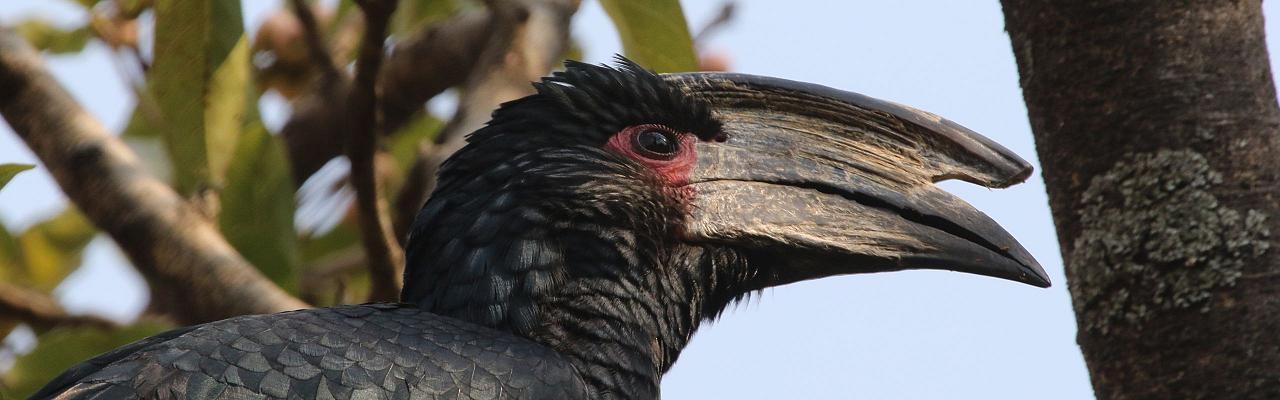
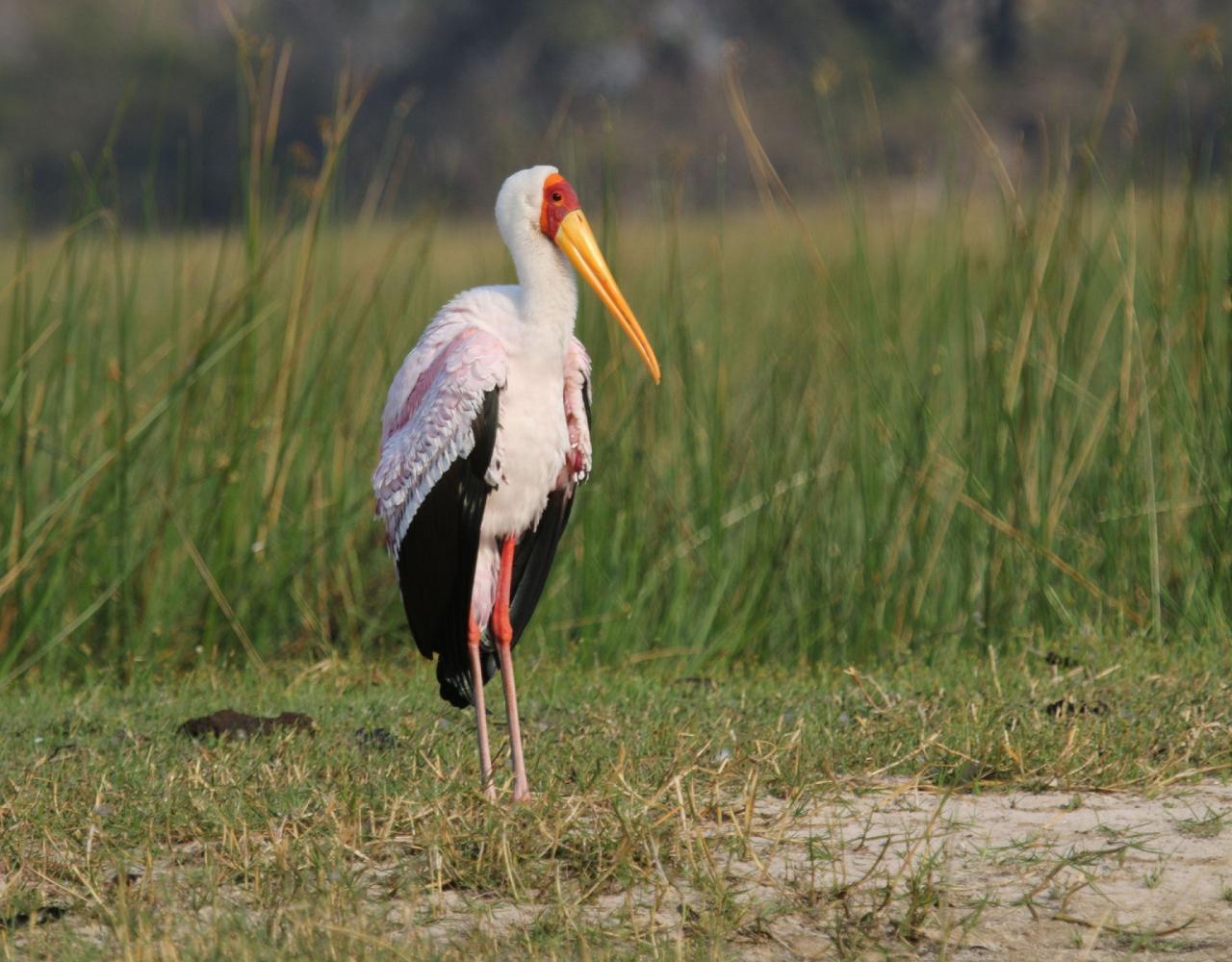
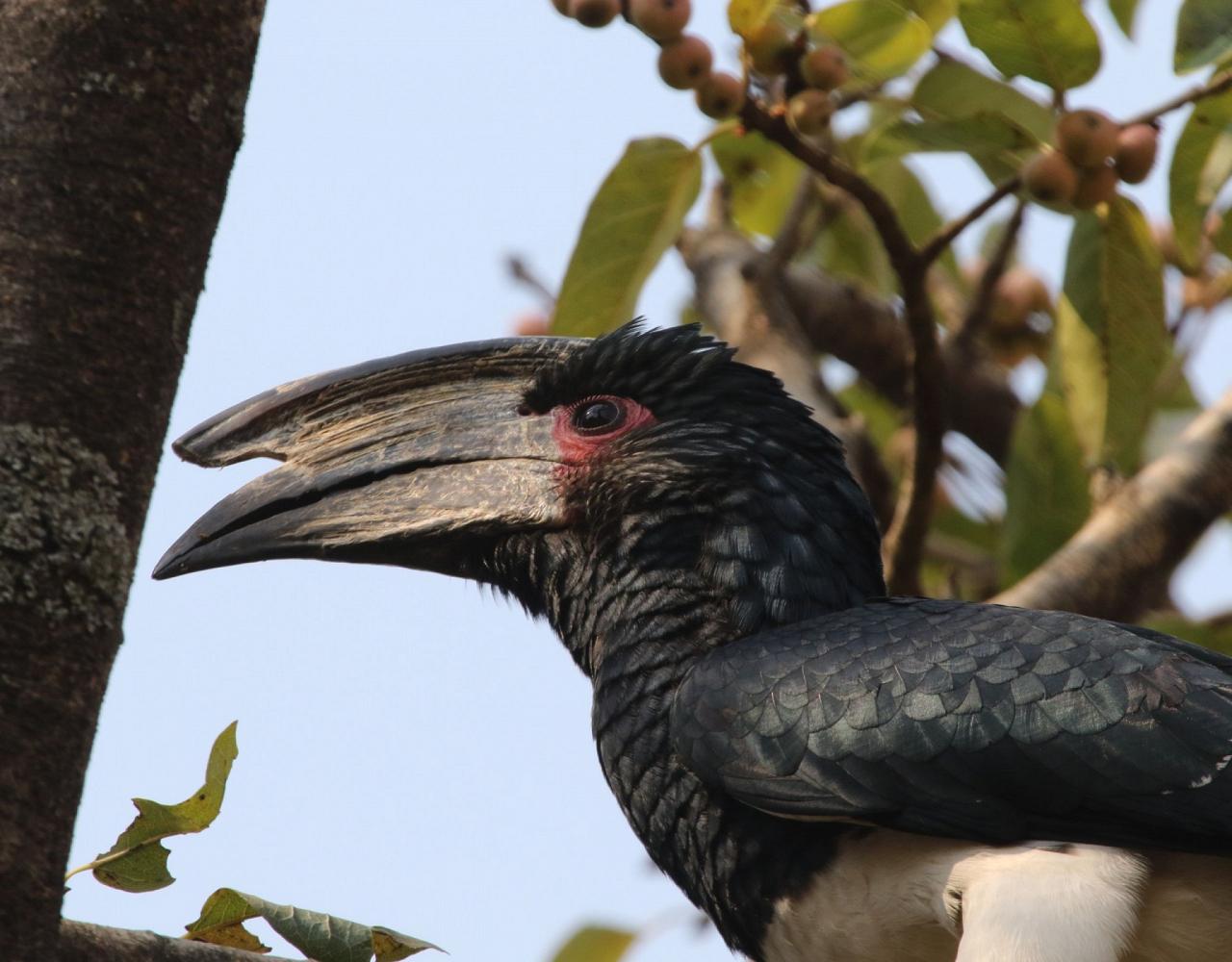
- Seek iconic species including Blue Swallow, Cape Parrot, Spotted Ground Thrush, Drakensberg Rockjumper, Barrett's Warbler, tiny Swee Waxbill, Brown Scrub-Robin, Gorgeous Bush-Shrike, Trumpeter and Crowned Hornbills, Bateleur eagle, Yellow-billed Stork and Pink-backed Pelican
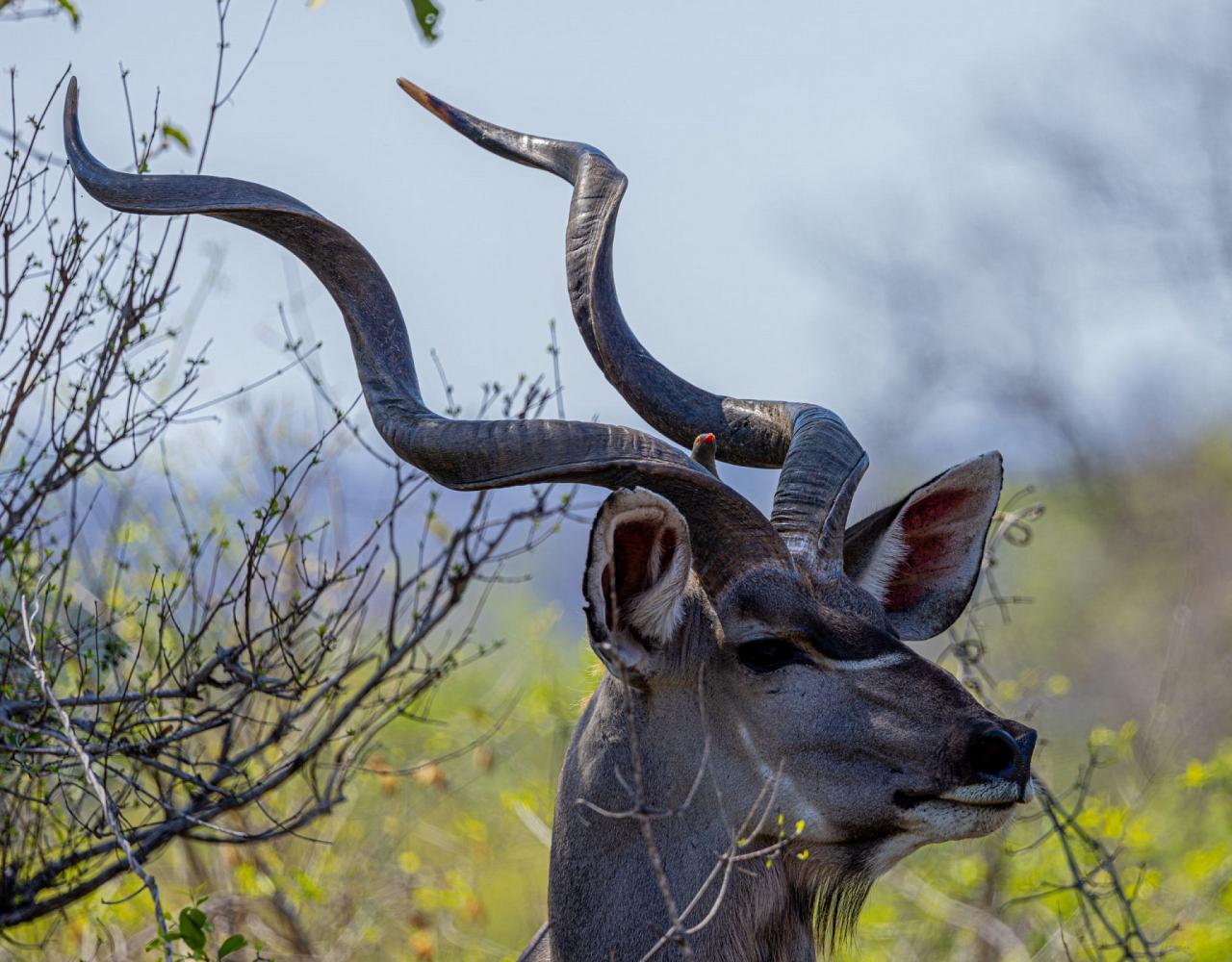
- Watch for African mammals like African Lion, Leopard, White Rhinoceros, African Elephant and African Buffalo
- Enjoy a calm river boat trip, birding and watching for more mega-fauna in a nature reserve
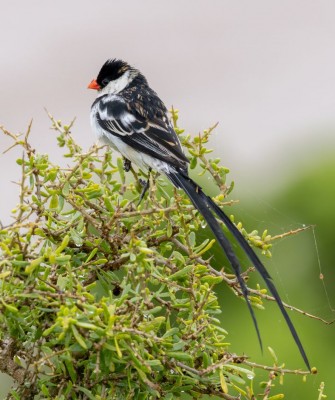
Trip Itinerary
Itineraries are guidelines; variations in itinerary may occur to account for weather, road conditions, closures, etc. and to maximize your experience.
Sun., February 28 Arrival in Durban
Arrive in Durban before early afternoon. For those choosing to arrive early, there is plenty to explore in this subtropical modern port city. Walk along the Golden Mile promenade fronting golden sand beaches, where traditional market vendors offer Zulu arts and crafts. Bird the Botanic Gardens (African's oldest surviving botanical gardens), enjoy the uShaka Marine World aquarium, or visit the Art Gallery with rich exhibits of international artists. When the full group arrives, we leave behind the hot, tropical climate of the coast as we head inland towards the cooler endemic-rich Drakensberg mountains of the Great Escarpment in the Underberg region. We make a couple of roadside stops to enjoy our first birds, but keep moving in order to arrive at our accommodation by the late afternoon, where we’re be based for three nights. This gives us a chance to relax and unwind after a long flight, and before the birding starts in earnest tomorrow.
Accommodations at Cedar Gardens or similar in Underberg (D)
Mon., March 1 Sani Pass
The dramatic Sani Pass is the focus of our entire day’s birding today and a highlight of the tour, promising a great variety of southern African endemics. Don’t forget your passport at the hotel today, as we visit the Mountain Kingdom of Lesotho, one of only three sovereign enclaves world-wide completely surrounded by another country. The Drakensberg Mountains are actually a steep escarpment (long cliff) separating the warm coastal plain from the higher, drier alti-montane grasslands and woodlands of the Central Plateau.
In the foothills of the Drakensberg, we pause at some well vegetated valleys to search for the smart Bush Blackcap, Drakensberg Prinia, Greater Double-collared Sunbird, Cape Weaver and bright Bokmakierie. The lower sections of the pass itself may produce our first Jackal Buzzard, plus Buff-streaked Chat, Horus Swift, Cape Rock Thrush, the popular Red-throated Wryneck, Ground Woodpecker and unusual Gurney’s Sugarbird. We try to draw out the skulking Barratt’s Warbler from its overgrown hideout. Higher up the pass we enjoy breathtaking views from the snaking switchbacks. Some of the oldest rock on the plateau is found at the top of the pass, where dark pock-marked Jurassic basalt lavas cap older wind-blown sandstones. These steep, rocky sections are home to Yellow-tufted Pipit, the very local Drakensberg Siskin, Bearded Vulture, Cape Bunting and, today’s most special bird (hopefully!), the striking Drakensberg Rockjumper. Once through the Lesotho border, we continue for some distance across South Africa's Central Plateau to search savannas for Mountain Pipit, Sentinel Rock Thrush, Southern Bald Ibis, Cape Griffon, Sickle-winged Chat and, in the shrubbier areas, the dainty Fairy Flycatcher and Layard’s Warbler. Mammals here could include Mountain Reedbuck, Grey Rhebok, dainty Klipspringer, Eland, Bushbuck and Common Duiker. The area is also home to Oribi, Baboon, Vervet Monkey, Black-backed Jackal and Rock Hyrax.
After lunch, perhaps shared with Sloggett’s Ice Rat, we turn back and retrace our steps down to Underberg, pausing near town for some grassland birding if time permits.
Accommodations at Cedar Gardens or similar in Underberg (B,L,D)
Tuesday., March 2 Midlands Forest & Grassland Birding
Today our attention switches to the region’s endemic-rich Afromontane forests in the Drakenberg foothills. Wonder at the unique flora of the forests, including feathery tree ferns, Cape myrtle and ancient Yellowwood Trees. Birding is slower than yesterday, but the rewards are just as great. We plan to arrive by the early morning, when the rare Cape Parrot is active and noisy. Other species we hope to see include Olive Woodpecker, Bar-throated Apalis, Barratt’s Warbler (if missed yesterday), African Emerald Cuckoo and chunky-billed Forest Canary. Understory skulkers are much more challenging, and include White-starred Robin, Chorister Robin-Chat and Orange Ground Thrush. At the forest edge we search for Rock-loving Cisticola, Cape Grassbird and stunning, tiny Swee Waxbill. Mammals here include Chacma Baboons, Black-backed Jackals, Caracal or Serval if we are very lucky, and Rock Hyrax.
Once bird activity dies down, we head to an area of mistbelt grassland where we search for one of South Africa’s rarest breeding birds: Montane Blue Swallow. Besides the swallow, these native grasslands, home to an abundant number of plant species, may also hold Wailing and Pale-crowned Cisticolas, Orange-throated Longclaw, Denham’s Bustard, Wattled Crane and Bearded Vulture.
Accommodations at Cedar Gardens or similar in Underberg (B,L,D)
Wed., March 3 Underberg to Eshowe
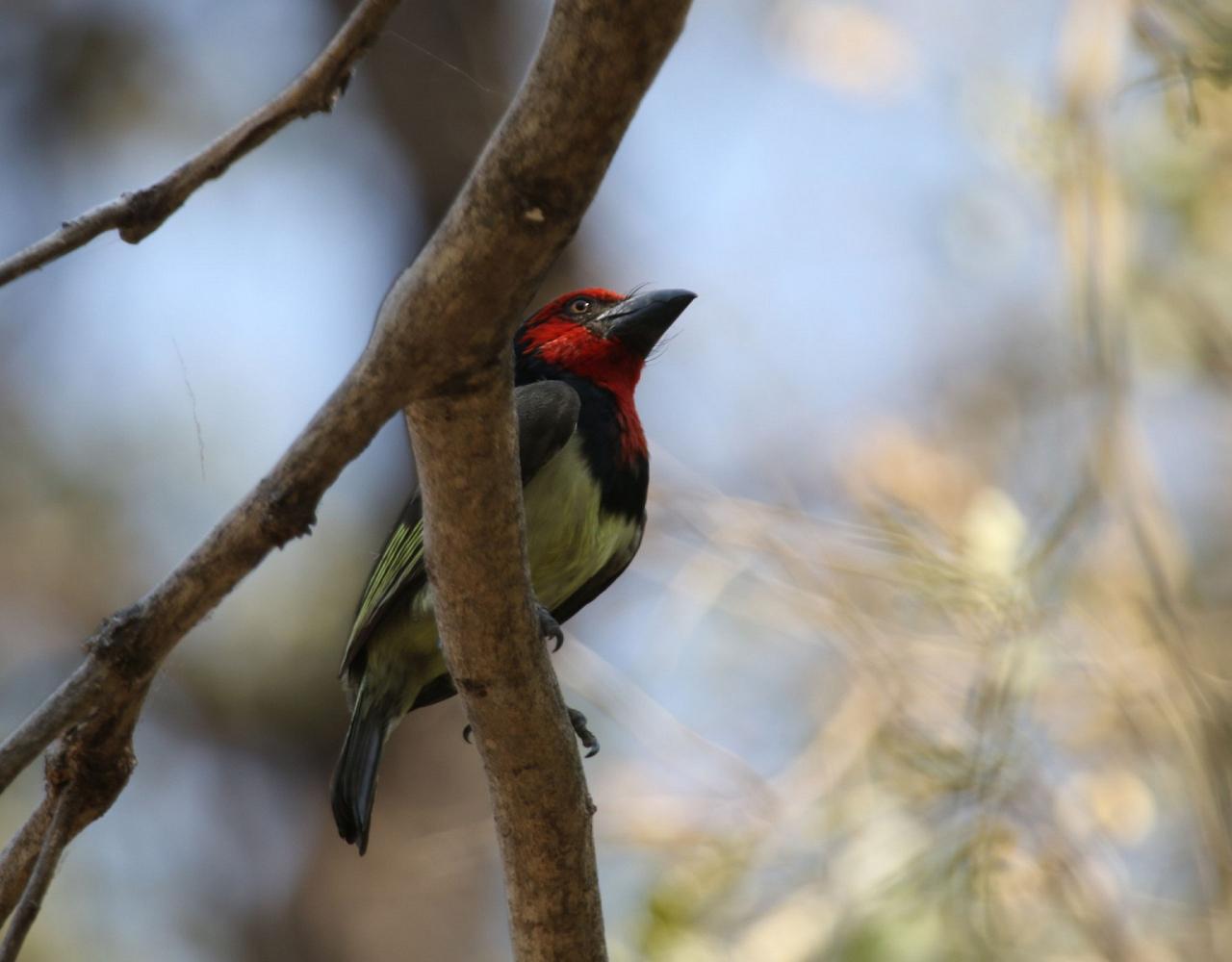
After some early morning birding, we depart for Eshowe, our home for the next two nights, and some of Zululand’s finest forest birding. A market town set on a hill, Eshowe is the oldest town of European settlement in Zululand. It is well known for its history and for the adjacent Dlinza Forest, a remnant of the once-extensive coastal forests that covered much of KwaZulu-Natal. Expect warm days and nights with a moderate chance of precipitation as we return to the coastal plain. We may make a few stops en route, but hope to arrive by the mid-afternoon to make the most of the evening’s spate of bird activity. We should have time to spot the conspicuous Trumpeter and Crowned Hornbills and Black-collared Barbet, although most of the trickier forest birds we begin to search for tomorrow morning.
Accommodations at Eshowe (B,L,D)
Thurs., March 4 Eshowe Forest Birding
During our time in the Eshowe area, the main focus of our stay is the famous mid-altitude sub-tropical Dlinza Forest with its canopy tower, right on the edge of Eshowe town. One of only five natural forests running in a 100 km line northwest from the coast, its biodiversity is renowned. From our perch on the 150-meter-long elevated walkway and 20-meter-high tower (first of its kind in South Africa) rising above the canopy of magnificent hardwoods and ancient giant trees, we may spot Eastern Bronze-naped Pigeon, Yellow-rumped Tinkerbird, Little Sparrowhawk, White-eared Barbet, Square-tailed Drongo, Black-bellied Starling and Olive Sunbird. However, our main species we hope to see today is in the understory – the rare and fine Spotted Ground Thrush. While we quietly stalk along the forest paths in search of this rarity, we may find Green Twinspot or Lemon Dove. Duikers, Cape Bushbucks and Vervet monkeys are a few of the mammals found in these woods. We enjoy a full day here.
Accommodations at Eshowe (B,L,D)
Fri., March 5 Eshowe to St Lucia
It’s only a short drive today, and so we bird again in the Eshowe forest before continuing on to the picturesque coastal town of St Lucia. The small settlement is a jumping off point for the RAMSAR-designated, UNESCO World Heritage Site, the iSimangalist Wetland Park,1270 square miles of natural dune forest, savanna, beach, wetland and marine ecosystems recognized for its rich biodiversity. St. Lucia has a consistently comfortable climate. We have two nights in town, in order to explore the surrounding woodlands and grasslands.
Accommodations at St Lucia (B,L,D)
Sat., March 6 St Lucia & iSimangaliso Wetland Park
The moist coastal dune forests surrounding St. Lucia are home to several localized specialties and we should find Woodward’s Batis, Livingstone’s Turaco, Dark-backed Weaver, Rudd’s Apalis, the secretive Brown Scrub-Robin, African Crested-Flycatcher and perhaps even Four-colored Bushshrike.
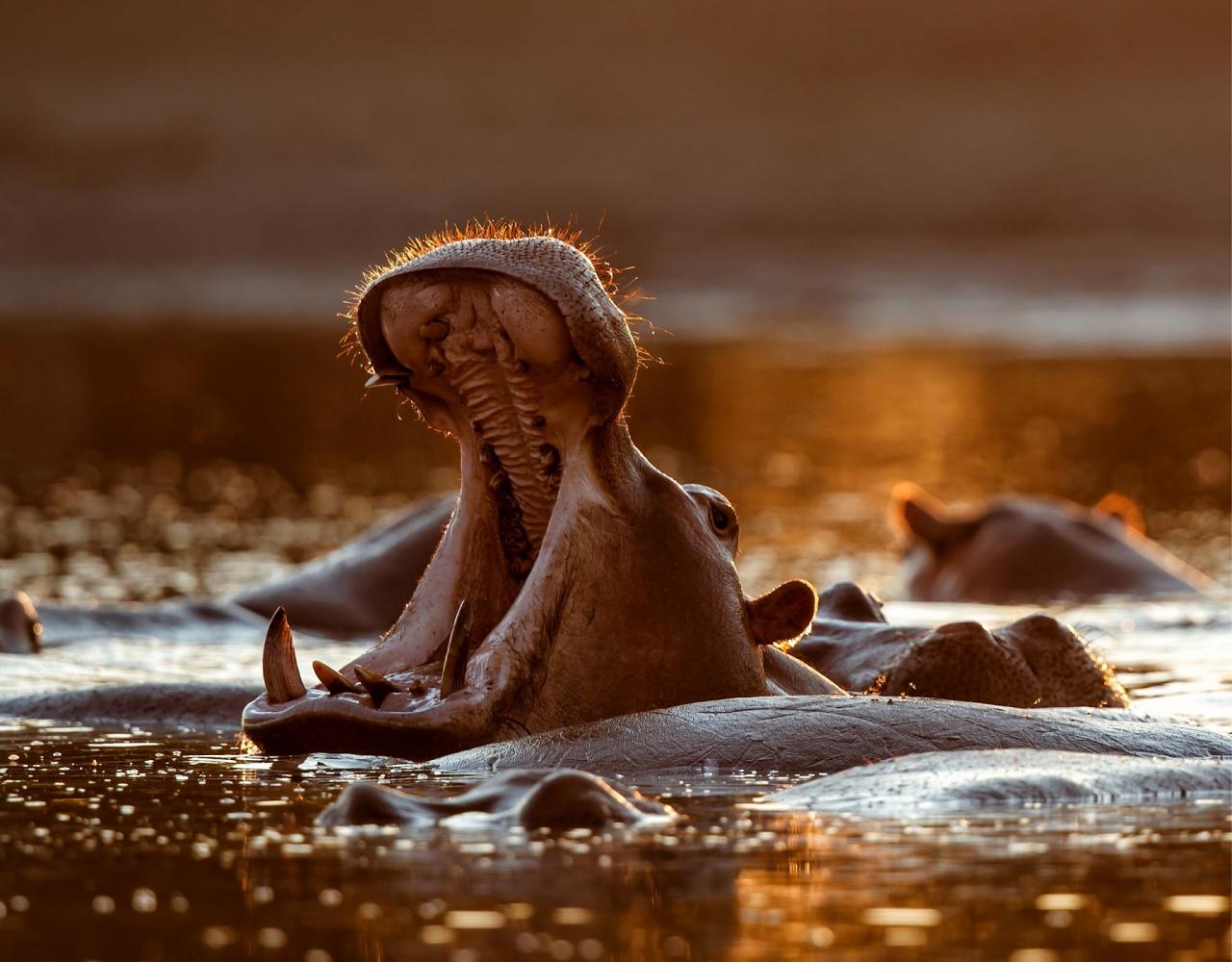
The adjacent iSimangaliso Wetland Park is South Africa's third-largest protected area, spanning 170 miles of coastline and a coastal forest mosaic of habitats. Home to an excellent selection of grassland birds and mammals, we watch for Giraffe, Kudu, Zebra, Wildebeest, and beautiful Nyala, as well as other specialties of the dune forests, including a good chance of Crowned Eagle, Southern Banded Snake-Eagle, and the small and round Red Duiker antelope. A boat trip on the river is excellent for waterbirds, including African Finfoot with luck, as well as many of the Hippopotamus and Nile Crocodiles found in the park.
Accommodations at St Lucia (B,L,D)
Sun., March 7 St Lucia to Bonamanzi
After some more birding in the St Lucia area this morning, depending on what we have seen, we head to the sand forests, savanna and wetlands of the private Bonamanzi Game Reserve, our base for the next nights. Not only do we explore the game reserve itself, but we also use it as a base to explore the surrounding areas. Bonamanzi is a nearly 10,000 acre, privately owned game reserve, from which we can embark on classic safari drives looking for specialty birds of the region and big game including Giraffes, Elephants, and more.
Accommodations at Bonamanzi Game Reserve, or similar (B,L,D)
Mon., March 8 & Tues., March 9 Bonamanzi | Hluhluwe | Mkhuze
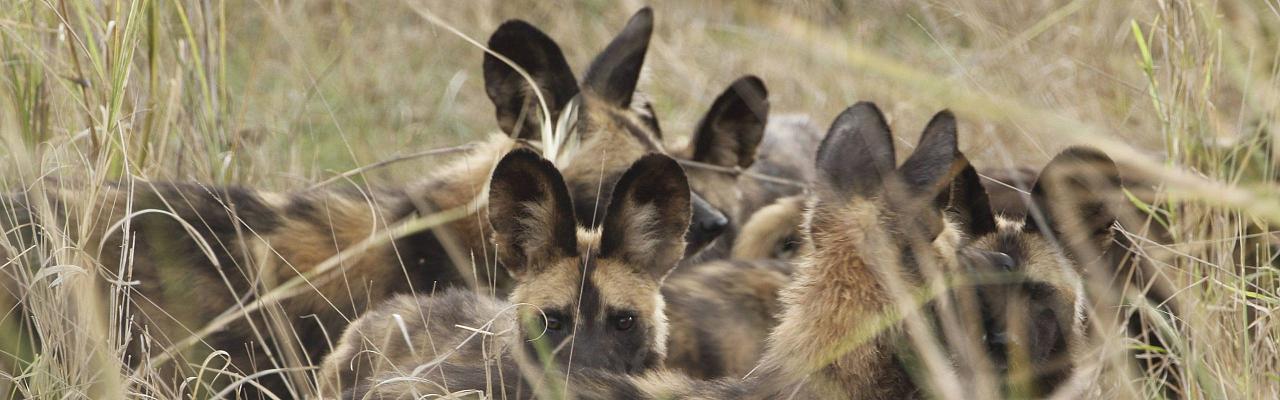
Based at Bonamanzi, we visit several sites in the surrounding area today, including Mkuze Game Reserve, one of South Africa's top birding destinations, and the Hluhluwe-iMfolozi Park, famous for its White Rhinos. In addition to walking around forested sites and camps, and birding from our minivans along the roads, we also embark on two game drives in open vehicles, allowing really superb viewing and photographic opportunities of both birds and mammals. In terms of African mammals, the "Big 5" (Lion, White Rhinoceros, Elephant, Leopard and African Buffalo) is recorded from these reserves and we hope to see a selection of them in the two days we are in the area, but it is worth noting that the vegetation is dense and it is hard to predict exactly which mammals we see in any one trip. Other exciting mammal sightings might also include Cheetah and African Wild Dogs.
Birds that we seek out include Lemon-breasted Canary, Crested Guineafowl, Red-fronted Tinkerbird, Eastern Nicator, Bearded Scrub Robin and Narina Trogon. Waterbirds are also a feature of the area, and we may find Yellow-billed Stork, Pink-backed Pelican, various herons and egrets, and perhaps even Lesser Jacana and African Pygmy Goose. The area hosts a wide range of more widespread savanna species, and we stand our first chance to see birds such as Bateleur, Grey-headed Bush-shrike, Black Cuckooshrike, Grey Tit-Flycatcher, Broad-billed Roller, Lizard Buzzard, African Pygmy Kingfisher, Acacia Pied Barbet, Crested Barbet, African Penduline-Tit, Stierling’s Wren-Warbler, Burnt-necked Eremomela, Kurrichane Thrush and Yellow-throated Bush Sparrow.
Accommodations at Bonamanzi Game Reserve, or similar (B,L,D)
Wed., March 10 Bonamanzi to Wakkerstroom
After some final birding in the Bonamanzi area we start the longish drive through the famous highveld grasslands of the Wakkerstroom area, for a two night’s stay. This is a four-hour drive, but the scenery is fascinating as we watch the shift in habitat from savanna and forest to open grasslands, and we do stop en route to stretch our legs and do some birding. Here a host of high-altitude grassland and wetland birds await us, in a habitat where trees and shrubs never thrived, due to natural fires and grazing. En route we pause in an area of lower-lying grasslands to search for the scarce White-bellied Bustard, Buffy Pipit, Banded Martin, specialized Southern Anteater Chat, Cloud Cisticola and perhaps Eastern Clapper Lark. If time permits, we also check for the area’s last remaining pair of stunning Wattled Cranes, although we’d have to be very lucky to spot them.
Accommodations at Wakkerstroom (B,L,D)
Thurs., March 11 Wakkerstroom High Altitude Grasslands
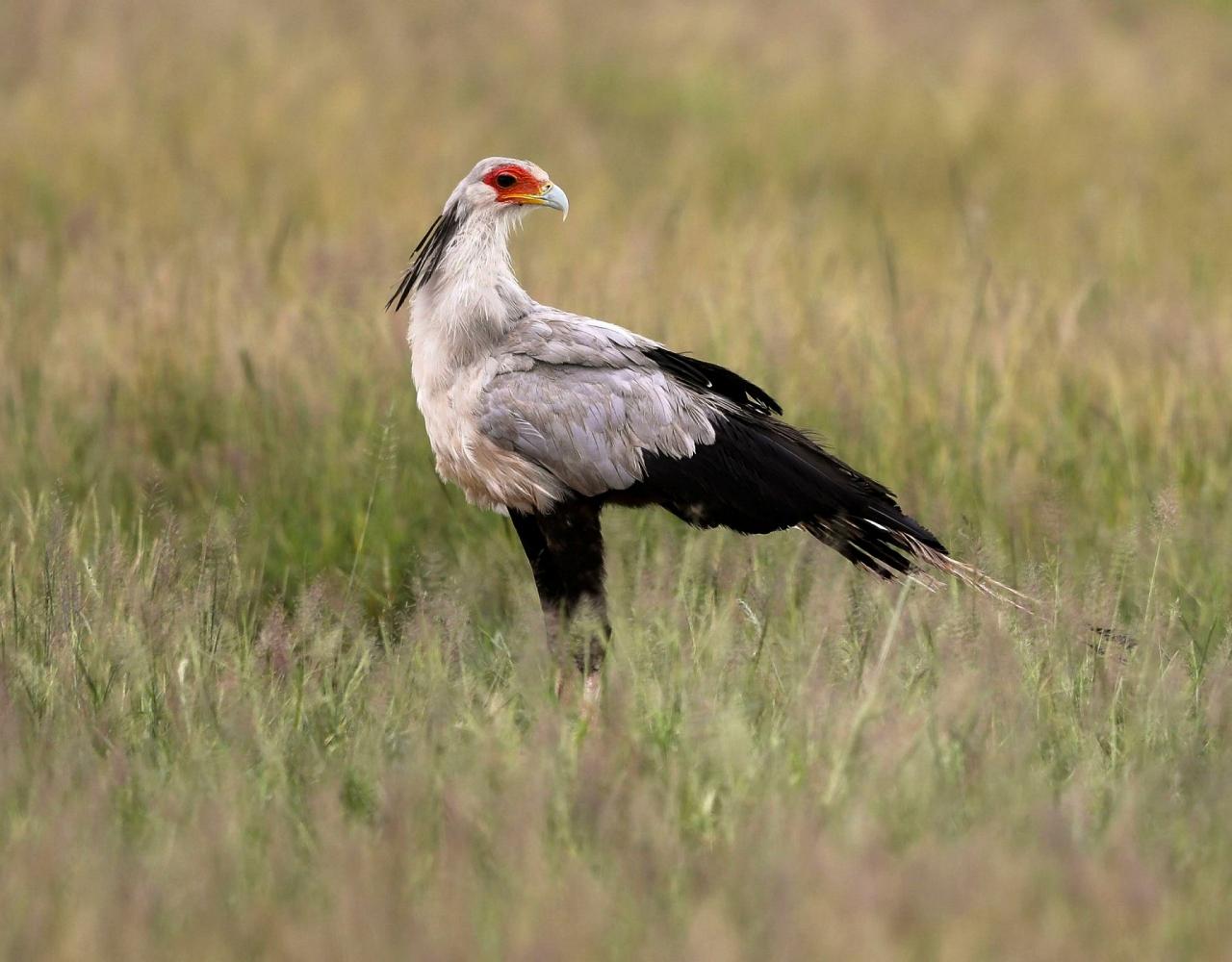
Wakkerstroom is the best area in the world to search for high-altitude grassland birds and we are joined by an expert local guide to aid us in our search. We stand to see a wide range of grassland birds, not least the handsome Blue Bustard, Grey-winged Francolin, Red-winged Francolin, Southern Bald Ibis, Secretarybird, Denham’s Bustard, Blue Crane (South Africa's national bird), Eastern Long-billed Lark, Spike-heeled Lark, South African Swallow, Wing-snapping Cisticola, Mountain Chat and Yellow-crowned Bishop. We also look for Yellow-breasted Pipit, and the critically endangered Rudd’s and Botha’s Larks, depending on access to the sites of these very sensitive species. A variety of wetlands should also produce their share of entertainment, with an abundance of ducks potentially including South African Shelduck, Cape Teal, Cape Shoveller, Southern Pochard and Maccoa Duck. A mammal highlight of the day may be the famous Meerkat!
Accommodations at Wakkerstroom (B,L,D)
Fri., March 12 Wakkerstroom to Johannesburg | Flights Home
After enjoying some early morning birding to end our trip on a high note, we drive east and north across the plateau to the Johannesburg airport for evening flights home. (B,L)
Madikwe Game Reserve Post-Tour Extension
Itineraries are guidelines; variations in itinerary may occur to account for weather, road conditions, closures, etc. and to maximize your experience.
Madikwe Game Reserve Extension
Those that love Africa are always looking for one more wonderful place to search for birds and mammals, and for being a half day’s drive from Johannesburg, it’s hard to beat Madikwe Game Reserve. This is a conservation gem, a reserve recrafted from abandoned and struggling farms, when local people were convinced that wildlife tourism could be their future.
Set right in the middle of the 75,000-hectare Madikwe Game Reserve, our lodge is a wonderful oasis of creature comforts and vegetation. Great birding is possible on the grounds, and from the swimming pool you can even watch Elephants at their own water hole, not far away! Birds abound here and close to our camp we can find Purple Roller, Gray Go-away-bird, Red-faced Mousebird, Mocking Cliff-chat, Pied Kingfisher, Bearded Woodpecker, African Scops-Owl, Common Hoopoe, and groups of Southern Pied Babblers.
We chose to spend three nights here to make the most of the experience and really get into the rhythm of safari life. Each morning and afternoon we venture out with the lodge expert guides and Peg, who help interpret the ecology, behavior and significance of the animals we see. Afternoon safaris often stay out for sundowners, then come back in early darkness for a chance to see nocturnal mammals such as Brown Hyena, if we’re really lucky.
You have flown a long way to get here, so while pricey (typical of small intimate African safari camps), Peg has experienced some wonderful wildlife viewing in this area in the past and strongly recommends it.
Fri., Mar. 12: Wakkerstrom to Johannesburg
After enjoying some early morning birding to end our trip on a high note, we drive east and north across the plateau to Johannesburg. We spend the night outside the bustling city to get a good start on our drive tomorrow morning.
Accommodations in Johannesburg (B,L,D)
Sat., Mar. 13: Johannesburg | Madikwe Game Reserve
We leave Johannesburg this morning to head to Madikwe Game Reserve, one of South Africa’s best not only for the Big Five, but many other mammal species and a variety of birds. Located on the border of Botswana, this reserve is a great location for African Wild Dog and is renowned for its density of Elephants. Both White and Black Rhinos are present in the reserve as well as Hippo, Cape Buffalo, Cheetah, Leopard, and Lion.
The drive to our lodge is approximately 4.5 hours, although we make stops along the way for breaks and some birding. Arriving in the afternoon, we settle into our luxurious lodge within the reserve. In late afternoon, we head out for our first game drive! In addition to the iconic mammals, we keep an eye out for smaller mammals such as Cape Fox, Spotted Hyena, Serval, and a variety of Mongoose species.
Accommodations at Jaci’s Madikwe House (B,L,D)
Sun., Mar. 14 & Mon., Mar. 15: Madikwe Game Reserve
We have two full days to enjoy the spectacular birds and mammals of Madikwe while staying deep in the heart of the reserve at our well-appointed lodge. Day visitors are not allowed in the reserve, so it has a more exclusive and uncrowded feel since the vehicles are limited to those staying in the lodges.
Located in a transition zone between the Kalahari thornveld and lowveld, Madikwe has a fascinating history, beginning with the ancient San people dating back to the Stone Age. Fast forward thousands of years to the 1990s, the reserve was established on land that was no longer suitable for farming and cattle grazing. The South African government assisted with relocating around 10,000 mammals of nearly 30 species to the reserve. Today, the area is home to over 65 different mammal species and over 320 bird species.
We enjoy both morning and afternoon game drives through this large reserve. As we travel along the dirt road system, we scan the savanna grassland dotted with thorny scrub for mammals. We may see Burchell’s Zebra grazing alongside Blue Wildebeest while predators such as Lion or Cheetah lurk nearby. As afternoon turns to dusk, we keep an eye out for the rarer species such as Caracal, Aardwolf, Striped Polecat, Springhare, and Cape Pangolin.
As we are here in prime birding season, we look for colorful Lilac-breasted Rollers perched on tree limbs, Natal Spurfowl hiding in the understory, stunning Violet-eared Waxbill, Red-crested Bustard, Pale-chanting Goshawk, Spotted Thick-knee, Pied Barbet, Burchell’s Sandgrouse, both Swallow-tailed and Little Bee-eaters and possible wintering Amur or Red-footed Falcons.
In the evenings, we return to our comfortable lodge for an exquisite culinary experience prepared by the talented chef. We enjoy our meals on the patio under the starlit African sky and share stories of our exciting days spent in the field exploring the wonders of South Africa.
Accommodations at Jaci’s Madikwe House (B,L,D)
Tues., Mar. 16: Morning safari | Departures from JNB
We enjoy one last morning game drive in the reserve and focus on finding anything we may have missed the last few days. We head back to the lodge at lunchtime for one last delicious meal before packing up and heading to the airport in Johannesburg. We plan to arrive in time for early evening flights out. (B,L)
-
-
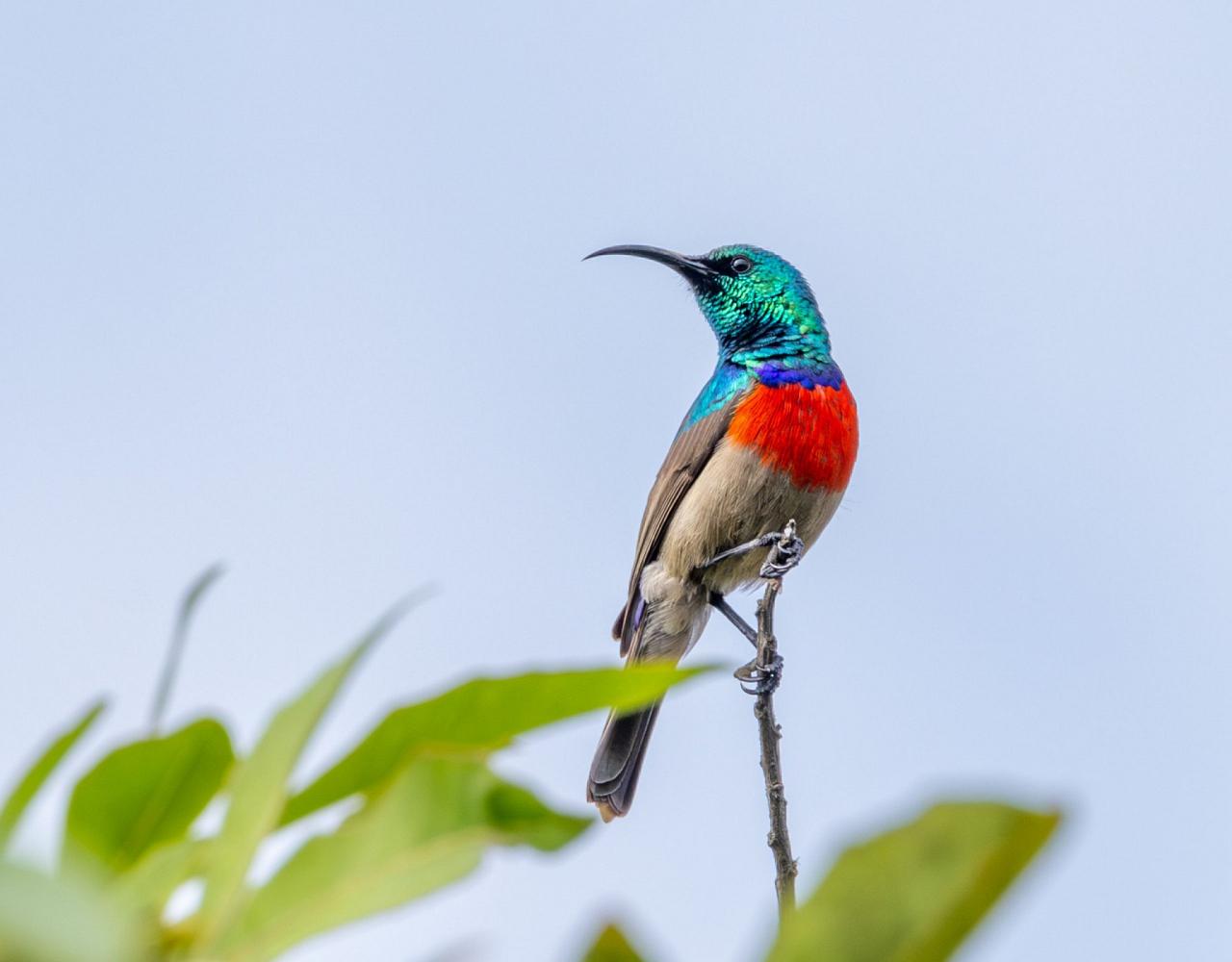
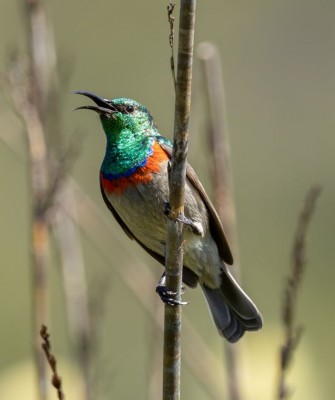
Greater Double-collared Sunbird by Mason Flint
-
-
-
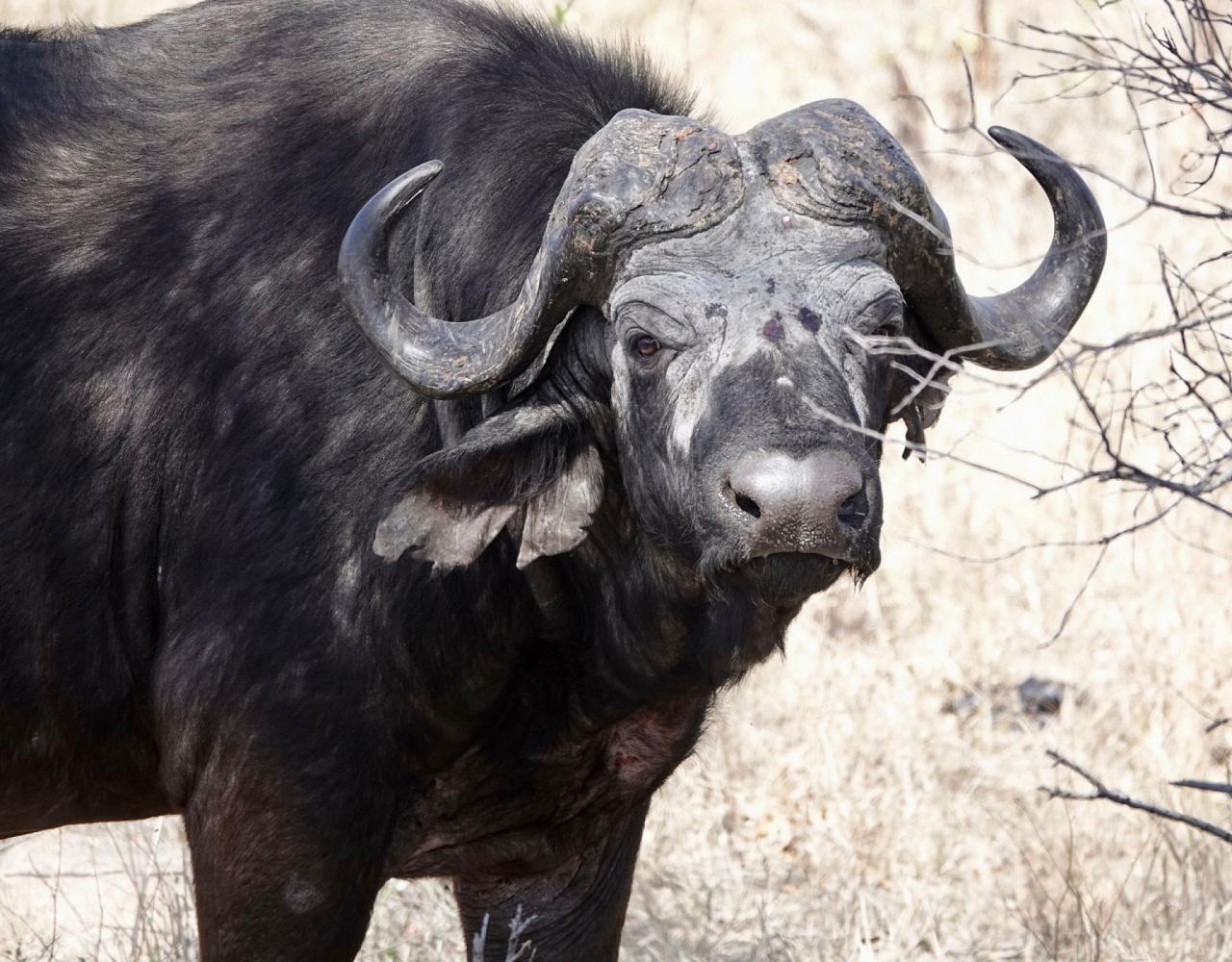
Cape buffalo by Randy Skaggs
-
-
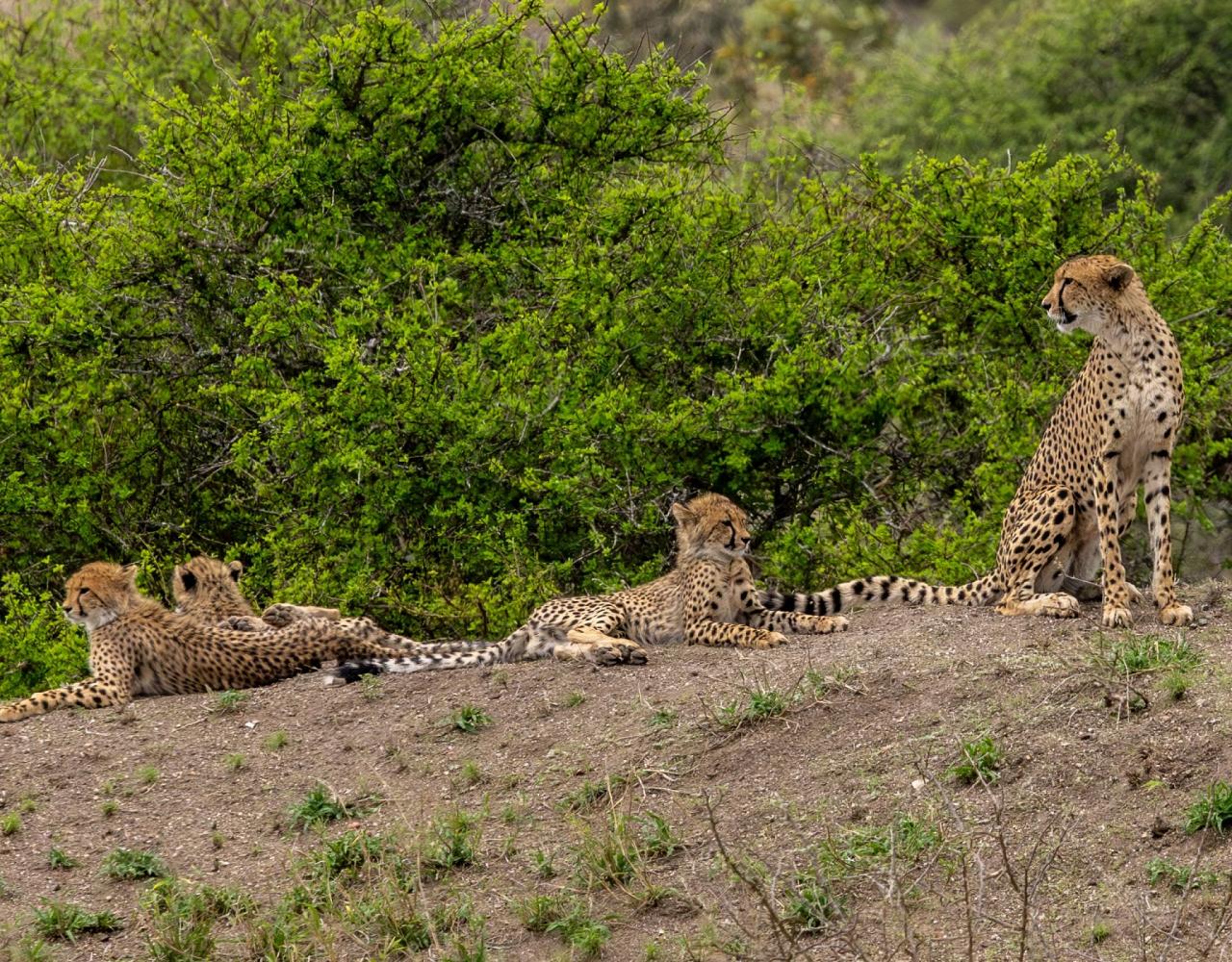
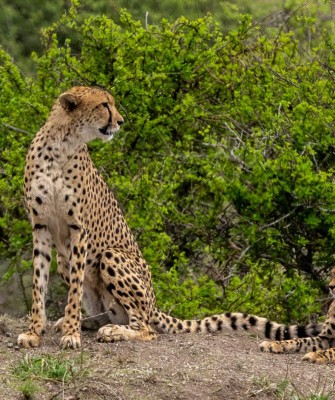
Cheetah by Mason Flint
-
-
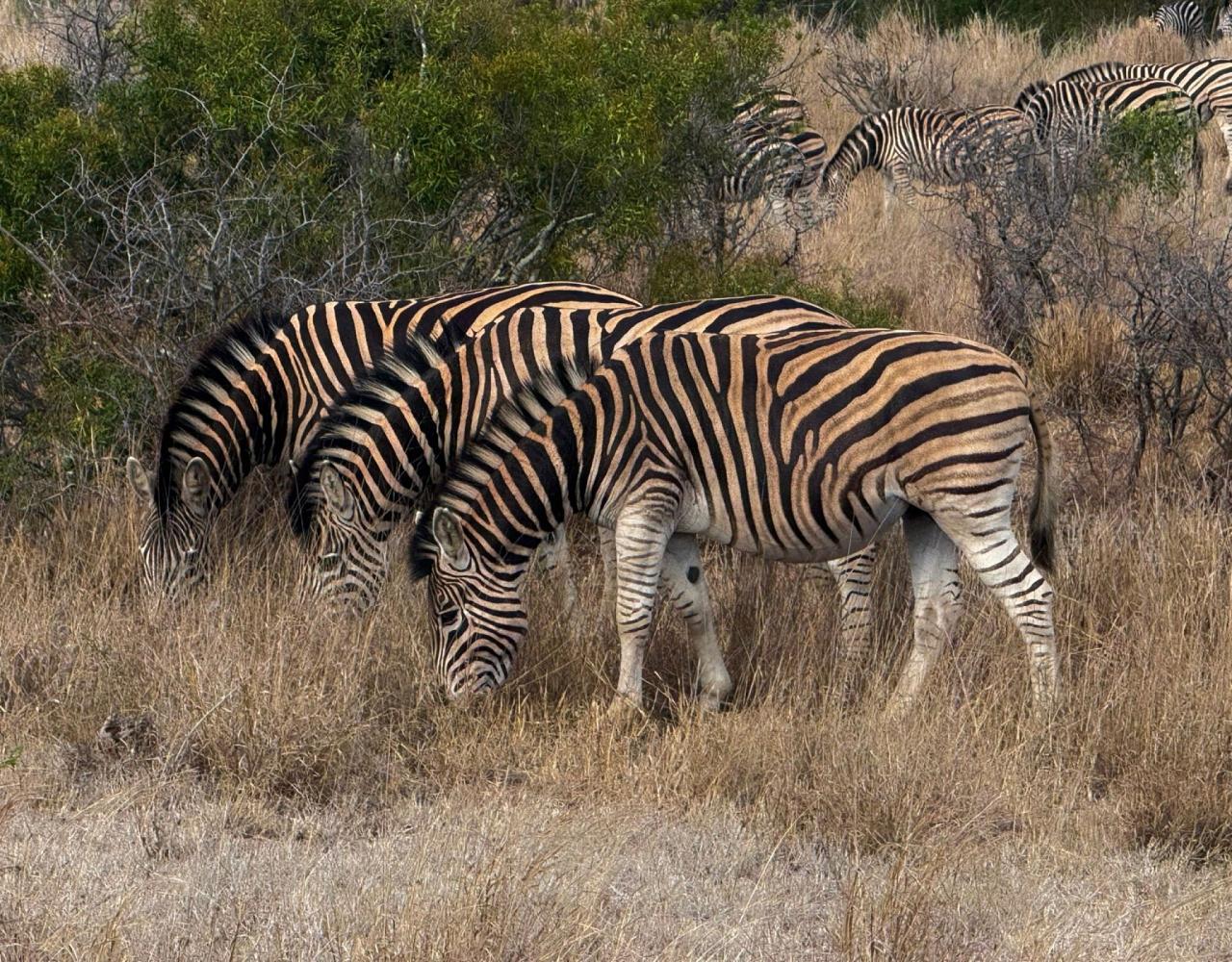
Zebra by Mason Flint
-
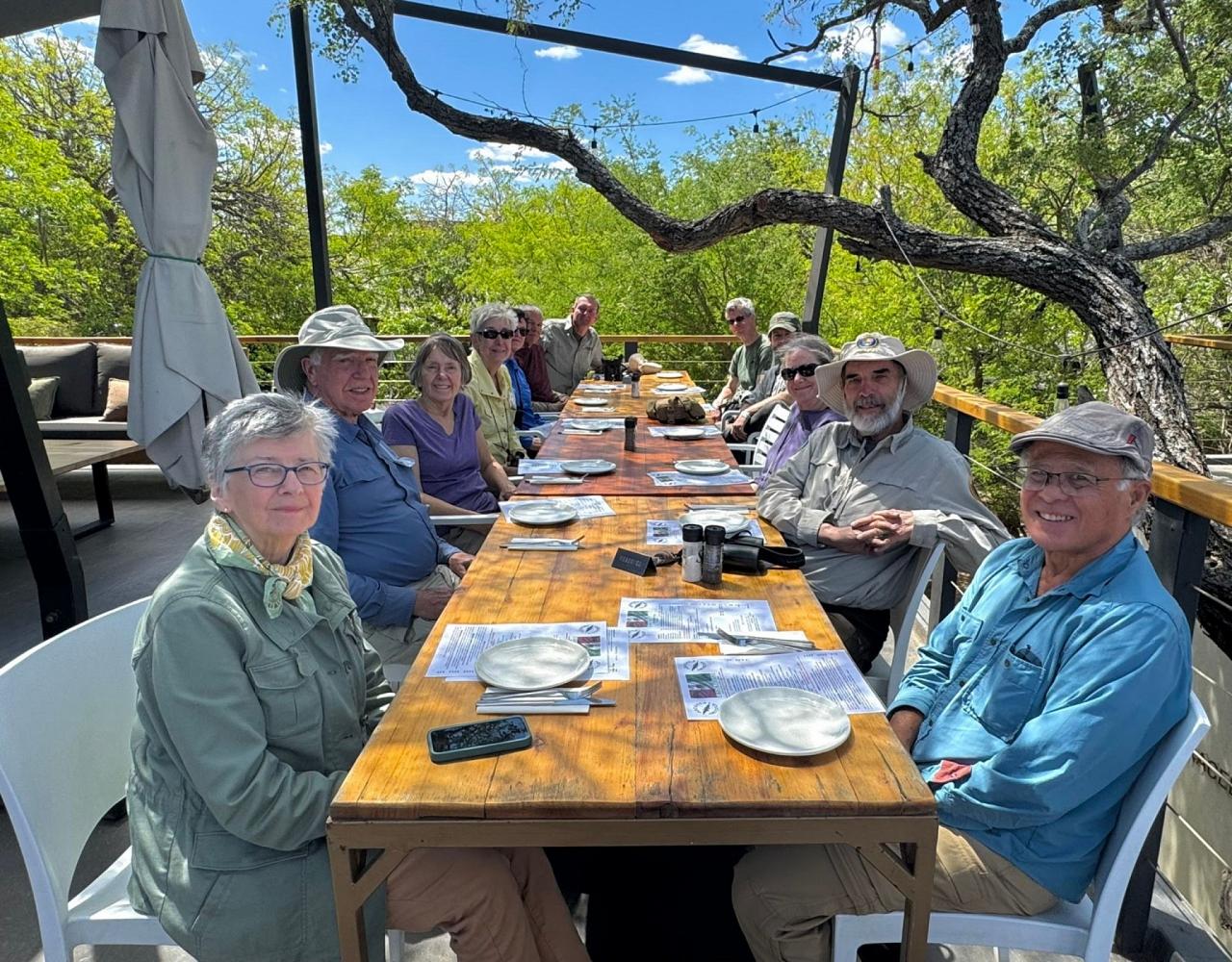
Group by Mason Flint
-
Cost of the Journey
Cost of the journey is per person, based on occupancy: $7490 DBL / $7995 SGL, from Durban, South Africa, departing Johannesburg. This cost includes accommodations for 12 nights, all meals as specified in the itinerary, professional guide services, other park and program entrance fees and miscellaneous program expenses. All tips other than your NJ guide (optional) and local guide are included (this includes tips for your driver, lodge and staff, day activities, meals and other services).
The cost of the Madikwe Game Reserve extension is $3990 DBL / $5670 SGL.
Tour cost does not include: transportation from your home city to Durban and from Johannesburg, optional activities, or items of a personal nature such as laundry, telephone charges, or beverages from the bar.
Travel Details
Please plan to make air travel plans only after the minimum group size has been met. We will send you a confirmation email as soon as the trip has been confirmed.
Arrival Airport: King Shaka International (DUR) in Durban
Arrival Details: Please plan flights to arrive February 28, 2027, by 1 PM in order to join the group for dinner and orientation. Note that you will likely need to leave the US on February 27 in order to arrive in Durban on February 28.
Departure Airport: O.R. Tambo International (JNB) in Johannesburg
Departure Details: Please plan flights to depart March 12, 2027, after 8:00 PM
Post-Extension Departure Airport: O.R. Tambo International (JNB) in Johannesburg
Post-Extension Departure Details: Please plan flights to depart March 16, 2027, after 8:00 PM
Travel Tips: We encourage you to arrive early to rest up from your travels as it is quite a long flight to get here. We can book you an early night room near the airport as it is a three hour drive to our first night lodge.
Entry Requirements: See "Essential Information" section under the "Know Before You Go” tab.
Browse below for trip reports and species lists from past versions of this and other tours from this destination.
South Africa
- September 2018
- September 2019
- September 2022
- September 2023
- September 2024
- September 2025
-
Peg Abbott
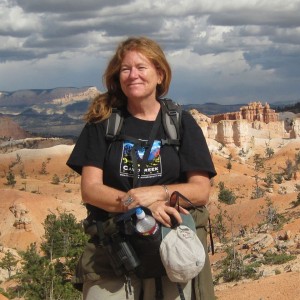
Peg Abbott is the owner and lead guide of Naturalist Journeys, LLC. She has been designing, guiding, and organizing natural history tours for more than 25 years, working for the National Audubon Society and other organizations before launching Naturalist Journeys, LLC in 1998. Her work has taken her from Alaska to Africa and Argentina, as well as many other locations around the world. She has conducted research on several bird and mammal species and keeps a close interest in Yellowstone and Mexican wolf reintroduction projects. Her interests include all aspects of natural history and geology. After 20 years in and around the Yellowstone area, Peg relocated in 2003 to the birding mecca of Portal, AZ.
Photo credit: Carol Simon
Other trips with Peg Abbott
-
 Peru: Cusco to Manú National Park A private tour for Tucson Bird Alliance - FULL!October 2 - 17, 2026, w/Machu Picchu extension
 -
 Biodiverse Bhutan: Birds, Mammals & Beyond Closed. See our April departure!November 6 - 21, 2026, w/Panna Tiger Reserve extension
 -
 Arizona: New Year’s Birding Blitz FULL - Check out New Year at Tranquilo Bay!December 29, 2026 - January 4, 2027
 -
 Panama: Birds & MammalsFebruary 5 - 13, 2027
 -
 In-Depth & Incredible: South Africa’s Specialty Mammals & BirdsJuly 20 - 31, 2027, w/Zambia's Kafue National Park extension
 -
 Brazil’s Pantanal: Jaguars! And More… FULL - Look for our 2028 departures!August 14 - 24, 2027, w/Amazônia extension
 -
 North Sulawesi, Halmahera & West Papua Birds of Paradise & MoreSeptember 8 - 27, 2027, w/Arfak Mountains extension
 -
 India's Red Pandas, Rhinos, Tigers & MoreNovember 4 - 20, 2027, w/Amur Falcon extension
-

Essential Information +
Pace & Protocols +
Packing List +
Suggested Reading List +
Useful Links +
Photo credits: Thumbnails: Crested Barbet (Mason Flint), Giraffe (Mason Flint), African Paradise-Flycatcher (Mason Flint), African Elephant (Mason Flint), Southern Red-billed Hornbill (Mason Flint), Cheetah (Mason Flint), Southern Double-Collared Sunbird (Mason Flint), Pin-tailed Whydah (Mason Flint) Banners: Red-winged Starling (Jim Adamthwaite), White-capped Albatross (Mason Flint), African Wild Dogs (Richard Antonelli), Lesser Flamingo (Mason Flint), Southern Ground-Hornbill Mason Flint)