
- Overview
- Full Itinerary
- Extensions
- Photo Gallery
- Costing
- Travel Details
- Trip Reports
- Guide
- Know Before You Go
- Other Trips You May Like
Conservation International designates South Africa as one of the three most biodiverse countries in the world. Which is why we are so proud to offer three distinct itineraries to this incredible country. Our long-running classic Birding & Wildlife Safari traverses the traditional Cape Town to Kruger route, our newer, birding intensive Eastern South Africa tour explores from the subtropical east coast to the giant Drakensberg mountains; and NEW this summer is our specialty mammals and birds tour to the lesser known areas of the Karoo and Kalahari semi-desert regions, famous for their unusual mammals and regionally endemic birds. This inaugural tour perfectly complements our other two South Africa tour offerings.
This is the second tour in our founder Peg Abbott’s In-depth and Incredible Africa series, with a strong focus to mammals alongside landscapes and birds, and we access both private ranches and national parks to attempt to find some of the most specular and elusive mammals of the arid zones, smaller species not often found on standard safaris. Our route is designed specifically to find Aardvark, Aardwolf, Meerkat, Caracal, Brown Hyena, and Cheetah, with a chance of seeing rare small cats and other equally interesting small mammals such as Rock Sengi (also known as Elephant Shrew). The private ranches we visit are conservation success stories and through their restoration and rewilding projects we have a chance to see many antelope, from Roan to Sable to Gemsbok to Greater Kudu, and more. Our extension to Kafue National Park in Zambia is one of the best places to see classic large mammals, both prey species and predators, and known for regular sightings of Wild Dog, Leopard, Lion, Cheetah, and more.
Birds abound, from many species of bustards and korhaans, Blue Cranes (South Africa’s national bird), Secretarybird, and Crimson-breasted Shrike, to a huge diversity of larks, some endemic to the region. Along the way, we encounter vast desolate landscapes, amazing night skies, and the Orange River rushing through an impressive gorge before tumbling down the Augrabies Falls. Our tour is in South Africa’s winter, an excellent time to see the nocturnal mammals that come out very early in the evening at this time of year; it’s also dry, giving great wildlife viewing without the dense green grass of summer. The days can be really nice and warm, nights are crisp to chilly!
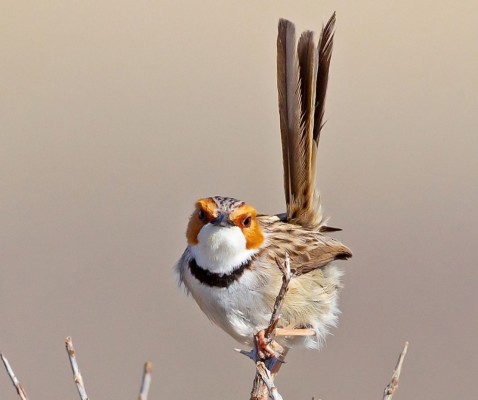
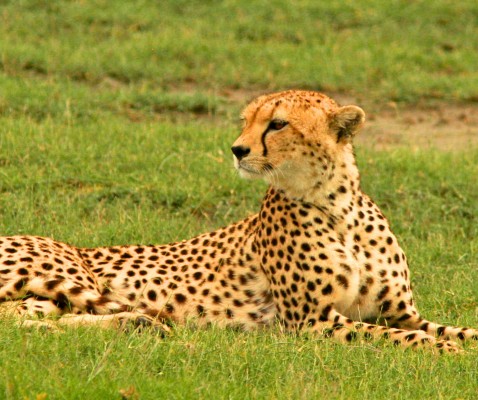
Tour Highlights
- Search for elusive nocturnal mammals, including Aardvark, Aardwolf, Caracal, Bat-eared Fox, and the rare Black-footed Cat, on exciting night drives through private wildlife reserves.
- Explore the Karoo Gariep Conservancy and Marrick Private Game Reserve, conservation success stories where restored habitats support Meerkat, Rock Sengi, and an impressive diversity of antelope.
- Discover South Africa’s remarkable birdlife, including Blue Crane, Karoo Korhaan, Ludwig’s Bustard, Secretarybird, Crimson-breasted Shrike, and a wealth of regional endemics.
- Visit Mokala National Park, searching for Southern Giraffe, White Rhinoceros, Sable, Roan, Gemsbok, and other mammals amid beautiful savannah landscapes.
- Marvel at the dramatic Augrabies Falls, where the Orange River plunges through a rugged granite gorge, and watch for Klipspringer, Verreaux’s Eagle, and specialized desert birds.
- Spend four nights in Kgalagadi Transfrontier Park, exploring the striking red dunes and dry riverbeds of the Kalahari in search of black-maned Lion, Cheetah, Leopard, Brown Hyena, and spectacular raptors.
- Extend your safari to Zambia’s Kafue National Park, exploring the wildlife-rich Busanga Plains in search of African Wild Dog, Cheetah, Lion, Leopard, Wattled Crane, and more.
Trip Itinerary
Itineraries are guidelines; variations in itinerary may occur to account for weather, road conditions, closures, etc. and to maximize your experience.
Mon., July 19 Recommended Arrival Day (not included)
Our tour starts bright an early tomorrow, so we recommend you arrive early to not cut it close and to have at least one good day to rest before we embark on our adventure. Please note that any delay in arrival would prove difficult to catch you up, thus we recommend coming in today. We recommend the City Lodge hotel (O R Tambo International Airport), which is a simple walk just adjacent to the terminal, or other hotels near the airport including the Protea, a Marriot affiliate.
Tues., July 20 Flight to Bloemfontein | Drive to Karoo Gariep
Welcome to South Africa! If you opt to arrive today, please be sure that you arrive no later than 7:00 AM to meet up for the internal flight (included with the tour). Our tour starts at O R Tambo International Airport in Johannesburg, with a mid-morning local flight to the city of Bloemfontein, a city of about 500,000 people that is the judicial capital of South Africa as well as the capital city of the Free State province, situated on the vast arid grasslands of the Karoo bioregion. Flat-topped rocky hills dot the landscape.
We have about a three-hour drive today in comfortable minivans as we head to the Karoo Gariep Conservancy, a private, family-run nature reserve on a working farm along the Seekoei River, with a fine reputation as a top place to see elusive nocturnal wildlife.
Our drive is through open country, with a good chance to find birds in good view from the road, including Black-winged Kites, Pied Crow, Southern Fiscal, Southern Anteater-chat, and Southern Masked Weaver. The first part of our drive is in an agricultural region and we pass corn fields, sunflower plantations, and ranches. Herds of Springbok can be seen from the road.
As we approach the reserve, we see scattered trees and fascinating rock koppies (small hills) that weave a mosaic of habitats that are good for birds as well as mammals. This eBird hotspot has noted over 250 species here and we hope to see many. Our accommodations are on a rural farm and the rooms and meals are excellent with country charm. We arrive late afternoon, check into our rooms, and enjoy a welcome dinner, with time for introductions and more detail on our adventure ahead. We hope to take at least a short night drive tonight, bundled up as night temperatures drop, to find some of the resident mammals such as Scrub Hare, Springhare, Cape Porcupine, Bat-eared Fox, or even some of the rarer species. With luck we may find a Spotted Eagle Owl or Double-banded Courser. Last year a group had a fine Aardvark sighting their first night—wow!
Accommodations at New Holme Lodge (B,L,D)
Wed., July 21 First Full Day to Explore Karoo Gariep Reserve of the Khoisan Karoo Conservancy
The Karoo Gariep reserve, part of the Khoisan Karoo Conservancy, is an impressive owner-run farm and wildlife restoration project that was founded in 2014. Its owners gradually expanded the property, picking up nearby small farms when available, which now total approximately 25,000 acres. They hope to showcase sustainable ranching with wildlife conservation and habitat improvement. Mammals have been restored to the area and we have hopes to see Gemsbok, Springbok, Greater Kudu, Bontebok, Sable, and Black Wildebeest.
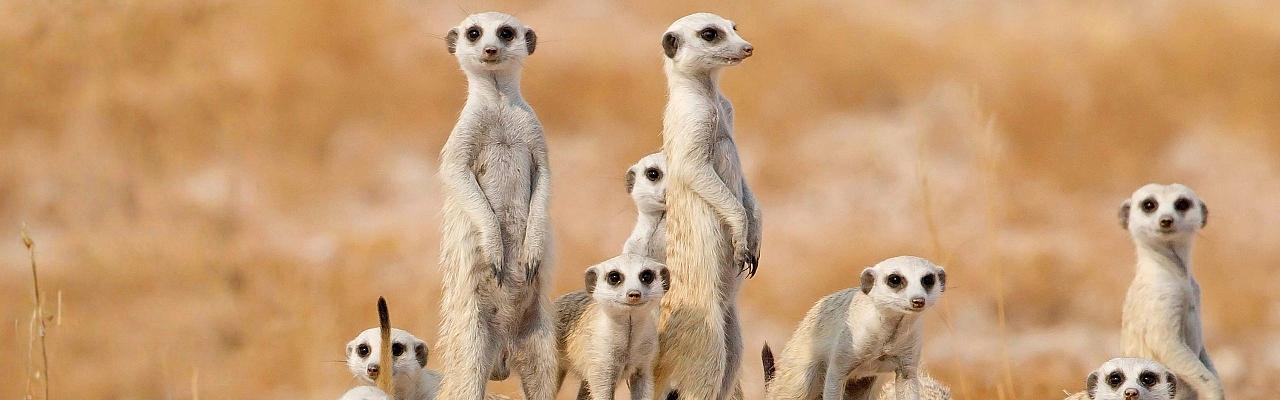
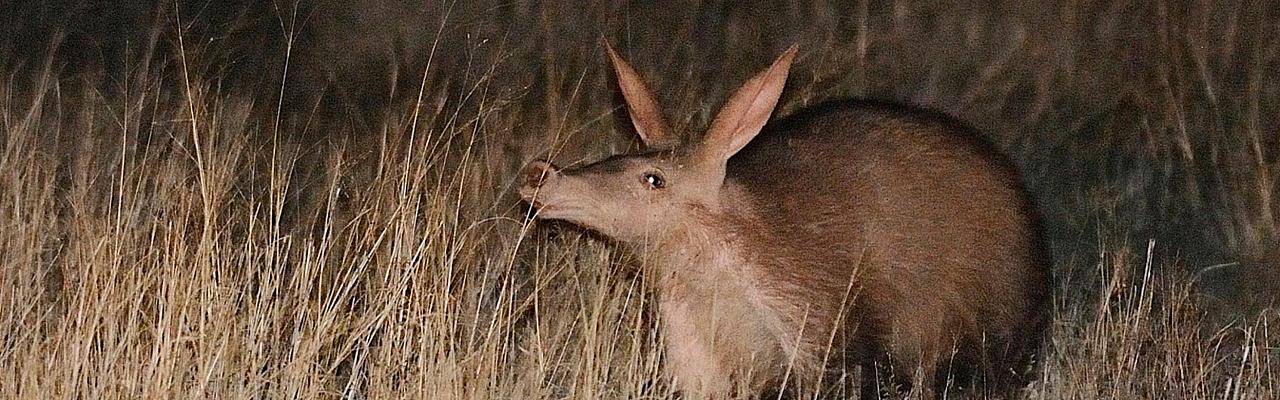
While at Khoisan Karoo Conservancy we explore in open sided safari vehicles and do a combination of activities consisting of early morning and late afternoon safari drives, and evening night drives, particularly important for finding some of the more elusive mammals. This region is well known as a spot to find the elusive Aardvark, as well as other mammals such as Aardwolf, Eastern Rock Sengi, and with a lot of luck, Black-footed Cat. Local research on Black-footed Cat, a particularly rare and elusive carnivore, has recently been started on the property. Three bird superstars here include elegant Blue Cranes and both Blue and Karoo Korhaans. Red-capped Lark sing from small mounds and Greater Kestrel may patrol on the wing. We might also find Leopard Tortoise in the dry shrub habitat, resting in the shade of one of the many termite mounds. It’s possible to see Meerkat, Vervet Monkey, and Chacma Baboon here too.
Enjoy a good after lunch break, and save your energy for our night drive, on a quest for elusive mammals.
Accommodations at New Holme Lodge (B,L,D)
Thurs., July 22 Second Full Day at Karoo Gariep Reserve
Early morning is a great time to watch Meerkat sunning outside their mounds, and with luck we may also fine Yellow Mongoose. The sound of Blue Crane bugling fills the air, and skyward we watch display flights of Eastern Clapper Lark. Red Bishops and other small birds feed in shrubbery while larger near-endemic Ludwig’s Bustard patrol the savannah.
We get into the rhythm of safari with an early light breakfast, morning game drive with a coffee, tea, and snacks break, then back for a hearty brunch. Capped Wheater, the most dapper of its clan, are plentiful, as are the endemic Eastern Clapper Larks, and we watch for Levaillant’s Cisticola, Namaqua Warbler and African Stonechat as well. We may find Cape Penduline Tit, a Southern Africa specialty, near old nest sites. There are several wetland areas on the reserve we often stop by with good chances to watch for African Rail, African Snipe, Black-winged Stilt, Blacksmith Lapwing, Cape Teal, and Kittlitz’s Plover. The loud call of African Fish Eagle is never far away. Driving through open shrubland with scattered trees, we look to find Grey-backed Cisticola, Rufous-eared Warbler (another Southern Africa specialty), widespread Yellow-bellied Eremomela alongside the endemic Karoo Scrub Robin among a host of other species. Near rocky outcrops we search for beautiful and regionally significant Fairy Flycatcher, White-necked Ravens, and a variety of pipits. Both Blue and Karoo Korhaan, endemic species, are special members of the bustard clan that thrive here and with luck we may see them display.
Each night, after dinner there is the opportunity to go out on night drives, on which prize finds may include Aardwolf, Caracal, and if the stars align, rare Black-footed Cat. We may find roosting White-quilled Bustard or Double-banded Courser in the grasslands as well. Night drives are possible because this is a private reserve and we take full advantage of our ability to explore.
Accommodations at New Holme Lodge (B,L,D)
Fri., July 23 Early Safari Drive Karoo Gariep | Drive to Marrick Private Ranch Reserve
We have one more early morning drive at Karoo Gariep, admiring sunning Rock Hyrax as we pass rocky outcrops. It’s hard to leave here, but we’re pulled on to explore a more wooded area. Our next lodge is about a 4 hour drive is we drove straight through, but we take our time and stop for birding along the way, arriving mid- to late-afternoon.
We have designed the tour to include several chances find Africa’s smaller and more elusive mammals. Our next oasis is one with a top reputation for night drives, the Marrick Private Game Reserve. This private ranch offers great mammal and bird viewing, known as one of the best spots to see Aardvark. One of the striking birds here is the brilliantly colored Crimson-breasted Shrike, which can be found in scattered acacias that provide shade on the lodge grounds. We continue our same safari rhythm here, and hope to settle in ahead of dinner, with an option to go out to search for Bat-eared Fox and Aardvark, two termite specialists that get active at night.
Our goal is to stop for lunch along the Orange River, where riparian thickets offer us some great birding. This is one of Africa’s major rivers, continuing on from here into Namibia and eventually out to the Atlantic Ocean. Red-eyed Bulbul keep up the chorus as we search for Orange River White-eye, Namaqua Warbler, and both Yellow and Black-throated Canaries.
At a wetland site created by a dam, we look for African Darter, African Sacred Ibis, African Spoonbill and a variety of herons and egrets. Namaqua Doves are striking as are Cape Wagtail, Malachite Kingfisher, and endemic South African Shelduck. The song of Bokmakierie, a beautifully colored bird, brightens any day.
We should arrive in time to settle into our accommodations on this 7500 acre property, and perhaps spot some birds such as the lovely Swallow-tailed Bee-eater or a stately Pale-Chanting Goshawk. We enjoy dinner, and head out to take a first survey of possible night mammals and birds, including Western Barn Owl or Spotted Thick-knee.
Accommodations at Marrick Game Reserve (B,L,D)
Sat., July 24 Marrick Private Ranch Reserve | Mokala National Park
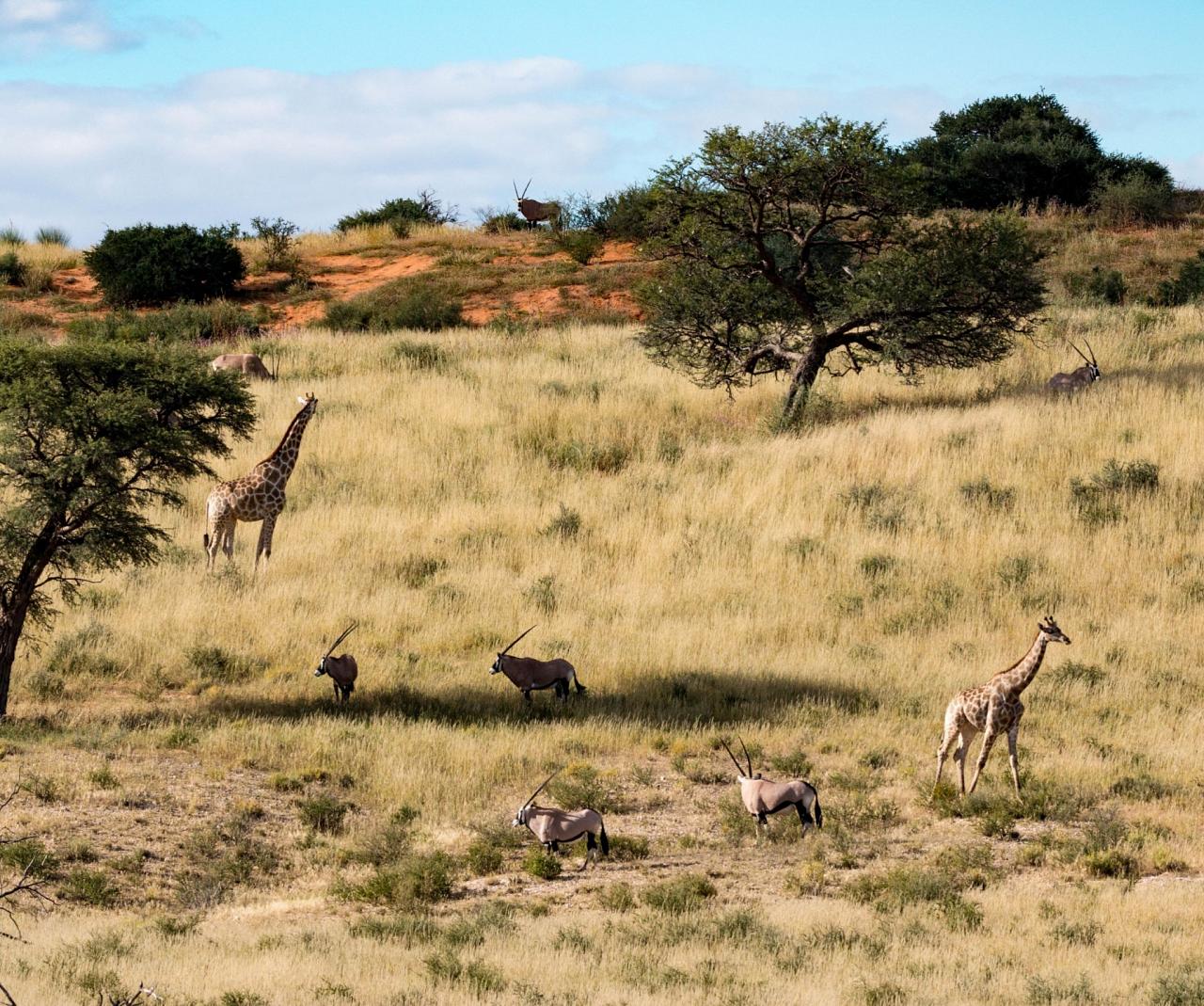
We split the day today between Marrick Private Reserve and nearby Mokala National Park. Mokala is a good spot to look for a variety of antelope, with regular sightings of Springbok and Gemsbok, as well as Roan, Sable, and Tsessebe all possible. Southern Giraffe feed on acacia shrubbery and we can check several areas for Meerkats … who can resist that? This park has a small population of White Rhinoceros and is a place that two subspecies of wildebeest overlap with both Black and Common possible to see. We watch for Kalahari Scrub Robin, Scaly Weaver, Golden-breasted Bunting, and beautiful Swallow-tailed Bee-eater.
Marrick Private Reserve, in the Kimberly District of South Africa’s Northern Cape province, is established on an ecotone of savannah thornveld, a rich habitat for birds. Delightful finds for us may include the inquisitive Common Scimitarbill, White-backed Mousebird, the tiny but vocal Pririt Batis, Ashy Tit, Chestnut-vented Warbler, and Common (African) Hoopoe. Rocky outcrops dot the landscape and seasonal lakes and evaporative salt pans attract waterfowl. Shrubby areas attract little bird parties, star attractions being both Violet-eared and Black-faced Waxbills and lovely Green-winged Pytilla. Crested Barbet call repeatedly and a variety of woodpeckers, including Golden-tailed, tap into trees. Once a farm, now restored for wildlife, we find Kori Bustard, Ostrich, Southern Giraffe, and large herds of antelope, several from restoration efforts, which may include Sable, Roan, Greater Kudu, and Impala. We should also encounter Eland, Waterbuck, and Red Hartebeest.
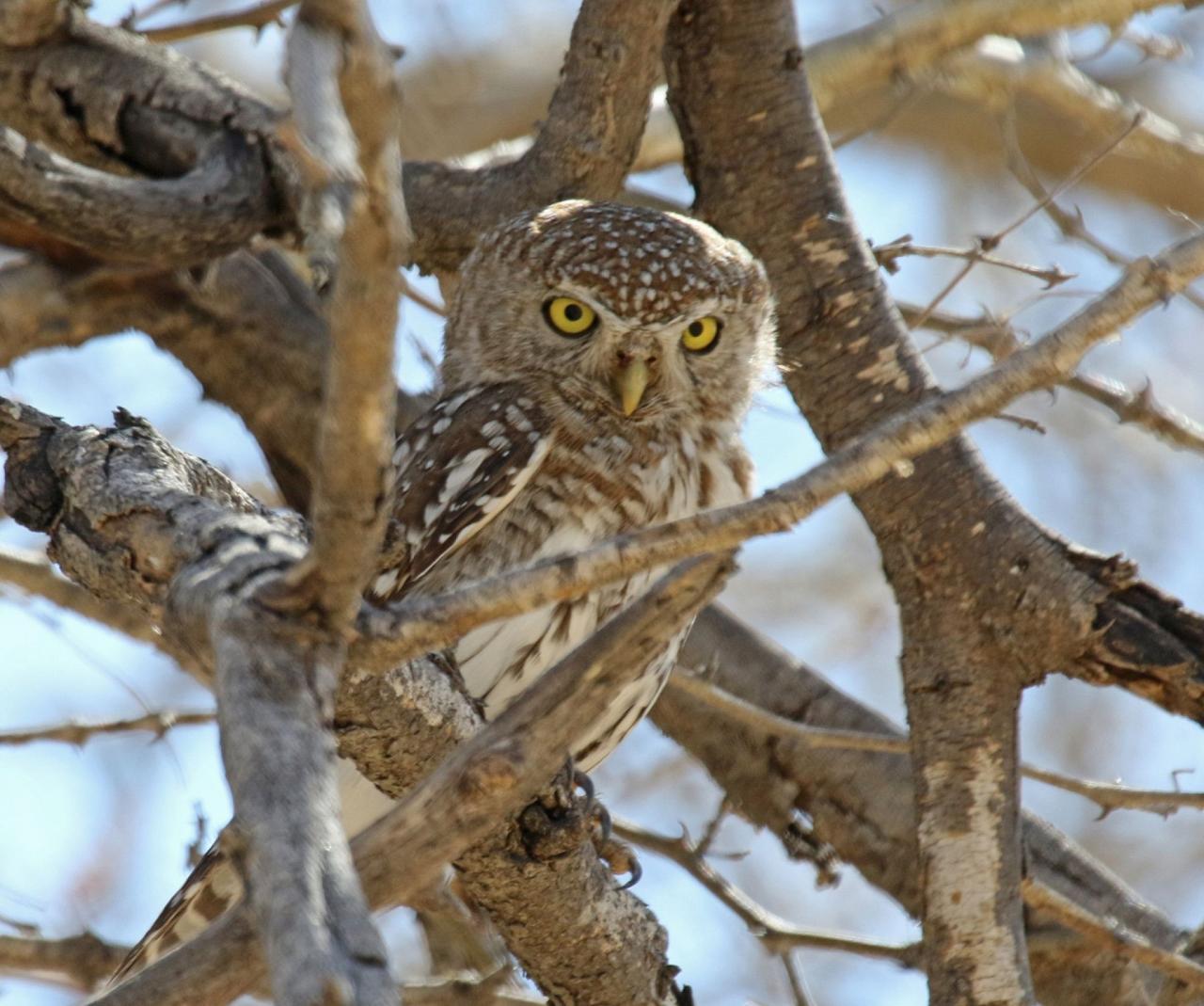
In open areas we sort out various types of larks (Spike-heeled, Sabota, Fawn-colored, Eastern Clapper, Red-capped, and possibly Pink-billed), and look for Southern Anteater-Chat, Kalahari Scrub-Robin, and Black-chested Prinia. We keep an eye to the sky for raptors such as Tawny or Martial Eagles, and Alpine Swift. Marico and White-bellied Sunbirds frequent flowers in bloom, we might spy a day-roosting Pearl-spotted Owlet, noisy Acacia Pied Babbler may rouse our attention, and we watch for several species of whydahs. The lodge staff pride themselves in hospitality and greet us back at the lodge or meet us for a fabulous buffet breakfast in the field. Enjoy a sundowner drink at a picturesque spot watching birds come to roost, and return to a delicious BBQ (braai) under the stars. Night drives here give us more chances for small cats, Aardvark, and Aardwolf, and here we should find the curious looking Elephant Shrew, known as Eastern Rock Sengi.
Accommodations at Marrick Game Reserve (B,L,D)
Sun., July 25 Early Safari Drive at Marrick | Drive to Augrabies Falls National Park
Our next destination, spectacular Augrabies Falls National Park, is still in the Northern Cape Province, where South Africa’s largest river, rising in the high peaks of the Drakensberg mountains over 600 miles to the east, rushes westwards towards the coast through a rock gorge, creating an amazing spectacle! Pale-winged Starling, which occasionally preen various antelopes for ticks and other insects like oxpeckers do, swoop around the cliffs, sometimes even sitting on cliff-dwelling Klipspringer. Rainbow-hued Broadley's Flat Lizards, super popular with photographers, rush around the rocks at our feet on the viewing platforms.
We take a lunch break along the way at a restaurant with flowering shrubs that attract sunbirds and other species. The landscape becomes more arid, and we find trees festooned with nests—those of noisy Sociable Weaver. With luck we may find African Pygmy Falcon often found in association with large colonies. The landscape along the river is agricultural, with pecan groves, and vineyards in profusion. As we hit wilder terrain with rocky outcrops, we find graceful Quiver Trees, an iconic plant of the region.
Today is largely a travel day, and if we drove direct it would take us five and a half hours. Our plan is to reach the park by late-afternoon to settle in to our accommodations. Its signature falls drops close to 200 feet in a spectacular setting that is illuminated at night. We hope to add a new mammal to our list here: Hartmann’s Mountain Zebra.
Accommodations at Augrabies Falls in the national park (B,L,D)
Mon., July 26 Full Day to Explore Augrabies Falls National Park & Vicinity
We head out to explore after breakfast, looking for raptors like Booted Eagle, which patrol the granite cliffs. Finding massive Verreaux’s Eagle is possible and while they’re not common, they do breed in the park. Klipspringer, a mammal of which this eagle preys upon the young (as well as on Rock Hyrax) is found regularly here, an antelope with fascinating adaptations in its feet to allow it move over rugged terrain with ease. Birds we may find include Rosy-faced Lovebird, Dusky Sunbird, Namaqua Dove, both White-backed and Red-faced Mousebirds, Acacia Pied Barbet, Pale-winged Starling, Karoo Thrush, Mountain Chat, Karoo Long-billed Lark, and Namaqua Warbler. This is a good area to find skinks, agama lizards, and other reptiles as well as some interesting plant life.
This expansive park is over 600,000 acres, situated along the Orange River. The gorge runs about 11 miles, with multiple viewing points we can explore. On the river below us at viewpoints we may find Black Stork, Hadada Ibis, both Grey and Black-headed Herons, African Pied Wagtail, and overhead, large and acrobatic Alpine Swift. The endemic Cinnamon-breasted Warbler (scarce) and also Short-toed Rock Thrush and Mountain Wheatear like the cliffs. In open arid terrain we look for Starks, Spike-heeled, and Karoo Long-billed Larks as well as Gray-backed Sparrowlark, Rufous-eared Warbler, Double-banded Courser, and with luck Ludwig’s Bustard.
Accommodations at Augrabies Falls in the national park (B,L,D)
Tues., July 27 Augrabies Falls National Park to Kgalagadi Transfrontier Park
We leave this morning with a half-day drive ahead of us to reach our final location of the main journey, a recently established national park shared by South Africa and Botswana. The park was established as an international peace park, merging two existing national parks across the border in 2000 and opened to the public in 2002. We enter this vast unfenced park in the Kalahari Desert from South Africa.
Desert wildlife is free to move here in an area four times the size of Yellowstone; predators and prey live out their roles in rigorous terrain stretching over 800,000 acres. Kalahari Lion are famous for lush black manes. Cheetah and Leopard are regularly seen, and we have a chance to see both Brown and Spotted hyena species here. Beauty is austere but memorable with camel-thorn acacia trees rising from red dunes lit at sunrise and sunset and wildlife herds of Eland, Springbok, Gemsbok, Red Hartebeest, and Blue Wildebeest traversing winding dry riverbeds. Twee Rivieren, the largest rest camp and administrative center at the main gate is a good birding area and surely we find Africa’s iconic Lilac-breasted Roller near here and its likely Yellow-billed Hornbill watch for food opportunities. Over 280 species have been recorded in the park, with an impressive 34 species of raptors, including massive Lappet-faced Vulture. We have a chance here to find Meerkat and Bat-eared Fox again, and with luck, possibly even Honey Badger.
We settle into our accommodations; South African Ground Squirrels chirp a warning as we approach and Yellow Mongoose are often in the parking area.
Accommodations at Twee Riverien, Kgalagadi Transfrontier Park (B,L,D)
Wed., July 28 – Fri., July 30 Three Full Days in Kgalagadi Transfrontier Park
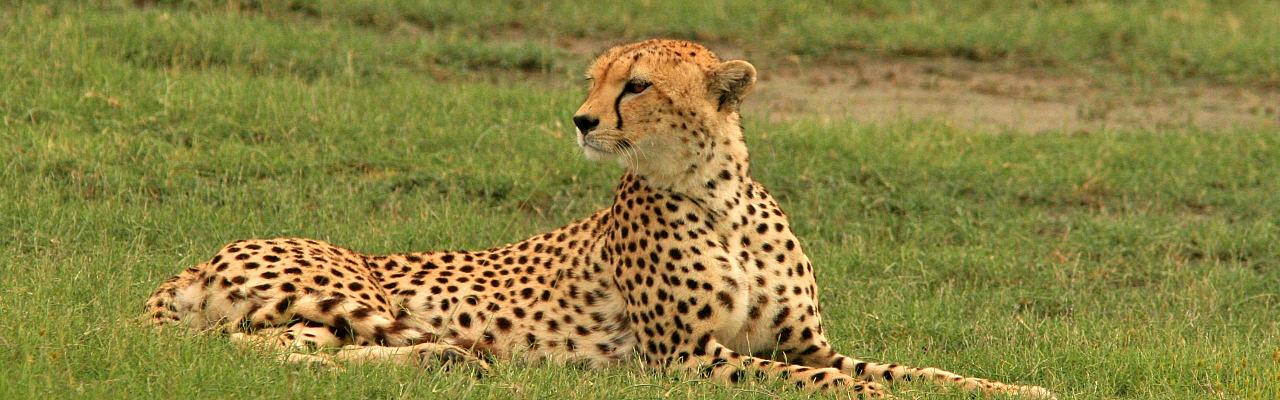
We have three full days to explore the heart of the Kalahari: the famous Kgalagadi Transfrontier Park. We stay at Twee Riverien for four nights (either just inside the park in the government accommodation or just outside the gate at private accommodation) and this allows us three full days to explore the southern portion of the park, including at least one night drive. The famous Kalahari black-maned Lions are always a goal to see here, as are Cheetah, Leopard if we’re lucky, and in the early morning or on the night drive, we hope for the scarce Caracal and Brown Hyena, regularly seen here. Southern Oryx, or Gemsbok as they are known locally, are common, as well as Springbok herds. Birds are abundant, ranging from Secretarybird to Red-necked Falcon, Swallow-tailed Bee-eater, Purple Roller, Sociable Weaver with their giant nests, Tawny Eagle, Violet-eared Waxbill, White-browed Sparrow Lark, and many more species. The park is well known for owls, with Verreaux’s Eagle-Owl and Southern White-faced Scops-Owl being sought after.
We often stop at one of the picnic sites for a coffee and tea break, and here we find Southern Cordonblue, bright-colored Cape Starling, Lark-like Bunting, and scurrying about we can see Kalahari Tree Skinks.
Accommodations at Twee Riverien, Kgalagadi Transfrontier Park (B,L,D)
Sat., July 31 Drive to Upington | Short Flight Back to Johannesburg | Departures, OR continue on to Zambia’s incredible Kafue National Park
Our final morning is a drive to the town of Upington for a short flight back to Johannesburg in the afternoon to connect with evening flights home. Those continuing on the Kafue extension overnight in Jburg or Lusaka today, depending on flight availability.
Zambia's Kafue National Park Post-Tour Extension
Itineraries are guidelines; variations in itinerary may occur to account for weather, road conditions, closures, etc. and to maximize your experience.
Big Cats, Wild Dogs & More! After an incredible experience in Kafue National Park in 2026, we can’t wait to return! The Busanga Plains section at the northern reach of Kafue National Park has extensive herds of large mammals; we see Roan daily, and huge numbers of Red Lechwe form the prey base for highly visible predator activity. Wild Dogs and Cheetah, Lion and Leopard can all be seen and the night drives are fantastic, hopefully adding Civet, Genet, and Serval, plus African Porcupine, night birds, and more! Birds here are also great, with numerous species of hornbills including Southern Ground Hornbill, both Crowned and Wattled Cranes, and a good variety of raptors.
Sat., July 31 : Overnight Johannesburg (near JNB airport) or Lusaka, Zambia if the evening flight from JNB is available
We arrive back in Johannesburg in the afternoon, and say good-bye to our departing friends. We leave this open until our group is confirmed, and if there is an evening flight, we hop on up to Zambia on that short flight. If not we overnight by the airport and get the first morning flight.
Accommodations at City Lodge, Johannesburg International Airport or at Wild Dog Lodge, Lusaka, Zambia (B,L,D)
Sun., Aug. 1 : Flight to Lusaka and onward to Kafue National Park
Our flight into Kafue is a charter flight in the mid to late morning pending when we arrive in Lusaka. We arrive in time to meet our guides at the local airstrip and whisk into nearby camp for lunch. Then settle into your spacious, comfortable tented cabins for a break before heading out. Here we go out about 4:00 PM after tea and stay out to do some night spotlighting in the early evening, coming back for dinner. Kafue National Park and the incredible Busanga Plains are our home for the next three full days so today is a grand sneak preview!
Accommodations at Kasonso Busanga Camp (B,L,D)
Mon., Aug. 2 – Wed., Aug. 4 : Three Full Days in Kafue National Park
We wake early each day to have breakfast by a roaring campfire; good rich coffee and tea and light fare starts us off at dawn to be out as animals, especially predators, are most active. This camp is situated with a broad view of a vast plain, and often the action occurs right around us. In 2026 we watched a pack of Wild Dogs jump the road at first light, cups of coffee in hand! Our lodge guides are knowledgeable and love what they do—they make every effort to track local Cheetahs, Lion packs, Hyena packs, Wattled Crane with young, and more. The landscape is stunning, with palm islands dotting the plains, as half of the year this location is under water! We follow various roads and water courses, looking first for mammals at peak activity and then finding a host of birds, many different from those seen in South Africa, a nice compliment to our journey.
The camp is lovely, not over the top luxury, but with ample creature comforts and wonderful food and hospitality. Mornings and evenings are brisk, with daytime temperatures warm to hot—just right!
Accommodations at Kasonso Busanga Camp (B,L,D)
Thurs., Aug. 5 : Charter Flight to Lusaka | Departures
This morning we take one last game drive, then head to the airstrip to be back in Lusaka for those connecting flights to JNB (or other routings, typically early to mid-afternoon) connecting to International departures in the evenings. If we have some bird enthusiasts that want to bird in Miombo habitat, a forest type with a number of endemic species, we can arrange that from Lusaka for tomorrow, with a night or two at the Wild Dog Lodge, to be coordinated if we have interest. (B)
-
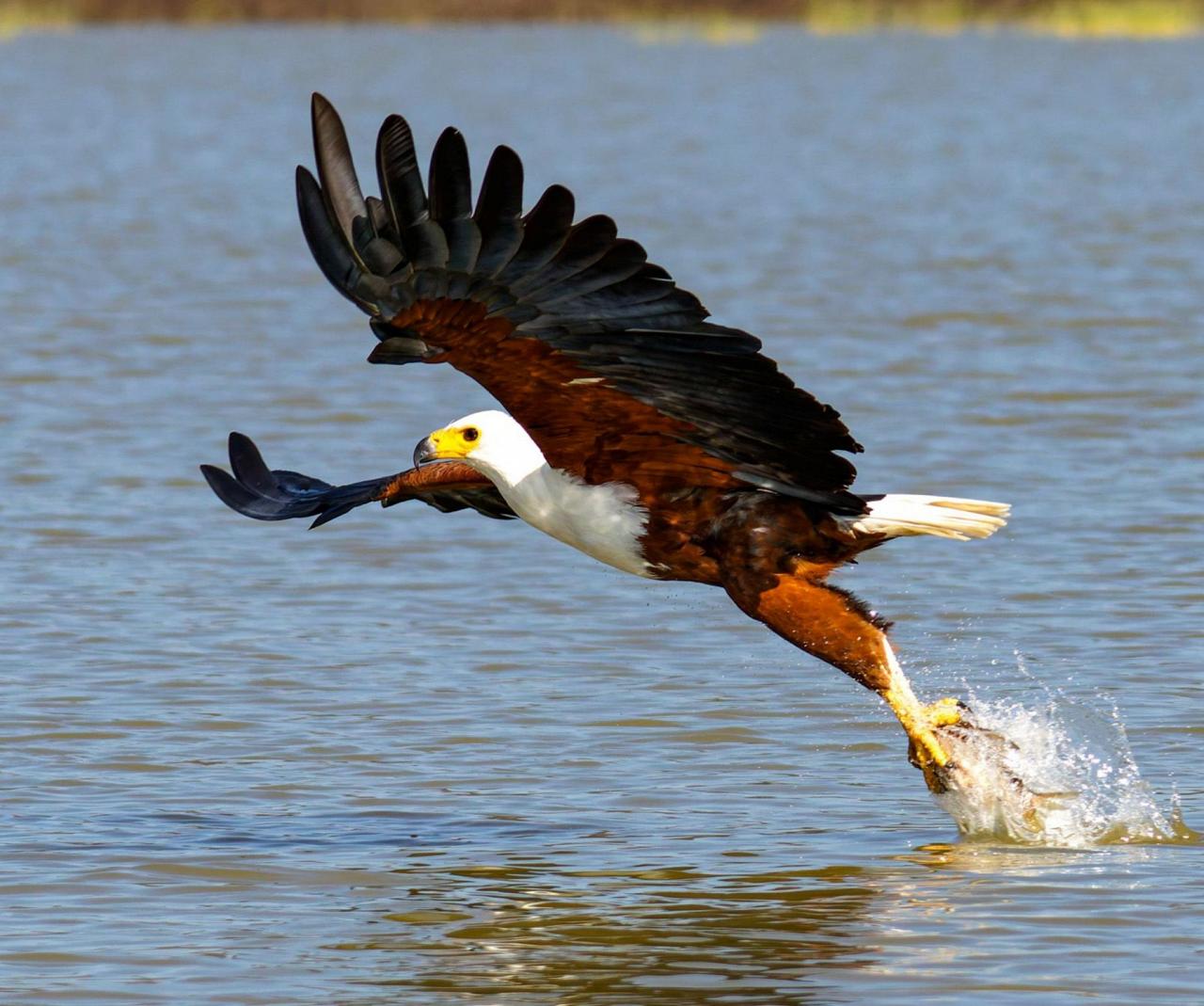
African Fish-Eagle by Peg Abbott
-
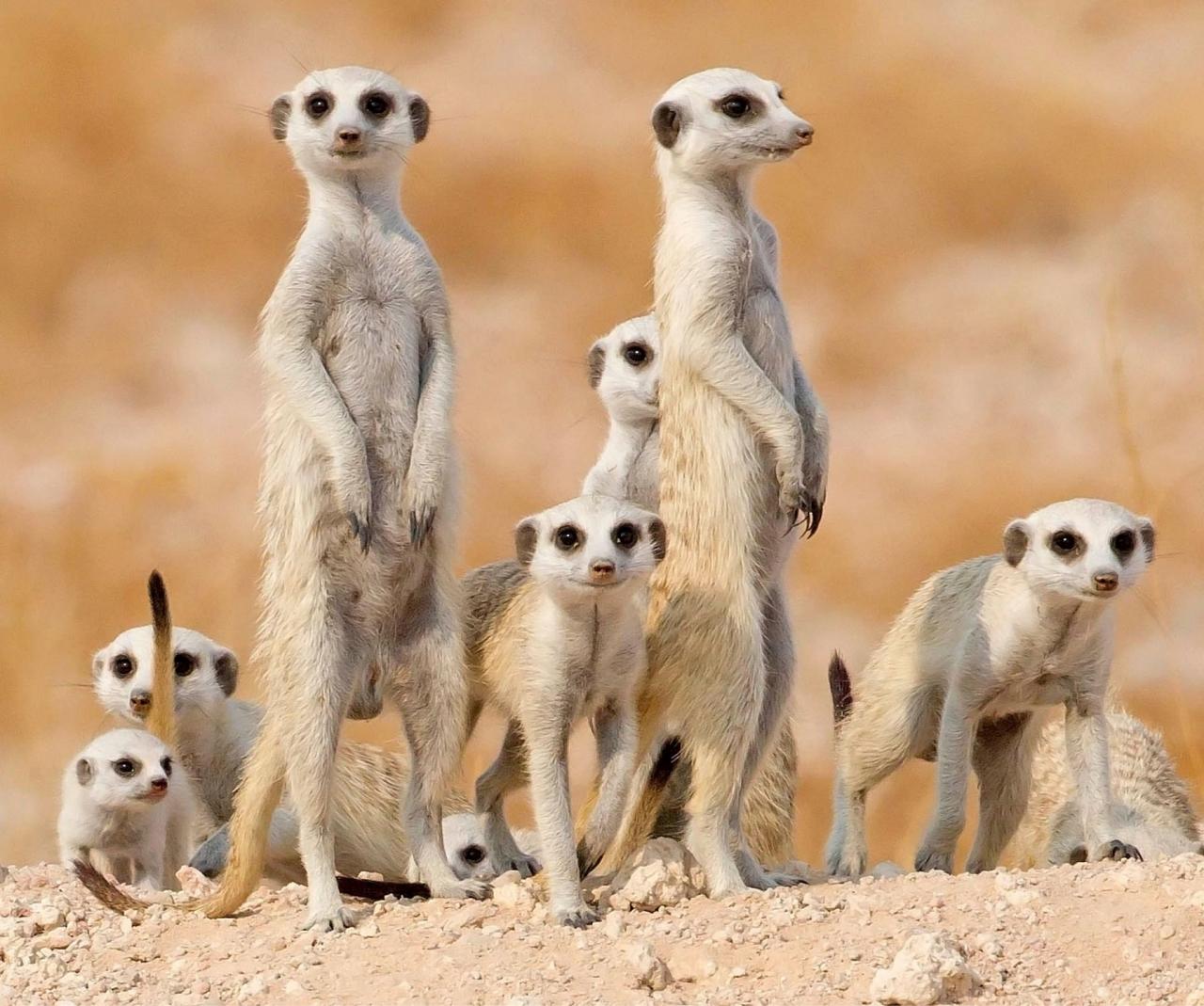
Meercats by Terius A Gous
-
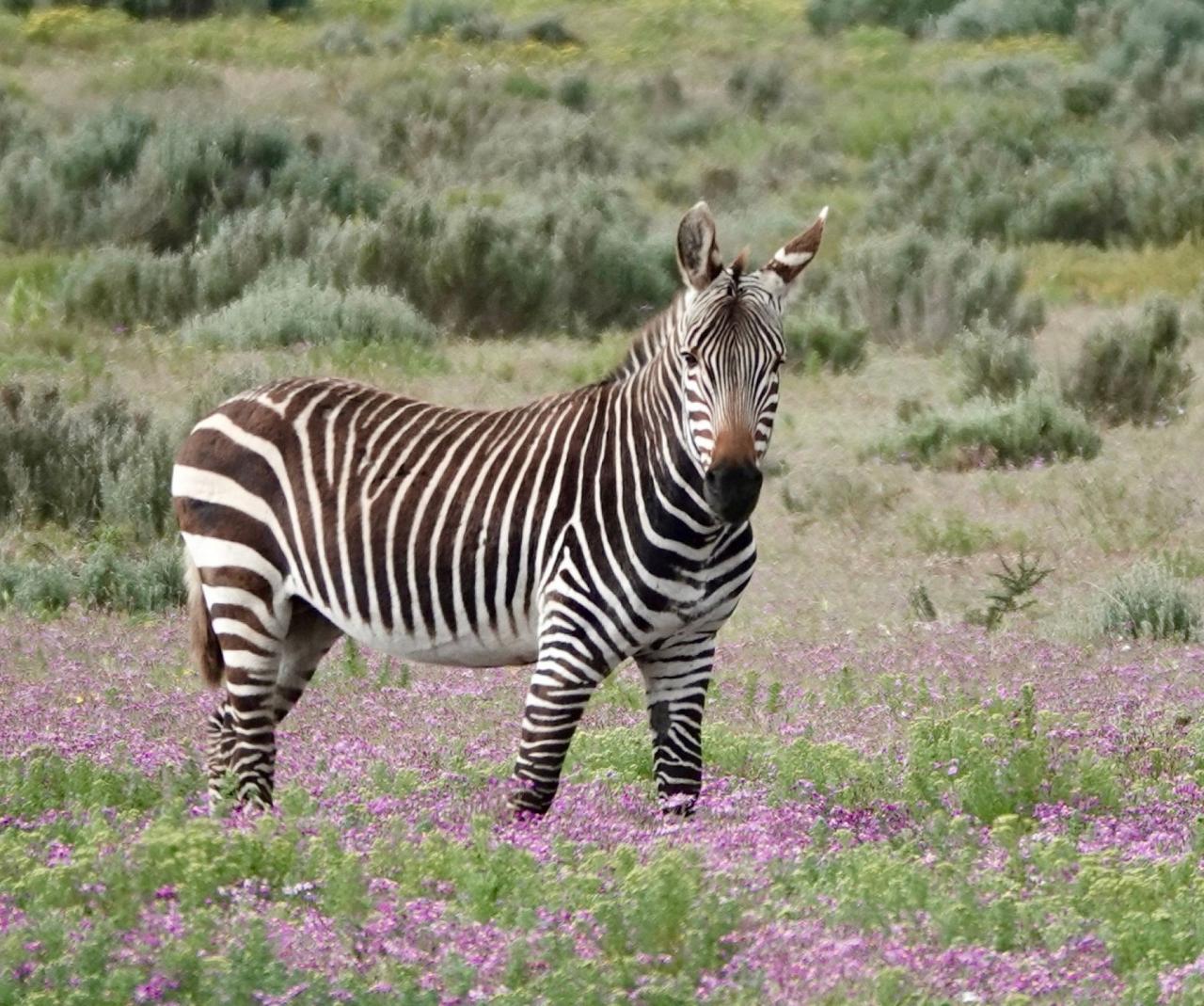
Mountain Zebra by Mason Flint
-
-
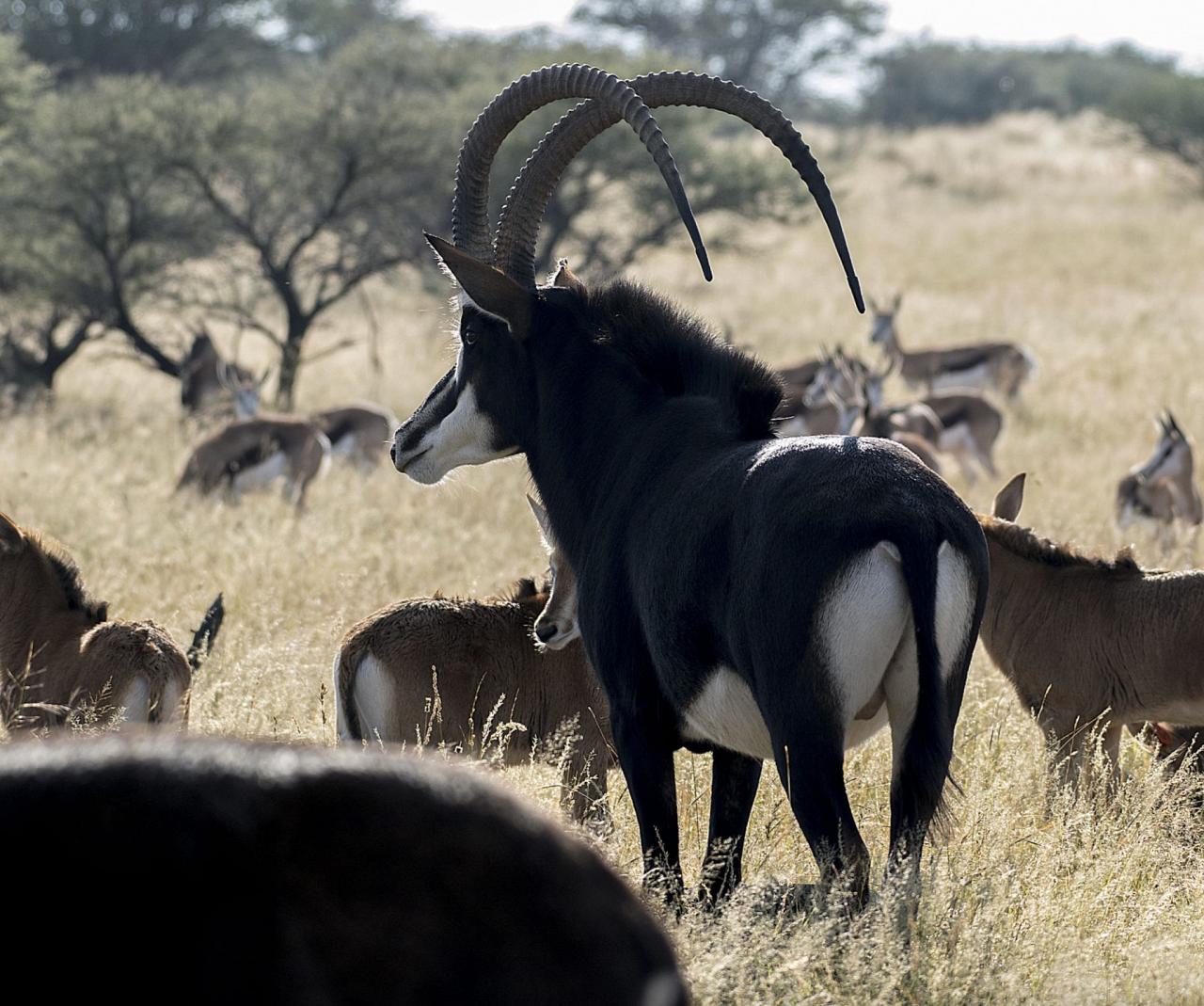
Marrick Private Game Reserve
-
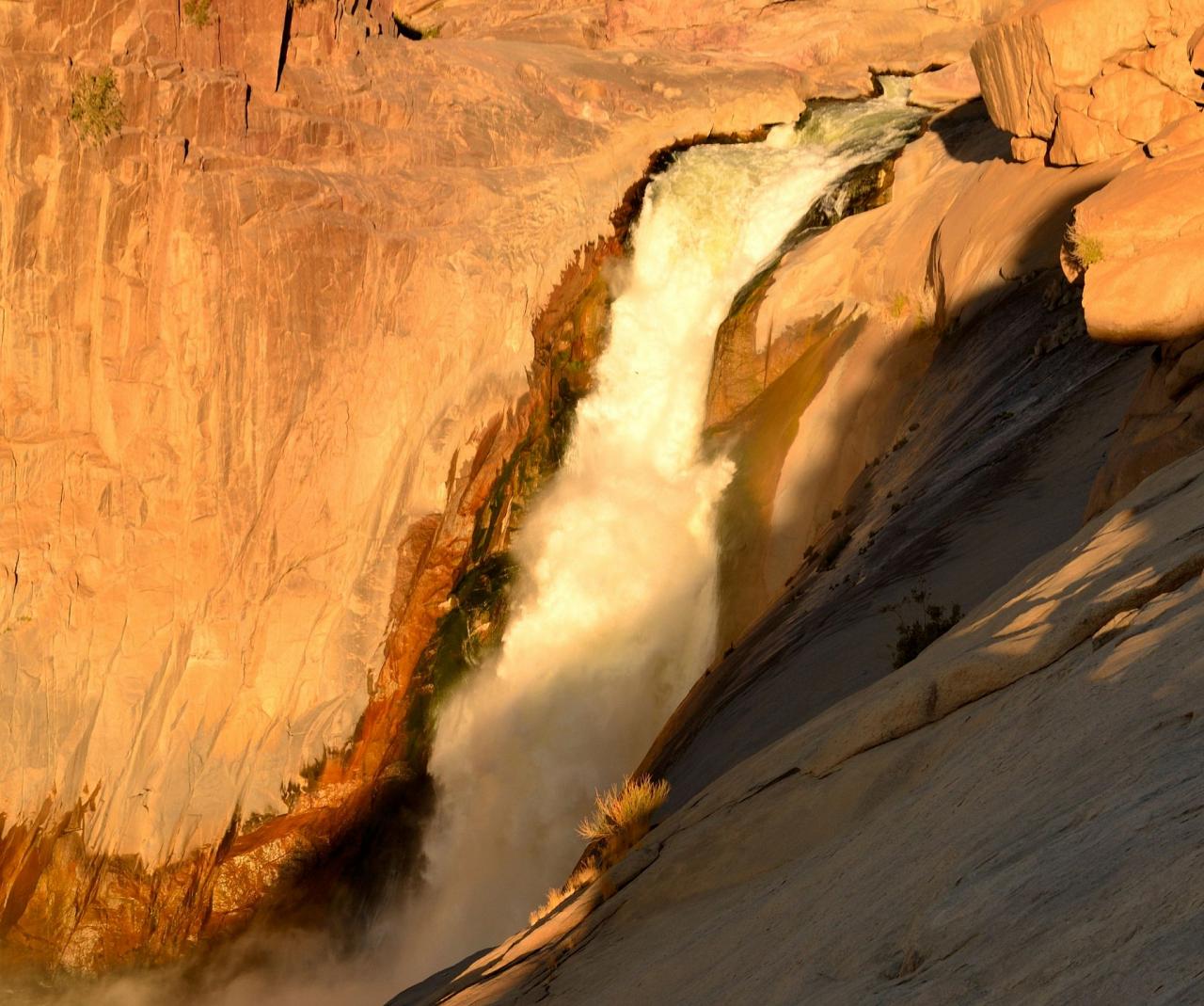
Augrabies Falls National Park
-
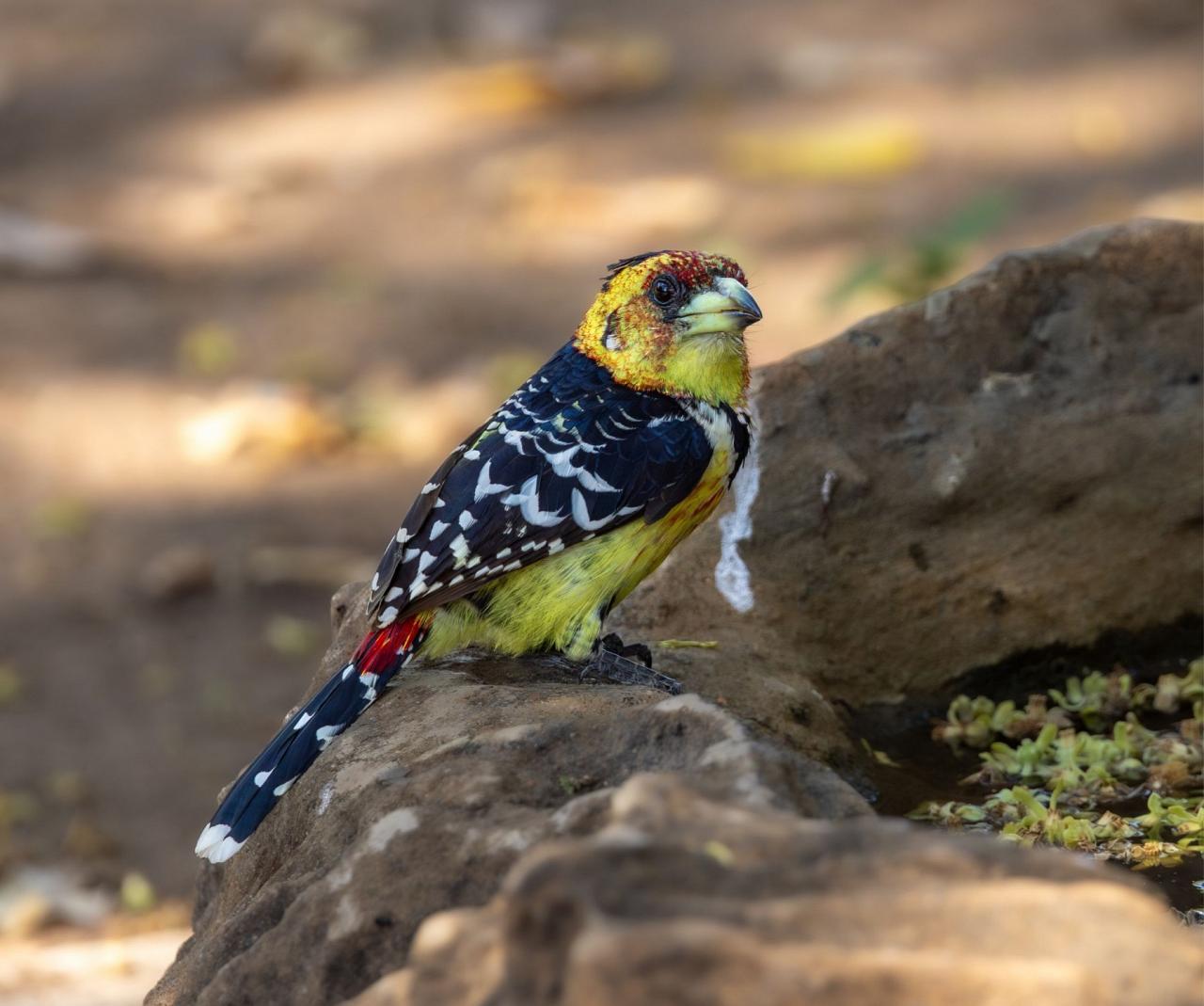
Crested Barbet by Mason Flint
-
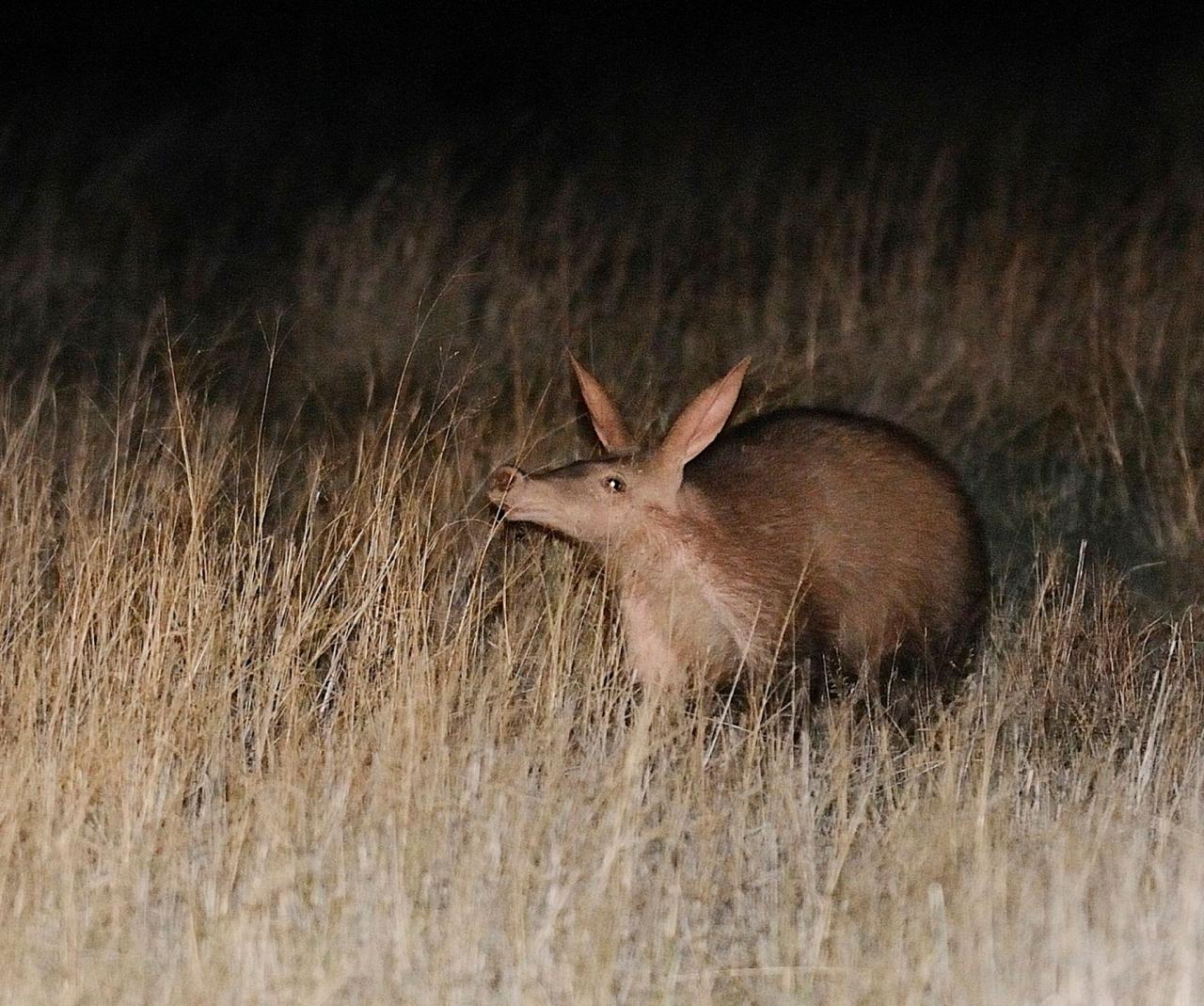
Aardvark courtesy of Marrick Private Game Reserve
-
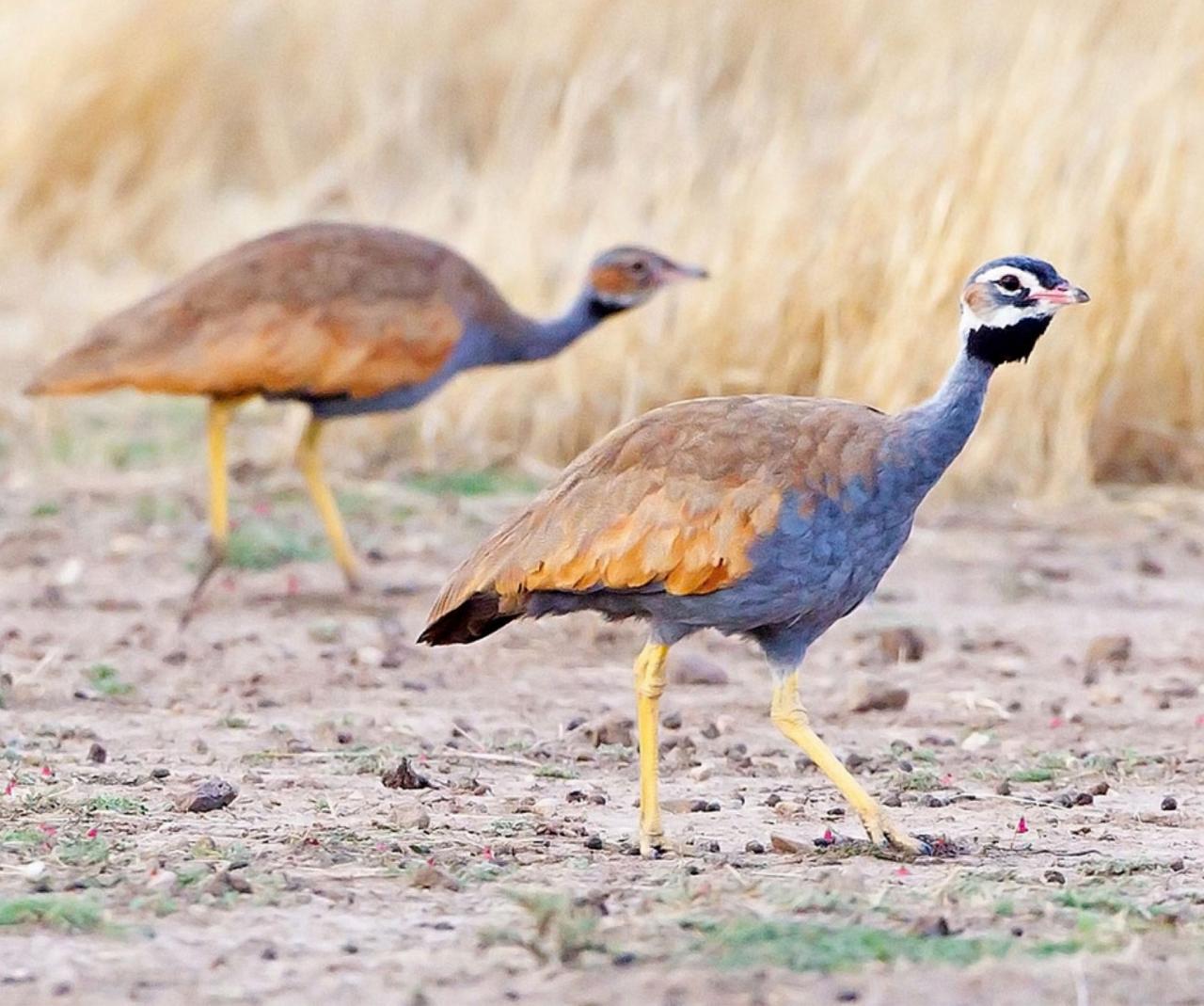
Blue Korhaan by Terius A Gous
-
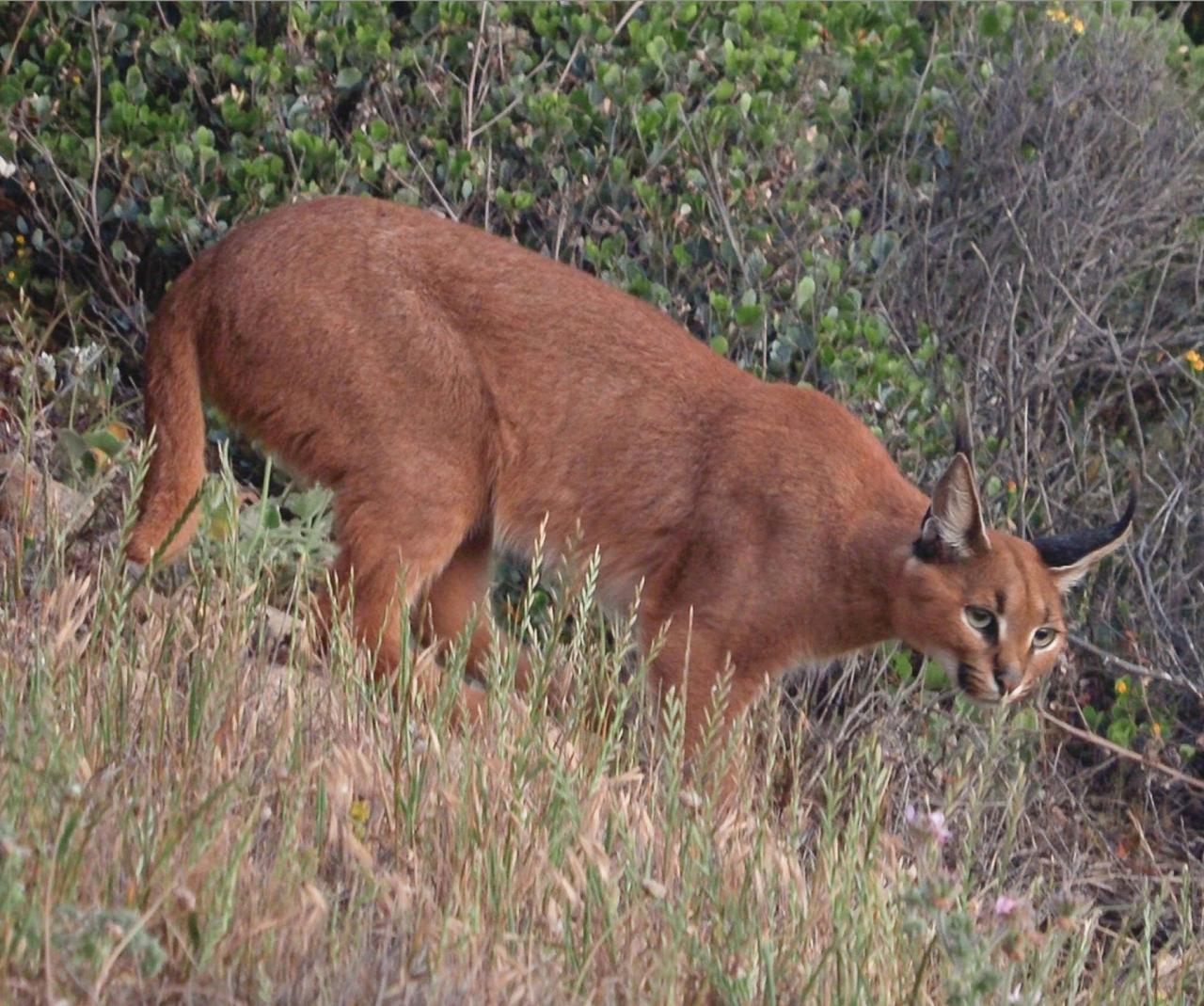
Caracal by Callan Cohen
-
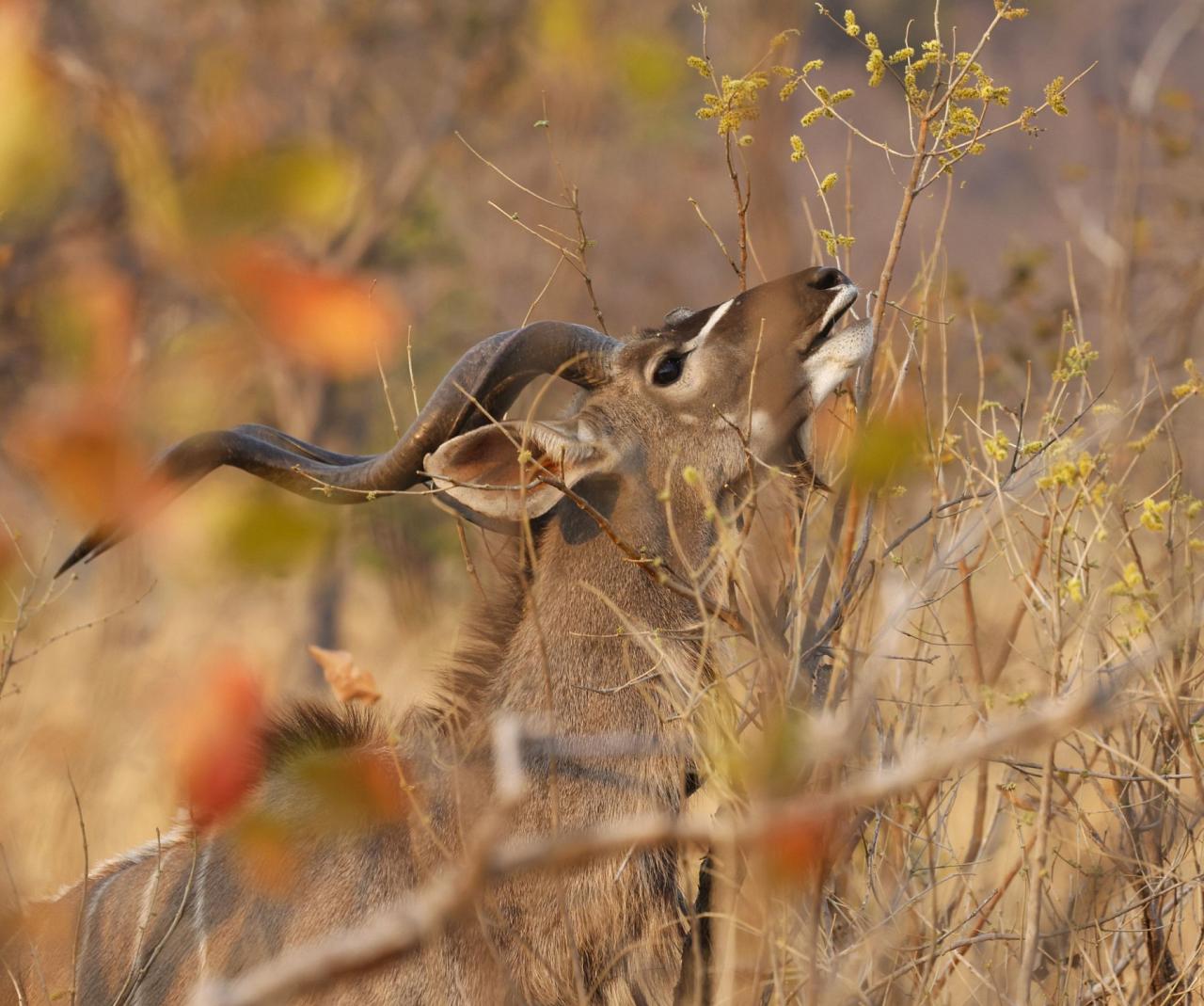
Greater Kudu by Peg Abbott
-
-
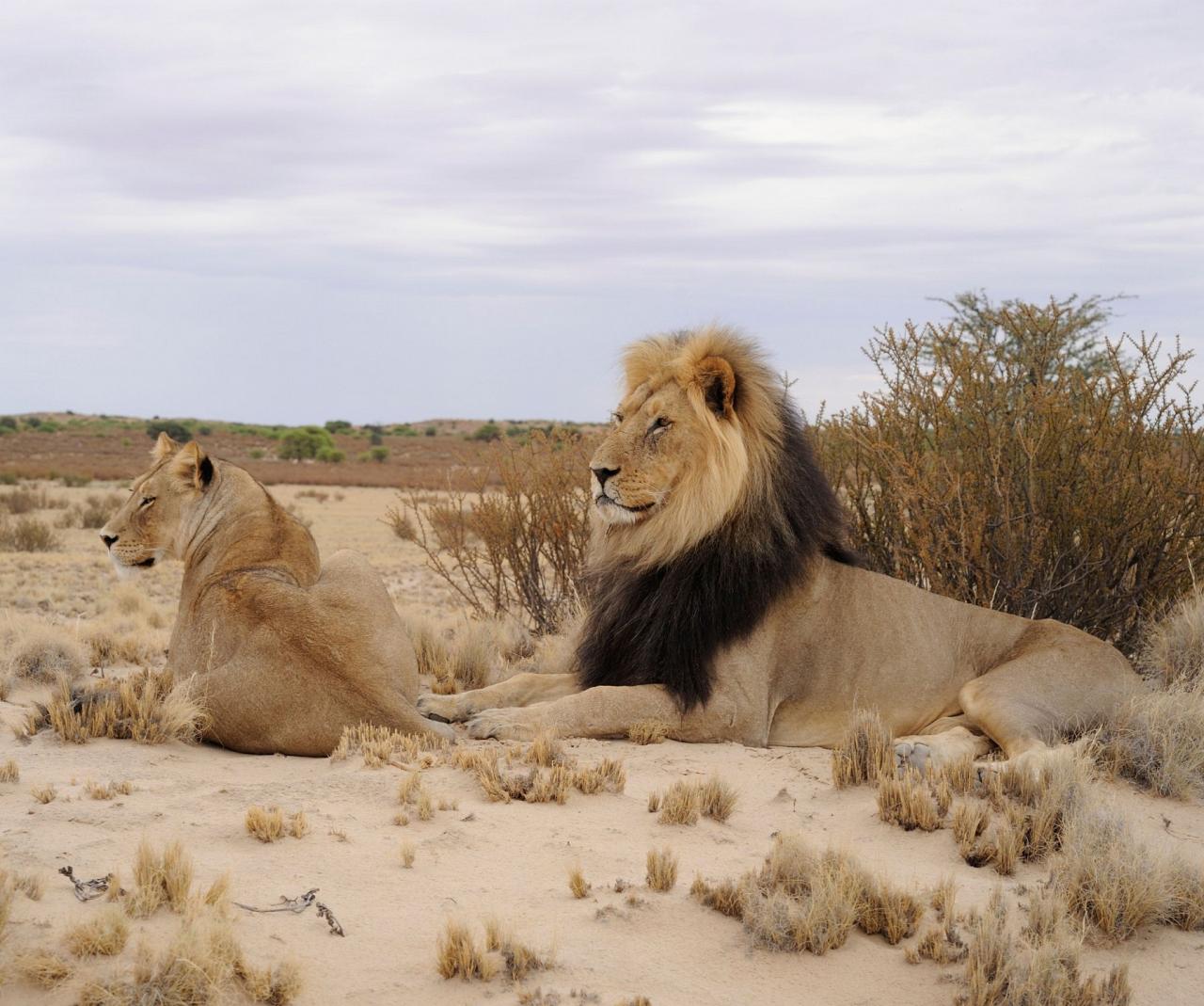
Lions in Kgalagadi Transfrontier Park
-
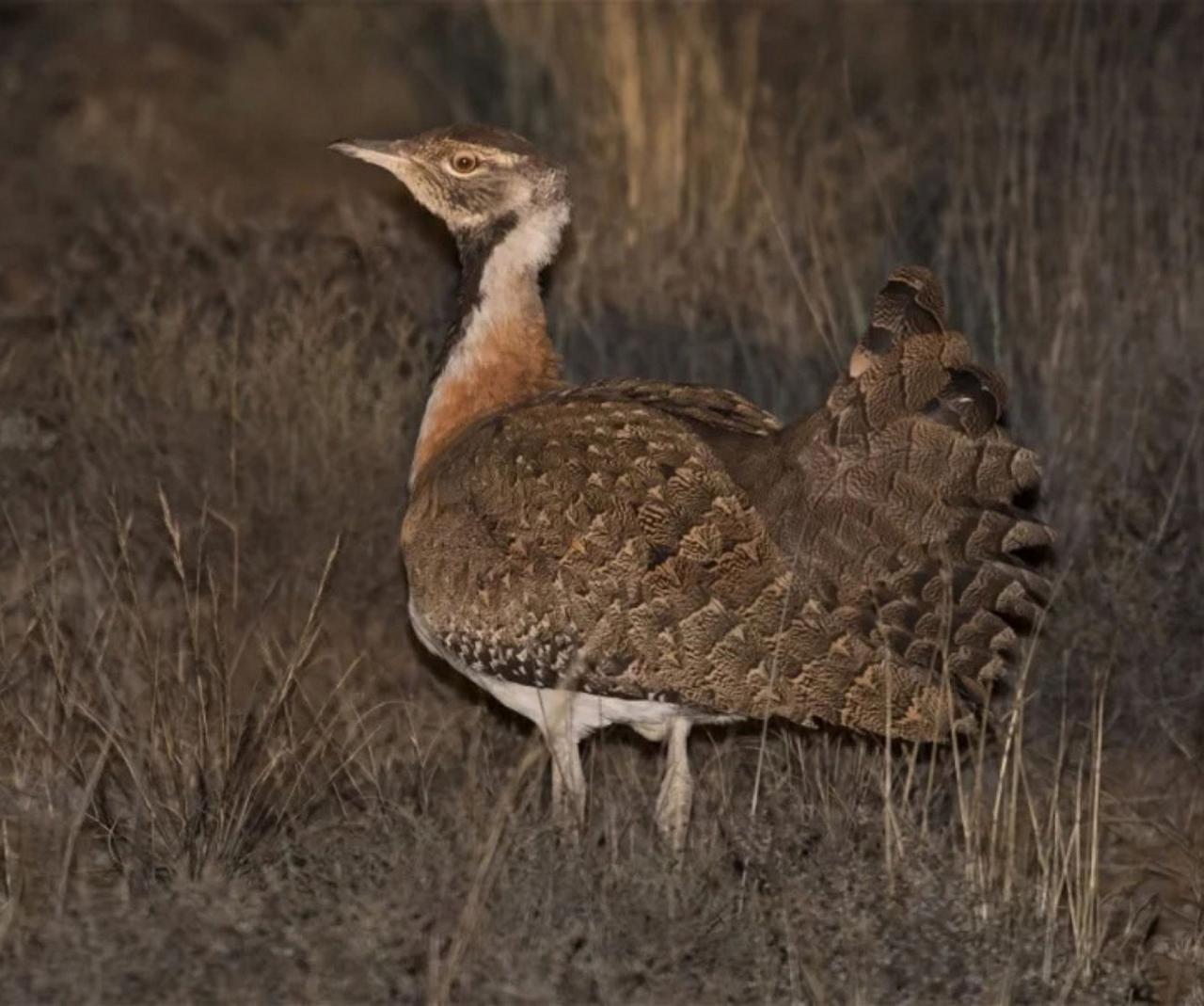
Ludwig's Bustard courtesy of Khoisan Karoo Conservancy
-
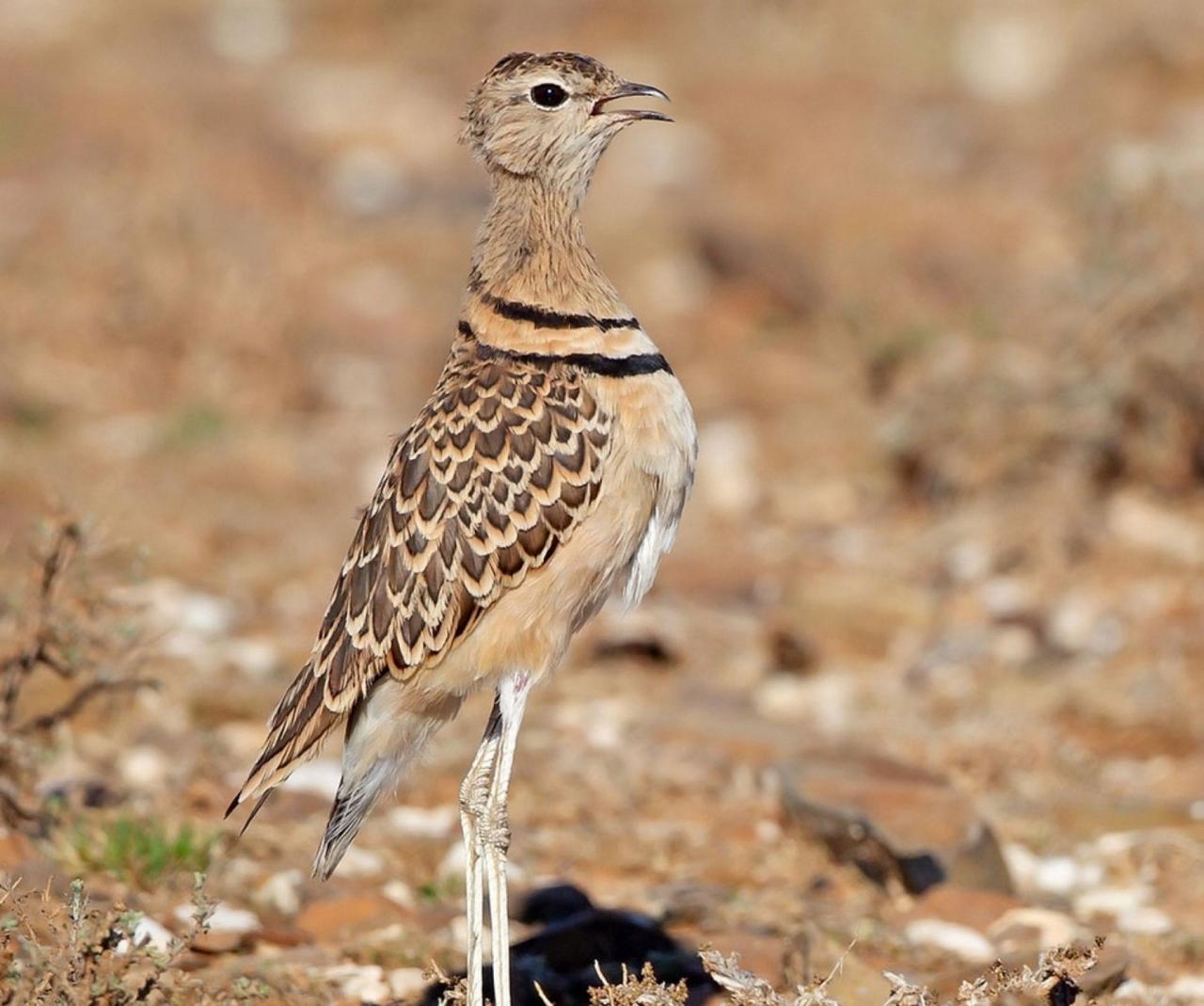
Double-banded Courser by Terius A Gous
-
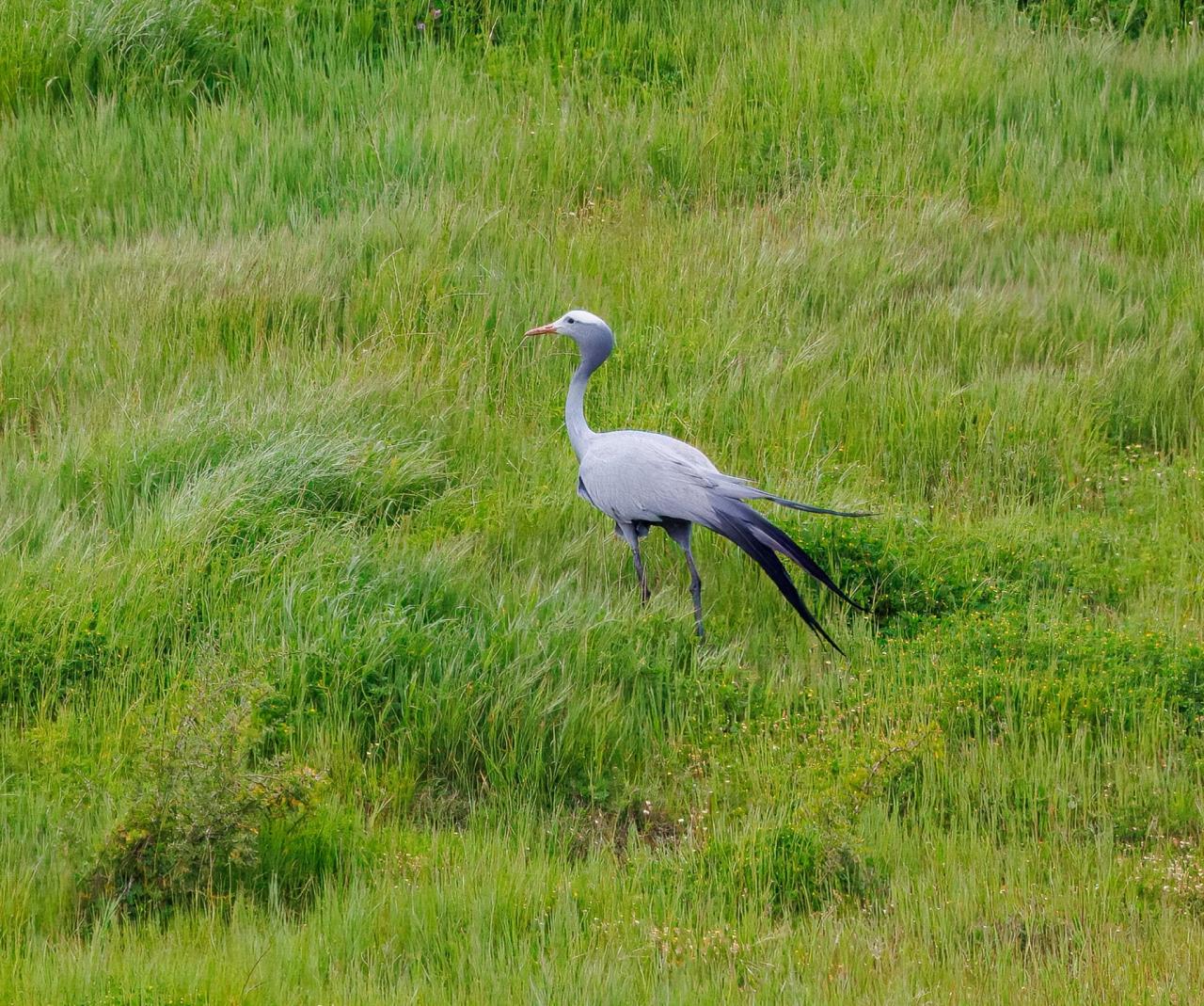
Blue Crane by Mason Flint
-
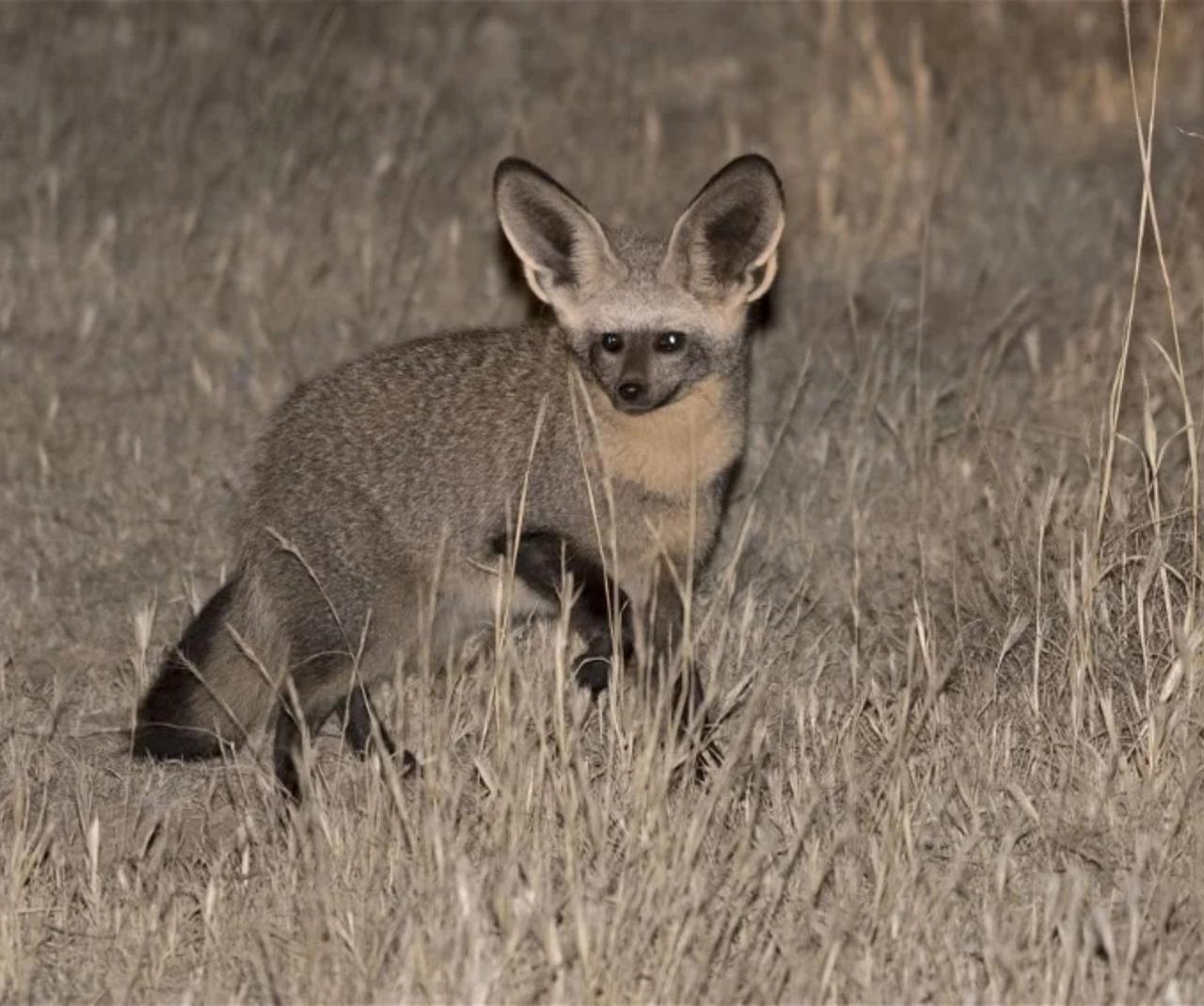
Cost of the Journey
Cost of the journey is per person, based on occupancy: $TBD DBL / $TBD SGL, from Johannesburg. This cost includes accommodations for 11 nights, all meals as specified in the itinerary, professional guide services, other park and program entrance fees and miscellaneous program expenses. All tips other than your NJ guide (optional) and local guide are included (this includes tips for your driver, lodge and staff, day activities, meals and other services).
The cost of the Kafue National Park Extension extension is $TBD DBL / $TBD SGL.
Tour cost does not include: transportation from your home city to and from Johannesburg, optional activities, or items of a personal nature such as laundry, telephone charges, or beverages from the bar.
Travel Details
Please plan to make air travel plans only after the minimum group size has been met. We will send you a confirmation email as soon as the trip has been confirmed.
Coming soon!
Browse below for trip reports and species lists from past versions of this and other tours from this destination.
South Africa
- September 2018
- September 2019
- September 2022
- September 2023
- September 2024
- September 2025
-
Peg Abbott
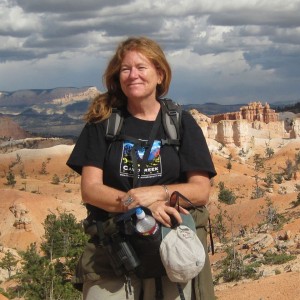
Peg Abbott is the owner and lead guide of Naturalist Journeys, LLC. She has been designing, guiding, and organizing natural history tours for more than 25 years, working for the National Audubon Society and other organizations before launching Naturalist Journeys, LLC in 1998. Her work has taken her from Alaska to Africa and Argentina, as well as many other locations around the world. She has conducted research on several bird and mammal species and keeps a close interest in Yellowstone and Mexican wolf reintroduction projects. Her interests include all aspects of natural history and geology. After 20 years in and around the Yellowstone area, Peg relocated in 2003 to the birding mecca of Portal, AZ.
Photo credit: Carol Simon
Other trips with Peg Abbott
-
 Peru: Cusco to Manú National Park A private tour for Tucson Bird Alliance - FULL!October 2 - 17, 2026, w/Machu Picchu extension
 -
 Biodiverse Bhutan: Birds, Mammals & Beyond Closed. See our April departure!November 6 - 21, 2026, w/Panna Tiger Reserve extension
 -
 Arizona: New Year’s Birding Blitz FULL - Check out New Year at Tranquilo Bay!December 29, 2026 - January 4, 2027
 -
 Panama: Birds & MammalsFebruary 5 - 13, 2027
 -
 Eastern South Africa Birding From the Drakensberg Mountains to the Indian Ocean Coastal Plains - Only one room left!February 28 - March 12, 2027, w/Madikwe Game Reserve extension
 -
 Brazil’s Pantanal: Jaguars! And More… FULL - Look for our 2028 departures!August 14 - 24, 2027, w/Amazônia extension
 -
 North Sulawesi, Halmahera & West Papua Birds of Paradise & MoreSeptember 8 - 27, 2027, w/Arfak Mountains extension
 -
 India's Red Pandas, Rhinos, Tigers & MoreNovember 4 - 20, 2027, w/Amur Falcon extension
-
Pace & Protocols +
-
 Enchanting Okavango: Birds & Mammals of BotswanaSeptember 10 - 20, 2027, w/Nxai Pan/Kalahari extension
 -
 South Africa: Birding & Wildlife Safari Designed to pair with Namibia.September 19 - October 3, 2027
 -
 Grand Namibia: Birds, Wildlife & Landscapes Designed to pair with South Africa.October 4 - 18, 2027
Photo credits coming soon.